Anticipation Has a Habit to Set You Up for Disappointment- The 00s Part 2
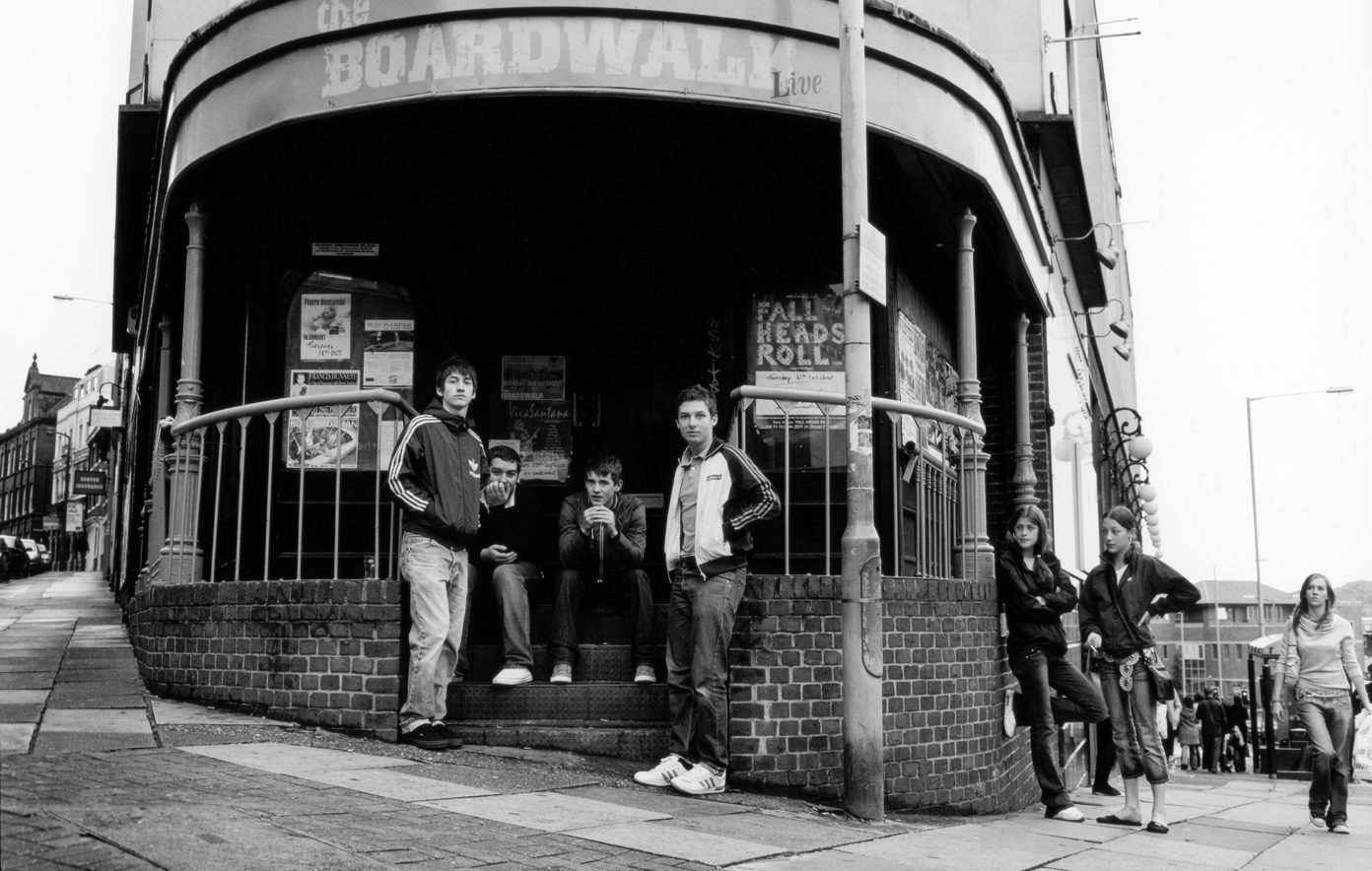
Arctic Monkeys formed in Sheffield in 2002 when school friends Alex Turner, Matt Helders, and Andy Nicholson started playing music together. Jamie Cook, a childhood friend, soon joined to complete the lineup. The band members grew up in the same area of Sheffield and bonded over a shared love of music, teaching themselves to play their instruments and practising in each other’s garages. They started by covering their favourite songs but quickly moved on to writing their own material, drawing inspiration from the Sheffield scene and the witty storytelling of British bands before them. Their early days were spent playing small gigs at local pubs and clubs, where they built a reputation for energetic live shows and sharp, observational lyrics. These early tracks were burned onto CDs and handed out at shows, eventually becoming the now-legendary 'Beneath the Boardwalk' demos, a raw, sprawling collection passed from fan to fan and uploaded to online forums.
Notably, much of this sharing happened without the band's involvement; fans uploaded their music to MySpace, where it spread rapidly and unexpectedly. The band later admitted they hadn't realised how big they were becoming online until they started turning up to shows and finding rooms full of people singing along. Arctic Monkeys became one of the first acts to break through via the internet, building a passionate following without traditional promotion or label support.
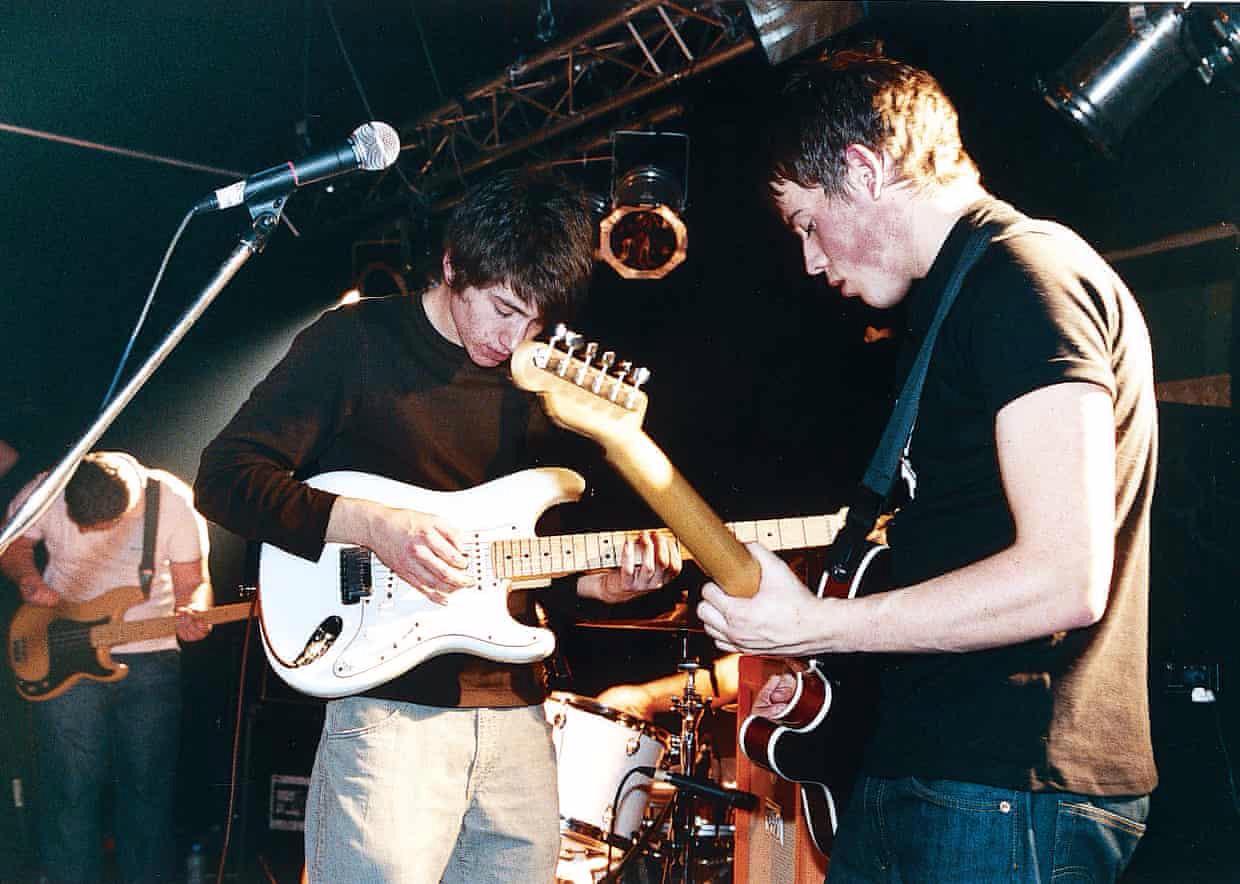
Many of the 'Beneath the Boardwalk' demos captured the unruly energy and raw ideas that marked their early sound, but not all would make it to the debut album. For example, 'Space Invaders' and 'Knock a Door Run' were fast-paced garage rock bursts with scrappy guitar work and rough production, fun snapshots of teenage restlessness in Sheffield, but ultimately left behind as the band's songwriting matured. 'Ravey Ravey Ravey Club' was a live staple in 2004, a chaotic song with synth-like guitar lines mocking the Northern club scene, but perhaps too tongue-in-cheek and unrefined for an official release. 'On the Run From the MI5' was a frantic, punky track with Alex Turner spinning a playful tale of a crack-dealing crook fleeing to Gibraltar, its wild, tongue-in-cheek style felt at odds with the more grounded storytelling the band would embrace later.
Several tracks from 'Beneath the Boardwalk' would form the backbone of the debut album, including 'Fake Tales of San Francisco,' 'A Certain Romance,' 'Bigger Boys and Stolen Sweethearts,' 'Mardy Bum,' 'Riot Van,' 'Still Take You Home,' and the future hits 'I Bet You Look Good on the Dancefloor' and 'When the Sun Goes Down', the latter originally demoed as the fan-favourite 'Scummy' before being retitled.
By June 2005, they were signed to Domino Records. This independent label would give them the creative freedom they craved. The band entered Chapel Studios in Lincolnshire to record what would become their era-defining debut single, 'I Bet You Look Good on the Dancefloor'. Released on October 17, 2005, it shot straight to No. 1 on the UK Singles Chart, a staggering achievement for a band with virtually no mainstream media coverage. The song’s frenetic pace, sharp guitar work, and witty, observational lyrics, complete with a playful Duran Duran reference, perfectly captured the band's identity and the energy of their live shows, instantly setting them apart from their contemporaries. 'I Bet You Look Good on the Dancefloor' became an anthem for a new generation, its breakneck tempo and Alex Turner’s wry delivery making it instantly relatable and endlessly quotable. Turner was a songwriter far beyond his years.
Their second single, 'When the Sun Goes Down', followed in January 2006 and also debuted at No. 1, further cementing the band's status as a cultural phenomenon. Notably, 'When the Sun Goes Down' originated as the demo 'Scummy', a track that had already developed a cult following among early fans due to its vivid storytelling and raw depiction of Sheffield nightlife. The song is a stark narrative about prostitution, following the night-time exploits of a young woman on the streets, delivered with a sharp sense of place and empathy that felt both unflinching and humane. Turner’s songwriting here set a new standard for realism and honesty in indie rock.
The debut album, 'Whatever People Say I Am, That's What I'm Not', is packed with songs that became generational touchstones. 'Fake Tales of San Francisco' is a biting takedown of inauthenticity in the music scene, with Turner mocking bands who “love to pretend” and skewering scene posers; its most memorable moment comes with his withering delivery: “and his bird said it's amazing though, so all that's left / Is the proof that love's not only blind but deaf.”
A Certain Romance' closes the album with perhaps Turner's finest songwriting, a sprawling, chorus-less masterpiece that captures the claustrophobia and pride of growing up in a small town. With lines like “there’s only music so that there’s new ringtones” and the devastatingly poetic “All of that’s what the point is not / The point’s that there ain’t no romance around here,” Turner rivals even The Streets in his ability to articulate suburban adolescence. The song’s gradual build and refusal to follow standard song structure make its emotional climax (“Well, you won’t get me to go / Not anywhere, not anywhere…”) all the more powerful, as Jamie Cook’s guitar and Matt Helders’ drumming underscore Turner’s double epiphany: there is no place like home, and there is no band like the Arctic Monkeys.
The NME summed it up perfectly: "Essentially this is a stripped-down, punk rock record with every touchstone of Great British Music covered: The Britishness of The Kinks, the melodic nous of The Beatles, the sneer of The Sex Pistols, the wit of The Smiths, the groove of The Stone Roses, the anthems of Oasis, the clatter of The Libertines." And yet, for all their influences, Arctic Monkeys sounded like no one else. They captured the voice of a generation not by trying to be profound, but by being sharp, funny, honest, and impossibly cool. Their unique sound, a blend of these influences, is what sets them apart and keeps their audience intrigued and curious.
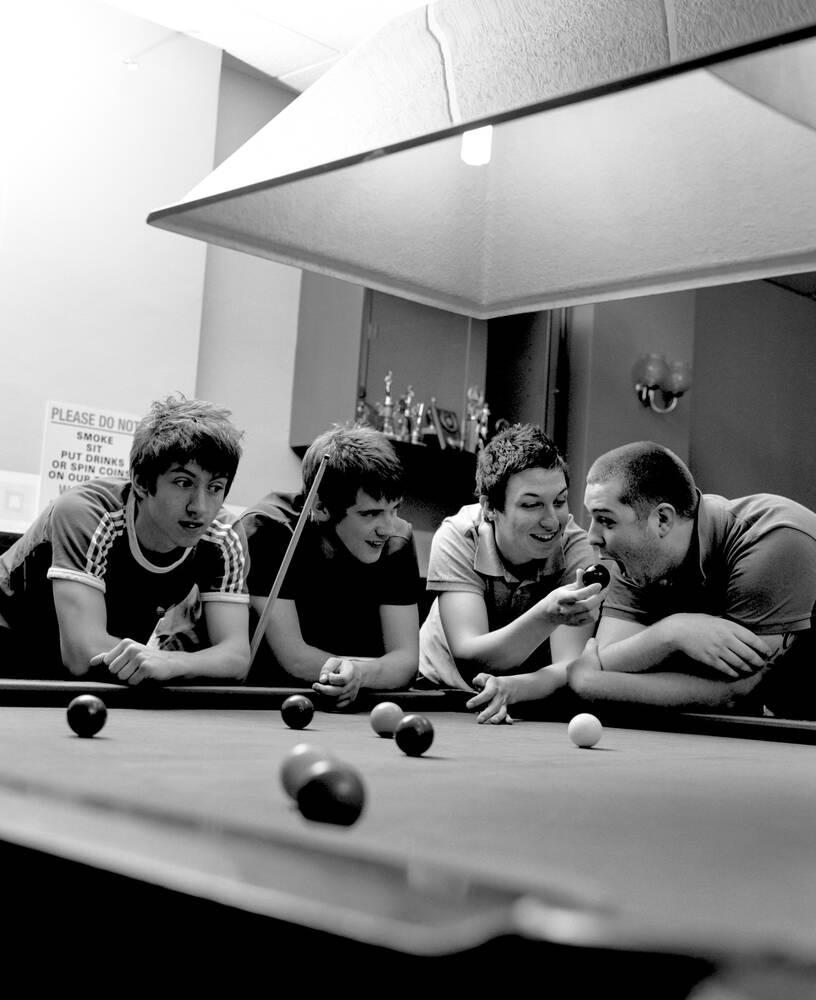
The album won the 2006 Mercury Prize for Best Album. It scooped multiple BRIT Awards, including Best British Breakthrough Act and Best British Album. But despite the media frenzy, the band remained grounded, famously declining to appear in their own music videos and often avoiding the press altogether. Their meteoric rise was matched by their refusal to play the fame game, a decision that resonated with their fanbase, making them feel more connected and appreciative of the band's authenticity.
Britain had found its new northern band destined to take on the world. This all feels a little bit familiar! They had already rewritten the rulebook for breaking through in the digital age, and the wildest thing was, they were just getting started.
2007 saw Arctic Monkeys release their eagerly awaited second album, 'Favourite Worst Nightmare', a record that not only showcased their growth as musicians but also delivered another absolute classic. It was arguably the most anticipated sophomore album since The Stone Roses' Second Coming, and unlike that famously troubled follow-up, Arctic Monkeys rose to the occasion without missing a beat. The album’s twelve tracks demonstrated a band evolving rapidly, more confident, sharper, and willing to push their sound in exciting new directions, proving beyond doubt that they were not a one-album wonder but a band constantly evolving and pushing boundaries in rock music.
The album opened with ‘Brianstorm’, a fierce, adrenaline-fuelled burst of energy that hit the airwaves like a lightning bolt, making it clear the band meant business. The track’s explosive drums and stinging guitar riffs set the tone for an album that was both raw and meticulously crafted. Meanwhile, ‘Fluorescent Adolescence’ stood out for its clever, bittersweet storytelling, perfectly wrapped around one of Alex Turner’s catchiest riffs, capturing the confusion and nostalgia of youth with razor-sharp wit, a feeling that resonates with listeners of all ages.
Then there’s ‘505’, a slow-building, emotionally charged ballad that would go on to become one of the band’s most beloved and vital songs, a moment of vulnerability and atmosphere that contrasted beautifully with the album’s more frenetic moments. Its haunting melody and evocative lyrics have cemented it as a fan favourite and live staple for years to come.
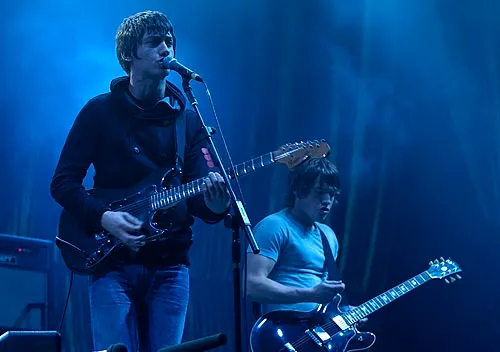
2007 was also a landmark year for Arctic Monkeys on the live circuit, marked by their debut on Glastonbury’s Pyramid Stage. Stepping into the headline slot, the band delivered a set that was both commanding and celebratory, cementing their reputation as one of Britain’s most vital new acts. Their performance drew a massive crowd and saw the band confidently deliver tracks from their first two albums, with Alex Turner’s stage presence and the band’s tight musicianship translating their rapid-fire lyricism and energy to a festival scale.
The set was full of surprises and memorable moments. The band covered Shirley Bassey's 'Diamonds Are Forever,' with producer James Ford joining them on keyboards, reimagining the Bond classic through their own gritty lens. They also invited Miles Kane on stage to join them for a storming rendition of '505,' a collaboration that would hint at future projects between Turner and Kane. Another highlight came when Dizzee Rascal appeared to perform 'Temptation Greets You Like a Naughty Friend,' blending indie rock with grime in a way that felt genuinely new and exciting. For many, that night at Glastonbury was a passing of the torch, a moment where Arctic Monkeys fully arrived as generational standard bearers, their songs echoing across Worthy Farm as the rain held off and the crowd sang along to every word. The show remains one of the most memorable Glastonbury headline sets of the 2000s.
In isolation, Arctic Monkeys at Glastonbury is just another headline slot, but when you look at who Glastonbury and other major UK festivals booked in the 2000s, it makes for an extraordinary list of acts who defined the era. Arctic Monkeys were booked after just two albums, a testament to their cultural impact, but the decade’s festival headliners chart the evolution of British and global music.
Glastonbury would attract some huge names in the 2000s, and was a key musical force. In 2000, they'd bring dance music to the forefront of people's minds, and into living rooms by allowing The Chemical Brothers to headline.
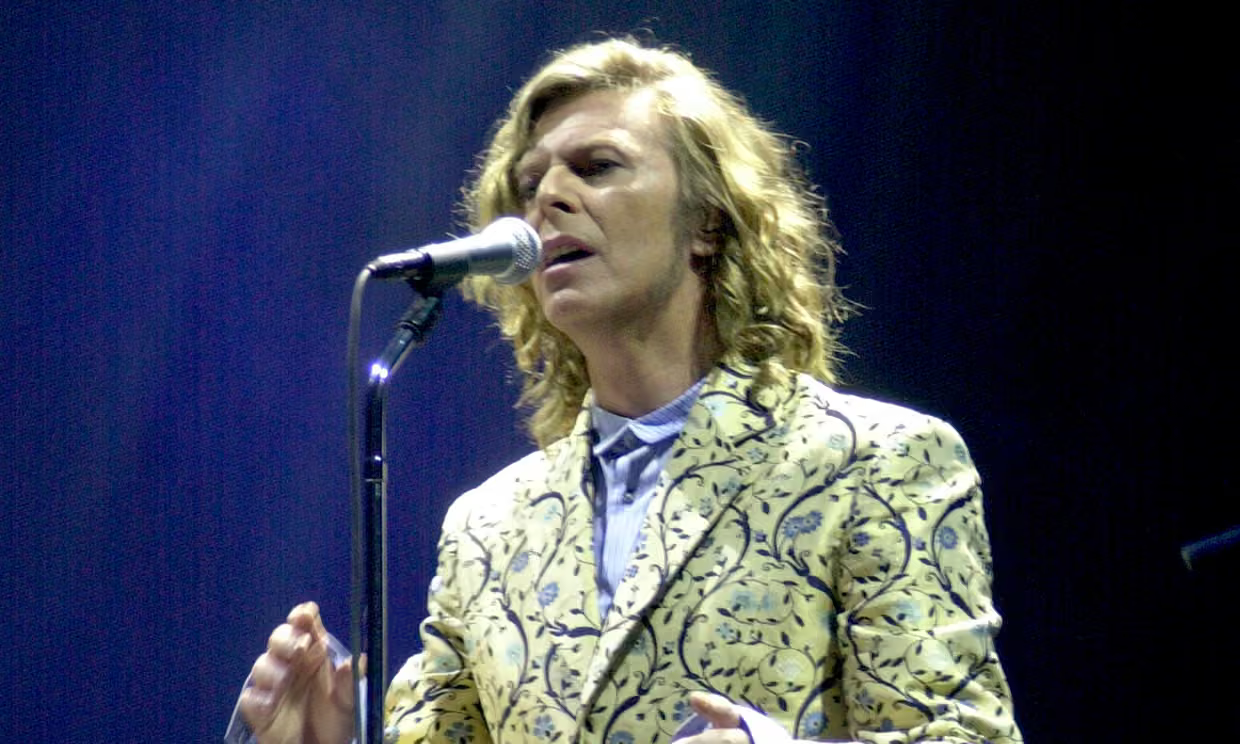
That same year, David Bowie would headline the legendary festival for a second time. Performing something that people wouldn't have expected: a greatest hits set. A show that spanned his entire career, from 'Life on Mars?' and 'Changes' to 'Heroes' and 'Let's Dance.' Dressed in a striking Alexander McQueen frock coat and radiating charisma, Bowie captivated a crowd of more than 100,000, creating an atmosphere that was both euphoric and deeply emotional. Many consider it one of the greatest festival performances of all time, a triumphant, unifying moment that saw a music icon embraced by both a new generation and longtime fans.
Paul McCartney would deliver one of the most historic performances in Glastonbury history in 2004. Playing a marathon set filled with classics from both his Beatles and solo catalogues, including 'Hey Jude,' 'Let It Be,' 'Live and Let Die,' and “Helter Skelter.'
His appearance was a rare chance for festival-goers to witness a living legend in his element, and it transformed Worthy Farm into a giant, communal singalong. McCartney’s charm, musicianship, and the sheer scale of his back catalogue captivated fans old and new, bridging generations and demonstrating the enduring, unifying power of his music. His headline performance is still remembered as one of Glastonbury’s most joyful, euphoric nights, a true celebration of British pop history.
It wasn't just the legends though; Michael Eavis would book bands from the current generation: The White Stripes would headline in 2005, The Killers in 2007. Coldplay would play it twice, once in 2002 and then again in 2005. Kings of Leon would play in 2008, alongside Jay-Z, the first time a hip-hop artist would play the festival, and a newly united Verve.
Jay-Z caused some controversy, most notably Noel Gallagher, who criticised the festival for booking a hip-hop headliner. Jay-Z famously fired back by walking on stage with an acoustic guitar and covering Oasis's 'Wonderwall' to an ecstatic crowd.
Emily had been a key part in booking The Verve and Richard Ashcroft used his stage banter to take a cheeky, public swipe at festival founder Michael Eavis. He thanked Emily Eavis (Michael's daughter and co-organiser) for booking them, adding: I hope her dad realises why she booked us now. I think he was a bit worried we wouldn't be as good as Keane or something."
The Verve would dip into their back catalogue, but in their 12-song set, they drew from 1997 album 'Urban Hymns' a lot, playing all four singles: 'Bittersweet Symphony', 'Sonnet', 'Lucky Man' and their number one hit 'The Drugs Don't Work' as well as deeper cuts like 'Life's an Ocean' and 'Velvet Morning'.
Bloc Party, meanwhile, delivered a landmark Other Stage set at Glastonbury in 2009, fresh from the acclaim of 'Intimacy' and the enduring influence of 'Silent Alarm.' Their performance, energetic and emotionally charged, is often cited as one of the best non-mainstage sets of the era, cementing their reputation as one of the most vital live acts in British indie.
Glastonbury knew what they were doing; they seemed to manage to capture the feeling of a nation with a lot of the acts they booked. They have always been good at throwing in curveballs and taking risks. The best and arguably most important Glastonbury headline slot took place in 2009, but more on that later.
Other festivals followed suit. Reading & Leeds would quickly let The Strokes headline in 2002 following the success of 'Is This It' the previous year. The Strokes would continue to be major festival draws throughout the decade, headlining T in the Park in both 2004 and 2006.
Arctic Monkeys would play the festival in 2005 before they had released an album, subheadline the main stage in 2006 and upstage headliners Muse (not very hard) and then headline in 2009.
Franz Ferdinand would headline in 2006, after their main stage breakthrough in 2004 playing just before The Libertines minus Pete Doherty and that year's headliners The White Stripes. Razorlight would headline in 2007 following the success of their self-titled second album in 2006, which featured 'America', 'In the Morning' and 'Before I Fall to Pieces'
By the end of the decade, Glastonbury and Reading & Leeds had transformed from strongholds of classic rock and Britpop into celebrations of eclecticism, mirroring the wider changes in the UK music landscape and cementing the 2000s as a golden era for British festivals.
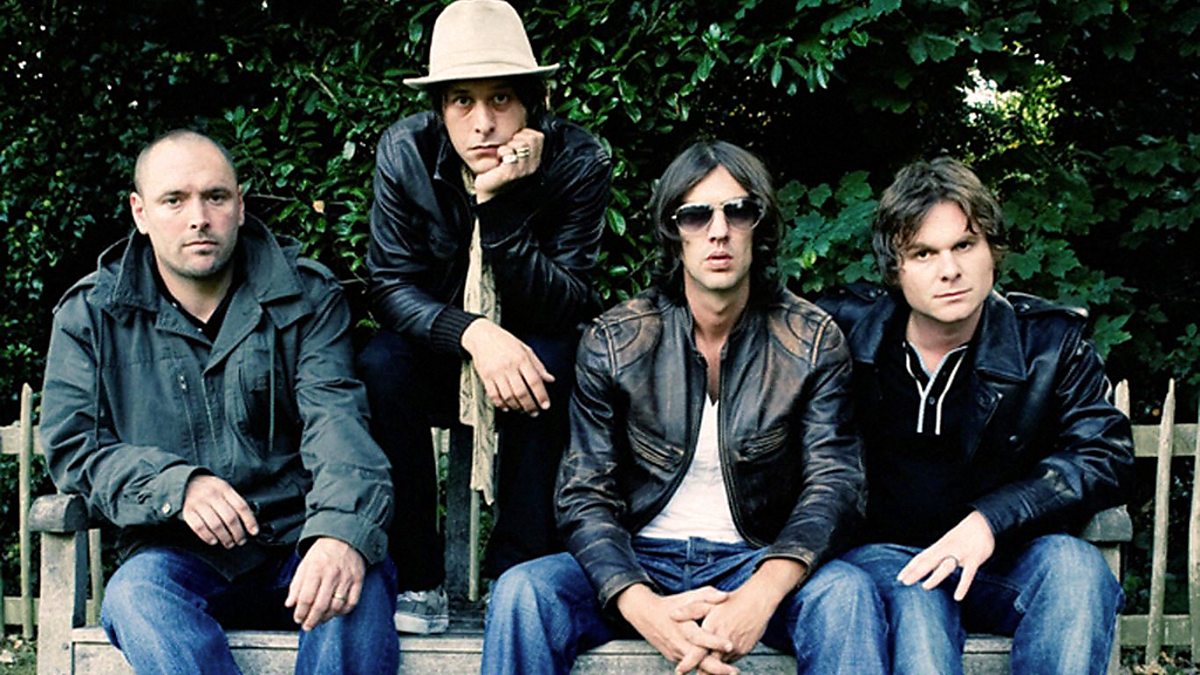
Arctic Monkeys weren't the only band from Sheffield releasing music. Reverend & the Makers, led by the charismatic Jon McClure, emerged from the same fertile scene and were clearly inspired by the Arctic Monkeys’ meteoric success. Their debut album, 'The State of Things' (2007), built on gritty indie rock foundations but added an electronic sheen and danceable grooves, setting them apart from their peers. The album is best known for its breakout single 'Heavyweight Champion of the World,' an anthem mixing northern wit with a pulsating, almost club-ready rhythm.
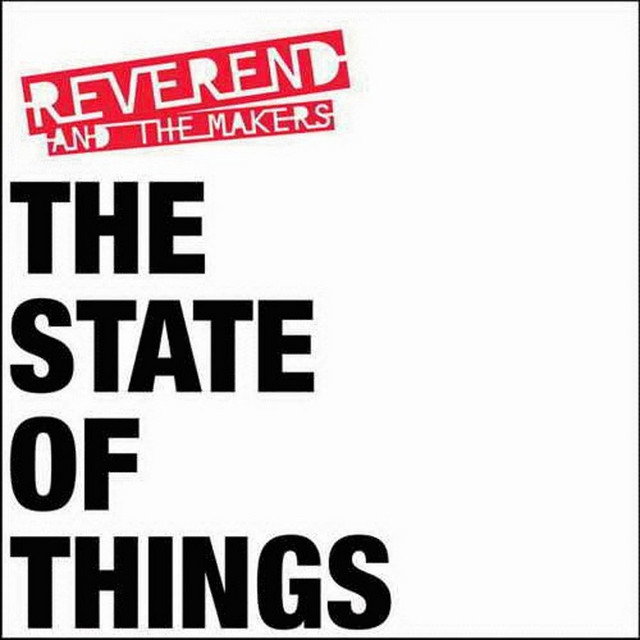
Other tracks, such as 'He Said He Loved Me' and 'Bandits,' showcased McClure’s knack for sharp, observational storytelling, blending social commentary on everyday life in Sheffield with catchy melodies and a sense of urgency. The record as a whole channels a restless energy, full of references to working-class life, ambition, and frustration, but always with a sense of hope and possibility. McClure’s songwriting stood out for its maturity and awareness, offering a voice for the working class.
The band’s second album, 'A French Kiss in the Chaos' (2009), saw Reverend & the Makers push their sound even further, embracing bigger choruses, more pronounced synths, and a broader sonic palette. This record leaned into social and political themes, with McClure using his platform to comment on everything from urban unrest to the disillusionment of British youth. Songs like 'Silence Is Talking' and 'No Wood Just Trees' combined infectious hooks with lyrics that tackled issues of apathy, protest, and media saturation.
Another standout from the album, 'No Soap (In a Dirty War)', is a stark exploration of trying to escape the predictable life cycle of a small town. Its chorus, "I don't wanna die in the same hole I was born / I don't wanna get married in the same church as you all", speaks to anyone feeling trapped by their environment or social limitations, driven by inner ambition but held back by circumstance. McClure wrote the song to process his own anxieties about life, success, and the future, making it a deeply personal moment on the record. The title also hints at broader political contexts, possibly referencing the Iraq War, adding another layer of meaning to its themes of frustration and the desire for change.
The album retained the band’s signature energy but felt more urgent and ambitious, blending indie rock and dance influences to create something both punchy and thought-provoking. McClure’s lyricism continued to evolve, balancing sharp critique with moments of optimism and rallying calls for change.
In 2012, they released '@Reverend Makers', an album that continued to push their sound toward a more dance and electronic direction, featuring upbeat rhythms and synth-heavy arrangements. The album reflected McClure’s willingness to experiment and evolve, blending indie rock with modern electronic production to varying degrees of success. 'ThirtyTwo', released in 2014, marked a return to a more rock-oriented sound while retaining electronic influences. It was a mature record that reflected on personal growth and societal change, with McClure’s lyrics becoming increasingly introspective.
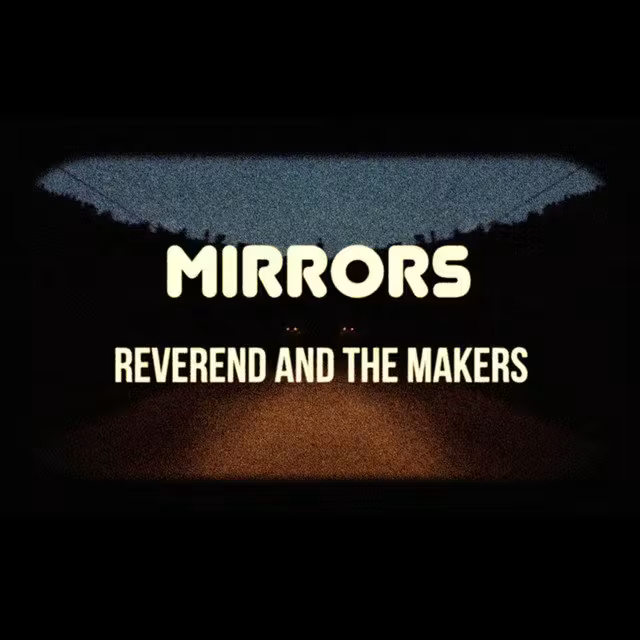
Then, in 2015, the band released 'Mirrors', an album that saw Reverend & the Makers at their most ambitious and creative. Often considered their masterpiece, the record feels like a soundtrack for a film yet to be made, threading together perfect pop songs with cinematic flair. 'Mirrors' blends psychedelia, jazz, classic neo-fifties Billy Fury-style ballads, sitars, beat anthems, bubblegum, and an endearing sense of wonky weirdness. Standout tracks like 'The Gun', 'Mr Glasshalfempty', and 'Black Widow' showcase the band’s knack for inventive melodies and storytelling; 'The Gun' brims with swagger and suspense, 'Mr Glasshalfempty' is a wry observation of pessimism and self-doubt, and 'Black Widow' channels retro noir atmospheres. Everything great about British pop is in this record: hope and melancholia, optimism, the sadness dripping from city centres, and the beauty in the grime. The album captures both melodic genius and the scope of ambition found in classic kitchen sink drama, all while charting a bold new path for the band.
The band’s fifth album, 'The Death of a King', came out in 2017 and was noted for picking up where its predecessor left off. Reverend & the Makers have become adept at mastering new sounds, and this album seems to embrace so many genres from the post-Oasis indie to electropop, Eastern Influences, and into The Beatles. It's a melting pot of ideas and sounds, and it really works. Many of the tracks would fit in seamlessly on the playlist of your average Arctic Monkeys fan. In contrast, the more experimental tracks blend genres with an inventiveness not usually expected of a decade-old indie band.
Back to 2007. Bloc Party released their highly anticipated follow-up to 'Silent Alarm,' 'A Weekend in the City, ' an album that marked a significant shift in the band's sound. While 'Silent Alarm' was defined by its urgency and high energy, 'A Weekend in the City' saw the band exploring darker, more introspective themes. The album delved into concepts of alienation, hedonism, and disillusionment, set against the backdrop of a rapidly changing urban landscape. This shift was reflected in the album’s more subdued mood, lush, atmospheric instrumentation, and a focus on emotional depth, signalling a departure from the more straightforward indie rock sound of its predecessor.
'Waiting for the 7:18' showcased this blend of electronic and organic elements, with its haunting keyboards and yearning lyrics capturing the feeling of stagnation and lost opportunities that pervaded much of the album. The song’s sense of longing, “Let's drive to Brighton for the weekend.”, embodied the restless, dissatisfied spirit that ran through 'A Weekend in the City', mirroring the sense of alienation and routine that defined early adulthood in urban Britain.
Meanwhile, 'I Still Remember' and 'On' harkened back to the anthemic, guitar-driven sound of 'Silent Alarm', yet with a more reflective tone. 'I Still Remember' in particular stands out as one of Bloc Party’s most poignant tracks: a bittersweet tale of unspoken affection and missed chances, set against shimmering guitars and soaring melodies. The song’s narrative of longing and quiet heartbreak made it a fan favourite, and highlighted the band’s ability to balance emotional vulnerability with their trademark intensity.

With more politically charged songs like 'Hunting for Witches', Bloc Party moved away from the sound fans had heard on 'Silent Alarm'. 'Hunting for Witches' in particular stands out as a sharp piece of political and social commentary, directly addressing the climate of fear and paranoia that gripped post-9/11 and post-7/7 London. The song critiques how mainstream news outlets, most pointedly the Daily Mail, manipulated public sentiment by stoking division and xenophobia, painting images of "the enemy among us."
Okereke draws a parallel between contemporary media-driven panic and the medieval witch hunts, highlighting how, in times of crisis, rational thought and liberal values are abandoned in favour of tribal anger and blame. The lyrics capture the ease with which fear, amplified by the media, can be wielded as a tool of control, culminating in the chilling realisation that "fear will keep us all in place."
By channelling these anxieties, Bloc Party used 'A Weekend in the City' to reflect and challenge the prevailing social and political issues that defined the early 2000s, making the album a powerful and, for many, nostalgic document of its time.
Klaxons burst onto the scene in 2007 with their debut album 'Myths of the Near Future', a record that defied easy categorisation. At their core, they were a rock band. Still, their sound was deeply infused with the frenetic energy and textures of 80s and 90s dance music, rave culture, and new wave, creating a fresh hybrid that stood out in the indie landscape. The album’s title, inspired by a 1930s sci-fi novel by J.G. Ballard, hinted at the band’s fascination with futurism and myth. These themes ran through their lyrics and sonic experimentation.
Tracks like ‘Golden Skans’ and ‘Atlantis to Interzone’ combined shimmering synths, jagged guitar riffs, and driving rhythms with frontman Jamie Reynolds’ distinctive vocals, crafting anthems that were simultaneously dancefloor-ready and indie rock staples. Their brilliant cover of the 90s rave classic ‘Not Over Yet’ further showcased their ability to bridge eras and genres, injecting a new urgency into a beloved dance track.
'Myths of the Near Future' was a critical and commercial success, earning the band widespread acclaim for its bold innovation, infectious energy, and willingness to push boundaries. The album perfectly captured the restless, genre-blurring spirit of the late 2000s, as young artists and fans alike became increasingly eager to blend rock’s rawness with the dancefloor euphoria of electronic music.
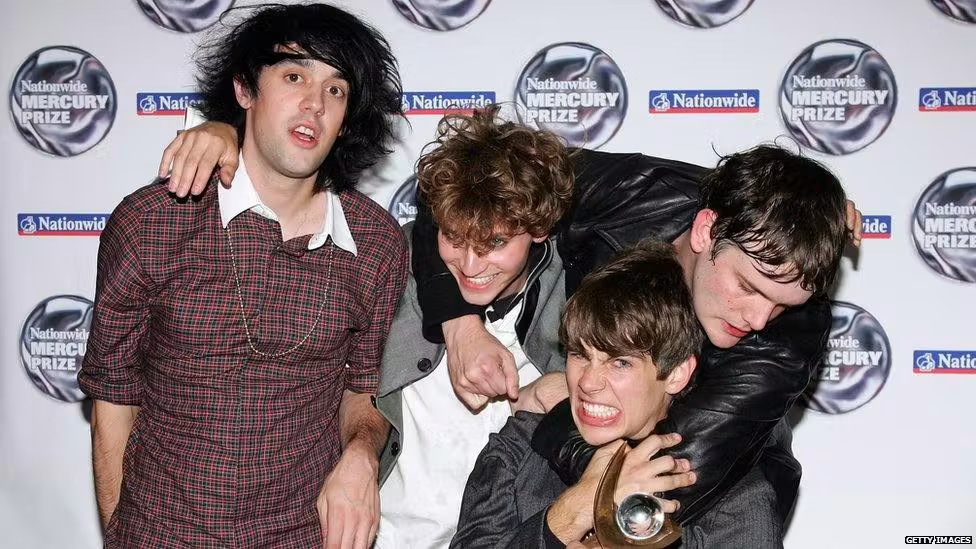
Standout tracks like 'Golden Skans' and 'Atlantis to Interzone' became instant anthems, with shimmering synths, jagged guitars, and Jamie Reynolds’ distinctive vocals driving the record’s exhilarating sound. Klaxons’ embrace of rave culture, sci-fi themes, and psychedelic experimentation felt fresh and futuristic, but also deeply rooted in the UK’s musical past. The album’s success culminated in Klaxons winning the prestigious Mercury Prize in 2008, cementing their status as pioneers of the then-emerging 'new rave' movement and sparking a wave of imitators and fellow experimenters.
Beyond its immediate impact, the album’s adventurous spirit influenced a wave of bands willing to experiment with electronic elements within rock frameworks, helping to reshape the sound of British indie music in the late 2000s and beyond. 'Myths of the Near Future' stood out for its eclectic mix of psychedelic rock, rave beats, and futuristic lyrical themes drawn from sci-fi and mythology. Its bold, technicolour sound was both a throwback to the acid house and Madchester scenes of the late 80s and a leap forward into a new era of indie-dance fusion. As a result, the record remains a vibrant snapshot of a moment when genres blurred, barriers broke down, and new musical possibilities emerged in British pop culture.
The Enemy’s ‘We’ll Live and Die in These Towns’ stands as one of the most resonant British debut albums of the late 2000s indie boom. Released in 2007, the album channels the anxieties, hopes, and gritty realities of working-class youth in Coventry and beyond. Frontman Tom Clarke’s songwriting is steeped in the everyday details of small-town life, restless nights, dead-end jobs, and the struggle to hold onto dreams in a place where ambition often feels suffocated.
The band, drawing influence from the social commentary of The Jam and the anthemic swagger of Oasis, skillfully brings to life the feelings of stagnation, ambition, and the yearning for something greater that are all too familiar to many. Opening 'Aggro' sets the tone with punchy guitars and a call to arms for anyone who’s ever felt penned in or overlooked. This defiant energy surges through. 'Away from Here' is a thumping anthem about escapism and being young. Perfect for a generation of kids who wanted more than the circumstances had to offer.
The title track, 'We'll Live and Die in These Towns', is a brilliant portrayal of the monotony and disillusionment of small-town life. With its biting lyrics and jangly guitars, it evokes the same sense of bleakness and frustration found in The Jam’s 'That’s Entertainment.' It’s a song that paints a vivid picture of life in a town where ambition often feels crushed by the daily grind, yet still carries a sense of pride in the struggle. The Enemy manage to balance cynicism with affection, painting a nuanced portrait of a place that is both a cage and a source of pride.
This Song is About You’ is another of these slower affairs. It builds into something quite special, an anthem for every man. If ‘We Live & Die in These Towns’ talks about the place, ‘This Song is About You’ is about the people. All of them. The hometown heroes and villains, the people the band would leave behind. It's another brilliant snapshot into working-class life, and perhaps the band's crowning moment, inspiring and uplifting the listener.
'You’re Not Alone’ is a politically charged protest song written in direct response to the closure of the Peugeot car plant in Ryton, Coventry. When the factory shut down in 2007, over 2,300 jobs vanished overnight. Clarke penned the lyrics in a fit of anger and solidarity, channelling the heartbreak and fury of a community stripped of its livelihood. Lines like “Now in the streets men standing in lines, they're all wasted anyway” evoke the grim reality of mass unemployment, while Clarke’s fiery verses take aim at the corporate bosses who “sold us down the river like rats,” condemning them for sacrificing loyal workers for profit. Yet the song’s soaring, anthemic chorus, “You’re not alone you know,” turns the pain into a rallying cry, reassuring affected families that the community stood with them. As The Enemy toured, the track became a broader anthem for countless UK towns battered by industrial decline, closing with the defiant message: “There’s just too many dreams in this wasteland for you to leave us all behind.”
One of the most underrated debuts of that era.
The Enemy’s success led to their 2009 follow-up, ‘Music for the People’, which saw the band embracing even bigger choruses and broader ambitions. The album’s standout, “Be Somebody,” channels the same sense of aspiration and determination that defined their debut, urging listeners to rise above limitations and fight for their futures. However, not all experiments were well received; 'Nation of Checkout Girls' was widely noted for sounding almost exactly like Pulp’s 'Common People,' with reviewers noting the striking similarities in melody, rhythm, and its class-conscious lyrical themes.
Despite the mixed reception, the record still delivered some of the band’s finest moments. 'Last Goodbye' and 'No Time For Tears' are among The Enemy’s most anthemic and affecting tracks, showcasing their gift for fusing raw emotion, everyday struggle, and stadium-sized choruses. These songs, alongside the band’s relentless energy and their continued focus on social commentary, cemented The Enemy’s place among the era’s most passionate and authentic voices.
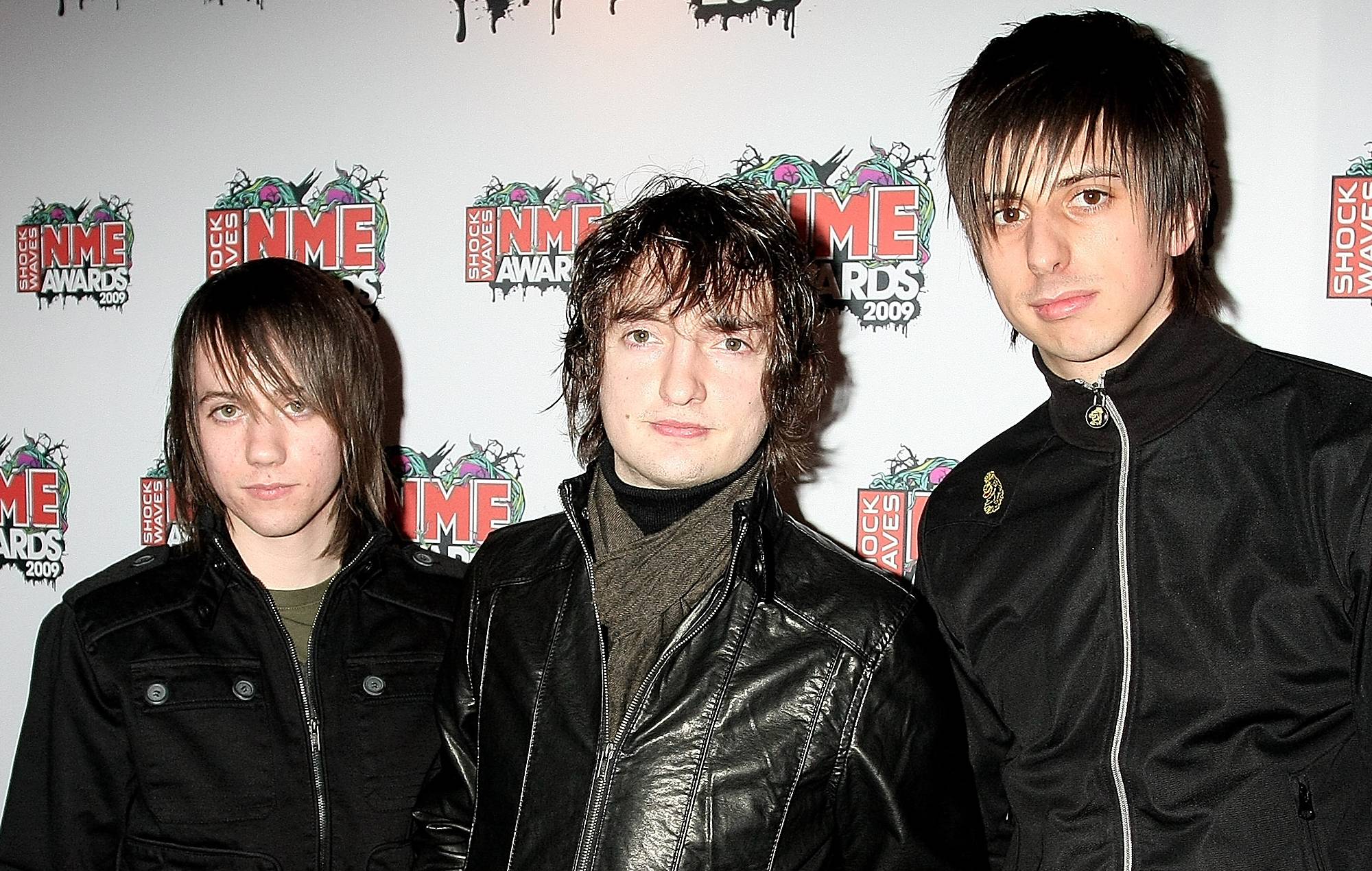
Despite mixed critical reception, The Enemy’s passionate following only grew. In 2009, they supported Oasis on their UK stadium tour, a career milestone and testament to their status in British indie rock at the time.
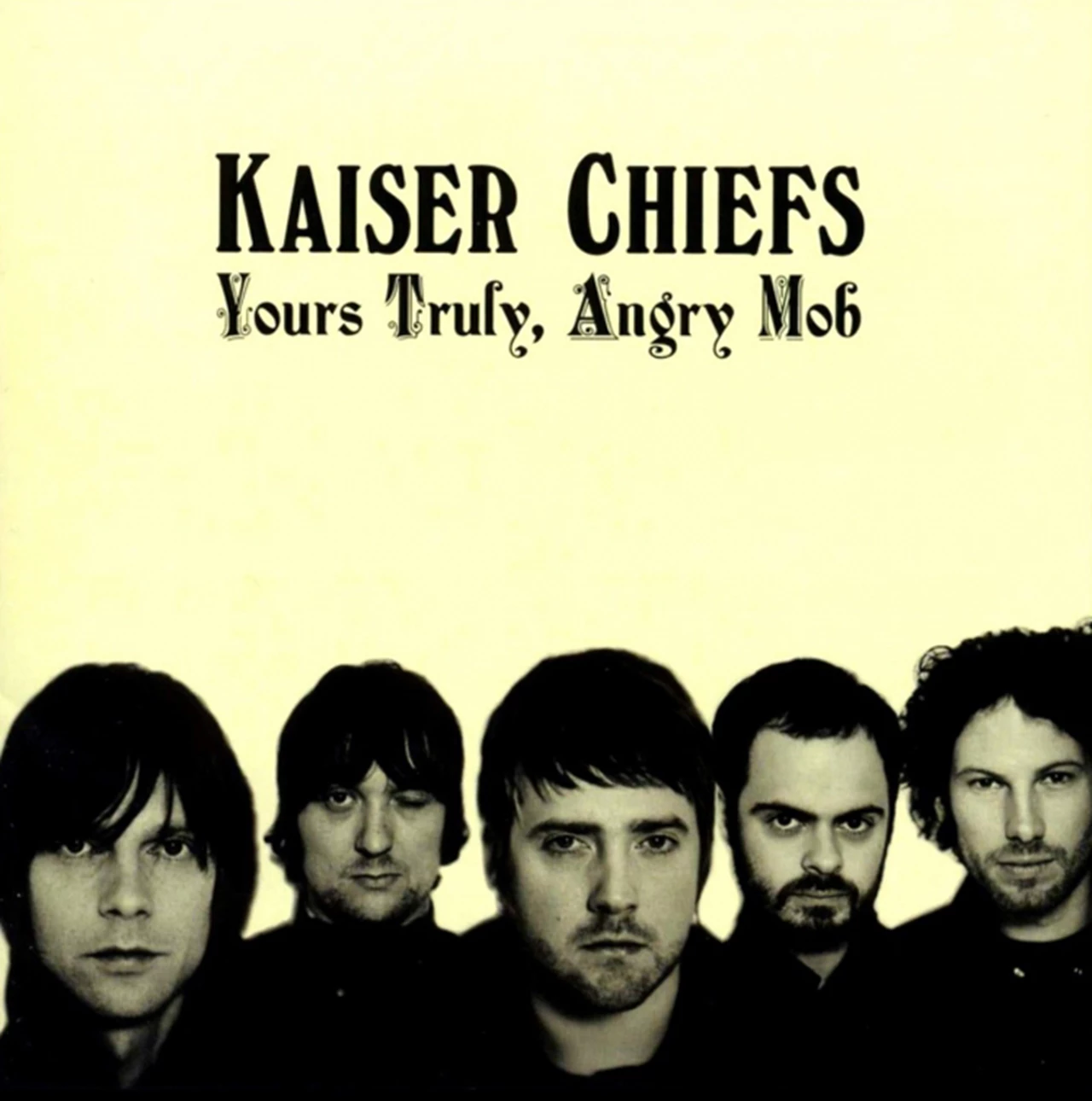
Kaiser Chiefs capitalised on the momentum of their debut with their 2007 follow-up 'Yours Truly, Angry Mob', an album that cemented their status as festival mainstays and indie chart-toppers. The record gave them their biggest hit to date with 'Ruby', a track whose singalong chorus became inescapable that summer and remains one of the defining songs of 2000s British indie. The album showcased a more polished sound, stepping up production values and expanding their arrangements, while keeping their sharp observational lyrics intact.
'Ruby' was the album’s commercial juggernaut, a pure pop anthem that captured the band’s knack for writing hooks you couldn’t escape. But the record is deeper than its lead single. 'The Angry Mob' is a satirical swipe at tabloid culture and groupthink, with one of the most anthemic choruses the band has ever written; its “we are the angry mob” refrain quickly became a festival chant and a staple of British indie nights. 'Heat Dies Down' brings a propulsive, almost punky energy, with sharp guitars and call-and-response vocals that highlight the band’s ability to balance fun with bite.
'Thank You Very Much' stands out for its sardonic wit, poking fun at empty politeness and social hypocrisy with a swaggering melody and tongue-in-cheek delivery, showing the Chiefs’ lyrical sharpness beneath the pop sheen. 'Retirement', meanwhile, is a cleverly ironic closer that mocks the idea of settling down and giving up the rock and roll dream, turning what could have been a throwaway track into a wry, defiant anthem. Both songs demonstrate how the band could smuggle pointed observations and playful humour into radio-ready tunes.
Overall, the songwriting on 'Yours Truly, Angry Mob' felt more assured and radio-friendly, broadening their appeal beyond the indie crowd without losing the wit and energy that made their debut such a hit.
Although critical reception was mixed, the album’s commercial success confirmed Kaiser Chiefs as one of the defining bands of the mid-2000s indie boom. Subsequent releases like 'Off with Their Heads' and 'The Future Is Medieval' saw them experiment with different approaches, including interactive album formats and more synth-driven production. While they never quite recaptured the lightning-in-a-bottle impact of 'Employment', Kaiser Chiefs maintained a strong live presence. They continued to evolve stylistically, proving themselves as more than just a one-album wonder.
Courteeners, five friends from Middleton, released their debut album 'St. Jude' in 2008, not just as a musical offering, but as a shared experience with their audience. Much of 'St. Jude' was composed by frontman Liam Fray while working at the Fred Perry store on Police Street in Manchester. Fray would use quiet workdays to write lyrics on company slips, sneaking time with his guitar among the racks of polo shirts. This period of retail skiving and creative hustle directly shaped the album’s stories and sound, making the Courteeners’ debut a product of real, lived experience on Manchester’s streets.
The album, brimming with energy and reflecting the joys and struggles of growing up, connected deeply with a couple of generations. The band’s raw, unpolished energy and relatable lyrics resonated with those navigating the same turbulent period of their lives, creating a sense of belonging and shared experience.
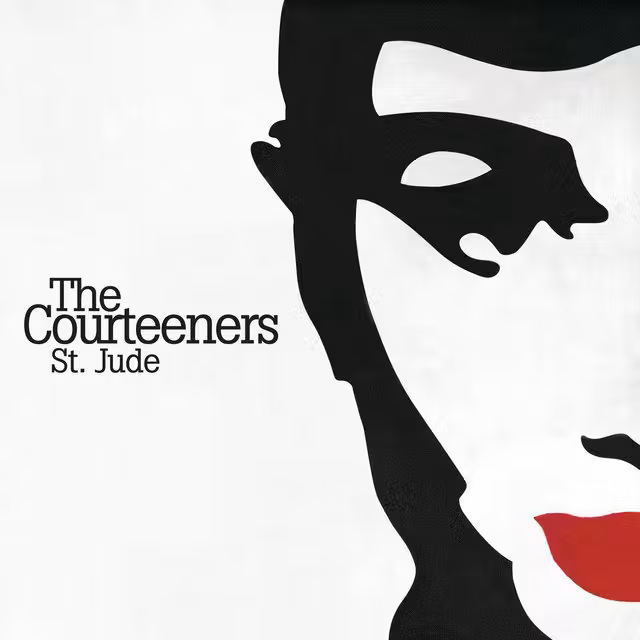
Tracks like the ferocious 'Cavorting', written in part at that Fred Perry store, delivered a sharp critique of the pretentiousness in Manchester’s indie scene. Fray described it as a “potshot” at arrogant local musicians, capturing the chaotic, drug-fuelled reality of nights out: “hooligans on E” and the messy, unglamorous side of the city’s nightlife.
'Not Nineteen Forever', the band’s defining anthem, centres on the bittersweet realisation of growing older and the refusal to grow up. Lyrically, it draws on teenage insecurities, crumbling relationships, and the escapism of binge-drinking culture—opening with the vivid image of being “peeled off the pavement.” Its lyrics even reference Manchester’s legendary 42s nightclub, rooting the song in the city’s youth culture.
What Took You So Long?' is a wry ode to skiving off work, inspired by Fray literally sneaking out during a shift at Fred Perry to run errands. The title and chorus come from his manager’s question when he returned late, and the song’s list of excuses (“queue at the post office,” “dirty double-decker Stagecoach”) perfectly capture the everyday comedy and anxiety of young working life.
Other standouts include 'Please Don’t', a brutally realistic post-breakup song that rejects the cliché of staying friends, and 'Fallowfield Hillbilly', a biting takedown of hipster gatekeeping and the class divide in Manchester’s student scene. The latter mocks trendy, middle-class students who treat music fandom as a competition and look down on local, working-class residents.
'St. Jude' stands as a vibrant, sharply observed portrait of Manchester youth in the late 2000s, its songs written in stolen moments between customers and delivered with a mix of wit, cynicism, and real affection for the city that shaped them. The success of 'St. Jude' marked Courteeners as one of the most significant bands of the time, able to tap into the energy of British youth culture. Their sound, both nostalgic and forward-thinking, resonated deeply with a generation, becoming anthems that still hold cultural significance. 'St. Jude' is a powerful declaration from a band that perfectly encapsulated the joys, frustrations, and disillusionments of youth, leaving an indelible mark on British music culture.
The Kooks emerged from Brighton’s vibrant scene in 2006 as one of the most beloved bands of the British indie boom. Their debut album, 'Inside In/Inside Out', instantly established them as sun-kissed storytellers with a knack for breezy, irresistibly catchy guitar pop. What set The Kooks apart was their ability to blend Britpop influences with a laid-back, almost coastal sound that reflected their roots. 'Naive', their breakout single, became one of the era’s defining anthems, bittersweet, honest, and endlessly singable. But the album’s appeal ran far deeper than just that hit.
The gentle opener, 'Seaside', set the tone with understated romance and longing, an acoustic postcard from the British coast. 'She Moves In Her Own Way' brought a reggae-tinged bounce and celebrated individuality with jangly guitars and Luke Pritchard’s warm, conversational vocals. 'Sofa Song' and 'Eddie’s Gun' injected punch and wit, exploring the awkwardness and excitement of young relationships, while 'Ooh La' delivered a confessional lament about infatuation and heartbreak. Even deeper cuts like 'See the World' and 'Jackie Big Tits' brimmed with wide-eyed optimism and youthful energy, making the album a true soundtrack to coming of age.
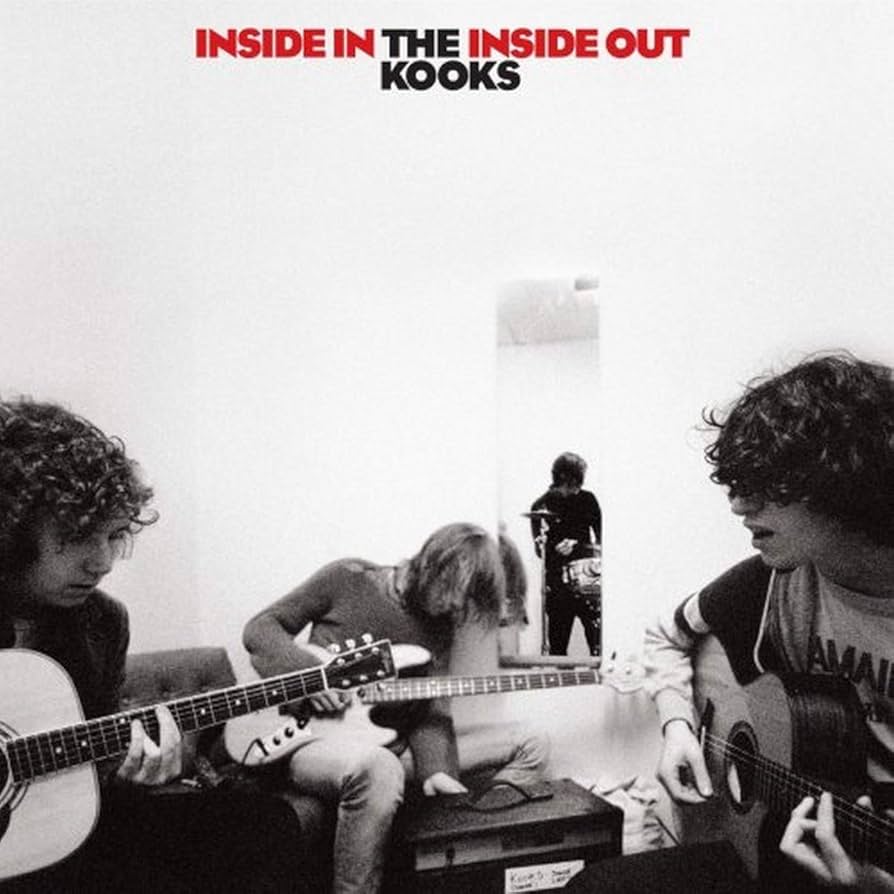
With the success of 'Inside In/Inside Out', The Kooks faced the classic challenge of a follow-up. Their second album, 'Konk' (2008), saw them embrace a bigger, more polished sound without losing their melodic core. Lead single 'Always Where I Need To Be' was a punchy, radio-ready anthem about devotion and longing, while 'Shine On' offered a heartfelt, uplifting singalong. 'Sway' displayed new emotional depth and vulnerability, and 'Do You Wanna' injected swagger and playful energy into their catalogue. Tracks like 'Gap' and 'See the Sun' showed the band experimenting with arrangements and atmosphere, broadening their palette. Some critics felt 'Konk' was less adventurous, but its infectious melodies and relatable lyrics cemented The Kooks’ reputation as masters of melodic, heartfelt indie pop. Their first two albums remain bright snapshots of youth, romantic, restless, and impossible not to sing along with.
The Maccabees, hailing from south London, brought a refreshingly inventive and emotionally nuanced approach to the British indie landscape. Their debut album, ‘Colour It In’ (2007), is a vibrant, nervy collection of songs that capture the awkwardness and excitement of youth with uncommon honesty and wit. The band’s sound- restless, angular guitars, unpredictable rhythms, and Orlando Weeks’s distinctive, yearning vocals- stood out in a crowded scene.‘First Love’ was the breakout single, pairing a jittery riff with candid, relatable lyrics about adolescent romance (“You look better with your hair down”), while ‘About Your Dress’ chronicled awkward crushes and heartbreak with both humour and vulnerability. ‘Latchmere’ became something of a cult classic for its oddball charm, transforming the local swimming pool’s wave machine into a strangely moving indie anthem.
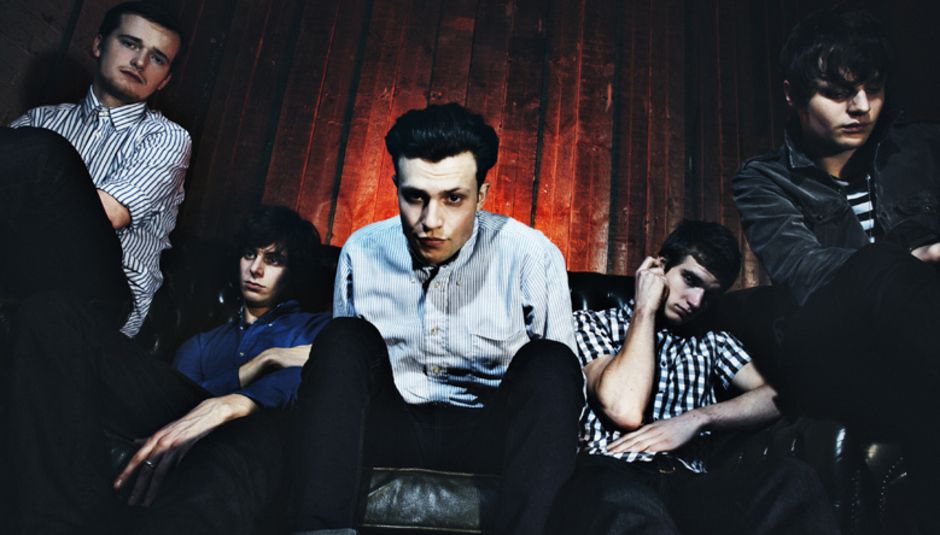
Deeper cuts like ‘Lego’ and ‘X-Ray’ revealed even more of the band’s unique character. ‘Lego’ is a playful, infectious track that uses childhood imagery to explore the building and breaking of relationships—its bouncy melody and clever wordplay making it a fan favourite. ‘X-Ray’ stands out for its energetic tempo and sharp, intertwining guitars, bringing a sense of urgency and tension to the album and hinting at the band’s willingness to experiment with structure and dynamics. ‘Toothpaste Kisses’, meanwhile, closed the album with a gentle, whistled melody and sweet, understated lyrics that showed The Maccabees’ softer, more intimate side.
The band’s evolution was clear by the release of their second album, ‘Wall of Arms’ (2009). Teaming with producer Markus Dravs, The Maccabees expanded their sonic palette, adding layers of atmosphere and emotional depth. The album is darker and more introspective, with songs like ‘No Kind Words’ offering stark, haunting reflections on fractured relationships and communication breakdowns. ‘Love You Better’ injected urgency and a touch of desperation, while ‘Can You Give It?’ elevated the band’s anthemic potential with its driving rhythm and hopeful tone. ‘Young Lions’ closed the album on a note of cautious optimism, balancing melancholy with a sense of resilience.
With these two records, The Maccabees distinguished themselves as one of the era’s most inventive and emotionally compelling indie bands, unafraid to mix playfulness with poignancy, and always grounded in sharp observation and genuine feeling. Both ‘Colour It In’ and ‘Wall of Arms’ remain high points of 2000s British indie, beloved for their honesty, creativity, and emotional punch.
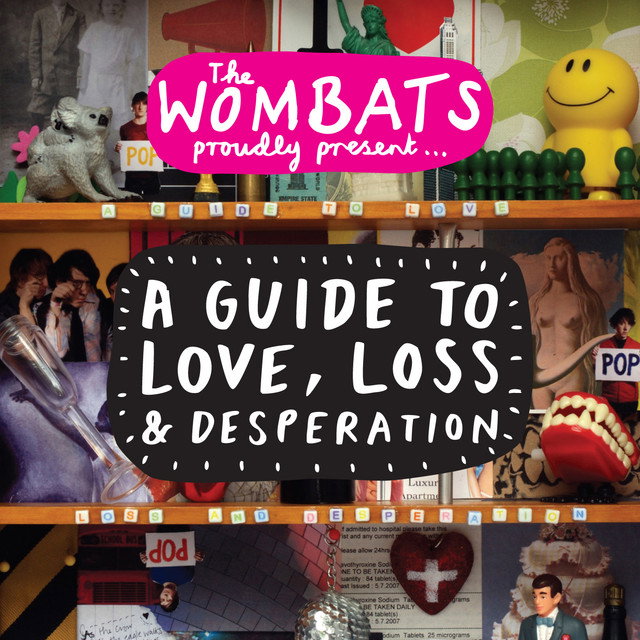
The Wombats arrived with their 2007 debut, 'A Guide to Love, Loss & Desperation', blending infectious choruses, tongue-in-cheek wit, and a healthy dose of self-deprecation. Songs like 'Let’s Dance to Joy Division' and 'Moving to New York' are instant anthems of escapism and romantic frustration. 'Moving to New York' captures the whirlwind rush of a relationship’s highs and lows, its propulsive beat mirroring the urge to run away from heartbreak, or toward something new. 'Kill the Director' wryly skewers the idea of life and love following predictable, film-script clichés (“If this is a rom-com, kill the director!”), becoming a rallying cry for anyone tired of life’s formulaic moments.
The album also showcases the band’s playful, narrative style with tracks like 'Patricia the Stripper', which tells the cheeky tale of a Catholic girl turned exotic dancer, and their willingness to embrace oddball characters and surreal scenarios. 'Party in a Forest (Where’s Laura?)' stands out as one of their most atmospheric and lyrically rich songs, capturing the anxiety and paranoia of losing friends in the chaotic crowd of a rave:
“Am I in a scene from 'A Midsummer Night's Dream'? / I thought raves like these died in the 90s? / The forest is breathing along with us tonight / Upper-class thugs take middle-class drugs / And we all get lowered in size / This is not my scene, I should not be here tonight.”
There’s a sense of both wonder and alienation as the narrator searches for Laura, perfectly encapsulating the surreal, slightly uncomfortable moments that come with growing up and stepping outside your comfort zone.
'Let’s Dance to Joy Division' itself was written about a drunken night out experienced by lead singer Matthew Murphy at Le Bateau, a nightclub in Liverpool, during which he and his then-girlfriend danced on a table to 'Love Will Tear Us Apart' by Joy Division. The lyrics examine the irony of dancing happily to a famously sad song and sum up the band’s genius at blurring the line between joy and melancholy.
The Wombats kept it fun on this record, and that's why all these years later it still resonates. Its songs are catchy, and it blurs the line between joy and melancholy so well. One of the best debuts of recent memory.
At this time, the music press coined a new term, "landfill indie", and it would come to define, and often unfairly diminish, an entire generation of British guitar bands. Having spent the previous decade hyping every Oasis-influenced act as the next big thing, the press now swung the pendulum hard in the opposite direction. After the organic, internet-fuelled rise of Arctic Monkeys, there was a growing cynicism about the flood of new bands vying for attention. Music journalist Andrew Harrison coined the phrase "landfill indie" to describe the surge of guitar-driven groups that followed in the wake of bands like Razorlight, The Wombats, The Kooks, Courteeners, and The Enemy. What was once a celebration of new music quickly became a pejorative; these bands were painted as generic, uninspired, and interchangeable, dismissed en masse by critics who lamented the perceived lack of originality. The bands from the 90s adored by these same music journalists hadn't exactly been quiet about their influences and inspirations. 'Some Might Say' they were often quite blatant.
It was a deeply unfair label. Many of these groups were genuinely talented, writing songs that resonated with huge audiences and soundtracked nights out, heartbreaks, and coming-of-age moments for a generation. Yet the term "landfill indie" stuck, and its shadow loomed over guitar music in the UK for years to come. An NME article would perfectly describe the phrase: "Landfill indie. Roll the phrase around your tongue for a second, savour its notes. Laaandfill. Iiindie. Taste the tang coming off it? That’s the distinct flavour of ageing bitterness. The words ‘landfill indie’ roll off the tongue with the malicious wheeze of a garden fork puncturing a football. And they are repeated, ad infinitum, in order to insist that an entire generation, for the first time ever, feels ashamed of its youth."
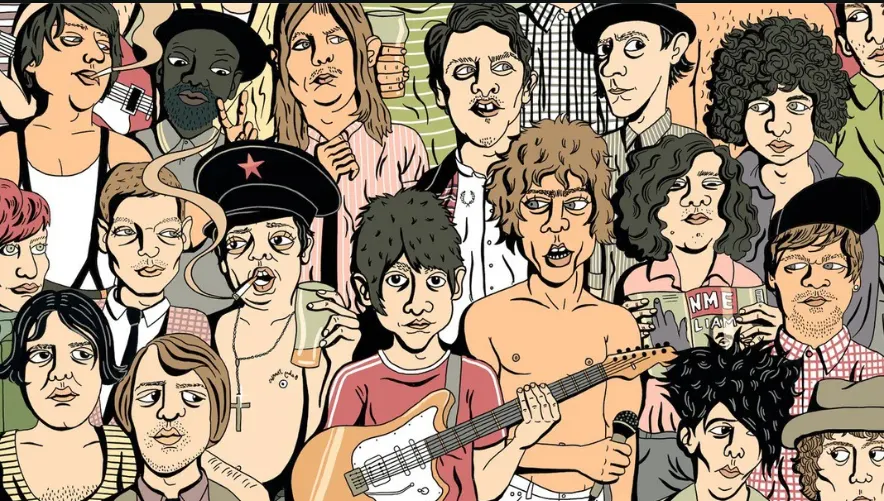
Journalists were dismissive, but the reality was far more vibrant and exciting than the "landfill" label suggested. Every city in the UK seemed to have its own distinctive scene and breakout acts. In Glasgow, Franz Ferdinand strutted out the suave art pop of the New Scottish Gentry; in Leicester, Kasabian concocted unstable new formulas of electro-ladrock. The North East saw The Futureheads and Maxïmo Park battle for pseud-rock supremacy. In Yorkshire, The Cribs were revitalising garage punk, and Kaiser Chiefs’ Britpop revivalism led to Leeds being officially announced as 2005’s UK City of Brilliant.
Liverpool was ablaze with the cartoon psychedelia of The Coral and The Zutons, while in London, The Libertines, Bloc Party, Razorlight, Mystery Jets, and their assorted micro-scenes turned squats, tube carriages, and Whitechapel whiskey pits into hubs of new creativity. Cardiff, Dundee, Sunderland, Skegness, Wakefield, and Hackney Wick. Everywhere you looked, the UK throbbed with new ideas and bands hungry to make their mark. This era was not just about derivative guitar music: it was about a groundswell of creativity, a DIY spirit, and a sense of excitement that brought people together.
For all the sneering from the press, this generation of bands were having fun, taking risks, and, crucially, writing the soundtrack to a thousand nights out and heartbreaks up and down the country. The so-called "landfill indie" era gave Britain some of its greatest and most important guitar music, with albums and singles that remain beloved today. In retrospect, it was arguably the last golden age for indie rock, an explosion of creativity, community, and energy as bright as any before or since.
Ironically, the very term intended to diminish this scene has become a badge of nostalgia and pride for many who came of age in those years. But the shadow of "landfill indie" did damage the opportunities and exposure given to guitar bands in the years that followed. As the 2010s dawned, alternative rock struggled for oxygen in a music industry increasingly focused on pop and hip hop, with only the occasional guitar band breaking through to mainstream success. Guitar bands now have to work harder than ever, for even a step on the first rung of the ladder. For anyone who lived through it, the era was a reminder: scenes this vibrant don’t come around often, and you were lucky to witness it firsthand.
Across the pond, MGMT followed Klaxons' approach with the release of 'Oracular Spectacular', an album that defined a pivotal moment in the indie and electronic music scenes. Featuring brilliant indie dance anthems like 'Kids' and 'Time to Pretend', the album blended psychedelic rock with electronic pop in a way that was both refreshing and groundbreaking. 'Kids' became an instant classic, with its soaring chorus and evocative lyrics about the loss of innocence; at the same time, 'Time to Pretend' offered a satirical, almost nihilistic view of fame and the excesses of youth. Both tracks captured the imagination of both American and UK audiences, becoming anthems for a generation grappling with growing up in an increasingly complex world.
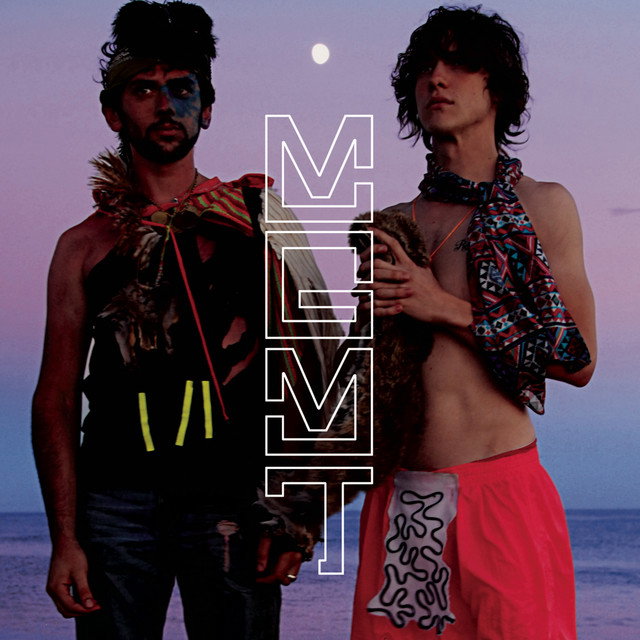
The album stands as a testament to the band's ability to transcend time and genre. The album's blend of retro influences with futuristic sounds gives it a timeless quality that continues to appeal to listeners across genres. Its eclectic mix of dreamy synths, shimmering guitar riffs, and quirky melodies made it a standout in the indie landscape of the late 2000s, earning both critical acclaim and commercial success.
The Killers returned in 2006 with their second album. Following the massive success of 'Hot Fuss', The Killers took a bold creative turn with 'Sam’s Town', released in 2006. Named after a real-life casino in their native Las Vegas, the album was a sprawling, ambitious attempt to break free from the glamorous, synth-heavy sound that had defined their debut. Instead, 'Sam’s Town' embraced heartland rock influences, channelling the grandeur and grit of American artists like Bruce Springsteen, while retaining the band's theatrical flair and lyrical introspection.
Where 'Hot Fuss' looked outward with tales of nightlife and jealousy, 'Sam’s Town' turned inward, full of Americana imagery, desert romanticism, and spiritual yearning. It was a record about identity, place, and ambition, both a love letter to and a reckoning with the band’s roots. The album is sequenced like a classic rock opera, complete with an overture ('Enterlude') and an epic closing ('Exitlude'), giving the record a sense of spectacle.
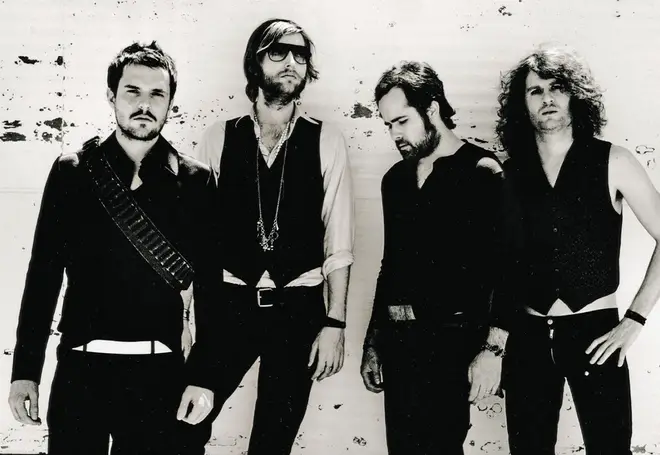
'Sam’s Town' is bursting with big, cinematic moments and ambitious storytelling, each song painting a different facet of American longing and identity. 'When You Were Young' captures the tension between youthful dreams and adult disillusionment, with its thunderous riff, driving rhythm, and lyrics about faith, hope, and the heartbreak of real life falling short of fantasy. It’s become one of the band’s most iconic singles, a true modern classic.
'Read My Mind' is perhaps the album’s most enduring track,a shimmering, heartfelt ballad that balances emotional vulnerability with sweeping, synth-laden melodies. The song’s sense of yearning and romantic ambiguity has made it a fan favourite, its chorus an anthem for anyone searching for belonging and meaning.
'Bones', with its playful brass and dark humour, stands out as the band at their quirkiest, Brandon Flowers crooning about love, mortality, and desire over a backdrop of cinematic horns and eerie atmospherics. 'For Reasons Unknown' brings urgency and anthemic energy, driven by pounding drums and a shout-along chorus, exploring confusion and the search for purpose in adulthood.
The title track, 'Sam’s Town', sets the tone for the whole album with its Springsteen-inspired grandeur, blending soaring guitars, triumphant horns, and lyrics full of nostalgia for the American West. 'This River Is Wild' is a dramatic, restless rush of escape and yearning, its swirling keys and propulsive beat reflecting a desperate need for change. 'Bling (Confession of a King)' channels gospel and redemption, Flowers reflecting on his family, faith, and the pressure to live up to expectations.
Two deep cuts, 'Why Do I Keep Counting?' and 'Uncle Jonny', are every bit as essential. 'Why Do I Keep Counting?' is a soaring, existential plea for reassurance and hope, Brandon Flowers wrestling with anxiety and the passage of time as the band builds to a euphoric, cathartic climax. 'Uncle Jonny', meanwhile, is a raw and personal rocker about Flowers’ uncle’s struggle with addiction. The track’s gritty riff, pounding piano, and confessional lyrics show The Killers at their most honest and unvarnished.
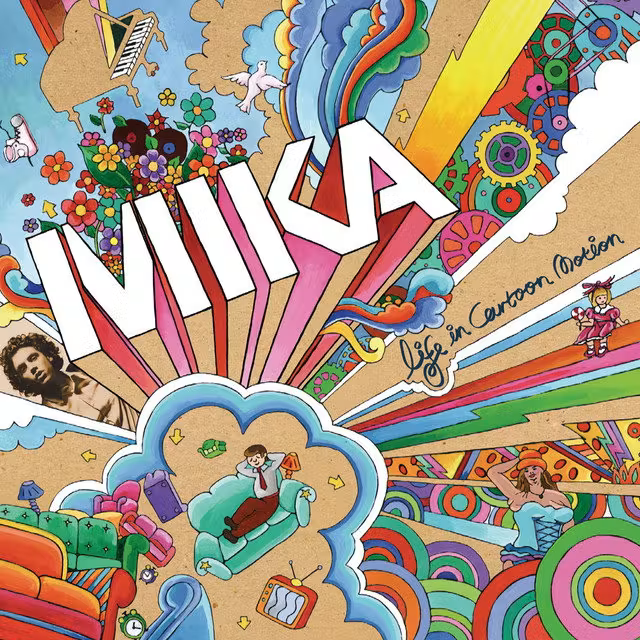
Now, I wouldn’t be doing 7-year-old Jack or even 26-year-old Jack justice if I didn’t mention MIKA. In 2007, 'Grace Kelly', his No. 1 single, was everywhere, and it’s still a timeless piece of pop. At 7, I just thought it was a catchy tune, but at 26, I can genuinely appreciate how brilliant MIKA was. Those songs are pop masterpieces, and his debut album 'Life in Cartoon Motion' is a unique, genre-blending collection of excellent tracks that continue to stand out in the pop music landscape.
What set MIKA apart from so many of his contemporaries was his sheer exuberance and theatricality. 'Life in Cartoon Motion' is an album that brims with colour, camp, and infectious energy, channelling the spirit of Freddie Mercury and Elton John while crafting a sound all his own. Beyond 'Grace Kelly', the album delivered hit after hit: 'Love Today' is a giddy, disco-infused celebration of joy and inclusivity; 'Relax, Take It Easy' pairs a dancefloor pulse with a message of comfort and reassurance. MIKA’s falsetto, playful lyricism, and knack for combining melancholy with pure pop bliss made him a breath of fresh air in the often formulaic pop landscape of the late 2000s. More than a nostalgic throwback, MIKA’s debut remains a testament to the power of pop at its most creative, inclusive, and joyful.
Alongside MIKA, the Scissor Sisters were crafting some of the most intriguing pop music of the 2000s. Their sound, a daring fusion of glam rock, disco, and camp theatrics, was as captivating as their bold aesthetic. Their self-titled debut album, featuring hits like 'Take Your Mama', 'Laura', and 'Comfortably Numb' (a disco-infused Pink Floyd cover), was a breath of fresh air, flamboyant, fearless, and above all, fun.
Alongside MIKA, the Scissor Sisters were crafting some of the most intriguing pop music of the 2000s. Their sound, a daring fusion of glam rock, disco, and camp theatrics, was as captivating as their bold aesthetic. Their self-titled debut album, featuring hits like 'Take Your Mama', 'Laura', and 'Comfortably Numb' (a disco-infused Pink Floyd cover), was a breath of fresh air, flamboyant, fearless, and above all, fun.
While the Scissor Sisters' popularity in the U.S. was moderate, the UK fully embraced them. Their debut album became the best-selling album in the UK in 2004, a significant achievement for a band that proudly defied convention. They continued to build on this success with 'I Don't Feel Like Dancin', a collaboration with Elton John that became a massive hit, topping the UK Singles Chart and becoming one of the defining pop songs of the decade.
The Scissor Sisters were more than just a band; they were a celebration of diversity. Their music was not just an escape, but also a powerful statement. In an era when pop music often felt sterile and manufactured, they injected the charts with a much-needed dose of colour, character, and charisma, a presence that is sorely missed today.
On the surface, ‘The Fear’ is a gentle, almost whimsical electropop track, Greg Kurstin’s production layering warm acoustic guitars and sleek electronics under Allen’s airy, melodic delivery. But beneath the sparkling sound lies some of the sharpest, most biting social commentary of the decade and lines that feel more prevalent now than ever. Allen adopts the persona of a fame-hungry starlet, holding a mirror to a society obsessed with celebrity, status, and wealth. The song opens with brutal honesty: “I want to be rich, and I want lots of money / I don’t care about clever, I don’t care about funny.”
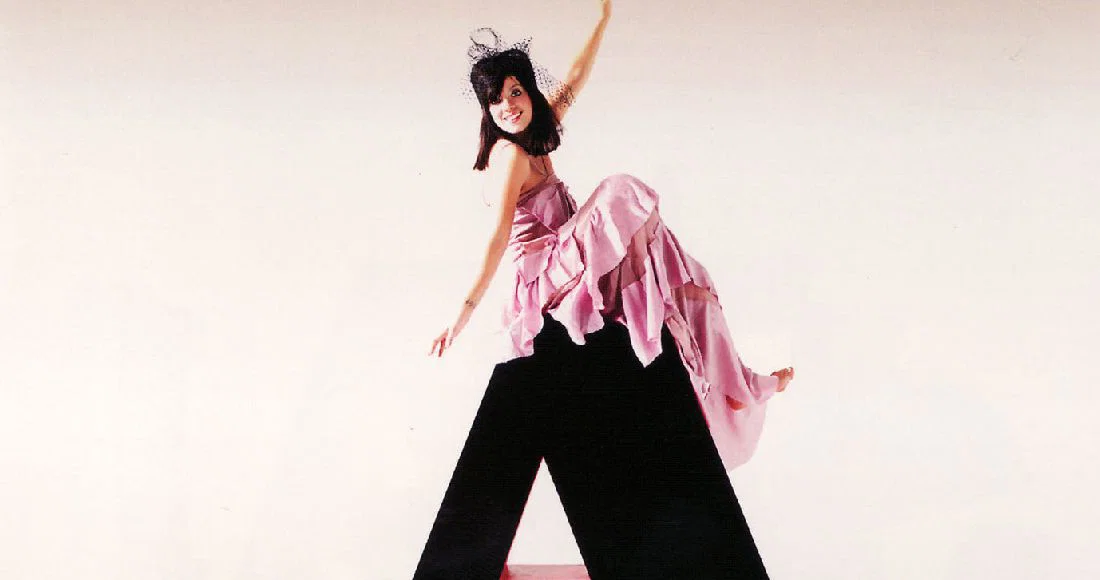
As the track unfolds, the cracks in this persona reveal a much deeper anxiety and vulnerability. Lines like “I don’t know what’s right and what’s real anymore” cut through the gloss, exposing the emotional toll of seeking validation from headlines and screens. Allen’s clever wordplay in the second verse, “I'll look at the sun, and I'll look in the mirror / I’m on the right track, yeah, we're onto a winner”, doubles as a nod to the UK’s notorious tabloids (The Sun and The Mirror), highlighting how self-worth in the public eye is shaped by media coverage as much as by genuine achievement. Her delivery is steeped in weary, first-hand irony, having herself been both celebrated and targeted by the press.
‘The Fear’ became a cultural phenomenon, spending four weeks at No. 1 in 2009 and winning two Ivor Novello Awards. Its success proved that audiences were hungry for pop with substance, a scathing, vulnerable song about losing oneself in a world obsessed with appearances. Allen’s ability to blend biting satire with raw honesty gave her music enduring relevance, making ‘The Fear’ a defining anthem of late-2000s pop culture.
Following the success of her debut album 'Made of Bricks', Kate Nash delivered indie-pop anthems like 'Foundations' to thousands of sunburnt festival-goers. Her deeply British, observational songwriting, equal parts kitchen-sink realism and acerbic wit, struck a chord with a new generation. Nash’s frankness and storytelling, paired with Allen’s genre-blurring pop and cultural critique, helped diversify the scene and paved the way for female artists moving forward.
2007 even saw a rather unexpected reunion, a one-off gig that sent shockwaves through the music world. Led Zeppelin had parted ways back in 1980 following the tragic death of their legendary drummer, John Bonham. After that heartbreaking loss, each member- Robert Plant, Jimmy Page, and John Paul Jones went their separate ways, focusing on solo projects and various collaborations. For decades, fans and critics alike doubted the band would ever come together again. The idea of Led Zeppelin reuniting seemed almost impossible, given the weight of history and the loss that had ended their original run.
Yet, more than a quarter-century later, the unthinkable happened. On December 10, 2007, Led Zeppelin reunited for a single night at London’s O2 Arena, headlining the Ahmet Ertegun Tribute Concert in honour of the Atlantic Records founder who had signed them in 1968. The demand for tickets was unprecedented; a rumoured 20 million people applied for tickets, making it one of the most sought after gigs ever. The lineup featured Plant, Page, and Jones, joined by Jason Bonham, John Bonham’s son, whose thunderous drumming paid heartfelt tribute to his late father and brought added emotional weight to the event.
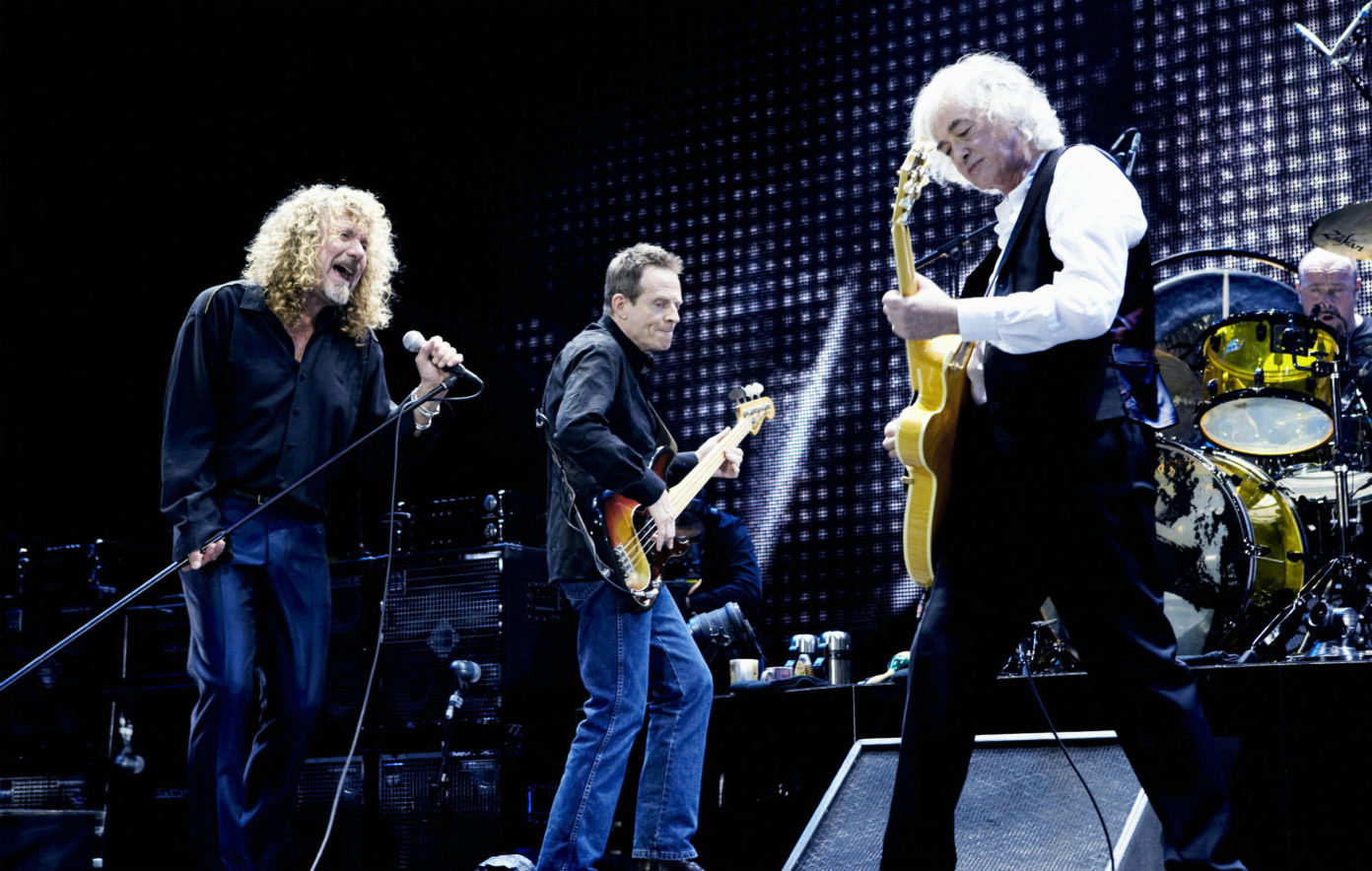
The atmosphere in the O2 Arena that night was electric—anxious, reverent, and almost surreal. Fans, fellow musicians, and celebrities packed the venue, knowing they were witnessing a moment that might never be repeated. The band delivered a setlist that was both a greatest hits celebration and a gift to die-hard fans, opening with the explosive 'Good Times Bad Times' and tearing through classics like 'Black Dog,' 'Ramble On,' and 'In My Time of Dying.' The inclusion of 'For Your Life,' performed live for the first time ever, was a particular treat. Jason Bonham’s performance behind the kit was powerful and precise, earning him admiration from fans and critics alike.
The band’s chemistry was palpable, Plant’s vocals soared, Page’s guitar work was incendiary, and Jones anchored it all with his multi-instrumental prowess. The emotional centrepiece of the night came with 'Stairway to Heaven,' a song that brought the audience to a hushed awe, before the set thundered to a close with anthems like 'Kashmir,' 'Whole Lotta Love,' and 'Rock and Roll.' The show was more than nostalgic; it was a demonstration that Led Zeppelin’s music was not just history, but still alive and vital. The performance was immortalised in the acclaimed concert film 'Celebration Day,' and is still regarded as one of the greatest rock reunions of all time. For those lucky enough to be there, it was a once-in-a-lifetime reminder of just how electrifying and timeless Led Zeppelin could be.
Amy Winehouse’s presence in the 2000s music landscape was nothing short of seismic. While indie bands were dominating festival stages and airwaves, Winehouse was steering British pop in a wildly different direction, drawing deeply from jazz, soul, and rhythm-and-blues traditions. Her voice, smoky, aching, and utterly distinctive, was deeply rooted in the past, yet her songwriting and persona were fiercely modern.
Her breakthrough album, 'Back to Black' (2006), was a revelation. Produced by Mark Ronson and Salaam Remi, the record fused vintage Motown grooves with brutally honest, confessional lyrics. Tracks like 'Rehab', with its instantly iconic “No, no, no”, became cultural touchstones, lampooning the tabloid circus around her life while also laying bare her personal battles. 'You Know I’m No Good' and 'Tears Dry on Their Own' showcased her knack for turning heartbreak and self-sabotage into anthems of resilience, pairing biting wit with vulnerability.
The title track, 'Back to Black,' remains one of the era’s most affecting ballads, a tale of lost love delivered with devastating clarity and subtlety. The album’s retro production, evoking Phil Spector’s Wall of Sound and 1960s girl groups, only heightened the emotional intensity of Winehouse’s performances. Her songwriting was as sharp as it was sincere, unflinchingly confronting addiction, betrayal, and the messy reality of love and fame.
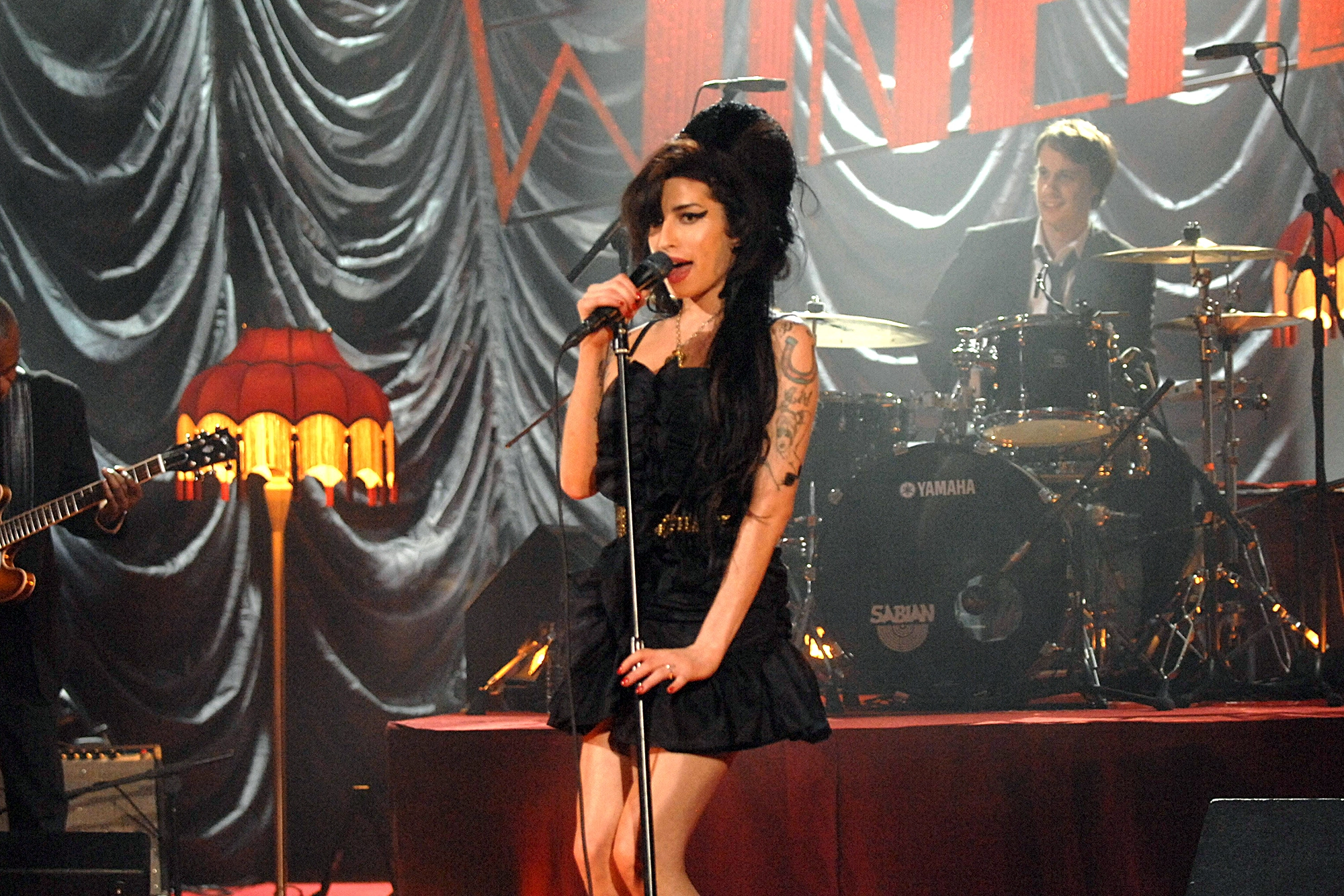
Upon its release, 'Back to Black' sold over 3.5 million copies worldwide and earned Amy a staggering five Grammy Awards, including Best New Artist and Record of the Year, cementing her place as one of the most important British artists in music history. Winehouse’s influence on British pop cannot be overstated. She paved the way for a new generation of female artists. Adele, Florence Welch, Ellie Rowsell, Billie Eilish, and Olivia Rodrigo all owe a little something to Amy Winehouse.
Her influence continues to endure. 'Back to Black' remains one of the most acclaimed and best-selling British albums of the 21st century, and her songs continue to resonate with anyone who has ever felt heartbreak, defiance, or the need to find their own voice against the odds.
'Don't Panic', Coldplay fans, I haven't forgotten about them. 2008 saw Coldplay release their fourth album, 'Viva La Vida or Death and All His Friends', following 'X&Y', which received mixed reviews despite delivering hits like 'Fix You' and 'Speed of Sound'.
2005 was a year of feverish anticipation for Coldplay fans, as the highly anticipated 'X&Y' was about to drop. This album, following the global success of 'A Rush of Blood to the Head', solidified Coldplay's status as a stadium-filling band. The sonic landscape of 'X&Y' was expansive, filled with atmospheric production layers of synths, echoing guitars, and soaring choruses designed to fill massive venues.
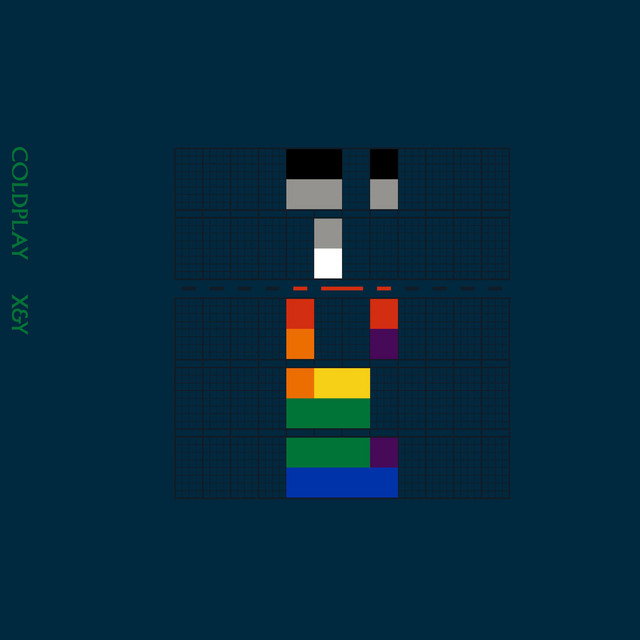
'Talk', which sampled Kraftwerk’s 'Computer Love', showcased the band's willingness to experiment with electronic textures, layering shimmering synths over their trademark guitar sound to create a track both modern and nostalgic. 'The Hardest Part' is a bittersweet ballad about loss and regret, with its gentle piano and understated groove providing a subtle counterpoint to the album’s bigger moments. 'Swallowed in the Sea' delved into their signature emotional depth, offering a quietly uplifting meditation on hope and resilience that became a fan favourite.
Other highlights include 'White Shadows', a driving, synth-laden track that pushes the band’s sound into more energetic territory, and 'Low', which balances melancholy lyrics with a propulsive rhythm section. The album closes with 'Twisted Logic', a darker, more experimental moment that hints at the band’s willingness to challenge themselves even as they reached the peak of their commercial success.
However, 'X&Y' was not without its detractors. Some critics felt it was overly polished and safe, lacking the rawness and emotional immediacy of its predecessors. There was a sense that Coldplay might be following a formula. Despite this, the album was a commercial juggernaut; it became the best-selling album of 2005 worldwide and confirmed the band’s place in the upper echelons of 21st-century rock.
Then, in 2008, Coldplay took a bold step with 'Viva La Vida or Death and All His Friends'. The band teamed up with legendary producer Brian Eno to create a more experimental sound, moving away from the stadium rock of 'X&Y' and embracing a more artful, textured approach. The album is full of sonic surprises, with lush arrangements and a willingness to blur genre boundaries.
The record is packed with standout tracks. 'Viva La Vida' itself became a global phenomenon, an orchestral pop anthem driven by strings, church bells, and Chris Martin’s vivid storytelling about revolution and regret. 'Violet Hill' marked a darker, more guitar-heavy side of the band, with political overtones and an edge that surprised longtime fans. 'Lost!' is built on a gospel-inspired organ hook and pounding drums, becoming an uplifting, communal live favourite. 'Lovers in Japan' combines racing percussion with bright, optimistic melodies, while 'Strawberry Swing' is a breezy, Afro-pop-influenced highlight, revealing the band’s newfound sense of playfulness and colour. '42' stands out for its three-part structure, shape-shifting from sombre ballad to swirling rock to gentle outro, embodying the album’s experimental spirit.
'Yes' is a stunning curveball, dark, dramatic, and string-laden, with Chris Martin's baritone vocals and Eastern-tinged guitar lines adding emotional intensity. The hidden track, 'Chinese Sleep Chant', bursts forth with shoegaze guitars and washed-out vocals, showing the band's willingness to experiment with texture and mood. 'Cemeteries of London' opens the record with haunting, ghostly imagery and driving percussion, setting an atmospheric tone. The closing track, 'Death and All His Friends', is a triumphant, multi-movement piece that brings the record full circle, urging listeners not to give in to cynicism or despair.
With 'Viva La Vida or Death and All His Friends', Coldplay delivered their most adventurous album, thrilling fans and critics alike. It was a record that proved the band could reinvent themselves and still create massive, emotionally resonant anthems. Ironically, despite the experimental approach, it produced Coldplay's first Number One single, 'Viva La Vida', a colossal stadium anthem built around strings and military-like drums. Many consider it the last great Coldplay album, as the following decades saw them become the biggest band in the world, though, musically, they began to lose some of their earlier magic.
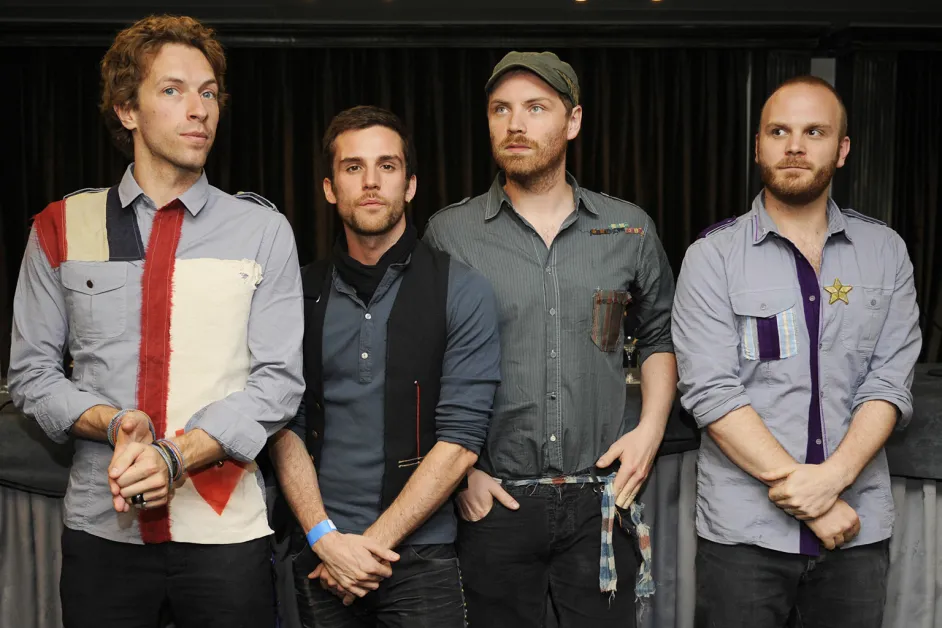
Subsequent albums like 'Mylo Xyloto', which included tracks like 'Paradise' and 'Every Teardrop Is a Waterfall', leaned heavily into pop and electronic influences, marking a significant departure from the experimental sound of 'Viva La Vida or Death and All His Friends'. Later releases such as 'Ghost Stories', 'A Head Full of Dreams' and 'Music of the Spheres' continued to find commercial success, but for many longtime fans, the spark of the early 2000s albums like 'Parachutes' and 'A Rush of Blood to the Head' felt increasingly distant. I found myself losing interest.
When Kings of Leon released their fourth album, 'Only by the Night', in 2008, it marked their transformation from Southern garage-rock cult heroes to stadium-filling global superstars. The record represented a bold leap into a more atmospheric, arena-ready sound, packed with soaring guitars, anthemic choruses, and a newfound confidence that resonated far beyond their earlier work.
The album’s biggest singles, 'Sex on Fire' and 'Use Somebody', catapulted the band to the top of charts worldwide. 'Sex on Fire' became an inescapable anthem, its taut groove and impassioned vocals instantly recognisable and a festival staple for years to come. 'Use Somebody' showcased the band’s ability to channel vulnerability and longing into a massive, uplifting chorus, earning them a Grammy and cementing their place in mainstream rock’s upper echelons. Not everyone was a fan though Razorlight's Johnny Borrell famously called the song "Johnny Borrell described Kings of Leon's "Sex on Fire" as "basically the apex, death and afterlife of landfill indie all in one go."
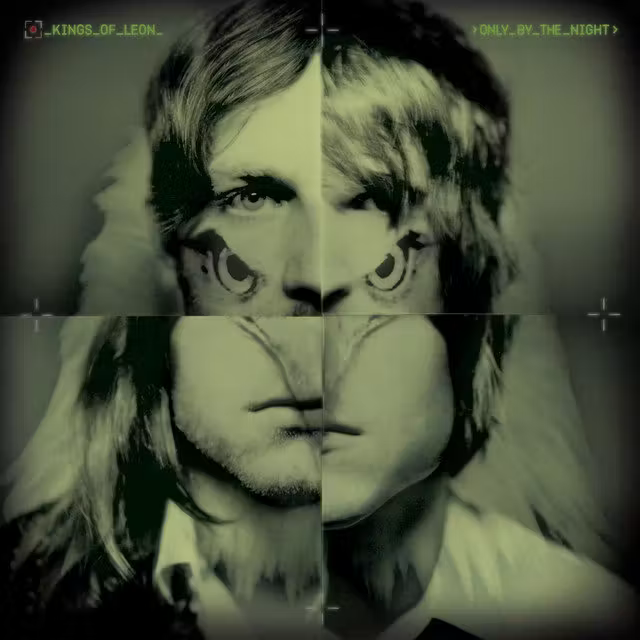
Yet 'Only by the Night' offers far more than just its blockbuster singles. 'Closer' opens the album with haunting, echo-laden guitars and Caleb Followill’s plaintive voice, spinning a tale of obsession, distance, and yearning. Its slow-burning intensity sets an atmospheric tone, creating a sense of isolation and longing that lingers long after the final note. 'Manhattan', meanwhile, is a bittersweet reflection on regret and lost love, pairing a gentle shuffle with confessional lyrics as Caleb sings, “We're gonna show this town how to kiss these stars.” The song’s melancholy warmth and understated hooks make it a standout deep cut.
2009 would also see Arctic Monkeys leave the UK and step into the desert, literally and figuratively, to record their third album, 'Humbug'. Recruiting Josh Homme of Queens of the Stone Age to sit in the producer’s chair alongside James Ford, the band crafted an album that was a bold departure from their earlier work. Gone were the rapid-fire lyrics, kitchen-sink realism, and frantic guitar riffs of 'Whatever People Say I Am, That's What I'm Not' and 'Favourite Worst Nightmare'. Instead, 'Humbug' introduced a darker, slower-burning, and more psychedelic sound that caught many fans and critics off guard.
Humbug' is a record shrouded in shadow and intrigue, and nowhere is this more evident than on its standout tracks. 'Crying Lightning' sets the tone, opening the album with a sinister, prowling riff and lyrics that blend gothic romance with surreal imagery. The song captures the sense of unease and unpredictability that defines the record, with Turner’s storytelling at its most vivid, full of strange encounters, emotional power plays, and a constant sense of something lurking just out of sight. 'Crying Lightning' was the perfect lead single: a gruesome, squelchy bassline set the tone, and not long after Alex Turner started singing about strawberry laces and gobstoppers. It sounded like it was being played at half-speed. It was fucking weird. The perfect lead single, for this new era of the Monkeys.
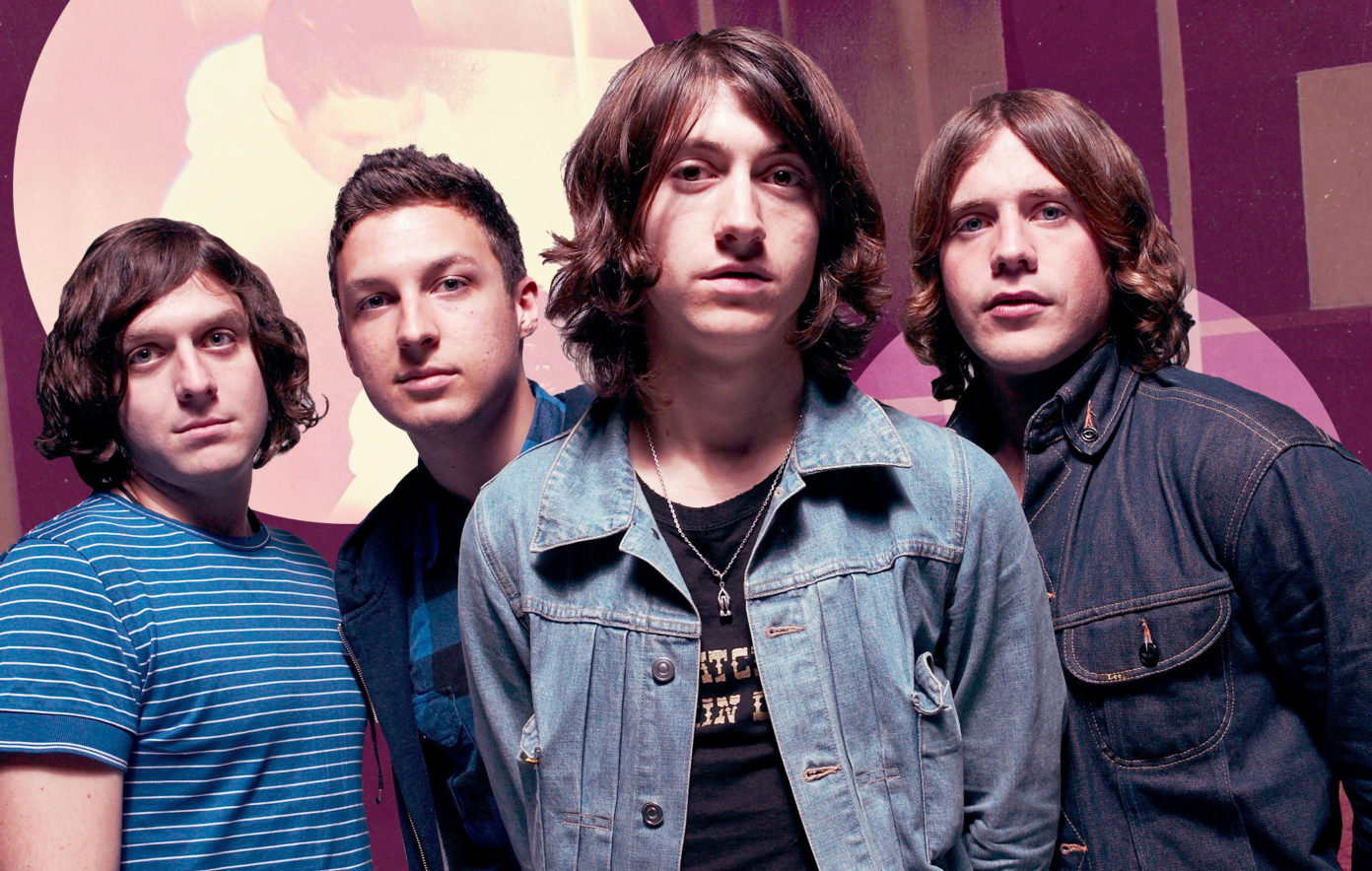
'Cornerstone' sits as a striking contrast, bringing a deceptively gentle melody to a song steeped in longing and subtle devastation. Turner’s use of specific pub names and Sheffield geography turns the track into a quietly brilliant document of heartbreak, haunted by memories and ghostly doppelgängers. Its understated, almost nursery-rhyme arrangement belies the complexity of its emotional core, a masterclass in narrative songwriting that has inspired countless fan interpretations, from metaphors of grief to the search for identity.
The surface narrative follows a man moving between four locations, presumably pubs: ‘The Battleship’, ‘The Rusty Hook’, ‘The Parrot’s Beak’, and finally, ‘The Cornerstone’. In each, he encounters women who almost resemble his lost partner, only to be met with gentle rejection or awkwardness. Turner paints these encounters with a bittersweet, awkward, and profoundly human touch; every pub and every failed connection feels achingly real.
What elevates ‘Cornerstone’ into something transcendent is Turner’s mastery of specificity. By giving each pub a name- ‘The Battleship’, ‘The Rusty Hook’, ‘The Parrot’s Beak’, ‘The Cornerstone’- he grounds the song in a geography that feels both lived-in and dreamlike. These aren’t abstract bars; they’re places you can almost smell and hear, each with its own ghosts and memories. Turner trusts that these names, these local markers, will do the emotional heavy lifting. Through them, he turns a personal lament into a universal story, one where listeners can project their own lost corners, their own searches for the familiar in unfamiliar places
'Secret Door’ is another highlight, and perhaps the album’s most otherworldly moment. The song opens with a swirl of delicate guitar and glockenspiel, before Turner’s lyrics evoke scenes of faded glamour and escapism: “Fools on parade cavort and carry on for waiting eyes.” The track’s dreamlike quality is underscored by its shifting dynamics, moving from soft, poetic reflection to a crashing, cathartic chorus. 'Secret Door' feels like a surreal fairytale, capturing the sense of dislocation and longing that runs through all of 'Humbug'.
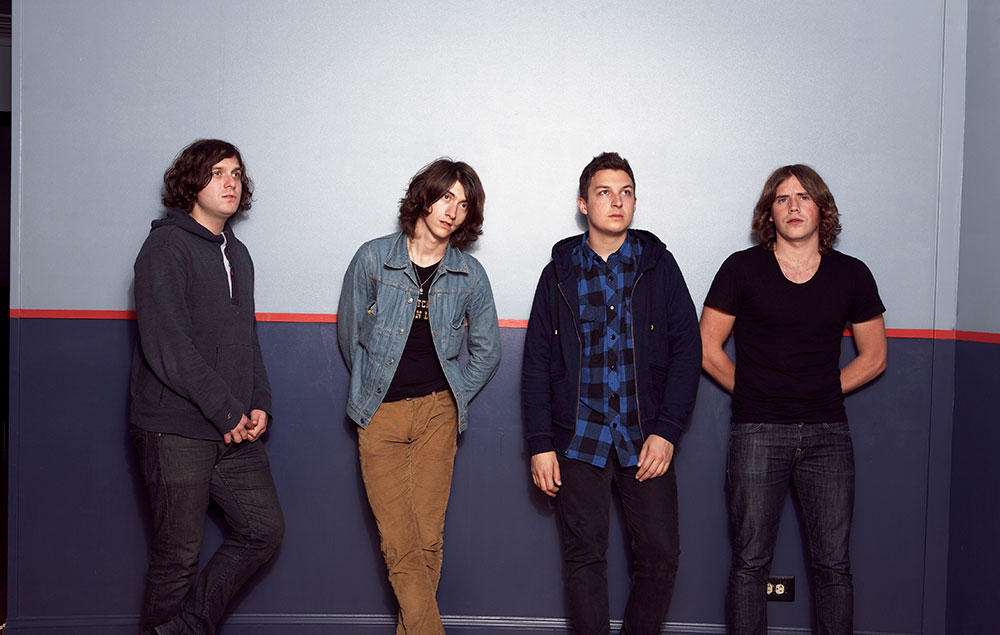
'Dance Little Liar' is a dark, psychedelic departure from the band’s early indie-pop roots. It features a hypnotic, heavy bassline and a tense, desert-rock rhythm that perfectly mirrors the paranoia of the lyrics. Frontman Alex Turner paints a vivid picture of guilt, deception, and the exhausting mental gymnastics of a cheating partner trying to maintain a lie. The song masterfully builds a suffocating sense of dread, ultimately exploding into a blistering, chaotic instrumental outro driven by Matt Helders' thunderous drumming and a scorching guitar solo.
To the shock of many, 'Humbug' would become the most critical album the band ever made. As NME put it, "No longer were they just the biggest fish in the indie pond, they were rock stars." The record marked the moment Arctic Monkeys outgrew the post-Libertines lad-rock scene and began carving out their own unique musical identity.
Musically, 'Humbug' was full of brooding tones, desert-rock textures, and haunting guitar work; tracks like 'Potion Approaching' and 'Pretty Visitors' dripped with menace and mystique. The influence of Josh Homme is especially evident in the album's mood and weight. Yet it was also a moment of immense growth for Alex Turner as a songwriter. Lyrically, 'Humbug' is among the band’s richest and most poetic. Songs like 'Secret Door', 'Crying Lightning', and the beautifully off-kilter 'Cornerstone' showcase Turner at his surreal, narrative-driven best.
'Humbug' proved to be a crucial turning point. The album became the catalyst for Arctic Monkeys' evolution throughout the 2010s, paving the way for the suave, swaggering rock of 'AM' and the conceptual, lounge-laden world of 'Tranquillity Base Hotel & Casino'.
The Killers released 'Day & Age' in 2009, an album that saw them take into consideration everything they had done before, as well as all of their influences. Produced by Stuart Price (known for his work with Madonna and New Order), the album leaned heavily into electronic textures, rhythmic experimentation, and surreal lyrical themes, marking yet another reinvention for the band.
At the centre of the record was the lead single 'Human', a track that perfectly captured the album’s ethos: existential, enigmatic, and danceable. Built around a pulsating synth line, soaring chorus, and a now-infamous lyrical hook, “Are we human, or are we dancer?” the song became both a massive hit and a source of endless debate. The phrase, inspired by a Hunter S. Thompson quote (“America is raising a generation of dancers”), mystified listeners and critics alike. But beneath its cryptic wording lay a deeper question about identity, conformity, and what it means to truly live.
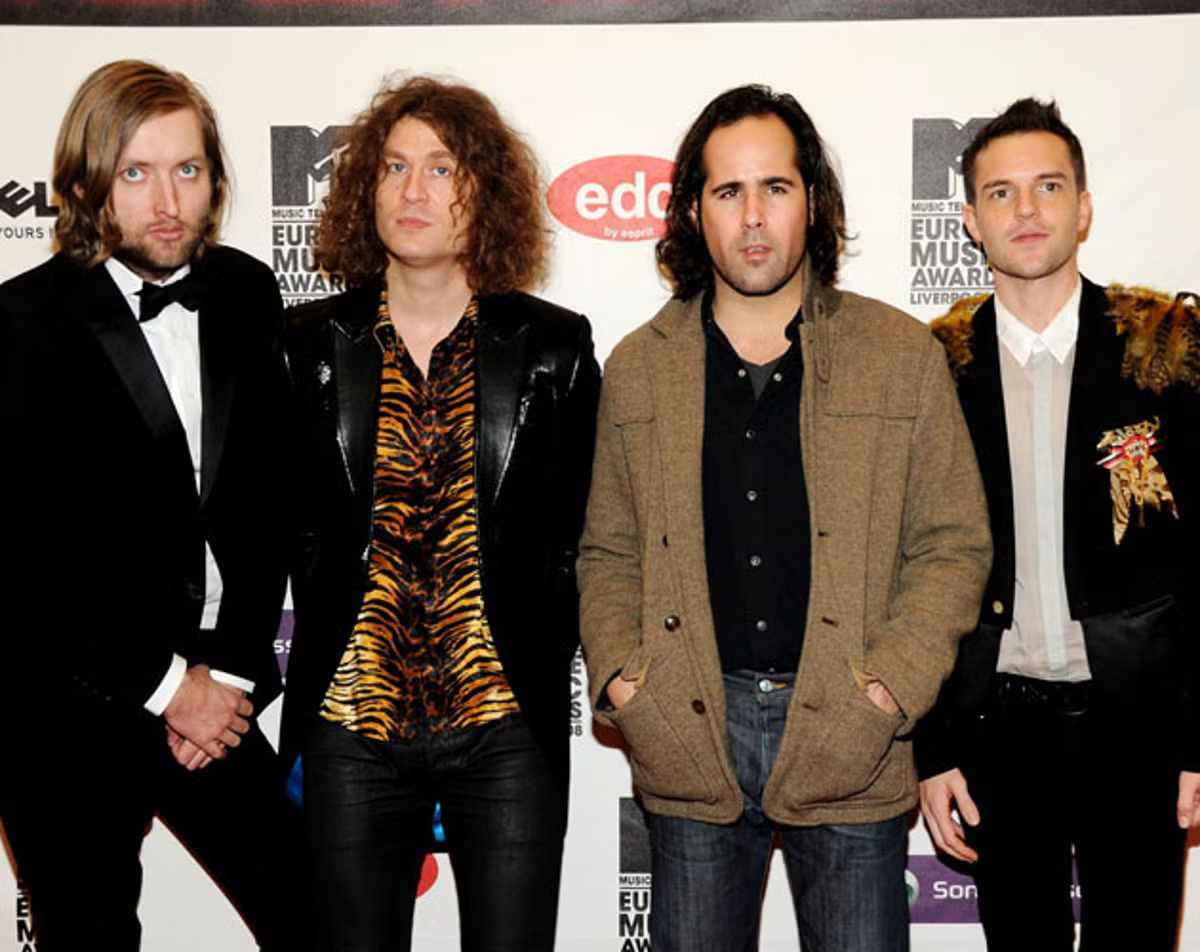
Among the bold sonic experiments of 'Day & Age', one track stood out for its emotional weight and storytelling depth: 'A Dustland Fairytale'. While much of the album was defined by glittering synths, dance beats, and surreal lyricism, this song felt like a spiritual callback to the heartland storytelling of 'Sam’s Town'. Still, it filtered through a more dreamlike, reflective lens.
'A Dustland Fairytale' is one of Brandon Flowers' most personal and poignant compositions. Written about his parents, particularly his mother's battle with cancer, the song weaves autobiography into myth, blending real-life tragedy with fable-like imagery. Characters like "Cinderella" and "the Devil" symbolise innocence, hardship, and the complex beauty of long-term love. It's a tale of youth, devotion, and quiet heroism, ordinary people made epic through the lens of memory and imagination.
Critics were mixed on the record, but fans seemed to lap up the songs. The songs on this record, 'Human', 'Spaceman', and 'A Dustland Fairytale', have become mainstays in the setlist and some of the band's most loved songs. The band were and still aren't afraid to stand still, and there's something to admire in that.
Florence & the Machine burst onto the scene in 2009 with 'Lungs', a debut album that quickly established Florence Welch as one of the most compelling new voices in British music. Picking up where Amy Winehouse had left off with 'Back to Black', Lungs combined raw emotional power with theatrical, sweeping arrangements that felt both timeless and fresh.
'Lungs' is a brilliant collection of songs, each brimming with drama, myth, and emotional honesty. The euphoric 'Dog Days Are Over' set the tone for the album’s sense of release and transformation, driven by handclaps and a relentless, joyful energy. 'Rabbit Heart (Raise It Up)' stands out with its urgent harp flourishes and lyrics about sacrifice and self-reinvention, merging folk mysticism with pop grandeur. The soulful, soaring cover of 'You Got the Love' reimagined a club classic as an uplifting, gospel-influenced anthem, cementing Florence’s reputation as both an interpreter and an innovator.
But 'Lungs' is packed with even more highlights. 'Kiss with a Fist' opens the record with raw, punky energy and darkly humorous lyrics, while 'Drumming Song' is a feverish ode to obsessive love, built on tribal rhythms and swirling instrumentation. 'Cosmic Love' is perhaps the album’s emotional peak, its shimmering harp and explosive chorus capturing the ache and wonder of overwhelming passion. Songs like 'Howl' and 'Between Two Lungs' further showcase Florence’s ability to channel gothic romance and vulnerability, balancing moments of wild abandon with tender introspection. Across the record, Florence's voice soars with a unique blend of vulnerability and strength, channelling the daring artistry of icons like Kate Bush and the pop sophistication of Annie Lennox, all while carving out her own distinct identity.

'Lungs' is more than just a pop record; it's a dramatic, almost cinematic journey through themes of love, pain, redemption, and self-discovery, wrapped in lush instrumentation that ranges from harps and tribal drums to crashing percussion and haunting strings. The production amplifies Florence's larger-than-life presence, creating an atmosphere that's both intimate and epic.
The album’s impact was immediate and lasting, earning critical acclaim and commercial success, and marking Florence & the Machine as a defining act of the 2010s. It’s a debut that not only captured the spirit of its time but also set the stage for Florence’s continued evolution as an artist unafraid to push boundaries. And rest assured, this is far from the last you’ll hear of Florence Welch; her voice and vision would continue to shape the musical landscape for years to come, inspiring awe and admiration in all who hear her.
The year 2009 was a peculiar and pivotal one for Britpop. This genre had dominated the 90s but was fading into history by the new decade. Blur, one of the scene’s flagship bands, had effectively disbanded six years earlier after the release of 'Think Tank' in 2003 and the departure of their iconic guitarist Graham Coxon.
The creation of Blur’s seventh album, ‘Think Tank’, was a period of profound transformation and creative risk for the band. The sessions took place against a backdrop of turmoil: Graham Coxon, the band’s iconic guitarist, was growing increasingly distant and would eventually leave during recording, leaving Damon Albarn, Alex James, and Dave Rowntree to chart new sonic territory.
Much of the album was recorded in Morocco, with sessions held in a rented house in Marrakesh, as well as in London and Devon. This North African influence bleeds into the album’s atmosphere. ‘Think Tank’ is suffused with smoky, hypnotic grooves, dub textures, and a sense of exploratory freedom. Without Coxon’s signature guitar, Blur leaned heavily into rhythm, texture, and world music influences, drawing from Albarn’s growing fascination with global sounds.‘Out of Time’ is perhaps the album’s most beautiful and affecting single. The song floats on a gentle, looping bassline and shimmering, understated production, with Albarn’s melancholic vocals reflecting on modern disconnection and longing. Its chorus, “You’ve been so busy lately, that you haven’t found the time”, captures the sadness and drift of the band's dynamic.
‘Battery in Your Leg’ stands out as the album’s emotional climax and is the only song to feature Graham Coxon, who delivers one last, haunting guitar line for Blur. The track is slow, mournful, and strikingly personal, with Albarn seemingly addressing the band’s fragmentation (“This is a ballad for the good times / So long to the world”). Its sense of finality and unresolved pain gives the album a poignant coda, bidding farewell to an era of Blur even as they looked forward.

As Blur devolved, Damon Albarn continued with Gorillaz and released the unbelievable 'Demon Days', formed a supergroup, The Good, the Bad & the Queen. Formed with Paul Simonon (The Clash), Simon Tong (The Verve), and Afrobeat drumming legend Tony Allen. Graham Coxon would embark on a solo career, Alex James would become a farmer, and Dave Rowntree would go into politics.
So imagine the shock and excitement in 2009 when the announcement came: Blur was reuniting, with Graham Coxon back in the fold. The band was set to headline the prestigious Glastonbury Festival and play not one, but two massive gigs in London’s Hyde Park. For fans who had watched the band drift apart during the early 2000s, this news felt almost too good to be true. Long-standing tensions that had once fractured the group, particularly between Albarn and Coxon, appeared to have thawed, and the original lineup was finally back together.
The Hyde Park shows quickly became the stuff of legend. Over two nights, more than 100,000 fans packed the park, turning central London into a giant, jubilant singalong. The atmosphere was electric; even Graham Coxon, often the band’s most reserved member, was visibly moved by the crowd’s outpouring. Blur powered through euphoric renditions of classics like ‘Girls & Boys’, ‘Song 2’, ‘Parklife’, and ‘This Is a Low’, but the emotional centre of the set came when the band performed songs from their later years. ‘Out of Time’, with its gentle, melancholic groove, took on new resonance, its themes of disconnection and longing now feeling like a bridge between the band’s past rifts and their reunited present.
These Hyde Park gigs were more than just greatest hits celebrations; they were a genuine reconnection, both among the band members and with their audience. Blur sounded tighter, more focused, and emotionally charged than ever, as if the years apart had only sharpened their sense of purpose. There was a palpable sense of reinvigoration and joy in their performance; Blur were not just revisiting the past, but proving they still had something vital to say
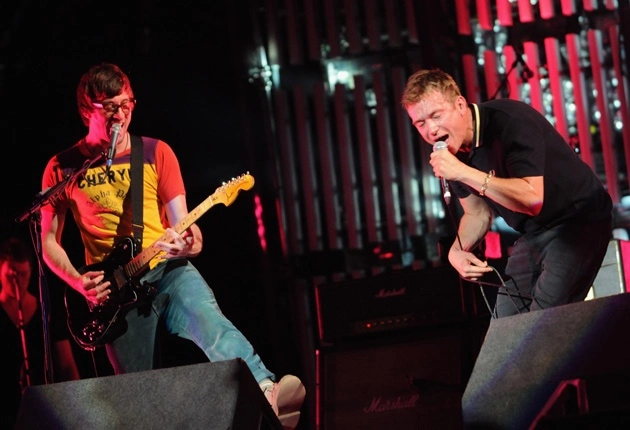
Their Glastonbury performance is the best of the decade. A deeply raw and emotional set. From the opening notes of 'Girls & Boys', the crowd erupted, and the atmosphere was electric as Blur powered through a setlist packed with classics 'Beetlebum', 'Coffee & TV', 'Parklife', 'Song 2', and the soaring 'This Is a Low', among others. The band sounded revitalised, their chemistry undeniable, with Graham Coxon’s guitar playing as sharp as ever, anchoring Albarn’s emotive vocals and the driving rhythm section of Alex James and Dave Rowntree.
The emotional peak came during a haunting rendition of ‘Tender’, with Damon Albarn visibly moved to tears, a moment that resonated deeply with both the audience and critics alike. Thousands of festival-goers joined in the cathartic chorus, creating one of the most powerful singalongs in Glastonbury history. It was a powerful reminder of the emotional depth behind Blur’s catalogue and underscored that their reunion was more than a nostalgic cash-in; it was a genuine reconnection, fuelled by passion and mutual respect, and a celebration of everything that made Blur one of Britain’s most beloved bands. Blur had returned not just to perform, but to heal old wounds and prove that their music and their bond still mattered.
Meanwhile, Oasis were still plodding along. After dominating the 90s Britpop scene, the band faced the challenge of maintaining relevance in a musical landscape that was rapidly evolving. The early 2000s saw Oasis releasing a string of albums that attempted to keep their signature flame alive, but with diminishing returns. We mentioned 'Standing on the Shoulder of Giants' in part one.
In 2002, 'Heathen Chemistry' followed, and with it came a conscious effort to return to the roots of the classic Oasis sound. This album felt like a reset, a back-to-basics approach that focused on tight, guitar-driven rock songs designed to reignite the spark of their earlier work. Tracks like ‘Little By Little’ and ‘Stop Crying Your Heart Out’ became instant crowd favourites, both achieving Top 10 status in the UK charts and reinforcing Oasis’s knack for crafting emotionally resonant, singalong anthems. Notably, Heathen Chemistry also marked a subtle shift in band dynamics, with Liam Gallagher stepping up as a songwriter and contributing more than on previous records. This diversification added new textures and perspectives, but while the album was solid, it didn’t quite recapture the full magic or cultural impact of their 90s heyday.
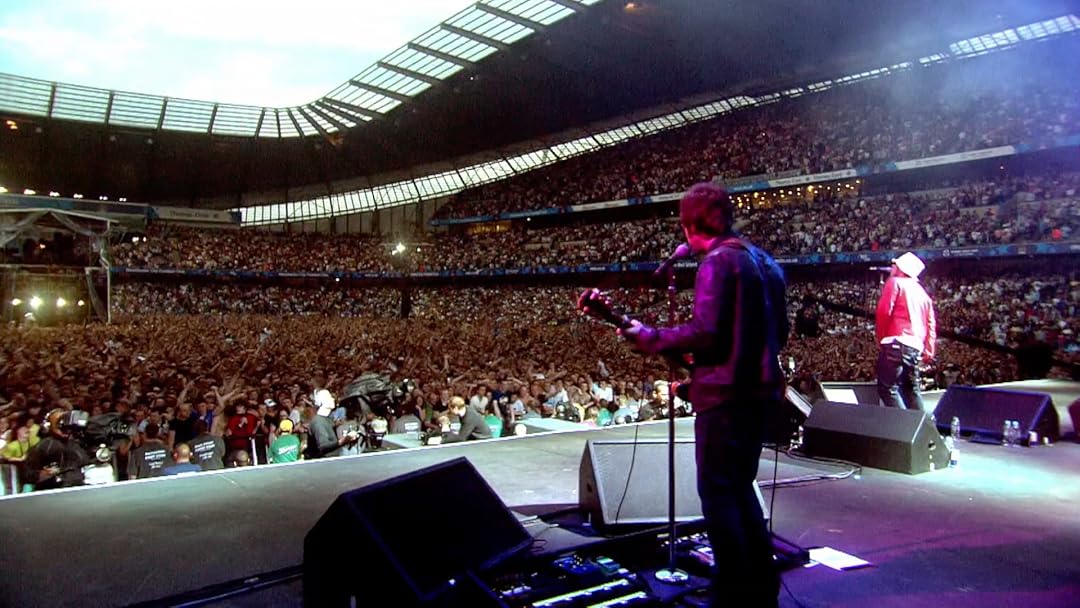
Then came 'Don't Believe the Truth' in 2005, widely regarded by many critics and fans as a welcome return to form for the band. This record felt more cohesive, with songwriting contributions spread more evenly across the band, including Gem Archer and Andy Bell, adding fresh energy and ideas. The album delivered memorable hits like ‘Lyla’ and ‘The Importance of Being Idle’, both of which soared to Number One on the charts and reminded listeners of Oasis’s unparalleled ability to write massive, hook-laden rock anthems that could fill stadiums. Beyond the bombast, songs like ‘Let There Be Love’ revealed a softer, more introspective side to the band, showing growth and maturity in their sound. For a moment, it seemed Oasis might reclaim their spot at the forefront of British rock.
However, despite these flashes of brilliance, they were no longer the same band they had been in the 90s. The Britpop wave that had catapulted Oasis to global superstardom had long since crested and receded. With musical tastes shifting toward indie rock, garage revival, and electronic-infused genres, Oasis increasingly felt like relics of a bygone era. The internal turmoil that had plagued the band throughout their career was now impossible to ignore, exacerbated by a revolving door of band members, particularly drummers. While replacements like Gem Archer and Andy Bell were technically accomplished musicians, the intangible chemistry that had fuelled Oasis’s explosive rise was fading. The raw, chaotic energy that Noel and Liam’s brotherly rivalry once ignited was now more of a powder keg waiting to blow, and the magic that had once been effortless was growing harder to summon.
Their final studio album, 'Dig Out Your Soul', released in 2008, saw Oasis embracing a heavier, more psychedelic rock sound reminiscent of classic late-60s and early-70s influences. Tracks like ‘The Shock of the Lightning’ had muscular riffs and an urgency that suggested the band still had fire in their belly. However, the album suffered from a lack of cohesion. When it's good, it's really good.
Falling Down’ is one of the album’s finest achievements, driven by a propulsive beat and a swirling, almost apocalyptic atmosphere. Noel Gallagher’s vocals take centre stage, delivering lyrics that seem to reflect on the chaos and disillusionment both within the band and in the wider world. The song’s production is dense and layered, evoking the late-period Beatles and standing as a late-career Oasis classic.
I’m Outta Time’, written and sung by Liam, is a rare moment of genuine vulnerability. The song is a reflective ballad, featuring a haunting John Lennon sample and lyrics that now seem almost prophetic about the band’s imminent breakup. Liam’s delivery is tender and sincere, and the song has become one of his most beloved late-Oasis contributions.
However, the album also features 'Bag It Up' which Oasis, by numbers and 'Get Off Your High Horse Lady' the worst song Noel Gallagher has ever written.
More tellingly, by this point, the growing tensions between Noel and Liam Gallagher had reached a breaking point, making it difficult for the band to function as a unified creative force. The world tour that followed was marred by public spats and backstage conflicts, culminating in the band's inevitable implosion. ‘Dig Out Your Soul’ stands as a testament to Oasis’s enduring ambition, but also as the swan song of a band unravelling under the weight of its own contradictions.
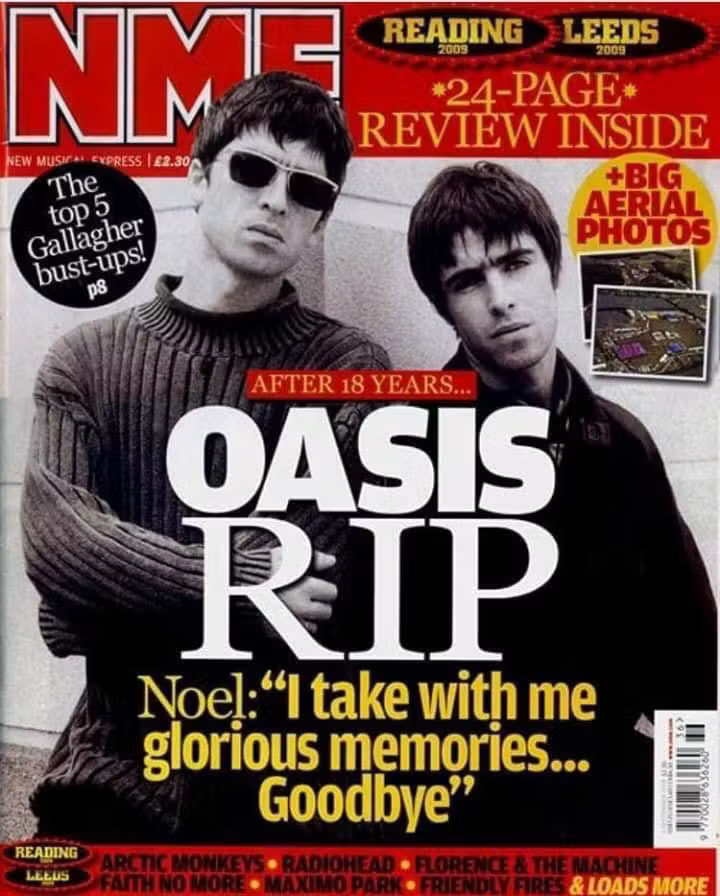
It all came to a dramatic and bitter end on August 28th, 2009, in the heart of Paris. The city, often dubbed the “City of Love,” ironically became the backdrop for one of the most infamous collapses in rock history. Tensions between Noel and Liam Gallagher, long simmering beneath the surface, finally boiled over backstage in a chaotic and surreal altercation. Reports speak of a smashed guitar, flying objects, including, bizarrely, a plum being thrown, and heated words exchanged in a volatile atmosphere.
That night, Noel made the irrevocable decision to walk away from Oasis for good. What had once been a band capable of defining a generation, packing out legendary venues like Knebworth with effortless ease, was no more. The breakup marked the end of an era. Oasis, with all its triumphs and tumult, was finished, leaving behind a legacy both monumental and deeply complicated.
So that brings the 00s to an end. Blur were back, Oasis were gone. Coldplay were ruling the world, Arctic Monkeys were huge yet divisive, Amy Winehouse and Florence Welch proved that women were ready to take on the world. Every major UK city had a band. Who knew what was going to happen next?