Sing Along with the Common People - The 90s Part 2
By 1993, the tide was beginning to turn. Grunge, once the dominant force in music, was on the decline. The charts were saturated with American bands trying and failing to recapture the raw energy of Nirvana, and audiences were growing weary. They desired something new, something closer to home. And like the proverbial London buses, when the wait felt interminable, two arrived at once.
First came Suede, with their thrilling self-titled debut album, quickly followed by a string of essential records that cemented their status as Britpop pioneers.
Suede were everything Nirvana wasn’t: glamorous, romantic, and dripping with a distinctly British charm. Their music, with its swirling psychedelic guitars and Morrissey-esque lyrical wit, came across as a direct counterpoint to the angst-ridden grunge that had dominated the airwaves. Suede offered a sound and style which embraced beauty, decadence, and raw emotion. A breath of fresh air for a generation searching for something different.
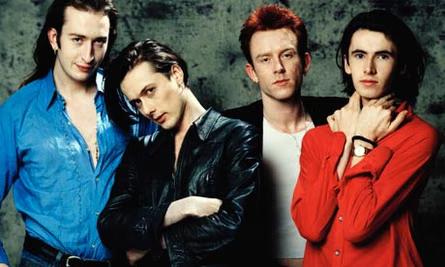
The debut record was a seismic moment for British music, instantly hailed as one of the greatest debuts of its era. Suede's mix of glam rock swagger, poetic lyricism, and androgynous style set them apart from anything else on the scene. Songs like 'The Drowners' and 'Animal Nitrate' became anthems, their provocative lyrics and Brett Anderson's dramatic vocals capturing the restless energy and decadent allure of early 90s Britain. The album as a whole combined swirling guitars, soaring melodies, and tales of outsider romance, addiction, and urban life.
It won the Mercury Prize and laid the foundations for the Britpop movement, proving that British guitar music could be as daring and stylish as anything coming out of America. Suede's debut didn't just open the door for Britpop; it kicked it off its hinges.
Hot on their heels was Blur, who released 'Modern Life is Rubbish' that same year. It was a statement album, signalling a deliberate shift away from the American influences of their debut 'Leisure' toward a sound steeped in quintessentially British observations. This record is often credited as the true genesis of Britpop, laying the groundwork for the cultural movement that would soon explode.
'Modern Life is Rubbish' is an album brimming with vivid portraits of everyday British life, sharp wit, and a nostalgic longing for a lost England. Damon Albarn’s lyrics take aim at everything from consumerism to the monotony of the daily commute, while Graham Coxon’s inventive guitar work introduces the playful, quintessentially English sound that would become Blur’s hallmark.
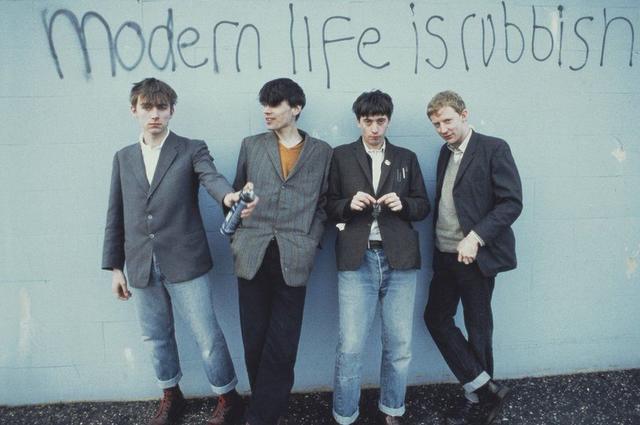
Songs like 'For Tomorrow' open the album with sweeping, cinematic ambition, its orchestral flourishes and singalong chorus painting a romantic yet melancholic view of London life. 'Advert' quickly follows, a burst of punk energy and social satire that lampoons the emptiness of consumer culture. 'Colin Zeal' is a wry character study of suburban conformity, with jerky rhythms and sharp observational detail.
Pressure on Julian' and 'Blue Jeans' offer contrasting moods: the former, a jagged, slightly surreal meditation on paranoia and urban life; the latter, a gentle, jangly ode to comfort and routine. 'Chemical World' stands out with its driving guitars and catchy chorus, a critique of modern detachment and escapism that became one of the album's signature singles.
'Sunday Sunday' injects a dose of music hall nostalgia, celebrating traditional British rituals with tongue-in-cheek humour and a raucous brass section. 'Oily Water' plunges into darker, more psychedelic territory, its swirling guitars and anxious lyrics capturing the creeping sense that modernity is both exhilarating and corrosive.
'Miss America' offers a deadpan, melancholy take on British perceptions of the US, while 'Star Shaped' is all infectious melody and sly wit, poking fun at fame and self-importance. 'Villa Rosie' brings a glam-inflected, off-kilter groove, while 'Coping' channels the nervous energy of a generation searching for identity.
'Modern Life is Rubbish' is a richly layered record, full of experimentation and character. The album as a whole didn’t produce massive hit singles, but its influence was seismic. It established Blur’s identity as chroniclers of British life, set the stage for the Britpop explosion, and remains a beloved touchstone for fans. It was a reinvention, transforming Blur from their early 'baggy' beginnings as an Essex-based outfit into one of the most influential British bands of all time.
The album’s blend of satire, melody, and social commentary made it a quietly revolutionary record, one that still resonates as a portrait of 1990s Britain caught between tradition and modernity.
Blur were quintessentially British, drawing on the influence of iconic artists from previous decades, including The Jam, The Kinks, and, of course, The Smiths. Suede, meanwhile, drew inspiration from David Bowie, The Smiths, and Roxy Music, blending glam rock swagger, poetic lyricism, and dramatic, androgynous vocals into their sound. Both bands channelled the spirit of their influences into something distinctively new. Blur's music often grappled with the decline of British culture, while still embracing the uniquely British essence which defined their sound.
Together, both bands set the stage for a seismic shift in British music. They represented a brave departure from the grunge-dominated early '90s. They signalled the dawn of something fresh, vibrant, and uniquely British. A cultural movement that would soon take over the airwaves and define the decade.
By 1994, Britpop was primed to explode, capturing the hearts and imaginations of a generation with its mixture of catchy melodies, clever wit, and national pride. The seeds for one of the most energetic cultural revolutions in modern British music had been sown.
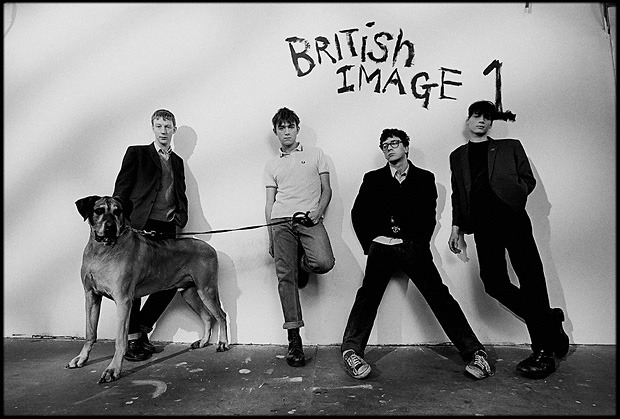
1994 saw two pivotal bands join the Britpop scene: Oasis from Manchester and Pulp from Sheffield. Oasis released 'Definitely Maybe' in August, while Pulp unveiled 'His 'n' Hers' earlier in the year, in April. 'His 'n' Hers' showcased Pulp's sharp lyrical wit and observational storytelling, zeroing in on the mundane, awkward, and often absurd aspects of everyday life, particularly love and lust.
The album's lush, synth-laden arrangements and Jarvis Cocker's unique delivery combined to create a record that was equal parts glamorous and grounded. With tracks like 'Do You Remember the First Time?', 'Lipgloss', 'Babies', 'She's a Lady', 'Pink Glove', 'Happy Endings', and 'David's Last Summer', Pulp delivered a set of songs that ranged from biting satire to bittersweet reflection. This approach set them apart from their peers and secured their place in the Britpop pantheon.
Songs like 'Do You Remember the First Time?' tackled sexual awakening and romantic nostalgia with a mix of raw honesty and theatrical flair. At the same time, 'Lipgloss' explored heartbreak and self-image through a lens of biting sarcasm. 'Babies', initially released in 1992 but featured here as a standout track, perfectly captured the voyeuristic confusion of adolescent curiosity. Meanwhile, 'She's a Lady' flipped gender expectations with deadpan humour, and 'Pink Glove' offered a moody, almost sinister twist on jealousy and desire.
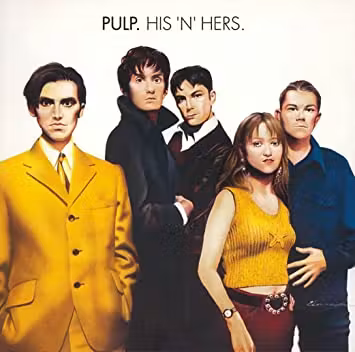
The album was rich with lush synths, infectious hooks, and Jarvis Cocker’s unmistakable vocal delivery, part croon, part confession. 'His 'n' Hers' didn’t just hint at Pulp’s potential; it announced them as a singular voice in the Britpop movement. The album was a breakthrough for the band, blending lush synths, clever storytelling, and Jarvis Cocker’s sardonic wit into a sound that was both glamorous and relatable. 'His 'n' Hers' marks the moment Pulp truly found their voice and paved the way for their era-defining success with 'Different Class'.
When Oasis released 'Definitely Maybe' in August 1994, few could have anticipated the seismic impact it would have, not least because the Manchester scene had already produced the Madchester explosion, The Smiths, New Order, and Joy Division. The world hardly expected another group from the city to make such a mark. Yet Oasis, with a sound that fused the rawness of punk, the swagger of glam, and the melodic sensibility of classic British pop, immediately stood apart.
The album opened with 'Rock 'n' Roll Star', a bold statement of intent that set the tone for the entire record. 'Shakermaker', with its infectious melody and unmistakable riff, revealed the band’s knack for blending gritty rock with catchy hooks. The singles, 'Supersonic', 'Shakermaker', 'Live Forever', and 'Cigarettes & Alcohol', all became anthems, storming the charts and radio playlists, and turning Oasis into overnight stars.
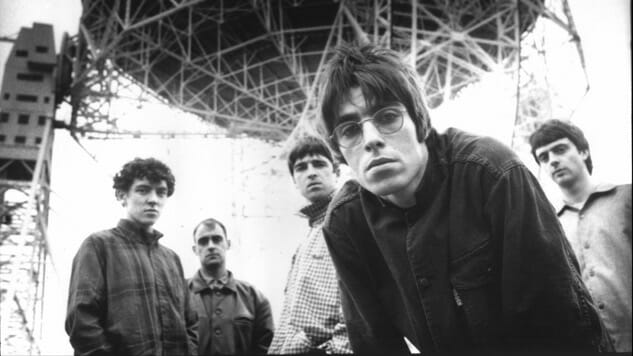
Supersonic' hit hard with its raw energy and Liam Gallagher’s unmistakable vocals, while 'Live Forever', one of their most anthemic tracks, distilled the hope and defiance of youth. 'Cigarettes & Alcohol' is an ode to hedonism and working-class escapism, built on a stomping riff and anthemic chorus that made it a generational singalong. 'Slide Away' stands as one of the band’s greatest love songs, soaring, emotional, and packed with yearning. 'Up in the Sky' is a punchy, cynical blast aimed at the establishment, while 'Bring It On Down' unleashes snarling guitars and attitude in equal measure.
But the magic of 'Definitely Maybe' runs even deeper. 'Digsy’s Dinner' offers a playful, almost Beatles-esque slice of everyday northern life, while 'Married with Children' closes the album with acoustic swagger and tongue-in-cheek bitterness. Even the non-single album tracks became fan favourites: 'Columbia' is a swirling, hypnotic jam that channels the band’s early club roots, while 'Bring It On Down' and 'Up in the Sky' add grit and urgency to the record. 'Sad Song', included on some editions, offers Noel Gallagher in a rare, vulnerable mode, and every song on 'Definitely Maybe' contributes to the album's relentless momentum and sense of possibility.
Throughout 'Definitely Maybe', Oasis combine swagger, melody, and a sense of possibility that defined the spirit of Britpop’s early years. The album’s wall-of-sound production, Lennon-esque harmonies, and everyman lyrics made it a rallying cry for a generation disillusioned with the status quo. There's a communal nature to Oasis; it's not me and you, it's us. Noel Gallagher took that attitude from Acid House; he had been a regular at the Hacienda and was inspired by the communal nature of rave, whilst also being inspired by the ghosts of Manchester past: The Smiths, Joy Division, New Order, Happy Mondays and The Stone Roses; the attitude of punk, the melodies of The Beatles to create something truly special. As a debut record, it still stands up.
Suede and Blur hadn't gone anywhere. Blur released ‘Parklife’, an album that would cement their place at the forefront of Britpop. At the same time, Suede chose a different path with 'Dog Man Star', their 1994 masterpiece and arguably one of the decade's boldest statements in British rock.
'Dog Man Star' was an album born out of chaos and creative friction; the sessions were infamous for the breakdown in relations between Brett Anderson and guitarist Bernard Butler, who would leave the band before the record was even finished. Yet, out of that tension came a record of extraordinary ambition. Rather than chase radio-friendly hits, Suede delivered sweeping, cinematic soundscapes and deeply poetic lyrics. The album's sound is lush and orchestral, imbued with a sense of doomed glamour and tragic romance.
Tracks like ‘The Wild Ones’ are soaring and achingly melancholic, ‘We Are the Pigs’ bites with apocalyptic energy, and ‘Still Life’ closes the album with a full orchestra, building from fragile piano to a thunderous, cathartic crescendo. The album also includes ‘Heroine’ and ‘The Asphalt World’, the latter an epic, nearly 10-minute journey through obsession and heartbreak, showcasing both Butler’s guitar wizardry and Anderson’s theatrical vocals at full stretch.
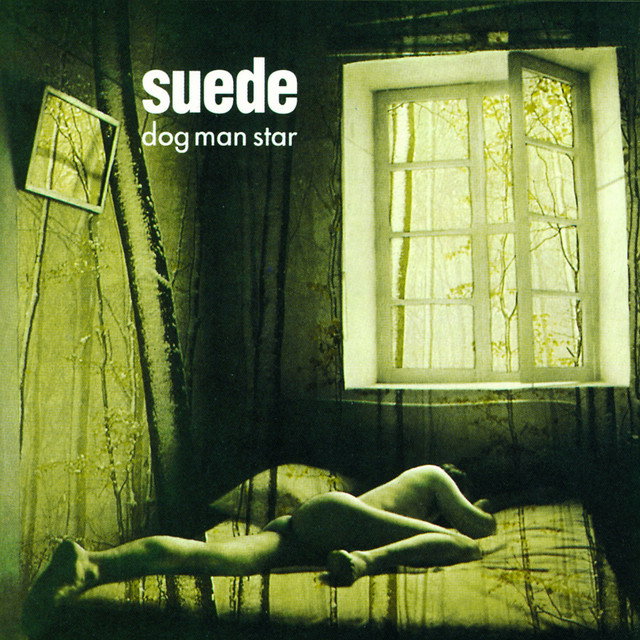
Lyrically, Anderson explores themes of excess, decadence, isolation, and collapse, painting a portrait of a decaying metropolis and its lost souls. The record’s intensity and daring set it apart from the upbeat, day-glo optimism of Britpop’s biggest albums. At the time, it was misunderstood by some critics and fans expecting more of Suede’s glam-pop debut, but 'Dog Man Star' has since been recognised as one of the great artistic achievements of the era, a baroque, operatic, and deeply English record that influenced a generation of bands to come.
Its moody atmosphere, lush production, and willingness to tackle grand, almost operatic themes made it a stark contrast to the upbeat anthems of their peers, and solidified Suede’s reputation as true outsiders and innovators within the scene.
Blur released 'Parklife' in April 1994, at a time when the British music scene was hungry for a new, distinctly homegrown sound. Arriving just as grunge’s dominance was beginning to wane and amid a growing sense of cultural optimism in the UK, ‘Parklife’ proved to be the defining album of the emerging Britpop movement. With its clever storytelling, vivid character sketches, and infectious melodies, the record captured the spirit of mid-90s Britain like nothing else. The album’s release was met with critical acclaim and commercial success, propelling Blur to the forefront of British pop culture almost overnight. ‘Parklife’ not only established Blur as the leading chroniclers of contemporary British life but also helped spark a wider cultural resurgence that would come to define the decade.
The title track, 'Parklife', with its spoken-word verses from actor Phil Daniels, is a fond, tongue-in-cheek celebration of the ordinary: dog-walkers, joggers, and the rituals of daily life. It became an anthem for a generation, its chorus immortalising “all the people, so many people” going about their everyday routines.
'Girls and Boys,' the lead single from Blur's 'Parklife,' was released in March 1994 and immediately set the tone for the album’s playful, observational approach to contemporary British life. The song’s infectious, dance-driven bassline and energetic beat were inspired by the burgeoning club culture of the early 1990s, marking a stylistic departure from Blur’s earlier guitar-based sound. Damon Albarn’s witty, tongue-in-cheek lyrics paint a vivid picture of British holidaymakers in Europe, poking fun at the era's hedonism and fluid sexuality while celebrating its carefree spirit.
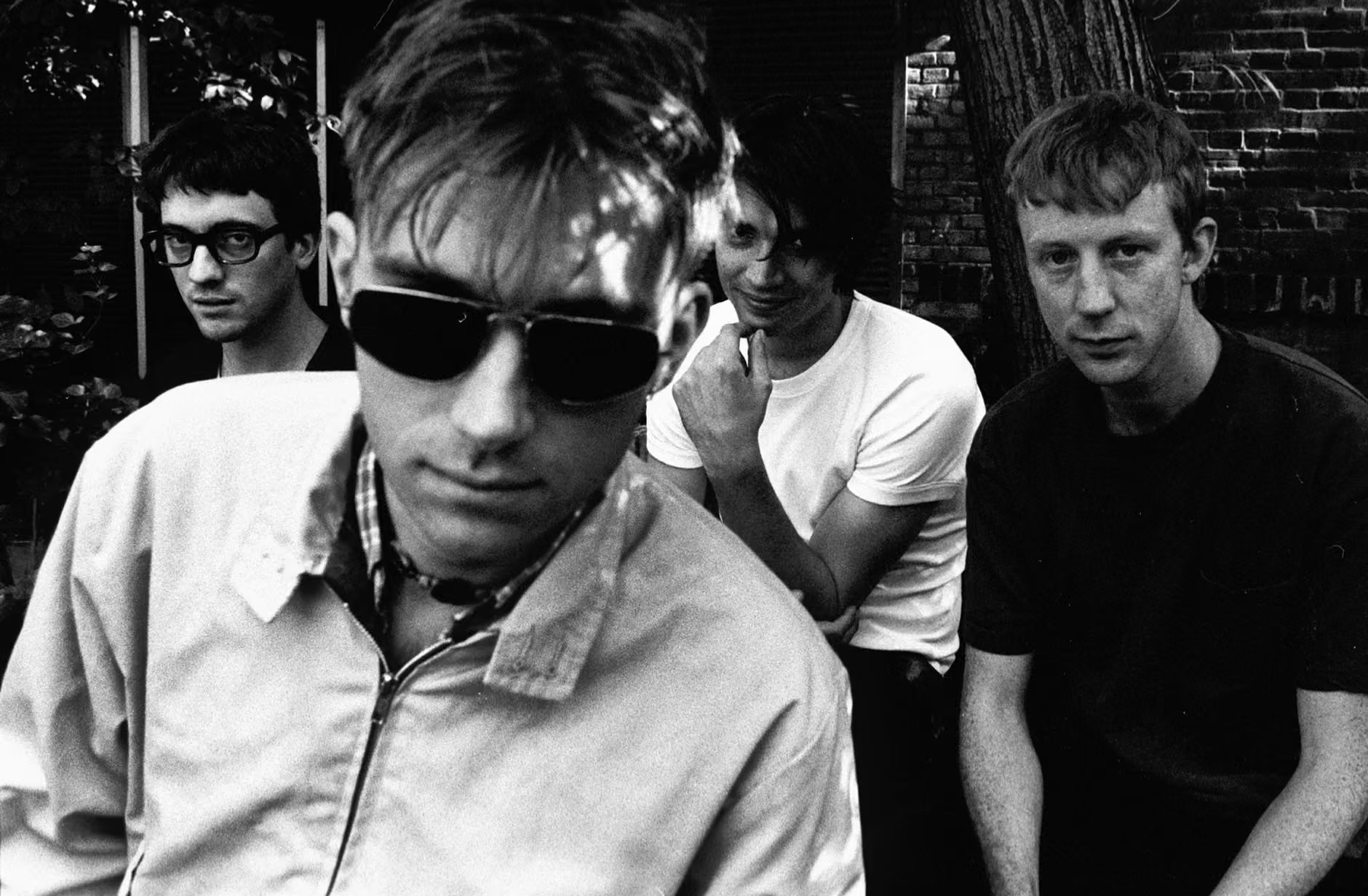
But the album’s depth comes from its range: 'End of a Century' offers wistful nostalgia for ordinary romance; 'To the End' is a lush, cinematic duet tinged with melancholy; 'Tracy Jacks' tells the story of a suburban everyman’s breakdown with both humour and compassion. 'London Loves' is a frenetic ode to the city’s restless energy, 'Badhead' aches with break-up melancholy, and 'Clover Over Dover' dabbles in orchestral pop with a dark, almost fatalistic edge.
This Is a Low’ serves as the emotional climax of Blur’s 'Parklife' album, a soaring, atmospheric ballad that stands among the band’s most cherished songs. Written by Damon Albarn and guitarist Graham Coxon, the song takes inspiration from the shipping forecast, a staple of late-night British radio that outlines weather conditions around the UK’s coast. Albarn weaves these forecast regions into his lyrics, transforming a list of place names such as Biscay, Dogger, Thames, and Tyne into a poetic meditation on British identity, nostalgia, and melancholy.
It’s a song that resonates deeply with listeners, evoking a sense of place and belonging, and it remains one of the band’s most enduring and beloved tracks, often cited by fans and critics as a highlight not just of 'Parklife,' but of Blur’s entire catalogue.
'Parklife' isn’t just a collection of singles; it’s a concept record about Britishness at a crossroads, filled with vividly drawn characters, social satire, and a sense of both celebration and unease. It’s the definitive Blur statement, and the album that truly cemented their place at the heart of Britpop.
1995 was Pulp’s year. They took on Blur, Oasis, and even The Stone Roses, and came out on top. Suede would take a step back in 1995 in terms of studio releases, but the big three, Oasis, Blur, and Pulp, each dropped iconic albums.
Oasis released '(What's the Story) Morning Glory?', a record that exploded into the cultural mainstream and became a defining force of the decade. The album was packed with era-defining anthems such as 'Wonderwall', 'Don't Look Back in Anger', and 'Champagne Supernova', each song capturing the spirit and swagger of mid-90s Britain. Meanwhile, Pulp unveiled 'Different Class', an album that was as clever as it was cutting, witty, sharply observed, and instantly hailed as both a masterpiece and a cultural touchstone. Blur completed their so-called “life trilogy” with 'The Great Escape', a record that, for all its later controversies, delivered quintessential tracks like the chart-topping 'Country House', the cinematic 'The Universal', and the darkly satirical 'It Could Be You'. Together, these albums didn’t just soundtrack the year; they set the tone for an entire era, each reflecting a different vision of British life and youth culture.
Oasis were simply unstoppable in 1995. The band unleashed a relentless barrage of singles, 'Some Might Say', 'Wonderwall', 'Don't Look Back in Anger', 'Roll With It', and the epic 'Champagne Supernova' that not only dominated the airwaves but also came to define a generation’s sound and attitude. Even their b-sides, like 'Acquiesce', 'The Masterplan', and 'Rockin’ Chair', were so strong they could have been hits in their own right, further highlighting the band’s remarkable creative outpouring. At the creative centre of it all was Noel Gallagher, whose songwriting during this period seemed untouchable, every melody and lyric radiating confidence, hope, and a sense of limitless possibility.
The phenomenal success of '(What's the Story) Morning Glory?' didn’t just confirm Oasis as Britain’s biggest band; it vaulted them to international superstardom, and the album’s songs have since become woven into the fabric of British life. The tracks on 'Morning Glory?' reveal precisely why the album became such a touchstone of British culture. 'Some Might Say', the band’s first UK number one, radiated working-class optimism and gritty, no-nonsense energy. 'Cast No Shadow' paid moving tribute to Richard Ashcroft, exploring themes of loneliness and the search for meaning. The title track, 'Morning Glory', dashed forward with heavy guitars and cryptic lyrics that perfectly encapsulated the era’s hedonism and excess. Its opening lines, "all your dreams are made when you're chained to the mirror and the razor blade", are a barely disguised nod to cocaine use, an emblem of the album’s unapologetic celebration of escapism, recklessness, and the darker side of Britpop’s glamorous allure.
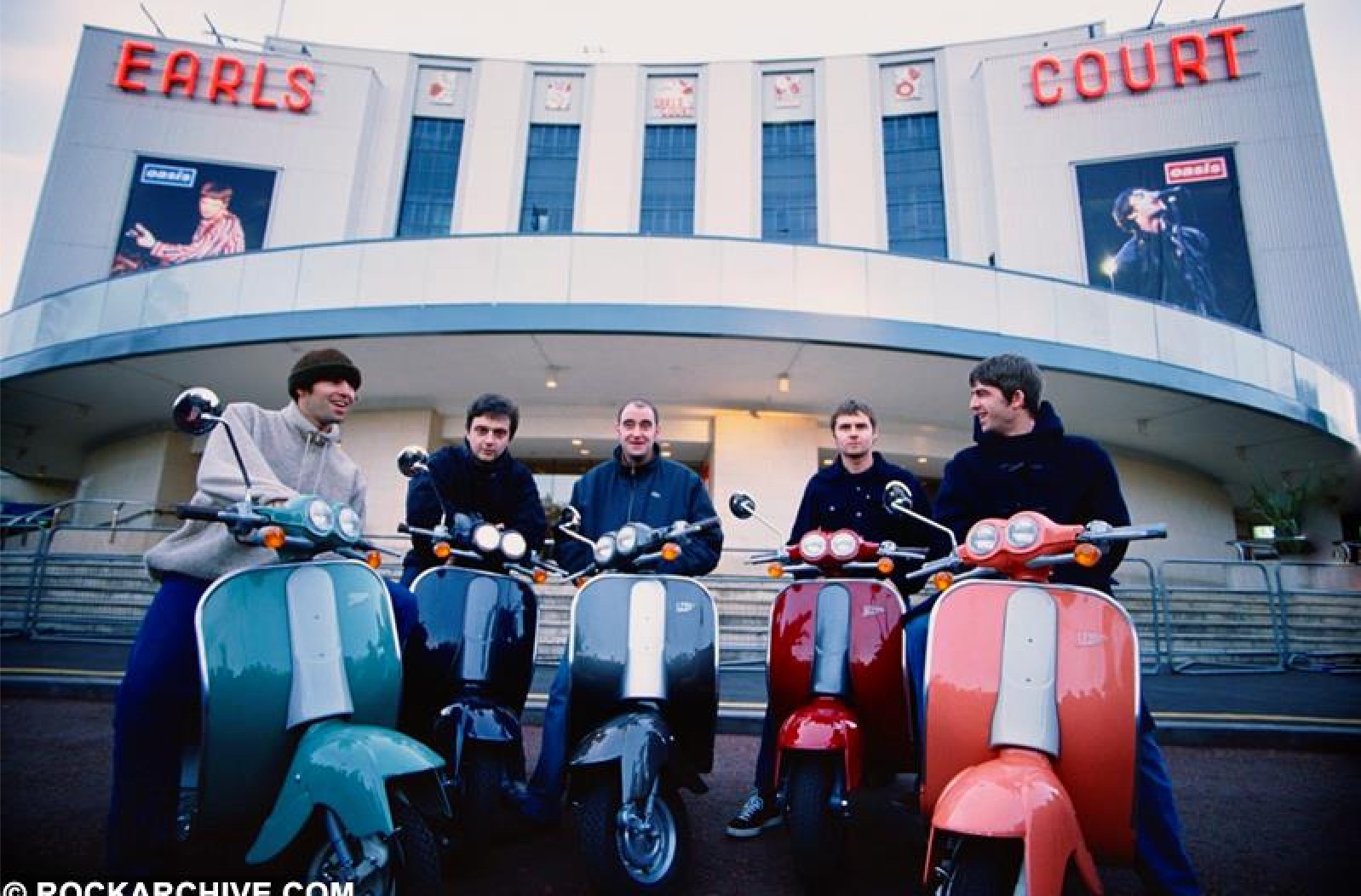
But it’s the holy trinity of 'Wonderwall', 'Don't Look Back in Anger', and 'Champagne Supernova' that have become true cultural touchstones. 'Wonderwall' is the first song many people learn on the guitar, its chords echoing through bedrooms and house parties for generations. 'Don't Look Back in Anger', with its instantly recognisable piano intro and soaring chorus, has taken on a life of its own as an anthem of defiance and unity, never more so than after the Manchester Arena attack in 2017, when crowds gathered to sing it in tribute and solidarity. Then there is 'Champagne Supernova', a song that has transcended its "nonsensical" lyrics to become a kind of hymn for lost youth, nostalgia, and togetherness. As Noel Gallagher reflected: “It was somewhere in the north of England that I happened to glance up at the crowd. It was just a sea of teenagers, all young lads, all with their tops off on each other’s shoulders, singing the words of a nonsensical song by a band that were broken up when… they were two years old when the band fucking broke up. So I think to myself sometimes, you know, ‘That’s what it means.’ Because we recorded it and wrote it while we were still relatively young, it still appeals to young people, and it’s gone through three or four generations now.”
It is this mix of anthemic hope, gritty realism, and pure emotional resonance that helped make 'Morning Glory?' one of the best-selling and most influential British albums of all time.
Blur, on the other hand, were riding a tidal wave of fame after the runaway success of 'Parklife', a status underlined by their clean sweep at the 1995 Brit Awards. But as anticipation soared, their follow-up album, 'The Great Escape', arrived to a more complicated reception. Damon Albarn famously labelled it a "mess" in retrospect, and critics at the time were divided over its sprawling ambition and darkly comic tone. Yet, with the benefit of hindsight, 'The Great Escape' stands as one of Blur’s most fascinating and enduring works.
It delivered unforgettable moments, most notably the infectious, tongue-in-cheek Number One single 'Country House', the haunting, cinematic beauty of 'The Universal', and a suite of tracks that showcased the band’s gift for both satire and melody. While it may have split opinion upon release, the album’s best songs have become Britpop staples, proving its lasting importance within the genre. 'The Great Escape' is arguably Blur’s most ambitious and satirical album, a sharply observed concept record that dissects the anxieties, absurdities, and contradictions of modern British life.
'The Universal', in particular, stands out not just for its sweeping, orchestral arrangement and iconic 'A Clockwork Orange'-inspired video, but also for the emotional complexity it channels. Damon Albarn wrote the song while taking Prozac, and the track radiates both hope and melancholy, capturing a sense of yearning for connection in an era of rising consumerism and emotional numbness. Its cinematic grandeur elevates it to the status of a modern hymn, a song that critiques the dehumanising effects of late capitalism even as it aches for universal togetherness. It's a testament to Albarn’s ability to inject vulnerability and genuine feeling into Britpop’s sharpest satire.
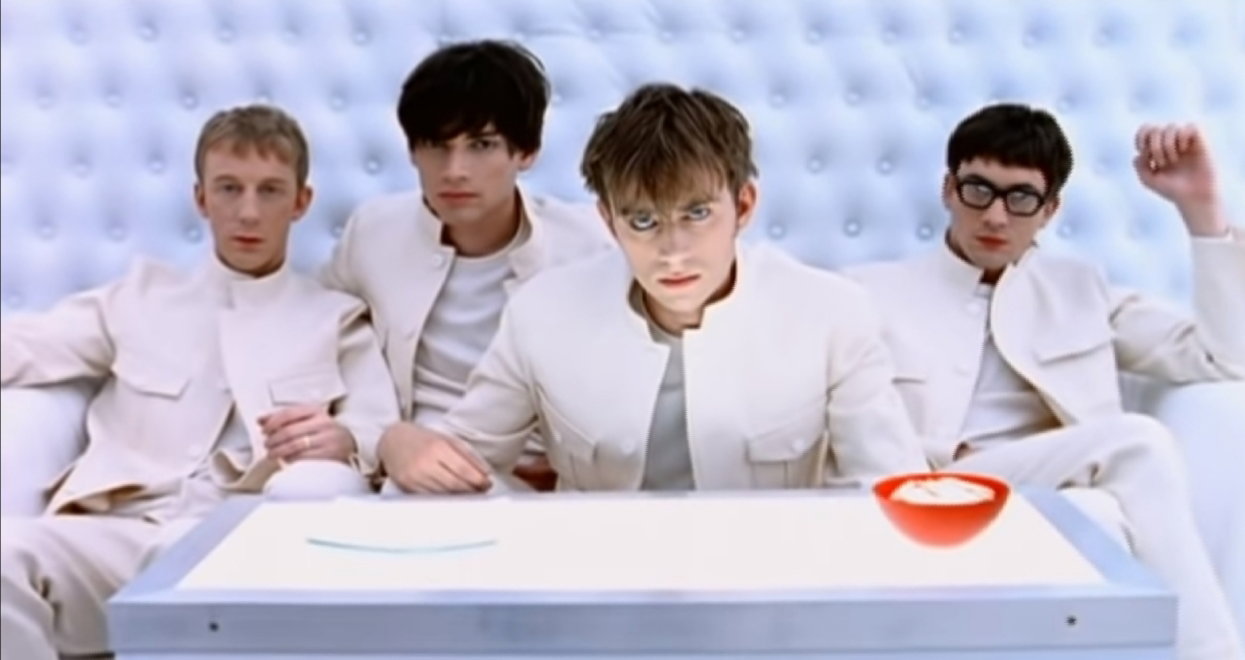
Tracks like 'Stereotypes' and 'It Could Be You' blend irresistible hooks with razor-sharp social commentary, lampooning suburban escapism with an ode to wife-swapping and the dream-chasing frenzy of the newly launched National Lottery. Elsewhere, 'He Thought of Cars' and 'Fade Away' showcase Blur’s willingness to experiment, delving into darker, more introspective territory and exploring themes of alienation, restlessness, and the mounting pressures of a rapidly changing society. In contrast to Oasis’s escapist anthems, Blur’s record offered a more critical, sometimes unsettling reflection of 90s Britain, an artistic risk that, in retrospect, cements its place as a vital Britpop document.
Pulp released 'Different Class' in 1995, a record that many, myself included, believe defines the very essence of Britpop. Witty, dark, beautiful, and ironic, the album is a masterclass in British storytelling and social commentary. Songs like 'Disco 2000', 'Sorted For E's and Whizz', and 'Mis-Shapes' are steeped in British life and culture, transforming the everyday and the awkward into brilliant, unforgettable pop.
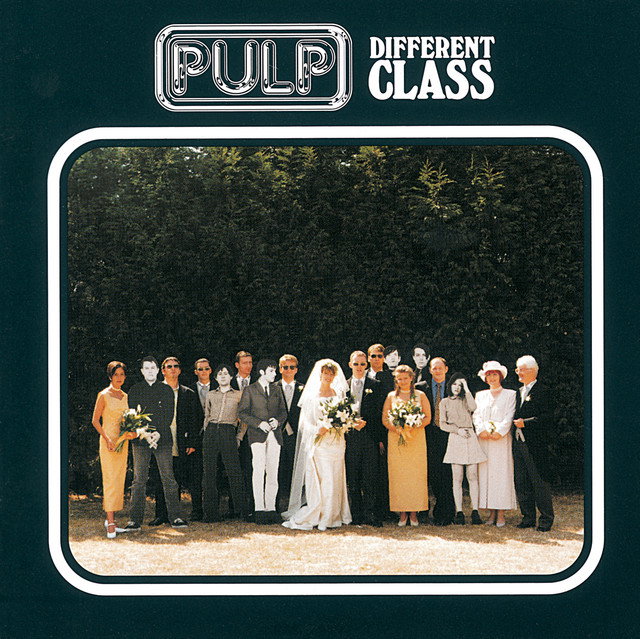
'Common People' is the album’s crown jewel, a song that doesn’t just capture the nation’s obsession with class, but skewers it with razor-sharp detail. Jarvis Cocker’s lyrics tell the story of a wealthy art student who wants to "live like common people," laying bare the absurdity and insensitivity of class tourism, a phenomenon as relevant today as it was then. The song’s soaring chorus, biting wit, and urgent delivery turned it into an anthem for the disaffected, and its impact on British society is almost impossible to overstate. In a few minutes, Pulp encapsulated the complexities and contradictions of the British class system, making 'Common People' one of the most important social commentaries in pop history.
'Disco 2000', meanwhile, is a glittering, bittersweet tale of youthful longing and nostalgia. With its infectious disco beat and singalong chorus, the song paints a vivid picture of growing up, missed connections, and the universal hope that maybe, just maybe, life will come together in the future. Jarvis Cocker’s storytelling is at its most evocative here: funny, poignant, and instantly relatable.
Just as memorable is 'Sorted for E’s and Whizz', Pulp’s wry and anxious reflection on rave culture and the mass gatherings that defined British youth in the early 90s. The song’s iconic lyric. “Oh, is this the way they say the future's meant to feel? Or just twenty thousand people standing in a field?” directly references the legendary Spike Island gig and the collective euphoria and confusion of the rave era. Cocker’s ambivalence captures both the thrill and emptiness of these experiences: the promise of the future, the fleeting sense of connection, and the underlying sense of being lost in the crowd. 'Sorted for E’s and Whizz' stands as both a celebration and a critique, perfectly encapsulating 'Different Class’s ability to turn subculture and social commentary into unforgettable pop.
All three tracks, 'Common People', 'Disco 2000', and 'Sorted for E’s and Whizz' helped cement 'Different Class' as a cultural touchstone, an album that captured the dreams, frustrations, and realities of 1990s Britain like nothing else.
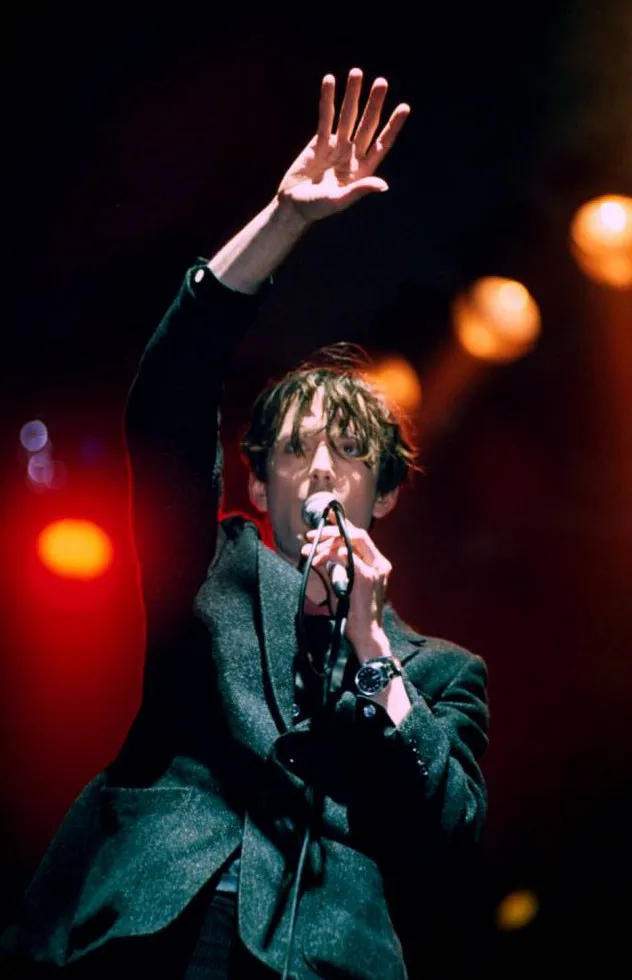
1995, to top off the success of a brilliant album, Pulp cemented their place in Britpop history by stepping in as the ‘super subs’ at Glastonbury, famously replacing The Stone Roses after John Squire broke his collarbone. It was a career-defining set: with the nation watching, Jarvis Cocker and the band delivered a performance brimming with charisma, wit, and a genuine sense of occasion. Their Glastonbury set transformed them from cult heroes to mainstream icons, as the anthems of 'Different Class', 'Common People', 'Disco 2000', and 'Sorted for E’s and Whizz' reverberated across Worthy Farm and into the hearts of a new generation. Pulp didn’t just fill the void left by The Stone Roses; they seized the moment and created one of the most iconic festival appearances of all time, perfectly capturing the spirit of the era.
That night, Pulp’s mix of biting social commentary, infectious melodies, and Cocker’s magnetic stage presence seemed to sum up everything Britpop could be: clever, inclusive, subversive, and deeply connected to the crowd. Their performance remains the benchmark by which all subsequent Glastonbury moments are measured, a triumphant celebration of an outsider's victory and a fitting coronation for the band that truly won in 1995.
In the summer of 1995, the British music scene was defined by a single, loud narrative: the "Battle of Britpop." This was more than just a chart rivalry; it became a full-blown cultural phenomenon that captured the nation's imagination and reverberated around the world. On August 14th, 1995, Blur and Oasis went head-to-head in a highly publicised race for the Number One single, a contest that transcended music and became a touchstone of 1990s British identity. Blur’s 'Country House' and Oasis’s 'Roll With It' were released on the same day, and the press eagerly framed the competition as a clash of North versus South, working-class swagger versus art school wit, and even football terrace bravado versus bohemian eccentricity.
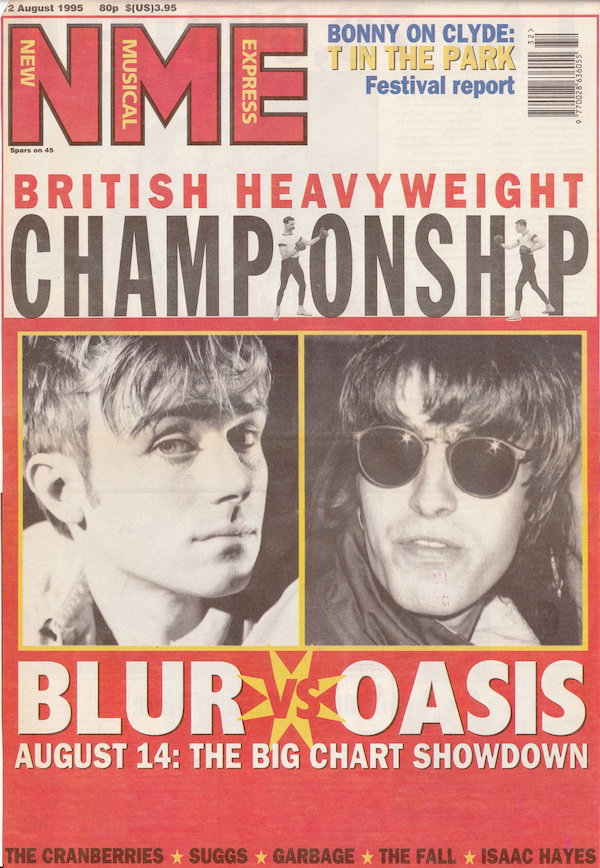
The media frenzy was relentless: daily tabloid headlines, TV news segments, and radio debates turned the chart battle into a national obsession, making both bands household names overnight. It wasn’t just about record sales; it was about identity, pride, and the cultural soul of Britain in the 90s.
Ultimately, Blur’s 'Country House' outsold Oasis’s 'Roll With It' to claim the top spot, sparking wild celebrations in the Blur camp and plenty of banter in the press. Yet, the true winners were both bands, and Britpop itself. The "Battle of Britpop" ignited a wave of excitement that pushed the movement to new heights of popularity and cultural significance, inspiring a generation and drawing global attention to British music. The rivalry set the stage for the release of two of the era’s most important albums: Blur’s ambitious and satirical 'The Great Escape' and Oasis’s iconic '(What's the Story) Morning Glory?'.
While Blur may have won the singles battle, Oasis decisively won the album war; '(What's the Story) Morning Glory?' quickly became one of the best-selling and most influential records in UK history, soundtracking the decade and leaving a legacy that endures to this day. The "Battle of Britpop" wasn’t just a moment in the charts; it was a defining moment in modern British culture, remembered as the week pop music ruled the headlines, and Britain found its voice on the global stage..
Meanwhile, as this musical rivalry dominated headlines, a much darker reality was unfolding 1,000 miles away. The Bosnian conflict was reaching a horrific crescendo, marked by the genocide at Srebrenica.
While the tabloids obsessed over chart positions, a group of music industry insiders, led by Tony Crean of Go! Discs and publicists Terri Hall, Anton Brookes, and Rob Partridge decided to pivot the industry’s competitive energy toward something vital. The result was 'Help', a charity album for War Child that remains the most authentic time capsule of 90s British music.
Before it was a global phenomenon, War Child was the gut reaction of two British filmmakers, Bill Leeson and David Wilson. In 1993, while filming a documentary in the war-torn former Yugoslavia, they were horrified by the violence and ethnic cleansing they witnessed firsthand.
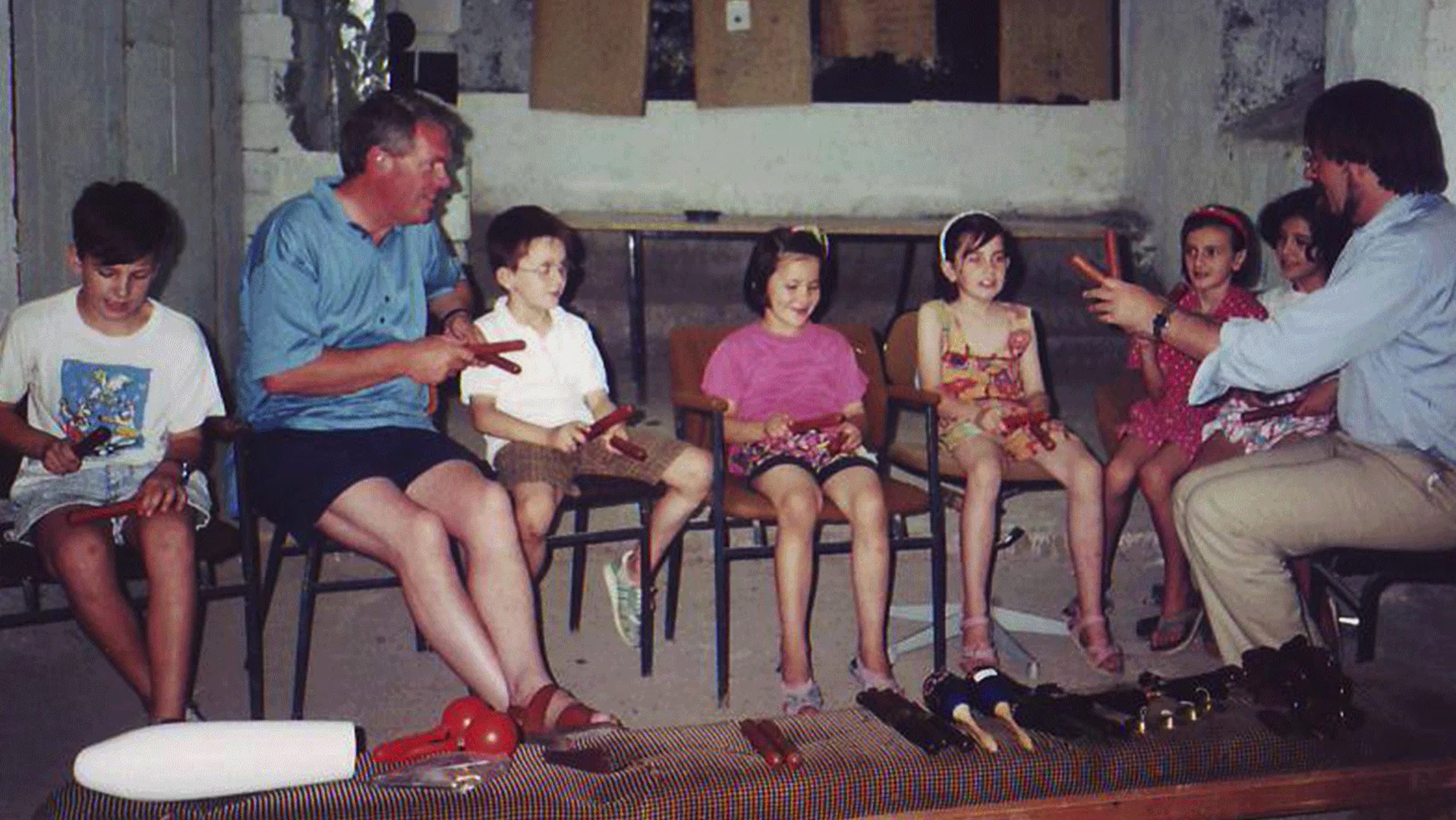
They didn't start with a record label; they started with a bakery. Shocked by the sight of snipers targeting children, they set up a mobile bakery in Camden and sent it to Mostar, Bosnia. It eventually fed 15,000 people a week, regardless of ethnicity. The charity's connection to music began when a radio report about the bakery caught the attention of Anthea Norman-Taylor and her husband, Brian Eno. Eno brought in heavyweights like U2, David Bowie, and Luciano Pavarotti, laying the groundwork for 'Help'.
The idea was born from a mix of urgency and flu-induced revelation. Tony Crean wanted to prove the industry could move faster than the bureaucracy of war. While bedridden in July 1995, watching the horrific news from Srebrenica, he was struck by the contrast between the glacial pace of political intervention and the speed of pop culture.
He drew inspiration from John Lennon, who in 1970 famously boasted that 'Instant Karma!' was recorded, pressed, and in the shops within a single week. Tony recalled Lennon’s philosophy that records should be like newspapers, immediate, reactionary, and raw. He didn't want a polished studio album; he wanted a "sonic dispatch" from the front lines of British music. The 'Help' team decided to mirror this breakneck schedule:
- Monday,September 4th: Record the tracks.
- Tuesday,September 5th: Master the album.
- Friday,September 8th: In the shops.
To pull this off, they had to bypass the entire machinery of the modern music industry. There were no contracts, no long-term marketing plans, and no corporate red tape. They utilised a guerrilla approach: they simply called the studios and asked for the rooms for free, then called the bands and told them they had exactly 24 hours to deliver a master tape.
By the early hours of Monday morning, courier bikes were stationed across London and Europe, ready to act as the circulatory system for this massive experiment. If a band couldn't finish their track by the midnight deadline, they were out. This created a high-stakes pressure cooker environment that forced artists like Radiohead and Oasis to capture something lightning-fast and honest, the exact opposite of the over-produced, bloated sessions common in the mid-90s.
It wasn't originally going to be an album, though. The original plan was a concert: "The initial idea was a big gig with The Stone Roses and Black Grape", said Roses' PR Terri Hall. "But the venue, Old Trafford Cricket Ground, fell through." And in hindsight, we're so glad it did!
This logistical miracle was made possible by four key figures.
Tony Crean (The Visionary): As the International Marketing Manager at Go! Discs, Tony was the spark. His "Bed Revolution" was inspired by the Oasis lyric "I'm gonna start a revolution from my bed." Laid up with a fever, he realised that while he’d spent years obsessing over pop music, a genocide was happening under his nose. He became the bridge between Brian Eno’s high-concept humanitarianism and the raw grit of the Britpop scene. It was Tony who personally rang Paul Weller to suggest the "Macca" collaboration, essentially acting as the project’s creative director.
Rob Partridge (The Architect): A legendary PR man who had previously headed press at Island Records. Rob was the only person who didn't think the timeline was "nonsense." Having worked with Bob Marley and personally persuaded Island to sign U2, he had the most formidable contact book in London. He drew on his experience with the Toots and the Maytals live record, which used a similar lightning-fast turnaround, to coordinate over 20 studios and a fleet of courier bikes. Tony Crean famously called him a "magician" because he could solve any logistical nightmare with a single phone call.
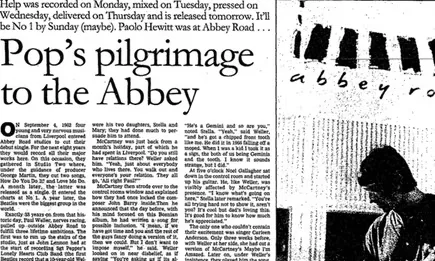
Terri Hall (The PR Powerhouse): Head of the formidable Hall-or-Nothing PR. Terri was the "gatekeeper" to the era’s titans, representing Oasis, The Stone Roses, and Manic Street Preachers. Her personal trust with these bands was the project’s secret weapon. It was Terri who convinced the Manics to return to the studio for the first time since Richey Edwards vanished, and it was her relationship with John Squire that secured the album's iconic artwork. She treated her bands like family, and because she believed in the cause, they did too.
Andy Macdonald (The Maverick Mogul): The founder of Go! Discs, Andy was the definitive "Indie" boss who valued art over spreadsheets. When Tony pitched the idea, Andy didn't just approve it; he committed the entire label’s resources to it. He waived every penny of profit, provided the office space for the "war room," and blagged a private plane from the head of Polygram to fly the digital masters to a pressing plant in Holland. His willingness to take a massive financial risk ensured the record reached the shops by Friday morning.
Together, these four proved they could do what Lennon had dreamed: write, record, and release a record in a week. As Andy Macdonald later reflected, "Tony came into the office like a man possessed... we all just caught that energy."
As mentioned in August 1995, the Blur vs Oasis rivalry was a media circus. Tony Crean used this as a lever. He framed the album as a "ceasefire"; if the two biggest bands in the country could stop fighting for one day, the world would have to notice Bosnia. Knowing both Damon Albarn and Noel Gallagher were Beatles disciples, he sold it as a tribute to Lennon’s legacy. Noel famously summarised the rare unity: "We’ll put aside our differences for the cause – and it’s the only time you’ll see the two of us agreeing on anything."
Noel Gallagher worked solidly for almost the entire 24 hours. He recorded two tracks, conducted interviews, attended photo sessions, and even personally hand-delivered Oasis' new version of 'Fade Away' to Radio 1.
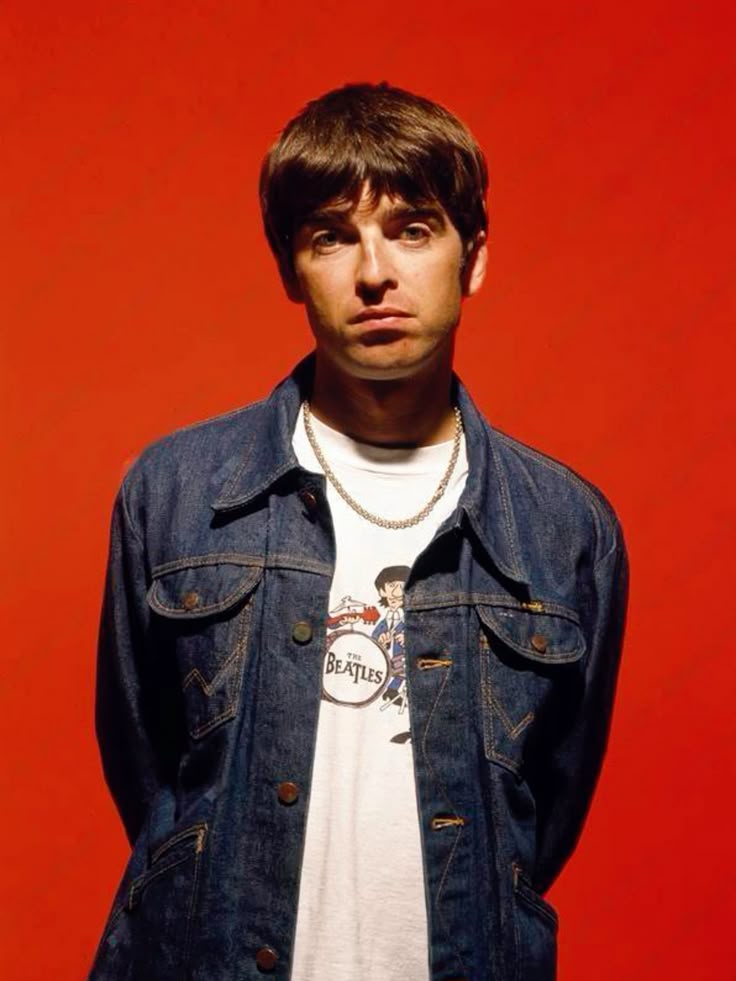
Blur’s contribution stood as evidence of the band's creative fearlessness at the height of their fame. While the rest of the world expected a pop anthem, they delivered the experimental, mostly instrumental track 'Eine Kleine Lift Musik'. Recorded at Abbey Road, the title was a playful nod to Mozart’s 'Eine kleine Nachtmusik', but the sound was pure 90s art-pop.
Graham Coxon recalled the session as a chance to do something "a little bit jarring and strange," providing a perfect, atmospheric counterpoint to the more straightforward rock tracks on the record. By including them alongside Oasis, the 'Help' team successfully turned a toxic chart war into a unified front for humanitarian aid.
The recording day was a high-stakes "pressure cooker." Tapes were being rushed to London from as far as Dublin and rural France. The Manic Street Preachers nearly missed the cut-off entirely when their tapes missed the last ferry from France. Neneh Cherry, recording in Spain, caught the last cargo plane out of Malaga by the skin of her teeth. Even Tony Crean crashed his car while trying to tune the radio during the frantic session window.
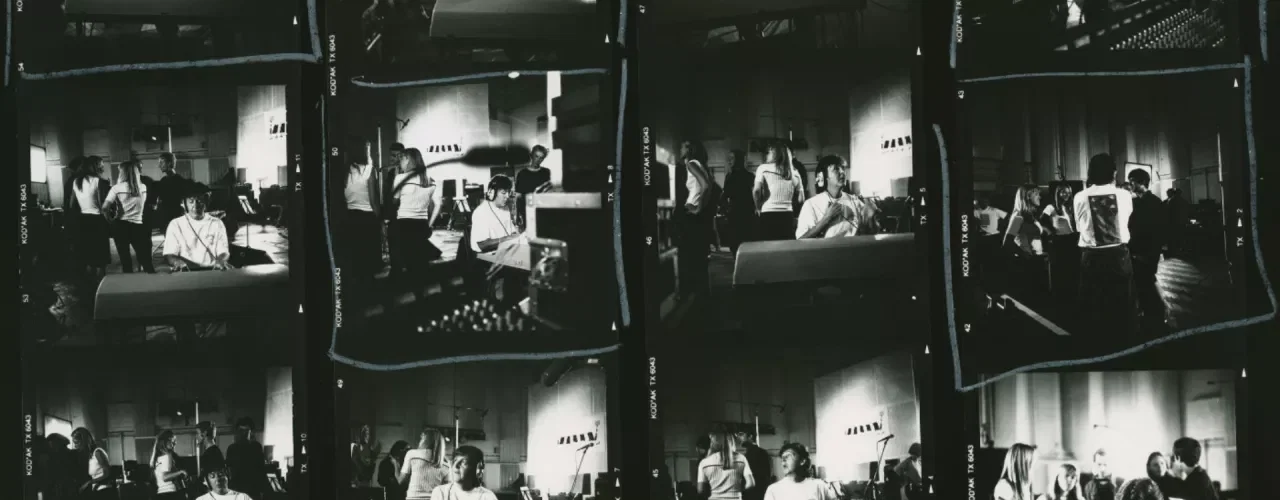
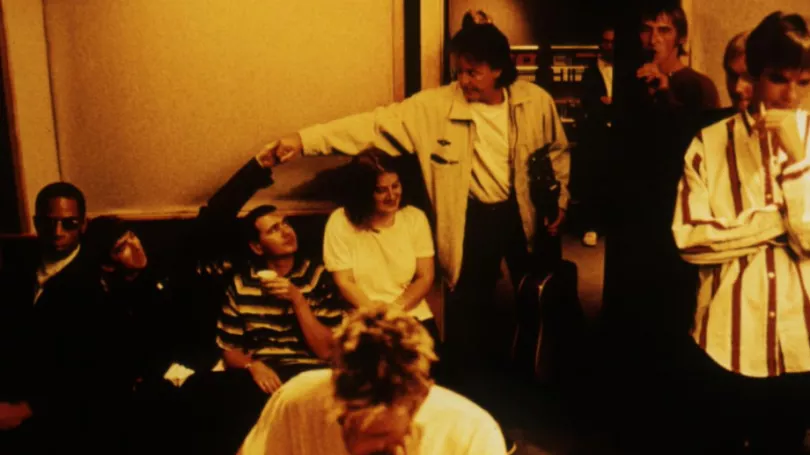
The Smokin’ Mojo Filters provided the album's most zeitgeist moment at Abbey Road Studio Two. While the headlines focused on the trio of Paul McCartney, Paul Weller, and Noel Gallagher, the session was a true gathering of mid-90s musical heavyweights.
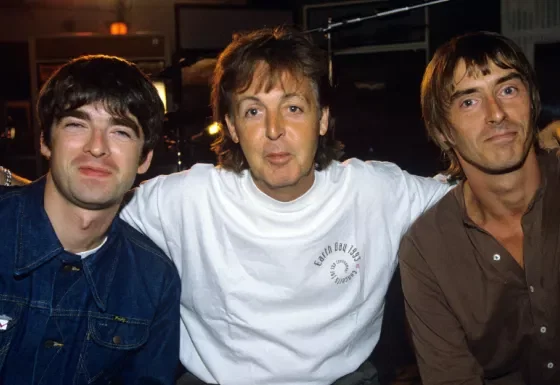
The supergroup was rounded out by Steve Cradock and Damon Minchella of Ocean Colour Scene, who provided the driving guitar and bass, alongside the legendary Steve White on drums, a longtime collaborator of Weller’s from The Style Council. Adding a soulful layer to the track was Carleen Anderson, one of the most powerful voices of the Young Disciples and the acid jazz movement.
The atmosphere in the room was electric but daunting. Paul Weller was so nervous to work with "Macca" that he admitted to "self-medicating" to calm his nerves, and by the end of the day, he jokingly described himself as a "fucking mess." Meanwhile, Noel Gallagher arrived, was handed a guitar, and realised he didn’t actually know how to play the song.
McCartney, ever the professional, jumped in on the Wurlitzer piano and provided backing vocals, using his 1966 Epiphone Casino to add that unmistakable Beatles-esque grit to the recording. For the younger musicians in the room, watching a Beatle work in the very room where the original 'Come Together' was recorded felt less like a session and more like a religious experience.
Only six months after the release of 'The Bends', Radiohead gifted the project a brand-new track called 'Lucky'. Recorded in just five hours with Nigel Godrich, it would eventually become the emotional centrepiece of 'OK Computer'.
The song had been written by Thom Yorke during a tour of Japan and refined during soundchecks. Ed O’Brien recalled the recording session in a "shiny" central London pop studio, the kind used by ABBA and Take That.
O'Brien said, “If you take it out of the context of Help, it was also a really important track for us,” notes O’Brien, “because it was a transitional track from 'The Bends' into OK Computer. And when we came to do the tracklisting for 'OK Computer', we were aware that a lot of people around the world hadn’t heard 'Lucky', because 'Help' was a UK-only release. It wasn’t even played on Radio 1."
For the Manic Street Preachers, the invitation to join 'Help' came at a time of profound trauma. The session marked the first time the band entered a studio since the disappearance of their lyricist and friend, Richey Edwards, on February 1stt of that year.
"The existence of the band was very sketchy at that point," James Dean Bradfield reflected. "We were flailing." They were about to head to Normandy to record what would become 'Everything Must Go', and they used the 'Help' session as a vital test. They chose a breezy cover of 'Raindrops Keep Fallin’ On My Head', a song Bradfield had been busking on tour. It was a poignant, fragile moment, a lighthearted pop melody carrying the unspoken, heavy weight of a band trying to find their footing in a world that had suddenly, violently changed.
The spirit of the album was bolstered by Suede, who delivered a masterstroke with their cover of the Elvis Costello and Clive Langer classic 'Shipbuilding'. Chosen for its haunting relevance to conflict-torn towns, Brett Anderson’s melancholic, piano-led vocal performance cut through the noise of the era with sombre beauty. Portishead contributed 'Mourning Air', a track so haunting it perfectly matched the sombre reality of the Bosnian conflict. The Chemical Brothers (then at the absolute vanguard of the 'Big Beat' movement) turned in 'Loop-Up-Free-Way', proving the electronic scene was just as engaged as the guitar bands.
Then there was the legendary arrival of Sinéad O’Connor’s contribution. Her sparse, percussion-heavy version of 'Ode to Billie Joe', complete with the haunting sample of a crying baby, actually arrived via courier after the mastering deadline had technically passed. The performance was so powerful that the producers felt they had no choice but to reopen the album to include it.
Over in Sweden, Neneh Cherry was recording at the legendary ABBA studios in Stockholm. Using the original ABBA keyboards, she turned an old nursery rhyme into '1, 2, 3, 4'; her motivation was simple and direct: "War is bad. Children do not fare well in a war."
The album also featured a charming, loungy collaboration between Salad and the late, great Terry Hall. Their version of 'Dream a Little Dream of Me' became one of the record's most beloved tracks, later leading to a memorable performance at the Mercury Music Prize ceremony. It perfectly encapsulated the "eclectic" nature of 'Help', where the indie-pop quirk of Marijne van der Vlugt could sit comfortably alongside the deadpan cool of a Specials legend.
Perhaps the most extreme contribution came from One World Orchestra (The KLF). True to their reputation as industry disruptors, Bill Drummond and Jimmy Cauty finished their track 'The Magnificent' at 10:00 AM, talked the Yugoslavian embassy into issuing them visas by 10:30 AM, and promptly boarded a plane to Sarajevo. Their goal was to debut the track on the underground B92 radio station in the very city the album was intended to help, all while the war was still actively raging around them.
The track itself was a rework of the theme from 'The Magnificent Seven', but it almost featured the most famous runaway in pop history. Robbie Williams, who had just sensationally quit Take That. Tony Crean said, "The only person who didn’t make it was Robbie Williams. Robbie had left Take That, and he’d been around all summer. You’d go to a gig or aftershow and bump into him. I sent Bill Drummond [The KLF] a fax and said, “I know you’re not doing anything, but how about doing a track with Robbie?” Then, after being around every bloody week, Robbie went on holiday with his mum. In the end, they had to do it without him [as the One World Orchestra]."
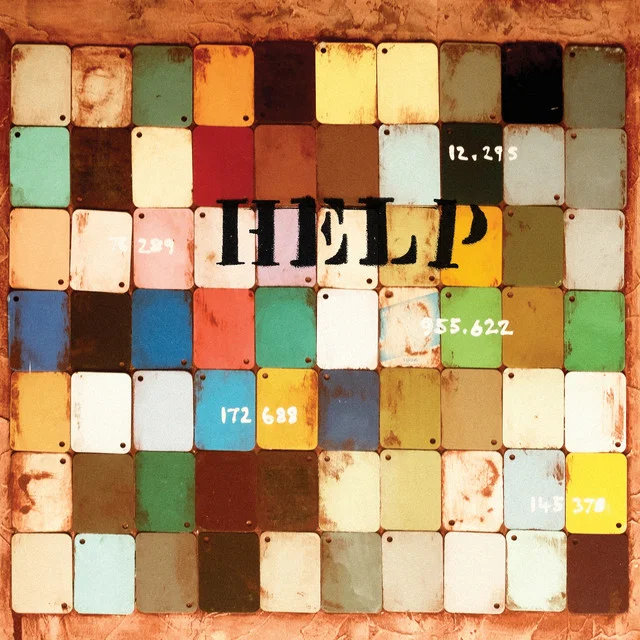
The aesthetic of the album was a masterstroke of indie credibility. John Squire of The Stone Roses provided the cover art in his signature action painting style, ensuring 'Help' looked like a high-end piece of art rather than a standard charity compilation. Squire, who had famously designed the iconic Pollock-influenced artwork for 'The Stone Roses' debut album, brought that same prestigious, painterly energy to this project.
His visual identity helped the LP stand out on the shelves of HMV and Tower Records just five days after its conception. By having the era's most celebrated visual stylist create the sleeve, the organisers ensured the record felt like an essential artefact of the 90s, rather than just another charity release. The design of the artwork happened so fast that there was no time to include a track listing.
The band also contributed a unique version of 'Love Spreads', which remains a significant piece of band trivia. Unlike the polished, heavy blues of the version found on their album 'Second Coming', the 'Help' version is raw, crisper, and features a prominent piano solo. Crucially, it is the only studio recording in the band’s history to feature the post-Reni lineup, with Robbie Maddix on drums and Nigel Ippinson on keyboards. For fans, this unpolished, one-day session captured a rare and fleeting version of the group that never appeared on a studio album again.
This session was particularly symbolic because The Stone Roses were notorious for their glacial pace in the studio, famously taking five years to complete their second album. To have them agree to, and successfully deliver, a track within the 24-hour 'Help' deadline was nothing short of a miracle. It showed the immense respect the band had for Terri Hall and Tony Crean, and proved that when the cause was urgent enough, even the most meticulous artists could embrace the "Instant Karma" spirit.
The project was plagued by a series of high-stakes "technical hitches" that threatened to derail the entire mission. Tony Crean, the album's mastermind, was so consumed by the logistics that he actually crashed his car while frantically trying to tune the radio to catch session updates. Meanwhile, across the channel, the Manic Street Preachers’ tapes missed the last ferry from France, and Neneh Cherry’s contribution only made it onto the final cargo plane out of Malaga by the skin of its teeth.
Despite these near-disasters, the final production phase was a feat of sheer endurance. The legendary Brian Eno, who had been the creative catalyst for the project from the start, took the reins to mix and master the entire record. Operating out of Townhouse Studios, Eno went into overdrive to ensure the 20 disparate tapes arriving from across the UK and Europe were polished into a cohesive masterpiece.
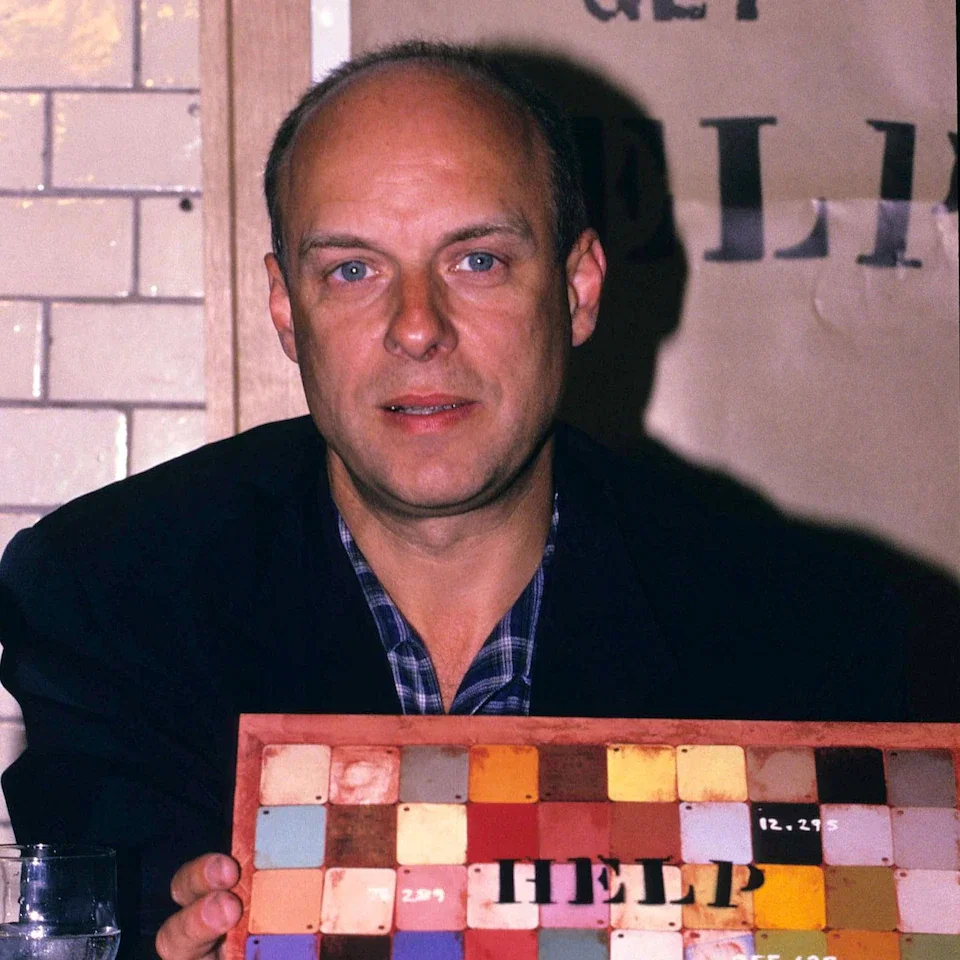
The mastering was finalised by 9:00 PM on Tuesday, but the race was far from over. From there, it was a literal sprint against the clock; as bad weather grounded planned helicopters, the tapes were rushed to pressing plants in Blackburn, Telford, and Holland via a fleet of courier bikes, some allegedly granted police escorts, and a private jet that made a whirlwind trip across Europe to drop off the digital masters.
Upon release, the NME gave it a 10/10 review. It sold over 70,000 copies on day one and would have reached Number One, but the Official Charts Company ruled it a "compilation." War Child tried to declare that all of the artists were part of a supergroup called War Child to bypass the rule, but the authorities refused.
The impact of 'Help' was so profound that it reached the corridors of power. At the Q Awards in November 1995, Tony Blair, then the Leader of the Opposition and just months away from his landslide victory, presented a special award to War Child. His speech acknowledged that the music industry had succeeded where diplomacy had stalled.
"At a time when there was a lot of the West turning its back on the war in Bosnia, [the album] helped put it back in the headlines and reactivate public interest. It helped us be aware of our responsibilities to other people.
The industry continued to shower the project with accolades well into 1996. In an unprecedented move, 'Help' was nominated for the Mercury Music Prize. While Pulp eventually took the trophy for 'Different Class', Jarvis Cocker used his time on stage to pay tribute to the War Child project; the band also donated their prize money to the charity.
The following February, 'Help' was honoured again at the BRIT Awards, the same infamous night that Jarvis Cocker stage-invaded Michael Jackson. Amidst the chaos and the "excess" of the evening, Thom Yorke provided the emotional heart of the ceremony. Accepting a special British Music Industry Award on behalf of the project, he reminded the glitzy audience of the album's urgent origins:
"For one day last year, we all stopped fighting and actually did something decent for once."
'Help' went on to raise £1.25 million, over six times the amount the organisers had initially hoped for. These funds didn't just disappear into administrative black holes; they built the Pavarotti Music Centre and funded convoys that kept children alive through the Bosnian winter.
In the words of Rob Williams, CEO of War Child UK:
"The 'Help' album enabled War Child UK to bring security and education to thousands of children in 1995, and created an enduring bond between the UK music industry and the fate of children caught up in wars."
While the mid-1990s are often remembered for debauchery and chart wars, 'Help' captures the era’s true creative peak, the moment alternative music became the mainstream voice of a generation's conscience.
It remains a staggeringly diverse and eclectic record. It brought together the guitar-heavy grit of Oasis and The Stone Roses, the atmospheric trip-hop of Portishead, the dance energy of The Chemical Brothers, and the haunting vocals of Sinéad O’Connor and Suede. It even managed the impossible: reuniting a generation of artists with a Beatle to create something raw, immediate, and lasting. It remains, quite literally, the best record a single day ever produced.
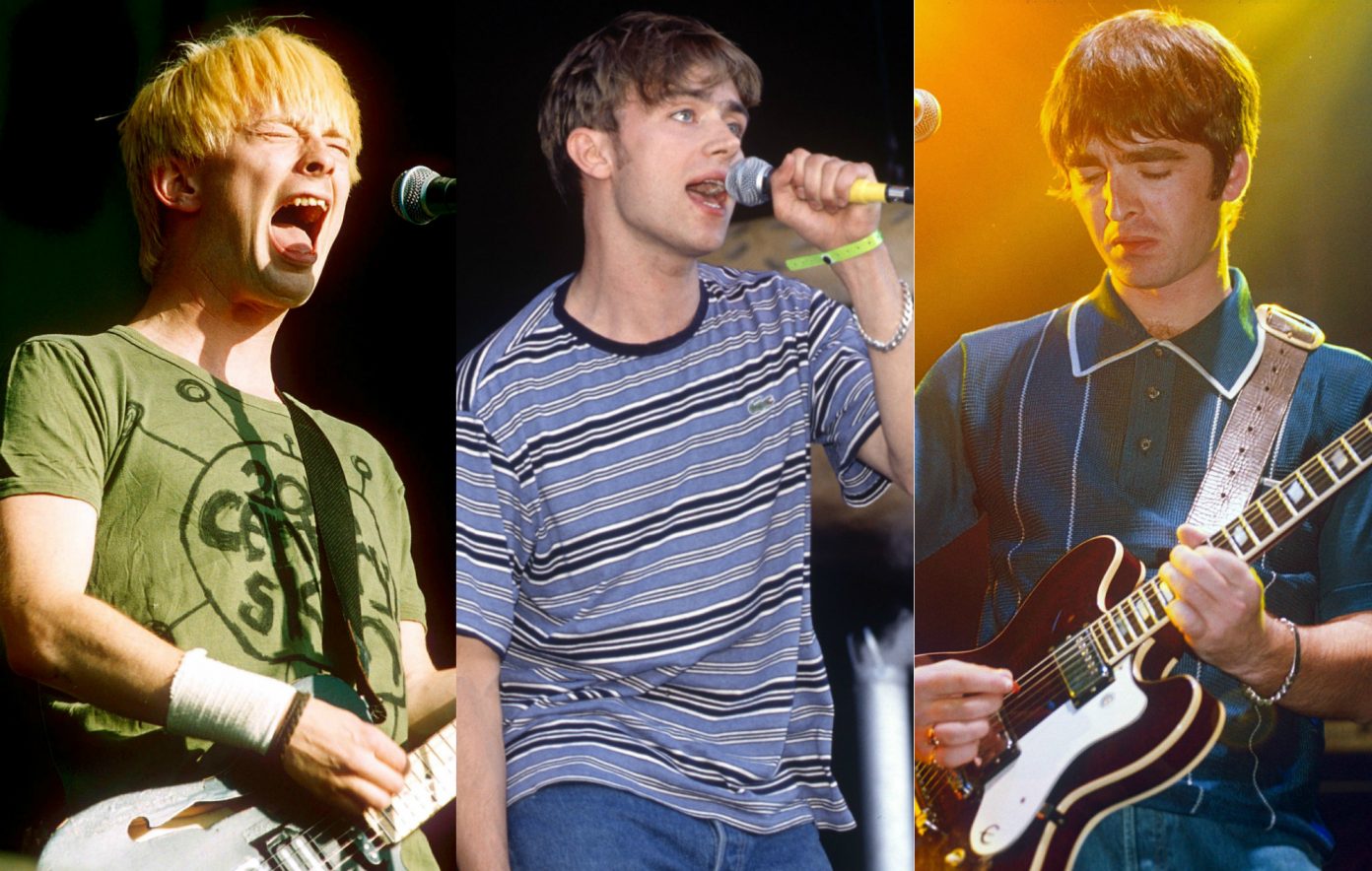
'Help' wasn't the only big musical project in 1995. The Beatles would release the epic 'Anthology'.
The idea for what became The Beatles Anthology began with Neil Aspinall, the band’s steadfast road manager and later head of Apple Corps. Aspinall spent years developing a definitive, first-person documentary, initially titled 'The Long and Winding Road', with the aim of letting the Beatles tell their own story. In the early 1990s, this vision gained momentum as Aspinall became executive producer, joined by the surviving Beatles: Paul McCartney, George Harrison, and Ringo Starr, and their legendary producer George Martin, trusted press officer Derek Taylor, and Aspinall himself. Together, this inner circle set out to craft the most complete and honest account of the Beatles’ journey.
First broadcast by ITV in 1995, The Beatles Anthology was hailed as the definitive documentary on the Beatles. Its lasting impact stemmed from the way it reunited the surviving Beatles with George Martin, Derek Taylor, and Aspinall for candid new interviews, alongside archival words from John Lennon. The series blended these voices with rare home movies, in-studio footage, and unseen performances, illuminating not just the band’s astonishing achievements but also their friendship, creative rivalries, and old wounds.
Key moments included the band’s chaotic early days in Hamburg, the creative explosion of the Abbey Road studios, and the emotional tensions that led to their break-up. The documentary brought out both the magic and the vulnerability of four ordinary men who changed the world.
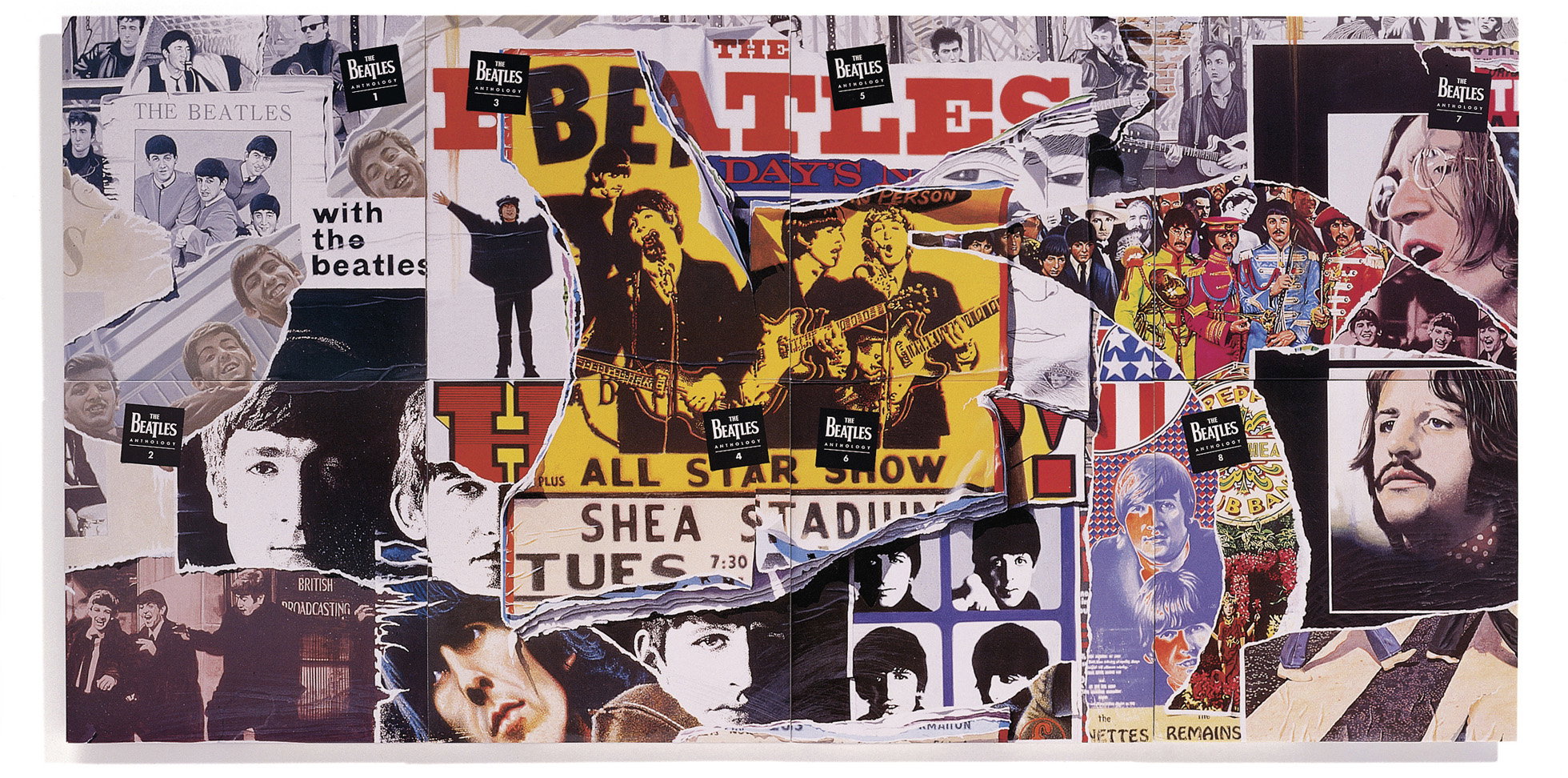
The series’ release was accompanied by the single 'Free As a Bird', the first new Beatles music since the group's disbanding, and later by 'Real Love', both constructed from John Lennon’s original demos and completed by the remaining Beatles. Alongside the documentary, 'The Anthology Music Collection', three double albums curated by George Martin, offered an astonishing trove of previously unheard material. Fans heard the earliest recording of 'In Spite of All the Danger', a youthful take on 'One After 909', and revelatory alternate versions of classics like 'Strawberry Fields Forever', 'Tomorrow Never Knows', and a stripped-back 'While My Guitar Gently Weeps'. These tracks allowed listeners to experience the Beatles’ evolution and studio experimentation as never before, providing new insight into their creative process and reaffirming their enduring legacy.
The Anthology television documentary was a cultural milestone, broadcast in multiple parts to a global audience. It featured newly recorded interviews with Paul, George, and Ringo, as well as archival footage of John Lennon, candid home movies, rare performances, and studio sessions previously unseen by the public. The series offered an honest and deeply personal account of The Beatles’ rise, creative evolution, and eventual parting, providing context and commentary from those who lived it. For many viewers, it reanimated the excitement and innovation of the 1960s, and served as an essential chronicle of one of music’s greatest stories.
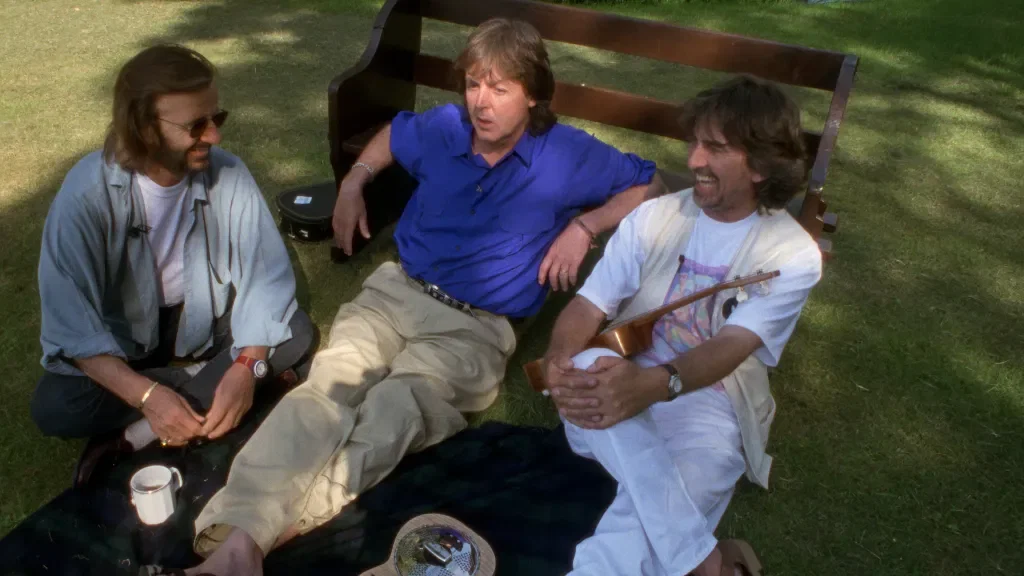
The release of The Beatles Anthology in the mid-1990s sparked renewed interest in the group and their vast influence, introducing their music to new generations and reaffirming their enduring place in popular culture. The project’s success demonstrated the timeless appeal of The Beatles’ work, and its comprehensive approach set a new standard for musical retrospectives. Through the combination of documentary storytelling and the release of the three Anthology albums, the band's legacy was celebrated and preserved for the future.
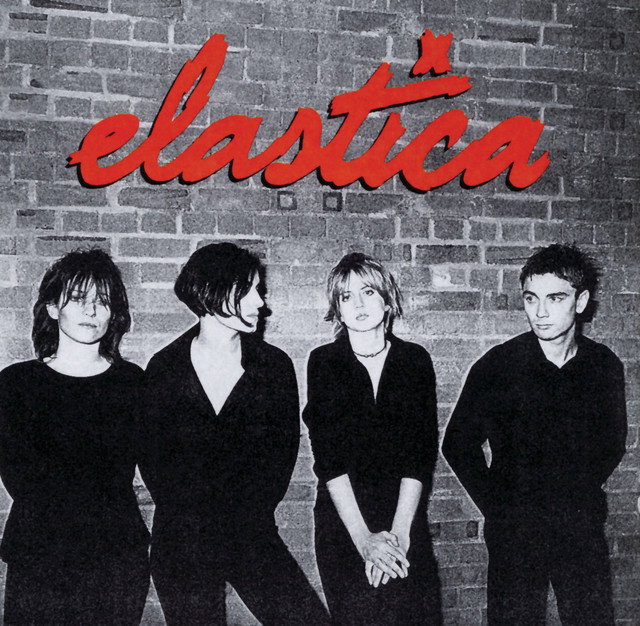
It wasn’t just the men writing Britpop anthems. Justine Frischmann’s Elastica and Louise Wener’s Sleeper contributed some of the era’s best songs and most defining moments, proving that women were at the creative heart of the movement. Elastica’s 1995 self-titled debut album delivered a razor-sharp blend of punk energy and Britpop attitude, standing as one of the decade's most instantly recognisable sounds. Tracks like 'Connection', 'Waking Up', and 'Never Here' crackled with urgency, swagger, and sardonic wit, drawing on post-punk influences like Wire and The Stranglers but repurposing them for a new generation hungry for something fresh. The album captured the spirit of the time, youthful, rebellious, and effortlessly stylish.
Frischmann’s cool, detached delivery and the band’s tight, spiky musicianship set them apart from their peers, while their short, punchy songs cut straight to the heart of 90s restlessness. Elastica’s success was meteoric: their debut became the fastest-selling album in UK history at the time, a testament to their wide appeal and cultural resonance. Elastica didn’t just ride the Britpop wave; they shaped it, breaking boundaries for women in rock, providing a punky, androgynous counterpoint to the era’s laddish bands, and paving the way for a new generation of female-fronted groups. Their look, attitude, and sound became iconic, the very image of Britpop cool.
Sleeper, fronted by the sharp and witty Louise Wener, carved out a vital and distinctive space within Britpop’s landscape. Their debut album 'Smart' (1995) featured the breakout hit 'Inbetweener', perfectly encapsulating the everyday suburban malaise, understated humour, and quiet yearning of 1990s Britain. Wener’s clever, observational songwriting and the band’s knack for catchy, melodic hooks made Sleeper staples on radio and in indie clubs, resonating with listeners who saw themselves reflected in the songs’ dry wit and authentic detail.
The follow-up album, 'The It Girl', solidified their reputation, with hits like 'Sale of the Century' and 'Statuesque' combining infectious choruses with razor-sharp lyrics about relationships, ambition, and modern life. Sleeper distinguished themselves through their stylish, literate approach, eschewing Britpop’s laddish excess for a subtler, more nuanced take on the era’s anxieties and aspirations.
Both Elastica and Sleeper proved that the Britpop scene was far richer and more inclusive than its macho reputation might suggest, and their music remains essential listening for anyone seeking to understand the full scope and spirit of the era. Frischmann, a central figure in the Britpop scene, was also known for her high-profile relationships with Blur’s Damon Albarn and Brett Anderson.
Yet Justine was always much more than a famous girlfriend: she was a pioneering frontwoman, a songwriter, and a cultural force in her own right. Elastica’s music and attitude embodied the punkier, art-school edge of Britpop, challenging both the male-dominated narrative and the expectations placed on women in rock. Frischmann’s unapologetic presence on stage and in interviews was a statement of intent, inspiring a generation of young women to pick up guitars and make their own mark on British music.
Both Elastica and Sleeper represented a crucial counterbalance in a Britpop landscape often dominated by the laddish bravado of bands like Oasis and Blur. They brought sharp intelligence, style, wit, and a much-neededfeminist edge to the scene, proving that Britpop wasn’t just about blokeish swagger and indie machismo.
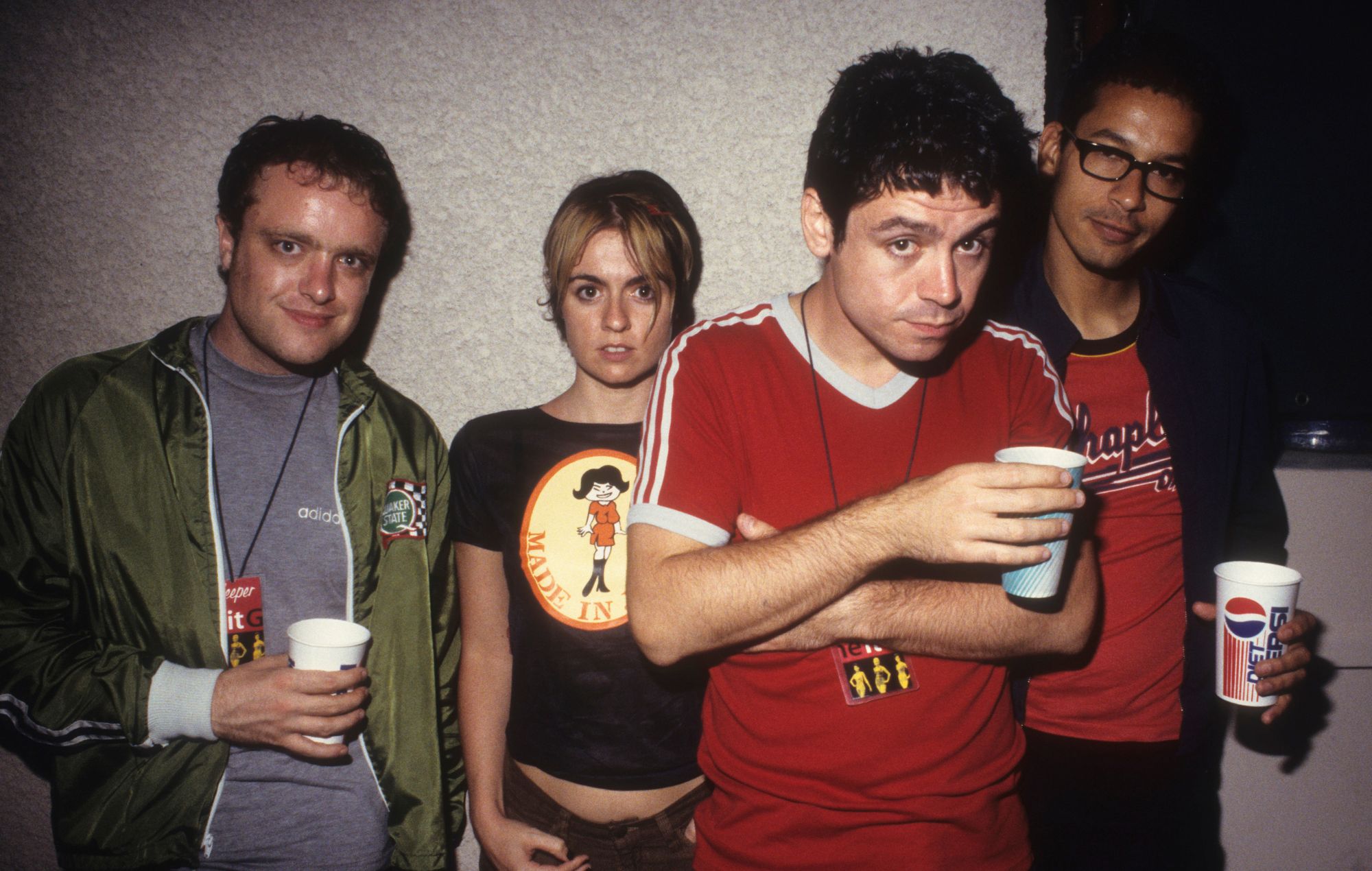
There was always space for sharp-tongued, coolly confident women, too. Today, their influence is evident not only in the music of subsequent generations of British bands but also in the continued celebration of Britpop’s diversity, creativity, and rebellious spirit.
One band that wanted to distance themselves from Britpop, however, were Oxford rockers Radiohead. In 1995, they released their second album, 'The Bends', following the breakout success of their 1993 single 'Creep'. This album proved the band were no one-hit wonders, delivering two of their most beloved songs, 'High & Dry' and 'Fake Plastic Trees'. With its sweeping melodies, melancholic introspection, and atmospheric guitar work, 'The Bends' marked a significant shift in tone from the swagger and irony of Britpop.
While much of the Britpop movement celebrated Britishness with a knowing smirk, drawing from glam, mod, and punk to soundtrack a lad-heavy culture revival. Radiohead seemed entirely uninterested in nostalgia. 'The Bends' dealt with anxiety, identity, technology, and alienation, themes that were far more universal and emotionally raw. Tracks like 'Just', with its snarling guitars and cryptic spite, and the haunting closer 'Street Spirit (Fade Out)' signalled a band reaching for something more profound than chart-topping hooks. Even the anthemic title track was undercut by unease and disconnection.
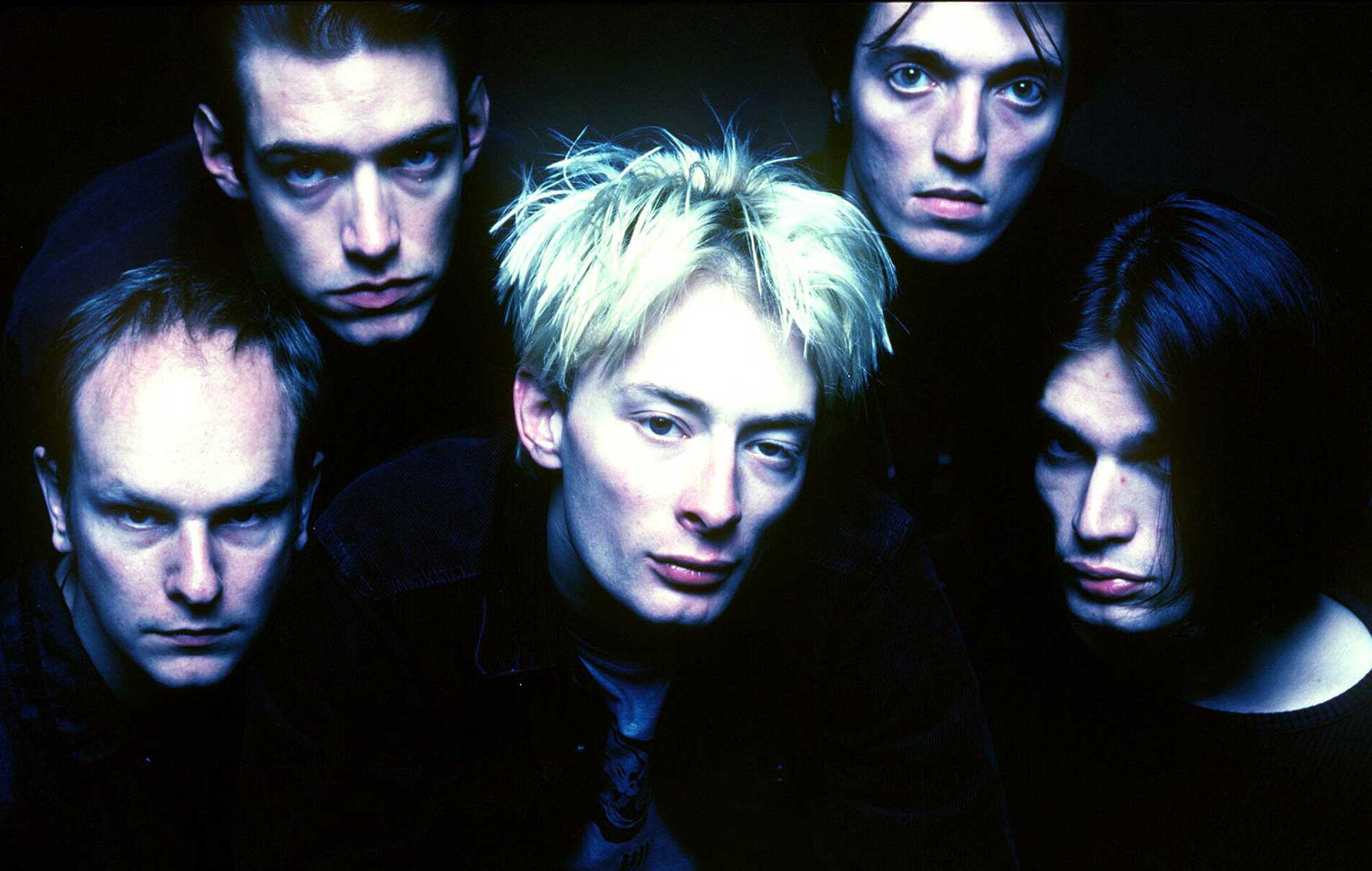
Critically acclaimed, 'The Bends' was a slow-burning success that grew in stature with each passing year. It set Radiohead apart not just musically, but philosophically; they weren’t part of the Britpop party; they were standing outside, quietly dismantling it. This is not the last you’ll hear of Radiohead either.
During the Britpop explosion of the ’90s, British bands from all corners of the UK were contributing their own distinct sounds, each adding a unique flavour to the vibrant music scene. While London and Manchester often grabbed the headlines, other cities were producing bands that would leave a lasting impact on the era.
Shed Seven, hailing from York, brought their energetic, guitar-driven indie rock to the forefront. With their raw, earnest sound, they quickly became one of the key players in the Britpop scene. Their hit 'Chasing Rainbows' encapsulated the spirit of the time. This anthemic, jangly rock track balanced catchy hooks with introspective lyrics. Other notable tracks like 'Going for Gold' and 'On Standby' showcased the band’s knack for soaring choruses and tight, melodic guitar work. Known for their high-energy live shows and an almost cult-like following, Shed Seven stood out for their sincerity and skilful attitude in a scene often dominated by irony and swagger. They may not have always been media darlings. Still, their music connected deeply with fans across the UK, helping to define the emotional core of mid-’90s indie rock.
Supergrass also made a huge impact with their debut album 'I Should Coco' in 1995. Fueled by infectious singles like 'Alright', 'Caught by the Fuzz', and 'Lenny', the album was a riotous burst of teenage energy, humour, and melody. The breakout hit 'Alright' perfectly captured the irrepressible spirit of youth; its bouncy piano riff, singalong chorus, and carefree lyrics made it an instant Britpop anthem and a soundtrack for an entire generation’s summer.
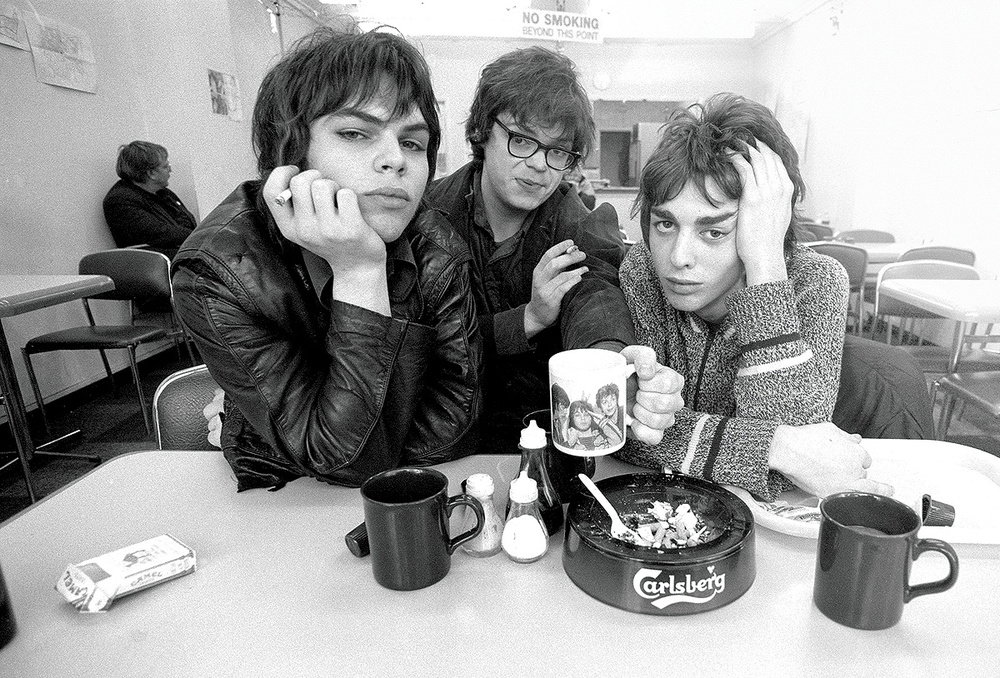
'I Should Coco' channelled punk, glam, and classic pop influences into a sound that was fresh, exuberant, and unmistakably British. Supergrass brought a sense of fun and youthful chaos to Britpop, with 'Alright' in particular standing as one of the movement's most recognisable and uplifting songs. Their debut remains one of the defining records of the era, a joyful reminder of Britpop’s energy and optimism.
Cast, formed by John Power of The La’s fame, brought a melodic, anthemic style to the Liverpool scene that set them apart from many of their Britpop peers. Power, having played bass in The La’s during their brief but influential run, brought a strong sense of pop craft and guitar-driven energy to his new project. Cast’s sound was instantly recognisable. Bright, chiming guitars, buoyant rhythms, and lyrics that straddled the line between optimism and introspection.
Their debut album, 'All Change', released in 1995, was a breath of fresh air brimming with wide-eyed energy and a feel-good spirit that connected immediately with listeners. Tracks like 'Alright', 'Finetime', and 'Walkaway' became Britpop staples, combining infectious choruses with an emotional sincerity that struck a chord with the youth of the time. The album became the fastest-selling debut in Polydor’s history. This remarkable achievement underscored just how deeply Cast’s music resonated with the mid-'90s audience.
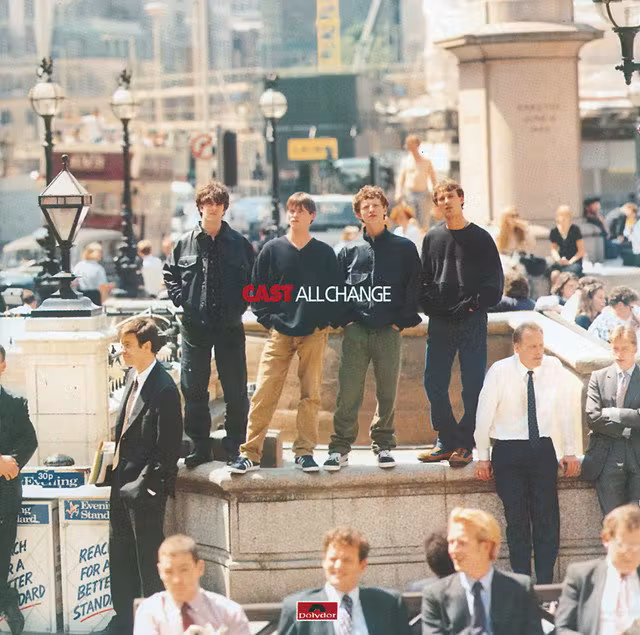
While Cast’s music was undeniably rooted in traditional rock and 1960s pop influences, echoing the jangly guitars of The Byrds and the melodic instincts of The Beatles, it never felt like simple nostalgia. Their songs were filled with a sense of momentum and forward motion, reflecting the hope and contradictions of a generation growing up under the cultural shadow of Britpop. John Power’s songwriting was the heart of the band: reflective yet accessible, often poetic, and always delivered with sincerity and conviction.
Their 1997 follow-up album, 'Mother Nature Calls', continued their chart success and creative momentum. Singles like 'Guiding Star', 'Free Me', and 'Live the Dream' showed a band growing more confident and expansive in sound, incorporating richer instrumentation and a slightly more mature tone. The album built on their reputation for crafting rousing, emotionally grounded anthems, further cementing their place in the Britpop canon. Though they may not have had the tabloid presence of some of their contemporaries, Cast’s music left a lasting impression.
From Birmingham, Ocean Colour Scene became synonymous with the Britpop movement's more laid-back, soulful side. Their sound was heavily influenced by 1960s rock, Motown soul, and mod culture, and they built a devoted fanbase with their hook-heavy melodies, sharp musicianship, and reflective, poetic lyrics. Their breakthrough came with the swaggering debut single 'The Riverboat Song', which quickly became a standout hit, helped in no small part by its prominent use on TFI Friday, a show at the heart of Britpop-era culture. With its bluesy riff and driving rhythm, the track introduced audiences to a band that felt timeless yet modern. The song’s gritty groove and Steve Cradock’s unmistakable guitar tone became instantly recognisable, and its success set the stage for the band’s creative peak.
Their 1996 album 'Moseley Shoals' became a defining release of the era, packed with enduring tracks that showcased the band’s range and songwriting prowess. The exuberant singalong 'The Day We Caught the Train' became an instant anthem, its summery chorus and sense of wide-eyed optimism capturing the spirit of the times. 'You've Got It Bad' balanced infectious hooks with bittersweet lyrics, while 'The Circle' offered a more introspective, melancholic edge, revealing the band’s lyrical depth and melodic sophistication. Elsewhere on the album, songs like 'Policemen & Pirates' and 'Lining Your Pockets' displayed their knack for storytelling and their ability to blend rock, soul, and pop with effortless ease. 'Moseley Shoals' struck a perfect balance between retro influences and contemporary flair, drawing from the soulful grooves of the '60s while tapping into the introspection and emotional honesty that defined so much of '90s alternative rock.
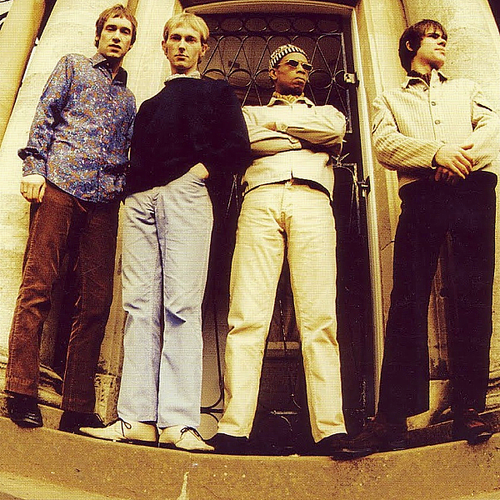
'Moseley Shoals' wasn’t just a commercial success; it became a cultural touchstone. Its warm, analogue production and heartfelt lyrics stood in contrast to the flashier, irony-soaked singles dominating the charts at the time. Steve Cradock’s shimmering guitar work and Simon Fowler’s expressive vocals gave the band a signature sound that felt both classic and immediate. The album went on to achieve multi-platinum status in the UK and remains a beloved record for fans of the era, regularly appearing on lists of the greatest British albums of the 1990s.
The band’s follow-up album, 'Marchin’ Already', even knocked Oasis’s 'Be Here Now' off the top of the UK Albums Chart in 1997, a remarkable feat at the height of Britpop mania, and a testament to Ocean Colour Scene’s commercial strength and enduring appeal. While many bands struggled to maintain momentum after initial success, Ocean Colour Scene proved they were no mere footnote to the movement. 'Marchin’ Already' featured standout tracks like 'Hundred Mile High City', a gritty, adrenaline-fuelled rocker that became a fan favourite and gained further fame on the Lock, Stock and Two Smoking Barrels soundtrack. 'Travellers Tune', featuring Paul Weller, brought a soulful, uplifting feel, while 'Better Day' blended hope with wistfulness. 'Debris Road' and 'Get Blown Away' added further depth, their reflective lyrics and melodic hooks demonstrating the band’s consistency and growth.
Toppling a juggernaut like Oasis at their commercial peak was no small achievement. It showed that Ocean Colour Scene had built a loyal following and carved out their own space in the Britpop landscape, one that valued musicianship, authenticity, and emotional depth over tabloid drama. 'Marchin’ Already' didn’t just sustain their success; it elevated their status as one of the scene’s most quietly influential acts.
Ocean Colour Scene were often seen as the thinking fan’s Britpop band, more organic, grounded, and rooted in a deeper musical tradition than some of their flashier contemporaries. Their mix of folk-rock textures, soulful vocals, and mod aesthetics gave them a distinct identity, and their music resonated with audiences looking for something both nostalgic and sincere. Though they may not have courted the same level of tabloid attention as some of their peers, their influence and staying power in British rock cannot be overstated.
Ocean Colour Scene had two main champions in the 1990s: Oasis, as we've already mentioned and Paul Weller.
After the dissolution of The Style Council, Paul Weller re-emerged in the early 90s by stripping away the polished soul-pop of the previous decade and returning to his soulful, guitar-driven roots. His self-titled debut, 'Paul Weller', served as a vital bridge, blending classic British rock with a "Mod-soul" sensibility. The lead single, 'Into Tomorrow', was a definitive statement of intent, signalling his return with a gritty, psychedelic edge that proved he was far from a spent force. This period saw Weller reclaim his title as "The Modfather," drawing inspiration from the organic sounds of the late 60s and early 70s while maintaining a contemporary, urgent energy.
Released in 1993, 'Wild Wood' was the moment Paul Weller found his groove. While his debut was a tentative step away from the fallout of The Style Council, 'Wild Wood' felt like a man walking into the forest to find himself. It is often described as "pastoral" because of its organic, earthy production, aided significantly by Brendan Lynch. You can hear the heavy influence of Traffic and Nick Drake in the title track 'Wild Wood', which uses sun-drenched acoustic guitars to mask a certain urban weariness.
The album’s opening track, 'Sunflower,' bursts in with a wave of optimism and rich, melodic guitar, setting the tone for a record that balances introspection with hope. 'Shadow of the Sun' stands out for its moody, atmospheric groove, melding psychedelic textures with a sense of searching melancholy that lingers long after the song ends. But 'Wild Wood' isn't all quiet contemplation.
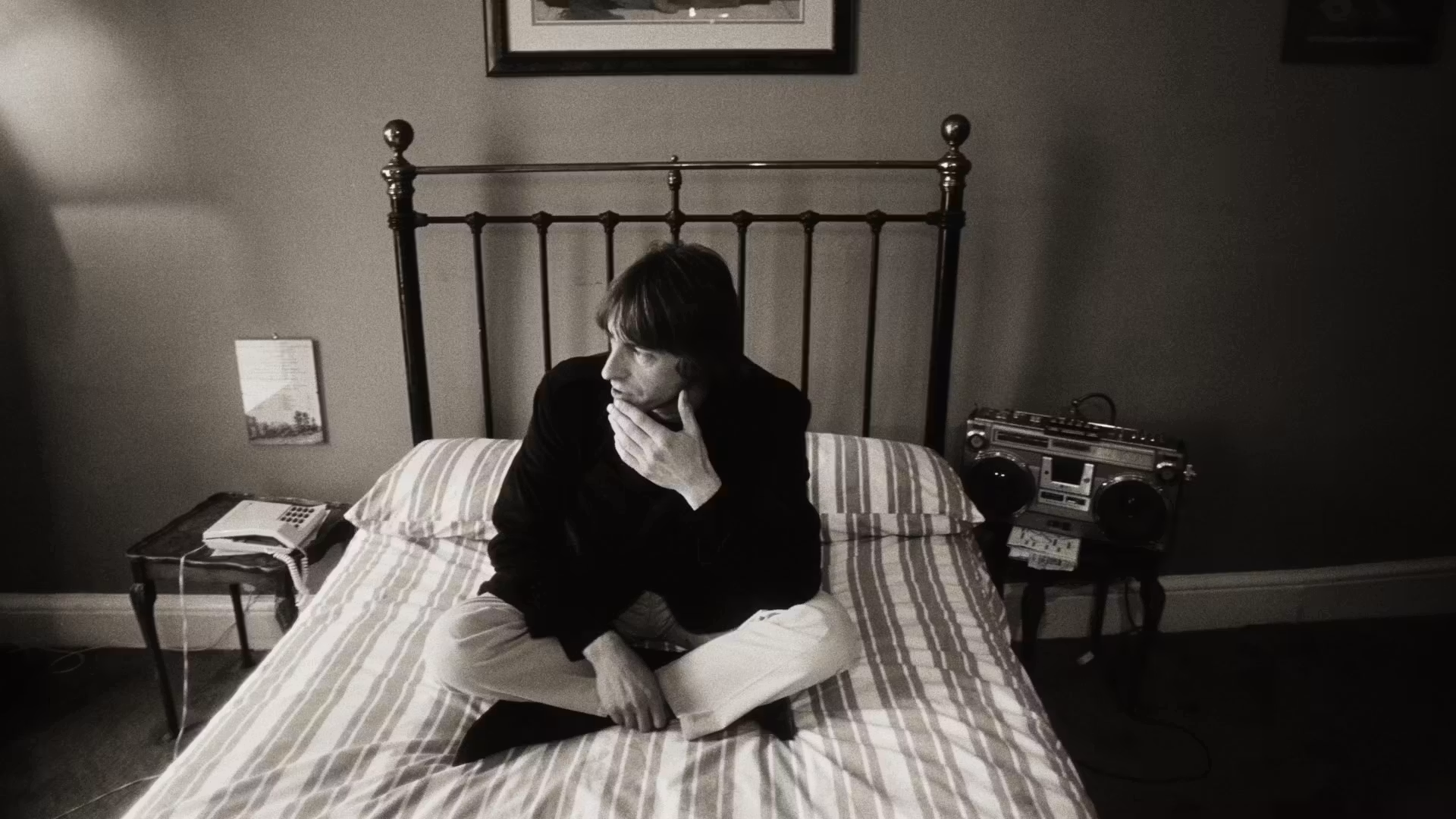
Tracks like 'Hung Up' introduce a heavy, fuzzy guitar tone that became Weller’s solo trademark, while '5th Season' delves into jazz-rock territories, showing his willingness to push beyond traditional songwriting boundaries. 'Shadow of the Sun' pulses with hypnotic, swirling energy, and 'Can You Heal Us (Holy Man)' features a soulful, almost gospel-like intensity.
The inclusion of Steve Cradock (Ocean Colour Scene) on guitar and Steve White on drums gave the record a locked-in, muscular feel, anchoring Weller’s introspection with real drive. Altogether, 'Wild Wood' captured the restless spirit of an artist reconnecting with his roots and forging a new sonic path that would influence British music for years to come.
If 'Wild Wood' was the retreat to the country, 'Stanley Road' (1995) was the triumphant return to the streets. Named after the road he grew up on in Woking, the album is a masterpiece of autobiographical soul-rock. It feels more "expensive" and expansive than its predecessor, largely due to the confidence Weller had regained. 'The Changing Man' didn't just borrow a riff from ELO; it redefined Weller as a restless artist who refused to stay stagnant.
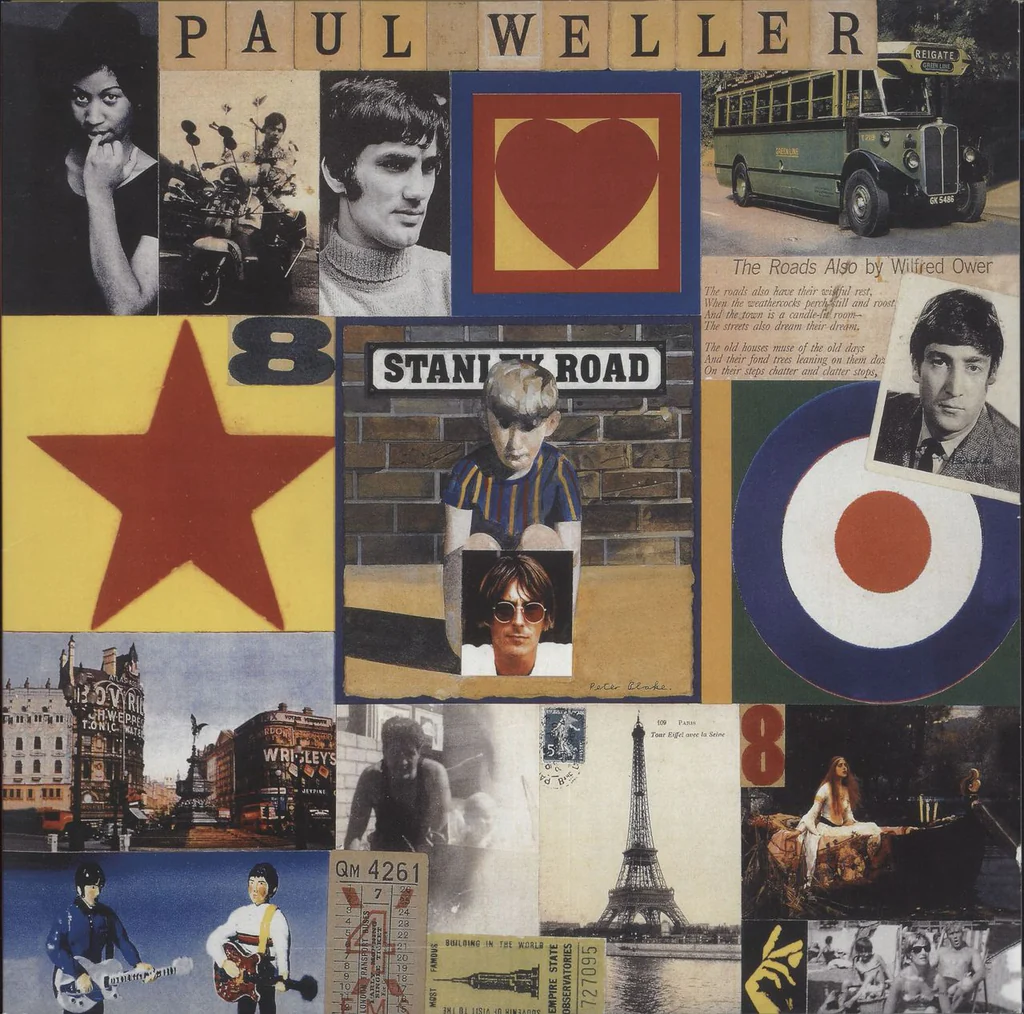
The album is famous for its high-profile collaborations that signalled his status as the "Modfather" of the Britpop generation. Noel Gallagher provided acoustic guitar on the swampy, voodoo-inflected cover of Dr John’s 'I Walk on Gilded Splinters', a cross-generational moment that underscored the deep musical kinship between Weller and the new Britpop elite. The legendary Steve Winwood lent his distinctive piano and Hammond organ to 'Woodcutter’s Son' and 'Pink on White Walls', infusing the album with further depth and soul. 'Stanley Road' is packed with career highlights: the heavy, brooding menace of 'Porcelain Gods', the tender, timeless soul of 'You Do Something to Me', the optimistic groove of 'Broken Stones', and not least the punchy, peacock-strutting 'Out of the Sinking'. The record closes with 'Wings of Speed', a gospel-tinged ballad that hints at reflection and renewal.
Weller’s next album, 'Heavy Soul' (1997), found him continuing to evolve. The record saw him embracing a rawer, more stripped-back sound, marked by a renewed urgency and directness. Highlights include the fiery single 'Peacock Suit', which had already become a live favourite, as well as the driving 'Friday Street', a burst of working-class optimism and grit. While 'Heavy Soul' didn’t reach quite the same commercial heights as 'Stanley Road', it showed Weller’s refusal to stand still, always searching for new ground, pushing his sound forward, and maintaining his place at the heart of British rock.
Even the psychedelic rockers The Verve, who, after struggling in the early '90s, found their footing with 'A Northern Soul', an album that marked both a creative breakthrough and a turning point for the band. With key tracks like 'This Is Music', 'On Your Own', and 'A Northern Soul', the record captures a band pushing past their shoegaze roots and reaching for something far more urgent, intense, and emotionally raw.
'This Is Music' opens the album with a bold, anthemic declaration, its soaring guitars, hypnotic rhythms, and Richard Ashcroft's impassioned vocals setting the tone for what would become one of Britpop’s most ambitious and uncompromising statements. The song's powerful dynamics and sprawling structure hint at a band no longer content to linger in the margins. 'On Your Own' follows with aching vulnerability, its lyrics of isolation and regret wrapped in a heavy, cascading sound, showing the band's ability to capture the essence of human longing and fragility. The title track, 'A Northern Soul', is a prime example of Ashcroft's emotionally charged lyricism: full of yearning, introspection, and the gritty poetry that would soon define his reputation. The album’s instrumental work, especially the sweeping strings and Nick McCabe’s expressive, effects-laden guitar, adds a sense of grandeur and drama that set the record apart.
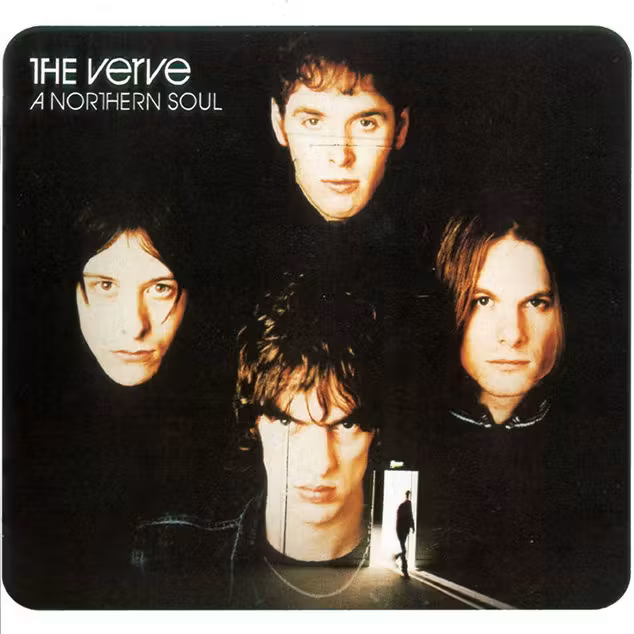
Elsewhere, songs like 'History' blend swelling strings with a bittersweet, elegiac tone, becoming one of the band's most beloved ballads. 'Stormy Clouds' and 'Drive You Home' deepen the album’s mood, weaving together psychedelic textures and bruised intensity. Throughout, 'A Northern Soul' balances catharsis and chaos, standing as a bridge between the band's early experimentation and the widescreen anthems that would follow. It’s an album that, even in its darkness, pulses with a sense of possibility a powerful precursor to the triumph of 'Urban Hymns' and The Verve’s eventual ascent to Britpop legend.
This influx of talent from across the UK demonstrated the widespread influence of Britpop and the rich diversity of the British music scene in the 1990s, with every region contributing to the era's cultural fabric.
Danny Boyle gave us the film of the decade, 'Trainspotting'. Released in 1996, the film follows the chaotic and often darkly comic lives of a group of heroin addicts in Edinburgh, exploring themes of addiction, friendship, escapism, and disillusionment in 90s Britain. Adapted from Irvine Welsh's acclaimed novel, the story is told through the eyes of Mark Renton, played with iconic intensity by Ewan McGregor, as he tries to escape the cycle of addiction and find meaning beyond the drab realities of his environment.
The supporting cast is equally memorable: Ewen Bremner delivers a heartfelt, tragicomic performance as the hapless Spud; Jonny Lee Miller is charismatic and cunning as the suave but self-destructive Sick Boy; Robert Carlyle is unforgettable as the volatile and terrifying Begbie; and Kelly Macdonald, in her breakout role, brings warmth and vulnerability to Diane. Together, this ensemble captures both the bleakness and the black humour at the heart of the film, making 'Trainspotting' a powerful portrait of lost youth, hope, and survival.
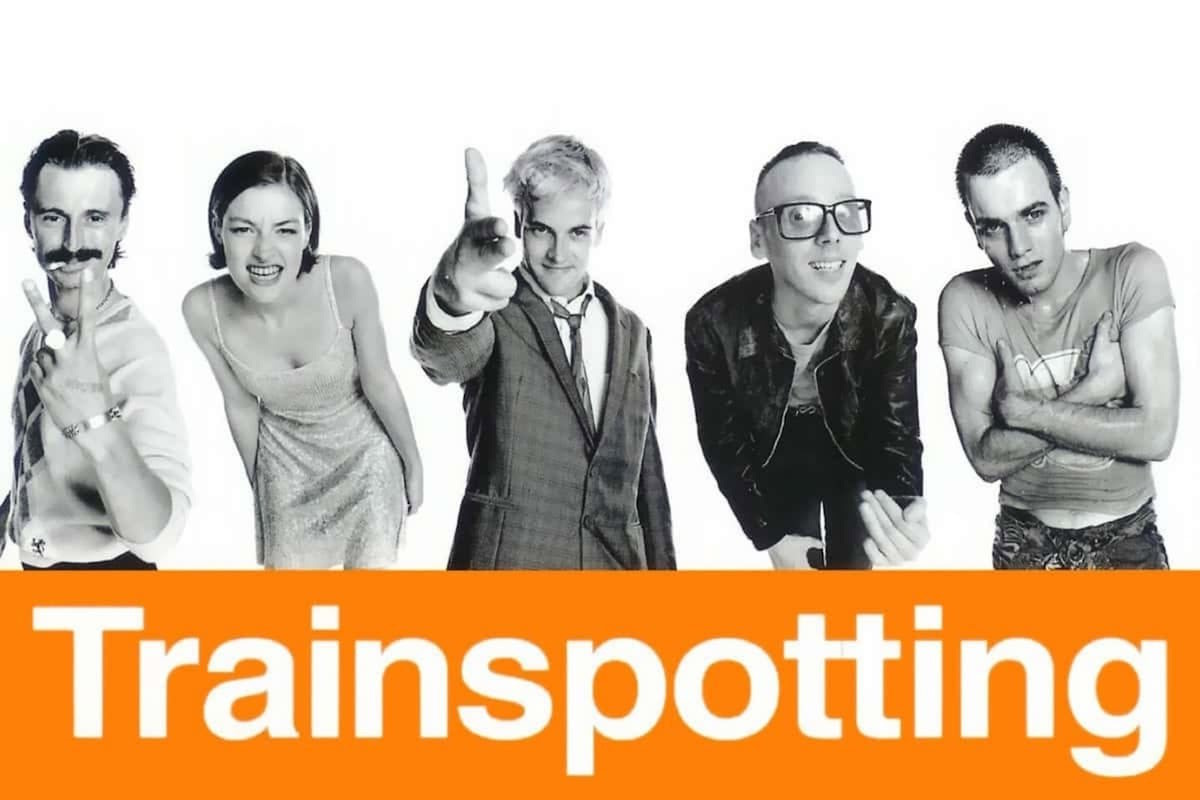
The 'Trainspotting' soundtrack was itself a cultural milestone, blending Britpop, electronica, and classic tracks to define a generation. The album features Underworld's 'Born Slippy.NUXX', a pulsing, hypnotic anthem that became inseparable from the film's adrenaline-fuelled energy and remains one of the defining dance tracks of the era.
Other standout tracks include Iggy Pop's 'Lust for Life', Primal Scream's 'Trainspotting', Blur's 'Sing', Pulp's 'Mile End', New Order's 'Temptation', Leftfield's 'A Final Hit', Elastica's '2:1', and Lou Reed's 'Perfect Day'. The soundtrack captures the film's highs and lows, from moments of euphoria to scenes of darkness and despair, and stands as one of the most iconic and influential compilations in cinema history.
What Oasis achieved in the two years between the release of 'Definitely Maybe' and their iconic Knebworth shows is nothing short of astonishing. In the span of just two albums, the band crafted some of the most enduring and celebrated songs in the history of British rock. Tracks like 'Live Forever', 'Slide Away', 'Rock 'n' Roll Star', 'Champagne Supernova', 'Some Might Say' and 'Don't Look Back in Anger' not only defined an era, but also solidified Oasis as one of the most important bands of the 1990s.
Before Knebworth, there was Maine Road. In April 1996, for two nights, tens of thousands packed into their hometown football stadium, turning the gigs into a euphoric celebration of everything the band, and Britpop, stood for: working-class pride, northern swagger, communal joy, and the transcendent power of music.
The setlists featured all their early classics, including 'Acquiesce', 'Some Might Say', 'Supersonic', 'Wonderwall', 'Don't Look Back in Anger', 'Champagne Supernova', and a memorable cover of Slade’s 'Cum On Feel the Noize,' which brought the house down and paid tribute to their glam rock influences. Each song became a mass singalong, with the crowd’s voices rising to meet Liam and Noel Gallagher in moments of pure, communal catharsis.
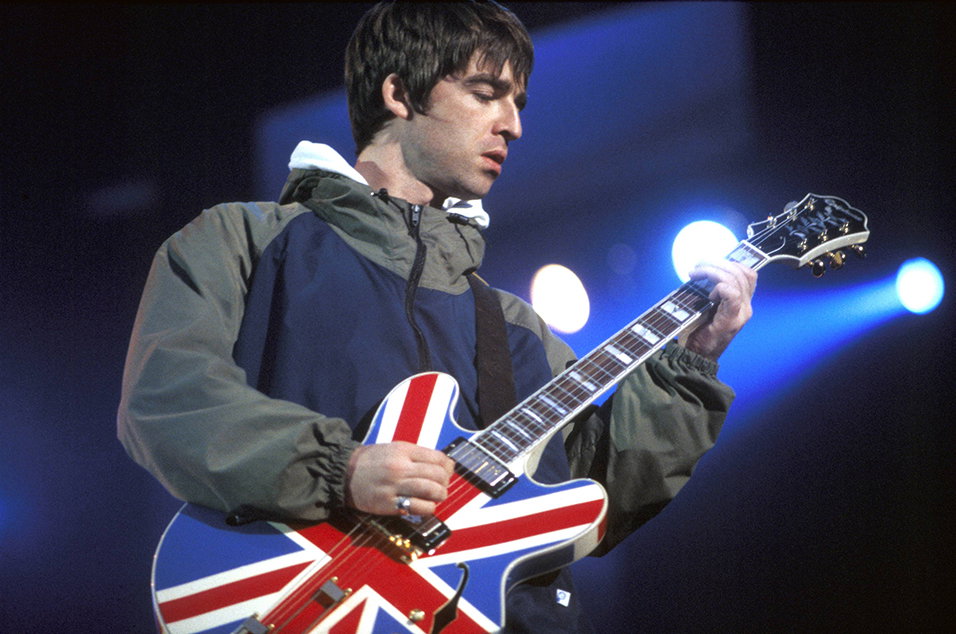
One of the most powerful moments came during 'Live Forever', when giant screens behind the band displayed shifting, oversized photographic portraits of deceased musical and cultural icons. Images of John Lennon, Elvis Presley, Sid Vicious, Bob Marley, Jimi Hendrix, Marc Bolan, Jim Morrison, and Brian Jones appeared in succession, culminating in a final portrait of Lennon that famously caught Liam Gallagher by surprise as he turned to face the screen.
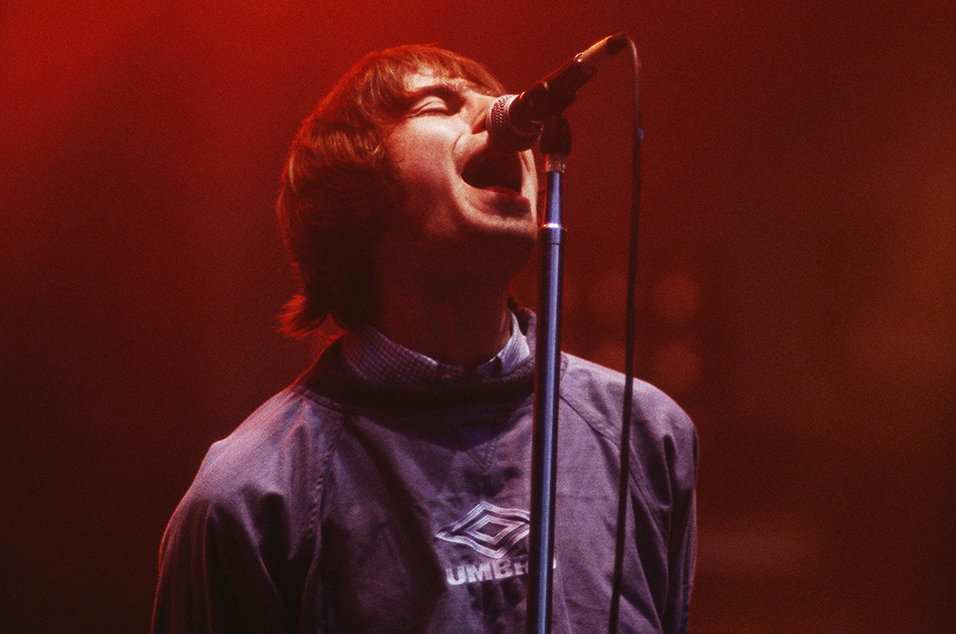
Maine Road wasn’t just a concert; it was a homecoming, a coronation, and a rite of passage. For Manchester and for British music, the shows became a symbol of local boys made good, of Britpop’s unique ability to unite generations in a shared moment of euphoria. The second night's performance April 28th was professionally recorded and featured prominently on the band's acclaimed 1996 live video album, 'There and Then.' These Maine Road gigs not only captured Oasis at the height of their early powers, but also celebrated the enduring spirit of rock and roll, linking the band to the legends who paved the way. Even decades later, those nights at Maine Road are spoken of with awe, standing as a defining moment not just for Oasis, but for an entire era in British music.
Later in 1996, Oasis played the biggest British gigs ever. Over two nights in August 1996, 250,000 descended to Knebworth House to watch Oasis and the best British music had to offer. Oasis had become more than just a band; they had ascended to cultural icons. The sheer volume of remarkable music they had released in such a short time was unprecedented, and Knebworth solidified their place in rock history as one of the most important British bands of all time. The momentum they gained in those two years is unparalleled and speaks to the unrelenting creativity and drive that defined Oasis at their peak. It also helped show the world just how good British music was. Oasis were accompanied by a collection of huge bands at Knebworth. The Prodigy, Manic Street Preachers, Ocean Colour Scene, The Chemical Brothers, The Bootleg Beatles, The Charlatans, Kula Shaker, Cast, and Dreadzone all shared the stage with the band across the weekend.
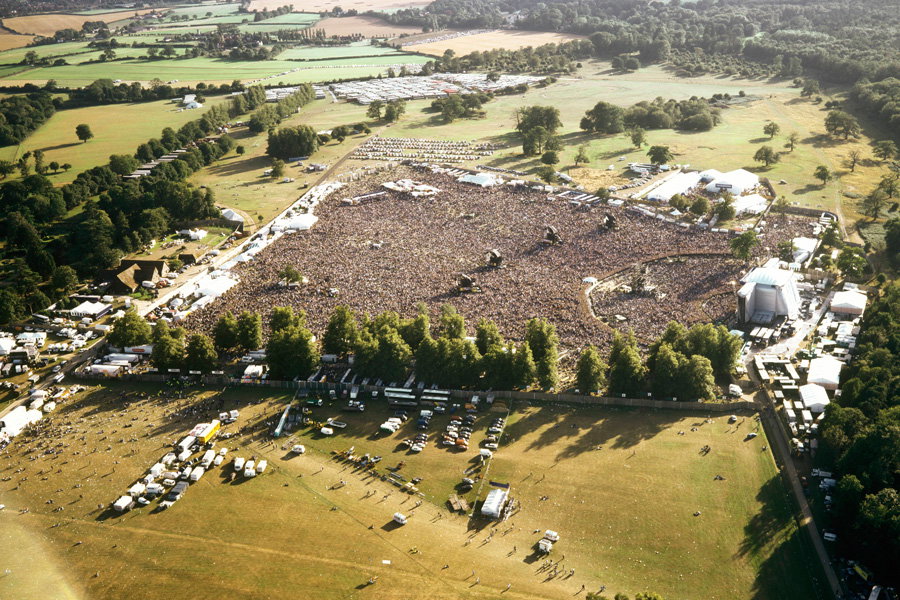
Noel Gallagher has described the event in recent years as "the last great gathering before the birth of the internet."
It was the definitive moment of 90s guitar music in Britain. Blur made history with their massive shows at Mile End Stadium in June 1995, performing two sold-out nights that marked a true high point for both the band and the Britpop era. With more than 40,000 fans in attendance, these concerts were Blur’s first major stadium headline shows and a celebration of their meteoric rise following the release of 'Parklife' and just before 'The Great Escape'.
Mile End was also the live debut of 'Country House', which would soon become one of Blur’s signature hits and spark the famous chart battle with Oasis. The setlists across the two nights were packed with anthems, 'Girls & Boys', 'Parklife', 'End of a Century', 'This Is a Low', and 'To the End', showcasing Blur at the peak of their confidence and creativity. The energy in the stadium was electric, with a euphoric, diverse crowd drawn from all over the country. The shows became a defining snapshot of mid-90s British culture, a moment when Britpop felt truly unstoppable, uniting fans of all backgrounds in a collective celebration of British music, humour, and identity.
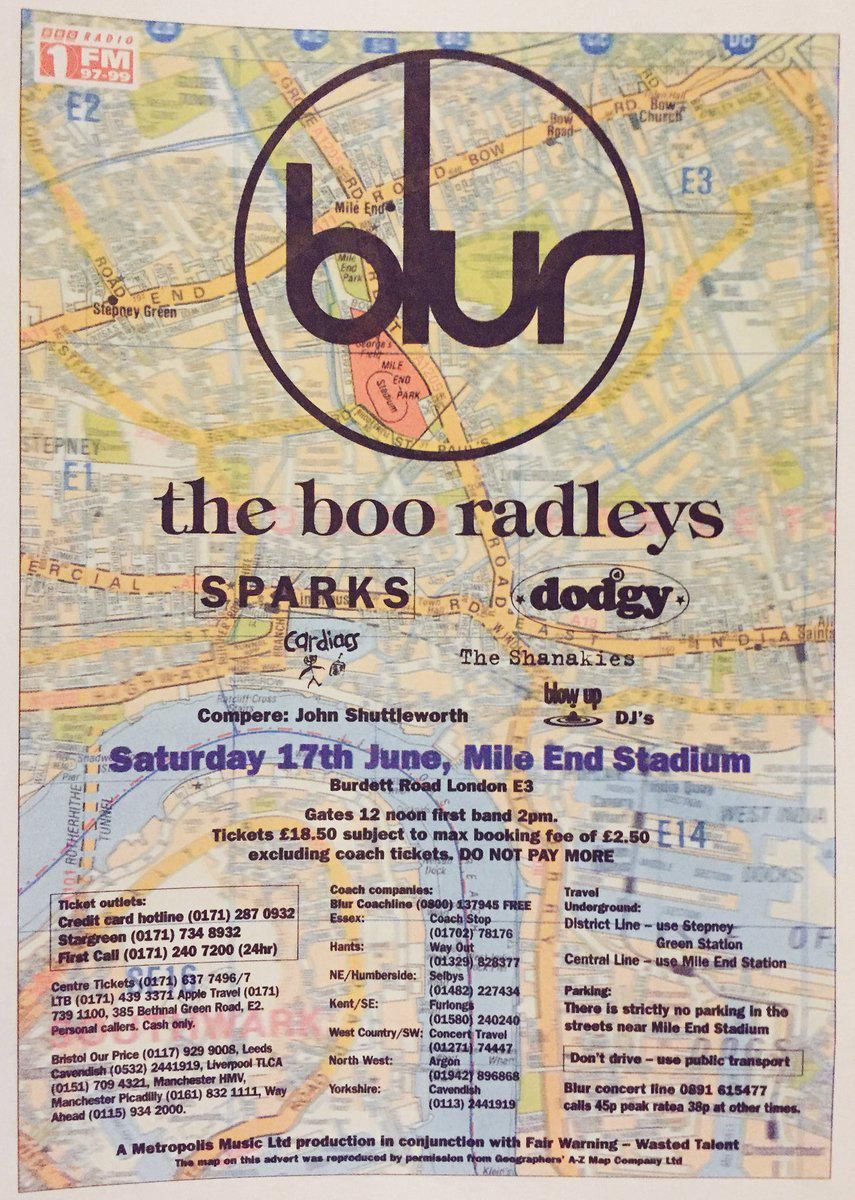
The supporting lineup was just as memorable, with Dodgy, Sparks, and The Boo Radleys all performing and helping to set the tone for a weekend that was as much about the spirit of the scene as about Blur’s own triumph. For many, the Mile End gigs represented not just a victory for the band, but a moment when the whole Britpop movement reached its zenith. The concert is still remembered as one of the era’s great live experiences, cementing Blur’s reputation as one of the essential bands of their generation.
The Chemical Brothers were instrumental in bringing dance music from the underground to the mainstream during the Britpop era. Their innovative fusion of breakbeats, acid house, and rock sensibilities helped define the emerging "Big Beat" movement. Their debut album, 'Exit Planet Dust' (1995), was a critical and commercial breakthrough, packed with euphoric, hard-hitting tracks like 'Leave Home' and 'Chemical Beats' that became club anthems and signalled a new direction for British electronic music.
They reached even greater heights with their sophomore album 'Dig Your Own Hole' (1997), which topped the UK charts and produced the iconic singles 'Setting Sun'—featuring Oasis's Noel Gallagher on vocals and 'Block Rockin’ Beats'. 'Setting Sun' blurred the lines between rock and dance, capturing the psychedelic energy of the era and becoming a defining crossover hit. 'Block Rockin’ Beats', with its massive bassline and relentless momentum, won a Grammy and became one of the decade's most recognisable dance tracks. Other standout tracks like 'Elektrobank' and 'Where Do I Begin' (featuring Beth Orton) showcased their ability to blend experimentation with pop accessibility but it was the album’s epic closer, 'The Private Psychedelic Reel', that truly encapsulated The Chemical Brothers' mind-bending ambition, a swirling, ten-minute journey of sitars, breakbeats, and swirling effects that became a staple of their legendary live sets, often serving as the euphoric climax to their shows.
Much of this creative energy was born from their time at The Heavenly Social, a now-legendary club night in London where Tom Rowlands and Ed Simons honed their big beat sound as resident DJs. The club was a melting pot for the era’s indie and dance scenes, attracting musicians from Primal Scream, Oasis, The Charlatans, and more. It was here that The Chemical Brothers broke down the barriers between rock and dance, inspiring a new generation of artists and fans to embrace both worlds. The Heavenly Social became ground zero for the big beat revolution, and its influence can still be felt in British music and club culture today.
Meanwhile, The Prodigy were pushing boundaries in their own right, especially with their 1994 album 'Music for the Jilted Generation'. Their tracks 'Voodoo People' and 'Their Law' became anthems of resistance and rave energy, the latter a direct response to the government’s attempt to criminalise rave culture. Earlier singles like 'Charly' and 'Out of Space' had already made The Prodigy household names, but it was this era that saw them become icons of rebellion and innovation, leading the charge as dance culture moved from the fringes to the centre of British life.
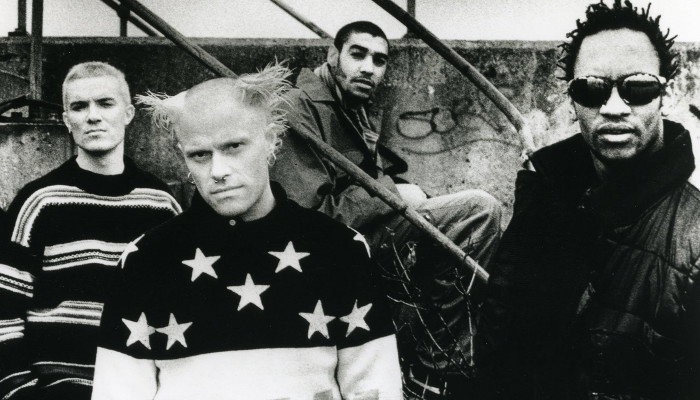
This transformation came at a pivotal moment: the United Kingdom's Criminal Justice and Public Order Act 1994 was attempting to criminalise raves and clamp down on the culture, but artists like The Chemical Brothers and The Prodigy responded by bringing rave and dance energy into the mainstream and onto festival stages. Dance music was no longer confined to subcultures; it was about to go mainstream, with The Chemical Brothers leading the charge alongside their peers. It was an exhilarating time for British music, as electronic sounds became as vital and influential as guitars.
Manic Street Preachers soared to Number Two of the UK singles charts in 1996, with 'A Design for Life'. A monumental achievement for a band reeling from the disappearance of guitarist Richey Edwards. The song’s success was not only a testament to the band's resilience but also a reflection of their powerful, politically charged vision. A working-class anthem wrapped in strings and steel. At the time, even the band itself believed such a feat was impossible without Richey, whose absence had left a gaping creative and emotional void.
The song’s lyrical power is rooted in the band’s Welsh heritage and their defiance against the patronisation of the working class. The opening line, "Libraries gave us power," was inspired by the "Knowledge is Power" engraving above the library in Pillgwenlly; it serves as a reminder of a culture built on self-improvement and education. This is immediately contrasted by the haunting line, "Then work came and made us free": a chilling reference to the 'Arbeit macht frei' slogan found at Nazi concentration camps. For Nicky Wire, the song was a response to the middle-class stereotypes of the working class; it was an assertion that his community was defined by more than just struggle or vice.
The chorus remains one of the most misunderstood and shouted-back refrains in British music: "We don't talk about love / We only wanna get drunk." While festival crowds often sing it as a celebration of hedonism, the lyrics are actually a biting critique of how the working class is perceived and limited by societal expectations. The music video furthered this theme: clashing slogans of domestic compliance with footage of fox hunting and Royal Ascot to highlight the stark divide of class privilege. It was a song that demanded respect for a culture that felt increasingly marginalised by the "Cool Britannia" party.
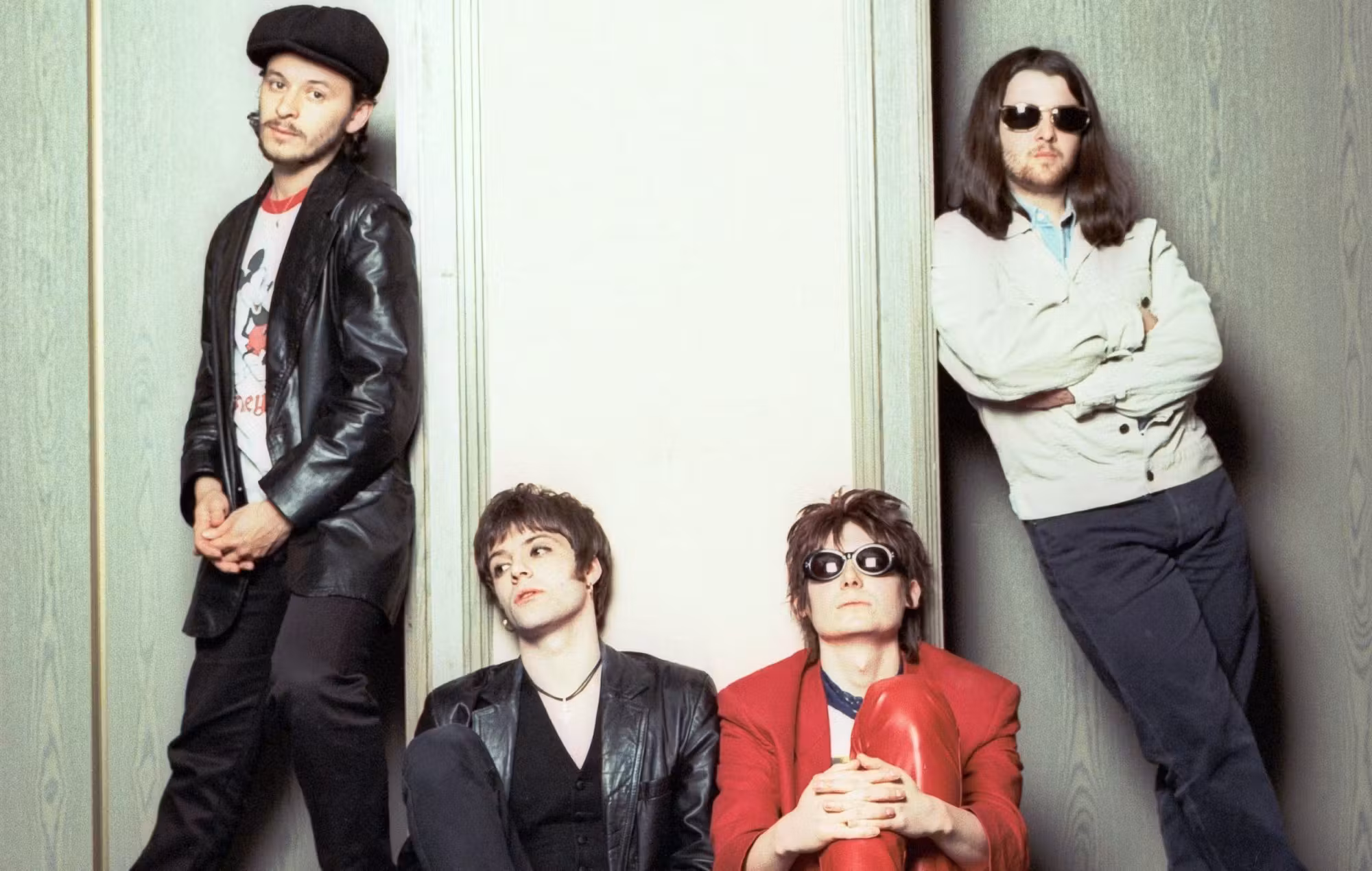
Richey Edwards vanished onFebruary 1st1, 1995, just before the band was due to fly to the United States for a promotional tour. His car was later found abandoned near the Severn Bridge, a location tragically known for suicides. Though declared legally dead in 2008, no conclusive evidence ever emerged regarding his fate. His disappearance cast a long shadow over the band and their fans, a haunting absence that continues to echo through their music and mythology.
Before the chart success and radio anthems, the Manic Street Preachers had emerged from the South Wales valleys like a Molotov cocktail lobbed at the British music scene. Their early sound was a confrontational fusion of glam, punk, and hard rock, equal parts Guns N' Roses, The Clash, and Public Enemy, with a manifesto to match. They wore eyeliner and feather boas, scrawled political slogans on their clothes, and spoke in quotes from Camus and Marx. From the very beginning, they were a band with ideas, dangerous ones.
Their early sound was a confrontational fusion of glam, punk, and hard rock, equal parts Guns N' Roses, The Clash, and Public Enemy, with a manifesto to match. They wore eyeliner and feather boas, scrawled political slogans on their clothes, and spoke in quotes from Camus and Marx. From the very beginning, they were a band with ideas, dangerous ones.
Their debut album, 'Generation Terrorists' (1992), was a sprawling, chaotic, and fiercely intelligent record that combined razor-sharp riffs with essays-in-waiting. Songs like 'Nat West-Barclays-Midlands-Lloyds' and 'You Love Us' blended nihilism with a yearning for meaning, delivered with ferocious energy and intellectual firepower. They famously claimed they would sell 16 million copies, an impossible boast that captured their ambition and self-awareness.
That uncompromising spirit deepened with 'Gold Against the Soul' (1993). It reached its bleakest and most brilliant expression on 'The Holy Bible' (1994). Primarily written by Richey, the album was a harrowing look at war, body image, capitalism, and self-destruction. His lyrics, dense, fragmented, and often painfully personal, were matched by the album's stark, minimalist production and unflinching tone. It was as much a psychological document as a rock record.
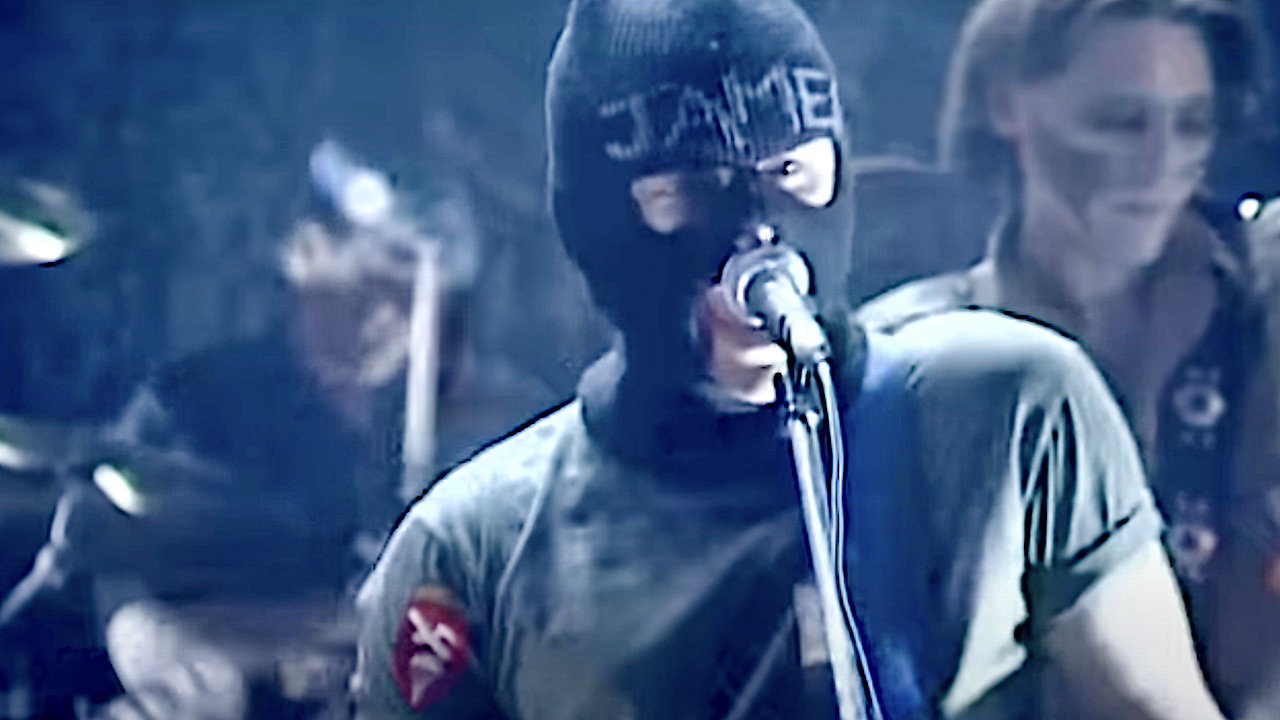
One of the most memorable performances from this era came in 1994 on Top of the Pops, where the band performed 'Faster' dressed in balaclavas and military gear. The BBC received a flurry of complaints, but for the Manics, the provocation was deliberate, a reaction against the sanitised, soulless mainstream. It was a band on the brink, both creatively and emotionally.
In this context, 'A Design for Life' felt like a resurrection. Released in 1996 as the lead single from their comeback album 'Everything Must Go', it signalled a new era, less confrontational, perhaps, but no less passionate or principled. The barbed edges were softened, but the core remained intact. And with it, the Manic Street Preachers proved they could survive the unthinkable and still speak for those who felt unheard.
The band would go on to have two further number one singles: the shimmering, melancholic 'If You Tolerate This Your Children Will Be Next' in 1998, and the poppier 'The Masses Against the Classes' in 2000, the latter famously deleted from sale the day after release, yet it still topped the charts. For a band that had been so anti-establishment, it's incredible that they would top the charts three times.
1996 was a truly fantastic year. British music was riding high. The rest of the world didn’t really get a look in, especially in the UK. Not in terms of guitar music, anyway. America would rule the hip-hop airwaves; however, American guitar music really didn't get a look in.
One band from America still had a huge influence. R.E.M stood out virtually on their own. Their 1991 album 'Out of Time' was a global smash, thanks to the haunting 'Losing My Religion' and the famously upbeat 'Shiny Happy People' (which, in a curious twist, was originally considered as the theme song for the TV show 'Friends' before the producers opted for The Rembrandts' 'I'll Be There for You'). 'Out of Time' blended jangly guitars, folk influences, and lush arrangements, showing R.E.M.'s ability to balance introspective melancholy and bright pop.
The band’s run continued with 'Automatic for the People' in 1992, which became an instant classic thanks to tracks such as 'Everybody Hurts', 'Man on the Moon', and 'Nightswimming'. The album’s mixture of lush orchestration, haunting melodies, and thoughtful lyrics saw R.E.M. at their creative peak, with Michael Stipe’s vocals moving effortlessly from intimate to anthemic. 'Automatic for the People' earned critical acclaim and went multi-platinum worldwide, further cementing the band’s reputation as one of the most important alternative acts of the decade.
Then, in 1994, R.E.M. turned up the volume with 'Monster', embracing distorted guitars, glam influences, and a more aggressive, swaggering sound. The album’s rawness and energy marked a departure from their previous two records, with tracks like 'What's the Frequency, Kenneth?', 'Bang and Blame', and 'Crush with Eyeliner' standing out for their punchy riffs and off-kilter hooks. 'Tongue' added a soulful falsetto, while 'Let Me In' paid tribute to Kurt Cobain with its mournful, fuzz-laden atmosphere. The album’s blend of glam, grunge, and classic R.E.M. jangle struck a chord with fans and critics alike, debuting at Number One on both sides of the Atlantic and going on to sell millions of copies. 'Monster' not only reflected the darker, more chaotic energy of mid-90s rock, but also set the stage for one of the era’s most ambitious and star-studded world tours.
The 'Monster' world tour in 1995 was a landmark event that saw the band joined by an incredible roster of support acts. Radiohead, Sonic Youth, and Oasis all played select dates, while Blur opened the first night at Milton Keynes National Bowl on 29 July 1995. The Cranberries joined for multiple stadium shows, including Cardiff Arms Park, Murrayfield, and Milton Keynes. Tanya Donelly’s alt-rock band Belly was a frequent opener throughout the European summer leg, and leading Britpop bands Sleeper and Echobelly filled early slots at Milton Keynes and Huddersfield respectively. The Beautiful South and Terrorvision also provided support on select dates.
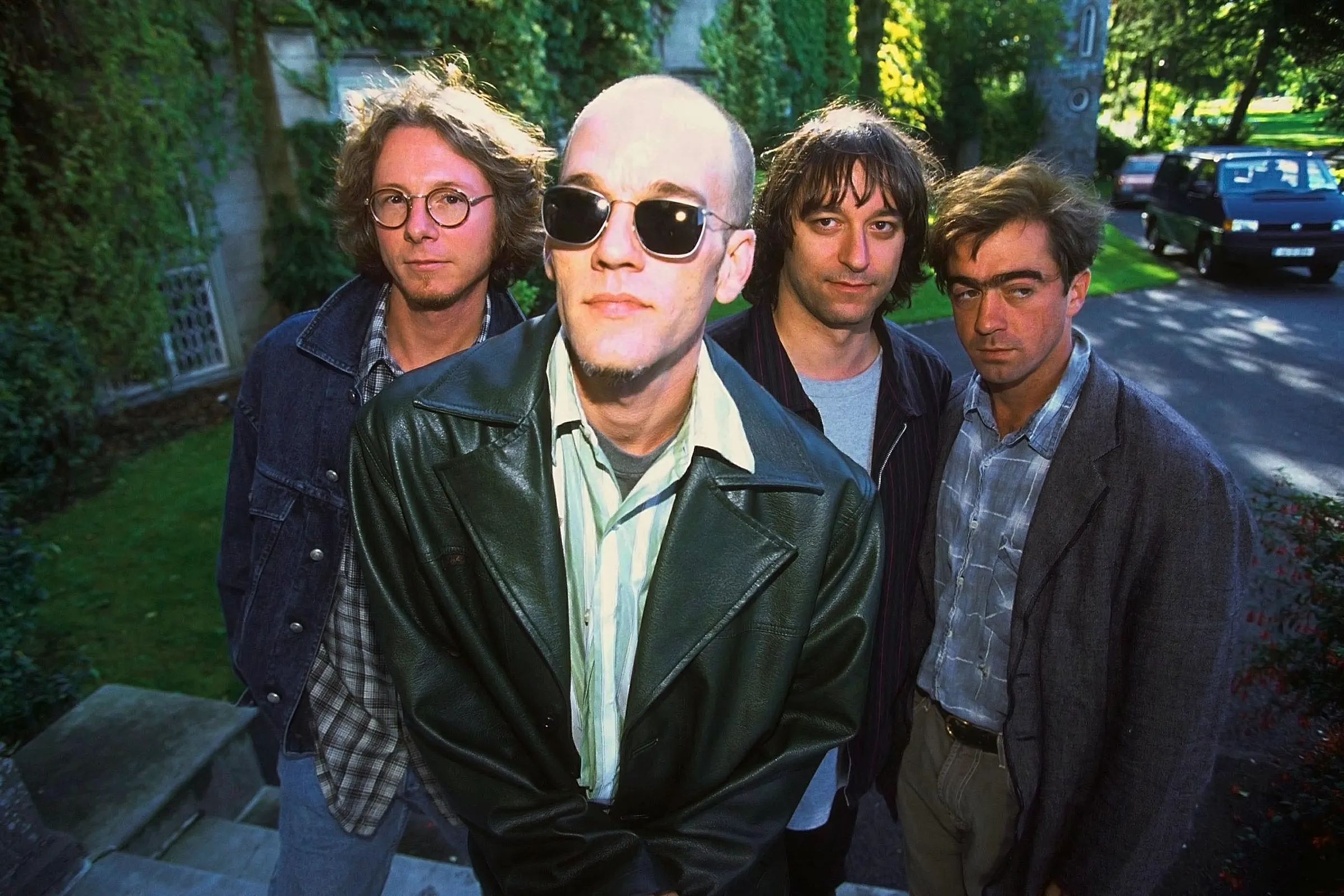
The 'Monster' tour’s scale and star-studded supports showed R.E.M.'s enduring appeal and their unique ability to bridge the gap between American and British alternative music during the height of Britpop.
Britain was undergoing a massive change in the 90s: music, politics, art, film, science. Everything was evolving, and the worlds of music and politics collided in ways never seen before. Most notably, the rise of New Labour under Tony Blair became closely intertwined with the optimism of Britpop and the so-called 'Cool Britannia' movement. Blair openly courted musicians, artists, and celebrities, culminating in memorable moments such as his presence at the 1995 Q Awards, where he presented War Child with a special award, and the famous photograph of Blair and Noel Gallagher together at 10 Downing Street after Labour's 1997 landslide election victory. This merging of pop culture and politics defined the era’s spirit of hope and reinvention, though some would later criticise the relationship as cynical or superficial.
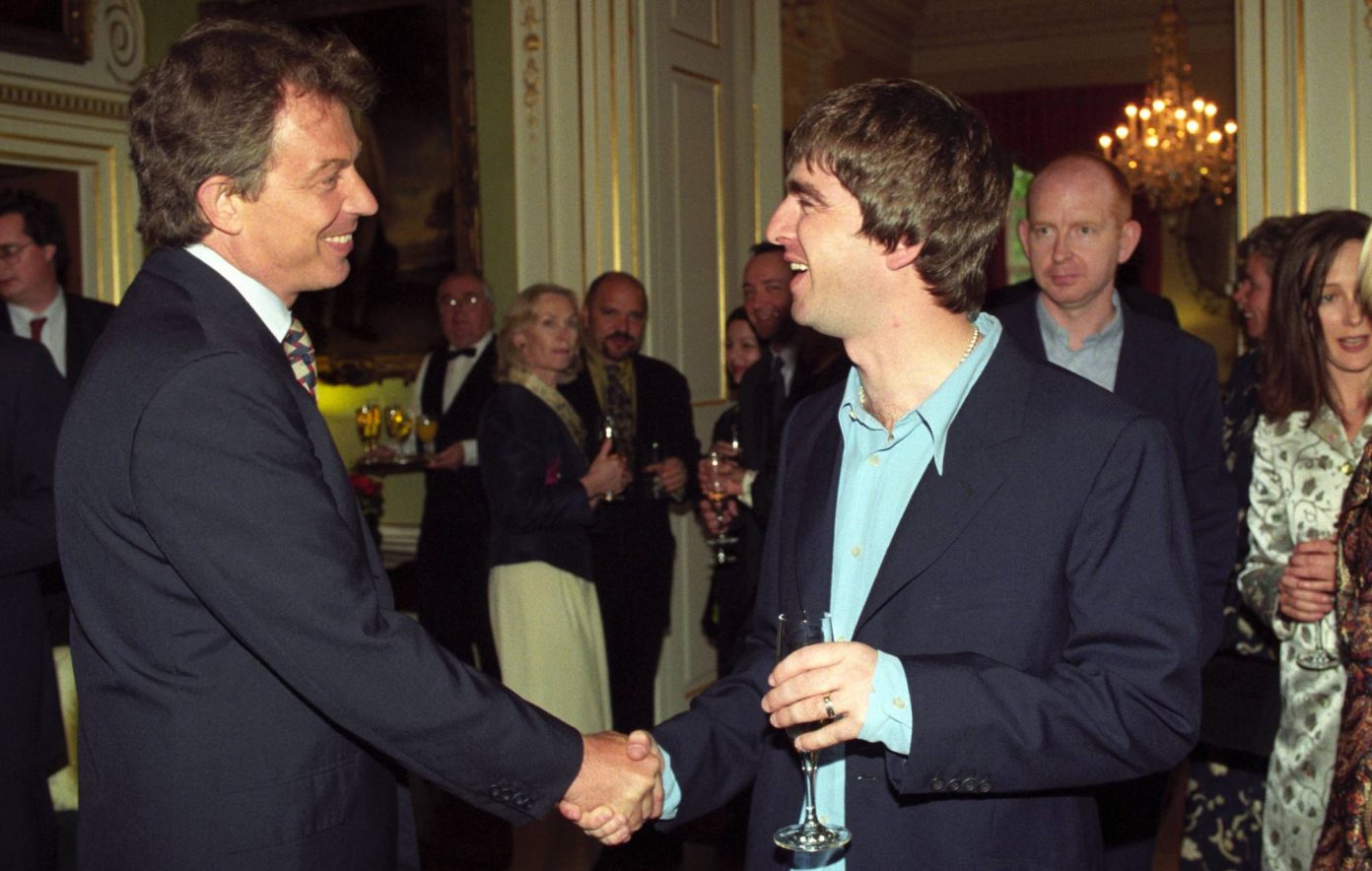
Knebworth, Girl Power, New Labour, Dolly the Sheep, and the emergence of the internet. Even football came home, with a football song hitting the top of the charts three times in the 90s. New Order's 'World in Motion' in 1990, 'Three Lions' in 1996, and 'Three Lions '98' in 1998. Music and football transcended; they helped bring English football out of the dark ages of hooliganism and into the modern world. The Premier League was born, and football would never be the same.
Popularised by the Spice Girls, "Girl Power" symbolised female empowerment, independence, and solidarity, resonating with young women across the country. Comprised of five distinct personalities. Sporty, Scary, Baby, Ginger, and Posh. The group broke the mould of traditional girl bands by celebrating individuality and diversity. Their debut single, 'Wannabe', released in 1996, became an instant global sensation, topping charts in 37 countries and establishing the Spice Girls as international icons.
Their debut album, 'Spice', was a global phenomenon, selling over 23 million copies worldwide and becoming the best-selling album by a girl group in history. It topped charts in more than 17 countries, including the UK and the US, and spawned an unbroken string of hits, including 'Wannabe', ' Say You’ll Be There', '2 Become 1' and 'Who Do You Think You Are'. In the UK, all four singles from Spice went to Number One, a record-breaking feat for a debut album.
Their follow-up album, Spiceworld (1997), continued their dominance. The album debuted at Number One in the UK. It reached the Top 3 in the US and eventually sold over 14 million copies globally. Its lead single, 'Spice Up Your Life', became an instant anthem, while 'Too Much' and 'Stop' further cemented their chart success. Notably, 'Stop' was the only Spice Girls single to narrowly miss the Number One spot in the UK, peaking at Number Two.
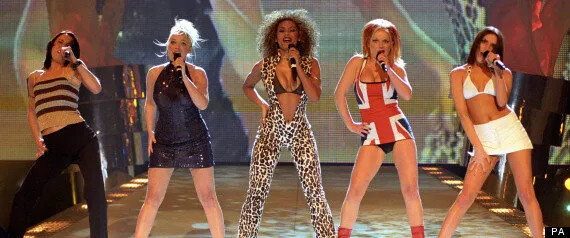
Girl Power was more than just a catchy slogan. It was a rallying cry for gender equality and self-expression, playing a key role in reshaping societal norms. The Spice Girls embodied this new wave of feminism, with their bold personalities, diverse identities, and unapologetic confidence.
It was a time of possibility. Everything seemed achievable, and it wasn’t an elitist club. Everyone was invited to this party, no matter class, colour, or creed. It was a time of hope and optimism, where everyone was represented.
There was a cultural change in everything; fashion moved away from baggy jeans and flannel shirts that had optimised grunge and been replaced by parkas, Penfield jackets, Adidas Gazelle and Samba trainers, Doc Marten boots, and Fred Perry polo shirts becoming ubiquitous among fans and bands alike. The look, sharp, casual, and streetwise, became as emblematic of the era as the music itself, and its influence can still be seen on British high streets today.
It was a time of significant change. The young were being listened to. Celebrity culture was born; the tabloids were about to take over. Musicians, supermodels, and sports stars would grace the front pages as much as the back. The Channel Tunnel connected us to Europe, and Britain was ready to take on the world again, this time with guitars, paintbrushes, and footballs. Not rifles and bayonets.
But it would have to come to an end.