We're So Pretty, Oh So Pretty- The 70s
The 1970s were a vibrant and transformative decade in music, brimming with innovation and upheaval. Disco, reggae, punk, heavy metal, new wave, psychedelia – the decade saw an explosion of genres, each leaving its own indelible mark. Many iconic artists from the 1960s continued to shape the scene, proving that their influence was far from fading.
The 1970s also marked a revolution in how people discovered and consumed music. FM radio stations flourished, offering better sound quality and longer, album-oriented playlists. This new format allowed artists to experiment and reach audiences with deeper cuts, not just hit singles. FM radio became a crucial platform for the rise of progressive rock, singer-songwriters, and the diverse sounds that defined the decade.
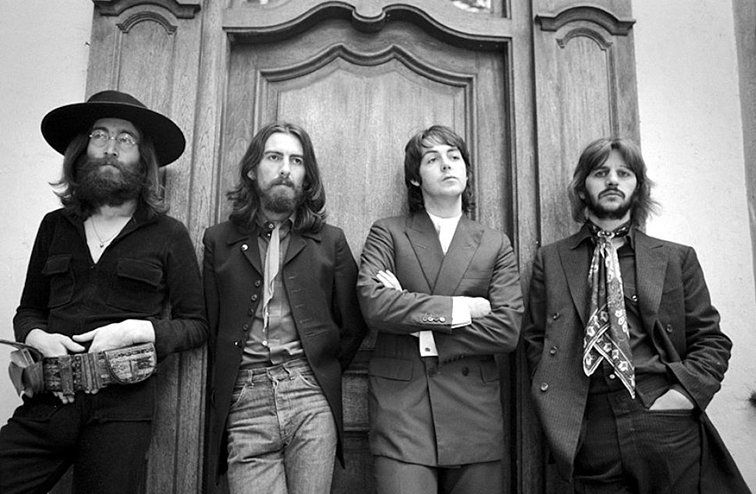
One of the most seismic events at the dawn of the 1970s was the breakup of The Beatles. As emblematic figures of the previous decade, they were more than a personal rift; their dissolution was a cultural earthquake that reverberated throughout popular music. The split was the culmination of years of mounting friction, catalysed by the loss of manager Brian Epstein and bitter legal battles over Apple Corps.When the end finally came in 1970, it shattered the collective idealism of the 1960s, but it also birthed a golden age of individual expression as all four members launched monumental solo careers.
Ultimately, the void left by the Fab Four opened the floodgates for a massive diversification of rock. Without a singular force dominating the charts, the industry fractured into vibrant subcultures, allowing glam rock, heavy metal, and progressive rock to rush in and claim the new decade.
While fans spent the decade mourning the dream of a reunion, the music world moved forward at an unprecedented pace. The Beatles did not just leave behind a flawless back catalogue; their departure forced the entire music industry to grow up, trading the innocence of the sixties for a darker, more complex, and endlessly innovative era of sonic experimentation.
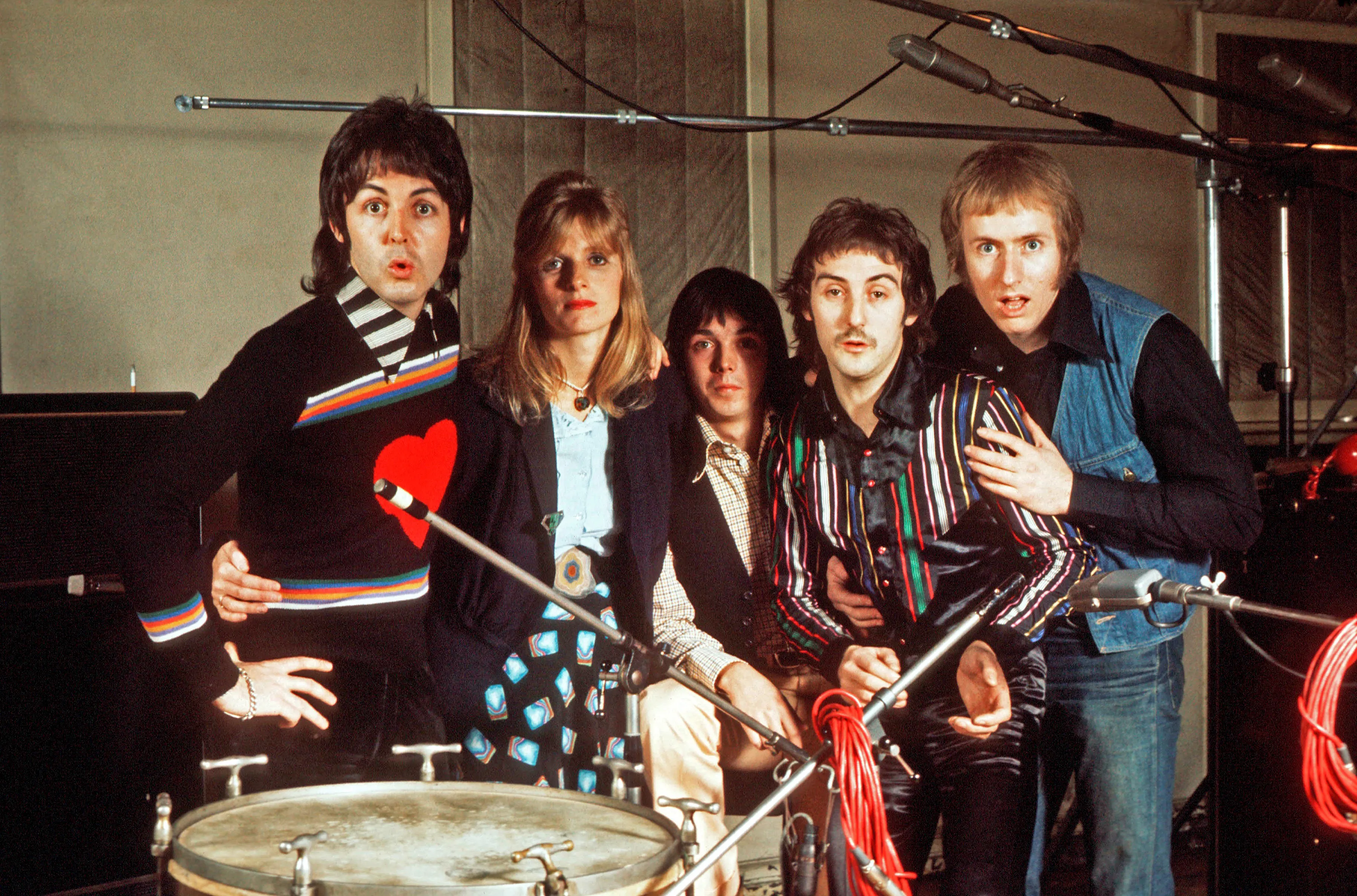
Paul McCartney wasted no time forging his post-Beatles path, forming Wings with his wife Linda. Wings quickly became one of the defining bands of the 1970s. McCartney’s creative leadership kept them at the top of the charts in both the UK and the US. The band's lineup changed over the years, but core members like Denny Laine and Jimmy McCulloch gave each era of Wings its own character.
Throughout the decade, McCartney steered Wings through a string of wildly successful albums. 'Band on the Run' is often cited as one of the decade’s best, with tracks like the title song, 'Jet', and 'Let Me Roll It' showcasing McCartney’s gift for melody and inventive arrangements. 'Venus and Mars' kept up the momentum with arena-sized rockers and lush ballads, while 'Wings at the Speed of Sound' produced major hits like 'Silly Love Songs' and 'Let 'Em In'.
Wings’ ambitious world tours, especially the 1976 'Wings Over the World' tour, set new standards for live performance and proved that McCartney could fill stadiums on his own. The band’s willingness to experiment with pop, rock, folk, and even disco gave Wings a versatility that matched the era's restless spirit.
Through Wings, McCartney kept himself firmly at the forefront of popular music, constantly reinventing his sound and his image. He wrote playful, genre-bending tracks like 'Uncle Albert/Admiral Halsey' and crafted ambitious, cinematic pieces such as 'Live and Let Die' for the James Bond franchise.
Wings became known for their jubilant energy and catchy, singalong refrains, producing big, anthemic choruses that defined 70s pop-rock. Songs like 'Jet', 'Band on the Run', and 'Silly Love Songs' not only dominated the charts but also became staples of radio and stadiums alike. McCartney’s ability to blend melody, experimentation, and mass appeal ensured that Wings remained a creative force throughout the decade, influencing countless artists who followed.
George Harrison, long known as the 'quiet Beatle', truly came into his own s a solo artist in the 70s. His triple album 'All Things Must Pass' (1970) was a landmark release, bursting with creativity and featuring timeless tracks like 'My Sweet Lord' and 'What Is Life'. Spiritual exploration, lush arrangements, and collaborations with friends such as Eric Clapton and Ringo Starr defined Harrison’s solo work. He developed a distinctive slide guitar sound that became a hallmark of his music and inspired countless musicians.
In 1971, Harrison organised the groundbreaking Concert for Bangladesh, the first major benefit concert of its kind. He brought together artists such as Bob Dylan and Ravi Shankar to raise funds and awareness for humanitarian crises. This event set a new standard for rock activism and cemented Harrison’s commitment to social causes.
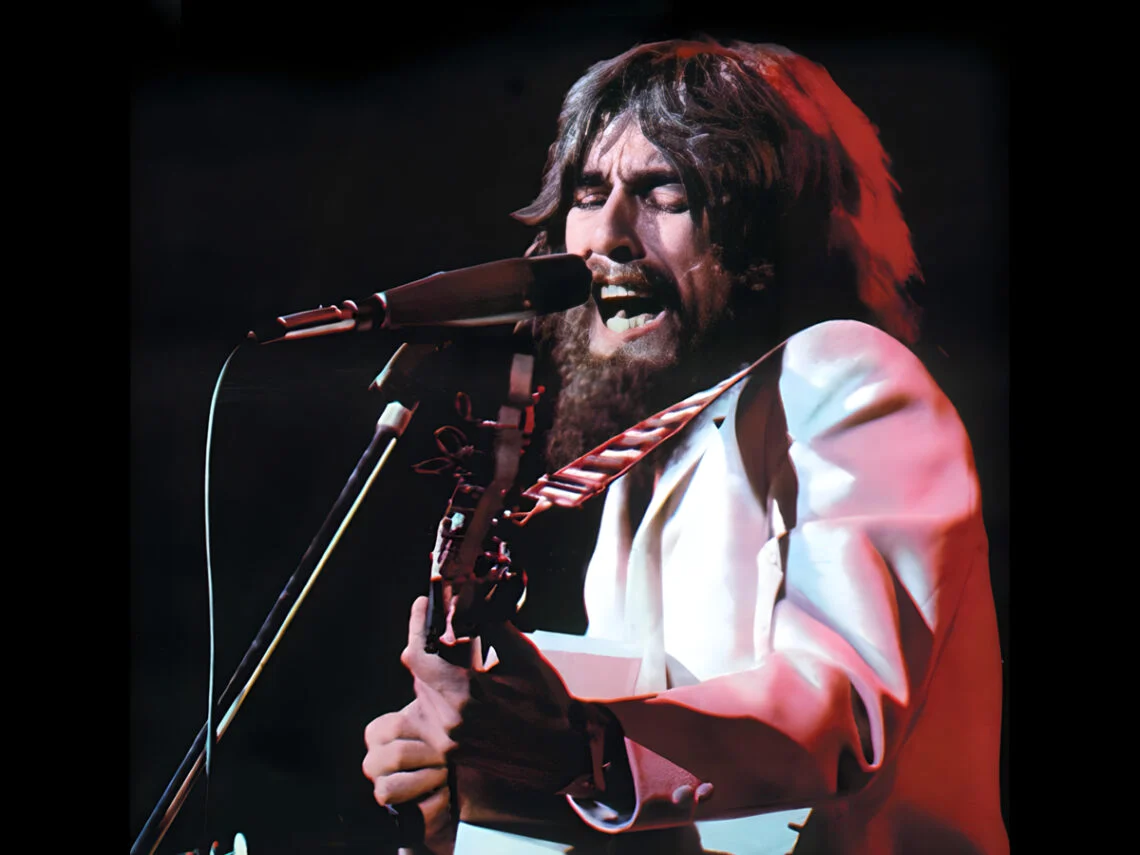
Throughout the 1970s, Harrison explored Indian, folk, and rock music across albums such as 'Living in the Material World', 'Dark Horse', and 'Thirty Three & 1/3'. Songs such as 'Give Me Love (Give Me Peace on Earth)' and 'Blow Away' highlighted his melodic gifts and his ongoing quest for meaning. Harrison’s lyrics often reflected his deep interest in spirituality, personal growth, and philosophical ideas, giving his solo work a distinct emotional and intellectual depth.
Harrison was also a passionate collaborator and producer. He played a key role in supporting friends like Ravi Shankar and Billy Preston, and contributed guitar work to records by Ringo Starr, Badfinger, and others. In 1974, he founded his own label, Dark Horse Records, which not only released his own albums but also championed other artists.
In 1974, Harrison became the first Beatle to tour North America as a solo artist with the ambitious 'Dark Horse Tour.' Although his reworked Beatles songs and focus on new material drew mixed reactions, the tour showcased his commitment to artistic growth and independence.
Harrison's sense of humour and creativity also found an outlet in film: he was instrumental in the production of Monty Python’s 'Life of Brian,' helping finance the film through his company, Handmade Films, and even making a cameo appearance. By the close of the decade, Harrison had firmly established himself as a solo artist with a distinct voice and vision, respected for his musical achievements, his generosity as a collaborator, and his pivotal role in bringing together the worlds of rock, world music, and comedy.
John Lennon, meanwhile, took a more confrontational and personal approach. Teaming up with Yoko Ono, Lennon’s early solo albums, most notably 'John Lennon/Plastic Ono Band' and 'Imagine', were raw, confessional, and unflinching. He tackled issues such as peace, identity, and social justice, making headlines for both his activism and his music. 'Imagine' became his signature song, a timeless anthem for hope and unity, and the title track's vision for a better world resonated across generations.
Lennon was also known for his spontaneity and creative outbursts, famously writing and recording 'Instant Karma!' in a single day, a testament to his artistic urgency and talent. His ability to turn inspiration into fully formed and impactful songs in the heat of the moment became part of his legend.
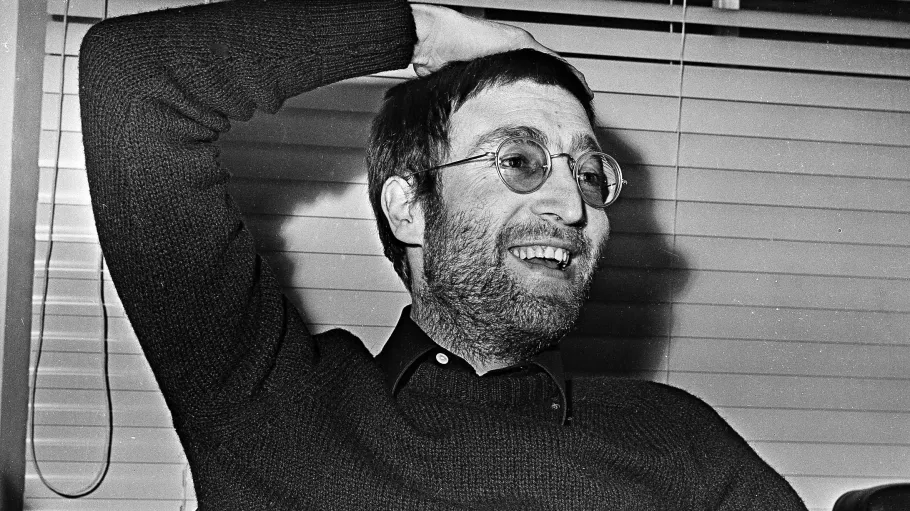
Lennon's activism was further reflected in songs like 'Happy Xmas (War Is Over)', co-written with Ono and released in 1971. The song blended a poignant holiday message with a powerful anti-war statement, quickly becoming a seasonal classic and an enduring plea for peace.
Other solo tracks, including 'Working Class Hero', were marked by their blunt honesty and social critique. Lennon’s solo years were characterised by a fearless willingness to challenge the status quo, but also by moments of vulnerability and reflection, especially in his final album 'Double Fantasy', released shortly before his tragic death in 1980.
And then there was Ringo – the beloved, ever-versatile drummer – who floated between collaborations, always ready to lend a beat or a hand. Ringo Starr enjoyed chart success of his own with hits like 'It Don’t Come Easy' and 'Photograph', and his easygoing charm made him a sought-after collaborator and a favourite among fans. If the Beatles’ story teaches us anything, it’s that everyone loved Ringo, the heart of the band.
While iconic British bands defined the 1960s, the 1970s ushered in a new era for solo artists. Visionary figures like David Bowie, Elton John, and Kate Bush emerged in the UK, while across the Atlantic, Joni Mitchell, Billy Joel, and Patti Smith were redefining the boundaries of what solo performers could achieve. These artists didn’t just rise to fame – they transformed the cultural landscape, proving that individual expression could be as powerful as any group dynamic. The 1970s became a proving ground for personal artistry, and success was no longer confined to bands.
Bands were still present, though; the glam rock movement defined the early 70s.
T. Rex, led by the enigmatic Marc Bolan, brought a sense of flamboyance, swagger, and catchy hooks to the charts with hits like 'Get It On' and '20th Century Boy'. Widely considered the founding fathers of glam rock, the band effectively launched the movement when Bolan donned glitter on his cheekbones for a 1971 television performance. Their landmark album 'Electric Warrior' pioneered a fresh, hypnotic sound that fused acoustic folk roots with amplified electric guitars, boogie rhythms, and poetic, surrealist lyrics. Bolan’s effortless cool, corkscrew curls, and satin outfits turned him into the decade's first true teen idol, sparking a frenzy dubbed 'Bolanmania' that rivalled the peak of the 1960s. With further infectious chart-toppers like 'Hot Love' and 'Telegram Sam' from the follow-up album 'The Slider', T. Rex proved that rock music could be intensely sensual, playful, and visually revolutionary all at once. Bolan's unique ability to blend acoustic intimacy with cinematic electric grandeur created a blueprint that reshaped the DNA of British pop music
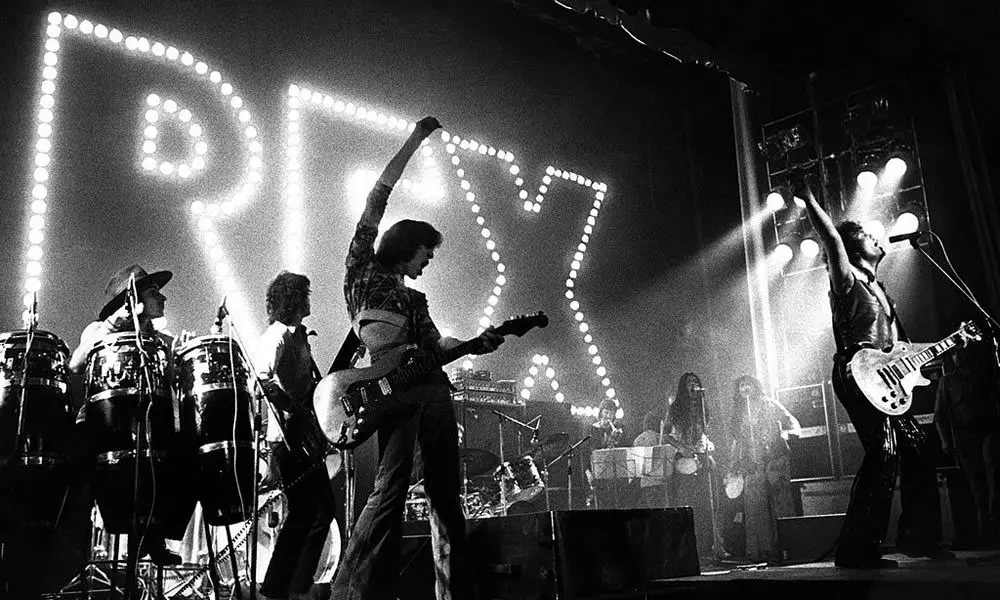
This spectacular sonic evolution was a deliberate pivot from the band’s origins. Originally operating as Tyrannosaurus Rex, a whimsical, underground psychedelic folk duo, Bolan performed alongside percussionist Steve Peregrin Took, crafting mystical tracks filled with Tolkienesque imagery. However, the dawn of the 1970s brought a desire for mainstream dominance. Bolan shortened the name, recruited Mickey Finn to replace Took, and integrated bassist Steve Currie and drummer Bill Legend to form a fully electric rock-and-roll outfit. This transition from acoustic mysticism to amplified stomp was catalyzed by visionary producer Tony Visconti. Visconti’s lush string arrangements, paired with the soaring, operatic backing vocals of Howard Kaylan and Mark Volman (formerly of The Turtles), injected tracks like 'Jeepster' and 'Children of the Revolution' with a luxurious, multi-layered depth that defined the 'T. Rextasy' phenomenon.
At the absolute height of their power, the band was a unstoppable cultural juggernaut, selling out arenas and dominating the airwaves. Their legendary 1972 performances at the Wembley Empire Pool captured a band at its zenith, immortalized by Ringo Starr in the documentary concert film 'Born to Boogie'. Even as the mid-1970s brought shifting musical landscapes and structural changes to the band’s lineup, documented on later albums like 'Tanx' and 'Zinc Alloy and the Hidden Riders of Tomorrow', Bolan's influence never truly waned. He continued to champion new musical movements, famously taking the punk band The Damned on tour with him in 1977. Tragically cut short by his death in 1977, Bolan’s legacy as a cosmic punk pioneer and a visual poet remains untarnished, leaving behind a body of work that proved rock could be high art while remaining devastatingly catchy.
Slade were another of Glam's poster boys. At their peak, Slade were one of the most successful British bands of the decade, scoring six number-one singles, a string of top ten hits, and selling millions of records. Emerging from Wolverhampton, the classic lineup of Noddy Holder, Jim Lea, Dave Hill, and Don Powell spearheaded the 1970s glam rock movement with an unmatched, stomping energy. Guided by former Animals bassist and manager Chas Chandler, they transformed from a gritty working-class group into a chart-dominating powerhouse. They became the very first act to have three separate singles debut straight at the number-one spot, statistically cementing them as the UK's most successful singles band of the entire era.
Their flamboyant style, singalong choruses, and feel-good spirit made them festival favourites and ensured their songs became staples of parties, football terraces, and holiday celebrations. Dave Hill’s outrageous outfits and Noddy Holder’s iconic mirrored top hat perfectly captured the visual excess of the glam era, while Holder’s raw, gravelly vocals gave the band an unmistakable sonic identity. Armed with deliberately misspelled, guitar-driven anthems like 'Cum On Feel the Noize' and 'Mama Weer All Crazee Now,' Slade possessed a rare ability to blend unpolished rock-and-roll grit with inescapable, melodic pop hooks.
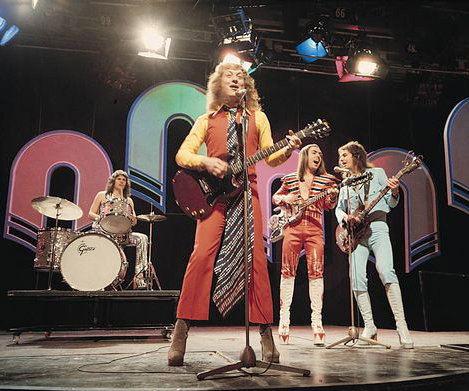
This chart-topping formula was forged through years of relentless live performing and radical stylistic shifts. Long before the glitter and platform boots, the band cycled through identities as The 'In'遍 Crowd and Ambrose Slade, even enduring a brief, Chandler-mandated phase as a skinhead group. It was only when they embraced the burgeoning glam aesthetic and let their natural, raucous Black Country personalities shine through that the phenomenon truly ignited. Beyond the singles charts, their studio albums like 'Slayed?' and 'Old New Borrowed and Blue' showcased a surprisingly versatile musicianship, anchored by the formidable songwriting partnership of Holder and Lea. The band even conquered the silver screen with their gritty 1975 feature film 'Slade in Flame'. While the movie's dark, cynical look at the music industry shocked fans expecting a lighthearted comedy, its accompanying soundtrack yielded sophisticated masterpieces like 'Far Far Away' and 'How Does It Feel', proving the band possessed immense artistic depth.
Few bands have left such a lasting, joyful mark on British pop as Slade. While their attempt to conquer the United States in the mid-1970s cooled their momentum at home, their massive influence rippled across generations, directly inspiring rock giants from Oasis to Quiet Riot. Though the late 1970s saw them playing smaller venues as punk took over, they staged one of the greatest comebacks in British rock history with a legendary, last-minute performance at the 1980 Reading Festival. This explosive revival launched a second wave of success, delivering 1980s arena anthems like 'Run Runaway' and 'My Oh My' from their hit album 'The Amazing Kamikaze Syndrome'. Today, their ultimate masterpiece, 'Merry Xmas Everybody,' remains an immortal fixture of the festive season. Decades after their heyday, the mere echo of Holder's roaring festive wake-up call continues to guarantee that the band's bright, timeless energy shines on.
The glam rock movement was fueled by a diverse spectrum of talent, each bringing a unique brand of spectacle to the era. Sweet perfectly bridged the gap between bubblegum pop and heavy metal, pairing their visually striking, glitter-drenched personas with heavy riffs and infectious choruses. Armed with high-energy tracks like 'Ballroom Blitz' and 'Fox on the Run' from hit albums like 'Desolation Boulevard', they proved that camp theatrics could coexist with serious musicianship. Their intricate vocal harmonies and aggressive guitar work defined the harder edge of the glam spectrum, captivating audiences on television screens and concert stages alike.
Meanwhile, Mott the Hoople offered a more poetic, street-smart take on the genre, blending traditional rock-and-roll grit with theatrical flair. Their signature track 'All the Young Dudes', penned and produced by David Bowie for their 1972 album of the same name, transcended mere chart success to become an enduring anthem of a generation. Following that breakthrough, albums like 'Mott' produced further definitive hits such as 'All the Way from Memphis' and 'Roll Away the Stone', securing their reputation as the intellectual yet rebellious soul of the movement
Alongside Bowie, these groups shaped the look, sound, and attitude of glam, inspiring countless artists and leaving a glittering mark on the decade.
Bowie's impact on the 1970s would transcend glam, though. He and Elton John, in particular, became synonymous with the decade, building catalogues of brilliant songs that not only defined the era but also transcended it.
They borrowed from the best of the 60s and pushed those boundaries, crafting soundscapes that were innovative, provocative, and unmistakably their own. Their influence extended far beyond the charts, leaving a legacy that continues to shape music today.
Both artists crafted landmark concept albums that would forever shape the landscape of popular music – Bowie with 'The Rise and Fall of Ziggy Stardust and the Spiders from Mars,' and Elton John with 'Goodbye Yellow Brick Road.' Following in the footsteps of The Beatles, The Kinks, and The Rolling Stones, Bowie, in particular, distinguished himself through constant reinvention. This rare gift kept audiences enthralled and ensured his relevance in an industry defined by change, leaving a lasting impression on the music world.
Ziggy Stardust' propelled Bowie to unimaginable heights. The album and its alter ego, 'Ziggy', became a cultural phenomenon, blending glam rock with sci-fi themes and tackling topics such as fame, alienation, and the human condition. With Ziggy, Bowie didn’t just create a character – he built an entire universe on stage, complete with dazzling costumes, theatrical performances, and a sense of otherworldly drama that changed the possibilities of live rock forever. The Ziggy persona inspired a generation of fans to embrace self-expression, fluid identity, and rebellion against the mundane.
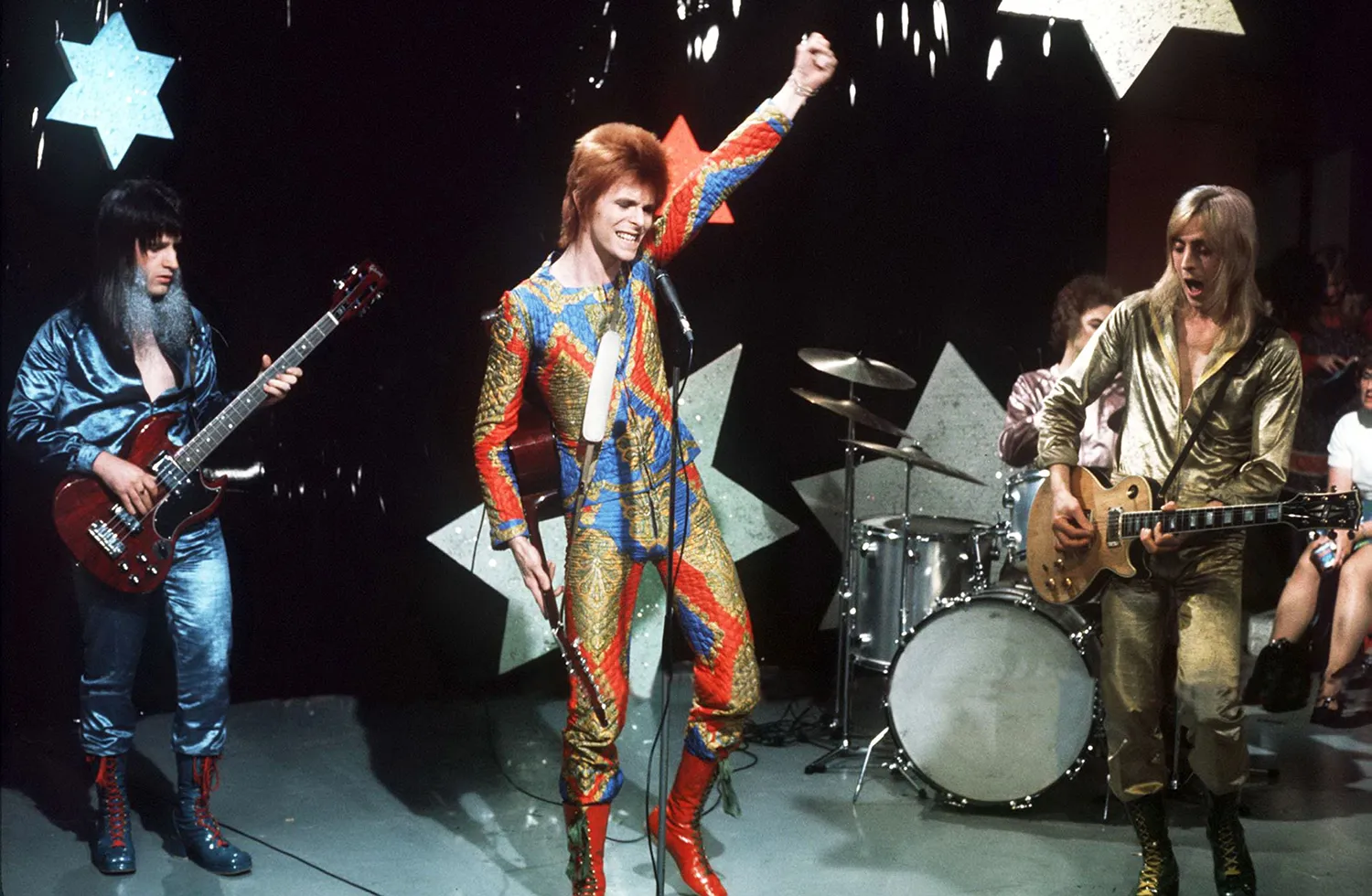
This period also saw Bowie and his band, The Spiders from Mars, delivering legendary live shows that were as much about spectacle and storytelling as they were about music. The Ziggy era’s visual excess and boundary-pushing style set the blueprint for future glam acts, from Queen to Adam Ant, and even into the worlds of punk and new wave. However, in a move that would shake the very foundations of his burgeoning career, Bowie abruptly retired the Ziggy character during a performance at London’s Hammersmith Apollo in 1973. The decision to kill off 'Ziggy Stardust' stunned fans, many of whom thought it was career suicide.
But Bowie had other plans. He quickly reinvented himself, morphing into the enigmatic and cold 'Thin White Duke', a persona that reflected a darker, more detached side of his musical and personal evolution. This sudden transformation left the music world in awe, showcasing Bowie's ability to surprise and intrigue his audience constantly.
Rather than fade into obscurity, Bowie’s ability to reinvent himself again and again cemented his place in music history. Throughout the 1970s, he released a series of groundbreaking albums that continually redefined not just his own identity but the direction of popular music. After the glam-rock explosion of 'The Rise and Fall of Ziggy Stardust and the Spiders from Mars', Bowie pivoted with the soul-infused 'Young Americans' in 1975, embracing what he called "plastic soul." The album spawned the transatlantic hit 'Fame', co-written with John Lennon and guitarist Carlos Alomar, which became Bowie’s first US number one single and hinted at his growing interest in American funk and soul.
In between, albums like 'Diamond Dogs' and 'Station to Station' showed his increasing ambition and theatrical flair. They introduced personas like the dystopian Halloween Jack and the cold, enigmatic Thin White Duke. These characters weren't just stage gimmicks; they were reflections of Bowie's inner world and the broader cultural anxieties of the time. His music grew darker, denser, and more introspective.
This constant reinvention reached new heights with his so-called 'Berlin Trilogy', a trio of albums recorded in the late 1970s with Brian Eno: 'Low', 'Heroes', and 'Lodger'. Fleeing to Berlin in search of personal and creative renewal after a period of drug addiction and excess in Los Angeles, Bowie immersed himself in the austere, divided city. There, alongside Eno and producer Tony Visconti, he delved into ambient music, minimalist textures, and experimental structures that broke from conventional rock.
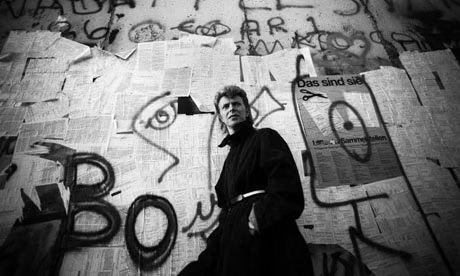
'Low', with its fragmented instrumentals and stark emotional tone, baffled some listeners at first but would come to be seen as one of his most influential works, especially in shaping the sound of post-punk, electronic music, and even alternative rock decades later. The follow-up, 'Heroes', balanced icy experimentation with moments of soaring emotion. The title track, inspired by a couple kissing by the Berlin Wall, remains one of Bowie’s most iconic and enduring songs, a rare blend of yearning, defiance, and beauty. 'Lodger', often the most overlooked of the three, blended world music influences and satire, showing that even in experimentation, Bowie was still interested in melody, rhythm, and storytelling.
During this period, Bowie also collaborated extensively with Iggy Pop, co-writing and producing Pop's albums The Idiot' and 'Lust for Life', helping to rejuvenate his friend's career while also influencing his own sound. Their partnership exemplified Bowie's role not just as a solo artist but as a creative catalyst for others. It was a mutual exchange of energy.
By the close of the 1970s, Bowie had moved through glam, soul, ambient, and art rock, not only surviving the decade but dominating it on his own terms. He didn't follow trends; he created them. And in doing so, he laid the groundwork for the sonic diversity of the decades to follow.
With each reinvention, Bowie proved he was far more than a fleeting pop star. He was a musical chameleon, and his genius lay in his constant evolution. His ability not only to survive but to thrive in the face of continuous change showcased his unparalleled artistry and foresight. From Ziggy Stardust to the Thin White Duke and beyond, Bowie transcended eras and genres, becoming a timeless icon whose influence continues to ripple through music, art, and fashion today. No single sound or look defines his legacy, but rather his fearless refusal to stand still.
Elton John, like Bowie, became one of the most defining figures in 70s music. His success wasn't just due to his musical talents but also to his flair for showmanship and flamboyance, and to his ability to weave deeply personal and relatable themes into his work. His output in the early 70s, particularly with lyricist Bernie Taupin, helped shape the era's cultural fabric. Albums like 'Goodbye Yellow Brick Road' became timeless classics, with songs like 'Bennie and the Jets', 'Goodbye Yellow Brick Road' and 'Candle in the Wind' instantly becoming anthems that have endured through the decades.
What set Elton John apart was his blend of eclectic styles. His music fused elements of rock, pop, and glam, but also drew on earlier influences like the soulful balladry of the 50s and the storytelling tradition of classic British pop. His piano playing, often virtuosic, was integral to his sound and became an unmistakable signature. The impact of his theatrical live shows, combined with his wild costumes, became a hallmark of the 70s glam rock movement. Still, unlike many of his contemporaries, Elton managed to maintain a sense of authenticity that drew people in.
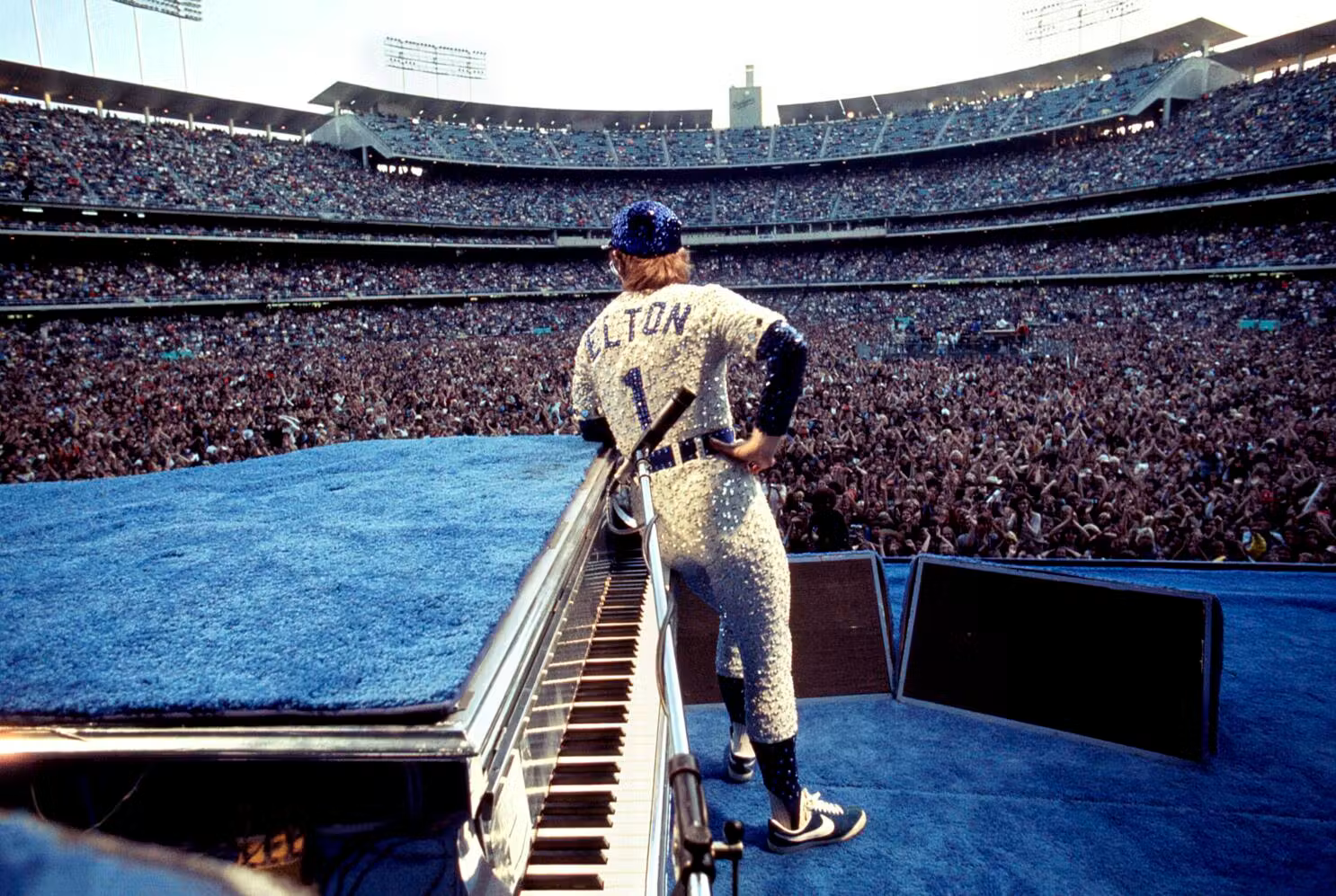
By the middle of the decade, Elton was already a massive star, and his live shows were nothing short of grandeur and flamboyance, a true reflection of his persona. One of the most iconic performances of his early career took place at Dodger Stadium in 1975, a concert that was not just a show, but a spectacle. This concert marked a significant milestone in both his career and the history of rock performances, leaving a lasting impression on all who witnessed it.
On 29th May, 1975, Elton John performed at Dodger Stadium in Los Angeles, a massive venue with a capacity of over 50,000 people. The concert became one of the largest single-attended concerts of the 1970s and is often remembered as a defining moment in Elton's career. It was not just a concert; it was an extravagant spectacle that reflected the larger-than-life persona Elton had cultivated by that point. Known for his over-the-top performances, Elton donned his now-iconic Dodgers uniform, complete with rhinestones and sequins. He performed a set that featured his greatest hits up to that point, including 'Candle in the Wind', 'Your Song', 'Bennie and the Jets' and 'Saturday Night's Alright for Fighting'.
Elton John was one of the decade's biggest stars, and he remains one of the most beloved and enduring figures in pop and rock history. His influence on the music industry, with his unique blend of pop and rock and flamboyant performances, is undeniable. His songs continue to resonate with audiences, and his influence can be seen in the work of many contemporary artists.
Marvin Gaye showed himself as a visionary in the 1970s, reshaping the very sound and purpose of soul music. His seminal album 'What's Going On' (1971) broke new ground by addressing pressing issues like war, poverty, and social injustice, transforming soul into a platform for powerful social commentary. Gaye’s smooth vocals and deeply personal songwriting redefined Motown, inspiring artists to embrace vulnerability and tackle real-world themes in their music.
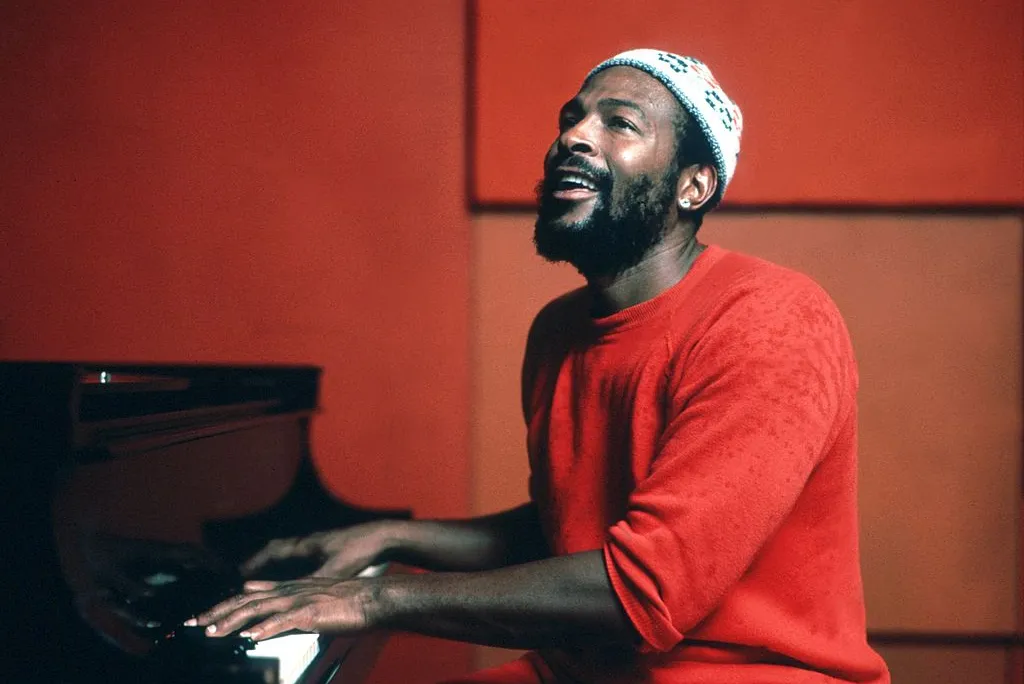
Gaye continued to push boundaries throughout the decade, embracing vulnerability and social consciousness with albums like 'Let's Get It On' and 'I Want You'. He explored themes of love, spirituality, and personal struggle, blending these with his signature soulful sound. With 'Here, My Dear', Gaye offered an unflinching portrait of his own life, cementing his reputation as one of soul’s most innovative and emotionally resonant artists. His willingness to address both political and deeply personal topics set a new standard for artistry and honesty in popular music.
Bob Marley's rise in the 1970s is one of music’s most extraordinary stories. Emerging from Jamaica with the Wailers, Marley didn’t just popularise reggae; he elevated it into a global language of resistance, hope, and unity. Landmark early studio albums like 'Catch a Fire' and 'Burnin'' broke reggae into the international rock market with gritty, guitar-fueled tracks like 'Concrete Jungle', 'Stir It Up', and 'I Shot the Sheriff'.
As the lineup evolved, 'Natty Dread' and 'Rastaman Vibration' showcased hypnotic rhythms, soulful melodies, and sharp social commentary, delivering tracks like 'The Heathen', 'Roots, Rock, Reggae', and the studio version of 'No Woman, No Cry'. His songwriting held universal power, resonating deeply from Kingston to London to New York. This prolific era culminated in his 1977 masterpiece, 'Exodus'. Recorded in London following a politically motivated assassination attempt on his life, 'Exodus' blended political urgency with spiritual romance, featuring hits like 'Jamming', 'Waiting in Vain', 'Three Little Birds', and 'One Love/People Get Ready'. Time magazine later named it the greatest album of the 20th century.
Beyond the music, Marley became a definitive symbol of resilience, peace, and Pan-Africanism. He championed the Rastafarian faith, advocated for social justice, and famously used his platform to address intense political turmoil. His legendary, high-energy concerts often evoked a deeply spiritual gathering, highlighted by events like the 1978 One Love Peace Concert where he united warring political leaders onstage. The late-70s records 'Kaya' and 'Survival' added further depth to his discography; 'Kaya' offered a softer, celebratory sound with tracks like 'Is This Love' and 'Satisfy My Soul', while 'Survival' returned to a militant, pan-African stance through tracks like 'Zimbabwe', 'Africa Unite', and 'Wake Up and Live'. Songs like 'Get Up, Stand Up' and 'War', which famously set Ethiopian Emperor Haile Selassie’s League of Nations speech to music, became global anthems for change, permanently establishing reggae as an essential, influential genre in popular culture.
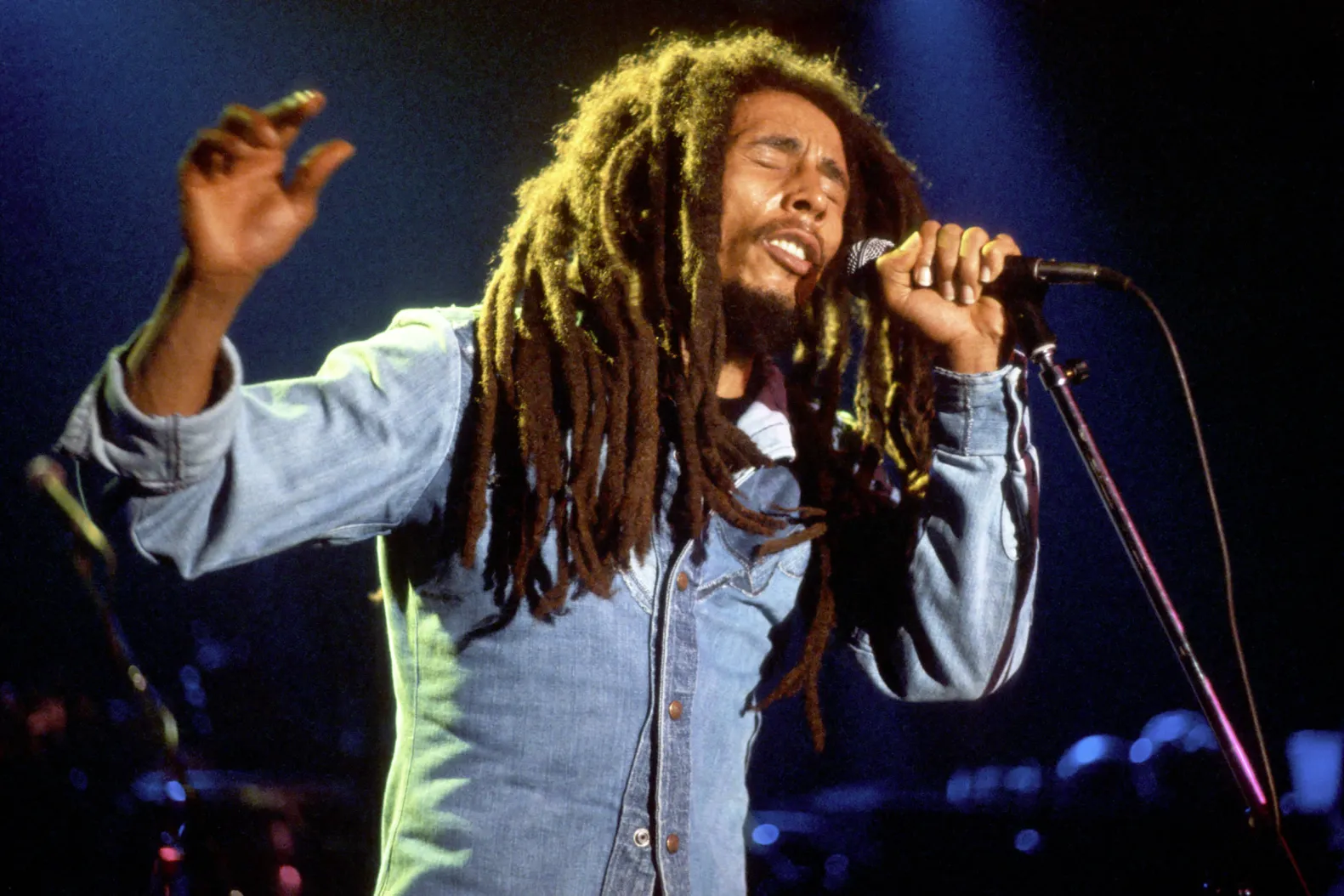
Tragically, Marley’s life was cut short when he died in 1981 at the age of 36, shortly after releasing 'Uprising', his final studio album containing the iconic 'Could You Be Loved' and his acoustic masterpiece 'Redemption Song'. Despite his passing, his legacy has only grown. He was posthumously awarded Jamaica's 'Order of Merit', inducted into the 'Rock and Roll Hall of Fame' in 1994, and given the 'Grammy Lifetime Achievement Award' in 2001.
His 1984 compilation, 'Legend', became the best-selling reggae album of all time, keeping his catalog alive for new generations. Today, his image remains an instantly recognizable emblem of freedom and counter-culture worldwide. Through grassroots movements, murals in conflict zones, and the work of the Bob Marley Foundation, his enduring spirit continues to inspire humanity to "emancipate yourselves from mental slavery."
Had the teenage Kate Bush listened to her record label, 'Wuthering Heights' would never have been her debut single. EMI were pushing for the more straightforward pop-stomp of 'James and the Cold Gun', but even at eighteen, Bush had a steeliness to her artistic vision. She fought for the eerie, circular tale that eventually introduced her to the world in early 1978, and by March it had become a number-one hit.
It was a landmark moment, marking the first time a single written and recorded by a female artist topped the British charts, famously replacing ABBA’s 'Take a Chance on Me' at the summit. In doing so, Bush broke new ground, not just for herself, but for a new generation of female songwriters and performers who saw her as a beacon of creative autonomy in a male-dominated industry.
It is staggering to remember that Bush wrote this when she was only eighteen, though that specific brand of adolescent angst is exactly what makes it so potent. Inspired by a television adaptation of Emily Brontë’s novel, Bush sought out the book and penned the track during a single moonlit night at the piano. Written from the perspective of the ghost of Catherine Earnshaw, the song is a gothic melodrama that pleads with the brutal Heathcliff to let her soul into the house. Despite the intensity of the finished product, the writing was seemingly painless, and the vocals were reportedly captured in a single, haunting take.
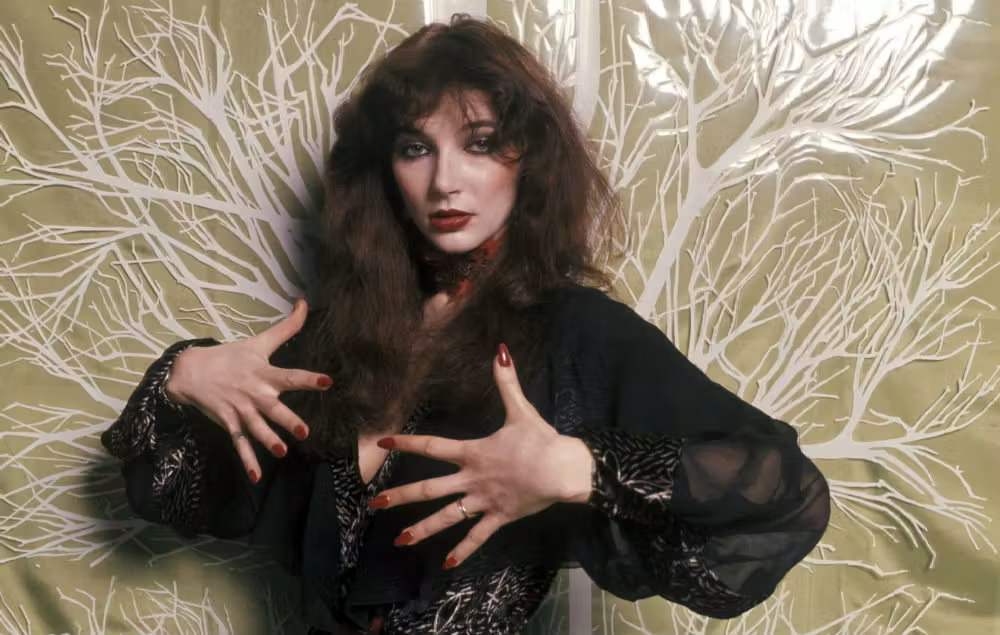
The casual nature of its creation contradicts how odd and unwieldy the song actually is. The piano gently heralds the arrival of this haunted tale before that tight, high melody reels you in. It loops and lilts, ascending and descending as Bush’s vocal urges the story forward, perfectly mimicking Catherine striding across the moors. It remains a magnificent achievement in storytelling, made even more curious by the fact that Bush later discovered she and Brontë shared a birthday.
'Wuthering Heights' didn't just turn Kate Bush into a pop star; it established her as an artist who would continue to bend the rules of the industry to her own will.
Her path was set in stone from the very beginning, and she remains one of the few whose debut still feels completely peerless.
The song’s success paved the way for her singular career, one marked by fearless experimentation and a refusal to compromise, influencing artists from Björk to Florence Welch and Lorde. 'Wuthering Heights' was not just a hit single; it was a declaration that pop music could be literary, theatrical, and avant-garde all at once, and its legacy endures in the countless musicians who have followed in her wake.
It wasn’t just The Beatles who saw members go solo. Genesis, one of the quintessential progressive rock bands of the 1970s, underwent a dramatic evolution during the decade. Beginning as a cult progressive rock band led by Peter Gabriel, they released ambitious concept albums like 'The Lamb Lies Down on Broadway'. In 1975, Peter Gabriel, displaying remarkable courage, left Genesis to launch a successful solo career.
After Gabriel's departure in 1975, Genesis drummer Phil Collins took over as frontman, ushering in a new era of commercial success with albums such as 'A Trick of the Tail' and '...And Then There Were Three...'. This transition saw Genesis blend their progressive roots with more accessible pop-rock sensibilities, ultimately making them one of the most influential and best-selling bands of the era. What would happen in the 1980s, though, I don't think many Genesis fans would have expected.
Gabriel's first single, 'Solsbury Hill', marked a departure from the progressive sound he was known for with Genesis, introducing a more introspective, folk-tinged pop that resonated with listeners and became one of his signature songs. Gabriel’s debut solo album, often called 'Car', was full of bold experimentation, from the soaring emotion of 'Solsbury Hill' to the haunting beauty of 'Here Comes the Flood'.
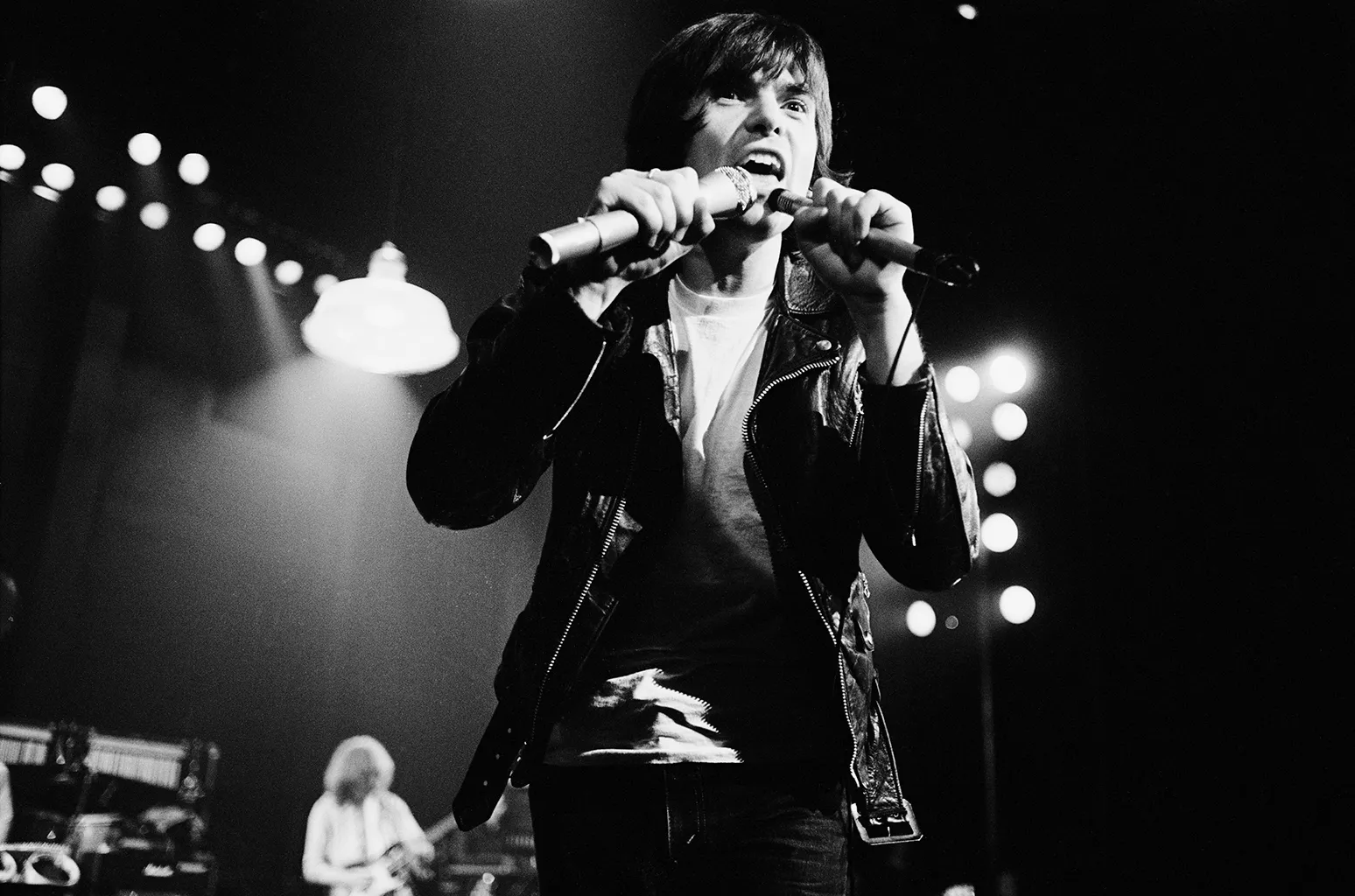
Gabriel followed up with another self-titled album in 1978 (often referred to as 'Scratch'), which further expanded his sound and artistic vision. Tracks like 'DIY' reflected his embrace of the era's punk-influenced, independent spirit while also showcasing his adventurous approach to songwriting and production. These first two solo albums set the stage for Gabriel’s later innovations in world music, video, and social activism, and established him as a restless, boundary-pushing artist. What he'd do in the decade following is quite simply astonishing.
The '70s were dominated by some of the biggest groups in rock history. Queen, Fleetwood Mac, The Cure, The Clash, The Jam, Sex Pistols, Pink Floyd, Dire Straits, ELO, and Genesis were just a few of the notable bands making their mark. Even though one of the old guard had broken up, The Kinks, The Who and The Rolling Stones were still going strong.
If the 60s showed the world what a band was capable of, the 70s set out to prove that it wasn’t just a fluke. Bands wanted to be bigger, better, and more excessive and, believe me, they certainly tried. And many succeeded, achieving unprecedented success and leaving a lasting mark on rock music's history.
Fleetwood Mac, a band with members from both sides of the Atlantic, found themselves in a unique situation: they were all romantically involved. Mick Fleetwood, Christine McVie, and John McVie were married, while Stevie Nicks and Lindsey Buckingham were a couple. The band was in turmoil, on the brink of implosion. Yet, despite the tension and, let’s face it, the enormous amount of drug taking, they managed to produce some of the most enduring music of the decade.
Before the arrival of Buckingham and Nicks in 1975, Fleetwood Mac had already carved out a successful career in the early 70s with blues-influenced albums like 'Kiln House', 'Future Games', and 'Bare Trees'. These records showcased the songwriting talents of Danny Kirwan and Christine McVie, with tracks such as 'Station Man', 'Sands of Time', and 'Spare Me a Little of Your Love' earning them a loyal fanbase in both the UK and US. The band's sound evolved further with the addition of Bob Welch, whose contributions on albums like 'Mystery to Me' and 'Heroes Are Hard to Find' brought a more melodic, West Coast sensibility.
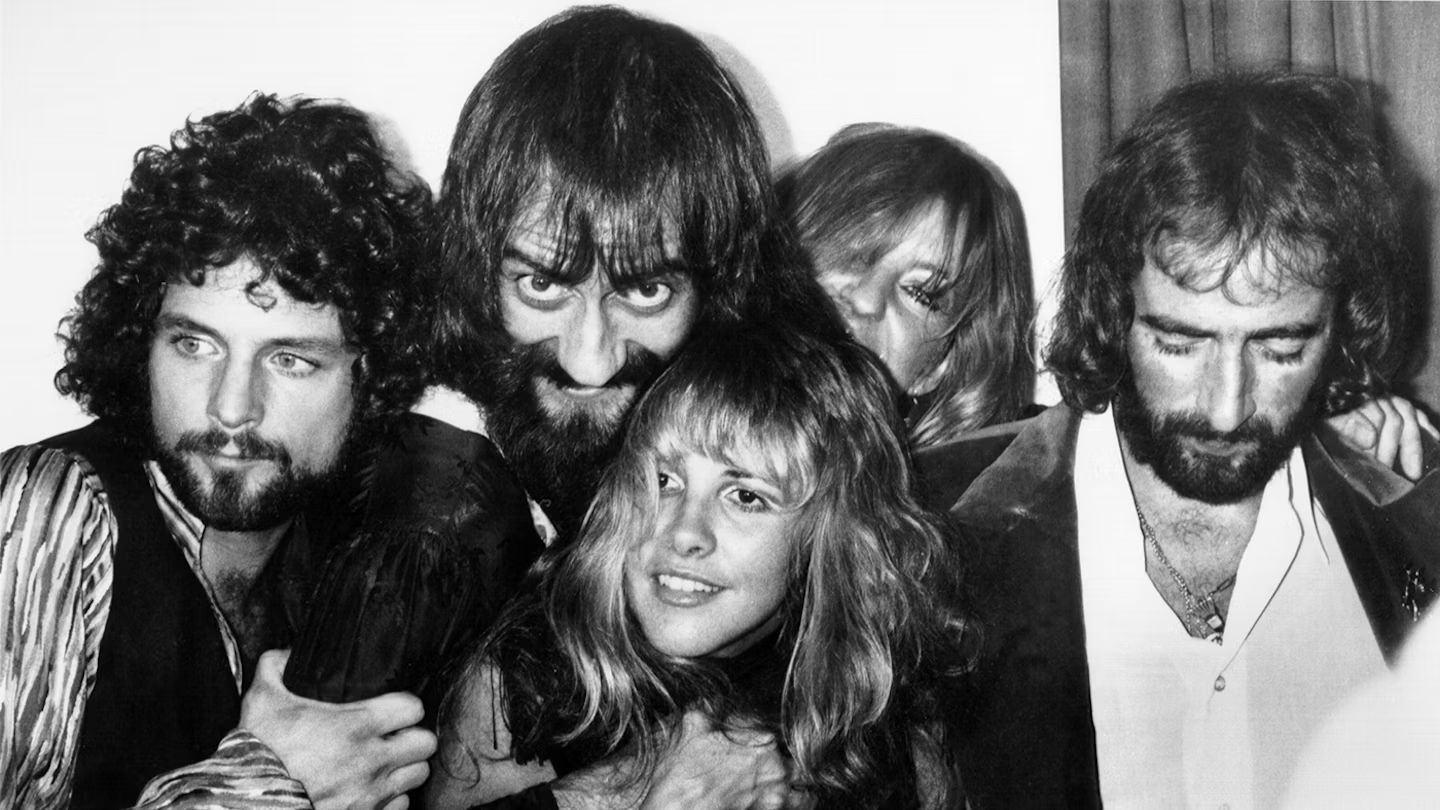
The classic Fleetwood Mac lineup truly hit its stride with the 1975 self-titled album, featuring hits like 'Rhiannon', 'Landslide', and 'Say You Love Me'. But it was 'Rumours', released in 1977, that became a cultural phenomenon. The album is a masterclass in pop songwriting and emotional storytelling, with tracks like 'Go Your Own Way', 'Dreams', 'Don't Stop', and 'The Chain' chronicling the band's personal heartbreaks and romantic entanglements. 'Rumours' remains one of the best-selling albums of all time, a testament to the band's ability to turn inner chaos into timeless music. Their resilience in the face of such turmoil is awe-inspiring.
Fleetwood Mac continued to push boundaries with 'Tusk' in 1979, a sprawling double album that defied expectations. Driven by Lindsey Buckingham’s experimental vision, 'Tusk' blended pop, rock, and avant-garde influences, producing hits like the infectious title track and the haunting 'Sara'. Though initially divisive, 'Tusk' has since been recognised as one of the most innovative albums of the era, admired for its ambition and willingness to take creative risks. Together, these albums cemented Fleetwood Mac’s place as one of the great bands of the 1970s, their legacy defined by both their personal drama and their extraordinary artistic achievement.
Queen were a band that took the experimental methods of the '60s and combined them with the emerging technologies of the '70s, which is a testament to human creativity. Their versatility, showcased in a string of ambitious and genre-defying albums throughout the 1970s, is truly impressive. Their 1973 debut, 'Queen', and its follow-up, 'Queen II', introduced their distinctive blend of hard rock, theatrical flair, and fantastical lyricism. By the time they released 'Sheer Heart Attack' in 1974, featuring the dazzlingly eclectic hit 'Killer Queen', they had fully hit their stride.
With 1975’s 'A Night at the Opera', Queen pushed boundaries even further, crafting a meticulously arranged and sonically adventurous record that fused rock, opera, and vaudeville. This album was significant because it ripped up the rock'n n roll rulebook. While 'Bohemian Rhapsody' would become its most famous track, the album as a whole was a bold statement of creative freedom. The momentum continued with 'A Day at the Races' and 'News of the World', which produced arena-shaking anthems like 'We Will Rock You' and 'We Are the Champions'.
By the end of the decade, Queen had become one of the most inventive and theatrical bands of their time. 1978’s 'Jazz' showcased their stylistic diversity with tracks like the riotous 'Bicycle Race' and the empowering 'Don't Stop Me Now'. Their ability to shift between bombastic rock, campy humour, and heartfelt balladry. All delivered with virtuosic musicianship, which set them apart in a decade bursting with innovation.
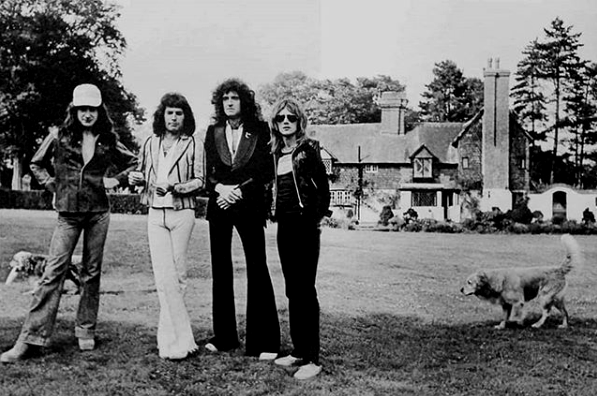
Queen's 'Bohemian Rhapsody' stands as a testament to their 70s innovative spirit. This six-minute masterpiece shattered conventions with its operatic structure, multi-layered harmonies, and genre-defying approach. Freddie Mercury, the band's charismatic frontman and the song's primary writer, envisioned 'Bohemian Rhapsody' as a 'rock opera' that combined elements of classical music, hard rock, and balladry into a seamless, theatrical narrative.
The recording process for 'Bohemian Rhapsody' was as groundbreaking as the song itself. Recorded over three weeks in 1975 at several studios in the UK. The iconic operatic section alone required nearly 180 overdubs. The song's iconic piano opening was recorded on the same piano that The Beatles had used to record 'Hey Jude' and Elton John had used to record 'Goodbye Yellow Brick Road', and at the time, it was the most expensive song ever recorded. The song topped charts worldwide, spending 9 weeks at number one in the UK and becoming one of the best-selling singles of all time. Its accompanying music video, often cited as one of the first of its kind, further solidified its iconic status.
Pink Floyd took the concept of the album to unprecedented heights, crafting immersive masterpieces that blended groundbreaking ideas with innovative instrumentation and sonic experimentation. Albums such as 'The Dark Side of the Moon', 'Wish You Were Here', 'Animals', and 'The Wall' are not only cornerstones of 1970s music but also iconic works of art that transcended the traditional boundaries of rock. Each album pushed the limits of both concept and music. From the introspective melancholy of 'Wish You Were Here' to the scathing political allegory of 'Animals' to the rock opera brilliance of 'The Wall'.
Their visual aesthetic was equally visionary. Album covers designed by the legendary Hipgnosis studio and artist Storm Thorgerson became cultural symbols in their own right. Surreal, enigmatic, and instantly recognisable. Whether it was the refracted prism on 'The Dark Side of the Moon' or the burning man handshake on 'Wish You Were Here', these images deepened the music's mystique and thematic resonance.
A significant part of Pink Floyd's legacy is their live performances, particularly their iconic 1972 film 'Live at Pompeii'.
Originally filmed in 1971, the concert saw Pink Floyd play to an audience of none in the ancient amphitheatre of Pompeii. Aside from a small film crew, a few shirtless hippies, and some curious local kids who snuck in, it was just the band and the ghosts of history. Captured just before the band would ascend to global superstardom and sell over 45 million albums, 'Live at Pompeii' offers a snapshot of Pink Floyd at their most exploratory. It was a band still evolving, carving out a new identity in the wake of founding frontman Syd Barrett’s departure, yet fully immersed in progressive experimentation.
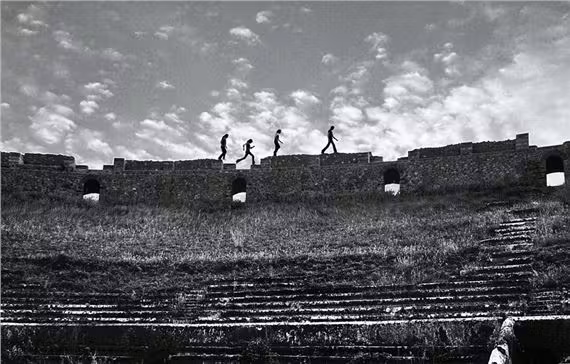
From October 4–7, 1971, the band filmed performances of 'Echoes', 'A Saucerful of Secrets', and 'One of These Days'. While the material leaned heavily on their new album 'Meddle', Maben also insisted on including older, visually intense tracks like 'Careful With That Axe, Eugene'.
The songs were recorded live, but this wasn’t a traditional concert setup. Tracks were captured in segments; the band played to the amphitheatre’s natural reverb and reviewed playbacks on headphones. The environment, stripped of crowd noise, stage chatter, and ego, allowed the music to breathe and evolve in haunting new ways.
What makes Live at Pompeii brilliant and unique is that it captured a band on the brink of greatness, doing something no one had done before. The Beatles had toyed with similar ideas for 'Let It Be' concerts in ancient ruins or on ships, but ultimately ended up on a London rooftop. Pink Floyd actually did it, and while the Beatles unravelled, Floyd soared into their golden era. From there, Pink Floyd would redefine what a rock band could be.
'The Dark Side of the Moon' is a monumental achievement in rock history, a seamless, immersive exploration of themes such as mental health, the passage of time, mortality, conflict, and the pressures of modern life. Released in 1973, the album marked a turning point for Pink Floyd, not only in terms of commercial success but also in their artistic evolution. It pushed the boundaries of what rock music could convey, both sonically and emotionally.
The album's lush soundscapes and fluid transitions between tracks create a continuous listening experience, designed to be absorbed as a cohesive whole. Its pioneering use of studio techniques, including tape loops, analogue synthesisers, spoken word segments, and innovative sound design, contributed to its atmospheric depth and lasting influence. Tracks like 'Time', with its ticking clocks and lyrical meditation on the fleeting nature of life, and 'The Great Gig in the Sky', featuring Clare Torry's wordless, emotionally raw vocal performance, highlight the band's ability to blend profound lyrical themes with powerful musical expression.
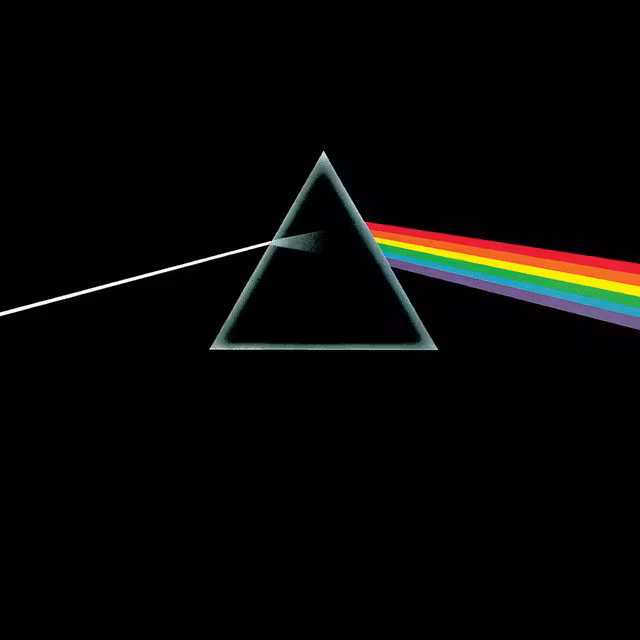
Other standout moments include the philosophical introspection of 'Us and Them', the disorienting paranoia of 'Brain Damage', and the iconic cash-register loop that opens 'Money', a biting critique of capitalism. Together, these songs form a sonic tapestry that feels both deeply personal and universally relatable.
'The Dark Side of the Moon' remains one of the best-selling and most acclaimed albums of all time, a testament to its technical brilliance, conceptual ambition, and emotional resonance. The album's technical brilliance, from its innovative use of studio effects to its seamless transitions, is a testament to Pink Floyd's musical prowess and is sure to impress any music enthusiast. It cemented Pink Floyd’s place as one of the most visionary and influential bands in music history.
'Wish You Were Here', released in 1975, stands as one of Pink Floyd’s most emotionally resonant and artistically cohesive albums. It's a poignant tribute to their estranged founding member, Syd Barrett. Deeply affected by Barrett’s mental decline and absence, the album channels a profound sense of loss and disillusionment, not just with a former bandmate, but also with the increasingly impersonal nature of the music industry. The emotional depth of 'Wish You Were Here' invites the listener to empathise with the band's personal journey.
The nine-part suite 'Shine On You Crazy Diamond' bookends the album, serving as both elegy and homage to Barrett. With its haunting synth intro, bluesy guitar lines, and evocative lyrics, it captures the fragile brilliance and tragic fate of a once-vibrant creative force. The title track, 'Wish You Were Here', is a timeless reflection on absence and longing, wrapped in acoustic simplicity and raw emotional honesty.
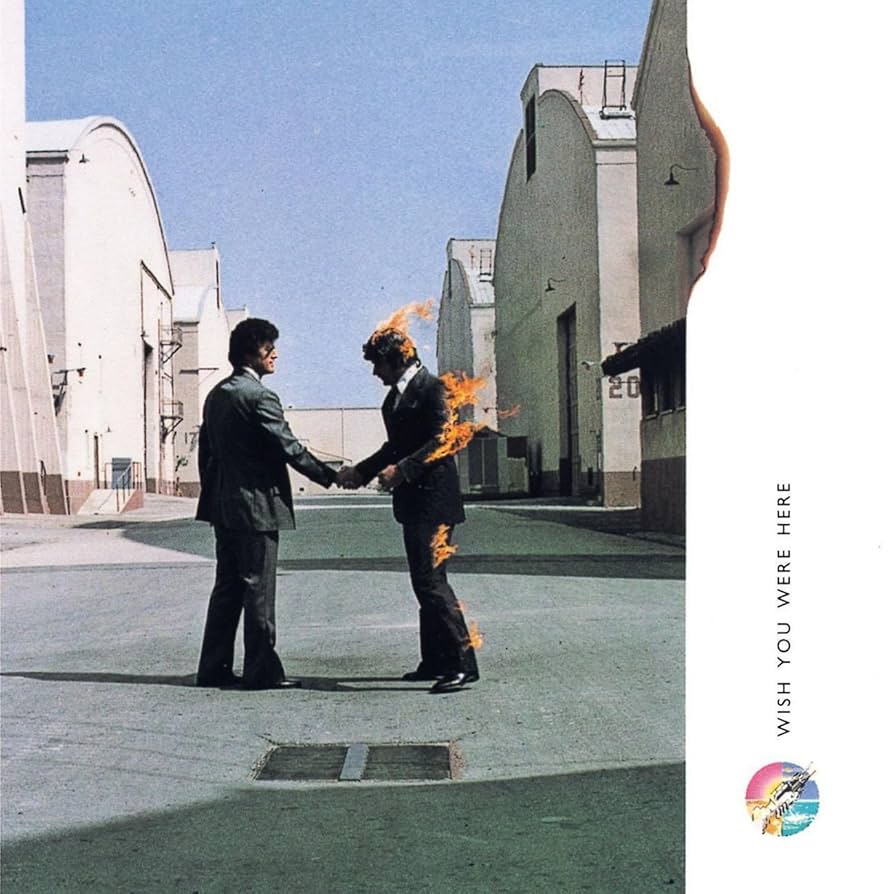
Other tracks like 'Welcome to the Machine' and 'Have a Cigar' offer scathing critiques of the music business, portraying it as a soulless machine that exploits and alienates artists. The latter, with guest vocals by Roy Harper, is especially biting in its sarcasm and cynicism.
'Wish You Were Here' deepened Pink Floyd's exploration of personal and philosophical themes, and its seamless fusion of sound design, lyrical depth, and conceptual unity further solidified their status as pioneers of progressive rock. The album has endured not only as a commercial success but as a profoundly human work, a meditation on presence, loss, and the struggle to remain authentic in an increasingly commodified world. Its emotional depth and relatable themes make it a timeless piece of art that resonates with listeners on a personal level.
The raw and politically charged 'Animals' offered a scathing critique of societal structures, drawing inspiration from George Orwell's Animal Farm. Its extended compositions and darker tone demonstrated the band's willingness to tackle complex and provocative themes. Divided into three central tracks, 'Dogs', 'Pigs (Three Different Ones)', and 'Sheep', the album painted a bleak portrait of capitalist society, where greed, control, and blind obedience defined human behaviour. 'Animals' is not just a musical masterpiece but also a powerful social commentary that remains relevant today.
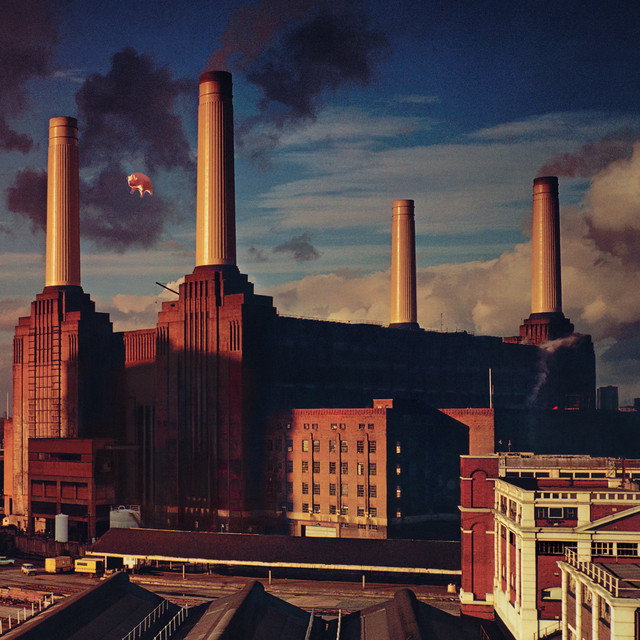
Released in 1977, 'Animals' boldly marked a departure from the more personal, atmospheric storytelling of previous records like 'Wish You Were Here', delving into overt political commentary. The album’s gritty sound and dense lyrical content reflected the band’s growing cynicism, especially Roger Waters', who had begun to take a dominant role in the group’s creative direction. Though not as commercially accessible as some of their earlier work, 'Animals' has earned a revered place in Pink Floyd’s discography for its bold vision and uncompromising message, a powerful, snarling statement amid an increasingly turbulent era.
'The Wall', a rock opera penned primarily by Roger Waters, took Pink Floyd’s conceptual ambitions to unprecedented levels. Released in 1979, the double album explored themes of abandonment, authoritarianism, psychological trauma, and the emotional barriers people build to protect themselves, symbolised by the title's metaphorical whale. Structured as a narrative arc following the character Pink, a disillusioned rock star whose life unravels under the weight of personal and societal pressures, the album unfolds with haunting intensity, captivating and immersing you.
Iconic tracks like 'Another Brick in the Wall, Part 2', with its unforgettable children's chorus and anti-authoritarian message, became anthems of rebellion, while 'Comfortably Numb', featuring one of David Gilmour’s most revered guitar solos, captured the numbness of emotional detachment with chilling beauty. Other standout moments, such as 'Hey You', 'Mother', and 'Run Like Hell', not only deepened the story's psychological complexity but also showcased the band's artistic evolution, combining sonic experimentation with raw human vulnerability.
'The Wall' wasn’t just an album; it was a full-scale artistic statement. Its elaborate stage show, complete with a literal wall being built and torn down during live performances, set new standards for theatrical rock concerts. The 1982 film adaptation, directed by Alan Parker and featuring animations by Gerald Scarfe, brought the album’s narrative to life in strikingly surreal fashion, further embedding its themes into popular consciousness. Critically acclaimed and commercially massive, 'The Wall' became one of the best-selling albums of all time and remains a landmark in rock history, a bold, unflinching exploration of alienation and identity. Its influence on rock history is undeniable, shaping the genre's future and inspiring countless artists.
Electric Light Orchestra (ELO), led by the visionary Jeff Lynne, was one of the most innovative and ambitious bands of the 1970s and '80s. Their unique sound, a grand combination of rock and classical orchestration, set them apart in the music industry. Known for their elaborate arrangements, lush melodies, and technological experimentation, ELO bridged progressive rock and pop, crafting hits that were both complex and irresistibly catchy.
Lynne’s meticulous studio craftsmanship pushed the limits of what rock could sound like, creating a polished, symphonic pop-rock hybrid that still feels ahead of its time. Even as musical trends shifted, ELO’s work stood out for its ambition and melodic brilliance, cementing the band’s legacy as pioneers of genre-blending innovation.
One of ELO's most revered works, 'Out of the Blue', stands as a monumental achievement in the annals of rock music. This double album, brimming with timeless hits, serves as a masterclass in production and songwriting. Recorded during a period of intense creativity by Lynne, the album features a plethora of standout tracks. 'Mr. Blue Sky', often hailed as one of the most uplifting songs ever written, is a joyous celebration of sunny optimism, propelled by its infectious melody and orchestral flourishes.
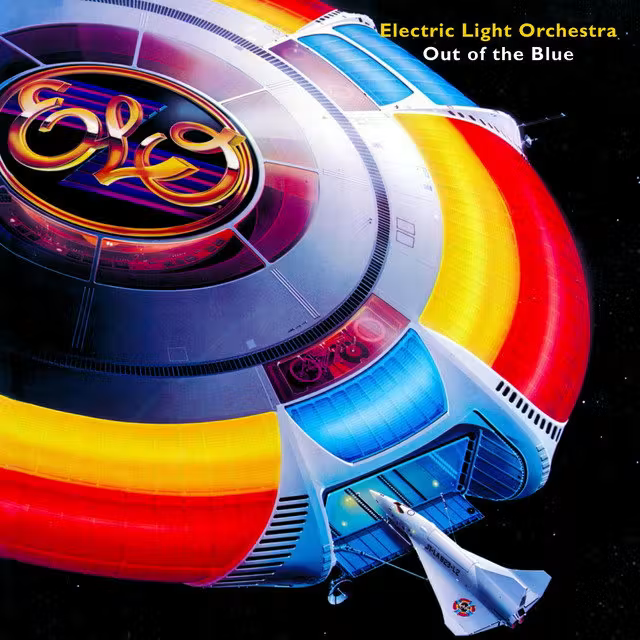
Beyond the well-known 'Mr. Blue Sky', songs like 'Turn to Stone' and 'Sweet Talkin' Woman' showcase Lynne's unique talent for creating multi-layered tracks that are both intricate and immediately captivating. The album’s production, characterised by rich harmonies, sweeping strings, and synthesiser-driven innovation, pushed the boundaries of what rock music could achieve. Out of the Blue was a commercial success, going multi-platinum and solidifying ELO’s status as one of the biggest bands of the era. It remains a testament to the ambition and creativity that defined the late 70s, a timeless record that continues to inspire and delight listeners decades later.
It's one of the very best albums of that decade, an album unfairly defined by one song. Although that song is brilliant, it has now come to represent both 'Out of the Blue' and ELO themselves, and this record proves that they had so much more to offer, one of the outstanding British records.
After their victory at the 1974 Eurovision Song Contest with 'Waterloo', the Swedish quartet released a string of albums that dominated the decade and defined the sound of 1970s pop. Early breakthrough records like 'ABBA' delivered foundational, genre-defining hits such as 'Mamma Mia' and 'SOS', proving that their vibrant synergy was far more than a one-hit festival wonder.
This momentum exploded into 1976's 'Arrival', an album featuring global phenomenons like 'Dancing Queen', 'Money, Money, Money', and 'Knowing Me, Knowing You'. These tracks showcased their unrivalled ability to craft pop perfection: catchy, emotionally resonant, and impeccably produced. 'Dancing Queen' in particular became a timeless anthem, earning the group their first and only No. 1 single in the United States.
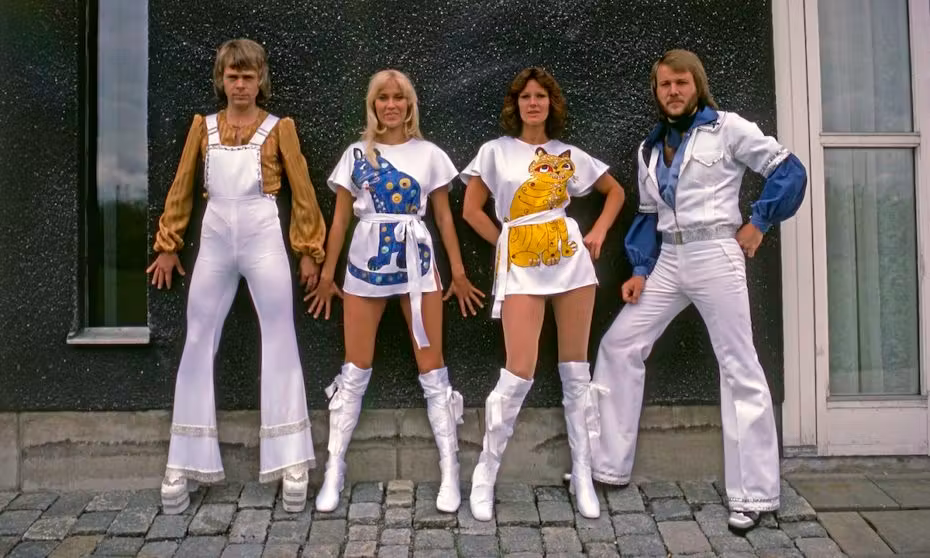
By 1977, 'The Album' further cemented their status with more sophisticated, introspective songwriting. Tracks like 'The Name of the Game' and 'Take a Chance on Me' demonstrated their growing maturity as composers and a bold willingness to experiment within the traditional boundaries of pop. As the group’s lyrical depth evolved, they began addressing complex themes of vulnerability, uncertainty, and the fractures within relationships. This was a significant departure from their earlier, more exuberant material, directly capturing the real-life personal changes occurring within the band. By the time 'Voulez-Vous' arrived in 1979, the quartet had fully embraced the rhythmic allure of the era's disco craze. The album seamlessly blended their trademark melodic pop instincts with dancefloor sensibilities, giving birth to massive hits like 'Does Your Mother Know', 'Chiquitita', and the high-energy title track 'Voulez-Vous', while tracks like 'I Have a Dream' and 'Angeleyes' added an emotional range that guaranteed their enduring appeal.
This sonic maturity reached its bittersweet peak at the dawn of the next decade with 'Super Trouper' in 1980 and 'The Visitors' in 1981. Driven by internal strife and the eventual dissolution of both couples' marriages, these final studio albums produced remarkably dark, emotionally intelligent masterpieces like 'The Winner Takes It All', 'Our Last Summer', and 'When All Is Said and Done'. With their sparkling production, seamless vocal harmonies, and polished songwriting, the band's music effortlessly transcended language and borders. Their influence on the global music landscape remains monumental. By the time they quietly disbanded in late 1982, they were not only one of the best-selling acts in history but had set an elevated new standard for modern pop music, proving it could be deeply emotional, musically ambitious, and universally accessible.
The Bee Gees began their journey in the 1960s as a trio of brothers. Barry, Robin, and Maurice Gibb crafted emotive pop-rock tunes that showcased their unique vocal harmonies and poignant songwriting. Their early success came with 'Bee Gees' 1st', an album that featured hits like 'New York Mining Disaster 1941' and 'To Love Somebody', both of which displayed a knack for storytelling and emotional depth. 'Massachusetts', a chart-topping ballad, captured the melancholic beauty that became a hallmark of their early work.
The album 'Horizontal' continued their rise, producing tracks like 'Words' and 'World', further solidifying their status as gifted songwriters. By the end of the 60s, albums like 'Idea' and 'Odessa' showcased a more experimental side, with 'Idea' delivering the hauntingly introspective 'I Started a Joke', while 'Odessa' leaned into lush orchestration and ambitious arrangements. This period established the Bee Gees as versatile artists capable of blending pop, rock, and orchestral influences into a unique sound.
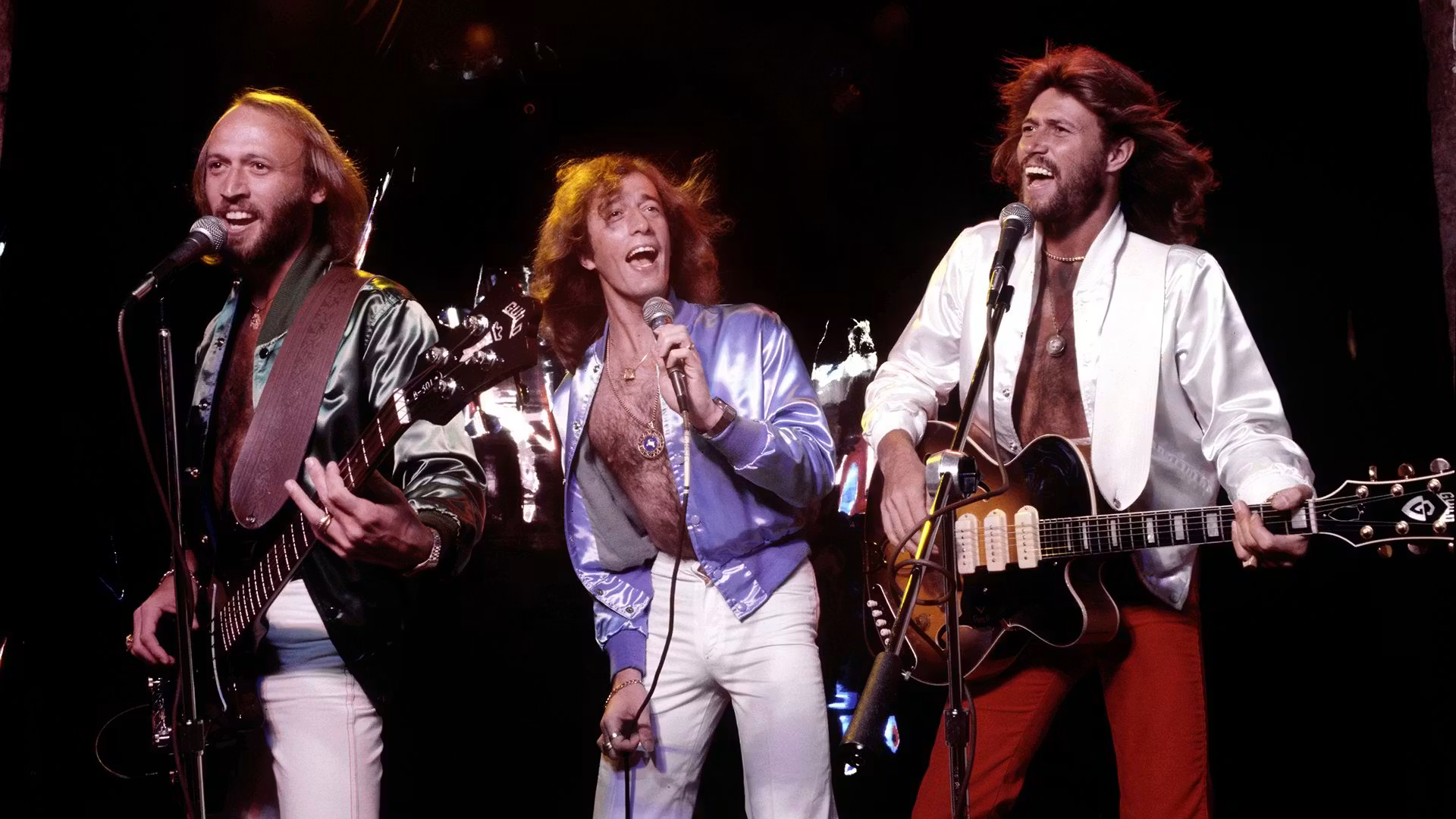
Following this baroque-pop era, the brothers experienced a critical and commercial slump in the early 1970s before orchestrating one of the greatest reinventions in music history. Relocating to Miami and collaborating with veteran rhythm-and-blues producer Arif Mardin, they pivoted toward an R&B-drenched, dance-tinged sound fueled by Barry's newfound trademark falsetto. This transition was spearheaded by their 1975 album 'Main Course', which birthed the chart-topping comeback single 'Jive Talkin'' alongside the groove-heavy 'Nights on Broadway'. They refined this sophisticated disco-funk aesthetic further on the 1976 album 'Children of the World', scoring another massive No. 1 hit with 'You Should Be Dancing'. By marrying infectious basslines with complex, layered three-part vocal arrangements, the group seamlessly transformed from somber 1960s ballad storytellers into dominant architects of the modern dance floor.
Beyond disco, the Bee Gees continued to showcase their songwriting brilliance. They penned hits for other artists, such as 'Emotion' for Samantha Sang and 'Islands in the Stream' for Kenny Rogers and Dolly Parton, proving their versatility and staying power. Their 1979 album 'Spirits Having Flown' marked another high point, with hits like 'Tragedy' and 'Too Much Heaven'. Throughout the decade, the Bee Gees evolved from pop storytellers into global superstars, shaping the sound of the 70s and leaving an indelible mark on music history.
This sonic evolution reached a historic zenith in 1977 when the group contributed to the Saturday Night Fever soundtrack album. Propelling the disco craze to an international phenomenon, the record became one of the best-selling albums of all time on the back of monumental, culture-defining anthems like 'Stayin' Alive', 'Night Fever', and 'How Deep Is Your Love'. They sustained this unprecedented momentum into late-70s studio releases like 'Spirits Having Flown', an album that topped global charts with the dramatic 'Tragedy' and the gospel-infused 'Too Much Heaven'. Over their multi-decade career, the brothers amassed nine Billboard Hot 100 number-one hits and over 220 million records sold worldwide, securing their 1997 induction into the 'Rock and Roll Hall of Fame'. Today, the Bee Gees' legacy endures as a masterclass in musical adaptability, leaving behind a catalog that bridges the gap between classic acoustic storytelling and timeless pop perfection
The latter half of the 1970s also saw a revolution in electronic music and dance culture. Giorgio Moroder, often called the "Father of Disco," pioneered the use of synthesisers in pop and dance, pushing boundaries with his futuristic productions. His collaborations with Donna Summer produced era-defining hits like 'I Feel Love', a track whose pulsating, electronic rhythm laid the groundwork for modern dance, house, and techno. At the same time, Kraftwerk were quietly transforming pop and electronic music from their studio in Germany. Albums like 'Trans-Europe Express' and 'The Man-Machine' introduced robotic beats, minimalist melodies, and a conceptual approach that would ripple through hip-hop, synth-pop, and club culture for decades.
The UK also saw electronic pioneers emerge, most notably Gary Numan and Tubeway Army, whose 1979 hit 'Are 'Friends' Electric?' brought synth-driven music into the mainstream and inspired a generation of artists. These electronic innovators didn’t just shape the sound of the era; they helped invent the future of music. This breakthrough was quickly solidified by Numan's debut solo album 'The Pleasure Principle' later that same year, which yielded the monumental international hit 'Cars' and proved that electronic music could achieve massive commercial success without relying on traditional guitars. This cold, mechanical aesthetic became the blueprint for the burgeoning synth-pop and New Romantic movements that dominated the early 1980s.
Although formed in the 1960s, Black Sabbath and Led Zeppelin were at their most prolific during the 1970s. Black Sabbath, hailed as the godfathers of heavy metal, unleashed a thunderous new sound that would shape the genre for decades. Albums like 'Paranoid' and 'Master of Reality' delivered iconic tracks such as 'Iron Man', 'War Pigs', and 'Paranoid', fusing doom-laden riffs with dark, socially conscious lyrics. Sabbath’s relentless touring and notorious lifestyle only added to their legend. As the decade progressed, albums like 'Sabbath Bloody Sabbath', 'Sabotage', and 'Technical Ecstasy' revealed greater musical ambition, incorporating elements of progressive rock and even orchestration. Black Sabbath’s influence extended far beyond metal, inspiring punks, alternative rockers, and generations of musicians with their uncompromising attitude and unmistakable sound.
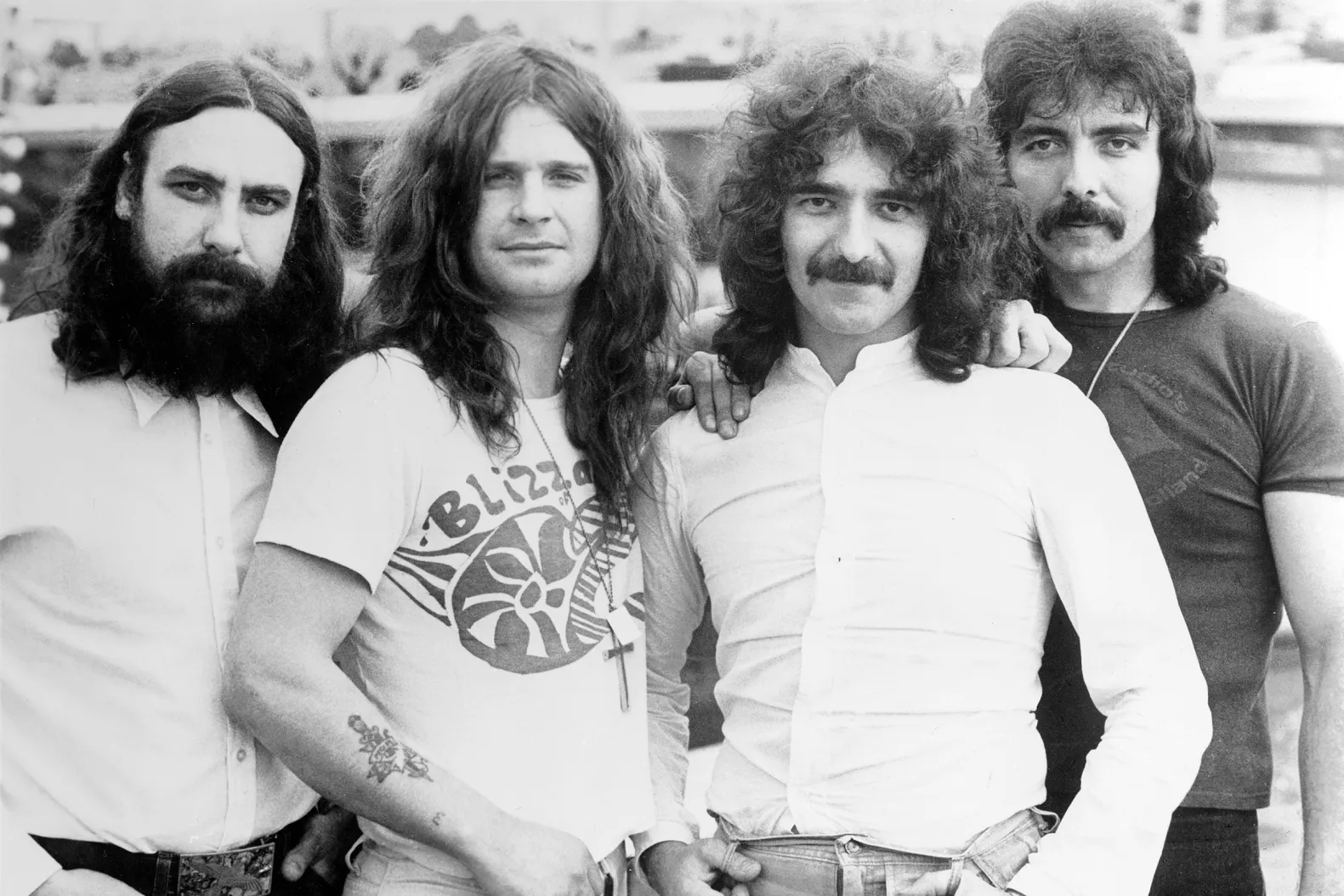
Black Sabbath epitomised the rock ’n’ roll lifestyle, surrounded by countless tales of excess and chaos. Ozzy Osbourne, the band’s frontman, became particularly synonymous with this wild behaviour. His most infamous moment came when he bit the head off a bat during a live performance, reportedly believing it to be a prop.
However, Black Sabbath were much more than rock legends. They became a profound influence on a genre that would come to fruition in the late 1970s: punk. Sabbath’s stripped-down approach, rebellious attitude, and raw power resonated deeply with the burgeoning punk scene, leaving a lasting influence. Bands like the Sex Pistols and The Damned cited Sabbath’s relentless energy and DIY ethos as key inspirations. Despite their musical differences, the punks felt an attachment to the ideas and ethos of bands like Black Sabbath.
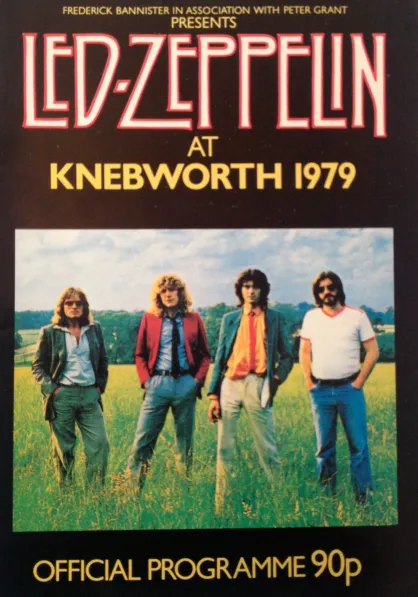
Meanwhile, Led Zeppelin were pushing the boundaries of rock music with their genre-defying sound. Combining blues, hard rock, and folk, they crafted epic, timeless works that remain iconic to this day. Their magnum opus, 'Led Zeppelin IV', includes 'Stairway to Heaven', one of the most celebrated rock songs in history. Albums such as 'Houses of the Holy' and the double album 'Physical Graffiti' not only demonstrated the band’s versatility but also their influence on diverse music genres, blending intricate guitar work with influences ranging from funk to Eastern music.
As the 1970s drew to a close, Led Zeppelin delivered one of their most memorable performances at the Knebworth Festival in 1979. After a two-year hiatus marred by personal tragedies, including the death of Robert Plant’s son, the band returned to the stage to reclaim their throne as rock royalty. Performing to a crowd of over 200,000, they played a setlist that spanned their entire career, including fan favourites like 'Stairway to Heaven' and 'Whole Lotta Love'. The performance was a testament to the band's resilience and enduring impact on rock music.
Before discussing the subsequent culturally significant development in British music, it is essential to set the scene. The 1970s in Britain were a difficult time for many. In December 1973, the finance minister privately warned Prime Minister Edward Heath’s cabinet that the country faced its gravest economic crisis since the Second World War. This crisis was characterised by high inflation, rising unemployment, and a significant decline in industrial production. Strikes were widespread, and power blackouts left many in the dark. It was a bleak time, marked by soaring unemployment and scarce resources. Where the 1960s had brought young people a sense of hope, by the late 1970s, the optimism of the 'Swinging Sixties' had well and truly faded. For many, it seemed there was 'No Future.'
Punk needed to happen. It was inevitable. During these times of hardship, there was no one for young people to turn to. Music did not represent them. It was challenging to connect with the musicians of the time; a young working-class kid with no job couldn’t relate to someone like Donna Summer singing about love, or Queen singing 'We Are the Champions'.
The socio-economic context of the 1970s, with its high unemployment, social unrest, and disillusionment, created a fertile ground for a new form of music that would reflect the feelings and experiences of the youth. Although those artists are great, something had to change, and something changed forever!
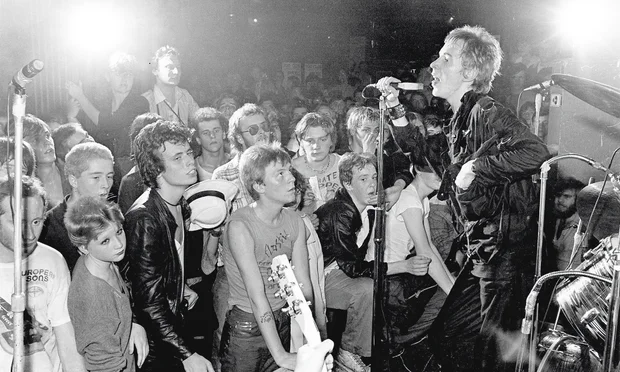
Punk is a genre unlike any other; it is raw, provocative, and crude, yet it possessed a unique beauty. It resonated with the disenfranchised, a sound that many initially dismissed as mere shouting and screaming. However, this period, from late 1976 to early 1978, produced some of the most brilliant music, both singles and albums, each with a distinct sound and feel.
Although both were considered punk bands, The Clash and The Sex Pistols were utterly different in style, yet both wrote about working-class struggles. Their music, particularly 'Never Mind the Bollocks', is not just important but also influential, becoming the soundtrack of disenfranchised youth. This album, along with iconic songs like 'God Save the Queen' and 'Anarchy in the UK', caused uproar at the time, triggering a seismic shift in youth culture and demonstrating the immense influence and power of these bands.
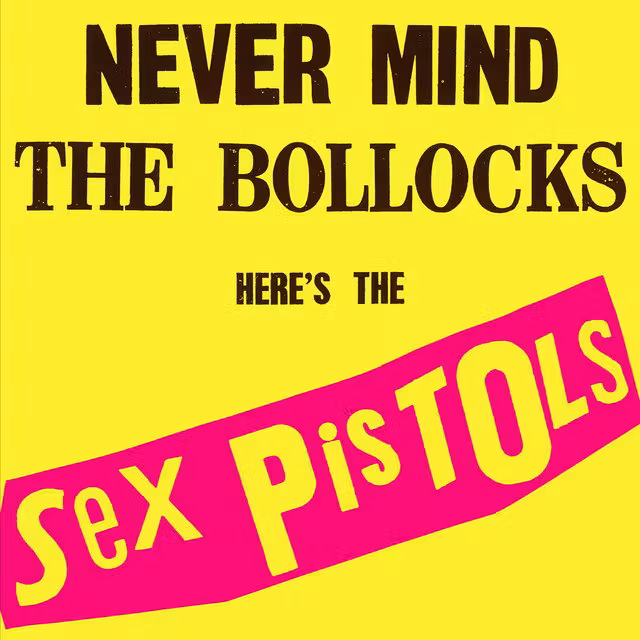
The Sex Pistols were notorious for their disregard for authority, a trait that resonated with many. This was evident in the infamous Bill Grundy incident, which turned the band into public enemy number one. All of the band and the host were intoxicated during the interview. Encouraged by Grundy, Jones said the band had "fucking spent" its label advance, and Rotten used the word "shit". Grundy, who had later claimed to have been drunk, then attempted to flirt with Siouxsie Sioux, who replied that she had "always wanted to meet" him. Grundy responded, "Did you really? We'll meet afterwards, shall we?" prompting Jones to swear repeatedly.
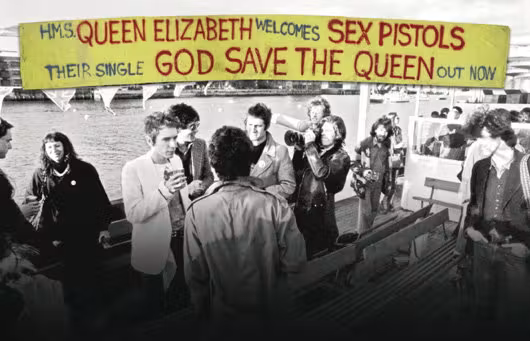
Or the band's famous boat party. On 7th June 1977, the band achieved a significant milestone: they chartered a boat to perform their songs along the Thames, passing the Houses of Parliament, and mocking the planned river procession for the Queen's Silver Jubilee, a significant event in British history. However, it ended in chaos, with the Police halting the concert and arresting many of the band's entourage, including Richard Branson.
It was a time when boundaries were shattered, but the resilience of the pioneers of this scene would eventually lead to a new era and influence the decades to come, inspiring us with their enduring impact.
Bands like The Jam, The Stranglers, and The Clash didn't just move on from the punk scene; they embarked on a musical journey that embraced diverse influences, expanding their horizons and intriguing us with the complexity of their evolution. This journey not only marked a departure from the raw, gritty aesthetic of early punk but also led these bands to write some of their most celebrated and enduring songs.
With 'All Mod Cons', The Jam underwent a critical turning point, allowing Paul Weller to showcase his exceptional songwriting ability. Tracks like 'Down in the Tube Station at Midnight' and 'English Rose' revealed a depth and maturity that elevated the band beyond their punk roots. Weller was crafting anthems for a generation, capturing the struggles and aspirations of British youth with sharp lyrics and compelling melodies. Many consider 'All Mod Cons' not just a turning point but The Jam’s most essential and cohesive album, blending punk energy with mod-inspired sophistication.
For the Clash, 'London Calling' was a monumental achievement, marking the band at their creative peak. Released in 1979, the double album saw the group transcend their punk roots, crafting a more mature and complex work that redefined their sound and broadened their appeal. The title track, 'London Calling', became an anthemic call to arms, with its ominous, apocalyptic lyrics and driving rhythm capturing the anxieties of a generation. Meanwhile, 'Train in Vain' showcased the band’s ability to deliver heartfelt, melodic songs, blending elements of pop and rock to create one of their most enduring hits.
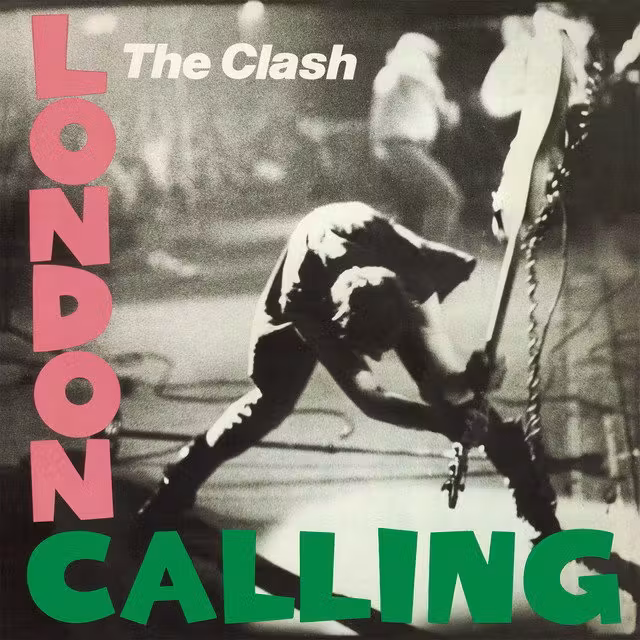
The album was a courageous statement, blending a wide array of influences, including reggae, ska, rockabilly, and even jazz. Tracks like 'The Guns of Brixton' and 'Rudie Can't Fail' revealed the band’s boldness in exploring Caribbean rhythms, a sign of reggae's rising global influence in the 1970s.
At the same time, songs like 'Clampdown' and 'Spanish Bombs' demonstrated their fearless commitment to political and social commentary. The Clash expanded on a sound that had made them famous, never afraid to explore new ideas and tackle the essential subjects at the time.
The Stranglers, too, charted a unique and adventurous course through the late 1970s. While often associated with punk, their music was broader and more sophisticated, blending aggressive, snarling energy with elements of psychedelia, pub rock, and even jazz. Built around Dave Greenfield’s swirling keyboards, Jean-Jacques Burnel’s thunderous bass, and Hugh Cornwell’s acerbic vocals and sharp guitar work, The Stranglers stood out for their musical skill and willingness to experiment.
Their early albums, such as 'Rattus Norvegicus', 'No More Heroes', and 'Black and White', produced classic tracks like 'Peaches', 'No More Heroes', 'Grip', and 'Nice 'n' Sleazy'. These songs combined gritty lyrics and dark humour with surprisingly melodic hooks, setting The Stranglers apart from their contemporaries. Unlike many punk bands, The Stranglers were older, more musically skilled, and unafraid to push boundaries, delving into longer song structures, unusual time signatures, and synth-driven atmospheres.
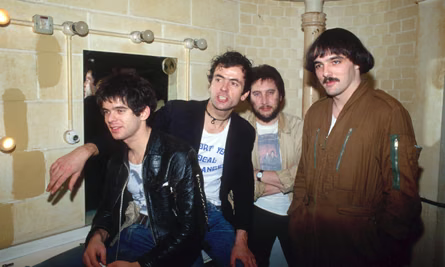
Their attitude was confrontational and sometimes controversial, but they maintained a devoted fanbase and consistent chart success throughout the late 1970s. As the decade closed, tracks like 'Golden Brown' and 'Strange Little Girl' demonstrated their ability to evolve while retaining their distinctive sound, broadening their appeal even further. The Stranglers' willingness to grow and experiment ensured their relevance well into the next decade, influencing post-punk, goth rock, and alternative bands, and cementing them as one of the most creative and enduring groups of the era.
Two American bands also took over the UK airwaves in the late 70s. Talking Heads and Blondie took the punk sound and ethos and ran with it, leaving a significant mark on the music scene. Talking Heads, led by the enigmatic David Byrne, blended punk with art rock, funk, and a touch of the avant-garde. Albums like 'More Songs About Buildings and Food' and 'Fear of Music' were critically acclaimed, producing tracks such as 'Psycho Killer' and 'Life During Wartime' that showcased the band's inventive approach to music. Their innovative sound became a cornerstone of the emerging post-punk movement.
Blondie’s 'Parallel Lines' was a game-changer, becoming one of the most influential albums of the decade and catapulting the band to superstardom. It took the DIY spirit of punk and infused it with a pop sensibility, producing timeless hits like 'Heart of Glass', 'Hanging on the Telephone' and 'One Way or Another'. Blondie's pioneering role in the new wave movement, blending punk energy with disco, pop, and reggae, was a testament to the album's impact on the music scene.
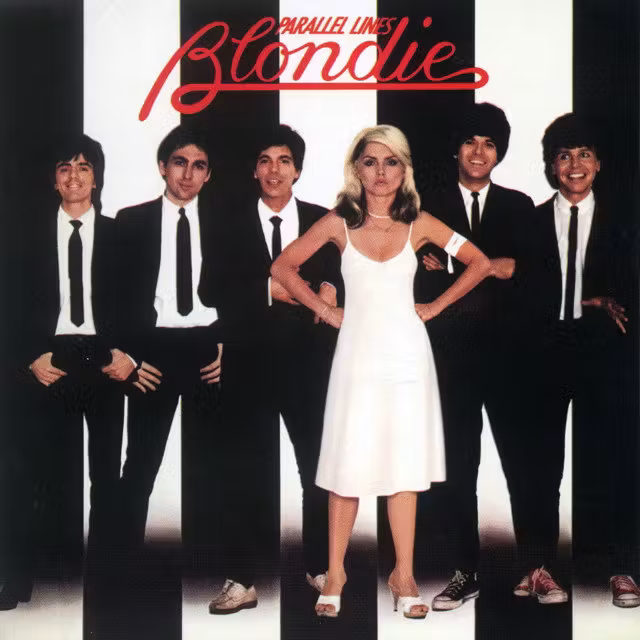
After the success of 'Parallel Lines', Blondie continued to evolve. Their 1979 follow-up, 'Eat to the Beat', showcased their range, blending rock anthems like 'Dreaming' with funk-inspired tracks like 'Atomic'. The band's ability to experiment while maintaining their mainstream appeal was unparalleled. By 1980, they further pushed the boundaries with 'Auto American', which featured 'The Tide Is High', a reggae-infused track, and 'Rapture', a groundbreaking song that brought rap into the mainstream, making it the first rap-influenced track to reach Number One on the Billboard charts.
Blondie's influence extended beyond their music. They were not just musicians, but also style icons. Debbie Harry's fashion sense set trends that are still emulated today. Their music videos were not just innovative but also visually striking, helping shape the aesthetics of the MTV era just around the corner. Blondie's pioneering spirit was evident in their willingness to embrace diverse genres, from punk and disco to reggae and hip-hop. This bold approach made them pioneers in breaking down musical barriers. Their success paved the way for future artists to explore and mix genres, leaving a lasting impact on the music industry.
Talking Heads, on the other hand, pushed the boundaries of what post-punk could be, influencing a generation of experimental bands on both sides of the Atlantic. Together, all these bands helped define the sound of the late 70s and early 80s, bridging the gap between punk's raw immediacy and the more polished, diverse styles that followed.
The influence of both bands was immense. Blondie's success helped the new wave gain mainstream acceptance, inspiring British acts such as The Cure, The Police, XTC, and even The The. Each of these bands pushed the genre's fusion of punk attitude and pop accessibility in their own unique direction.
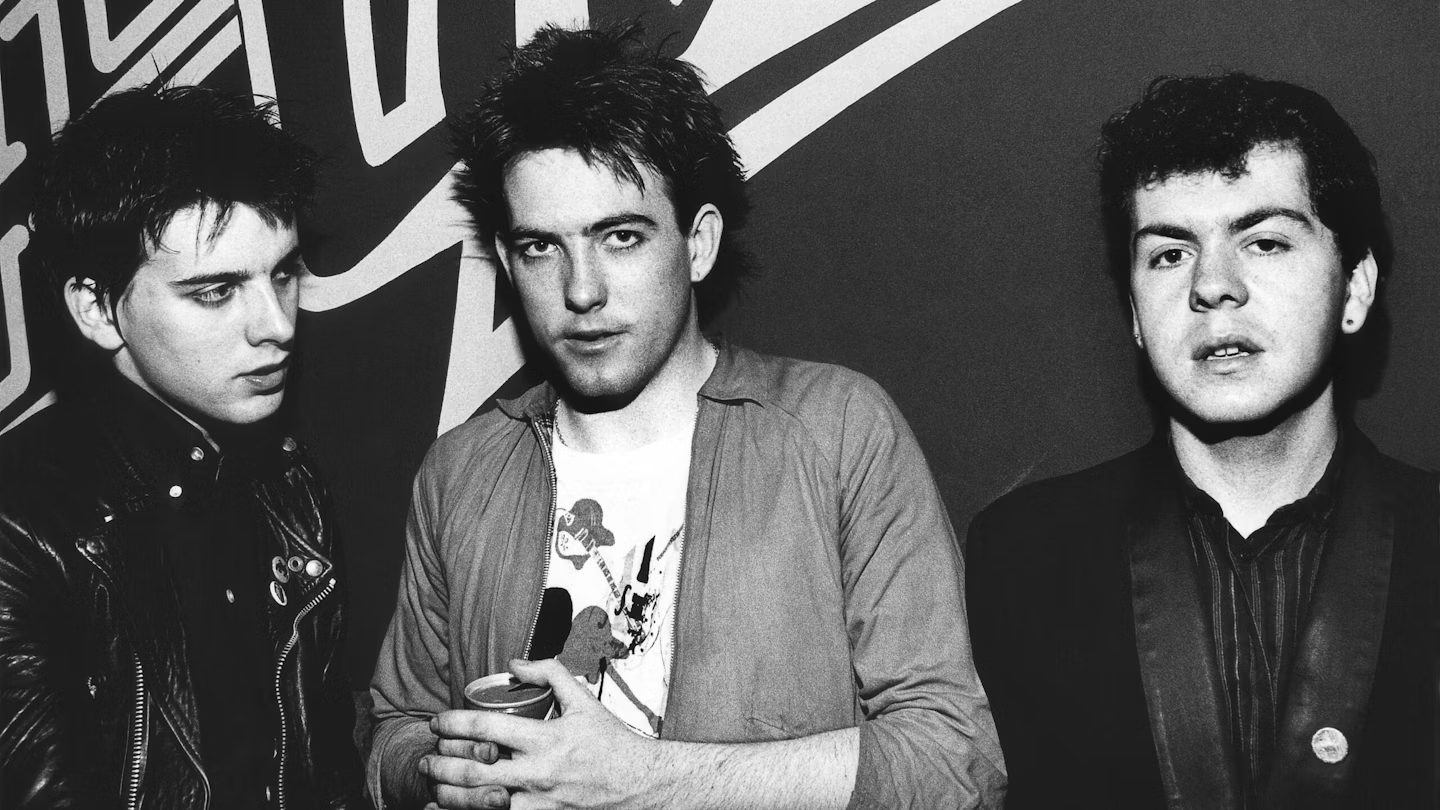
The Cure emerged from Crawley with a minimalist, moody approach on their debut album 'Three Imaginary Boys', quickly becoming icons of the post-punk and gothic scenes. Led by Robert Smith, The Cure’s emotionally charged lyrics and atmospheric guitar work paved the way for a string of influential albums, including 'Seventeen Seconds', 'Faith', and later, the darkly romantic 'Pornography'. Their willingness to explore themes of alienation, melancholy, and existential angst made them the voice of a generation seeking something deeper in pop music.
The Police, meanwhile, fused punk’s raw energy with reggae, jazz, and pop, crafting a sound that was both edgy and accessible. Fronted by Sting, with Andy Summers on guitar and Stewart Copeland on drums, The Police delivered a string of hits across albums like 'Outlandos d’Amour', 'Regatta de Blanc', and 'Zenyatta Mondatta'. Songs such as 'Roxanne', 'Message in a Bottle', and 'Walking on the Moon' showcased their knack for infectious hooks and rhythmic innovation. The band’s tight musicianship and global appeal propelled them from London clubs to international superstardom, helping to make new wave a worldwide phenomenon.
XTC brought an entirely different flavour to the era, blending angular guitar pop with sharp wit and restless experimentation. Early albums like 'White Music' and 'Drums and Wires' displayed their quirky, nervy energy, with standout tracks such as 'Making Plans for Nigel' and 'Senses Working Overtime' revealing a band unafraid to tackle social commentary and push the boundaries of song structure. As XTC’s sound evolved, they embraced lush, Beatlesque arrangements and sophisticated studio craft, becoming cult favourites revered for their clever songwriting and artistic ambition.
The The, masterminded by Matt Johnson, emerged at the tail end of the post-punk movement but quickly established a reputation for literate, emotionally intense songwriting and innovative production. Early recordings hinted at Johnson’s fascination with urban isolation and social critique, which would blossom on later albums like 'Soul Mining' and 'Infected'. The The’s genre-blurring approach, mixing rock, electronics, and soul, set them apart from their contemporaries and laid the groundwork for much of the alternative music that followed in the 1980s and 90s.
Punk had inspired so many musicians, and in Manchester it would inspire so much more: a new movement, a new way of making music, a new record label and some faces which would help soundtrack the next decade.
Buzzcocks formed in 1976, led by singer-songwriter-guitarist Pete Shelley and singer-songwriter Howard Devoto. These two would be key players in organising the now-legendary Sex Pistols show at the Lesser Free Trade Hall. Despite the small audience of only 42 people, the show's influence would reverberate through the music world, making it one of the most important music events ever.
It’s incredible when you learn who was at the gig. Buzzcocks themselves were there, as well as Peter Hook, Ian Curtis, Bernard Sumner (then part of the nascent Warsaw, later Joy Division and New Order), and Mark E. Smith of 'The Fall' fame. Tony Wilson, a Manchester TV presenter, also attended and would go on to start 'Factory Records', one of the most iconic independent labels, and create the legendary 'Hacienda' nightclub (more on that later). Even a young Morrissey was in the audience, and it’s safe to say he was not impressed. He later wrote a scathing letter to the NME expressing his disdain. More on him in the next part.
What makes this event so extraordinary is the unexpected ripple effect it caused. This seemingly insignificant, underattended gig at a forgotten venue sparked a cultural revolution in Manchester, cementing the city as a hub of creativity and innovation. Buzzcocks themselves would go on to pioneer a unique brand of pop-punk, with hits like 'Ever Fallen in Love (With Someone You Shouldn't've)' and 'What Do I Get?' becoming timeless anthems that married raw punk distortion with infectious, melodic hooks. Meanwhile, Howard Devoto’s abrupt departure in early 1977 to form the highly influential band 'Magazine' further expanded the genre. This move proved that the scene could quickly evolve past basic three-chord structures into the art-rock and literature-inspired territory that defined early post-punk.
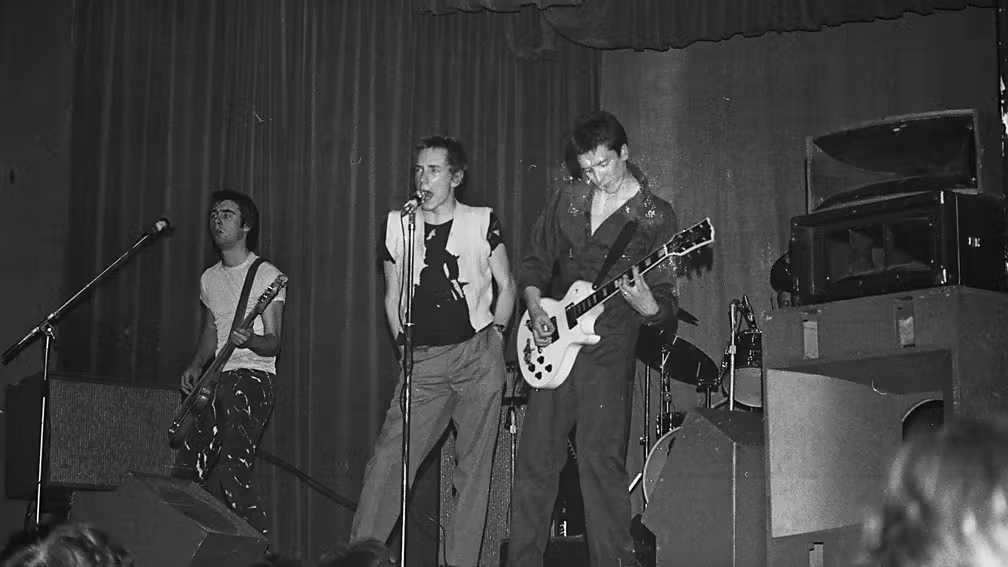
The seeds planted that night also gave rise to Joy Division's haunting post-punk sound, 'The Fall’s' avant-garde brilliance, and the foundations of a music scene that would dominate the 80s and beyond. It wasn’t just the music that mattered; it was the spirit of independence. The powerful DIY ethos of punk inspired these artists not to wait for a major record deal but to create, press, and distribute their own work. Buzzcocks embodied this ethos with their seminal 1977 EP 'Spiral Scratch'. Released on their own 'New Hormones' imprint, 'Spiral Scratch' was the UK's very first independently produced and self-financed punk record. This landmark moment proved bands could bypass the traditional music industry entirely, inspiring a wave of independent regional labels across the nation.
Its raw sound, urgent energy, and defiant attitude made it a blueprint for the indie and punk scenes that followed. This attitude, a testament to the power of individual creativity, would become the lifeblood of Manchester’s music scene. It directly influenced countless bands and redefined what it meant to make music outside the mainstream. When Tony Wilson formally established 'Factory Records' in 1978, he institutionalised this exact DIY philosophy. By giving bands like Joy Division full artistic freedom and ownership of their master recordings, Wilson turned a localized rebel attitude into a world-class creative powerhouse. That night in 1976 was not just a concert. It was the birth of a movement that permanently broke the London-centric music monopoly and reshaped global alternative culture.
The 70s, much like the decade before it, were a time of profound change. It was an era where anything seemed possible. Bowie shot for the stars, Queen wrote rock operas, and Joy Division helped birth the world’s first indie record label. It was a time of mass hedonism and mass hardship, which led to some of the most important music ever made. Looking back, it's a decade that continues to inspire and shape our understanding of music history.