A Kind of Magic- The 80s Part 2
In 1980, music history was forever changed by a tragic event. On December 8, John Lennon, former Beatle and symbol of peace and love, was shot and killed outside his New York apartment by Mark David Chapman. Lennon was attacked in the archway of the Dakota Building, where he had lived with his wife, Yoko Ono, for years.
Mark David Chapman, an American Beatles fan, grew resentful of Lennon, partly because of the singer’s lifestyle and his 1966 remark that The Beatles were "more popular than Jesus." Chapman said he was influenced by Holden Caulfield, the main character in J.D. Salinger’s novel The Catcher in the Rye. Caulfield is known for his hatred of hypocrisy, a feeling Chapman claimed to share.
Chapman planned the killing over several months and waited for Lennon at the Dakota on the morning of December 8, 1980. Early in the evening, Chapman approached Lennon, who graciously signed a copy of his album 'Double Fantasy' before heading to a recording session at the Record Plant. Later that night, Lennon and his wife, Yoko Ono, returned to the Dakota to say goodnight to their son before heading out for an impromptu date night.
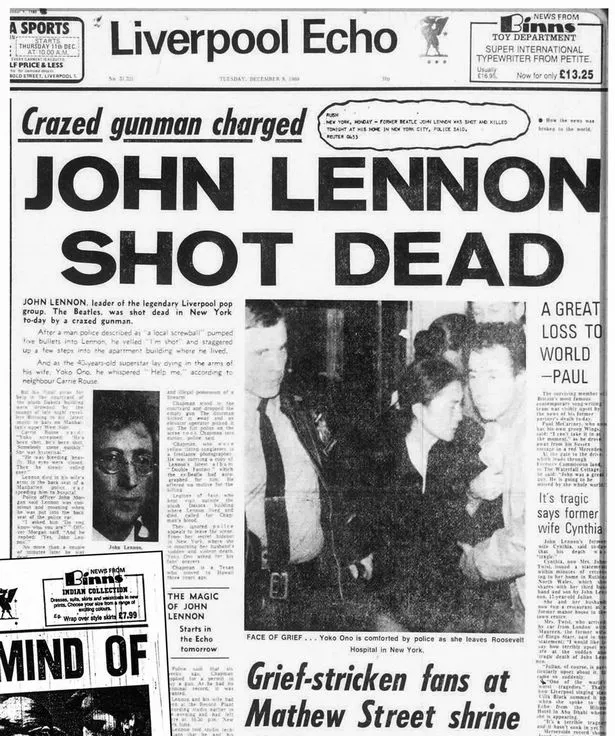
As Lennon and Ono approached the building’s entrance, Chapman fired five hollow-point bullets from a .38 Special revolver, four of which struck Lennon in the back. Lennon was rushed to Roosevelt Hospital in a police car, where he was pronounced dead on arrival at 11:15 p.m. He was just 40 years old.
Chapman remained at the scene, reading The Catcher in the Rye, until he was arrested by the police. Investigations later revealed that Chapman had considered targeting other celebrities, including David Bowie. News of Lennon’s murder shocked the music world and popular culture. While he was famous as a Beatle, Lennon was also a political activist, a father, a husband, and a gifted songwriter.
Tributes came from all over the music industry, with Lennon’s former bandmates and other music legends offering heartfelt gestures.
David Bowie, who became friends with Lennon while working on his 1975 hit 'Fame', paid tribute to him during the last show of his Serious Moonlight Tour at the Hong Kong Coliseum on December 8, 1983, the third anniversary of Lennon’s death. Bowie remembered their last meeting in Hong Kong and performed an emotional version of 'Imagine'.
Queen played 'Imagine' at Wembley Arena in London the night after his death, showing a strong sense of unity. Freddie Mercury’s 'Life Is Real (Song for Lennon)' appeared on Queen’s 1982 album Hot Space as a heartfelt tribute. XTC performed The Beatles’ 'Rain' in Liverpool the night after Lennon died, reflecting the shared grief. David Gilmour of Pink Floyd, moved by the tragedy, wrote 'Murder' for his 1984 album 'About Face'.
Lennon’s fellow Beatles offered especially moving tributes. In 1981, George Harrison released 'All Those Years Ago', a heartfelt song with contributions from Ringo Starr and Paul McCartney. McCartney’s tribute, 'Here Today', from his 1982 album 'Tug of War', was a touching reminder of their time together.
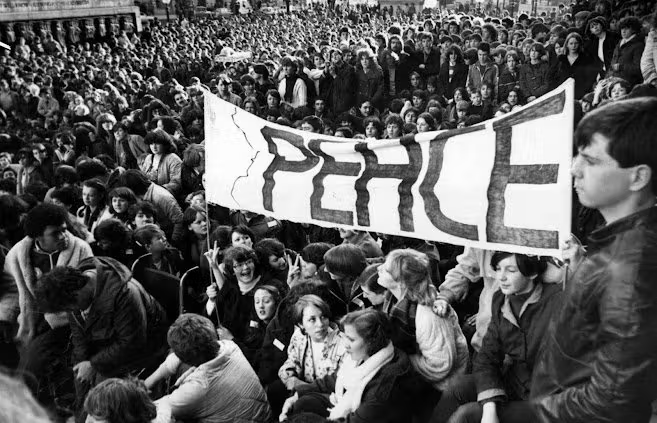
His death was unparalleled, a harrowing tragedy that stood apart; Lennon’s death was unlike most stories of rock and roll excess or natural causes. He was shot in one of the world’s busiest cities by someone he had shown kindness to just hours before.
The music industry in the 1980s underwent a dramatic transformation, reshaping the way artists and audiences connected. The launch of MTV in 1981 sparked the rise of the music video as a cultural force, giving musicians a powerful new visual platform. Acts like Duran Duran, Madonna, and Michael Jackson became global icons, captivating audiences with their stylish, groundbreaking videos and redefining pop stardom for a visual age.
At the same time, indie bands flourished as a new generation of independent record labels challenged the dominance of the major players, opening the door to greater creativity and diversity in sound. Electronic music surged into the mainstream, while rock superstars like Queen and U2 continued to shape the decade's soundscape, ensuring that the era was a melting pot of innovation and influence.
The decade was also shaped by the cultural and political context, with artists often responding to issues such as the Cold War, economic upheaval, social unrest, and the ongoing struggle for civil rights. Altogether, these forces made the 1980s a melting pot of musical styles and influences, each contributing to the rich tapestry of the era's music culture.
British bands and solo artists were not just huge in the 80s; they were global icons. From Duran Duran and Wham! to Queen and U2, British music was taking the world by storm. And it wasn't just the bands; solo artists like Bowie and George Michael were also making their mark, connecting people across the globe with their music.
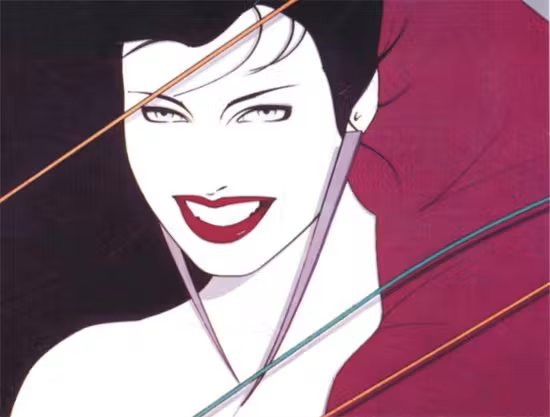
Duran Duran was one of the quintessential bands of the 1980s, known for their unique blend of new wave, pop, and rock. This distinctive sound, coupled with their stylish, glamorous image, captured the spirit of the era. Formed in Birmingham in 1978, the band quickly rose to fame with their self-titled debut album in 1981, but it was their 1982 album 'Rio' that truly catapulted them to global stardom. With iconic hits like 'Hungry Like the Wolf', 'Rio' and 'Save a Prayer', Duran Duran's infectious melodies and slick production set them apart in the music scene.
Wham! was one of the most iconic pop bands of the 1980s, known for their infectious energy and catchy, upbeat hits that helped define the decade's sound. Formed in 1981 by George Michael and Andrew Ridgeley, the duo quickly became a sensation with their distinctive blend of pop, funk, and dance music. With iconic singles like 'Club Tropicana' and 'Wake Me Up Before You Go-Go', the band cemented their status as pop icons who, despite being around for only a short time, made a lasting impact on British popular culture.
After achieving global fame as one-half of Wham!, George Michael embarked on a solo career in the mid-1980s that would establish him as one of the decade's defining artists. His transition from a beloved pop heartthrob to a mature solo performer was not just seamless but also a testament to his artistic growth, marked by a string of critically acclaimed and commercially successful releases.
Michael's debut solo single, 'Careless Whisper', was a global sensation, showcasing his soulful voice and sophisticated songwriting. The track, co-written with Wham! Partner Andrew Ridgeley, topped charts worldwide and signalled a new level of artistry for Michael.
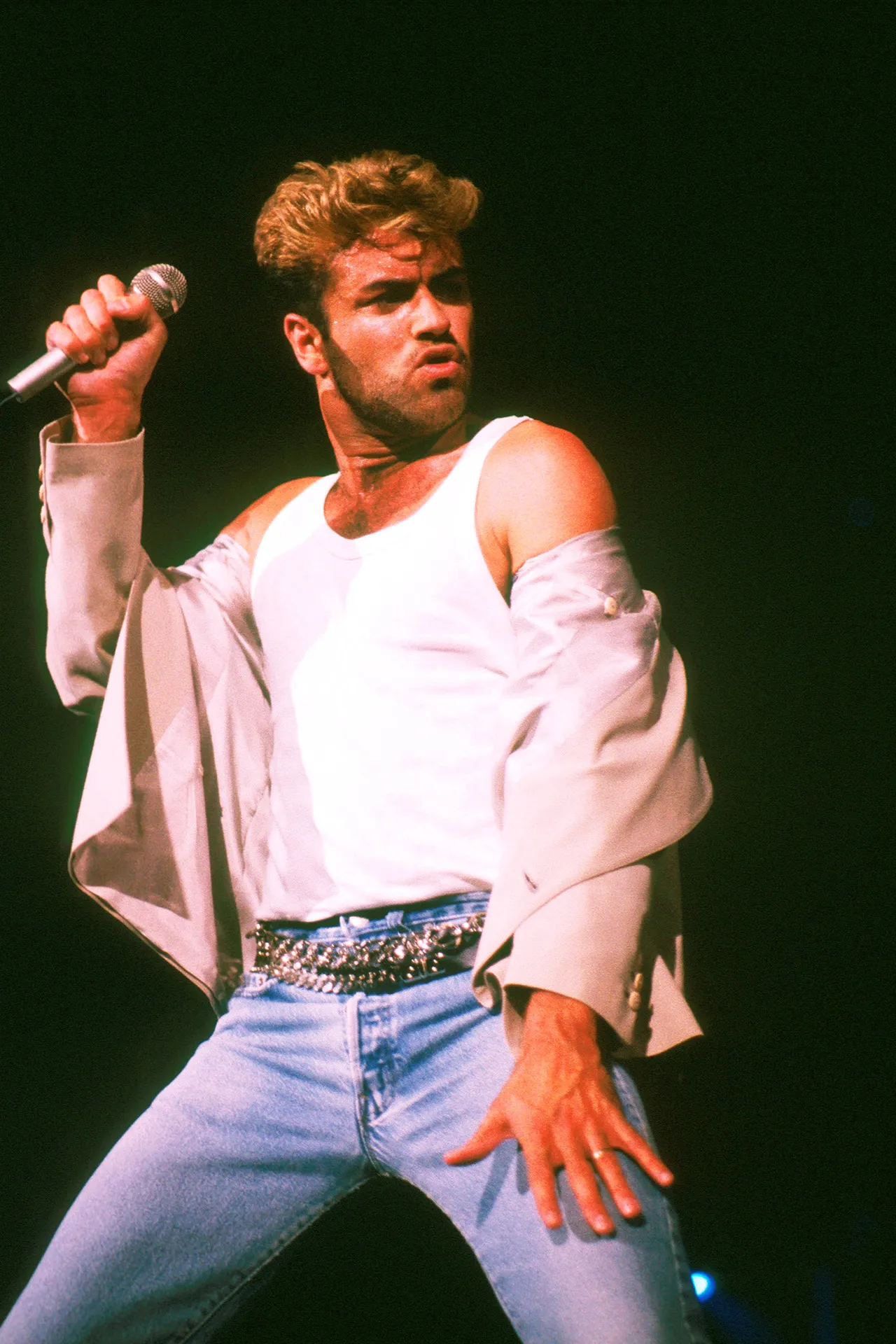
In 1987, Michael released his first solo album, 'Faith', which catapulted him into the stratosphere of pop superstardom. A masterclass in blending pop, R&B, and funk, 'Faith' included iconic hits such as the title track, 'Father Figure', 'I Want Your Sex', and 'One More Try'. The album demonstrated Michael's ability to tackle mature themes with depth and sensitivity, while also delivering irresistible hooks. 'Faith' sold over 25 million copies worldwide and earned Michael a Grammy Award for Album of the Year in 1989.
But rather than replicate the formula, Michael took a bold artistic turn with his follow-up, 'Listen Without Prejudice Vol. 1', released in 1990. More introspective and stripped-back, the album marked a deliberate move away from the overt pop stylings of 'Faith'. Opening with the haunting 'Praying for Time', Michael delivered a powerful critique of inequality and apathy, his voice filled with quiet anguish and reflection. The standout single 'Freedom!' 90' became both an anthem of self-liberation and a declaration of artistic independence, famously rejecting the image that had defined his earlier career. With lyrics that openly questioned fame and identity, it symbolised a turning point, not just for Michael, but for pop music itself.
By the end of the decade and into the early 1990s, George Michael had firmly established himself as a global icon, known not only for his chart-topping hits but also for his artistic integrity and willingness to evolve. His solo work defied expectations, blending mass appeal with introspection and laying the foundation for a legacy that continues to resonate with fans and significantly influence artists to this day, shaping the direction of pop music.
The Human League, a trailblazer in the music scene, propelled electronic music to the top of the charts with their pioneering, synth-driven sound. Their 1981 breakthrough album 'Dare' was a game-changer, featuring hits like 'Don't You Want Me', which combined cutting-edge production techniques with irresistible pop hooks. By making electronic music both accessible and commercially viable, they laid the foundation for broader acceptance of synth-pop, illuminating the genre's potential.
The Human League, a trailblazer in the music scene, propelled electronic music to the top of the charts with their pioneering, synth-driven sound. Their 1981 breakthrough album 'Dare' was a game-changer, featuring hits like 'Don't You Want Me', which combined cutting-edge production techniques with irresistible pop hooks. 'Dare' also included standout tracks such as 'Love Action (I Believe in Love)' and 'The Sound of the Crowd', each showcasing the band’s knack for pairing catchy melodies with futuristic electronic textures.
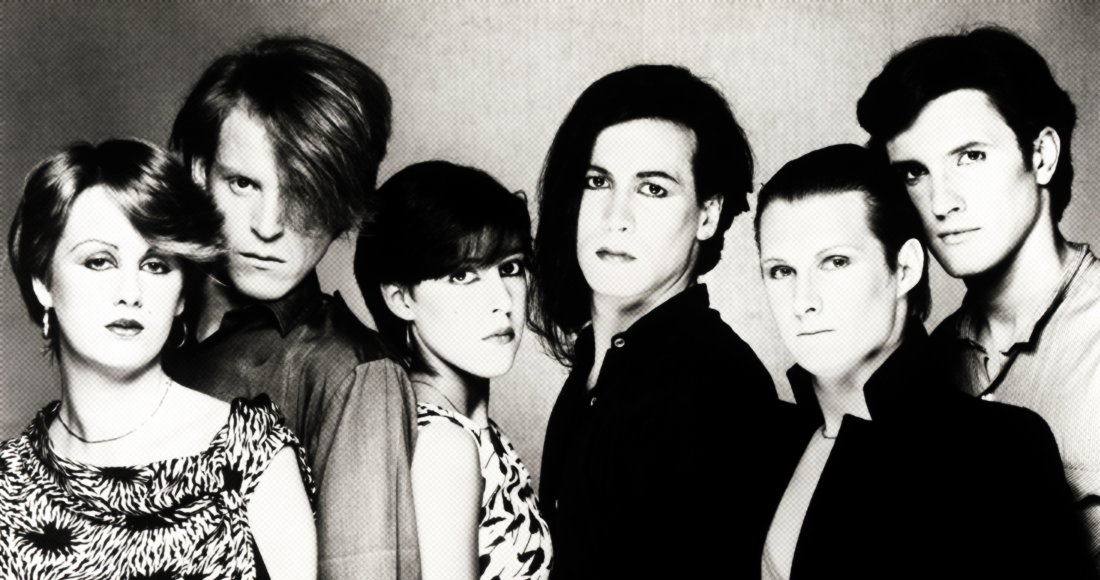
The group's visually striking style, sharp haircuts, bold fashion, and a gender-inclusive lineup became iconic in its own right, influencing the look and sound of pop for years to come. By making electronic music both accessible and commercially viable, The Human League laid the foundation for broader acceptance of synth-pop, illuminating the genre's potential. Their success helped pave the way for acts like Depeche Mode, Soft Cell, and Eurythmics, proving that synthesiser-driven music could dominate the charts and reshape the mainstream.
This innovation paved the way for acts like the Pet Shop Boys, who not only refined the genre but also significantly contributed to its evolution. Their sophisticated blend of electronic beats, introspective lyrics, and catchy melodies, as showcased in timeless hits like 'West End Girls' and 'It's a Sin', brought a distinctly British wit and emotional complexity to synth-pop. Their global success solidified the genre’s place in the mainstream, and their impact is something to be truly appreciated.
Their 1986 debut album, 'Please', was a critical and commercial success, pairing infectious production with sharp social commentary. Tracks like 'Opportunities (Let's Make Lots of Money)' satirised material ambition and consumerism, while 'Suburbia' painted a vivid portrait of urban unrest. The duo’s knack for irony and subtle melancholy made them stand out in a sea of glossy 80s pop.
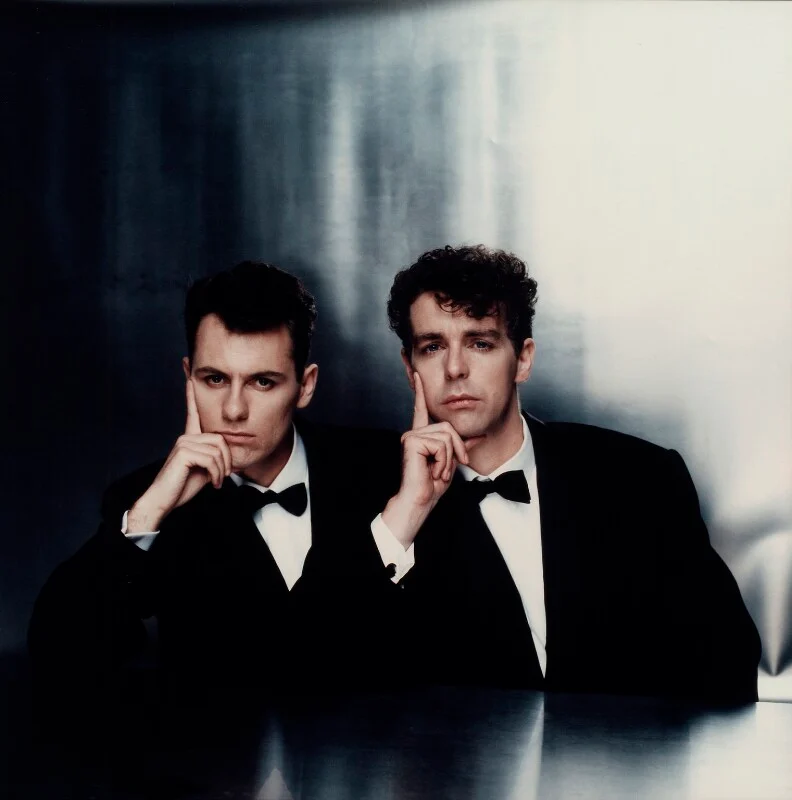
By the time they released 'Actually' in 1987, the Pet Shop Boys had further perfected their sound. The album featured the chart-topping single 'It's a Sin', a dramatic, synth-driven anthem that tackled themes of guilt, religion, and personal conflict with bold theatrical flair. Another major highlight was their 1987 cover of 'Always on My Mind', which transformed the Elvis Presley classic into a pulsating, emotional dance track and became one of their biggest hits.
'Being Boring', from the 1990 follow-up 'Behaviour', offered a more reflective, elegiac tone, a tribute to friendship, youth, and the passage of time. Its lyrical depth and lush arrangement showcased their evolution as songwriters, proving that synth-pop could be as emotionally resonant as any rock ballad.
With their clever lyrics, stylish aesthetic, and consistently strong songwriting, the Pet Shop Boys redefined what electronic pop could be. Their music is not just intelligent and poignant, but also enduring, leaving the audience intrigued and captivated by their unique style.
German band Nena catapulted to international stardom in 1983 with their breakout hit '99 Luftballons'. The song was inspired when the band's guitarist, Carlo Karges, attended a Rolling Stones concert in West Berlin and saw balloons released during the show drifting toward the Berlin Wall. This image sparked the idea of innocent balloons accidentally triggering a global conflict, a symbol for the tensions of the Cold War era. With its infectious melody and pointed, thought-provoking lyrics, '99 Luftballons' vividly captured the anxieties of a generation living under the shadow of nuclear war. Sung originally in German and later released in English as '99 Red Balloons', the track became an international anti-war anthem and remains one of the most recognisable European pop songs of the decade. Its success illustrated how the era's political climate permeated even the catchiest pop music, turning a simple image into a powerful call for peace.
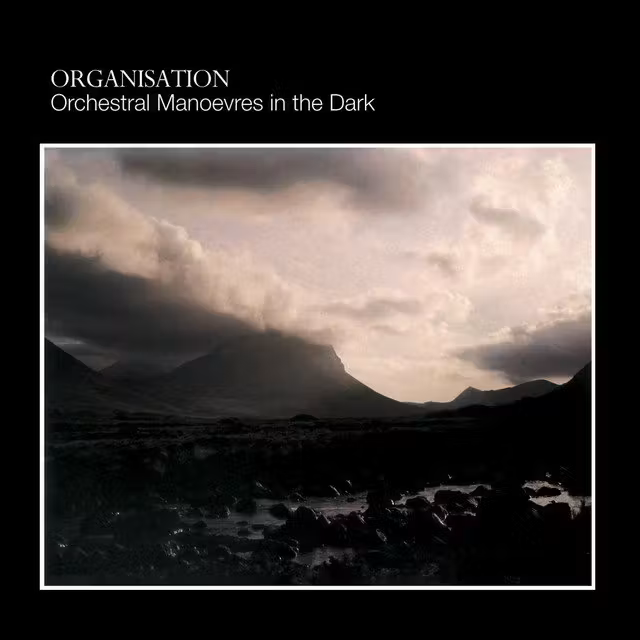
Orchestral Manoeuvres in the Dark (OMD) also left an indelible mark on this era, blending lush electronic textures with thoughtful songwriting. Their 1980 hit 'Enola Gay' stood out not only for its infectious melody but also for its powerful subject matter, addressing the atomic bombing of Hiroshima. The track’s juxtaposition of upbeat synthpop and grave historical themes captured the complexity of the era, making it one of the quintessential protest songs of the 1980s.
OMD continued to push boundaries with albums like 'Architecture & Morality', which combined experimental sounds with a depth of emotion rarely seen in electronic music. This 1981 album featured haunting, atmospheric singles such as 'Souvenir', 'Joan of Arc', and 'Maid of Orleans (The Waltz Joan of Arc)', each marked by evocative melodies and sophisticated production. OMD’s willingness to tackle weighty subjects through pop music helped bridge the gap between commercial appeal and artistic ambition, ensuring their continued influence on synthpop and alternative music for decades to come.
The Cure’s influence extended far beyond their sound. Their visual identity, defined by Robert Smith’s wild hair, smudged makeup, and all-black attire, became iconic and helped establish the aesthetic of gothic rock. The band’s willingness to delve into melancholy, alienation, and emotional complexity gave voice to a generation of outsiders and misfits, while their evolving style allowed them to bridge the gap between underground credibility and mainstream appeal. This capacity for reinvention and authenticity not only inspired countless musicians but also fostered a devoted global fanbase that remains fiercely loyal to this day.
By the mid-80s, The Cure had transitioned their sound to incorporate brighter, pop-infused tracks, while still retaining their emotional depth. 'The Head on the Door' was a turning point, featuring hits like 'In Between Days' and 'Close to Me', which blended catchy melodies with introspective lyrics, appealing to a broader audience. The album also showcased the band's willingness to experiment, weaving Spanish guitar on 'The Blood' and Eastern influences on 'Kyoto Song' into their signature style. Their ability to balance artistic ambition with commercial appeal opened new doors for alternative music on the global stage.
This period marked their rise to global stardom, with frontman Robert Smith's unique voice and visual style becoming emblematic of the era. The band's growing success on the charts and MTV solidified their role as both underground icons and mainstream innovators, influencing not just their peers, but generations of musicians to come.
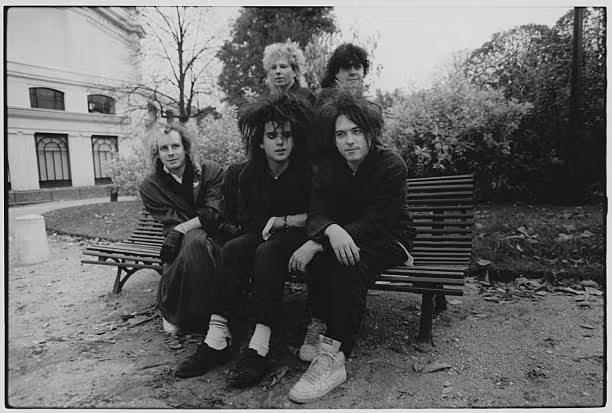
Their 1987 double album 'Kiss Me, Kiss Me, Kiss Me' further expanded their sonic palette, delivering everything from the sultry 'Just Like Heaven' to the abrasive 'The Kiss'. The album showcased The Cure’s remarkable versatility, weaving together shimmering pop melodies, psychedelic textures, and darker, more experimental tracks. This adventurous approach helped the band break into the American mainstream, with 'Just Like Heaven' becoming their first U.S. Top 40 hit and introducing a new audience to their unique blend of melancholy and euphoria. The band’s ability to balance experimentation with accessibility was key to their enduring appeal, allowing them to continually evolve while maintaining a devoted fanbase.
Closing out the decade, 'Disintegration' (1989) solidified The Cure’s reputation as one of the most influential bands of their generation. The album was a creative high point, blending lush, layered production and melancholic themes to powerful effect. Tracks like 'Lullaby', 'Pictures of You', and 'Fascination Street' became classics, while the album as a whole resonated deeply with fans and critics alike. Noted for its emotional honesty and atmospheric soundscapes, 'Disintegration' influenced a generation of alternative and shoegaze artists, and is frequently cited as one of the greatest albums of the 1980s.
Another key figure in the post-punk and gothic rock scene was Siouxsie and the Banshees. Led by the charismatic Siouxsie Sioux, the band blended haunting melodies with driving rhythms and dark, evocative lyrics. Their albums, including 'Juju' (1981) and 'A Kiss in the Dreamhouse' (1982), were celebrated for their innovation and atmosphere, influencing countless bands in the emerging goth and alternative movements. Tracks like 'Spellbound' and 'Cities in Dust' showcased their ability to balance intensity with accessibility, making them icons of the underground and a vital part of the 1980s music tapestry.
Liverpool's vibrant post-punk scene produced some of the era's most distinctive and influential acts. Frankie Goes to Hollywood burst onto the scene in spectacular fashion with their provocative 1983 debut single, 'Relax'. 'Relax' remains the UK's biggest-selling debut single of all time, the first strike in what ZTT co-founder Paul Morley called a "strategic assault on pop." Morley planned to tackle the heaviest themes possible: sex, war, and religion, starting with a track that leaned into the shock impact of Holly Johnson and Paul Rutherford’s open homosexuality.
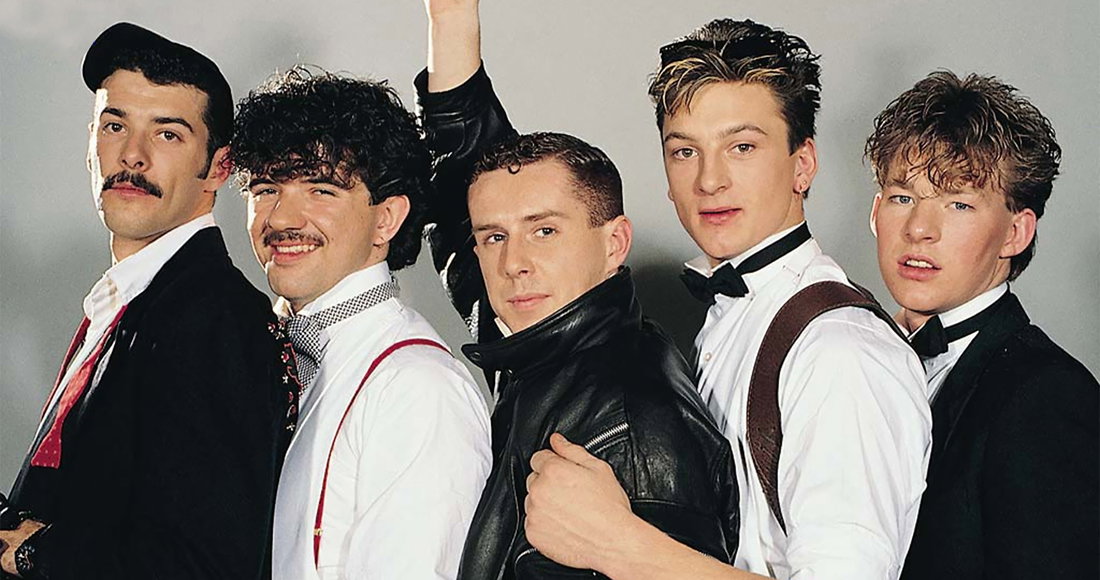
With its flagrant innuendo, wide-open synths, and a swooning, psychedelic disco structure, the song was a complete wildcard. The band courted further controversy with fetish wear in their videos, but it was the BBC’s attempt at censorship that truly propelled them to the summit.
Radio 1 DJ Mike Read stopped 'Relax' before it had even finished playing, appalled after learning what the song was about. Despite his moral outrage, Read was actually pretty slow off the mark; Frankie’s label, ZTT, had already been running ads that included such unsubtle phrases as "all the nice boys love seamen" and "nineteen inches that must be taken always." The BBC backed him with a full ban, including Top of the Pops. For five weeks, Frankie were announced as number one, only for the show to play a different track in their place.
This was a blessing for the band. 'Relax' became huge, spending a whole year in the Top 75. This runaway success served as a powerful testament that state repression simply did not work. By trying to kill it, the establishment instead created a neon-lit monument to provocation at the dawn of the HIV/AIDS epidemic and just three years before the introduction of the regressive Section 28 amendment.
In an era where homosexuality was being pushed further to the fringes of society, Frankie Goes to Hollywood prevailed. Their dominance of British pop culture was fleeting, yielding two further number ones in 1984 with 'Two Tribes' and 'The Power of Love' before the 1986 follow-up album 'Liverpool' flopped, but their impact was permanent.
At a pivotal, deeply conservative time in Britain’s history, their crowning glory was what they brought out of the shadows and thrust firmly into the light. It remains the sixth best-selling single in British history, proving that the public was more than ready for what they had to say, and despite efforts to stop them, it only made them louder.
Another Liverpool act, The Teardrop Explodes, led by the enigmatic Julian Cope, carved out a unique space with their psychedelic-tinged post-punk. Their 1980 debut album, 'Kilimanjaro', delivered standout singles like 'Reward' and 'Treason (It's Just a Story)', blending catchy melodies with swirling keyboards and surreal lyricism. The album also featured deep cuts like 'Books' and the moody, atmospheric 'Poppies in the Field', which showcased the band's willingness to push the boundaries of pop structure and mood.
Echo & the Bunnymen, also from Liverpool, rose to prominence with a series of critically acclaimed albums and atmospheric, guitar-driven soundscapes. Before 'Ocean Rain', the band established their reputation with a run of influential early releases. Their debut album, 'Crocodiles' (1980), brought critical praise for its urgent, shadowy sound, with tracks like 'Rescue' and 'Villiers Terrace' hinting at their future grandeur. The follow-up, 'Heaven Up Here' (1981), saw the band exploring darker, more expansive territory and featured standouts such as 'A Promise' and 'Over the Wall'. 'Porcupine' (1983) continued their growth, highlighted by the anthemic 'The Cutter' and the hypnotic 'The Back of Love'.
Each of these albums built momentum, setting the stage for the lush, orchestral sweep of 1984's 'Ocean Rain'. That record is widely regarded as their masterpiece, featuring the majestic single 'The Killing Moon', a song often cited as one of the greatest of the decade. Other hits like 'The Cutter', 'Over the Wall’, 'Bring On the Dancing Horses', and 'Seven Seas' showcased the band's moody grandeur, poetic lyricism, and sense of drama, powered by Ian McCulloch’s commanding vocals and Will Sergeant’s shimmering guitar work.
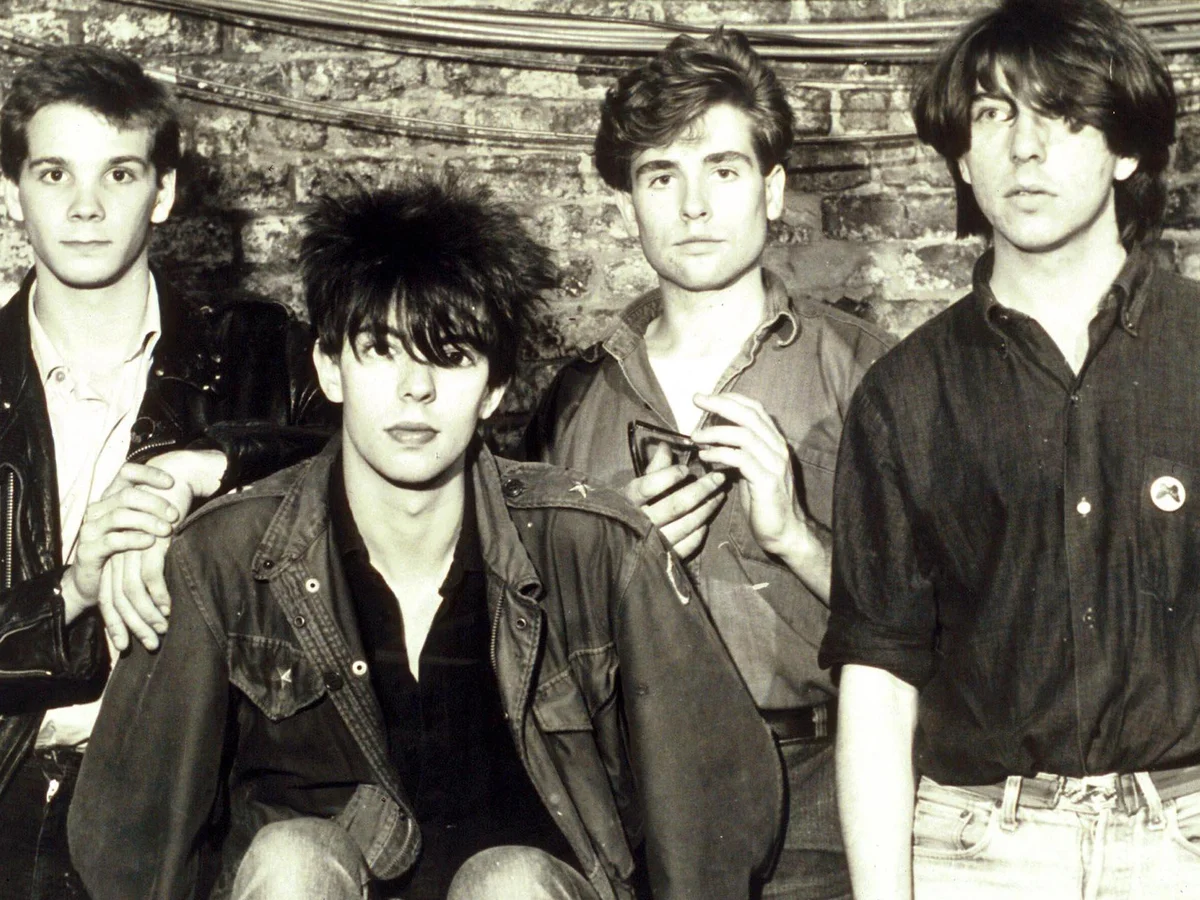
Emerging from London's late 1970s punk scene, The Police quickly set themselves apart from the three-chord urgency of their peers. Their 1978 debut, 'Outlandos d'Amour', carried the energy and attitude of punk but layered it with reggae rhythms, jazz-tinged musicianship, and sharp melodic instincts. Tracks like 'Roxanne' and 'Can't Stand Losing You' showcased their ability to write songs that were both unconventional and instantly memorable, earning them early attention in a crowded, competitive scene.
By 1979's 'Reggatta de Blanc', the band had begun refining their signature fusion of rock and reggae. The hypnotic 'Walking on the Moon' and the instrumental title track revealed a confident mastery of space and rhythm, standing in stark contrast to the dense, overproduced rock dominating the airwaves. Their lean, three-piece sound was as much about what they left out as what they played, giving their music a taut, distinctive edge
As the new decade began, The Police were perfectly positioned to bridge the gap between the grit of punk and the accessibility of the rising new wave movement. The 1980s saw 'Zenyatta Mondatta' deliver this balance with precision, producing chart-toppers like 'Don't Stand So Close to Me' and 'De Do Do Do, De Da Da Da'. The former combined an unsettling narrative with an irresistible hook, while the latter distilled pop to its most playful, minimalist form. This mix of thought-provoking lyricism and radio-friendly appeal helped the band dominate both the UK and international charts, earning them credibility in underground circles while attracting a massive mainstream audience.
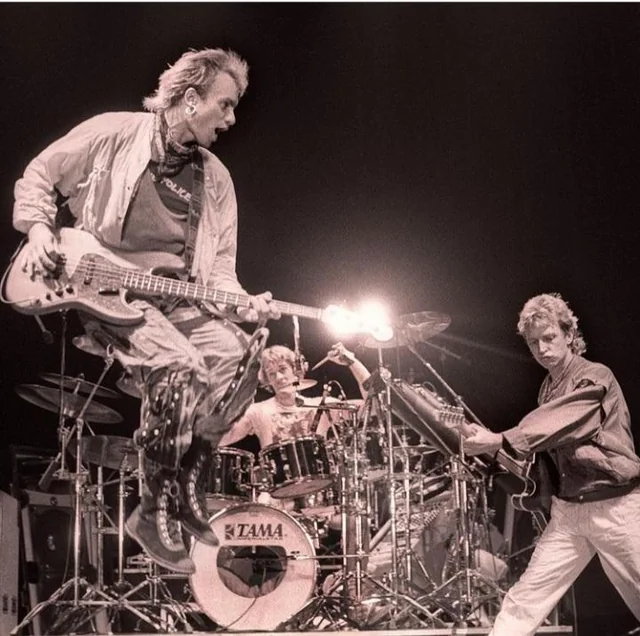
In the early '80s, The Police had become one of the defining acts of the era, navigating a music industry that was increasingly leaning toward synthesisers and heavily produced pop. Instead, they relied on the sharp interplay between Sting's melodic bass lines, Andy Summers' atmospheric guitar work, and Stewart Copeland's inventive, polyrhythmic drumming, proving that a stripped-down trio could fill stadiums without sacrificing nuance.
Their ascent reached its peak with the release of 1983's 'Synchronicity', a genre-blending tour de force that fused rock, reggae, and new wave pop into a sound that defined the decade. The album was both sonically adventurous and emotionally charged, capturing the band's growing tension while pushing their musical boundaries. Hits like 'Every Breath You Take' became instant classics, often mistaken for a romantic ballad. However, its obsessive lyrics and minimalist arrangement gave it a haunting, almost claustrophobic feel. 'King of Pain' reflected Sting's introspective lyricism and melancholic edge, while 'Wrapped Around Your Finger' offered a cryptic, poetic narrative backed by atmospheric instrumentation. 'Synchronicity II', with its chaotic energy and surreal imagery, further showcased their mastery of storytelling and sonic experimentation.
'Synchronicity' was not only a commercial triumph, earning Grammy Awards and topping charts worldwide, but also the creative summit of The Police's career. Yet behind the success, personal and artistic tensions between Sting, Summers, and Copeland had reached a breaking point. In 1986, at the height of their fame, they disbanded, leaving behind a compact yet influential discography that continues to inspire artists across rock, pop, and alternative genres.
U2's ascent to global stardom was a journey of distinct sound and evolution. Their early work in the 1980s, particularly their 1980 debut album, 'Boy', introduced U2's raw energy and post-punk edge. Tracks like 'I Will Follow' captured a sense of youthful urgency and spiritual yearning, driven by The Edge's unique guitar textures and Bono's impassioned vocals, setting the stage for their remarkable career in rock history.
The following year's 'October' marked a shift in U2's music towards more introspective and spiritual themes. Songs like 'Gloria', with its Latin refrain and soaring chorus, showcased the band's willingness to explore faith and doubt in equal measure, inviting listeners on a contemplative, introspective journey.
By 1983's 'War', U2 had evolved from a promising rock band to influential voices in global conversations. 'Sunday Bloody Sunday', a fierce condemnation of the violence in Northern Ireland, remains one of their most iconic and politically charged songs. 'New Year's Day' further demonstrated the band's growing confidence, weaving personal and political themes into an anthemic sound that resonated far beyond their native Ireland, inspiring and empowering listeners.
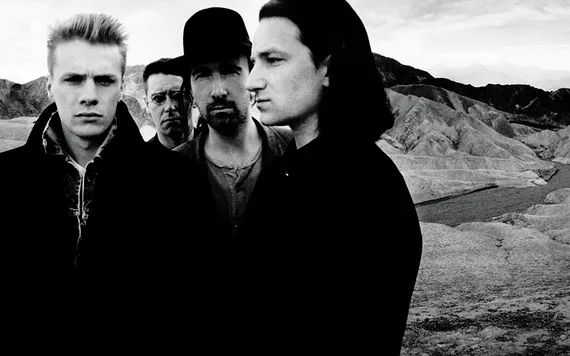
With 'The Joshua Tree', U2 not only embraced a more expansive, atmospheric sound but also solidified their place in music history. Drawing inspiration from American roots music and the spiritual and political concerns that had pervaded their earlier albums, the band crafted songs like 'Where the Streets Have No Name' that captured their yearning for transcendence. 'I Still Haven't Found What I'm Looking For' and 'With or Without You' delved into themes of longing and inner conflict. The album, a career milestone, became a cultural touchstone, resonating globally and cementing U2's status as one of the most influential bands of the 1980s.
Before this breakthrough, U2 had already been refining their sound and vision. 'The Unforgettable Fire,' released in 1984 and produced by Brian Eno and Daniel Lanois, marked a pivotal shift toward more atmospheric and experimental textures. The title track and the haunting single 'Pride (In the Name of Love)', a tribute to Martin Luther King Jr. showed the band's growing confidence in tackling grand themes with poetic nuance.
The album also featured evocative tracks like 'Bad' and 'A Sort of Homecoming,' both of which became live staples and fan favourites. 'The Unforgettable Fire' not only laid the foundation for the sonic leap of 'The Joshua Tree,' but it also demonstrated U2's willingness to take creative risks and expand the boundaries of their sound.
While we're in Ireland, it's impossible not to delve into the unique blend of Irish folk and punk rock that is The Pogues. This band, emerging from the 1980s, is one of the most distinctive and influential, forming in 1982 and swiftly carving out a niche with their raw, unapologetic sound. Their rebellious punk spirit combined with the instrumentation and melodic sensibility of Irish folk, including tin whistles, accordions, and banjos, created a fusion that felt both raucous and timeless.
Their debut album, 'Red Roses for Me', was the beginning of a journey that captured the band's unfiltered energy and street-level poetry. Full of grit, swagger, and emotion, the record, with songs like 'Streams of Whiskey', epitomised their approach-a wild celebration of life, drink, and defiance, with Shane MacGowan invoking the ghost of Irish literary legend Brendan Behan. The album set the tone for what was to come: rowdy, heartfelt music rooted in tradition but infused with the urgency of punk.
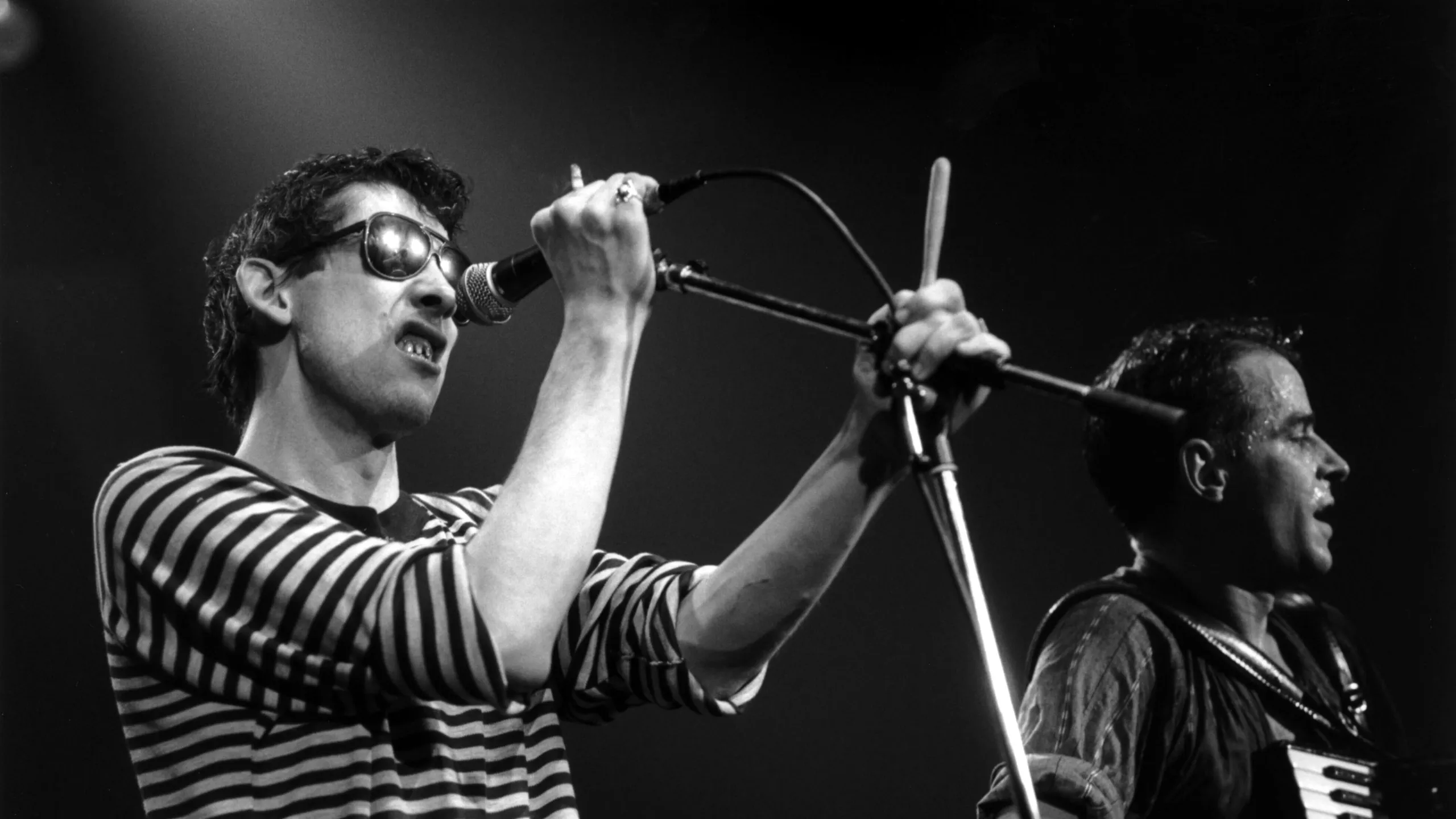
But it was their second album, 'Rum, Sodomy & the Lash', released in 1985 and produced by Elvis Costello, that truly established The Pogues as a singular force in music. Here, the band refined their sound without losing any of their raw edge. Tracks like 'The Sick Bed of Cuchulainn' roared with mythic grandeur, while 'Sally MacLennane' delivered a bittersweet anthem of working-class life, full of pride, loss, and raucous joy. The album married traditional Irish instrumentation with razor-sharp lyricism, painting vivid portraits of outcasts, drunks, lovers, and ghosts. It felt like folklore retold in punk bars and back alleys, poetic, political, and profoundly human.
'If I Should Fall from Grace with God' the bands third album, truly solidified their place in music history. Released in 1988, the album broadened their sonic horizons, introducing global influences while maintaining their Irish soul. At its heart was 'Thousands Are Sailing', a stunning meditation on emigration and identity. Written by guitarist Phil Chevron, the song told the story of the Irish diaspora with a grace and emotional power that struck deep. Its refrain, "Where e’er we go, we celebrate / The land that made us refugees", remains one of the most poignant lines in the band’s catalogue, speaking to the longing and resilience of generations.
Of course, the album also featured 'Fairytale of New York', a duet with Kirsty MacColl that has become a modern Christmas classic. Raw, romantic, and heartbreakingly honest, it encapsulated the beauty and brutality of love and survival. The band's songs are truly timeless, hauntingly beautiful affairs. They tackle a range of subjects from immigration, working-class life, hardship, turmoil, racism, and violence, yet with a sense of hope and optimism littered throughout. Shane MacGowan is one of the most underrated songwriters of this era. With their unique blend of punk rock and Irish folk traditions, The Pogues played an essential role in shaping the sound of the 1980s, leaving a legacy that continues to influence artists to this day.
Tears for Fears were one of the most underrated British bands of the 1980s, though their impact was enormous. For a brief period, much like The Police, they were one of the biggest bands in the world. Their 1985 album 'Songs From the Big Chair' remains one of the most iconic and essential albums of the decade. The record, which featured massive hits like 'Shout' and 'Everybody Wants to Rule the World', was a perfect fusion of pop, rock, and new wave, driven by emotionally charged lyrics and masterful production.
The album encapsulated the essence of the 80s in its combination of synthesisers, big choruses, and socially conscious themes. As a result, Tears for Fears enjoyed a level of success that few British bands could match during that period. In terms of single output, 'Songs From the Big Chair' stands toe-to-toe with some of the best British albums ever made, rivalling the likes of The Police or even The Beatles in terms of its sheer quality and cultural impact. Their sound, a unique blend of introspection and accessibility, helped them carve out a space as one of the decade's defining bands, even if they didn't always receive the recognition they deserved in the broader pop culture narrative. Their influence on the music industry, particularly in the 80s, cannot be overstated.
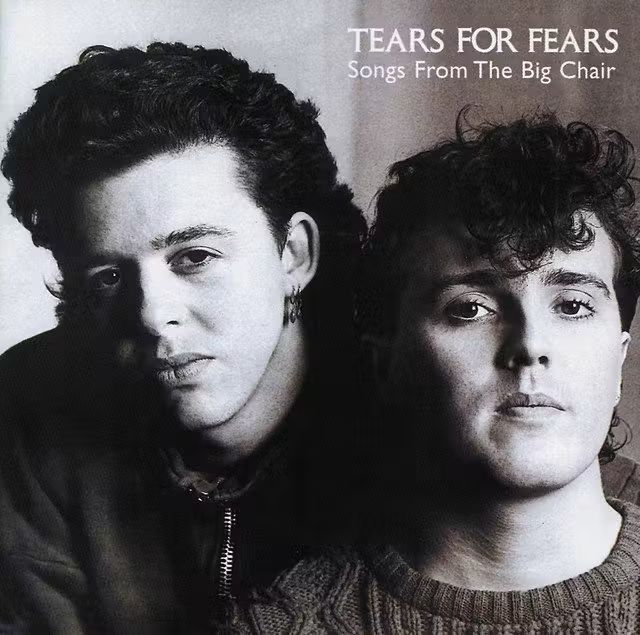
Their debut, 1983's 'The Hurting', had already laid the groundwork for their later triumphs. Darker and more introspective than much of the synth-pop emerging at the time, the album delved into themes of childhood trauma, isolation, and emotional struggle, reflecting Roland Orzabal and Curt Smith's interest in primal therapy and psychological exploration. Songs like 'Mad World' paired haunting lyrics with lush yet economical production, creating a sound that was both intimate and cinematic. 'The Hurting' was a commercial success in the UK, topping the charts and solidifying Tears for Fears' place in the music industry. It gave Tears for Fears a distinctive voice in a crowded new wave scene, one that was more concerned with emotional depth than mere dancefloor appeal.
By the decade's end, 1989's 'The Seeds of Love' showcased yet another reinvention, drawing on Beatles-esque psychedelia, soul, and jazz influences. Tracks like 'Sowing the Seeds of Love' and 'Woman in Chains' proved that the band's ambitions extended far beyond the polished pop of the mid-80s.
Across the decade, from the brooding minimalism of 'The Hurting' to the widescreen anthems of 'Songs From the Big Chair' and the expansive experimentation of 'The Seeds of Love', Tears for Fears demonstrated a rare combination of commercial savvy and artistic restlessness, cementing their place among the most versatile and enduring British acts of their era.
Before I talk about Queen, it's only right to talk about the 13th of July, 1985, Live Aid. Two concerts took place simultaneously: one at Wembley Stadium in London and the other at John F. Kennedy Stadium in Philadelphia.
The seeds for Live Aid were planted the previous year, when Bob Geldof of The Boomtown Rats and Midge Ure of Ultravox united British and Irish musicians for a one-off charity single to help combat the famine in Ethiopia. The result, 'Do They Know It's Christmas?', released in December 1984, became a cultural phenomenon. It wasn't just a hit record; it was a powerful tool that demonstrated what music could achieve when artists came together for a common cause.
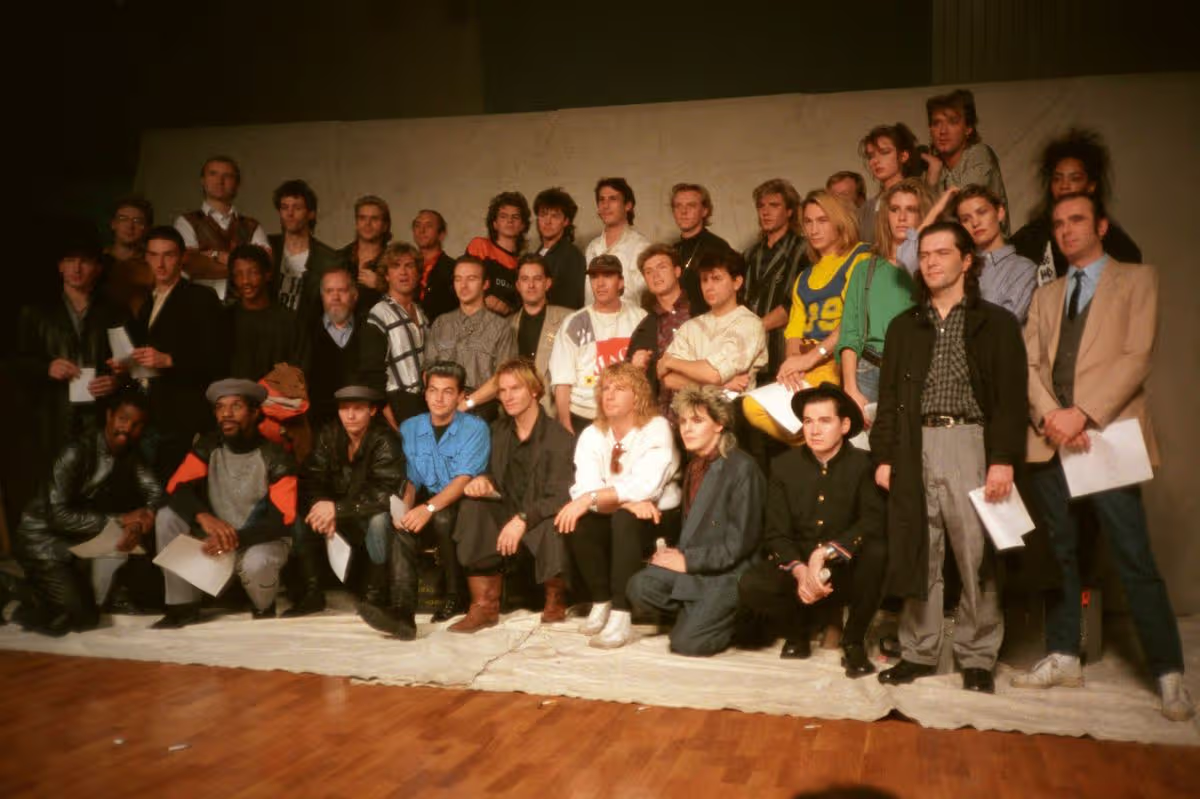
Selling over three million copies in the UK alone, the single raised over £8 million (around £25 million today) for famine relief, funding food supplies, medical aid, and infrastructure projects in Ethiopia. Just as importantly, it thrust the crisis into the forefront of public consciousness, transforming it from a distant news item into a global humanitarian priority.
The impact of Live Aid extended far beyond music. The event raised awareness, not just funds—for the Ethiopian famine, making the crisis impossible to ignore in living rooms across the globe. It demonstrated the power of music to galvanise public action, change perceptions, and unite people across borders, languages, and cultures. Live Aid also signalled a new era of social responsibility in pop culture, with musicians recognising their influence and stepping forward as agents of change.
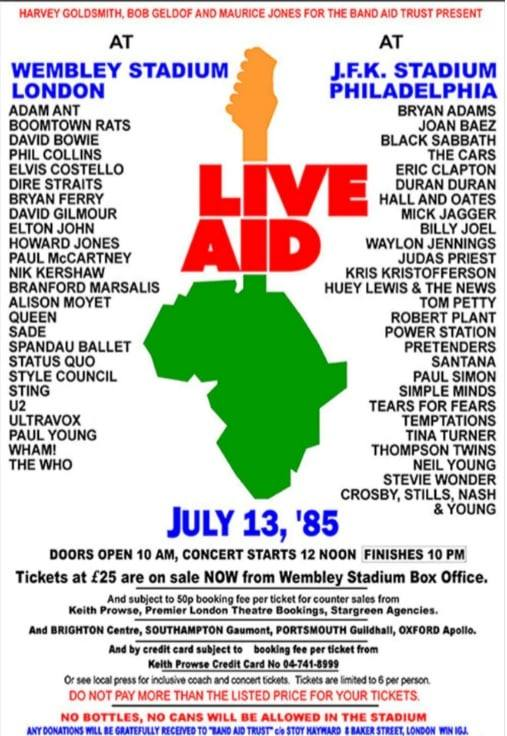
By the end of the event, Live Aid had raised an estimated £150 million for famine relief, but its legacy went beyond the numbers. It proved that popular music could mobilize resources and attention on a scale previously unimaginable. It set the blueprint for future benefit concerts and charity singles. Still, none would quite capture the collective spirit and urgency of that summer day in 1985. The memory of Live Aid endures as a defining moment when music proved it could make a real difference in the world, leaving a legacy of hope, activism, and global unity.
Queen faced challenges in the 1980s. Despite releasing strong albums like ‘The Game’, featuring iconic hits such as ‘Another One Bites the Dust’, they also produced some less successful work, such as ‘Hot Space’. However, their collaboration with David Bowie on ‘Under Pressure’ in 1981 became a defining moment of the decade. Having firmly established themselves in the 1970s with classics like 'Bohemian Rhapsody' and 'Killer Queen', Queen's musical experimentation in the 80s reflected their unwavering desire to evolve. These bold shifts in style weren’t always embraced by their long-time fans, and the band's direction was sometimes met with mixed reactions.
By the time of Live Aid in 1985, rumours of a potential breakup were circulating. But at 6:41 pm on July 13, 1985, Queen took the stage at Wembley Stadium and delivered a performance that would go down in history. Their five-song set, anchored by Freddie Mercury’s electrifying energy and his iconic call-and-response chant of Aaaaaay-o, quickly became legendary. This performance, later dubbed “The Note Heard Round the World”, captivated an audience of 72,000 fans in the stadium and over a billion viewers worldwide.
In those 20 minutes, Queen not only silenced any doubts about their relevance and commitment to their craft but also left an indelible mark on music history. Live Aid became a defining moment in their career, proving that Queen were far from over.
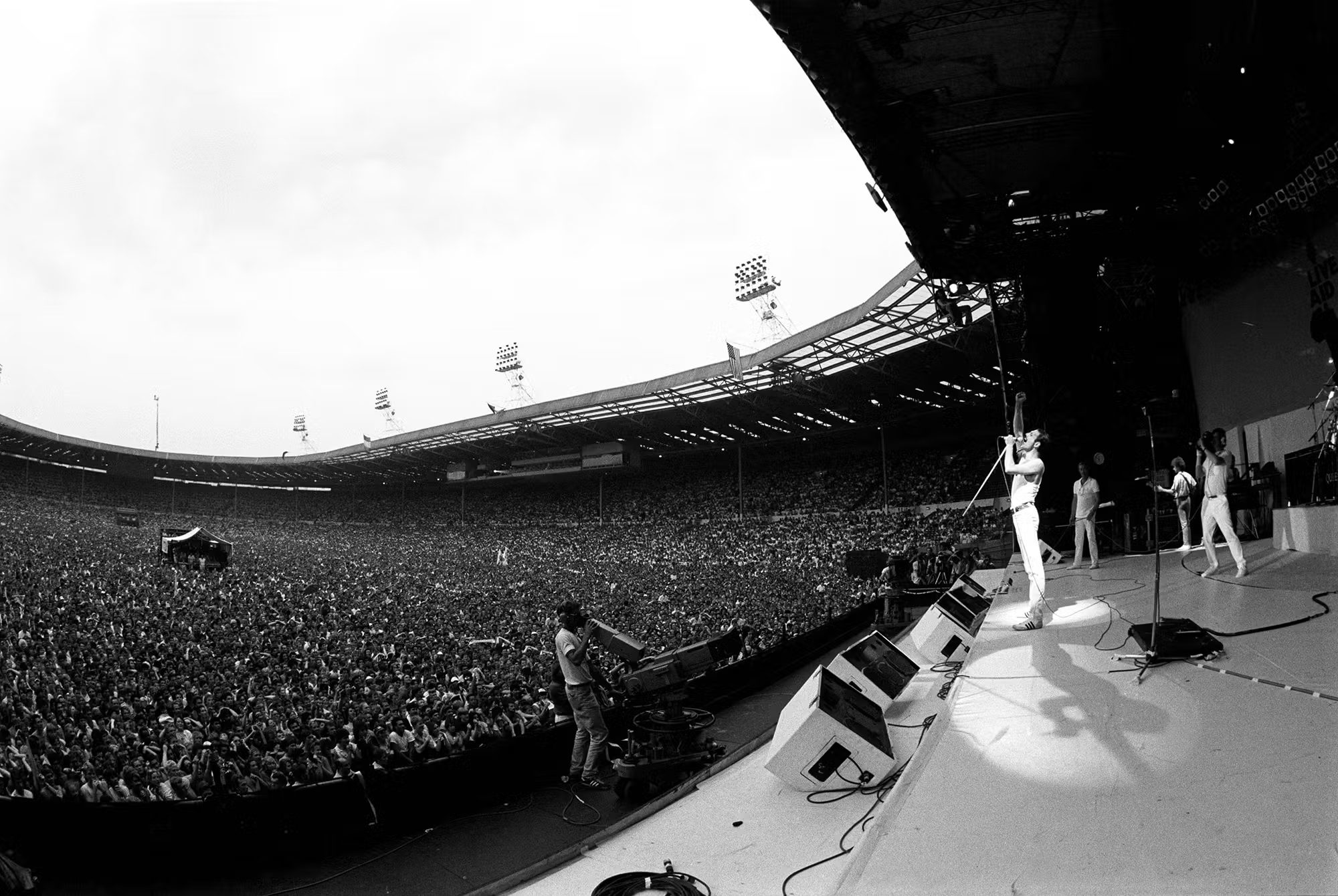
In 1986, they followed up with The Magic Tour, a triumphant series of stadium shows that would be their last with Freddie Mercury. The tour included two unforgettable nights at Wembley Stadium, where over 150,000 fans witnessed Queen at the peak of their live powers. The setlists spanned their entire catalogue, from early classics to 80s anthems like 'A Kind of Magic' and 'Who Wants to Live Forever.' The Magic Tour saw Queen play to more than a million people across Europe, including a historic concert in Budapest, which was one of the first major rock concerts behind the Iron Curtain. The energy, scale, and emotion of these performances have become legendary, with the Wembley shows later released as a landmark live album and concert film.
The Magic Tour was a fitting farewell to the classic Queen lineup, as Mercury's health would soon begin to decline, making these shows all the more poignant in retrospect. Live Aid and The Magic Tour together solidified Queen’s place in music history, marking one of the most critical and triumphant periods of their career.
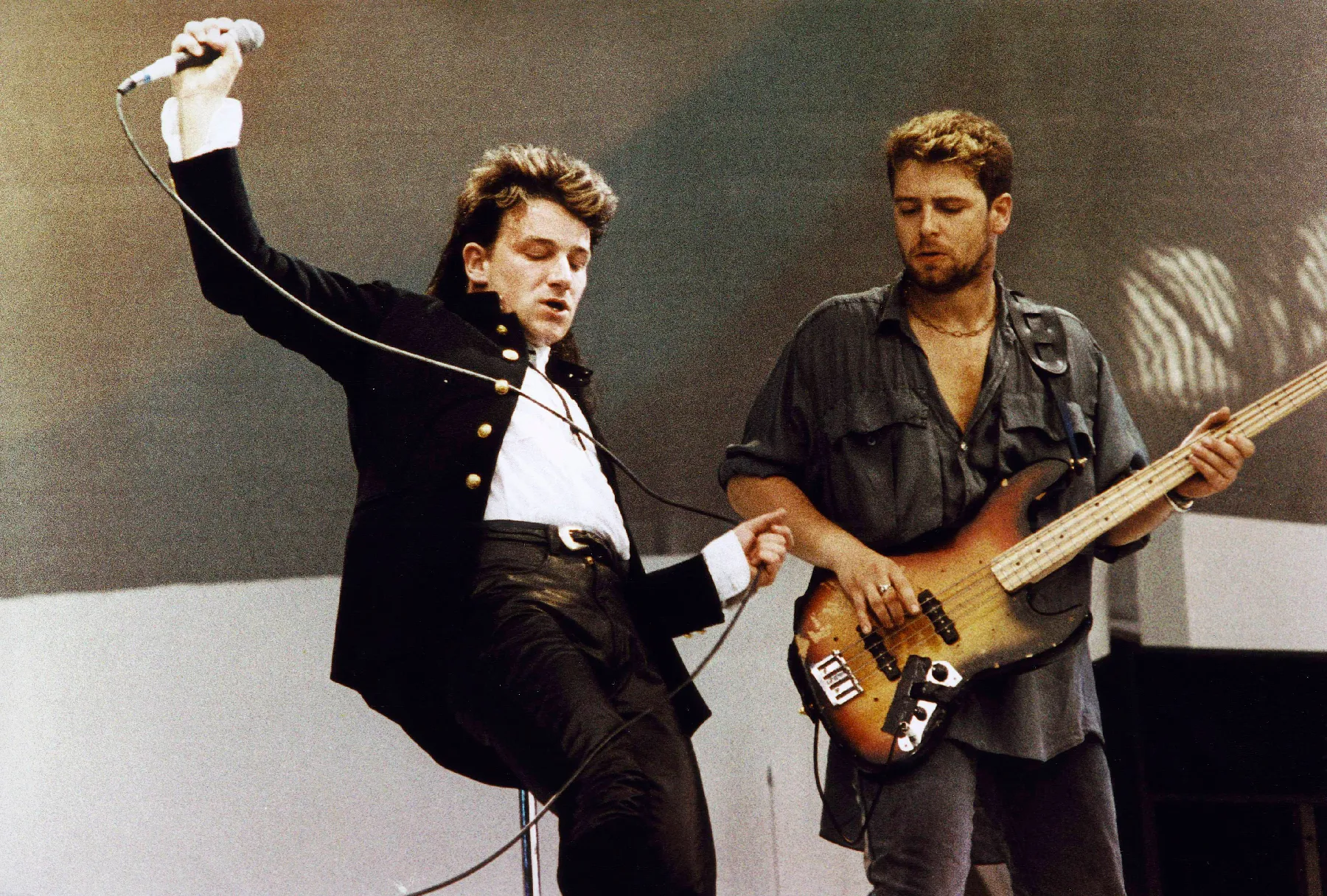
Among the other artists who played Live Aid, U2 seized the opportunity to introduce themselves to a global audience in a way that would solidify their place as one of the biggest bands of the era. Bono's performance of 'Bad' remains one of the most memorable moments of the event. The band played the track with such raw emotion and intensity that it left an indelible mark on everyone watching, inspiring a generation of music enthusiasts.
During the 12-minute rendition, Bono famously leapt offstage into the crowd, bringing the audience into the performance in an electrifying moment of connection. It was a display of the band's ability to engage with their audience on a deeply personal level. It marked the moment U2 fully arrived on the global stage, making it one of the standout performances of Live Aid and a defining moment in the band's career.
Dire Straits played Live Aid, riding high on the success of 1985's 'Brothers in Arms', an album that had already made a significant impact on the music industry. The performance saw them play two songs: 'Money for Nothing' with Sting, who sang backing vocals on the album version, and their 1978 classic 'Sultans of Swing'.
However, the band could not hang around and soak up the rest of the acts. The band were booked for another gig across the road. A tour date at Wembley Arena, to a sold-out crowd of die-hard Dire Straits fans. It was one of many sell-out shows at the venue, and was a testament to how good the band were.
The release of 'Brothers in Arms' in 1985 marked not only a turning point for Dire Straits but for music production and consumption as a whole. As one of the first major albums to be fully recorded and mixed digitally, it set a new industry standard for sound clarity and production values, reflecting the technological advances of the era. The album was ideally suited to the new music format, the compact disc (CD), and played a major role in popularising CDs as the industry’s dominant physical medium.
'Brothers in Arms' is packed with some of Dire Straits’ most iconic songs. The opening track, 'So Far Away', set the tone with its blend of wistful longing and understated musicianship. 'Money for Nothing', featuring Sting on backing vocals, became a massive international hit thanks in part to its cutting-edge animated music video and sharp satire of MTV culture. The song’s instantly recognisable guitar riff and the refrain “I want my MTV” captured the zeitgeist of the decade.
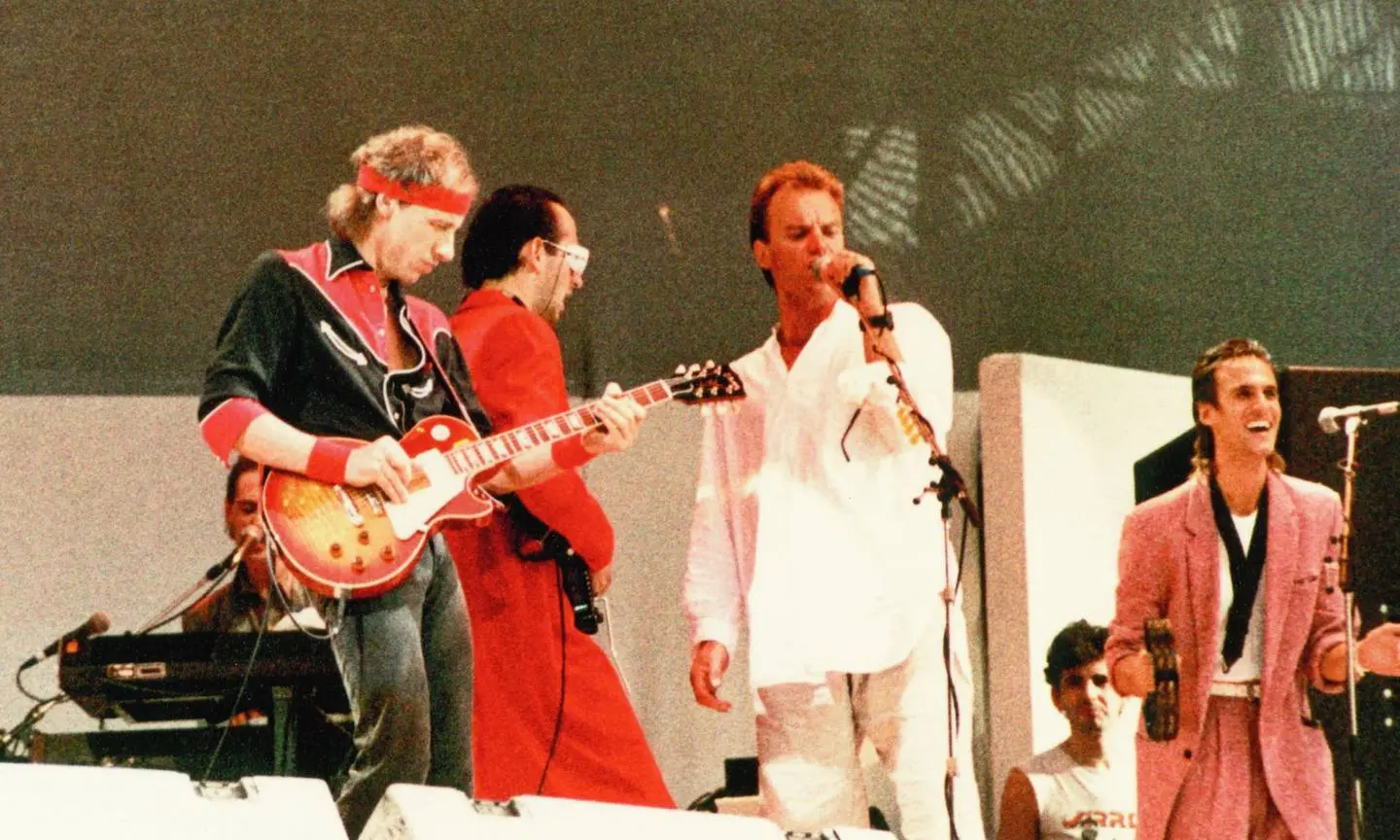
Other standout tracks included 'Walk of Life', an infectious, upbeat anthem driven by its signature keyboard riff, and the title track 'Brothers in Arms', a moving ballad that reflected on the futility of war. Songs like 'Your Latest Trick' and 'Why Worry' showcased Mark Knopfler’s lyrical sensitivity and the band’s ability to balance virtuosity with emotional depth. The album’s seamless mix of rock, pop, blues, and jazz influences created a sound that was both accessible and sophisticated, appealing to a broad spectrum of listeners.
By the end of the decade, 'Brothers in Arms' had sold more than 30 million copies globally, with a significant portion of those sales coming from CDs. Its massive commercial success cemented Dire Straits’ place in music history and proved that the new format could compete with and eventually surpass vinyl in terms of popularity. 'Brothers in Arms' remains a milestone album, not only for its musical achievements but also for its role in ushering the music.
As the 1980s dawned, David Bowie reinvented himself once again, emerging as a slick, stylish pop icon. His 1980 album 'Scary Monsters (and Super Creeps)' bridged the experimental edge of his Berlin era with a more accessible sound. The haunting single 'Ashes to Ashes' reintroduced Major Tom with a darker twist, highlighting Bowie's talent for blending art rock with commercial appeal.
However,it was 1983's 'Let's Dance' that catapulted Bowie into global superstardom. Produced by Nile Rodgers, the album embraced danceable funk and glossy production, delivering massive hits like 'Modern Love', 'China Girl', and the title track. During this era, Bowie reached the height of his commercial success, dominating MTV, filling stadiums worldwide, and becoming renowned for his sharp, tailored style. Some longtime fans felt he had strayed too far from his avant-garde roots, but Bowie's ability to master the pop format without losing his signature cool proved his remarkable versatility. By this point, he was more than a music icon; he was a full-blown cultural phenomenon.
Riding high on the success of 'Let’s Dance', Bowie followed Queen with a stunning Live Aid performance that cemented his reputation as one of the era’s greatest live performers. His set was a masterclass in stage presence and emotional connection, culminating in a powerful rendition of his 1977 classic, 'Heroes'. When he sang the line, "We can be heroes, just for one day," the crowd erupted in a euphoric singalong, a moment witnessed by nearly two billion people worldwide. More than just a performance, it became a unifying experience that captured the spirit of the day and showed Bowie's unique ability to make even the grandest occasions feel personal. For Bowie, this brief but brilliant set was arguably the high point of the decade. It encapsulated his extraordinary gift for reinvention and connection, blending artistry, showmanship, and sincerity in a way that reminded audiences of his lasting cultural significance.
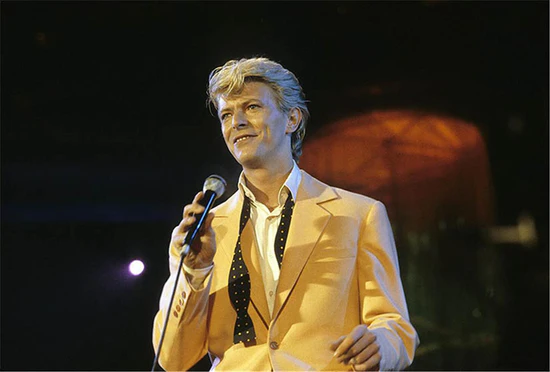
After Live Aid, Bowie's artistic direction began to shift. In 1987, he embarked on the ambitious Glass Spider Tour, a theatrical spectacle with elaborate sets, dancers, and multimedia elements. While visually bold, the tour received mixed reviews, with some critics feeling that the production overshadowed the music. That same year, he released 'Never Let Me Down', an album that, despite solid commercial performance, was seen by many as lacking the innovation and edge of his earlier work.
Although it had moments of introspection and ambition, fans and critics alike felt it fell short of his usual standards. In 1989, hBowi formed the band Tin Machine, an experimental project that marked yet another change in direction. Though the group attracted some attention, it was a clear departure from this mainstream success, and reactions ranged from enthusiastic support to critical scepticism.
On the other side of the Atlantic, Duran Duran played to the Philadelphia crowd, showcasing their unique brand of synth-pop to American audiences. Their energetic performance included hits like 'A View to a Kill' and 'The Reflex,' which kept the stadium crowd dancing and demonstrated their global reach as one of the decade's most visually and musically influential bands.
Phil Collins achieved a remarkable logistical feat, performing with Sting at Wembley in London before taking the Concorde to Philadelphia to play with Led Zeppelin and his own band at John F. Kennedy Stadium. His cross-continental appearances underscored his status as arguably the most prominent solo artist of the decade, and highlighted the scope and ambition of Live Aid itself.
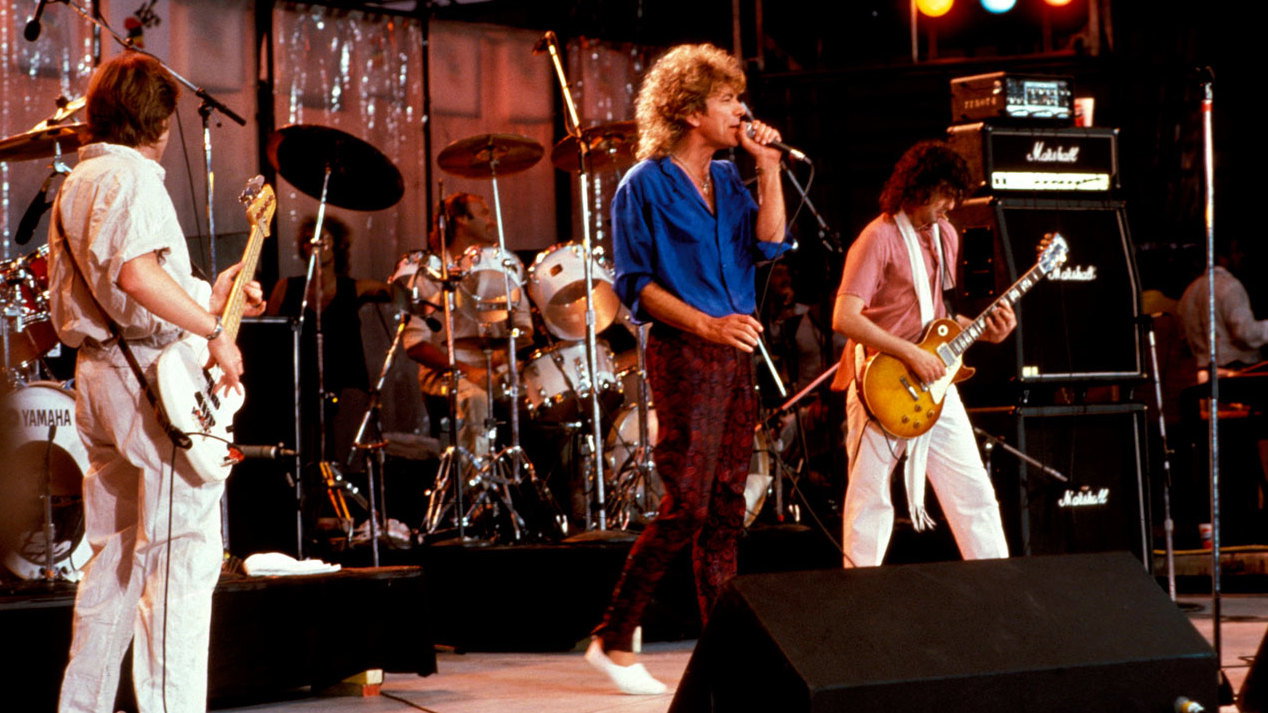
Elton John delivered a collection of his greatest hits, including 'Rocket Man' and 'Bennie and the Jets,' thrilling the Philadelphia audience and solidifying his reputation as one of the most enduring musical stars. His charisma and showmanship contributed to the celebratory, unifying spirit of the day, bridging generations of music fans and reminding the world of his lasting influence.
Live Aid proved that the old guard of rock and pop stars from previous decades were still around and bigger than ever. It also became the blueprint for future global charity concerts, and it was clear this was just the beginning of such monumental musical events.
Phil Collins didn't just have an incredible solo career in the 1980s with hits like 'In the Air Tonight,' 'Against All Odds,' and 'Another Day in Paradise.' His solo success was nothing short of phenomenal, his debut album, 'Face Value,' released in 1981, shot him to international stardom, with 'In the Air Tonight' becoming one of the decade's most iconic singles. Collins followed up with a string of chart-topping albums, including 'No Jacket Required' (1985), which won the Grammy for Album of the Year and featured hits like 'Sussudio' and 'One More Night.' His heartfelt ballad 'Against All Odds (Take a Look at Me Now)' showcased his ability to pair powerful vocals with deeply personal lyrics, while 'Another Day in Paradise,' released in 1989, tackled the issue of homelessness and earned him critical acclaim and a Grammy for Record of the Year.
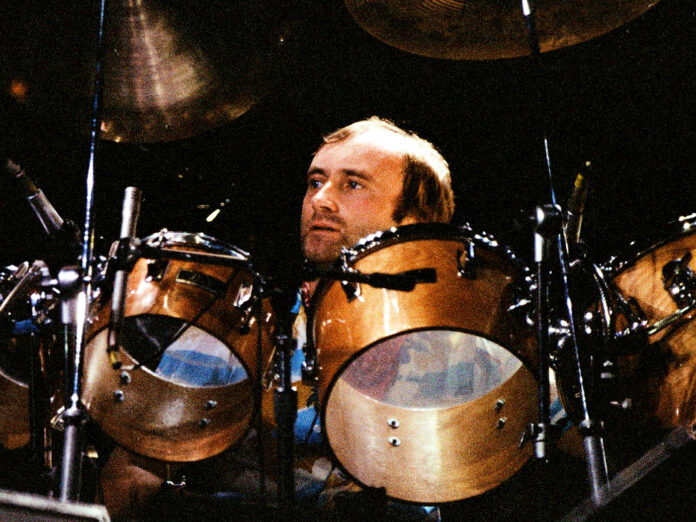
Collins' distinctive voice, emotional honesty, and knack for melody made him one of the decade's most successful solo artists, selling over 100 million records worldwide as a solo act. His influence extended across pop, rock, and R&B, and his songs became staples of both radio and MTV. At the same time, he fronted one of the decade's biggest bands, Genesis. The story of Genesis becoming, albeit briefly, one of the biggest bands in the world is one of the most interesting stories in British music.
Formed in 1967 at Charterhouse School, a prestigious public school in Surrey, the band was initially led by the charismatic and theatrical Peter Gabriel. In their early years, Genesis were defined by a complex, ambitious approach to progressive rock. Albums such as 'Foxtrot' and 'Selling England by the Pound' established them as key figures in the genre, blending intricate musicianship with surreal, often mythic storytelling. Tracks like 'Supper’s Ready', a 23-minute opus of shifting moods and fantastical imagery, demonstrated their flair for epic compositions. At the same time, songs like 'I Know What I Like (In Your Wardrobe)' hinted at their emerging ability to craft quirky, accessible singles within their sprawling sonic landscapes.
Their 1974 concept album 'The Lamb Lies Down on Broadway' marked both the creative zenith and the end of an era. A surreal double LP that followed the journey of Rael, a disaffected New York youth, the album was as theatrical as it was musically adventurous. Songs such as 'In the Cage', 'The Carpet Crawlers', and the title track displayed the band’s willingness to push narrative and sonic boundaries. However, internal tensions during the tour led to Gabriel’s departure from the band in 1975.
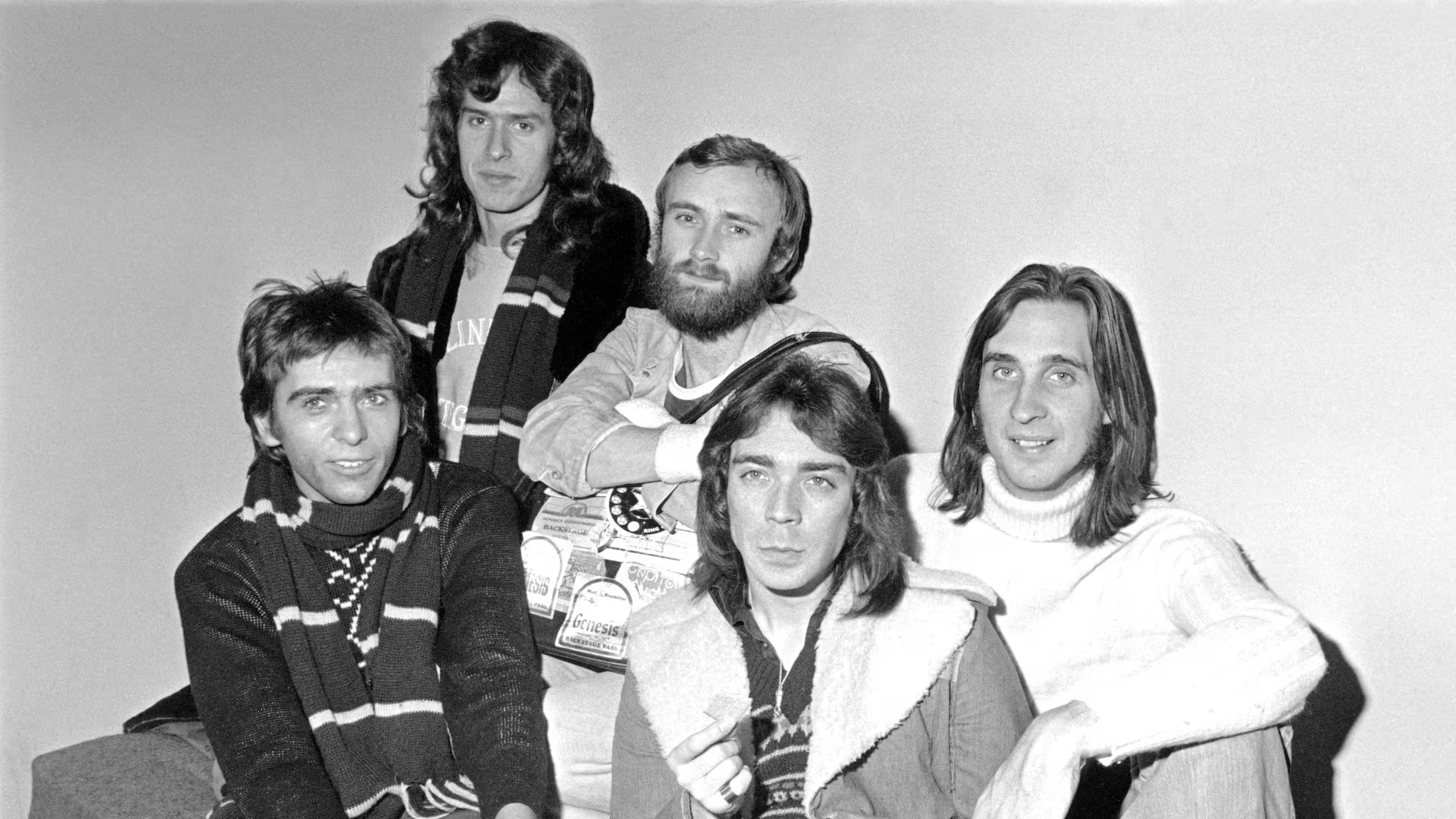
Rather than falter, Genesis regrouped, with drummer Phil Collins stepping up as lead vocalist. The band auditioned over four hundred potential replacements for Gabriel and none of them were as good as Collins. This transition would prove remarkably successful. Their next album, 'A Trick of the Tail', retained the band’s core progressive identity while offering a warmer, more melodic sound. It was well-received by fans and critics alike, with tracks like 'Ripples' and the title song demonstrating a new emotional accessibility.
That momentum continued with 'Wind & Wuthering' later the same year, an album tinged with romantic melancholy and atmospheric grandeur. Songs such as 'One for the Vine' and 'Afterglow' kept the progressive flame burning, but with a growing emphasis on texture and mood over extended instrumental complexity. The departure of guitarist Steve Hackett after this release marked the end of the classic prog era, but it also paved the way for a tighter trio format.
Gabriel’s departure in 1975 could have signalled the end of the band’s reign. Instead, it marked the beginning of a remarkable reinvention. Phil Collins, who originally served as the band’s drummer, stepped into the lead vocalist role, bringing a more direct, emotionally resonant quality to their sound. With Collins at the front, Genesis began a gradual evolution from their progressive roots toward a more streamlined, radio-friendly style, setting the stage for their massive success in the following decade.
By the 1980s, Genesis had undergone a dramatic transformation, embracing a more pop-oriented sound that propelled them to superstardom. Albums like 'Duke' and 'Abacab' saw the band experimenting with more concise, radio-friendly tracks, while still retaining some of the complexity that marked their earlier work. Their commercial peak came with 'Invisible Touch', a record filled with hits such as 'Invisible Touch', ' Land of Confusion' and 'Throwing It All Away'. This era saw Genesis sell out stadiums worldwide, becoming one of the most successful bands of the decade.
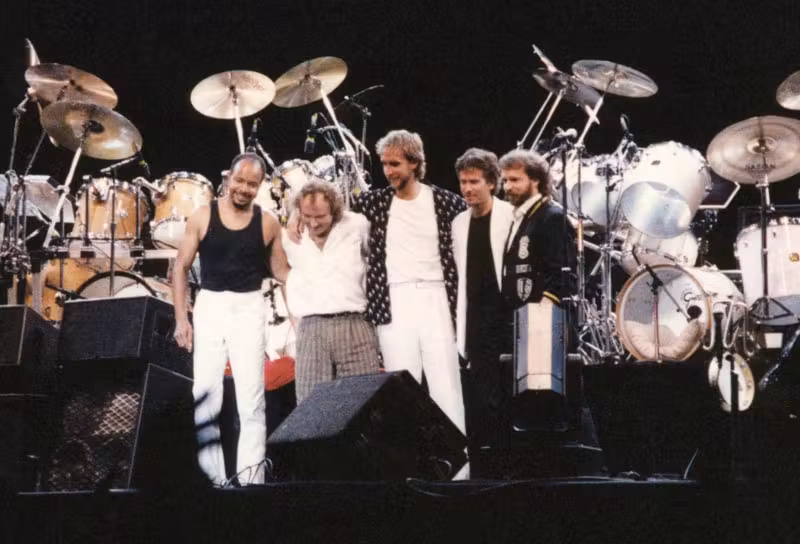
A year after Queen delivered their legendary performance at Wembley, Genesis followed suit, playing to equally massive crowds and cementing their place among the elite of stadium rock. In July 1987, the band sold out four consecutive nights at Wembley Stadium as part of their 'Invisible Touch' world tour, a staggering achievement that drew over 300,000 fans in total. The run of shows was a high point not only for Genesis but for 1980s live music in general, showcasing the band’s transformation from progressive rock pioneers into a slick, chart-topping powerhouse.
The Wembley shows featured an ambitious setlist that spanned their career, from early prog epics like 'Los Endos' and 'In the Cage' to mainstream hits such as 'Invisible Touch', 'Land of Confusion', and 'Tonight, Tonight, Tonight'. With Phil Collins front and centre, equally charismatic as a vocalist and a showman, the band delivered high-energy performances, backed by dazzling light displays, elaborate staging, and pristine musicianship.
The concerts were recorded and later released as 'Genesis Live at Wembley Stadium', capturing the band at their commercial and creative peak. The production values were cutting-edge for the time, with multi-camera coverage and a crystal-clear audio mix that showcased just how tight and dynamic the band had become. For fans and critics alike, the Wembley gigs confirmed Genesis’s status not just as a studio force, but as one of the most successful and polished live acts of the decade.
Gabriel didn't bow out quietly though, he would go on to establish himself as one of the most innovative and influential artists of his generation. Blending elements of rock, pop, and world music with his distinctive voice and a fearless commitment to artistic experimentation, he carved out a singular path that continually defied convention.
Gabriel’s self-titled debut album, often referred to as 'Car', introduced audiences to his unique artistic vision. It featured the breakout single 'Solsbury Hill', a deeply personal and poetic reflection on his decision to leave Genesis. The album also included the powerful closing track 'Here Comes the Flood', an apocalyptic ballad that became a staple of Gabriel's live performances and resonates with themes of renewal, destruction, and hope. The album immediately set him apart. Its mix of introspection, sophisticated arrangements, and unconventional structures marked Gabriel as a compelling solo force.
His second album, 'Scratch', continued to push boundaries, diving further into experimental territory with a raw, edgy sound that challenged expectations. Tracks like 'On the Air' and 'DIY' captured a sense of urgency and restlessness, blending post-punk energy with progressive textures. The album leaned heavily into angular arrangements and dense production, reflecting Gabriel’s interest in technological innovation and psychological introspection. While it received mixed reviews at the time, 'Scratch' was a bold statement, uncompromising and unafraid to be abrasive, laying the necessary groundwork for what was to come.
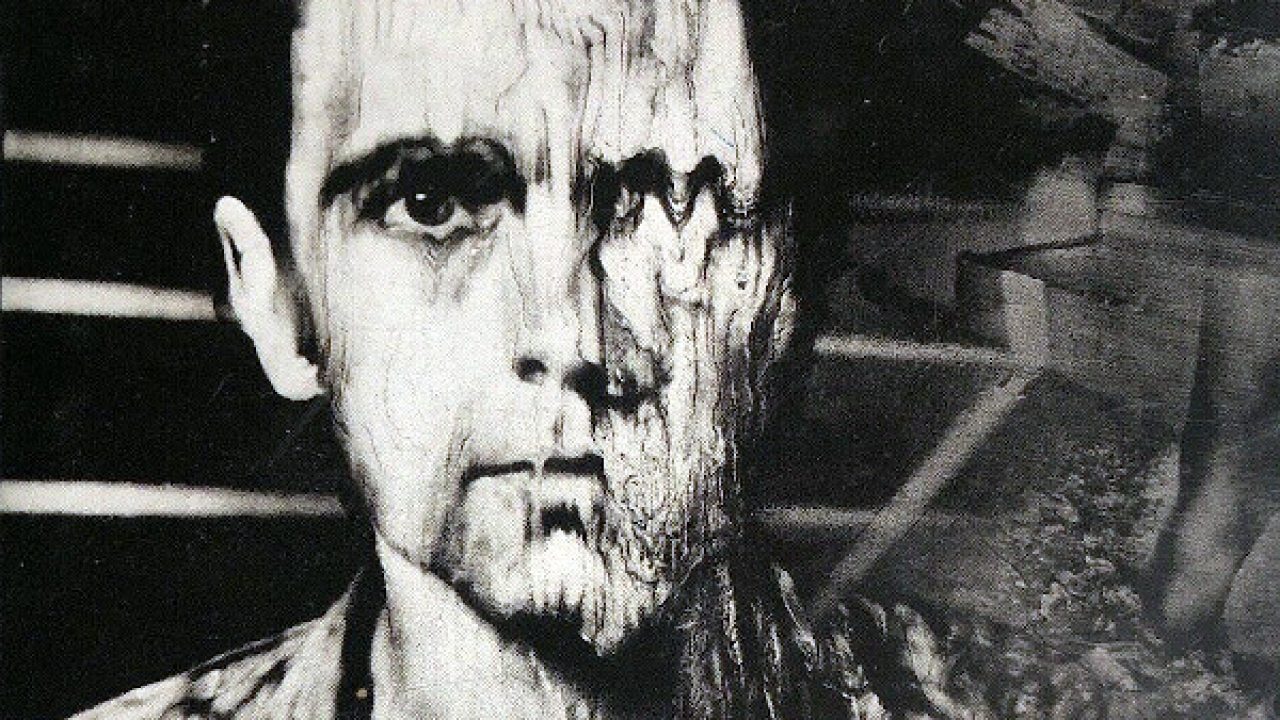
However, it was his third self-titled release, 'Melt', that truly marked a turning point in his career, both artistically and thematically. Abandoning traditional song structures and rock tropes, Gabriel embraced a darker, more atmospheric sound, working with producer Steve Lillywhite and engineer Hugh Padgham to pioneer gated reverb drum effects that would define an entire era of production.
'Melt' struck a remarkable balance between sonic innovation and emotional resonance. The politically charged 'Biko', a powerful elegy for South African anti-apartheid activist Steve Biko, signalled Gabriel’s emergence as a socially conscious artist unafraid to confront injustice. The track’s stark, anthemic rhythm and minimalist arrangement lent it a haunting, almost ritualistic power.
Elsewhere, 'Games Without Frontiers' offered a surreal, satirical take on global politics, with Kate Bush’s ghostly backing vocals adding to its uneasy, dreamlike tone. 'Intruder' opened the album with menacing intensity, delving into themes of invasion and voyeurism. 'Family Snapshot' shifted dramatically from quiet introspection to cinematic climax, exploring the psyche of a political assassin with chilling empathy.
Throughout 'Melt', Gabriel explored paranoia, identity, and alienation with a newfound clarity and confidence. The album’s sonic palette, rich with synthesisers, manipulated textures, and percussive innovation, felt years ahead of its time. Widely regarded as his first true masterpiece, 'Melt' redefined what a solo artist could achieve in the post-punk era and established Gabriel as one of the most daring and visionary musicians of his generation.
Gabriel’s fourth album, 'Security', cemented his reputation as a pioneer in blending cutting-edge production with global influences. Tracks like 'Shock the Monkey' fused electronic textures with tribal rhythms, capturing both primal urgency and technological sophistication. The album marked a significant creative leap, as Gabriel drew upon a broad palette of sounds and influences from around the world. He incorporated experimental recording techniques and collaborated with musicians from diverse backgrounds, helping to lay the groundwork for what would later be known as "world music." Standout tracks such as 'San Jacinto' explored themes of displacement and cultural identity, combining haunting synths with evocative storytelling.
'The Rhythm of the Heat', inspired by Carl Jung’s experiences in Africa, showcased Gabriel’s fascination with the emotional power of percussion and non-Western musical traditions. Throughout 'Security', Gabriel’s willingness to experiment and his commitment to pushing musical boundaries resulted in a record that was both emotionally resonant and sonically adventurous. The album’s innovative approach would go on to influence countless artists and further establish Gabriel as one of the most forward-thinking musicians of his era.
Around this time, Gabriel founded Real World Records, a label dedicated to championing artists from across the globe. His deepening engagement with world music would become a defining feature of his work, as he collaborated with musicians from Africa, Asia, and the Middle East, infusing his sound with a broad, multicultural palette.
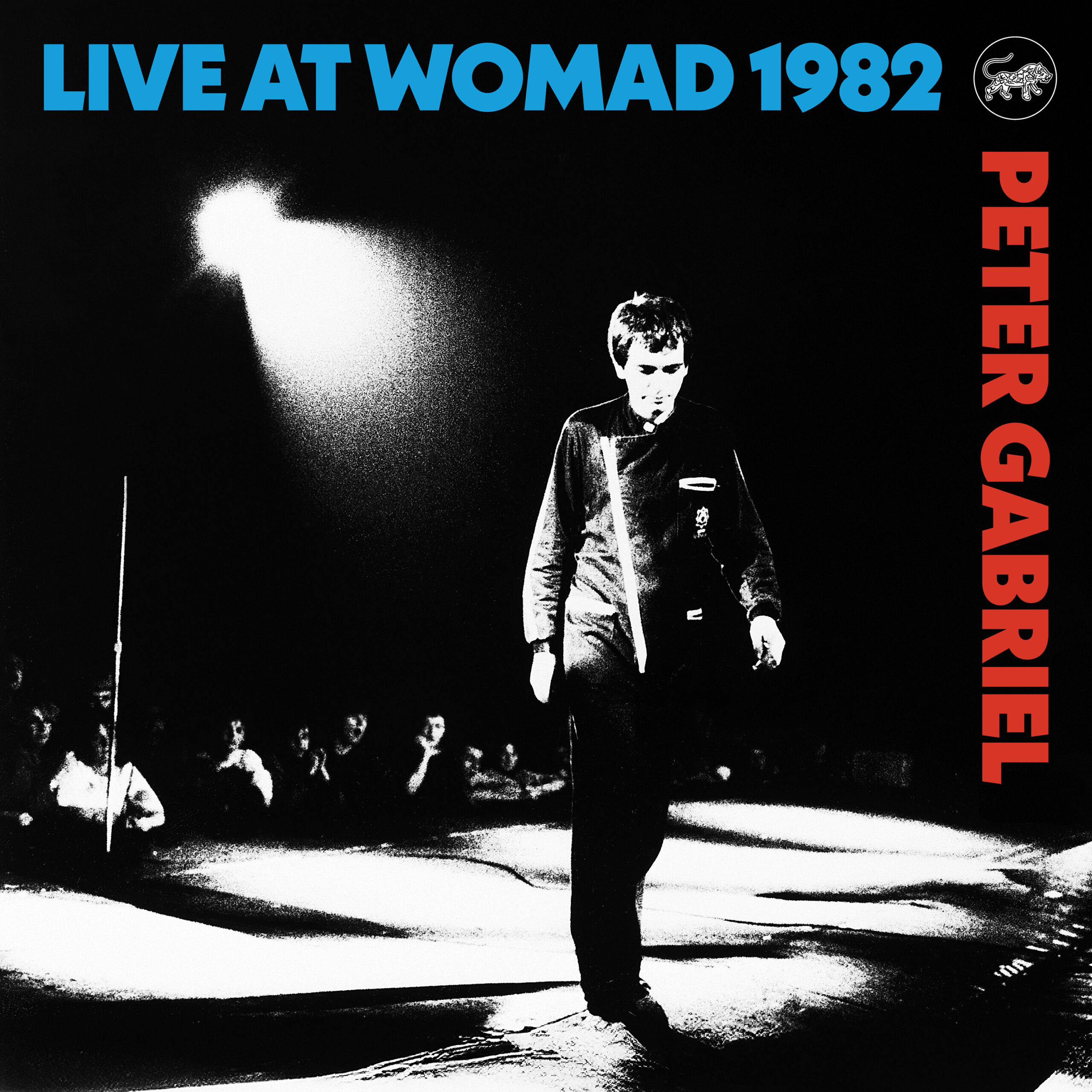
Gabriel would launch WOMAD (World of Music, Arts and Dance) in 1980. Alongside Thomas Brooman, Bob Hooton, Mark Kidel, Stephen Pritchard, Martin Elbourne and Jonathan Arthur. The first WOMAD festival was held two years later, in 1982. Held in Shepton Mallet, Gabriel managed to attract Don Cherry, The Beat, Drummers of Burundi, Echo & The Bunnymen, Imrat Khan, Prince Nico Mbarga, Peter Hammill, Simple Minds, Suns of Arqa, The Chieftains and Ekome National Dance Company, founded by Barrington, Angie, Pauline and Lorna Anderson, the pioneering African arts company in the UK, amongst others performing. Peter Gabriel's performance included a dynamic inclusion of the Ekome National Dance Company, fusing live African Drums on Gabriel's track 'The Rhythm of the Heat'.
Despite this, the company and Gabriel himself faced financial ruin. There were several reasons, including poor weather, a national rail strike affecting transport to the venue, and a lack of publicity and understanding surrounding the world music event, that led to poor ticket sales. The venture left Gabriel in considerable financial hardship with debts as high as £200,000, and he received "a lot of nasty phone calls and a death threat.
The dire situation was helped when Gabriel's manager, Tony Smith, who also managed Genesis, suggested a one-off reunion concert as a benefit to raise funds for Gabriel. Genesis were on the road with the Three Sides Live tour at this time, and therefore had the necessary staging and equipment to put on the show. The tour finished with three nights at London's Hammersmith Odeon between 28–30 September, during which the band rehearsed a revised setlist with Gabriel. Steve Hackett, who was recording in Brazil, received an invite to perform and quickly flew to London to join the band in Hammersmith for rehearsals, mostly overnight. He was keen to have done more with the band, but was asked to only play on the two encores.'I Know What I Like (In Your Wardrobe)' and 'The Knife.'
Due to the overall lack of preparation, everyone involved was holding their breath. Plus, Gabriel acknowledged his bandmates' "generous" gesture, but wasn’t exactly thrilled about retracing his steps. "Having tried for seven years to get away from the image of being ex-Genesis, there's obviously a certain amount of stepping back," he told NME ahead of the concert. "I don't think they would choose at this point to work with me … [but] I’m very grateful, and I'm intending to enjoy myself."
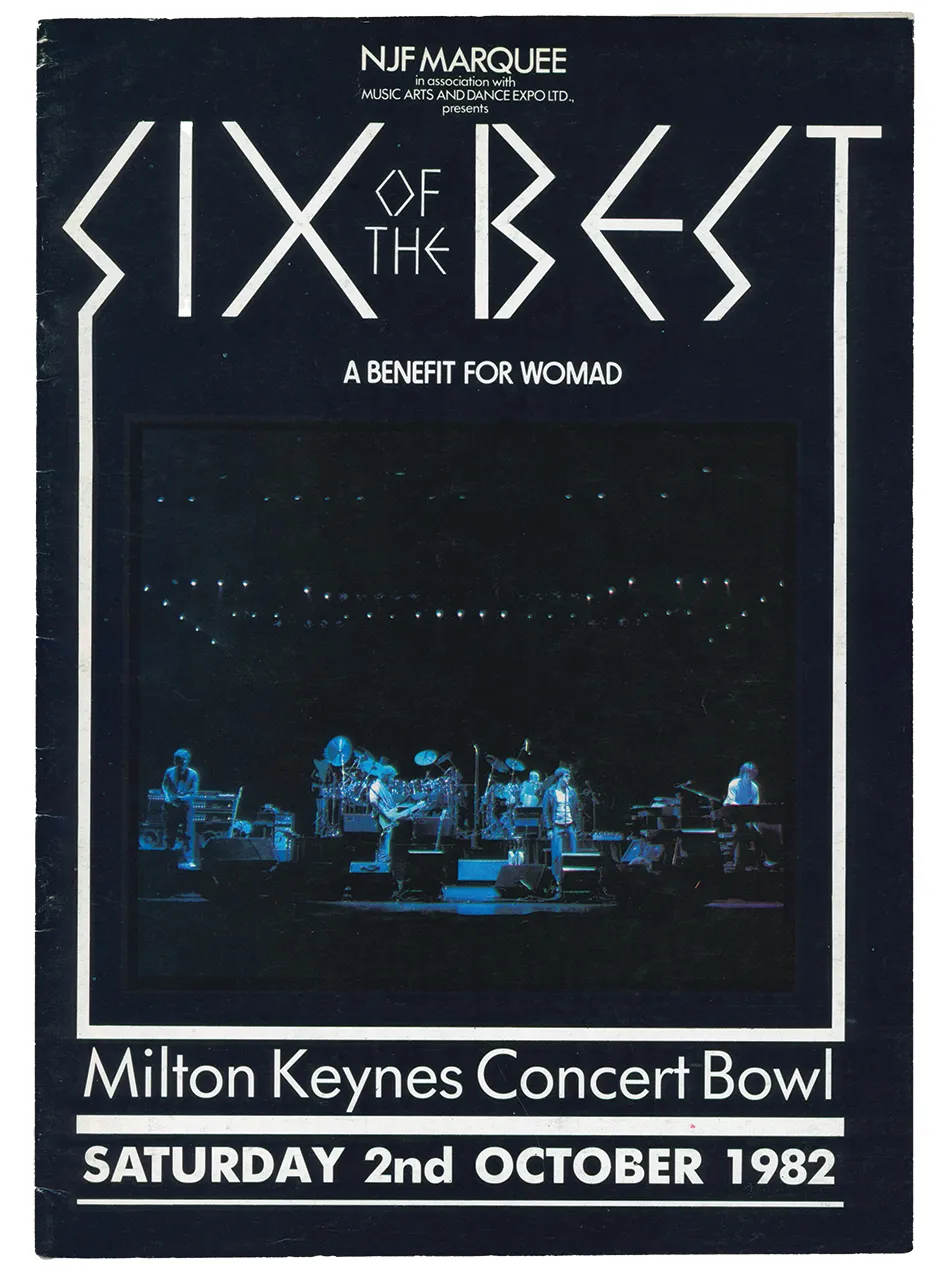
The show took place on 2 October, which was also Rutherford's 32nd birthday, to an estimated 40,000 people. Tickets were sold at £9 for advance purchases and £10 on the day. The show opened with fellow Charisma Records artists John Martyn, The Blues Band, and Talk Talk; the latter received a hostile reaction from the crowd, and cans and bottles were thrown towards the stage during their set. Genesis was introduced by Jonathan King, who named the band in 1967 and supervised the recording of their first album.
Gabriel entered the stage in a coffin carried by four pallbearers, a stunt the group did not know about prior to the show. Returning to the stage as Rael, his character from 'The Lamb Lies Down on Broadway'. Following a portion of the epic 'Dancing With the Moonlit Knight,' which transitioned smoothly into the fan-favourite ballad 'The Carpet Crawlers,' the band was interrupted by fans singing "Happy Birthday" to Rutherford, who turned 32 that day. After acknowledging the moment, Gabriel turned his attention toward the odd circumstances that brought them together.
"Some of you are maybe wondering what we’re doing here," he said. "Actually, this is a sequence from a previous event by the name of WOMAD. … The result was that it was a great event but lost a pile of money. But I’m very lucky to have a group of people to support these ideals. … And in return for your cash, we will try to give you what we think you would like of this combination."
It's the most unique concert in the history of Genesis, drawing one of their biggest crowds and featuring a set of the band's best work with Gabriel, including the full 23-minute version of 'Suppers Ready'. The band also played a take of Gabriel's 'Solsbury Hill' and a version of the 1980 single 'Turn It on Again' with Gabriel on drums. Despite the nature of the show, it was not professionally recorded or filmed. Some fan bootlegs of the show have since been released. Gabriel never reunited with Genesis again.
Peter Gabriel released his fifth studio album, 'So', released in 1986, brought Gabriel unprecedented commercial success without compromising his artistic integrity. The album featured some of his most iconic work, including 'Sledgehammer', a funk-infused, horn-driven hit bursting with energy and soul, powered by an unforgettable music video that revolutionised the medium with its stop-motion animation and surreal visuals. It remains one of the most acclaimed videos of all time, winning a record nine MTV Video Music Awards in 1987.
'Don’t Give Up', a poignant duet with Kate Bush, tackled themes of despair, economic hardship, and resilience. Gabriel’s solemn verses were balanced by Bush’s comforting and angelic chorus, creating a profoundly moving dialogue between vulnerability and hope. 'In Your Eyes', an emotionally resonant centrepiece of the album, blended African rhythms with lyrical intimacy. Its enduring appeal was further cemented when it featured memorably in the 1989 film Say Anything, becoming a touchstone of romantic expression and a mainstay of Gabriel’s live shows.
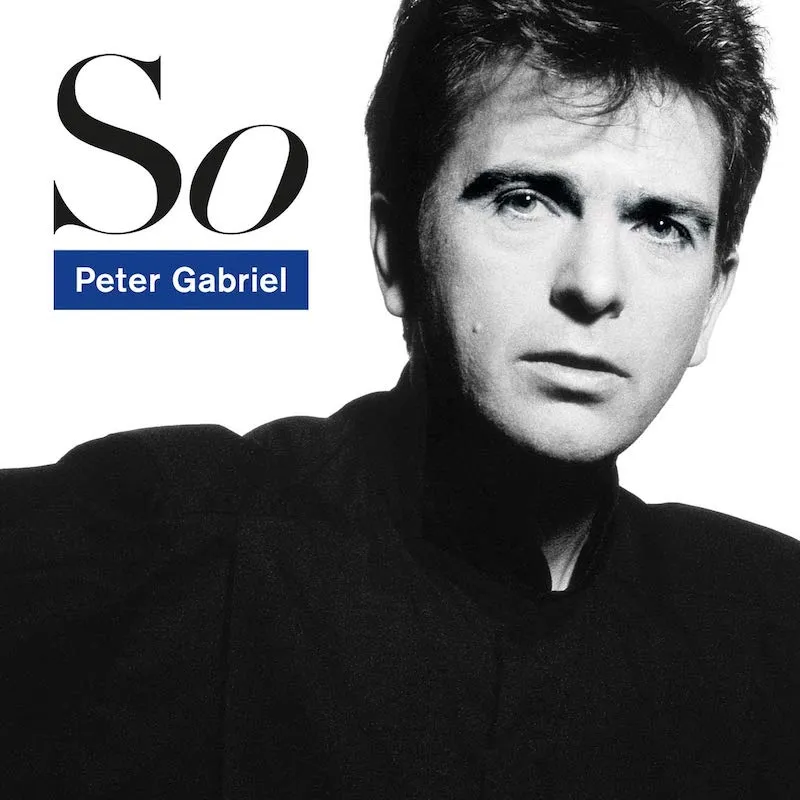
Other standout tracks included 'Red Rain', an emotionally intense opener that combined vivid, almost apocalyptic imagery with cinematic production, and 'Big Time', a biting satire of ambition and materialism, driven by a propulsive groove and vibrant brass. The album as a whole represented a perfect synthesis of Gabriel’s artistic ambitions and his ability to craft music that was both sonically adventurous and widely accessible.
'So' achieved multi-platinum status and earned critical acclaim across the board, charting globally and garnering multiple Grammy nominations. This global success not only solidified Gabriel’s place as a visionary artist but also as a significant figure in mainstream pop music, demonstrating his ability to reach and resonate with audiences on a massive scale.
Paul Simon’s 1986 album 'Graceland' was another landmark moment for global pop in the 1980s. Blending American songwriting with South African musical styles and featuring collaborations with artists such as Ladysmith Black Mambazo, Simon created an album that was both musically adventurous and culturally significant. 'Graceland' introduced Western audiences to mbaqanga and township jive, sparking debates about cultural appropriation and the role of Western artists in global music, but ultimately opening doors for greater cross-cultural collaboration.
The album’s success was driven by a string of distinctive tracks, each contributing to its enduring appeal. 'You Can Call Me Al' became a global hit, memorable for its infectious bassline, playful lyrics, and the iconic music video featuring Chevy Chase. The title track, 'Graceland', explored themes of pilgrimage, nostalgia, and personal redemption, blending Simon’s folk roots with South African guitar lines. 'Diamonds on the Soles of Her Shoes' showcased the exuberant harmonies of Ladysmith Black Mambazo, while 'Under African Skies' provided a poignant reflection on cultural connection and storytelling, featuring a duet with Linda Ronstadt. The album’s musical diversity, ranging from the high-energy grooves of 'Gumboots' to the contemplative 'Homeless', offered listeners a vibrant sonic journey that challenged expectations of what a pop record could be.
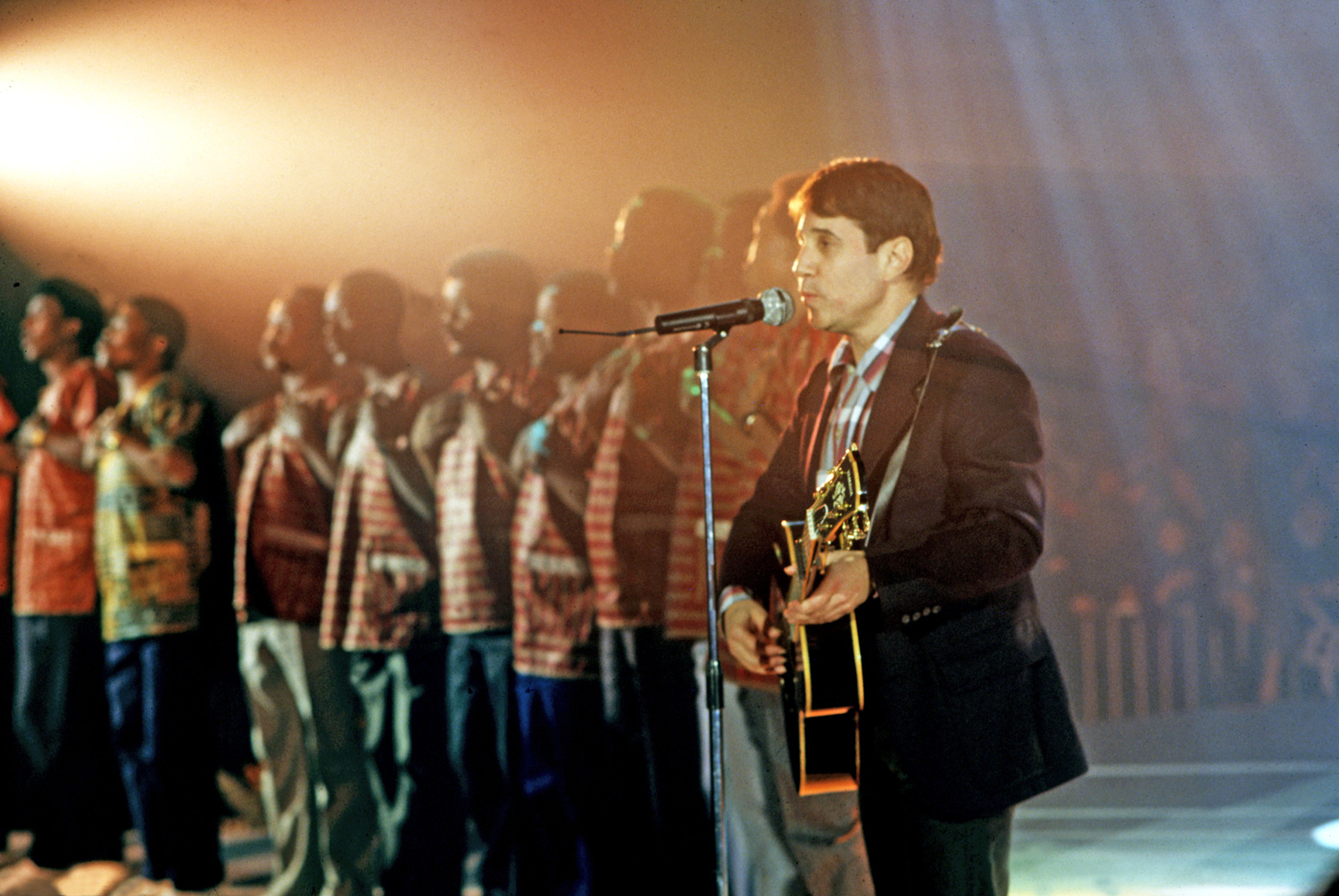
Graceland' played a crucial role in popularising world music and broadened the horizons of mainstream pop. Its critical and commercial success not only revitalised Simon’s career but also paved the way for greater cross-cultural exchange in popular music, inspiring artists and audiences alike to seek out new musical experiences from around the globe. The album’s impact went well beyond its chart success, it became a bridge between cultures, demonstrated the power of musical collaboration, and remains one of the most celebrated and influential albums of its era.
Kate Bush reinforced herself as one of the most important artists of the 1980s. 'Hounds of Love', released in 1985, is widely regarded as her masterpiece and one of the most influential albums of the 1980s. The album marked a significant shift in both her sound and her approach to music. It draws on progressive rock, art pop, and electronic music. It features songs like 'Cloudbusting', which blends poetic lyricism with deeply cinematic imagery. The track tells the story of Kate Bush's childhood experiences, inspired by the relationship between psychologist Wilhelm Reich and his son Peter. Reich, who was known for his controversial theories on human energy, spent time experimenting with a machine he believed could manipulate the weather. In her song, Bush weaves a narrative about her father's struggles and the complex bond between them. The lush orchestration, combined with the emotional weight of the lyrics, creates a haunting atmosphere.
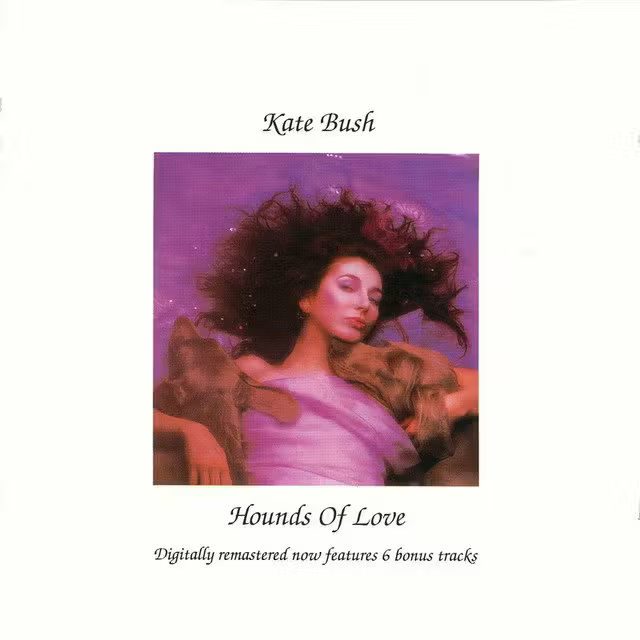
The album's title track, 'Hounds of Love', has become Bush's most iconic song, with its driving rhythm and catchy melodies. But more than just a catchy tune, the song is a profound exploration of complex emotions, reflecting the album’s deep introspection. The title track captures both a sense of liberation and a subtle anxiety, with Bush exploring the fear of vulnerability, the longing for emotional connection, and the complexities of love. The song’s upbeat tempo and catchy hook contrast with the album's more profound, experimental moments, showcasing Bush’s ability to blend pop sensibilities with introspective themes. The track's influence was further solidified when The Futureheads covered 'Hounds of Love' in 2004, delivering a stripped-down, frantic version that further established the song’s enduring appeal across various genres.
Perhaps the most enduring song from 'Hounds of Love' is 'Running Up That Hill (A Deal with God)', which has had a profound cultural impact. Its resurgence, especially with its use in Stranger Things in 2022, has brought it back to the forefront of popular culture. The song actually reached Number One in the UK in 2022 thanks to Stranger Things. It’s a track that has become woven into the fabric of pop culture. Its journey from a 1985 release to a chart-topping hit in 2022 is a testament to Bush’s enduring artistic legacy and her significant influence on the music scene.
Across the pond, R.E.M. emerged as one of the most influential and innovative bands of the 1980s, redefining alternative rock and becoming pioneers of the indie music scene. Formed in Athens, Georgia, in 1980, the band's sound was shaped by an eclectic mix of influences including post-punk, folk, and jangle pop, creating a distinct style that set them apart from the mainstream. At the heart of R.E.M.'s early success was their enigmatic, emotionally resonant sound, led by Michael Stipe's cryptic lyrics and unmistakable voice, Peter Buck's chiming guitar, Mike Mills' melodic basslines, and Bill Berry's steady, understated drumming.
Their debut single, 'Radio Free Europe', released in 1981 and later re-recorded for their 1983 debut album 'Murmur', announced the arrival of something fresh and different. 'Murmur' earned critical acclaim for its atmospheric production and subtle hooks, with tracks like 'Talk About the Passion', 'Perfect Circle', 'Sitting Still', and 'Catapult' further cementing their reputation as the thinking listener's rock band. 1984's 'Reckoning' maintained its momentum with songs such as 'So. Central Rain (I'm Sorry)', the jangly 'Pretty Persuasion', the melancholic 'Camera', and the train-inspired fan favourite 'Driver 8'. These records showcased a balance of catchy melodies and elusive meaning that became their trademark.
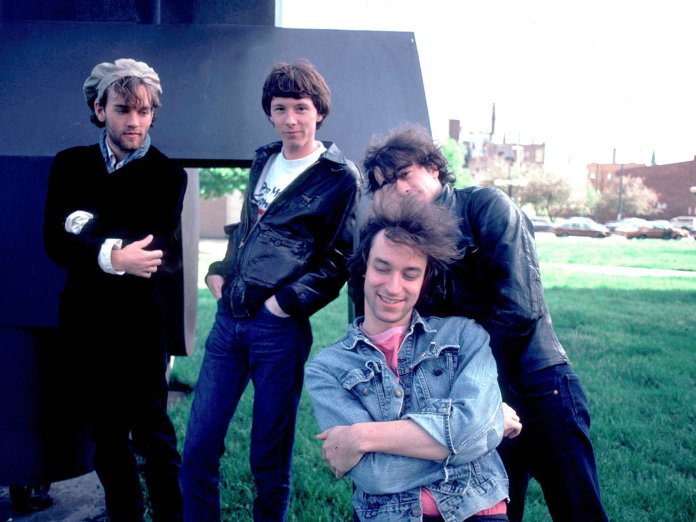
'Fall on Me', from their third album 'Lifes Rich Pageant ' (1986), became an early environmental anthem, while the driving opener 'Begin the Begin' and the energetic' Cuyahoga' reflected the band's growing confidence and social awareness. R.E.M.'s 1987 album 'Document' further expanded their reach. Its lead single, 'Finest Worksong', featured a propulsive rhythm and a sense of urgency that captured the band's shift toward a more direct, anthemic sound. The album also yielded 'The One I Love', which became their first major hit, a deceptively dark song wrapped in an anthemic rock arrangement. The same album also featured 'It's the End of the World as We Know It (And I Feel Fine)', a breathless, rapid-fire lyrical stream that became one of their most recognisable songs.
By the release of 1988's 'Green', they were ready to experiment further. The politically charged ‘Orange Crush,’ which addressed the Vietnam War and its lingering effects, stood out as one of their most powerful singles, combining driving rhythms with pointed commentary. The album's blend of jangle pop, folk rock, and arena-ready choruses made it their most accessible work yet, bridging their indie credibility with broader radio appeal
With the dawn of the 1990s, R.E.M. would transition from cult favorites to one of the biggest bands in the world. Their breakthrough continued with albums like 'Out of Time' and 'Automatic for the People', which included hits such as 'Losing My Religion', 'Shiny Happy People', 'Man on the Moon', and 'Everybody Hurts'. These releases achieved both critical and commercial success, solidifying R.E.M.'s reputation as pioneers whose influence would extend well beyond the alternative scene, shaping the sound of popular music for years to come.
Prince, a versatile artist, emerged in the late 1970s and swiftly became one of the most innovative and influential figures of the 1980s. His unique sound, a blend of funk, R&B, rock, pop, and new wave, showcased his musical diversity and set him apart as another of America's poster boys of the 1980s.
The 1980s saw Prince release a series of groundbreaking albums that would define his legacy. 'Dirty Mind' introduced his distinctive sound and fearless, often explicit lyrics, blending funk, rock, and new wave. However, it was '1999' that truly put him in the mainstream spotlight. The album’s blend of pop sensibilities, electronic funk, and deeply personal lyrics, with songs like 'Little Red Corvette' and '1999', not only garnered wide commercial success and critical acclaim but also became an anthem for a generation, capturing both the excesses and anxieties of the time.
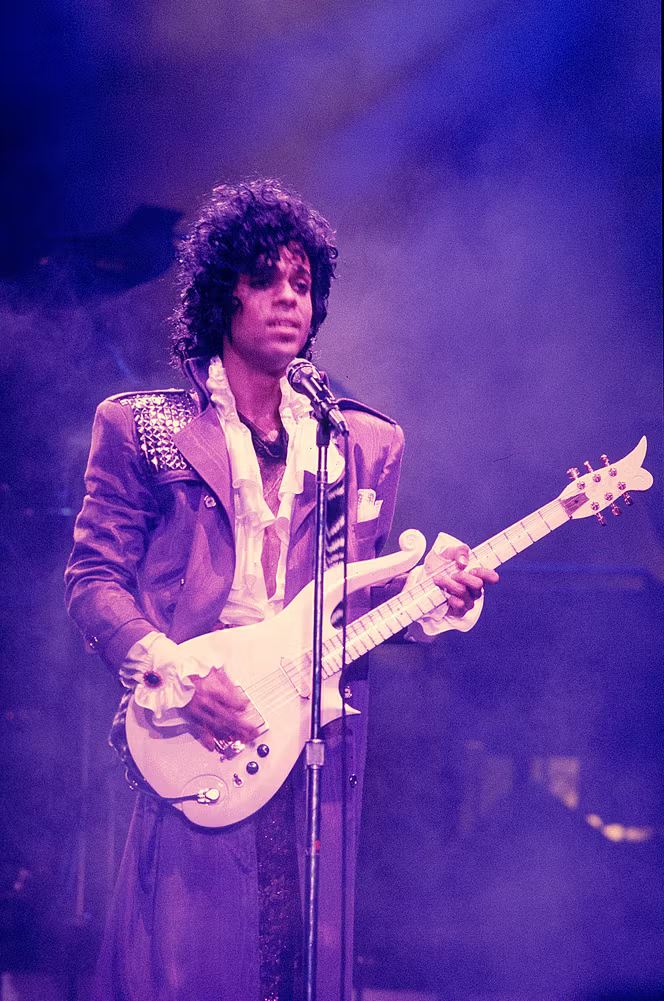
But it was 'Purple Rain' that catapulted Prince to an unprecedented level of fame. The album, which gave the world some of his most iconic tracks ('When Doves Cry', 'Let's Go Crazy', 'Purple Rain'), also marked his foray into film. The accompanying movie of the same name cemented his status as a multifaceted artist. 'Purple Rain' was not just a critical and commercial success, but it also won multiple Grammy Awards, solidifying Prince as a generational talent and influencing the music industry for years to come.
Later in the decade, Prince adopted a more laid-back, pop-infused sound, as seen in tracks like 'Raspberry Beret', which carried a nostalgic, retro vibe. The song tells the story of a young love centred around a girl with a raspberry beret, a symbol of youth and innocence. Its lyrics paint a vivid picture of small-town life and romantic longing, all set to an infectious groove that captures the essence of carefree youth.
Then, in 1987, came 'Sign o' the Times', one of Prince's most iconic and critically acclaimed songs. This track marked a sharp departure from his previous, more elaborate productions, showcasing a minimalist sound dominated by drum machines, synthesisers, and a subtle bassline. It was a bold, experimental shift that set the stage for his artistic evolution.
Lyrically, 'Sign o' the Times' reflected the disillusionment and anxiety of the 1980s, addressing themes of political unrest, social decay, and personal crisis. With references to drug addiction, poverty, and the AIDS epidemic, it captured the growing unease of the era. Despite its heavy subject matter, the song was delivered with an infectious energy, blending funk, rock, and new wave influences, making it a haunting yet captivating anthem for a turbulent time.
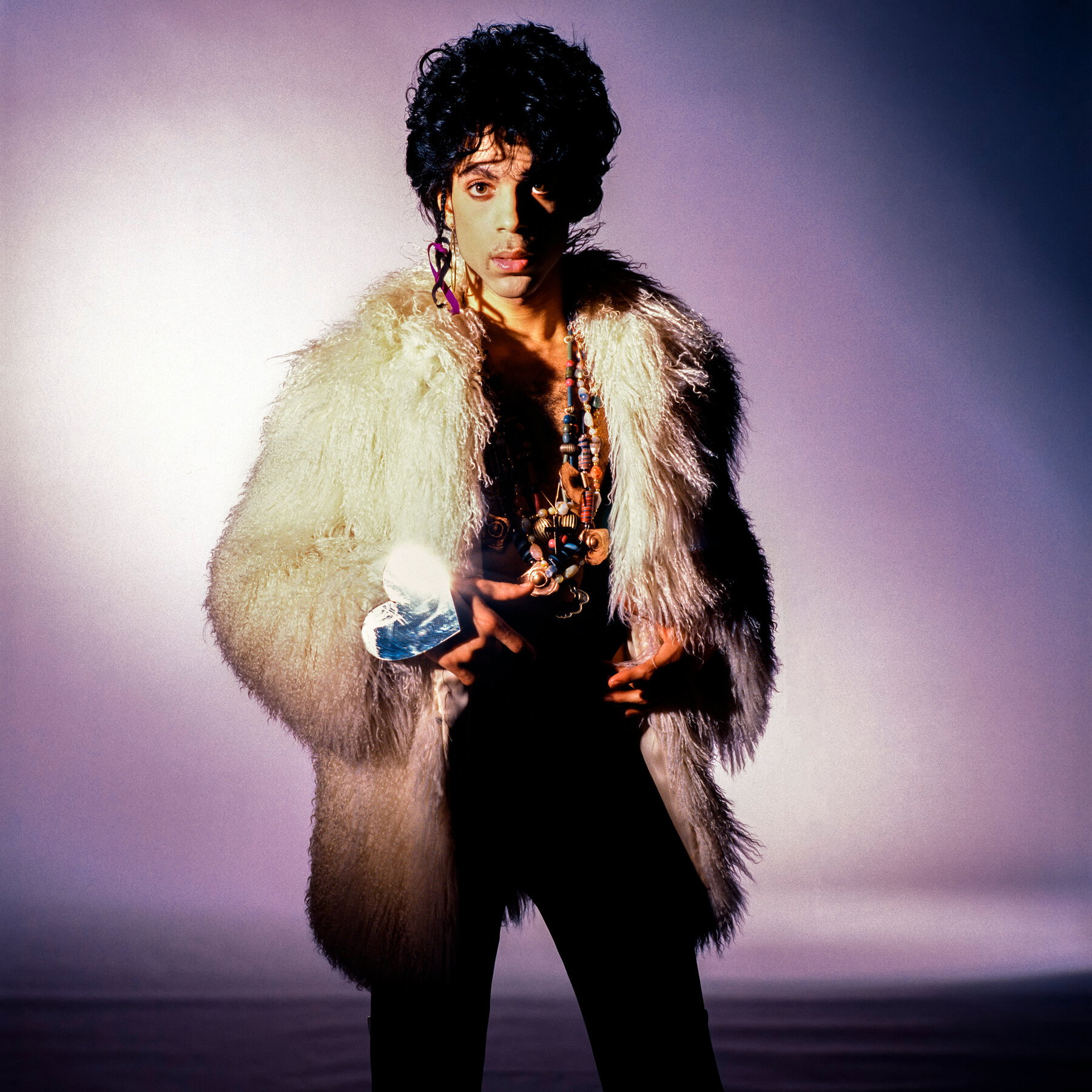
Throughout the 80s, Prince was also known for his enigmatic persona, self-production, and unparalleled musicianship. His ability to write, produce, and perform virtually every instrument on his albums made him a genuine one-man band, setting him apart from many of his peers. His 80s output defined the era, influencing countless artists across genres and leaving an indelible mark on pop, funk, and rock music.
Bruce Springsteen, who first broke through in the 1970s with the anthemic 'Born to Run,' reached new heights in 1984 with the release of 'Born in the U.S.A.' This album became a cultural phenomenon, delivering seven Top 10 singles and capturing the spirit and struggles of working-class America. Songs like 'Dancing in the Dark', 'Glory Days', 'I'm on Fire', and the title track became anthems, resonating with audiences across generations and continents. Springsteen's blend of heartland rock, vivid storytelling, and unflagging energy on stage made him a defining figure of the decade.
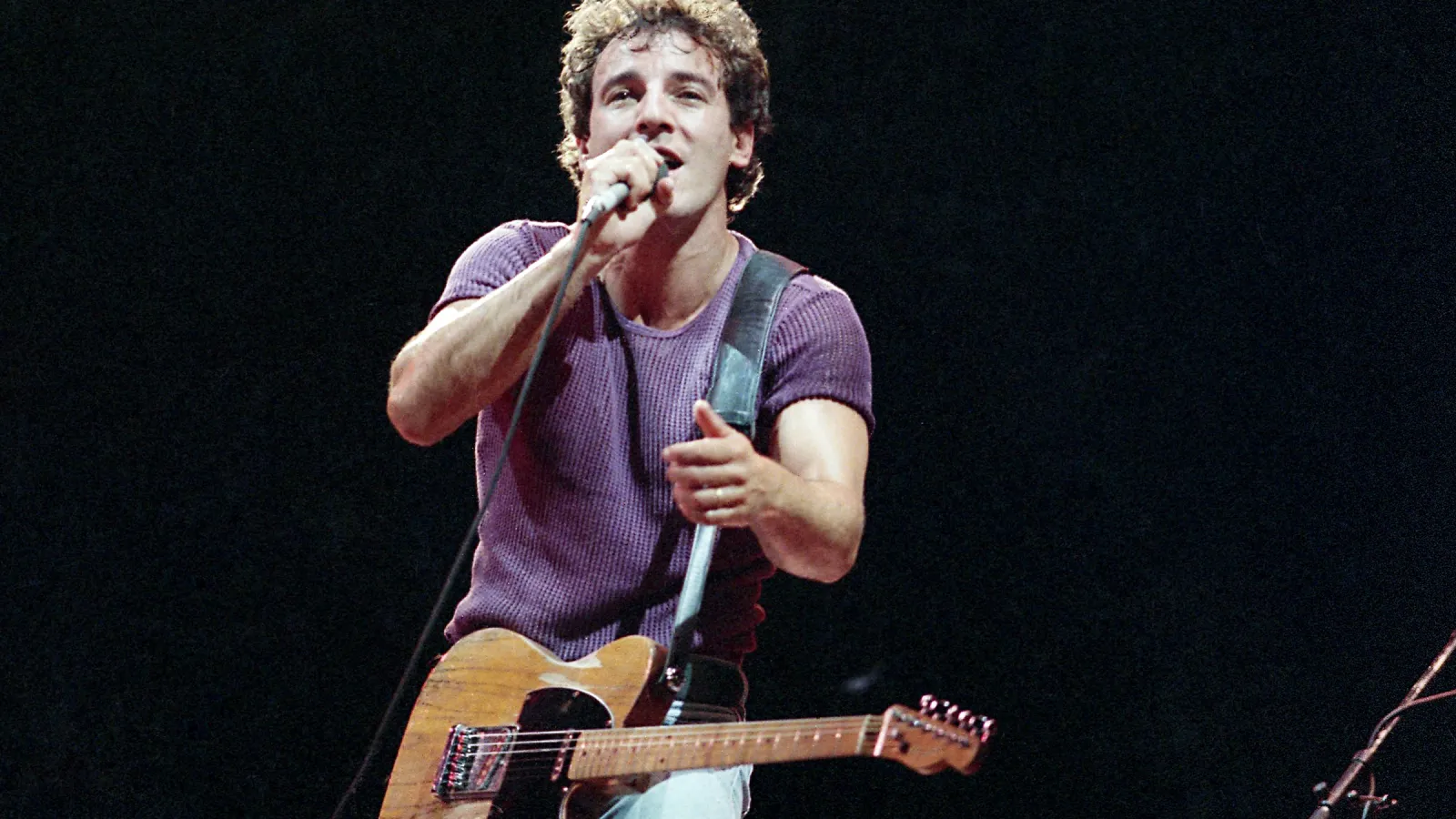
His marathon concerts, often lasting over three hours, were legendary for their passion and sense of community. Springsteen's ability to address political and social themes, such as the Vietnam War, economic hardship, and the American dream, while maintaining mass appeal, set a new standard for rock musicianship and authenticity. His music not only reflected the hopes and hardships of ordinary people but also gave them a powerful, lasting voice in American culture.
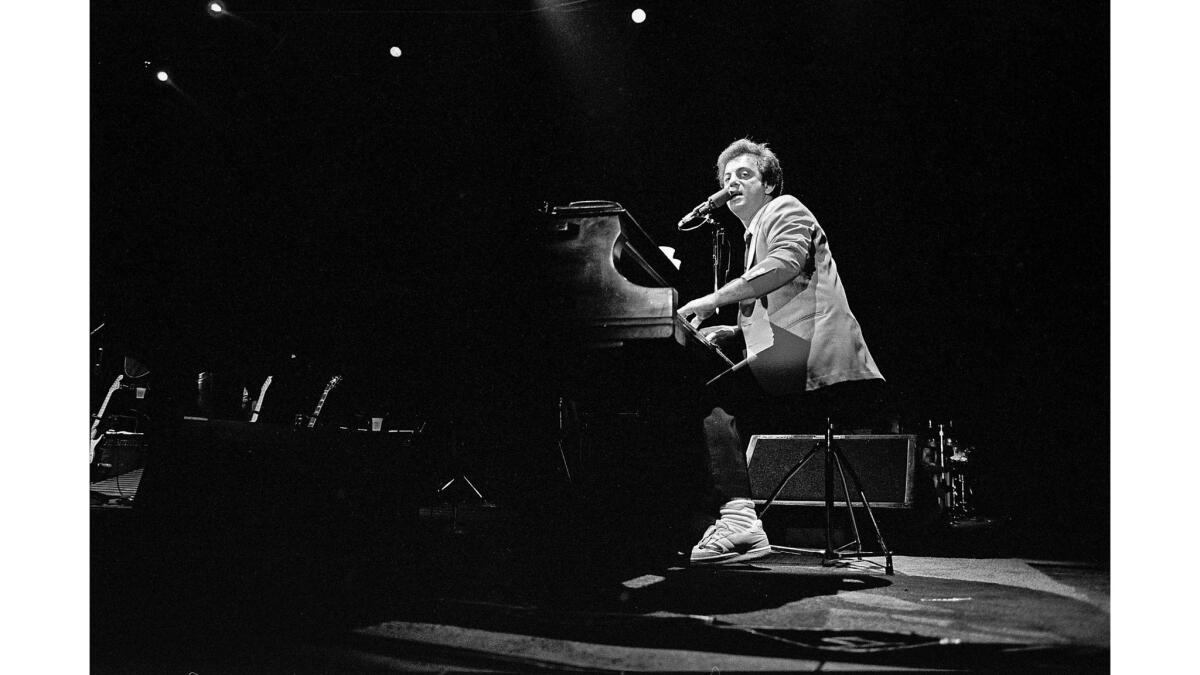
Billy Joel, already an established singer-songwriter from the previous decade, also thrived in the 1980s. Albums like 'Glass Houses,' 'An Innocent Man,' and 'The Nylon Curtain' produced a string of hits including 'It's Still Rock and Roll to Me,' 'Uptown Girl,' and 'Allentown.' Notably, 'Goodnight Saigon' from 'The Nylon Curtain' offered a poignant, unflinching portrayal of the Vietnam War and its impact on American soldiers, cementing Joel's reputation as a songwriter unafraid to tackle weighty social and historical themes. Joel's knack for catchy melodies and incisive lyrics, often reflecting on American life and nostalgia, kept him at the forefront of the pop and rock charts throughout the decade.
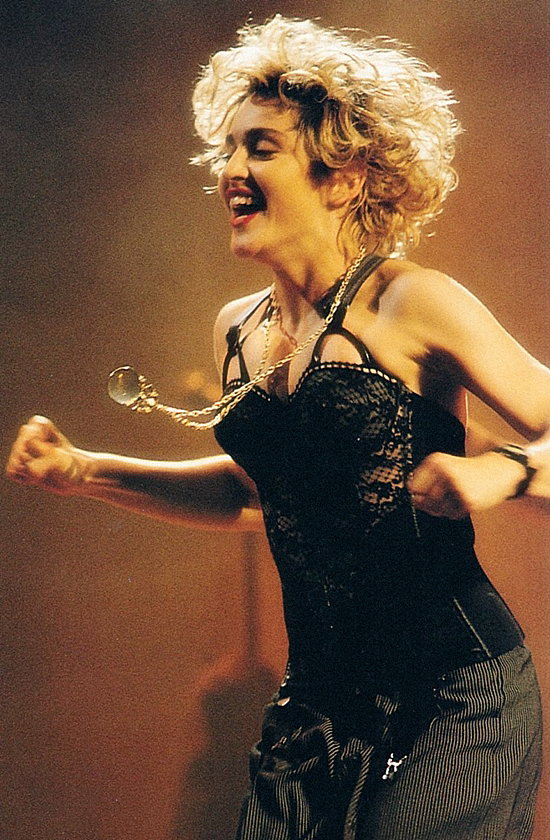
Few artists embodied the spirit and transformation of the 1980s like Madonna. From her earliest singles such as 'Holiday' and 'Borderline', she set the tone for a decade of bold pop innovation. Albums like 'Like a Virgin', 'True Blue', and 'Like a Prayer' delivered anthems that not only topped the charts but also challenged conventions and sparked debate. Songs like 'Material Girl', 'Papa Don't Preach', 'La Isla Bonita', and 'Express Yourself' became cultural touchstones, each reflecting a different facet of Madonna's artistry, whether it was playful satire, emotional storytelling, or empowering calls for independence.
Madonna's fearless reinvention, provocative image, and mastery of the music video medium made her arguably the most influential female artist of the era. She broke ground with her fashion choices, set trends with her ever-changing looks, and brought issues like sexuality, religion, and gender into mainstream conversation. Her performances, both on stage and on screen, blurred the line between pop music and performance art, inspiring generations of artists to push boundaries. Madonna not only dominated the charts, but also shaped fashion, gender norms, and the art of pop performance for years to come, leaving an indelible mark on both music and culture.
No discussion of the 1980s would be complete without Michael Jackson, whose influence and dominance helped define the decade. After achieving fame as a child star with the Jackson 5 and launching a successful solo career in the 1970s, Jackson reached unprecedented heights in the 1980s with the release of 'Thriller' in 1982. Produced by Quincy Jones, 'Thriller' became the best-selling album of all time and yielded a string of iconic singles, including 'Billie Jean', 'Beat It', and the title track. The album's groundbreaking music videos, particularly the cinematic, John Landis-directed 'Thriller', revolutionised the format and cemented Jackson's status as the "King of Pop."
Jackson's music video innovations, signature dance moves like the moonwalk, and electrifying live performances made him a global superstar. His 1987 follow-up, 'Bad', continued his chart dominance, with hits like 'Smooth Criminal', 'The Way You Make Me Feel', and the title track reinforcing his unmatched ability to blend pop, R&B, and rock. Jackson's impact went far beyond music, he became a fashion icon, broke racial barriers on MTV, and used his platform to address social issues, notably with songs like 'Man in the Mirror' and his involvement in the all-star charity single 'We Are the World'.
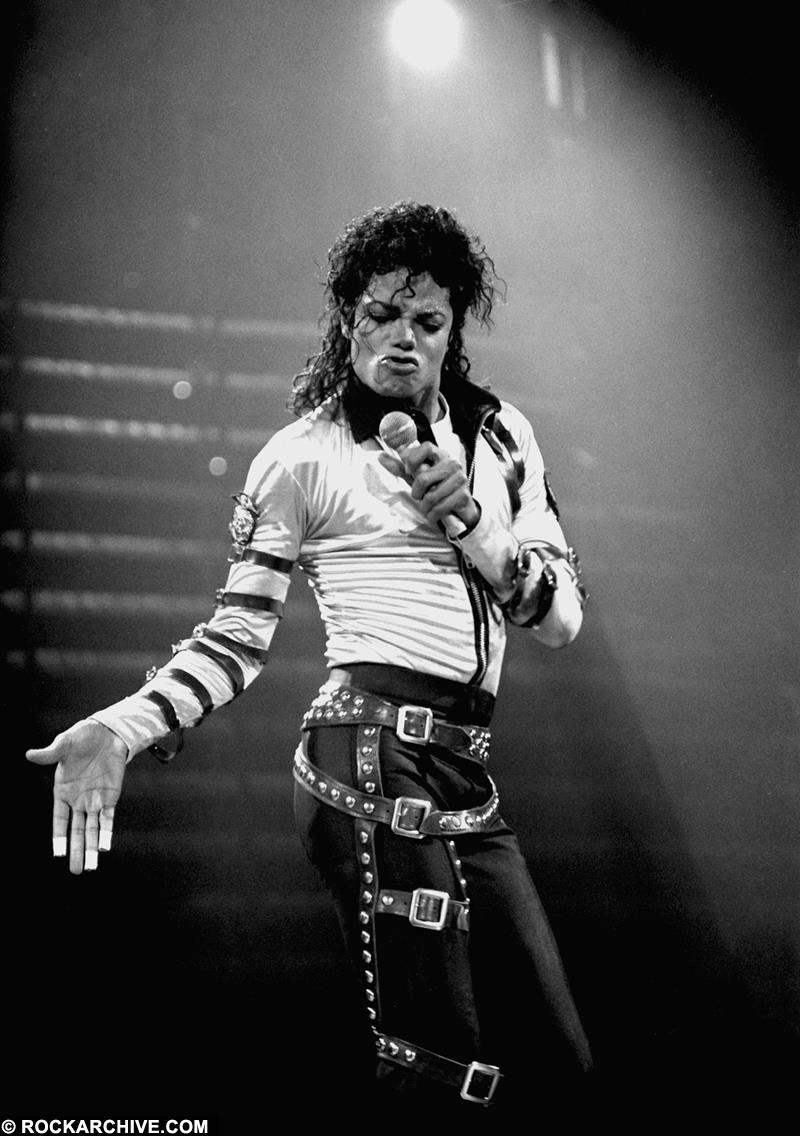
Michael Jackson's legacy in the 1980s is one of unparalleled artistic achievement, cultural influence, and enduring popularity. His groundbreaking work left a permanent mark not just on pop music, but on global culture itself.
It wasn't just British and American bands dominating the 1980s. Hailing from Sydney, Australia, INXS emerged as one of the most iconic bands of the 1980s, offering a unique blend of rock, new wave, and funk that captivated global audiences. Fronted by the charismatic Michael Hutchence, whose sultry vocals and magnetic stage presence became a hallmark of their identity, the band developed a reputation for crafting infectious, danceable rock with a sharp edge.
INXS soared to the peak of their success with 'Kick', a landmark album that became a defining moment of 1980s music. 'Kick' birthed a series of international hits, including 'Need You Tonight', 'New Sensation', 'Devil Inside' and 'Never Tear Us Apart'. The album, a seamless blend of rock, pop, and funk, exuded an effortless cool. Simultaneously, Hutchence’s seductive charisma propelled them to the status of superstars. 'Kick' achieved multi-platinum status in numerous countries, a testament to INXS’s global appeal and their place as one of the most successful bands of the decade.
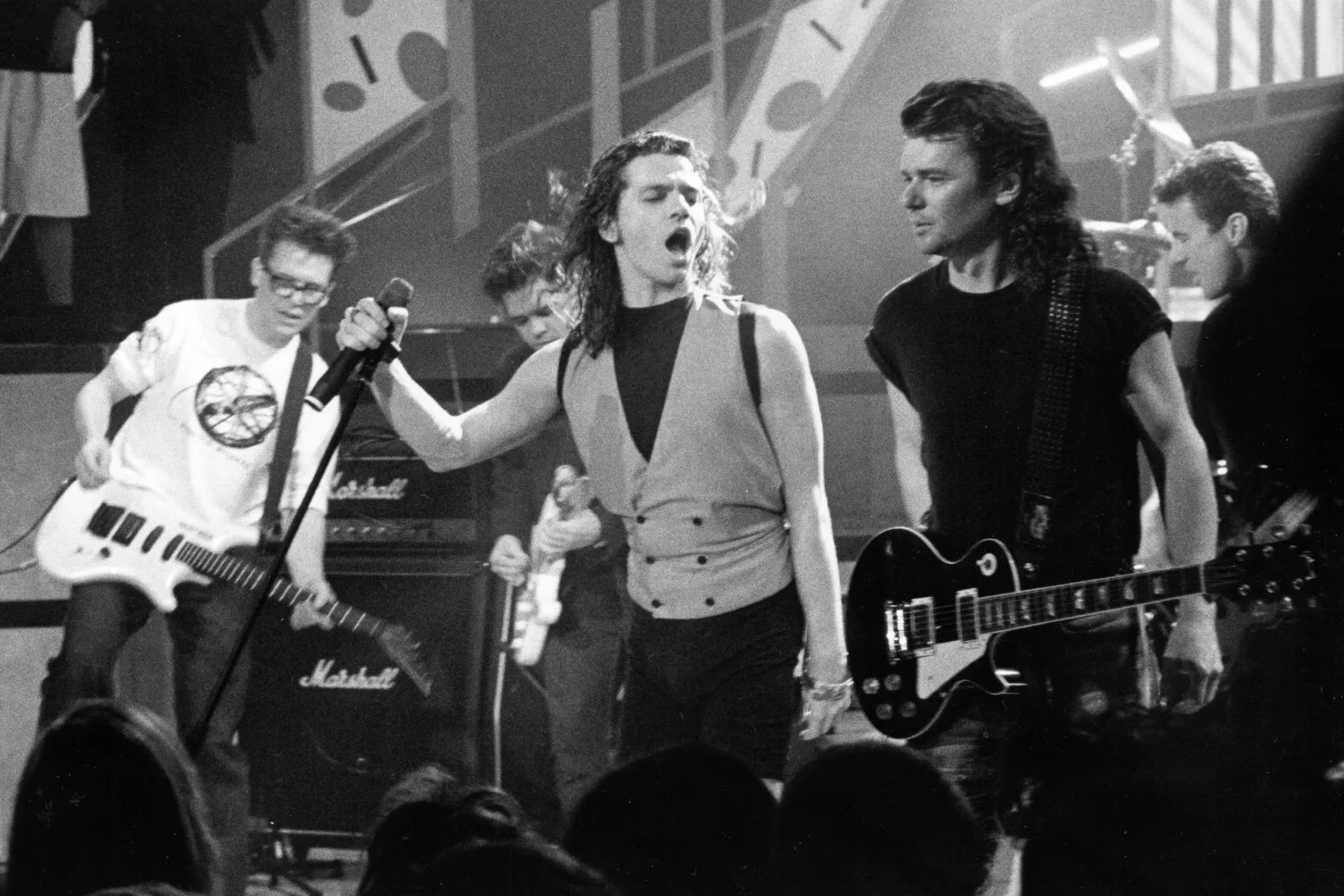
The band's repertoire included some of the decade's very best songs, such as 'Need You Tonight', which topped the U.S. Billboard Hot 100. Another standout was 'Never Tear Us Apart': A sweeping ballad with orchestral strings, this song not only displayed the band’s emotional depth but also remains one of their most beloved tracks. As a band, they were brilliant musicians with one of the most unique and charismatic frontmen the world has ever seen.
INXS left a lasting impression on 1980s music with a repertoire that produced some of the decade's most memorable and enduring songs. The band's live performances were celebrated for their energy and showmanship, with Michael Hutchence’s magnetism as a frontman often compared to rock legends like Jim Morrison and Mick Jagger. Their global success, especially with the album 'Kick', made them one of the few Australian acts to achieve true superstar status in the 1980s.
As the decade drew to a close, the music world was on the precipice of monumental change. New genres were emerging, technology was advancing at a breathtaking pace, and global politics were shifting. The sound and spirit of the 1980s would continue to echo into the next era, but nothing would remain the same for long.
The walls were about to come tumbling down.