Love Will Tear Us Apart- The 80s Part 1
I’ll begin the 1980s in Manchester, where I left off in the 1970s. By now, Joy Division were a key part of Tony Wilson’s Factory Records and riding the momentum of their debut, 'Unknown Pleasures'. Released in June 1979, this album redefined post-punk with its haunting sound and stark, angular production. The album mixed cold, mechanical rhythms with charged lyrics, notably in tracks like 'Disorder', full of urgency, and 'She's Lost Control', which captured Curtis's exploration of the human condition. Produced by Martin Hannett, the record’s spacious, atmospheric production gave each instrument a ghostly presence, amplifying its sense of isolation and unease.
To achieve this chilling sonic landscape at Stockport's Strawberry Studios, Hannett subjected the band to highly obsessive, unconventional recording techniques. He demanded total audio separation, forcing drummer Stephen Morris to dismantle his drum kit and record every individual drum and cymbal completely separately. This tedious process stripped away the organic warmth of a live performance and gave tracks like 'Insight' and 'Wilderness' their distinctively automated, rigid bounce. Hannett then manipulated these isolated sounds using a brand-new AMS DMX 15-80S digital delay unit, sending the snare drum flying across the left and right stereo channels to create a cavernous, disorienting width. Peter Hook’s driving, melodic bass lines were compressed and pushed to the forefront, while Bernard Sumner’s aggressive, live guitar riffs were deliberately equalised into brittle, echoing squeals
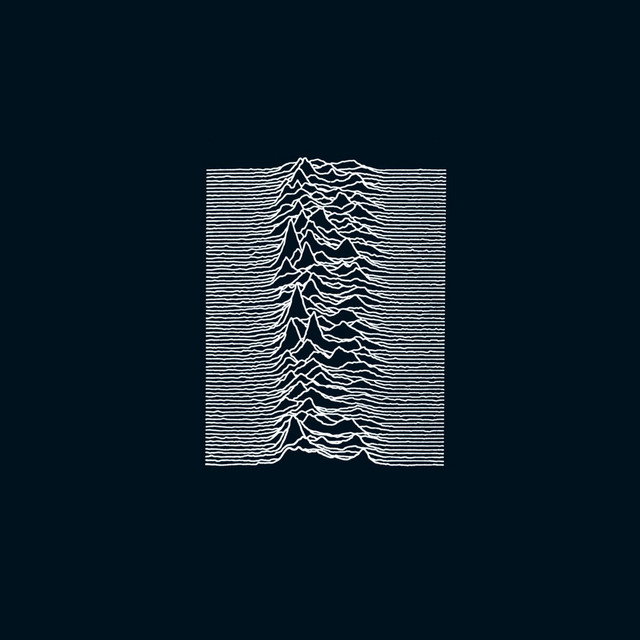
The tracks on the album perfectly mirrored the stark post-industrial decay of Manchester itself. Heavy, slow-burning masterpieces like 'Day of the Lords' and 'New Dawn Fades' leaned on massive, sludgy guitar chords that sounded like an approaching thunderstorm, grounding Ian Curtis's deep, baritone vocal delivery. Conversely, the album's bookends, 'Disorder' and the industrial, closing track 'I Remember Nothing', utilized found-sound experiments, including the real-time sounds of breaking glass and a studio lift door closing. The iconic Peter Saville-designed cover, with its mysterious pulsar waves, became one of the most recognisable images in music history. Ironically, the band initially hated the production, fearing it castrated their raw punk aggression; however, 'Unknown Pleasures' quickly became a critical touchstone, influencing countless bands with its dark, minimalist sound and stark, evocative aesthetic
When Joy Division began work on 'Closer' in 1980 at London’s Britannia Row Studios, they stood on the edge of massive international success. The album delved even deeper into themes of despair, isolation, and existential crisis, with Ian Curtis's lyrics at their most hauntingly poetic and visionary. Driven by Bernard Sumner’s heavy incorporation of a custom-built Transcendent 2000 synthesizer, the band aggressively shed their raw punk past for a colder, more experimental electronic edge. This sonic evolution was also beautifully captured on the standalone single 'Atmosphere'. Originally released in France as 'Licht und Blindheit', the track stands as one of the band's crowning achievements, a majestic, slow-burning masterpiece driven by Peter Hook's high-register bass line, Stephen Morris's tom-heavy percussion, and Curtis's deeply mournful vocal delivery.
Producer Martin Hannett amplified the album’s funereal mood with his trademark otherworldly, spacious production, which gave each instrument a ghostly, isolated presence. Track by track, 'Closer' revealed a band mastering structural complexity and emotional weight. The opening track, 'Atrocity Exhibition', used jagged, industrial guitar loops and frantic drumming to create a deeply unsettling atmosphere. 'Isolation' pushed driving electronic beats and synth melodies to the forefront, while 'Heart and Soul' featured a mesmerizing, dub-influenced bassline that locked into a hypnotic rhythm. Key album cuts like 'The Eternal' and the devastating, organ-drenched closer 'Decades' functioned as harrowing, beautiful glimpses into a deteriorating mental state. The tragic imagery of the album was further cemented by Peter Saville’s iconic cover art depicting a tomb from Genoa's Cimitero Monumentale di Staglieno, a visual choice made before Curtis's death.
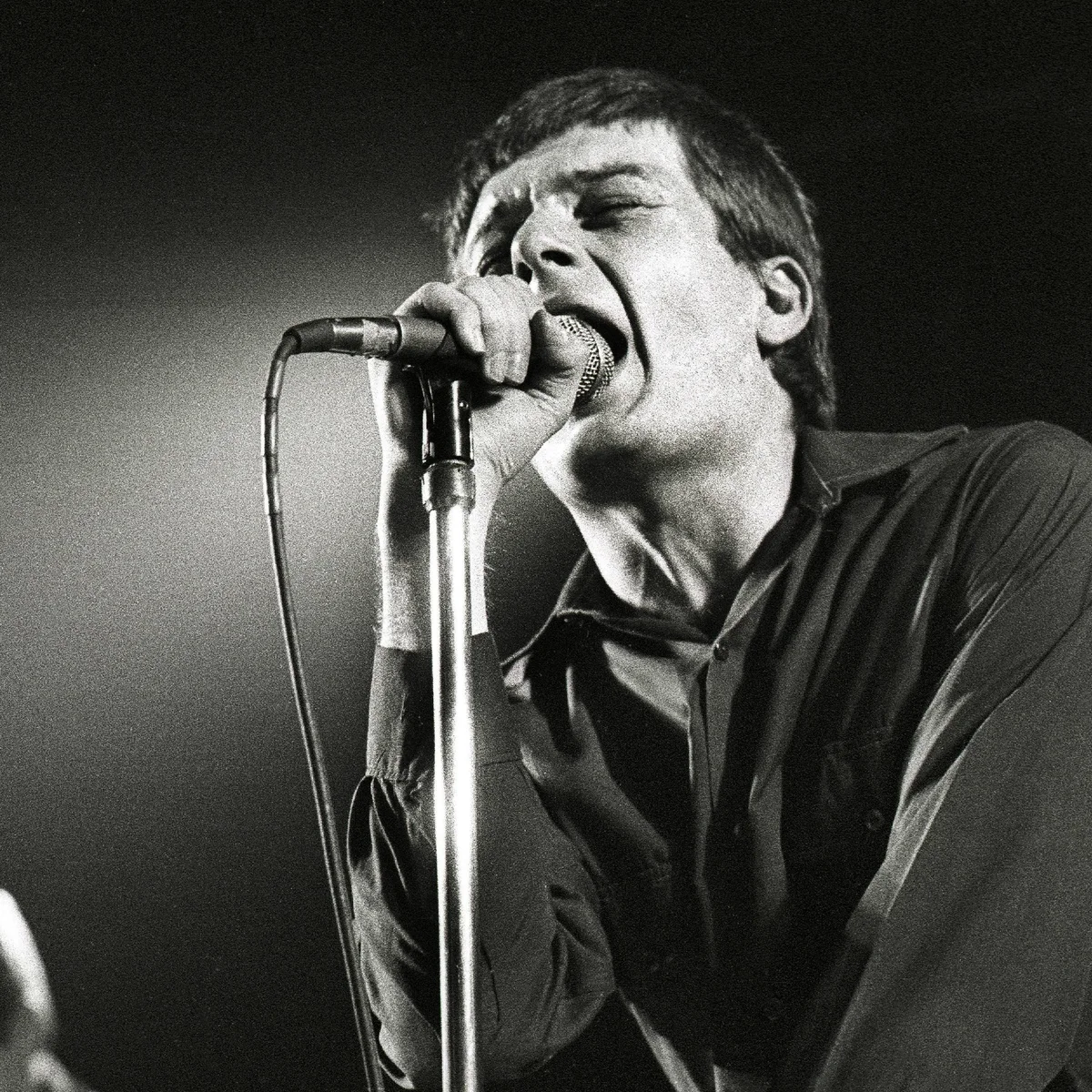
Ian Curtis died by suicide on 18 May 1980, just two days before Joy Division were set to embark on their first American tour. His struggles with severe epilepsy, a dissolving marriage, depression, and the pressures of sudden success weighed heavily on him, and his lyrics reflected an intense inner turmoil. Released posthumously in July 1980, 'Closer' served as both a massive critical breakthrough and a tragic epitaph, reaching No. 6 on the UK Albums Chart. Today, 'Closer' is widely regarded as one of the most powerful, influential, and emotionally devastating albums in modern music history
Songs like 'Love Will Tear Us Apart', released as a standalone single in June 1980, became timeless global anthems. Written in late 1979, the track served as a direct, heartbreaking commentary on the breakdown of Curtis's marriage to his wife, Deborah, subverting the optimistic romanticism of classic pop music. Musically, it perfectly balanced their dark post-punk roots with a driving, radio-friendly pop accessibility, anchored by Peter Hook’s iconic, soaring bass melody and Bernard Sumner’s bright ARP Omni synthesizer strings. The band recorded the song multiple times, struggling to capture its lightning-in-a-bottle energy, with the final definitive version featuring an unusually strained, baritone vocal performance from Curtis. Its accompanying music video, filmed strictly DIY-style at T J Davidson’s rehearsal studio in Manchester, became the last filmed footage of Curtis alive, capturing him looking visibly thin and distant.
Following the tragedy, the single surged up the charts to become Joy Division's first true commercial hit, peaking at No. 13 in the UK. The song's devastating title was eventually carved onto Curtis’s memorial headstone at Macclesfield Cemetery, forever cementing it as his defining artistic statement. In the immediate wake of the tragedy, 'Atmosphere' was also re-released in the UK accompanied by a stark, black-and-white music video directed by Anton Corbijn, serving as a powerful visual tribute to the late frontman
After Curtis's death, Bernard Sumner, Peter Hook, and Stephen Morris faced a devastating emotional and professional crossroads, crippled by the sudden loss of their frontman while standing on the precipice of international stardom. Bound by a prior pact that the name Joy Division would die if any member left, they responded with immense resilience, recruiting keyboardist Gillian Gilbert to fill out their sonic landscape and forming New Order, signalling the start of a major musical legacy that would stretch across decades. Gilbert’s inclusion was vital, as her proficiency with sequencing allowed the band to transition away from traditional four-piece rock instrumentation. Although Joy Division’s dark, towering influence inevitably lingered over their early rehearsals, New Order quickly made their own distinct mark on the global stage, proving they were not merely a mourning continuation but a fiercely forward-thinking entity determined to survive.
Early on, New Order radically reinvented themselves by blending the aggressive, angular sensibilities of post-punk with the nascent, underground world of electronic dance music, creating a hybrid sound that defined the decade. Their propulsive, sequenced synthesisers, Peter Hook's instantly recognizable high-register basslines, and Sumner's fragmental, introspective lyrics set them apart from both the guitar-heavy alternative scene and the mainstream pop charts. Rather than stagnation, they sought out the euphoric energy of New York City’s underground club scene, drawing direct inspiration from legendary venues like the Funhouse and the Paradise Garage. Beyond simply releasing music, they translated this transatlantic club energy back home to the UK, helping to pioneer and lead the late-1980s Acid House and 'Madchester' movements, which left a massive, permanent mark on Manchester’s youth culture, fashion, and social identity.
The band’s close association with Factory Records, founded by the visionary and eccentric television presenter Tony Wilson, was pivotal to this cultural explosion, granting them an unprecedented level of absolute artistic freedom. Instead of pocketing their newfound wealth, the band and Wilson reinvested their earnings back into their hometown, helping to establish the legendary Haçienda nightclub, a cavernous former yacht showroom that became Manchester’s music epicentre and the birthplace of UK rave culture. New Order’s local influence was huge, providing the financial and cultural lifeblood for an entire independent ecosystem, and it also boosted graphic designer Peter Saville, whose minimalist, high-art visual aesthetic became emblematic of the band and the label. New Order permanently revolutionised music with their March 1983 standalone single 'Blue Monday', an expansive, entirely sequenced track that became the best-selling 12-inch single of all time. Its flawless, revolutionary blend of electronic dance beats, inspired by Kraftwerk and Sylvester—and post-punk elements shaped an entirely new era of music, ensuring their global influence only grew exponentially from there.
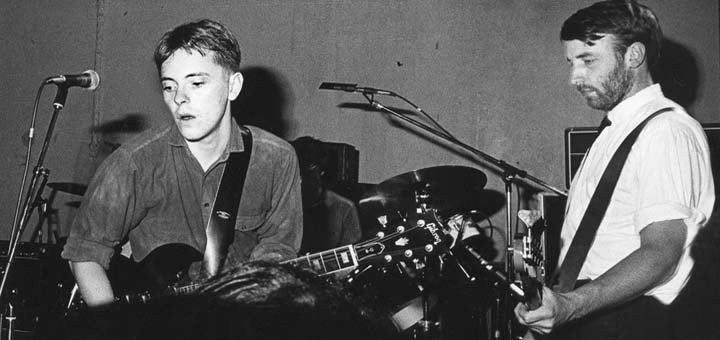
New Order emerged very quickly after the death of Ian Curtis; their magnificent first single, 'Ceremony', had actually been written by the band and played live at one of the final-ever Joy Division shows at Birmingham University in May 1980. Their November 1981 debut album 'Movement' naturally retained much of the suffocating post-punk gloom, fractured tension, and bleak introspection of Joy Division, largely due to producer Martin Hannett’s icy, alienated studio techniques. Tracks like 'Dreams Never End' and 'Truth' featured Bernard Sumner and Peter Hook tentatively splitting vocal duties, directly reflecting the band's profound psychological uncertainty and the agonizing challenge of finding a brand-new sonic identity after Curtis's passing. The album, while sometimes overshadowed by the massive dance-pop crossover hits of their later career, is deeply admired today for its raw, searching quality, serving as a historic bridge that spans the gap between Joy Division's starkness and New Order's future electronic sound.
With May 1983’s 'Power, Corruption & Lies,' New Order truly found their autonomous voice and completely stepped out from the shadow of their tragic past. This album saw them boldly and completely master the use of synthesisers, Oberheim DMX sequencers, and custom-programmed drum machines, marking a dramatic, permanent shift away from their traditional rock roots. Masterpiece songs like 'Age of Consent,' the beautiful, melodica-driven 'Your Silent Face,' and the club-tested '586' perfectly balanced existential melancholy with kinetic rhythm, blending emotional depth with a newfound sense of uplift, liberation, and pure danceability.
Every track on the record served as a masterclass in this newly discovered electronic confidence. The album opened explosively with 'Age of Consent,' driven by Peter Hook's legendary, soaring high-register bass melody and Stephen Morris's frantic, human drumming seamlessly interlocking with a pulsating sequenced groove. The sonic journey deepened with 'We All Stand,' a moody, dub-inflected track that utilized space, heavy echo, and a slow, atmospheric bass line to evoke a haunting, cinematic tension. Next, 'The Village' exploded with pure, rapid-fire electronic ecstasy, featuring hyper-speed synthesizer sequences and bright, overlapping electronic melodies that stood as the band's most joyous, danceable pop statement to date. Closing out the first side, the monumental '586' served as a raw, proto-techno epic. Born directly from the band’s experiments with digital sequencers, the song used mechanical, building rhythms and industrial electronic thuds that would famously serve as the foundational blueprint for their mega-hit 'Blue Monday.'
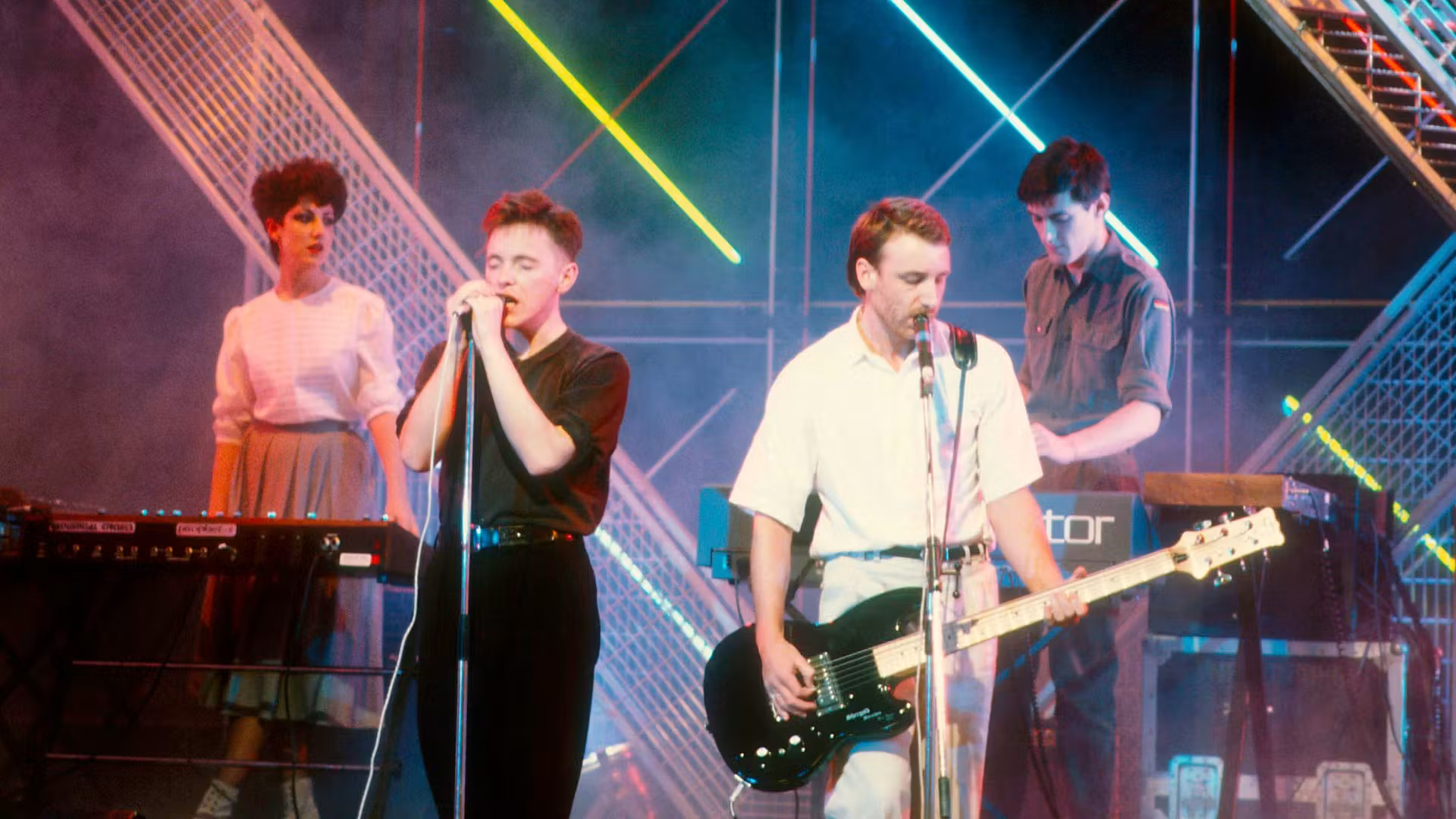
Side two opened with the gorgeous, Kraftwerk-inspired masterpiece 'Your Silent Face,' an elegant, slow-burning synth ballad nicknamed 'The Kwak' by the band, which juxtaposed grand, orchestral synthesizer washes with Bernard Sumner's soulful melodica solos and famously detached, tongue-in-cheek lyrics. This electronic grandeur shifted back into raw, dark rock energy with 'Ultraviolence,' a track that married aggressive, distorted guitar riffs with a cold, relentless electronic beat to create an intense post-punk wall of sound. The band then leaned completely into the underground sounds of the New York club scene with 'Ecstasy,' a hypnotic, house-music precursor that experimented with vocal sampling, heavy digital delays, and swirling electronic textures. Finally, the album concluded with 'Leave Me Alone,' a deeply melancholic, guitar-heavy masterpiece. Stripping away the heavy electronics, the track featured beautifully layered, intertwining guitar lines and some of Sumner’s most vulnerable, introspective lyrics, providing a stark, emotionally resonant anchor to the album’s digital futurism.
The album's vibrant, electronic textures, combined with Peter Saville's enigmatic, colour-coded cover artwork, which juxtaposed a classic Henri Fantin-Latour floral painting with a modern digital code strip, helped define synth-driven alternative music for a generation. Their relentless experimentation on these foundational records continues to inspire contemporary artists across genres, from techno and synth-pop to indie rock, cementing New Order's enduring reputation as absolute pioneers of modern music.
In 1985, 'Low-Life' continued this relentless sonic evolution, revealing a much darker, more sophisticated, and self-assured sound that was entirely unique to New Order. The album marked a major milestone as the first release to openly feature photographs of the band members' faces on the sleeve, shattering the strict anonymity of their early career and signaling a newfound confidence. The album's tracklist beautifully demonstrated their immense musical range, opening with 'Love Vigilantes', a brilliant, acoustic-driven track that paired a deceptively upbeat, country-tinged melody and harmonica hooks with a devastating narrative about a soldier returning home from war. Conversely, the record closed with the frantic, high-energy synth assault of 'Face Up', a track that pulsed with raw club energy and pushed Bernard Sumner’s vocals to their absolute emotional limits. Between these bookends lay 'Sunrise', a ferocious, guitar-heavy masterpiece driven by Peter Hook’s aggressive, roaring bassline and Stephen Morris’s thunderous acoustic drumming, proving the band had not forgotten how to rock. The album also birthed the club hit 'Sub-Culture', which showcased their growing obsession with sleek, synthesized New York dance grooves, alongside the moody, atmospheric driving rhythm of 'Weirdo'. Tracks like these, alongside the monumental 'The Perfect Kiss', masterfully balanced rich lyricism with cutting-edge electronic innovation.
'Brotherhood' arrived in September 1986, explicitly juxtaposing their guitar-based, acoustic punk beginnings on its first side with prominent, heavy electronic elements on its second side. This dual structure allowed the band to satisfy both their rock roots and their dancefloor obsessions, serving as a spiritual successor to the diverse sonic palette of tracks like 'Weirdo' from their previous album. The legendary hit single 'Bizarre Love Triangle' emerged from these sessions to become one of their most enduring and culturally significant songs, flawlessly showcasing their uncanny ability to merge profound heartbreak and emotional vulnerability with driving, club-ready energy. The song was later immortalised on their next major release, 'Substance', exactly as it was when it was originally mixed, preserving the pristine, sequenced synth-pop perfection that captured the band at the absolute height of their creative powers. This era of meticulous studio work was beautifully balanced by 'Every Little Counts', the album’s quirky, acoustic-driven closing track. Noted for its bittersweet melody and Bernard Sumner's infamous studio laughter left intentionally in the final mix, the song captured the band's human warmth beneath their electronic armor, proving that even as tech-driven pioneers, they never lost their sense of spontaneous playfulness.
Despite their creative success, New Order were also pouring huge amounts of the money they earned from hit singles and albums into The Haçienda nightclub, which was co-owned by the band and Factory Records. The club was a cultural hub and a key part of Manchester’s music scene, but it rarely turned a profit, sometimes even losing money at a rate that threatened the label’s finances.
Yet, the investment in The Haçienda helped foster a musical revolution, nurturing the very scene that would define an era. Throughout the 1980s, The Haçienda became a launchpad for both established and emerging talent. The venue hosted legendary performances from bands such as The Smiths, New Order, The Stone Roses, Happy Mondays, A Certain Ratio, and The Fall, as well as early sets from influential electronic acts like 808 State and A Guy Called Gerald.
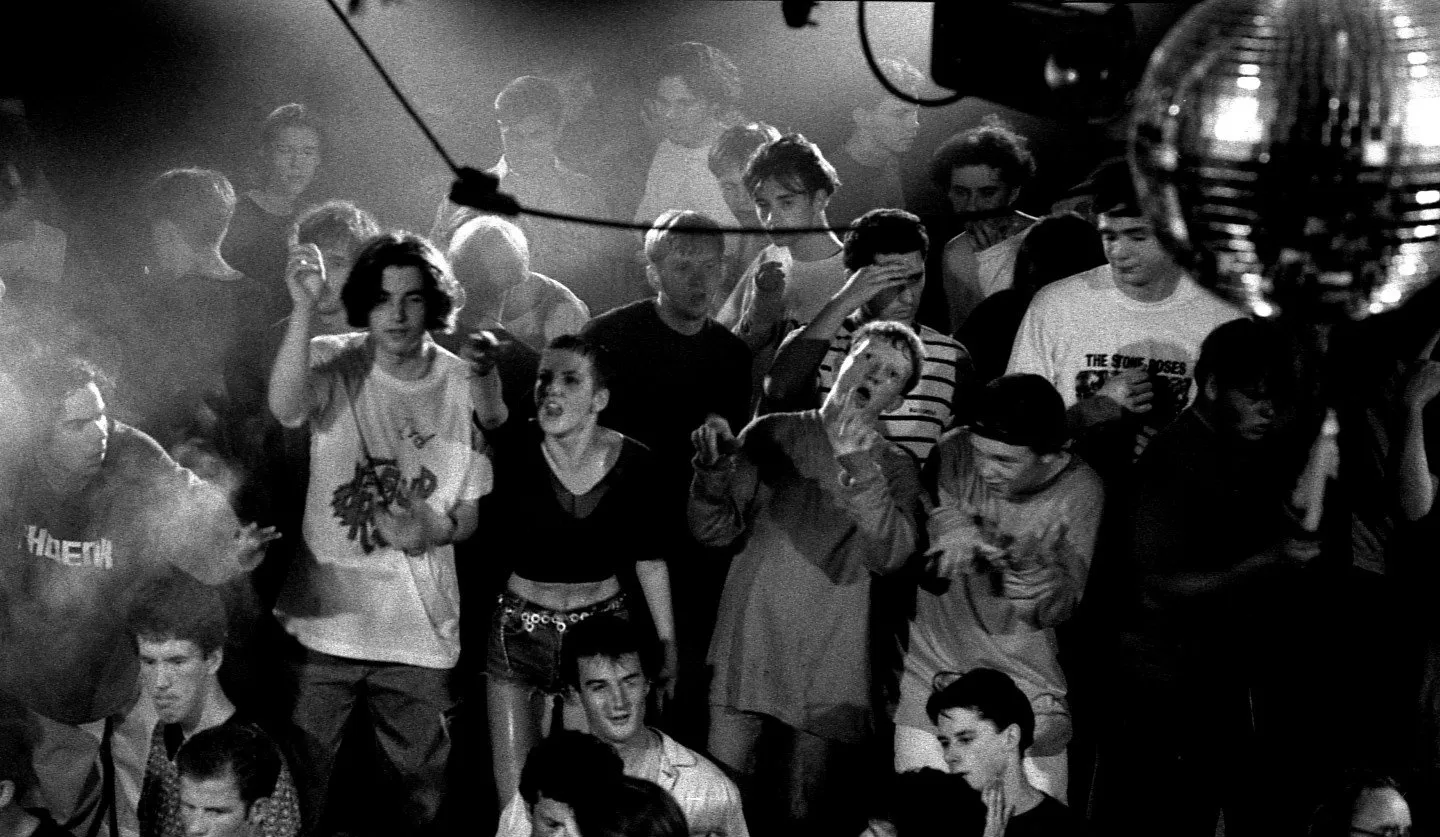
The club played a crucial role in the birth of Acid House in the UK, with influential nights like 'Nude'helmed by resident DJs Mike Pickering and Graeme Park introducing UK crowds to the futuristic sounds of Chicago house and Detroit techno. Later, nights like 'Hot' and 'Hedonism', with DJs such as Dave Haslam, further cemented The Haçienda’s place at the forefront of dance culture. It was here that tracks like A Guy Called Gerald’s 'Voodoo Ray' became dancefloor anthems, and where the burgeoning rave scene found its spiritual home. The Haçienda not only launched careers and shaped musical trends, but also helped to define Manchester’s identity as a global centre for innovative, genre-defying music.
As Acid House leaders, New Order shaped dance music with their 1989 album 'Technique', which fully embraced house influences. Tracks like 'Fine Time' and 'Round & Round' captured the late-80s dancefloor’s energy. The album is often regarded as a bridge between Manchester’s indie legacy and the burgeoning rave culture, blending euphoric synths, propulsive beats, and introspective lyrics. Technique was recorded partly in Ibiza, where New Order absorbed the Balearic sounds that would sweep through UK clubs, bringing a sun-drenched, hedonistic feel to their music.
With The Haçienda as their hub, New Order led the 'Madchester' scene and helped make Manchester a global music centre. The club became the epicentre for both live bands and the explosion of dance music, hosting legendary nights that unified rock, indie, and house audiences. Technique not only signalled New Order’s creative peak but also influenced countless artists, DJs, and producers, cementing their status as pioneers of both electronic and alternative music. The album’s fusion of genres and embrace of club culture perfectly encapsulated the spirit of late-80s Manchester, setting the stage for the city’s international cultural influence in the years that followed.
The Chameleons stand as one of post-punk’s most brilliant yet overlooked treasures, emerging from the 1980s Greater Manchester music scene with a sweeping, cinematic sound. Fronted by the evocative vocals and basslines of Mark Burgess, the band carved out a unique sonic footprint characterised by the shimmering, multi-layered guitar interplay of Reg Smithies and Dave Fielding. Their 1983 debut album, Script of the Bridge, immediately established their knack for pairing towering, melancholic atmospheres with sharp rhythmic urgency. Tracks like the adrenaline-fueled opener 'Don't Fall' and the propulsive 'Up the Down Escalator' showcase the band's driving intensity. However, it is the magnificent, slow-burning epic 'Second Skin' that truly encapsulates their early genius, wrapping listeners in a sprawling web of reverb and existential longing
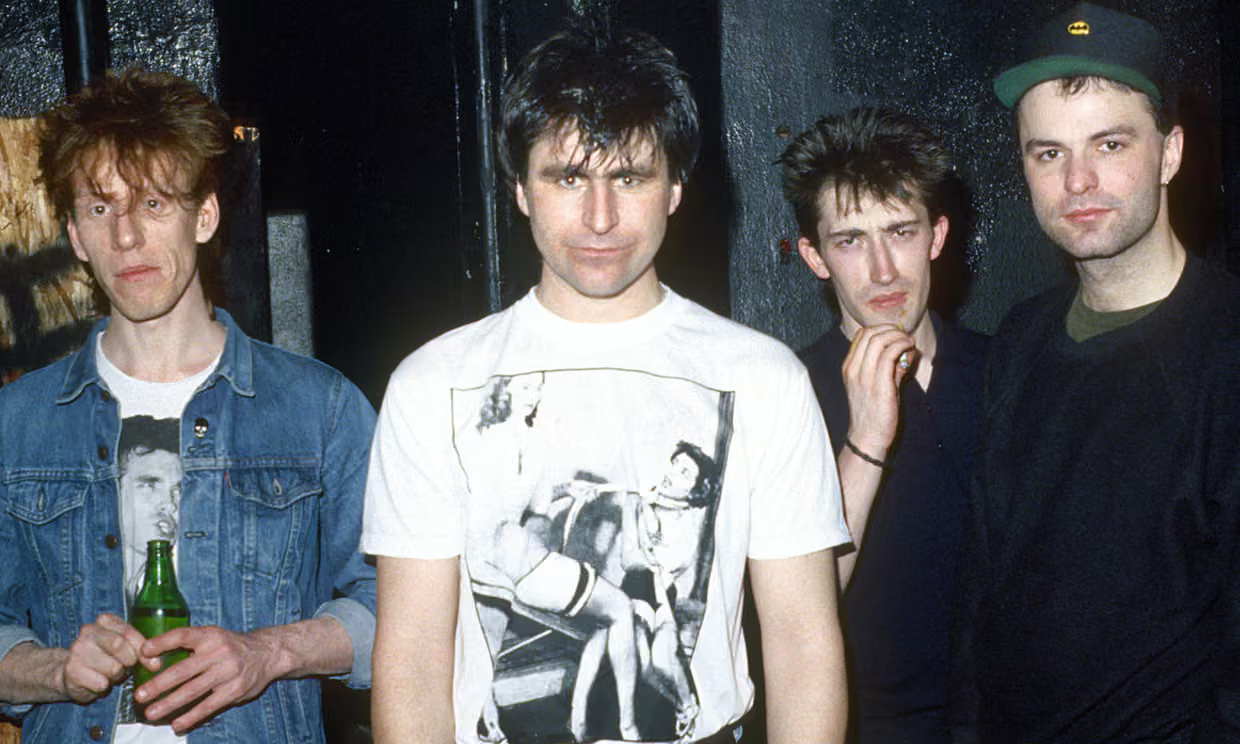
The band expanded their widescreen sonic palette on their ambitious 1986 third album, Strange Times, released via Geffen Records. This record birthed their most famous and hypnotic piece of work, 'Swamp Thing', a track built around an unforgettable, instantly recognisable fingerpicked guitar hook and thumping drum performance. The album seamlessly balances different emotional extremes: the frantic, paranoid energy of 'Mad Jack' stands in contrast to the grand, isolated scale of 'Soul in Isolation'. Meanwhile, pieces like the hauntingly poignant 'Tears' and the acoustic-driven beauty of 'Ever After' demonstrated a softer, deeply vulnerable side to their songwriting that heavily influenced the future of dream pop.
Despite creating a flawless catalogue of music, The Chameleons continuously struggled for mainstream recognition and were plagued by bad luck. They found themselves trapped in the shadows of Manchester contemporaries like The Smiths and New Order, while enduring chronic record label mismanagement, poor marketing, and the sudden, tragic death of their manager Tony Fletcher in 1987. This, compounded by internal band friction, led to their untimely split just as they were on the cusp of a commercial breakthrough.
Nevertheless, their musical legacy has been fiercely kept alive by a dedicated cult following and an array of highly influential musicians. They served as a crucial sonic bridge for '90s Britpop and modern indie rock, directly shaping the sound of bands like Interpol, The Verve, and Editors. Among their most vocal famous fans is Oasis mastermind Noel Gallagher, who has frequently championed 'Strange Times' as a massive inspiration on his early songwriting. Gallagher famously took to social media to state that the record completely blew his mind as a 19-year-old, later picking 'Swamp Thing' as one of his absolute favourite Manchester tracks of all time.
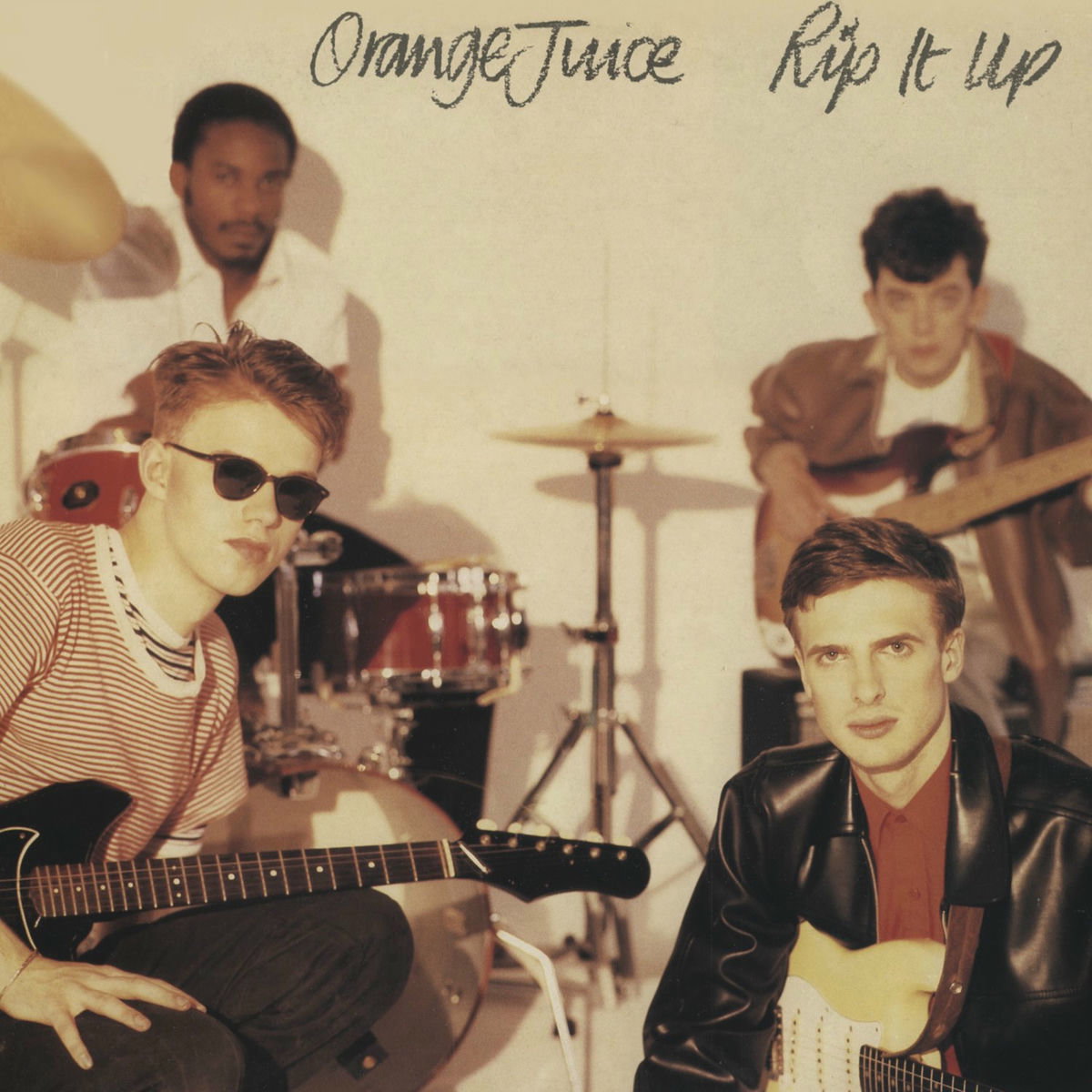
North of the border, Orange Juice pioneered the 1980s guitar pop sound, breaking into the mainstream with the "Sound of Young Scotland" ethos and their 1983 hit 'Rip It Up'. This landmark track notably bridged the gap between post-punk and the dancefloor by incorporating a driving, Chic-inspired bassline and the first mainstream pop use of the Roland TB-303 synthesiser.
Sharing this fertile Glasgow roots scene was Aztec Camera, led by the prodigiously talented singer-songwriter Roddy Frame. The band defined the era's breezy, jangling sound with their melancholic winter anthem 'Walk Out to Winter' and later achieved massive commercial success with the immaculate pop masterpiece 'Somewhere in My Heart'.
Crucially, Aztec Camera’s early success directly influenced The Smiths. Upon hearing 'Walk Out to Winter' receiving heavy national daytime radio airplay, Johnny Marr’s competitive pride was fiercely kicked. Feeling that The Smiths' debut single, 'Hand in Glove', had not yet achieved the mainstream reach it deserved, Marr felt an intense wave of "artistic revenge". He deliberately set out to write an upbeat, major-key guitar anthem that could rival the Scottish band on the airwaves. The result of that direct creative challenge was 'This Charming Man'. For more on the background of this iconic track, check out the detailed retrospective over
The 1980s music story would be incomplete without spotlighting eight pivotal musicians: Morrissey, Marr, Rourke, and Joyce, The Smiths; and Brown, Squire, Mani, and Reni, The Stone Roses. These two bands helped define an era, setting new standards for songwriting, musicianship, and cultural influence. Their sounds and attitudes left an indelible mark on both Manchester and the wider world, inspiring countless artists who followed.
I’ve written elsewhere about why I see The Smiths as the most important British band. Read that here.
They surged up the charts with their 1985 album 'Meat Is Murder,' which hit number one and cemented their reputation as one of the decade’s most vital bands. Morrissey and Marr forged a partnership that produced music both defiant and literary, songs that balanced raw emotion with sparkling wit. In an era dominated by polished pop and stadium rock, The Smiths carved out a unique space, favouring honesty and vulnerability over gloss and excess. Their debut, 'The Smiths', introduced Marr’s inventive, jangly guitar style and Morrissey’s poetic, often provocative, lyrics. Tracks like 'Still Ill' and 'Reel Around the Fountain' laid bare themes of longing and alienation, while 'Meat Is Murder' raised the stakes by tackling animal rights, social injustice, and authority head-on.
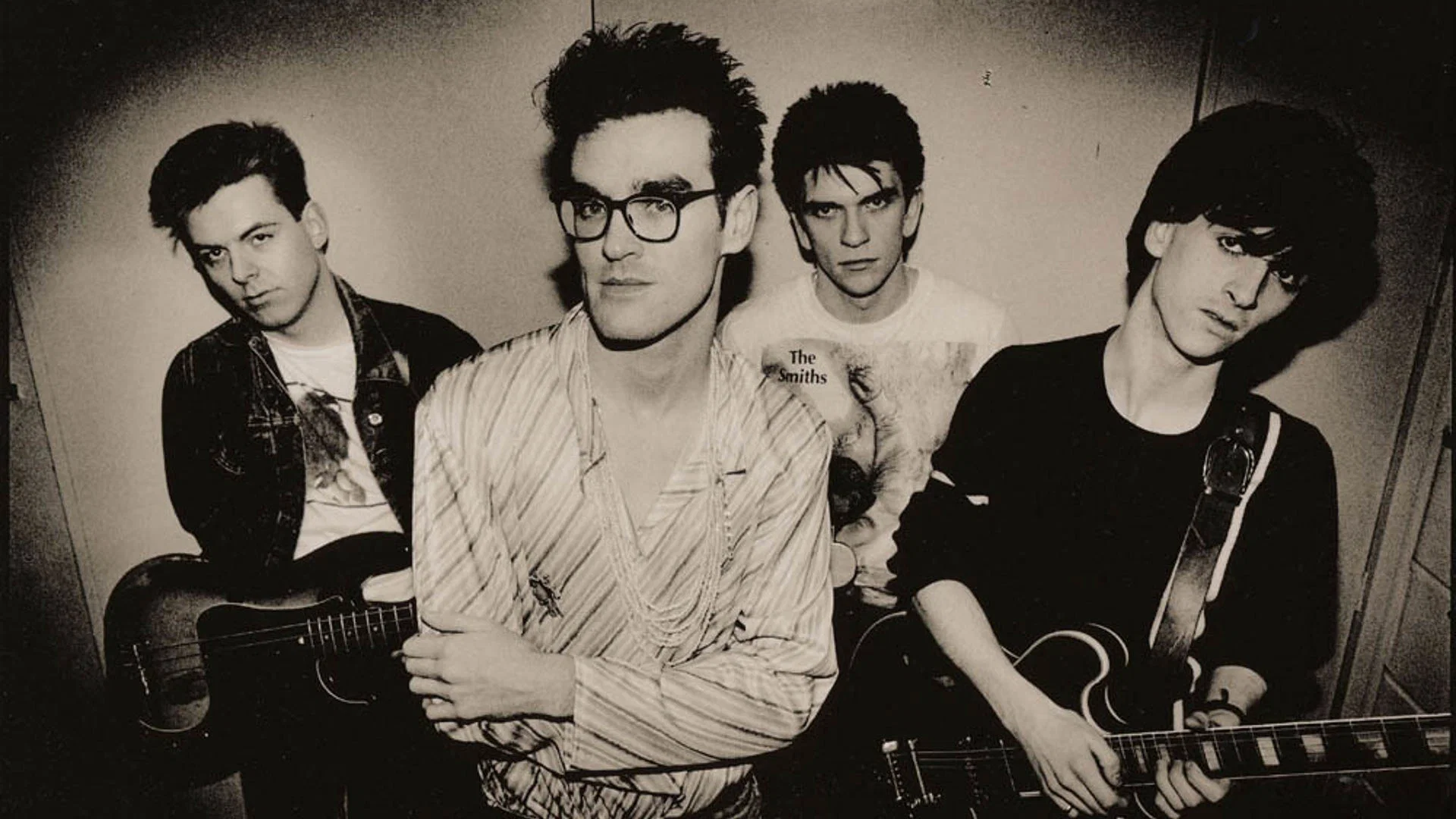
The Smiths’ third album, 'The Queen Is Dead', released in 1986, is widely considered their masterpiece and a defining statement of British indie music—and is frequently cited as one of the greatest albums of all time. 'The Queen Is Dead' is celebrated as a monumental masterpiece that served as the definitive blueprint for modern British alternative music.
By rejecting 1980s synthesiser trends in favour of Johnny Marr’s intricate jangle-pop guitar arrangements, the album revived guitar-based rock and directly laid the groundwork for the 1990s Britpop movement, inspiring bands like Oasis, Blur, and Suede. Its lasting critical status is immense, famously earning the #1 spot on NME’s "500 Greatest Albums of All Time" list and consistently ranking alongside cultural juggernauts by The Beatles and Radiohead. Beyond its musical structure, the album redefined the alternative aesthetic by pairing a distinct, melancholy visual style with Morrissey’s darkly humorous lyricism on isolation and institutional decay. Tracks like 'There Is a Light That Never Goes Out' transformed from deep cuts into universal anthems, covered by artists ranging from The Cranberries to the Deftones.
Decades later, its perfect balance of tragicomic romanticism and driving indie pop continues to shape the identity, look, and sound of indie music worldwide. Alongside the title track, standouts like 'Bigmouth Strikes Again', 'I Know It's Over', 'Frankly, Mr Shankly', as well as 'There Is a Light That Never Goes Out' and 'The Boy with the Thorn in His Side', exemplify the band’s ability to blend poetic yearning with pop sensibility, combining Marr’s inventive guitar arrangements and Morrissey’s dramatic, witty lyricism. The album captures the absurdity, melancholy, and romance of everyday life and confirms The Smiths as one of Britain’s all-time great bands.
The Smiths are a by-product of Manchester, and they couldn't have been from anywhere else. Manchester is echoed in The Smiths' lyrics and the music; you can hear the city’s industrial nature in the songs. Morrissey sings about a bleak urban England of the past, writing about what he had seen and what he continued to see. In 2013, Morrissey described Manchester as “a place where everything remains where it was left 100 years ago”. The band made both subtle and obvious nods to the city, naming their final album after Manchester’s prison, ‘Strangeways, Here We Come’, and the city is a huge part of the band’s sound and lyrical identity. Manchester’s tradition of music and reinvention runs through The Smiths, and their impact is woven into the city’s story. Would London, Birmingham, Glasgow, Dublin, or Cardiff have allowed Johnny Marr to knock on Morrissey's door in 1982? It's hard to imagine.
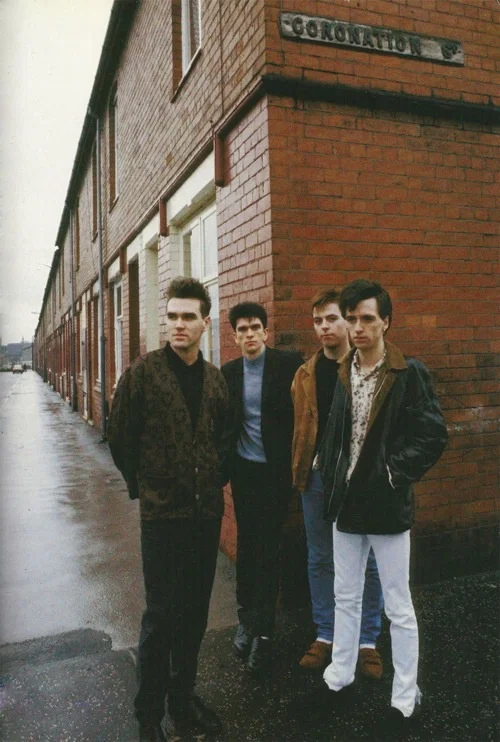
Despite their meteoric rise, The Smiths’ time together was remarkably brief. Formed in 1982 and split by 1987, they produced a body of work that influenced an entire generation. Their final album, 'Strangeways, Here We Come', released in 1987, revealed further artistic growth, with lush, experimental arrangements on songs like 'Last Night I Dreamt That Somebody Loved Me' and 'I Started Something I Couldn't Finish'. The abrupt end to their collaboration only added to the sense of unfulfilled promise and enduring legend.
'Last Night I Dreamt That Somebody Loved Me' is often singled out as one of the most emotionally resonant songs in the Smiths’ catalogue, its swelling piano intro and haunting lyrics capturing the aching vulnerability that set the band apart from their peers. 'I Started Something I Couldn't Finish' showcases their willingness to experiment, fusing bold brass arrangements with Morrissey’s sardonic wit. 'Strangeways, Here We Come' is often regarded as the band’s most polished and sonically adventurous work, pushing their songwriting and production to new heights. Even in their final moments, The Smiths left listeners wanting more, their legacy amplified by the brevity of their career.
The Smiths’ influence radiates well beyond their short existence. Their sound and spirit echo through Manchester’s music scene and far beyond, inspiring bands such as The Stone Roses, Oasis, Courteeners, and Blossoms. Their legacy is one of wit, poignancy, and fearless individuality, a testament to how much brilliance can emerge in a brief, incandescent burst.
However, the magic of The Smiths lies in the fact that they didn’t overstay their welcome. They left behind a body of work that is concise, impactful, and eternally relevant. Their influence has been felt across generations, from the Britpop era all the way through to modern indie rock. The Smiths did more in five years than many bands manage in a lifetime. And that, in itself, is something extraordinary.
As The Smiths' journey came to an end, Manchester already had its next group waiting in the wings. The Stone Roses broke through in the late 1980s, first with their melodic 1987 single 'Sally Cinnamon'. Their 1989 debut, 'The Stone Roses', truly changed the scene. As British music sought a new identity, the album inspired hope, channelling The Byrds and The Beatles, yet sounding fresh and modern.
Before I mention The Stone Roses, it's worth mentioning one compilation. The New Musical Express (NME) released C86, a 22-track mail-order compilation cassette designed to showcase the vibrant, patchworked landscape of Britain's independent music scene. Originally intended as a simple snapshot of a burgeoning subculture, the tape inadvertently became a year-zero moment for alternative music, giving birth to a subgenre that would permanently alter the DNA of British indie rock.
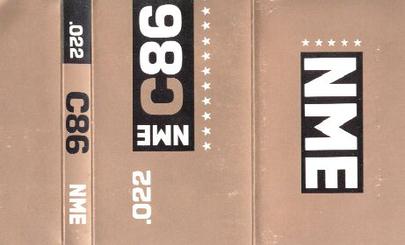
The compilation was an eclectic, thrillingly chaotic mix that bridged the gap between post-punk's jagged edges and sweet, sixty-inspired melodies. It featured early, blistering contributions from bands who would later become household names, most notably Primal Scream with the shimmering jangle of ‘Velocity Girl’, and The Wedding Present’s hyper-kinetic ‘This Boy Can Wait’. Alongside them were the Ramones-inflected pop-punk of The Shop Assistants, the shambolic charm of The Pastels, and the avant-garde, frantic energy of Half Man Half Biscuit. It was music stripped of mid-80s studio gloss, unpretentious, raw, and fiercely DIY.
The structural impact of C86 on music culture was profound and immediate. Before its release, "indie" simply described a record label’s distribution status; after C86, it became a full-fledged musical aesthetic characterised by fuzzed-out jangle-pop, lo-fi production, and a charmingly amateurish spirit. It championed an anti-rock-star ethos where the barrier between the stage and the audience was completely erased. The cassette successfully decentralised the music industry, proving that a thriving musical ecosystem could exist entirely outside the major label system. Decades later, the echoes of this brief cassette compilation can still be heard in the DNA
The Stone Roses' self-titled debut album, released in 1989, is widely regarded as one of the most influential albums in British music history. Arriving at the close of a turbulent decade for Manchester, the album was a bold, euphoric statement that bridged indie guitar pop and the burgeoning rave scene. With its shimmering production, melodic basslines, and John Squire’s psychedelic guitar flourishes, the self-titled album set the template for the Madchester sound that would soon sweep the country.
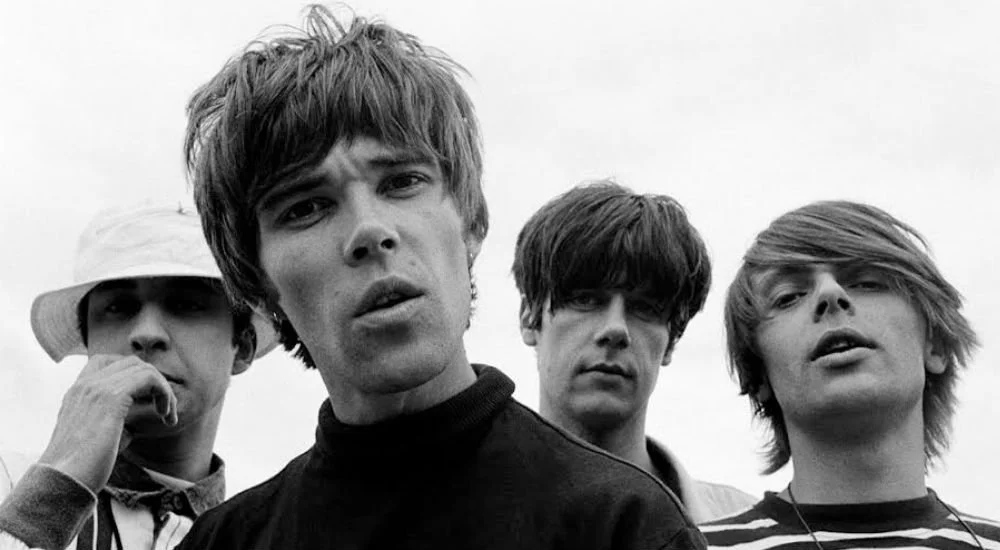
Tracks like 'I Wanna Be Adored' and 'She Bangs the Drums' announced the band’s ambition and their ability to craft anthems that felt both timeless and utterly of their moment. 'Waterfall' showcased their knack for irresistible hooks, while the sprawling 'I Am the Resurrection' closed the album with a genre-defying blend of pop, funk, and ecstatic jamming, a fitting climax for a record about breaking free and transcending boundaries.
The album’s influence was profound, resonating with a generation of youth who saw themselves reflected in Ian Brown’s swaggering, everyman persona and the band’s mixture of hope, hedonism, and Northern pride. The self-titled album didn’t just define the Madchester movement; it also laid the groundwork for Britpop, directly inspiring bands like Oasis and Blur. The record’s iconic cover art, painted by John Squire, further cemented its status as a cultural touchstone.
Critically, the self-titled album has only grown in stature over the years, frequently appearing on “greatest albums” lists and earning praise for its seamless mix of melody, attitude, and experimentation. Songs like 'Made of Stone' and 'This Is the One' became staples of indie discos and football stadiums alike, their choruses sung by fans long after the band’s initial split. The album’s ability to sound both raw and anthemic, nostalgic and forward-looking, continues to inspire musicians in Manchester and beyond.
The album flowed with a sense of cohesion and purpose rarely heard on debut records, each track bleeding into the next with effortless style. The soaring chorus of 'This Is the One' hinted at their arena-sized ambition. At the same time, songs like 'Don't Stop' offered a playful, psychedelic reimagining of earlier material. The record culminated in the nearly ten-minute 'I Am the Resurrection', a bold, genre-defying closer that opened with defiant lyrics before launching into an ecstatic, instrumental coda, part rave, part jam session. That sums up the band's confidence, chemistry, and limitless potential. It wasn't just a final track; it was a statement of intent. A revolution was coming, and The Stone Roses were leading it.
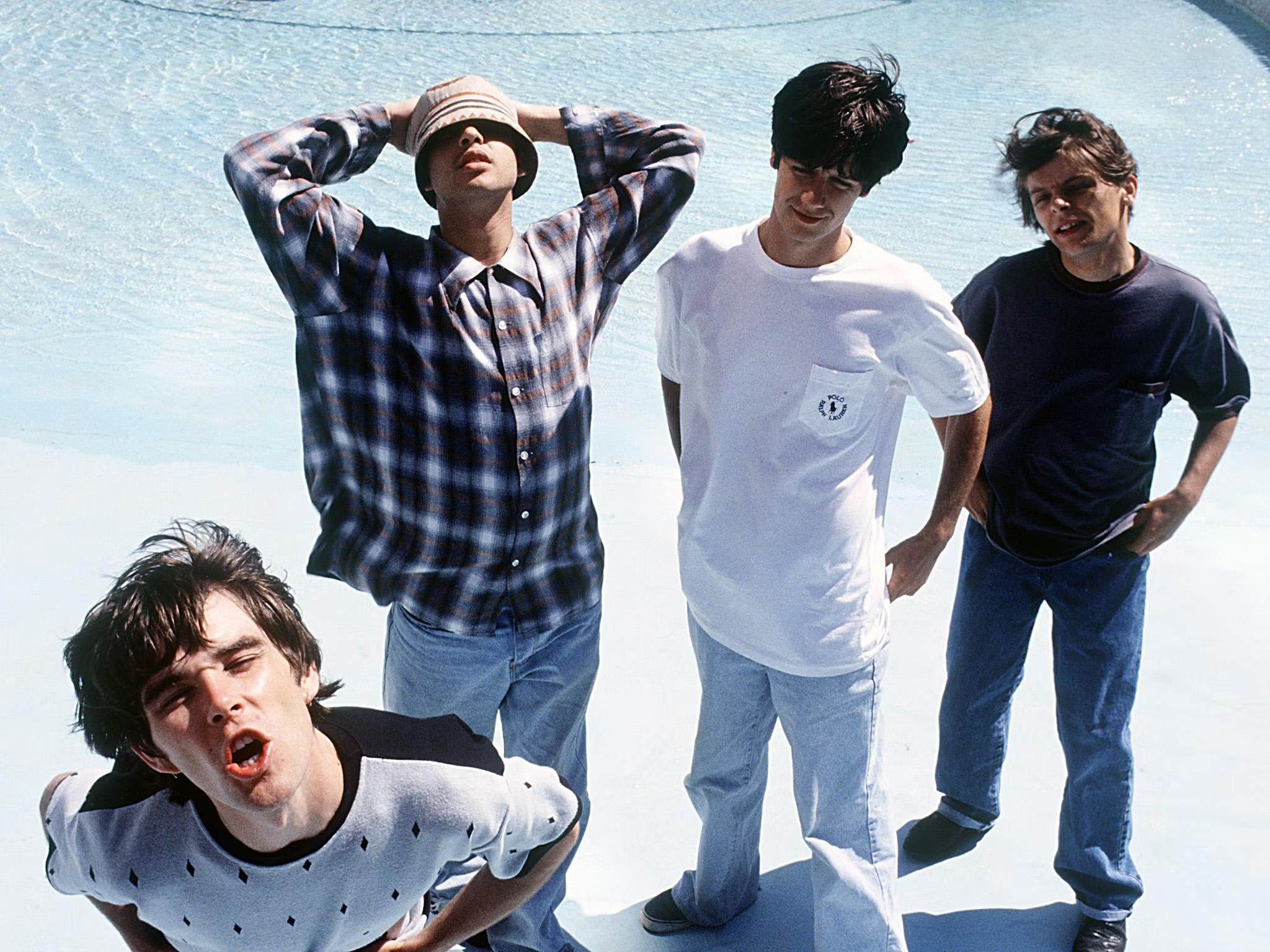
Released during the rise of Acid House and at the dawn of rave culture, 'The Stone Roses' was more than just an album; it was a cultural shift. Alongside the Happy Mondays, The Stone Roses helped to soundtrack a new era, one where rock and dance music collided in euphoric, life-affirming ways. Their music united disparate subcultures under the emerging banner of indie dance, creating a blueprint that countless bands would follow in the decades to come.
I found a quote that sums up the first Stone Roses album: "It remains an overwhelming statement of working-class pride." It truly does. The album remains a classic today, standing as one of the most important collections of songs ever. Its sounds and themes can still be traced through British guitar music today. Importantly, this era also brought a unique fashion to the mainstream: baggy jeans, oversized tops, bucket hats, and loose-fitting sportswear became synonymous with the Madchester scene, reflecting the easygoing, dance-oriented vibe of the music.
The Happy Mondays emerged as a defining force of the Madchester era, embodying the chaos, colour, and creative energy of late-1980s Manchester. Their debut album, 'Squirrel and G-Man Twenty Four Hour Party People Plastic Face Carnt Smile (White Out)', released in 1987, introduced listeners to their wild, unpredictable sound. Fusing post-punk’s sharp edge with funk, dub, and the gritty poetry of frontman Shaun Ryder, the album stood apart from anything else in Britain at the time. Tracks like 'Tart Tart' and '24 Hour Party People' hinted at the Mondays’ knack for capturing the hedonistic, surreal spirit of their city’s nightlife, a world where club culture, working-class life, and rock music collided.
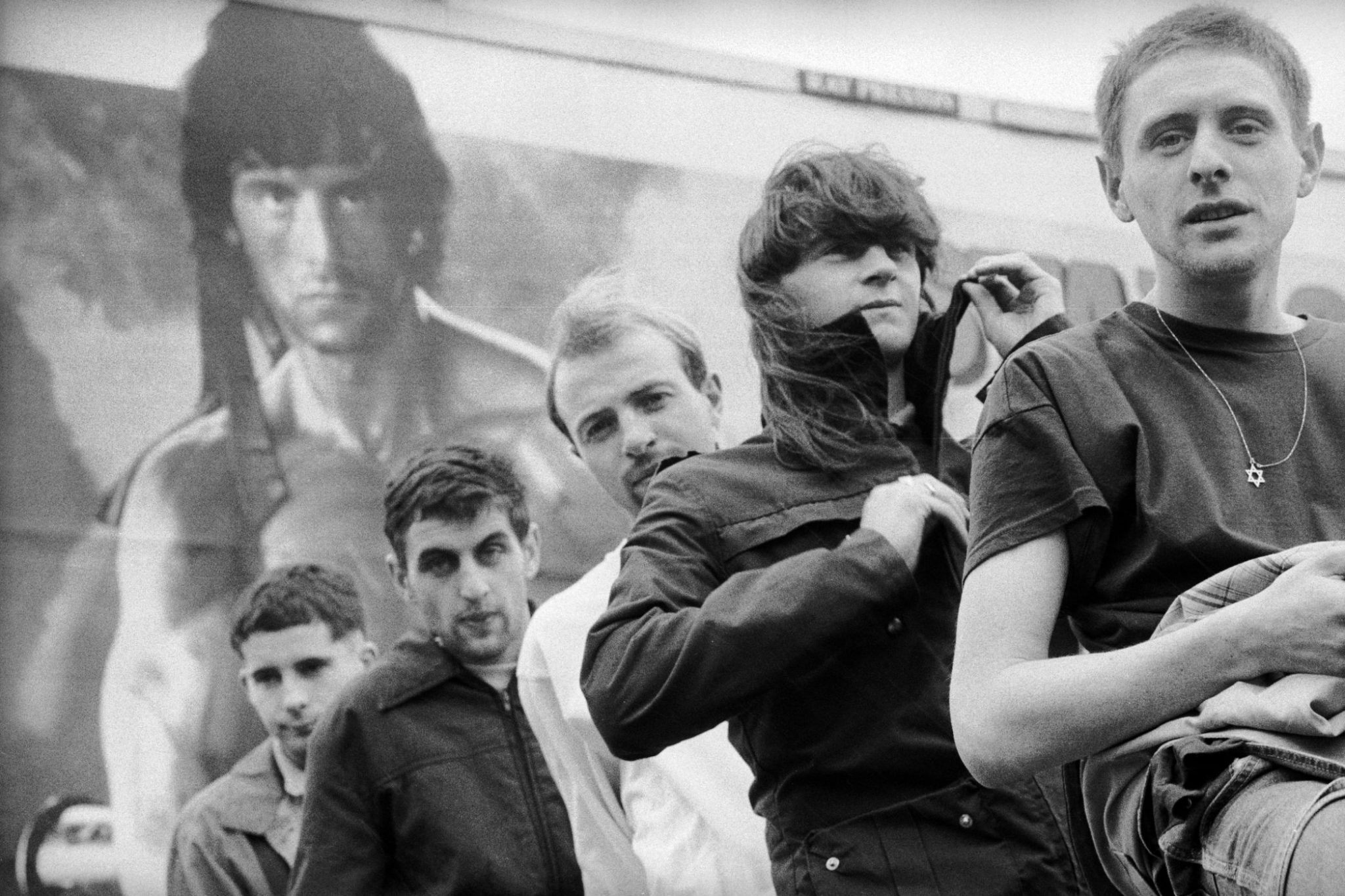
The album's creation was marked by a bizarre, high-contrast pairing in the studio, brokered by Factory Records boss Tony Wilson. Wilson enlisted legendary Velvet Underground multi-instrumentalist John Cale to produce the sessions at Firehouse Studios in London. Cale, an avant-garde veteran, found himself attempting to corral a group of unmanaged, fiercely independent working-class lads from Salford who operated on their own chaotic schedule. Despite the culture clash, Cale recognized the raw brilliance in the band's unorthodox rhythm section. He focused heavily on capturing the lock-step groove between bassist Paul Ryder and drummer Gary Whelan. By anchoring the tracks with prominent, funk-driven basslines and sharp, rhythmic percussion, Cale gave guitarists Mark Day and Paul Davis the freedom to layer the songs with scratchy, unconventional melodies that defied traditional indie-pop structures.
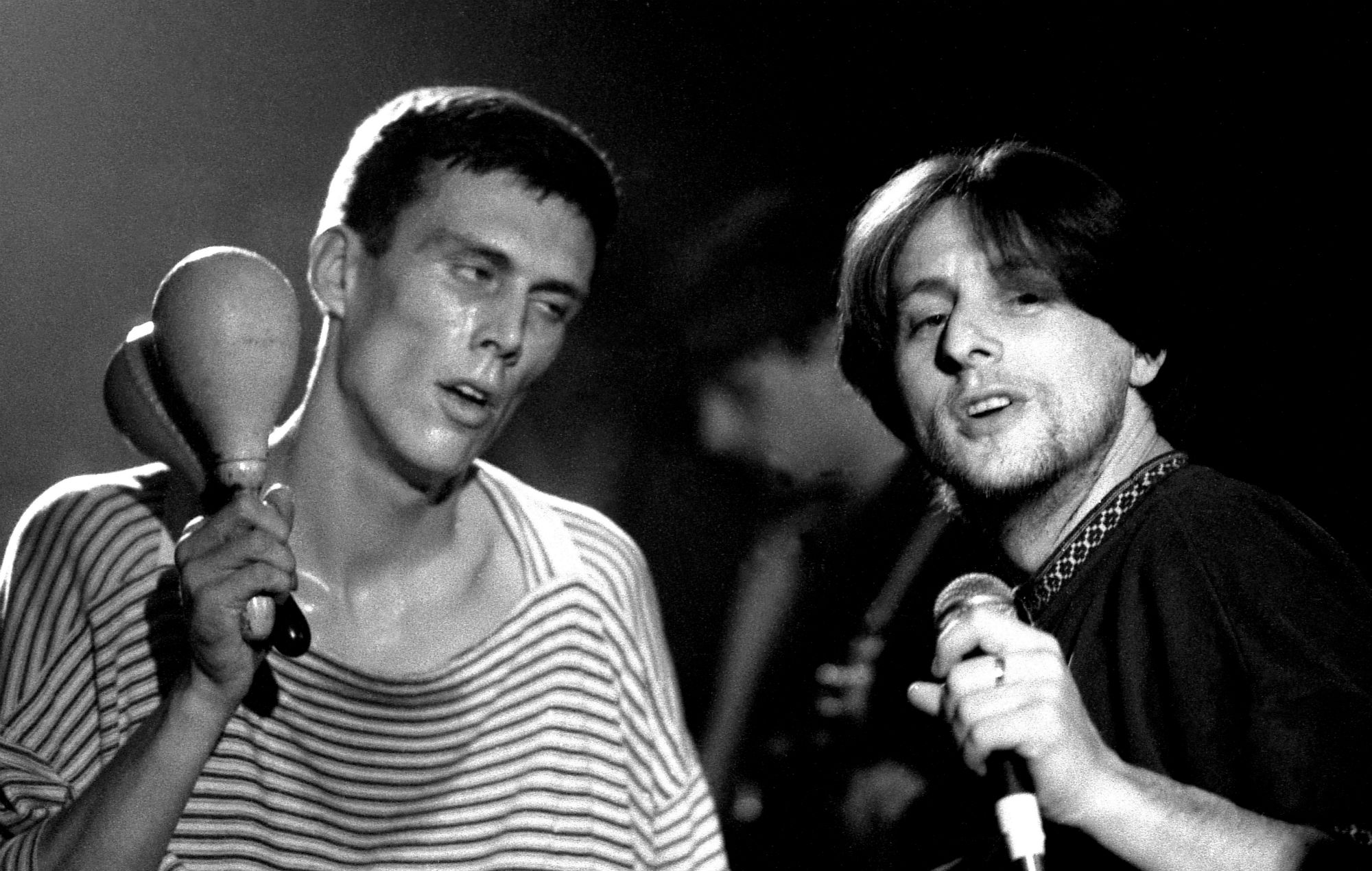
This unique musical backdrop provided the perfect canvas for Shaun Ryder’s emergence as the street-poet laureate of a forgotten generation. Rather than singing traditional choruses, Ryder delivered a stream-of-consciousness collage of slang, criminal underworld anecdotes, and nocturnal observations. His raw, unpolished vocal delivery on tracks like 'Oasis' and 'Kuff Dam' perfectly matched the physical presence of Mark 'Bez' Berry. Bez, who had no musical role in the band, cemented his place in the lineup during these early years purely through his frantic, maraca-shaking stage dancing and infectious energy. Together, the band's erratic behavior and groundbreaking sonic blueprint proved that the boundaries between the gritty Salford streets and the high-art ethos of Factory Records could be completely obliterated.
It was their follow-up, 'Bummed', released in 1988 and produced by the visionary Martin Hannett, that truly crystallised the Happy Mondays’ singular style. 'Bummed' is now celebrated as a cornerstone of the Madchester sound, blending swirling acid house rhythms, psychedelic guitars, and Ryder’s brilliantly chaotic wordplay into an exhilarating whole. Songs such as 'Wrote for Luck', 'Mad Cyril', and 'Lazyitis' not only became club anthems but also captured the raw, unpredictable energy of The Haçienda dancefloor and the city itself. The album’s brash, colourful sound perfectly bridged the gap between indie rock and the exploding dance scene, marking the Mondays as pioneers in the fusion of rock and rave
The making of the album was a notoriously hedonistic and erratic affair, taking place over several drug-fueled weeks at the remote Slaughterhouse Studios in Yorkshire. Factory Records purposely paired the band with Martin Hannett, the legendary producer behind Joy Division’s stark, icy soundscapes, who was himself navigating a chaotic period of personal excess. Instead of clashing, the band’s unhinged energy and Hannett’s eccentric, echo-drenched studio experiments coalesced into something entirely unique. Hannett utilised heavy digital delays, warped sampling loops, and unusual microphone placements to mutate the band's driving rhythm section into a disorienting, psychedelic soup. This studio wizardry turned tracks like 'Mad Cyril' (which famously sampled lines from the film 'Performance') into sonic trips that replicated the disorienting, ecstatic high of the late-1980s club scene
The cultural impact of 'Bummed' was supercharged by the band’s forward-thinking approach to the dancefloor remix. Recognizing that the indie-rock structures of the album tracks needed an extra push to dominate the late-night rave circuit, the band handed 'Wrote for Luck' over to pioneering DJs and remixers like Vince Clarke and Paul Oakenfold. Oakenfold's legendary, club-ready reimagining, re-titled 'W.F.L, stripped back the guitars and propelled the track with a massive, euphoric house beat. This historic crossover moment blew the doors off the traditional music industry. It proved to rock bands and club DJs alike that electronic dance music and live instrumentation were not natural enemies, but rather the dual engines of a brand new, unstoppable youth culture that was about to take over the world
The influence of these albums was profound. The Happy Mondays helped transform Manchester’s music culture, inspiring a wave of bands to blur genre boundaries and embrace experimentation. They played a crucial role in the dramatic rise and eventual collapse of Factory Records, while their fearlessly original approach paved the way for the global success of Madchester and Britpop acts that followed. Decades later, songs from their early albums remain staples of indie discos and club nights, their wild spirit and infectious grooves still echoing through Manchester and beyond.
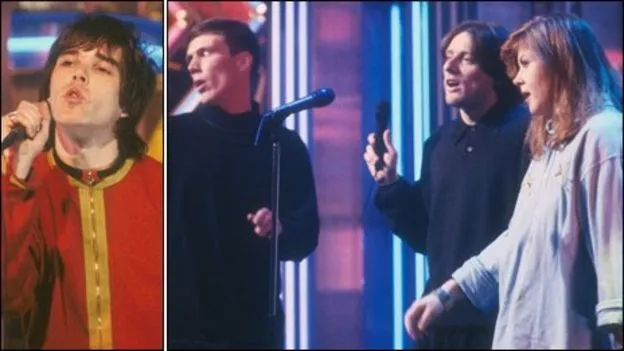
Before Factory Records' rapid decline, the Happy Mondays and The Stone Roses were the biggest bands in Britain. On November 23, 1989, both bands performed on Top of the Pops. The Stone Roses played their latest single 'Fools Gold'. In contrast, the Happy Mondays, featuring the late, great Kirsty MacColl, performed 'Hallelujah' from their 'Madchester Rave On' EP.
Madchester, once an underground movement, erupted into the mainstream, triggering a seismic cultural shift that reverberated across the UK. The simultaneous chart entries of The Stone Roses and Happy Mondays marked a pivotal moment for indie music and the youth of Britain; The Stone Roses and Happy Mondays were no longer the talk of indie nights, students, John Peel and the NME. They were being propelled into the living rooms of the nation.
Amidst the dominance of Stock, Aitken, and Waterman's factory-produced pop hits and novelty acts like Jive Bunny, The Stone Roses and Happy Mondays emerged as disruptors. Their fresh, rebellious energy resonated with a disillusioned youth, challenging and rewriting the status quo in a way not seen since The Smiths.
This was a watershed moment: the counterculture had broken through into the mainstream. Even the establishment, often slow to embrace change, couldn't ignore the seismic shift taking place. The bands didn't play the game on Top of the Pops, a popular British music chart television program. Take Ian Brown, for example, so blatant with his miming and Bez, the Mondays' Ecstasy-fuelled, lovable mascot.
Both bands proved that anyone could do it. It was a call to arms for the next generation. All of this unfolded against a backdrop of Thatcherite policies, mass unemployment, and urban decay, conditions that fostered both anger and creativity among Manchester’s youth and deeply influenced the music and culture of the era.
The influence of Madchester was not confined to the rise of The Stone Roses and Happy Mondays. The Top of the Pops performance that brought the movement to national attention had a ripple effect throughout the UK music scene. Bands like The Charlatans, The Inspiral Carpets, and James quickly absorbed the new sounds and energy emanating from Manchester, releasing songs in the following year that were steeped in the groovy, psychedelic rhythms and dancefloor sensibility of Madchester.
Tracks such as The Charlatans’ 'The Only One I Know', The Inspiral Carpets’ 'This Is How It Feels', and James’ 'Come Home' all showed clear traces of the Madchester aesthetic, blending jangly guitars, swirling organ lines, and infectious, baggy beats. This new wave of bands helped cement Manchester’s reputation as the epicentre of a major musical revolution, ensuring that the influence of Madchester would spread far beyond the city’s borders and shape the sound of British alternative music for years to come.
Driven by Clint Boon’s distinct, swirling Farfisa organ lines, The Inspiral Carpets became one of the movement's most reliable hit-makers, but their operation also served as a crucial breeding ground for the future of Britpop. In 1988, a young local musician named Noel Gallagher auditioned to be their new lead singer. While he was passed over in favour of Tom Hingley, the band hired him as a guitar technician and roadie instead. Gallagher spent several years touring the world with the group, accompanied by his close friend and sound engineer Mark Coyle. This formative period behind the scenes allowed Gallagher and Coyle to absorb the inner workings of a successful touring rock band first-hand. The sonic knowledge and industry experience they gained on the road directly shaped their work just a few years later, when Coyle co-produced Oasis's seminal debut album 'Definitely Maybe'.
Before Tom Hingley stepped up to the microphone, the band’s raw, garage-rock foundations were captured on early garage-pop tracks like 'Keep the Circle Around'. Featuring original vocalist Stephen Holt, this seminal track was fueled by Boon’s signature organ and a driving, post-punk energy that defined their pre-baggy underground era. It established the band's fiercely independent spirit and community-driven ethos long before they were swept into the national spotlight.
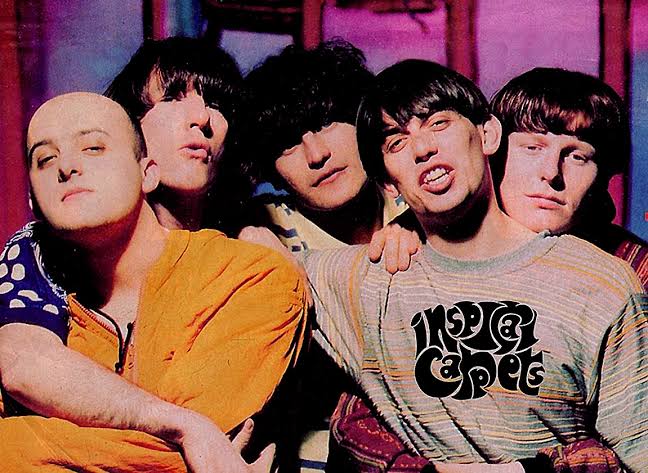
The true cultural explosion arrived when the band refined their garage sound into the melancholic pop masterpiece 'This Is How It Feels' from their 1990 debut album 'Life'. Written by Boon, the track juxtaposed a deceptively catchy, singalong melody with sobering lyrics that explored the grim realities of working-class domestic isolation and mental health. It became the ultimate anthem of the Inspiral Carpets catalogue, reaching the UK Top 20 and permanently welding Boon’s reedy Farfisa chords into the DNA of the Madchester movement.
As the Madchester scene evolved, the band proved they were far more than a one-dimensional party act by revealing a darker, more cynical edge to their writing on 'Two Worlds Collide'. Released as a standout single from their 1992 third studio album, 'Revenge of the Goldfish', the track paired a massive, muscular bassline with hauntingly stark lyricism about human survival and societal neglect. For many fans and critics, the intricate, layered instrumentation of 'Two Worlds Collide' represented the absolute creative peak of the classic Hingley-led lineup.
By 1994, the group delivered one last, glorious burst of psychedelic optimism with their massive, space-age hit 'Saturn 5'. Serving as the lead single for their fourth studio album, 'Devil Hopping', the track was a deliriously infectious piece of pop songwriting propelled by an unmistakable, whirring keyboard riff. Bolstered by quirky, retrospective 1960s space-race imagery and surreal lyrics, 'Saturn 5' became an instant dancefloor staple. Decades later, the song remains an essential piece of Madchester history, proving that even as the wider scene faced fracturing lineups and changing times, the Inspiral Carpets still possessed an unmatched ability to make audiences move.
Meanwhile, James provided a unique bridge between the 1980s indie-pop underground and the massive, stadium-sized anthems of the 1990s. Though they had already been active for years as darlings of the Smiths-era indie scene, the band truly unlocked their commercial potential by embracing the dance-infused energy of the Madchester boom. The breakthrough came when electronic pioneer Flood remixed 'Come Home' for the 1990 album 'Gold Mother', transforming their guitar-driven folk-rock into a bona fide dancefloor crossover smash. Frontman Tim Booth’s eccentric, expressive dancing and evocative lyrics found a perfect home within the baggy subculture. This pivotal stylistic shift laid the foundation for the band's peak creative era, culminating in timeless, arena-conquering masterpieces like 'Sit Down' and the experimental, Brian Eno-produced masterpiece 'Laid'.
This triumphant mainstream breakthrough was the hard-won culmination of a tumultuous decade spent on the fringes of the music industry. Formed in Whalley Range in 1982, James initially caught the ear of Tony Wilson, who signed them to the legendary Factory Records for early releases like the 1983 'Jimone' EP. Despite earning a coveted support slot on tour with The Smiths, the band struggled with lineup changes, financial ruin, and label disputes throughout the late 1980s, even volunteering as medical research subjects to pay their rent. Their fortunes shifted drastically when they expanded their line-up to include multi-instrumentalist Saul Davies, keyboardist Mark Hunter, and trumpeter Andy Diagram. This seven-piece powerhouse re-recorded their signature anthem 'Sit Down' in 1991, adding Diagram's triumphant horn lines to create a unifying anthem of empathy and inclusion that spent three weeks at number two on the UK charts.
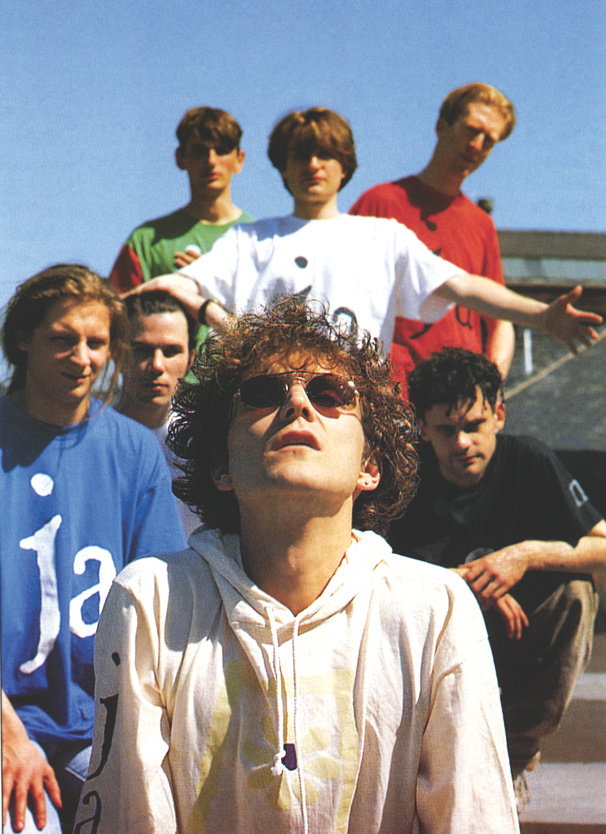
Having conquered the arena circuit with 'Gold Mother' and its 1992 follow-up 'Seven', James boldly chose to dismantle their stadium-pop formula by partnering with visionary producer Brian Eno. This creative marriage birthed their 1993 masterpiece 'Laid', an album recorded through intense, unstructured jam sessions that prioritized raw emotion over rigid pop structure. The title track, 'Laid', with its acoustic drive and Booth's falsetto hooks, broke the band into the American alternative market, while the album's ambient undercurrents showcased their immense musical versatility. Eno’s philosophy so thoroughly liberated the band that the excess material from those sessions was released as the companion experimental album 'Wah Wah'.
By continuously refusing to be pigeonholed, James proved that a band could evolve from the jangly roots of early Manchester indie into both commercial giants and avant-garde pioneers.The legendary recording sessions took place over six weeks at Peter Gabriel’s Real World Studios in Wiltshire, a venue that perfectly complemented Eno's unconventional methods. Eno pushed the seven-piece band to strip away their rehearsed stadium arrangements and engage in completely improvised, live-in-the-studio jams. He kept multiple tape machines running constantly, capturing accidental strokes of genius that would have been lost in a traditional tracking session. This approach drastically altered Tim Booth's lyrical delivery, forcing him to write melodies and lyrics on the fly, which injected tracks like 'Sometimes (Lester Piggott)' and 'Say Something' with an unprecedented vulnerability and urgency. The resulting sonic landscape was a breathtaking mixture of acoustic intimacy and avant-garde textures that stood in stark contrast to the heavy, distorted grunge rock dominating the global airwaves in 1993.T
his fruitful artistic partnership with Eno extended far beyond a single record, deeply reshaping the band's trajectory throughout the rest of the decade. The critical and commercial triumph of 'Laid' gave James the creative confidence to continue mutating their sound, leading to their electronic-tinged 1997 album 'Whiplash', which featured the hit single 'She's a Star', and their 1999 reunion with Eno for the lush, cinematic album 'Millionaires'. Even as the mid-1990s Britpop explosion saw many of their peers double down on traditional guitar-pop formulas, James remained stubbornly experimental. By blending Eno’s ambient sensibilities with their own innate gift for massive, communal hooks, they secured a legacy as one of the most creatively daring and enduring acts to ever emerge from the Manchester music scene
As with previous decades, this period coincided with the rise of a new drug, ecstasy, which became a defining force in reshaping British youth culture. More than just a recreational substance, ecstasy was a social catalyst, breaking down barriers in gender and class, fostering a sense of unity and euphoria, and fueling the explosion of the Madchester scene. It is impossible to overstate how vitally important ecstasy was to this era; without it, the marriage of indie rock and Acid House that defined late-80s and early-90s Manchester may never have happened.
The early 1980s in Manchester, and across the UK, were marked by rampant violence, football hooliganism, and riots. The arrival of ecstasy marked a sudden, seismic shift: aggression and tribalism were replaced almost overnight by collective joy and a desire for togetherness. Strangers became friends on the dancefloor, and the city’s nightlife transformed into a utopia of movement, music, and acceptanc
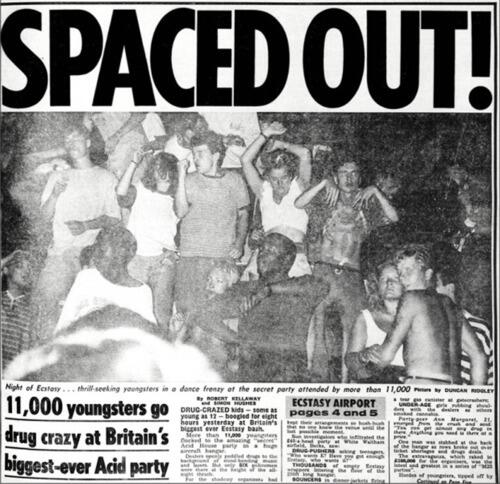
The epicentre of this new world was The Haçienda, which rapidly evolved from a live music venue into the UK’s most famous nightclub. Bankrolled by New Order and Factory Records boss Tony Wilson, the club initially lost vast sums of money as a cold, post-punk hangout. However, it underwent a complete sonic rebirth when legendary resident DJs like Mike Pickering and Graeme Park imported the raw, electronic dance records emanating from Chicago and Detroit. Their legendary 'Nude' nights on Fridays transformed the club into a sanctuary for a generation searching for escape, adventure, and belonging. The club’s legendary nights drew crowds from all over the country, and the music pulsed through the city, spilling out into illegal raves in warehouses, empty factories, farmers’ fields, and even abandoned aircraft hangars. These secret gatherings, often organised by word of mouth, pirate radio broadcasts, or cryptic flyers, became the heartbeat of a new musical revolution.
This explosive subculture quickly drew the ire of the British establishment, triggering an era of intense political anxiety and heavy-handed policing. As tens of thousands of young people flooded the orbital motorways every weekend to attend massive, rogue events like Blackburn's Joy raves, the government responded with panic. Parliament passed strict anti-rave legislation, giving police sweeping powers to intercept convoys, seize sound systems, and shut down gatherings before they could even begin. Simultaneously, the scene within the city limits grew increasingly fractured; the utopian atmosphere of The Haçienda was gradually compromised by the infiltration of Manchester’s notorious gangland element, which fought for control over the highly lucrative drug trade inside the venue.
Despite its eventual, turbulent collapse, it was the most critical musical and cultural shift since punk, forging bonds and spawning ideas that would shape British music for decades. It fundamentally altered the way music was consumed, breaking down the traditional divide between the live band on stage and the audience dancing on the floor. At the time, few realised the full magnitude of what was happening; only in retrospect does the scale of this transformation become clear