Death of the Party- The 90s Part 3
"The death of the party came as no surprise". Blur would utter those famous words in 1997, and they were right in more ways than one. Britpop was over. It had peaked the year before with Oasis at Knebworth; the movement had reached the top of the mountain, and now anyone with an acoustic guitar and a bucket hat was treated as the second coming of Christ.
It had gone to the dark side; Oasis had made it into the tabloids, the "Battle of Britpop" had taken it out of Blur, and politicians had stepped in.
One of the bands that started the whole thing would be the first to signal Britpop's death. With their self-titled fifth album, Blur would distance themselves from Britpop in dramatic fashion, channelling the lo-fi, alternative rock of American indie bands like Pavement and Sonic Youth. The shift was in part due to a letter from the band’s guitarist that uttered these famous words: "I wanted to scare people again..."
The result was a rawer, more experimental sound that saw Blur leave behind the cheeky British social commentary of their previous work in favour of darker, more introspective themes and abrasive textures. 'Beetlebum' opened the album with a woozy, Lennon-esque haze, exploring addiction and fractured relationships with a sense of resigned beauty. It gave the band their second Number One single. 'Song 2' became a global phenomenon, its ironic, grungy, two-minute blast of distorted guitars and "woo-hoo" choruses poking fun at American alt-rock even as it became an anthem in its own right.
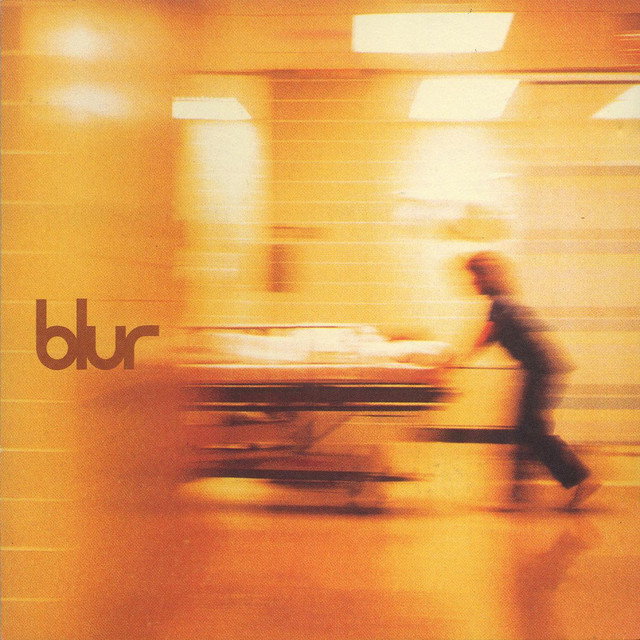
On Your Own' was a glimpse of Damon Albarn’s future with Gorillaz, melding lo-fi electronics, drum machines, and a sense of detached cool that pointed the way for British pop’s next reinvention. 'Death of a Party' conjured a sense of late-night dread, haunted by the comedown after the decade’s long party, while 'Look Inside America' offered a wry, outsider’s take on the British invasion of the States, and Graham Coxon's 'You're So Great' delivered a stripped-back, lo-fi love song that hinted at the vulnerability beneath Blur’s new edge. Tracks like 'Essex Dogs' and 'Strange News from Another Star' added further layers of darkness and experimentation, showing Blur’s willingness to reinvent themselves without losing their core identity. This album didn’t just mark the beginning of the end for Britpop; it signalled that Blur, and British guitar music, were ready for a new era.
f Blur’s 1997 self-titled album was a bold step away from Britpop, 13 (released in 1999) was an even greater leap into uncharted territory. The album found Blur in a state of creative flux, fractured by internal tensions, personal heartbreak, and a collective desire to push beyond the boundaries of what British guitar music could be. Produced by William Orbit, 13 was an ambitious, experimental record that traded in the band’s previous pop sensibilities for a soundscape that was raw, sprawling, and emotionally charged.
From the opening moments, it’s clear 13 is an album about transitions and unravelling. 'Tender' begins with a gospel-tinged acoustic strum, swelling into a cathartic singalong that channels both hope and heartbreak. Damon Albarn’s lyrics, shaped by his high-profile breakup with Elastica’s Justine Frischmann, are painfully vulnerable, while Graham Coxon’s guitar work oscillates between delicate lyricism and jagged distortion. The single “Coffee & TV,” sung by Coxon, is a bittersweet ode to escapism and alienation, pairing melodic hooks with a sense of aimless longing. Its surreal music video, featuring the now-iconic milk carton, became an instant classic.
Elsewhere, 13 explores sonic territory that veers between psychedelic noise and fragile introspection. “Bugman” and “Swamp Song” are abrasive, disorienting tracks that showcase the band’s willingness to embrace chaos and experimentation, while 'Trimm Trabb' fuses hypnotic grooves with existential anxiety. “No Distance Left to Run” stands as one of Albarn’s greatest ballads, a raw, world-weary admission of emotional exhaustion and letting go, its gentle melody belying the ache at its core.
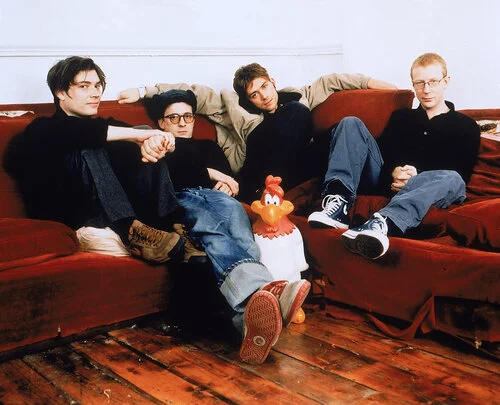
The album is also marked by a sense of fragmentation, songs often unravel or dissolve into ambient textures, reflecting the band’s own uncertainties and shifting relationships. William Orbit’s production adds layers of electronic shimmer and atmospheric detail, giving the album a dreamlike, sometimes disorienting quality that set it apart from anything Blur (or their Britpop peers) had attempted before. '13' wasn’t always an easy listen, nor was it designed to please the masses. Instead, it stands as a document of a band in transition, embracing messiness and vulnerability as a source of power.
The critical response was mixed at first; some fans missed the directness of earlier Blur records, but the album has since been recognised as one of the band’s most adventurous and emotionally resonant works. In pushing beyond the boundaries of genre and expectation, Blur not only reinvented themselves, but helped lay the groundwork for the experimental, emotionally open British music that would follow in the new millennium.
No account of the 1990s British guitar scene would be complete without mentioning The Stone Roses. After their legendary self-titled debut (1989) helped lay the groundwork for the entire Madchester and Britpop movements, the band spent years mired in legal battles and anticipation for a follow-up.
When 'Second Coming' finally arrived in December 1994 after more than five years, it emerged into impossible expectations and with a sound that sharply contrasted the shimmering indie pop of their debut. The album marked a dramatic shift towards a heavier, blues-rock direction, with John Squire’s guitar work and Reni’s drumming at the forefront. The opening track, 'Breaking Into Heaven', is a sprawling, nearly 11-minute epic that sets the tone: atmospheric, ambitious, and driven by Squire’s Hendrix-inspired riffs and Reni’s dynamic rhythms. Lyrically, Ian Brown’s vocals remain cryptic and evocative, reflecting the band's mythic status and a yearning for transcendence.
Love Spreads', the lead single, captured the band’s new swagger, with a slinky, Zeppelin-esque riff and a gospel-inflected chorus. Driven by John Squire’s muscular slide guitar and Ian Brown’s cryptic, biblical lyrics, the track reimagined the story of Christ with a feminist twist, casting 'the woman in the picture' as a messiah figure. Its bluesy strut and bold, almost mythic energy made it an anthem for the band's second act. 'Love Spreads' became their highest-charting single, reaching number 2 in the UK and announcing the Roses’ return with confidence. The song’s infectious riff and gospel harmonies showcased the band’s willingness to experiment and evolve, while still retaining their knack for memorable hooks.
'Ten Storey Love Song' stands out as one of the album’s most melodic and heartfelt tracks, recalling some of the warmth of their first record with its jangly guitars and yearning vocals. Unlike the heavier, blues-driven tracks on 'Second Coming', 'Ten Storey Love Song' is a soaring ballad built on shimmering guitar layers and a sweeping chorus. Lyrically, it’s a plea for redemption and connection, with Brown’s vocals at their most tender and sincere. The song’s lush arrangement and emotional directness have made it a favourite among fans, often seen as a rare moment of vulnerability on an otherwise swaggering album. Its timeless quality and melodic strength have cemented 'Ten Storey Love Song' as a highlight of the Roses’ later output.
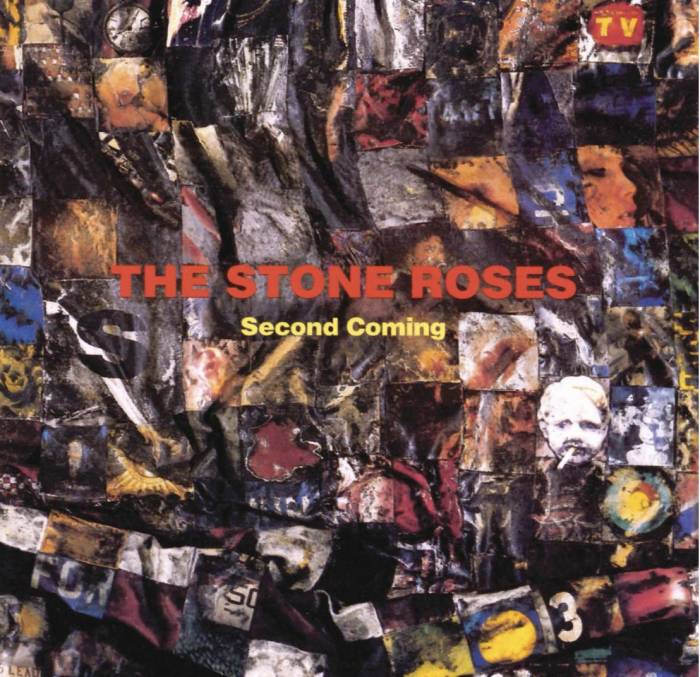
Meanwhile, 'How Do You Sleep' continues the blues-rock exploration, pairing winding guitar lines with Reni’s intricate rhythms and lyrics that hint at bitterness and disillusionment, perhaps reflecting the band’s mounting internal tensions. The track stands out for its brooding atmosphere and a sense of resignation, with John Squire’s expressive guitar work adding layers of emotional complexity. Many fans interpret the song’s accusatory tone as a reflection of the strained relationships within the band, especially as the Roses struggled with the pressure to live up to their debut and navigate creative differences. Reni’s drumming provides a subtle, almost jazzy counterpoint to the song’s darker mood, making it a showcase for his underrated musicianship. 'How Do You Sleep' is often seen as a microcosm of the album itself: tense, searching, and marked by a sense of something slipping away.
Despite flashes of brilliance, the long delay and shift in style divided fans and critics alike. Internal strife soon came to a head: in 1995, Reni, whose unique drumming and harmonies were central to the Roses’ sound, left the band, followed by John Squire in 1996, citing musical differences and the strain of the group’s unravelling relationships. Their departures effectively marked the end of the classic Stone Roses lineup.
The band’s headline slot at the 1996 Reading Festival would become infamous. With Reni and Squire gone, Ian Brown and Mani recruited replacement musicians, but the chemistry was lost. Brown’s vocals were widely criticised as out of tune, and the band looked uncomfortable and disconnected on stage. Technical problems and a lacklustre set led many to declare the gig a disaster; it’s often cited as one of the worst headline performances in Reading’s history. The disastrous Reading set symbolised the Roses’ demise, and the band quietly disbanded soon after, their legacy secure but tinged with what-might-have-been.
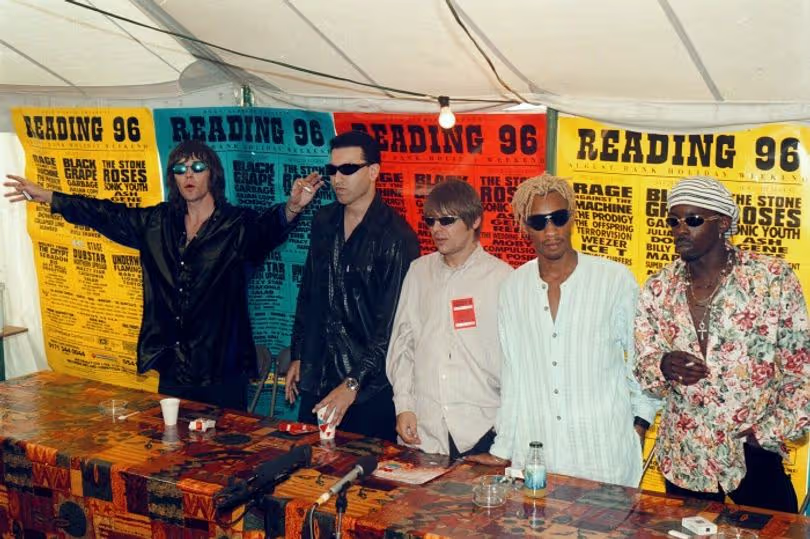
Looking back, 'Second Coming' remains a divisive album. While some fans lamented the loss of the debut’s shimmering pop, others have come to appreciate its ambition and musicianship. The album’s bold, bluesy direction and legendary backstory have cemented its place as a fascinating, if flawed, chapter in the Stone Roses’ history. The events that followed- the departures of Reni and Squire and the Reading debacle- turned the Roses’ second act into one of rock’s most notorious cautionary tales.
Staying in Manchester, Oasis would add the second nail to the Britpop coffin with the release of 'Be Here Now'. Anticipation was sky-high after the triumph of Knebworth and their run of number-one singles, especially with Britpop at its commercial peak. Leading the charge was the colossal single 'D'You Know What I Mean?', which opened the album campaign with a sonic onslaught of helicopters, backwards guitars, and swaggering attitude. Many view 'D'You Know What I Mean?' as Oasis at their absolute peak: a band with total confidence, unleashing a massive wall of sound and a chorus built to echo around stadiums. It captured both the bravado and the excess of the era, and for a brief moment, it felt like Oasis could do no wrong.
'Be Here Now' was their third studio album, released on August 21, 1997, and was expected to cement their status as the biggest band in the world, perhaps even bigger than The Beatles. It became a symbol of Britpop’s overindulgence and the excesses of the era. Noel Gallagher himself would later sum up the sessions as “the sound of a bunch of guys, on coke, in the studio, not giving a fuck.” Gallagher has been vocally critical of the album’s final mix, lamenting the endless layers of guitar overdubs and the near-total absence of bass. He once joked that, for every millisecond Liam isn’t singing, there’s an unnecessary guitar riff filling the void. Gallagher has also admitted he wilted under the immense pressure of being the “biggest songwriter in the world” after (What’s the Story) Morning Glory?, writing most of the tracks on holiday and later dismissing the songs as overly long with poor lyrics. Initial reviews were glowing, and the album became the fastest-selling in UK history at the time, but its legacy is far more complicated.
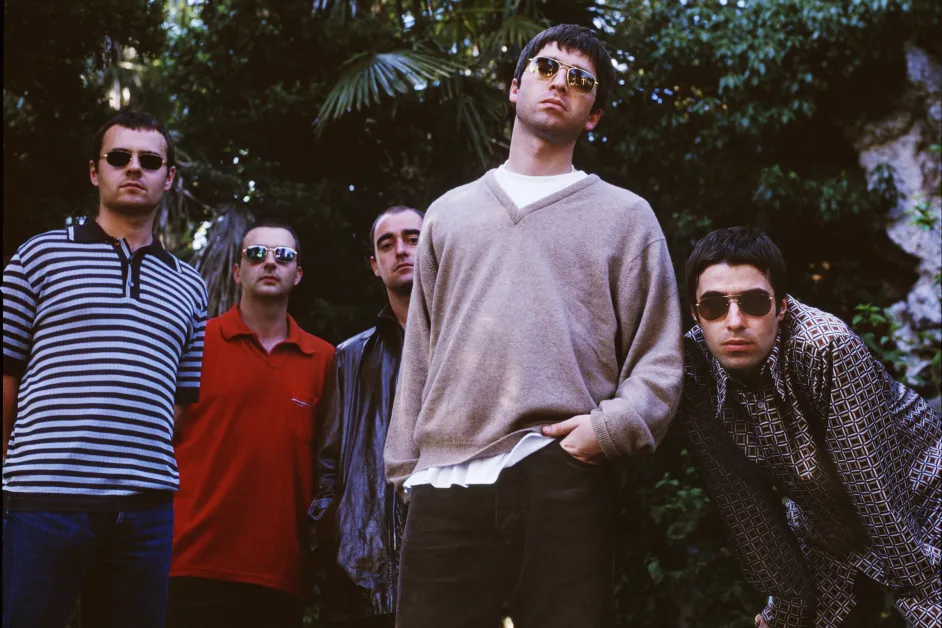
While the album has some good songs, it is overproduced, overindulgent, and far too long. Tracks like 'My Big Mouth', 'It’s Getting Better Man', and 'I Hope, I Think, I Know' show flashes of brilliance but are buried under layers of bloated production and endless guitar overdubs. 'All Around the World' clocks in at nearly ten minutes, complete with multiple key changes and a full-blown orchestral outro. Notably, 'All Around the World' was a song Noel Gallagher had written years earlier, before Oasis even had a record deal. He’d always dreamed of giving it the full epic treatment, and with the band’s success, he finally could. Despite its grand ambitions, the song’s length and over-the-top arrangement became emblematic of the album’s excesses. Even 'Stand By Me', a fan favourite, feels weighed down by its excess. It was the sound of a band that, let’s face it, didn’t really care. They were the biggest band in the world, and they acted like it. 'Be Here Now' feels like the sound of five people on cocaine.
At the time, the album was met with near-universal critical acclaim. Reviewers hailed it as a masterpiece before the dust had even settled. Q magazine gave it five stars, and the NME declared it "a brave and beautiful album." But time hasn’t been kind. Even Noel Gallagher now famously hates it and admits they should have released the B-sides instead.
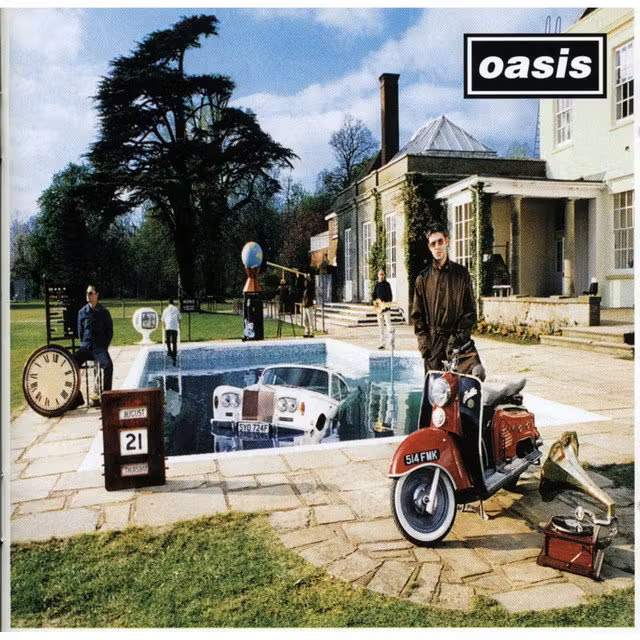
The album is now considered, but it became the fastest-selling British album ever upon release, eventually selling over eight million copies. An eight-million-selling flop. If anything, 'Be Here Now' stands as a fascinating snapshot of peak Britpop excess when ego, hype, and success collided in a way that only Oasis could deliver.
One band that didn’t get it wrong in 1997 was The Verve. After years of near-misses, internal turmoil, and disputes with their label and among themselves, they managed to reunite and create one of the best records of the decade, 'Urban Hymns', released in September of '97. It wasn’t just a comeback; it was a reinvention. The album showed the world that The Verve were not just a Northern indie band; they were a force to be reckoned with, and Richard Ashcroft was one of his generation's finest songwriters.
Just look at the tracklist and what’s on it: 'Bitter Sweet Symphony', 'The Drugs Don't Work', 'Lucky Man', and 'Sonnet' were the singles. That run of singles rivals any other band of the '90s, not just in quality, but in emotional weight and cultural impact.
'Bitter Sweet Symphony', the defining single, is one of the era's most iconic songs. Built around a hypnotic orchestral sample from an Andrew Oldham orchestral version of The Rolling Stones’ 'The Last Time', it perfectly marries existential lyrics with soaring, anthemic production. The song’s release was quickly overshadowed by a bitter legal battle: The Verve had secured rights to use the sample, but ABKCO, the company controlling The Rolling Stones’ catalogue, argued the band had used more than agreed.
The result was devastating; songwriting credits (and royalties) were awarded to Jagger and Richards, and The Verve lost out on millions, despite 'Bitter Sweet Symphony' being their creation. The saga became a cautionary tale of the music industry’s ruthless side, and only decades later did Jagger and Richards return the rights to Ashcroft.
The song’s video was equally iconic, showing Richard Ashcroft striding down a London street, bumping into passers-by with steely indifference. The visual’s sense of defiance and alienation was inspired by Massive Attack’s 'Unfinished Sympathy' video, which similarly featured a single, continuous shot of a solitary figure moving through a city. This directorial choice elevated 'Bitter Sweet Symphony' from mere single to cultural touchstone, capturing the alienation and determination at the heart of late-’90s Britain.
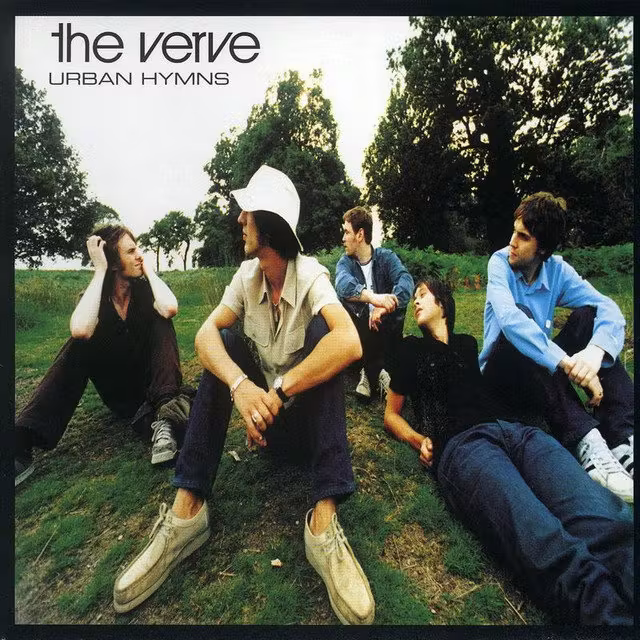
'The Drugs Don't Work' reached number one and remains one of the most devastatingly beautiful songs about grief and addiction ever written. Its release coincided with the death of Princess Diana in August 1997, and the song’s sombre tone and themes of loss seemed to echo the mood of a mourning nation.
For many, 'The Drugs Don't Work' became an unofficial requiem, capturing a collective sense of sadness and reflection at a time when Britain was grieving on a national scale. 'Lucky Man' captured a quieter, contented sense of euphoria; its uplifting melody and introspective lyrics about gratitude and fate offered a rare, optimistic moment on the album. It became an anthem for anyone who’d survived the decade's chaos and found peace in the simple joy of being alive. 'Sonnet', meanwhile, is a masterclass in Ashcroft’s lyrical romanticism, combining poetic longing with a swelling arrangement that builds to a cathartic, almost gospel-like release. The song’s blend of vulnerability and grandeur cemented it as a fan favourite and a staple of the band’s live shows, proof of The Verve’s ability to wring universal emotion from personal confession.
Beyond the hits, the album had incredible depth. Tracks like 'Weeping Willow', 'Velvet Morning', and 'Catching the Butterfly' revealed a band that could seamlessly blend psychedelic textures with Britpop sensibilities. One of the true gems is 'Space and Time', a soaring, reflective anthem that captures Richard Ashcroft’s gift for turning personal struggle into universal longing. With its swelling strings, shimmering guitars, and lyrics about hope and perseverance, "There’s a space and time, I want to keep my mind" stands as one of the most uplifting moments on the record. 'Space and Time' manages to be both intimate and anthemic, a perfect example of how 'Urban Hymns' balanced grandeur with emotional honesty. 'Urban Hymns' wasn’t just a collection of songs; it felt like a statement, a culmination of everything The Verve had been trying to say since their debut.
The album’s production, led by Youth and Chris Potter, gave it an expansive, lush, cinematic, and emotionally resonant sound. Richard Ashcroft’s lyrics captured both personal turmoil and universal longing, while Nick McCabe’s guitar work painted atmospheric backdrops that elevated the songs well beyond standard indie rock. The orchestral arrangements, particularly on 'Bitter Sweet Symphony', added a grandeur rarely heard in British guitar music at the time.
Commercially, 'Urban Hymns' was a phenomenon, becoming one of the best-selling albums in UK history and picking up multiple Brit Awards. Its impact rippled across the music world, inspiring a host of bands to embrace richer instrumentation and more ambitious songwriting. The album’s blend of anthemic singles and introspective deep cuts made it not just a defining moment of the late '90s, but a lasting influence on British music for years to come.
Sadly, the unity didn’t last. The band split again in spring 1999, plagued by the same personal tensions that had haunted them throughout their career. It’s a shame because 'Urban Hymns' gave a glimpse of a band on the cusp of their very peak.
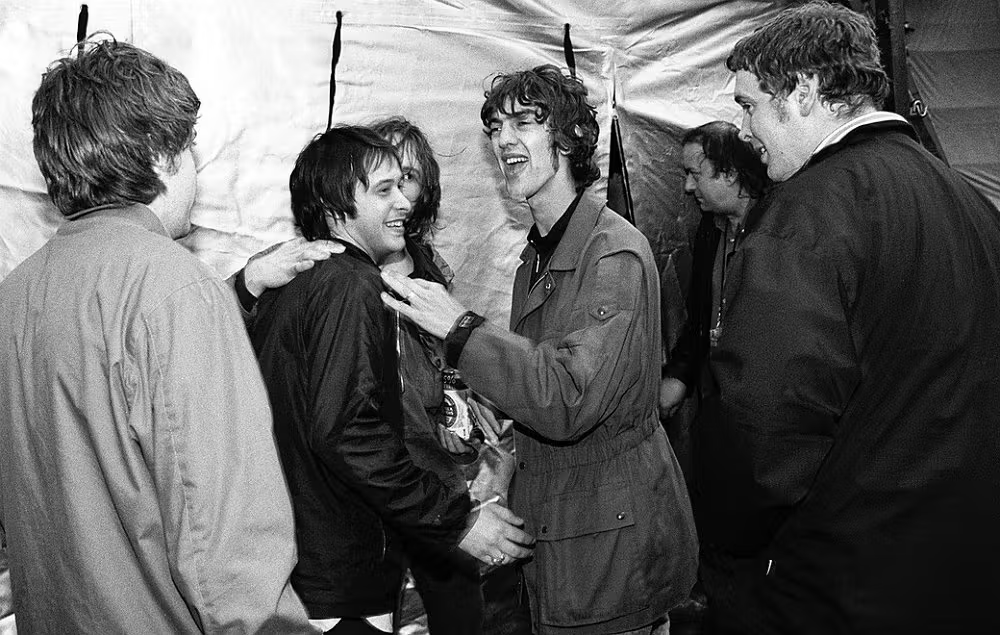
However, before the breakup, the band would get their moment in the sun. On May 24th 1998, The Verve would take to the stage at Haigh Hall, a stately mansion and parkland in Wigan, the band's hometown. In front of a crowd of 35,000 people, the event became one of the defining live moments of the late '90s. Haigh Hall wasn’t just a homecoming; it was a triumphant celebration of a band at the peak of their powers, in a setting that underscored their roots and sense of place.
The scale of the concert was immense: tickets sold out almost instantly, and fans travelled from all over the country to witness the band’s emotional return to Wigan. The setlist was a victory lap through 'Urban Hymns', with classics like 'Bitter Sweet Symphony', 'Lucky Man', and 'The Drugs Don’t Work' uniting the crowd in mass singalongs. Tracks from 'A Northern Soul' brought a raw energy, reminding fans of the band’s turbulent journey to the top. The atmosphere was euphoric, equal parts festival, homecoming, and farewell.
Visually, the sight of thousands sprawled across the Haigh Hall grounds as dusk fell was unforgettable. The band’s performance was charged with a sense of finality, as if they and the crowd knew this was the last time such magic might happen. For Wigan, it was a point of local pride; for British music, it was a send-off for one of the era’s most important bands at their absolute zenith. Although their peak was short-lived, The Verve wrote and recorded some of the most iconic songs of that decade, and Haigh Hall captured the spirit of their brief reign perfectly.
With 'This Is Hardcore', Pulp put the final nail in the Britpop coffin. While their peers either imploded or disappeared into excess, Pulp stripped away the movement’s last illusions of glamour and optimism. 'This Is Hardcore' was not just a break from the buoyant wit of 'Different Class'; it was a plunge into the dark underbelly of fame, sex, and the tabloid circus that had engulfed Jarvis Cocker and the band. The album’s title track set the tone: a sleazy, cinematic epic, built on a lush, descending piano loop and swelling orchestration, that explored fame’s emptiness and the corrosive effects of obsession, desire, and voyeurism. Cocker’s lyrics were brutally honest, painting fame as a joyless, mechanical performance, "You are hardcore, you make me hard", and laying bare the transactional nature of celebrity and pleasure.
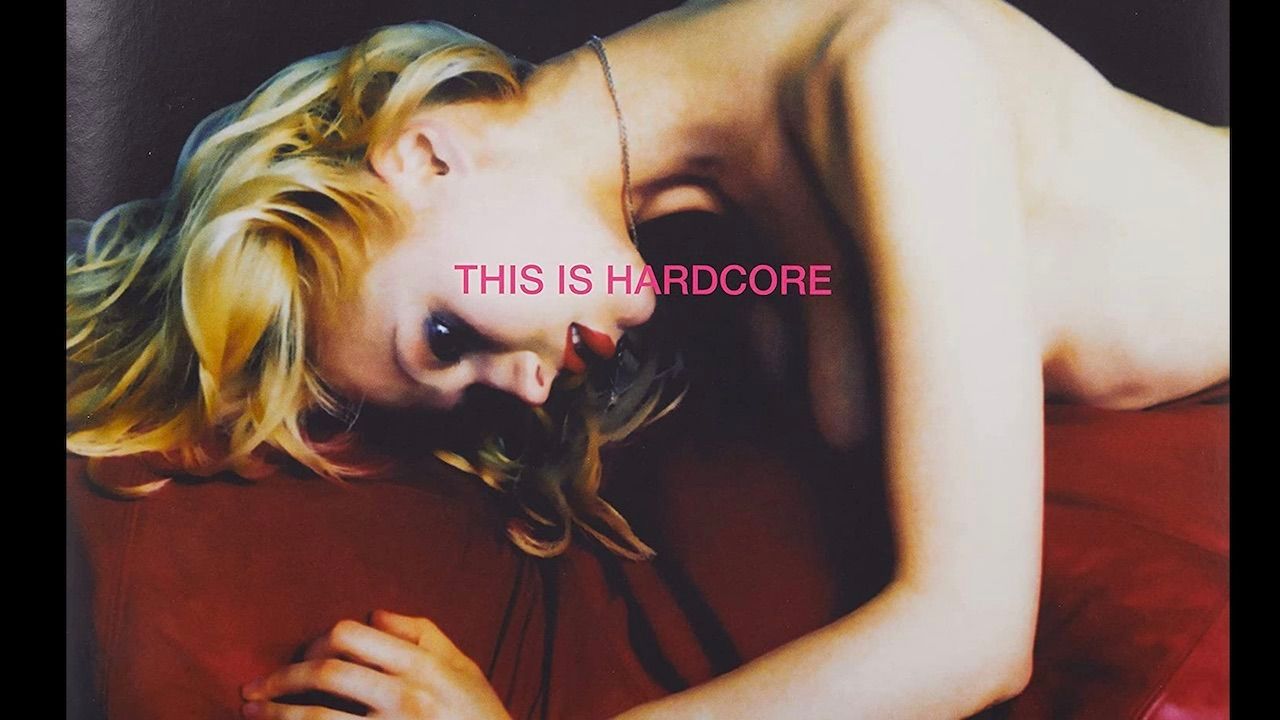
The whole album drips with late-night exhaustion and existential dread, as if the party has not only ended but left the revellers stranded in the ruins. Tracks like 'The Fear' and 'Party Hard' confronted anxiety, burnout, and the cost of living in the spotlight, while the infamous B-side 'Cocaine Socialism' offered an even more caustic, satirical take on the era’s hedonism and the hollowness behind the party façade. Songs like 'Help the Aged' and 'A Little Soul' offered moments of vulnerability and regret, contrasting the album’s icy glamour with flashes of humanity. The production, all noirish synths, cinematic strings, and creeping grooves, created a sense of faded grandeur, part Weimar cabaret, part 1970s sleaze, part kitchen-sink drama.
If 'Different Class' was the sound of a nation on the dancefloor, 'This Is Hardcore' was the sound of the morning after: queasy, uncertain, and painfully self-aware. It remains one of the boldest, most unflinching albums of the era, a fearless confession from a band unafraid to show the cracks beneath the surface glamour.
Jarvis Cocker’s world-weary perspective and the band’s stark honesty exposed the exhaustion at the heart of late-'90s Britain. The hope, cheek, and swagger of Britpop were replaced by a sense of reckoning, an admission that the party was truly over. In doing so, Pulp captured the collective hangover of a generation, providing a fitting, fearless elegy for an era defined as much by its excess as its exuberance. 'This Is Hardcore' wasn’t just a bold departure from their previous work; it was a cinematic, unflinching confession that cut to the bone and remains one of the era’s most hardcore artistic statements, Pulp at their most fearless and uncompromising.
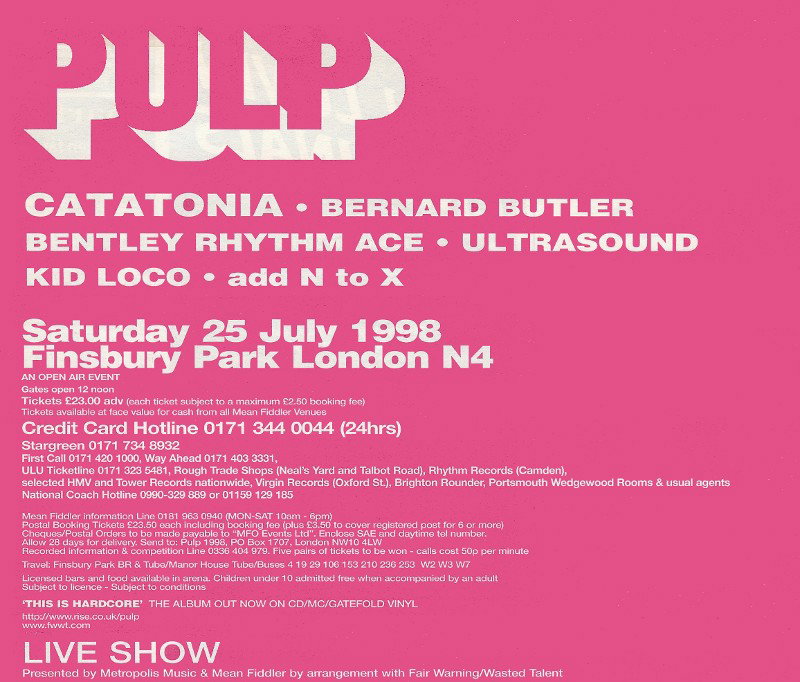
Just as Oasis had Knebworth and Blur had Mile End, Pulp had their moment in July 1998 with "Pulp in the Park" at Finsbury Park. Following the global success of 'Different Class', Pulp returned to London for this custom-curated outdoor headline event. Playing to 35,000 fans in support of their dark, critically acclaimed album 'This Is Hardcore', Jarvis Cocker commanded a guitar-heavy bill that included rising Welsh rockers Catatonia and ex-Suede guitarist Bernard Butler. The entire show was immortalised in their famous concert film, 'The Park Is Mine', capturing both the spectacle of the performance and the enduring cultural importance of Pulp in the late '90s.
I mentioned Radiohead in part two, and said it wouldn't be the last of them in this post. Well, they also released an album in 1997, OK Computer. The album is often regarded by critics as one of the best albums of all time, and the band has been hailed as saviours of modern music. I disagree with both of those statements. However, I cannot deny that 'OK Computer' is an excellent album, a record that truly changed the game for British rock and pushed the boundaries of what a guitar band could achieve.
'OK Computer' marked a defining moment for both Radiohead and the wider music landscape. The album is built on a foundation of alienation, technology, and the anxieties of the modern world. Tracks like 'Karma Police', 'No Surprises', and 'Paranoid Android' showcase not just musical complexity and ambition, but a willingness to challenge listeners with shifting structures, cryptic lyrics, and a sense of unease that captured the late-’90s zeitgeist. 'Paranoid Android', in particular, is a mini-epic that jumps between time signatures and moods, while 'No Surprises' offers a lullaby of existential dread beneath its gentle melody.
The album is filled with sonic experimentation, glitchy electronics on 'Airbag', icy atmospherics on 'Subterranean Homesick Alien', and the apocalyptic grandeur of 'Exit Music (For a Film)'. Each song explores new territory, yet the album holds together as a unified statement on disconnection and the digital age.
The production, led by Nigel Godrich, is dense and layered, full of details that reveal themselves on repeated listens. Thom Yorke’s vocals veer from resigned to desperate, while Jonny Greenwood’s guitar work pushes the instrument into new, often unrecognisable territory, blending seamlessly with electronics and avant-garde sounds. 'OK Computer' was miles away from the Britpop optimism of the era, instead offering something more anxious, cerebral, and futuristic. Its influence can be heard in countless bands that followed, from Coldplay and Travis to Muse and beyond. The album expanded the possibilities for British guitar music, proving it could be artful, innovative, and emotionally resonant in equal measure.
In 1997, Radiohead would also headline Glastonbury, delivering a performance that instantly became the stuff of legend. The conditions that night were infamously grim; torrential rain had turned the festival site into a sea of mud, and technical problems plagued the band's equipment from the start. At one point, Thom Yorke confessed to the crowd that he could barely hear himself on stage. Yet, rather than falter, Radiohead channelled the chaos into an emotionally raw and transcendent set. The band powered through, with songs from 'OK Computer' like 'Paranoid Android' and 'Exit Music (For a Film)' resonating with even more intensity against the stormy backdrop.
According to festival hosts Michael and Emily Eavis, it was the greatest performance Glastonbury had ever seen. The crowd, united by adversity, responded with rapturous support, thousands singing along in the rain, refusing to let the weather dampen their spirits. The synergy between band and audience created an atmosphere of catharsis and collective endurance, making the set a defining moment not just for Radiohead, but for Glastonbury history. The performance showcased Radiohead's ability to connect on a profound level, transcending technical setbacks and miserable conditions to deliver an unforgettable, career-defining show that solidified their reputation as one of the most innovative and emotionally powerful live acts of the era.
While the UK was experiencing the rise and transformation of Britpop and post-Britpop guitar bands, across the Atlantic, one of the decade's most haunting and enduring voices emerged: Jeff Buckley. His only completed studio album, 'Grace' (1994), became a cult classic almost instantly, blending soaring, ethereal vocals with expressive guitar work that drew from rock, folk, and blues traditions. Tracks like 'Last Goodbye', 'Lover, You Should've Come Over', and his now-iconic cover of Leonard Cohen's 'Hallelujah' showcased Buckley's extraordinary range and emotional depth. 'Grace' was praised for its ambition and vulnerability, standing in stark contrast to both the bravado of Britpop and the introspection of American grunge.
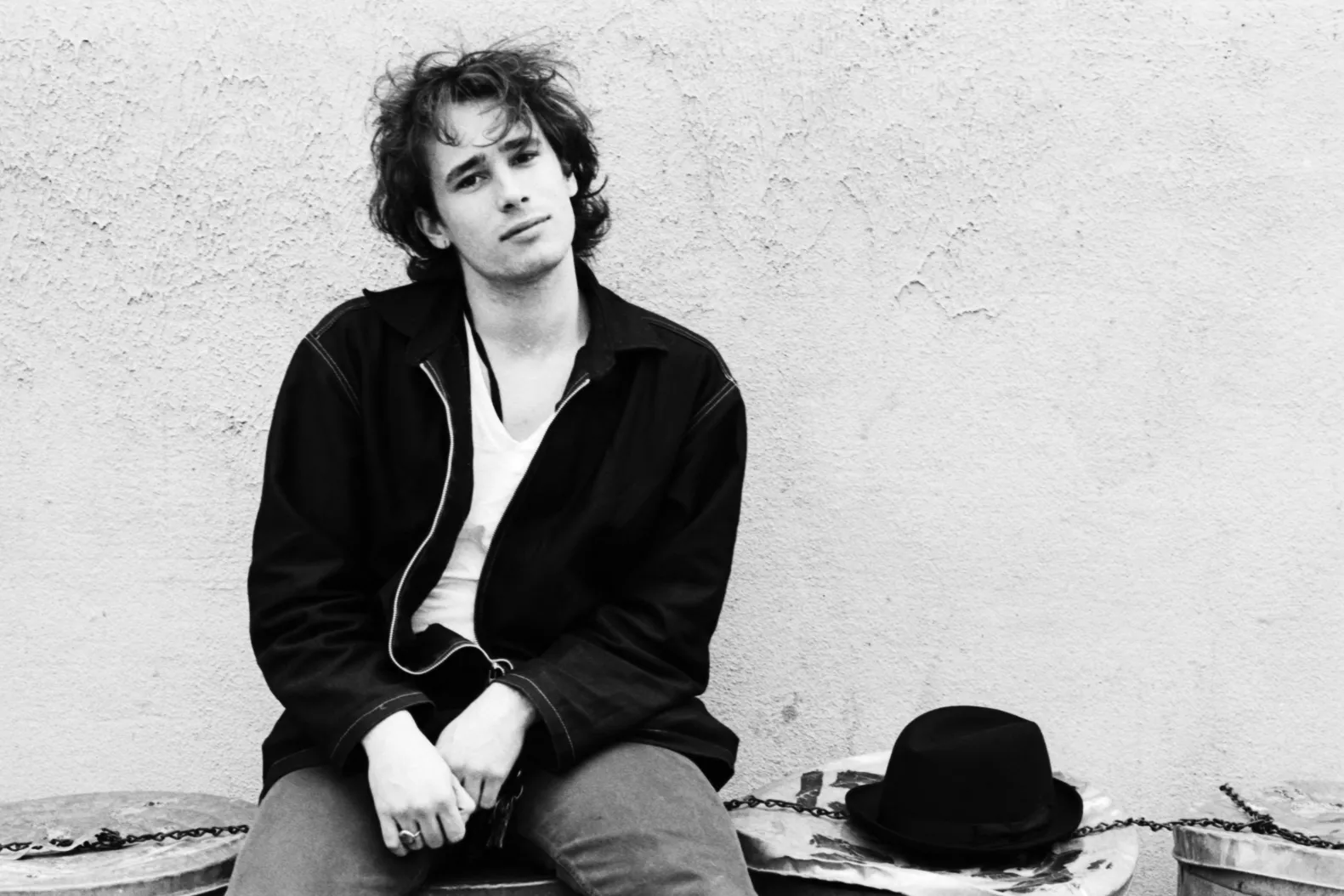
The legacy of 'Grace' has only grown with time. Initially met with modest commercial success, the album gradually earned critical acclaim for its emotional intensity, genre-blurring arrangements, and Buckley’s mesmerising, almost otherworldly voice. Its influence can be traced through countless artists from Radiohead to Coldplay, who cite Buckley’s fearless artistry and expressive singing as a touchstone. Rolling Stone, NME, and many other publications now routinely place 'Grace' among the greatest albums of all time, recognising it as a benchmark of passion, musicality, and lyrical honesty in modern music.
The title track, 'Grace', is a masterful distillation of what made Buckley so unique. Beginning with a shimmering, intricate guitar figure and a sense of melancholy longing, the song builds gradually as Buckley’s voice twists and soars, moving from gentle intimacy to cathartic release. Lyrically, it explores themes of love, mortality, and transcendence, "It's my time coming, I'm not afraid to die", with a poetic intensity that feels both epic and deeply personal. The song’s shifting dynamics and emotional power encapsulate the album’s spirit: vulnerable, searching, and unafraid to reach for the sublime. 'Grace' stands as not just the centrepiece of Buckley’s brief but brilliant career, but also as one of the most moving recordings of the decade.
Tragically, Jeff Buckley's life and career were cut short when he drowned in 1997 at the age of 30, just as he was beginning to record his second album. His early death only added to the mythic quality of his music, and over the years, 'Grace' has grown in stature, regularly appearing on lists of the greatest albums of all time. Buckley's influence can be heard in countless artists who followed, making his brief presence on the '90s music scene feel all the more poignant and profound.
Whilst in England, bands were reinventing themselves, across the border in Wales, one band was just getting started. Stereophonics released 'Word Gets Around' in August 1997, a debut album that captured the essence of small-town life with its gritty yet beautiful storytelling. Every song feels rooted in real people and real places, painting vivid scenes of valleys, pubs, playgrounds, and the dramas of ordinary lives.
The album spoke to the trials and tribulations of everyday existence, touching on themes of love, loss, friendship, rumour, and personal reflection. Songs like 'Local Boy in the Photograph' chronicled the tragic loss of a friend with a blend of nostalgia and heartbreak, while 'A Thousand Trees' explored the destructive power of gossip in a close-knit community. 'Looks Like Chaplin' and 'Traffic' added snapshots of life in Cwmaman, told with a mix of grit and wry humour. Even the more upbeat tracks carried a sense of melancholy and longing, with Kelly Jones’s raspy vocals giving each story emotional heft.
'Word Gets Around' may not have been the most experimental album of the era, but it remains a brilliant collection of songs that introduced the world to Stereophonics' distinctive style: emotive, character-driven rock with a strong sense of place and authenticity. The record’s raw honesty and relatable themes helped it become an instant classic in Wales and beyond, setting the foundation for everything the band would achieve next.
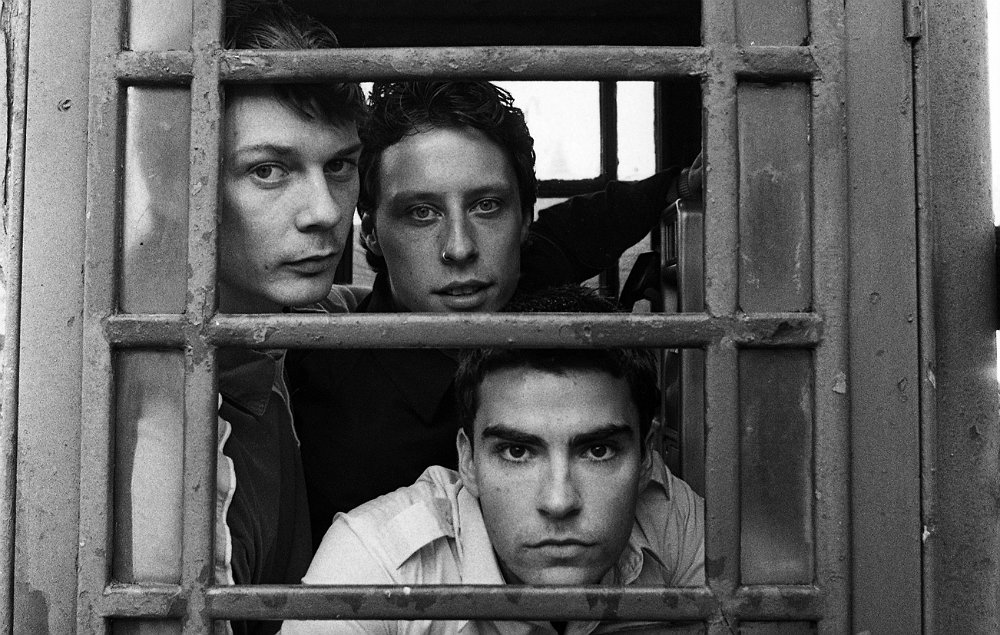
This wouldn’t be the only album they released in the ‘90s. By 1999, Stereophonics had evolved further with 'Performance & Cocktails', an album that saw the band hone their songwriting, expand their sound, and embrace a bigger, more confident production style. The record is widely regarded as a career-defining moment, featuring a string of enduring anthems that blended rock swagger, bluesy grit, and stadium-sized choruses.
'Pick a Part That’s New' is a breezy, hook-laden song, capturing the restless spirit of the band's disappointment with America, as they had felt they had seen most of it already through films and TV showes,. 'Just Looking' layers bittersweet nostalgia over crisp guitars, its melancholy lyrics about love and regret resonating with fans everywhere. 'The Bartender & the Thief', arguably the band’s biggest rock anthem, explodes withsingalongenergy and a singalong chorus tailor-made for festival crowds. Other highlights include the soulful 'Hurry Up and Wait', the reflective 'I Wouldn't Believe Your Radio', and the swaggering 'Roll Up and Shine'.
'Performance & Cocktails' showed a band unafraid to grow up and broaden their sonic horizons. Kelly Jones’s storytelling remained central, but the stakes felt bigger and the sound more widescreen. It was the album that took Stereophonics from promising newcomers to one of the defining British bands of the turn of the millennium. While Britpop may have faded, Stereophonics helped carry the spirit of honest, guitar-driven songwriting forward, paving the way for many acts that followed.
A particularly notable moment in the band's early years came with their iconic performance at Morfa Stadium in Swansea in 1999. This gig was a milestone for Stereophonics, as they performed in front of a hometown crowd of over 50,000 fans, a staggering achievement for a band who, just a few years earlier, were playing pubs and small clubs. The scale of the event was unprecedented for a Welsh act at the time, marking the first time a local band had headlined such a major venue in Swansea.
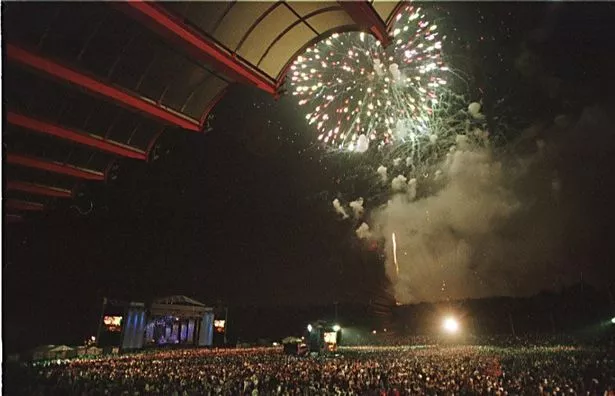
The energy and passion of the night were electric, with the band feeding off the crowd’s enthusiasm and pride. Kelly Jones’s raspy vocals and storytelling struck a chord with the audience, and songs like 'Local Boy in the Photograph', 'A Thousand Trees', and 'Just Looking' took on an anthemic quality, uniting thousands in a communal sense of identity and belonging. The gig was also broadcast on national television, elevating Stereophonics’ profile across the UK and solidifying their status as one of Wales’ most important musical exports.
1999 also saw two of the most underrated bands of the '90s release two of the most underrated albums of the decade. Travis released 'The Man Who', marking a significant change in sound for them and a shift in pace as the decade came to a close. The album, produced by Nigel Godrich, was a collection of acoustic masterpieces, with 'Why Does It Always Rain on Me?' as its centrepiece, a sombre and reflective track that captured a deep sense of melancholy and hope. Songs like 'Driftwood', 'Writing to Reach You', and 'Turn' highlighted Fran Healy’s gentle, introspective songwriting. 'The Man Who' moved away from the louder, brasher sounds of Britpop, embracing subtlety, vulnerability, and a melodic simplicity that stood out in the late '90s musical landscape. Its influence was quietly seismic, opening the door for a new wave of emotionally honest British guitar bands.
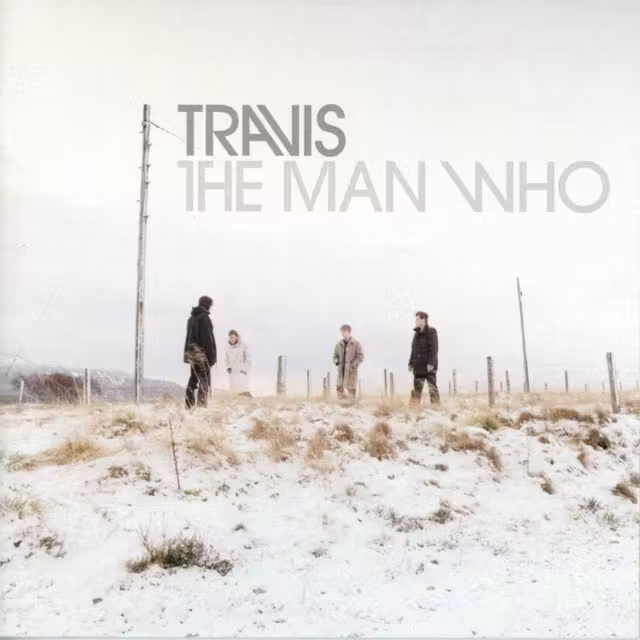
'The Man Who' didn’t just mark a turning point for Travis; it quietly influenced a wave of post-Britpop acts that embraced vulnerability and emotional honesty in their songwriting. The success paved the way for bands like Coldplay, who would rise to prominence at the start of the next decade with their own blend of melodic, introspective guitar pop. Coldplay's debut album, 'Parachutes', released in 2000, owed a clear debt to the groundwork laid by Travis and helped solidify the post-Britpop sound as a mainstay of British music in the new millennium. Its introspective mood made it a slow-burn classic, gaining more recognition over time despite flying somewhat under the mainstream radar upon release.
Shack also released 'HMS Fable', an album I often call “the greatest record no one has ever heard”, a work as tragic as it is beautiful. Released in 1999, 'HMS Fable' arrived just as the Britpop wave had crashed, not as a hangover from the party, but as a sobering, poetic reflection on the years that had passed. Where so many albums of the era glorified excess and bravado, this was the antidote: an honest portrait of drug use, stripped of glamour and filled instead with heartbreak, resilience, and soul.
Michael Head’s songwriting on 'HMS Fable' is rich, layered, and deeply personal. Tracks like 'Comedy', 'Natalie's Party', and 'Lend Some Dough' shimmer with a melancholy beauty and lyrical honesty. The production is lush but never overbearing, giving space for the melodies and Head’s storytelling to breathe. 'Pull Together' rises as a soaring anthem of redemption and friendship. At the same time, 'Beautiful' lives up to its name, a delicate, aching masterpiece.
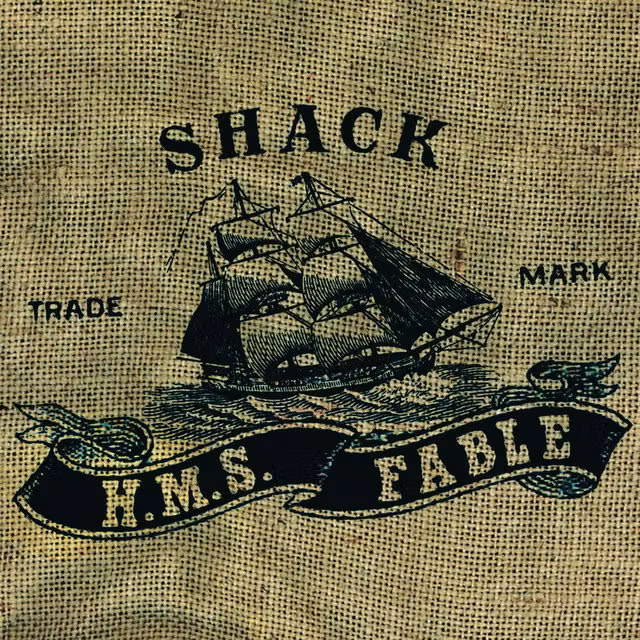
The tragedy of 'HMS Fable' lies in its obscurity. Despite its brilliance, it never reached the audience it deserved. Shack had long been a band haunted by misfortune, label collapses, addiction, and bad timing. But here, they delivered something timeless.
Of course, 'HMS Fable' wasn’t Shack’s first excellent record. Before it came 'Waterpistol', a lost classic recorded in 1991 but not released until 1995 due to a series of almost farcical setbacks. Shortly after the album’s completion, the studio burned down, taking most of the master tapes with it. By sheer luck, a DAT copy survived, saved by producer Chris Allison, who had taken it on holiday. But by the time it resurfaced, Shack’s label had folded, and the band had already split.
When it finally appeared in 1995, 'Waterpistol' slipped into cult status, unsupported by any real promotion. And yet, it’s the sound of a band on the cusp of something remarkable, jangly, melodic guitar pop drenched in Scouse melancholy and hard-earned wisdom. Michael Head’s songwriting is poetic yet grounded, sincere and full of depth. Tracks like 'Mood of the Morning', 'Undecided', and the brilliant opener 'Sgt. Major' carry an emotional rawness, softened by shimmering arrangements. Songs like 'Mr. Appointment' and 'I Know You Well' reveal the band’s ability to weave hope and heartbreak into the same breath.
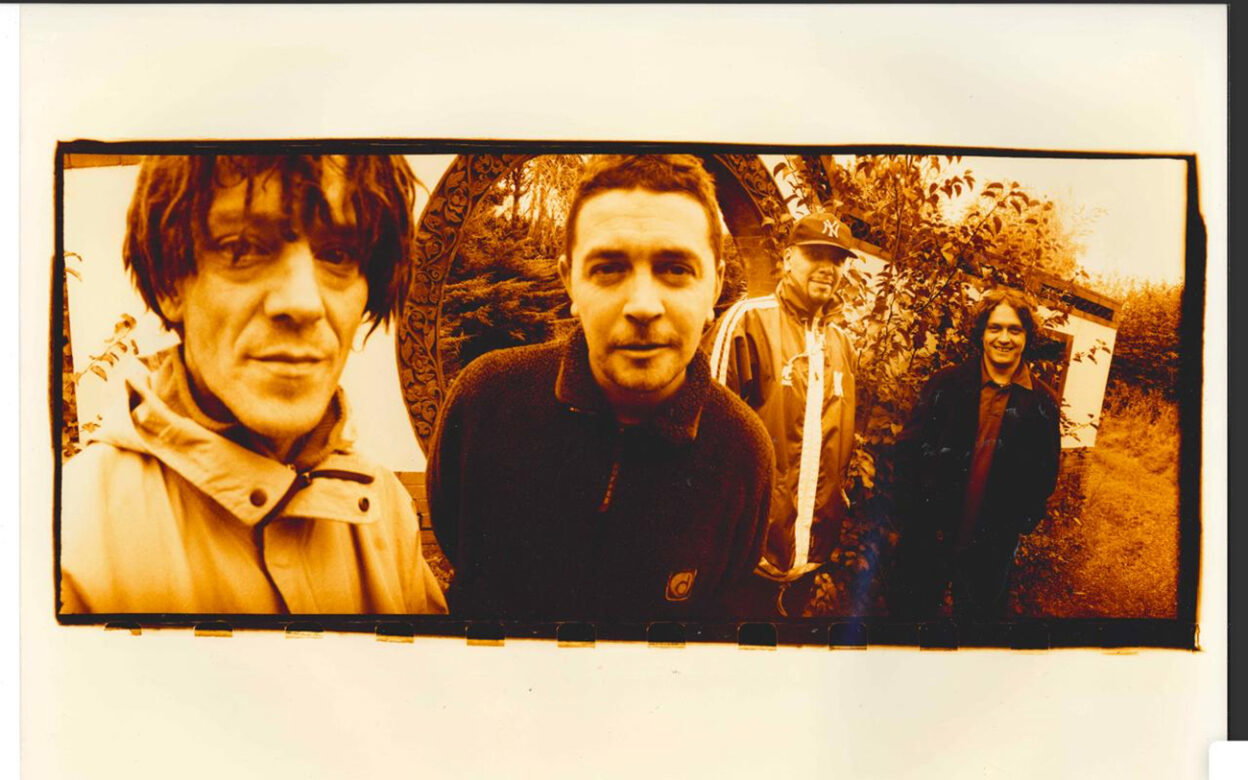
Rooted in pain and loss, 'HMS Fable' nonetheless overflows with hope, beauty, and humanity. It stands quietly in the shadows of more celebrated Britpop albums. Still, for those who discover it, it becomes something cherished, something sacred. It felt like the perfect curtain call for a chaotic decade. The credits roll. It’s over.
However, this section isn’t quite finished yet. I know it’s called Death of a Party, but in this part of the decade, dance music was gearing up to hit the mass market in a way that few had anticipated.
In 1997, The Prodigy released ‘The Fat of the Land’, an album that didn’t just break boundaries; it demolished them. The record is a masterclass in genre fusion, pulling together elements of punk, rave, hip-hop, and industrial music to create something blisteringly original and unapologetically aggressive.
'Firestarter' instantly became a generational anthem, Keith Flint’s snarling vocal delivery, Liam Howlett’s abrasive beats, and the distorted guitar riffs turned the track into an explosive statement of intent. The song’s energy, attitude, and controversial video (banned by some networks for its intensity) made it one of the most iconic singles of the decade. 'Breathe' followed with a similarly menacing groove, its hypnotic bassline and eerie atmosphere capturing both the anxiety and the adrenaline of club culture at the time. The interplay between Keith Flint and Maxim Reality on vocals gave the track a sense of urgency and unpredictability, making it a dancefloor classic.
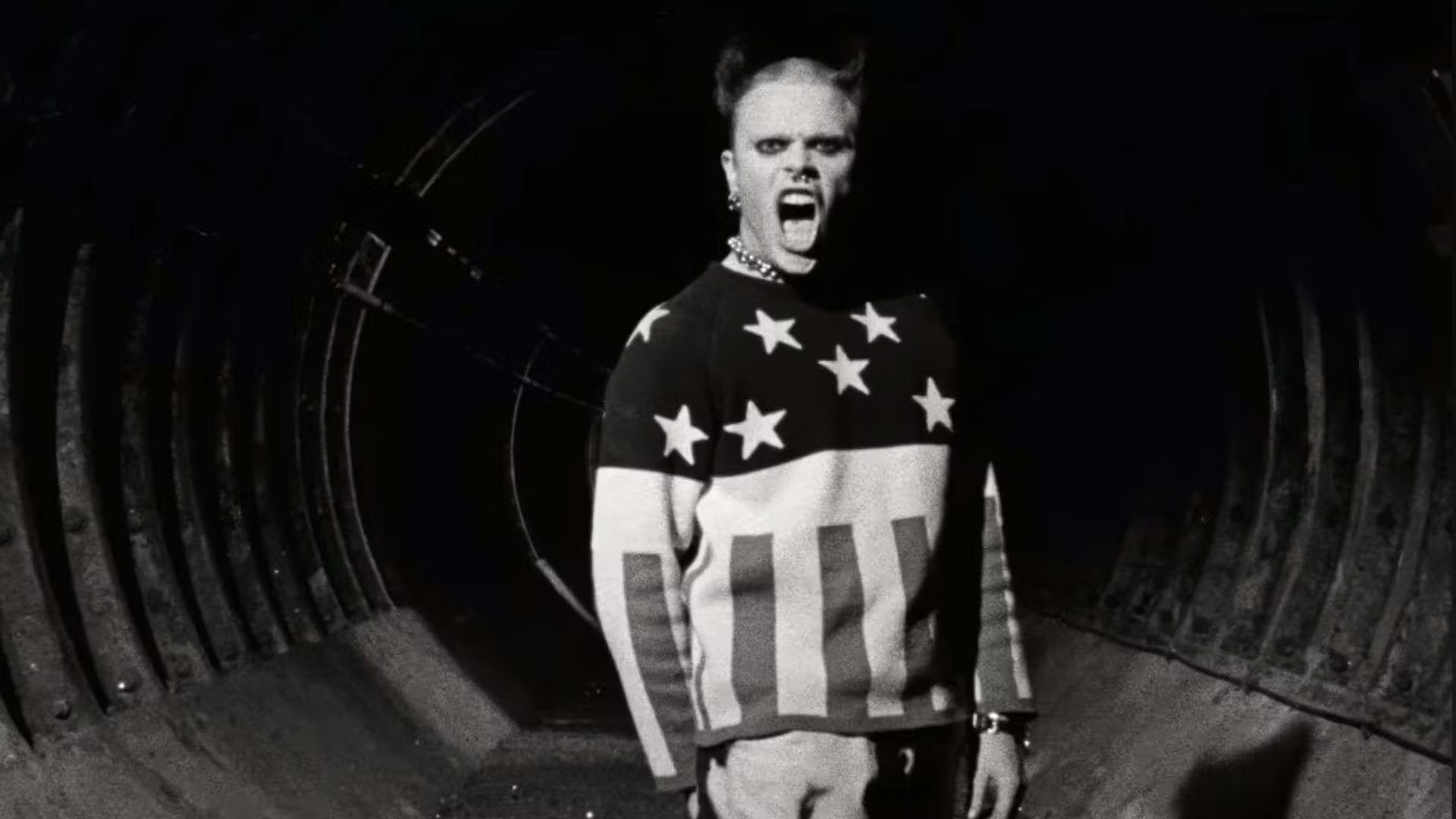
Then came 'Smack My Bitch Up', the album’s most provocative and polarising moment. Driven by thunderous breakbeats and a sample-heavy, chaotic structure, the track pushed boundaries both musically and lyrically. Its music video, shot in a disorienting first-person perspective, courted controversy worldwide but also cemented The Prodigy’s reputation for fearless artistic risk-taking. The controversy only added to the album’s mythos, sparking debates about censorship and the limits of artistic expression.
But ‘The Fat of the Land’ was much more than its singles. Deep cuts like 'Diesel Power', a rap-electro hybrid featuring Kool Keith, brought American hip-hop directly into the heart of British dance music. 'Narayan', with its trance-like build and lush textures, and 'Mindfields', with its relentless, cinematic intensity, showed the band’s ability to create immersive sonic worlds. Even the cover of L7’s 'Fuel My Fire' added a grungy, nihilistic edge, further blurring genre boundaries.
That same year, The Chemical Brothers dropped ‘Dig Your Own Hole’, an album that merged modern dance beats with 1960s psychedelia to create a hybrid no one expected, but that worked brilliantly. 'Setting Sun', the ’90s answer to ‘Tomorrow Never Knows’, featured a haunting vocal from Noel Gallagher and soared to the top spot on the charts. At the same time, 'Block Rockin’ Beats' became a dancefloor classic. This album firmly cemented The Chemical Brothers as one of the most important British dance acts ever.
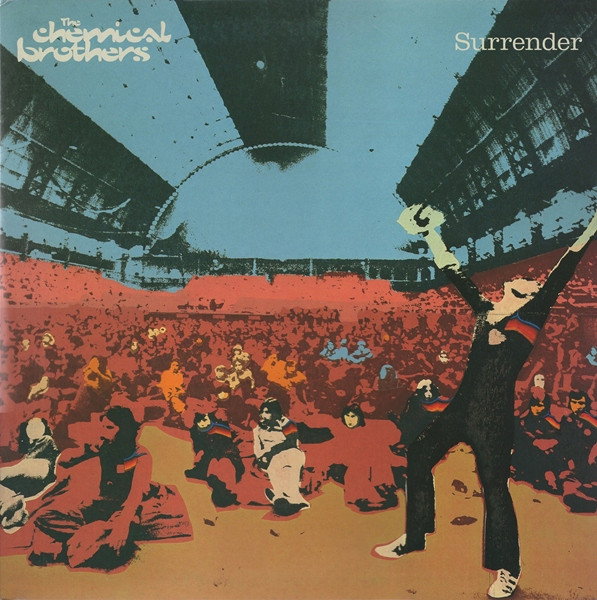
In 1999, The Chemical Brothers released ‘Surrender’, an album that pushed their sound into new, expansive territory and solidified their status as electronic innovators. 'Hey Boy Hey Girl' became a dance anthem, its infectious hook and relentless groove dominating clubs and airwaves alike. The album blended big beat with house, psychedelia, and pop, featuring collaborations with Noel Gallagher on 'Let Forever Be' and Bernard Sumner of New Order on 'Out of Control'. Tracks like 'Music: Response' and 'The Sunshine Underground' showcased the duo’s willingness to experiment with structure, texture, and genre, creating a euphoric and immersive listening experience. ‘Surrender’ was a critical and commercial triumph, earning praise for its ambition and helping to bring electronic music even further into the mainstream as the ’90s drew to a close.
Dance music in the ’90s became accessible to virtually anyone, and even Norman Cook, the bass player from The Housemartins, decided to join the party under a new name. Fatboy Slim released ‘You’ve Come a Long Way, Baby’ in 1998, an album whose impact on British music and the global dance scene was impossible to predict. As a cornerstone of the Big Beat movement, it blended infectious beats, clever sampling, and a party-ready attitude that resonated with audiences worldwide.
With its unique mix of humour, innovation, and undeniable grooves, ‘You’ve Come a Long Way, Baby’ captured the zeitgeist of late-’90s music culture perfectly. The album produced three top-ten UK singles: 'The Rockafeller Skank', 'Gangster Tripping', and the Number One hit 'Praise You', which remains one of the best British dance songs of all time. That iconic piano loop paired with the heartfelt choir intro on 'Praise You' is instantly recognisable, making it a timeless anthem of the era. The album itself reached Number One on the UK Albums Chart. It achieved multi-platinum status, becoming one of the defining albums of the decade. Norman Cook, under his Fatboy Slim moniker, didn’t just make beats; he changed British music forever.
While British guitar bands began reinventing themselves, the DJs just wanted us to dance. And dance we did!
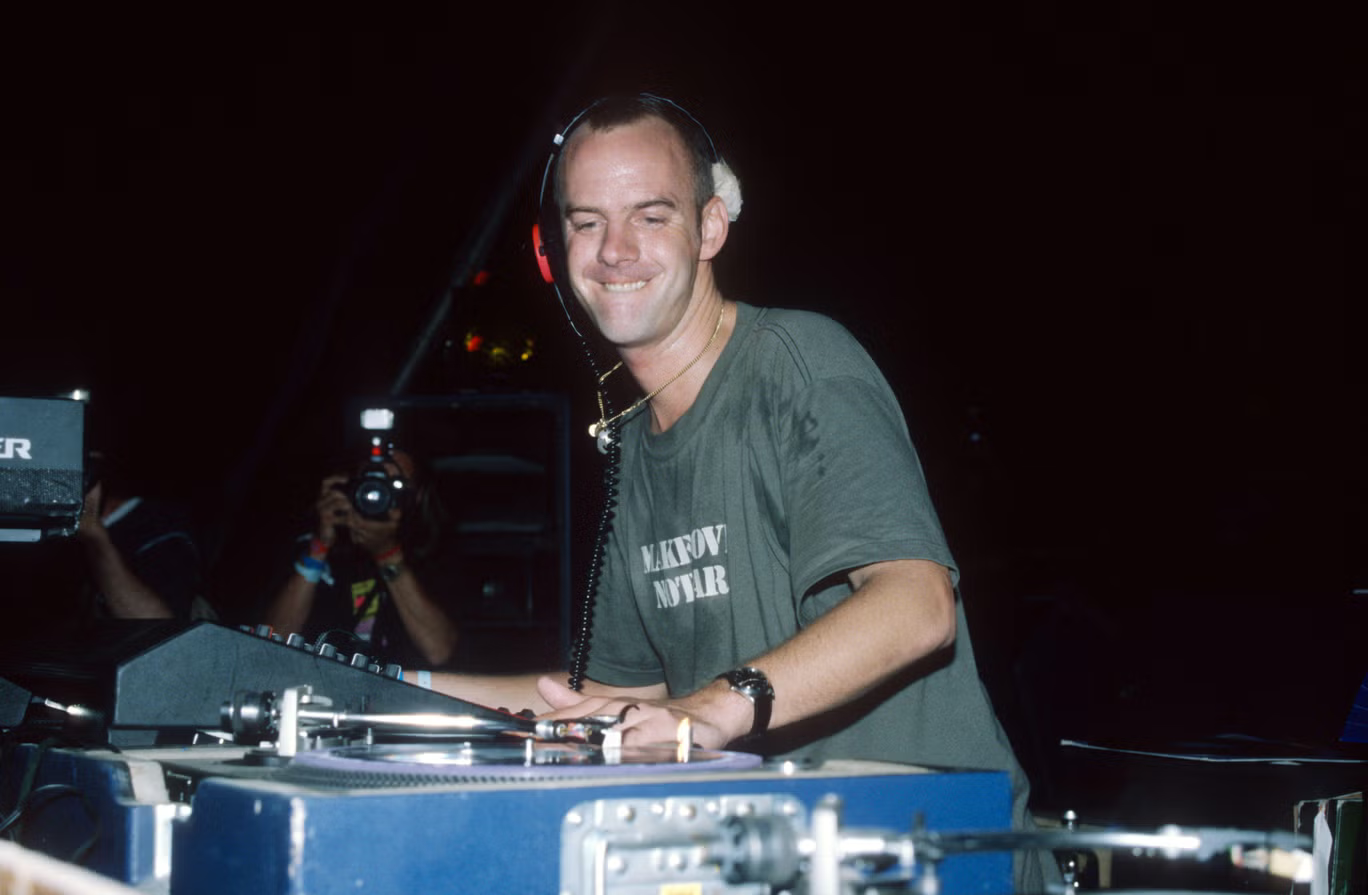
The defining moment for Fatboy Slim came at Glastonbury 1998, when he played a "secret" set in the tiny Lost Vagueness ballroom. The performance, dubbed the Underground Explosion, drew such an immense and unexpected crowd that virtually the entire festival descended upon the area, rendering the tent entirely inaccessible. This chaotic, euphoric event cemented dance music’s permanent place at the heart of British festivals.
As a symbolic bookend to a unique era, the closure of the Haçienda nightclub in Manchester in 1997 marked the end of a cultural epoch, one that endured even as dance music’s popularity soared nationally. Despite being ground zero for acid house in the UK and a crucible for the late-'80s "Madchester" movement, the club could not survive the mounting pressures of its time. The Haçienda’s doors were forced shut due to a perfect storm of factors: chronic financial mismanagement, gang-related violence, rampant drug use, and ongoing security issues that plagued the venue throughout the 1990s. Police raids became common, and the club’s once-legendary atmosphere was clouded by an increasing sense of danger.
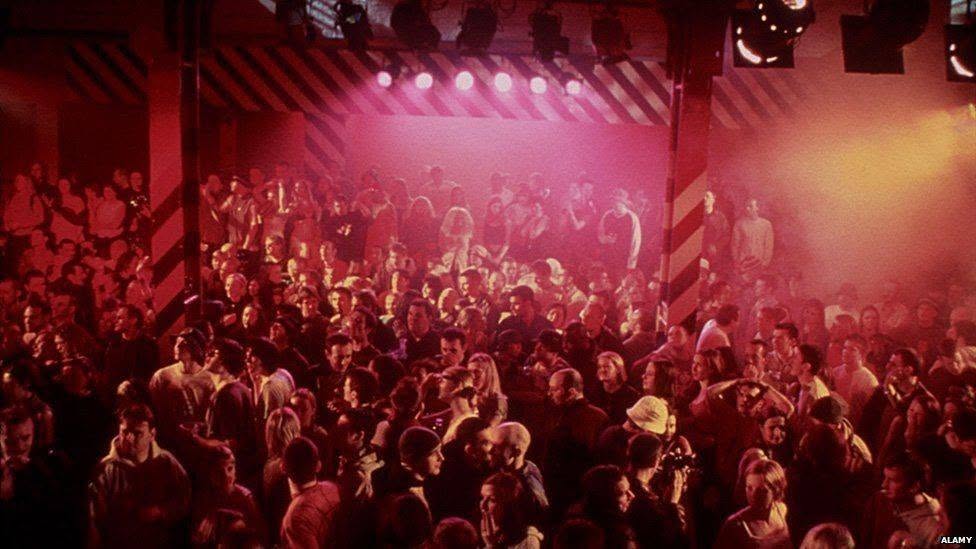
Even as British rave and dance culture exploded into the mainstream, the closure of the Haçienda served as a stark reminder of the risks and realities behind the euphoria. The club gave rise to countless bands and DJs, as well as the fusion of guitar music and electronic dance that defined much of British youth culture in the late '80s and early '90s. Its end marked a definitive, symbolic closure to a moment when the party that had changed British music forever finally ran out of steam.
Robbie Williams was omnipresent in the ’90s. As a founding member of Take That, he helped drive the band to chart domination with hits like 'Never Forget', 'Back for Good', and 'Everything Changes'. Take That were the decade’s biggest boy band, and Robbie, alongside Gary Barlow, was at the centre of it all. But in 1995, at the height of their fame, Robbie made the shocking decision to leave. Fans and media alike were stunned. Why walk away from the biggest group in the country? The answer: to go solo, and to do it on his own terms.
His gamble paid off spectacularly. Robbie released three albums before the decade was out: 'Life Thru a Lens', 'I’ve Been Expecting You', and 'The Ego Has Landed'. These records produced a run of singles that, in many ways, outshone even his Take That years. Tracks like 'Lazy Days', 'Angels', 'Millennium', 'Strong', and 'Feel' became instant anthems, showing Robbie’s knack for blending cheeky humour with genuine emotion. 'Angels', in particular, is now regarded as one of the great British pop ballads, a song that transcended its era and helped secure his place as a solo superstar.
At a moment when Britpop’s main players were splintering- Blur heading to America, Oasis heading to their drug dealers, The Verve unable to hold it together, and Pulp set on destroying the very idea of British pop- Britain needed a new pop icon. Britain needed a new pop icon. Robbie’s combination of charisma, vulnerability, and bravado filled that void. He didn’t just step into the spotlight; he owned it, bringing a sense of fun and showmanship back to British music.
One of the most emblematic moments of Robbie's solo career came in 1999, when he performed to a record crowd at Slane Castle. The show perfectly captured the era’s appetite for spectacle and crossover success, and became a defining moment in British pop, proof that Williams had truly stepped out from the shadow of his boy band beginnings. With Slane Castle, Robbie announced himself as a superstar on his own terms, and the world took notice.
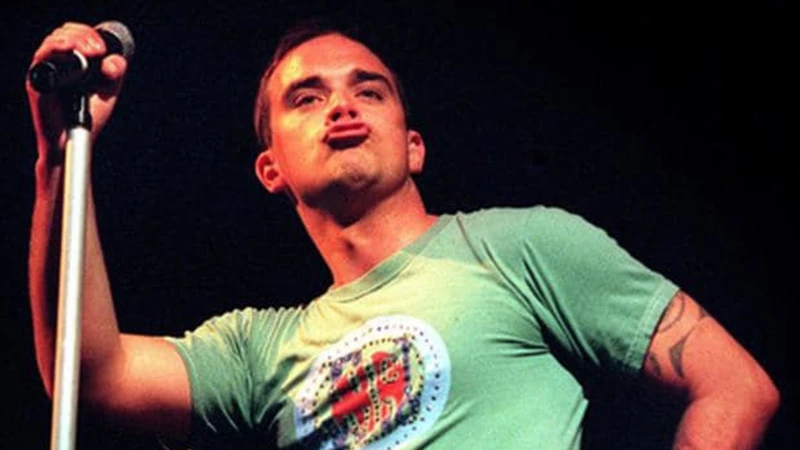
Robbie’s rise didn’t end with the ’90s. He became even bigger in the early 2000s, with albums like 'Sing When You’re Winning' and 'Escapology' cementing his status as one of the country’s biggest stars. His stage presence, energetic, cheeky, and often self-deprecating, won over millions, and his ability to craft singalongsg pop-rock sing-alongs and heartfelt ballads broadened his appeal.
The crowning achievement came in 2003, when Robbie Williams sold out three consecutive nights at Knebworth, performing to over 375,000 people in total, one of the largest audiences ever assembled for a UK solo artist. The scale and spectacle of Knebworth placed him in the lineage of legendary British live acts, alongside the likes of Queen and Oasis.
The concerts were more than just gigs; they were a cultural event, broadcast to millions and cementing his status as a singular entertainer. By commanding the stage at Knebworth, where Oasis had defined a generation just a few years earlier, Robbie proved he could not only match, but rival, the very biggest moments in British music history.
Not just a former boy band member or radio-friendly solo act, Robbie Williams was now a bona fide British music legend, one whose journey from boy band heartthrob to generational icon mirrored the wild, unpredictable spirit of the decade itself.
The 90s, eh? What a mad decade. We've been everywhere from Liverpool to Seattle, watched movements grow and disappear, seen political parties change, countries form, bands break up, and witnessed the birth of celebrity culture. The world had changed, and there was no looking back now.