Fontaines D.C.: Dopamine Chamber
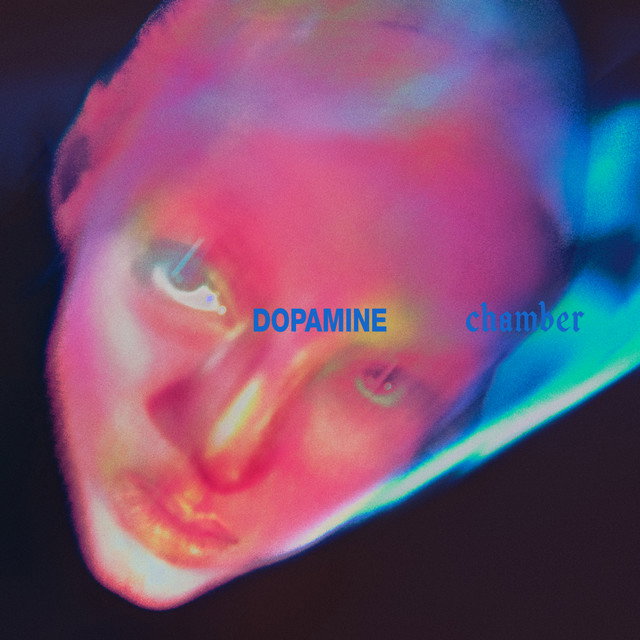
Following ‘Romance’ was always going to be difficult. Released in 2024, Fontaines D.C.'s fourth album took the Dublin five-piece to an entirely different level, producing some of the finest songs of their career while establishing them as one of the biggest bands in Britain and Ireland. ‘Starburster’ sounded unlike anything they had previously recorded, ‘In the Modern World’ brought a new sense of grandeur to their songwriting, and ‘Favourite’ was my favourite song released that year.
I still return to ‘Favourite’ regularly. Its reflections on growing older, losing touch with people and realising how quickly familiar places have become memories struck a chord with me when I first heard it. The jangling guitars and soaring chorus gave it an almost uplifting quality, despite the sadness running through the lyrics. It remains one of my favourite Fontaines songs, and I wondered how the band could possibly follow an album that had given us so much.
Then again, Fontaines have never been particularly interested in repeating themselves. ‘Dogrel’ introduced a band fascinated by Dublin, its characters and the frustrations of growing up there. ‘A Hero's Death’ was considerably darker and more withdrawn, while ‘Skinty Fia’ explored their complicated relationship with Ireland after moving away. By ‘Romance’, strings, synthesisers and hip-hop influences had become an important part of their music. Every album has taken them somewhere different, and that willingness to change is one of the reasons I consider Fontaines D.C. the greatest band of their generation.
‘Dopamine Chamber’, their fifth album and second recorded with producer James Ford, continues that development. Released through XL Recordings on 16 October 2026, its eleven songs take the electronic elements of ‘Romance’ considerably further, drawing from post-punk, industrial rock, 1980s synth-pop and orchestral music. The guitars are still there, sometimes more aggressive than ever, but the arrangements are more adventurous than anything Fontaines have previously attempted. At the centre of it all remains Grian Chatten, whose songwriting has become increasingly concerned with the strange contradictions of modern life.
Environmental collapse, extreme wealth, political violence and our increasing dependence on technology provide much of the album's inspiration. Chatten has spoken about writing ‘Dopamine Chamber’ as an emotional response to the world around him, rather than attempting to deliver a collection of straightforward political statements. That distinction is important. These songs rarely tell listeners what to think about the problems they describe. Instead, they explore the anxiety, helplessness and desire for escape that comes from living through them.
What I find particularly impressive is how beautiful much of the music sounds. Fontaines spend considerable time exploring the uglier aspects of modern society over some of the prettiest melodies and arrangements they have ever written. There are enormous choruses, delicate acoustic passages, orchestral ballads and songs that could comfortably fill a dancefloor. The contrast between the music and its subject matter is one of the album's greatest strengths.

‘Six Shot Morning’ establishes that atmosphere immediately. Opening with heavenly synthesisers and an almost mechanical rhythm, it initially suggests somewhere far removed from the world outside. Then Chatten introduces the sinister image of Silicon Valley taking a photograph, dragging the listener back towards the technology companies and artificial environments that increasingly influence our lives. The music gradually accelerates, with heavy bass and increasingly frantic electronics creating a sense of pressure that becomes almost overwhelming.
There are elements of Depeche Mode in its industrial rhythm, particularly the darker music they were making during the 1980s, although Fontaines approach those influences with their own unmistakable character. Chatten's voice moves between detached observation and something considerably more urgent, while the arrangement gathers momentum around him. The band have always been particularly effective at building tension through repetition, something heard on ‘Televised Mind’ and ‘Nabokov’, but here they achieve it through a very different set of instruments. It is an extraordinary opening track, and one that immediately makes clear how ambitious this record is going to be.
‘Marianne’, which introduced the album back in August, offers a more melodic route into its unsettling world. Pulsing synthesisers and sweeping strings accompany Chatten's invitation to disappear with somebody, although the promise of escape becomes increasingly difficult to trust. The arrangement is enormous, with the electronics and orchestration moving around one another as the song builds. It is one of the finest examples of Fontaines' growing ability to make music that sounds cinematic without losing the strength of the original melody.
There is also a particularly moving story behind its inclusion. Trevor Dietz, the band's longtime manager, close friend and someone they regarded as their sixth member, convinced them to retain ‘Marianne’ when they were considering leaving it off the album. Fontaines had written around forty songs during the sessions, and Dietz heard the material at his home in Brighton before insisting that they were making a mistake by discarding it. Following his death in June, the decision carries an additional significance. ‘Marianne’ became the album's lead single because somebody who had been alongside the band from the beginning recognised its potential.
I wrote about Trevor's importance to Fontaines following their emotional Reading Festival headline appearance, where the words ‘Trev Forever’ appeared on a guitar. His absence has understandably given some of the band's music a different meaning, particularly ‘Favourite’ and ‘Happy For You’. Knowing the part he played in saving ‘Marianne’ makes an already moving song even more affecting.
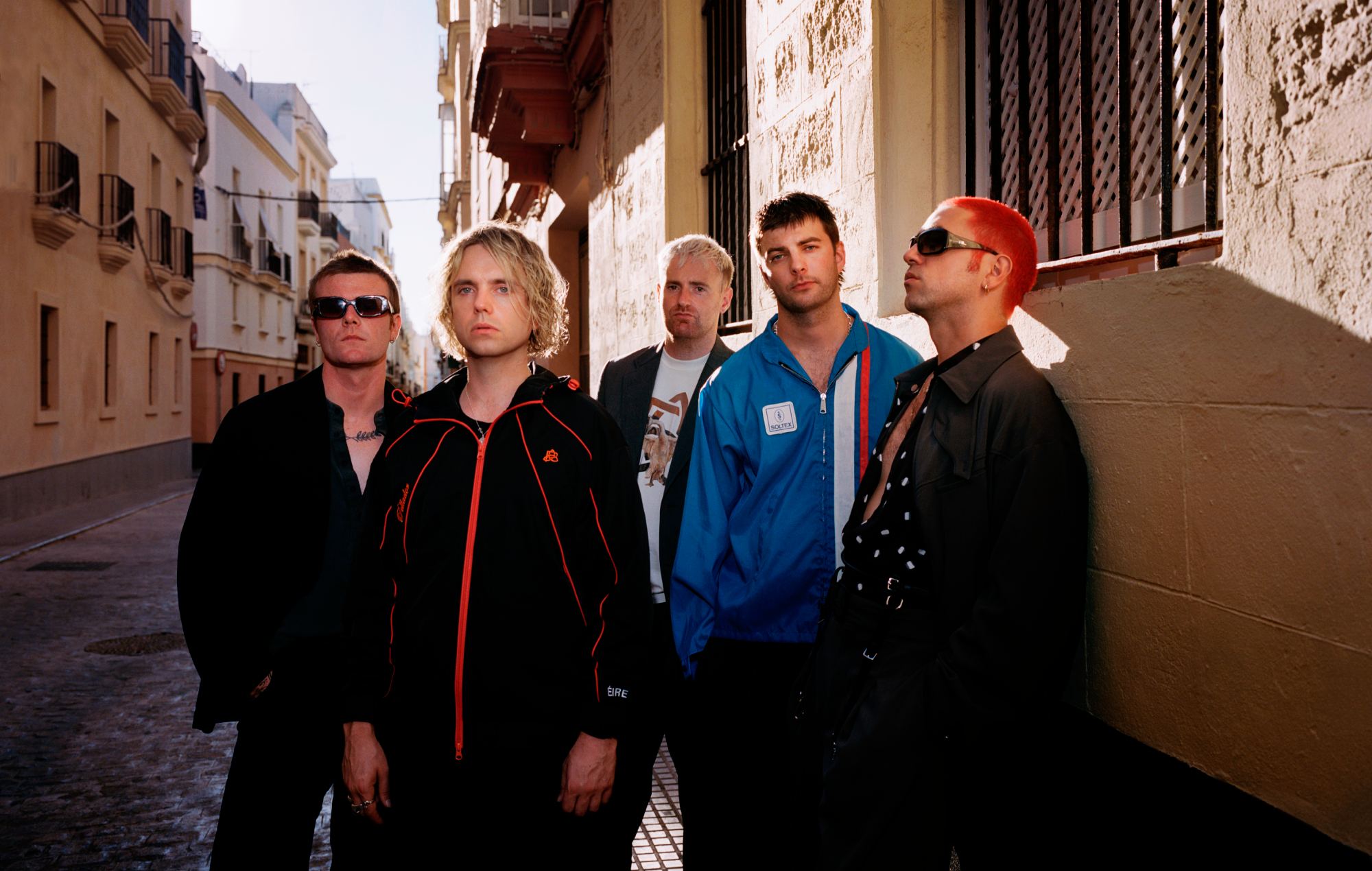
‘Mimesis’ is one of the standout tracks on the album, largely because of how comfortably Fontaines embrace the sound of New Order between 1983 and 1985. The bassline sounds as though it has come straight from the Peter Hook playbook, driving the song forward with that familiar combination of melody and rhythm. Above it, the synthesisers would not have sounded out of place on the dancefloor of the Haçienda during its early years, when New Order were beginning to develop the relationship between post-punk and electronic dance music.
New Order could make music that sounded euphoric while the lyrics suggested something far more melancholy, and ‘Mimesis’ works in much the same way. The rhythm makes you want to move, while Chatten sings about indifference, obsession and the strange ways people try to escape their own lives. There is a wonderful confidence to the arrangement, particularly the way the bass and synthesisers interact. Fontaines are not attempting to recreate ‘Power, Corruption & Lies’ or ‘Low-Life’, but they have clearly found something worth exploring in that period of New Order's career. I would love to hear them take this sound even further.
‘Happy For You’ follows with another of the album's finest moments. The guitars have The Cure's unmistakably sour, lonely twang, recalling the atmosphere of ‘Disintegration’, while the enormous drums give the song a weight that gradually transforms its relatively restrained opening. There is something wonderfully bleak about the guitar sound, but the chorus is among the most beautiful Fontaines have ever written.
Chatten delivers one of his strongest vocal performances on the entire record. The song initially appears to concern the breakdown of a relationship, with its narrator trying to convince himself that he has accepted somebody else's decision to leave. Yet there is an obvious contradiction between the words and the emotion in his voice. He sounds anything but happy, and when the chorus arrives, the combination of his vocals, the drums and the increasingly distorted guitars becomes almost overwhelming.
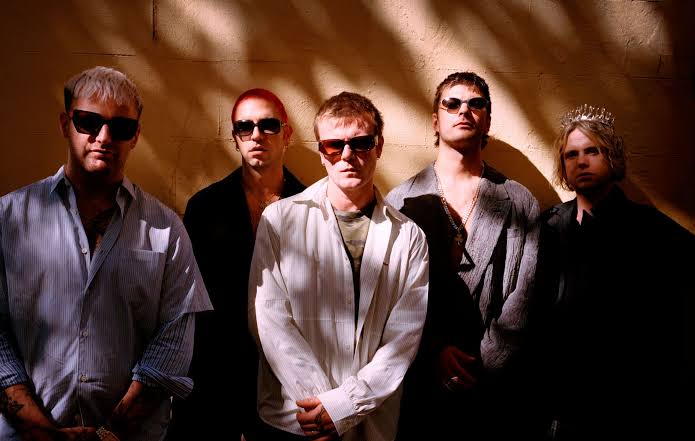
Chatten has since spoken about how ‘Happy For You’ took on a different meaning following Trevor Dietz's death, becoming a song about grief and the difficulty of accepting that somebody is gone. Hearing it with that knowledge adds another dimension to an already extraordinary recording. The final stretch, with the guitars growing increasingly ferocious and Tom Coll's drumming pushing everything forward, is one of my favourite passages of music on ‘Dopamine Chamber’. It deserves to become a permanent fixture of their live performances.
‘Demolition’ is considerably more confrontational, bringing back the distorted guitars and aggression that made Fontaines such an exciting band when they first emerged. There is a grungy, almost alternative-metal quality to its central riff, which becomes increasingly forceful each time it returns. Chatten delivers his words with a sneering arrogance that occasionally recalls a particularly twisted Liam Gallagher, although the music surrounding him is considerably heavier than anything Oasis would have attempted.
I particularly enjoy how much personality Chatten brings to the song. He sounds almost amused by the ugliness of the world he is describing, alternating between theatrical menace and outright aggression. The guitars have something of the weight associated with Deftones in particular their record 'Around the Fur', while the arrangement retains the unpredictability that made ‘Death Kink’ such a highlight of ‘Romance’. ‘Demolition’ should be extraordinary live, particularly in the enormous outdoor settings Fontaines are preparing to headline next year.
‘Tongue’ takes the album somewhere stranger again. Its restless percussion, skittish drum fills and sinister electronic textures recall the darker moments of Massive Attack's ‘Mezzanine’. Rather than building the song around an immediately recognisable guitar riff, Fontaines allow the bass, piano and unusual vocal effects to dominate much of the arrangement. When the guitars eventually emerge more prominently, they feel like another development in a song that has spent much of its running time avoiding conventional expectations.
There is an almost playful quality to some of its stranger sounds, although the atmosphere remains uncomfortable. It is remarkable to think that the band responsible for the relatively straightforward guitar attack of ‘Big’ and ‘Liberty Belle’ are now producing music like this. The change has been gradual across their five records, but returning to ‘Dogrel’ after hearing ‘Tongue’ makes the distance they have travelled particularly obvious.
‘One Man’ brings the album's wider concerns into sharper focus. Chatten confronts the sheer volume of information we are expected to absorb every day, from political violence and environmental destruction to the endless stream of images and opinions appearing on our phones. There is only so much one person can process before the constant exposure begins to feel overwhelming. His repeated admission that he is only one man sounds increasingly desperate, as though he is struggling to make sense of things that are far beyond his control.
The arrangement is beautiful, built around acoustic guitar, ghostly electronics and sweeping strings that gradually surround Chatten's voice. Rather than attempting to match the anxiety of the lyrics with an aggressive performance, the band allow the music to become almost comforting. It captures one of the album's central contradictions: the same devices that expose us to so much suffering also offer endless distractions designed to make us forget about it. Those temporary moments of pleasure rarely provide much lasting reassurance.
Interestingly, Chatten recorded his vocals for ‘One Man’ alongside producer James Ford in a makeshift booth at an Airbnb in Palermo, using cushions and a mattress to isolate his voice. The recording even captures the sound of children playing outside a nearby cathedral towards its conclusion. It is a small detail, but an appropriate one for an album so interested in the relationship between artificial environments and the ordinary human experiences happening beyond them.
‘Where Is Gone?’, the band's collaboration with Rosalía, is perhaps the most ambitious song they have recorded. Anyone expecting an immediate pop anthem from a collaboration between two of contemporary music's most recognisable voices might be surprised. Instead, Fontaines have produced an extraordinary orchestral ballad that sounds like Ennio Morricone composing a Bond theme.
The strings are magnificent, moving between moments of almost unbearable sadness and passages of genuine grandeur. Chatten's low delivery provides a beautiful contrast with Rosalía's voice, which moves effortlessly through the arrangement. Their performances complement one another without ever sounding entirely comfortable, as though both singers are attempting to understand a relationship that has already fallen apart.
It makes nods to the dramatic melancholy found in Nick Cave's duets in the way the singers interact, although the orchestration gives the song a character of its own. At its centre is the realisation that sometimes allowing a relationship to end is kinder than continuing to hold on to something that no longer works. Fontaines have written about love, regret and separation throughout their career, but rarely with an arrangement quite as spectacular as this.
The decision to bring Rosalía onto the record is another example of the band's confidence. Fontaines have developed such a distinctive identity around Chatten's voice that introducing another singer could easily have disrupted it. Instead, her contribution becomes essential to the song. ‘Where Is Gone?’ is one of the finest recordings on the album and another indication of how far the band are prepared to take their music.
‘You Miss Me’ is another extraordinary piece of songwriting. It opens with a melodic figure that carries an unexpected hint of ABBA before moving into darker territory, with shadowy guitars recalling The Cure at their most gothic. The arrangement gradually expands, introducing sweeping strings with the drama of a Morricone soundtrack, while the rhythm gives the song an almost hypnotic momentum.
Chatten is magnificent throughout. His voice begins with a slightly detached, almost conversational quality before becoming increasingly expressive as the chorus approaches. There is a wonderful roughness to his delivery, particularly when he stretches certain words and allows the melody to carry him above the instrumentation. The chorus is enormous, with the strings, guitars and backing vocals opening the song into something considerably more beautiful than its unsettling introduction suggests.
For me, it is one of the finest choruses Fontaines have written. There is a sense of desperation underneath the grandeur, with the song exploring the breakdown of communication within a relationship and the loneliness that can exist even when two people remain connected. The music sounds almost triumphant, while the lyrics suggest somebody who is struggling to maintain even the simplest emotional connection. It is another example of Fontaines using a beautiful arrangement to explore something considerably darker.
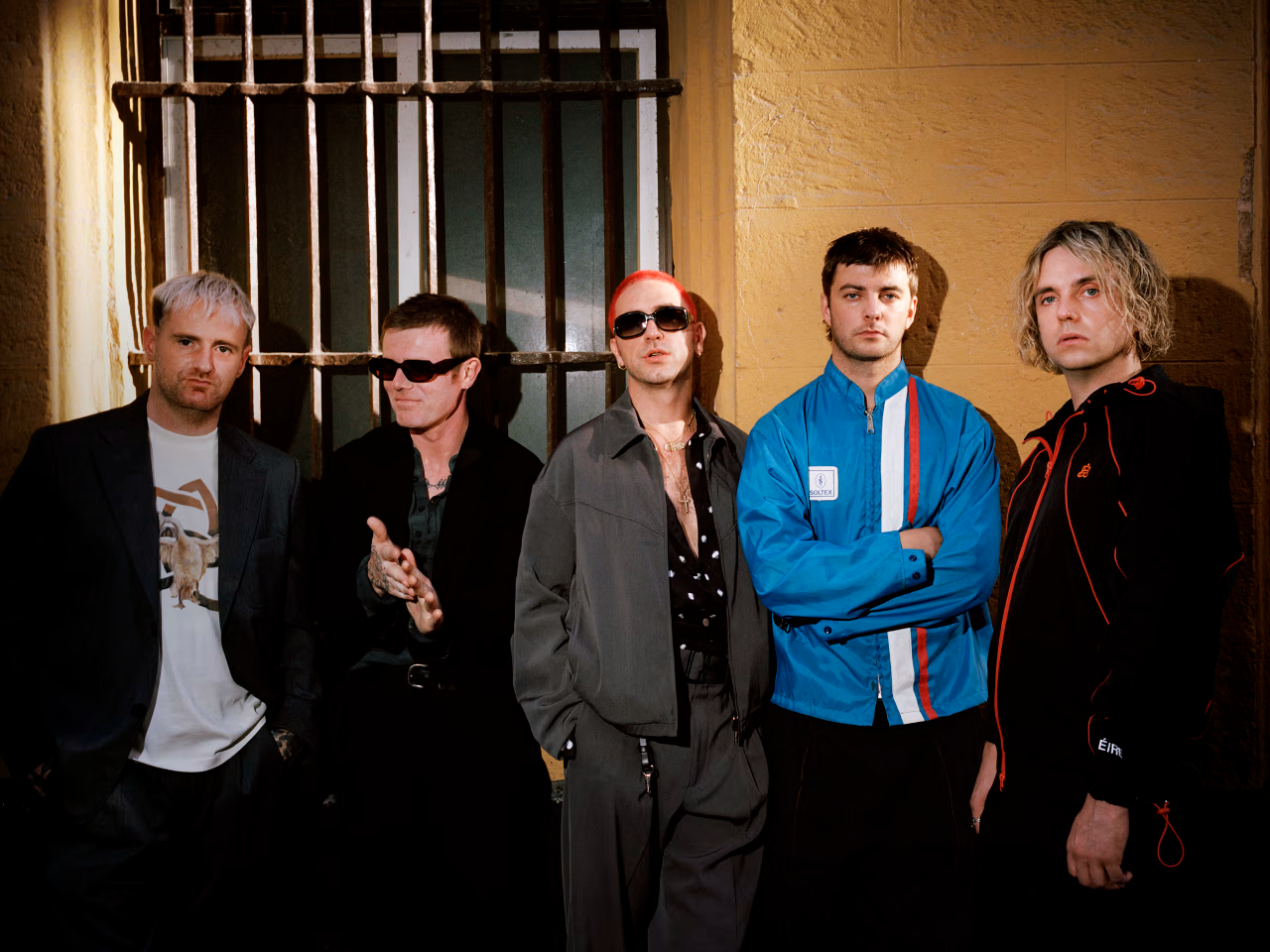
'Japan’ offers a welcome change in pace, introducing a gentler acoustic sound that immediately recalls some of Noel Gallagher's songwriting around ‘(What's the Story) Morning Glory?’. There is a simplicity to the melodic progression that would not sound out of place alongside the quieter moments of that record, although the subject matter is far less romantic than the music initially suggests.
The song follows a complicated relationship between two people who seem unable to offer one another the stability they need. Chatten approaches their situation with a mixture of tenderness and resignation, allowing the story to develop through relatively small details rather than dramatic declarations. The acoustic guitars and gentle backing vocals give the recording an almost weightless quality, making it one of the loveliest songs on the album.
I have always had a particular affection for the more melodic side of Fontaines, whether that is ‘I Don't Belong’, ‘Roman Holiday’ or ‘Favourite’, and ‘Japan’ belongs comfortably alongside them. It is a bittersweet acoustic singalong that reveals the band's ability to write a memorable song without relying on enormous production or unusual arrangements. After so much electronic pressure and distortion, its relative simplicity makes an enormous difference.
The closing ‘Intimate’ returns the listener to the album's darker concerns. Built around restless drums, synthesisers and an increasingly oppressive arrangement, it reflects the exhaustion that comes from trying to understand a world that appears to be moving towards disaster. Chatten's lyrics return to images of destruction, privilege and the collapse of familiar ideas about the future, although the music is less confrontational than the subject matter might suggest.
There is something almost resigned about his performance. After spending the album searching for pleasure, connection and escape, the closing song appears to accept that the problems surrounding its characters are unlikely to disappear. Rather than offering a grand solution, it leaves them trying to find some beauty in the ordinary moments that remain. The electronic textures gradually take over, bringing the record to an unsettling conclusion.
It is a very different ending from ‘Favourite’. Where ‘Romance’ closed with a song that seemed to offer some comfort in the face of time passing, ‘Dopamine Chamber’ finishes without any comparable reassurance. There is no suggestion that the world has become a better place during the preceding eleven songs, and no easy answer to the anxieties Chatten has spent the record exploring. The contrast makes both endings more effective.
Five albums into their career, Fontaines D.C. have developed into an extraordinary band. Grian Chatten is one of the most compelling frontmen in contemporary music, capable of moving between aggression, vulnerability and tenderness without ever losing his unmistakable character. Alongside him, Carlos O'Connell, Conor Curley, Conor Deegan and Tom Coll have become increasingly adventurous musicians, comfortable moving between heavy guitar music, electronics and orchestral arrangements.
James Ford's production deserves considerable credit too. There is an enormous amount happening across ‘Dopamine Chamber’, yet the individual songs retain their identities. The Peter Hook-inspired bassline of ‘Mimesis’, the thunderous drums of ‘Happy For You’, the distorted attack of ‘Demolition’ and the sweeping strings of ‘Where Is Gone?’ all belong to the same record. It would have been easy for so many different influences to become distracting, but Fontaines have found a way of bringing them together without losing their own sound.
With two nights at Slane Castle and their biggest UK outdoor headline shows scheduled for 2027, the band are preparing for another extraordinary chapter in their career. Their rise since ‘Dogrel’ has been remarkable, but their success has never depended on simply repeating whatever worked on the previous album. At a point where plenty of bands would be content to consolidate their popularity, Fontaines are making some of the most adventurous music of their career.
I think Fontaines D.C. are the greatest band of their generation, and ‘Dopamine Chamber’ only strengthens that belief. Few contemporary bands have produced five albums of this quality while changing their sound so dramatically between releases. The Dublin five-piece have gone from writing about the streets they grew up on to exploring the anxieties of a world increasingly dominated by technology, wealth and political uncertainty. Through all those changes, their music has remained recognisably their own.
From the opening electronics of ‘Six Shot Morning’ to the unsettling final moments of ‘Intimate’, ‘Dopamine Chamber’ is an extraordinary record. Fontaines D.C. have reached a point where every new album feels like a significant event, yet they continue to surprise me with the direction they take. Five albums in, they have established themselves as the greatest band of their generation, producing some of the most ambitious, adventurous and affecting music of their career. There's a genuine conversation to be had about whether this is the band's best work to date.
Standout tracks: ‘Six Shot Morning’, ‘Mimesis’, ‘Happy For You’, ‘Demolition’, ‘Where Is Gone?’, ‘You Miss Me’ and ‘Japan’
Best for fans of: The Cure, New Order, Depeche Mode, Massive Attack and Nick Cave & The Bad Seeds