For Trev: Fontaines D.C. Reading 2026
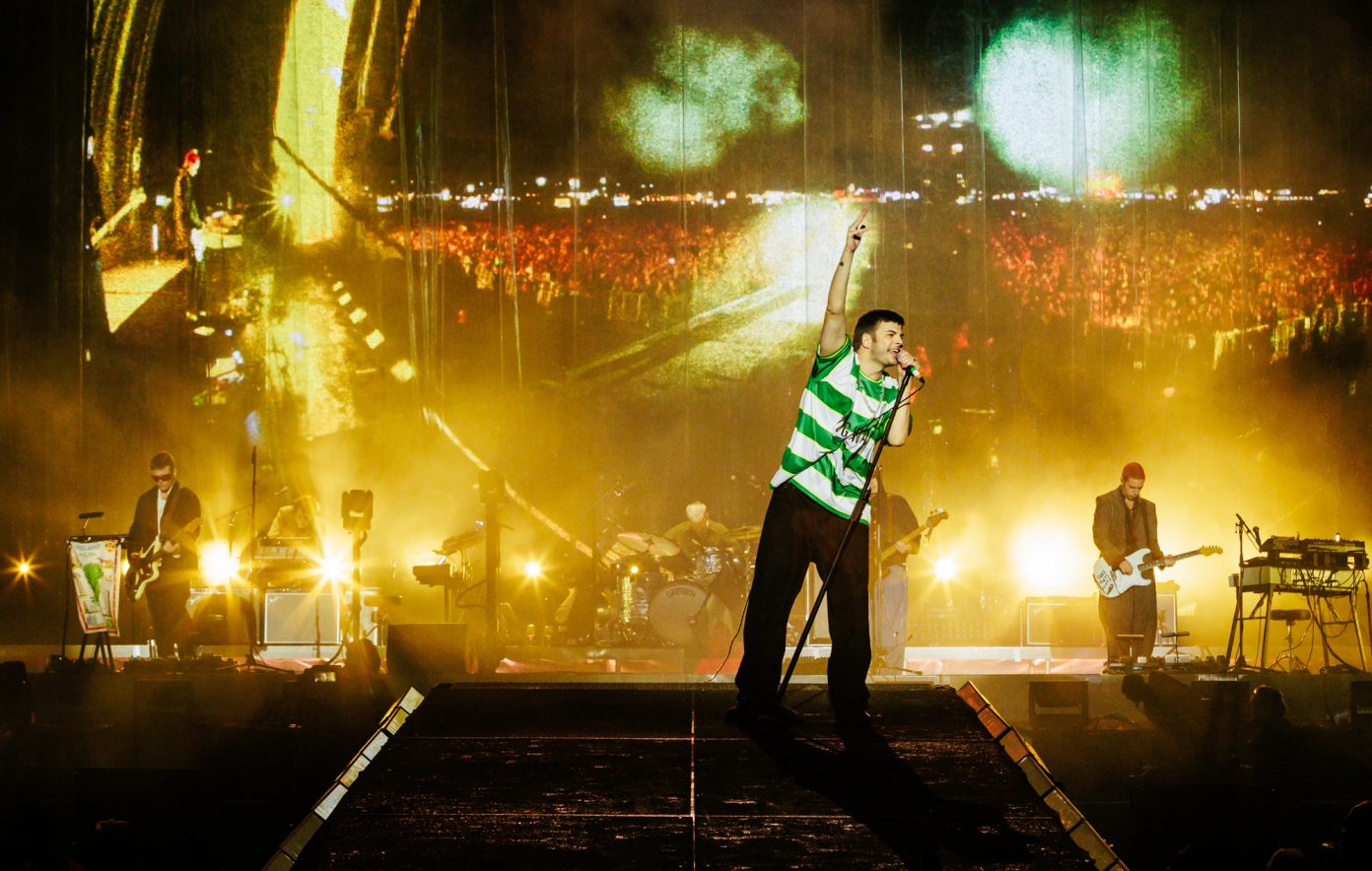
There are easier ways to begin your first Reading headline show than keeping tens of thousands of people waiting for half an hour.
Seven years ago, Fontaines D.C. released ‘Dogrel’, a record full of Dublin pubs, streets, boredom and the desire to get somewhere else. They have spent much of the time since refusing to repeat themselves. ‘A Hero’s Death’ was colder and more withdrawn, ‘Skinty Fia’ looked back towards Ireland from London, and ‘Romance’ brought strings, hip-hop rhythms, electronics and much bigger melodies into their music.
Now they were headlining Reading for the first time, sharing Friday night with Charli XCX while another album was already on the way. ‘Dopamine Chamber’ arrives in October, and early songs ‘Marianne’ and ‘Six Shot Morning’ suggest it will not simply repeat ‘Romance’. Arenas follow in the winter, and after Finsbury Park and Reading, talk of stadiums next summer no longer sounds especially far-fetched.
First, though, they had to get onstage.
Technical and logistical problems delayed Fontaines by around half an hour and eventually cost them three songs from the planned set. For their first Reading headline appearance, that was a genuine frustration. Nobody in the field wanted a shorter Fontaines set, particularly when Leeds would get the complete version the following night.
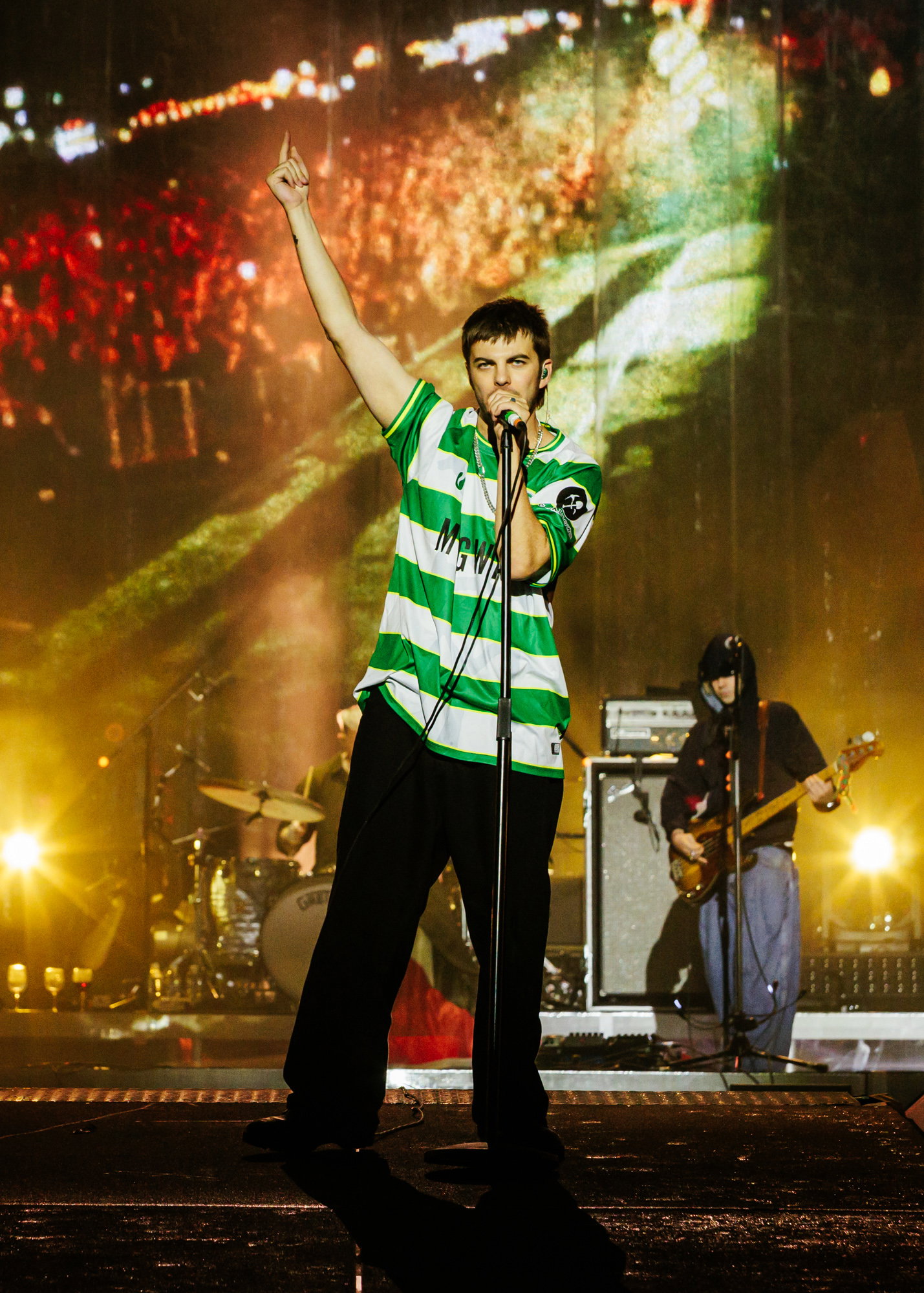
When they finally appeared, they went straight into ‘Boys in the Better Land’.
Back on ‘Dogrel’, the song sounded like five young men looking beyond the life immediately around them. Carlos O’Connell and Conor Curley barely allowed the guitars to settle while Grian Chatten sang about somewhere better, whether that meant another city, another country or simply something more exciting than what was already there. At Reading, the band who once played Dublin pubs were looking out over one of Britain’s biggest festival crowds. The song still sounded impatient. The circumstances had changed completely.
‘Here’s the Thing’ quickly drags the set into ‘Romance’, before ‘Nabokov’ threatens to collapse under its own anguish. Vocals pile on top of one another, the guitars push harder and the ending sounds less like five people carefully reproducing a record than a band trying to keep hold of something already coming apart. It is abrasive, ugly and enormous.
Fontaines have become enormous without developing much obvious interest in looking enormous.
Chatten remains a peculiar festival frontman. He does not fill every gap with demands for noise or repeatedly remind Reading that it is witnessing a headline show. He prowls, sings, occasionally speaks and leaves most of the work to the songs. O’Connell and Curley create much of the movement around him, while Tom Coll and Conor Deegan keep everything underneath them heavy enough to survive in a field.
‘Marianne’ already belongs comfortably among the older songs. Synths and strings push Fontaines further from the post-punk label that followed them through their early career, while Chatten sounds exhausted and intimate. “I can help you disappear” might promise escape or something far less comforting. The song leaves both possibilities sitting there.
Fontaines nearly left it behind.
While making ‘Dopamine Chamber’, the band had written around forty songs and ‘Marianne’ was not among those they intended to use. Their manager Trevor Dietz heard the material at his home in Brighton and told them they were mad to leave it off. They listened. ‘Marianne’ became the first single from the record.
Dietz died unexpectedly on 7 June at the age of forty-seven.
Calling him Fontaines’ manager had long stopped covering it. He had booked the band while they were still students, became their manager in 2016 and stayed with them through every album and every increase in audience that followed. They called him their sixth member.
His absence is never far from Reading, although Fontaines do not spend the night turning the show into a memorial. Most of the time they simply play, and often ferociously. ‘Death Kink’ tears through the field before the crying guitar wails of ‘Skinty Fia’ drag everything somewhere darker, Chatten sounding almost buried inside it.
Then ‘It’s Amazing To Be Young’ provides the release. Where ‘Skinty Fia’ broods, this is pure euphoria, one of the brightest songs Fontaines have written and already sounding built for a festival crowd. That contrast has become increasingly important to the band. The darkness has not disappeared, but neither are they trapped inside it.
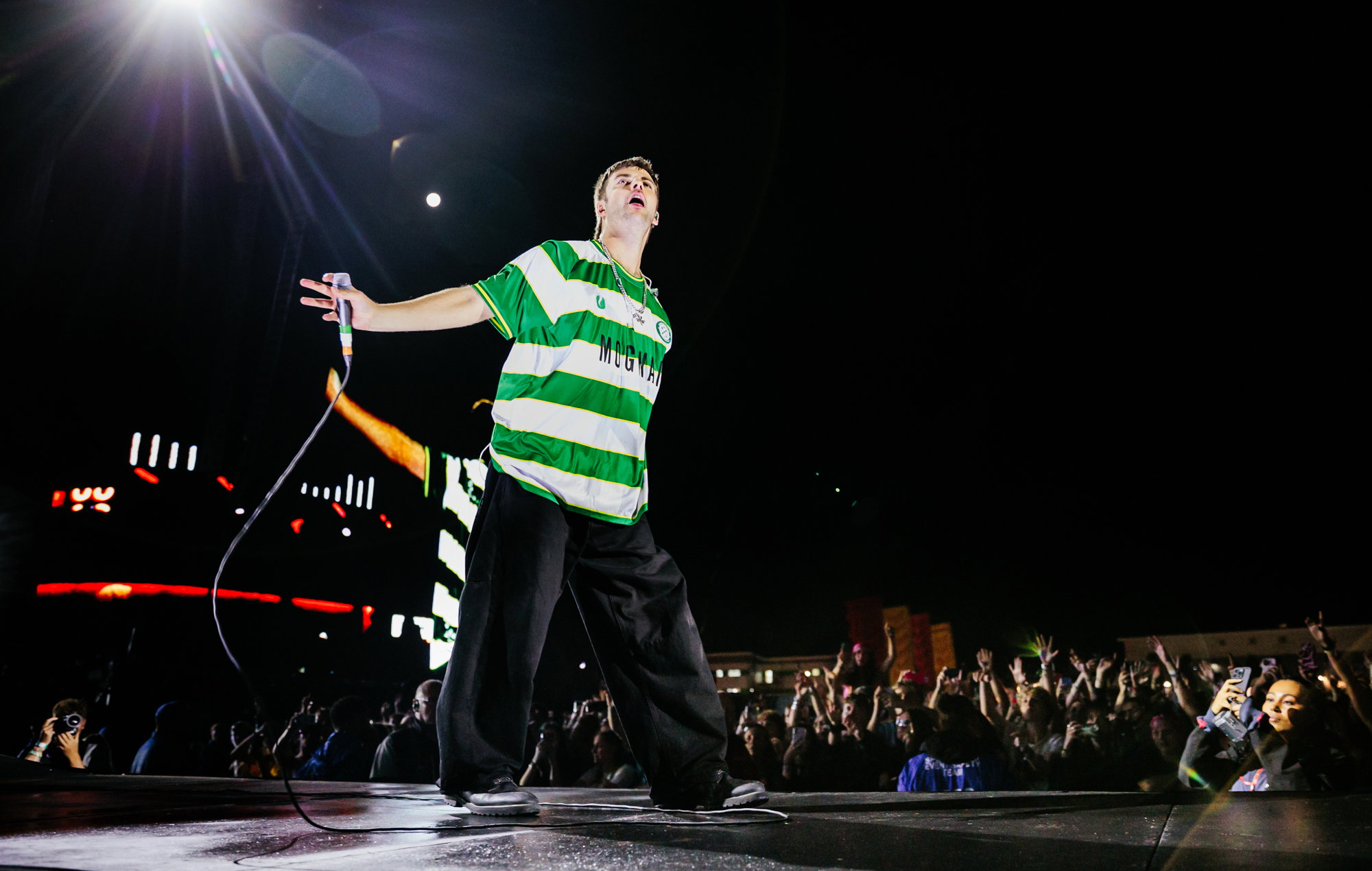
‘Roman Holiday’ carries its restless sense of young Irish people building lives elsewhere onto a stage much larger than anything Fontaines were playing when it was written, while ‘In the Modern World’ sounds completely at home beneath the Reading lights. Its strings and widescreen melancholy once represented a considerable change for the band; here, tens of thousands sing it without any sense that Fontaines have had to smooth the song out for the occasion.
The new material pushes somewhere else again. ‘Six Shot Morning’ is a synthy nightmare, bubbling rather than exploding, with something paranoid running beneath it. “It’s you and I living for a million years, always” should sound romantic, but inside this digital unease it feels closer to being trapped with somebody forever. If ‘Marianne’ showed the more intimate side of ‘Dopamine Chamber’, ‘Six Shot Morning’ suggests the record can become considerably nastier.
It sits surprisingly well beside ‘I Love You’, another song that gradually works itself towards an exorcism. It begins almost tenderly before turning towards Ireland, Catholicism, housing, politics and emigration, Chatten becoming increasingly furious as it goes. Thousands of people shout it back at him, turning something full of anger and disgust into one of the biggest communal moments of the night
Then there is ‘Favourite’.
It was already my favourite song released in 2024. On ‘Romance’, it captured the horrible realisation that time has moved more quickly than you thought it had. Years disappear, friendships change and places you assumed would always be there quietly become memories. The childhood footage in the video made the feeling painfully literal: Fontaines could look directly at the people they used to be, but there was no route back to them.
At Reading, the song has somebody else inside it.
Late in the set, Chatten tells the crowd that the previous couple of months have been hard and that it is nice to be back. His knuckles now carry Trev’s name, while one of the guitars onstage reads ‘Trev Forever’. There is no long speech. Fontaines begin ‘Favourite’, and tens of thousands of people sing it for a man who had known the band when the rooms were small enough for him to know much of the audience too.
Dietz had watched them move from Dublin clubs to number-one albums, Grammy nominations and 40,000 people at Finsbury Park. Reading was another stage he had spent years helping them towards.
At the end, Chatten keeps it simple.
“Love you Trev.”
From there, ‘Starburster’ turns grief back into noise. The song was built around the panic attack Chatten suffered near St Pancras, with his gasps for breath becoming part of the rhythm. Somehow that has become one of Fontaines’ biggest songs, and it now closes their first Reading headline set with the whole field moving beneath it.
It should not have been the end quite so soon.
‘Big’, ‘Hurricane Laughter’ and the previously unheard ‘Happy For You’ had all been cut because of the delay. ‘Big’ was perhaps the most frustrating omission. Few songs could have suited this particular night better: an opening statement from their debut about a small childhood and the determination to become something bigger, finally being played by Fontaines D.C. from the top of the Reading bill.
‘Hurricane Laughter’ would have taken them back to the rawness of their earliest years, while Reading had also been intended to host the debut of ‘Happy For You’.
Leeds got all three the following night.
With the full set restored, Fontaines finally played ‘Happy For You’, a slow-burning, bittersweet new song built around Chatten trying to accept the end of a relationship. He keeps insisting that he is happy for the other person, but every repetition makes him sound slightly less convincing, as though saying it often enough might eventually make it true.
Reading should have had it too.

That is the only sensible verdict on the missing songs. The set was not improved by losing ‘Big’, ‘Hurricane Laughter’ and the debut of something new. It was excellent despite being shortened, and Leeds showed what the complete version could have been.
What Reading did get was another glimpse of where Fontaines are now heading. ‘Dopamine Chamber’ arrives in October before the band move into arenas during the winter. Those rooms would once have represented the destination. Now, after Finsbury Park and their first Reading headline slot, the possibility of a stadium tour next summer no longer feels absurd.
For all that talk of what comes next, the image that remains from Reading belongs to somebody who had been there almost from the beginning.
After ‘Starburster’, the cameras find the guitar.
‘Trev Forever.’
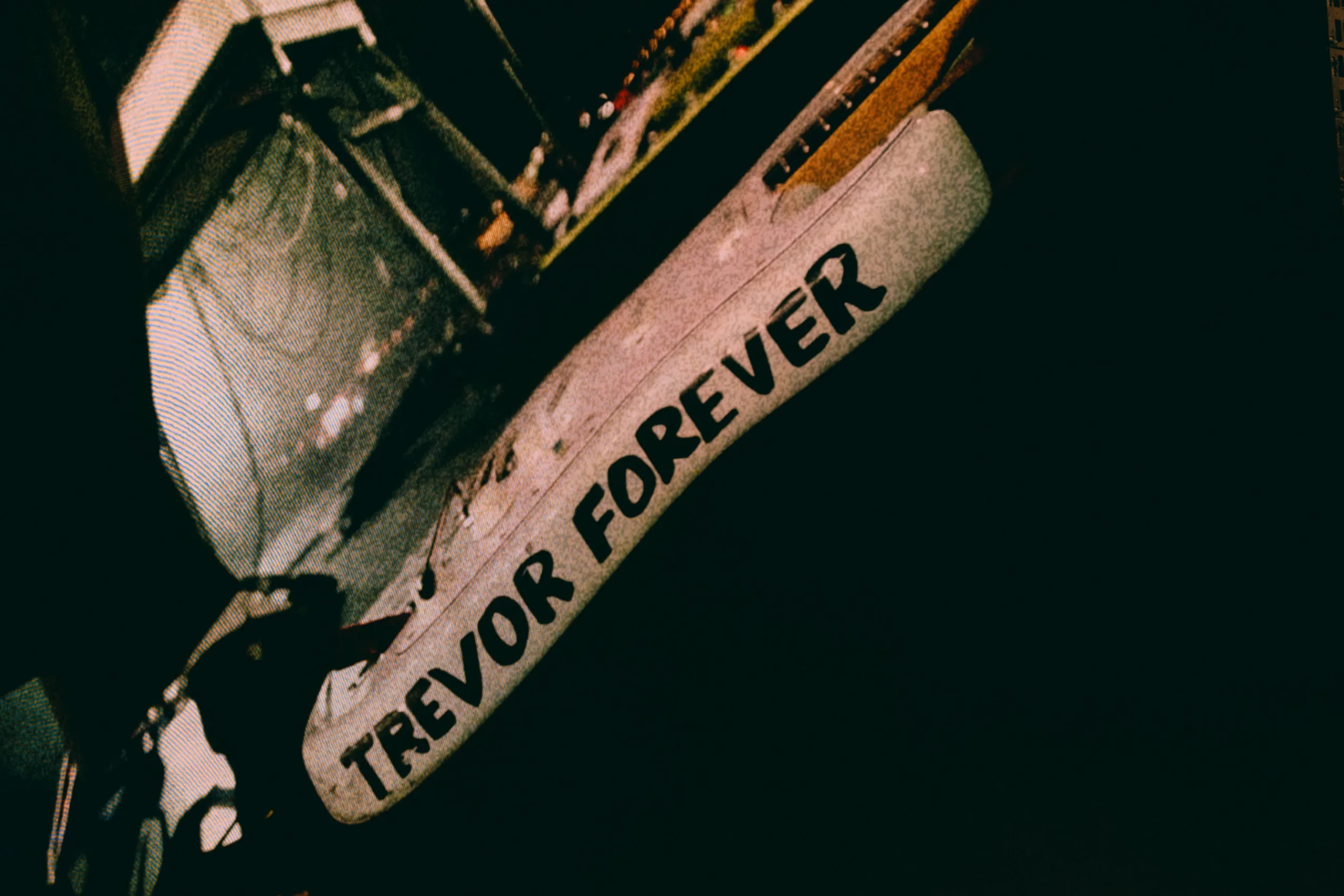
Ten years earlier, Trevor Dietz was helping Fontaines get gigs in Dublin. Now the band he helped build have headlined Reading Festival.
That distance is enormous.
For one night, it also feels painfully small.