Westside Cowboy: It Goes On
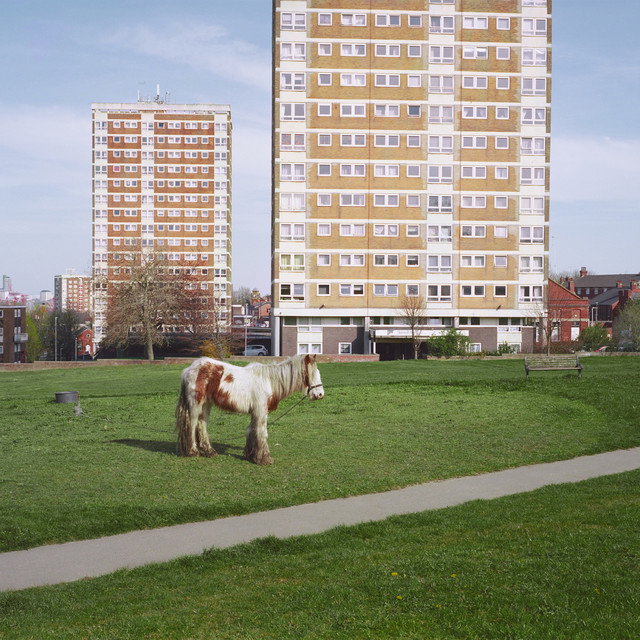
Westside Cowboy have been hard to ignore this year. The Manchester four-piece won Glastonbury's Emerging Talent Competition, built a reputation through their live shows and coined the wonderfully peculiar term 'Britainicana' to describe their sound. Their debut album, 'It Goes On', suggests that squeezing them into any one genre misses the point entirely.
There's country and folk here, in the resonator guitars, warm melodies and communal harmonies. There's just as much scruffy alternative rock and jangle-pop, indebted to Pavement and The Velvet Underground. Some songs belong around a campfire; others threaten to collapse into chaos. The band are comfortable at both extremes, sometimes within a single song.
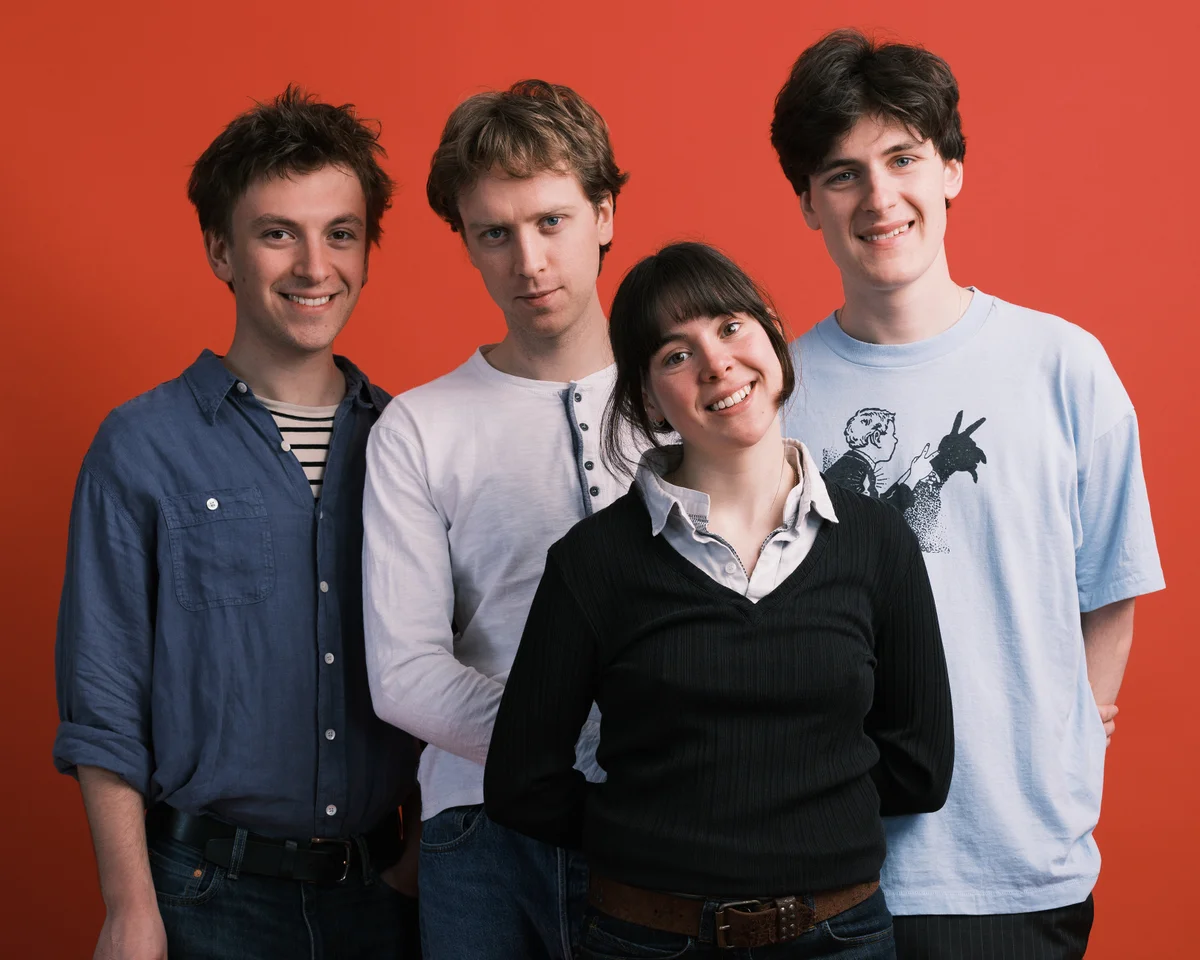
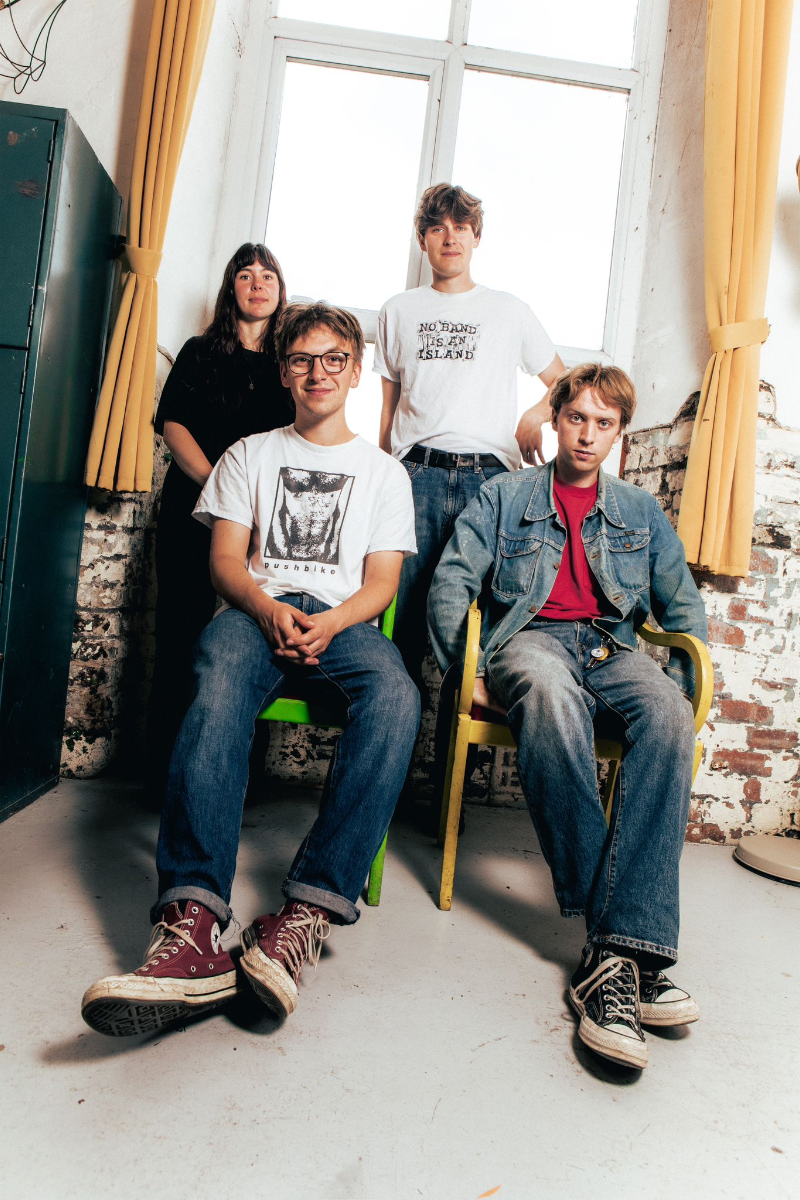
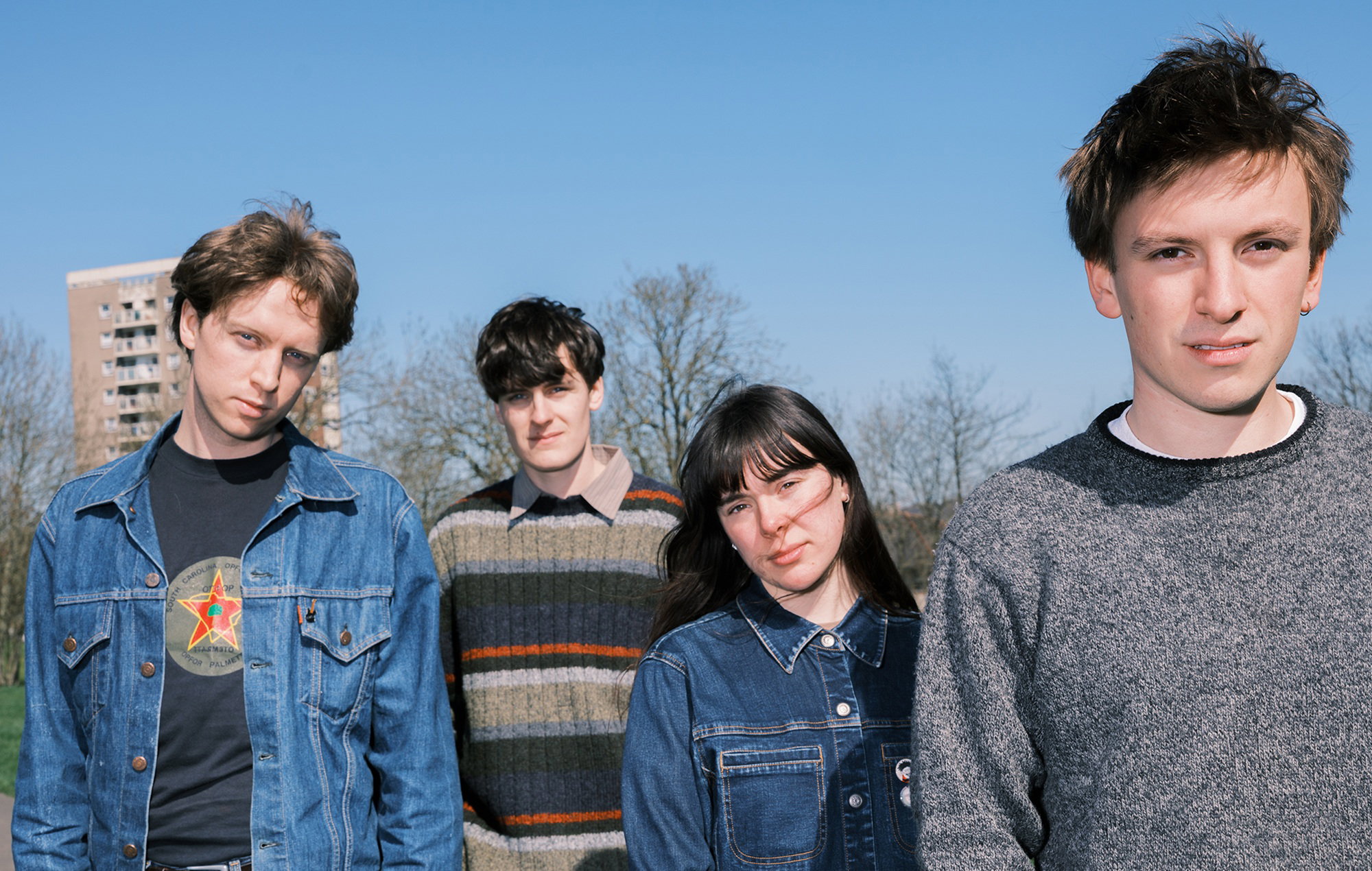
Formed in Manchester in 2023, Westside Cowboy are Reuben Haycocks, Jimmy Bradbury, Aoife Anson-O'Connell and Paddy Murphy, and their rise has been quick. Winning the Glastonbury Emerging Talent Competition in April 2025 introduced them to a wider audience, and their debut EP, 'This Better Be Something Great', showed there was more to them than another promising Manchester guitar band. A second EP, 'So Much Country 'Till We Get There', followed in early 2026, along with a run of shows supporting Geese. When Westside Cowboy announced their debut album, 'It Goes On', it seemed the natural next step. The record arrived on Island Records on 21 August with plenty of expectation attached.
Recorded at Greenmount Studios in Leeds with producer Loren Humphrey, 'It Goes On' keeps the chemistry that made their early shows so appealing. Haycocks, Bradbury and Anson-O'Connell share lead vocals, while Murphy's drumming gives everything its momentum. The voices overlap rather than sitting neatly in lead and backing roles, and the arrangements often sound close to becoming too crowded. Somehow, the band always find room for one another.
Humphrey, whose previous work includes Geese and Cameron Winter, has wisely resisted the urge to sand off every rough edge. Guitars bleed into one another, vocals strain against the recording, and even the sound of fingers moving along guitar strings is left in. That looseness makes the album feel remarkably close to watching the band live, which matters for a group whose reputation was built on stage.
Opening track 'Kick Stones (The Boys)' shows what makes Westside Cowboy so much fun. A repetitive guitar figure builds as Murphy's drums grow more insistent, the instruments tumble into one another and the whole band seems to speed up at once. By the time the vocals start overlapping, it's a thrilling, slightly chaotic wall of sound.
There's something of The Velvet Underground's 'What Goes On' in its relentless repetition, and that's no accident. The band have said they used a live recording of that song as a reference point, borrowing its driving rhythm and loose interplay. But Westside Cowboy add a much more youthful urgency. It sounds like it could run for another ten minutes without anybody getting bored.
It's a fantastic opener because of how little it needs. There are no elaborate solos or production tricks, just four musicians finding a rhythm they like and letting the song get unruly.
'Paperchains' keeps that energy going. Its bright guitars and bouncing rhythm sound carefree at first, but boredom and uncertainty run through the lyrics, and Murphy's drumming threatens to take over completely. 'Dobro' brings the country influences into sharper focus without letting them dominate. Its bluesy guitar and swinging rhythm have a touch of the early Rolling Stones, but the slightly offbeat melodic choices stop it becoming a straightforward exercise in nostalgia. These are a band who love older records without treating them as sacred objects.
That willingness to mix influences is the album's greatest strength. Westside Cowboy move between American alternative rock, folk and British guitar music without sounding like they're imitating their heroes. The influences are audible, but so are the personalities of the four people playing them.
'Well Done Kid, You Did It' complicates things. Despite the congratulatory title, it's about past decisions and the uncomfortable gap between who you imagined becoming and who you actually are. The frantic arrangement makes that uncertainty feel sharper, with the music gathering pace even as the lyrics ask whether anybody is heading in the right direction. For a band with such a rapid rise, that contradiction is interesting. They've already achieved things most young musicians only dream of, yet the songs are full of the ordinary anxieties that follow people through their twenties.
'Worried Age' sits near the centre of the album and gives it its emotional foundation. Restless guitars, forceful drums and intertwined harmonies capture the anxiety of entering adulthood when the future is impossible to predict.
Its best trick is the contrast between sound and subject. The guitars keep moving, the rhythm gets more urgent and the voices rise together, while the lyrics describe someone who can barely make the simplest decision. The music sounds determined to push forward; the person at its centre can't move. As the guitars get more frantic, you can almost hear the band trying to shake themselves out of that paralysis.
It captures something recognisable about being in your twenties: the pressure to know what you're doing, to turn every interest into an achievement, and to feel like you should always be doing more, with worries about the environment and politics piled on top. The song doesn't make a grand generational statement. It keeps things small and ordinary, which is why it lands.
The mood shifts on 'Big Wheels', which swaps nervous energy for a gentler, more reflective arrangement. References to Blockbuster DVDs and childhood memories make an ordinary backdrop for a song about the passage of time. The band aren't interested in presenting the past as a perfect place to return to. They focus on the small things that stick, like a shop that no longer exists or a conversation that seemed insignificant at the time, with warm guitars leaving the harmonies to carry the emotion.
Then comes 'Pin Up Boys', and any suggestion of a quieter second half disappears. For me, it's one of the album's undeniable highlights. The guitars are jagged, the rhythm is gloriously unpredictable, and Haycocks pushes his vocal until the recording itself seems to struggle with him. Anson-O'Connell's contrasting delivery adds another layer, the two voices sounding like they're competing for control. There's a touch of Pavement in the deliberately untidy playing, but Westside Cowboy make it more communal. Just when everything threatens to unravel, the band pull back before launching into another section. On paper, the parts shouldn't fit as well as they do. In practice, that slight unpredictability is exactly what makes it so enjoyable.
Much of the attention on Westside Cowboy has focused on their energetic live shows, but some of the album's finest moments come when they slow down.
'Coyote' opens with a gentle, almost pastoral arrangement as Anson-O'Connell and Haycocks explore humanity's complicated relationship with the natural world. What starts as a celebration of somewhere beautiful turns into something darker, a reflection on how our desire to see and share everything can damage the places we love. The guitars grow more forceful as the frustration builds, but the harmonies stay tender. It's one of the album's strongest songs, and it shows the band can look beyond their own lives.
'Patchwork' steps even further from the noise. Delicate guitars, restrained piano and a beautifully vulnerable vocal from Bradbury leave far more space between the instruments than most of what comes before. The smallest details become noticeable, and the gentle guitar movement and occasional piano notes carry as much emotion as the words. I loved hearing the band leave this much room. On the faster songs, they often sound like they're trying to say several things at once. Here, they let the melody breathe.
'Take My Leaving As I Love You' pushes the country influences to the front. Haycocks delivers an affecting vocal over a sparse arrangement about leaving someone you still care about. What makes it so moving is its resignation. There's no big confrontation, only an acknowledgement that relationships sometimes end even when the people in them still care. The understated performance makes it all the more convincing.
These quieter songs show that Westside Cowboy can be just as interesting when they resist playing everything at full volume. The harmonies and individual performances become easier to appreciate, and the music retains its personality without depending on the restless energy that dominates much of the album.
The album closes with 'You Could Have Died There On The Dancefloor', a wonderfully strange finale that returns to the restless energy of the opening. The guitars circle, the rhythm keeps pushing forward, and the lyrics explore uncertainty, imperfection and the difficulty of accepting yourself without understanding everything that's happened. The anxieties of the previous ten songs aren't resolved: the future is still uncertain, the pressure to make something of yourself remains, and growing older doesn't make life any easier to understand. But there's more willingness to acknowledge those imperfections than to pretend they can be overcome. It ends abruptly, which feels right for a record about becoming an adult without suddenly finding all the answers.
That contrast between music and lyrics gives 'It Goes On' its character. Westside Cowboy sound like they're having an absurd amount of fun, but underneath are songs about boredom, loneliness, environmental anxiety and the strange pressure to have your life figured out before you've had the chance to live it.
Their sets at Reading & Leeds showed both sides. At Leeds, they walked into The Ballroom to Kaiser Chiefs' 'I Predict a Riot', either knowingly provocative in West Yorkshire or simply impossible to resist. Beneath the chandeliers, they played songs including 'I've Never Met Anyone I Thought I Could Really Love (Until I Met You)' and 'In The Morning', while a bucket hat flew above a crowd already too big for the room. They weren't trying to cultivate the mysterious, permanently miserable image that has sometimes followed young guitar bands. They looked delighted to be there, and the crowd responded.
Manchester's musical history invites comparisons with Oasis, The Smiths, Joy Division and The Stone Roses, but Westside Cowboy seem far more interested in the records they grew up discovering than in recreating a familiar local sound. They're part of a wider generation of British guitar bands drawing on different places and finding audiences ready to follow.
Nor do they seem keen to stand still. Speaking to NME backstage at Reading, Bradbury revealed that talk of a second album began almost as soon as 'It Goes On' came out. Haycocks suggested the follow-up could be "poppier and weirder", with Women, The Magnetic Fields and The Drums among the bands they'd been listening to. That sounds like an excellent idea. This debut already contains enough different directions to suggest they could take the next record almost anywhere.
At thirty-five and a half minutes, 'It Goes On' doesn't outstay its welcome. It's an excellent debut from four musicians whose greatest strength is the relationship between them. Their voices, guitars and ideas constantly overlap, and that's what makes the record so enjoyable. Take any one of them away, and the music would change completely.
They haven't figured everything out yet. Judging by 'It Goes On', there's absolutely no reason to start now.
Standout tracks: 'Kick Stones (The Boys)', 'Worried Age', and 'Pin Up Boys'
Best for fans of: Pavement, The Velvet Underground, Geese