The Kids Are Already Here: Reading & Leeds 2026
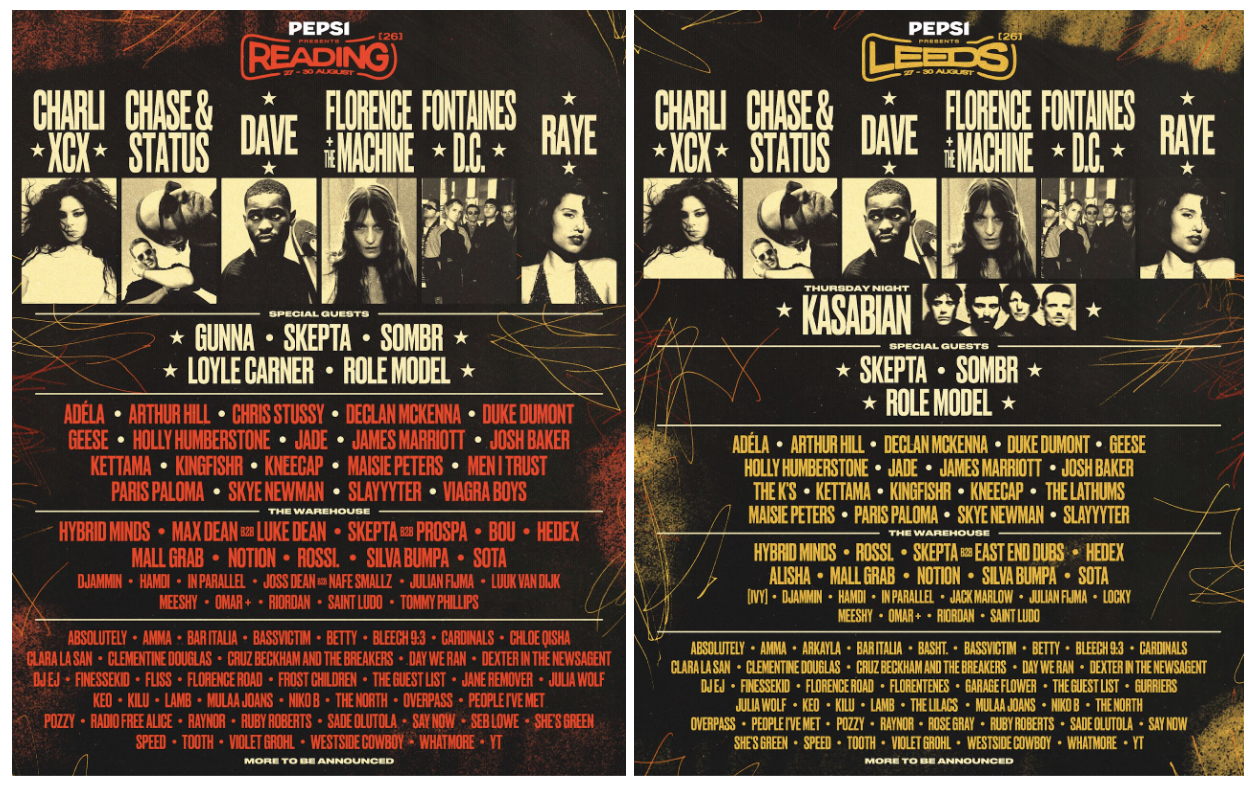
Reading & Leeds has spent years being asked what kind of festival it wants to be. A rock festival? A pop festival? Somewhere for rap and dance music? A post-GCSE rite of passage for teenagers discovering their first favourite artist, or somewhere for people in their thirties to return and watch the bands they discovered twenty years earlier?
By the end of 2026, trying to answer that question felt increasingly pointless. Across the weekend, Kasabian became the first band to headline Leeds on a Thursday night; Charli XCX moved between ‘Brat’, distorted guitars and David Cronenberg; Dave brought James Blake, Kano and Central Cee onto the same stage; Fontaines D.C. honoured the man who had helped them out of Dublin clubs; and Kneecap announced an Irish takeover before turning a tent into something halfway between a rave, rally and extremely unruly lock-in.
Elsewhere, Florence Welch persuaded thousands of teenagers to put their phones away for a song released in 2009, Jamie T played ‘If You Got the Money’ to kids who probably had not been born when ‘Panic Prevention’ came out, and Declan McKenna returned to the festival nearly a decade after BBC Introducing helped a fifteen-year-old from Hertfordshire turn ‘Brazil’ into a career. Lower down, Geese packed a leaking tent while Keo and Westside Cowboy provided a glimpse of what the top half of the poster might look like several years from now.
Reading & Leeds in 2026 did not rediscover guitar music, abandon it for dance, become a pop festival or complete some permanent transformation into a rap festival. It did all of those things at different points during the same weekend.
The festival itself looked different. The Grid became the home of the main stage, while The Gallery, The Warehouse, The Ballroom and The Canopy gave the arena new spaces with very different identities. The Ballroom, complete with chandeliers, occasionally appeared far too elegant for what audiences were doing underneath them, while The Warehouse acknowledged just how central dance music has become to the modern Reading & Leeds audience.
Leeds went further and effectively became a four-day festival. Kasabian were given the experiment, becoming the first act in the festival’s history to headline Bramham Park on Thursday night. Arkayla and The Lathums came first before Serge Pizzorno and co. christened The Grid with the sort of hit-heavy set they have spent years perfecting at British festivals. “This is history,” Pizzorno told the audience, and for once the usual frontman hyperbole was literally correct.
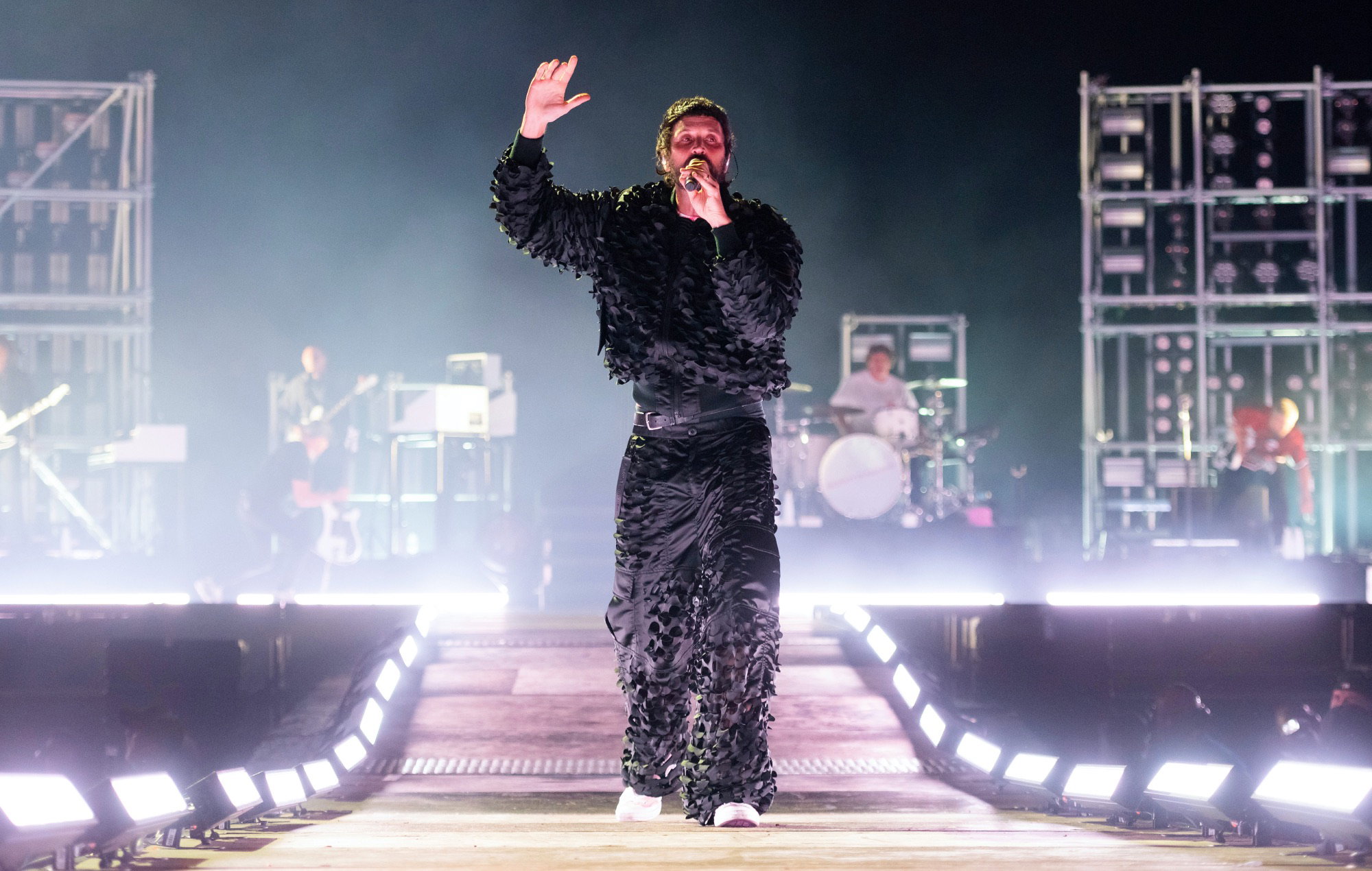
Kasabian were an obvious choice. They had already headlined Reading & Leeds in 2012 and 2017, their songs require very little encouragement to turn into enormous chants, and ‘Act III’ was arriving only days later. Leeds had added a whole extra night to itself and asked one of Britain's most dependable festival bands whether anybody would turn up.
They did, and the Thursday immediately established one of the important differences between the twin festivals. Reading and Leeds may share most of a lineup, but they never quite produce the same weekend. Leeds got Kasabian making history, Blossoms saying goodbye to an eight-foot gorilla and Fontaines D.C. playing the complete version of the headline set Reading had lost twenty-four hours earlier. Reading had Jamie T effectively inviting himself onto the bill, Geese performing underneath a leaking Gallery roof and Florence Welch closing her tour in a downpour. The songs travelled between the two sites; the stories around them did not.
Friday at Reading began with perhaps the weekend's most ridiculous piece of self-booking. Jamie T had spent the days before the festival publicly asking to be added to the lineup and even specified how much time he required: 33 minutes and 10 seconds.
Somebody eventually decided that sounded reasonable. The duration was a joke built around new single ‘3310’, but it gave Reading one of the most charming starts to the weekend. “We got on the bill then,” Jamie smiled before working through ‘Hippodrome’, ‘The Old Style Raiders’, ‘Salvador’ and the song responsible for the whole stunt.
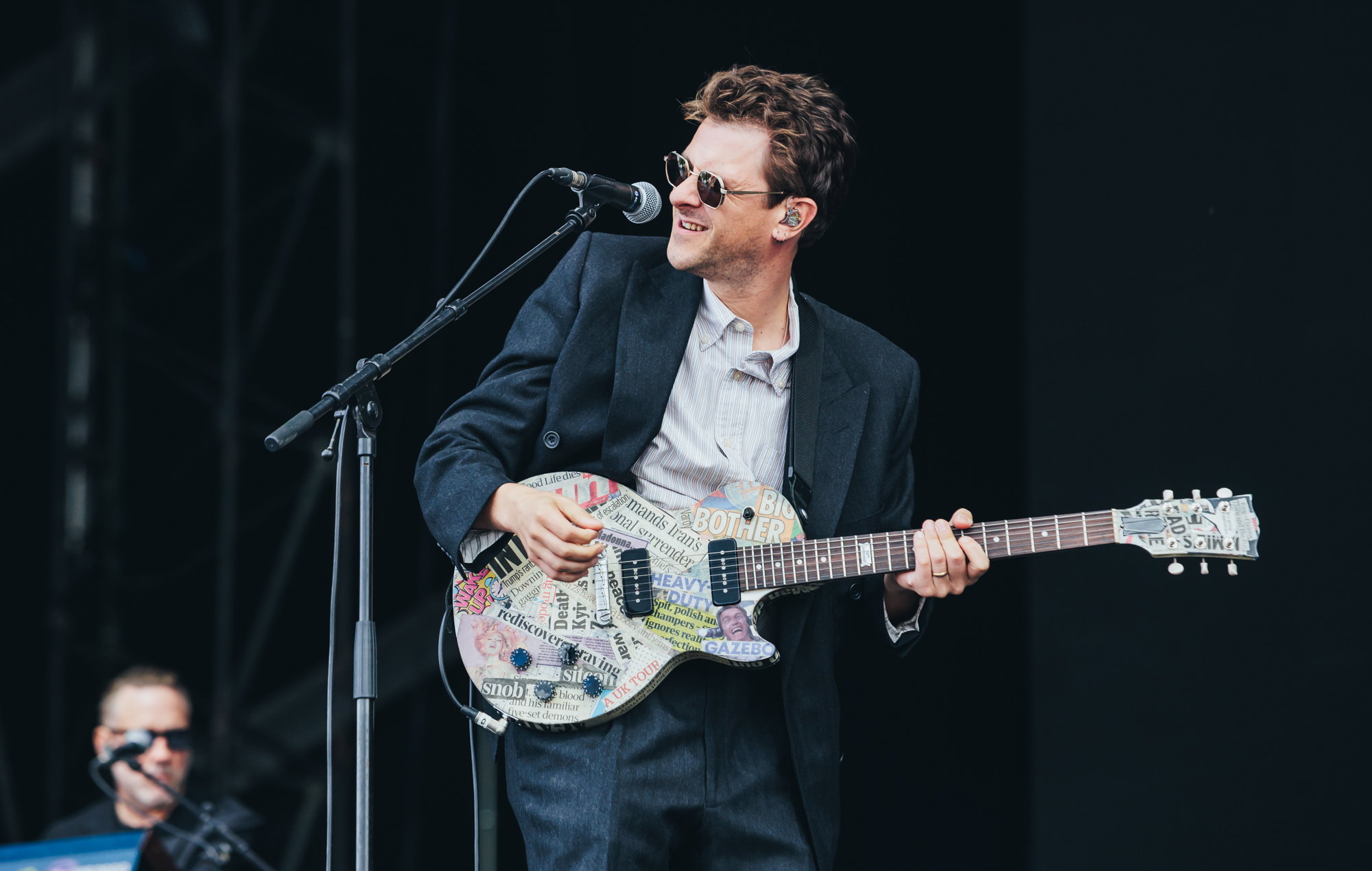
The early crowd took a little longer to arrive emotionally than Jamie had physically. ‘If You Got the Money’ changed that. Suddenly teenagers were shouting back a song from an album released in 2007, and plenty of them probably had not even been born when ‘Panic Prevention’ arrived. By ‘Sticks ’n’ Stones’ and ‘Zombie’, a half-hour novelty had become a proper festival set. “Ready for a little dance?” Jamie had asked. Eventually, Reading was.
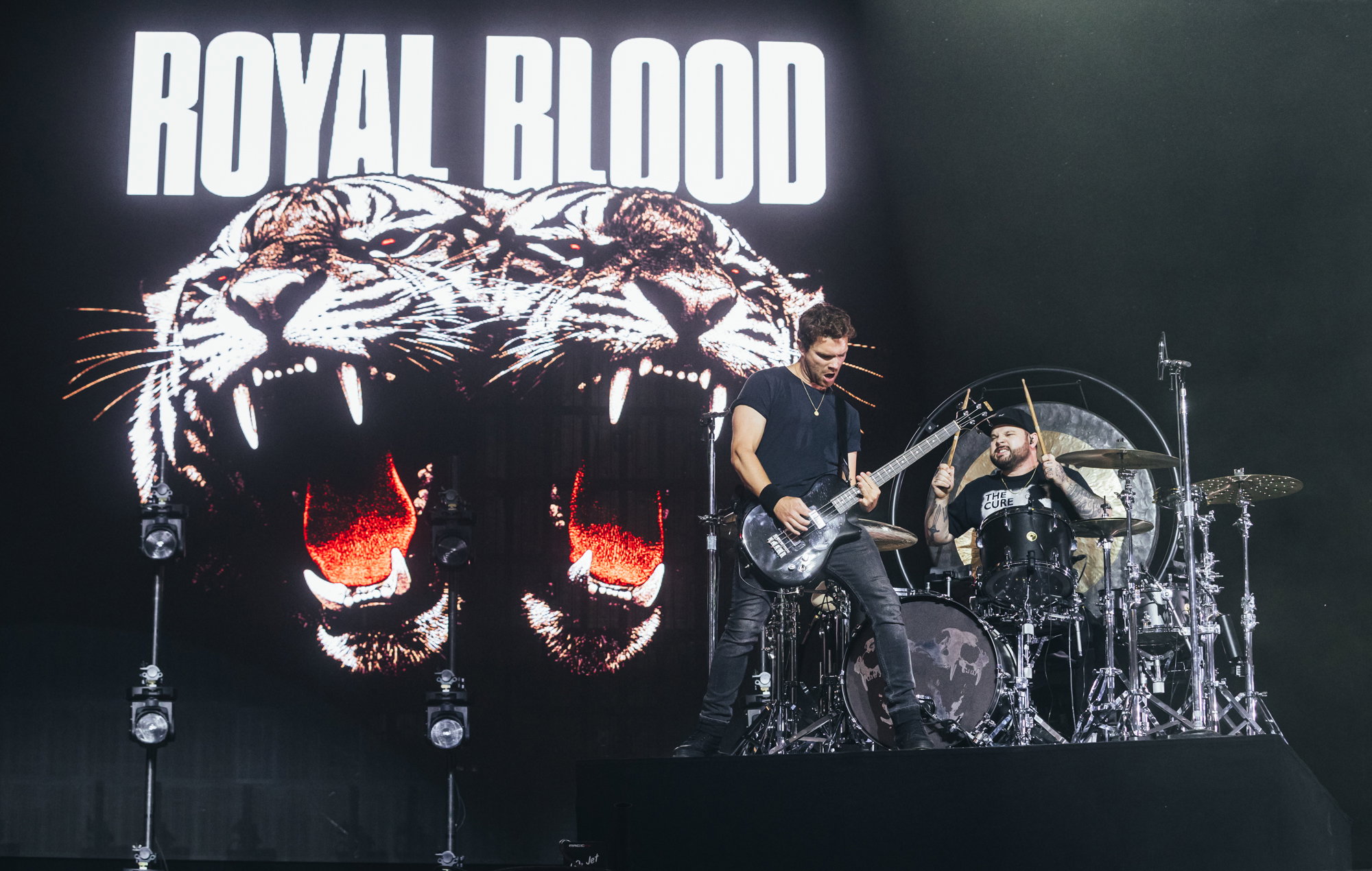
Royal Blood's appearance later that afternoon was only marginally more secret. The Brighton duo had announced the Gallery performance days earlier, meaning almost nobody was likely to wander in unaware, and by the time ‘Out of the Black’ began the tent was packed.
Ben Thatcher was soon away from his drum kit greeting the front rows before returning to help start one of the weekend's first serious pits. ‘Come On Over’, ‘Boilermaker’, ‘Lights Out’, ‘Trouble’s Coming’, ‘Little Monster’ and ‘Figure It Out’ did exactly what Royal Blood songs have been doing to festival crowds for more than a decade, but the more useful reaction came when the new material arrived.
‘Ten Over Ten’ and ‘Swallow the Bomb’, both taken from ‘Dead Company’, opened pits of their own. Royal Blood already have enough old songs to carry festival sets for years. What mattered at Reading was that nobody treated the new ones as a toilet break before ‘Figure It Out’ returned.
Leeds had its own piece of indie theatre when Blossoms returned as special guests for their first Reading & Leeds appearance since 2021. Ten years after their self-titled debut reached number one, the Stockport band now occupy an interesting position at festivals like this. They are no longer the young band climbing the bill, but neither have they reached the point where people turn up purely to hear the first album again.
‘Gary’ opened the set, accompanied by the eight-foot fibreglass gorilla who had followed Blossoms through the campaign for their fifth record. At Leeds, however, this was his retirement party. Drummer Joe Donovan wore a ‘Goodbye Gary’ T-shirt, confirming that one of the more ridiculous pieces of British indie stage production was finally being sent into retirement. With ‘Songs From The Wedding Cake’ arriving in October, Blossoms were quite literally saying goodbye to one era while introducing the next.
That made the set more interesting than a straightforward greatest-hits run. New songs ‘Joke About Divorce’, ‘Meet Me In Love’ and ‘Additional Driver’ sat alongside ‘Gary’, ‘Nightclub’, ‘Perfect Me’ and ‘I Like Your Look’, while ‘Getaway’, ‘I Can’t Stand It’, ‘The Keeper’, ‘Honey Sweet’ and ‘Your Girlfriend’ showed just how much material Blossoms have accumulated over the past decade.
By the closing stretch, they were back on songs that have become festival staples. The opening of ‘There’s a Reason Why (I Never Returned Your Calls)’ was enough to get the crowd singing before ‘Charlemagne’ returned them to the single that helped establish the band ten years ago. What mattered was that the new material did not feel awkward beside it. Blossoms could introduce songs from an album that had not yet been released, then finish with one that has followed them for most of their career without the set feeling divided between past and present.
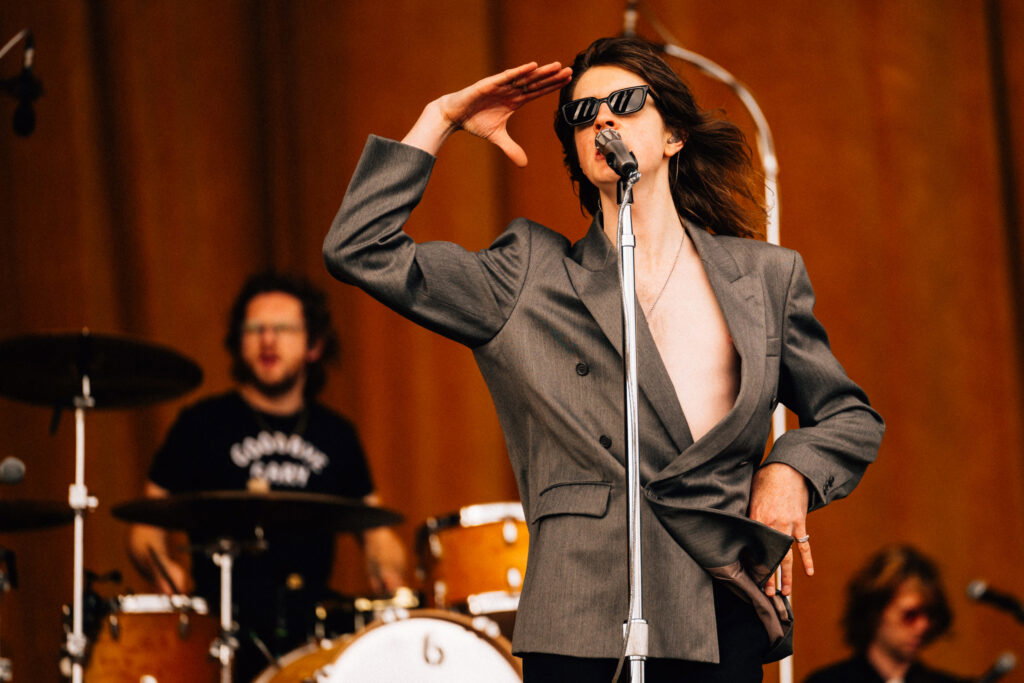
It is easy to overlook a band once their rise stops feeling new. Blossoms have already moved through the smaller festival stages, number-one records, increasingly large tours, arenas and huge outdoor shows. The achievement now is continuing without becoming their own tribute act. At Leeds, three unreleased songs were given valuable space in the set rather than being hidden between familiar singles, while the older songs no longer required much assistance from the band to fill the field.
Gary got his farewell, ‘Charlemagne’ got another enormous singalong and Blossoms carried on. Ten years into their career, they have become one of Britain’s most dependable festival bands without losing the sense that the whole thing is allowed to be slightly ridiculous.
A few stages away, Westside Cowboy were experiencing Leeds Festival for the first time. The Manchester four-piece walked into The Ballroom to Kaiser Chiefs’ ‘I Predict a Riot’, either knowingly provocative in West Yorkshire or simply impossible to resist. ‘It Goes On’, ‘I’ve Never Met Anyone…’ and ‘In The Morning’ followed beneath the chandeliers as a bucket hat flew above a crowd that already looked too large for the room.
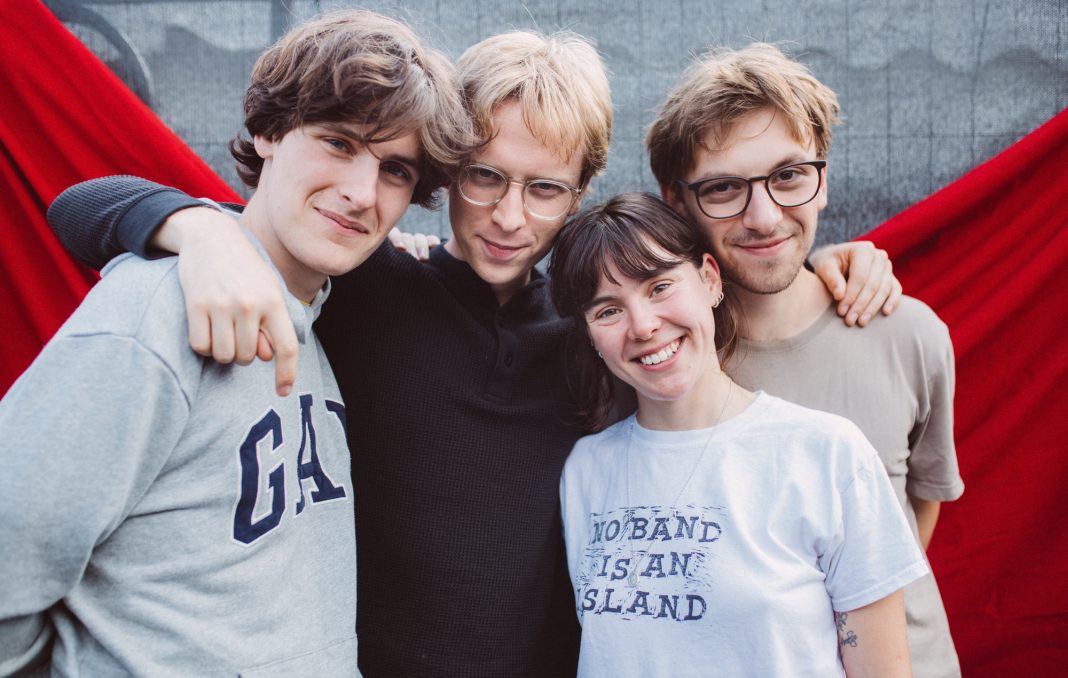
Keo were even earlier in the process. The London four-piece reached The Grid before debut album ‘Put A Smile On For Me’ had even been released, having built their early following through live shows and the rougher recordings of the ‘Siren’ EP. That immediacy remains important to them: the debut was made with an emphasis on keeping the bleed, mistakes and spontaneity of musicians playing together rather than polishing every rough edge away.
There was no need to present either band as proof that guitar music had somehow returned from the dead. Reading & Leeds has been through enough supposed deaths and revivals for that argument to mean very little anymore. Westside Cowboy and Keo were simply young bands being put in front of bigger crowds and given the chance to see what happened.
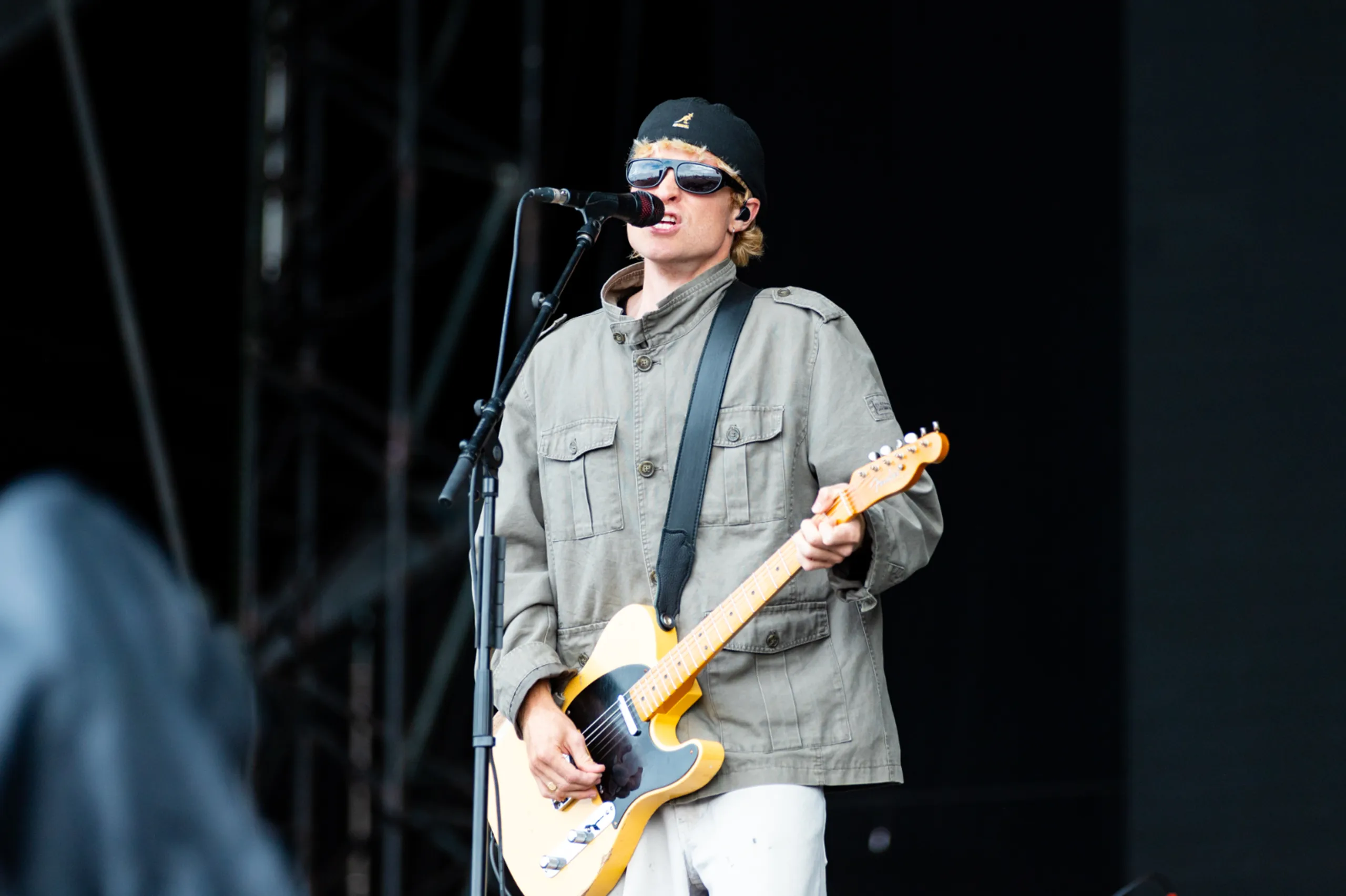
Blossoms had been in that position once.
A decade later, they were on The Grid saying goodbye to an eight-foot gorilla.
Declan McKenna knows exactly what can happen when somebody is given one of those early festival opportunities.
His 2026 Grid set reached across nearly a decade of records, opening with ‘Mulholland’s Dinner and Wine’ before taking in ‘You Better Believe!!!’, ‘Humongous’, ‘The Key to Life on Earth’, ‘Beautiful Faces’ and ‘Nothing Works’. Near the end came ‘Brazil’, still immediately recognisable before ‘British Bombs’ brought the performance to a close.
The most interesting thing about seeing McKenna on The Grid was not simply how far he had travelled through the festival hierarchy. It was remembering where his career began. In 2014, aged fifteen, he uploaded ‘Brazil’ to BBC Introducing in Beds, Herts and Bucks. The platform supported him as the song travelled further, and in 2017 he was named BBC Music Introducing Artist of the Year.
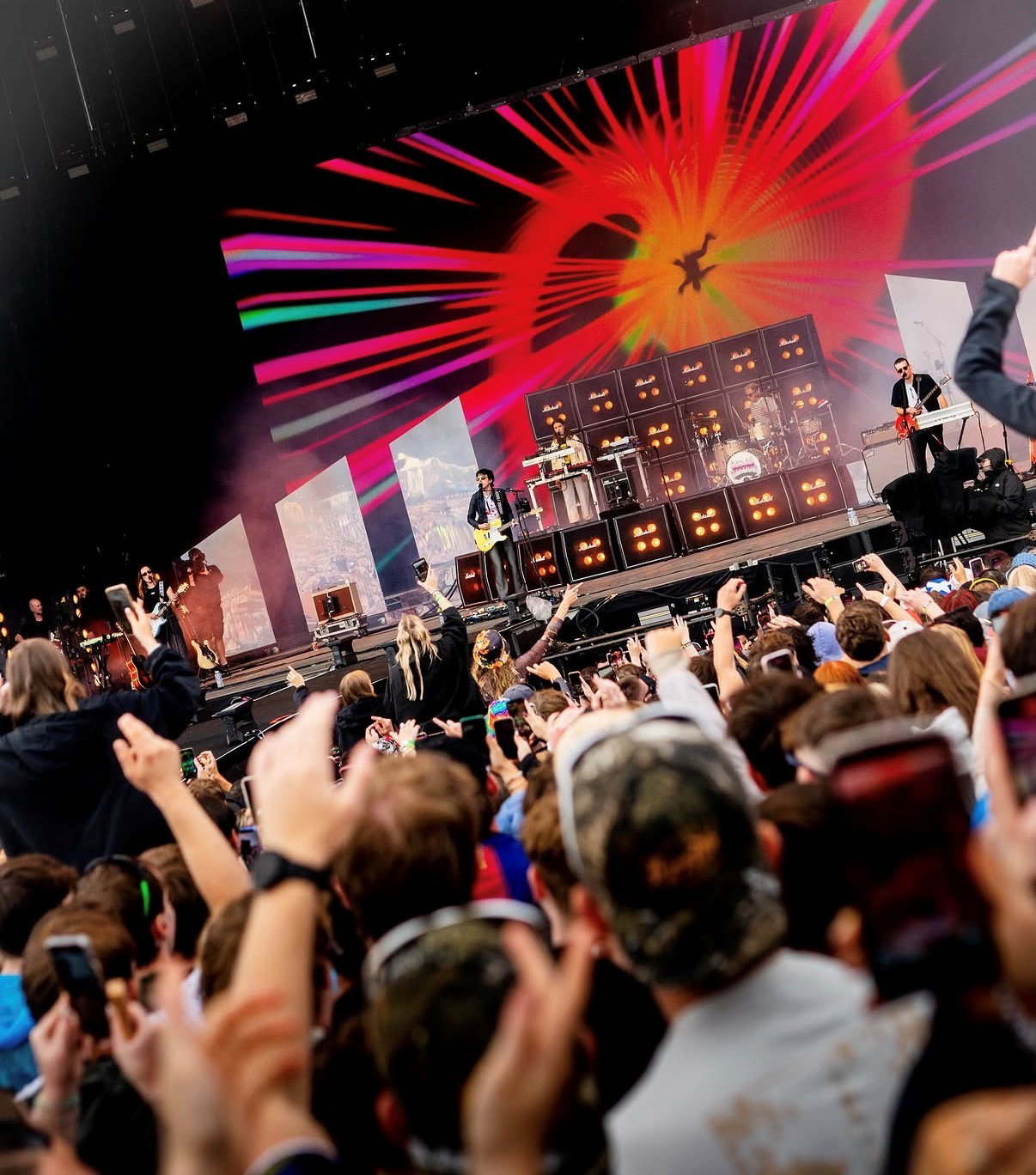
That route matters in 2026 because Reading & Leeds no longer has a BBC Introducing Stage.
For almost two decades, the stage provided one of the festival's clearest routes in for unsigned and emerging artists. The wider BBC Introducing network supported artists including Ed Sheeran, Charli XCX, The 1975 and Sam Fender early in their careers, and The Guardian reported that at least 70 per cent of the acts on this year's Reading & Leeds lineup had received Introducing support at some point. Festival Republic replaced the stage with The Canopy, arguing that removing the requirement for artists to come through the BBC would allow it to book from a wider pool of emerging talent.
The first Canopy lineup made that argument slightly more complicated.
Violet Grohl, daughter of Dave Grohl, appeared there. So did Cruz Beckham, son of David and Victoria Beckham. People I've Met are led by Moses Martin, son of Chris Martin and Gwyneth Paltrow, while Villanelle are fronted by Gene Gallagher, son of Liam Gallagher and Nicole Appleton. The concentration of famous parents led commentators and festival-goers to start referring to The Canopy as the “nepo baby stage”, wording strong enough to become the headline of The Guardian's examination of the change.
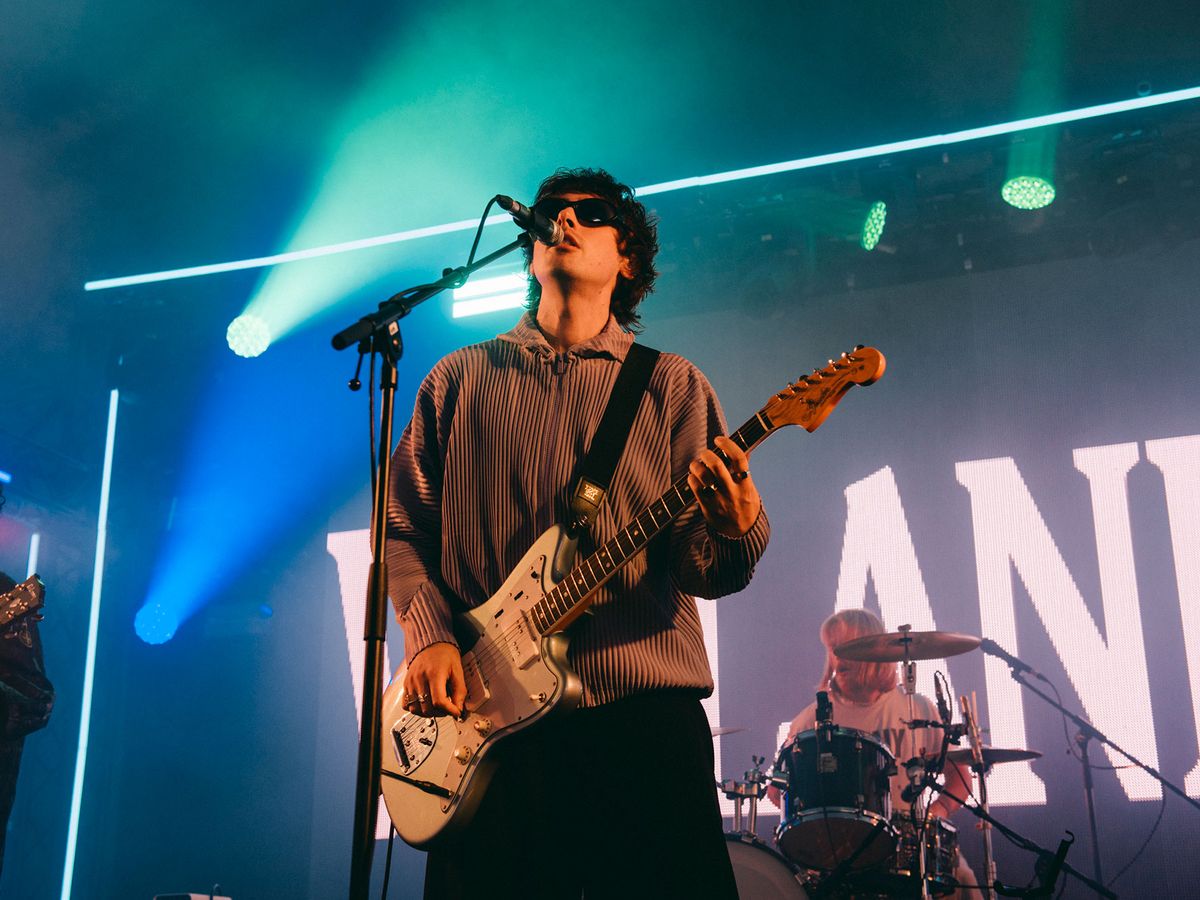
That does not mean any of those artists should automatically be dismissed because of their surnames. Gene Gallagher still has to make Villanelle worth watching. Violet Grohl still has to write songs people care about. Cruz Beckham still has to convince the people standing in front of him, and Moses Martin cannot ask his dad to make an audience like 'People I've Met'.
Talent and privilege can exist at the same time.
The uncomfortable part is access. BBC Introducing was never a perfect meritocracy, but a fifteen-year-old Declan McKenna could upload ‘Brazil’ to his local scheme without a famous surname or established industry route and eventually find himself travelling towards stages like this one. Ex-BBC Introducing presenter Tom Robinson described its strength as requiring “no inside access”, while musicians and presenters have warned that losing the Reading & Leeds stage removes a valuable step between bedroom demos, local gigs and national audiences.
The Canopy may yet produce artists who become enormous, and its lineup also contained plenty of acts without famous parents. The issue is not that children of musicians should be barred from forming bands. It is that replacing a recognised grassroots route with a stage whose inaugural lineup included so many artists already connected to fame inevitably raises the question of who gets access while everybody else is told how difficult the economics of starting a band have become.
McKenna standing on The Grid makes that question harder to ignore. His career demonstrates what can happen when an open door works. Reading & Leeds still clearly wants to be the festival where young artists become bigger ones; it also needs to protect the routes that let somebody without connections get onto the first rung.
Geese demonstrated what can happen once an audience makes its decision very quickly.
Since ‘Getting Killed’ arrived towards the end of 2025, the New Yorkers have been enthusiastically adopted by British indie kids. The Strokes comparison makes more sense culturally than musically: another strange New York guitar band crosses the Atlantic and discovers that teenagers here have decided to claim them as their own.
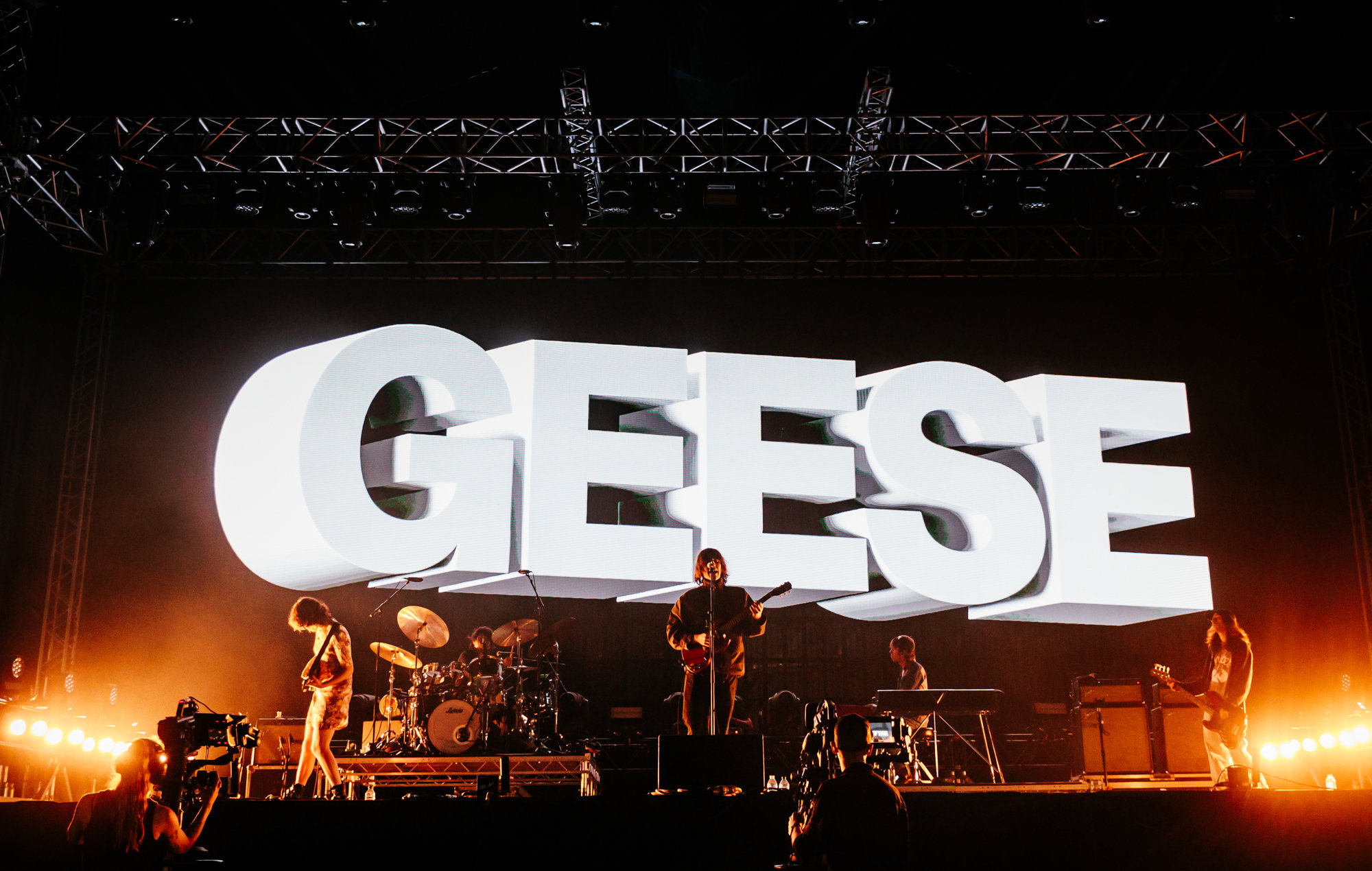
Reading provided suitable conditions for the relationship to become official. Rain hammered against The Gallery, mud swallowed trainers, and the tent eventually sprang a leak that created its own metre-by-metre shower inside the audience. “Don’t drink the tent water,” Cameron Winter advised before spending the rest of the set looking somewhere between a Britpop revivalist and a priest who had misplaced his congregation.
‘Husbands’, ‘100 Horses’, ‘Trinidad’, ‘Getting Killed’, ‘Au Pays du Cocaine’ and ‘Taxes’ became increasingly physical, while ‘2122’ unexpectedly slipped into an instrumental passage of Slowdive’s ‘When the Sun Hits’. ‘Taxes’ eventually found a loose, Stone Roses-style groove of its own, another example of Geese's music making much more sense physically than its awkward structures might suggest on paper.
The important thing was the crowd. These were not curious people arriving to inspect the critically approved American band everybody had been discussing online. They already knew the songs. Pits opened, teenagers climbed onto shoulders, and Winter's deeply peculiar voice came back at him from thousands of people.
The next time Geese return to Reading & Leeds, The Gallery may struggle to contain them.
Fontaines D.C. already know what happens after that.
Their first Reading headline set should have been an uncomplicated celebration of how far they had travelled. ‘Boys in the Better Land’, once written by a young Dublin band obsessed with somewhere beyond the life immediately around them, was now opening a show at the top of one of Britain's biggest festivals.
Technical and logistical problems immediately complicated things. Fontaines arrived around half an hour late and lost ‘Big’, ‘Hurricane Laughter’ and the intended debut of ‘Happy For You’ from the set. Reading still got an excellent performance. It did not get a better one because three songs were missing.
The larger absence could not be fixed by extending the curfew. Trevor Dietz had booked Fontaines when they were still students, became their manager and eventually something much closer to family. Before his death in June, he had even been the person who convinced them not to leave ‘Marianne’ off ‘Dopamine Chamber’.
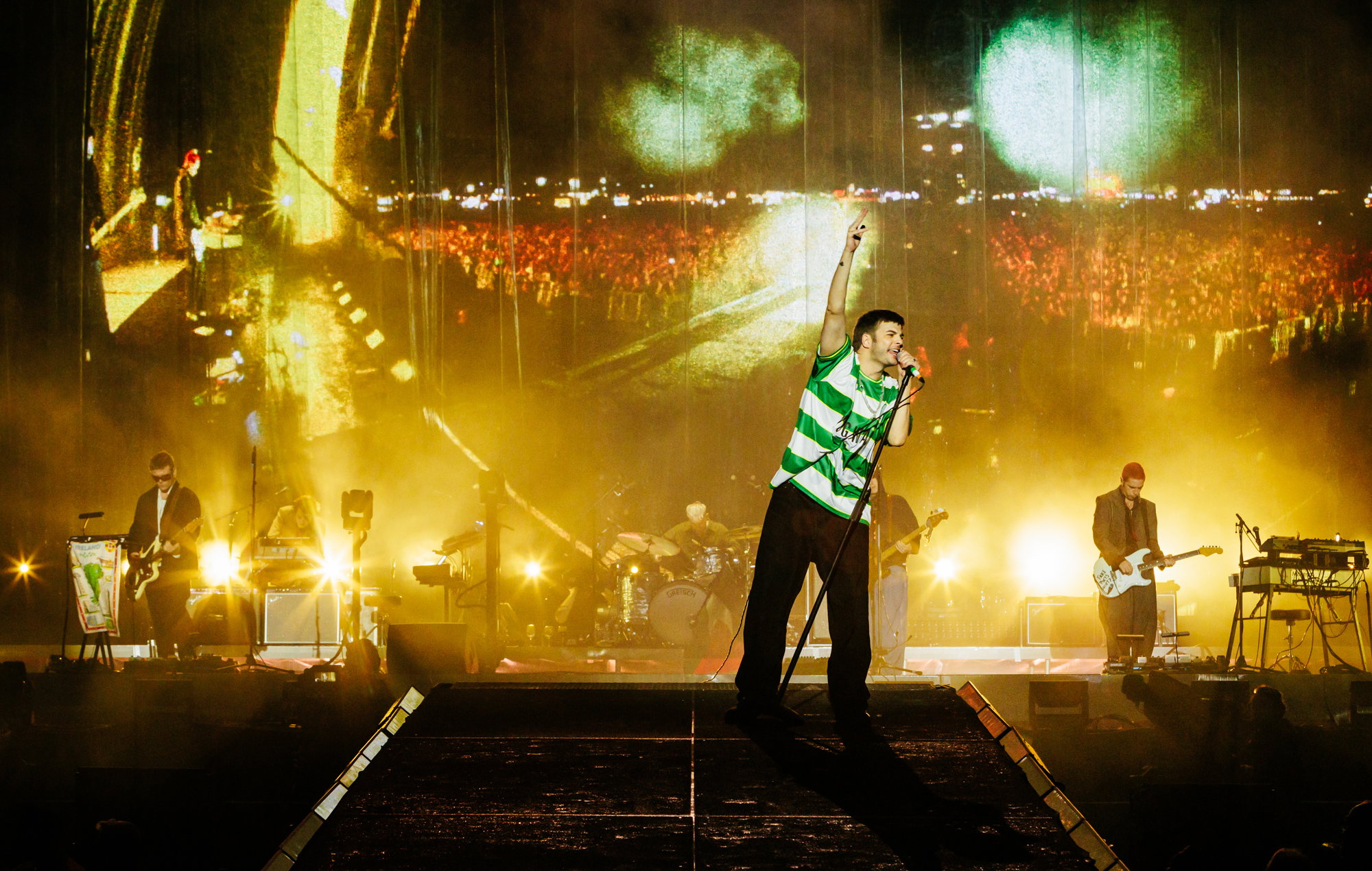
His presence remained everywhere. Grian Chatten's knuckles carried Trev's name and one of the guitars onstage read ‘Trev Forever’. ‘Favourite’, already a song about memory and years disappearing more quickly than expected, suddenly had somebody specific inside it. “Love you Trev,” Chatten said.
Leeds got the full version the following evening. ‘Big’ and ‘Hurricane Laughter’ returned, while ‘Happy For You’ finally received its debut: a slow-burning, bittersweet song in which Chatten repeatedly tries to convince himself that he is pleased for somebody after the end of a relationship.
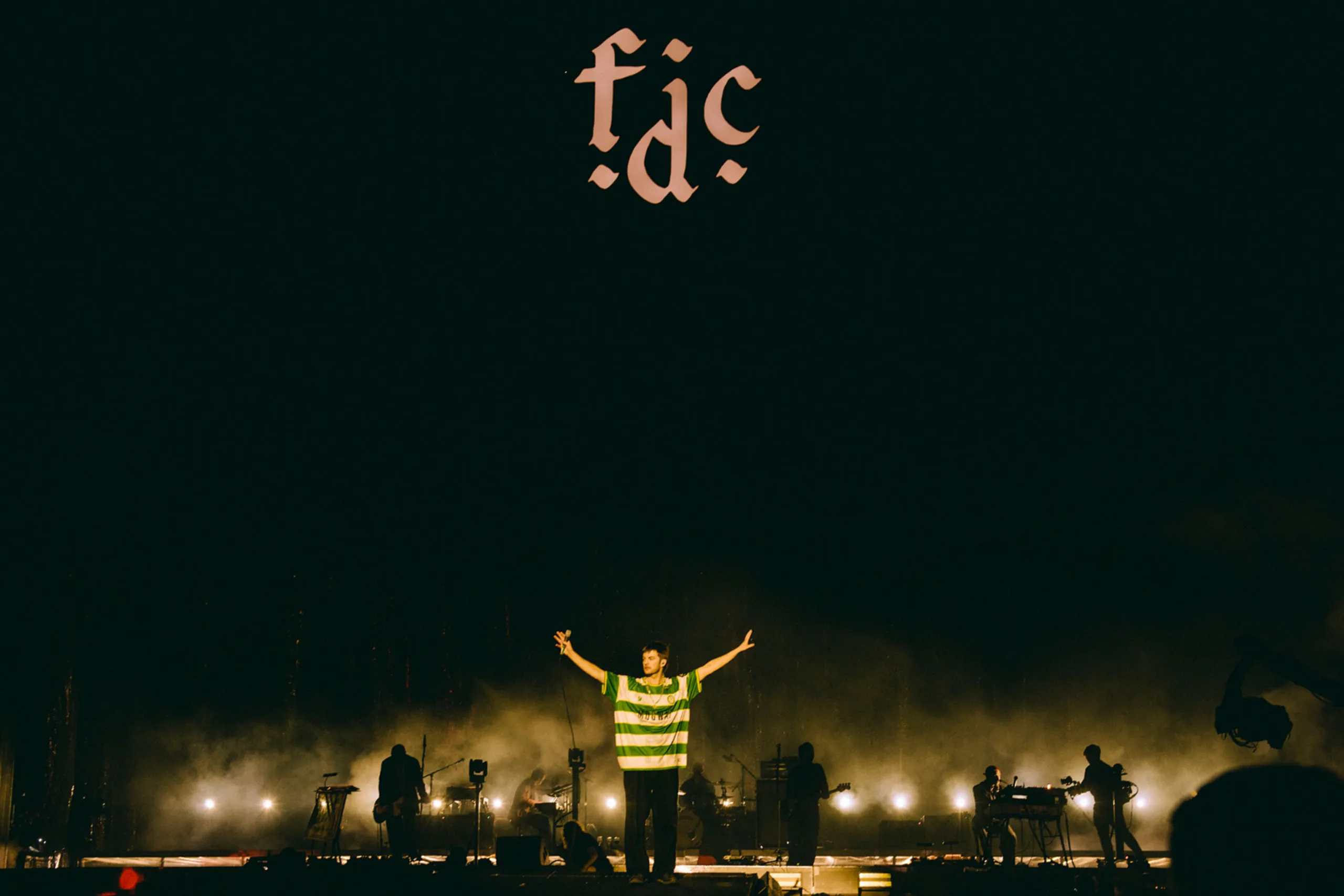
Within days, another measure of Fontaines' growth arrived with the announcement of Slane Castle for June 2027. Arenas come first this winter. Reading looked like another summit, but Fontaines have developed a habit of reaching supposedly enormous stages and immediately making them look like preparation for somewhere else.
Charli XCX spent her own Reading headline performance resisting the idea that success should trap her in one version of herself.
‘Brat’ had finally made her a megastar, so naturally she spent 2026 refusing to make it again. Her ‘Wuthering Heights’ soundtrack moved into darker cinematic territory before ‘Music, Fashion, Film’ brought distorted guitars further forward without abandoning the electronic instincts beneath them.
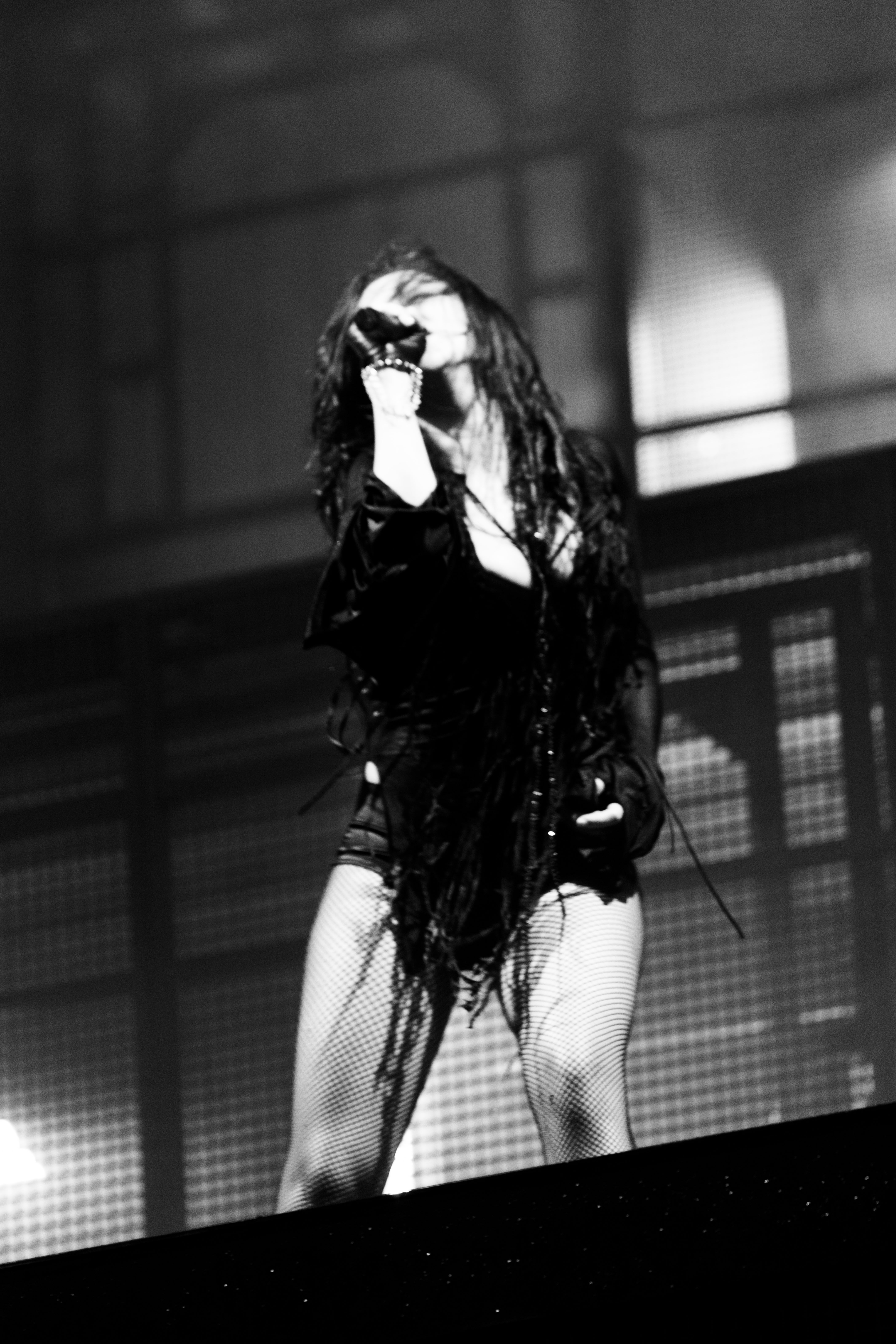
Reading got all of those Charlis. ‘Club Classics’, ‘365’ and ‘360’ showed that ‘Brat’ remains enormous, while ‘Sympathy Is a Knife’ sounded made for stages this size. During ‘Von Dutch', Charli once again went for the BBC camera in a callback to Glastonbury 2025, while ‘Guess’ produced probably the biggest reaction of the entire performance.
There was room for ‘Track 10’ too, reaching back to ‘Pop 2’ and receiving the sort of roar that showed it has long since escaped deep-cut status. The better indication of Charli's future came from ‘If You Take Away The Music Then What Has She Got?’, where Elastica-like guitars sat over a dance beat while she appeared to ask the title directly of the audience.
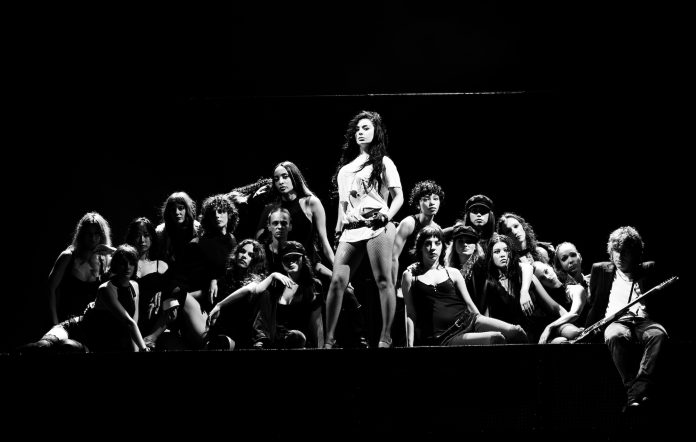
‘No One Lasts Forever’ then closed the performance with David Cronenberg's recorded voice contemplating art, death and permanence. ‘Brat’ got Charli to the top of Reading. Once she arrived, she showed everyone she had no interest in letting it keep her there forever.
Saturday provided another artist dealing with what happens when ambition becomes reality.
Dave first played Reading's 1Xtra tent in 2017. He had already become a headliner by 2022, but his 2026 return arrived after ‘The Boy Who Played the Harp’, a record obsessed with success, purpose and whether achieving the life you imagined actually answers any of the questions that drove you towards it.
For much of Reading, the worrying could wait. ‘Verdansk’, ‘Clash’, ‘Location’, ‘Screwface Capital’, ‘Professor X’ and ‘Funky Friday’ gave the set little room to breathe before James Blake appeared for ‘Both Sides of a Smile’. Kano joined later for ‘3 P’s Freestyle’ and ‘Chapter 16’, while Central Cee's entrance for ‘Sprinter’ produced one of the loudest reactions of the weekend.
‘Thiago Silva’ did not need a guest. Seven years after a teenager called Alex had been plucked from the Glastonbury crowd and accidentally become part of festival history, Reading supplied tens of thousands of replacements. Whole passages disappeared from Dave's microphone and came roaring back from the field.
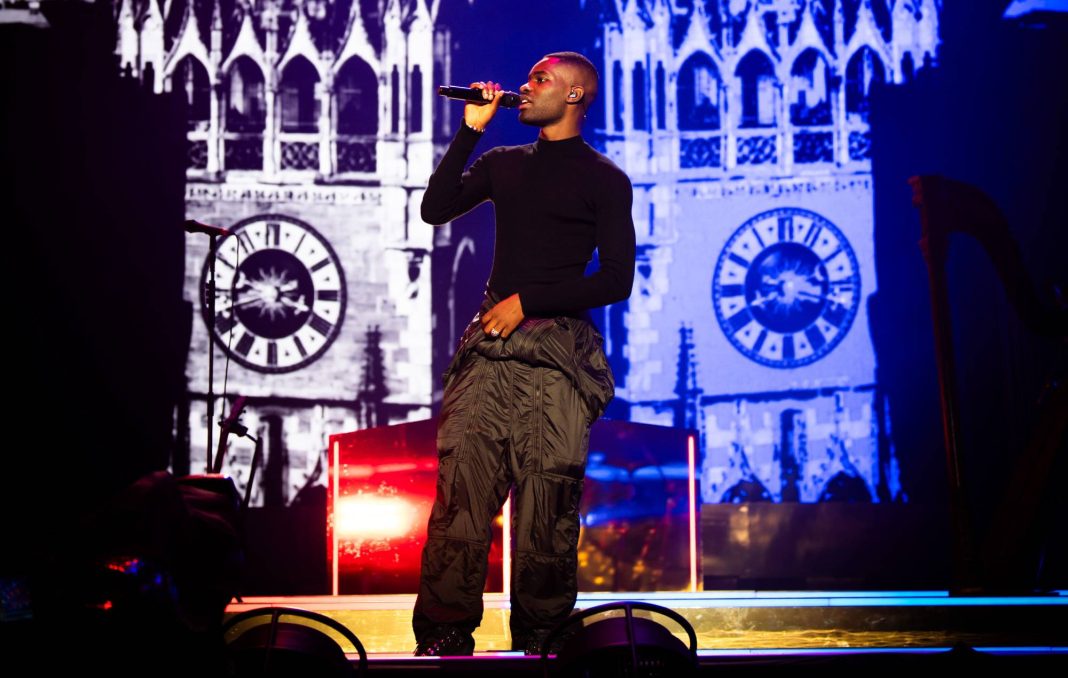
The latest album made the progression almost suspiciously neat. The biblical David was a young musician before becoming king; Dave had spent his teenage years imagining what his talent might bring him before eventually standing at the top of Reading Festival. The self-fulfilling prophecy had arrived.
Kneecap made the Irish presence across the weekend considerably less subtle. They walked into The Gallery to Fontaines D.C.’s ‘Favourite’, greeted with the kind of roar ‘Wonderwall’ gets at a wedding, before ‘Smugglers & Scholars’, ‘Sick In The Head’ and ‘Cold At The Top’ pushed the tent towards something between a gig and a rave. Grian Chatten’s recorded appearance during ‘Better Way To Live’ created another eruption, while ‘Sayonara’, ‘Get Your Brits Out’ and ‘Guilty Conscience’ sent pits opening across the second half. By the time ‘Fenian’, ‘H.O.O.D.’ and ‘The Recap’ provided the closing rush, Mo Chara hardly needed to explain what was happening: “This is the Irish fucking takeover.”
Politics remained tangled through the chaos. Mo Chara spoke about using their platform for people who had been silenced, led chants in support of Palestine and aimed another at Andy Burnham over his comments on Irish reunification. Elsewhere, Kneecap thanked Britain for everything from fish and chips and HP Sauce to UKIP and Bloody Sunday, before songs about drugs and Irish history sent the crowd back into another pit. It was provocative, funny and deliberately uncomfortable in much the same way Kneecap have always been.
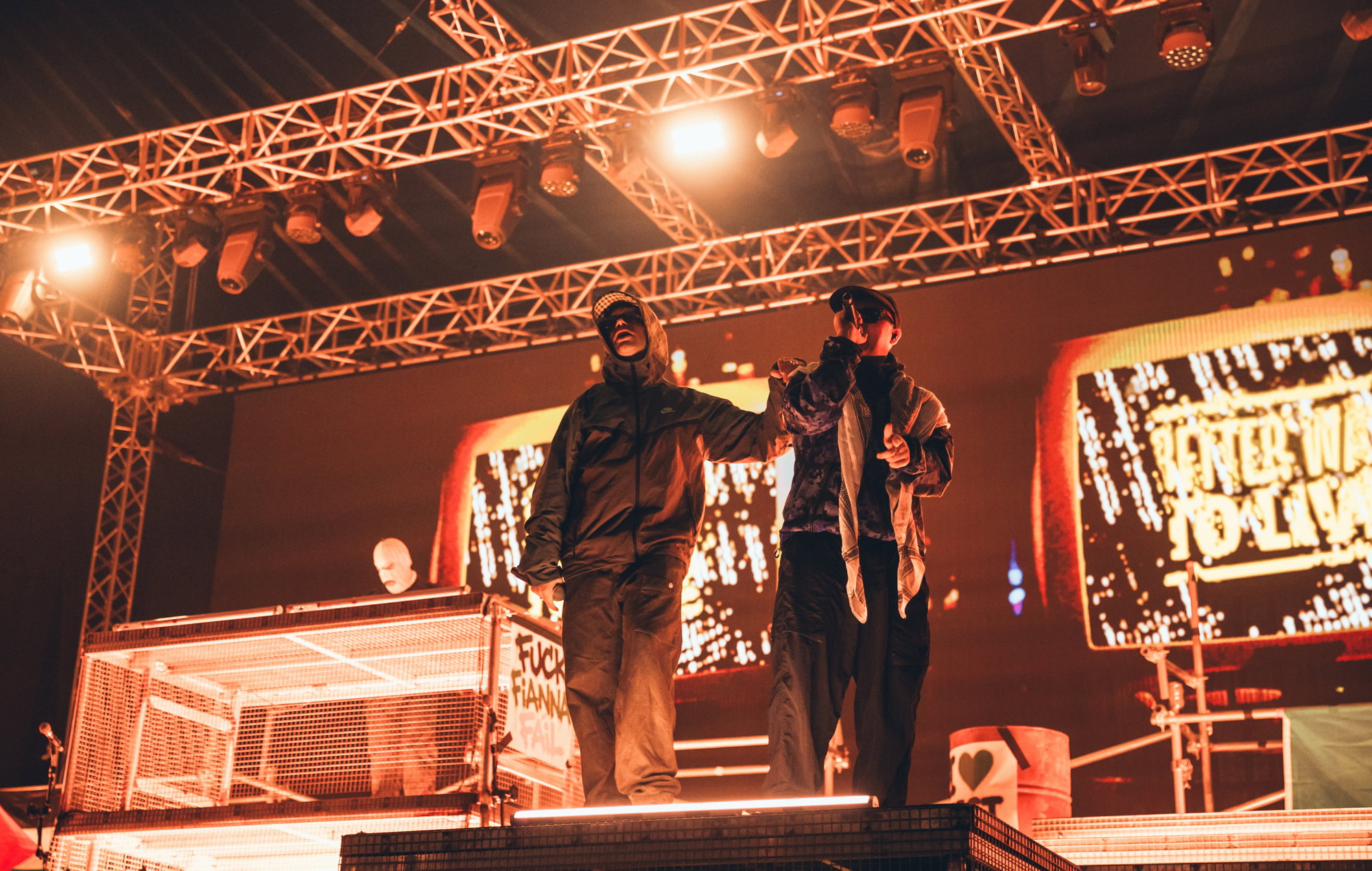
It was difficult to argue with Mo Chara’s description of an Irish takeover, although the interesting part was how little its participants needed to sound alike. Fontaines had reached The Grid through guitars, poetry and records that had gradually grown into something widescreen. Kneecap arrived speaking Irish and English over hip-hop, rave and trance, mixing republican politics, drugs, jokes and a complete lack of interest in behaving respectably. A successful musical generation does not require a uniform.
By Sunday, Reading had been rained on often enough for the mud to feel like part of the permanent infrastructure. Florence Welch responded by giving, for me, the best performance of the entire weekend.
Opening with ‘Everybody Scream’ as the clouds darkened, Florence seemed almost designed for the conditions. The rain only added to songs already obsessed with bodies, ritual, nature and surrender. Then the older material began finding some of the youngest people in the field.
‘Shake It Out’ became an enormous singalong before ‘Spectrum’, ‘Rabbit Heart (Raise It Up)’ and ‘You’ve Got the Love’ provided a run most performers would save until the end. During ‘Rabbit Heart’, Welch asked the audience to mark the changing season by climbing onto one another's shoulders. Thousands obeyed, leaving bodies raised above the crowd while the rain continued falling around them.
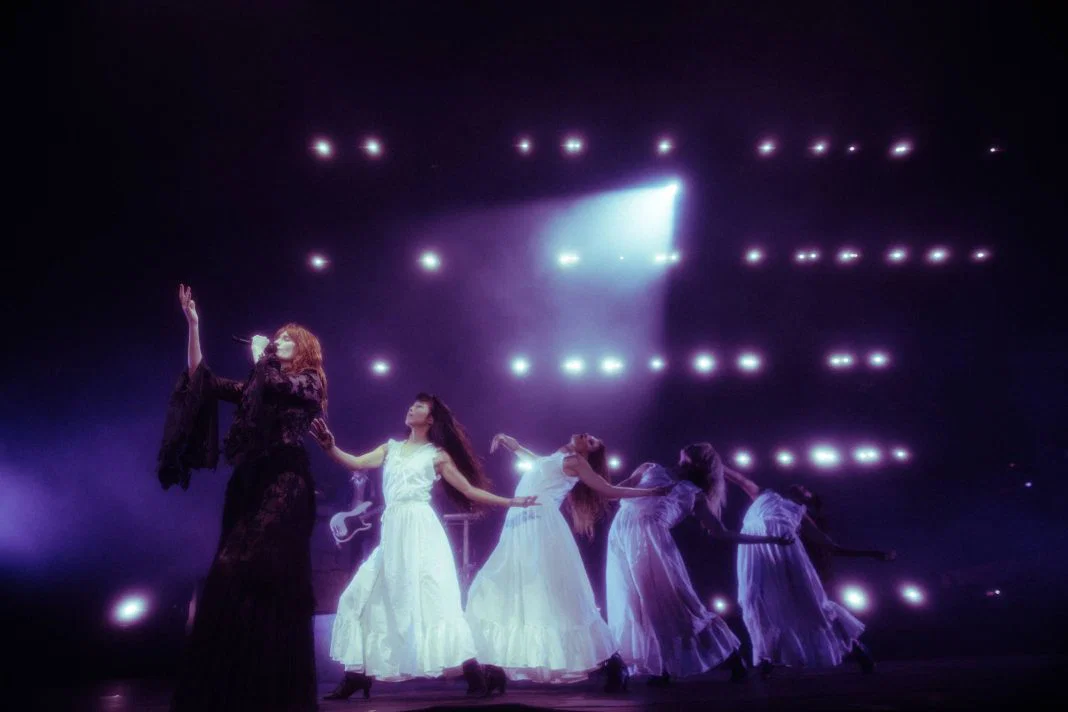
Mark Bowen from IDLES joined her for ‘One of the Greats’, bringing a rougher guitar edge into the grandeur, while ‘Sympathy Magic’ eventually saw Florence descend towards the barrier to hug, touch and hold hands with the people at the front.
There was another piece of symmetry behind the performance. It was the final show of the ‘Everybody Scream’ tour, and Reading was the first festival Florence had ever wanted to attend. Her dad eventually brought her when she was fourteen. “This is my childhood dream,” she told a crowd that now contained thousands of teenagers roughly the same age.
The best trick arrived during ‘Dog Days Are Over’. Welch asked “every single person” at Reading to put their phone away, arguing that filming the song would prevent them from properly experiencing it.
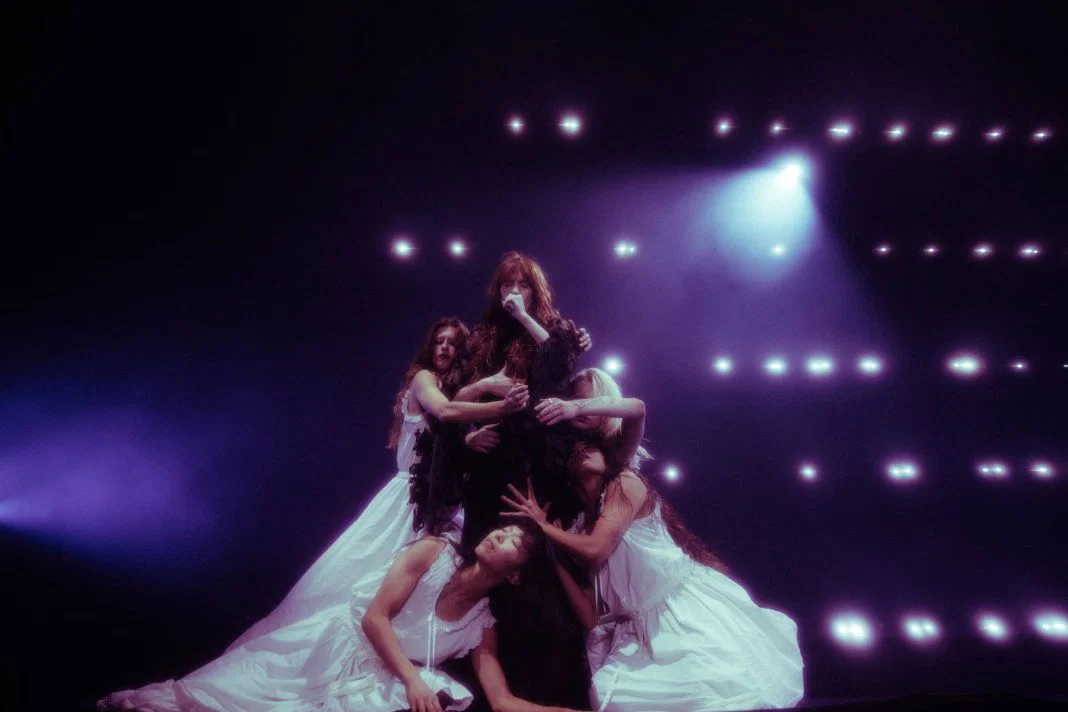
Remarkably, they listened. Screens disappeared across the field and, when the final chorus arrived, thousands jumped through the rain with nothing attached to their raised hands. A song released in 2009 was being screamed by teenagers who had either been toddlers or not yet born when ‘Lungs’ appeared.
Jamie T had experienced the same generational handover earlier in the weekend from the opposite end of the musical spectrum. Declan McKenna represented another stage of it. Dave could look out from The Grid towards a festival where he once occupied the 1Xtra tent. Fontaines could turn ‘Boys in the Better Land’ from ambition into autobiography. Florence could return to the festival she first visited at fourteen and close it seventeen years after her debut.
That was the most convincing answer Reading & Leeds provided to all those old questions about what it is supposed to be. It remains a place where songs can outlive the generation that first heard them and where artists can physically move through the poster as their audiences grow.
The responsibility is making sure the next generation can still get through the door.
That is why removing BBC Introducing matters as much as redesigning the stages. Reading & Leeds can celebrate Declan McKenna on The Grid, point to Keo and Westside Cowboy, watch Geese outgrow a tent, and tell everybody it remains committed to new music. The real test is whether an unknown fifteen-year-old uploading the equivalent of ‘Brazil’ today still has a route to this festival that doesn't begin with the right surname, manager, or industry connection.
The festival's future was visible everywhere in 2026. Geese packed a tent that already looked too small. Keo reached The Grid before their debut album had arrived. Westside Cowboy played their first Leeds Festival beneath The Ballroom's chandeliers and left people wondering where they might appear next. The Canopy contained artists who may become important too, famous parents or otherwise.
Reading & Leeds perpetuates itself when somebody at the bottom of one poster eventually ends up at the top of another. The headliners change, genres overlap and songs pass between generations, but that basic journey remains one of the reasons people keep coming back.
The kids are already here.