Walls Come Tumbling Down- The 80s Part 3
The 1980s marked a decade of profound political and social transformation in Britain, beginning with the election of Margaret Thatcher as Prime Minister in 1979. Thatcher's tenure, lasting the entire decade, cemented her status as one of the most polarising figures in British history. The rise of 'Thatcherism,' coupled with soaring unemployment and widespread poverty, ignited a surge of politically charged music that captured the spirit of resistance and unrest.
In the early 1980s, Paul Weller, alongside his bandmates in The Jam, emerged not only as a leading figure in British music but also as one of the most vocal critics of Margaret Thatcher's government. Their role as social critics was pivotal, as they used their platform to channel the anger, disillusionment, and unrest felt by many, especially within working-class communities. The Jam's songs became anthems of resistance against the era's economic policies and social inequalities, enlightening the public about the issues at hand. Their lyrics tackled the erosion of traditional industries, rising unemployment, and the growing sense of alienation that defined life for many Britons under Thatcher's rule.
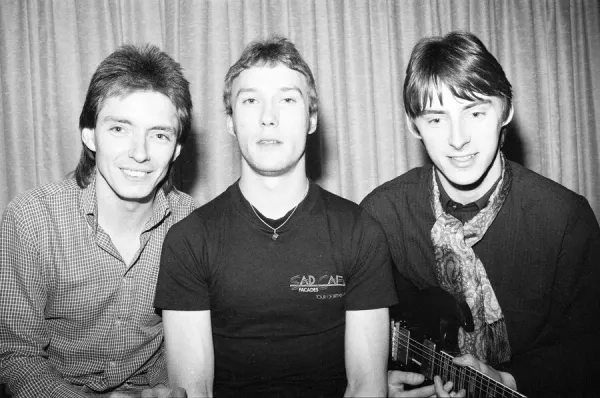
The Jam's 1980s albums Sound Affects (1980) and The Gift (1982) are regarded as classics of British rock, showcasing the band's sharp songwriting and evolving sound. 'Sound Affects' featured hits like 'Going Underground' and 'Start!'. At the same time, 'The Gift' included tracks such as 'Town Called Malice' and 'Beat Surrender', which became anthems for a generation grappling with social upheaval. These records not only reflected the political and social climate but also pushed the boundaries of punk and mod revival music with sophisticated arrangements and production.
What set The Jam apart was not just their ability to channel the anger and energy of punk, but their skill in merging it with melodic sensibilities and a distinctly British sense of storytelling. Their albums are filled with sharp observations, social critique, and a restless ambition to evolve, with each release building on the last in sound and substance. The band's willingness to experiment with new textures, from funk-inspired rhythms to soulful horn sections, showcased their musical versatility and helped define the era's soundscape.
Many of the band's most enduring songs reflect this sharp social commentary. 'Going Underground' stands as an iconic anthem of defiance, critiquing political apathy and the bleak realities of British society while capturing the frustration of a generation that felt ignored and betrayed. 'Town Called Malice', one of their most beloved tracks, juxtaposes an upbeat, Motown-inspired groove with a stark critique of the decline of working-class communities and the despair bred by economic stagnation.
The band's ability to balance hope with hardship was a key element of their appeal. Even their most pointed critiques are shot through with empathy and a desire for unity. Beyond their hits, album tracks like 'Smithers Jones', 'Just Who Is the 5 O'Clock Hero?', and 'Strange Town' delve deep into themes of alienation, job insecurity, and financial hardship. Yet, they also celebrate the resilience and spirit of everyday working-class heroes, inspiring audiences to keep going despite adversity. The Jam's songs became not just protest soundtracks but calls to action, encouraging listeners to find strength in community and to imagine the possibility of change.
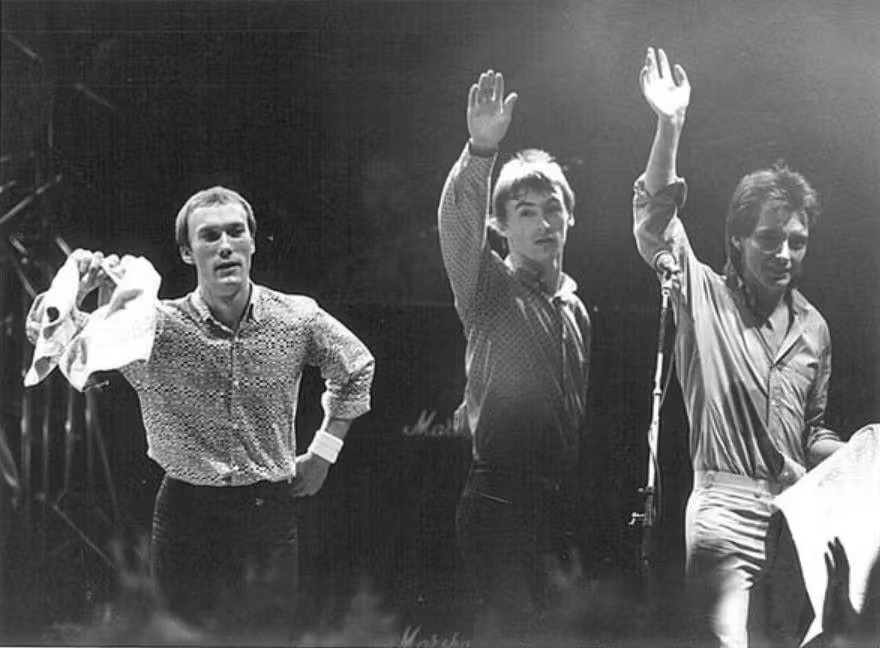
The Jam's unique ability to blend energetic punk and mod revival sounds with sharp, thoughtful social commentary and Weller's distinctive, poetic lyrical voice secured their place as Britain's biggest band of the early 1980s. Their musical style and cultural impact were significant, offering a unique blend that resonated with the frustrations of ordinary people while providing a sense of hope and solidarity. Their commercial success mirrored their cultural impact: in just five years, The Jam released 18 singles, with four reaching Number One and nine entering the Top 10, dominating the British charts and airwaves like few bands before or since.
This level of achievement was especially remarkable given the rapidly changing musical landscape of the early 1980s. As new wave, synth-pop, and post-punk vied for attention, The Jam managed to remain relevant by staying true to their roots while embracing change. Their success paved the way for future British bands who sought to combine musical innovation with a commitment to social relevance.
At the heart of The Jam was Paul Weller's songwriting, which captured the everyday realities and aspirations of British youth. The band's sharp suits and mod-inspired aesthetic created a distinct identity that set them apart from their contemporaries, while their relentless touring schedule and electrifying live performances earned them a devoted following.
On stage, The Jam's chemistry was electric, each performance charged with raw energy, precision, and a sense of purpose. Their concerts became gathering points for young people seeking both escape and a sense of belonging. The Jam's music was both urgent and melodic, marked by punchy guitar riffs, driving rhythms, and lyrics that spoke directly to their fans' struggles and dreams. Their ability to articulate the mood of a generation, whether through the rallying cry of 'Going Underground' or the bittersweet reflection of 'Town Called Malice', solidified their reputation as spokespeople for the era.
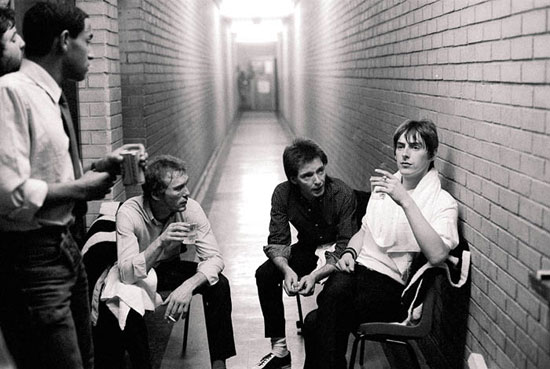
Remarkably, The Jam chose to break up in 1982 at the very peak of their commercial and creative powers. Despite topping the charts and playing to packed venues, Paul Weller made the bold decision to end the band while they were still at their zenith, believing it was better to finish on a high rather than risk stagnation. This shocking decision left fans stunned, but it preserved The Jam's reputation as a band that never compromised its integrity or lost its edge.
Even after their split, The Jam's influence remained strong. Their songs continued to inspire new bands and artists, and their legacy is still evident in the sound and attitude of British guitar music today.
Artists such as Oasis, Blur, and Arctic Monkeys have cited The Jam as a formative influence, drawing on their direct lyrics and driving sound to forge their own paths. The band's enduring appeal lies in their authenticity and willingness to speak uncomfortable truths, qualities that continue to resonate with successive generations. The Jam were more than a band; they were a voice for change, a symbol of resilience, and a vital part of the cultural fabric of 1980s Britain.
After the breakup of The Jam in 1982, Weller formed The Style Council. This band was a departure from the rock genre, further expanding his political and social commentary. The Style Council's sound was a rich tapestry, incorporating elements of soul, jazz, and funk, creating a more sophisticated and diverse sound. Later, they would even experiment with early house music, showing a willingness to embrace new trends and technology. Yet it maintained a strong focus on social and economic injustice, showcasing Weller's musical evolution and commitment to his message.
The Style Council's collaborative approach brought together musicians from various backgrounds, reflecting the band's commitment to inclusivity and experimentation. Their willingness to take risks and push beyond established genre boundaries made them one of the most innovative acts of the decade.
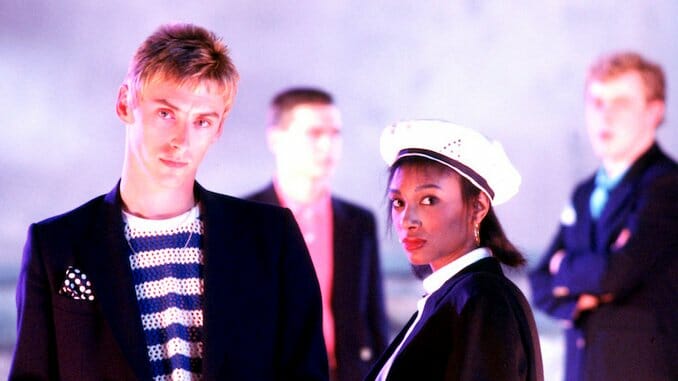
With songs like 'Walls Come Tumbling Down', Weller's impact was profound. This track, as the title suggests, was a powerful metaphor for the collapse of oppressive systems. It is one of Weller's most direct calls for revolution, urging people to break down societal barriers and fight for change. Its influence continues to inspire and motivate those who hear it.
Paul Weller's role as the voice of political and social unrest in the 1980s was undeniable. As frontman of The Jam and later The Style Council, Weller became the face of a musical movement that aligned itself with the frustrations and struggles of the working class. His ability to blend political commentary with popular music made him a significant figure in both the musical and cultural landscapes of the time, particularly during Margaret Thatcher's Conservative government, which was marked by significant social and economic changes and widespread political unrest.
The Style Council continued Weller's commitment to social justice while broadening both their musical and political horizons. Their sound was more eclectic and cosmopolitan, incorporating elements of soul, jazz, funk, and even house music, reflecting the diversity of their influences. Lyrically, The Style Council tackled issues such as unemployment, racism, and the dismantling of the welfare state, as heard in tracks like 'Shout To The Top!', 'Come to Milton Keynes', and 'The Lodgers (Or She Was Only a Shopkeeper's Daughter)'.
The band's visual style was also more polished and European, often embracing sophisticated fashion and imagery that contrasted with the austerity of the times. Notably, The Style Council were key participants in Red Wedge, the collective of left-leaning musicians campaigning against Thatcherism in the mid-1980s. Through benefit gigs, outspoken interviews, and direct involvement in political causes, The Style Council kept the spirit of protest alive. It helped solidify the connection between pop music and activism in the decade.
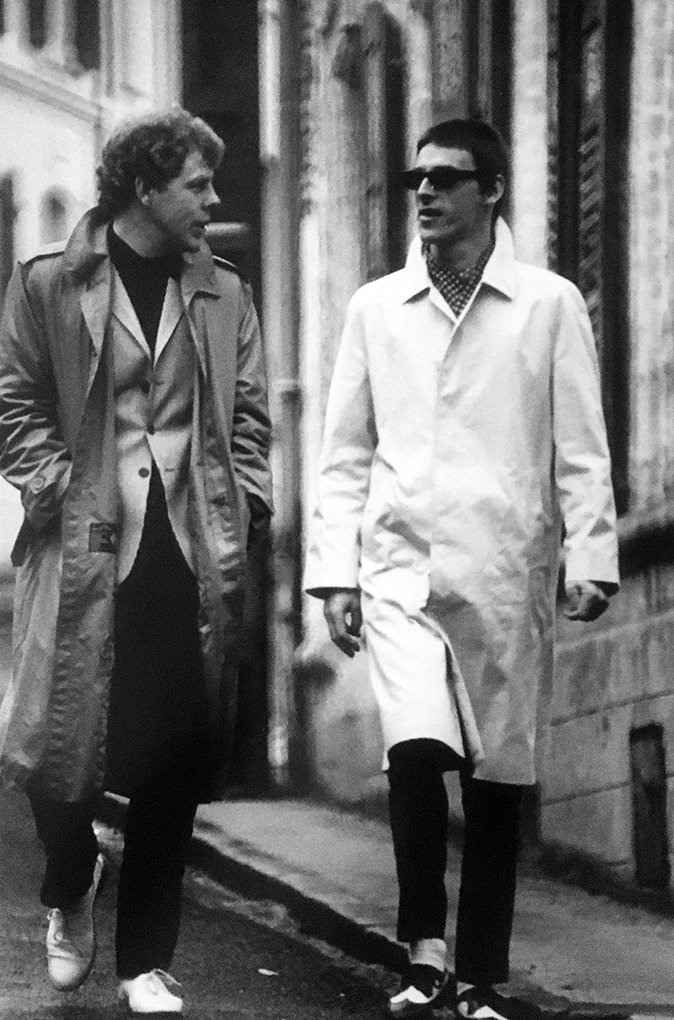
In addition to his music, Weller became actively involved in Red Wedge, a collective of musicians fronted by Billy Bragg and featuring artists such as Kirsty MacColl and The The. Red Wedge was established to rally young voters and campaign against Thatcher's government in the lead-up to the 1987 general election. Their mission was clear: to inspire change and help oust Thatcher from power. While Red Wedge ultimately failed to remove Thatcher, it played a significant role in uniting politically conscious artists and raising awareness of the social issues of the time.
Paul Weller wasn't the only one standing against Thatcher; several other prominent bands and artists stood firmly against Thatcherism throughout the 1980s. The Specials and The Beat used ska as a vehicle for protest, critiquing social division and unemployment. New Model Army, Gang of Four, and The Redskins explicitly addressed class struggle and government oppression in their lyrics. UB40, with their reggae-infused sound, chronicled the hardships of working-class life, and Billy Bragg became a singular voice for left-wing activism through his folk-punk songwriting. These artists, among others, formed the musical resistance to Thatcher's Britain, turning their art into rallying cries for change and solidarity.
Red Wedge, although not successful in its aims, exemplified how artists could be at the forefront of political and social change. The coalition of musicians and bands didn't just provide a soundtrack for protest; they actively participated in campaigns, benefit concerts, and public debates, challenging the era's dominant narratives and encouraging young people to become politically engaged.
This spirit of resistance and solidarity reverberated across the British music scene; in addition to punk, ska, and soul, genres like post-punk and indie flourished, providing new avenues for expression and dissent. Artists found creative ways to protest, whether through biting lyrics, genre-blending experimentation, or supporting grassroots campaigns. The sense of community among musicians, fans, and activists became a powerful force for social awareness, helping build bridges across subcultures, backgrounds, and generations.
The legacy of this era is evident not only in the enduring influence of these bands, but also in the way music and activism remain intertwined today. The willingness of artists to confront injustice, speak truth to power, and inspire collective action became a defining feature of British cultural life as the country moved into the 1990s and beyond.
The Specials, a British ska band formed in 1977, captured the mood of early 1980s Britain like few others with their iconic track' Ghost Town '. Its haunting melody was no accident, crafted to evoke a sense of impending doom that mirrored the era's bleak atmosphere. Britain was gripped by soaring unemployment, deepening poverty, and widespread social unrest, and 'Ghost Town' quickly became the soundtrack to this turmoil.
The lyric "Government leaving the youth on the shelf" is especially poignant, a direct criticism of the government's failure to provide opportunities for younger generations. It speaks to the frustration and disillusionment of youth who felt abandoned and overlooked. With few prospects and little hope for the future, many saw unrest and protest as the only ways to make their voices heard. For some, only forceful eruptions of frustration seemed to draw the attention of those in power.
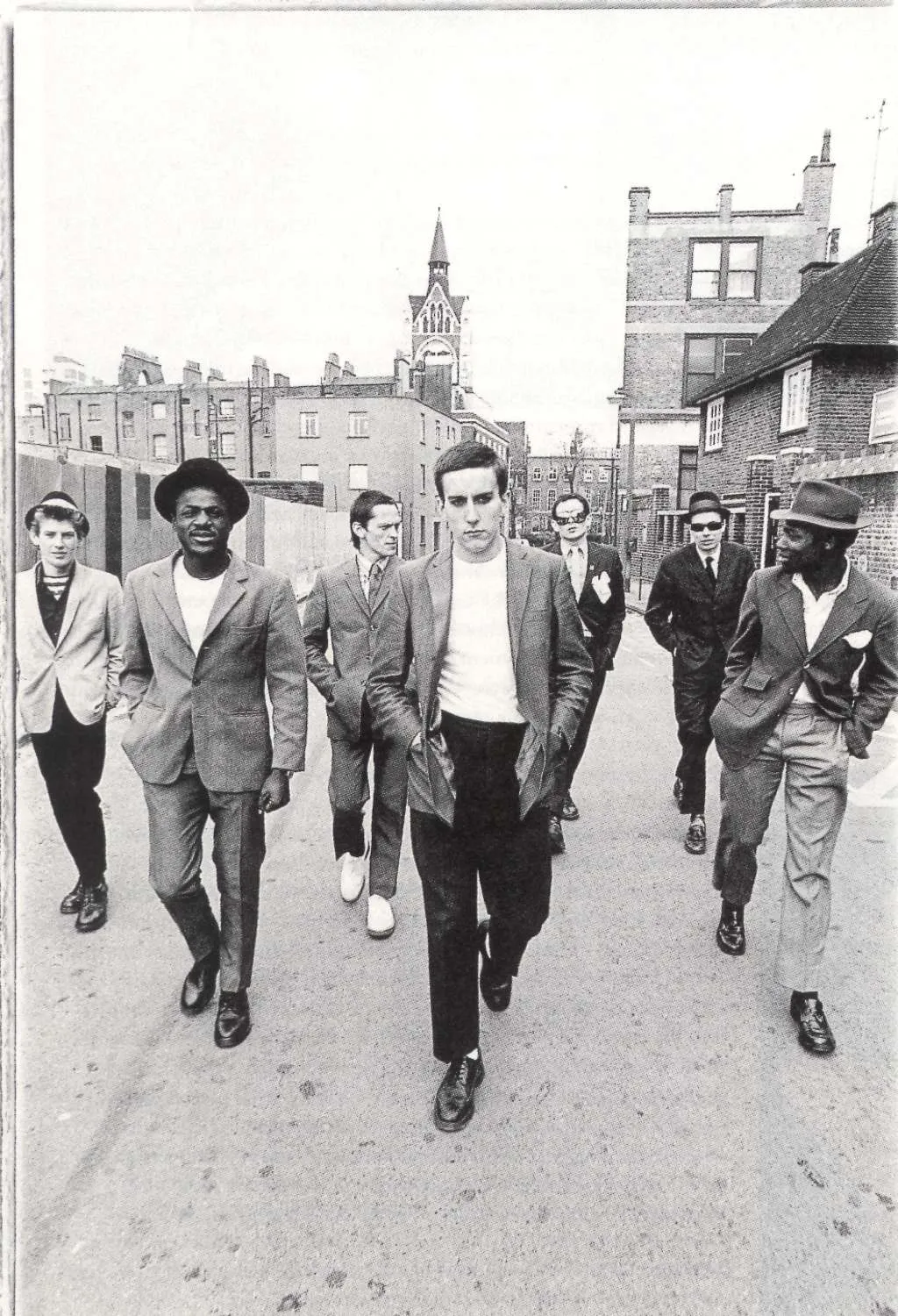
'Ghost Town' remains a powerful reminder of the era's struggles, a timeless piece of social commentary that resonates with our present, connecting the past to our present. Released in 1981, the song swiftly became an anthem for a country mired in economic decline and uncertainty. Its eerie soundscape and evocative lyrics captured the urban decay, mass unemployment, and widespread unrest that shaped the early years of Margaret Thatcher's government. The track's release coincided with riots in cities like Brixton, Liverpool, and Birmingham, highlighting the depth of frustration and hopelessness gripping the nation.
It did far more than chronicle the deteriorating conditions facing the British working class; it served as a rallying cry for those demanding change. Its impact was heightened by the events that unfolded around its release: the 1984 Miners' Strike and other industrial conflicts exposed deep divisions in society, while the tragic Hillsborough disaster in 1989, when 97 Liverpool fans lost their lives and were wrongly blamed by the government and right-wing media, further underscored the era's hardship and injustice. With its chilling soundscape and incisive social critique, 'Ghost Town' became more than a hit single; it was a cultural touchstone that united voices of discontent and inspired a generation to demand something better. As the song said, "the people getting angry."
Emerging in the late 1970s, the Two-Tone movement surged into the 1980s with energy and purpose. Rooted in ska and reggae, Two-Tone fused these infectious rhythms with punk's raw energy and rebellious attitude, producing a sound that was not only vibrant and danceable but also deeply political. Spearheaded by Coventry's 2 Tone Records, founded by The Specials' Jerry Dammers, the movement became a cultural phenomenon, leaving an indelible mark on British society.
At its core, Two-Tone championed unity and integration, bringing together musicians from different racial backgrounds at a time when Britain was driven by social tension and division. The movement's distinctive black-and-white imagery, featured on album covers and stage outfits alike, became a powerful symbol of anti-racism and inclusivity. Gigs offered more than just music and celebration; they became platforms for challenging prejudice and forging solidarity among young people nationwide.
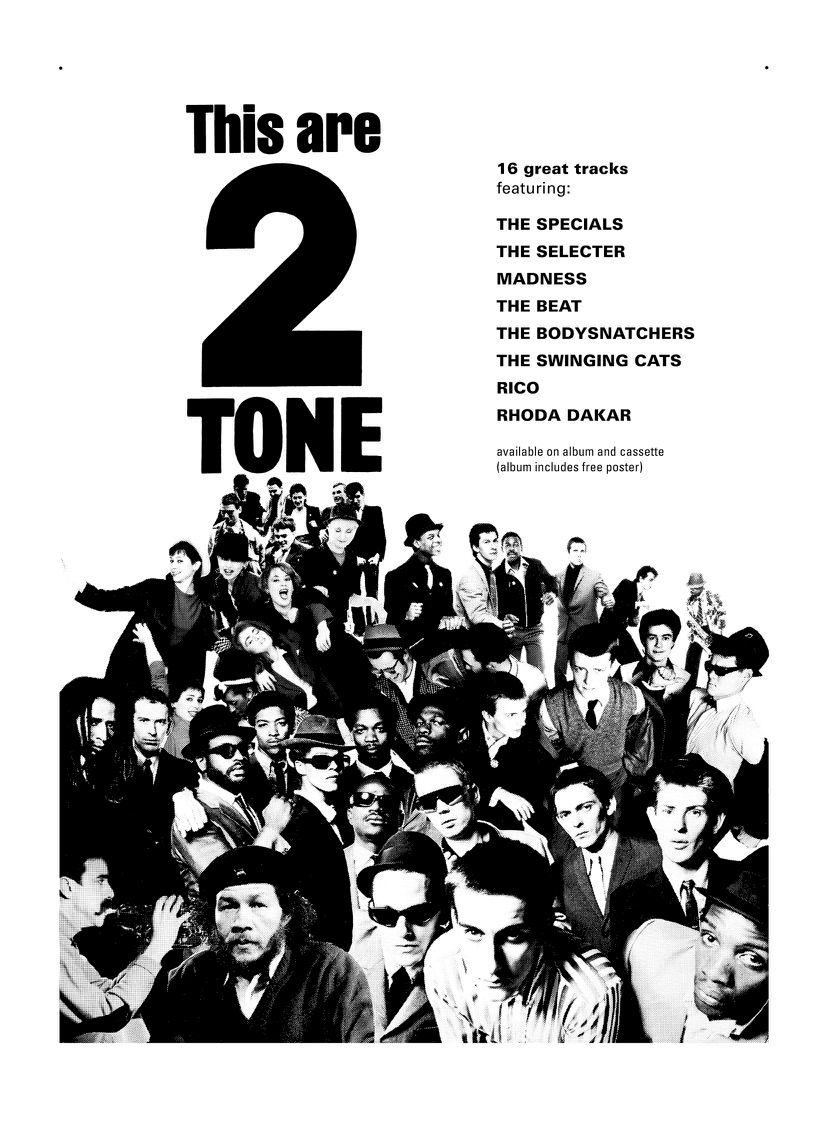
Bands like Madness showcased different facets of Two-Tone's appeal. With their lively and often humorous take on ska, they became one of the era's most beloved British bands. Their hit singles like 'Baggy Trousers,' ' Our House,' and 'It Must Be Love' captured the joys and struggles of everyday life in Britain, blending nostalgia, wit, and infectious energy. Beyond their chart success, Madness's music and image reflected working-class resilience and togetherness, making them a unifying force during a time of social change. Their charismatic performances and relatable lyrics helped bridge generational divides and provided a sense of escapism and optimism for millions during the turbulent years of the 1980s.
Other notable bands from the Two-Tone era included The Selecter, celebrated fo high-energy tracks like ''n My Radio'' and The Beat (known as The English Beat in the U.S.), whose fusion of ska and pop produced hits such as ''irror in the Bathroom'' These bands were not only musically innovative but also powerful symbols of unity and multiculturalism at a time of rising racial tensions, inspiring a generation through both their sound and their social impact. Other notable bands from the Two-Tone era included The Selecter, known for their high-energy tracks like ''n My Radio''and The Beat (known as The English Beat in the U.S.), whose fusion of ska and pop produced hits such as ''irror in the Bathroom'' These bands were not only musically innovative but also powerful symbols of unity and multiculturalism amid rising racial tensions in Britain, inspiring a generation through their social impact.
This growing unrest was mirrored in the music and culture of the time. Bands like The Clash, who emerged from the punk movement in the late 1970s and continued to shape youth culture throughout the 1980s, played a pivotal role in politicising and mobilising a new generation. The Clash's involvement in movements like Rock Against Racism placed them at the forefront of the fight against bigotry and social division. Their anthems, such as London Calling," " White Riot, " and " Straight Edge, " rallied against racism, social inequality, and government oppression, giving voice to the voiceless and hope to the disaffected.
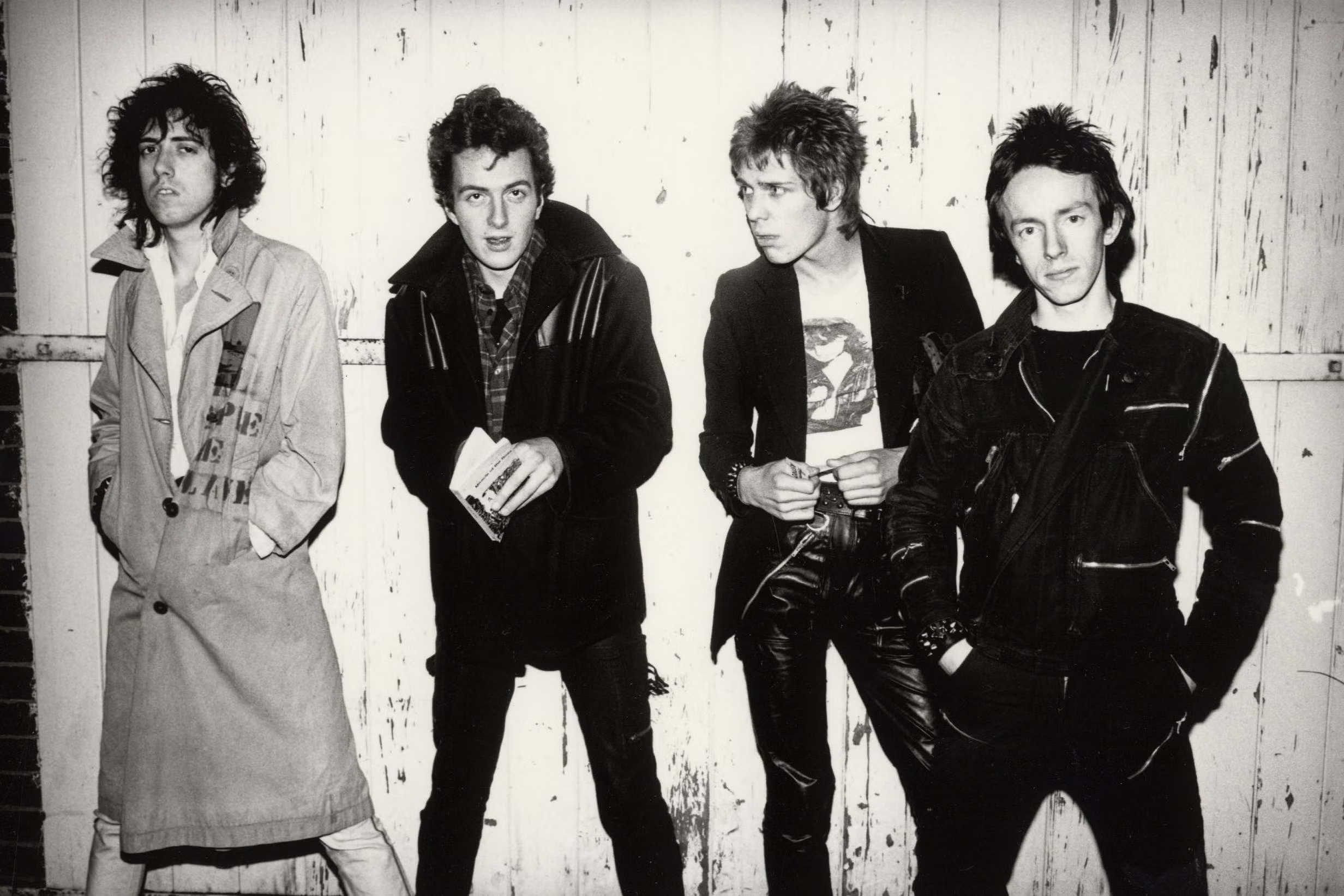
The Clash's catalogue is filled with anthems of protest and rebellion. Songs like Rock the Casbah' and 'Should I Stay or Should I Go' became international hits, blending infectious melodies with subversive messages and a global perspective. 'Straight to Hell', released in 1982 on the album 'Combat Rock', stands out as one of their most haunting and relevant works.
Written decades ago, it resonates even more today, an homage to displaced people worldwide, referencing England's abandoned steel mills and condemning American soldiers' abandonment of women in Vietnam. The song's stark, spectral beauty, moving lyrics, and Joe Strummer's desolate vocals create an unforgettable, haunting experience. Strummer himself considered 'Straight to Hell' a masterpiece.
Another late-period highlight, 'This Is England' taken from their final album Cut the Crap, delivers a scathing critique of Thatcher-era Britain, chronicling urban decay, social disintegration, and lost hope in uncompromising fashion.
The CClash'sfusion of punk, reggae, and ska highlighted not only the multicultural direction of British music but also the potential for solidarity and activism across racial and class lines.
Together, these bands and others from the punk, ska, and Two-Tone movements demonstrated how music could challenge the status quo, break down barriers, and create a sense of shared purpose. Their legacy is a testament to the power of music as both a force for protest and a source of hope.
These politically charged songs gave voice to the disillusioned, and countercultures such as the Madchester scene and the emerging rave movement offered young people outlets for rebellion and hope. As they sought to carve out their own spaces in a society that seemed indifferent to their struggles, music, culture, and activism became powerful forms of resistance, inspiring change and hope.
Thatcher had many enemies in the 1980s: drug dealers, football hooligans, the IRA, but by the end of the decade it was ravers. Mass communal gatherings of young people, listening to dance music, particularly acid house, became the new face of rebellion. Unlike previous generations, this movement was fuelled not by booze or cocaine, but by ecstasy. This drug seemed to embody the eera'sspirit of unity, euphoria, and escape from the harsh realities of everyday life.
The government and media soon painted these gatherings as a threat to public order. Still, for those involved, they offered a sense of freedom, belonging, and collective joy that stood in stark contrast to the bleakness of Thatcher's Britain.
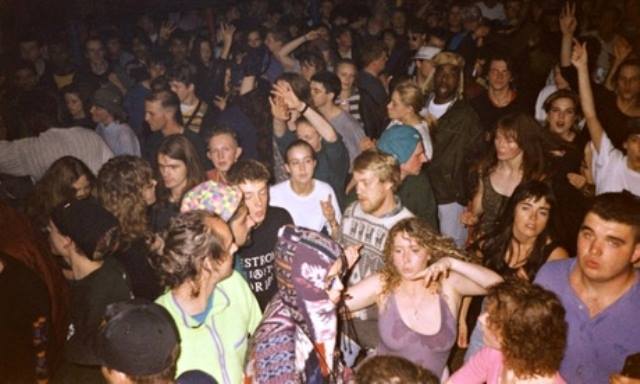
These parties weren't held in nightclubs, bars, or even people's houses. Instead, they took over warehouses, often abandoned remnants of Thatcher's industrial decline, farmers' fields, and, in at least one legendary instance, an aircraft hangar. This was the "Second summer of love,""a youth revolution that drew clear parallels to the countercultural explosion of the 1960s, but with its own distinctive soundtrack and style. The rave scene was anarchic and decentralised, making it nearly impossible for authorities to stamp out, and its DIY ethos made it accessible to anyone who wanted to join.
It was a moment when young people genuinely seemed to have seized control of their own culture, leaving the establishment struggling to respond. Punk, for all its chaos, had always defined its "enemies of the state."Rave, however, was a free-for-all, a movement without clear leaders or boundaries. It was youth culture at its most spontaneous and uncontainable, and it caught politicians, police, and the press completely off guard.
By the time the media got hold of it, the rave scene had already been thriving for a couple of years. The White Waltham Airfield rave, known as Sunrise: A Midsummer Night's Dream, held on June 24, 1989, became the stuff of legend. Over 11,000 people flocked to the rural airfield, causing a three-mile traffic jam of cars and coaches as they made their way to the site. The event was held inside a vast Fairey aviation hangar, transformed by lasers, dry ice, and the relentless pulse of acid house and early rave music. At dawn, organisers opened the hangar doors, letting the massive crowd spill into the sunrise, a perfect symbol of the dawn of a new era.
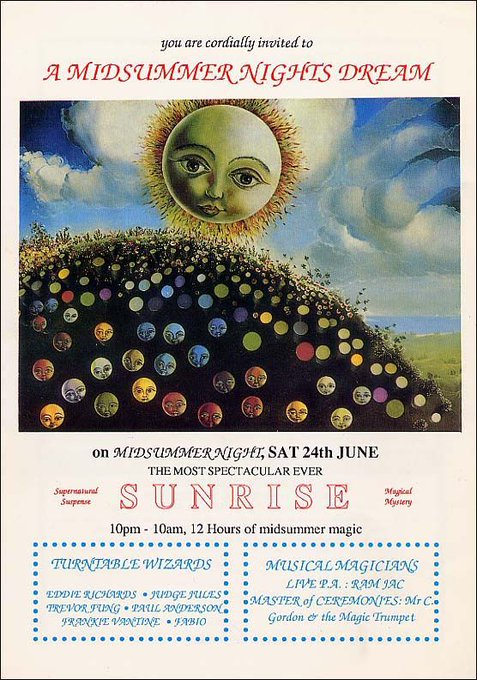
The sheer scale of these mass raves shocked the media and the public. The following Monday, The Sun newspaper ran the story as a front-page sensation, with the infamous headline "SPACED OUT!" and the site itself being dubbed "Ecstasy Airport." Far from being just a party, the event cemented the underground rave scene as a bona fide cultural phenomenon and remains a nostalgic benchmark for British dance music history. The legacy of these gatherings is still felt today in the persistence of club culture and the ongoing influence of the UK'sdance scene on global music.
David Bowie had always done things on his own terms. In 1987, on his return to Berlin, Bowie did something quite powerful for the city that had accepted him at his lowest. In front of the Reichstag in West Berlin, he performed 'Heroes', a song he had written in the city a decade earlier and which had become an anthem of hope and defiance for many living under oppression.
In a powerful gesture of solidarity, Bowie addressed the people of East Berlin directly, saying, “We send our best wishes to all of our friends who are on the other side of the wall." According to some reports, Bowie even requested that the concert's speakers be turned towards East Berlin, allowing his performance to reach and inspire those on the other side. The concert had an electrifying effect, with thousands gathered on both sides of the Wall. Over 200 East Berliners, inspired by the music and BBowie'smessage, rushed toward the Berlin Wall in a spontaneous act of protest, resulting in arrests and beatings by the authorities. The emotional resonance of the performance was felt not just by those present, but by millions watching around the world, further fuelling the desire for freedom and unity that would soon sweep across Eastern Europe.
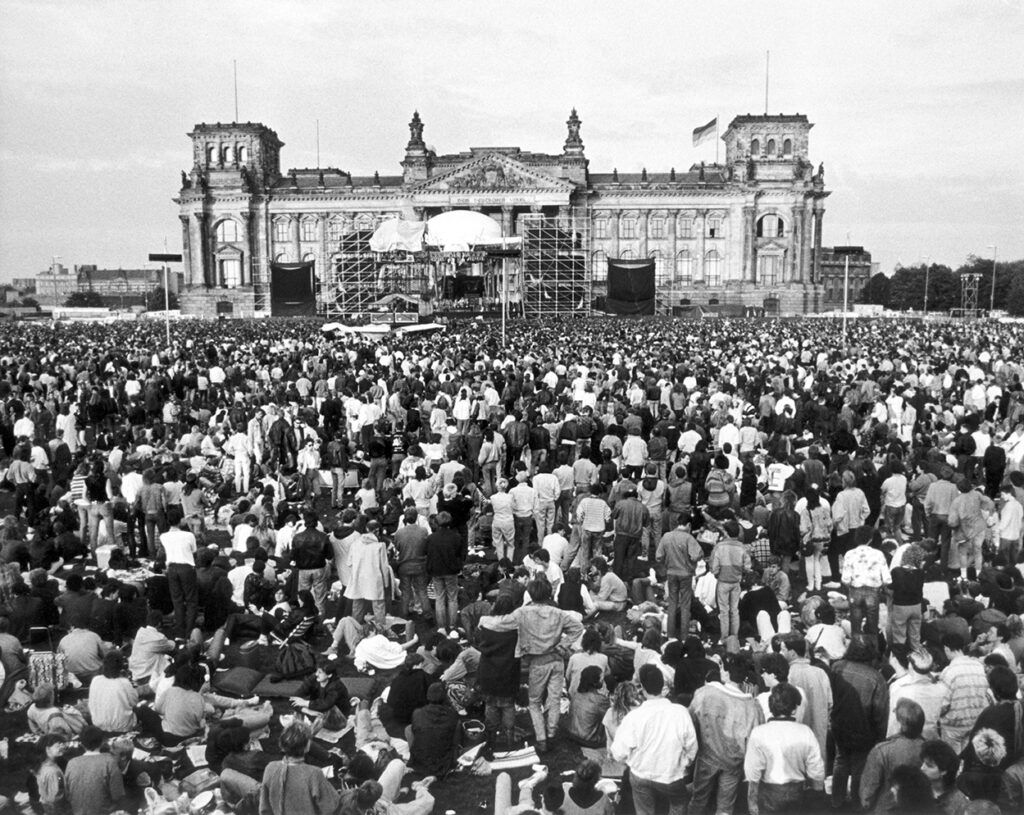
In the aftermath, demonstrations and acts of civil unrest intensified throughout East Berlin and beyond, adding to the mounting pressure that would ultimately culminate in the fall of the Wall in 1989. Some reports suggest that the concert speakers were deliberately positioned so that the music and Bowie's words could be heard clearly in East Berlin, reaching those physically separated by the barrier yet united in spirit. The emotional power of Bowie's performance is often credited with playing a small but significant role in building momentum toward the Wall's collapse, becoming a symbol of how music and culture could inspire real political change during one of the most pivotal moments of the twentieth century.
After Bowie's death in 2016, the German Foreign Office shared this message. "Goodbye, David Bowie. You are now among Heroes. Thank you for helping to bring down the Wall."
Alongside the music itself, the rise of influential publications such as NME (New Musical Express) and Melody Maker played a crucial role in shaping the taste, attitudes, and identities of British youth. These magazines were more than just sources of reviews and news; they served as cultural touchstones, chronicling emerging bands, new genres, and the political climate surrounding the music. By providing a platform for outspoken artists and fostering debate on issues ranging from government policy to race relations, NME and Melody Maker galvanised youth movements and helped unite a generation in its search for meaning and change.
The 1980s also witnessed the explosion of youth subcultures, each with its own distinct music, fashion, and attitude. From punks and mods to goths, casuals, and New Romantics, these groups offered young people a powerful sense of identity and belonging during times of uncertainty. These subcultures both influenced and were influenced by the music press, which documented their evolution and gave voice to their concerns. This creative diversity and energy not only defined the era but laid the groundwork for the musical innovations and cultural shifts that would follow in the 1990s.
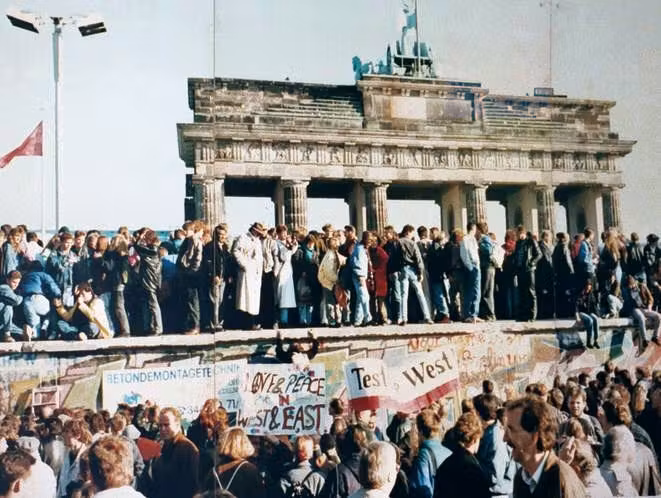
Globally, the 1980s also saw signs of progress and transformation. In 1989, the fall of communism across Eastern Europe culminated in the collapse of the Berlin Wall, a historic moment that symbolised the triumph of the human spirit and the will of the people. This monumental event sparked hope for a fractured world, marking the end of an era.
For many, the fall of the Wall represented not just the end of one chapter, but the dawn of another. The Iron Curtain began to crumble, giving way to the birth of the modern world as we know it. Not only was it the most significant event of the 1980s, but it also stands as one of the most critical moments in modern history.
The end of the 1980s marked more than just a change of calendar; it was a dramatic cultural and political turning point for Britain and the wider world. As the Berlin Wall fell, the USSR collapsed, and Margaret Thatcher resigned, an era of division and confrontation finally ended.
In those final years, Britain underwent a remarkable transformation: young people, once shaped by a decade of decline and conflict, now gathered in fields and warehouses, dancing together and embracing a new sense of unity and freedom. The self-centred policies of Thatcherism were fading, and the youth of Britain, who had been told a decade earlier that they had "No future", were instead welcoming a new era where everything felt possible.
Music lay at the heart of this change. Live Aid and Band Aid proved that music could unite people and drive real change, even when politicians often failed. Global superstars were born, but it was also a time when bands like The Stone Roses and Happy Mondays showed that you didn't need to be Michael Jackson or Madonna to have your voice heard.
The Smiths proved that success was possible on your own terms, inspiring countless others to follow their own path. This spirit of independence and optimism would only grow stronger, setting the stage for the cultural revolution of the 1990s. These changes paved the way for the 1990s, a decade filled with hope, renewal, and the promise of transformation. Old barriers, both literal and symbolic, fell away, making space for new movements, creative innovation, and a reimagined national identity.
In the words of The Stone Roses: “he past was yours, the future's mine.”