Seventeen Going Under- The 20s Part 1
The early 2020s marked an era of unprecedented upheaval and creative renewal in music. As the world was forced into lockdowns and uncertainty, artists responded with a wave of bold experimentation, heartfelt storytelling, and genre-blurring records that both reflected and transcended the times. The pandemic not only changed the way music was made and experienced, from bedroom studios and livestreamed gigs to the long-awaited return of packed festivals, but also brought a renewed sense of community and resilience among fans and musicians alike.
Across the UK and beyond, established acts reinvented themselves while a new generation of artists rose from grassroots scenes, indie venues, and digital platforms. The Windmill in Brixton became the cradle for a new wave of post-punk and experimental bands, while Reading & Leeds, Glastonbury, and other iconic festivals provided cathartic moments of connection and celebration. Vinyl sales soared as listeners sought the tangible and nostalgic, and platforms like TikTok launched underground tracks into global anthems overnight.
In this vibrant, unpredictable landscape, albums became lifelines and live shows felt more precious than ever. Whether through the thunderous returns of legends like Arctic Monkeys and Paul McCartney, the genre-defying energy of newcomers such as Wet Leg and Fontaines D.C., or the intimate confessions of singer-songwriters weathering turbulent times, the music of the early 2020s captured the anxiety, hope, and restless spirit of a generation learning to dance in the dark.
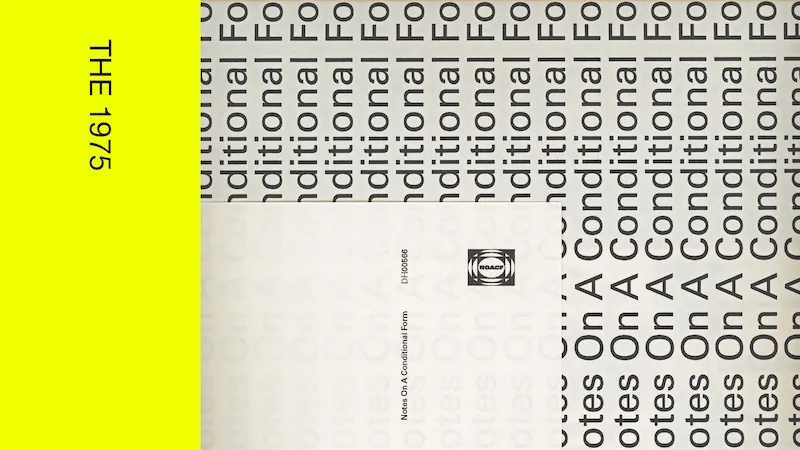
The 1975 released ‘Notes on a Conditional Form’ in 2020 after a slight delay, only heightening the anticipation for the follow-up to their critically acclaimed ‘A Brief Inquiry into Online Relationships’. What emerged was more than just an album; it was a sprawling, 22-track opus that defied expectations and redefined what a modern pop band could be. Messy, inconsistent, and at times polarising, it was also brave, inventive, and utterly unique: a testament to the band’s restless creativity and unwillingness to be boxed in.
From the ambient opener ‘The 1975’, a spoken-word collaboration with climate activist Greta Thunberg, the album immediately sets a tone of boundary-pushing experimentation and social awareness. The whiplash that follows, with the furious punk blast of ‘People’, is as cathartic as it is confrontational: a raw, urgent anthem about societal unrest and disillusionment. ‘Roadkill’ then swerves into sun-soaked Americana, pairing tongue-in-cheek storytelling with road-trip melancholy and restless freedom.
‘Frail State of Mind’ is a masterclass in anxiety-pop, layering confessional lyrics about social withdrawal and mental health over jittery, garage-inspired beats. ‘Bagsy Not in Net’ is a woozy introspection, with dreamy electronic instrumentation capturing the uncertainty and fragile hope that ripple through the record. Each of these songs, in their own way, showcases the band’s gift for pairing emotional honesty with sonic innovation.
Matty Healy and the band pushed themselves creatively throughout, embracing chaos and vulnerability in equal measure. Despite the genre-hopping, every song feels essential to the larger narrative, a fiercely honest, sometimes messy, always heartfelt conversation about what it means to live, love, and feel in the modern world. The album’s sprawling ambition is its strength: it’s fragmented and eclectic, but that unruly energy is exactly what makes it so compelling.
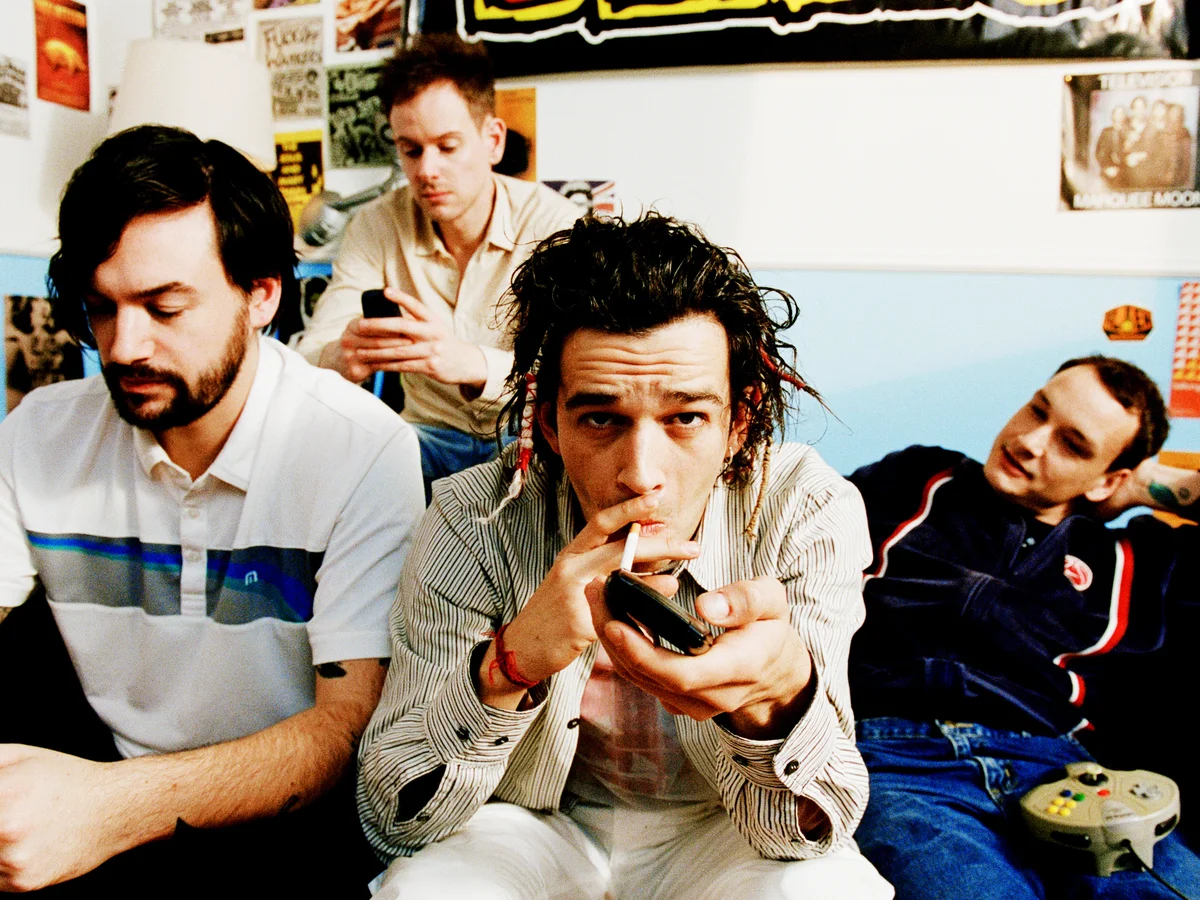
Yet, amid all the ambition and experimentation, the album offers moments of genuine intimacy and clarity. Tracks like ‘If You’re Too Shy (Let Me Know)’ prove The 1975 can still craft the perfect indie-pop banger, bursting with infectious hooks and youthful exuberance. ‘Guys’ stands as a heartfelt celebration of bandmate camaraderie and shared memories, a rare and touching ode to the bonds that hold the group together, even as everything else shifts around them.
‘Notes on a Conditional Form’ may not be their most cohesive record, but in many ways, it’s their most revealing. It captures The 1975 in a moment of transition, searching, evolving, and daring to let their guard down. It’s an album that doesn’t just reflect the chaos of its time; it channels it, offering a sprawling, honest portrait of a band and a world in flux.
Courteeners made a bold and invigorating return in 2020 with 'More. Again. Forever.', an album that marked a fearless evolution in both sound and substance. After over a decade of crafting indie anthems and working-class poetry, the band refused to settle into nostalgia or rest on past achievements. Instead, they embraced a more experimental palette, injecting their music with fresh energy and inspiring listeners through their willingness to take risks.
The album’s tracklist overflows with highlights that showcase the band’s artistic growth and versatility. It opens with 'Heart Attack', an urgent, synth-driven track that signals a dramatic shift away from their earlier guitar-heavy style. 'Heavy Jacket' follows as a swaggering, dancefloor-ready anthem fusing indie and disco influences, quickly becoming a fan favourite. 'The Joy of Missing Out' adds clever lyricism and a pulsing groove, perfectly capturing the tension between escapism and introspection.
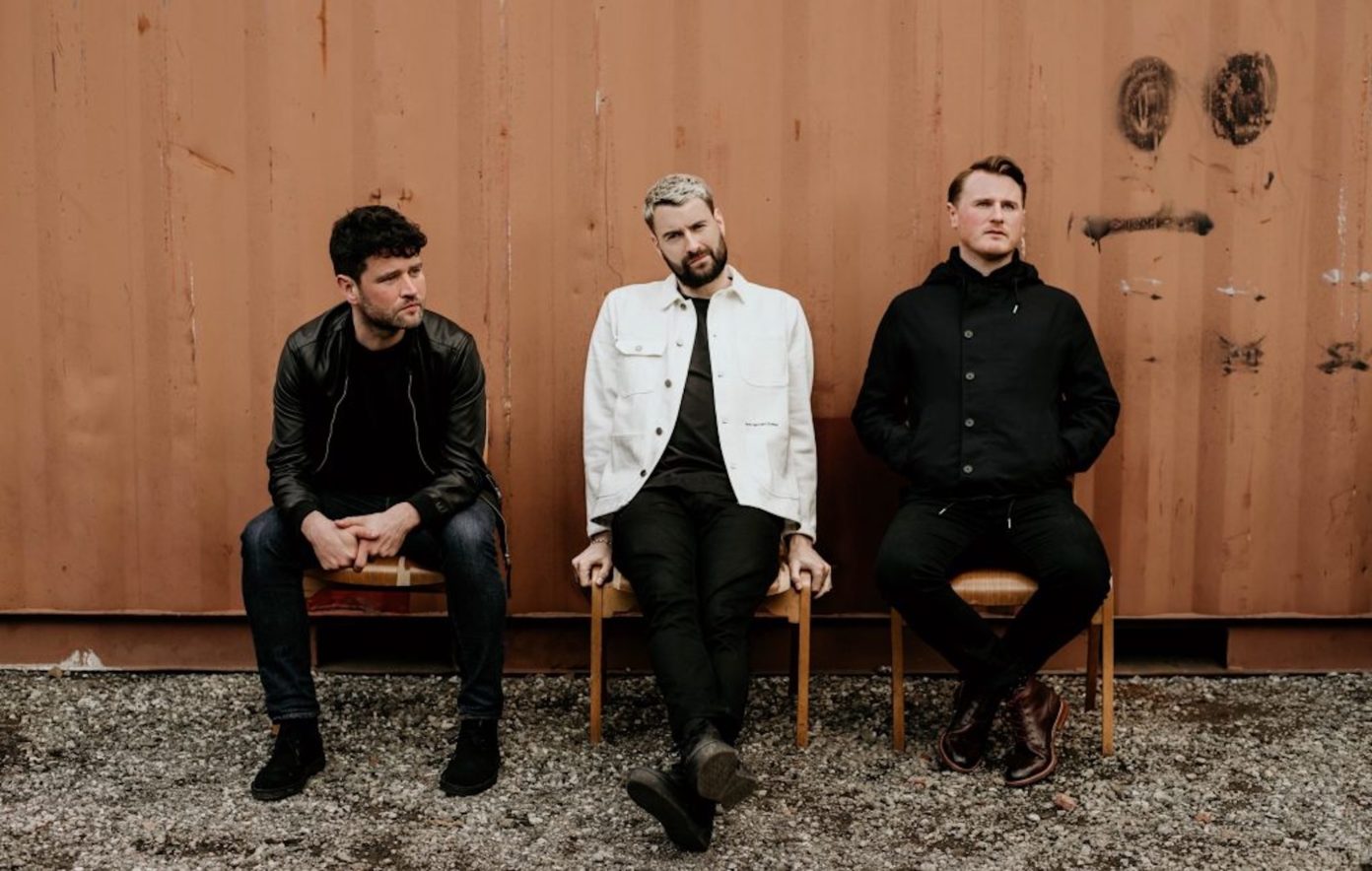
As the record unfolds, 'Better Man' emerges as a moment of heartfelt reflection, with Liam Fray’s earnest vocals exploring self-improvement and vulnerability. 'Hanging Off Your Cloud' stands as the album’s emotional centrepiece: a cinematic, string-laden ballad about grief, hope, and memory, and arguably one of the band’s finest achievements. Elsewhere, 'Previous Parties' and the title track 'More. Again. Forever.' further demonstrate the band’s adventurous spirit, weaving in elements of funk, psychedelia, and even spoken word.
What truly sets 'More. Again. Forever.' apart is its sense of ambition and reinvention. While the band retains their signature honesty and anthemic feel, they boldly push into new sonic territory. The result is a record that feels both fresh and familiar, bold, heartfelt, and a testament to Courteeners’ evolution without ever losing sight of what made them special in the first place.
Throughout, there’s a palpable sense of purpose and confidence. 'Heart Attack' immediately sets the tone with New Order-inspired urgency, while 'Heavy Jacket' radiates attitude and reinvention through its pulsating basslines and snappy percussion. 'Better Man', with echoes of R.E.M., stands out for its introspective sincerity, striking a deep chord with both longtime fans and newcomers. 'Hanging Off Your Cloud', sparse and cinematic, finds Liam Fray at his most poetic, delivering a tender, elegiac tribute to loss and hope and setting a new high-watermark for the band’s songwriting.
Critically, 'More. Again. Forever.' was widely praised as one of Courteeners’ most mature and cohesive works. The band found a rare creative sweet spot, embracing growth without abandoning the grit and passion that built their loyal fanbase. This album wasn’t just a sonic departure; it was a resolute statement of intent, confirming that Courteeners are not merely survivors of the 2000s indie wave, but artists still pushing forward, evolving, and staying relevant in the ever-changing landscape of British music.
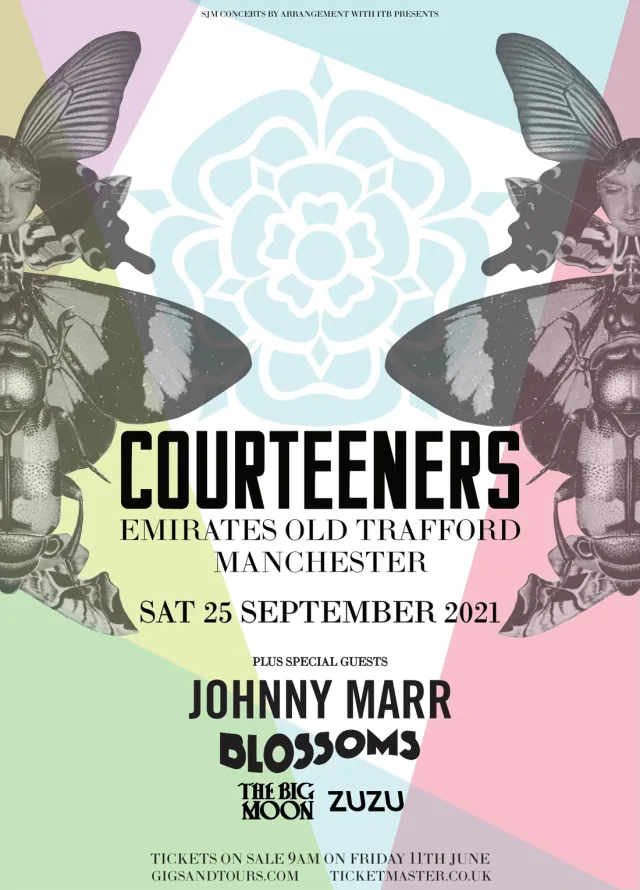
Sadly, the pandemic prevented them from properly touring it. However, they still managed to give it a memorable send-off with an unforgettable show at Old Trafford Cricket Ground. This event, which featured performances from Johnny Marr, Blossoms, and The Big Moon, was a testament to the power of live music and the spirit of unity that still exists in the music community, even in challenging times. The pandemic, while a hindrance, also provided a unique backdrop for the album's release, influencing its reception and the band's creative process.
Speaking of Blossoms, they too released an album in 2020, 'Foolish Loving Spaces', a record that many fans and critics alike consider their best to date. It was an album brimming with confidence, colour, and ambition, taking everything the band had refined on 'Cool Like You' and their self-titled debut and elevating it to dazzling new heights. Where their earlier work had already established them as masters of melodic indie-pop, 'Foolish Loving Spaces' saw them fully embrace their love of pop theatrics, vintage flair, and unashamed romanticism. This romanticism in the album's theme and lyrics is sure to strike a chord with the listener's heart, making it a deeply emotional experience.
Drawing influence from the glossy funk of the late '70s, the polished pop of the '80s, and the anthemic choruses of '90s Britpop, the album sounded like a greatest hits collection from a parallel universe where pop music never forgot how to be joyful. The album's joyful nature is infectious, spreading positivity and uplifting the listener's spirits. Yet, despite these retro flourishes, the record felt thoroughly modern, every groove, synth, and chorus engineered for the streaming era, without ever losing its heart.
The opener 'If You Think This Is Real Life' immediately launches the listener into Blossoms' technicolour world with its buoyant rhythm, shimmering keys, and irresistibly catchy chorus. It's a pure dancefloor filler, nodding to Nile Rodgers and Let’s Dance-era Bowie, but with Blossoms' unmistakable charm. Meanwhile, 'Oh No (I Think I’m In Love)' was a highlight not just of the album, but arguably of the band's entire catalogue. This sweeping, euphoric love song is perfect for the live setting, making it a must-listen for fans of live music.
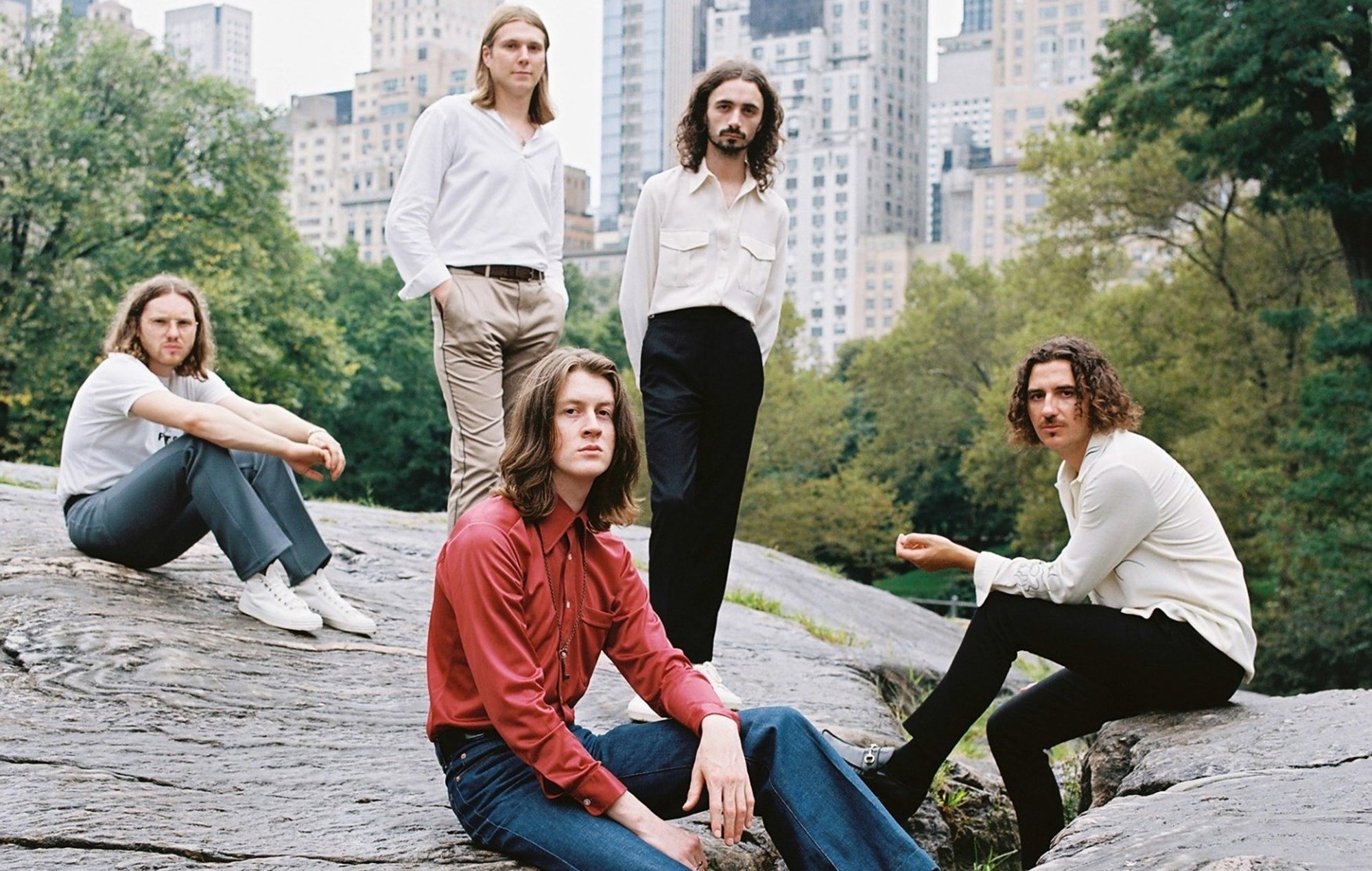
On the softer side, 'My Vacant Days' provided a moment of emotional stillness. This stripped-back acoustic ballad let Tom Ogden’s tender songwriting shine through. With its raw honesty and delicate arrangement, it served as a reminder that beneath all the polish and pop sheen, Blossoms still knew how to hit straight at the heart.
Similarly, 'Falling For Someone' stands out as one of the album's most affecting tracks, with bittersweet lyrics and lush, dreamy instrumentation capturing the thrill and ache of unexpected love. 'Like Gravity', meanwhile, closes the record with a sense of cathartic release, its sweeping chorus and soaring synths offering an emotional resolution that lingers long after the final note. Elsewhere, tracks like 'Your Girlfriend' played with Talking Heads-style irony and quirk, a style characterised by its offbeat and unconventional approach, blending funk guitars and storytelling lyrics into something both witty and addictive.
Lyrically, 'Foolish Loving Spaces' delved deep into the emotional landscape of love, exploring the highs, lows, and in-betweens with a raw and unapologetic honesty. It was an album that resonated with the universal experience of feeling everything all at once: infatuation, heartbreak, nostalgia, and hope. The rich and glossy production never overshadowed the emotional cores of the songs, allowing them to connect with the listener on a profound level.
Ultimately, 'Foolish Loving Spaces' was more than just an evolution; it was a statement. It confirmed Blossoms as one of the UK’s most consistent and creative pop-rock bands.
Circa Waves made a bold and resonant statement in 2020 with their ambitious double album 'Sad Happy'. Released in two halves across the year, the album was a conceptually and emotionally rich exploration of the contradictions of modern life. It was an era defined by both overstimulation and isolation, joy and anxiety. As described by NME, it was a “contemplative, conflicted” reflection of the times, and it allowed the band to fully showcase the duality at the core of their evolving sound.
The 'Happy' side of 'Sad Happy' was a burst of energy and immediacy, a stark contrast to the 'Sad' side. It featured big, bright indie-pop hooks and sun-drenched festival-ready anthems that first put Circa Waves on the map. 'Jacqueline' kicked things off with shimmering guitars and a swaggering groove, capturing a kind of playful escapism. 'Move to San Francisco' offered nostalgic romanticism with a dreamy West Coast aesthetic. At the same time, the infectious 'Call Your Name' stood out as one of the band’s strongest tracks to date, channelling their earlier 'Young Chasers' era with a renewed sense of confidence and clarity. These songs were sharply crafted, full of life, and purposefully placed to contrast the record’s darker second half, keeping the listener engaged and intrigued.
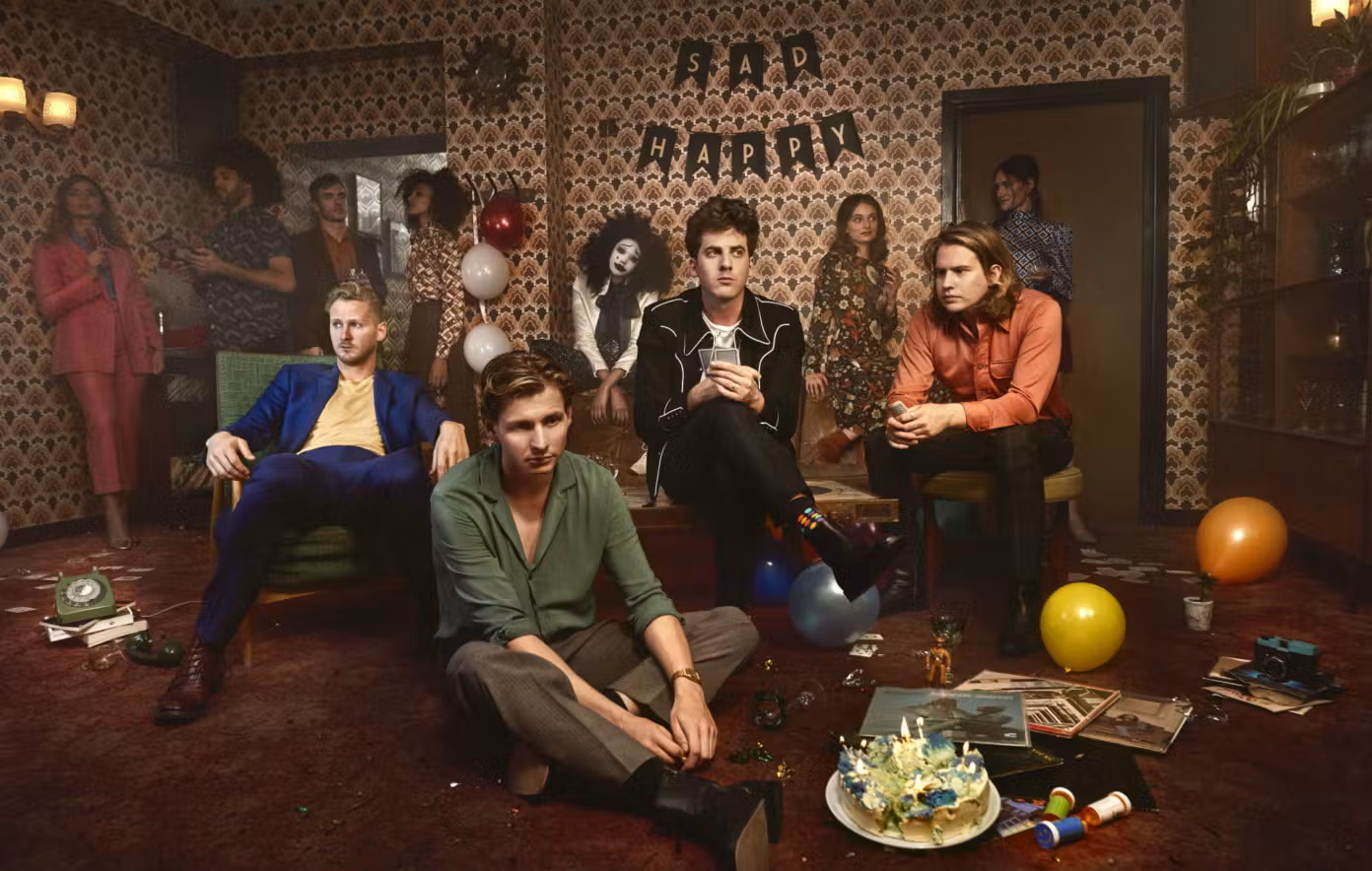
On the 'Sad' side, Circa Waves delved into more experimental textures, embracing synths, atmospheric keys, and heavier, moodier guitar tones. This was not just a sonic shift, but an emotional one, revealing a band that was more introspective and vulnerable. They fearlessly grappled with mental health, existential dread, and personal loss, creating a deeply intimate and sincere space. 'Hope There’s a Heaven' was a standout, aching and poignant; it dealt with mortality and faith with delicate restraint. The layered instrumentation and restrained vocal delivery further emphasised the album's emotional depth. Other tracks like 'Sympathy' and 'Train to Lime Street' continued this exploration of uncertainty and emotional fatigue, wrapped in a hazy, textured soundscape.
'Sad Happy' was not only one of Circa Waves' best works, but it was also one of the best albums of that era, a bold, creative leap that captured the contradictions of the world we were living in. The sequencing of the album, splitting the upbeat and melancholic tracks, allowed the band to create a listening experience that mirrored real life: moments of elation followed by periods of introspection. Songs like 'Be Your Drug' delivered festival-sized hooks with a sense of reckless abandon, while 'Hope There's a Heaven' and 'Sympathy' revealed a band unafraid to confront existential anxieties and the weight of modern uncertainty. 'Sad Happy' is an album of contrasts, but also of catharsis. Its infectious melodies, ambitious production, and honest lyricism marked it as both a coming-of-age moment for Circa Waves and a soundtrack for anyone navigating the highs and lows of their own everyday life.
Another band from Liverpool, Red Rum Club, released their second album, ‘The Hollow of Humdrum’, in 2020. It followed hot on the heels of their brilliant 2019 debut ‘Matador’, a record that introduced the world to their signature mix of mariachi brass, indie swagger, and cinematic romanticism.
Standouts from 'Matador' like ‘TV Said So’, ‘Would You Rather Be Lonely’, and ‘Angeline’ captured the band’s knack for blending infectious hooks with cinematic storytelling, earning them a loyal following and setting the stage for what was to come. While ‘Matador’ established their sound, ‘The Hollow of Humdrum’ not only cemented their place as one of the most exciting bands in British guitar music but also showcased their significant growth and musical evolution.
On this sophomore effort, the band honed their songwriting, delivering a collection of catchy, groovy, and infectious indie-pop anthems that feel made for long summer nights and festival sing-alongs. Songs like ‘Eleanor’ and ‘Ballerino’ build on the charm of ‘Matador’, with ‘Eleanor’ in particular emerging as a modern fan favourite thanks to its driving rhythm, big-hearted chorus, and bittersweet storytelling. The album’s standouts also include ‘Kids Addicted’, a brassy, high-energy track that quickly became a live staple, its shout-along chorus and sharp lyrics capturing the restlessness and yearning of youth.
There’s a cinematic, escapist quality to Red Rum Club’s music, the kind that transports you elsewhere, if only for a few minutes. It’s the kind of record you can throw on when you need a lift, and it will instantly improve your mood, leaving you feeling uplifted and energised.
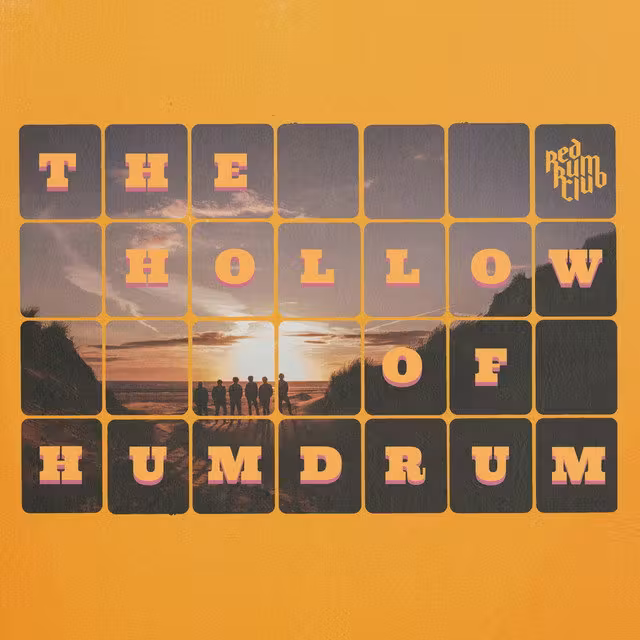
Red Rum Club's unique charm lies in their ability to strike a perfect balance between showmanship and sincerity. They have mastered the art of creating a vibrant atmosphere, yet beneath the surface, their music resonates with genuine emotion. ‘The Hollow of Humdrum’ may not be a revolutionary piece, but it’s a confident, joyous leap forward from a band that truly understands their identity and strengths.
Gerry Cinnamon's ‘The Bonny’, released in 2020, marked a significant shift from his breakthrough debut, ‘Erratic Cinematic’. While the first album captured the raw energy of a street poet with an acoustic guitar and a loop pedal, ‘The Bonny’ revealed a more expansive and ambitious side of Gerry. It showcased his growth from a word-of-mouth phenomenon to a serious songwriter with a profound message and a catalogue of grassroots anthems.
Packed with songs that have become essential parts of his legendary live shows, ‘The Bonny’ is an album made for stadiums and singalongs. Few tracks capture Gerry Cinnamon’s magic quite like ‘Canter’; its thumping middle section, launched by the iconic “Here comes the rainnnnn!” and the instantly quotable, crowd-bellowed line “You know it could be a canter / If you were just a wee bit less of a wanker,” has become a rallying cry for fans. The song transforms from a gentle singalong to a pounding anthem of resilience and self-belief, setting the tone for every Gerry gig.
The party brakes are put on hold for the introspective ‘War Song Soldier’, written about a guarded “dark time in his life.” This bluesy, harmonica-driven number finds Gerry at his bleakest and most powerful as he cries, “I can start me a war / Be a war song soldier / I can stand on my head / I can walk on water,” drawing the crowd into a moment of grit and catharsis.
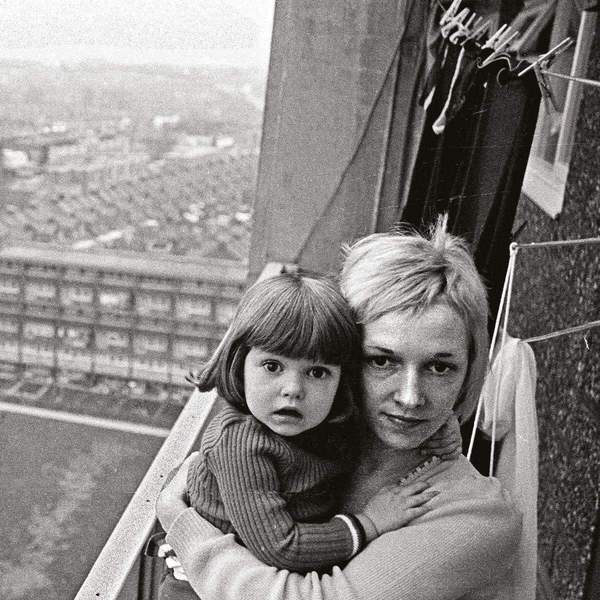
'Roll The Credits’ stands out as a tragic, cinematic love song that offers little hope, with lyrics like “Roll the credits, there’s no happy ending / The monsters got over the wall and tore us apart” feeling especially poignant for the times. Yet the clouds part with ‘Where We’re Going’, which reminds us of better days and stands as a spiritual partner to ‘Erratic Cinematic’s ‘Sometimes’. This fist-punching, festival-ready anthem channels optimism, unity, and the promise of tomorrow, easily the best song on the album and the one you’ll want on repeat. ‘Head in the Clouds’, ‘Sun Queen’, and the title track ‘The Bonny’ are now firmly established as modern folk-rock anthems. ‘Dark Days’ delivers a haunting meditation on struggle and uncertainty, and ‘Six String Gun’ further showcases Gerry’s knack for blending storytelling with singalong hooks, combining raw honesty with sweeping melodies. Throughout, his distinctive Glaswegian voice and no-nonsense delivery make every performance feel authentic and direct.
But it’s on stage that these songs truly come alive, and nowhere was this more evident than at Hampden Park in 2022. Becoming the first Scottish solo artist to headline the national stadium, Gerry delivered a historic, sold-out show that felt like a communal celebration of resilience and hope. The atmosphere was electric as tens of thousands of fans joined in on every chorus, from the opening chords of ‘Canter’ to the euphoric peaks of ‘Where We’re Going’ and ‘The Bonny’. The setlist was packed with crowd-pleasers from both albums, including ‘Sometimes’, ‘Belter’, ‘Diamonds in the Mud’, ‘Lullaby’, and ‘Ghost’, all of which have become classics in his live repertoire. He elevated the night further with a triumphant rendition of Billy Connolly’s ‘I Wish I Was in Glasgow’, making the entire stadium roar with pride, as well as a riotous medley of ‘Discoland’, ‘Wonderful Days’ and ‘I Wanna Be a Hippy’, fusing rave nostalgia with the folk-punk spirit of the event.

What sets ‘The Bonny’ apart is how it balances its stadium-sized energy with moments of genuine intimacy. Gerry doesn’t shy away from vulnerability, and even at his rowdiest, there’s an undercurrent of sincerity and openness. It’s music for the people, unpretentious, heartfelt, and made to be sung with thousands of strangers. 'The Bonny' cemented Gerry Cinnamon as a vital voice in modern British songwriting, proving that you don’t need polish to connect on a massive scale.
‘The Bonny’ was a strong and defiant second album. While some of its tracks hit harder live than in the studio, that is part of its enduring charm. Gerry’s music has always been about the communal experience, but this record also proved that behind the chants and choruses, there’s a serious songwriter with emotional depth, sonic vision, and a voice entirely his own.
HAIM released one of the best albums of the decade, ‘Women in Music Pt. III’, a record that quickly became one of my all-time favourites. On the surface, it’s a brilliant collection of songs that blend indie, pop, rock, and even touches of garage, but to simply list genres is to miss the magic. This is a deeply personal, sharply written, and sonically adventurous album, proof that HAIM are operating on a level few can match.
The album’s highlights are as varied as they are affecting. ‘The Steps’ bursts out of the speakers; brash, exhilarating, and honest about the frustration of not being understood. ‘Gasoline’ is all slinky grooves and slow-burning ache, exploring lust and emotional exhaustion with raw vulnerability. Tracks like ‘Now I’m In It’ and ‘I Know Alone’ dig deep into the pain of isolation and depression, but wrap those heavy themes in irresistible hooks, proving that even the darkest moments can dance. ‘Don’t Wanna’ is a defiant, hook-filled anthem about refusing to settle for toxic love, while ‘3 AM’ channels late-night heartbreak through woozy production and playful, tongue-in-cheek energy.
‘Up From a Dream’ drives forward with pounding drums and restless guitars, capturing the anxiety and hopefulness that comes with waking up to reality. Even the album’s quieter moments, like ‘Hallelujah’ and ‘Man from the Magazine’, shine with confessional honesty and HAIM’s unmistakable harmonies. The record closes with ‘Summer Girl’, a warm, sax-filled embrace of a song that nods to Lou Reed and leaves you with a sense of sunny optimism.
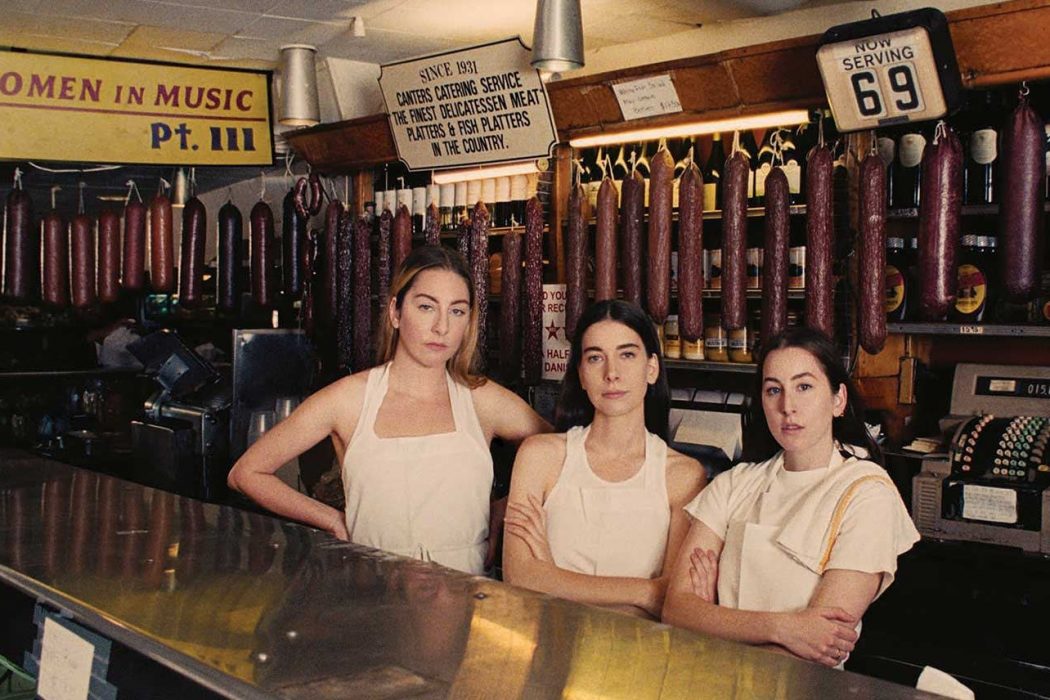
What makes ‘Women in Music Pt. III’ so special is its fearless vulnerability. The Haim sisters lay everything bare: mental health, grief, sexism, love, and self-discovery. Yet they never lose their sense of fun or melodic brilliance. The production is lush but never overbearing, giving each emotion and every bit of musicianship room to breathe. It’s the sound of a band fully in their stride, unafraid to challenge themselves or their listeners, a record that feels both intimate and universal, and one of the decade’s essential albums.
From the hazy, sax-laced opener ‘Los Angeles’, a track about feeling disconnected from a place you’re supposed to call home, to the charming, low-key closer ‘Summer Girl’, every song feels perfectly placed. The album flows with ease, yet each track stands confidently on its own. The real genius of ‘Women in Music Pt. III’ is how it balances vulnerability with strength. Songs like ‘I Know Alone’ and ‘Now I’m In It’ explore depression and isolation with lyrical honesty and emotional nuance, but wrap those heavy themes in beats and hooks that make even the heaviest moments feel cathartic. That contrast, aching but always grooving, is where the album lives.
There’s an undeniable energy in ‘The Steps’, a track that captures the frustration of not being heard. It’s HAIM at their most raw and defiant, a punch to the gut and a call to arms all at once. And then there’s ‘Gasoline’, a slinky, slow-burning standout that explores lust, burnout, and the exhaustion that comes with never letting your guard down. Lyrically, this is HAIM at their most open. Danielle, Este, and Alana lay everything bare, exploring the loss of loved ones, the complexities of being women in the music industry, and the messy highs and lows of love and identity. Even the title is a tongue-in-cheek jab at how often they’ve been reduced to just "women in music", as if their talent needed a qualifier.
‘Women in Music Pt. III' was a defining moment for HAIM. It showcased their growth not just as musicians, but as storytellers, risk-takers, and artists unafraid to break the mould. Despite being one of the most critically acclaimed records of the year, it still feels underrated; a quiet classic that will only grow in stature as time goes on.
DMA's released 'The Glow' and took a bold creative leap forward. Where their earlier records leaned heavily into Britpop and indie rock nostalgia, 'The Glow' introduced a far more modern, expansive palette, embracing electronic textures, dance beats, and a more atmospheric, experimental edge. Produced by Stuart Price (best known for his work with The Killers, Madonna, and New Order), the album marked a significant turning point: the sound of a band growing beyond their roots and carving out a more contemporary identity.
At the heart of the album is 'Silver', an emotional centrepiece and arguably one of the finest songs of DMA’s career. With shimmering guitars, soaring vocals, and a stadium-sized chorus, 'Silver' captures the aching romanticism that the band does so well but with a clarity and polish that elevates it beyond their earlier work. Tommy O'Dell’s voice is in full flight here, riding a wave of melancholy and euphoria, delivering lines that feel both intimate and anthemic. It’s the kind of track that solidified their appeal as a festival favourite while also showing a maturity in their songwriting.
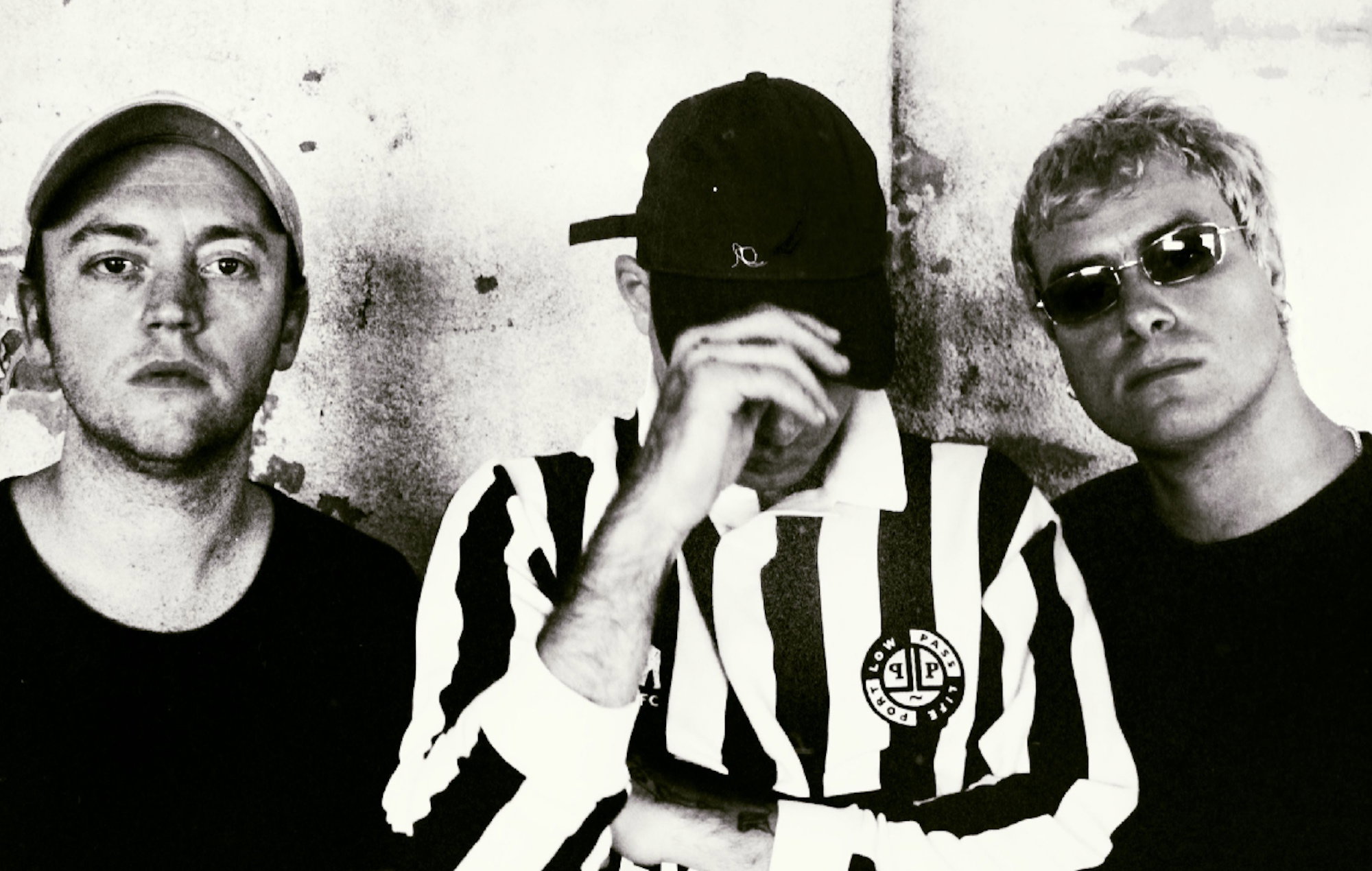
But what truly sets ‘The Glow’ apart is its ambitious embrace of new sounds. Tracks like 'Criminals' and 'Strangers' blend electronic flourishes with the band's signature guitar-driven style, creating an atmosphere that is both expansive and immediate. The title track ‘The Glow’ pulses with urgency, fusing dance rhythms and swirling synths with an undercurrent of longing and hope. ‘Learning Alive’ and ‘Hello Girlfriend’ showcase the band's knack for melody and hooks, while ‘Appointment’ and ‘Cobracaine’ slow things down, offering moments of cinematic introspection. Every song feels purposeful, contributing to a record that bridges the gap between classic Britpop and the forward-thinking indie of today.
The Glow’ is DMA’s at their most confident, adventurous, and emotionally resonant, a leap into the unknown that pays off at every turn.'Life Is a Game of Changing' marked one of the band’s most dramatic sonic shifts. A propulsive, synth-heavy track with pulsing beats and trance-inspired rhythms, it’s more New Order than Noel Gallagher, yet it never feels like a gimmick. The song is both danceable and reflective, built around themes of impermanence and personal evolution. It was a statement track, signalling that DMAs were no longer content with merely reviving the past. They were reshaping it, bringing their influences into a modern, almost club-ready context. It surprised longtime fans and won the band new admirers, especially in Europe.
It was a masterful balancing act, a unique fusion of electronic ambition and indie-rock heart. This blend, which DMA's expertly crafted, proved that they were more than just revivalists. The album, particularly acclaimed in the UK and Australia, was a confident reinvention. It was the moment when DMA's stepped out of the shadow of their influences and began to carve a legacy of their own.
Undoubtedly, the most significant event of 2020 was the pandemic, which brought the world to a standstill. Lockdowns were enforced, and we all had to adapt to new rules and restrictions. Social distancing, the rule of six- these were the new norms. But as we move forward, we can look back and appreciate the resilience we showed during those times. Who misses having to buy a pizza to get a pint?
Before everything changed, two significant things happened within just a couple of days. I turned 20, and the day before, on February 14, 2020, Tame Impala released ‘The Slow Rush’ after a five-year hiatus, a period that left fans eagerly anticipating new music. It felt like a gift dropped from another world, the last moment of calm before the storm. And fittingly, the album itself was obsessed with time: how it moves, how it slips away, and how it changes us.
With 'The Slow Rush', Kevin Parker continued his evolution, taking another step away from the psychedelic guitars that defined earlier Tame Impala records. Instead, he embraced lush, synth-heavy soundscapes and crisp, pop-leaning production. This wasn’t a sellout, but a bold step in his artistry, a testament to his trust in his instincts. The DNA of Tame Impala was still there: dreamy textures, hypnotic rhythms, introspective lyrics. But ‘The Slow Rush’ was smoother, more refined, and in many ways, more personal than anything he had done before.
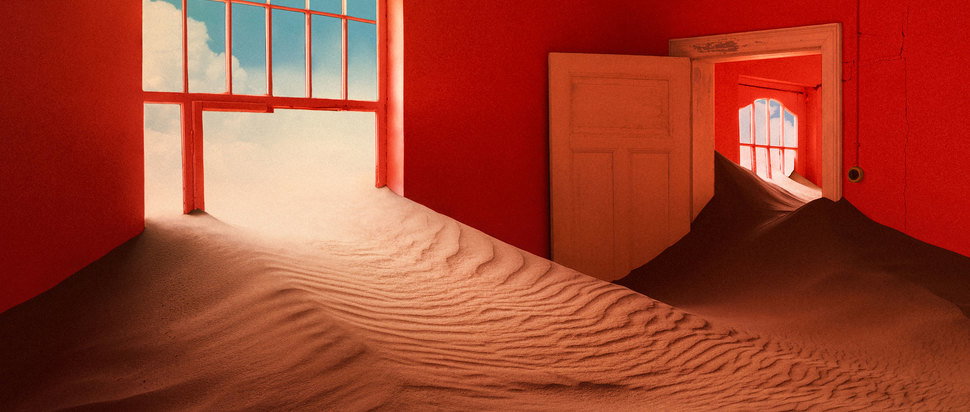
What truly sets ‘The Slow Rush’ apart is its ability to create an immersive world, a sonic time capsule that captures the surreal, suspended feeling of living through rapidly changing times. The album’s sequencing flows like a fever dream, with each track blurring into the next. Tracks like ‘Tomorrow’s Dust’ and ‘Instant Destiny’ further explore themes of impermanence and seizing the present before it slips away. Even ‘Glimmer,’ the brief, swirling instrumental, serves as a moment of pure sensory pleasure. Across the record, Parker’s perfectionist touch is everywhere: each sound meticulously crafted, every lyric a reflection on time’s passing, regret, and hope. ‘The Slow Rush’ isn’t just a record about time; it’s an album that makes you feel it moving beneath your feet.
The album opens with 'One More Year', a shimmering, hypnotic meditation on time’s relentless passage and the cycles that define our lives. Parker’s processed vocals, layered and otherworldly, repeat the mantra "one more year," capturing the sense of being suspended between hope and resignation. It sets the tone for an album obsessed with memory, anticipation, and the strange elasticity of time.
Later, 'One More Hour' closes the record with a sense of bittersweet finality. It’s a sprawling, emotional epic that sees Parker confronting the choices that have led him to this point, reflecting on how fleeting and precious each moment is. The track builds with swirling synths and pounding drums, ending the album on a note of acceptance and release, a fitting bookend to the journey.
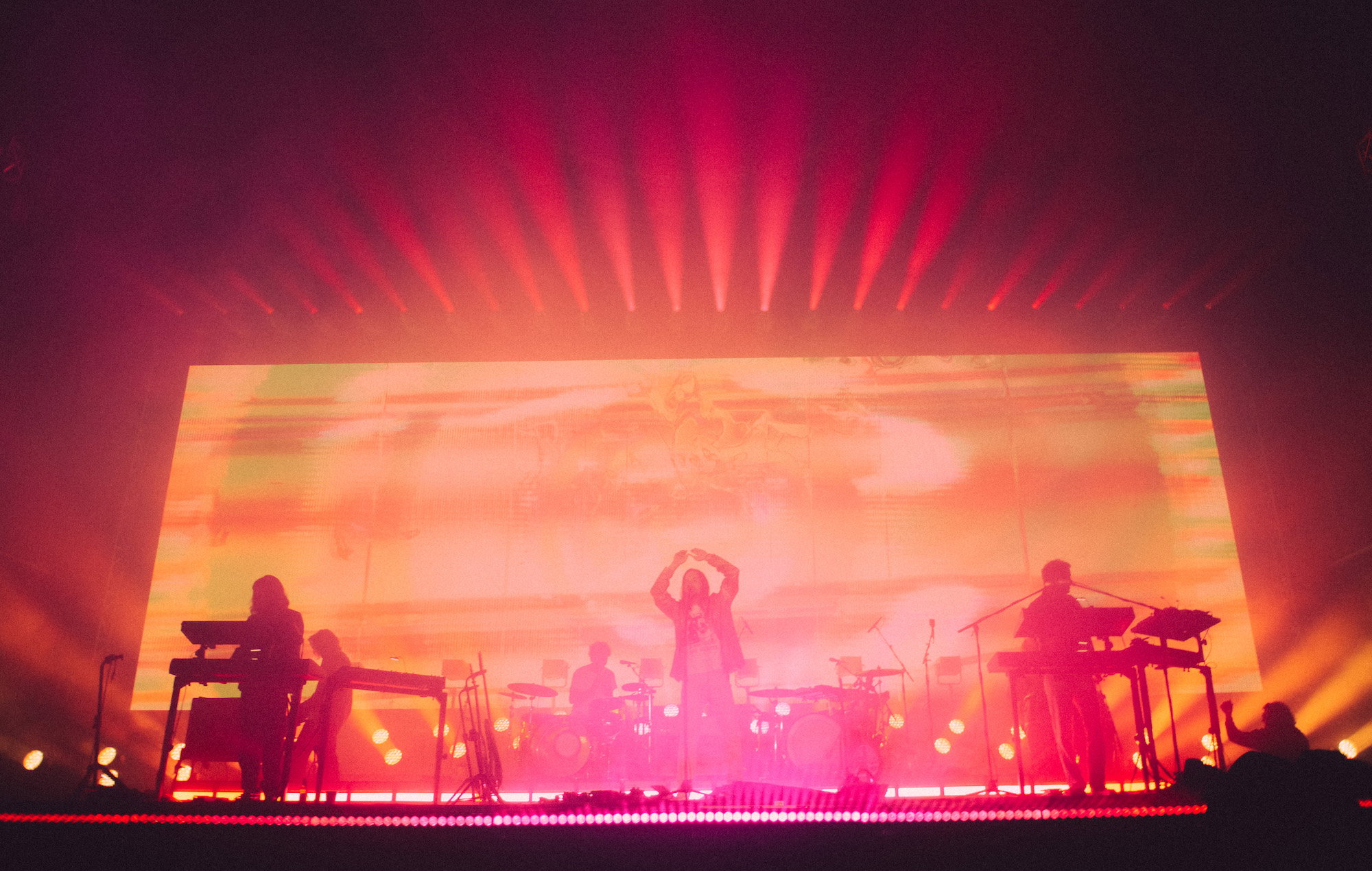
'Lost in Yesterday' stands out as both a dance-floor anthem and a thoughtful reflection on nostalgia’s double-edged sword. Its infectious groove masks lyrics about letting go of the past and refusing to be trapped by old wounds. Parker’s knack for turning existential anxiety into something euphoric is on full display, making the song an instant classic.
Breathe Deeper' injects a rush of disco-funk energy, all elastic basslines and swirling keys, inviting the listener to sink into the music and let their anxieties melt away. It’s a rare moment of pure, untroubled joy on the record, an invitation to live in the moment, if only for a few minutes.
'Posthumous Forgiveness' is a raw, confessional highlight, a cathartic rumination on Parker's tricky relationship with his late father and his own now-superstardom. Lines like “Wanna tell you ’bout the time / I was in Abbey Road / Or the time that I had / Mick Jagger on the phone” illustrate both his longing to share his success and the pain of unresolved absence. The song evolves from wounded vulnerability to cathartic acceptance, mirroring the emotional arc of the album itself.
'Borderline,' with its infectious melodies and shuffling groove, captures Parker at his most accessible, blurring the lines between indie, pop, and electronica. The song’s airy production and existential lyrics make it a signature Tame Impala track, both instantly catchy and deceptively deep.
‘It Might Be Time’ stands out as one of Kevin Parker's most revealing moments, both musically and lyrically. With a distorted, off-kilter groove and siren-like keys, it’s a song about ageing, fading relevance, and the creeping fear that your best days might be behind you. “You ain't as young as you used to be / You’re slowly giving up,” he sings, not in defeat, but in honest reflection. It’s a moment of vulnerability disguised as a dance track.
‘The Slow Rush’ was perfectly titled. It captured the strange, elastic sense of time we all experienced in the years that followed. It was the soundtrack to uncertainty, to standing still while everything kept moving. In hindsight, it almost feels prophetic, like Kevin Parker had tapped into something just beneath the surface, something the rest of the world was about to feel too.
2021! A year of comebacks, and live music was back after a long hiatus. The anticipation for this return was palpable, and it didn't disappoint. Two British bands made their return with albums: Royal Blood and Wolf Alice. Inhaler made their debut, Noel Gallagher released new music, and Sam Fender dropped a masterpiece.
Wolf Alice’s ‘Blue Weekend’, released in June 2021, stands as a stunning, genre-defying achievement that saw the band operating at the height of their creative powers. If their Mercury Prize-winning ‘Visions of a Life’ proved they could do anything, ‘Blue Weekend’ showed they could do it all at once; and do it better than anyone else. With this album, Wolf Alice didn’t just confirm their status as one of Britain’s best bands; they elevated themselves into a league of their own.
The record opens with ‘The Beach’, a cinematic, slow-burning introduction that sets the tone for the emotional journey ahead. Its sweeping crescendos and Ellie Rowsell’s ethereal vocals immediately pull the listener into Wolf Alice’s lush world. ‘Delicious Things’ follows with a dreamy, narrative-driven exploration of hedonism and temptation in Los Angeles, its languid groove and storytelling lyrics painting vivid scenes of escapism and uncertainty.
‘Lipstick on the Glass’ is both shimmering and haunting, balancing vulnerability with grandeur as Rowsell’s vocals glide over intricate arrangements. ‘Smile’ brings an explosive, grunge-inspired punch, Rowsell’s assertive delivery and fuzzy guitars making it a defiant anthem about self-worth and resisting judgment. The album’s emotional core is perhaps best represented by ‘How Can I Make It OK?’, a synth-laced, heart-on-sleeve plea for forgiveness and understanding. Its soaring chorus and gorgeous harmonies showcase the band’s knack for crafting big, cathartic moments.
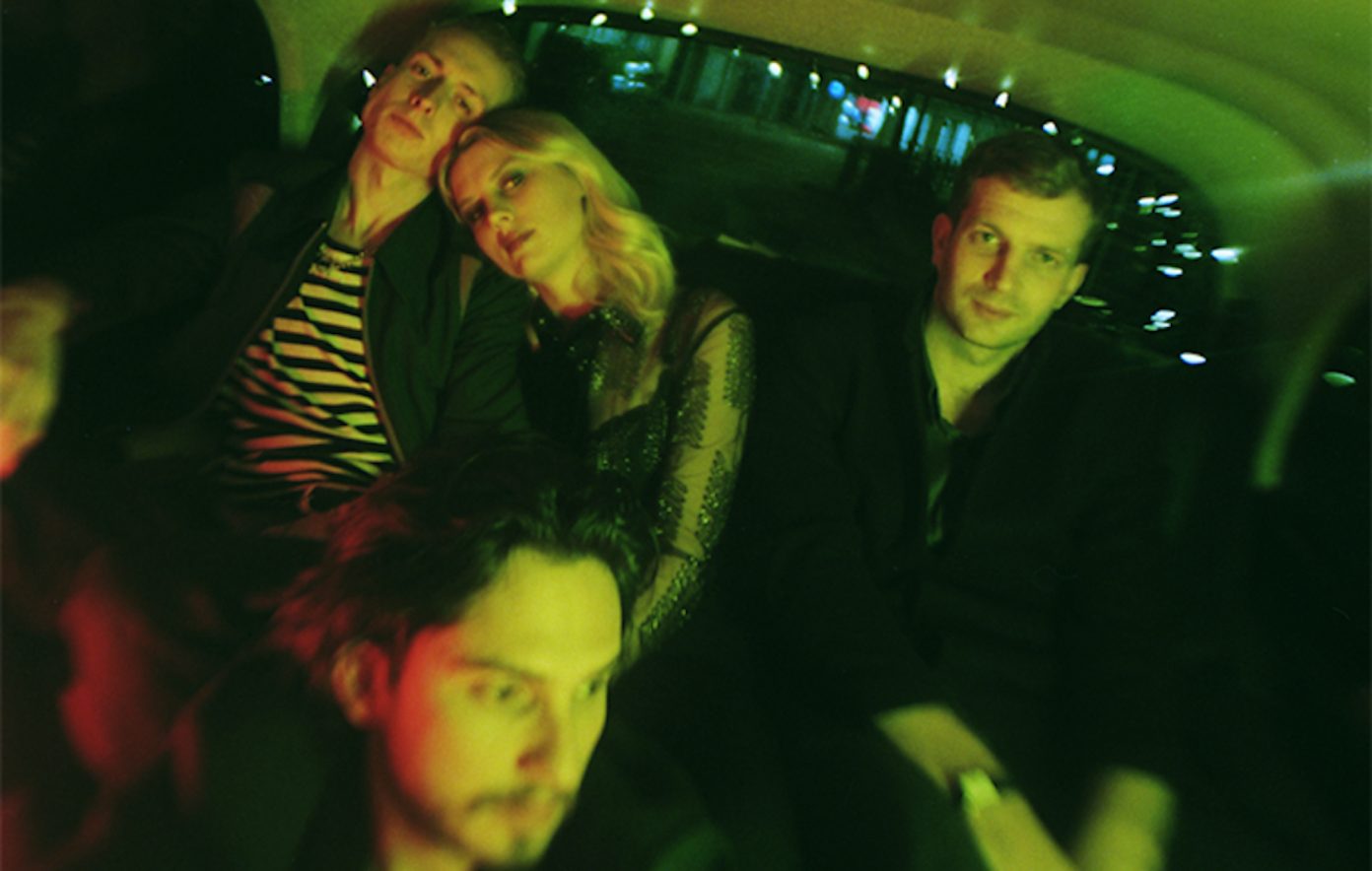
Tracks like ‘Safe From Heartbreak (if you never fall in love)’ and ‘No Hard Feelings’ provide quieter, more introspective interludes. The former is a delicate, acoustic meditation on emotional self-preservation, while the latter finds Rowsell reflecting on the end of a relationship with remarkable tenderness and maturity. ‘Play the Greatest Hits’ injects a shot of adrenaline into the record, its punk energy and breakneck pace offering a chaotic release amidst the album’s more reflective moments.
Feeling Myself’ is a sultry, hypnotic track full of atmosphere, and ‘The Last Man On Earth’ stands as one of Wolf Alice’s most ambitious songs, its piano-driven grandeur and poetic lyrics addressing themes of ego, isolation, and yearning for connection. The journey ends with ‘The Beach II’, bringing the album full circle in a wash of cinematic sound and emotional resolution.
What truly sets ‘Blue Weekend’ apart is the way it captures the messiness and beauty of being alive, shifting seamlessly between euphoria, heartbreak, confusion, and joy, sometimes all in the same song. The band’s musicianship is razor-sharp, the arrangements are ambitious, and Ellie Rowsell’s vocals are at their most dynamic and nuanced yet.
Across ‘Blue Weekend’, Wolf Alice prove themselves masters of dynamic contrast: gentle one moment, explosive the next; vulnerable but never weak. The result is an album that feels cinematic and lived-in, restless and yet full of resolve, a record that invites you to get lost in its atmosphere and come out the other side with something new. ‘Blue Weekend’ isn’t just Wolf Alice’s best album; it’s a modern British classic, an album rich with detail, emotion, and fearless creativity that rewards every listen.
Royal Blood, tired of being labelled the 'saviours of rock music,' found themselves at a creative crossroads after frontman Mike Kerr quit drinking. The solution? Reinvention. And they did just that with ‘Typhoons’, their 2021 album that took Royal Blood from the dive bar to the dancefloor without sacrificing an ounce of power. This was a band reborn, bold, sleek, and unafraid to experiment.
This was a band reborn, bold, sleek, and unafraid to experiment. ‘Typhoons’ doesn’t abandon their signature sound: Ben Thatcher’s thunderous drums still hit with precision and weight, and Kerr’s distorted bass remains a force of nature. But everything around it evolved. The production is sharper, the grooves tighter, and the funk and disco influences- think Daft Punk, Justice, or even Queens of the Stone Age’s more danceable moments- give the album a pulse that never lets up.
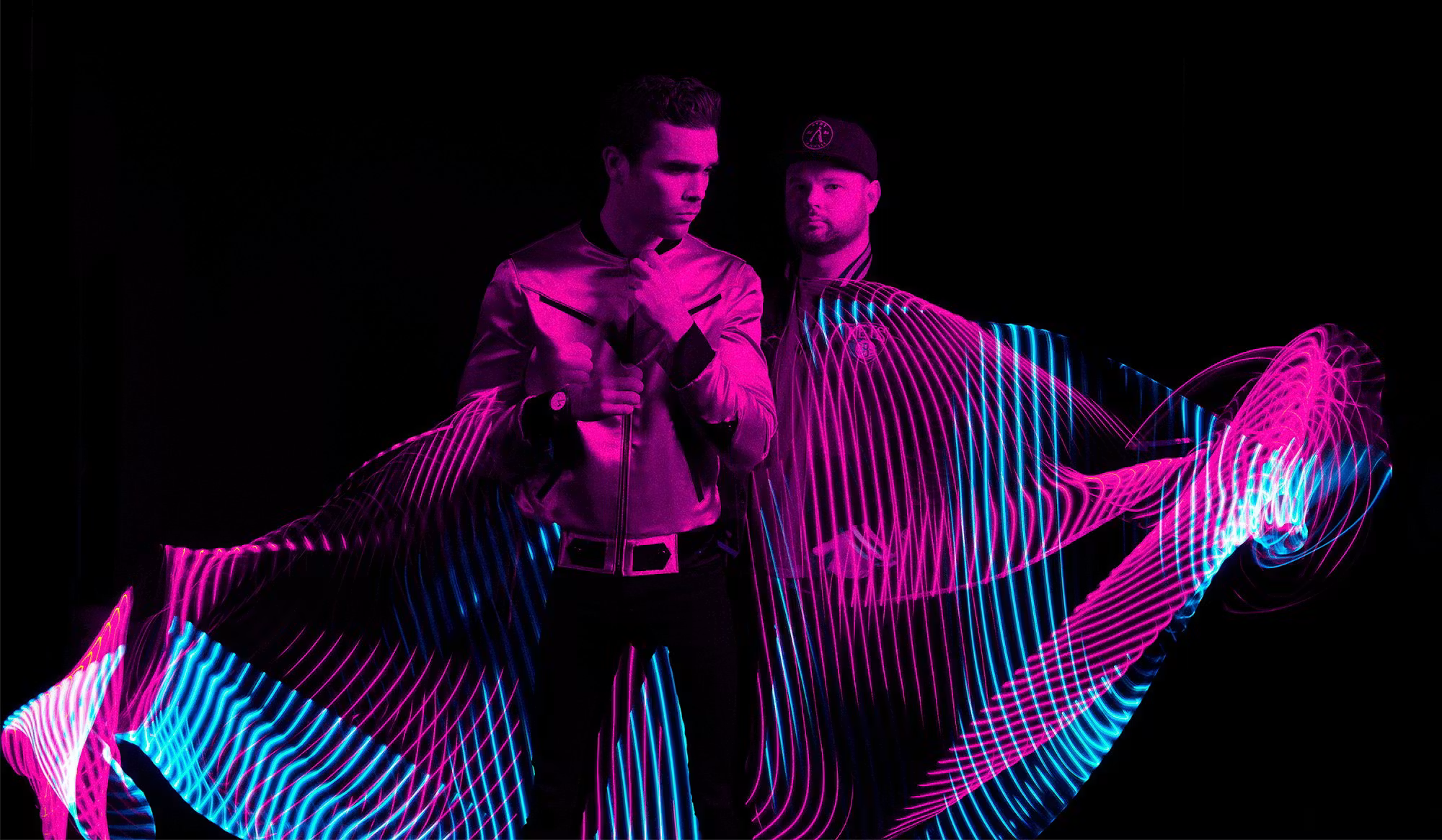
Songs like the title track ‘Typhoons’ and ‘Trouble’s Coming’ are pure adrenaline, driven by infectious rhythms and razor-sharp hooks. You can feel the influence of Kerr’s personal transformation woven into the lyrics; it’s introspective but never self-indulgent. There’s a profound emotional weight beneath the swagger, particularly on tracks like ‘Limbo’ and ‘Boilermaker’, which grapple with addiction, identity, and starting over.
‘Typhoons’ was a pivotal moment for Royal Blood, a daring leap forward that showcased their versatility as dynamic songwriters rather than just riff merchants. It’s guitar music that invites you to dance, cry, and scream along. It’s still unmistakably Royal Blood, but with a richer palette, more confidence, and deeper honesty. By transcending the expectations of 'saving rock,' they may have achieved something even more significant: they saved themselves.
Red Rum Club also returned with their third album in three years. 'How to Steal the World' was the band's most confident and self-assured record to date. The horns were even more sweeping, the choruses even bigger, and the mood more polished without losing their signature swagger. Songs like 'Nightcalling' and 'Vibrate' were tailor-made for late-night drives and festival fields, pure escapist indie-pop with a dramatic, almost Bond-like flair. Lyrically, they explored themes of love, ambition, and the thrill of chasing dreams, wrapping it all in their signature Merseyside-meets-Mariachi energy.
But it’s not just the singles that shine. ‘Monaco’ is a cinematic, brass-drenched celebration of risk-taking and living in the moment, while ‘Eighteen’ channels youthful nostalgia and bittersweet longing. ‘Come Back, Anna Marie’ and ‘Love Me Like You Wanna Be Loved’ showcase the band’s gift for infectious hooks and widescreen storytelling. Throughout the album, the interplay between trumpet and guitar gives Red Rum Club a sound that’s both instantly recognisable and endlessly fresh. The record closes with ‘Beautiful Mind’, a sweeping, romantic finale that leaves you wanting more.
Red Rum Club’s ascent reached new heights when they played increasingly larger venues and festival stages, but nothing captured their rising star status quite like their headline shows at Liverpool’s Olympia and support slots at massive summer events. Their blend of cinematic indie and mariachi brass drew huge crowds, making them one of the most exciting British live acts of the moment.

‘How to Steal the World’ is a testament to Red Rum Club’s growth, a band unafraid to dream big, combine genres, and embrace both the cinematic and the personal. Their music is built for connection: for crowded tents, sunset drives, and late-night singalongs. With each album, they prove that there’s still room for joy, glamour, and a little escapism in modern indie music. At its core, the album is a celebration of big dreams and bold moves of chasing something beyond the mundane, even if you know it might all fall apart. It's both a love letter to escapism and a reflection of a band becoming masters of their own sound.
Inhaler released their debut album ‘It Won’t Always Be Like This’ in 2021, and while they didn’t reinvent the wheel, they didn’t need to. What they delivered was a confident, hook-laden introduction to a band with the charm, ambition, and sound to become a staple of the modern indie scene. It’s a record that embraces its influences: The Killers, U2, and early 2000s indie. It channels them into something that feels refreshingly youthful and optimistic.
The title track, ‘It Won’t Always Be Like This,’ stands tall as one of the best indie songs of the year. Written during the early stages of the band’s career and later re-recorded for the album, it took on a whole new meaning in the context of the pandemic. Its driving bassline, soaring chorus, and message of hope made it a timely anthem for a world craving optimism. It captured that universal feeling of wanting to break free from uncertainty, and the way it builds to a euphoric climax; makes it tailor-made for festival sing-alongs.
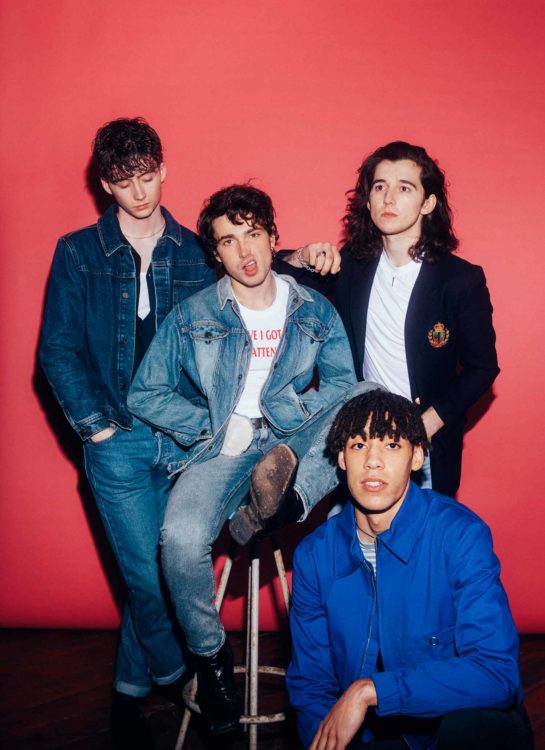
The album’s strength lies in the sheer consistency and catchiness of its tracks, each one offering something distinct yet undeniably Inhaler. ‘My Honest Face’ explodes with restless energy and swagger, built around urgent guitars and a chorus made for festival crowds. ‘Cheer Up Baby’ is a standout for its jangly riffs, infectious optimism, and comforting message, blending vulnerability and warmth in a way that feels instantly familiar yet fresh. ‘Who’s Your Money On? (Plastic House)’ is a sprawling, six-minute highlight, opening with atmospheric synths and moody textures before building into a powerful, layered climax, it’s the album’s most ambitious moment, showing the band’s willingness to stretch beyond conventional indie formulas.
Other tracks add further dimension and nuance to the record’s emotional arc. ‘Slide Out the Window’ and ‘Totally’ bring a dreamy, late-night haze to the midsection, their lush melodies and gentle beats offering moments of introspection amid the anthems. ‘When It Breaks’ channels the anxiety and urgency of its era, driven by choppy guitars and a propulsive rhythm that perfectly capture the feeling of a world on edge. ‘A Night on the Floor’ injects a playful groove and a sense of nocturnal adventure, while the title track, ‘It Won’t Always Be Like This’, bursts with hope and euphoria, providing a sense of release and optimism at just the right moment.
Frontman Elijah Hewson may be Bono’s son. Still, he brings his own voice and presence to the table. There’s confidence without arrogance, and the band never leans too hard on their lineage.
Throughout, Inhaler balance youthful exuberance with moments of vulnerability and reflection, making ‘It Won’t Always Be Like This’ more than just a promising debut; it’s a snapshot of a young band taking their first, triumphant steps onto the world stage, packed with songs that already feel like future classics.
At its core, ‘It Won’t Always Be Like This’ is an album about growing pains, about trying to stay hopeful when everything feels uncertain. It’s the sound of four young men learning how to channel their experiences into something bigger than themselves, and in doing so, they’ve created a debut full of energy, promise, and most importantly, emotional honesty that resonates with all of us.
Following the success of his breakthrough debut 'Lighting Matches', Tom Grennan cemented his reputation as one of the UK’s most exciting new voices. That first record, released in 2018, delivered raw, soulful indie-pop with hits like 'Found What I’ve Been Looking For' and 'Barbed Wire', both of which became festival favourites and staples of radio playlists. Grennan’s gritty, emotive vocals and honest songwriting quickly found a passionate audience, while tracks like 'Royal Highness' and 'Sober' showed his knack for balancing swagger with vulnerability.
Building on this momentum, Grennan returned in 2021 with 'Evering Road', an album that marked a bold step forward in both sound and storytelling. Named after the London street where he lived and experienced a transformative breakup, 'Evering Road' was a deeply personal body of work that leaned into emotional vulnerability while expanding his sonic palette. The album showcased a more polished, stadium-ready sound, blending gospel influences, punchy pop hooks, and soulful ballads.
Songs like 'Little Bit of Love' and 'Something Better' became anthems, full of raw feeling and explosive choruses that cemented Tom’s place on mainstream radio and in the hearts of fans. 'This Is the Place' opened the record with urgency and heartache, while deeper cuts like 'Don't Break the Heart' and 'Make My Mind Up' exposed a softer, more reflective side. The album’s big, singalong hooks were matched by moments of real intimacy, capturing both Grennan’s growth as a songwriter and his ability to connect with listeners on a personal level. What set 'Evering Road' apart was its spiritual and redemptive thread, most evident in the gospel-tinged 'Amen', where Grennan wrestled with regret and self-forgiveness.
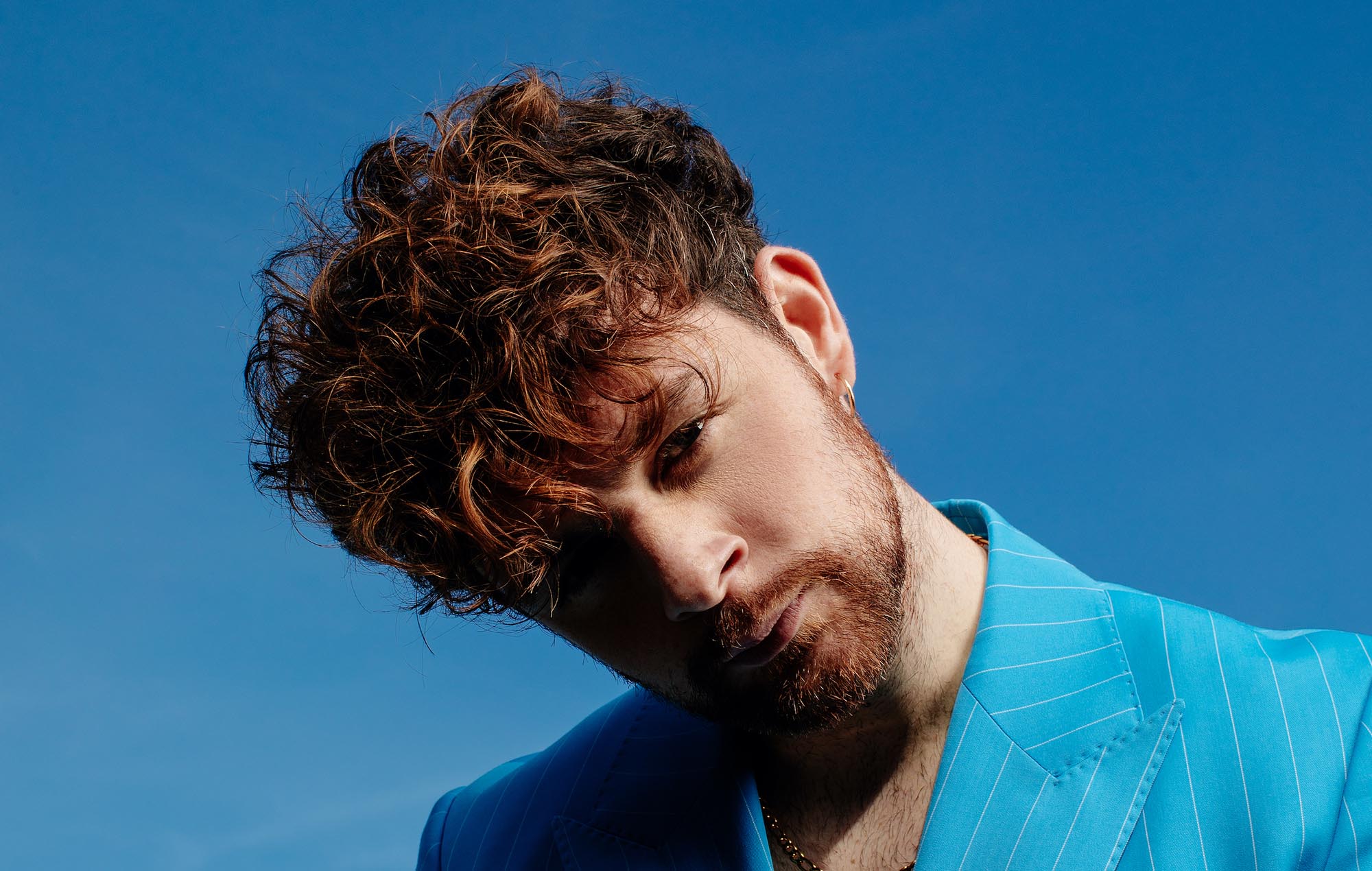
By the time 'Evering Road' reached number one on the UK Albums Chart, Grennan had established himself as a fixture of both indie and pop, able to move seamlessly between stadiums and heartfelt acoustic moments. His blend of grit, melody, and emotional honesty continues to resonate, making him one of the defining British voices of his generation. He has a unique appeal: you can hear Tom Grennan on Indie radio, but also one Radio One. He can play to crowds of teenagers at BBC Radio 1'S Big Weekend and then quite as easily headline a Truck Festival or Y Not. His music is just universally likeable.
Sam Fender's second record 'Seventeen Going Under' proved that he was one of the most important voices in British music, establishing him as one of the best artists of this decade. Capable of moving seamlessly between festival-sized anthems and deeply personal ballads. His blend of grit, soaring melody, and emotional honesty continues to resonate, marking him as a generational songwriter whose impact stretches far beyond his North Shields roots.
Tracks like ‘Spit of You’ cut especially deep, with Fender reflecting on the complexities of father-son relationships, what’s spoken, what’s left unsaid, and the hard-won understanding that grows between generations. It’s a song that’s understated yet devastating in its vulnerability, standing as one of the album’s most powerful moments.
The title track, ‘Seventeen Going Under’, is the album’s emotional epicentre and one of the defining songs of the decade. From its opening riff, the song bursts with a restless energy, channeling the frustration and confusion of late adolescence. Fender’s lyrics paint a vivid portrait of coming of age in a working-class town, confronting the realities of bills, poverty, and parental sacrifice, all while wrestling with anger, vulnerability, and love. The iconic line, “I was far too scared to hit him / But I would hit him in a heartbeat now,” is a gut punch that distills the raw emotion at the core of the record. With its thunderous guitars and anthemic chorus, ‘Seventeen Going Under’ transforms personal pain into a universal rallying cry, a song that resonates with anyone who’s ever struggled to find their place in a world that feels stacked against them. It’s honest, cathartic, and bracingly real, setting the tone for the entire album’s exploration of survival and hope.

‘Get You Down’ delivers a searing exploration of self-doubt and the ways we sabotage our own happiness, all wrapped in a chorus that feels built for festival singalongs. ‘Last to Make It Home’ is a hushed, contemplative ballad about regret, redemption, and the longing for a place to belong, its gentle instrumentation and confessional lyrics providing a quiet counterpoint to the album’s more explosive moments.
The emotional climax comes with ‘The Dying Light’, a grand, Springsteen-esque ballad that serves as a spiritual sequel to ‘Dead Boys’ from his debut. Here, Fender refuses to give in to despair, his voice rising above sweeping strings and cinematic arrangements as he offers hope to anyone who’s ever felt close to the edge. The track’s dedication, “For Mam and Dad and all my pals. For all the ones who didn’t make the night”, speaks volumes about the album’s roots in community, survival, and empathy.
Throughout ‘Seventeen Going Under’, Sam Fender balances youthful exuberance with hard-won wisdom, making each song feel lived-in and urgent. His willingness to bare his soul, confront difficult truths, and celebrate resilience cements the album as a modern classic, one that will be sung by generations to come
2022 would see a return of the old guard in more ways than one, and also the release of one of the best British debuts in years.
Let’s start with that debut. Wunderhorse released their album ‘Cub’ in October 2022, and it was one of those rare records that seemed to appear from nowhere and instantly leave a mark. Before that, I hadn’t even heard of them, like many others. I discovered them almost by accident, but the moment I listened to ‘Cub’, I was utterly blown away. It’s not just a promising debut; it’s a rock masterpiece that feels both deeply personal and sonically expansive.
‘Cub’ is an album that feels both timeless and deeply personal, the sound of a songwriter wise beyond his years. Wunderhorse’s Jacob Slater pours his lived experience into every track, drawing on both the grit of ’90s alt-rock and the vulnerability of confessional folk. The record’s emotional weight is felt most keenly on ‘Teal’, a song that captures the rawness of addiction, loss, and the fragile threads of hope that keep us going. Slater lays himself bare with lines like, “One of them said 'I don't care if this kills you' / What if it did Katie? / What if it killed her?” and “And when I was using, she still said she loved me / Be more of a human, less of a junkie / You gotta gift man, go and be something / If I was in your shoes, I would be jumping.” The song’s simmering verses and eruptive, shoegaze-tinged chorus create a powerful tension, pain and defiance, regret and resolve intertwining in every note.
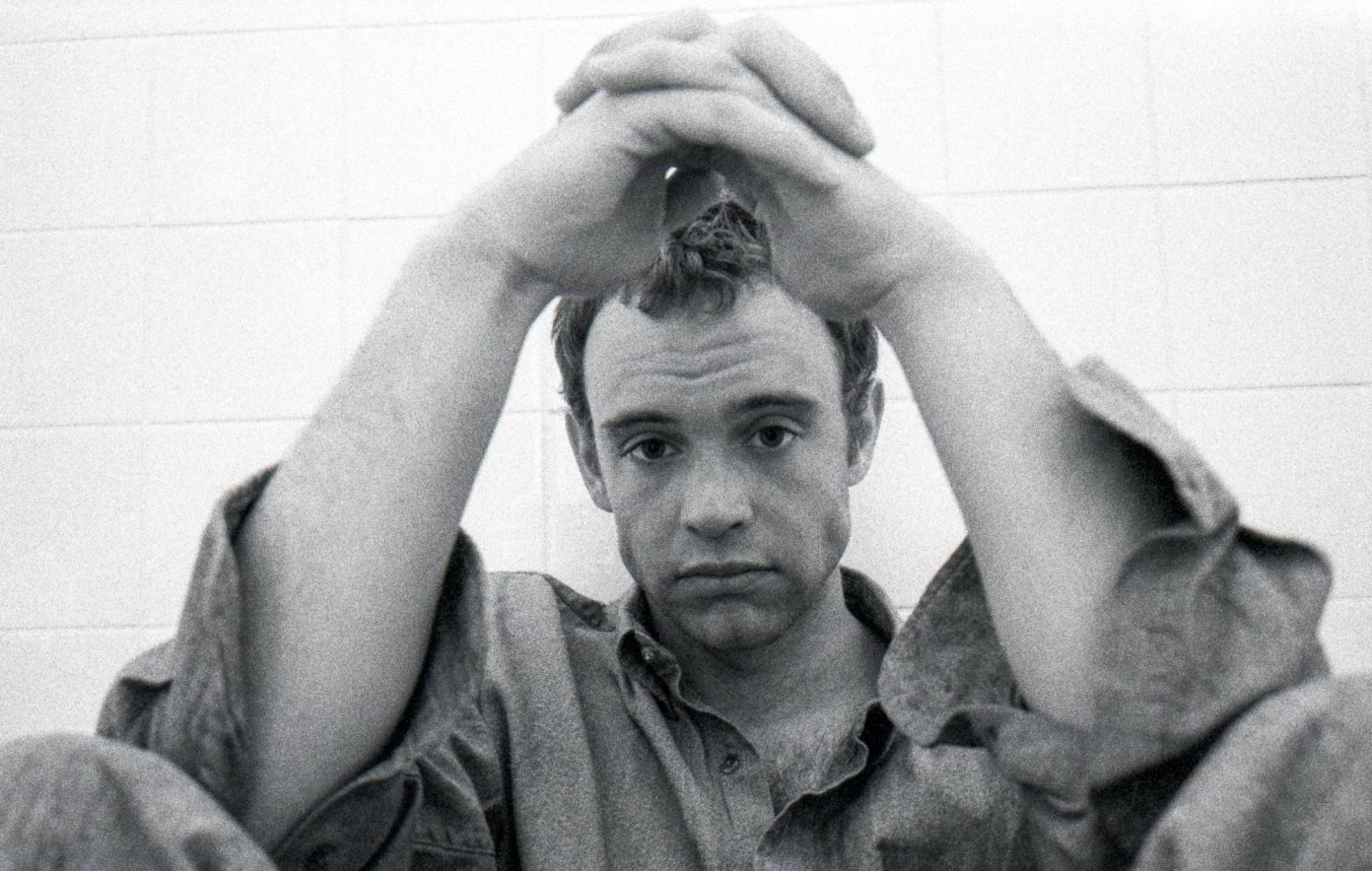
‘Purple’ is another standout, swirling with dreamy, atmospheric textures that evoke a sense of nostalgia and longing. The track feels like a lost gem from a late-’90s film soundtrack, its wistful melodies and shimmering guitars carrying the ache of memories that won’t quite fade. There’s a cinematic quality to the song, as if it were the closing credits to a story about youth, heartbreak, and the search for identity. The lush arrangement and Slater’s aching vocals make ‘Purple’ both hypnotic and deeply affecting.
Elsewhere on the album, tracks like ‘Poppy’ channel the baggy, Britpop-inflected sound of the era, while ‘Mantis’ nods to the Pixies with its infectious “woo-ooh” refrains. ‘Leader of the Pack’ manages to fuse the Southern rock swagger of ‘Sweet Home Alabama’ with the glam energy of Suede’s ‘Filmstar’, resulting in an anthem that feels both familiar and fresh. ‘The Girl Behind the Glass’ stands out for its Ash-like, building guitars and a chorus melody that instantly lodges itself in your head, Slater’s storytelling shining through in every line.
From the bruised confessional of ‘Teal’ to the lush, cinematic sweep of ‘Purple’ and the jangling riffs of ‘Poppy’ and ‘Mantis’, ‘Cub’ is an album that wears its influences proudly while forging its own voice. It’s a comforting, accomplished debut; one that invites listeners to lose themselves in its world of memory, recovery, and hard-won hope.
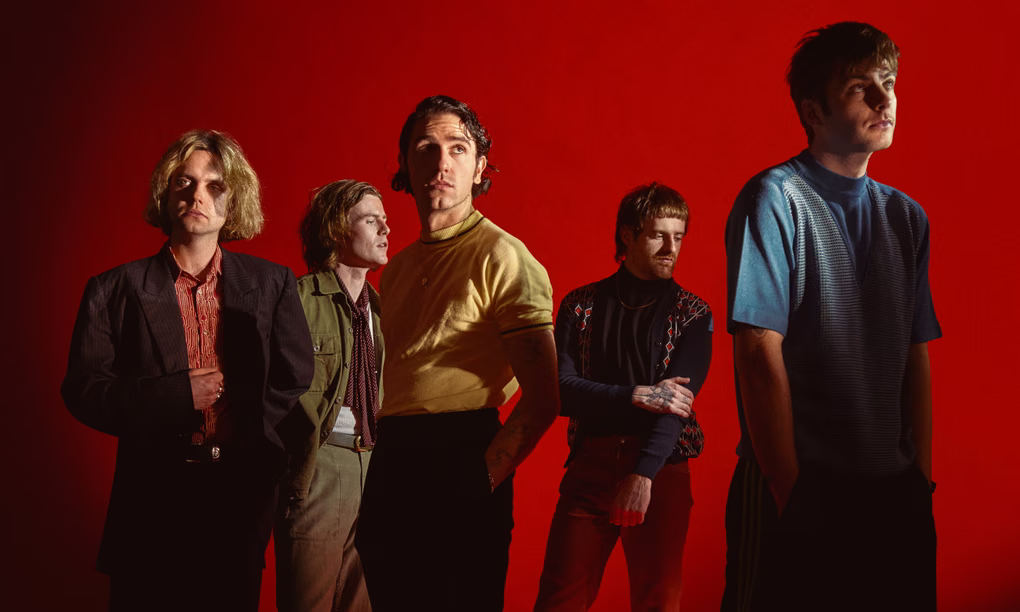
My first encounter with Wunderhorse was on a Fontaines D.C. poster, and it feels only right to mention them next. Fontaines D.C. would release their third album, ‘Skinty Fia’, in 2022, a bold, transformative record that marked a significant departure from their raw punk roots. It was a turning point for the band, both sonically and thematically, showing a maturity and ambition that placed them firmly among the most important bands of their generation.
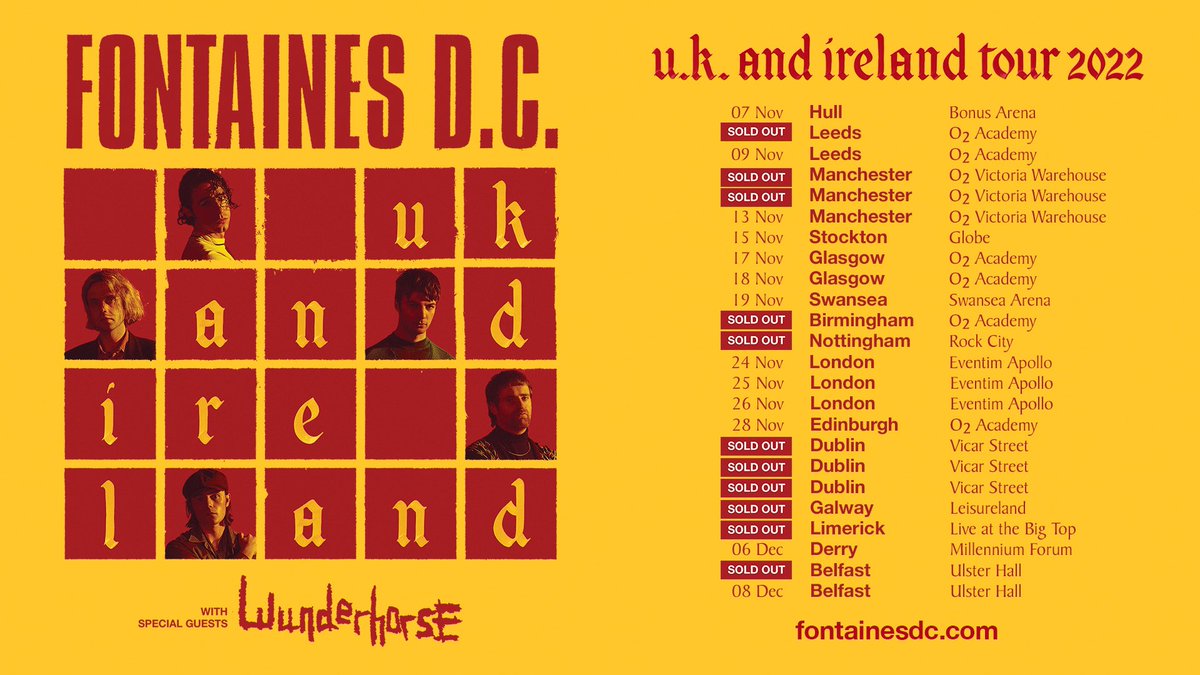
Written as a kind of love letter to Ireland, but a complicated, conflicted one, ‘Skinty Fia’ explores themes of displacement, heritage, and identity with a haunting sense of atmosphere. The title itself, an old Irish expression meaning “the damnation of the deer,” speaks to the album’s meditation on cultural erosion and the fading of tradition in modernity.
The album bursts open with the propulsive ‘In ár gCroíthe go deo’, inspired by the true story of Margaret Keane, whose family faced opposition from the Church of England for wanting her Irish epitaph (“In our hearts forever”) on her headstone. The song translates that hurt and cultural tension into a hypnotic swirl of group vocals and layered instrumentation, building to a fragile yet stunning climax that sets the emotional tone of the record.
Immediately following is ‘Big Shot’, a brooding and tightly coiled track that explores the pitfalls of arrogance and self-importance. With its swaggering bassline and ominous mood, ‘Big Shot’ showcases Fontaines D.C.’s ability to pair sharp observations with memorable hooks, further deepening the album’s exploration of identity and ego.
Haunting lead single ‘Jackie Down The Line’ follows, with Chatten’s voice riding on ominous bass shudders and jagged guitar spikes. He exerts full control as he delivers a big pop hook on the chorus, then lets his vocals echo out into the distance on the bridge, conjuring a sense of isolation and unresolved longing.
I Love You’ is the extraordinary centrepiece of ‘Skinty Fia’, a song that manages to be both a raw personal confession and a forceful political statement. Grian Chatten delivers some of his finest, most courageous writing here, grappling with the guilt, rage, and bittersweet pride of leaving Ireland to find success abroad. The song’s five-minute sprawl opens with a Stone Roses-style bass rumble and slowly builds in urgency, Chatten’s voice trembling with both vulnerability and fury as he takes aim at Ireland’s political establishment (“Fianna Fáil and Fine Gael”) and the country’s unresolved traumas. The lyrics are unflinching: “Flowers read like broadsheets / Every young man wants to die,” he repeats, shining a light on the devastating mental health crisis facing Irish youth.
He goes further, referencing the dark legacy of the church and state; “This island’s run by sharks with children’s bones stuck in their jaws”, an allusion to the horrors of the Mother and Baby Homes scandal, where generations of unmarried mothers and their children died in secrecy and neglect. The line “Selling genocide and half-cut pride” cuts straight to the core of Ireland’s buried pain and the conflict between loving one’s homeland and feeling compelled to leave it behind. Chatten is no detached observer; he’s carrying the weight of history, speaking not just for himself but for a generation uprooted by housing crises and political failure: “Hold a mirror to the youth, and they will only see their face.
What makes ‘I Love You’ so powerful is that it offers no easy answers, no false comfort. It is a song that aches with honesty, brilliance, and heartbreak; a confession of love for a country that both made and wounded its children.
‘Roman Holiday’, by contrast, brings a sense of warmth and openness to ‘Skinty Fia’. Musically, it sits apart from much of the album’s brooding atmosphere, with a looser, swaggering guitar line and a melody that feels almost celebratory. Chatten has described the track as evoking the “wide streets of North London in the summer and the urge to discover them at night time,” capturing the thrill of being young, Irish, and a little displaced in a new city. The song is a love letter to the camaraderie Fontaines D.C found among fellow Irish friends in London, a secret language, a feeling of belonging even far from home, and the bittersweet excitement of first love and first flats.
Lyrically, ‘Roman Holiday’ dives deep into identity and belonging, celebrating the freedom and possibility of youth in a foreign place. It’s one of the band’s most accessible songs, full of emotional clarity and an immediate melody, yet it never feels like a compromise. Instead, it captures the specific feeling of making a city your own, of finding your people and carving out a space where you belong. The openness and sense of hope set ‘Roman Holiday’ apart on a record often marked by claustrophobia and tension, offering a glimpse of possibility and connection for anyone who’s ever felt lost or far from home.
As the album unfolds, other intriguing left-turns emerge. ‘The Couple Across The Way’ paints a heart-wrenching image of a deeply fractured relationship, its raw lyricism set against a mournful accordion section. ‘How Cold Love Is’ stands out for its deliberately circular and repetitive melody, with twisting guitar riffs that abruptly halt for moments of reverent silence, highlighting the emptiness at the heart of broken affection.
‘Bloomsday’ finds Chatten wandering through Dublin, his nostalgia for the city undercut by the realisation of why he left. “Looking for a thing no doer’s done / We won’t find it here my love,” he sings, the music crawling along with atonal shards of guitar that evoke both longing and resignation—the sound itself telling a story of searching and displacement.
What elevates ‘Skinty Fia’ is the way these key tracks are woven into the album’s wider tapestry of sound and meaning. The record’s gothic atmospherics and bold stylistic shifts, from shoegaze textures to traditional Irish motifs; mirror the sense of displacement and fractured identity at its core. There’s a palpable tension throughout: the yearning for home, the pain of alienation, and the bittersweet ache of memory. Each song feels like a different facet of the same dream; sometimes nightmarish, sometimes beautiful, always compelling. ‘Skinty Fia’ is not just a career-best for Fontaines D.C.; it’s a landmark album for modern post-punk, both personal and universal in its resonance. But ‘Skinty Fia’ is full of gems.
It’s important to note how far Fontaines D.C. had come in just a few years. Their 2020 sophomore album, ‘A Hero’s Death’, was a Mercury Prize nominee and marked a significant evolution from their debut. With tracks like ‘A Hero’s Death’, ‘I Don’t Belong’, and ‘Televised Mind’, the album pushed their sound into darker, more introspective territory while still delivering the driving post-punk anthems that first won them acclaim. ‘A Hero’s Death’ laid the groundwork for the expansive ambition of ‘Skinty Fia’, showing the band’s willingness to challenge themselves and their audience.
Blossoms would release their fourth album, ‘Ribbon Around the Bomb’, which saw the band mature and deliver some of their most accomplished work to date. It marked a new chapter for the Stockport five-piece, introspective, ambitious, and sonically refined. But don’t think for a second they lost their sense of fun or knack for a catchy hook. This album is Blossoms evolving, not changing beyond recognition.
The record’s highlights are among the strongest in their catalogue, each offering a distinct facet of Blossoms’ evolving sound. The title track, ‘Ribbon Around the Bomb,’ opens with cinematic flair and poetic lyricism, immediately drawing listeners into a world of nostalgia and self-reflection. ‘Ode to NYC’ is a shimmering, synth-laden love letter to the city, dripping with retro charm and infectious melody, capturing the allure of chasing dreams far from home. ‘The Sulking Poet’ stands out for its playful storytelling and rhythmic bounce, channelling Paul Simon and capturing the uncertainty of youth with a wink; its clever wordplay and buoyant arrangement make it one of the band’s most memorable tracks to date.
‘Visions’ is a gentle, introspective moment about searching for meaning and legacy, with Tom Ogden’s vocals floating over delicate instrumentation. ‘Everything About You’ glows with romantic warmth, its heartfelt lyrics and lush production conjuring the magic of new love. ‘Care For’ adds a swirling, psychedelic sheen, bathing the album’s second half in a hazy, dreamlike glow. ‘Born Wild’ is a lush, slow-burning closer that leaves a bittersweet aftertaste, its graceful build and poignant delivery providing the perfect coda to an album that is both reflective and forward-looking. Each track, in its own way, highlights Blossoms’ gift for balancing pop sophistication with heartfelt emotion and melodic invention.
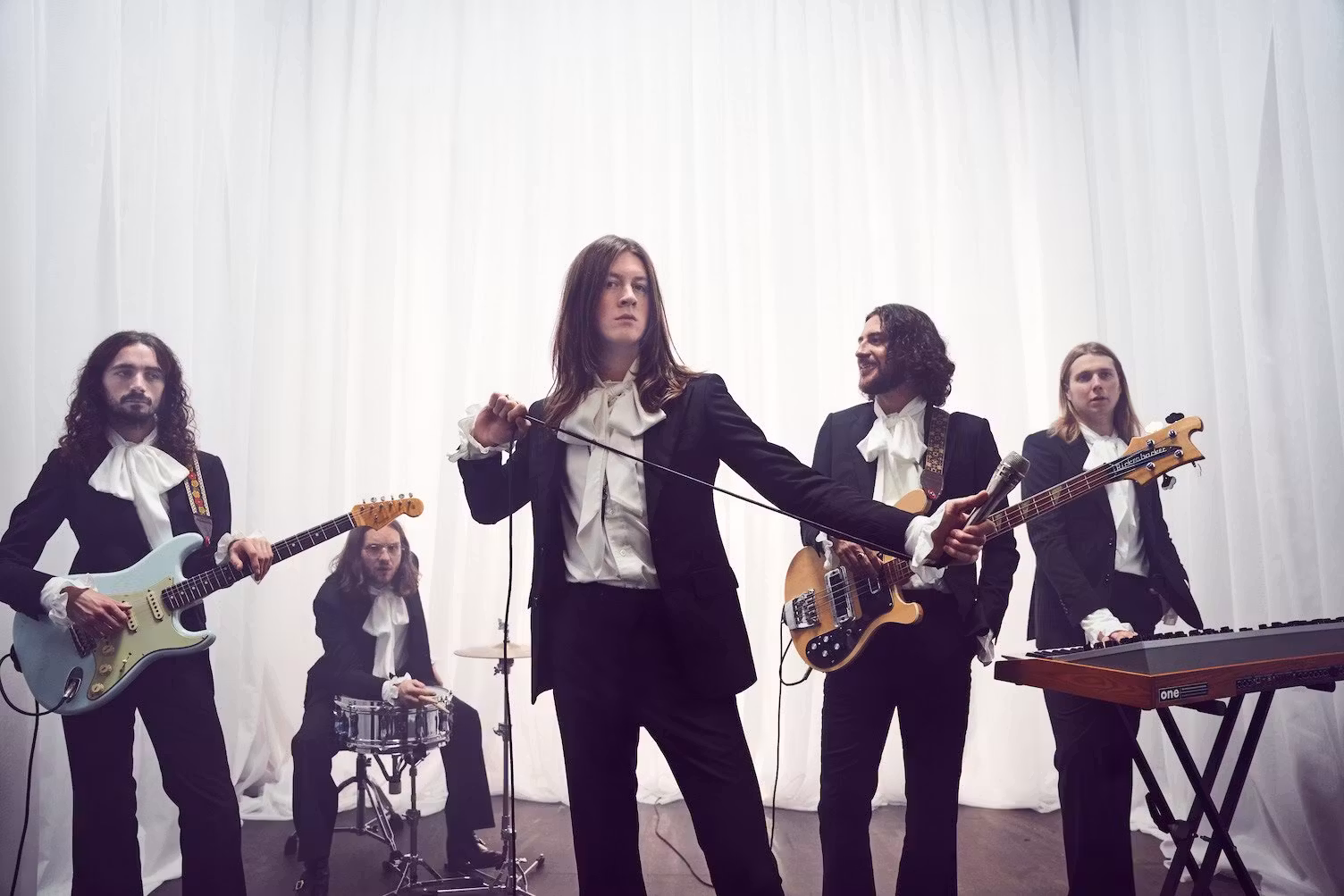
Across these tracks, the band strikes a balance between thoughtful maturity and their trademark indie-pop exuberance. The production is lush but never overbearing, the melodies are instantly memorable, and Tom Ogden’s vocals remain as charming and emotive as ever. ‘Ribbon Around the Bomb’ is both a celebration of how far Blossoms have come and a confident step into their next era, an album full of heart, hooks, and irresistible energy.
Songs like ‘Visions’ see the band turning inward, questioning their legacy, purpose, and place in the world, with a gentle melancholy that floats rather than weighs them down. It’s clear they’ve grown, both lyrically and musically. But the beauty of ‘Ribbon Around the Bomb’ is in how it balances this maturity with the band’s signature warmth and playfulness.
What this album does so well is hold two truths at once: the growing pains of adulthood and the enduring joy of creating music with your best mates. It's thoughtful without being heavy, playful without being throwaway. With 'Ribbon Around the Bomb', Blossoms didn't reinvent themselves; they refined who they already were, stepping into a more mature space without ever losing the spark that made them special in the first place.
The Wombats proved they were still going strong with 'Fix Yourself, Not the World', which debuted at Number One on the UK Albums Chart, further evidence that The Wombats weren't just a nostalgia act, but a band continually evolving. With tracks like 'If You Ever Leave, I'm Coming With You' and 'Ready for the High', the album leaned into themes of self-reflection and resilience, delivered through tightly produced, genre-blending indie pop. The record was written remotely, with each member contributing from different parts of the world during the pandemic, showcasing not just their adaptability but also the strength of their creative chemistry. Songs like 'Everything I Love Is Going to Die' balanced existential anxiety with upbeat rhythms, a hallmark of their ability to explore darker emotions through an energetic, accessible lens. Even after years in the game, The Wombats demonstrated their ability to adapt, connect, and surprise. They remained relevant while never losing their identity. It was a triumphant reminder that the band's knack for blending emotional honesty with dancefloor-ready anthems hadn't waned; it had only sharpened.
Jamie T made a triumphant comeback with 'The Theory of Whatever', his most vital and eclectic record in years.
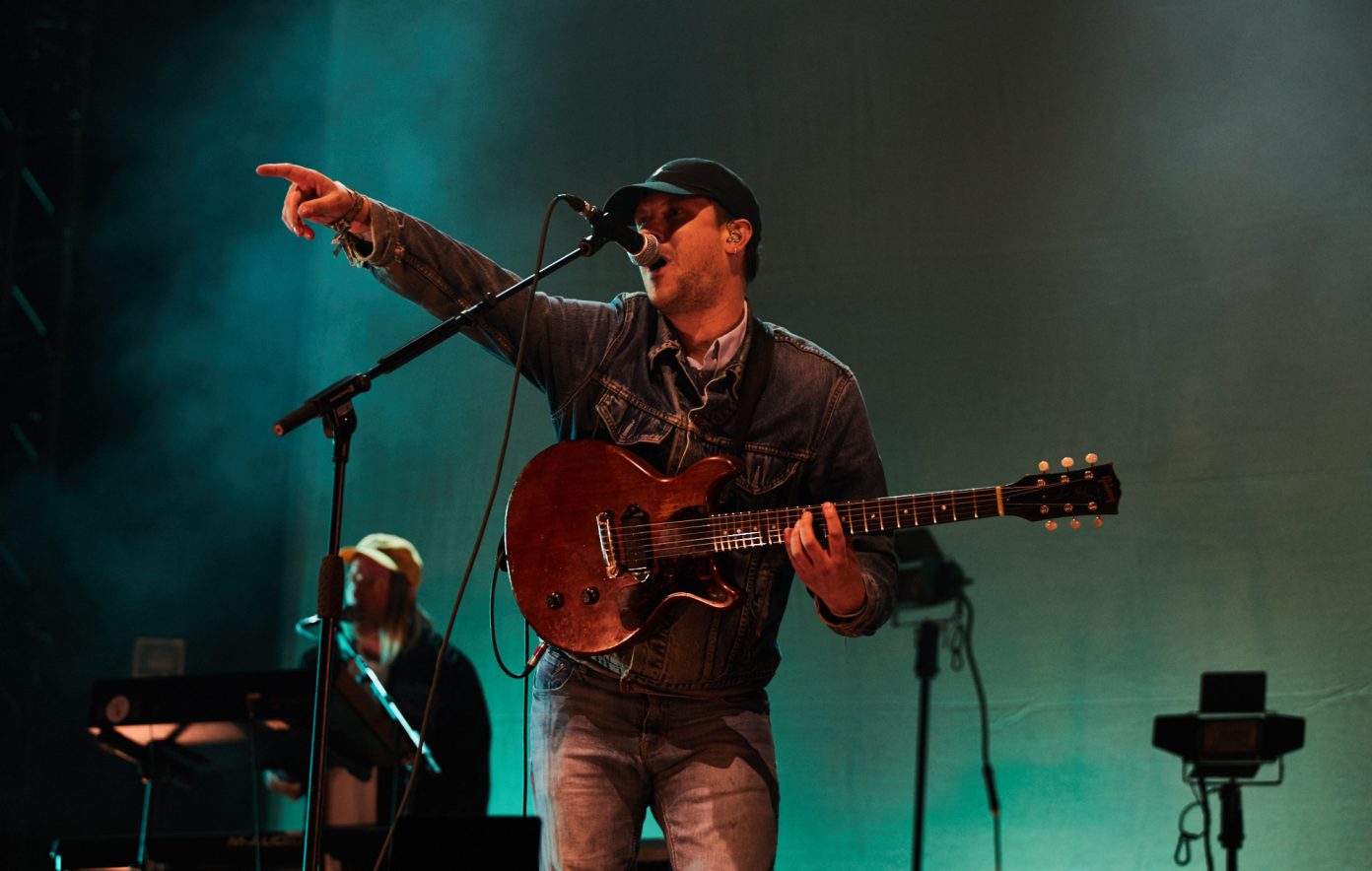
His Mercury Prize-nominated debut, ‘Panic Prevention’ (2007), fused indie, hip-hop, punk, and spoken word into a soundtrack for a generation growing up in the shadow of late-night London. The album brilliantly captures the essence of misspent youth: knocking back cheap booze on street corners, getting into scraps with mates, and falling in and out of young love. Songs like ‘Sheila’, ‘If You Got the Money’, and ‘Calm Down Dearest’ became instant classics, blending sharp street poetry with infectious hooks. Jamie T’s tales of chaos, anxiety, and the search for identity struck a nerve, painting a vivid portrait of adolescent restlessness and urban coming-of-age. It’s an album that feels both deeply personal and universally relatable, establishing Jamie as a cult hero and chronicler of British youth.
He followed it up with ‘Kings & Queens’ (2009), a record that leaned into festival-sized indie anthems without losing his outsider edge. ‘Sticks & Stones’ stands out as a modern singalong classic: full of rattling acoustic guitars, driving percussion, and Jamie’s rapid-fire delivery, the track captures the wild energy of late nights out, the camaraderie of friends, and the bittersweet freedom of growing up. The song’s blend of punk attitude and heartfelt nostalgia encapsulates much of what makes Jamie T’s music so enduring. Elsewhere on the album, ‘The Man’s Machine’ and ‘Emily’s Heart’ showcased Jamie’s knack for storytelling and melody. This was Jamie T at his most confident, channeling punk energy and pop sensibility in equal measure.
‘Carry on the Grudge’ (2014) arrived after a long hiatus, revealing a darker, more introspective Jamie T. Tracks like ‘Zombie’, ‘Don’t You Find’, and ‘Turn On the Light’ swapped brashness for vulnerability, layering melancholy and maturity over his signature wordplay. It was a bold reinvention, and the emotional depth of the album resonated powerfully with longtime fans.
By the time he released ‘Trick’ (2016), Jamie T was a master of reinvention. The album jumped between genres, indie rock, hip-hop, electronica, and delivered swaggering cuts like ‘Tescoland’, ‘Power Over Men’, and ‘Drone Strike’. It also saw Jamie revisiting some of the raw, urgent energy that made earlier tracks like ‘Sign of the Times’ so arresting, channeling that same restless spirit into new forms. Throughout ‘Trick’, he balanced introspective, storytelling tracks with explosive, high-energy anthems, proving he could evolve without losing his wit, honesty, or the punk-inflected drive that had always defined his music.
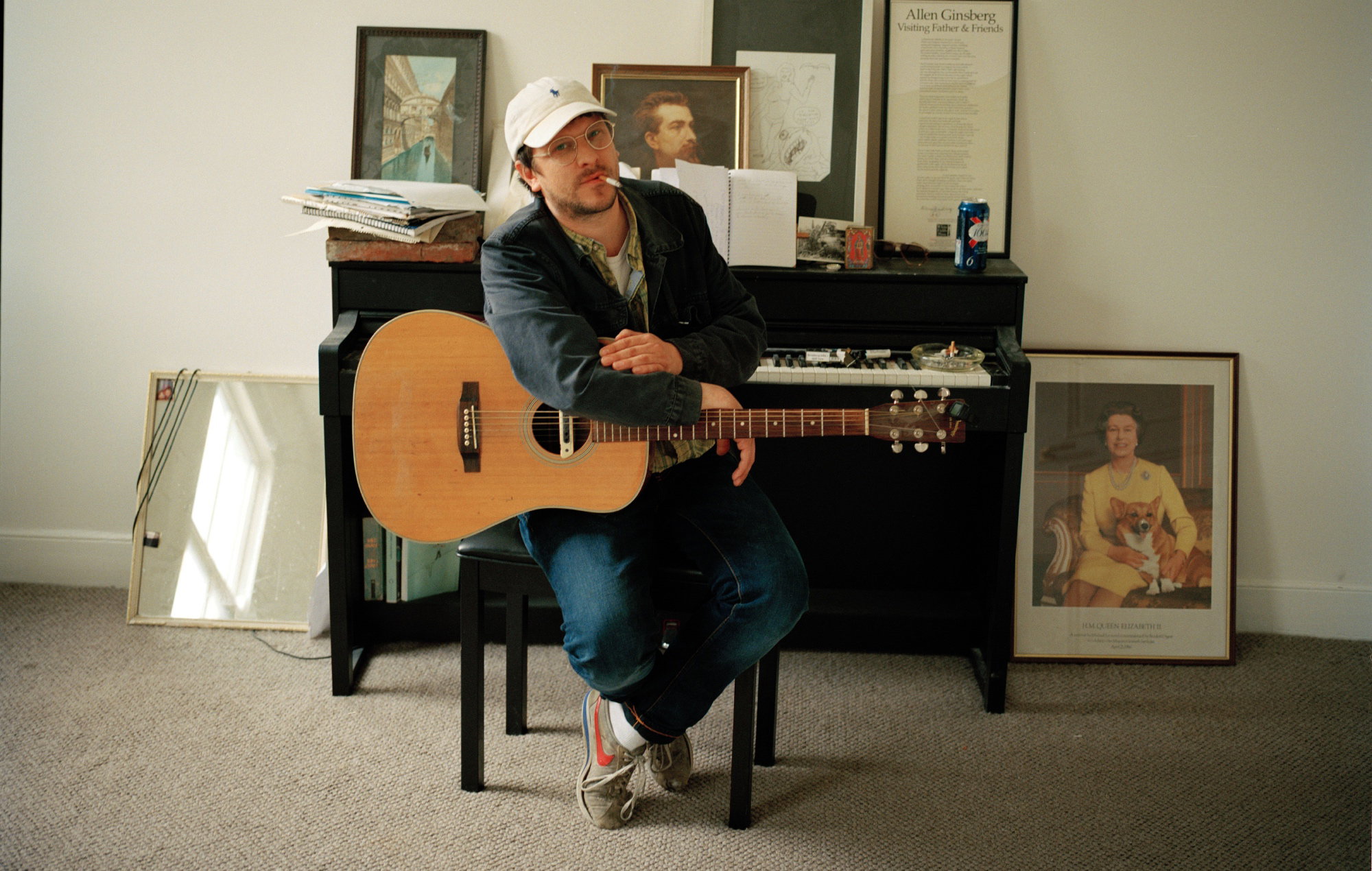
The Theory of Whatever’ kicks off with ‘90s Cars’, a swaggering, nostalgic anthem full of sharp lyrics and Jamie’s signature delivery. The first single, ‘The Old Style Raiders’, is pure Jamie T, urgent, anthemic, and bursting with underdog spirit. It quickly established itself as one of his finest songs, capturing that sense of restless optimism and defiance that has always defined his best work.
‘Sabre Tooth’ is a standout, its gritty, urgent energy capturing Jamie T’s signature blend of wit and raw emotion. The track’s sharp lyricism and propulsive groove make it an instant highlight. ‘Between the Rocks’ and ‘Talk is Cheap’ showcase Jamie’s ability to blend vulnerability and bravado, balancing confessional storytelling with big, festival-ready choruses. ‘A Million & One New Ways To Die’ is a frenetic highlight, playful, darkly funny, and impossible to shake.
The record slows down with ‘St. George Wharf Tower’, a haunting, atmospheric ballad that lingers long after the final note. Altogether, ‘The Theory of Whatever’ finds Jamie T at his sharpest and most adventurous, mixing indie rock, punk, hip-hop, and pop with the kind of wit, honesty, and heart that only he can deliver. It’s a reminder of his enduring relevance and a testament to his evolution as one of Britain’s most distinctive songwriters.
The year after the release of ‘The Theory of Whatever’ Jamie T would play a hug homecoming show in London’s Finsbury Park. With support from IDLES, Hak Baker amongst others.
The setlist would see Jamie pull out songs from across his whole career. While cuts from ‘Panic Prevention’ and ‘Kings and Queens’ evoke nostalgia, it’s not a crutch Jamie leans on to whip out a crowd-pleaser; his new songs are just as rapturously lapped up by the audience. In fact, he kicks off with the still-brand-new ‘Hippodrome’, which finds him in a rarely reflective mood, with its references to “baggies sweating in your sock”. The soaring ‘Old Style Raiders’ is an early highlight, as is the slinky, moody groove of ‘‘90s Cars’.
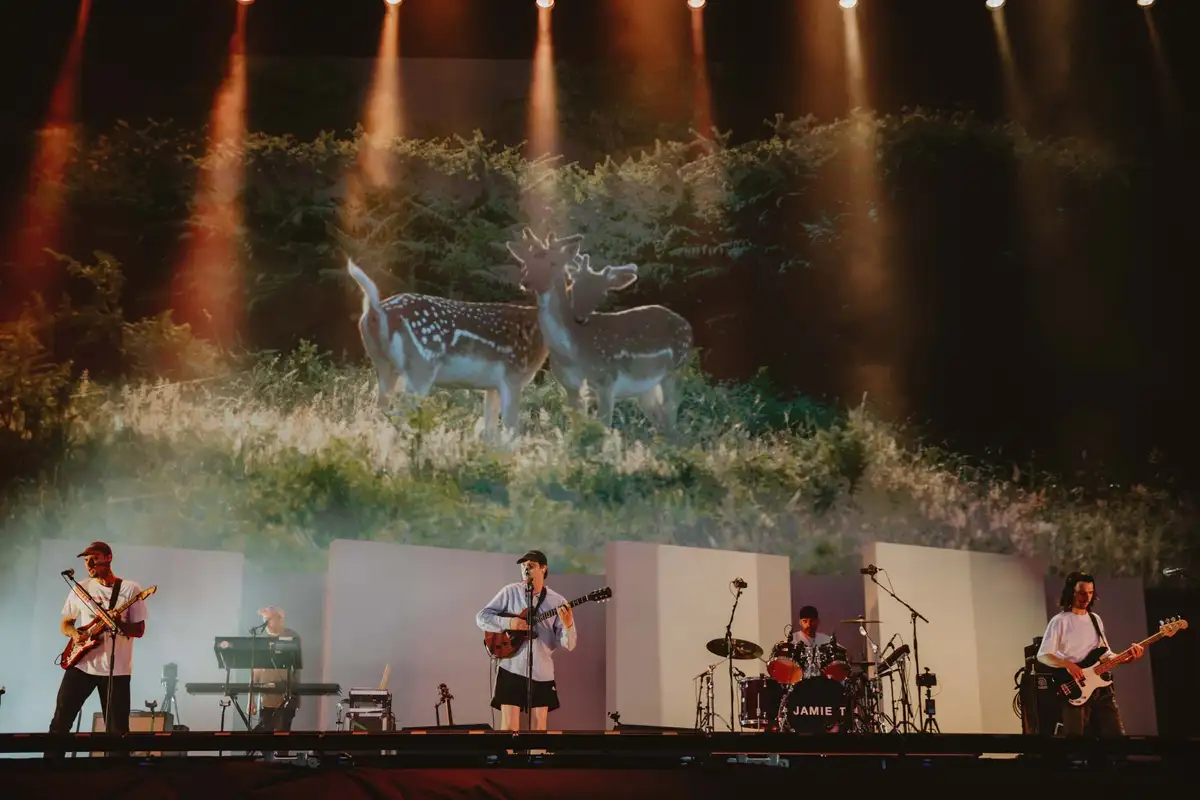
St George’s Wharf’ sits elegantly next to ‘Emily’s Heart’ in a lovely intimate acoustic moment. “This is the first time we’ve played outside in the dark,” he declares mid-set. Time plays tricks, and that fact is a strange thing to consider. Looking back, the arc of Jamie T has seen him forever riding an upward curve, and that doesn’t go unappreciated. “We’ve been doing this for 20 years, and we’ve done it the right way,” he says, cloaked in a Wimbledon AFC shirt as a nod to his roots. “Thanks for sticking with us.” Heartfelt declarations like these churn up a beautiful homecoming atmosphere, a perfect setting for the triple-punch encore of ‘Sheila’, ‘Sticks ‘n’ Stones’ and ‘Zombie’.
For ‘Sticks n Stones’ he brings out The Maccabees’ Hugo White, the friend who gave him his first guitar at 16. Just before 'Zombie' he assists in a marriage proposal, and it harnesses the crowd’s lairy camaraderie and brings the intimacy of a misty-eyed night at the boozer it becomes "a family affair”.
Stereophonics had initially planned to release a greatest hits album to mark their 25th anniversary in 2022. But during the process of digging through old material for bonus tracks, they stumbled upon a treasure trove of new songs. Uncovering tracks like ‘Forever’, a sweeping, emotional ode to escapism and unconditional love, made frontman Kelly Jones reconsider the idea entirely. Instead of looking back, the band turned their focus forward, pouring that energy into creating a brand-new album. The result was ‘Oochya!’, a record that feels like a greatest hits album of new songs.
Spanning the emotional and sonic spectrum of the Stereophonics catalogue, ‘Oochya!’ is a celebration of everything the band does best: storytelling, melody, grit, and heart. It’s an album that distils 25 years of experience into one dynamic, confident, and wide-ranging record. Tracks like ‘Do Ya Feel My Love?’ channel that familiar Stereophonics swagger, blending soaring guitars with a hook that feels instantly classic. It's one of the finest songs they’ve ever released.
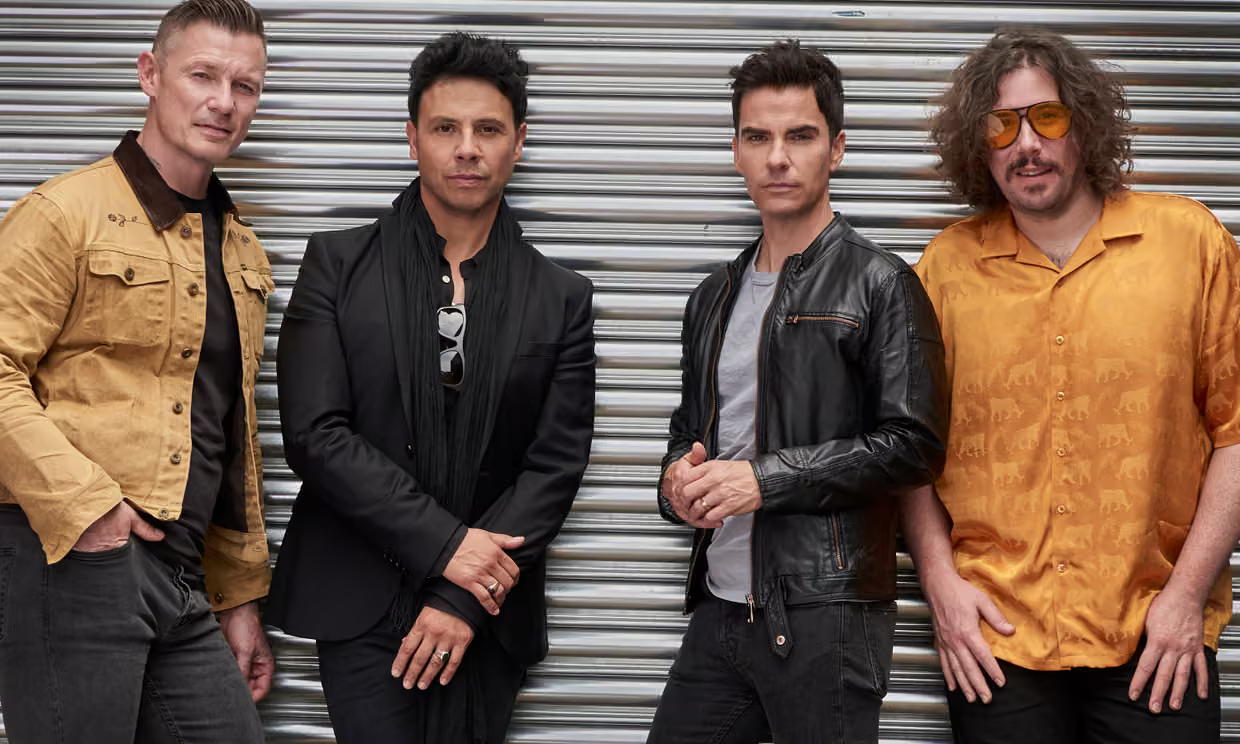
Elsewhere, ‘Right Place Right Time’ showcases the band’s reflective side, offering a wistful look at fate, timing, and how life can change in an instant. ‘Running Round My Brain’ delivers a darker, more psych-rock edge, while ‘Hanging On Your Hinges’ kicks the album off with a jolt of raw, rock ’n’ roll energy, reminding us just how tight and explosive they are as a live band.
What’s most impressive about ‘Oochya!’ is how vital it sounds. This doesn’t feel like a band trying to recapture former glory or make a safe, late-career victory lap. Instead, it’s bold, loud, and full of intent, a reminder that Stereophonics are still evolving, still passionate, and still writing some of the best music of their career. The album doesn’t just revisit past sounds; it refreshes them. It’s got the crunch of ‘Language. Sex. Violence. Other?’, the melody of ‘Performance and Cocktails’, and the emotional maturity of ‘Graffiti on the Train’, all wrapped in a modern polish.
Liam Gallagher released ‘C’Mon You Know’ in 2022, his third solo studio album and arguably his most experimental to date. While it may not be his strongest record overall, it showed that Liam wasn’t content to coast on nostalgia. Tracks like ‘Moscow Rules’, co-written with Ezra Koenig of Vampire Weekend, took an unexpectedly brooding, atmospheric turn, while ‘I’m Free’ offered a strange, almost psychedelic groove that left fans divided. The album felt like a restless attempt to push boundaries, sometimes landing, sometimes not, but you couldn’t fault him for trying something different.
Even if the album itself didn’t resonate with everyone, 2022 was still nothing short of monumental for Liam and Stereophonics. In fact, it may well have been one of the best years of their lives. Stereophonics celebrated their 25th anniversary with the release of 'Oochya!' and Liam played two unforgettable nights at the Etihad Stadium, home of his beloved Manchester City, in front of tens of thousands of adoring fans. And, as if that wasn’t enough, he returned to Knebworth for two historic shows not in 1996, but in 2022. A full-circle moment that not only paid tribute to Oasis' legendary past but also proved just how far Liam had come on his own.
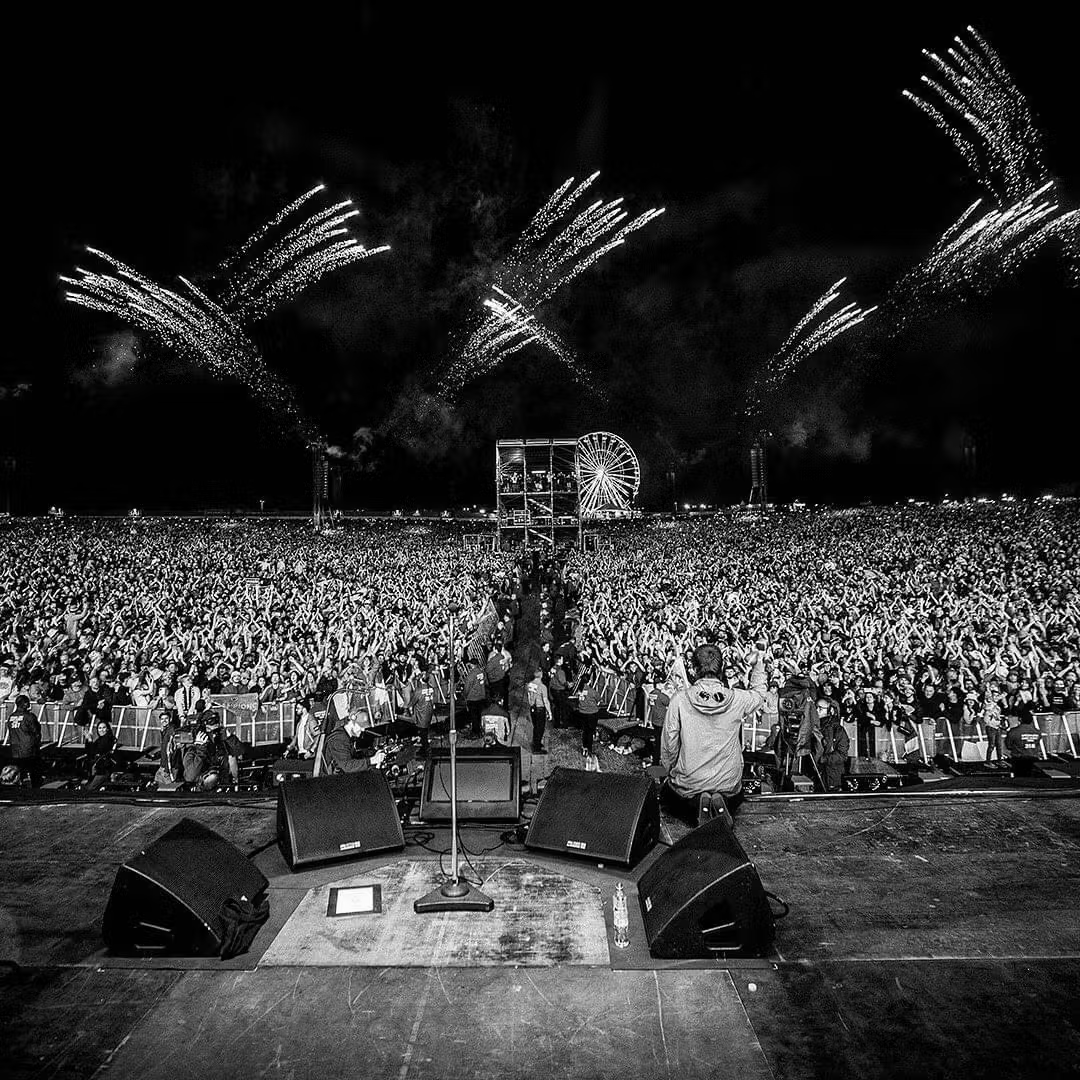
What made Liam Gallagher's solo success even more remarkable was his independence. He achieved it entirely on his own terms, without an Oasis reunion or help from his brother. It was just Liam, his band, and an army of fans who adore him for who he is now. He stepped out from the shadow of Oasis, away from constant comparisons to Noel, and proved that he was more than a voice from the past. He captured the hearts of a new generation of teenagers, all while holding onto the loyal fans who’d been with him since the '90s.
On stage, Liam remains a force of nature. His voice may be weathered, but it still carries the same swagger and soul that made him iconic in the first place. Whether he’s belting out solo hits like ‘Wall of Glass’ or resurrecting Oasis classics like ‘Rock 'n' Roll Star’ and ‘Slide Away’, there's a sense of timelessness in the air. 2022 reminded us that while albums may come and go, Liam Gallagher live is a different beast entirely, a rock star in the truest sense.
With 'The Car', Arctic Monkeys took another bold left turn, further departing from their early indie-rock swagger and venturing deeper into cinematic territory. The album is drenched in lush, orchestral arrangements and noir-inspired storytelling, with Alex Turner’s smooth, crooning vocals the thread that holds it all together. Where their previous record, 'Tranquility Base Hotel & Casino', hinted at loungey, retro-futurist vibes, 'The Car' dives headlong into classic drama, full of sweeping strings, brass flourishes, and an unmistakable sense of melancholy and sophistication.
Notably, the rest of the band were not sidelined. Matt Helders’ drumming adapted beautifully to the slower, more restrained tempo, offering precision and subtlety rather than bombast. Jamie Cook’s guitar lines became more textural and atmospheric. At the same time, Nick O’Malley’s bass added warmth and depth to the orchestrated soundscape. As a unit, they sounded more confident than ever in this new artistic direction.
Opener ‘There’d Better Be a Mirrorball’ sets the album’s wistful tone. With its shimmering guitars and stately pace, Turner’s lyrics evoke the afterglow of a relationship, his voice aching with longing and resignation. ‘Body Paint’ stands out as one of Arctic Monkeys’ most ambitious and affecting tracks to date, building from a smoky, slow-burning groove into a grand, theatrical climax. Here, the band’s use of cinematic instrumentation is at its most vivid, with emotionally charged strings underpinning Turner’s introspective storytelling.
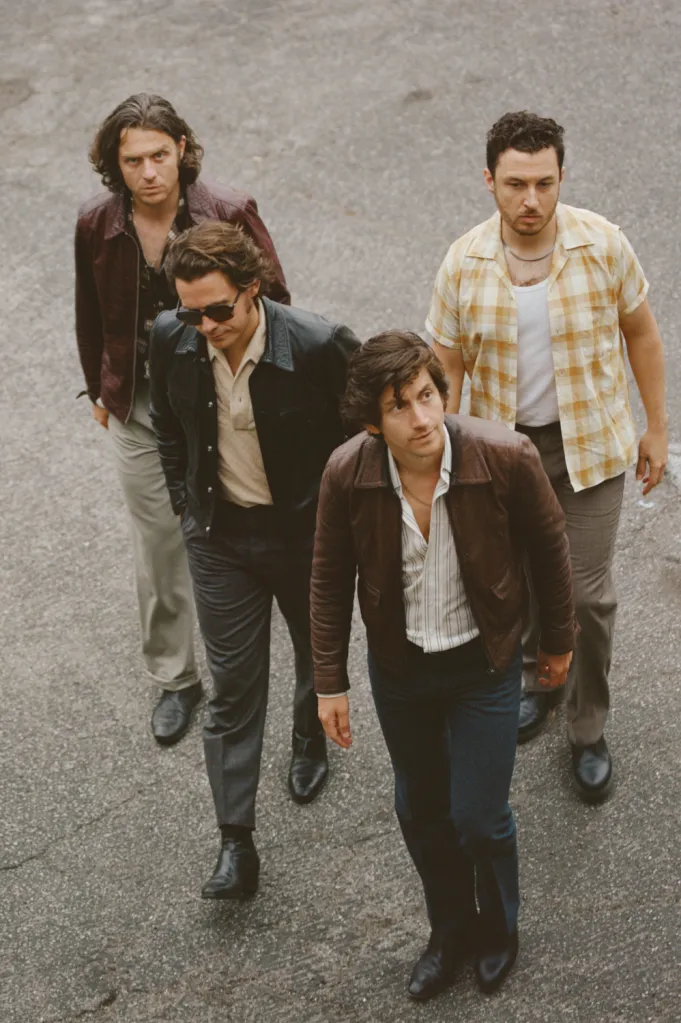
‘Sculptures of Anything Goes’ brings a darker, more experimental edge, driven by ominous synths and a brooding, hypnotic beat that recalls the atmosphere of classic film noir. On the title track, ‘The Car’, Turner muses on fame, memory, and the surreal detachment of modern life, all wrapped in swirling orchestrations and sly lyrics. ‘Big Ideas’ is perhaps the most meta moment on the album, a song about writing a song, brimming with self-awareness and the band’s signature wit.
'Body Paint' showcases drama, ambition, and lush orchestration. The song, drawing from the 1970s, envelops lush strings and cinematic textures in a unified band effort. At its core, 'Body Paint' explores the murky waters of emotional manipulation and self-deception. Lyrically, it is Turner at his most evocative and biting. He opens with a scathing observation:
The "tanning booth" is a classic Turner metaphor, representing artificiality and the effort to keep up appearances, implying the creation of a false exterior to avoid exposing deeper emotions. The "body paint" marks a secret life or serves as a mask hiding vulnerable truths: "Still a trace of body paint / On your legs and on your arms and on your face." Turner ultimately turns the lens on himself, admitting, "I'm keepin' on my costume... I'm callin' it a writin' tool," thus acknowledging his participation in the ongoing performance and self-presentation.
Other highlights include ‘Hello You’, which injects a playful, almost Beatles-esque energy with its infectious melody and lively arrangement, and ‘Jet Skis on the Moat’, a track that perfectly blends the album’s lush textures with Turner’s cryptic, evocative lyricism. Throughout, the band’s musicianship is razor-sharp, every detail meticulously crafted, and the production, helmed by longtime collaborator James Ford, gives the album a timeless, cinematic sheen.
Lyrically, The Car finds Turner at his most enigmatic and poetic, weaving vignettes of faded glamour, love lost, and the strange passage of time. The album is less about instant gratification and more about mood, subtlety, and atmosphere, inviting listeners to immerse themselves and discover new layers with each spin.
As a body of work, The Car confirms Arctic Monkeys as a band unafraid to challenge expectations and reinvent themselves. Rather than chasing former glories, they continue to push forward, crafting music that is as compelling and mysterious as ever. It’s a late-period masterpiece; one that rewards patience and deep listening, and stands as a testament to the band’s enduring creativity and ambition.
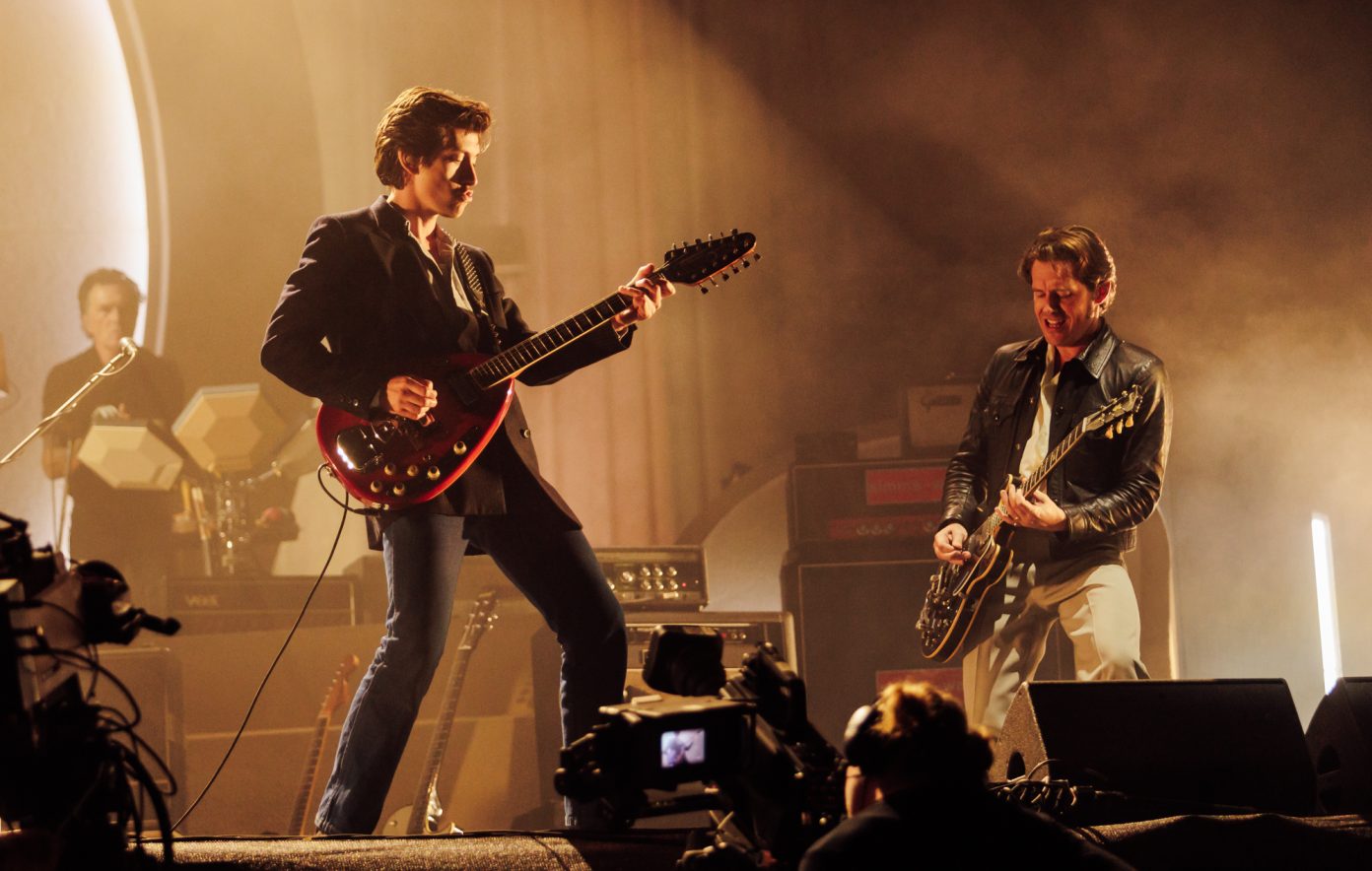
In 2023, Arctic Monkeys embarked on a world tour in support of The Car, with a significant UK stadium run and massive dates across Europe and North America. Kicking off at Bristol’s Ashton Gate and finishing in Glasgow, the UK leg included triumphant homecoming shows at Sheffield’s Hillsborough Park and a sold-out trio at London’s Emirates Stadium each night, supported by high-energy openers The Hives and The Mysterines. Across spring, Europe welcomed the band at venues like Berlin’s Mercedes‑Benz Arena and Paris’s Accor Arena, with Irish indie-rockers Inhaler joining as support. Their autumn North American tour saw Dublin’s post-punk darlings Fontaines D.C. open each night.
The 1975 would also release record in 2022, one that would see them evolve again, this time by stripping things back. They had released their genre-defying, career-defining albums ‘Notes on a Conditional Form’ and ‘A Brief Inquiry into Online Relationships’. These albums, which delved into serious topics, also showcased the band's sense of humour. This humour is a key element in their latest offering, a straight-up pop album in 2022. Think Peter Gabriel, Bruce Springsteen, and even Hall & Oates. It’s an excellent pop record with clever, humorous lyrics, LCD Soundsystem references, and a couple of love songs mixed in. It's quite comfortably the bands most accessible record since their debut.
Titled ‘Being Funny in a Foreign Language’, the album marked a return to tighter song structures, warmer production, and a more human, emotionally grounded approach. Produced by Jack Antonoff, it traded sprawling experimentation for emotional immediacy, focusing on intimacy rather than excess.
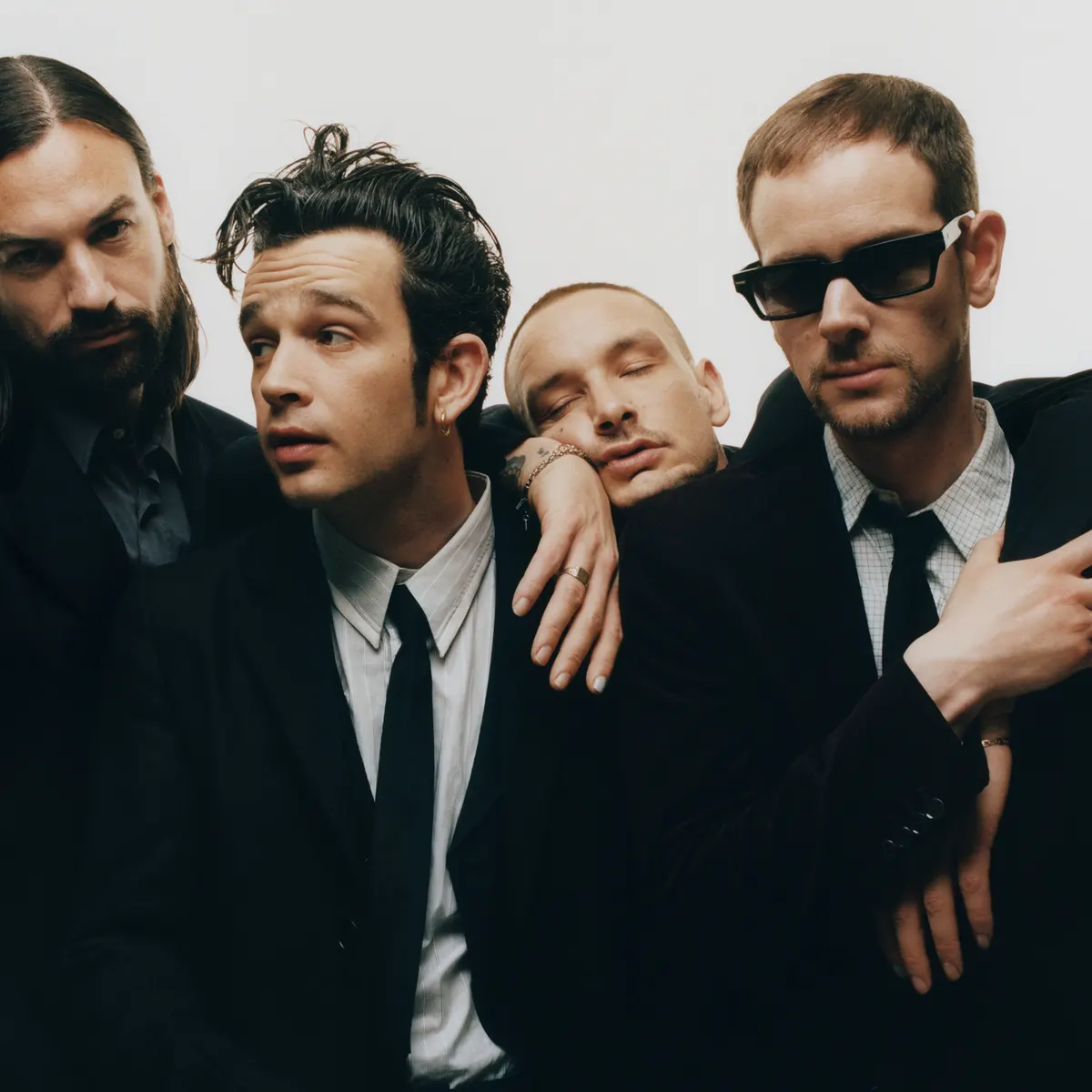
The opener, ‘The 1975’, sets the tone with its introspective piano and spoken-word lyricism, establishing an atmosphere of vulnerability and reflection that runs throughout the album. ‘Happiness’ bursts forth with shimmering synths, funky guitars, and infectious hooks, capturing the euphoria and uncertainty of falling in love. ‘Looking for Somebody (To Love)’ is a taut, 80s-infused pop track with pounding drums and bright synths, where Matty Healy’s lyrics explore the longing for connection and the anxious search for affection, all set against an irresistibly upbeat backdrop.
Part of the Band’ stands out for its poetic stream-of-consciousness and playfully self-referential lyrics, blending delicate strings with off-kilter rhythms as Healy muses on modern romance, fame, and self-awareness. ‘Oh Caroline’ is an instant pop classic, boasting an anthemic chorus and sparkling production, tailor-made for festival singalongs and radio play alike. ‘I’m In Love With You’ channels the band’s knack for joyous, high-energy indie pop, overflowing with warmth and exuberant hooks that have quickly made it a fan favourite.
The album’s softer side is showcased in tracks like ‘About You’, which bathes heartbreak in a haze of reverb, layered harmonies, and wistful guitar, evoking a sense of longing and nostalgia. ‘When We Are Together’ closes the album on a gentle note, its acoustic strum, subtle strings, and bittersweet lyrics capturing the intimacy and fragility of love in the face of change. Elsewhere, cuts like ‘Wintering’ bring a burst of narrative storytelling, with Healy painting vivid scenes of family gatherings and Christmas chaos over jaunty, uptempo instrumentation. ‘Human Too’ offers a moment of disarming honesty, with Healy reflecting on mistakes, forgiveness, and the desire to be understood.
Throughout, the album feels like The 1975 rediscovering their core identity: less digital anxiety, more heart-on-sleeve sincerity, all without losing the wit, curiosity, and unpredictability that have always set them apart. Each song brings a unique mood or perspective while collectively weaving a cohesive, emotionally resonant whole.
The album was notable for its brevity, featuring just eleven tracks, making it the band's shortest release to date, yet arguably their most cohesive. Where previous albums sprawled with chaotic ambition, 'Being Funny in a Foreign Language' felt refined and intentional, each track serving a clear emotional or narrative purpose. Matty Healy’s lyrics were as self-aware and sharp as ever, balancing irony with vulnerability in a way only The 1975 can. The instrumentation leaned heavily on rich analogue textures, lush strings, clean guitars, and vintage synths, giving the album a timeless quality that nodded to 80s pop while sounding entirely contemporary. Critically acclaimed and commercially successful, the record reaffirmed The 1975’s place as a band still capable of evolving while maintaining their distinct voice.
Foals would claim the Album of the Year crown with 'Life is Yours', the perfect antidote to the lockdown blues. Written during the pandemic, the album feels anything but confined. It showcases the band letting loose and embracing a joyous, carefree vibe. The record is filled with tales of nights out, holidays, and youthful excess, something that lifts your spirits the moment you hear it. It’s the modern-day 'Technique', solidifying Foals as one of the UK’s finest while also getting you onto the dancefloor with its infectious energy.
No one expected this type of album from Foals, it's bright, sun-drenched production and relentless sense of optimism is not what we'd expect, especially after what had come before. Discussing the record, the band shared, “We were reminiscing about parties, club nights, and those moments of youthful abandon. The excitement before stepping out, meeting up with friends, the wild abandon. ‘Who’s got the pingers? Where are we going?’ It's all about that youthful excess of going out.”
Opening with the title track, the album bursts into life with shimmering guitars, buoyant rhythms, and Yannis Philippakis’s unmistakable vocals radiating hope and possibility. ‘Wake Me Up’ is a euphoric, funk-driven anthem, its punchy bassline and soaring chorus channeling the anticipation of freedom and the joy of summer nights out. ‘2am’ pulses with glossy synths and a driving beat, capturing the longing and late-night escapism of the album’s most danceable moments, its infectious chorus destined to echo across festival fields.
‘Looking High’ is pure festival euphoria, with bright melodies and sparkling guitar licks conjuring the feeling of nostalgia for better times, while ‘Crest of the Wave’ offers a breezy groove, shimmering with escapist energy and sun-soaked textures. ‘2001’ is a slice of indie-disco bliss, its grooving bass and playful hooks tailor-made for soundtracking the return to dancefloors everywhere. Elsewhere, ‘Under the Radar’ stands out for its introspective lyrics and dynamic arrangement, hinting at the uncertainties and anxieties that linger beneath the album’s carefree surface.
‘The Sound’ is another highlight, balancing a propulsive rhythm with expansive synths and an anthemic chorus; the kind of track that demands to be played loud, arms aloft. ‘Wild Green’ closes the album on a note of renewal and possibility, its triumphant refrain and lush instrumentation offering a final burst of hope and celebration.
Throughout ‘Life is Yours’, Foals are at their most accessible and unabashedly fun, but the album is also a statement of resilience and joy, a soundtrack to reopening, reconnecting, and reclaiming lost time. Every track is designed to move you, both physically and emotionally, making it a defining album for a generation ready to celebrate life again.
While the early 2020s saw a wave of established acts reinventing themselves, it was also a golden era for the UK’s post-punk and indie resurgence. Bands like Yard Act, Dry Cleaning, and Squid brought vital new energy to the scene, combining sharp social commentary and wiry, inventive musicianship.
Yard Act rapidly established themselves as one of the most exciting and witty new British bands with their debut album, ‘The Overload’. Their songs are built on taut, minimalist grooves, basslines that slither and snap, sharp guitar stabs, and insistent, motorik drums. Over these, frontman James Smith delivers a stream of droll, observational lyrics, skewering everything from late capitalism to social media, Brexit, and the artifice of modern life.
Tracks like ‘The Overload’ and ‘Rich’ bristle with sardonic humor and rhythmic urgency, while ‘Tall Poppies’ showcases the band’s ability to balance storytelling with infectious hooks. Yard Act’s music is both a critique and a celebration of Britishness, offering up kitchen-sink drama for a new era.
Squid took post-punk in an even more experimental direction with their debut, ‘Bright Green Field’. Their sound is a restless, genre-blurring mix of math-rock, krautrock, and jazz, full of jarring rhythms, angular guitars, and bursts of brass. Singer-drummer Ollie Judge’s yelped, unpredictable vocals add a sense of urgency and unease, while the band’s penchant for shifting time signatures and dynamic build-ups creates songs that feel like sonic rollercoasters.
Tracks like ‘Narrator’ and ‘Paddling’ are chaotic and exhilarating; political, surreal, and never content to sit still. Squid’s music captures the anxiety and kinetic energy of the age, making them one of the most adventurous bands to emerge from the UK’s new underground.
Dry Cleaning brought a different kind of tension to the scene with their debut album ‘New Long Leg’. Built around Florence Shaw’s deadpan, spoken-word vocals, their songs unfold like overheard conversations, full of dry wit, surreal imagery, and observations about everything from supermarket trips to existential dread. The band’s sound is taut and hypnotic, interlocking bass and drums, wiry guitar riffs, and an undercurrent of controlled chaos.
Tracks such as ‘Scratchcard Lanyard’ and ‘Strong Feelings’ exemplify their unique style: mundane, yet poetic; detached but strangely intimate. Dry Cleaning’s music is both a mirror and a send-up of modern life, capturing the anxious banality of the 2020s with a sly sense of humor and relentless groove.
Together, Yard Act, Squid, and Dry Cleaning helped define a new era for British guitar music, one marked by sharp social commentary, sonic experimentation, and a refusal to play by old rules. Their rise from grassroots venues like The Windmill to festival stages and Mercury Prize shortlists is testament to the enduring power and adaptability of the UK’s indie scene.
No band embodied the spirit of this new era quite like Wet Leg; they exploded onto the UK indie scene in 2021 with a sense of fun and irreverence that felt like a breath of fresh air. The Isle of Wight duo, Rhian Teasdale and Hester Chambers, created a sensation with their debut single ‘Chaise Longue’, a wry, infectious post-punk earworm built on deadpan vocals, spiky guitars, and a sly sense of humor. The song’s instantly quotable lines (“Is your muffin buttered?”) and looping riff became an indie anthem almost overnight, catapulting the band into the spotlight.
Their self-titled debut album, released in 2022, lived up to the hype and then some. Wet Leg’s songs are short, sharp, and full of wit, pairing danceable grooves and surf-inspired guitar licks with tongue-in-cheek lyrics about late-night parties, millennial ennui, and the awkwardness of modern relationships. Tracks like ‘Wet Dream’ and ‘Ur Mum’ showcase their playful lyricism and knack for crafting hooks that stick in your head for days. There’s a refreshing lack of pretension to their music: it’s smart, but never self-serious; catchy, but never formulaic.
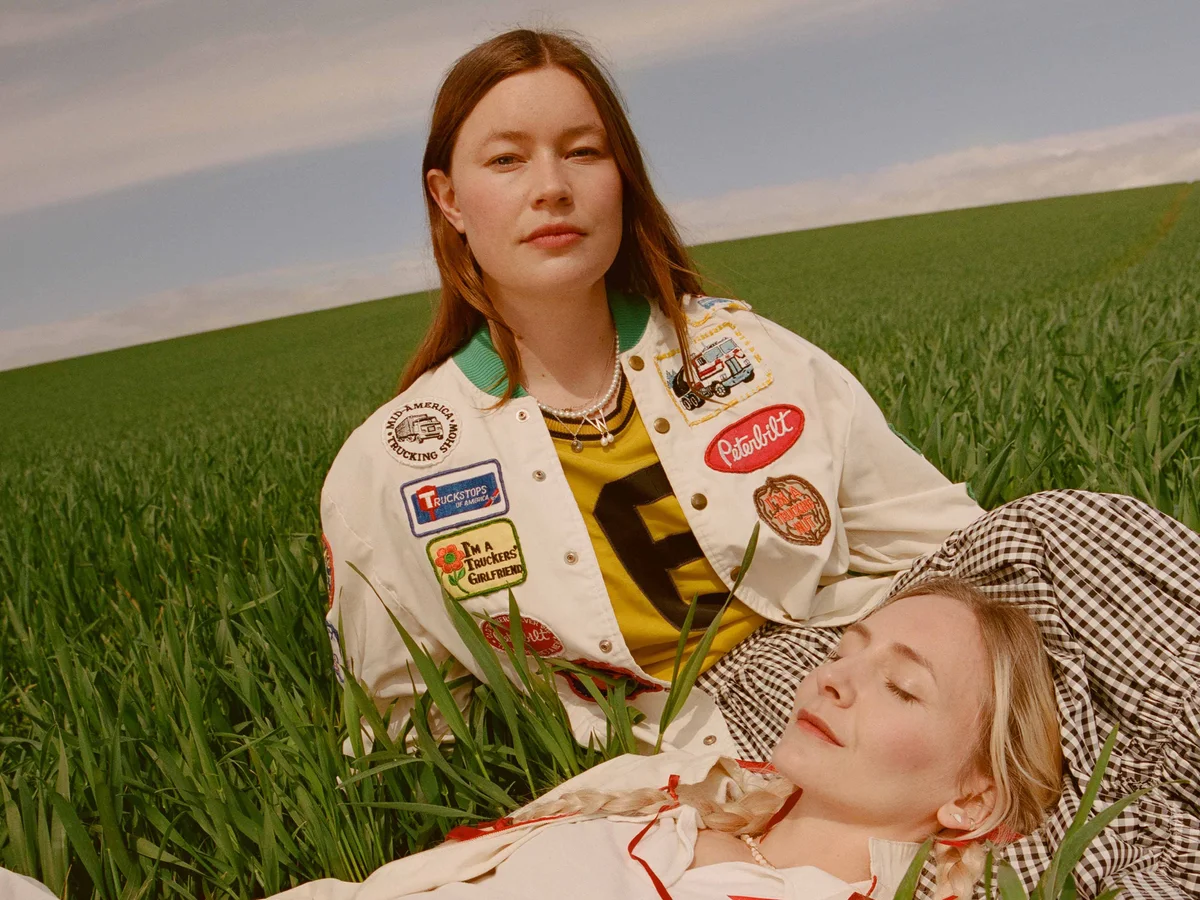
Wet Leg’s rise was meteoric, earning them Brit Awards, Grammys, and packed festival stages on both sides of the Atlantic. Their live shows are raucous and joyful, with Teasdale and Chambers’ chemistry and deadpan delivery winning over fans and critics alike. The band’s appeal lies in their ability to blend post-punk cool with pop sensibility, creating songs that are both immediately accessible and full of sly subtext.
Meanwhile, Black Midi and Black Country, New Road rose from the fertile DIY scene centred in London.
Black Midi quickly became one of the most innovative and unpredictable forces in British music. Their debut album, Schlagenheim (2019), is a dizzying collision of math-rock, post-punk, avant-garde jazz, and noise, driven by Geordie Greep’s cryptic lyrics and the band’s virtuosic musicianship. Tracks like ‘953’ and ‘bmbmbm’ are frantic, shape-shifting journeys, full of explosive tempo changes, jagged guitars, and moments of pure chaos. The album’s complexity never overshadows its sense of playfulness; even at their most abrasive, Black Midi keep you guessing, and grinning.
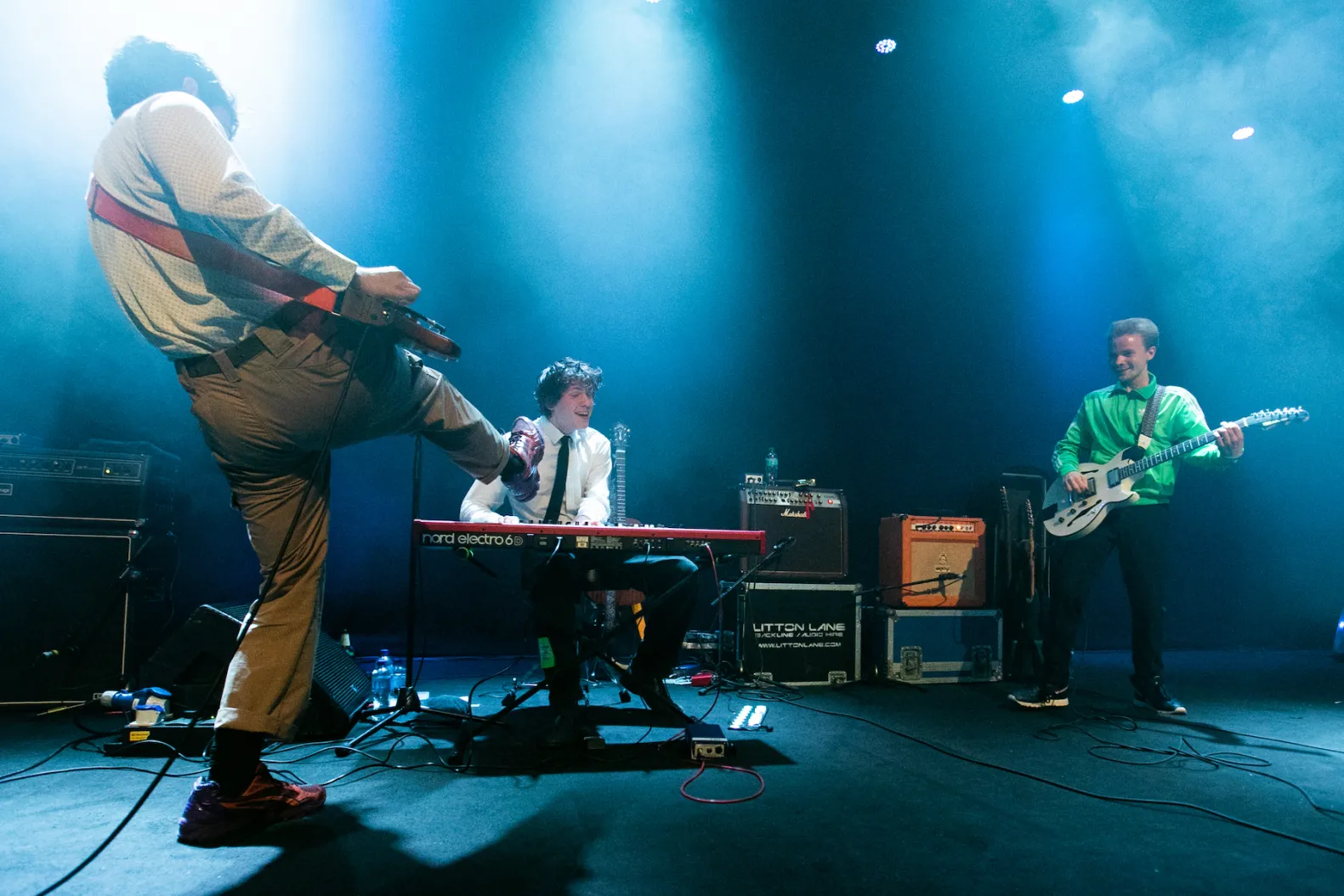
With their second record, Cavalcade (2021), the band expanded their palette even further. Here, they incorporated lush arrangements, brass, strings, and more overtly theatrical songwriting. Songs like ‘John L’ and ‘Chondromalacia Patella’ showcase their love of odd time signatures and unpredictable structures, while ‘Slow’ and ‘Marlene Dietrich’ reveal a more melodic, even cinematic side. 'Cavalcade' is at once abrasive and beautiful, a wild ride that cements Black Midi as true experimentalists, never content to repeat themselves, always searching for new sonic territory.
Hellfire (2022) continues their evolution, ramping up both the intensity and the storytelling. Described by the band as “an epic action film,” the album unfolds like a fever dream: rapid-fire narratives, surreal characters, and genre-hopping instrumentals. Tracks like ‘Sugar/Tzu’ and ‘Eat Men Eat’ are breakneck and theatrical, while ‘The Race Is About to Begin’ and ‘Welcome to Hell’ merge cabaret, jazz, and hard rock into something entirely their own.
Black Country, New Road’s records feel like dispatches from an alternate timeline of British indie, one where post-rock, klezmer, jazz, and theatrical songwriting all occupy the same stage. Their debut, For the First Time (2021), turned heads with its serpentine song structures and Isaac Wood’s poetic, emotionally raw lyrics. ‘Athens, France’ and ‘Sunglasses’ are sprawling, multi-part epics that move from spoken-word fragility to cacophonous explosions, capturing the nervous energy of youth and the ache of outgrowing your own mythology. ‘Track X’ is more subdued and melodic, revealing the band’s gift for cinematic atmosphere.
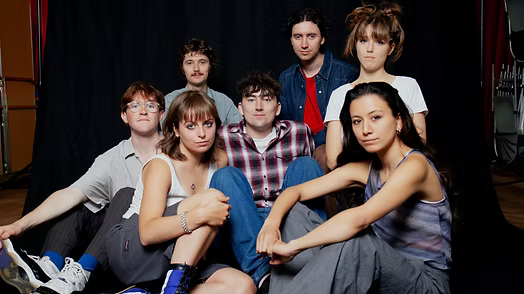
Their second album, Ants From Up There (2022), is even more ambitious and emotionally charged. Here, the band wraps Wood’s confessional storytelling in lush, orchestral arrangements, strings, brass, and woodwinds layering over dynamic drums and guitars. ‘Chaos Space Marine’ opens the record with exuberance and drama, while ‘Concorde’ and ‘Good Will Hunting’ are heartfelt, winding ballads full of longing and resignation. ‘Snow Globes’ is a slow-building, cathartic masterpiece, and ‘The Place Where He Inserted the Blade’ stands out as one of the most devastating and beautiful songs in modern indie.
Both albums are united by a sense of communal musicianship and emotional honesty. BC,NR’s ever-shifting arrangements, intricate interplay, and willingness to embrace both the awkward and the sublime have made them one of the most critically acclaimed bands of their generation.
Much of this scene’s experimental spirit can be traced back to nights at The Windmill, Brixton. It became legendary as the beating heart of South London’s experimental music renaissance. More than just a venue, it’s a crucible for creativity, a place where bands are encouraged to take risks, break down barriers, and build genuine community. With its “no headliners” policy, DIY ethos, and the iconic pub dog Stella watching from the stage, The Windmill has been instrumental in nurturing a generation of bands who have gone on to redefine British indie and post-punk.
Shame were among the first of this new wave to break through, their debut 'Songs of Praise' (2018) heralding a return to raw, energetic, outspoken guitar music. Powered by Charlie Steen’s charismatic stage presence and the band’s relentless rhythm section, Shame’s songs are both cathartic and confrontational, taking on themes of masculinity, disillusionment, and self-examination. Tracks like ‘Concrete’ and ‘One Rizla’ blend wiry guitars with anthemic choruses, while their sophomore album, Drunk Tank Pink (2021), pushed their sound into more experimental territory, exploring claustrophobia, anxiety, and the surreal strangeness of adulthood with tracks like ‘Alphabet’ and ‘Snow Day’.
Goat Girl have carved out their own distinct niche in the scene, blending post-punk edge with woozy psychedelia and folk influences. Their self-titled debut (2018) is full of jangling guitars, sardonic wit, and darkly surreal storytelling, ‘The Man’, ‘Country Sleaze’, and ‘Cracker Drool’ capture the grit and absurdity of modern life in London. With their second album, 'On All Fours' (2021), Goat Girl expanded their palette: swirling synths, experimental rhythms, and lush harmonies underpin tracks like ‘Sad Cowboy’ and ‘Badibaba’. The result is music that feels simultaneously grounded and otherworldly, equally at home in a sweaty venue or drifting through headphones on a rainy night.
The Windmill scene has fostered an environment where young musicians can fail, evolve, and ultimately create music that feels urgent and new. It’s a place that values community over competition, and as a result, has produced some of the most forward-thinking and essential British guitar music of the decade.
It was also during this era that vinyl sales soared to their highest levels in decades. For a generation raised on streaming, the return to records wasn’t just about nostalgia, it was about reconnecting with the physicality and ritual of music. The artwork, the liner notes, the act of putting a record on: it all became part of the experience again, helping fans forge a deeper, more tangible relationship with the albums they loved. For artists, it meant thinking about how their records would look, feel, and sound on wax, and for fans, it was a way of making music feel personal and permanent in an increasingly digital world.
One of the most iconic live moments of this period came in 2022, when Paul McCartney headlined Glastonbury at age 80, delivering a historic, career-spanning set that bridged generations.
Taking to the Pyramid Stage on the Saturday night, McCartney opened with the Beatles’ classic 'Can’t Buy Me Love', immediately launching tens of thousands of festival-goers into a mass singalong. The setlist was a dream tour through pop history: from Wings hits like 'Band on the Run' and 'Live and Let Die' (complete with fireworks and pyrotechnics), to Beatles standards including 'Hey Jude', 'Let It Be', 'Get Back', and 'Helter Skelter'. Each song became a communal celebration, spanning generations and bringing together lifelong fans and first-time Glasto attendees alike.
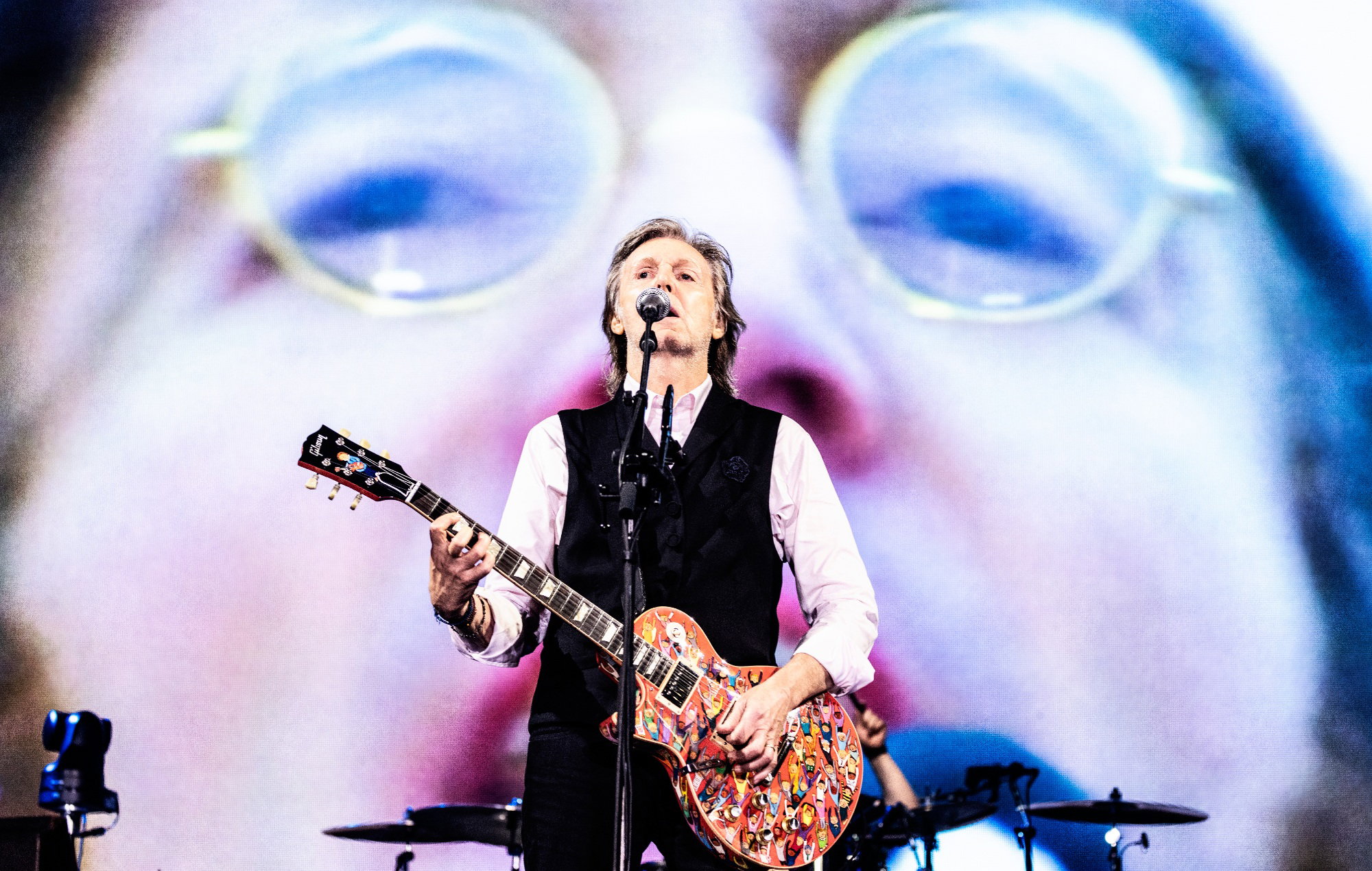
One of the most talked-about moments was McCartney’s use of cutting-edge technology to duet virtually with John Lennon on 'I’ve Got a Feeling', using isolated vocals from the famous rooftop concert, a moving tribute that left much of the crowd teary-eyed. The surprises didn’t end there: he brought out Dave Grohl (fresh from Foo Fighters’ hiatus) for a raucous 'I Saw Her Standing There' and 'Band on the Run', and then welcomed Bruce Springsteen onstage for 'Glory Days' and 'I Wanna Be Your Man'. The Pyramid Stage felt like the center of the musical universe.
By the time McCartney closed with a euphoric 'Hey Jude', leading a call-and-response with the vast crowd under the stars, the sense of occasion was overwhelming. It wasn’t just a nostalgia trip, it was a testament to McCartney’s enduring cultural importance, his ability to unite people of all ages, and the unique magic that only Glastonbury can conjure. For many, it was the pinnacle of the 2022 festival season: a night when music, memory, and community came together in perfect harmony.
The festival circuit reached another peak at Reading & Leeds 2022, showcasing the genre-spanning energy of the new era. This year was especially historic, as Arctic Monkeys headlined their first UK show in four years, making their return one of the most eagerly anticipated events of the festival season. The sense of expectation was electric as the band took to the stage, opening with new material from 'The Car' before launching into a barrage of beloved classics. Every note rang with the weight of their absence: the roar that greeted the first chords of ‘505’ and ‘I Bet You Look Good on the Dancefloor’ was deafening, a collective release from fans who had waited years for this moment. Alex Turner’s charismatic stage presence held the massive crowd in rapt attention, seamlessly bridging the old and the new. The setlist was a testament to the band’s evolution and their enduring appeal, Arctic Monkeys proving once again that they remain one of the defining acts of their generation.
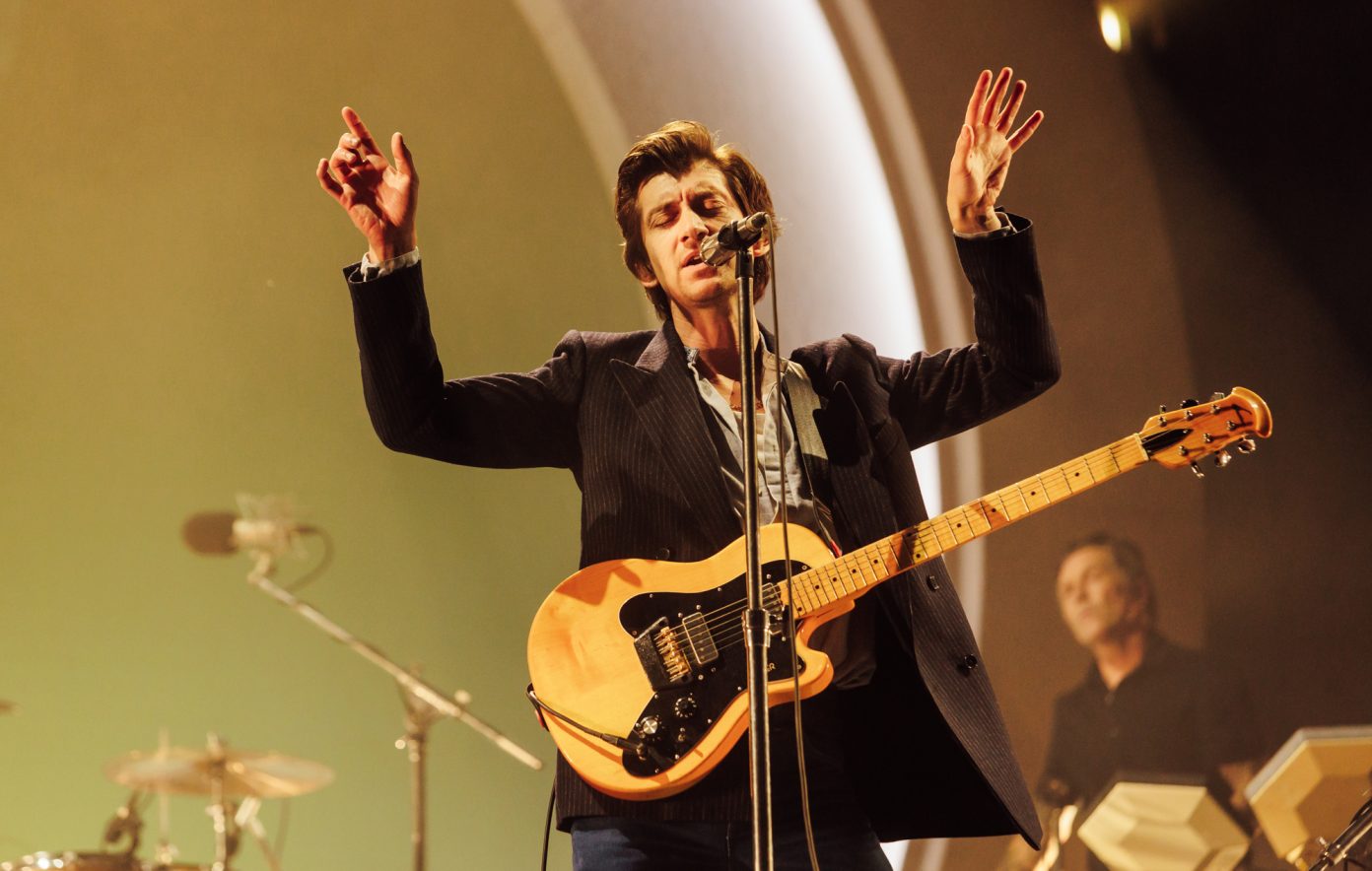
The 1975 stepped in as last-minute headliners, delivering a celebratory, career-spanning set that marked a decade since their debut. Before taking to the stage, they promised "just fucking bangers", a pledge that Matty Healy and company more than delivered on. The set was a non-stop run-through of crowd favourites from every era, skipping the deep cuts in favour of pure energy and euphoria. Matty Healy’s playful, self-aware banter kept the atmosphere loose and joyful, while the band’s tight musicianship turned the main stage into a giant party. Their performance became an instant highlight of the weekend, a reminder of The 1975’s unique connection with their fans, and their ability to turn a festival headline slot into a communal celebration.
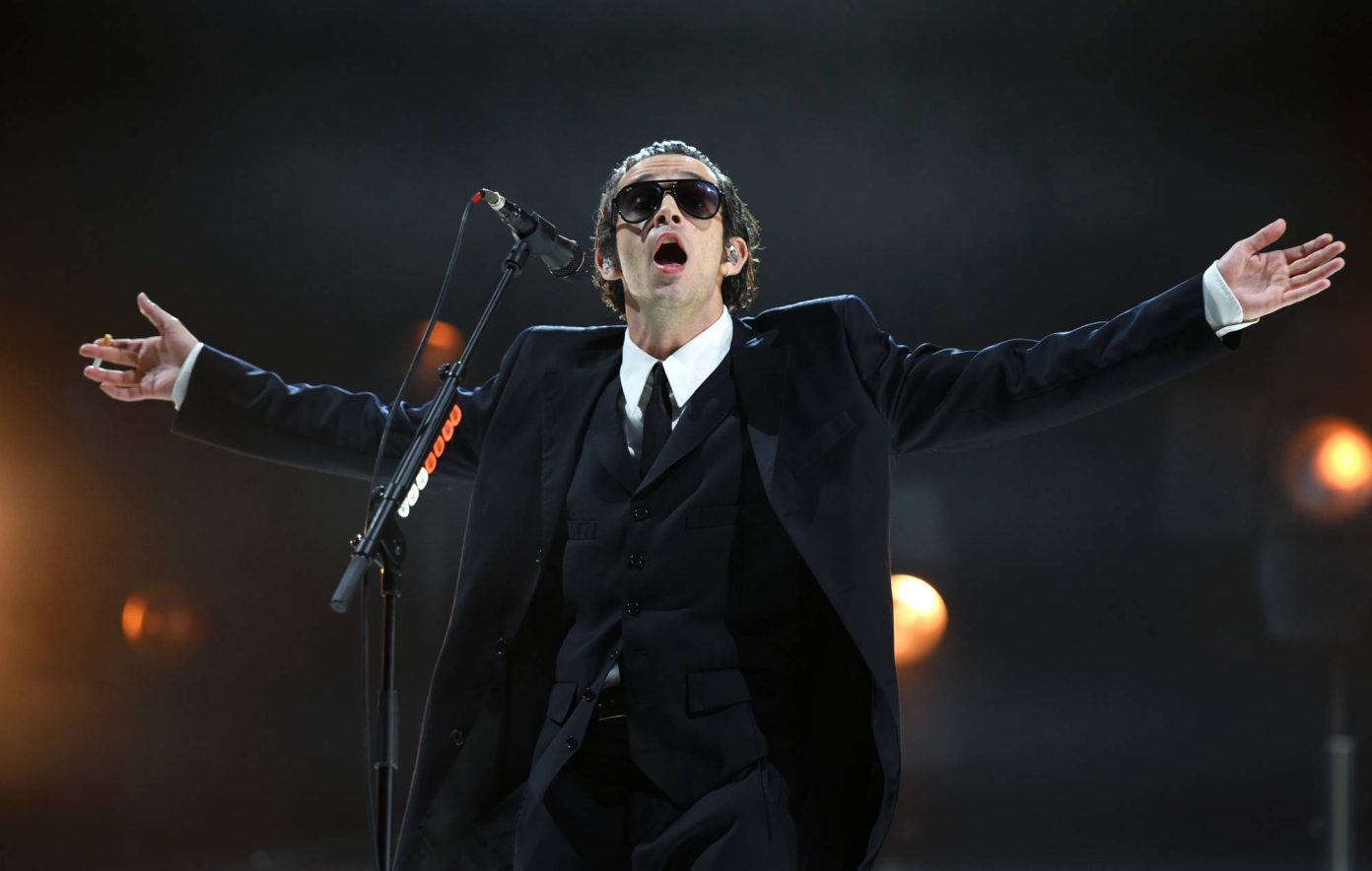
Wolf Alice brought both ferocity and tenderness to the main stage, with Ellie Rowsell’s vocals soaring through anthems like ‘How Can I Make It OK?’ and ‘Smile’, confirming their place as festival royalty. Fontaines D.C., meanwhile, turned their set into a moment of pure, communal connection: the band enlisted super-fan Dexter from the crowd to shred the guitar during ‘Boys In The Better Land’, who wore a shit-eating grin as he became a temporary member of the Best Band In The World. The band’s blend of intensity and warmth made for one of the weekend’s most memorable moments.

Dave’s headline performance was historic—he became the youngest solo artist to top the bill, delivering a politically charged, musically ambitious show that showcased the growth of UK rap on the biggest stages. His ability to hold the crowd in the palm of his hand, mixing sharp lyricism with emotional resonance, marked a generational shift and proved that the British festival landscape had truly opened its arms to a new kind of headliner.
'Heavy Heavy' by Scottish band Young Fathers is nothing short of a revelation—an album that explodes with life, spirit, and radical creativity. The record opens with the urgent, sprawling ‘Rice’, immediately setting the tone with its tribal drums and communal chants. ‘I Saw’ pulses with relentless energy, fusing gospel vocals and post-punk grit.
‘Geronimo’ is a standout, building from hushed intimacy to a euphoric, cathartic climax, while ‘Tell Somebody’ slows the momentum with exposed vulnerability, the band’s harmonies aching over skeletal instrumentation. ‘Drum’ is a percussive tour de force, as propulsive as it is hypnotic, and ‘Shoot Me Down’ blends industrial textures with raw soul. Throughout, ‘Heavy Heavy’ is a masterclass in genre-blurring and emotional power: every track feels vital, unpredictable, and alive. At its core, it’s pop music, but it embraces influences from across the globe with a kind of fearless inventiveness that feels more like a movement than a genre.
'Heavy Heavy' is the sound of borders dissolving musically, emotionally, and culturally. It's a musical journey that connects you to a global community, echoing West African rhythms, gospel fervour, post-punk urgency, electronic experimentation, and industrial rawness. All these influences are wrapped around deeply human lyrics that touch on identity, love, politics, and survival. It’s music for dancing, for thinking, for letting go. It can punch you in the chest or lift you off the ground, often in the same song.
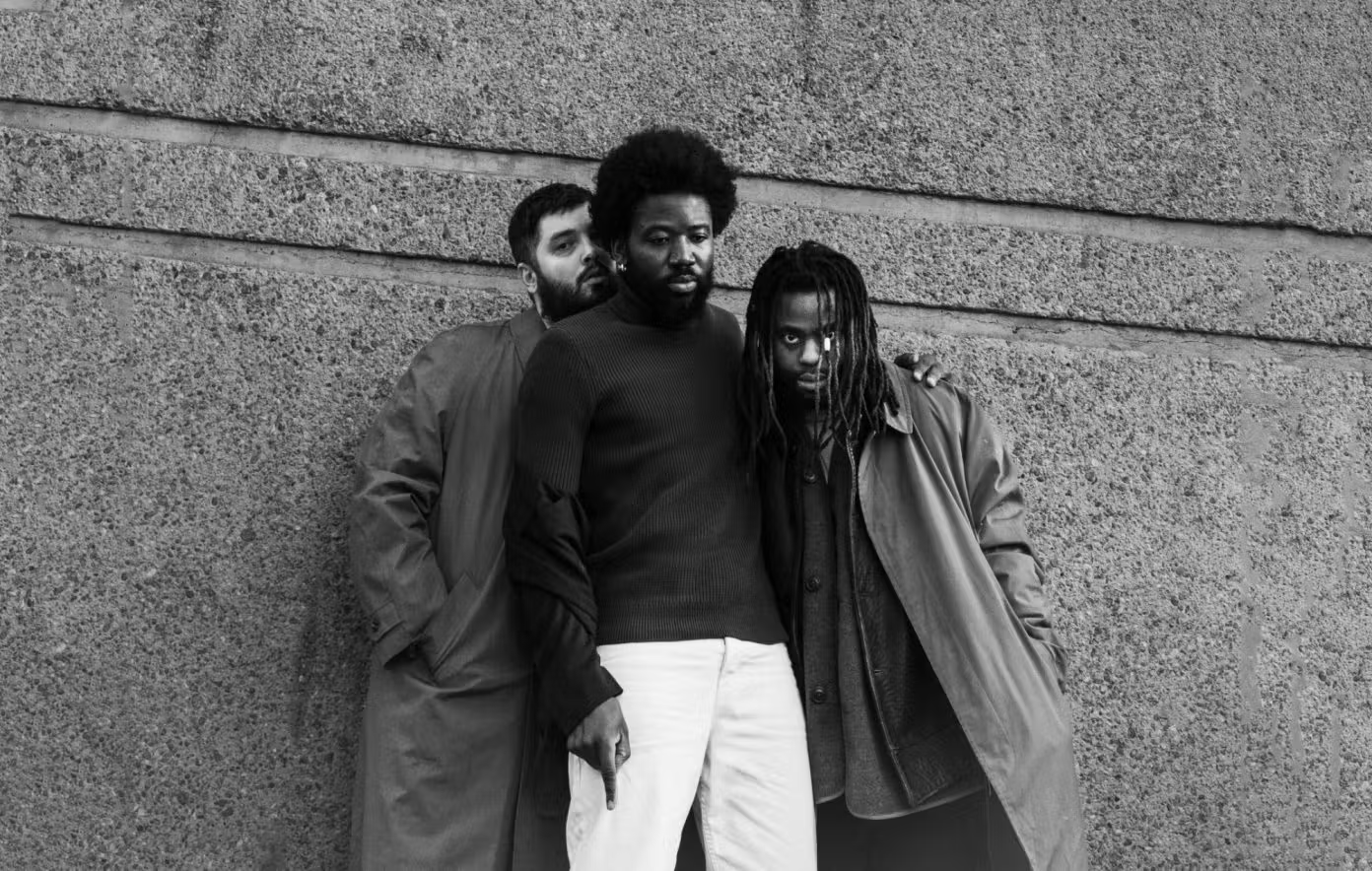
To truly appreciate ‘Heavy Heavy’, it’s worth looking back at the band’s previous work. Young Fathers first turned heads with their 2014 Mercury Prize-winning debut ‘Dead’, a genre-defying record blending hip-hop, soul, and global rhythms. Songs like ‘Get Up’ and ‘I Heard’ were immediate standouts—raw, infectious, and bursting with fearless creativity. Their follow-up, ‘White Men Are Black Men Too’, pushed further into politically charged territory, while 2018’s ‘Cocoa Sugar’ refined their sound with shimmering synths and gospel-fuelled anthems like ‘In My View’ and ‘Toy’.
The band also contributed the rousing ‘Only God Knows’ to the T2 Trainspotting soundtrack, a testament to their knack for anthemic, communal music. Across all their albums, Young Fathers have constantly reinvented themselves, blending styles and influences while staying true to their emotional intensity and sense of adventure. ‘Heavy Heavy’ feels like the culmination of everything they’ve built, a celebration of the band’s journey so far, and a thrilling leap into the future.
What makes 'Heavy Heavy' so powerful is its refusal to be pinned down, a testament to what pop music can become when you tear up the rulebook and make something that sounds like now and forever at the same time.
Jungle’s journey also deserves mention in the context of the decade’s most inventive UK acts. Their self-titled debut ‘Jungle’ (2014) made an instant splash, blending neo-soul, funk, and electronic grooves, and turning tracks like ‘Busy Earnin’’ into modern dancefloor staples. The record’s lush production and collective spirit defined their early sound, making them festival favourites.
Their second album, ‘For Ever’ (2018), expanded their sonic palette, weaving in West Coast sunshine and heartbreak. Singles like ‘Heavy, California’ and ‘Happy Man’ brought a breezy, bittersweet edge, but deeper cuts such as ‘Casio’ and ‘Cosurmyne’ showed Jungle’s knack for pairing sleek grooves with yearning, romantic undertones. ‘Casio’ in particular became a fan favourite with its infectious hook and shimmering, nostalgic feel, while ‘Cosurmyne’ added emotional depth to the group’s dancefloor-ready sound.
But it was their third album, ‘Loving in Stereo’ (2021), that truly brought Jungle’s euphoric, party-starting energy back to the fore. Tracks like ‘Keep Moving’, ‘All of the Time’, and ‘Talk About It’ are driven by irresistible hooks, disco-infused basslines, and a sense of communal celebration. ‘Keep Moving’ in particular became a post-lockdown anthem, capturing the spirit of resilience, movement, and togetherness that defined the era. Across these records, Jungle have remained masters of groove, continually evolving while never losing their core mission: to make music that lifts you up and brings people together.
The decade was only just getting started though, and a few of the old guard were about to come back out to play.