Blur: Live at the Budokan
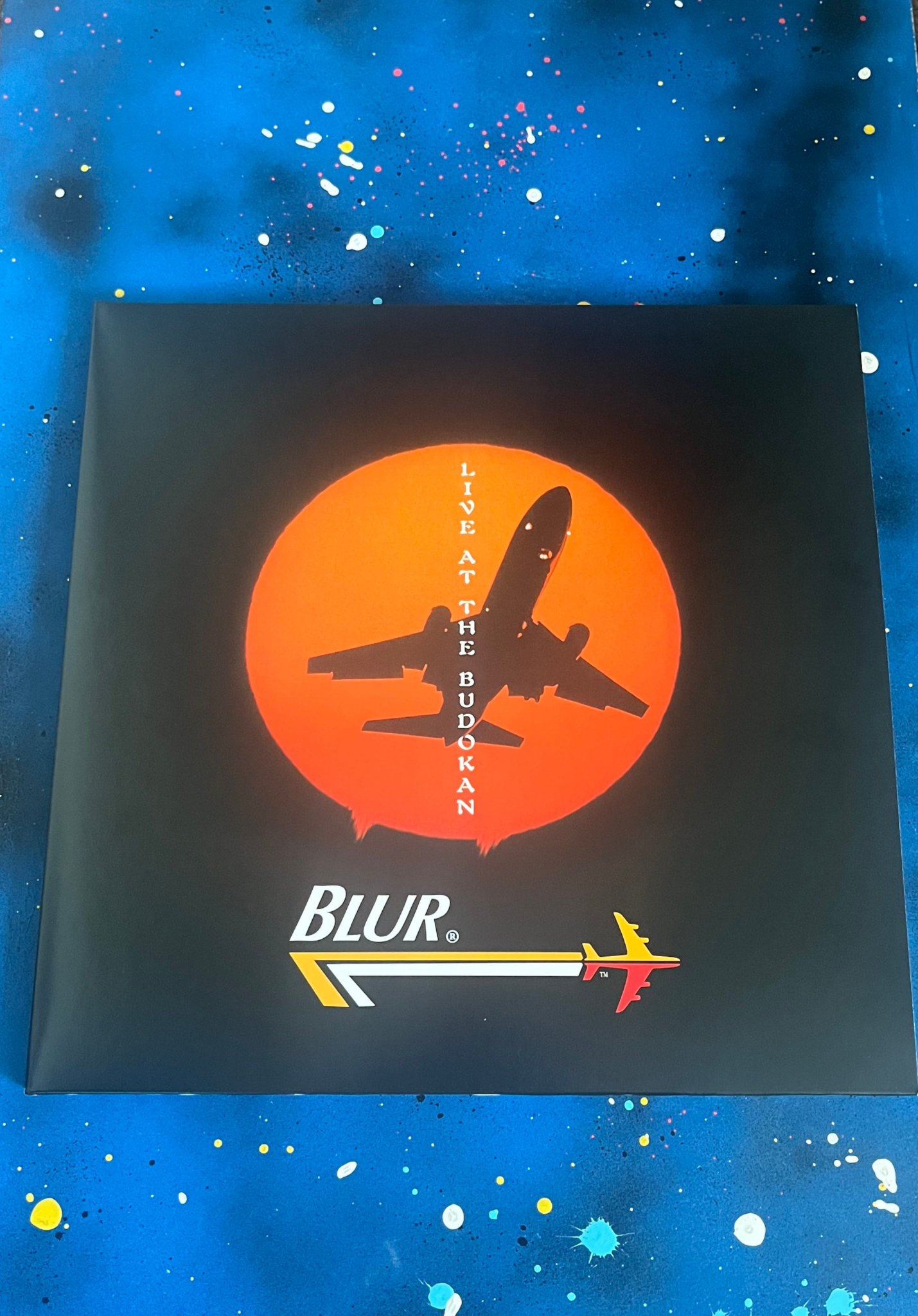
'Live at the Budokan' captures Blur at a really interesting period, and until 2014 it could only be heard in Japan. Its original Japan-only release was a common practice for bands looking to reward a loyal overseas fanbase, but it meant the record remained something of a cult item in the UK, known about, but rarely heard.
This year, to celebrate the album's 30th anniversary, it was released as a Double LP for Record Store Day, finally giving it the wider audience it always deserved.
The double record is housed in a gatefold sleeve with printed inners, and features a gloss UV finish on the outer sleeve and a gloss dispersion varnish on the inner sleeves.
Completing the “very special” anniversary version is a centrefold selection of exclusive live photos, captured by photographer Paul Postle on Blur’s 1995 Japanese tour.
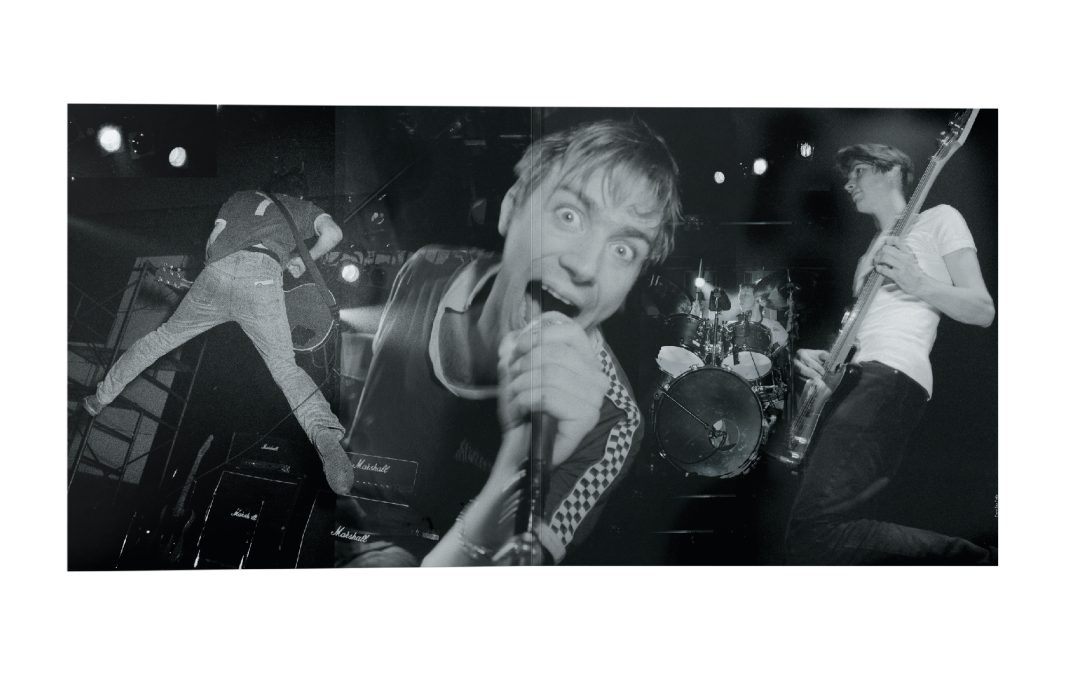
The album was recorded at the band's performance at the Budokan in Tokyo in November 1995, capturing Blur on their 'Great Escape' tour. The Budokan is no ordinary venue; it's the same stage that gave us landmark live records from the likes of Bob Dylan and Cheap Trick, and there's a sense throughout this recording that the band rose to the occasion.
It features all the big hitters, including 'Parklife', 'This Is a Low', 'Country House' and 'The Universal'. Hearing 'Parklife' and 'Country House' in this setting is a particular thrill; both songs were enormous by this point, and the crowd response gives them an anthemic quality that the studio versions, for all their brilliance, simply can't replicate.
All of which are given a new lease of life, there's plenty to discuss on the record. 'Girls & Boys', for example, is slowed down to almost a ballroom waltz tempo, slower than the studio version, but the reduced pace works in its favour. It strips away some of the song's dancefloor urgency and allows Albarn's sardonic lyrics to come to the forefront, giving the song an almost theatrical quality. Coxon's guitar throughout is crisp and assured, cutting through the mix with a precision that anchors the whole performance.
'This Is A Low' is a highlight of every Blur show, and this performance is no different. Albarn's delivery is wistful and melancholic, and the song's sweeping, hymn-like quality feels even more expansive in a live setting, filling the Budokan with something close to grandeur.
'The Universal' brings the performance to an end, and there's something special about hearing it in this context. Released just weeks before this show, it would have been a brand new song to most of the audience, and you can sense that in the performance. The band are still inhabiting it, finding the emotional weight of it in real time, and Albarn delivers the melody with a quiet conviction that feels earned rather than rehearsed. It's a song that would go on to become one of Blur's most beloved, but here it exists in that brief window before it became iconic, and that makes it genuinely moving to listen to.
'End of a Century' and 'Popscene' also feature, and the two make for an interesting contrast. 'End of a Century' is one of Blur's most quietly perfect songs, and live, it retains all of its bittersweet charm. Albarn's vocal is understated and conversational, and the song's gentle melancholy lands just as well in a vast arena as it does through headphones.
'Popscene', on the other hand, is a completely different beast. Brash, angular and relentless, it's one of the most thrilling moments on the record, a song that feels like it was built for a live setting. The brass section hits like a freight train, and the energy it generates is infectious. It's a reminder of just how far ahead of the curve Blur were in the early nineties. It's one of the bands most singular efforts and after what was a rather average first record, it set them up to be argubaly Britain's most important band of the 1990s.
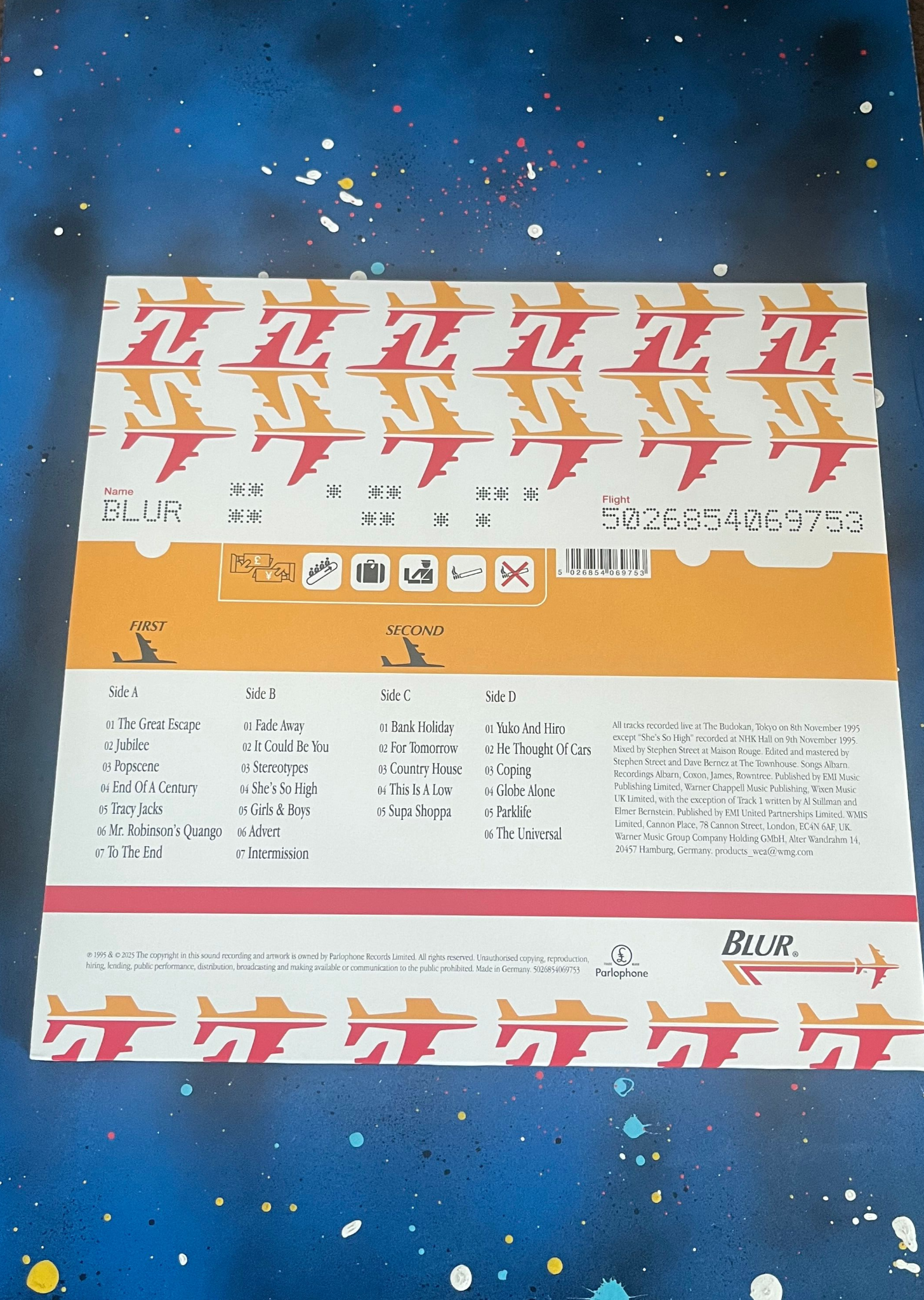
The most interesting thing about this record, though, is some of the lesser-known tracks that feature on it. The Great Escape album is well represented here, and hearing these songs in a live setting gives them a rawness and urgency that the polished studio versions don't always convey. 'Globe Alone' stands out in particular; it's so unique on the record, backed by snarling vocals and almost video game sound effects. Live, it takes on a strange, frenetic energy, the kind of song that must have baffled and thrilled audiences in equal measure. It's a reminder of just how adventurous Blur were at this point, willing to push songs into genuinely odd territory.
'He Thought of Cars' is given more of an edge when performed live. There's a tension to it that the studio recording holds back; here, it feels like it could unravel at any moment, which suits the song's themes of anxiety and urban dread perfectly. It's still one of the most underrated Blur songs, and contains some of Albarn's finest lyrics. Backed with brass and some of Coxon's finest guitar work, this is a real album highlight, and one that deserves far more recognition in the wider Blur canon.
'Coping', from the band's second album 'Modern Life is Rubbish', is also given a run out, and it's almost punk-like in sound. Stripped back and ferocious, it's a world away from the Britpop polish Blur were known for by 1995, and its inclusion feels like a deliberate nod to where they came from. It's the kind of deep cut that rewards long-time fans, proof that even in a set full of hits, Blur weren't content to play it safe.
'Supa Shoppa' and 'Yuko and Hiro' also make appearances, and both are welcome additions to the setlist. 'Supa Shoppa' almost waltzes along, which suits the live format perfectly. It's a song that feels almost unfinished on record, but here it finds its footing.
'Yuko and Hiro', on the other hand, is one of the quieter moments on the record, a delicate, melancholic song that takes on added poignancy given the Japanese setting. Performed in Tokyo, for a Japanese audience, it feels like more than just a setlist choice; it feels like a genuine gesture.
Fade Away' is another highlight, and arguably one of the funkiest things Blur have ever committed to tape. Live, it's even better. Dave Rowntree is absolutely in his element here, delivering some of the best drumming of his career. There's a looseness and swagger to his playing that drives the whole song forward, and it's one of those performances that makes you wish Blur had leaned into this side of their sound more often. It's a genuine standout moment on the record.
Taken as a whole, 'Live at the Budokan' is a fascinating document of a band at the peak of their commercial powers, yet clearly restless within them. The setlist balances the hits with enough curveballs to keep things genuinely interesting, and the performances throughout are tight without ever feeling mechanical. The recording itself deserves a mention too; it's warm and spacious, capturing both the intimacy of the performances and the scale of the venue without either element overwhelming the other.
The mix gives each instrument room to breathe, and the crowd is present enough to remind you this is a live event without ever becoming a distraction. For anyone who came to Blur late or who has only ever known the studio records, this is an essential listen, a reminder that, despite their studio craft, they were a formidable live band. The 30th anniversary vinyl release is the perfect excuse to finally give it the attention it deserves. It's a brilliant record, and has become a welcome addition in my record collection.