Song Stories: New Order: Age of Consent
‘Age of Consent’ sounds like a band discovering its future without completely escaping its past.
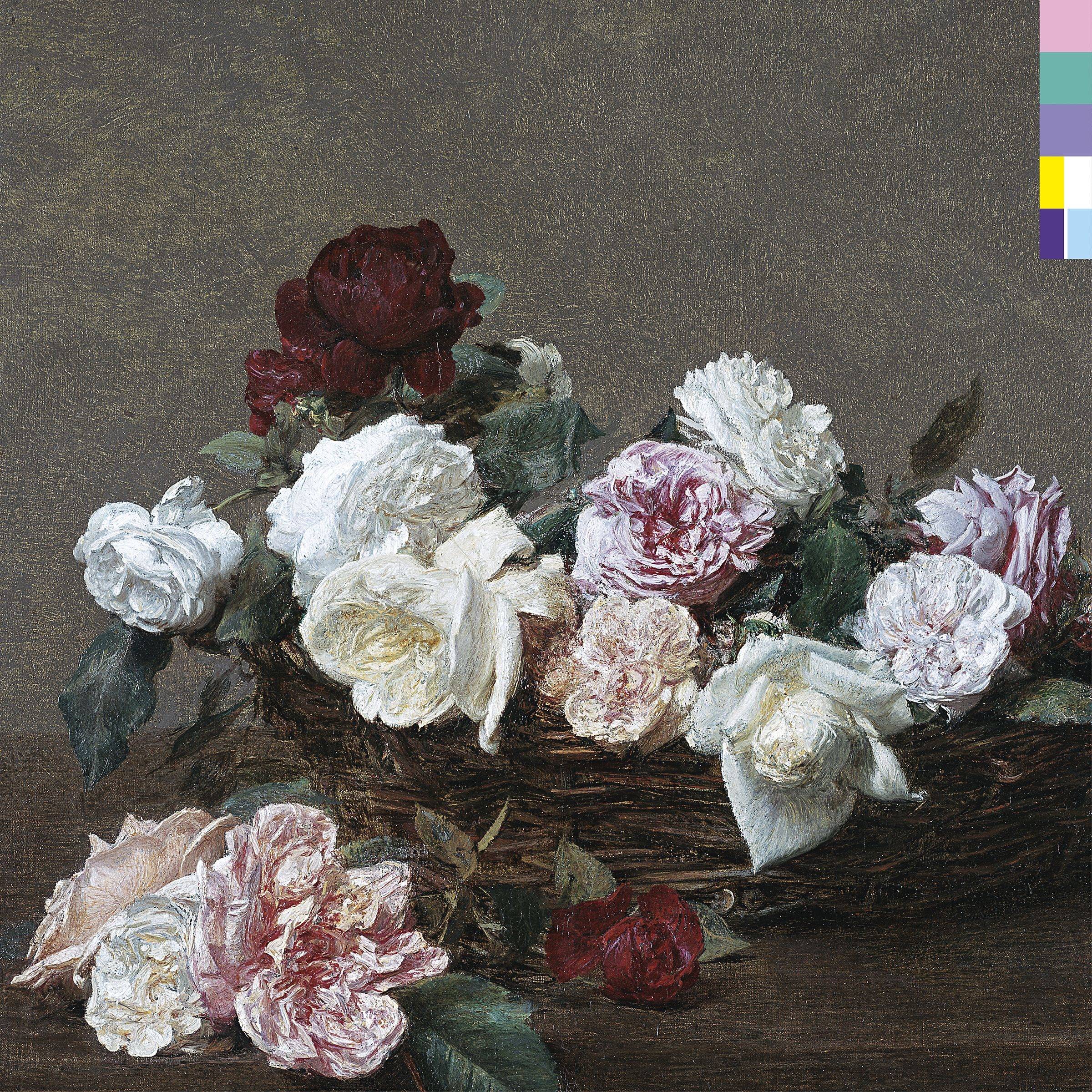
Released in 1983 as the opening track on New Order’s second album, ‘Power, Corruption & Lies’, it arrived at a crucial point in the band’s development. ‘Movement’ had understandably carried much of the weight of Joy Division, but by their second record Bernard Sumner, Peter Hook, Stephen Morris and Gillian Gilbert were beginning to work out what New Order could be on their own terms.
The post-punk foundations were still there. So were the melancholy and emotional distance they inherited from the band before Ian Curtis died. But something brighter was emerging around them: synthesisers, electronic rhythms, pop melodies and a growing fascination with the possibilities of dance music.
‘Age of Consent’ sits directly in the middle of those worlds.
It is not yet the completely electronic New Order of ‘Blue Monday’, nor does it sound like Joy Division attempting to carry on without Curtis. Instead, it captures the point where one identity was finally giving way to another. That is also why I think it is the perfect introduction to ‘Power, Corruption & Lies’, an album that established New Order as a great band in their own right.
What does ‘Age of Consent’ mean?
Despite its bright, almost euphoric sound, ‘Age of Consent’ is anything but a straightforward love song.
The lyrics are usually interpreted as the aftermath of a relationship that has ended without either person quite knowing how to say so. Frustration, emotional distance, and the sense of two people no longer communicating honestly fill the space.
Sumner does not offer a detailed narrative. Instead, he writes in fragments, which makes the song feel less like someone explaining a breakup and more like hearing the thoughts running through their head as it happens.
The narrator does not want to dictate what the other person should do, but equally refuses to simply say whatever they want to hear. That emotional stalemate sits at the centre of the song. They're still attached, but communication has broken down.
That makes the music almost strangely optimistic by comparison.
Peter Hook’s bass races forward, the drums seem desperate to keep moving, and Gillian Gilbert’s keyboards gradually add colour around them, yet Sumner sounds emotionally stuck. The song is constantly moving while the person inside it cannot.
That contradiction is pure New Order.
The title makes things even more ambiguous. Peter Hook has said that ‘Age of Consent’ came from a newspaper discussion about the legal age of consent rather than directly describing the relationship in the lyrics. As with plenty of New Order songs, the title therefore does not hand the listener a neat explanation.
If anything, it adds another layer of unease.
One of Peter Hook’s greatest basslines
Before Bernard Sumner sings a word, ‘Age of Consent’ already belongs to Peter Hook.
The song opens with one of the most recognisable basslines of his career, high on the instrument and playing the kind of melodic lead part that most bands would have given to a guitarist. Hook has since called it his favourite New Order bass riff, describing the song as a gift for a bass player because the entire track is led by it.
It gives the song an immediate feeling of forward motion. Stephen Morris arrives underneath it with drums that are precise without becoming mechanical, while Sumner’s guitar adds sharp, chiming phrases around the edges. Gillian Gilbert’s keyboards enter more subtly, gradually widening the sound rather than announcing New Order’s electronic future all at once.
That balance is important.
‘Age of Consent’ is often discussed as part of New Order’s move toward electronic music, but it is still fundamentally a band playing together. The technology enhances the song rather than replacing the guitars, bass and drums.
That is part of what makes ‘Power, Corruption & Lies’ such an important record. New Order stopped choosing between rock and electronic music and discovered they could coexist.
A piece of Joy Division remained underneath it
The song also has a direct connection to Joy Division.
During a Tim Burgess Listening Party, Stephen Morris revealed that the drums on ‘Age of Consent’ had been recycled from an earlier track. The pattern was identified as coming from the Martin Hannett version of ‘Love Will Tear Us Apart’, with alterations made for the New Order song. Retrospectives on the track have since noted the connection.
It is a brilliant detail because it almost summarises New Order’s entire position in 1983.
The past had not disappeared. It had been repurposed.
A rhythm connected to one of Joy Division’s defining songs now sat underneath a track that sounded considerably brighter, faster and more open than almost anything the previous band had recorded. New Order were not pretending Joy Division had never existed. They were learning how to take what remained and turn it into something new.
That journey is inseparable from the wider story of Factory Records, where New Order’s growing interest in technology, New York club culture and the Haçienda would eventually change not only the band but Manchester itself.
The sound of New Order arriving
Movement’ is a fascinating record partly because you can hear a band trying to work out how to continue after something impossible had happened. ‘Power, Corruption & Lies’ feels different. There is confidence in it.
Even the opening seconds of ‘Age of Consent’ sound less burdened by expectation. Hook’s bassline does not creep into the song; it arrives already moving. Morris immediately locks into it and Sumner’s guitar seems to bounce around the rhythm rather than weigh it down.
Critics have often pointed to the song as the moment New Order finally stepped beyond the uncertainty of their debut. AllMusic described it as a true beginning for the band, while retrospective writing on the album has repeatedly highlighted the unusual warmth and joy in a song that still carries emotional melancholy underneath it.
Joy Division could be beautiful, but beauty often emerged through darkness and claustrophobia. ‘Age of Consent’ lets some light into the room.
The subject matter is still emotionally complicated, yet the music seems determined to move forward anyway.
New Order would push much further into machines, sequencers and dance music almost immediately. ‘Blue Monday’, released in the same period, made that future impossible to ignore. But ‘Age of Consent’ captures something slightly different: four musicians discovering that they no longer needed to sound like anybody except themselves.
The song that opens everything up
Unlike many of New Order’s best-known songs, ‘Age of Consent’ was not originally released as a standalone single, so it did not become a UK chart hit in its own right. ‘Power, Corruption & Lies’, however, reached number four on the UK Albums Chart and became the record that firmly established the band’s new identity.
That perhaps makes the song’s longevity even more impressive. It has become one of the most loved tracks in the New Order catalogue without ever needing the conventional push of a major single. Its reputation grew through the album, live performances and generations of listeners discovering that bassline for the first time.
For me, it eventually became their best song. It also sits at number one in my Top 10 New Order songs.
New Order has more historically significant records. ‘Blue Monday’ changed what electronic pop and club music could be, while ‘Temptation’ arguably marks the first moment the band found the emotional euphoria that would become their trademark.
But ‘Age of Consent’ contains almost everything I love about them in one place.
Hook’s bass is melodic and completely unmistakable. Morris sounds relentless without overwhelming the track. Gilbert’s keyboards introduce something brighter and more expansive, while Sumner’s voice sits somewhere between vulnerability and emotional distance.
The past is there, but so is everything waiting ahead.
I have always thought ‘Age of Consent’ sounds like Manchester, which is admittedly a strange way to describe a song. Every time I hear that opening bassline, though, I am transported there: grey skies, wet streets and that strange mixture of melancholy and possibility that runs through so much music from the city. Maybe that is ultimately why it remains my favourite New Order song. It sounds like rain, but it keeps moving towards the light.