The Best Music Books I've Ever Read: From Oasis and The Smiths to Bowie and The Beatles
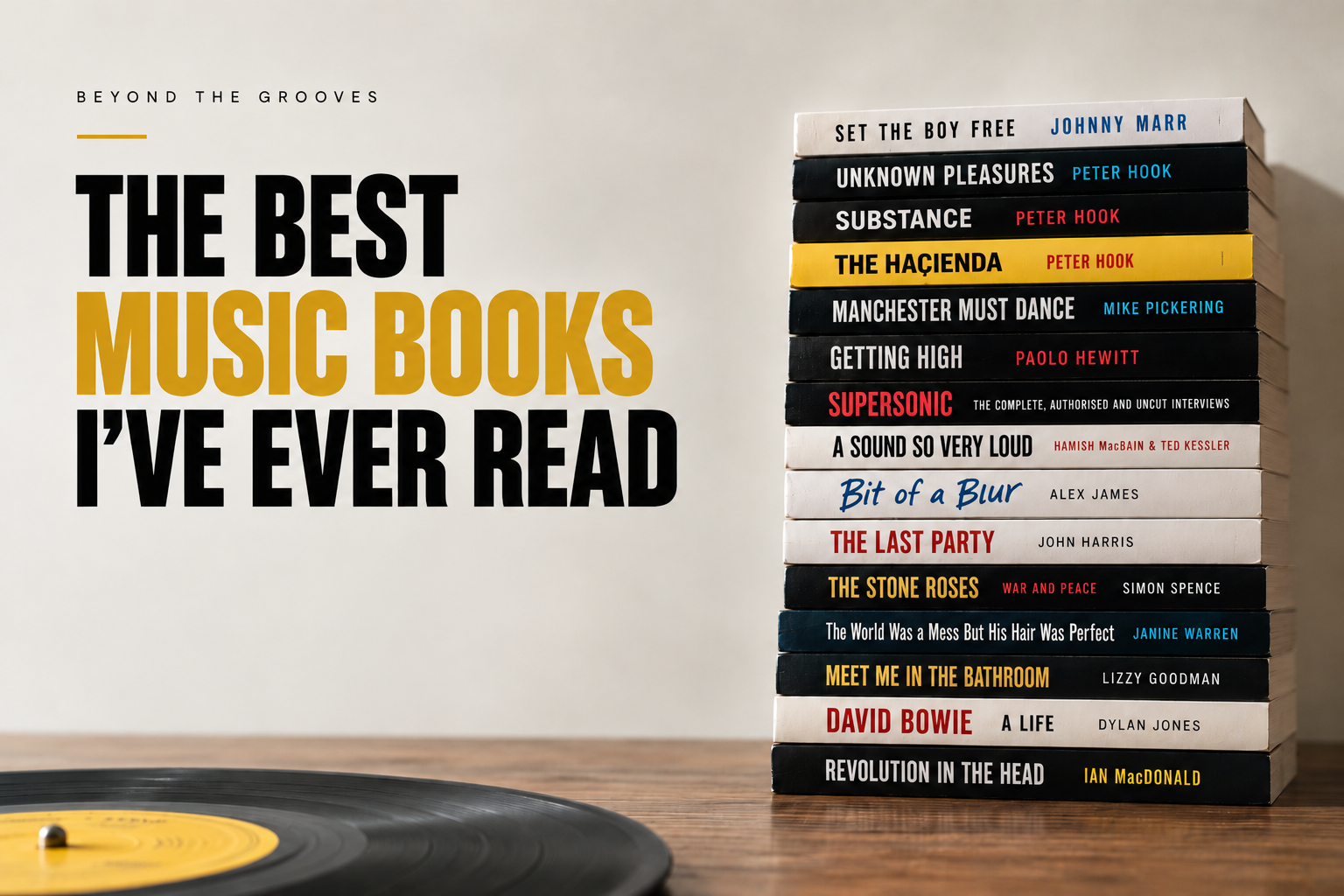
I've never considered myself much of a bookworm. For years, I would happily spend hours listening to albums, watching music documentaries or reading interviews with my favourite artists, but sitting down with a book was something I rarely did. Since starting Beyond the Grooves, however, that has gradually changed.
The more I've written about music, the more I've wanted to understand the people behind it. How certain bands came together, what happened inside recording studios, why friendships collapsed and how a handful of songs could change an entire generation. You can learn plenty from watching a documentary, but sometimes several hundred pages are needed to understand just how ridiculous, complicated or extraordinary the history of a band really is.
Over the last few years, I've found myself reading more biographies, autobiographies and books exploring the history of popular music. I've also begun listening to audiobooks, something that has opened up another way of discovering these stories. Some have made me laugh out loud, others have been genuinely heartbreaking, and a few have completely changed how I look at artists and albums I've loved for years.
What I've particularly enjoyed is discovering the history that exists beyond the records themselves. The arguments, friendships, disastrous business decisions, extraordinary characters and occasional moments of complete madness. Whether it's Peter Hook explaining how New Order managed to lose money while changing British music, John Harris examining the relationship between Britpop and Tony Blair, or Lizzy Goodman documenting New York's remarkable musical revival, these books reveal things that rarely make their way into the songs.
There is also something enjoyable about reading different accounts of the same period. Paolo Hewitt's experiences travelling with Oasis offer a different perspective from the Gallagher brothers' own recollections, while Ian MacDonald's analysis of The Beatles and Hamish MacBain and Ted Kessler's exploration of Oasis demonstrate just how much can be discovered by examining individual recordings.
Below are fifteen of the best music books I've read or listened to. They cover everything from The Beatles and David Bowie to Manchester's musical history, Britpop, Oasis and the indie explosion of the 2000s. This isn't a definitive ranking, although I make no secret of which one is my favourite.
Johnny Marr: 'Set the Boy Free'
Johnny Marr's 2016 autobiography remains my favourite book I've ever read. Considering how much I admire Marr and how important The Smiths are to me, perhaps that isn't particularly surprising. However, my admiration for this book goes beyond the music itself.
'Set the Boy Free' begins with a young Marr growing up in Manchester, becoming fascinated by guitars and discovering the possibilities that music offered. He describes staring through shop windows at instruments he could only dream of owning, practising obsessively and gradually finding other musicians who shared his ambitions. Eventually, he meets Steven Morrissey, and together they form one of the most important British bands of all time.
The Smiths occupy a considerable part of the book, as you would expect. Marr takes us through the recording of their albums, the extraordinary speed at which they developed and the increasingly difficult relationships that eventually brought the group to an end in 1987. What I appreciate is that he never allows the break-up to dominate the story. He explains what happened from his perspective without turning the autobiography into several hundred pages of point-scoring.

There was always more to Johnny Marr than The Smiths, and the rest of the book demonstrates that perfectly. He takes us through his work with The Pretenders, Talking Heads, The The, Electronic, Modest Mouse and The Cribs, alongside his eventual emergence as a solo artist. Every collaboration presents a new challenge, another opportunity to learn something or an excuse to approach the guitar differently.
Marr writes in a remarkably straightforward manner. He doesn't complicate stories unnecessarily, and his enthusiasm for music comes through on almost every page. Even after achieving things most musicians could only dream about, he still sounds like the young lad from Manchester who couldn't believe his luck when somebody handed him a guitar.
I've always admired his refusal to spend the rest of his life looking backwards. The Smiths could have defined his entire career, but he has consistently found new reasons to make music. Reading 'Set the Boy Free' only strengthened that admiration.
It's a wonderful autobiography about friendship, ambition, creativity and the possibilities that open up when somebody decides to follow their passion. I cannot recommend it highly enough.
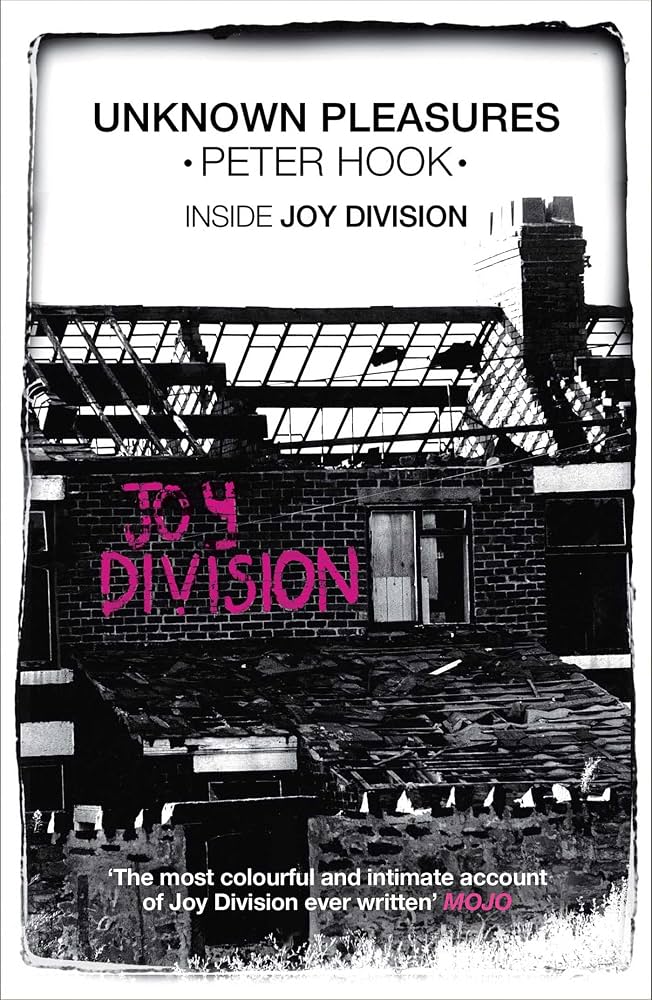
Peter Hook: 'Unknown Pleasures: Inside Joy Division'
Few bands have acquired quite the same mythology as Joy Division. Their two studio albums, 'Unknown Pleasures' and 'Closer', remain extraordinary records, while Ian Curtis's death in May 1980 has inevitably shaped how their story has been remembered.
Peter Hook's 'Unknown Pleasures' offers something that many books about Joy Division struggle to provide: a reminder that behind the severe photographs, haunting lyrics and tragic ending were four young men from Greater Manchester who spent much of their time messing about, arguing and trying to work out how to be in a band.
Hook begins with the group's formation in the aftermath of punk, taking us through the early rehearsals, terrible equipment, chaotic concerts and gradual development of their distinctive sound. Along the way, we meet Rob Gretton, Tony Wilson and Martin Hannett, three figures whose contributions to Joy Division's history were considerable.
I particularly enjoyed the chapters exploring how the band developed in the recording studio. Hannett's production transformed their music, often to the frustration of the musicians themselves. The space, atmosphere and unusual sounds that make 'Unknown Pleasures' so distinctive weren't necessarily what the group imagined when they first began recording.
Hook writes with the bluntness you would expect from somebody who has never appeared particularly concerned about upsetting people. His descriptions of the group's early years are frequently hilarious, and he makes no attempt to portray Joy Division as four intensely serious musicians who spent every waking moment contemplating the meaning of existence.
His recollections of Curtis are especially affecting. We encounter a talented, funny and complicated young man whose worsening health and personal struggles were not always fully understood by those around him. Hook is also willing to acknowledge the things he and the others failed to recognise at the time.
Naturally, the book becomes increasingly difficult to read as it approaches May 1980. Yet it would be a mistake to regard 'Unknown Pleasures' purely as a tragic account. There is considerable humour, affection and excitement throughout, and Hook makes sure the band's achievements are not swallowed by the circumstances of their ending.
It provides a much fuller understanding of Joy Division than the sombre image that has developed around them over the decades.
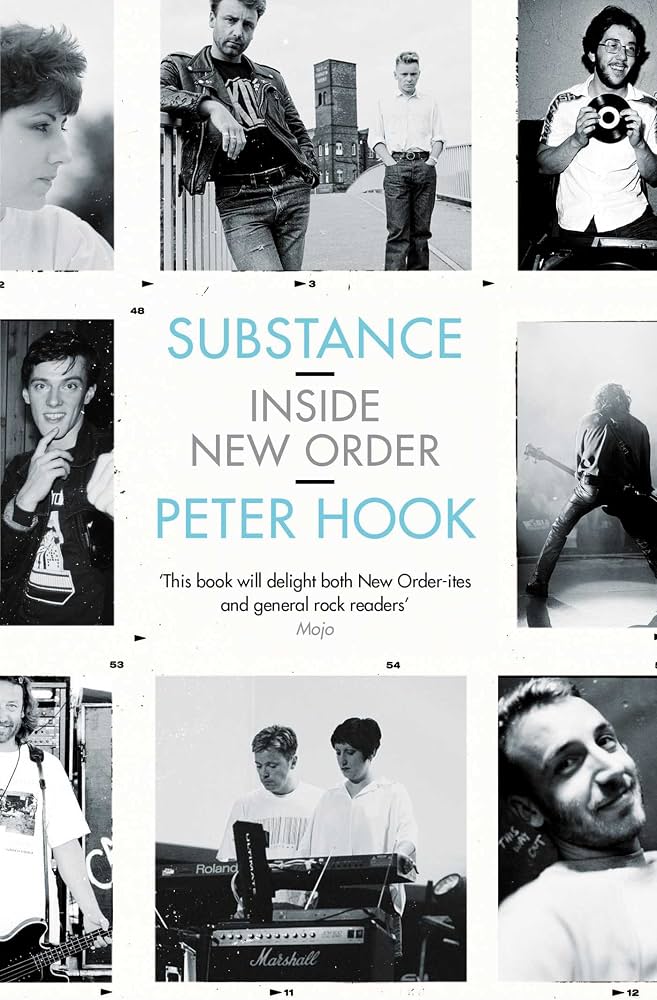
Peter Hook: 'Substance: Inside New Order'
If 'Unknown Pleasures' documents the tragic ending of Joy Division, 'Substance' follows the extraordinary, occasionally ridiculous and frequently dysfunctional history that came afterwards.
Following Ian Curtis's death, Bernard Sumner, Stephen Morris and Peter Hook could easily have walked away from music altogether. Instead, they began again, eventually bringing Gillian Gilbert into the group and creating New Order. The remarkable thing about New Order is just how much they achieved while apparently making life as difficult as possible for themselves. They emerged from one of Britain's most celebrated post-punk groups and went on to help change the relationship between guitar music and electronic dance music.
Hook takes us through that transformation in considerable detail. From the tentative beginnings of 'Movement' to the electronic breakthroughs of 'Power, Corruption & Lies', the worldwide success of 'Blue Monday' and the extraordinary catalogue that followed, the book offers an account of a band constantly searching for something different.
There are stories about recording sessions, tours, equipment, songwriting and the peculiar financial arrangements surrounding Factory Records. Hook also discusses the enormous tensions that developed within New Order, particularly his increasingly difficult relationship with Bernard Sumner. It certainly isn't an attempt to present everybody in the best possible light. Hook can be confrontational, occasionally unreasonable and very aware of his own grievances. As with any autobiography, there are other perspectives worth considering, but that doesn't make his account any less entertaining.
What I particularly enjoy is his willingness to include the moments that most musicians would probably prefer to forget. Arguments, drunken escapades, questionable decisions and the challenges of working alongside the same people for decades are described with very little restraint.
The stories of excess are sometimes astonishing. New Order's reputation was built upon groundbreaking electronic music, sombre artwork and a certain reluctance to behave like conventional rock stars. Behind the scenes, however, they could apparently give Led Zeppelin or The Who a run for their money.
At more than 700 pages, 'Substance' is a substantial book, but New Order were never a straightforward band. Few groups could claim to have emerged from Joy Division, transformed British popular music, helped finance the Haçienda and still found the time to fall out quite so spectacularly.
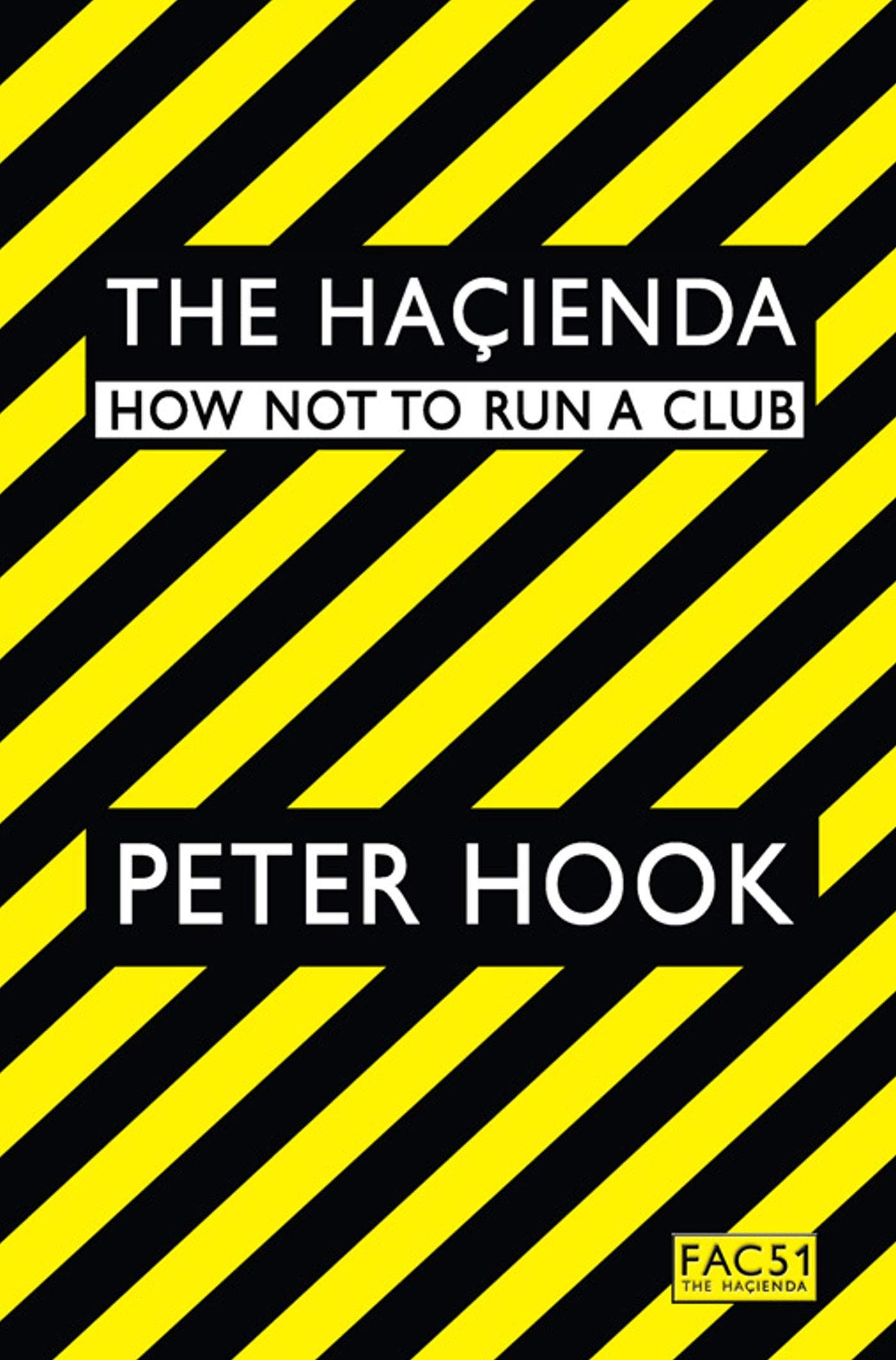
Peter Hook: 'The Haçienda: How Not to Run a Club'
Manchester has produced some extraordinary bands, but one of its most influential musical institutions wasn't a band at all.
The Haçienda opened in 1982, funded by Factory Records and New Order. What followed was fifteen years of revolutionary music, terrible financial decisions, unforgettable nights and increasing chaos. I've written about the club before in You Either Make Money or You Make History, but Peter Hook's account provides a far more detailed explanation of how everything unfolded.
Hook takes us through the history of the club chronologically, beginning with Tony Wilson's ambitious plans to create something unlike anything Manchester had previously experienced. The problem was that the people responsible for the Haçienda were often considerably better at imagining the future than managing the present.
The club lost astonishing amounts of money, with New Order's earnings repeatedly disappearing into a business that seemed almost determined never to turn a profit. At times, the financial decisions are so baffling that it's difficult to believe the place survived as long as it did.
Yet the Haçienda became one of the most important nightclubs in Britain. It helped provide a home for acid house, became central to Manchester's growing dance culture and played an important part in the emergence of the Madchester movement.
The book also demonstrates the peculiar relationship between Factory Records, New Order and the club itself. Tony Wilson and his associates were genuinely interested in creating something culturally significant, but their refusal to follow conventional business practices frequently bordered on the absurd. Hook doesn't romanticise everything that happened. Alongside the famous parties and groundbreaking music, he documents the violence, drugs, criminal activity and increasingly serious problems that eventually contributed to the club's closure in 1997.
His writing is frequently hilarious, particularly when describing the absurdity of the business arrangements and the characters involved. However, there is also considerable sadness in watching such an ambitious project gradually fall apart.
The Haçienda was a financial disaster and a cultural triumph. Hook's book manages to explain both sides of that contradiction without losing any of the madness along the way.
Mike Pickering: 'Manchester Must Dance: A Life of Music, Madness and Moving On Up'
For quite some time, I assumed that Johnny Marr's 'Set the Boy Free' would remain comfortably ahead of every other music autobiography I encountered. Then I listened to Mike Pickering's 'Manchester Must Dance', and for the first time, I found myself wondering whether Marr might have some genuine competition.
Written with Paul Morley and published in 2026, 'Manchester Must Dance' is an extraordinary journey through six decades of British music, told from the perspective of somebody who repeatedly found himself involved in its most important developments. Pickering was never necessarily the loudest personality in the room, but his influence on Manchester's musical history is difficult to overstate.
His story begins long before the Haçienda, with a young Pickering attending a Beatles concert in Manchester in November 1963. David Bowie, punk, football, fashion and the developing music scene around Factory Records all become important parts of his life, gradually shaping somebody who was interested in far more than simply playing records.
Pickering is such a fascinating character because of the number of different musical worlds he helped connect. His experiences in Rotterdam during the late 1970s provided an early introduction to the possibilities of underground club culture, while his relationship with Rob Gretton brought him into the orbit of Joy Division, New Order and Factory Records.
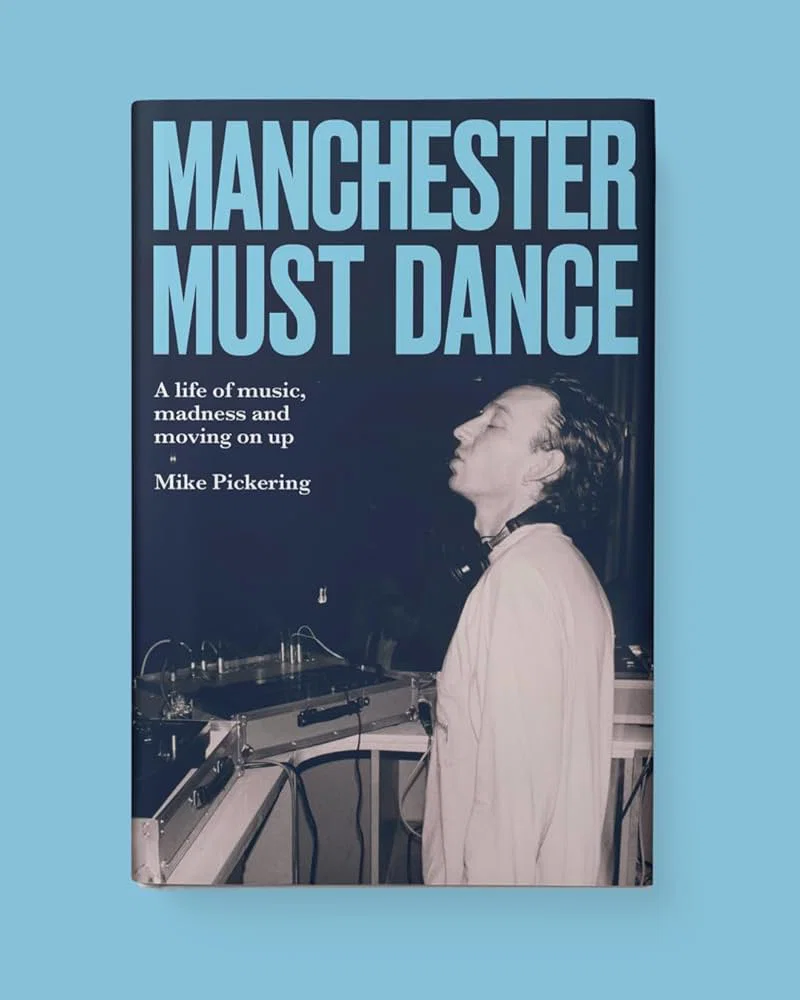
He would eventually become one of the most important figures in the history of the Haçienda. Alongside the likes of Graeme Park, Jon Dasilva and Dave Haslam, Pickering helped transform a struggling Manchester nightclub into a centre of British dance culture. He also played an important role in bringing bands such as The Smiths, Happy Mondays and The Stone Roses into the club's story.
The chapters exploring acid house are particularly enjoyable. Pickering recalls the arrival of American house records, the development of nights such as 'Nude' and 'Hot', and the extraordinary atmosphere that gradually took hold of Manchester during the second half of the 1980s.
What I found particularly interesting was how naturally his career continued beyond the Haçienda. Pickering helped establish Deconstruction Records, formed M People and went on to enjoy enormous success with 'Elegant Slumming', which won the Mercury Music Prize in 1994. Later, his career in A&R brought him into contact with a new generation of artists, including Kasabian, The Ting Tings and Calvin Harris.
There is also a considerable amount of sadness. His friendship with Rob Gretton runs throughout the book, and Pickering's recollections of the late Factory Records manager provide some of its most affecting passages. Amid the famous musicians and outrageous nights out, you are reminded that these were people who spent decades growing up, working and experiencing life together.
Listening to 'Manchester Must Dance' also changed how I thought about Pickering's contribution to British music. Like Johnny Marr, he never seemed particularly interested in spending the remainder of his career celebrating things he had already achieved. He kept discovering new music, meeting new people and finding different ways to get involved.
I enjoyed the book so much that I ended up writing a much longer feature exploring Pickering's career, from Factory Records and the Haçienda to M People and his work with Calvin Harris. You can read it here: Mike Pickering: Manchester's Mercurial Music Maverick.
'Manchester Must Dance' came remarkably close to becoming my favourite music autobiography. Marr just about retains the crown, but Pickering's book is an exceptional account of an extraordinary life, and I would recommend it to anybody interested in British music over the last sixty years.
Paolo Hewitt: 'Getting High: The Adventures of Oasis'
I've read plenty about Oasis over the years, but Paolo Hewitt's 'Getting High' remains one of my favourite accounts of the band. Hewitt spent considerable time around Oasis during their extraordinary rise between 1994 and 1996. Unlike journalists attempting to reconstruct events years afterwards, he was actually there for many of the conversations, arguments, recording sessions and tours that shaped those years.
The book begins long before their breakthrough, exploring the Gallagher family's background and the circumstances that eventually brought the band together. From there, Hewitt documents the release of 'Definitely Maybe', the phenomenal success of '(What's the Story) Morning Glory?' and the chaotic journey towards Knebworth in August 1996.
What separates 'Getting High' from other Oasis biographies is the attention given to the people around Liam and Noel. Tony McCarroll, Bonehead, Guigsy, Alan White, Owen Morris, Mark Coyle and the wider group of friends and associates are all part of the story.
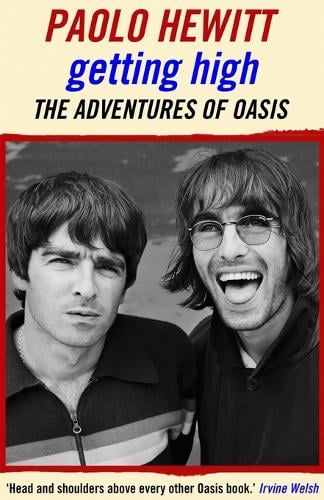
Sometimes, Oasis biographies can make it seem as though two brothers somehow recorded all those extraordinary songs by themselves. Hewitt shows just how many people contributed to the band's early success, whether through the music itself or the extraordinary circumstances surrounding it.
The recording of 'Definitely Maybe' is particularly interesting. Oasis had the songs, the ambition and the attitude, but capturing their live energy in the studio proved more difficult than anybody anticipated. Hewitt gives the reader a greater appreciation of the work that went into turning those early performances into the record that eventually arrived in August 1994.
Naturally, there are plenty of arguments. Liam and Noel could turn almost anything into a confrontation, and Hewitt captures the tension that existed alongside their growing fame. However, what surprised me most was the affection running through the book. Beneath the insults and increasingly outrageous behaviour were friendships that had developed long before anybody imagined Oasis might become the biggest band in Britain.
I also love where the story ends. Knebworth represents the moment Oasis reached the absolute summit of British guitar music. Rather than continuing into the difficult years that followed, Hewitt leaves us with the band at the height of their powers. If you love Oasis, even if you've watched every documentary and read countless interviews, I suspect you'll discover something new in 'Getting High'.
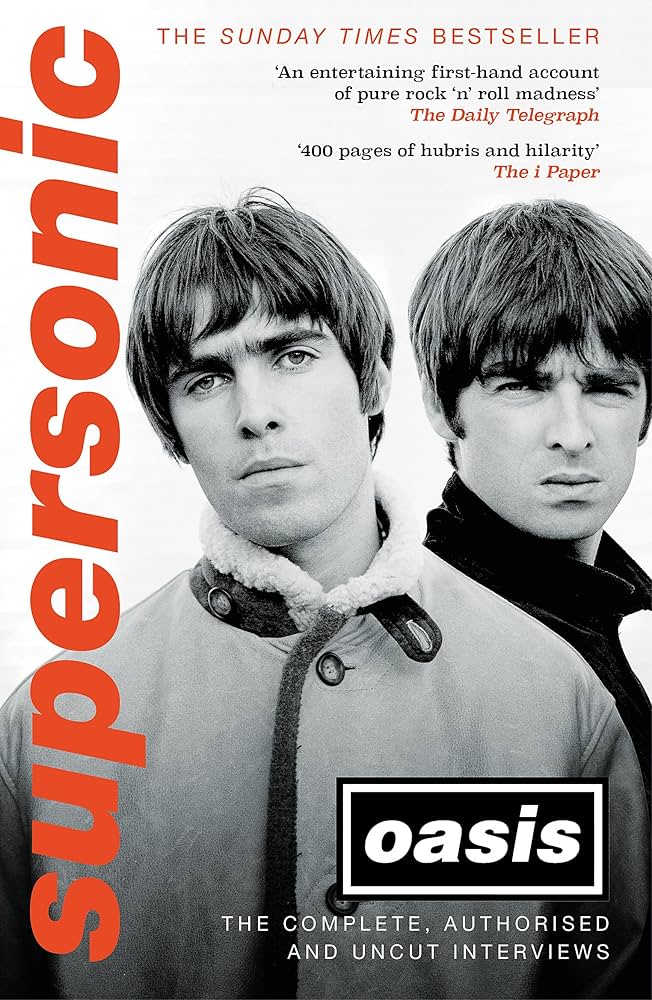
Oasis: 'Supersonic: The Complete, Authorised and Uncut Interviews'
I regard the 2016 documentary 'Supersonic' as one of the finest music documentaries ever made. It captures the humour, excitement, arrogance and extraordinary ambition that surrounded Oasis during their first few years together.
However, there was only so much director Mat Whitecross could include in a feature-length film. 'Supersonic: The Complete, Authorised and Uncut Interviews' takes the material gathered for that documentary and provides a much more substantial account of the band's early history.
Rather than being presented as a conventional biography, the story unfolds through the recollections of Liam and Noel Gallagher and those who were closest to Oasis during their rise. Their words are placed alongside photographs and other material from the period, creating an oral history that allows the characters to speak for themselves.
Naturally, the brothers are frequently hilarious. Their accounts of childhood, early rehearsals, recording sessions and international tours are filled with the kind of observations that made the documentary so entertaining. You also get more from people whose contributions couldn't always be explored fully on screen.
Some of the most interesting passages concern the making of 'Definitely Maybe' and '(What's the Story) Morning Glory?', when a group of young musicians suddenly found themselves operating on a level that very few British bands ever experience. What I particularly enjoy is how the different recollections sometimes contradict one another. Memories are rarely perfect, especially when they involve years of touring and partying, and the book doesn't always pretend otherwise.
The photographs are another reason to own it. They capture a period when Oasis were still close enough to their origins for the whole experience to feel slightly unbelievable. The increasingly enormous audiences and extraordinary success are there, but so are the familiar characters and surroundings that helped shape the band.
Where Paolo Hewitt's 'Getting High' provides the perspective of a journalist travelling alongside Oasis, 'Supersonic' allows the people involved to reconstruct the story in their own voices. The two books complement each other brilliantly.
For anybody who finished the documentary wishing there had been another few hours of interviews, this is about as close as you're going to get.
Ted Kessler and Hamish MacBain: 'A Sound So Very Loud: The Inside Story of Every Song Oasis Recorded'
There are probably enough books about Oasis to fill an entire bookshelf. The rise, the arguments, the famous chart battle with Blur, Knebworth and the eventual break-up have been examined repeatedly, sometimes by people who were there and occasionally by those who appear to have watched the same three documentaries as everybody else.
Ted Kessler and Hamish MacBain take a different approach with 'A Sound So Very Loud', published in 2025. Rather than building another conventional biography around the Gallagher brothers' relationship, they tell the story of Oasis through the songs the band recorded. All of the songs, not just the hits.
The authors were both closely connected to the British music press during the group's career, and their experiences interviewing Liam and Noel give them a considerable amount of material to draw upon. They examine the band's recordings chronologically, exploring their origins, musical influences, recording sessions and the circumstances surrounding their release.
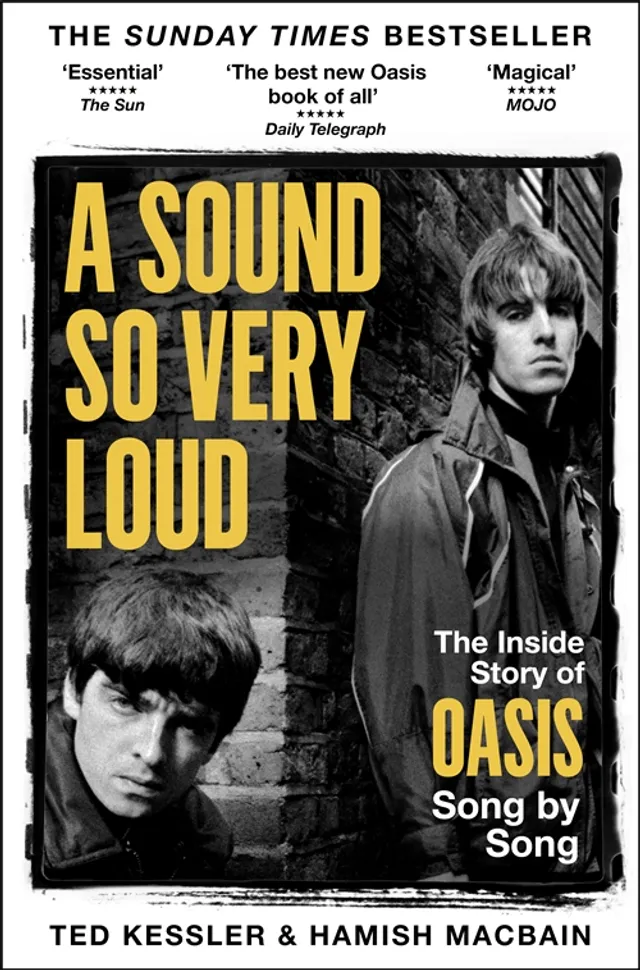
Naturally, the opening years provide some extraordinary material. 'Supersonic', 'Live Forever', 'Slide Away', 'Rock 'n' Roll Star' and 'Cigarettes & Alcohol' all arrived during a period when Noel Gallagher appeared almost incapable of writing a bad song. However, what I particularly appreciate about a book like this is the attention paid to recordings beyond the obvious hits. Oasis produced some of the finest B-sides in British music, and songs such as 'Acquiesce', 'Talk Tonight', 'The Masterplan' and 'Half the World Away' deserve considerably more than a passing mention.
The book also continues beyond the familiar first two albums. Oasis released seven studio records between 1994 and 2008, and although their later work is sometimes dismissed, there are plenty of interesting songs and recording stories scattered throughout those years.
Kessler and MacBain examine how the band's approach changed, how different members contributed to the songwriting and how Oasis attempted to move forward once the extraordinary momentum of their early years had begun to slow.
The book reminds me in some ways of Ian MacDonald's 'Revolution in the Head', which examines The Beatles through their recorded catalogue. Both encourage the reader to reconsider songs they might have heard hundreds of times and appreciate the circumstances in which they were created.
I've always maintained that Oasis are about far more than the Gallagher brothers' arguments. Those stories might have filled newspaper columns, but they aren't the reason people continue to sing 'Live Forever' or 'Don't Look Back in Anger' more than thirty years after they were written. 'A Sound So Very Loud' gives the music the attention it deserves. It also makes a brilliant companion to 'Getting High' and 'Supersonic', with each book providing a different perspective on a band I've spent most of my life listening to.
Alex James: 'Bit of a Blur'
If Peter Hook's autobiographies demonstrate how chaotic the Manchester music scene could become, Alex James provides a similarly entertaining account of life during the height of Britpop. 'Bit of a Blur', published in 2007, follows the bassist from his early years through Blur's extraordinary success and the years of increasingly extravagant behaviour that accompanied it.
James was rarely far away from the party. His recollections of expensive champagne, cocaine, famous friends and questionable decisions provide a fascinating insight into the celebrity culture that developed around British music during the 1990s. However, dismissing the book as several hundred pages of rock-star excess would be unfair. James writes with considerable humour and self-awareness, frequently acknowledging just how ridiculous his behaviour could become.
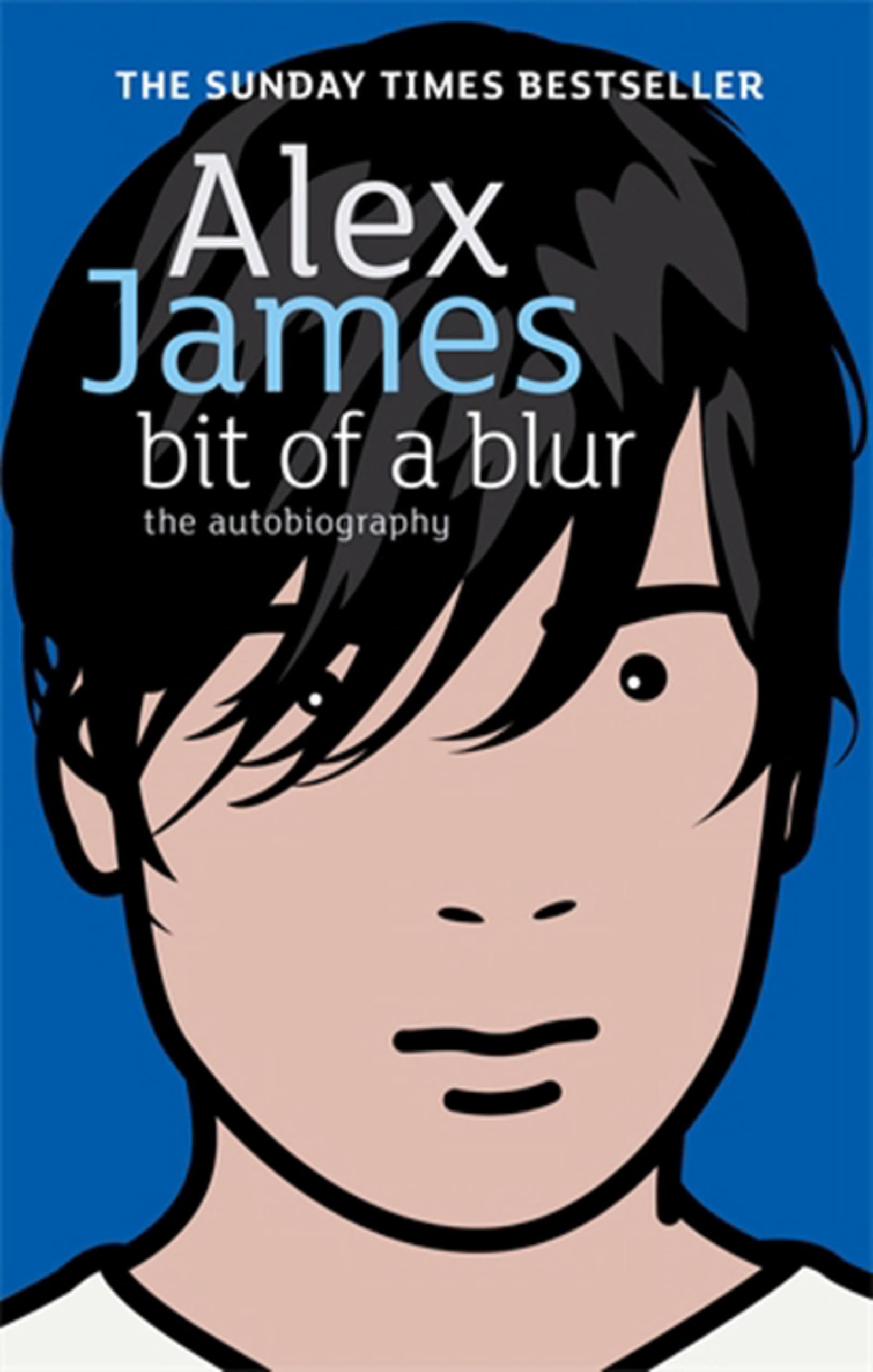
He recalls meeting Damon Albarn, Graham Coxon and Dave Rowntree, their early struggles, the difficult circumstances surrounding 'Leisure' and the creative transformation that eventually produced 'Modern Life Is Rubbish', 'Parklife' and 'The Great Escape'.
One of the things I've always admired about Blur is their willingness to change. They could have continued producing variations of 'Parklife' for the remainder of the decade, but their musical interests were already moving elsewhere. James offers an insight into the relationships and tensions behind those decisions.
There is also considerable attention given to the complicated relationship between the members of Blur. They were enormously successful, but that didn't necessarily make them particularly happy. Different personalities, creative disagreements and the pressures of fame gradually began to take their toll.
James documents the increasingly uncomfortable experience of becoming famous during a period when musicians were expected to behave like celebrities. The distinction between Blur's creative ambitions and the circus surrounding Britpop becomes increasingly apparent.
For all the outrageous stories, 'Bit of a Blur' is ultimately about somebody gradually realising that the life he spent years pursuing wasn't necessarily the one he wanted forever. It's an entertaining, occasionally absurd and surprisingly reflective account of the 1990s from somebody who appeared to spend most of the decade at the centre of the party.
John Harris: 'The Last Party: Britpop, Blair and the Demise of English Rock'
There are countless books about Oasis, Blur and the individual bands associated with Britpop, but John Harris attempts something more ambitious with 'The Last Party'.
Rather than simply documenting a series of successful records, Harris examines how British guitar music became entangled with politics, celebrity culture and national identity during the middle of the 1990s.
The book explores the rise of Britpop through artists including Blur, Oasis, Suede, Pulp and Elastica, tracing their different routes towards an increasingly dominant position within British popular culture.

One of its greatest strengths is the attention Harris gives to the circumstances surrounding the music. Britain was changing, the Conservative government was becoming increasingly unpopular, and Tony Blair's Labour Party recognised the potential of aligning itself with a youthful, optimistic cultural movement.
Suddenly, musicians who had spent years trying to escape ordinary British life found themselves being presented as symbols of a supposedly rejuvenated nation. Noel Gallagher's appearance at Downing Street after Labour's 1997 election victory remains perhaps the most famous illustration of that relationship. Harris doesn't simply celebrate the period, though. He examines the contradictions, commercial interests and political calculations behind the idea of 'Cool Britannia', while questioning whether the music and the optimism surrounding it could ever have lasted.
The relationship between Oasis and Blur is explored in detail, but the book also gives considerable attention to Pulp, Suede and the wider musical environment. It makes clear that Britpop was never as unified as the newspapers sometimes suggested.
I particularly enjoyed the way Harris challenges the idea that Britpop represented one coherent movement. The bands involved often had very different ambitions, backgrounds and attitudes towards fame. Pulp's examination of British class divisions was hardly identical to Oasis's celebration of working-class ambition, even if the two groups were regularly discussed beneath the same headline.
As the decade progresses, the atmosphere gradually changes. The initial excitement gives way to excess, growing commercial expectations and the uncomfortable sense that the movement has become something very different from what its earliest participants imagined. I found 'The Last Party' particularly interesting because it encourages you to consider Britpop beyond the familiar chart battles and tabloid headlines. It was a musical movement, certainly, but it also became part of a much larger conversation about Britain and how the country wanted to present itself.
It's one of those books that makes you reconsider a period you thought you already understood, particularly the relationship between music, politics, the people and the press.
Simon Spence: 'The Stone Roses: War and Peace'
The Stone Roses remain one of the great what-ifs of British music. Their self-titled debut is among the finest albums ever made, yet the band never came close to producing the extensive catalogue their early promise suggested might be possible. Simon Spence's 'War and Peace' offers a detailed explanation of how four musicians from Manchester achieved something extraordinary and then struggled to build upon it.
Spence draws upon extensive interviews with people connected to the group, constructing a chronological history that explores their formation, early struggles, eventual breakthrough and increasingly difficult relationships.
What I particularly enjoyed was learning about the years before the famous debut. The Stone Roses didn't emerge fully formed with 'I Wanna Be Adored' and 'She Bangs the Drums'. Their early recordings, changing musical direction, management arrangements and relentless determination all played a part in creating the band that eventually captured Britain's imagination.
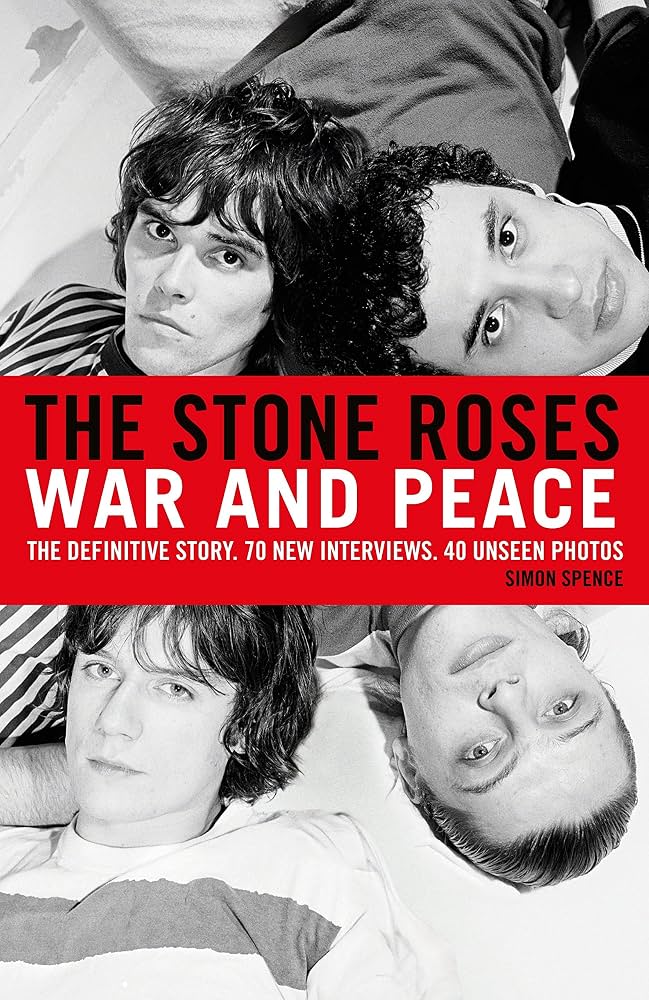
The chapters covering 1989 and 1990 are understandably among the strongest. Their debut album, 'Fools Gold', and the enormous concert at Spike Island helped establish an almost mythical reputation around the group.
However, Spence also explores the problems developing behind the scenes. Legal disputes, internal disagreements and the increasingly lengthy wait for 'Second Coming' created an atmosphere in which the momentum of their early success became almost impossible to maintain. It is frustrating reading about how much time was lost. The Stone Roses possessed an extraordinary combination of songwriting ability, musicianship and confidence, yet circumstances repeatedly prevented them from taking advantage of the position they had created.
The book doesn't present the band as innocent victims of the music industry, nor does it dismiss their achievements because of what happened afterwards. Instead, it documents a complicated group of people whose enormous talent didn't always translate into harmonious working relationships.
The story also extends into their eventual reunion, with later editions covering the group's 2012 live comeback. After years of disagreements, seeing Ian Brown, John Squire, Mani and Reni back together was something many fans had almost given up imagining.
'War and Peace' is meticulously researched without becoming unnecessarily difficult to read. It captures the brilliance of The Stone Roses while explaining why their history was so frustrating for everybody involved.
Janine Warren: 'The World Was a Mess But His Hair Was Perfect'
The indie explosion of the 2000s is one of my favourite periods in British guitar music. It produced records that remain a huge part of my listening habits, from Arctic Monkeys and The Libertines to Bloc Party, Franz Ferdinand and The Cribs. Janine Warren's 2026 book, 'The World Was a Mess But His Hair Was Perfect: The Last Indie Music Scene 2000–2010', explores the remarkable musical culture that developed around those bands.
Warren was involved in the music industry during the period herself, working with many of the artists who helped define it. That experience allows her to approach the story with considerable understanding of how the scene developed, while interviews with musicians, journalists, producers and other figures provide a range of different perspectives.

We are taken back to the small venues, independent record labels, parties, festivals and increasingly crowded dancefloors that helped turn British indie music into a mainstream phenomenon. Bands from different cities began attracting attention, with distinctive regional scenes developing in places such as Sheffield, Leeds, Glasgow and London.
The Libertines helped establish a new kind of mythology around British guitar music, while Franz Ferdinand and Bloc Party took different influences and produced records that sounded distinctly modern. The Cribs, Maxïmo Park and countless others contributed to an era when it sometimes felt as though a new band was appearing every week.
During those years, the internet was beginning to transform the relationship between musicians and their audiences. MySpace, music blogs and online communities offered opportunities for artists who might previously have struggled to attract attention from traditional record companies. At the same time, the scene developed its own recognisable image. Skinny jeans, leather jackets, messy hair and nights out that rarely seemed to end before sunrise became almost as closely associated with the music as the songs themselves.
Of course, there was more happening than the nostalgic image sometimes suggests. Warren doesn't ignore the excess, competition or darker aspects of an industry that was happy to capitalise on the popularity of young guitar bands. The treatment of women, the growing commercialisation of the scene and the changing relationship between artists and audiences are all important parts of the story.
As somebody who grew up listening to many of these artists, I find this period particularly fascinating. I was too young to experience the original explosion firsthand, but its influence continued long after the headlines had moved elsewhere.
It's especially interesting to place Warren's book alongside John Harris's 'The Last Party'. One examines the rise and collapse of Britpop, while the other explores the guitar-band culture that developed during the following decade. Both reveal how quickly a musical movement can go from something exciting and unpredictable to something the record industry desperately wants to reproduce.
Warren's book captures a period when British guitar music still had the ability to produce unexpected mainstream stars, and when a band could go from playing tiny venues to appearing on the front cover of NME in what seemed like no time at all.
Lizzy Goodman: 'Meet Me in the Bathroom: Rebirth and Rock and Roll in New York City 2001–2011'
While British guitar music was recovering from the end of Britpop, something extraordinary was happening on the other side of the Atlantic. At the beginning of the 2000s, New York became home to a new generation of musicians who helped restore excitement to rock music. The Strokes, Yeah Yeah Yeahs, Interpol, LCD Soundsystem and several other groups emerged from a city undergoing considerable cultural and social change.
Lizzy Goodman's 'Meet Me in the Bathroom', published in 2017, documents this period through an extensive oral history built around interviews with more than 200 people involved in the scene. Rather than presenting events through the observations of a single narrator, Goodman allows the musicians, journalists, record executives and other characters to tell their own stories. The result is wonderfully chaotic, with competing memories, arguments and occasional contradictions giving the book the atmosphere of an enormous conversation about a particularly extraordinary period.
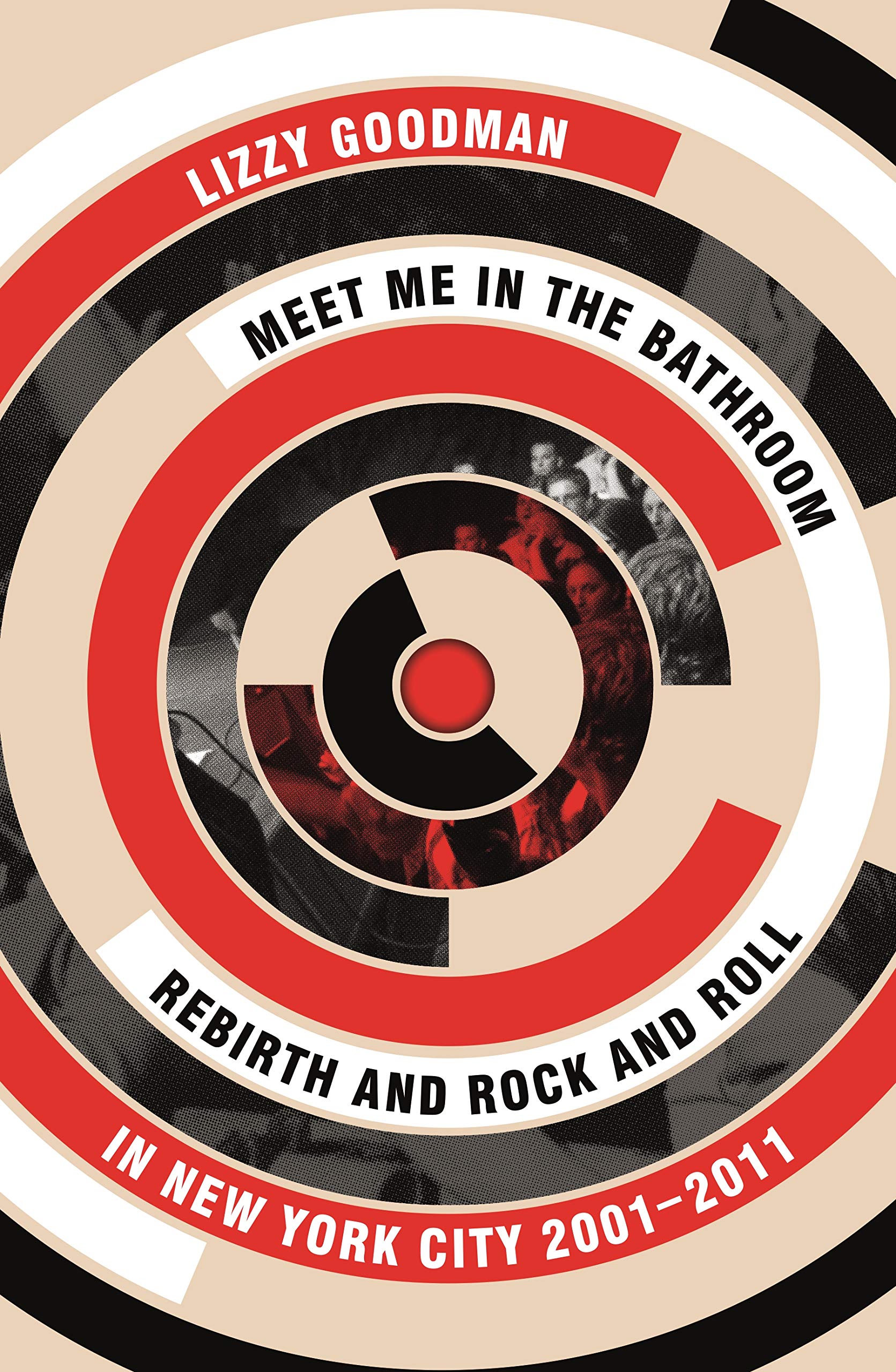
Naturally, The Strokes occupy an important part of the story. Their arrival was one of the defining moments in early-2000s guitar music, with 'Is This It' helping to inspire a generation of musicians on both sides of the Atlantic. Goodman explores the group's early performances, rapid rise to fame and increasingly complicated relationships. Julian Casablancas and his bandmates became symbols of a particular kind of New York cool, but the reality behind the photographs and magazine covers was frequently less glamorous.
The Yeah Yeah Yeahs provide another fascinating perspective, particularly through Karen O's experiences as the singer of a band whose confrontational live performances quickly attracted enormous attention. Elsewhere, James Murphy's journey with LCD Soundsystem demonstrates how dance music and rock could coexist within the same rapidly changing city.
The book also looks beyond the musicians themselves. The impact of the September 11 attacks, the changing geography of New York, the rise of the internet and the decline of the traditional record industry all contributed to the circumstances in which these bands developed.
One of the most interesting things is how quickly the scene became fashionable. Small venues and relatively unknown bands attracted international attention, while the neighbourhoods associated with the music began changing as their cultural reputations grew.
I particularly enjoyed reading 'Meet Me in the Bathroom' alongside Janine Warren's 'The World Was a Mess But His Hair Was Perfect'. The two books explore different sides of the Atlantic during roughly the same period, and together they provide an excellent account of how guitar music regained its popularity during the early 2000s.
The Strokes helped provide the initial spark, but what followed in Britain and America was far more varied than any one band could have imagined. Reading both books offers a fuller understanding of an era that produced some of my favourite records.
Dylan Jones: 'David Bowie: A Life'
David Bowie lived several musical lives, and trying to document them all in one book is an enormous undertaking.
Dylan Jones approaches the challenge differently in 'David Bowie: A Life', published in 2017. Rather than presenting a straightforward biography from a single perspective, he constructs an oral history using interviews with friends, collaborators, musicians and other people who encountered Bowie throughout his career.
The result is a fascinating portrait of a man who could be charming, funny, generous, ambitious, calculating and occasionally infuriating, sometimes within the same account.
We follow Bowie from his early years in London through the creation of Ziggy Stardust, his extraordinary run of albums during the 1970s, the Berlin period, his enormous commercial success during the 1980s and the creative developments that continued throughout the remainder of his life. Naturally, there are plenty of familiar names. Musicians, producers, friends and associates recall their experiences working alongside Bowie, often offering contrasting accounts of the same events.
That is one of the things I enjoyed most about the book. Bowie spent much of his career constructing different identities, and Jones allows us to see how those identities were understood by the people around him.
The chapters covering the 1970s are particularly interesting. In a relatively short period, Bowie moved from the theatrical world of Ziggy Stardust towards the soul-influenced 'Young Americans', the extraordinary atmosphere of 'Station to Station' and the experimental records he created during his association with Brian Eno.

Each change brought new collaborators, recording techniques and artistic ambitions. Bowie seemed almost incapable of remaining interested in one particular sound for very long, even when that sound had brought him enormous commercial success.
There is also considerable attention given to the less glamorous aspects of his life. The personal relationships, difficult periods, abandoned projects and occasional mistakes make the extraordinary musical achievements feel more human.
I've always been fascinated by Bowie's ability to change direction. Just when audiences believed they understood him, he appeared with something different. The transition from Ziggy Stardust to the Berlin albums, or from the commercial success of 'Let's Dance' to his later experiments, demonstrated an almost restless desire to keep moving.
Jones's book helps explain the personality behind that behaviour. It presents an artist who was relentlessly curious about music, fashion, literature, art and the world around him. Bowie remains one of the most fascinating figures British music has produced. 'David Bowie: A Life' is a compelling account of his extraordinary career, particularly because it never pretends there was only one version of David Bowie.
Ian MacDonald: 'Revolution in the Head: The Beatles' Records and the Sixties'
There is certainly no shortage of books about The Beatles. Their history has been documented from almost every conceivable angle, with countless biographies, interviews and analyses examining their extraordinary influence on popular music. Ian MacDonald's 'Revolution in the Head' approaches the group through the one thing that ultimately made everything else possible: their songs.
Originally published in 1994 and subsequently revised, the book examines The Beatles' recorded work, broadly following the order in which the recordings were made. It explores the circumstances surrounding individual songs, the musical ideas behind them and their relationship with the wider cultural changes taking place during the 1960s.
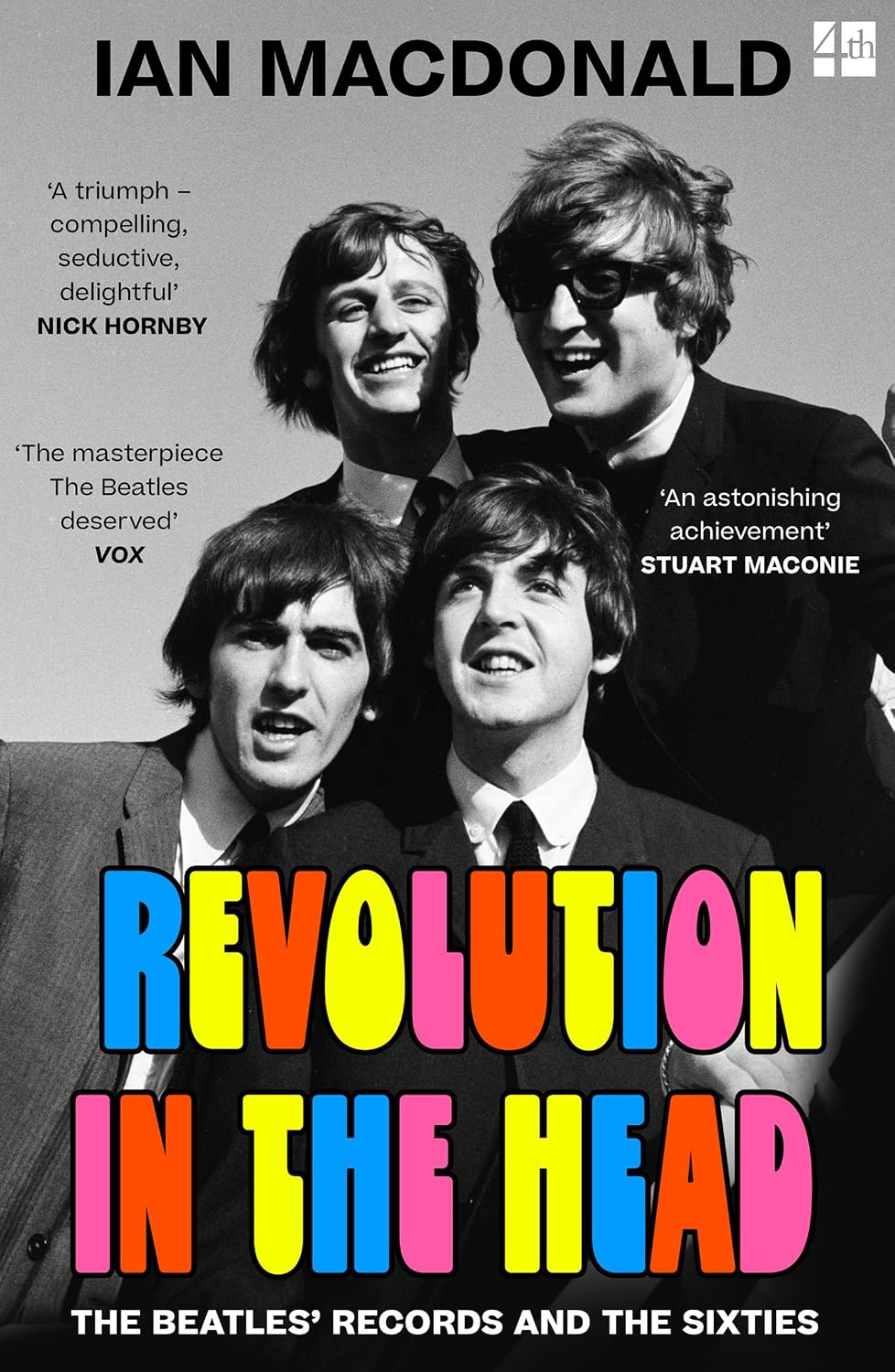
What makes MacDonald's writing so compelling is the extraordinary level of detail. Songs that might last only two or three minutes are examined in terms of their composition, arrangement, recording techniques and influences. He explores the development of John Lennon and Paul McCartney as songwriters, George Harrison's increasingly important contributions and the remarkable musical understanding that allowed the four members to work together so effectively.
The transformation that took place between 'Please Please Me' and 'Abbey Road' is almost impossible to comprehend. In little more than six years, The Beatles moved from relatively straightforward pop recordings to some of the most adventurous and influential music ever produced. MacDonald helps explain how that development happened. The changing recording technology, increasingly ambitious arrangements and enormous range of musical influences are examined alongside the cultural environment in which the records were released.
The studio experimentation surrounding 'Revolver' and 'Sgt. Pepper's Lonely Hearts Club Band' is especially interesting. By this point, The Beatles were no longer simply four musicians recording songs they could reproduce on stage. The recording studio had become an instrument in its own right, offering possibilities that would have been almost unimaginable during their earliest sessions.
Another thing I appreciate is MacDonald's willingness to offer criticism. He doesn't treat every Beatles recording as an untouchable masterpiece, and there are occasions when I disagree with his conclusions. However, those disagreements are part of what makes the book enjoyable. You find yourself returning to songs, listening more closely and reconsidering details you've previously overlooked.
'Revolution in the Head' isn't a conventional biography that you necessarily need to read from beginning to end. It can also be used as a reference book, something to return to whenever a particular song captures your attention.
I also find it interesting to compare with 'A Sound So Very Loud'. The Beatles and Oasis are very different groups, but examining their careers through individual recordings offers an opportunity to understand songwriting and musical development in greater detail.
For somebody fascinated by how records are constructed and why certain songs continue to resonate decades after their release, it's an extraordinary piece of music writing.
What I'm Listening to Next
One thing I've enjoyed about getting into audiobooks is that I can spend more time discovering music history without necessarily having to find somewhere quiet to sit down and read. 'Manchester Must Dance' demonstrated how enjoyable the format can be, and I've already moved on to two more accounts of British music's extraordinary past.
At the moment, I'm listening to Clint Boon's 'The Manchester Chronicles: True Tales of Music, Madness and Mayhem 1976–2006'. Published in September 2026, the book follows Manchester's musical development through the experiences of the Inspiral Carpets keyboardist, from the arrival of punk to the emergence of Madchester, Britpop and beyond.
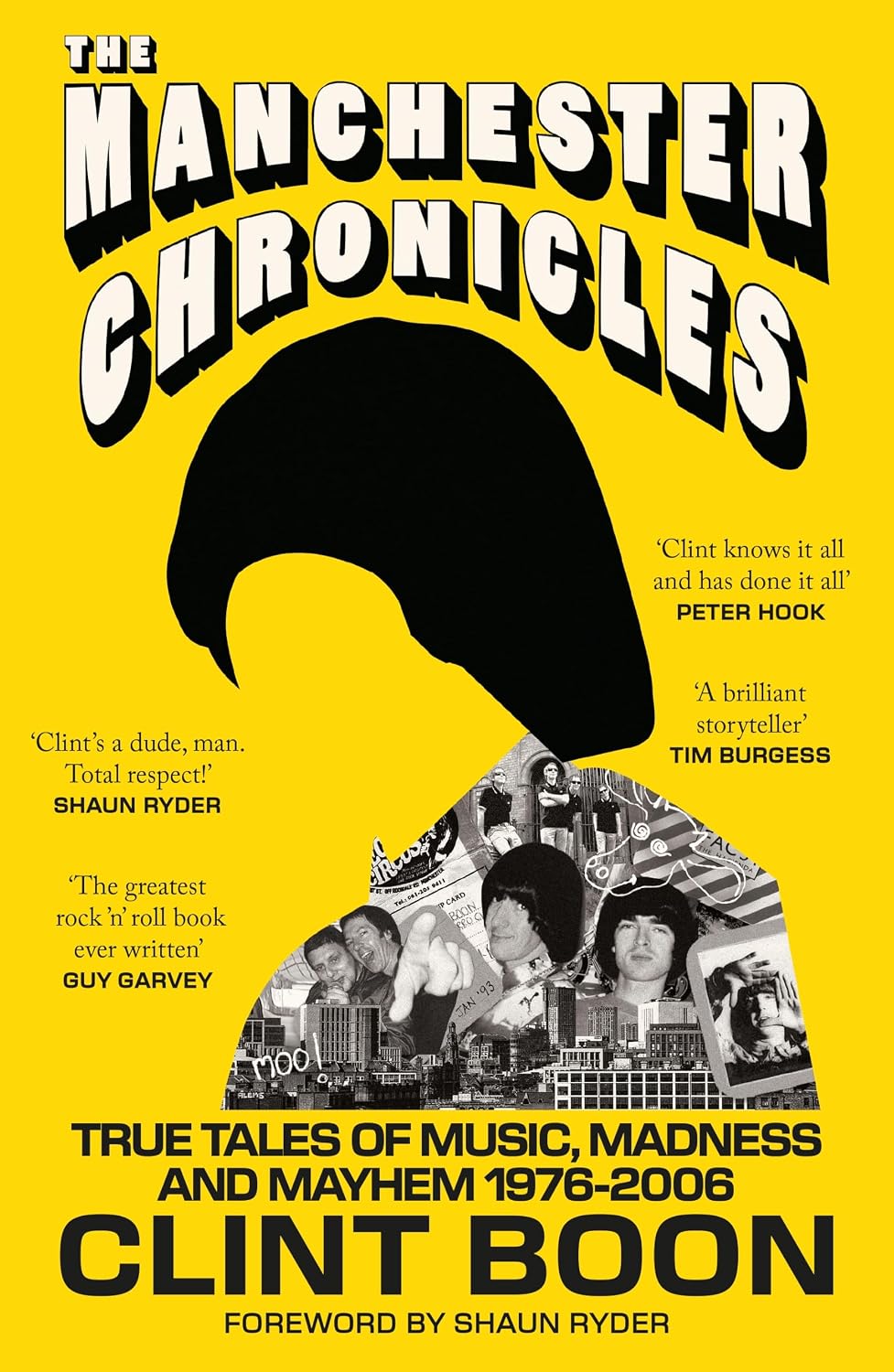
Boon occupied a fascinating position within that history. The Inspiral Carpets were an important part of the city's musical explosion, and his career brought him into contact with many of the people whose stories appear throughout this article. I'm particularly interested in hearing his perspective on the rise of Oasis, considering Noel Gallagher famously worked as a roadie for the Inspiral Carpets before becoming one of Britain's most successful songwriters.
I'm also working my way through Jon Savage's 'England's Dreaming', originally published in 1991. Widely regarded as one of the definitive histories of British punk, the book examines the extraordinary cultural explosion that developed around the Sex Pistols during the second half of the 1970s.
Savage's approaches punk as if it wasn't simply another musical movement. It emerged against a backdrop of political uncertainty, economic difficulties and changing attitudes towards British society. The Sex Pistols might have attracted the headlines, but the movement quickly spread beyond London, influencing everything from fashion and graphic design to the development of independent record labels and a completely different approach to making music.

Manchester was particularly important in what followed. The Sex Pistols' famous performances at the Lesser Free Trade Hall in June and July 1976 helped inspire a generation of musicians, including people who would eventually become involved with Buzzcocks, Joy Division and Factory Records. It's fascinating to trace those connections back to their beginnings, particularly after spending so much time reading about the city's musical development during the following decades.
The two books approach British music from different perspectives, but they cover some of the same extraordinary characters and events. Between Johnny Marr, Peter Hook, Mike Pickering and the countless other people connected to Manchester's music scene, I've become increasingly fascinated by how often the same names appear in completely different stories.
I'll have to see whether either audiobook eventually earns a place alongside the fifteen books above. Given how much I've enjoyed exploring Manchester's musical history recently, I wouldn't be particularly surprised if they did.
A Few Final Thoughts
When I first began reading more music books, I was primarily interested in finding out what happened behind the scenes of my favourite bands. I wanted to know about the arguments, the recording sessions, the disastrous tours and the stories that musicians occasionally mentioned in interviews without ever fully explaining.
What I've discovered is that the best books offer considerably more than that. They introduce you to people whose contributions might otherwise have been forgotten, challenge the familiar versions of events and encourage you to listen to records you've known for years with a different understanding of how they came together.
Peter Hook's three books document one of the most extraordinary periods in Manchester's cultural history, while Mike Pickering's 'Manchester Must Dance' offers another perspective on the people, clubs and records that helped transform the city. John Harris and Janine Warren examine two generations of British guitar music, while Lizzy Goodman provides the American perspective on the indie explosion.
Elsewhere, Paolo Hewitt, 'Supersonic' and 'A Sound So Very Loud' provide three different perspectives on Oasis, Alex James takes us inside the excesses of Britpop, Simon Spence explores the complicated history of The Stone Roses, and Dylan Jones and Ian MacDonald offer fascinating accounts of David Bowie and The Beatles.
I still wouldn't describe myself as a particularly committed reader, but these fifteen books have encouraged me to spend more time exploring the history behind the music I love. They've also reminded me just how much extraordinary writing exists about artists and records I've been listening to for most of my life.
If I had to recommend just one, it would still be Johnny Marr's 'Set the Boy Free'. Mike Pickering's 'Manchester Must Dance' has come closer than anything else to changing that answer, and I suspect both books will remain among my favourites for quite some time.
I'm always interested in discovering something new, so if there's a music book you think deserves a place on this list, please let me know. I certainly haven't finished reading or listening, and I imagine this article will continue to grow.
And while I've spent much of this year reading other people's accounts of British and Irish music, I've also been putting together something of my own. It's a considerably longer journey through the bands, songs, concerts and people I've spent years writing about, and one that has taken me much further than anything I've previously attempted on Beyond the Grooves.
More on that soon.