Mike Pickering: Manchester’s Mercurial Music Maverick
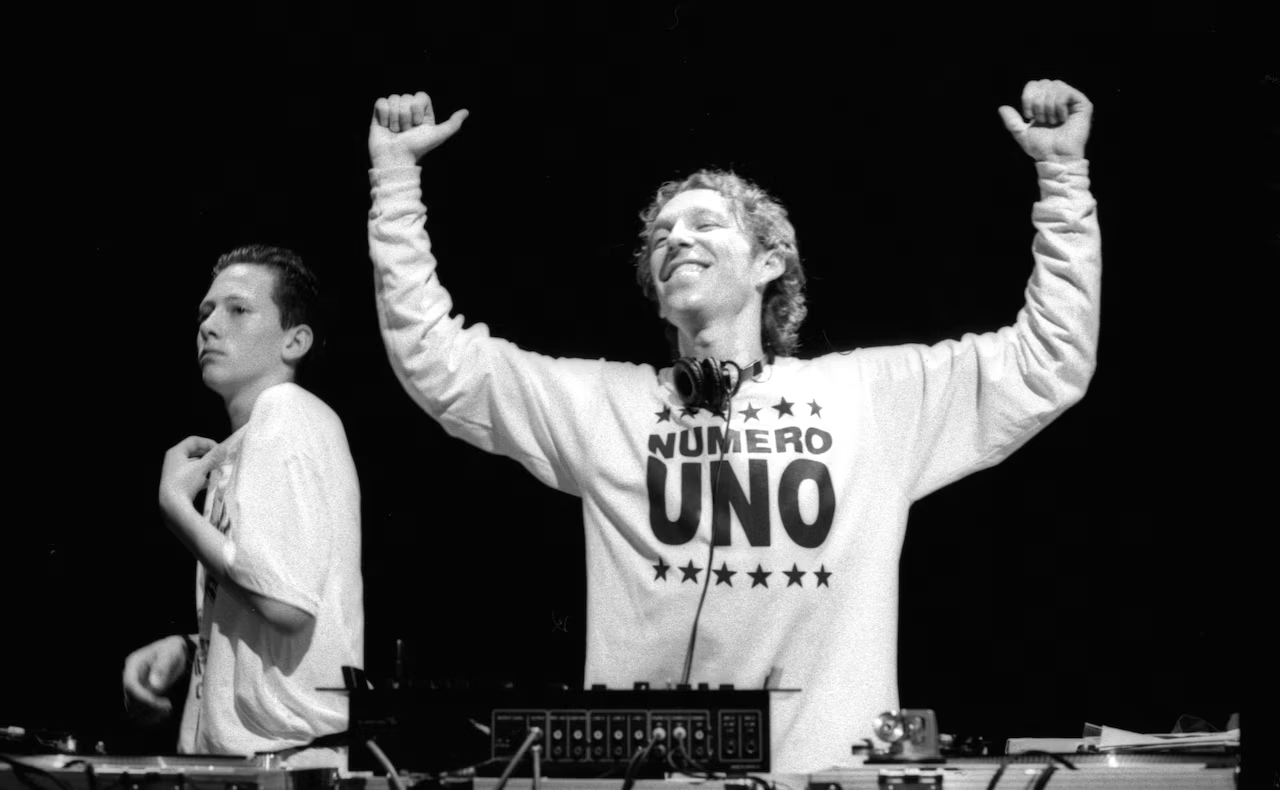
Manchester's music history is crowded with famous names. Morrissey, Johnny Marr, Ian Curtis, Bernard Sumner, Peter Hook, Liam and Noel Gallagher, The Stone Roses, Shaun Ryder, Bez, and Tony Wilson have all become part of the city's mythology. Documentaries, biographies, films, and endless retellings of Manchester's musical past have told their stories.
Behind those familiar figures, however, were others whose influence was every bit as important. They gave unknown bands somewhere to play, put records in front of audiences who might otherwise never have heard them, helped bring acid house into British club culture and transformed the way a generation thought about nightlife. Mike Pickering stood close to the centre of that story.
Alongside his friend Rob Gretton, manager of Joy Division and New Order, Factory Records co-founder Tony Wilson, and fellow Haçienda DJs Graeme Park, Dave Haslam and Jon Dasilva, Pickering belonged to a loose collective of Manchester obsessives constantly looking for what might come next. Their work ran parallel with developments further south, where figures such as Paul Oakenfold and Danny Rampling were exploring many of the same sounds. Between Manchester and London, a new British club culture began to take shape.
Who is Mike Pickering?
I have been reading Pickering's autobiography, 'Manchester Must Dance', and what makes it so valuable is the way it shifts attention away from the usual headline figures. Co-written with Paul Morley, the book traces six decades of clubs, gigs, football, friendships, record labels, and politics, while revealing how often Pickering happened to be standing somewhere important before everybody else realised what was happening.
His story stretches from a Manchester childhood in the 1950s to Factory Records, The Haçienda, Deconstruction Records, M People and a long career in A&R. It is less a conventional rise-to-fame story than the account of somebody who repeatedly found himself connecting different musical worlds.
Many fans will already recognise Pickering's name from Factory Records or The Haçienda, perhaps through a passing mention in one of the countless books and films about Manchester. What 'Manchester Must Dance' makes clear is how much of the familiar story runs through him. His relatively understated personality has often allowed louder personalities around him to dominate the mythology.
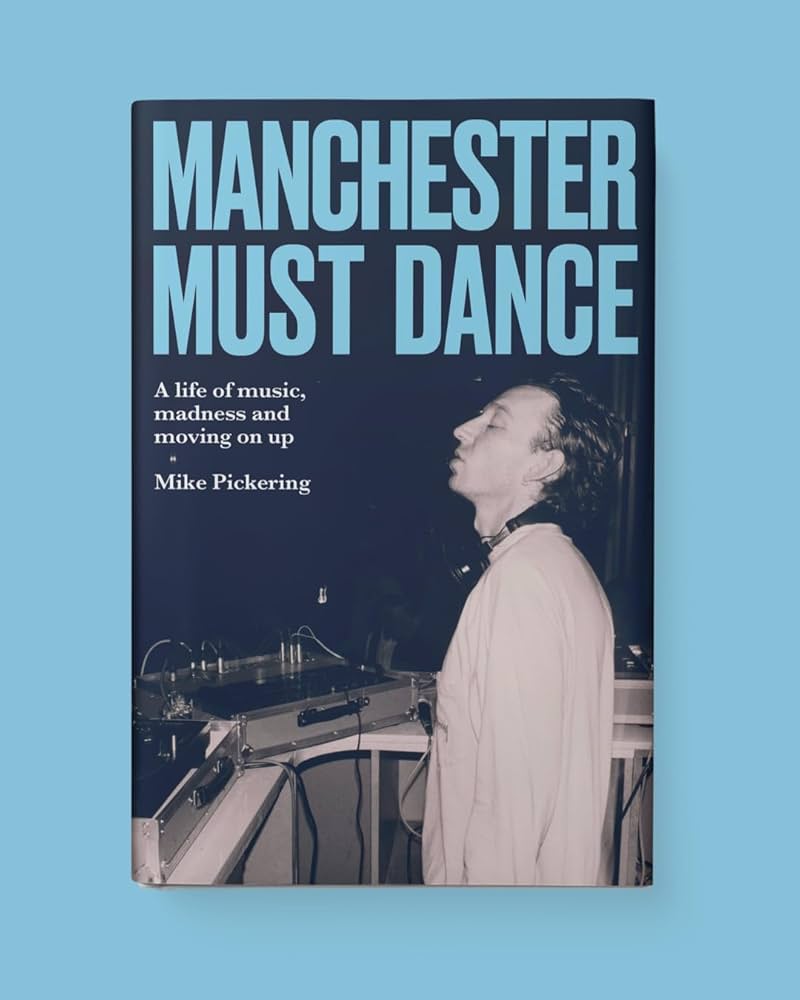
The book begins to correct that imbalance through contributions from figures whose careers overlap with his own. Noel Gallagher argues that Pickering "should be awarded a knighthood for services to clubbing", before adding of the broader Haçienda circle: "you cannot overestimate how much this group of mavericks had this idea, and saw it through. They really were doing for the city and the people."
Johnny Marr remembers meeting Pickering in a clothes shop, an encounter that helped lead to early bookings for The Smiths at The Haçienda. ABC frontman Martin Fry is one of Pickering's oldest friends, while Calvin Harris offers his own perspective on the A&R man who later helped launch his career.
From The Beatles and Bowie to Factory Records
Music runs through Pickering's life alongside another lifelong obsession, Manchester City. His first gig arrived on 20 November 1963 when, aged five, he went with his mother to see The Beatles at Manchester's ABC Cinema in Ardwick.
Six decades later, it's easy to treat Beatlemania as something preserved behind glass, but for a child witnessing it in real time, the experience must have been overwhelming. 'She Loves You' and the other songs were almost competing with the screams around them. Pickering was witnessing not only a band but the strange power music could have over a room full of people.
Another turning point came through David Bowie during the 'Ziggy Stardust' period. Bowie offered something completely different from The Beatles. The songs mattered, but so did the clothes, theatre, ambiguity and sense that pop music could create an entire world around itself. The performance introduced Pickering to music as something visual, social and transformational rather than simply something coming from a record player.
A conventional life was becoming increasingly unlikely. To the frustration of his more traditional father, Pickering gradually found his way into the orbit that would become Factory Records, often through his friendship with Gretton. Gretton managed Joy Division and later New Order, which gave Pickering a close view of the strange ecosystem developing around Tony Wilson and the musicians, designers, managers, and eccentrics surrounding Factory.
Punk provided another rupture. For Pickering, its importance was not simply musical. Punk suggested that permission was unnecessary. People could put on their own shows, start labels, form bands, design posters and build a culture themselves. The lesson mattered even when Pickering's musical interests began moving away from straightforward guitar music.
Travel followed. He spent time in Holland and Greece, encountering electronic records and dance music that increasingly pulled his attention away from the traditional band format. The different strands of his musical education were beginning to meet: the communal excitement of The Beatles, Bowie's ability to create a world and punk's insistence that people could simply make things happen for themselves.
Rotterdam Must Dance and the Road to The Haçienda
In Rotterdam in the late 1970s, Pickering immersed himself in an underground scene centred on artists, squats, and disused industrial spaces. He helped establish a club night called Rotterdam Must Dance, the phrase that would decades later give his autobiography its title.
The parties took place in a vast former waterworks beside the River Maas, occupied by a collective of local artists. It was there that Pickering hosted his friends from Sheffield, Vice Versa, as members of the group moved toward what would become ABC.
His DJ sets already reflected the broad musical curiosity that would later define his approach at The Haçienda. American funk and disco imports sat beside stranger, more confrontational records from New York and Europe. Chic and Stacy Lattisaw could coexist with No Wave and electronic music. Genres mattered less than whether something worked in the room.
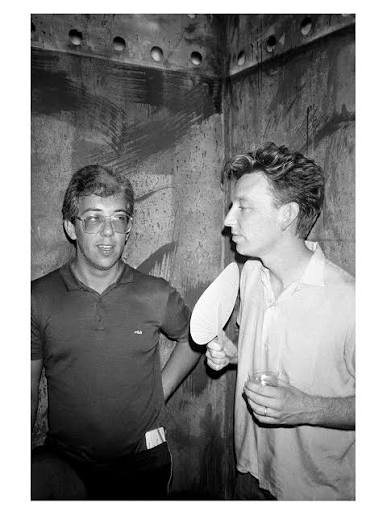
One particularly significant Rotterdam show featured New Order during the period after Ian Curtis's death. Pickering helped stage the performance in a repurposed municipal water tower. Gretton saw what his friend had created from a neglected industrial space and told him about plans taking shape back in Manchester for a club unlike anything the city already had.
Pickering returned to England and became involved in what would eventually become FAC 51 The Haçienda.
Mike Pickering and The Haçienda
Much of 'Manchester Must Dance' deals with the chaotic relationship between The Haçienda and Factory Records. Tony Wilson has been portrayed so often that his personality can sometimes swallow the rest of the story, but Pickering's version is valuable because it stays closer to the practical reality of making the place work.
The mythology can obscure just how slowly The Haçienda found its identity. The club opened in 1982. Acid house did not transform it until several years later. Between those points came a long period of uncertainty, financial losses and nights when the enormous room felt considerably less glamorous than its reputation now suggests.
For years, The Haçienda was searching for a reason to exist. Pickering initially played an important role in booking bands, and the lists now read like an extraordinary snapshot of music in transition. Culture Club, The Alarm and Thomas Dolby all appeared. Madonna made her first UK live appearance there in 1984 as part of a television recording.
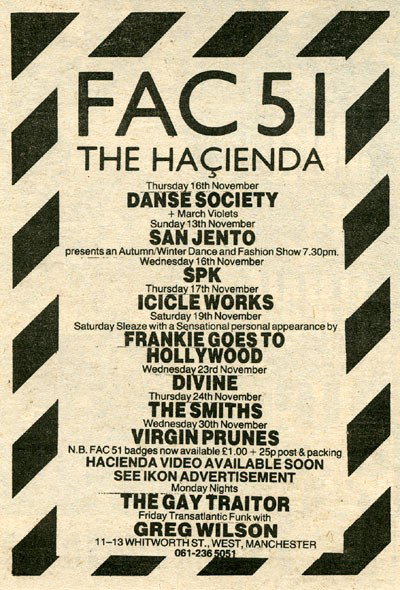
Pickering also booked some of Manchester's defining guitar groups at formative stages of their careers. The Smiths played the club early in their ascent, while The Stone Roses appeared before Madchester had a name. Happy Mondays became part of the building's story long before the rest of Britain understood what was happening in Manchester.
His influence extended beyond booking the bands. While working around Factory Records, Pickering helped bring both Happy Mondays and James to the label. It is another example of how often his career appears in the margins of better-known stories.
The Haçienda's stage also welcomed Echo & the Bunnymen, Orchestral Manoeuvres in the Dark, A Certain Ratio, Curtis Mayfield, Nick Cave and the Bad Seeds, Eurythmics and Erasure. Pickering had a habit of catching artists just before the wider culture caught up.
Yet for all the musical importance now attached to The Haçienda, it remained financially disastrous for much of its early life. The room was expensive to run and frequently nowhere near full. A venue remembered today as one of Britain's most important clubs spent much of its existence struggling to survive.
How Acid House Transformed The Haçienda
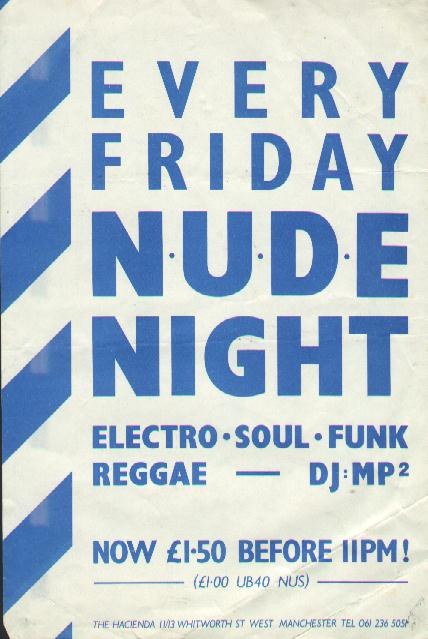
In 1986, Pickering helped establish the Friday night 'Nude', increasingly placing imported American house music at the centre of The Haçienda. Records from Chicago and New York, many bought through Manchester import shops including Spin Inn, began reshaping the room's sound. Frankie Knuckles, Marshall Jefferson and releases from labels such as Trax offered something dramatically different from the club's earlier programme.
'Nude' did not transform British club culture overnight, but it became one of the places where the new music was allowed to develop in front of an increasingly receptive audience. For perhaps the first time, The Haçienda began to feel less like an ambitious building looking for a purpose and more like a club creating its own identity.
By 1988, that identity had changed again. 'Hot', co-run by Pickering and Jon Dasilva, absorbed the influence of Ibiza and the Balearic approach that was simultaneously beginning to reshape nightlife in London.
The arrival of acid house and Ecstasy altered The Haçienda completely. A club that had often struggled to fill its enormous floor became a destination. Guitar bands were no longer necessarily at the centre of the story. The DJ booth, records, sound system and dancefloor mattered just as much.
Pickering describes the early Ecstasy period as one in which barriers seemed, temporarily at least, to disappear. Football lads, art-school kids, designers, musicians and people from very different parts of Manchester suddenly occupied the same room. He writes about MDMA creating a kind of "loving grace", an atmosphere almost impossible to separate from the records being played around it.
By the Second Summer of Love in 1988, the change was impossible to ignore. Graeme Park became another central figure in The Haçienda's DJ culture, building a musical partnership with Pickering that would continue long beyond the club itself. Dave Haslam, Jon Dasilva and others added their own identities to a venue whose musical reputation rested on several overlapping nights and approaches rather than one DJ alone.
Manchester was not operating in isolation. Similar changes were taking place in London after Paul Oakenfold, Danny Rampling and others returned from Ibiza. Pickering's connection to that world was personal as well as musical. He recalls Oakenfold giving him his first Ecstasy tablet during a trip to Barcelona.
London's Balearic scene and Manchester's harder-edged house culture developed differently, but records, DJs and ideas travelled constantly between them. Together, they helped move dance music from specialist clubs toward the centre of British youth culture.
Happy Mondays, The Stone Roses and the Birth of Madchester
Pickering also occupied an unusual position between Manchester's dancefloor and its guitar bands. Happy Mondays belonged naturally to both worlds. The Stone Roses were familiar faces at The Haçienda before their own breakthrough, absorbing an atmosphere in which indie music and dance culture were increasingly difficult to separate.
That crossover was visible on national television in November 1989 when Happy Mondays and The Stone Roses both appeared on 'Top of the Pops'. Pickering helped make the appearances happen behind the scenes. For viewers beyond Manchester, the broadcast offered a glimpse of a city in which the boundaries between guitar music, club culture and fashion were collapsing.
Madchester was never the work of one person, venue or band, but Pickering's fingerprints are unusually difficult to avoid.
Deconstruction Records and 'Ride on Time'
Another major strand of his story begins with Deconstruction Records. After years immersed in the imported records transforming The Haçienda, Pickering increasingly believed dance music could succeed commercially in ways the traditional record industry had yet to understand. Tony Wilson, according to Pickering's recollection, remained sceptical, memorably insisting: "dance music doesn't sell, darling."
Pickering would spend much of the following decade demonstrating otherwise. Alongside Keith Blackhurst and Pete Hadfield, he helped establish Deconstruction Records. Its releases became central to the emergence of dance music as a mainstream force in the late 1980s and 1990s.
One of the label's first enormous successes came through Black Box. While DJing in Italy, Pickering encountered an early version of 'Ride on Time'. He heard something the marketplace had initially missed and brought the record back to Britain. Deconstruction signed Black Box, and the song subsequently became one of the defining singles of 1989, spending six weeks at number one in the UK.
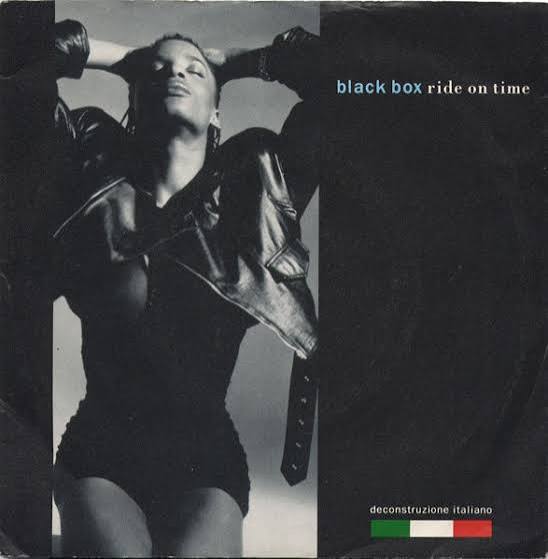
Its success also produced one of the messiest copyright disputes of the period. The original recording relied heavily on an uncleared sample of Loleatta Holloway's vocal from the 1980 disco track 'Love Sensation'. After legal pressure, the sample was replaced on later versions. The replacement vocal has long been widely attributed to Heather Small, although accounts of exactly how the re-recording took place vary.
Katrin Quinol, the French model used as Black Box's visible frontwoman, continued to lip-sync the record during television performances, creating another example of the increasingly blurred relationship between club production, sampling, image, and pop stardom at the end of the decade. The episode would acquire an extra layer of significance once Small later became the singer of M People.
The Kitchen, Hulme and Manchester's After-Hours Culture
From the DJ booth, Pickering was witnessing the entire culture surrounding house music change in real time. The exhilaration of the early period began to sit alongside gang violence, aggressive policing, tabloid hysteria and the increasingly uncomfortable commercialisation of rave culture.
His growing name as a DJ created its own problems. Unscrupulous promoters could advertise appearances that had never been agreed, occasionally placing Pickering's name on illegal raves he knew nothing about. A culture built on spontaneity had become large enough for reputations to be exploited.
Among the people regularly standing on The Haçienda's dancefloor during this period was Noel Gallagher. Years before Oasis, he was simply another Manchester music obsessive absorbing the atmosphere.
The city's nightlife also extended well beyond The Haçienda. Because the club shut relatively early, people looked elsewhere to keep the night going. One of the most notorious destinations was The Kitchen in Hulme.
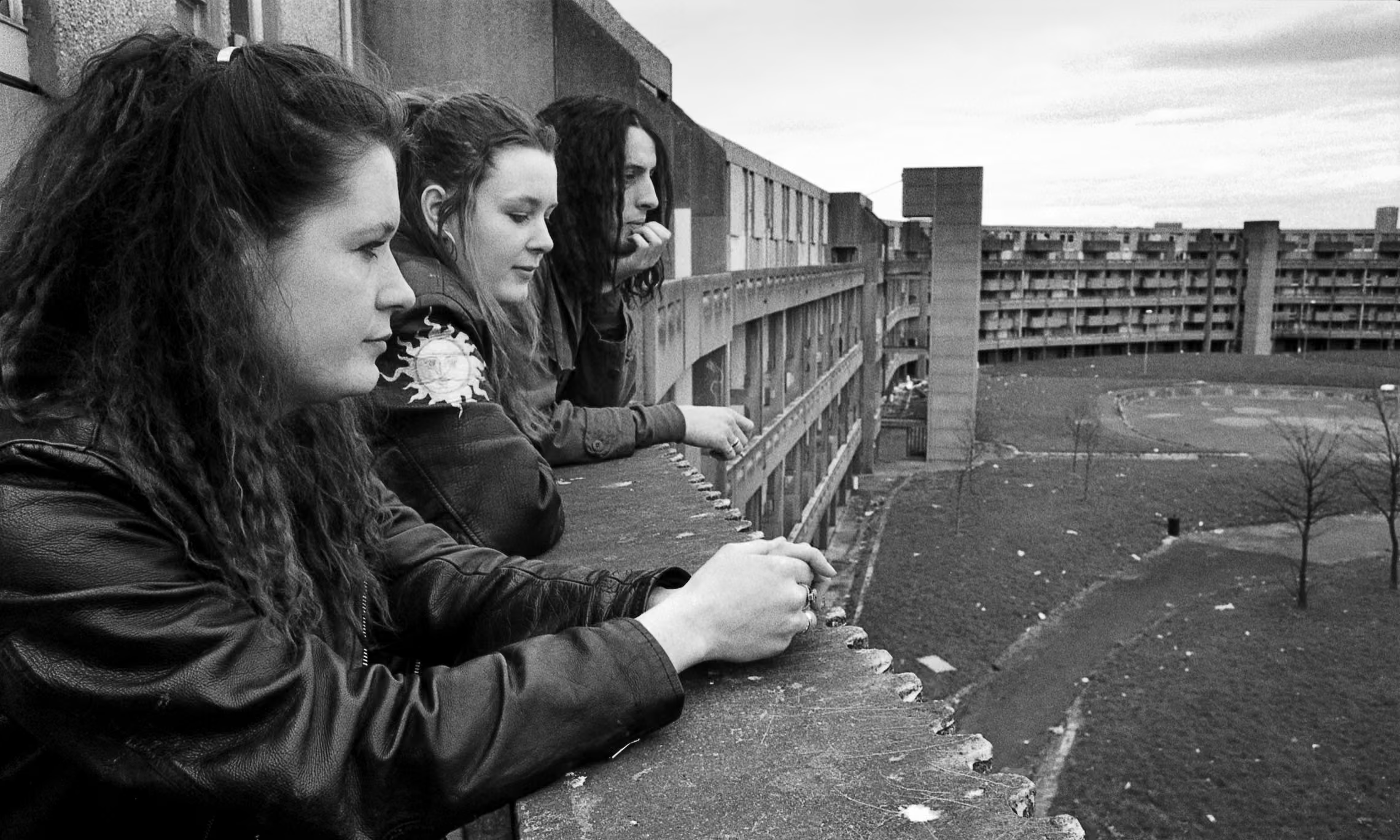
Hidden within the brutalist landscape of the Hulme Crescents, The Kitchen was created by knocking together abandoned council flats and filling the resulting space with a sound system. There was very little polish and even less concern for conventional licensing. It was loud, dark, improvised and inseparable from the neglected neighbourhood surrounding it.
Hulme was a working-class district living through deindustrialisation and the consequences of Thatcher-era economic policy. Yet out of its abandoned spaces emerged a culture that attracted musicians, DJs and clubbers from across Manchester and beyond.
Members of Happy Mondays, New Order and The Stone Roses could appear there. Public Enemy visited. Haçienda DJs played records. It was a world in which internationally known musicians and people from the surrounding estate might occupy the same improvised room.
Pickering remembers walking through Hulme with New York DJ Mark Kamins and seeing steam pouring from one of the buildings around them. The surreal surroundings suited a nightlife culture increasingly interested in repurposing spaces everybody else had abandoned.
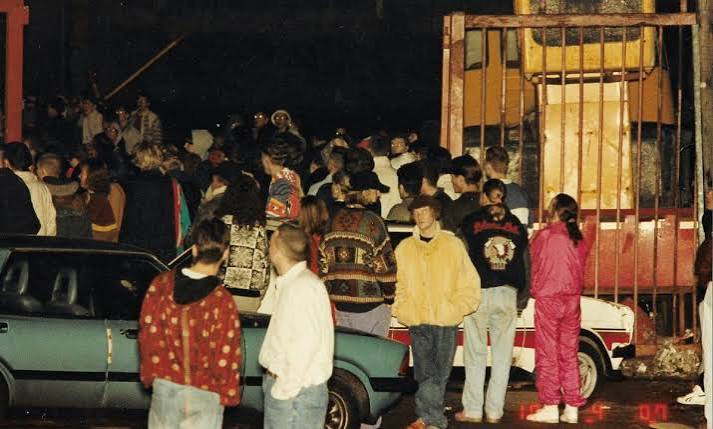
The Kitchen also pointed towards what came next. Illegal parties expanded beyond Manchester into larger raves around Blackpool, Blackburn and the wider North West. Telephone numbers, pirate radio announcements, motorway service stations and convoys helped thousands of people find parties held in warehouses and former industrial buildings.
The symbolism was difficult to miss. Buildings left behind by the Industrial Revolution were being temporarily reclaimed by a generation dancing to electronic music, and club culture was escaping the club.
Rob Gretton, Tony Wilson and Factory Records
Running through much of 'Manchester Must Dance' is Pickering's friendship with Rob Gretton. Their relationship gives the book an emotional centre that exists beyond records or career milestones.
Chapter 47, 'A Rob By Any Other Name', is Pickering's tribute to a friend who appears repeatedly throughout his life. Their relationship grew partly through music and partly through Manchester City and the terraces of Maine Road. Pickering eventually summarises his role at Factory Records with characteristic simplicity: "Rob's mate." That description says more than a corporate job title probably could.
Gretton and Pickering argued, laughed, worked together and repeatedly crossed paths through Factory and The Haçienda. Gretton's death in 1999 therefore lands differently from many of the more familiar tragedies in Manchester's musical history. Pickering is not writing about an icon. He is writing about his friend.
His relationship with Tony Wilson was more combustible. Pickering's growing commitment to dance music often collided with Factory's continued attachment to bands. His frustration eventually helped push him towards Deconstruction, where he could test whether the records working in Manchester clubs might also work on the charts.
They did.
Black Box were joined by artists including Guru Josh, K-Klass and Felix. At the same time, Kylie Minogue's 1994 self-titled album became one of the most high-profile examples of Deconstruction's willingness to work beyond the established boundaries of dance music.
The Haçienda functioned partly as an unofficial laboratory. Records could be tested in front of a real crowd before anybody had sales figures or radio research telling them whether they worked. Pickering trusted the response of a dancefloor, and that instinct became increasingly valuable as dance music moved into the mainstream.
The Darker Final Years of The Haçienda
Back at The Haçienda, however, the atmosphere was deteriorating. Noel Gallagher later described New Year's Eve 1989 as the point at which something changed in the club. Pickering largely shares that assessment. The joyful atmosphere associated with the earliest Ecstasy period gradually became harder to sustain as the drug market around the venue became more organised and violent.
Gang involvement intensified. Rival groups from around Manchester competed for control of an increasingly profitable market. Violence that once seemed external to the club became impossible to separate from it.
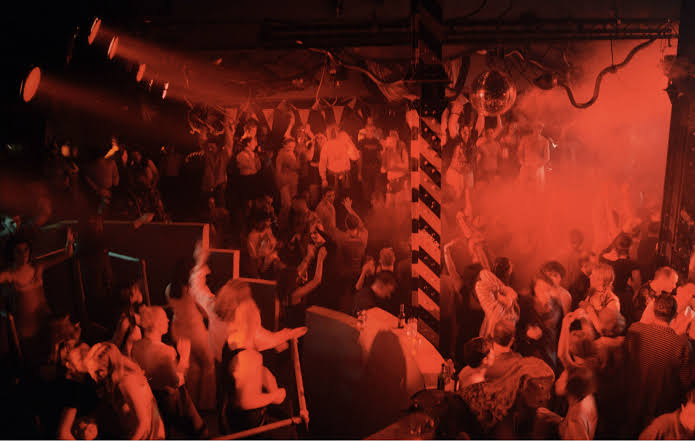
The death of 16-year-old Clare Leighton in July 1989 intensified public scrutiny. Leighton collapsed at The Haçienda after taking Ecstasy and died the following day. Her death became part of a growing national panic surrounding rave culture and MDMA.
For newspapers already suspicious of acid house, The Haçienda became an easy symbol. The club increasingly found itself trapped between criminal gangs, tabloid hostility and Greater Manchester Police. Licensing battles and raids added pressure to a venue already spending heavily on security.
Pickering's description of the period is striking because it comes from somebody who remembers how different the building had felt only a short time earlier. What had seemed like a temporary utopia became increasingly tense. Violence entered the club. Doormen were threatened. Guns appeared. The sense of safety that had made the early house period so liberating began to disappear.
The Haçienda temporarily closed in 1991 because of escalating violence before reopening. It would survive until 1997, but by then the world around it had changed dramatically. British club culture no longer needed one building in Manchester to validate it. Superclubs, festivals and legal dance venues had spread across the country, and Pickering himself had already begun moving on.
Cream, Liverpool and the Rise of the Superclub
Liverpool became another important part of Pickering's DJ career. He remembers his Cream appearances with particular affection. Based at Nation, the club became one of the defining superclubs of the 1990s and demonstrated just how far dance culture had travelled since the uncertain early years of The Haçienda.
The scale was different, but Pickering's approach remained recognisable. Long, flowing house sets mattered more than spectacle. The records still came first.
M People and the 1994 Mercury Prize
At the same time, Pickering was building something entirely different. In 1990, he formed M People with Paul Heard, later bringing Heather Small in as lead singer. If The Haçienda had taught him how dance music could transform a room, M People tested whether those ideas could survive inside mainstream pop.
The answer was emphatic. M People became one of Britain's biggest groups of the 1990s, selling millions of records and turning house, soul and pop into something that worked on radio, in clubs and inside arenas.
Their second album, 'Elegant Slumming', became the decisive breakthrough. 'Moving On Up' reached number two in the UK, while 'One Night in Heaven', 'Don't Look Any Further' and 'Renaissance' established the group's ability to move between dancefloor momentum and traditional pop songwriting.
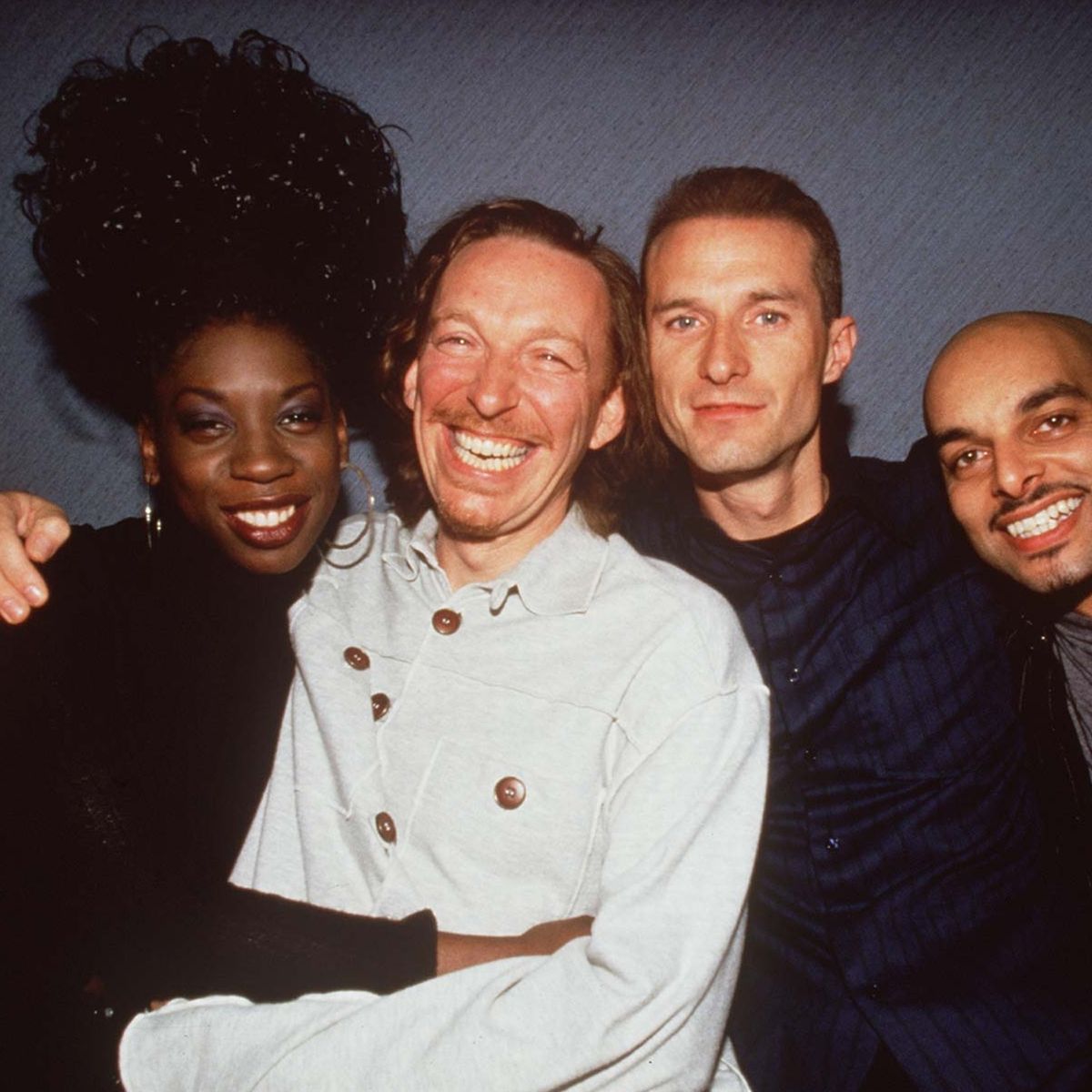
Then came the Mercury Music Prize. In 1994, 'Elegant Slumming' won the award ahead of a shortlist containing Blur's 'Parklife', Pulp's 'His 'n' Hers', The Prodigy's 'Music for the Jilted Generation', Paul Weller's 'Wild Wood', Primal Scream's 'Give Out But Don't Give Up', Take That's 'Everything Changes', Therapy?'s 'Troublegum', Shara Nelson's 'What Silence Knows', Ian McNabb's 'Head Like a Rock' and Michael Nyman's 'The Piano Concerto/MGV'.
The decision irritated parts of the British music press increasingly obsessed with the emerging Britpop story, and Pickering remembers the reaction with some amusement.
It is easy to understand why the victory jarred with the narrative being constructed around British guitar music in 1994. Blur and Pulp appeared to represent the future of the decade. Yet M People's win reflected another equally significant story. Dance music was no longer an underground culture operating beyond the edges of the mainstream. It had become British pop.
'Bizarre Fruit', released later that year, strengthened that position. 'Sight for Sore Eyes' and 'Open Your Heart' became further hits, while the group also recorded their version of Small Faces' 'Itchycoo Park'.
For Pickering, M People represented another transition. The records being played inside The Haçienda during the previous decade had helped create an audience that could now support dance-influenced pop on a huge commercial scale. He had helped move from one world to the other.
From Kasabian to Calvin Harris: Mike Pickering the A&R Man
Another career followed. Pickering spent roughly two decades working in senior A&R roles within Sony, including at Columbia Records. It was an environment very different from Factory Records, and 'Manchester Must Dance' captures the tension between his instinctive way of working and the bureaucracy of a major label.
His ears remained reliable. He signed Kasabian after hearing something in the Leicester band that set them apart from much of the indie music around them. Their mix of electronics, heavy rhythm, and guitar echoed some of the genre-blurring ideas Pickering had always been drawn to.
He also worked with Gossip and helped bring The Ting Tings to the label.
Then came Calvin Harris.
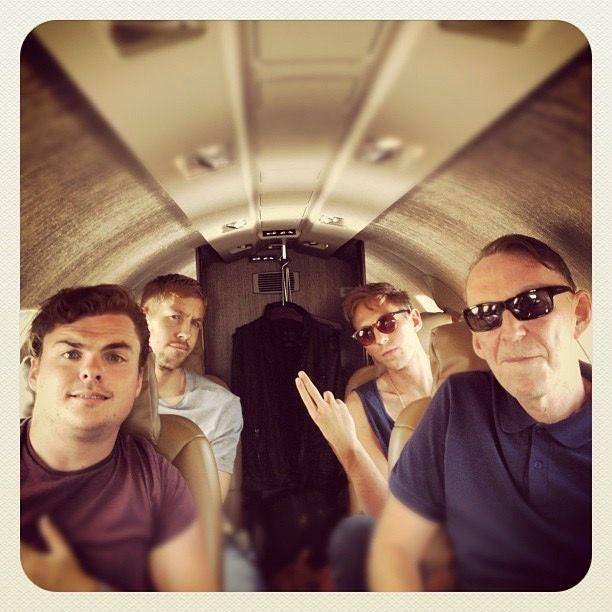
Pickering first heard Harris almost accidentally. During a telephone conversation with a music publisher, another record was playing in the background. Pickering's attention drifted away from the conversation and towards the track. It was 'The Girls', and he wanted to know immediately who had made it.
Harris, born Adam Wiles, was still unknown outside a small circle. His representatives were reportedly travelling to London to discuss another record deal when Pickering intervened and arranged a meeting at Costa Coffee in Victoria Station.
The story feels almost absurdly modest considering what followed. Pickering remembers Harris as tall, awkward and far removed from the superstar image he would later develop. Harris, meanwhile, was tired of stacking shelves at Marks & Spencer in Dumfries and wanted his opportunity.
Pickering signed him to Columbia. His debut album, 'I Created Disco', arrived in 2007. Five years later, '18 Months' turned Harris into one of the biggest electronic artists in the world, producing a run of UK Top 10 singles that broke chart records.
The professional relationship became a long friendship. Harris continued sending Pickering music and later contributed to 'Manchester Must Dance'.
The story matters because it shows Pickering's career can't be filed under Manchester nostalgia. From The Smiths and Happy Mondays to M People, Kasabian, and Calvin Harris, he kept finding ways to recognise what might work next.
Why 'Manchester Must Dance' Matters
That ability makes 'Manchester Must Dance' much more than another book about Factory Records. It is also about what happens when somebody who has spent a lifetime trusting records and crowds enters increasingly corporate environments. Pickering was comfortable inside clubs, record shops and backstage rooms. Boardrooms suited him rather less, yet the instinct survived.
Today, Pickering still DJs, while Haçienda Classical has taken the music once heard inside FAC 51 into concert halls, festivals and onto stages such as Glastonbury's Pyramid Stage. There is something wonderfully circular about it. The records that once struggled for acceptance inside a half-empty Manchester nightclub eventually became part of the British musical canon.
That is ultimately what makes Mike Pickering's story so fascinating. No single achievement explains his importance. He booked formative shows at The Haçienda, helped bring Happy Mondays and James to Factory, pushed American house records in Manchester before they became mainstream, helped establish Deconstruction, formed M People and later played a role in the careers of Kasabian, Gossip, The Ting Tings and Calvin Harris.
His career creates an extraordinary line through British music, from post-punk and Factory Records to acid house, 1990s dance-pop and the electronic mainstream.
Pickering did not do any of those things alone, and 'Manchester Must Dance' is at its best when it acknowledges the network around him: Rob Gretton, Tony Wilson, Graeme Park, Dave Haslam, Jon Dasilva, Paul Oakenfold, Danny Rampling and countless others who built something before anybody knew what it would become.
Manchester's musical mythology has often been dominated by the people standing at the front of the stage. Mike Pickering spent much of his career somewhere else: in the DJ booth, inside the office, beside the dancefloor, listening to a demo or giving an unknown artist a chance. Again and again, he was simply there when the next thing started.
'Manchester Must Dance' finally places him where he belongs within that story.