Top 10 Queen Songs
Queen are one of the few bands in rock history whose influence and legacy have only grown with time. Their music is woven into the fabric of popular culture, instantly recognisable whether it's blaring from stadium speakers or playing quietly in the background. Over the decades, Queen have delivered a diverse catalogue that transcends genre boundaries, from soaring rock anthems to heartfelt ballads, dazzling theatrical pieces, and experimental deep cuts, revealing the band’s willingness to innovate.
For so many people, Queen’s music is far more than just a soundtrack; it’s a source of inspiration, nostalgia, and pure, unfiltered joy. Their songs have marked personal milestones, brought friends and families together, and helped listeners through both the highest highs and the most challenging lows. Who in the UK hasn’t belted out ‘Don’t Stop Me Now’ at a wedding or party, or felt goosebumps during the opening lines of ‘Somebody to Love’? Their music is the backdrop to countless memories, road trips, kitchen discos, first dances, heartbreaks, and triumphs.
Queen’s ability to unite generations is almost unmatched; their songs bridge the gap between young and old, and their appeal is as strong today as it was in the 1970s and 80s.
The band’s fearlessness in pushing musical boundaries, combined with their knack for unforgettable melodies and heartfelt lyrics, ensures their magic endures generation after generation.
Even when the band were dealing with personal turmoil, divorce, illness, and, ultimately, the loss of Freddie, they still managed to create some of the most powerful and enduring songs ever recorded. That resilience, that creative spark in the face of adversity, is woven through their music. It’s what makes Queen not just legendary, but timeless
Whether you’re a lifelong fan who knows every lyric or a newcomer discovering their genius for the first time, there’s always something new to appreciate in Queen’s vast discography. In this post, I’ll be counting down my top ten Queen songs, knowing full well that every fan’s list will be a little different, and that’s part of what makes Queen so special.
I hope this list brings back memories, sparks debate, and maybe even encourages you to revisit a few overlooked gems. Above all, I hope it reminds us why Queen’s music continues to unite and inspire.
10. Liar
‘Liar’ is one of Queen’s earliest masterpieces, taken from their self-titled debut album. It is a perfect showcase of the raw energy and ambition that defined the band’s early years. The song is driven by a thunderous rhythm section and Brian May’s instantly recognisable guitar work, but it is Freddie Mercury’s dynamic performance that really stands out, moving effortlessly between snarling accusations and soaring melodies.
From the very first notes, 'Liar' sets itself apart with its sense of urgency and drama. The lyrics are biting and intense, and you can sense the youthful frustration and theatricality that Queen would later become famous for. Brian May’s guitar solo, full of inventive twists and turns, adds another layer of excitement, while John Deacon and Roger Taylor provide a relentless groove underneath it all.
Liar' is also a brilliant early example of Queen’s knack for building tension and then exploding into powerful choruses. The way the band shifts between quieter moments and full-throttle outbursts keeps listeners guessing throughout. There is a certain roughness to the production that gives it a charm all its own, reminding us just how hungry and driven Queen were in their formative years.
Live, 'Liar' took on a life of its own. The band would stretch it out, often giving it a raw and unpredictable edge that got the crowds involved. It became a cornerstone of their early concerts and a cult favourite among longtime fans. Listening to it now, you can hear the roots of Queen’s later experimentation and their ability to fuse hard rock with theatrical flair. 'Liar' is not just a great song from the debut; it is a glimpse of the future legends they were about to become.
What makes ‘Liar’ so special is its sheer unpredictability. The track shifts gears constantly, jumping from hard rock riffs to almost gospel-like harmonies and back again, packing in more ideas in one song than some bands do in an entire album. It’s chaotic, theatrical, and full of attitude, qualities that would soon become hallmarks of Queen’s sound.
Although ‘Liar’ was never a chart hit, it became a fan favourite at live shows, where the band would often extend it into a show-stopping epic, complete with audience participation and extended solos. Listening to it now, you can hear the seeds of Queen’s future greatness: the ambition, the musicianship, and the willingness to take risks. ‘Liar’ serves as both a statement of intent and a reminder of just how exciting Queen were right from the very beginning.
9. The Show Must Go On
‘The Show Must Go On’ is not only one of Queen’s most powerful songs, it is also one of their most poignant. Written by Brian May and released on the 'Innuendo' album in 1991, the song became an anthem of resilience and determination during one of the darkest periods in the band’s history. At the time, Freddie Mercury’s health was rapidly declining, but you would never know it from the soaring vocals and emotional intensity he delivers on this track.
The lyrics are a testament to perseverance in the face of adversity, and have taken on an even deeper meaning given what the band was going through behind the scenes. Lines like ‘My soul is painted like the wings of butterflies’ and ‘Inside my heart is breaking’ are full of vulnerability, yet the chorus lifts the listener up with its message of courage and defiance. It is both heartbreaking and inspiring.
Musically, ‘The Show Must Go On’ is classic Queen: dramatic, layered, and full of passion. The arrangement builds from a gentle opening to a monumental, anthemic finale, showcasing the band’s ability to blend drama with melody. Brian May’s guitar work is particularly moving, and the entire band gives a performance that is as tight as it is emotionally charged.
The song has become a symbol for carrying on in the face of personal trials, and it resonates with anyone who has faced difficult times. It is a reminder of Freddie’s remarkable strength and the band’s unbreakable spirit.
There is a sense of theatricality and drama that runs through every second of 'The Show Must Go On'. The song’s structure, with its gradual build from a fragile opening to a monumental, defiant climax, mirrors the band's journey as they faced their greatest adversity. Freddie’s vocals are nothing short of extraordinary, especially given his ailing health at the time. You can hear both vulnerability and fierce determination in every line.
The lyrics, written by Brian May, are filled with symbolism and emotion. Phrases such as 'I’ll face it with a grin, I’m never giving in' have resonated with listeners for decades, providing comfort and motivation in their own struggles. The song is a true celebration of resilience and the human spirit.
The music video for 'The Show Must Go On' is a masterclass in visual storytelling. Rather than filming new footage, Queen created a poignant montage of past live performances, interviews, and iconic moments from their career. This approach did more than mask Mercury’s declining health; it highlighted his enduring legacy and the band’s journey together. The choice of footage emphasises the idea that Queen's music and spirit would live on, no matter the challenges they faced. For fans, watching the video was a deeply emotional experience. It was clear this was both a celebration of Freddie’s life and a poignant farewell, with every flash of him on stage underlining his commitment to his art and audience. The video is still referenced as one of rock’s most moving tributes, shown at Queen exhibitions, documentaries, and events as a lasting symbol of courage and artistry. It is a reminder that, even in the face of great loss, the music and the show truly must go on.
‘The Show Must Go On’ stands as a fitting farewell from Mercury, and a testament to Queen’s belief in the enduring power of music to uplift, comfort, and inspire.
8. Who Wants to Live Forever
What sets 'Who Wants to Live Forever' apart is its combination of grandeur and intimacy. The orchestral arrangement, recorded with the National Philharmonic Orchestra, gives the track an epic, cinematic feel that perfectly suits its origins in the Highlander film. Yet at the same time, the lyrics and vocal performances invite the listener in on a deeply personal level, expressing the ache of knowing that love and life are painfully finite. May’s guitar solo is both soaring and mournful, a perfect counterpoint to the lush strings and Mercury’s voice.
The song is a showcase for Queen’s ability to blend rock with classical influences, creating something that feels timeless and universal. It has become a favourite at tribute concerts and memorial events, often bringing audiences to tears. For many fans, it stands as one of the band’s most moving and profound achievements.
One of the most memorable performances of 'Who Wants to Live Forever' came at Wembley Stadium in 1986, during Queen’s legendary show. Just before the band played the song, Freddie addressed the crowd with a trademark combination of wit and defiance: "You know something, there have been a lot of rumours lately about a certain band called Queen, and the rumours are that we're gonna split up. What do you think? We're going to stay together until we fucking well die." The audience erupted with applause, and the moment perfectly captured the unity and fighting spirit of Queen at the height of their powers. Freddie was right. They stayed together until his death.
The performance that followed was breathtaking, with Freddie pouring every ounce of feeling into the vocals, backed by the band and the Wembley crowd. The stadium seemed to fall into a hushed awe, hanging on every word and note as the song unfolded. Brian May’s guitar shimmered over the orchestral arrangement, and the sense of shared emotion between band and audience was palpable. It remains one of the most emotional and iconic moments from that historic concert, and a testament to the enduring power of both the song and Freddie himself.
Since then, 'Who Wants to Live Forever' has taken on a life of its own. It is often performed at special events, memorials, and even weddings, where its themes of love and loss continue to resonate. The track remains a high point in Queen’s catalogue, a beautiful and heartbreaking reminder of both the fragility and the greatness of the band’s legacy.
7. It's A Hard Life
A highlight from the 1984 album 'The Works', 'It's a Hard Life' showcases Freddie Mercury at his most passionate and theatrical.
The arrangement is classic Queen: lush harmonies, soaring guitar, and a sense of grand drama that transforms personal heartbreak into something universal. The accompanying music video, with its flamboyant costumes and surreal sets, underlines the band’s flair for spectacle while never losing sight of the song’s emotional core. For many fans, ‘It’s a Hard Life’ exemplifies Queen’s ability to marry sincerity with theatrical excess, creating a ballad that is both moving and unforgettable.
‘It’s a Hard Life’ may not always top Queen’s most-streamed lists, but it is a fan favourite for good reason. The soaring melody and dramatic flair showcase Freddie Mercury’s love of opera and his ability to turn heartbreak into something both achingly beautiful and triumphant.
The lyrics are deeply personal, speaking to the pain of loving in a world that can be harsh and unforgiving. Yet, there is a sense of hope, of pushing through hardship for the sake of love. The song’s arrangement is classic Queen, with rich harmonies, Brian May’s melodic guitar lines, and a sense of grandeur that elevates it above a simple love ballad.
The music video, with its outlandish costumes and theatrical sets, underlines the band’s willingness to embrace camp and spectacle while still delivering emotional truth. For many, ‘It’s a Hard Life’ is the perfect example of Queen’s ability to balance heartfelt sincerity with a larger-than-life sense of drama.
'It's a Hard Life' is Queen at their most operatic and heartfelt. Written by Freddie Mercury, the song channels the grand tradition of classic Italian opera, with the opening line borrowing from Leoncavallo's 'Pagliacci'. This sets the stage for a melodrama about the pain and ecstasy of love, as Mercury pours genuine feeling into every note. His vocal performance is nothing short of spectacular, capturing the vulnerability, longing, and resilience that come with loving deeply in a sometimes unforgiving world.
The song stands out for its blend of theatricality and sincerity. Brian May’s guitar solo is beautifully melodic, weaving through the lush arrangement with elegance, while John Deacon and Roger Taylor provide a rich, supportive foundation. Despite the over-the-top costumes and surreal set design in the music video, there is a core of emotional truth that makes the song resonate. 'It's a Hard Life' is a testament to Queen's gift for balancing camp excess with genuine emotion, and remains one of their most poignant and enduring ballads.
6. The Prophet's Song
‘The Prophet’s Song’ is one of Queen’s most ambitious and epic tracks, often overshadowed by the legendary ‘Bohemian Rhapsody’ on the same album, ‘A Night at the Opera’. Written by Brian May, the song stretches beyond eight minutes and weaves together haunting acoustic passages, thunderous riffs, and innovative studio effects.
Its lyrics evoke a biblical apocalypse, with warnings that feel both ancient and eerily relevant today. The layered vocal canon, Mercury’s voice swirling and multiplying, remains one of the most inventive moments in rock music. The track’s progressive structure and shifting time signatures demand attention, rewarding listeners who appreciate Queen’s experimental side. For fans seeking the band’s adventurous spirit, ‘The Prophet’s Song’ stands as a testament to their creativity and willingness to push boundaries.
One of the song’s most remarkable features is the vocal canon section, where Freddie Mercury’s voice is multi-tracked and looped, creating a swirling vortex of sound that is both hypnotic and unsettling. This innovative studio technique was far ahead of its time and showcases the band's willingness to push the boundaries of rock. Lyrically, the song is filled with prophetic warnings and biblical allusions, evoking a sense of foreboding and mysticism.
Often overshadowed by 'Bohemian Rhapsody' on the same album, 'The Prophet’s Song' is a masterpiece in its own right for fans who appreciate Queen’s adventurous streak. Its complex structure, dramatic shifts, and dark, theatrical atmosphere demonstrate the band's creativity and musical prowess at their peak. It remains a favourite among those who love Queen’s progressive side, standing as a bold statement of their artistry and ambition.
What truly sets ‘The Prophet’s Song’ apart is its sheer audacity, blending hard rock with progressive and psychedelic elements in a way that few mainstream bands of the era attempted. Brian May’s intricate guitar work weaves through the song, from ominous acoustic intro to thunderous riffs, while Roger Taylor’s drumming adds urgency and drama.
The centrepiece, of course, is the mesmerising vocal canon, where Mercury’s voice is layered and looped to create a dizzying, almost hallucinatory effect. This section alone is a technical marvel, pushing the studio technology of the time to its limits. The lyrics, with their apocalyptic warnings and biblical overtones, give the track a sense of gravitas and mystery that lingers long after the last note fades. For listeners open to Queen’s most experimental impulses, ‘The Prophet’s Song’ is not just an album track, it’s a journey, an experience, and a showcase of the band’s fearless inventiveness.
5. It's Late
One of Queen’s most underrated rock epics, 'It’s Late' from the album 'News of the World' is a showcase for Brian May’s songwriting and guitar mastery. Structured in three acts like a mini rock opera, the song explores the turmoil and heartbreak of a relationship’s end, with each section revealing new emotional layers. Freddie Mercury’s vocals shift seamlessly from tender regret to raw desperation, mirroring the song’s escalating intensity.
Brian May’s guitar work is particularly powerful here: from bluesy licks to explosive solos, he pushes his instrument to the limit, especially in the song’s final, frenetic section. Roger Taylor’s drums add urgency, while John Deacon’s bass grounds the drama, giving the song a relentless, driving energy. Lyrically, 'It’s Late' is unusually direct for Queen, capturing a sense of honesty and vulnerability that stands out in their catalogue. The band’s use of the 'tapping' guitar technique (a precursor to Van Halen’s signature style) is a highlight for guitar fans and a testament to May’s innovation.
Though never released as a major single, 'It’s Late' has become a favourite among die-hard fans and is often cited as one of Queen’s hidden gems. Its sense of tension, dramatic shifts, and emotional honesty make it a standout not just on 'News of the World', but across the band’s entire discography.
Live performances of 'It’s Late' further underscore the song’s power. On stage, Queen would stretch out the dynamics, with Brian May attacking the solos with even more ferocity and Freddie Mercury wringing every ounce of feeling from the vocals. The song’s quiet moments became more intimate, and the intense crescendos electrified audiences. It remains a cult favourite among those who appreciate Queen’s heavier, guitar-driven side.
What also makes 'It’s Late' notable is its narrative complexity within a rock context. By dividing the song into 'acts,' Brian May gave it a theatrical structure that was rare for mainstream rock at the time. This approach allowed Queen to explore shifting moods and perspectives, making the listener feel the emotional journey of a relationship unravelling. The song’s rawness and lack of polish are part of its charm. There’s a sense that the band is reaching for something urgent and real, channelling both vulnerability and explosive energy.
For listeners who may only know Queen for their anthems and ballads, 'It’s Late' is a must-hear: a reminder of their versatility, musicianship, and willingness to innovate within the rock genre.
4. Love of My Life
'Love of My Life' is one of Queen’s most beloved ballads, written by Freddie Mercury for the album 'A Night at the Opera'. The song appears on the same album as the legendary 'Bohemian Rhapsody' and 'The Prophet's Song', and its gentle, heartfelt nature provides a striking contrast to the album’s more bombastic and experimental tracks. 'A Night at the Opera' was a turning point for Queen, an album where the band pushed musical boundaries and cemented their reputation for innovation. Within this context, 'Love of My Life' stands out as a moment of pure emotional vulnerability, reaffirming Mercury’s ability to connect with listeners on an intimate level.
The song’s delicate arrangement, anchored by Mercury’s tender piano and Brian May’s signature acoustic guitar, captures a sense of longing and devotion that has resonated with fans for decades. Its lyrics speak plainly of heartbreak and enduring love, making it a universal anthem for anyone who has lost someone dear.
What truly elevated 'Love of My Life' to legendary status was its transformation in Queen’s live shows. The most celebrated version is 'Love of My Life (Live at Festhalle Frankfurt, 2 February 1979)', where Brian May played piano and Mercury focused on vocals. Mercury had even taught himself to play the harp for the original recording, a eulogy to his girlfriend Mary Austin on 1975's 'A Night at the Opera'. He need not have bothered: with May at the piano, the live version turned a relatively overlooked album track into one of Queen’s best-loved songs.
'Love of My Life' became an unforgettable highlight at two of Queen’s most iconic concerts: Rock in Rio 1985 and Wembley Stadium 1986. At Rock in Rio, the band faced a crowd of over 300,000 fans, and the emotional peak came when Mercury invited the audience to sing the chorus. The sight and sound of tens of thousands of voices joining together, "Love of my life, you’ve hurt me", moved even the band to tears.
At Wembley in 1986, Mercury again let the audience take over, smiling as the crowd sang every word back to him. These moments showcased not only the universal power of the song but also Mercury’s unique ability to create a sense of intimacy even in the largest stadiums.
The enduring popularity of 'Love of My Life' lies in its simplicity and sincerity. Unlike some of Queen’s more bombastic tracks, this ballad relies on direct emotion and melodic beauty. Brian May continues to perform the song as a tribute to Mercury, keeping its spirit alive with new generations of fans. It stands as a testament to the power of vulnerability in music and the timeless appeal of a beautifully crafted love song.
3. Hammer to Fall
'Hammer to Fall' is Queen’s triumphant return to hard rock form, featured on their 1984 album 'The Works'. Driven by Brian May’s heavy, chugging guitar riff and Roger Taylor’s thunderous drums, the song channels the band’s classic energy and urgency while reviving the straightforward rock edge of their earlier days. The lyrics, penned by May, grapple with themes of mortality, the passage of time, and the ever-present threat of nuclear annihilation, reflecting the anxieties that permeated the Cold War era.
The song’s title refers to the inevitability of fate, "waiting for the hammer to fall," making it especially poignant during the tensions of the 1980s, when nuclear fears were at a peak. Brian May’s guitar solo is one of his fiercest and most memorable, unleashing a torrent of energy with soaring bends and blistering speed that capture the urgency of the song’s message. Freddie Mercury delivers one of his most powerful, gritty vocal performances, capturing both defiance and vulnerability and injecting the song with a sense of urgency that elevates its message.
The relentless drive of the track, with Taylor’s pounding drums and Deacon’s pulsing bass, cements it as a staple of Queen’s live set. 'Hammer to Fall' was also a highlight of the band’s legendary Live Aid performance in 1985, where its raw energy and sheer power electrified a global audience of millions.
Mercury’s command of the stage during the song made it one of the standout moments of the entire concert. Over time, the song has come to symbolise perseverance and facing challenges head-on, both on a personal and societal level, making it an enduring anthem for Queen fans. Its message and sound remain as relevant today as they were during the height of the Cold War.
Live, 'Hammer to Fall' became a fan favourite, particularly after its electrifying performance at Live Aid in 1985. The song’s relentless pace and anthemic chorus made it a staple of Queen’s setlists, and it continues to resonate with audiences as a symbol of resilience and rock-and-roll spirit. Its thunderous opening riff and call-and-response chorus drive crowd participation, with fans chanting and clapping along to every beat.
For many, it stands as proof that Queen could deliver pure rock power just as convincingly as they could operatic or pop masterpieces. The music video for 'Hammer to Fall' features the band performing with raw intensity on stage, further capturing the gritty, energetic spirit of the track. Over the years, the song has become a rallying point at Queen concerts, with Brian May’s guitar work and Mercury’s charismatic delivery turning each performance into a communal, cathartic experience for both the band and their audience.
2. Under Pressure (feat. David Bowie)
‘Under Pressure’ is one of the most iconic collaborations in rock history, born from a spontaneous studio session between Queen and David Bowie in Montreux in 1981. The song’s driving force is John Deacon’s instantly recognisable bassline, a simple but hypnotic foundation over which Mercury and Bowie trade vocals with both urgency and vulnerability.
The lyrics capture the anxieties and pressures of everyday life. From the opening lines, "Pressure: pushing down on me, pressing down on you, no man ask for", the song paints a vivid picture of how external forces can break down families, communities, and individuals. The repeated phrase "people on streets" grounds the song in real-world struggle, while the lines "That's the terror of knowing what this world is about / Watching some good friends screaming 'Let me out!'" highlight the desperation and fear that pressure creates.
Midway through, the song’s mood shifts as Mercury and Bowie reflect on society’s tendency to turn away from suffering, "Turned away from it all like a blind man / Sat on a fence, but it don't work", and the challenge of holding onto compassion amid chaos. The emotional climax arrives when they plead, "Can't we give ourselves one more chance? Why can't we give love that one more chance?" This section is elevated by the famous, escalating repetition of "give love, give love..." which lifts the song into a universal appeal for empathy and solidarity.
The production is as inventive as the performance: the track blends rock, pop, and soul, with Queen’s harmonies rising behind Mercury and Bowie’s raw, soulful delivery. The vocal interplay is intense, shifting between anxious urgency and cathartic hope. The song’s closing lines, "This is our last dance, this is ourselves / Under pressure", capture both the fragility and strength of the human spirit under strain.
‘Under Pressure’ topped the UK charts and became a staple of Queen’s live shows, with its message of resilience, compassion, and unity resonating through generations. From the iconic bassline to the earnest call for love and understanding, it stands as a testament to what two musical legends could create when pushed to their creative limits.
The song’s legacy was further cemented at the Freddie Mercury Tribute Concert in 1992, when David Bowie and Annie Lennox performed a powerful rendition of ‘Under Pressure’ with the surviving members of Queen. Their duet honoured Mercury’s memory and brought the song’s message of empathy and solidarity to a new generation of fans, creating one of the concert’s most unforgettable moments.
Honourable Mention: Bohemian Rhapsody
Released in 1975, 'Bohemian Rhapsody' defied every convention: a six-minute epic with no chorus, spanning multiple genres – ballad, operatic pastiche, hard rock, and a plaintive coda – all stitched together with seamless brilliance. Freddie Mercury’s vision was audacious, crafting a mini rock opera complete with multi-layered harmonies, dynamic tempo shifts, and surreal, emotionally charged lyrics. The operatic section, with its tongue-twisting nonsense and theatrical drama, was unlike anything the charts had seen before, and Brian May’s blistering guitar solo anchors the piece in raw rock energy.
The recording process itself was legendary and laborious: Mercury, May, and Taylor layered their voices up to 180 times to create the song’s massive choral sound, pushing 1970s studio technology to its limits. The innovative multi-track recording techniques inspired musicians and producers for generations, and the resulting harmonies are among the most instantly recognisable in music history. The band’s willingness to experiment in the studio gave the song its unique, genre-blending character.
The promotional video for 'Bohemian Rhapsody' is often cited as the first true music video, a pioneering work that helped to shape the future of MTV and visual storytelling in pop music. Its iconic imagery, with the band’s faces lit by a single spotlight, became synonymous with the song itself and has been endlessly parodied and referenced in popular culture.
Live, 'Bohemian Rhapsody' became a centrepiece of Queen’s concerts. The band would perform the ballad and rock sections live, while the intricate operatic passage played as a pre-recorded tape, a groundbreaking approach at the time. Freddie Mercury’s ability to command the audience during the song’s dramatic shifts made it a showstopper, and the communal headbanging during the hard rock section became a concert ritual.
Its initial success was monumental, yet its legacy has grown even larger: from Wayne’s World headbanging scenes to sports stadiums, 'Bohemian Rhapsody' is deeply embedded in global pop culture. It has inspired generations of musicians, challenged what a song could be, and proved that commercial and artistic ambition can coexist. In its daring complexity and emotional sweep, 'Bohemian Rhapsody' stands as a triumphant reminder of what happens when a band ignores the rules and makes history instead.
It is the only song to have made it to Christmas No.1 twice, first topping the Christmas charts in 1975 and reaching No.1 again 16 years later, after Mercury’s death. More than 2.6 million copies have been bought since 1977, and in December 2018, it was officially recognised as the most-streamed song from the 20th Century.
It had to get at least a mention.
1. Radio Ga Ga
‘Radio Ga Ga’ is a soaring anthem to the power of radio, written by Roger Taylor and released on 1984’s 'The Works'. Its memorable “clap clap” chorus became a signature moment, both on record and in concert: during live performances, entire stadiums would join in, creating a powerful sense of unity between the band and audience.
The synchronised clapping, performed by tens of thousands of fans, became so closely linked to the song that it remains one of the most iconic crowd participation moments in rock history. This interactive element not only energised Queen’s concerts but also set a new standard for audience engagement at stadium shows.
The music video, inspired by Fritz Lang’s classic film 'Metropolis', was groundbreaking for its time, blending black-and-white futurism with scenes of the band performing and radio imagery. The striking visuals, with Queen appearing as futuristic workers and Mercury commanding attention amidst monumental machinery, paid homage to early science fiction while showcasing the band's flair for spectacle. The video earned heavy rotation on MTV and cemented Queen’s reputation as pioneers of the music video era. Its influence extended beyond music, reviving interest in 'Metropolis' itself and inspiring a wave of artists to experiment with cinematic concepts in their own videos.
Lyrically, ‘Radio Ga Ga’ is both a nostalgic tribute to the golden age of radio and a subtle commentary on the changing media landscape in the 1980s. The song’s blend of wistful longing and modern synth-pop sounds captured a moment of cultural transition, resonating with fans who could remember radio as the centre of entertainment and those embracing new technology. Over time, the song has come to symbolise Queen’s ability to evolve while honouring their roots.
One of the song’s most unforgettable moments came at Live Aid in 1985, where Freddie Mercury led a sea of clapping hands in Wembley Stadium. The image of thousands moving in unison, following Mercury’s every cue, became one of the defining visuals of Live Aid and of Queen’s entire career. This moment is still replayed in documentaries and retrospectives as the ultimate demonstration of the band’s power to unite and electrify a global audience. ‘Radio Ga Ga’ remains a staple of their setlists, its infectious rhythm, nostalgic lyrics, and the iconic clapping making it a highlight at every show. The song is a testament to Queen’s gift for showmanship and their unique bond with their fans.
The song’s live legacy is inseparable from Queen’s legendary performance at Live Aid in 1985. As ‘Radio Ga Ga’ began, the ocean of clapping hands became one of the concert's defining visual moments, and one of the most iconic performances ever.
The song remained a staple of their setlists, its infectious rhythm, nostalgic lyrics, and the iconic clapping making it a highlight at every show. ‘Radio Ga Ga’ is more than just a celebration of radio’s golden age; it’s a showcase of Queen’s ability to connect with millions, on screen and on stage.
Final Thoughts:
The beauty of Queen's discography is that no matter how many you include, there will always be incredible tracks left out. Every fan has their own favourites and hidden gems, and that's a testament to the band's depth and creativity. Their catalogue is a treasure trove that rewards repeated listening, with new layers, lyrical insights, and musical surprises always waiting to be discovered. Whether you’re drawn to the rock operas, the stadium anthems, the ballads, or the deep cuts, there is something for everyone in Queen’s body of work.
There are so many songs that could have made this list. ‘I Want it All’, ‘Killer Queen’, ‘Now I’m Here’, ‘Innuendo’, ‘Father to Son’, ‘Save Me’, ‘Death on Two Legs’, ‘Friends Will Be Friends’, ‘Fat Bottomed Girls’, ‘Spread Your Wings’, ‘We Will Rock You’, there are so many classics that I nearly broke my own rule and made this a Top 15! The beauty of Queen's discography is that no matter how many you include, there will always be incredible tracks left out.
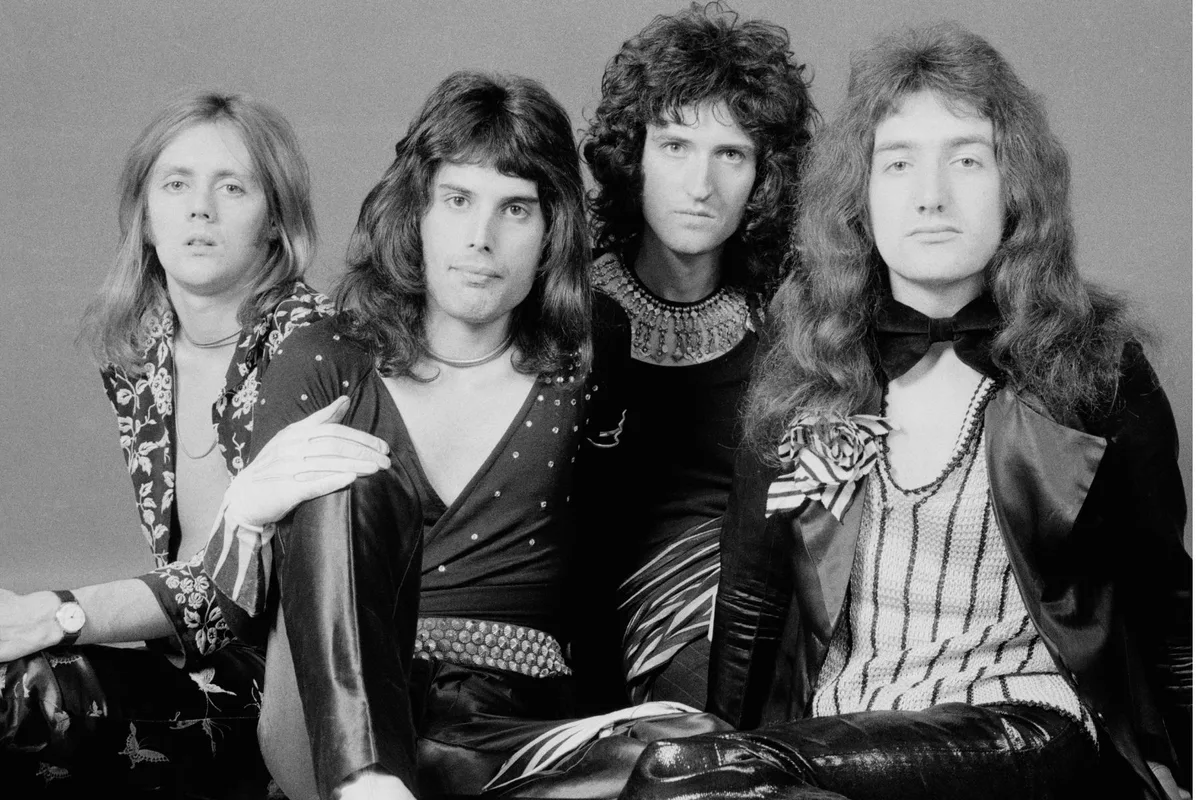
What truly sets Queen apart is their refusal to be boxed in. They reinvented themselves album after album, embracing everything from opera to funk to hard rock, all while maintaining a signature style that was unmistakably their own. The band’s live performances, filled with energy, theatricality, and a genuine connection with the audience, have become legendary, and their music videos helped define the visual language of rock in the MTV era. Queen’s ability to bridge generations and break through cultural barriers is part of why their music endures. Their work is as likely to be enjoyed by teenagers today as by those who grew up with them in the 1970s and 80s, making them a rare unifying force in popular music.
Even decades after their formation, Queen's music feels as fresh and relevant as ever. Their influence can be heard in countless artists across genres, and their songs remain a soundtrack for celebration, comfort, catharsis, and everything in between. Whether it’s the first chords of ‘We Will Rock You’ echoing around Wembley, the communal clapping of ‘Radio Ga Ga’ uniting a stadium, or the emotional power of ‘These Are the Days of Our Lives’, Queen’s music is woven into the very tapestry of life.
Their ability to make every listener feel seen, whether in moments of joy or hardship, is a testament to the universal language of their music.
For fans old and new, Queen represents the very best of what music can achieve: uniting people, sparking emotion, and reminding us that true artistry never goes out of style. Their catalogue is a living legacy, carried forward not only by original recordings but by new generations of fans.
Their songs are just as likely to be sung by a new generation as by those who remember Live Aid or queued for ‘A Night at the Opera’ on vinyl. As we celebrate their legacy, both as British icons and as global trailblazers, it’s clear that Queen’s music will continue to inspire, comfort, and bring joy for many years to come, across continents, cultures, and time.