Song Stories: Wolf Alice: The Last Man on Earth
I’ve been a huge fan of Wolf Alice for a long time now. Over the years, they’ve become one of my favourite bands, consistently creating some of the most adventurous and interesting music to come out of the UK in a generation. What sets them apart is their fearless unpredictability; they are a band that refuses to be pinned down to a single genre, effortlessly pivoting from shoegaze and grunge to folk and cinematic pop.
Every time they return from a hiatus, there is a palpable sense of excitement in the air, a feeling that they are about to shift the landscape of British guitar music once again. They possess that rare ability to sound intimate enough to be your best-kept secret, yet massive enough to fill the sky. It’s this constant evolution that has made following their journey so rewarding, as they continue to push the boundaries of what a modern "rock band" can actually be.
A New Standard: ‘The Last Man on Earth’
‘The Last Man on Earth’ is arguably the band’s most impactful song to date. Released as the first single after a four-year hiatus, it had the heavy task of following up 'Visions of a Life', an album that won the Mercury Prize and cemented the band as a significant force.
However, this wasn’t just more of the same for Ellie, Joff, Joel, and Theo. The single represented a refreshing and beautiful change of pace. A majestic, slow-burning piece, it sees the band grappling with identity and the weight of existence, touching on the arrogance inherent in the human condition. The song dissects our relationship with popular culture, what we read, watch, and listen to, and how we desperately find ways to relate those elements to our own egos.
Ellie Rowsell has noted that the song was partly inspired by Kurt Vonnegut’s 'Cat’s Cradle', specifically the idea that "everything in this book is a lie," but that "it’s a nice lie." That sense of beautiful deception runs through the track, as it questions why we feel the need to be the protagonist in every story we consume. It felt like a "grown-up" record, leaning into a 70s-style songwriting tradition reminiscent of Harry Nilsson or John Lennon, proving that Wolf Alice didn't need to rely on their usual wall of sound to command a listener’s full attention. By stripping away the noise, they allowed the weight of the lyrics to hit harder than any guitar riff ever could.
A Masterclass in Dynamics
Musically, this composition differs significantly from Wolf Alice’s previous work. It strips away the grunge-heavy distortion of their early days in favour of a cinematic, piano-led arrangement that feels timeless from the first chord. While it prominently features Ellie Rowsell’s incredible vocal range, moving from a delicate, breathy whisper to a powerful, soaring belt, the rest of the band shines in the song’s final act.
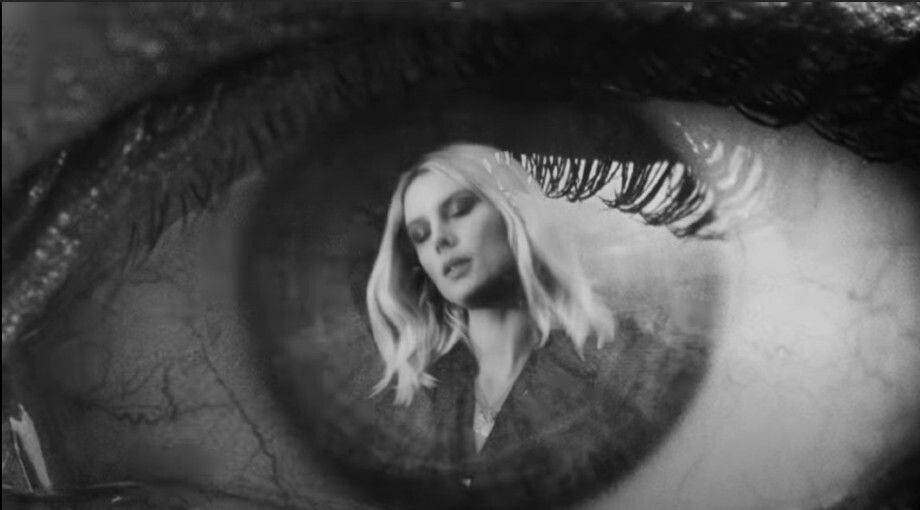
They enter with a calculated patience; Joff’s guitar work doesn't scream for attention but rather provides a shimmering texture, while the rhythm section of Joel and Theo grounds the escalating drama. The track elevates to grandiose, Beatles-esque heights, particularly as the choir-like vocal harmonies swell during the climax. It is a collective masterpiece that proved they could be subtle and massive all at once. By the time the final notes ring out, the song has undergone a complete metamorphosis, transforming from a lonely piano ballad into a stadium-sized anthem that feels like it was always destined to be sung by thousands.
The Impact of 'Blue Weekend'
‘The Last Man on Earth’ gave fans their first taste of what would become their third, and arguably best, album, 'Blue Weekend'. This was the record that confirmed Wolf Alice as Britain’s most vital band.
'Blue Weekend' was a cultural moment, topping the charts to become their first UK Number 1 and receiving near-universal critical acclaim. It captured a band at the peak of their powers, blending dream-pop, folk, and punk into something unique. The record is a masterclass in versatility, moving from the snarling, grunge-infused energy of ‘Smile’ to the delicate, folk-inspired harmonies of ‘Safe From Heartbreak (if you never fall in love)’.
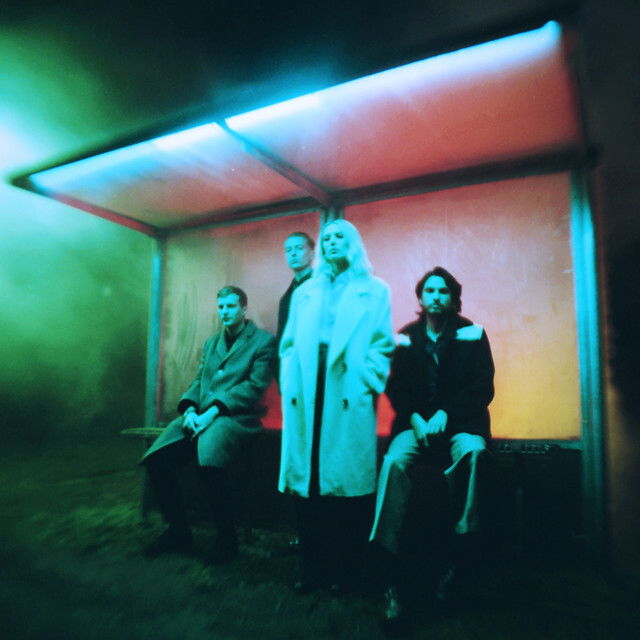
Before this era, fans worried if they could ever top 'Visions of a Life', but they didn’t just meet those expectations; they surpassed them by leaps and bounds. The album felt like a complete cinematic experience, reinforced by a visual version of the record where every song was accompanied by a music video. It wasn't just a collection of tracks; it was a cohesive journey that explored the highs and lows of relationships and the bittersweet reality of growing up, solidifying their status as the gold standard for modern guitar music.
From ‘The Clearing’ to the Arena
The band further proved their musical dexterity with the release of 'The Clearing', which arrived as a beautiful and bold follow-up to the 'Blue Weekend' era. This project marked a significant milestone, as it was the first Wolf Alice record to be recorded away from Dirty Hit, their longtime label home. With the legendary Greg Kurstin sitting in the producer’s chair, the band leaned into a new sonic direction. Upon its announcement, 'The Clearing' was described as a "classic pop/rock album," one that draws heavily from the textures of the 1970s while remaining rooted firmly in the present. The project was even compared to "something close to if Fleetwood Mac wrote an album today in North London," a description that perfectly captures its sophisticated, melodic ambition.
Now firmly in their thirties, the members of Wolf Alice have emerged from the "woods" and the chaos of their twenties, settling into new levels of self-acceptance and self-assurance. This maturity is woven into the very fabric of the music. Featuring stunning tracks like 'Bloom Baby Bloom', 'The Sofa', and 'White Horses', the album showed that these songs didn't need high-end effects or massive walls of sound to be powerful. By bringing these compositions into a more natural, open environment, Wolf Alice proved they were built on solid emotional foundations. It was a record that breathed new life into their repertoire, offering a sense of intimacy and vulnerability that felt like a gift to long-time listeners.

This evolution naturally led them to the biggest stages in the country, and Wolf Alice are now firmly an arena band. Seeing them command a room of 20,000 people with the same intensity and connection they once brought to small clubs is a testament to their incredible growth. They have mastered the "big moment," and ‘The Last Man on Earth’ remains the centrepiece of that journey, a song that feels both like a prayer and a celebration when played to a sea of lights in a darkened arena.
Conclusion: A Lasting Legacy
Ultimately, ‘The Last Man on Earth’ did more than just launch an album; it redefined what Wolf Alice could be. It serves as the definitive turning point where they transitioned from being the "next big thing" to being a generational mainstay. The song’s impact lies in its emotional honesty and its refusal to play it safe, reminding us that even in a world obsessed with the next viral hit, there is still a deep hunger for songwriting that is slow, thoughtful, and profoundly human.
For many fans, this track represents the heart of the band, a moment of stillness and self-reflection before the storm of an arena-sized chorus. It is the song that proved Wolf Alice have the substance to match their style, ensuring that their place in the history of British music is not just secure, but celebrated.
Thank you for reading.