Song Stories: U2: Out Of Control
When we look at U2 now, we see stadium giants, pioneers of the Sphere, and architects of rock’s biggest spectacles. It’s easy to forget they were once just four teenagers from Dublin trying to outrun the post-punk gloom of the late '70s. If you want to find the exact moment their trajectory changed, you have to go back to the opening track of their 1980 debut album, 'Boy': the frantic, heart-on-sleeve anthem 'Out of Control.'
The Blueprint: 'Boy'
Released in October 1980, 'Boy' is one of the most confident debut albums in rock history. Produced by Steve Lillywhite, it captured a particular atmosphere, one of adolescent wonder mixed with a cold, percussive edge. While many of their peers were retreating into shadows, U2 were looking toward the light, though the shadows of the era were still deeply woven into their sound.
The record is defined by a sense of "becoming." Tracks like 'I Will Follow' and 'A Day Without Me' introduced the world to their signature blend of driving rhythm and soaring melody. The album explores the transition from childhood to adulthood, and the loss of innocence that accompanies it. Musically, it was a lean, taut record that stripped away the bloated excess of '70s rock in favour of something more immediate and experimental.
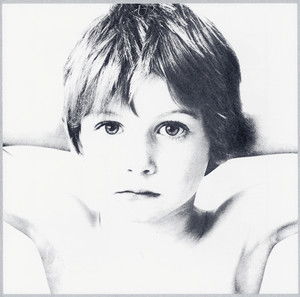
Though U2 eventually became the face of mainstream rock, 'Boy' was born out of the fertile ground of the post-punk underground. You can hear the DNA of their contemporaries and influences throughout the record:
Television: The most significant influence on The Edge’s guitar playing was Tom Verlaine of Television. You can hear it in the way 'Out of Control' prioritises clean, interlocking, and mathematical lines over heavy power chords. Like Television on 'Marquee Moon', U2 used the guitar as a rhythmic, chiming tool to create space rather than just fill it.
Joy Division: The "Dublin sound" of the late '70s was heavily influenced by the dark, cavernous production of Joy Division. On 'Boy', especially on tracks like 'The Ocean' or 'An Cat Dubh', you can hear that same atmospheric tension, Adam Clayton’s prominent, wandering bass lines, and Larry Mullen Jr.’s metronomic drumming owe a debt to the moody landscapes created by Peter Hook and Stephen Morris.
The Anatomy of 'Out of Control'
'Out of Control' was written on Bono’s 18th birthday, and you can feel that exact moment of "coming of age" in the song's DNA. It’s a track about the dual realisation that life is a gift, but also something we have zero control over.
The song opens with one of the most recognisable bass lines in the U2 catalogue, a propulsive, nervous energy from Adam Clayton that sets the stage for the percussive "chime" of the guitar. Lyrically, Bono grapples with the irony of existence: "I was eighteen years old / My life was in my own hands / But I'm out of control." It’s a song about the tension between wanting to be the master of your destiny while realising you are just a passenger. It was a bold, philosophical statement for a teenager, and it set the tone for the spiritual searching that would define the band’s entire career.
What makes the song even more significant is its history as the band's first true victory. Before it even landed on 'Boy', it was the lead track on the 'U2 Three' EP. In a legendary move of grassroots promotion, the band had listeners of Dave Fanning’s radio show in Ireland vote on which of their songs should be the A-side. 'Out of Control' won by a landslide, proving that even before they had a record deal, they had an innate ability to connect with an audience.
In the studio, Steve Lillywhite helped them capture that raw, live power by focusing on the "space" between the instruments. He pushed Larry Mullen Jr. to play with a military precision that would become his trademark, while allowing The Edge to experiment with the delay and echo that would eventually define the "U2 sound." It wasn't just a song; it was a mission statement. It told the world that these four kids from Dublin weren't interested in being a small-time local act; they were ready to take on the universe, even if they were terrified of the journey.
The Road to the Stadiums
'Out of Control' provided the foundational energy that would propel U2 through the 1980s. This "underground" spirit was the engine behind the militant, political urgency of 'War', where the band traded adolescent wonder for global awareness. They continued to evolve this sound with the ambient, atmospheric textures of 'The Unforgettable Fire', eventually reaching the pinnacle of their "American" era with 'The Joshua Tree'.
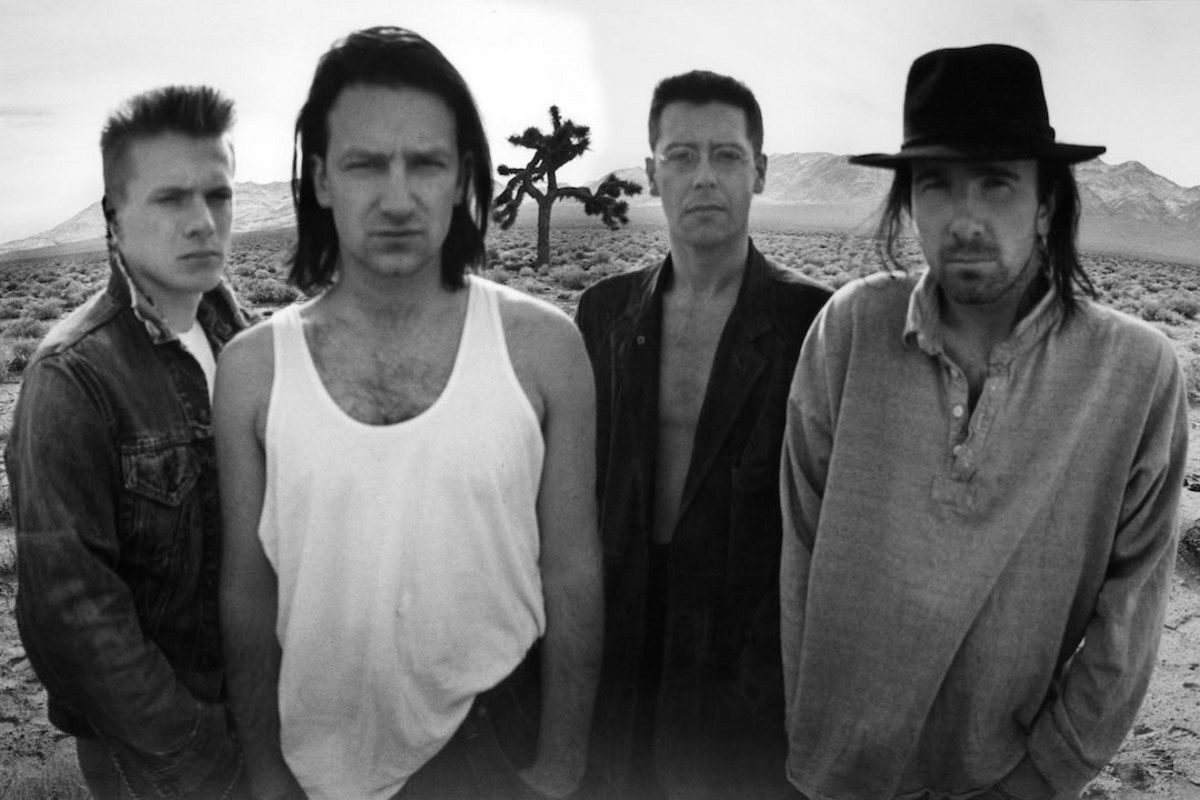
By 1987, they were no longer the scrappy kids from Dublin; they were the biggest band on the planet. However, this ascent led to a creative crisis.
From 'Rattle & Hum' to 'Achtung Baby'
The road from 'Boy' to the global dominance of 'The Joshua Tree' showcased U2's unique ability to craft music across vastly different genres, evolving from post-punk darlings to heartland rock icons. Even in those early days, there was a presence—a magnetism, that signalled they were destined for more than just the underground circuit. However, this ascent led to a creative crisis.
The reception to the 1988 project 'Rattle & Hum' was a turning point. Critics accused the band of becoming too self-serious, too obsessed with "traditional" rock and roll, and of losing the experimental, underground edge that made 'Boy' so special. Feeling they had become a parody of themselves, Bono famously told a crowd in 1989 that they had to "go away and dream it all up again."
To survive, the band had to return to the very underground roots they embraced on 'Out of Control'. They moved to Berlin to record 'Achtung Baby', shedding their earnest "saviours of rock" persona for something darker, industrial, and heavily influenced by the European electronic underground. It was a move that mirrored their debut: a band taking a massive risk to stay relevant. 'Achtung Baby' was the sound of U2 "chopping down 'The Joshua Tree'" to find the spirit of 'Boy' once again.
A Legacy of Ambition
The ripple effect of 'Boy' changed the landscape of rock music forever. They proved that you could be earnest and anthemic without losing your post-punk credentials. You can hear the "U2 sound" in dozens of bands that followed, from the driving energy of The Killers to the stadium-sized aspirations of Oasis.
'Out of Control' remains a fan favourite because it captures the band at their most honest. It’s the sound of four kids from Dublin realising that while they might be "out of control," they were exactly where they were supposed to be.
Thank you for reading