Song Stories: The Stone Roses: I Am the Resurrection
When you think about defining moments in British music, particularly the Madchester scene of the late 1980s, The Stone Roses inevitably come to mind. Their fusion of jangly guitar pop, psychedelic flourishes, and dance-floor energy reshaped British rock and laid the groundwork for the indie explosion of the 1990s.
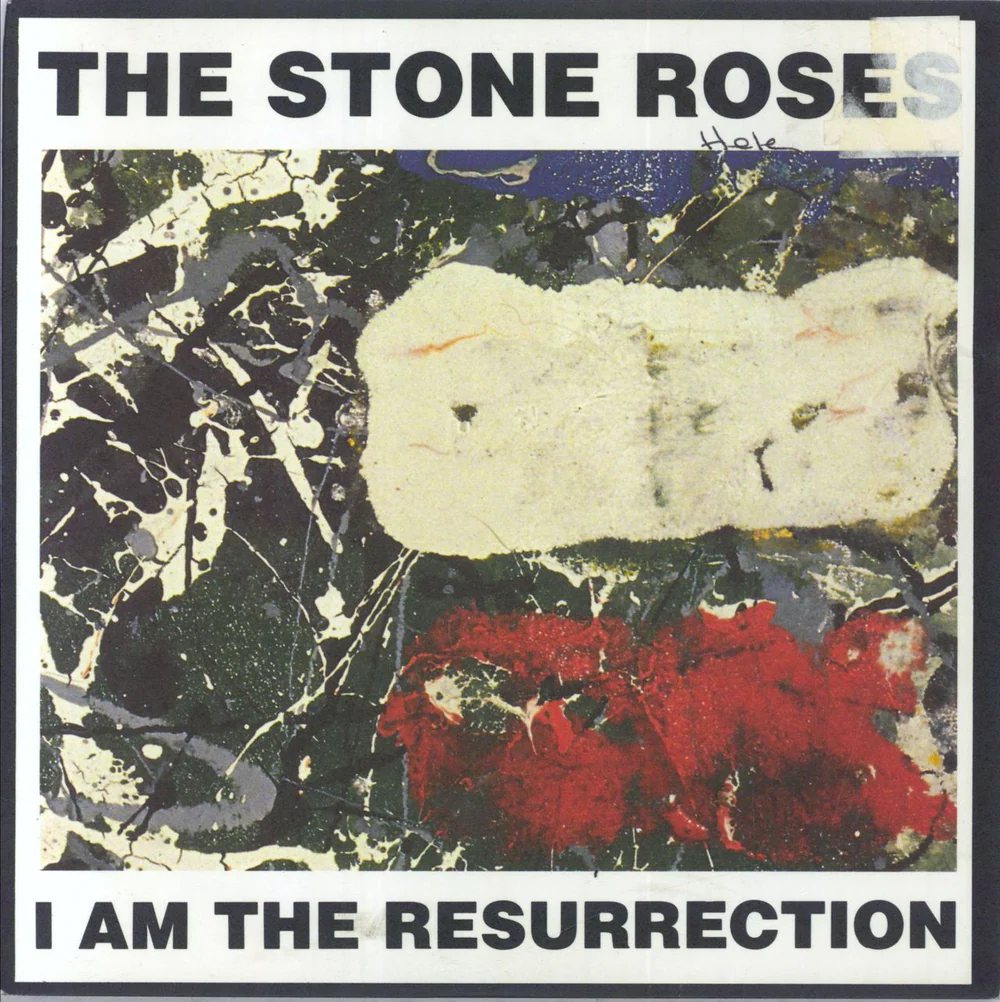
At the heart of their self-titled debut album lies the climactic anthem, 'I Am the Resurrection'. This eight-minute masterpiece isn’t just a song; it’s a declaration, a statement of confidence and identity from a band that knew it was changing the world.
Released in 1989 as the closing track on The Stone Roses’ debut album, 'I Am the Resurrection' quickly became a fan favourite and a defining piece of the band’s mythology. It encapsulates everything that made The Stone Roses so influential: melodic brilliance, swaggering rhythm, and an attitude that was both spiritual and defiant. By the time listeners reach this final track, the album has already taken them on a kaleidoscopic journey from the euphoric rush of 'She Bangs the Drums' to the blissful psychedelia of 'Waterfall', but 'I Am the Resurrection' elevates the experience to a transcendent finale.
The song’s creation was based on the band messing around in the studio. Drummer Reni revealed that it began when bassist Mani playfully reversed the riff from The Beatles’ 'Taxman'. “Mani would play the riff backwards during sound-checks, and we played along for a laugh,” Reni recalled. “Finally, we said, ‘Let’s do this joke song properly and see what happens.’” What began as a cheeky experiment evolved into one of the most powerful closing tracks in rock history. The music was recorded with legendary producer John Leckie, whose credits included work with Pink Floyd, The Human League, and even The Beatles.
'I Am the Resurrection' represents a perfect convergence of the band’s influences. A seamless blend of rock, psychedelia, funk, and the rhythmic pulse of the emerging acid house scene. After four and a half minutes of sharp, sneering vocals and biting lyrics, the song makes an audacious turn: the final four minutes unfold into an instrumental outro, a hypnotic, euphoric jam that pulses with freedom and joy. Mani, Reni, and John Squire recorded the entire outro in one take, their chemistry captured in real time. Speaking to NME, Mani described it as “me, John, and Reni locked in, just playing
It’s this juxtaposition, the lyrical defiance of the first half against the unrestrained elation of the second, that gives 'I Am the Resurrection' its enduring power. The song’s most famous lyric, “I am the Resurrection and I am the life,” is taken directly from the Gospel of John, Chapter 11, where Jesus tells Martha that her deceased brother Lazarus will rise again. By invoking this line, The Stone Roses positioned themselves almost mythically, a band reborn, claiming their own sense of immortality through music.
More than three decades later, 'I Am the Resurrection' remains one of The Stone Roses’ most beloved and celebrated songs. It’s routinely cited as the band’s crowning achievement, a defining moment that cemented their reputation as one of Britain’s greatest and most influential acts. The track’s impact extended well beyond the 1989 album. It became the emotional climax of their 2012–2017 reunion tour, closing every show with the same triumphant energy that first captivated fans.
For many, 'I Am the Resurrection' represents not only The Stone Roses’ greatest musical moment but also a cornerstone of British indie itself. A song that united indie kids, ravers, and terrace scallies alike. It captured the spirit of late-’80s Britain: the optimism rising from the ashes of austerity, the merging of club culture with guitar music, and the growing belief that working-class creativity could once again rule the airwaves. The track’s euphoric outro became a metaphor for release, a sonic escape from the grey realities of post-industrial Britain
The Stone Roses’ debut album set the stage for a new wave of British guitar music, inspiring countless bands that followed, most notably fellow Mancunians Oasis, who inherited their blend of arrogance, melody, and spiritual self-belief. Beyond Manchester, their influence rippled across the UK and beyond, paving the way for the Britpop movement and rekindling the nation’s love affair with bold, melodic, homegrown rock.
Even today, 'I Am the Resurrection' still sounds defiant and alive, the perfect distillation of a moment when indie music felt both underground and universal. Its spirit of rebellion, swagger, and transcendence continues to echo through the decades, reminding listeners that great music doesn’t just define an era, it resurrects it, time and time again.
Thank you for reading
Jack