Song Stories: The Enemy: We'll Live and Die in These Towns
The lead single from the debut album of the same name, ‘We’ll Live and Die in These Towns,’ brought a gritty, relatable, and urgent voice to the indie music scene. Upon its release in 2007, the song quickly became a working-class anthem, resonating with a generation that felt increasingly overlooked by the modern world.
The Sound of Coventry
The Enemy formed in Coventry in 2006, emerging during a massive resurgence for British guitar bands. While they followed in the footsteps of groups like Arctic Monkeys and Kasabian, The Enemy offered a raw, unvarnished approach to songwriting that set them apart. Frontman Tom Clarke tapped into the frustrations, hopes, and disillusionment of the British working class in a way that echoed the early work of Noel Gallagher and Paul Weller.
Coming from Coventry, a city that was once an industrial powerhouse but had faced significant economic decline, The Enemy’s music mirrored the struggles of a generation left behind. In doing so, they were picking up a mantle first held by their hometown legends, The Specials.
Just as The Specials had captured the haunting, desolate atmosphere of 1980s Britain with ‘Ghost Town’, The Enemy updated that narrative for the 21st century. Both bands shared a distinct "Coventry DNA": a sound born from the shadow of closed factories and the resilience of the people left inside them. Their music wasn't just entertainment; it was a gritty, rhythmic ode to those cast aside by global economic shifts and political neglect. It was against this stark, historic backdrop of industrial pride and urban decay that the album ‘We’ll Live and Die in These Towns’ was born.

More Than Just a Song
‘We’ll Live and Die in These Towns’ isn’t just a track; it’s a reflection of lives caught in the cyclical nature of small-town existence. It perfectly captures that suffocating paradox: the feeling of being trapped in a place you love, even when it feels like it’s holding you back. The central refrain, "It never happens for people like us", is one of the most poignant lyrics of the era.
It’s an expression of the quiet resignation felt by those who see the "bright lights" of success as something meant for other people, in other postcodes.
Yet, Tom Clarke’s delivery is far from defeatist. There is a tangible defiance in his voice, a sense of gritty pride and a "them against us" solidarity. It’s about standing shoulder-to-shoulder with people who share your dreams and your frustrations. While the song is deeply rooted in British working-class culture, its themes are universal. From the "smokey rooms" to the "haggled old women" who speak of dreams long deferred, these are familiar sights in struggling towns across the globe. It is a song that gives a voice to the invisible, turning the mundane reality of the "9-to-5" struggle into something cinematic and anthemic.
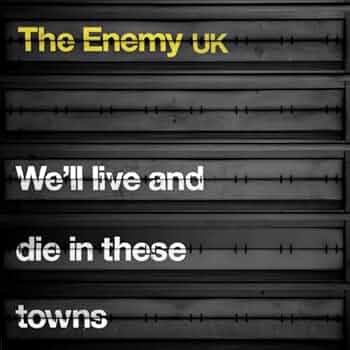
A Time Capsule: The Debut Album
The parent album, ‘We’ll Live and Die in These Towns’, provides a much broader canvas for these stories. It debuted at number one on the UK Albums Chart, a feat that reflected how starved the public was for music that actually spoke to them, rather than at them. Across the record, the band explores the messy, high-stakes reality of working-class youth with unflinching detail:
- ‘Aggro’ and ‘Away from Here’: These tracks act as the adrenaline-fueled heartbeat of the record. They capture the tension of Saturday night scrapes and the desperate, breathless urge to escape a daily grind that feels like a dead end.
- ‘Had Enough’: A blunt, sharp-edged anthem of workplace and societal frustration. It’s the sound of someone reaching their breaking point with a system that demands everything and gives back nothing.
- ‘You’re Not Alone’: One of the album's more melodic moments, it addresses the crushing weight of unemployment and debt while offering a rare, vital glimmer of communal hope.
- ‘This Song’: Perhaps the rawest look at the darker corners of town life, it touches on the cycles of drug use and the reality of teenage pregnancy without being judgmental or sensationalist.
- ‘40 Days and 40 Nights’: A track that explores the relentless pace of trying to keep your head above water when the world seems determined to pull you under.
From "mommy's boys" to "daddy's girls," the album is a vivid portrait of British culture in the late 2000s. However, its themes have only gained weight with time. As economic inequality and political disenfranchisement have deepened in post-industrial areas, this "time capsule" has become a mirror. It is an album that resonates just as powerfully in 2024 as it did in 2007, proving that while the years pass, the spirit of defiance and the search for an escape remain eternal.
Legacy and Hope
While many 2000s indie bands used a wry sense of humour to observe working-class life, The Enemy tackled it with pure emotional honesty. This weight is why the album has endured. Underneath the bleakness lies a resilient spirit, a refusal to be silenced by the circumstances of your birth. It remains one of the most iconic and underrated records of its era, offering both a mirror to the struggle and a defiant way to scream back at it.