Song Stories: Slowdive: When the Sun Hits
Few songs encapsulate an entire genre quite like Slowdive’s ‘When the Sun Hits’.
Released in 1993 on the band’s second album, ‘Souvlaki’, it contains almost everything that made shoegaze so intoxicating: guitars that seem to stretch beyond the edges of the song, vocals buried deep within the mix and a constant tension between melancholy and euphoria. Yet pop still sits underneath all that noise. Strip away the layers of reverb and distortion, and there is a beautiful, surprisingly simple song at its centre.
For many, ‘When the Sun Hits’ has become Slowdive’s defining track and one of the great songs of the shoegaze era. More than thirty years after its release, it still sounds strangely timeless.
One of shoegaze’s defining characteristics is its emphasis on texture and atmosphere. The voice does not always need to sit above the instruments, telling the listener exactly where to look. Instead, everything becomes part of the same landscape.
‘When the Sun Hits’ is a perfect example.
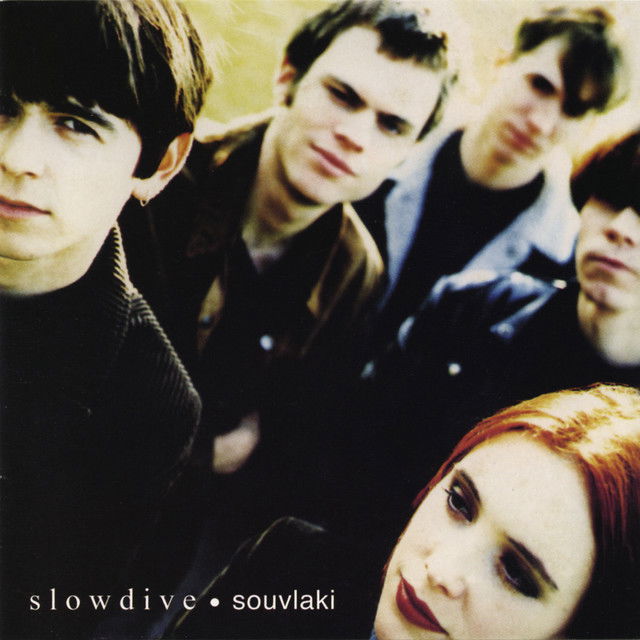
Neil Halstead and Rachel Goswell’s vocals drift through the song rather than dominate it, surrounded by chiming guitars, distortion and reverb. The opening feels restrained and almost weightless before the track suddenly expands, the guitars arriving in enormous waves without losing the melody underneath them.
Nothing is fighting to be heard. The bass, drums, voices and layers of guitar all have their place, combining to create something that feels both intimate and huge.
What does ‘When the Sun Hits’ mean?
Like much of Slowdive’s best music, ‘When the Sun Hits’ never gives the listener one straightforward story.
Its lyrics arrive in fragments, full of longing, fear and affection. The opening image of watching somebody “burn so fast” immediately suggests that something beautiful might also be temporary. Love is present, but so is anxiety. The person at the centre of the song feels close enough to touch and somehow already in danger of disappearing.
Then comes the song’s defining image: “As the sun hits, she’ll be waiting.”
Rather than resolving everything, the line makes the song even more dreamlike. There is a sense of anticipation to it, almost as if the narrator is waiting for a moment when everything will finally become clear.
It never quite does.
That ambiguity is part of the song’s power. ‘When the Sun Hits’ can be heard as a song about an overwhelming relationship, about the fear of losing somebody or simply about knowing that even the most perfect moments cannot last forever.
Slowdive do not force an explanation on the listener. Instead, the music carries much of the emotion.
The verses feel suspended, almost hesitant, before the guitars explode around the chorus. What begins as something private suddenly becomes enormous. It is difficult to separate the meaning of ‘When the Sun Hits’ from the way it sounds because the production communicates feelings that the lyrics deliberately leave unresolved.
That is what Slowdive did better than almost anybody.
The guitars are drenched in reverb and delay, but the song never becomes noise for the sake of noise. Beneath them, a controlled rhythm section keeps everything moving forward while the guitars seem to float above it.
The track has an oceanic quality. Sounds arrive, disappear and return in waves. At its loudest, ‘When the Sun Hits’ feels almost overwhelming, but there is always enough space for the melody to survive.
That balance is crucial. Shoegaze can sometimes be reduced to turning guitars up, adding effects, and disappearing beneath them. ‘When the Sun Hits’ demonstrates why the best examples of the genre are far more carefully constructed than that. Remove any one element, and something important disappears.
The result is a song capable of producing several emotions at once. It is nostalgic without obviously looking backwards, sad without becoming hopeless and euphoric without ever sounding completely happy.
Perhaps that contradiction explains why it has endured. ‘When the Sun Hits’ was released at a difficult moment for Slowdive and shoegaze more broadly. By 1993, a British music press that had initially championed many of those bands had begun to turn against them. Shoegaze increasingly became shorthand for something unfashionable and self-indulgent, while the musical landscape around Slowdive was changing quickly.
‘Souvlaki’ arrived in the middle of that backlash.
Time has been considerably kinder to it.
The album that once appeared to belong to a scene being pushed aside is now widely regarded as one of shoegaze’s defining records, while ‘When the Sun Hits’ has become its most immediate calling card. New generations have discovered Slowdive long after the cultural arguments that surrounded their original run stopped mattering.
That rediscovery has been one of the most satisfying parts of their story.
Slowdive eventually reunited, released new music, and found themselves playing to audiences that included people who were not even born when ‘Souvlaki’ first appeared. The sounds once dismissed as belonging to a fading scene have become influential all over again.
And ‘When the Sun Hits’ remains at the centre of it.
It is one of the finest songs of the 1990s, written by a band who had to wait decades for the wider recognition their music deserved.
After the setbacks, commercial struggles, hostility and eventual breakup, Slowdive have finally had their moment in the sun.
This time, everybody seems to be looking.
Thank you for reading x
For Liam x
Jack