Song Stories: Pulp: Common People
Few songs in British pop history capture the spirit of an era as powerfully as Pulp’s 'Common People'. Released in 1995 as part of the band’s fifth studio album 'Different Class', this iconic track quickly became the defining anthem of Britpop; however, it goes beyond being just a catchy tune. It taps into deep social commentary, portraying class tensions, alienation, and the complexities of youth culture with a wit and rawness that resonated with millions of music fans. It served as the perfect counterpoint to the more hedonistic, "lad culture" themes of contemporary bands: providing a sharp, intellectual edge to the mid-nineties guitar pop explosion.
A Reaction To a Turbulent Time
By 1995, the UK was emerging from years of political and economic turbulence. The policies of Margaret Thatcher’s Conservative government had left deep divides, particularly among the working class; 'Common People' was a reaction to this climate. While other Britpop songs sometimes romanticised working-class life or offered vague homages to youth culture, Pulp’s masterpiece dug much deeper, skewering the superficiality and privilege that often surrounded discussions of class. It wasn't just about the music: it was about the feeling of being left behind by a system that seemed to value wealth over community.
The Myth of Slumming It
It’s a biting commentary on the naiveté of those who view working-class life as some sort of exotic experience: a cultural playground they can dip into for fun. Written about Jarvis Cocker’s conversation with a wealthy student at St Martin’s College, the song explores her longing to "slum it" in the gritty streets of London: a sentiment that Cocker’s character sees as hollow and offensive. "You’ll never live like common people," he sings, because she’ll never face the actual struggles that define working-class life; she always has a safety net. The lyrics highlight the offensive nature of "class tourism": the idea that someone's struggle can be another person's fashion statement.
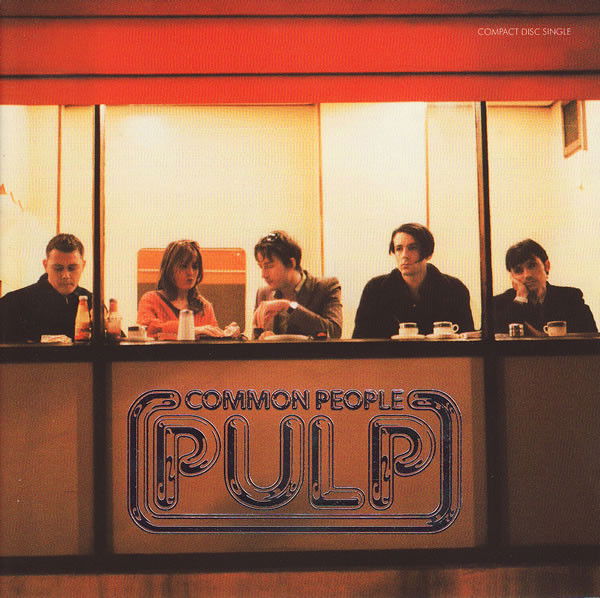
The song’s brilliance lies in how it contrasts this thrill-seeking attitude with the harsh reality of the daily grind. The everyday struggles of "common people" are not a lifestyle choice: they are a permanent state of being where aspirations are often curbed by financial constraints. Cocker hammers home that the ability to treat poverty as an "authentic" experience is a luxury in itself. When he snarls about her calling her dad because she "is fine," he exposes the vast chasm between those who play at being poor and those who have no choice. He reminds the listener that for the truly "common people," no escape hatch or trust fund is waiting when the novelty wears off.
A Lasting Political Legacy
The song reached number 2 on the UK Singles Chart and helped cement Pulp’s place as one of the era’s defining bands. But beyond its chart success, 'Common People' became a political anthem, frequently cited in debates about class and social justice. Its universal message about the disconnect between the wealthy and the working class continues to resonate, especially in an age of growing economic inequality. It transformed Pulp from a quirky indie band into the voice of a generation: a band that could headline Glastonbury and make thousands of people sing along to a song about systemic social resentment.
The Definitive Britpop Song
In 2014, the song was voted the greatest Britpop anthem by listeners of BBC Radio 6 Music. And it’s no surprise why: even decades later, the track feels fresh and relevant. Its biting critique of class relations feels just as urgent today as it did in 1995. It was at the time an unbelievable piece of music, and all of these years later, in my opinion, it is the definitive Britpop song. While other tracks of that era feel like museum pieces, 'Common People' still has its teeth; it still feels dangerous, vital, and incredibly honest.
The song seems to sum up people’s fascination with the working class, and class tourism is a real thing: it’s still prevalent today. Pulp managed to summarise the British class system in a song; to me, that’s quite an extraordinary thing. I can only name a few songs that have had such a cultural impact on British society. It captures that unique British obsession with where we come from and where we fit in. A truly amazing piece of music.