Song Stories: Peace: From Under Liquid Glass
Released in late 2017, ‘From Under Liquid Glass’ marked a seismic shift for the Birmingham-based band. It wasn't just a new single; it was a public unravelling and an act of survival.
The Band Behind the B-Town Buzz
To understand the weight of this song, you have to understand the band that made it. Peace emerged in 2013 as the spearhead of the "B-Town" scene, a vibrant, sun-drenched explosion of indie music centred around Birmingham’s Digbeth district. Alongside bands like ‘Swim Deep’ and ‘Jaws’, Peace were the poster boys for a new kind of indie optimism.
With their debut album ‘In Love’ (2013) and the follow-up ‘Happy People’ (2015), the quartet of Harry Koisser, Sam Koisser, Doug Castle, and Dominic Boyce became known for swirling guitars, oversized fleeces, and a relentless "eruption of positivity." Anthems like ‘Lovesick’, ‘Bloodshake’, and ‘California Daze’ turned them into festival favourites, while the disco-infused grooves of ‘Lost on Me’ and the anthemic ‘Gen Strange’ solidified their status as indie royalty. However, as the band grew, the gap between the "happy" public persona and Harry’s private reality began to widen dangerously.
The Mental Health Anthem
The song was written by frontman Harry Koisser during a period of profound personal crisis. After years of maintaining the high-energy, "happy-go-lucky" persona that defined Peace, the relentless pressure of touring and public expectation finally caught up with him. He described the title as a metaphor for the claustrophobia of anxiety, a feeling of being completely submerged and unable to breathe, even while the rest of the world watches you through the glass.
The track was born in Koisser’s bedroom during the recording of ‘Kindness Is The New Rock And Roll’. The band had decamped to a National Trust farmhouse in rural Herefordshire to find space, but the experience became a lonely one for Harry. While the rest of the band came and went in stints, Koisser stayed there for a full six months. Living with just a single bed in the middle of a massive, empty room where he would sit and write all day, the isolation became a formative and heavy influence on his psyche.
‘From Under Liquid Glass’ became an unfiltered exploration of Harry’s struggles with depression, shining a light on a hitherto unseen side of Peace. Instead of their usual hedonistic tales of love and youth, the song found the band tapping into something raw, human, and fallible.
As Koisser explains:
"I listened to that chorus on headphones before showing it to anyone, or even becoming a song. It was a song for myself that became a song for everyone else. Unless I put a bit of what I’ve got onto the table, I’m in no real position to say anything."
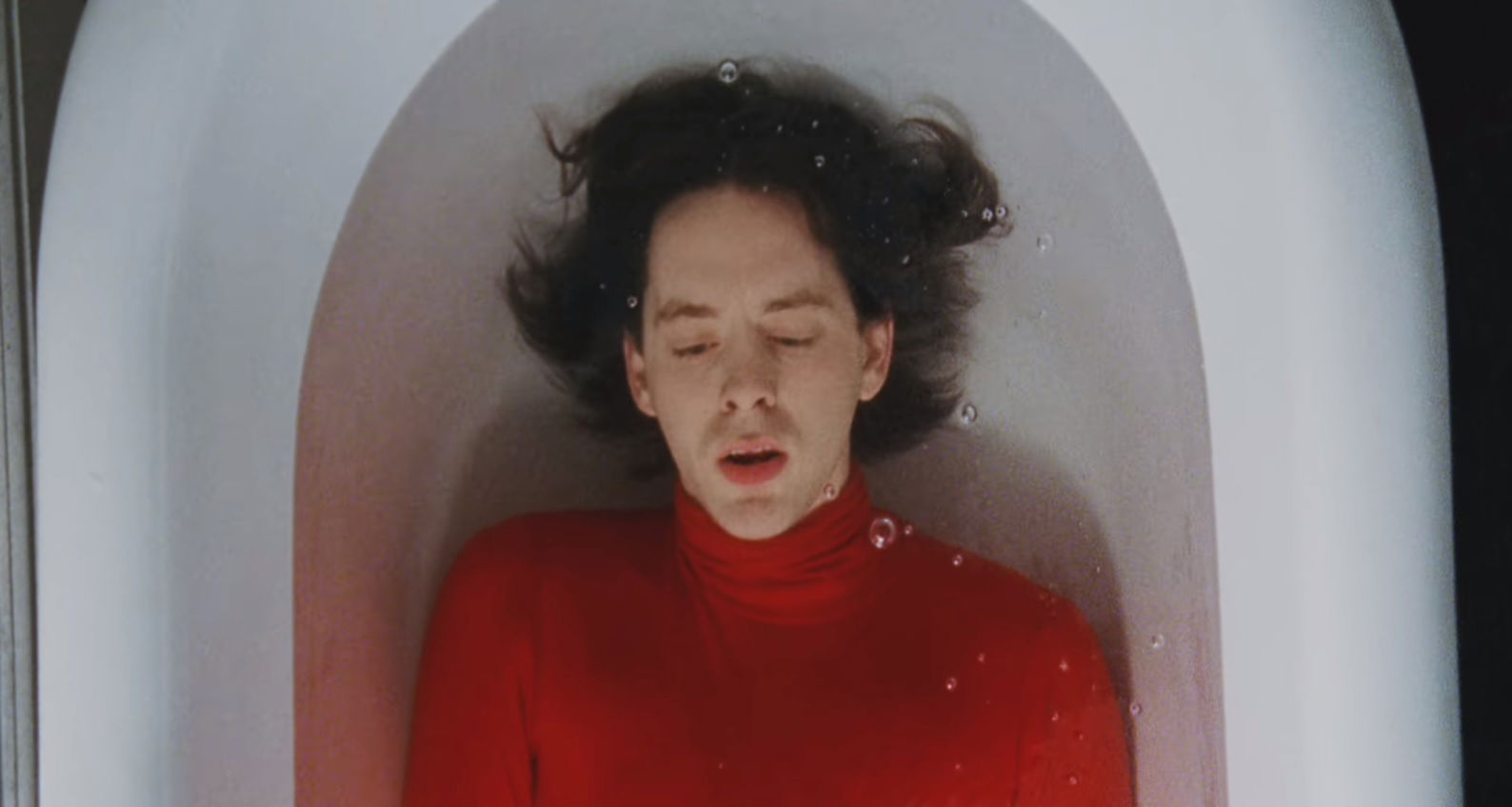
He realised that while he had previously relied on "trendy metaphors" to dress up his songwriting, his mental state had reached a point where only the blunt truth would suffice. He decided to be brutally literal:
"I'm scared to face the music alone / In my big fuckin' mental head."
One of the most powerful moments in the song comes when he addresses the internal battle between logic and emotion, the frustrating realisation that knowing you are depressed doesn't always help you stop feeling it. These lines perfectly capture the helplessness of a mental health dip:
"In my bones I know there’s something real / But I can’t control the way I feel."
By releasing this track in support of the mental health charity MQ, Koisser took a stand against the pressure young men feel to stay "strong." He proved that you could be a "happy person" and still take a "pasting from your demons."
‘Kindness Is The New Rock And Roll’
'From Under Liquid Glass’ acted as the emotional anchor for their third album, ‘Kindness Is The New Rock And Roll’ (2018). This record marked a definitive new chapter for Peace, signalling the end of their "B-Town" youth and the beginning of a more profound, adult era. It was received as a "return to form" by many critics, earning an 8/10 from NME and The Independent. While some fans missed the sugar-coated "indie floorfillers" of their debut, most praised the record for its bravery, maturity, and willingness to be vulnerable.
The album focused on empathy and radical honesty, with standout tracks including:
- ‘Power’: A heavy, riff-driven anthem about reclaiming your identity and finding your feet again after a period of darkness.
- ‘You Don’t Walk Away From Love’: A soaring, classic indie track that proved the band hadn't lost their knack for a massive, arm-around-your-mate chorus.
- ‘Magnificent’: A vulnerable look at the fear of losing the people you love and the heavy anxiety of trying to maintain relationships while struggling with your own mental health.
- ‘Shotgun Hallelujah’: A track that balanced their signature psych-rock groove with the record's more spiritual and redemptive themes.
By the time the record was released, the title had become a mission statement. Peace were no longer interested in the "rock and roll" clichés of chaos and bravado; they were championing a new kind of strength found in being kind to yourself and others.
Following the tour for ‘Kindness’, Peace effectively vanished for five years. During this silence, it was revealed that the band had lost two members, Doug Castle and Dominic Boyce. This left the group as a duo consisting of brothers Harry and Sam Koisser.
The brothers retreated to a converted chapel in Glastonbury, cutting themselves off from the music industry to rediscover their "sacred force." This isolation birthed their fourth album, ‘Utopia’, which was released to the wider public in late 2025.
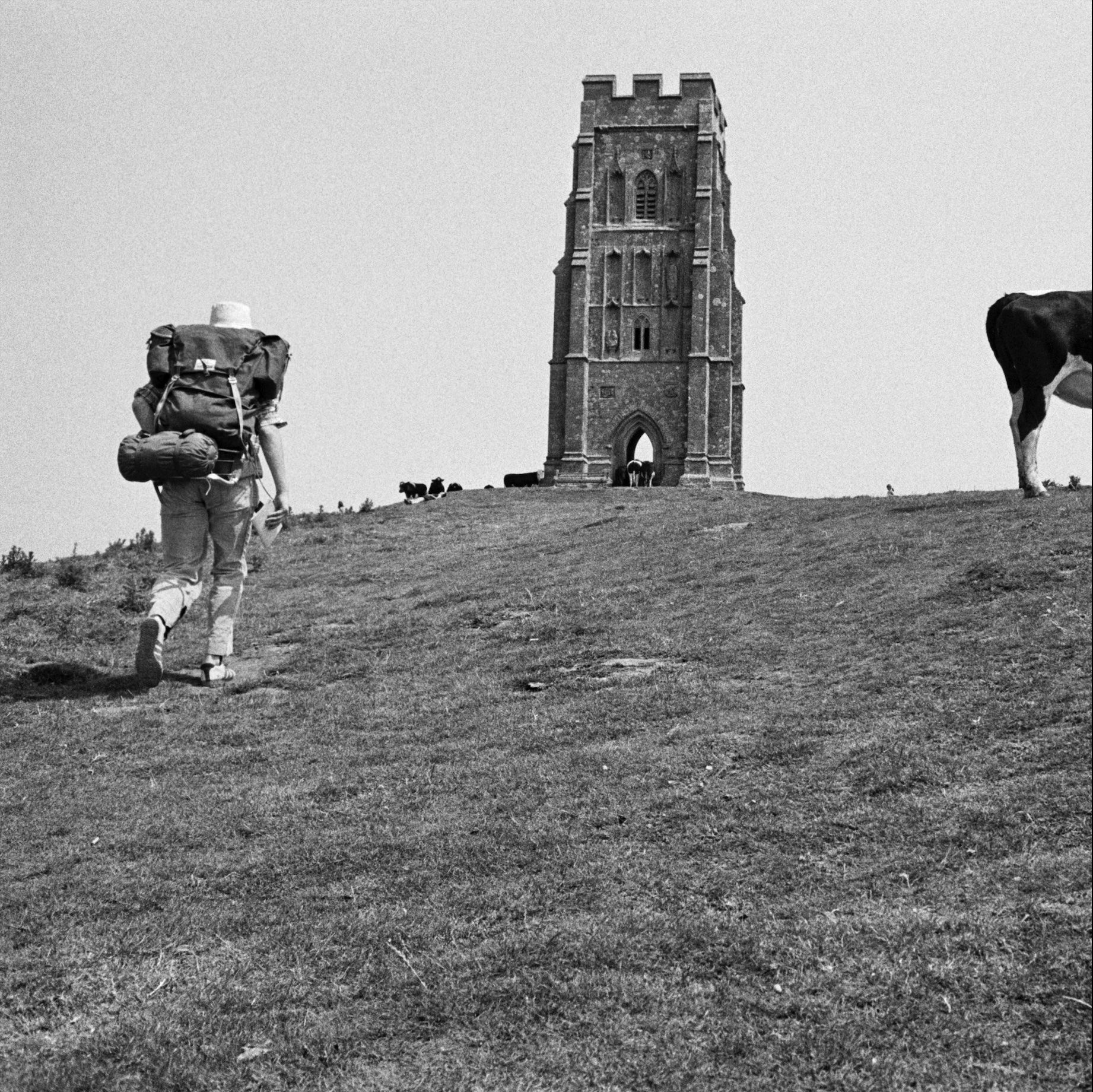
‘Utopia’ is a harder, more organic record that captures the brothers' newfound independence. Key tracks include:
- ‘Good Jeans’: The album’s true opener (following a brief intro), it’s a jangling, chugging anthem of resilience. With the line "By the grace of God, I’m going out again," it feels like the ultimate sequel to ‘From Under Liquid Glass’—the moment the narrator finally leaves the bedroom and steps back into the light. It’s a track that recaptures the early 2010s optimism but tempers it with a harder-earned wisdom.
- ‘Polly With The Perfect Hair’: A fan-favourite that brings back the charm and character-driven storytelling of their earlier work.
- ‘Happy Cars’: A more acoustic-led affair, more in line with folk and dare I say it, 90s Britpop than 2010s B'Town. An offering that shows how much the band's palette has expanded.
If ‘From Under Liquid Glass’ was about the struggle to stay afloat, ‘Utopia’ is the sound of Peace finally breaking through the glass and breathing on their own terms.
Thanks for reading
Jack