Song Stories: Franz Ferdinand: Take Me Out
Released in 2004, ‘Take Me Out’ by Franz Ferdinand is often regarded as one of the defining tracks of the indie rock boom of the early 2000s. This Glasgow-based band’s breakthrough hit is instantly recognisable for its unique blend of angular guitars, danceable rhythms, and a swaggering confidence that set them apart from many of their contemporaries. This is an indie song that you dance to, one that even 20 years later continues to fill the dancefloor, from student union nights to headline festival slots.
The Art of the Gear Change
Musically, the song is a masterclass in tension and release. It starts with a frantic, post-punk energy before famously "dropping" into that iconic, heavy-stepping disco riff. It was a bold move at the time, a sudden shift in gears that felt entirely fresh, making the track feel like two songs stitched together in a stroke of genius. It wasn't just about the guitars; it was about the groove, proving that you could be an "indie" band while still making music that was fundamentally designed for the club.
The transition itself is legendary; the way the tempo slows down while the floor-tom pulse stays steady is enough to make any room explode. It’s a rhythmic "bait and switch" that forces the listener to change their movement, shifting from a pogo-style jump to a more confident, syncopated strut. This structural daring showed that the band weren't afraid to play with the mechanics of a pop song, prioritising the physical reaction of the audience over traditional verse-chorus formulas.
Snipers and Nightclubs: The Lyrical Inspiration
The song’s lyrics come from a rather interesting and surprisingly dark source. Frontman Alex Kapranos once revealed that the inspiration for ‘Take Me Out’ was partly drawn from the film 'Enemy at the Gates' (2001), a war drama about the Battle of Stalingrad. The film depicts the deadly game of cat-and-mouse between snipers, and Kapranos cleverly translated that high-stakes tension into the world of modern romance.
Comparing the act of crossing eyes with a girl in a crowded nightclub to a sniper battle makes for a very interesting dynamic. The title itself, ‘Take Me Out’, carries that double meaning: is it an invitation for a date, or a request for the "kill shot"? This clever wordplay adds a layer of sophisticated grit to the track, moving it away from the usual indie clichés and into something far more cinematic and artful. It frames the dancefloor as a tactical environment, where every glance is a shot fired and every move is a calculation, perfectly capturing the nervous, predatory energy of the weekend.
The Debut: ‘Franz Ferdinand’
While ‘Take Me Out’ was the battering ram that broke down the doors, the band’s self-titled debut album, ‘Franz Ferdinand’, proved they were no one-hit wonders. Released to massive critical acclaim, the record felt like a manifesto for a new kind of British rock, one that was literate, stylish, and unashamedly fun. It was the perfect antidote to the "lad culture" of the previous decade, replacing it with a sharp-suited, art-school sensibility that felt distinctly European.
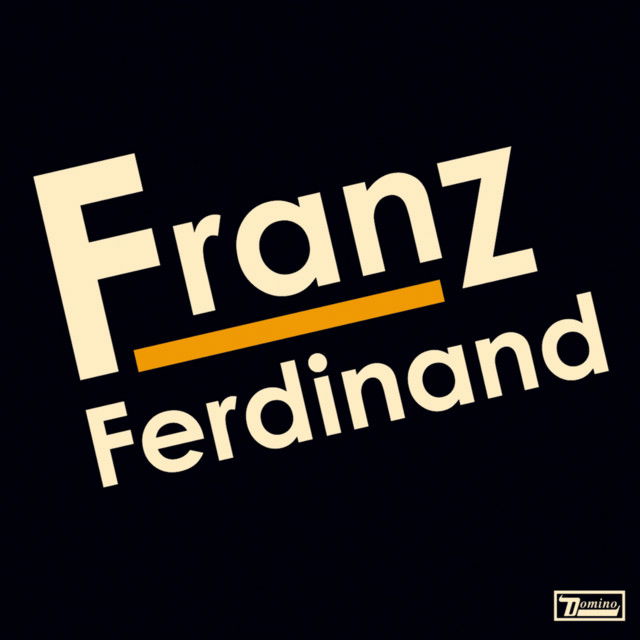
The album is packed with tracks that have since become indie royalty, each showcasing a different side of their jagged, rhythmic sound:
- ‘Jacqueline’: The album’s opening statement starts with a deceptive, gentle acoustic strum before exploding into a driving rhythm. It’s a song about the fleeting nature of youth and the excitement of a night out, setting the tone for everything that follows. It feels like the start of a journey, capturing that specific moment when the evening is full of nothing but potential.
- ‘The Dark of the Matinée’: A fan favourite that leans into Alex Kapranos’s more theatrical vocal delivery. With its catchy, soaring chorus and lyrics about Terry Wogan and daydreaming in the cinema, it perfectly captured that quirky, Scottish art-school charm. It’s a nostalgic look at suburban boredom, elevated into something grand and danceable.
- ‘Darts of Pleasure’: This was the song that actually started it all, released as their first single. It’s a short, sharp shock of a track that famously ends with a burst of German lyrics, a bold move that signalled right away that this was not your average indie band. It was a statement of intent, proving they were looking toward the continent for inspiration rather than just back at Britpop.
- ‘Michael’: A daring, homoerotic dance-floor filler that showcased the band’s willingness to push boundaries. With its heavy, pulsing bassline and suggestive lyrics, it was a standout moment that proved they were far more adventurous than many of their guitar-toting peers. It brought a sense of danger and disco-sleaze back to the indie world.
- ‘Auf Achse’: A moodier, more atmospheric track that showed their range. It moves away from the high-tempo dance beats into something more brooding and cinematic, proving they could handle tension and shadow just as well as they handled a hook. It provides the album with a necessary moment of breath, showing a maturity in their songwriting.
Leading the Indie Kids to the Dancefloor
‘Take Me Out’ went on to become an anthem of the indie rock scene, earning Franz Ferdinand numerous accolades, including a nomination for a Grammy and a Mercury Prize win for the album. Nearly two decades later, it remains a timeless staple, not just for fans of the genre, but for anyone who loves energetic, guitar-driven music.
Franz Ferdinand’s innovative approach to indie rock extended beyond just their sound; they brought a sharp, tailored aesthetic back to British music. Their emphasis on angular guitar work and rhythm-driven compositions inspired a host of bands to explore a similar, more polished aesthetic. Groups like The Libertines, Arctic Monkeys, and Bloc Party all drew from that same well of energy and attitude, pushing British guitar music into new and exciting directions.
The band bridged the gap between indie rock and the mainstream in a way we had not seen since the height of Britpop. They managed to make being clever and "arty" feel cool again, trading the baggy hoodies of the late 90s for slim-fit suits and sharp fringes. Ultimately, they led the indie kids to the dance floor, proving that you could have a brain and a beat at the very same time.
A true modern classic.
Thanks for reading x
Jack