Song Stories: Dire Straits: Brother's in Arms
Like millions of others, last Friday, September 13th, 2024, I sat down to watch the very last episode of 'The Grand Tour', 'One for the Road'. It was a profoundly moving experience, watching a cultural institution come to an end after 22 years of brotherhood on screen.
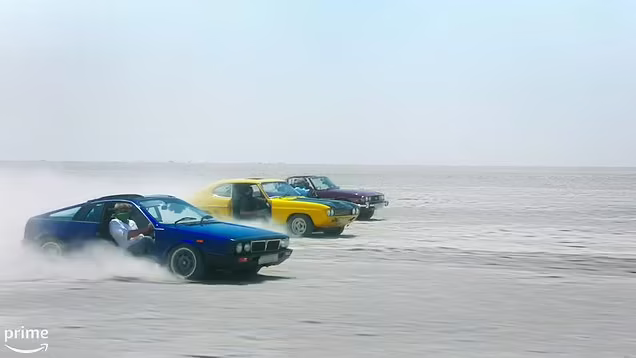
Towards the end of the show, as Jeremy, Richard, and James drive across the vast, shimmering expanse of the Makgadikgadi Basin toward Kubu Island, a familiar melody begins to soundtrack their journey. It is a song by Dire Straits, and in that moment, it felt as though no other piece of music in the world could have captured the gravity of their departure.
A Theme for Life-Long Bonds
‘Brothers in Arms’ is a song that celebrates the friendship between the three of them perfectly, yet as a piece of art, it is so much more than a simple tale of camaraderie.
Written by Dire Straits’ frontman, Mark Knopfler, the song emerged during a period when the world was still reeling from conflict and division. The Falklands War had just concluded in 1982, and the tensions of the Cold War continued to cast a long shadow over global affairs. Against this backdrop, Knopfler crafted a haunting meditation on humanity and the bonds forged amid suffering, creating a track that transcends its era. The song's opening imagery of "mist-covered mountains" and "the lowlands" sets a sombre, cinematic stage, suggesting a world that is both beautiful and battered by the storms of history.
While many listeners have associated ‘Brothers in Arms’ specifically with the Falklands, Knopfler has clarified that the song captures a broader, more enduring truth about the human condition. It speaks to the brotherhood that arises in the midst of chaos and the enduring pain that follows. The camaraderie shared by those who have been through the "fire" together is portrayed with both tenderness and melancholy, acknowledging that while friendships born in battle may last a lifetime, so too does the burden of memory.
The track serves as a reminder that these "battlefields" aren't always physical landscapes of war, they are the personal struggles and shared hardships we navigate throughout our lives. By using the metaphor of a soldier’s loyalty, Knopfler touches on a universal nerve, the idea that we are all, in some way, defined by the people who stood beside us when things were at their most difficult. It is this profound sense of shared experience that makes the song feel so intimate, yet so vast in its emotional reach.
The Sonic Landscape of the 80s
Upon its release, ‘Brothers in Arms’ became both a commercial and critical triumph. The album of the same name not only defined the Dire Straits sound but also captured the spirit of a decade in transition. Released in 1985, 'Brothers in Arms' was a pioneer in recording technology, being one of the first albums recorded entirely digitally. This marked a milestone in the industry, helping to usher in the CD era with a pristine production and sonic clarity that distinguished it from the analogue warmth of earlier rock records.
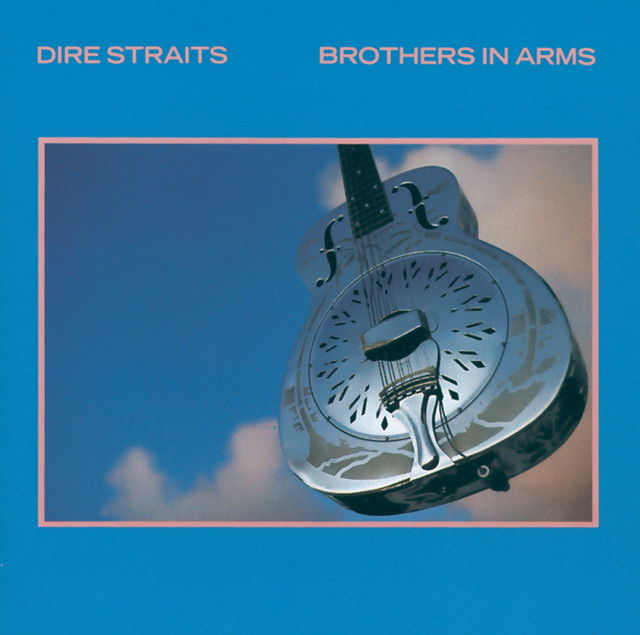
Musically, the album bridged the gap between classic rock craftsmanship and the sleek sophistication of 1980s production. It featured a flawless balance of introspective storytelling and stadium-ready anthems:
- ‘So Far Away’: A track defined by its laid-back groove and themes of distance.
- ‘Money for Nothing’: A guitar-driven satire that became an instant MTV anthem with its iconic opening riff.
- ‘Walk Of Life’: A bright, upbeat contrast to the album’s darker themes that became a global sing-along.
A Global Masterpiece
The success of the album was extraordinary, selling over 30 million copies worldwide and solidifying Dire Straits’ status as one of the most influential rock bands of the century. Lyrically, the record delved into themes of disillusionment and the human connections that persist despite separation. Knopfler’s writing throughout the album is reflective and mature, less concerned with youthful rebellion and more with the quiet complexities of adulthood, fame, and moral ambiguity.
Yet, the lasting power of ‘Brothers in Arms’ lies not merely in its sales or accolades, but in its emotional and artistic depth. More than just an anti-war anthem, the title track stands as a meditation on loyalty and the fragile threads that connect us all. It endures as one of the defining masterpieces of modern rock, a work of quiet strength and haunting beauty that continues to move listeners with its restraint and humanity.
The Final Drive
Watching those three men, now older, greyer, but still inextricably linked, drive those same Lancia, Ford, and Triumph cars toward the finish line, ‘Brothers in Arms’ took on a new layer of meaning. It became an elegy for the time they spent together and a tribute to the "fields" they had crossed in every corner of the globe. As the screen finally faded to black, the song remained, a testament to the fact that while the journey may end, the brotherhood remains.
A true masterpiece.
Jack