Song Stories: Dave: Black
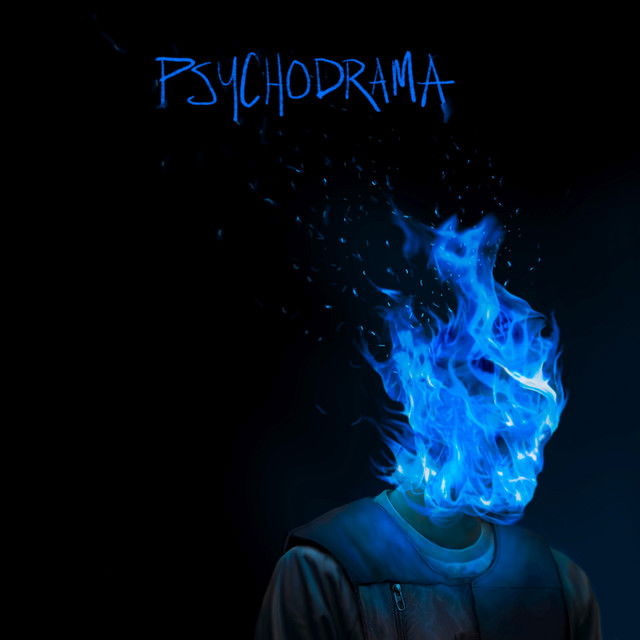
In the landscape of modern British music, there are very few moments that carry the weight of a cultural shift. When Dave released 'Black' as the lead single for his debut album 'Psychodrama', it wasn’t just a track for the charts; it was a manifesto. It is a song that demands to be heard, not just listened to, a visceral, poetic exploration of the Black experience that balances pride with the heavy burden of systemic injustice.
The Anatomy of the Track
Produced by Fraser T. Smith, 'Black' is built on a haunting, minimalist piano loop. This simplicity is intentional. It provides a stark canvas for Dave’s lyricism, allowing every syllable to land with maximum impact.
Dave uses this space to pay homage to the giants who came before him, weaving in references that connect the UK scene to global Black history. He subverts a famous line from Kendrick Lamar’s 'The Blacker the Berry,' rapping: "The blacker the berry the sweeter the juice / A kid dies, the blacker the killer the sweeter the news." It’s a heavy nod to Kendrick’s 2015 anthem, but the lineage goes deeper. Kendrick himself took that title from Wallace Thurman’s 1929 novel 'The Blacker the Berry', a seminal work of the Harlem Renaissance that explored colourism and internal prejudice. By reaching back to Thurman through Kendrick, Dave connects the modern London streets to a century-old struggle for identity.
Dave also anchors the track firmly in UK rap royalty by referencing Giggs. He flips the line from 'The Essence' "I do this for my ****** that are stuck in jail" to "what about our brothers that are stuck in jail?" grounding the song in the reality of the British justice system and the communities often left behind by the mainstream.
Colonialism, Erasure, and Appropriation
The true weight of ‘Black’ lies in Dave’s ability to condense centuries of history into sharp, digestible bars. He tackles the cultural appropriation that sees Black culture celebrated while Black people are marginalised:
"Black is so confusin', 'cause the culture? They're in love with it / They take our features when they want and have their fun with it / Never seem to help with all the things we know would come with it / Loud in our laughter, silent in our sufferin'"
Here, Dave identifies the painful irony of a world that adopts Black aesthetics, music, and "cool" but remains silent when those same creators face systemic violence or poverty.
He then moves to the effects of colonialism and cultural erasure, addressing how the history of Black people has been systematically stripped away:
"Black is strugglin' to find your history or trace the shit / You don't know the truth about your race 'cause they erasin' it"
By highlighting how European colonial powers renamed African lands based purely on what they could extract from them: the Gold Coast, the Ivory Coast, and the Grain Coast. Dave illustrates how identity was replaced by commerce. Most devastatingly, he reminds us of the Slave Coast, showing how the very maps of West Africa were drawn to reflect the commodification of human lives.
'Black' arrived at a time when the UK was grappling with its own internal dialogues about race, class, and the Windrush scandal. By placing this narrative at the forefront of the mainstream, Dave forced a mirror up to society.
The song’s importance lies in its educational power. It gave a voice to a generation of Black Britons who rarely saw their specific experiences articulated with such intellectual precision in popular music. It didn't shy away from uncomfortable truths, mentioning how "black is working twice as hard as the people you know you're better than, and in doing so, it became an anthem of resilience.
The Defining Moment: The 2020 Brit Awards
Sitting at a piano that projected shifting visuals of the Black experience, ranging from the struggle of the Windrush generation to the pain of the Grenfell Tower fire, Dave delivered a performance that felt more like a state-of-the-union address than a traditional awards set.
Midway through, he added a blistering, never-before-heard verse that expanded the song’s scope to include the immediate political climate. He didn't just mention Meghan Markle; he challenged the British public to look at the double standards of the press, rapping: "If you don't want to get it then you're never gonna get it / How the news treats Kate versus how they treated Meghan." He also shared a deeply moving tribute to Jack Merritt, a prison rehabilitation worker killed in the 2019 London Bridge attack. By calling Merritt his "brother in arms," Dave bridged a gap of background and colour to highlight a shared humanity and a commitment to reform over retribution.
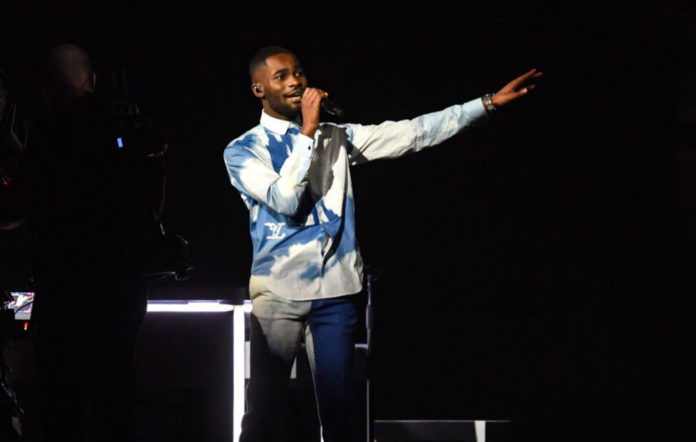
Then came the line that defined the night: "The truth is our Prime Minister is a real racist." It sent shockwaves through the room and the media, sparking weeks of national debate. It was a fearless display of artistry as activism. In that moment, Dave wasn't just a rapper; he was a truth-teller using the biggest platform in the country to challenge the status quo and demand accountability.
Watch the full, historic performance here: Dave - Black (Live at The BRITs 2020)
The Legacy
'Black' is more than just a song story; it’s a historical document. It reminds us that music is at its most potent when it refuses to be polite. Through his intricate wordplay and the sheer gravity of his Brit Awards performance, Dave ensured that "Black" wouldn't just be remembered as a hit but as a catalyst for conversation.