Which Songs Should Oasis Play on the Live ’27 Tour?
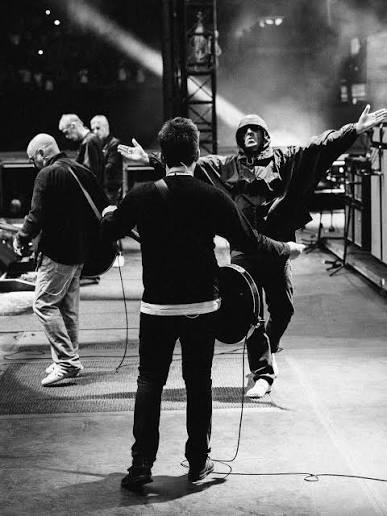
Back in September 2024, before Oasis had played a note together in 16 years, I put together my dream setlist for the reunion. Looking back now, I did not do too badly with my predictions.
I had 'Hello' opening the show, 'Acquiesce' immediately afterwards and a huge chunk of what eventually became Live '25. 'Morning Glory', 'Some Might Say', 'Bring It On Down', 'Cigarettes & Alcohol', 'Supersonic', 'Talk Tonight', 'Half the World Away', 'Little by Little', 'D'You Know What I Mean?', 'Stand By Me', 'Cast No Shadow', 'Slide Away', 'Whatever', 'Live Forever', 'Rock 'n' Roll Star', 'The Masterplan', 'Don't Look Back in Anger' and 'Champagne Supernova' were all there.
You can still read my original Oasis Live '25 dream setlist.
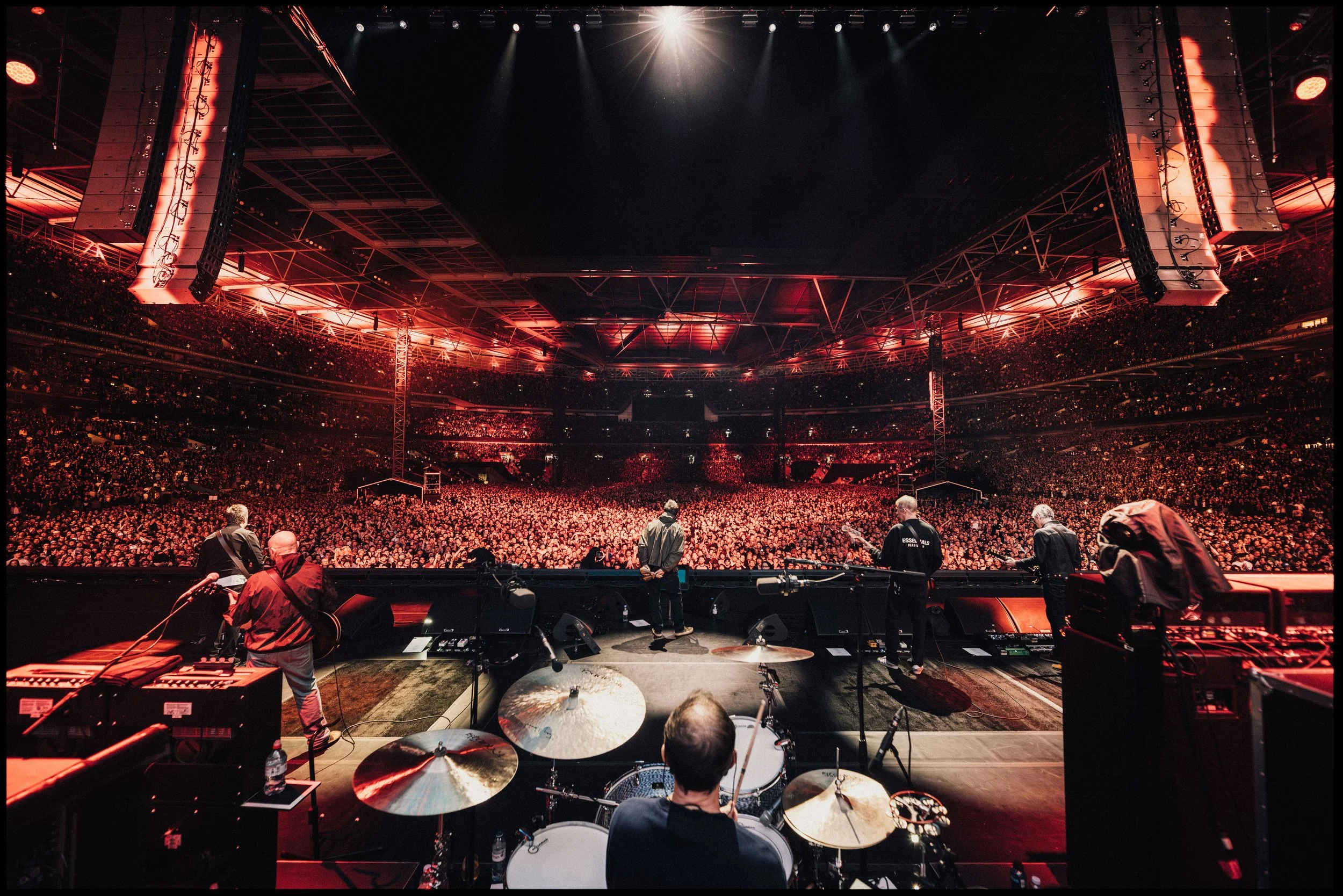
More importantly, Oasis themselves got most of Live '25 right. The reunion did not need an unpredictable setlist built around proving how deeply Noel Gallagher could dig into the catalogue. It needed the songs people had spent 16 years imagining Liam and Noel playing together again, and the 23-song set understood that almost perfectly.
Standing at the final Heaton Park show, I was not spending much time thinking about what Oasis had left out. I was mostly struck by how right it felt. As I wrote in my review of the final Manchester show, 'Hello' into 'Acquiesce' was the perfect beginning, the Noel section gave the set a natural change of pace, and once 'Slide Away' arrived there was barely any room to recover before another enormous Oasis song followed it.
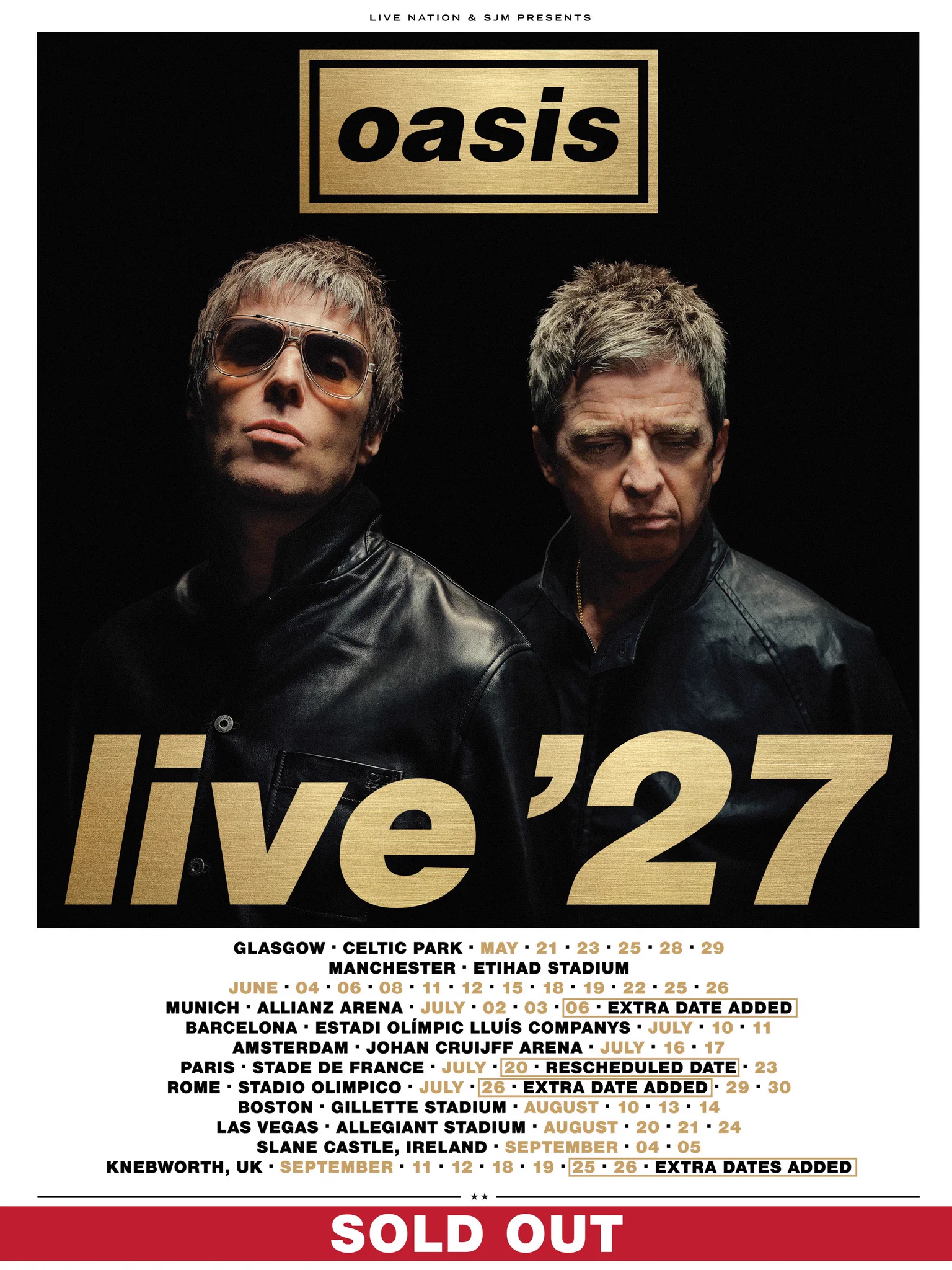
That is why I would not tear Live '25 apart for Live '27. The reunion has already worked, though, and another huge run now awaits them, including 11 nights at Manchester's Etihad Stadium and 6 at Knebworth. They have earned the freedom to loosen the set slightly.
If Oasis stick with a 23-song show, I would make only two swaps. If they make no changes to the setlist, I'd still be very happy; I feel like these two songs have more than earned their place in the set, though.
Fade Away for Listen Up
I love 'Fade Away', although if I am being completely honest, I have always preferred Noel singing it acoustically. Stripping the song back brings out the melancholy underneath it in a way that sometimes gets lost amid the noise of the original.
That said, Liam's version at Heaton Park was brilliant. Some might say biblical. Hearing him tear through it with Oasis again after all those years was one of those moments where a song I had questioned when the setlist first appeared suddenly made complete sense in the middle of the show.
So taking 'Fade Away' out feels harsh. If I could have one B-side from that period in its place, though, it would still be 'Listen Up'.
An argument can be made that 'Listen Up' contains some of the finest lyrics Noel Gallagher has ever written. The chorus is so pure, so Noel, but Liam is the person who makes it soar:
"Sailing down a river alone, I've been tryin' to find my way back home / But I don't believe in magic, life is automatic / But I don't mind being on my own."
Liam's vocal is exceptional too. He sings so close to the edge throughout, pushing harder as the song builds without ever losing the melody. It is defiant and vulnerable at the same time, which is a combination that sits at the heart of so many of the best early Oasis songs.
'Listen Up' has also taken on another life since the split. Both Noel and Liam have sung it throughout their solo careers, so there would be something particularly satisfying about finally hearing them perform it together again. After years of hearing two separate versions of the song, Live '27 feels like the perfect time to bring it back under the Oasis name.
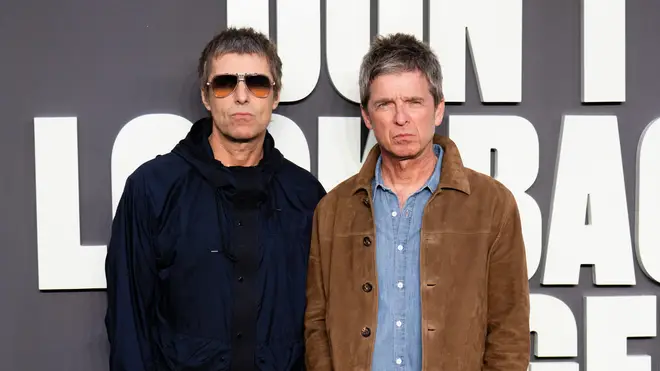
The reunion documentary gave it another layer too. 'Listen Up' features in 'Oasis: Don't Look Back in Anger', playing over the closing credits after a film built around Liam and Noel finding their way back to one another. I wrote more about that in my 'Oasis: Don't Look Back in Anger' review.
It might mean absolutely nothing for the next tour, but hearing the song there only strengthened my feeling that it deserves its turn. After appearing at the end of a documentary about the reunion without being played on Live '25 itself, it feels like unfinished business.
Roll With It for Columbia
Before the reunion, I was never a huge fan of 'Roll With It'. I had always thought it was slightly overrated, partly because its place in the Battle of Britpop had made it feel more important historically than it necessarily was as an Oasis song. I have written before about that whole period in my piece on who really won the Battle of Britpop, and 'Roll With It' has inevitably carried that baggage ever since.
Live '25 changed my mind about it.
By the end of the tour, 'Roll With It' had more than earned its place. It became a live stomper, one of those gloriously uncomplicated moments where the drums kicked in, Liam started singing, and tens of thousands of people immediately knew what their job was. In a set full of songs carrying decades of emotion, history and mythology, there was something refreshing about one that got everybody moving.
That is what makes replacing it difficult. I went into Live '25 thinking there were more interesting songs Oasis could have chosen and came out understanding exactly why it was there.
I would still replace it with 'Columbia'.
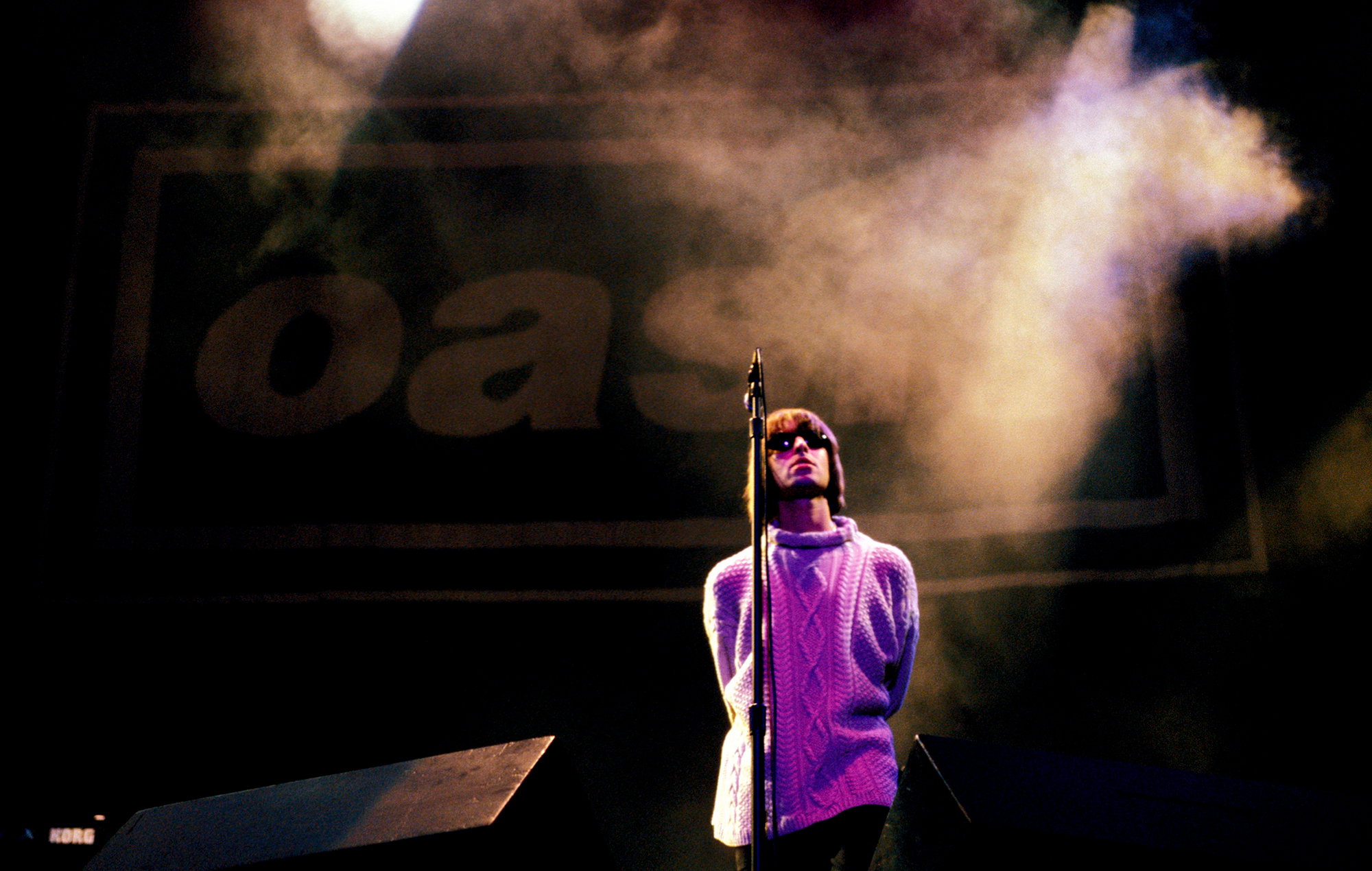
Part of that is because 'Columbia' remains one of the great Oasis live songs, but Live '27 gives it an even stronger reason to return. At both original Knebworth shows in 1996, 'The Swamp Song' played over the PA before Oasis walked out and launched into 'Columbia', followed by 'Acquiesce' and 'Supersonic'.
I have written more about those shows and what Knebworth came to represent in my 30th anniversary retrospective on Oasis at Knebworth 1996.
Thirty-one years later, with Oasis returning to the same field for six nights, hearing that riff roll across Knebworth again would be difficult to resist. 'Columbia' hardly needs to move because the groove does all the work. It is repetition, guitars and attitude until the whole thing becomes almost hypnotic, and with Bonehead, Gem Archer and Andy Bell all involved, it could sound enormous in the current band.
There is another small reason to think about it too. 'Columbia' can be heard being rehearsed in 'Don't Look Back in Anger' despite never making the Live '25 set, which suggests it has not been completely forgotten.
If 'Roll With It' stays, I will not complain. Live '25 completely changed my opinion of what it brings to an Oasis show. But if I am being picky and making one swap, I would still take 'Columbia', particularly with Knebworth waiting at the end of Live '27'.
The Set Was Originally Four Songs Longer
This is where the argument for changing Live '27 becomes much more interesting, because Oasis have already considered playing a longer show.
Gem Archer later revealed that an earlier version of the Live '25 setlist contained 27 songs before it was eventually reduced to the 23 played every night. He remembered looking at that original version and being surprised by how much music was still to come before Oasis had even reached 'Supersonic', which suggests the band had seriously considered a much longer show before settling on the final running order.
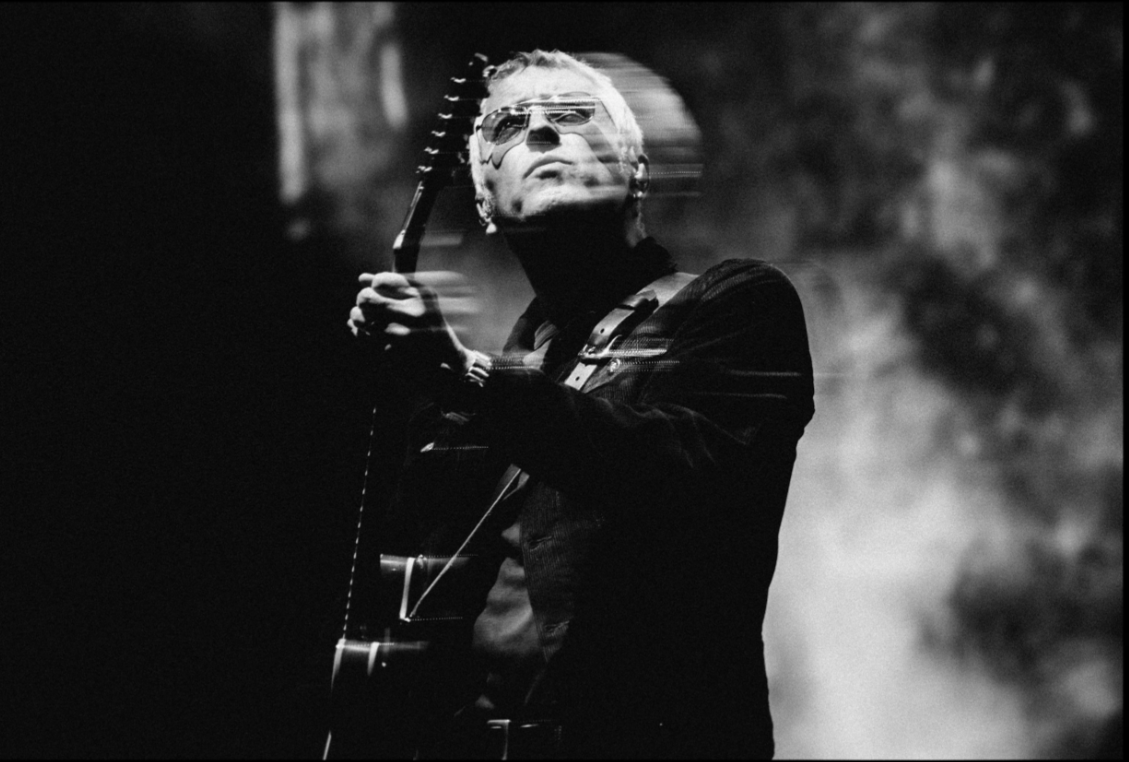
We still do not know which four songs disappeared, and I am not especially interested in pretending that I can work them out. What matters is that Oasis clearly considered a longer show before deciding that 23 songs were enough for Live '25.
That makes 27 feel like a much more realistic target for Live '27. If they are going to add four songs, I would use those spaces to open up the catalogue rather than add even more from 'Definitely Maybe' and '(What's the Story) Morning Glory?'.
'Shakermaker'
'Shakermaker' remains one of the most obvious omissions from 'Definitely Maybe'. Live '25 already gave the debut plenty of room, so Oasis hardly need another song from it, but 'Shakermaker' brings something none of the others really do.
It lopes rather than charges forward, built around a heavy, almost lazy groove that immediately separates it from the more direct attack of 'Rock 'n' Roll Star', 'Supersonic' or 'Cigarettes & Alcohol'. The lyrics wander into their own strange little world of childhood memories, shops, people and half-nonsensical images, while Liam delivers them with complete conviction. It sounds like a band still discovering how far they could stretch their personality before everything became bigger, louder and more deliberate.
That looseness is part of what makes 'Shakermaker' so appealing now. There is no attempt to turn every few seconds into another enormous Oasis moment. The riff circles, the rhythm takes its time, and the song seems perfectly happy to exist inside its own peculiar atmosphere. As the venues grew and Noel's songwriting became increasingly geared towards huge choruses and communal release, Oasis understandably moved away from that sort of oddness. 'Shakermaker' belongs to a brief period when they could still sound like five lads from Manchester throwing together whatever amused them and somehow turning it into a single.
It also gives Liam something different to sing. There is swagger in it, but not the same aggression that drives much of 'Definitely Maybe', and that slightly detached vocal suits him brilliantly. When he brought 'Shakermaker' back during his 'Definitely Maybe' anniversary shows, it still sounded wonderfully strange among songs that have become some of the most familiar in British guitar music. Rather than feeling like a curiosity from the debut, it reminded me how much character Oasis had before the scale of everything around them began to change.
'Stop Crying Your Heart Out'
I was really surprised this didn't make Live '25, and I'll be even more surprised if it doesn't make Live '27.
The 1990s understandably dominated the reunion set, but the consequence was that a huge part of the band's later history was barely featured. 'Little by Little' carried almost all of the responsibility for everything Oasis released after 'Be Here Now', while songs that had become staples of their final decade were left out completely.
That made sense for Live '25. The first reunion tour had to begin with the songs that built the mythology in the first place. People had waited 16 years to hear Liam sing 'Live Forever', 'Slide Away' and 'Supersonic' with Noel standing behind him again. There was no need to make the first tour clever for the sake of it.
Live '27 has more room to acknowledge what came afterwards, and 'Stop Crying Your Heart Out' would be the obvious place to start. It has long since become one of the defining Oasis songs of the 2000s, a song that has travelled far beyond 'Heathen Chemistry' and become one of those choruses people recognise almost immediately.
It would also fit naturally into the emotional side of the current set. Oasis already proved during Live '25 that the show did not need to move at full speed for two hours. 'Half the World Away', 'Talk Tonight', 'Little by Little' and later 'Don't Look Back in Anger' all created moments where the crowd carried as much of the song as the band did. 'Stop Crying Your Heart Out' could sit comfortably in that company.
The other reason I want it back is that either brother could take it. Noel has sung 'Stop Crying Your Heart Out' during his solo career, and hearing him lead an Oasis version would give his section of the show a completely different kind of moment. It is one of those songs that can survive being stripped back because the melody is strong enough to carry it without the full weight of the original arrangement.
But I would probably still give it to Liam. His voice on Live '25 was the best it has sounded in years, and songs such as 'Stand By Me', 'Cast No Shadow' and 'Champagne Supernova' showed how much power and control he still has when the material asks for more than pure aggression. 'Stop Crying Your Heart Out' would give him another opportunity to show that side of his voice, particularly once an entire stadium joined him for the chorus.
There is something appealing about having the choice, though. Noel has already shown that the song works in his hands, while Liam singing it again with Oasis would bring it back towards the voice most people associate with the original. Either version could work, and Live '27 gives them the chance to decide whether it belongs with Noel's quieter section or with Liam and the full band.
I wanted it in 2025. With both brothers now capable of doing something slightly different with it, I want it even more in 2027.
'Lyla' or 'The Shock of the Lightning'
This is the one I keep changing my mind about because both songs would solve the same problem in completely different ways. Live '25 barely touched the later Oasis catalogue, and either would immediately bring some of that history back into the show.
'Lyla' probably has the strongest case. It was built for enormous crowds, with Liam attacking the verses and Noel's backing vocal helping the chorus rise even higher. There is nothing particularly subtle about it, but there does not need to be. The guitars arrive, Liam starts singing, and within seconds it feels like a song designed to have tens of thousands of people involved.
I had 'Lyla' in my original reunion setlist and was genuinely surprised it never appeared on Live '25. It has never felt like a song in need of rediscovery. It was one of the defining singles of Oasis' mid-2000s resurgence and has always sounded bigger live than it does on record. Put it somewhere in the middle of a stadium set in 2027, and I cannot imagine it failing.
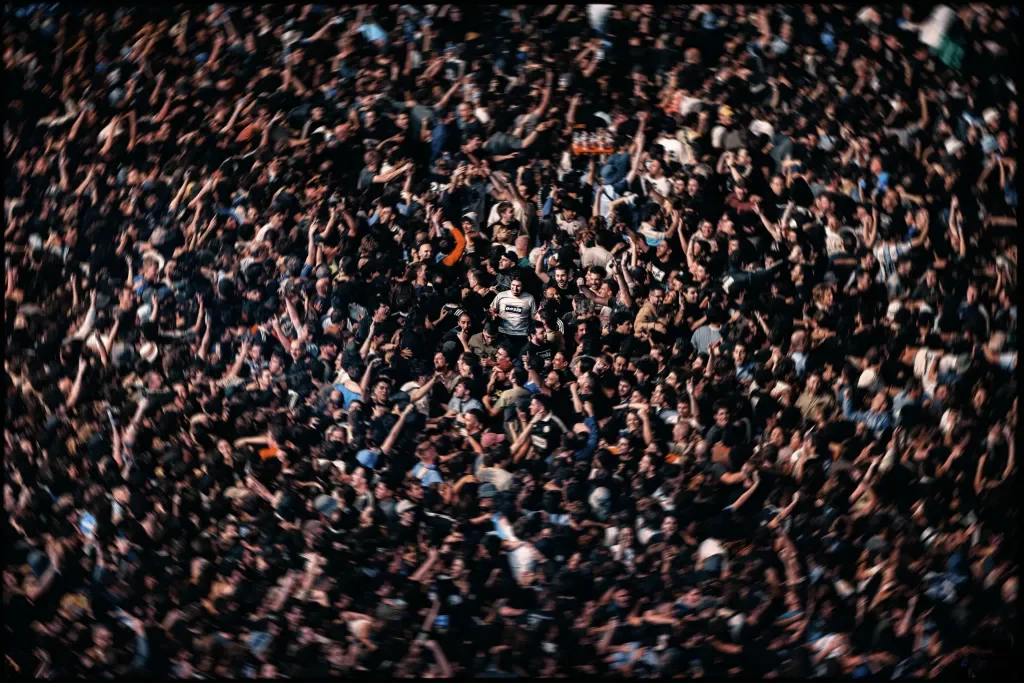
'The Shock of the Lightning' would be the more aggressive option. It is faster, nastier and feels permanently on the verge of running away from the band. That urgency would give Live '27 something it currently lacks, particularly if the set becomes longer and needs another moment capable of suddenly increasing the pace.
It would also give 'Dig Out Your Soul' some representation. Live '25 could almost make you forget that Oasis released an entire final album after 'Don't Believe the Truth', and 'The Shock of the Lightning' would be a reminder that the band were still capable of sounding urgent and genuinely exciting right near the end.
If I could only choose one, I would probably take 'Lyla'. It feels made for the scale of Live '27. Ask me on another day, though, and I could easily decide that 'The Shock of the Lightning' is the more interesting choice.
'Falling Down'
'Falling Down' would be the brave addition, although I can also understand why Oasis might want to stay away from it.
It was the final single they released before the split, and even its central refrain now carries an uncomfortable amount of hindsight: 'it's falling down on all that I've ever known'. In 2009, it was simply part of the darker world of 'Dig Out Your Soul'. Heard after everything that followed, it is almost impossible not to attach a different meaning to it.
Would Oasis really want to stand together again in 2027 singing a song that can so easily be interpreted as describing the collapse of the band? Maybe not. Live '25 was fundamentally a celebration. Whatever had happened during the 16 years apart was largely left outside the stadium, and the songs were allowed to reconnect Liam, Noel and the audience without turning the reunion into a public examination of why Oasis broke up.
Live '27 will probably continue in that spirit. These shows are about what survived rather than what fell apart, which might make 'Falling Down' an awkward fit despite how much I would personally like to hear it.
Musically, though, it would bring something genuinely different. It does not offer the instant communal release of 'Stop Crying Your Heart Out' or the stadium-sized chorus of 'Lyla'. By 'Dig Out Your Soul', Oasis had moved somewhere darker and more psychedelic, and 'Falling Down' feels less interested in recreating the sound of the band's younger years than in letting Noel disappear into something stranger.
That version of Oasis deserves to be remembered too. Their story did not stop with 'Morning Glory' or 'Be Here Now', and by their final years they had become a different band with different influences and ambitions. 'Falling Down' is one of the strongest examples of that change.
It would also give Noel something completely different to do. Rather than another acoustic moment or another song designed around mass participation, it would alter the atmosphere for a few minutes and give a longer Live '27 set some useful contrast.
So I would still have it on my list of possibilities, but perhaps with an asterisk beside it. 'Falling Down' is one of the later Oasis songs I would most like to hear again. Whether Oasis themselves would want such a loaded song inside what remains, above all else, a celebration is another question.
What About 'Standing on the Shoulder of Giants'?
Once you start looking beyond the first three albums, 'Standing on the Shoulder of Giants' creates another problem because there are several songs from it that could make Live '27 feel noticeably different without completely changing the character of the show.
'Go Let It Out' probably has the strongest case. It remains one of Oasis' best post-90s singles, and it brings a groove into the catalogue that feels quite different from the more direct rush of 'Definitely Maybe' or the enormous choruses of '(What's the Story) Morning Glory?'. The bass sits further forward, the whole thing feels looser, and there is a psychedelic edge running through it that would immediately change the shape of the set.
It also represents an important point in the band's story. After the excess of 'Be Here Now', Oasis had to work out what came next. 'Go Let It Out' was one of the first clear answers. It still sounded like Oasis, but it was a version of the band beginning to look beyond the formula that had made them enormous.
'Gas Panic!' would be the more adventurous choice. It is darker, slower and much more uneasy, gradually building rather than trying to win the crowd immediately. There is a genuine tension to it that Oasis rarely matched elsewhere, and live versions have always shown how much bigger it becomes once the guitars start opening up.
That could work brilliantly in a longer Live '27 set. Live '25 was, understandably, a celebration almost from beginning to end. There were emotional moments, but very little that felt genuinely sinister or uncomfortable. 'Gas Panic!' would change the atmosphere completely for a few minutes, and that contrast could make the songs around it feel even bigger.
Then there is 'Roll It Over'. Liam's solo performances helped remind people just how powerful that song can be, particularly once it reaches that huge final section. It starts patiently, almost as though it is holding something back, before eventually opening into one of the biggest endings Oasis ever recorded.
That scale feels made for the current version of the band. With a stadium crowd behind it, 'Roll It Over' could become one of those songs that grows far beyond its original place on an album.
The strange thing is that none of these songs appeared on Live '25. An album containing 'Go Let It Out', 'Gas Panic!' and 'Roll It Over' was represented by nothing at all, which feels like one of the clearest examples of how heavily the reunion set leaned towards the first part of the band's career.
Oasis can't play all three, and I don't want Live '27 to become a correction exercise where every overlooked album has to be represented. But one of them would be enough to open another door in the catalogue. If I had to choose, I would probably take 'Go Let It Out'.
The B-Sides Make This Almost Impossible
This is where Oasis turn a relatively simple setlist article into something ridiculous.
'Listen Up' remains my first choice, but once you start digging into the B-sides, it becomes very difficult to stop. 'Underneath the Sky' deserves a mention because it has that melodic, slightly psychedelic quality that runs through some of the best early Oasis material. It sounds unmistakably like them without simply being another enormous chorus waiting to happen.
There is a looseness to it that I really like too. It belongs to the period when Noel seemed capable of writing songs faster than Oasis could find places to put them, and there is something almost casual about the fact that a song this good ended up as a B-side. Put it into Live '27, and it would immediately feel familiar without being one of the songs everybody already expects.
'Headshrinker' goes completely the other way. It is frantic, aggressive, and barely gives itself time to settle before charging into the next section. There is something appealing about the idea of Liam tearing through it now, particularly in a show where so many songs arrive carrying decades of emotional weight.
Sometimes three minutes of Oasis simply making a racket is enough, and 'Headshrinker' would give the set exactly that.
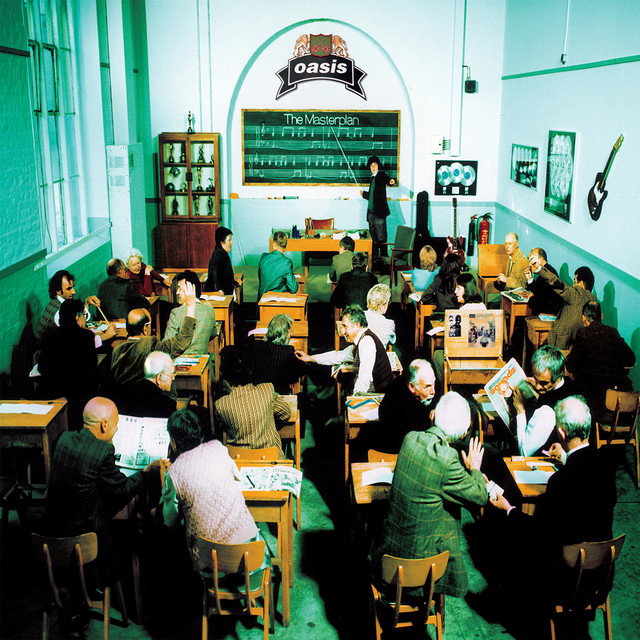
Then there is 'Rockin' Chair', which would offer something completely different again. It is slower, wearier and surprisingly reflective for a song written while Oasis themselves seemed unstoppable. Even then, Noel was writing about ageing, regret and the fear that life might somehow pass you by. Those ideas inevitably sound different more than 30 years later. Liam and Noel are now a long way removed from the young men who recorded it, and hearing Liam sing 'Rockin' Chair' in 2027 could give the song a weight it simply could not have carried in the mid-90s.
That is the absurdity of the Oasis B-sides. 'Acquiesce', 'Underneath the Sky', 'Talk Tonight', 'Going Nowhere', 'Fade Away', 'I Am the Walrus', 'Listen Up', 'Rockin' Chair', 'Half the World Away', 'Stay Young', 'Headshrinker' and 'The Masterplan' eventually ended up on the same compilation.
Most bands would be delighted to build an entire career around a collection like that. Oasis had enough songs to leave them off the main albums.
Live '27 does not need to become a show designed exclusively for people who bought every CD single in the 1990s. One or two of these appearing would be enough to remind everybody why the B-sides became such an important part of the band's reputation in the first place.
'Going Nowhere' for Noel?
The Noel section worked brilliantly on Live '25. 'Talk Tonight', 'Half the World Away' and 'Little by Little' gave the show a natural change of pace without ever making it feel as though Oasis had temporarily disappeared and the High Flying Birds had taken over.
I would not make that part of the set much longer. Three Noel-led songs felt about right before Liam returned for the final run, but 'Going Nowhere' would be a lovely option if Oasis wanted to rotate something.
It has always suited Noel's voice, and there is a gentleness to it that would sit naturally beside 'Talk Tonight' and 'Half the World Away'. After spending years hearing Noel sing these songs away from Oasis, there would also be something satisfying about putting another one back inside the band.
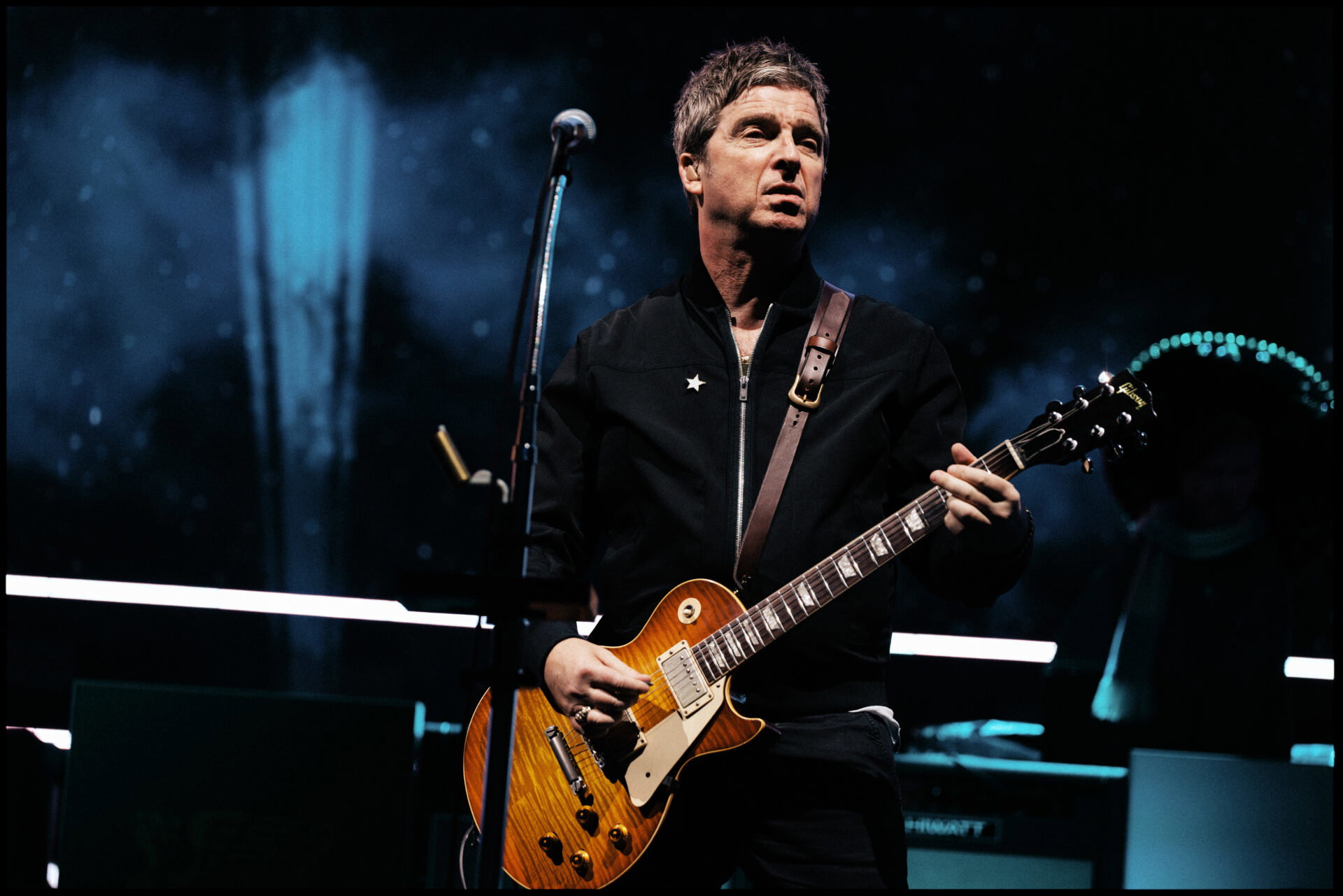
It would not need to be played every night either. 'Talk Tonight' could stay on some dates, 'Going Nowhere' could replace it on others, or Oasis could save it for Manchester and Knebworth. That kind of rotation would create the possibility of something different happening without upsetting the structure that worked so well in 2025.
That is probably the level of unpredictability I would want from Live '27. One Noel song, one deeper cut and perhaps one location-specific surprise would be enough to make certain nights feel different without turning the tour into a completely different set every evening.
Manchester Should Get 'Round Are Way'
If Oasis decide to give particular cities something of their own, Manchester has an obvious choice: 'Round Are Way'.
The song feels inseparable from the period when Oasis went from being a successful Manchester band to something much harder to quantify. It has the loose, celebratory quality that belonged to those enormous 1996 shows, but what I have always loved about it is how ordinary the world inside the song actually is. Noel is looking around at everyday life, at people going to work, kids playing football and the familiar sights and sounds of the place around him, then somehow turning all of it into an anthem.
'Round Are Way' is not Noel trying to write some grand statement about Manchester. It is about recognising the streets, people and routines around you and finding something worth celebrating in them. For a band whose story would soon become dominated by enormous crowds, record sales and increasingly ridiculous levels of fame, there is something wonderfully grounded about it.
That is also why bringing it back at the Etihad would mean more than simply resurrecting another B-side. 'Round Are Way' was part of the Maine Road shows in 1996, when Oasis returned to Manchester as one of the biggest bands in Britain. More than 30 years later, taking that song into the Etihad would connect two completely different periods of the band's relationship with their home city.
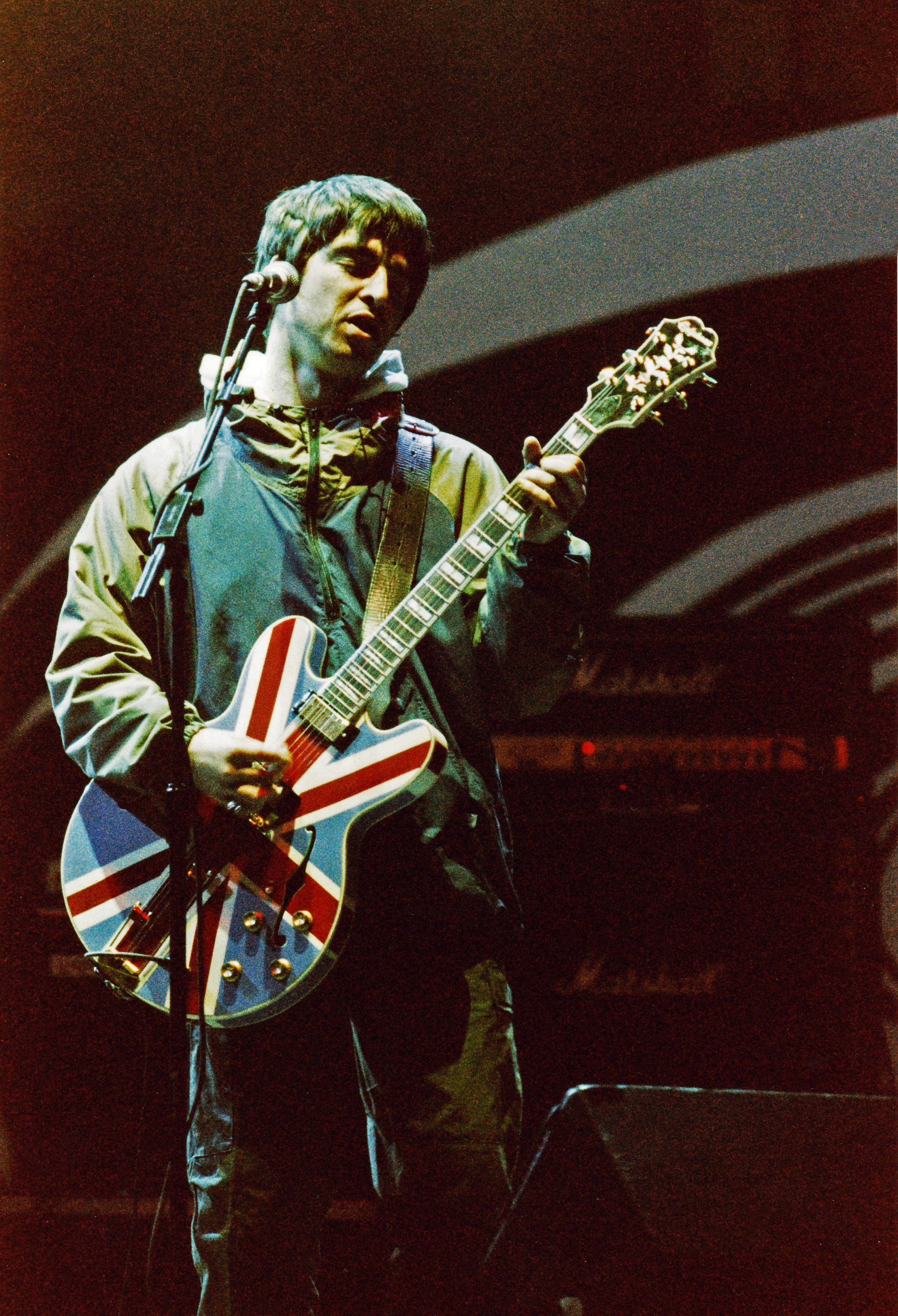
The geography makes it even better. Maine Road is gone, the Etihad now occupies a completely different place in Manchester's football and cultural landscape, and Oasis themselves are obviously no longer the five young men who walked onto those stages in 1996. Yet the ordinary Manchester life captured in 'Round Are Way' is exactly the sort of thing that survives all of that change.
The audience has changed too. Some people inside those Etihad shows will remember Oasis at Maine Road, while plenty of others will not even have been born when 'Round Are Way' was being played. That has become one of the strangest and best things about the reunion: parents, children and people who discovered Oasis decades apart are now shouting the same songs together.
For that reason, I would not necessarily want 'Round Are Way' played everywhere. It does not need to appear in Munich, Paris or every other city on Live '27. In fact, I think keeping it specifically for Manchester would make the song mean more.
Eleven nights at the Etihad gives Oasis plenty of opportunities to change one thing without disturbing the structure of the show. Hearing Liam sing 'Round Are Way' in Manchester again, with thousands of people turning that simple chorus into something enormous, would be my choice.
'Be Here Now' Turns 30
Live '27 also arrives in the 30th anniversary year of 'Be Here Now', which gives Oasis another excuse to dig deeper.
Live '25 already treated the album better than Oasis had for years. 'D'You Know What I Mean?' and 'Stand By Me' both returned and sounded enormous, reminding people that underneath all the arguments about production, excess and impossible expectations, 'Be Here Now' still contains some brilliant songs.
The obvious Knebworth choice would be 'My Big Mouth'. Oasis played it there in 1996 before 'Be Here Now' had even been released, alongside another then-unreleased song, 'It's Gettin' Better (Man!!)'.
That makes both songs more interesting than simple anniversary additions. They are already part of the original Knebworth story. In 1996, they gave the crowd a glimpse of what Oasis were about to become. In 2027, they would return as songs from an album turning 30.
The title track would be tremendous fun too. 'Be Here Now' is loud, excessive and almost completely incapable of restraint, which is precisely why I would enjoy hearing the current band attempt it. If there is ever a year to embrace the ridiculousness of that record rather than apologise for it, surely it is 2027.
My two choices from that era, though, remain 'Stay Young' and 'I Hope, I Think, I Know'.
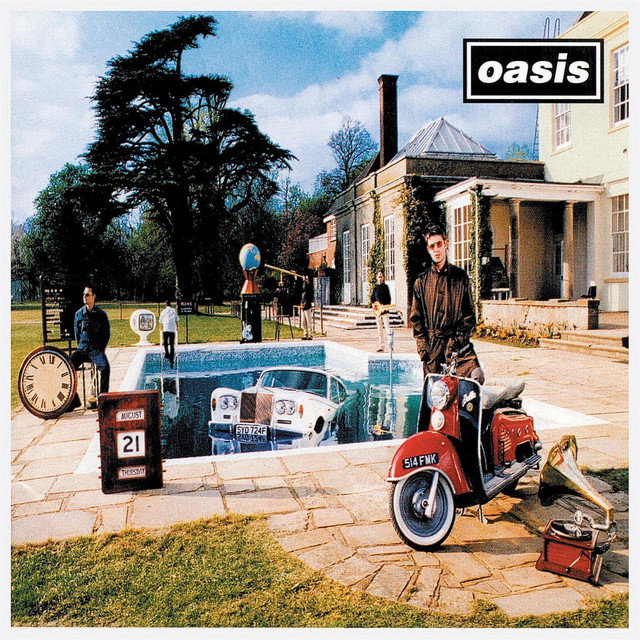
'Stay Young' was not actually included on 'Be Here Now', eventually finding a home on 'The Masterplan', but it belongs completely to the world of 1997 Oasis. It has all the optimism, confidence and volume of that period without becoming weighed down by the excess that sometimes overwhelms the album itself.
There would also be something wonderfully appropriate about hearing Liam sing it now. A song written by young men insisting that the world would not grind them down would be performed more than three decades later by a reunited band, with another generation of Oasis fans shouting every word back at them.
'I Hope, I Think, I Know' would be my actual album choice. It is one of the songs on 'Be Here Now' that never gets buried beneath the scale of everything around it. It comes charging in, reaches the chorus quickly and disappears before there is time for it to become overblown. Liam would absolutely fly through it.
If Oasis want to acknowledge the anniversary with something beyond 'D'You Know What I Mean?' and 'Stand By Me', those are the two I would choose. 'Stay Young' captures the spirit of that entire period, while 'I Hope, I Think, I Know' might be the great overlooked song on the album itself.
What Would My Live ’27 Set Actually Look Like?
If Oasis stick with 23 songs, I would barely touch Live ’25. 'Fade Away' would make way for 'Listen Up', while I would reluctantly sacrifice 'Roll With It' for 'Columbia'. Beyond that, the structure worked far too well to start pulling it apart.
Gem Archer’s revelation that the original setlist was four songs longer makes 27 songs much more interesting, though. If Oasis really did consider a longer show before Live ’25 began, I would use those extra spaces to open the catalogue up rather than add more songs from the first two albums.
My 27-song Live '27 set
My first version would bring in 'Shakermaker', 'Stop Crying Your Heart Out', 'Lyla' and 'Falling Down', giving Live ’27 a little more of the band’s later history while keeping almost everything that worked in 2025:
- 'Hello'
- 'Acquiesce'
- 'Columbia'
- 'Morning Glory'
- 'Some Might Say'
- 'Lyla'
- 'Bring It On Down'
- 'Cigarettes & Alcohol'
- 'Shakermaker'
- 'Listen Up'
- 'Supersonic'
- 'Talk Tonight'
- 'Half the World Away'
- 'Little by Little'
- 'Falling Down'
- 'Stop Crying Your Heart Out'
- 'D’You Know What I Mean?'
- 'Stand By Me'
- 'Cast No Shadow'
- 'Slide Away'
- 'Whatever'
- 'Live Forever'
- 'Rock ’n’ Roll Star'
- 'The Masterplan'
- 'Don’t Look Back in Anger'
- 'Wonderwall'
- 'Champagne Supernova'
There is another version I like just as much, though, and this one would use the 30th anniversary of 'Be Here Now' as an excuse to dig further into 1997. Instead of 'Falling Down' and 'Lyla', I would bring in 'Stay Young' and 'I Hope, I Think, I Know'. The first is not actually on 'Be Here Now', but it belongs completely to that period, while the second is the song from the album I would most like to hear Liam attack again.
My 'Be Here Now' anniversary alternative
- 'Hello'
- 'Acquiesce'
- 'Columbia'
- 'Morning Glory'
- 'Some Might Say'
- 'Bring It On Down'
- 'Cigarettes & Alcohol'
- 'Shakermaker'
- 'Listen Up'
- 'Supersonic'
- 'Talk Tonight'
- 'Half the World Away'
- 'Little by Little'
- 'Stop Crying Your Heart Out'
- 'D'You Know What I Mean?'
- 'Stand By Me'
- 'Stay Young'
- 'I Hope, I Think, I Know'
- 'Cast No Shadow'
- 'Slide Away'
- 'Whatever'
- 'Live Forever'
- 'Rock ’n’ Roll Star'
- 'The Masterplan'
- 'Don’t Look Back in Anger'
- 'Wonderwall'
- 'Champagne Supernova'
I genuinely struggle to choose between the two. The first gives Live '27 a broader sweep across Oasis’ history, finally finding room for 'Falling Down' and 'Lyla'. The second would make the tour feel more specific to 2027, using the 30th anniversary of 'Be Here Now' to bring 'Stay Young' and 'I Hope, I Think, I Know' back into the story.
Either way, the point is the same: I would not rebuild Live ’25. I would keep almost all of it, bring 'Columbia' and 'Listen Up' into the main set, then use the extra four spaces to remind people just how much great Oasis music still sits outside the songs they played in 2025.
Final Thoughts
The more I think about it, the more I realise I do not actually want Oasis to change very much. Live '25 got most of the important decisions right. 'Hello' into 'Acquiesce', the Noel section, 'Slide Away', 'Live Forever', 'Don't Look Back in Anger' and 'Champagne Supernova' all felt exactly where they needed to be, and even songs I had questioned before the reunion eventually proved themselves in the stadiums.
What I would like from Live '27 is simply a little more room to explore. 'Listen Up' and 'Columbia' would be my two changes to the core set, while the possibility of 27 songs gives Oasis an opportunity to bring in 'Shakermaker', 'Stop Crying Your Heart Out', 'Lyla', 'Falling Down' or some of the other songs that have been discussed throughout this article. The 30th anniversary of 'Be Here Now', six nights at Knebworth and eleven shows in Manchester give them plenty of reasons to make certain nights feel different without turning the whole tour into a new production.
Oasis do not need to prove that they have a great catalogue. They have already proved it every night of the reunion. Live '27 should keep the songs that made Live '25 feel so special, then occasionally open another door and let something unexpected through. If that means hearing 'Round Are Way' in Manchester, 'I Am the Walrus' at Knebworth, 'Stay Young' in the 30th anniversary year of 'Be Here Now' or Liam tearing through 'Shakermaker' again, even better. There are enough great songs to make every one of those choices feel justified.
I would still be perfectly happy if the first notes of 'Hello' arrive in 2027 and the set turns out to be exactly what it was in 2025. But if Oasis really do have four extra spaces this time, I hope they use them. They have spent the reunion reminding everybody why the songs we already knew mattered. Live '27 could be the chance to remind us how many great ones we had forgotten.