Maine Road- 30 Years
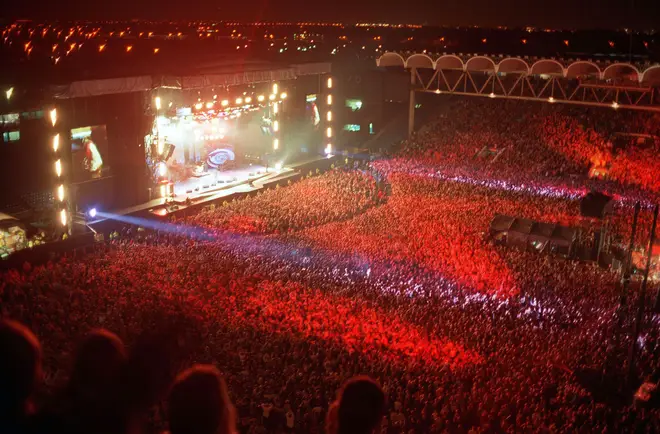
1996 is the biggest year for Oasis, with two sold-out shows at Knebworth, the infamous MTV Unplugged performance, a failed US Tour, and increased tabloid scrutiny. In April 1996, one of the biggest and most important moments in Oasis history took place. Two sell-out shows at Maine Road, the home of their beloved Manchester City.
Noel and Liam had both wanted to play the stadium, following the success of their second album, 1995's '(What's the Story) Morning Glory'. In February 1996, Oasis announced the two nights pencilled in for April 27 and 28th 1996, with Manic with Manic Street Preachers and Ocean Colour Scene supporting.
Both support bands were key players in the Britpop scene, Manic Street Preachers had established themselves as one of the era's most politically charged and critically acclaimed acts, while Ocean Colour Scene were riding high on the strength of their own breakout album and were closely linked to the Britpop movement. Their inclusion in the lineup underscored the cultural significance of the event, bringing together some of the decade’s most influential British rock acts.
Tickets were priced at £17.50 each, with 42,000 available for each night, which was off the charts and were sold out as quickly as they went on sale.
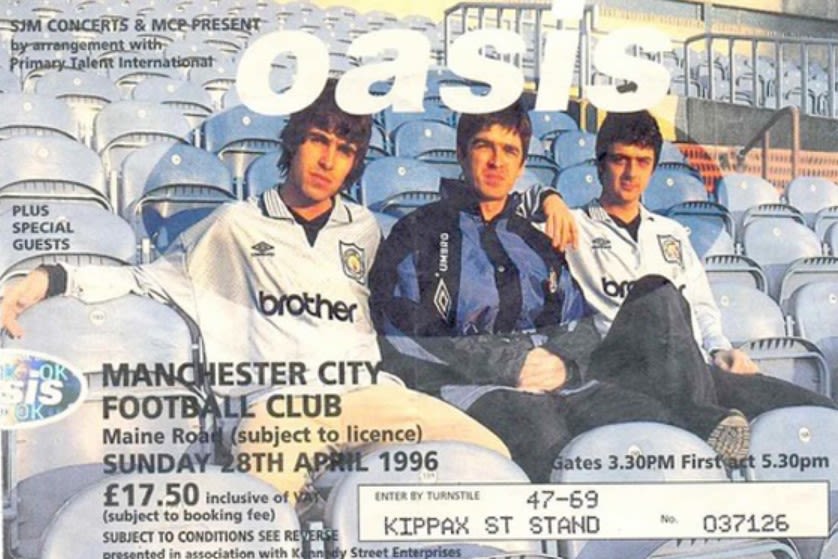
Each ticket had an image of Noel, Liam and Guigsy sitting in the seats of the Main Stand at Maine Road. Paul 'Bonehead' Arthurs opted not to be in the photo shoot as he is a Manchester United fan. While the bands' then brand new drummer, Alan White, was a Londoner with no affiliation to either Manchester team.
Oasis had barely played arenas by this point; it seemed as if they'd missed them on their journey to stop. Maine Road was their first stadium show, and from then on, stadiums seemed to be the home of Oasis. Unlike most bands who climb the live circuit by graduating from clubs to theatres, then to arenas, Oasis made a direct leap from theatres and smaller venues straight to stadiums. This unconventional jump was both a testament to the feverish demand for the band and an early sign of their ambition.
What's mad to think is that even the older songs in the band's setlist were only two years old, and the big hits in the setlist had only been out for a few months, and yet they had already become a part of the furniture.
They came at a crucial time in Oasis history, landing before Knebworth had been announced but after the release of ‘What’s The Story (Morning Glory)?’, after ‘Roll With It’ vs ‘Country House’ and after ‘Don’t Look Back In Anger’ and ‘Wonderwall’ had done their thing in the charts. The band were in a curious, fleeting position: teetering on the edge of being a bona fide cultural phenomenon, yet still with something to prove.
In retrospect, the shows marked the last moments Oasis could truly be considered a band ‘of the people’, rather than a band ‘for the people’. On a more basic level, they were the first time the band had ever headlined a stadium and, thanks to a snappily released VHS documenting the event (the ‘There And Then’ live video hit shelves within half a year), the first time kids who couldn’t get into the gigs had a chance to see what all the fuss was about. I’d wager that a lot of successful post-Oasis British rock musicians’ first ‘gig’ was that live footage.
In fact, musicians like Alex Turner of Arctic Monkeys, Tom Clarke of The Enemy, and Jon McClure of Reverend and the Makers have all mentioned in interviews that watching Oasis, and particularly the 'There And Then' VHS, was a formative experience that inspired them to pursue music themselves. The legacy of that live video continues to resonate with the next generation of British bands. Even more recent bands, Catfish & the Bottlemen, Blossoms, Wolf Alice and Sam Fender have all cited Oasis as an influence, you can only imagine that they to were inspired by 'There and Then'
Ahead of the opening night, Noel recalled: “I remember sitting behind the stage … taking the moment in. They had been saying, ‘You can't play outdoors in Manchester in April, it'll rain!’… ‘It fuckin rains in August! … Well, wear a coat!”
It had to be a there moment, as was the second night, which was equally memorable.
Liam, all swagger and attitude, Noel, effortlessly cool on his union jack guitar and his always stylish Manc attire that, the NME reported, “Even Noel’s Penfield cagoule became iconic following the gigs. The clothing brand recently reissued the jackets as part of their 40th birthday celebrations, saying they were “made uniquely recognisable by Noel Gallagher in the 1990’s”. Vogue, meanwhile, credited Noel’s attire at Maine Road with “elevating the anorak from trainspotting mundanity to the realm of streetwear cool.”
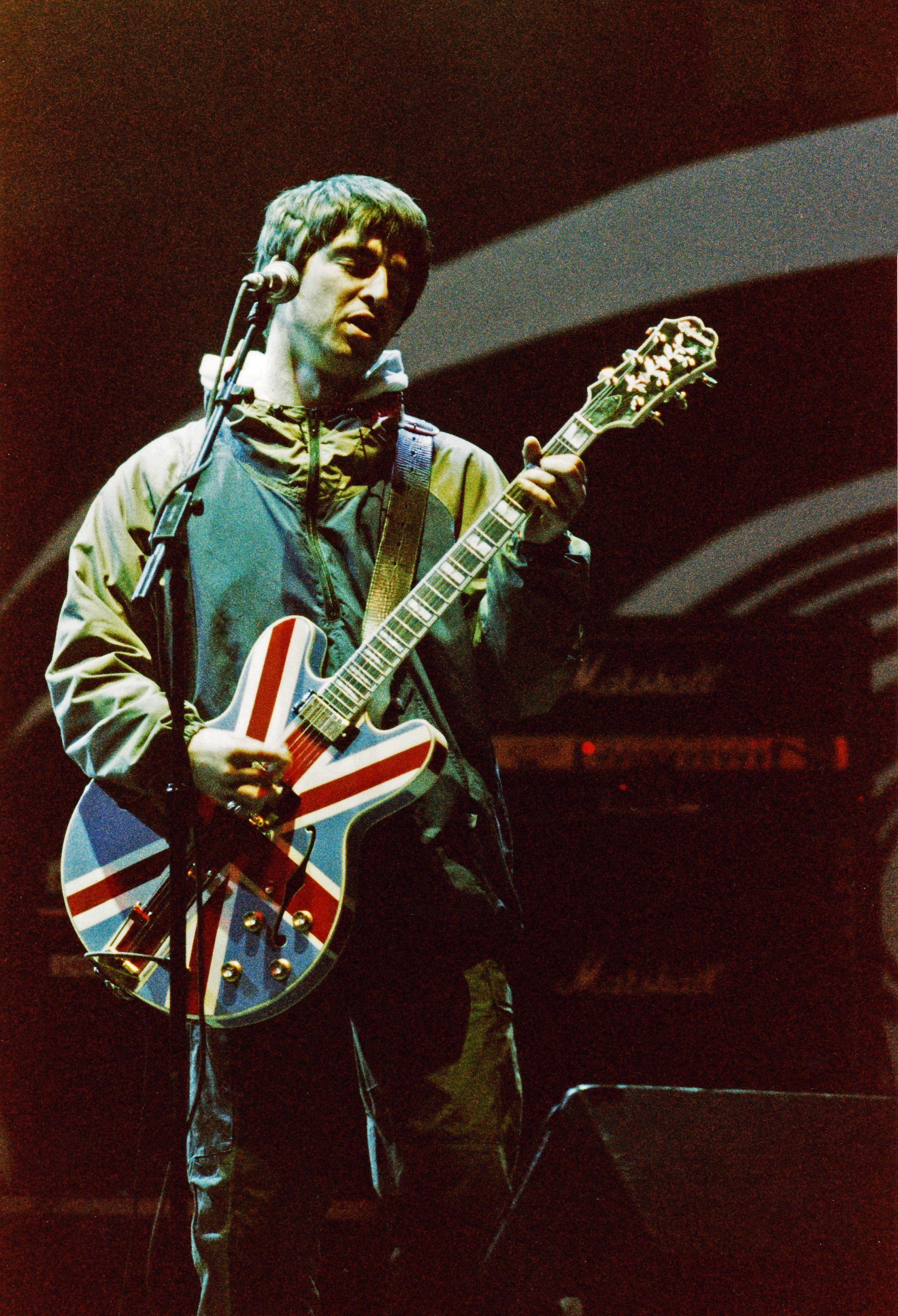
Probably the most famous instrument in British music since Macca’s Hohner bass, Noel’s Union Jack Epiphone Sheraton was played for the first time at Maine Road. It’s become the epitome of what Britpop was all about – unabashed pomposity married to traditionalist grandeur. Apparently, according to Bonehead, it was a gift from Noel’s then-girlfriend, Meg Matthews. “She got a guy in London who did up guitars to spray a Union Jack on it. I remember he pulled it out and I was like, ‘Whoa…’. It’s pretty iconic now. Instantly recognisable. You stick a picture of a Union Jack Epiphone on any wall and say, ‘Name that guy’, and it’s ‘Noel Gallagher’ every time, isn’t it?”
The atmosphere at Maine Road was nothing short of electrifying. For many fans, this was more than just a gig; it was a communal outpouring of pride, identity, and belonging. The anticipation leading up to the shows was palpable across Manchester, with the city buzzing in the days before the concerts. On the nights themselves, the stadium was packed with 42,000 fans each evening, belting out every word in unison. The passion from the crowd was matched by the band’s own sense of occasion, Oasis playing in their hometown, in the heart of Moss Side, transformed Maine Road into the epicentre of British music. Even the unpredictable Mancunian weather couldn’t dampen the spirits.
The setlist for the Maine Road shows reflected the band's meteoric rise and the strength of their catalogue, already packed with anthems. Both nights featured a barrage of hits from their first two albums, including 'Some Might Say', 'Roll With It', 'Morning Glory', 'Cigarettes & Alcohol', and the emotional 'Cast No Shadow'. Their set also included fan favourites like 'Supersonic', 'Slide Away', and 'Live Forever', as well as the crowd-rousing 'Wonderwall' and 'Don't Look Back In Anger'. The energy in the stadium was electric as each song was met with deafening sing-alongs, the audience becoming an integral part of the performance. Notably, the band closed the main set with 'I Am the Walrus', sending the crowd into a frenzy before returning for their encore, which featured a live debut of Slade's 'Cum On Feel the Noize'
The most iconic moment on both nights comes during 'Live Forever' when a range of huge photos appear on the backdrop, dwarfing the band onstage. Elvis, Hendrix, Sid Vicious, Steve Marriott, Bob Marley, Marvin Gaye and finally, as the last throes of the chorus are belted out by Noel, the face of John Lennon. The entire audience roars, and the message is as clear as the song title. “Even Liam didn’t know it was going to happen, that’s why he looks amazed when he turns round and sees Lennon,” says Brian Cannon, who came up with the idea. For something so simple, it’s still remarkably touching.
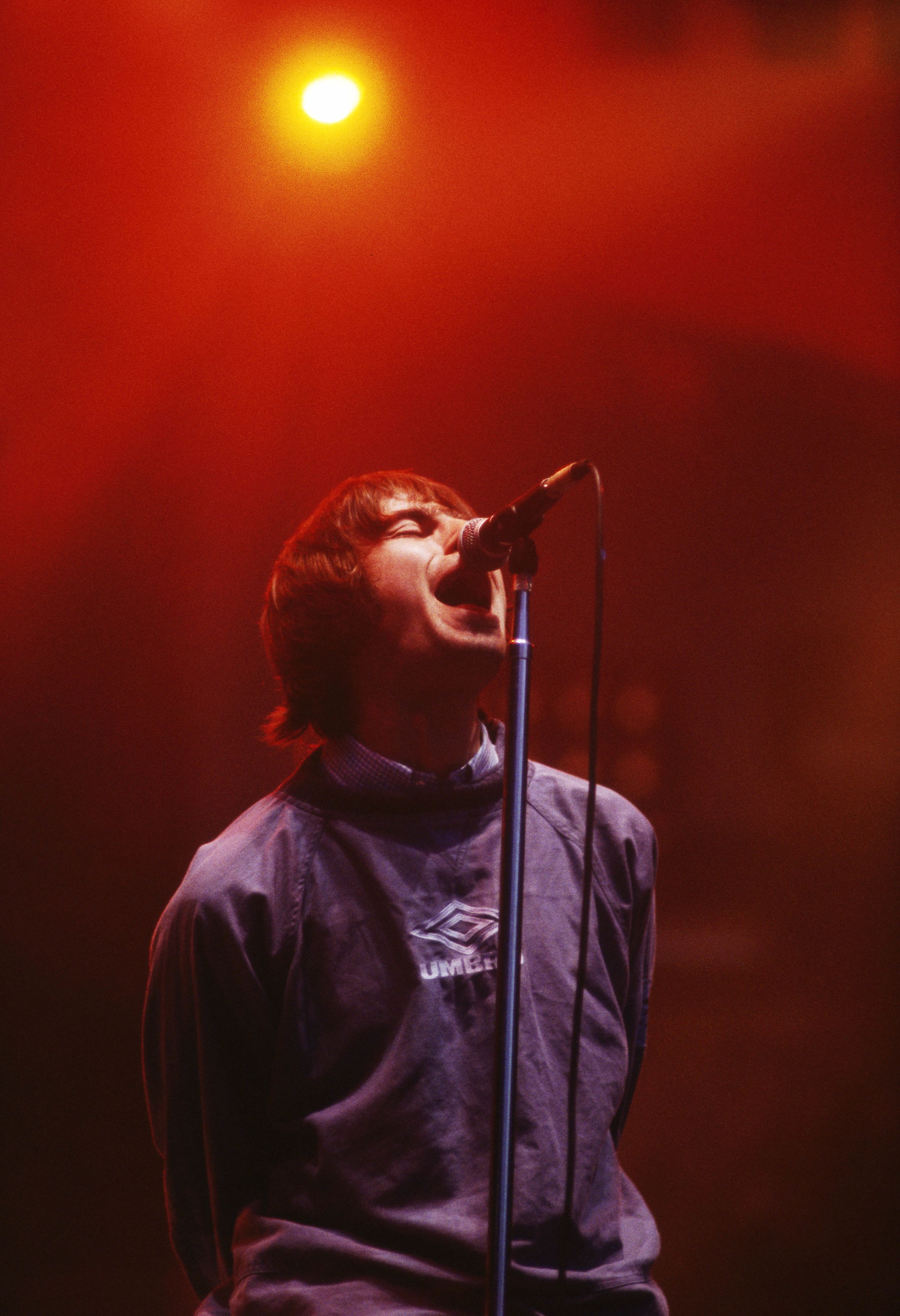
In 2017, Liam opined: “To play at the ground of the football club you’ve supported all your life is without doubt the icing on the cake. It’s downhill after that, even Knebworth doesn’t come close.”
Noel would be asked in 2006 what his career high was.
He replied: "I guess it is playing at Maine Road in Manchester because it was the ground of the football team I’ve supported since I was a child. It was the first stadium we played in, and it was amazing. It was where we all used to go as kids. It looked like a big front room, except there were 42,000 people in it.
“We always signed on about a year before we were walking out into football stadiums that I’d grown up in. They were really great gigs. The Knebworth one was the biggest, but those Maine Road shows, that’s it. That’s what Oasis was at that time. I had seen Pink Floyd playing there, and I’d seen Guns N’ Roses, and now I was playing there. It was a bit mad.”
A decade later, Bonehead concurred: "Maine Road was where we all used to go. So I was standing there, trying to make sure I never forgot this moment. And now I can’t remember a thing about it, and yet I stood there for an hour and a half.”
Remarkably, Liam, only 25 at the time, was the subject of a kidnapping threat that the police treated seriously. Bonehead added: “You always have security knocking about, but at Maine Road we had security with Dobermans and Rottweiler dogs. We were like, ‘What the…?!’ and someone said, ‘Yeah, there was a serious threat that they were gonna kidnap Liam, so – extra security.’”
The impact of the Maine Road gigs cannot be overstated. For Oasis, these shows were not just concerts; they were a homecoming and a defining statement of intent. They captured a band at the height of their powers, still intimately connected to their roots and fanbase, yet poised to conquer even greater stages. On a broader cultural level, the Maine Road shows reverberated far beyond Manchester. They helped push Britpop from a national movement onto the world stage, solidifying British guitar bands as a dominant force in mainstream music. The shows were a source of immense pride for Manchester and helped revive the city’s musical momentum after the Madchester era of the late 1980s and early 1990s. Many local bands cite these gigs as a turning point, feeling the permission and inspiration to aim bigger and create anthems for massive crowds.
The concerts also crystallised the spirit of Britpop by bringing working-class swagger and a sense of local identity to enormous, unified audiences. Maine Road became a symbol of possibilities for a generation of musicians and fans, and its cultural shockwaves are still felt in Manchester’s thriving music scene today.
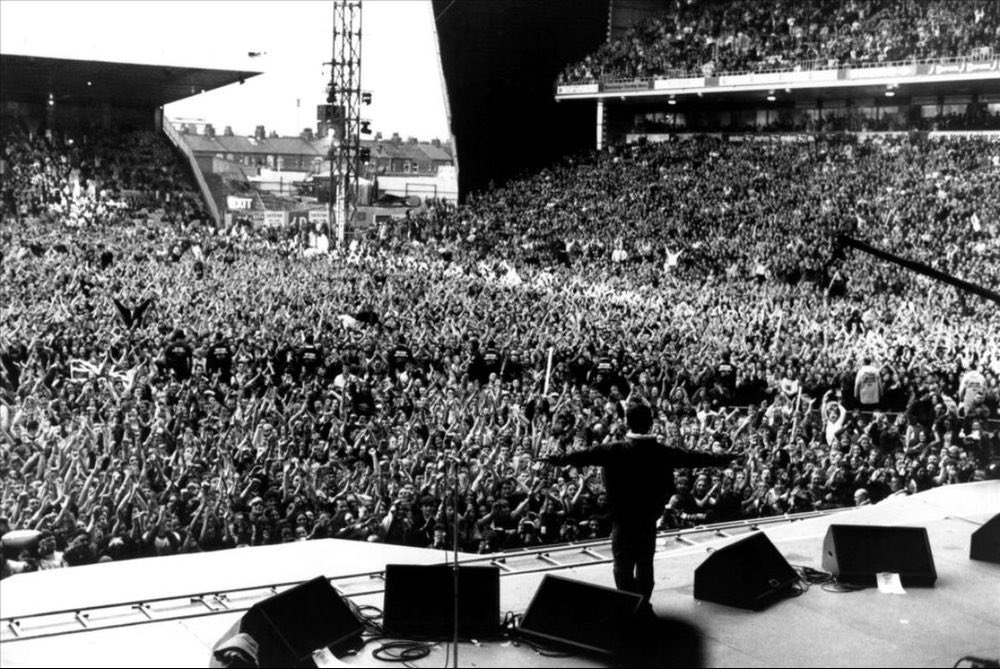
The legacy of those two nights endures, not only in the memories of those who were there but in the mythology of British music. Maine Road marked the moment Oasis truly became stadium giants, and for many, it remains the pinnacle of their career, a celebration of music, identity, and the unbreakable bond between a band and a city.
Maine Road helped to cement Oasis as the defining British band of the decade, reinforcing Manchester’s status as a musical powerhouse. The band’s leap from clubs to stadiums at this moment signalled a shift not just for Oasis, but for British rock as a whole, ushering in a new age of anthems and mass sing-alongs that would shape live music for years to come.
Thank you for reading
Jack