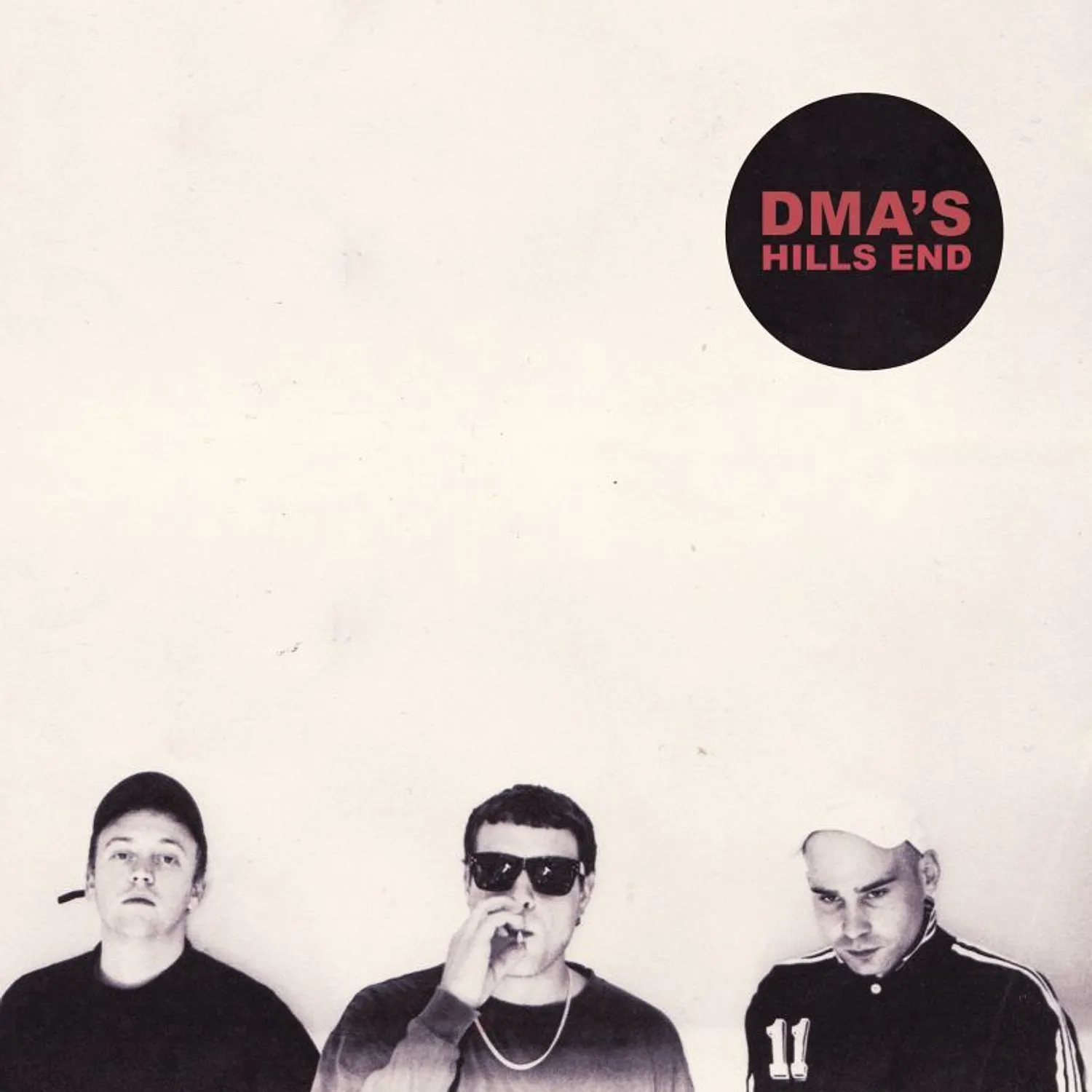
'Let It All Out: Ten Years of Hills End'

I've written anniversary posts for Beyond the Grooves before. Earlier in the year, we celebrated twenty years of 'Whatever People Say I Am That's What I'm Not'
It's hard to believe that it's been ten years since the debut DMA's record, though. As the band are out on the road in the UK celebrating the album now. It's the perfect time to look back on it.
When listening back to this album for this post, I was struck by just how good it is. It's an album I've not listened to all th way through for a long time, but every track is brilliant, from the opener 'Timeless' through to the closing track 'Play It Out', it's a collection of twelve brilliant songs.
The DNA of the Record
What truly sets 'Hills End' apart, and what I noticed listening back this week, is the grit beneath the polish. While the melodies are massive, the production has this wonderful, DIY feel. Most of the album was recorded in guitarist Johnny Took's Sydney bedroom, and you can really feel that sense of space, or lack of it, in the tracks. It’s an album that sounds like it was made with the windows open to the humidity of the inner-west, capturing a specific moment in time before the band belonged to the world.
It’s the band's sound in its purest form. Because they weren't burning through expensive studio hours, the band had the freedom to obsess over the details that mattered. They could layer those shimmering, chorus-heavy guitars until they created a legitimate wall of sound, experimenting with textures until the songs felt "heavy" without being overproduced. There’s a specific warmth to 'In The Moment' and 'Melbourne' that you just don't get from a clinical, high-end studio environment. It feels lived-in, honest, and unpretentious, less like a product and more like a captured conversation.
The album feels raw and unique because it captures a band figuring out its identity in real-time. There’s no over-polishing to hide the cracks; instead, they lean into the fuzz. On tracks like 'Too Soon', the distortion feels purposeful and aggressive, contrasting perfectly with Tommy O’Dell’s melodic, almost melancholic vocals. It’s that tension between the chaos of the instrumentation and the clarity of the melody that gives the record its bite.
Recording in a bedroom also meant the band had to rely on their songwriting rather than studio wizardry. There were no tricks to hide behind. If a song like 'Delete' can move people when it’s just an acoustic guitar and a vocal tracked in a flat, you know the songwriting is bulletproof. That raw foundation is exactly why these songs have transitioned so seamlessly from a small room in Sydney to sold-out venues and huge support slots with artists like Courteeners, Liam Gallagher, and Catfish and the Bottlemen. It proves that whether you’re playing to three people in a bedroom or 50,000 at a festival, a great song is undeniable.
The Sonic Melting Pot
The band effectively bridged the gap between Manchester and middle America, but the story is more complex than just a simple Britpop tribute. While you have the melodic sensibilities of The La's and the shimmering, psychedelic "Madchester" groove of The Stone Roses, the DNA of 'Hills End' is a genuine collision of worlds.
Of course, the Oasis comparison is the one that has followed them for a decade. It’s more than just the tracksuits and bucket hats; it’s baked into the songwriting. You can hear the influence of 'Definitely Maybe' in the way they prioritise the anthem, songs designed to be sung by thousands of people at once. Tommy O’Dell’s effortless vocal swagger carries that specific Gallagher-esque sneer, but he trades Liam’s famous petulance for a raw, earnest passion.
Even the mixing of the album had a touch of that Manchester magic, with Mark ‘Spike’ Stent (who worked on several Oasis projects), including 'Be Here Now' and 'Standing on the Shoulder of Giants'
But listen closer to the guitar textures of Matt Mason, and you’ll hear a heavy dose of Dinosaur Jr. fuzz and the shimmering shoegaze of Ride or My Bloody Valentine. While the vocals might have carried a British lilt, the guitars were often drenched in a messy, American indie-rock distortion that gave tracks like 'Too Soon' a much harder, grittier edge than their UK counterparts.
Crucially, 'Hills End' is also a love letter to the history of Australian guitar music; the "Newtown Sound" didn't appear out of thin air. The band has long cited The Go-Betweens as a massive influence, particularly in their ability to pair literate, melancholic lyrics with bright, jangly pop hooks. There’s also a clear lineage back to the legendary Paul Kelly, whose storytelling style deeply impacted Johnny Took’s approach to songwriting.
You can hear traces of The Church in the hazy, atmospheric guitar layers, and even the pub-rock urgency of bands like The Replacements (who, while American, share a spiritual home with the Aussie rock scene).
Before DMAs, Johnny and Mason were actually in an alt-country and bluegrass band called Little Bastard, and that foundation is what makes tracks like 'Straight Dimensions' or 'Blown Away' feel so sturdy. It’s a folk-rock backbone that feels more akin to Neil Young or Bob Dylan than Blur.
The Big Hitters
The tracklist is remarkably consistent, but there are moments on this record that have become genuine modern classics. While the band has evolved into more electronic, polished territory, in my opinion, DMA's have never topped this record. There is a lightning-in-a-bottle energy here that only comes with a debut.
Take 'Lay Down', for instance; it remains the ultimate shot of adrenaline. From that opening riff, it’s a masterclass in driving, melodic rock. It stays a staple of their live set for a reason; it’s pure energy and perfectly captures that "scruffy-around-the-edges" swagger that defined their early years.
Then there is 'Step Up The Morphine', which is perhaps their most poignant piece of songwriting. It deals with the heavy subject of grief and the passing of Johnny’s grandmother, yet the melody feels like a warm embrace. It’s that "sad-happy" juxtaposition that DMAs do better than almost anyone; it’s vulnerable and deeply personal without ever feeling indulgent.
Of course, no retrospective of this album is complete without discussing the crown jewel, 'Delete'. It starts as a fragile, acoustic campfire song and builds into a wall-of-sound crescendo that still gives me goosebumps. Lyrically, the song captures that universal, agonising feeling of trying to move on from someone or something that has become a part of your identity. Many initially thought the song was about abortion, especially around the line "don't delete my baby", but the band has since commented that the song is about love in the era of social media.
That final minute, where Tommy O’Dell finally "lets it all out," remains one of the most cathartic moments in 21st-century indie music. It’s their 'Wonderwall', but with a shoegaze soul and a lot more grit. It turns a private, intimate bedroom recording into a communal roar, making it the definitive anthem for anyone who has ever looked for a way to start over
Finally, there is 'Play It Out', the perfect closer that encapsulates everything great about the 'Hills End' era. It’s a song that feels like it’s constantly on the verge of falling apart, held together by a relentless, driving beat and a vocal performance that feels increasingly desperate. It’s the sonic embodiment of the album’s DIY roots, distorted, defiant, and undeniably catchy. Ending the album on that note was a masterstroke; it leaves you wanting to go right back to the start and experience the whole journey again.
The Deep Cuts: The Soul of the Record
While the singles often get the spotlight, the true magic of 'Hills End' lies in its deeper cuts. These are the tracks that prove the album isn't just a collection of hits, but a cohesive journey.
'The Switch' is a perfect example of the band's ability to create atmosphere. It has this driving, motorik pulse that feels slightly more urgent and tense than the rest of the record. It showcases the grittier, more alternative side of their sound, where the Dinosaur Jr. fuzz really starts to bleed through the pop sensibilities.
Then you have 'So We Know', a song that highlights Tommy’s incredible vocal range. It’s a tender, mid-tempo builder that feels like a precursor to the massive ballads they would eventually master. It’s got that classic "Newtown" melancholia, where the lyrics feel like a private conversation you’ve happened to overhear.
Then there is 'Melbourne', which for many fans is the hidden heart of the album. Despite the name, it feels like a quintessential Sydney track, hazy, humid, and drenched in nostalgia. The interlocking guitar melodies between Johnny and Mason here are some of the best on the record, nodding toward that Stone Roses jangle but with a much more grounded, modern feel.
Finally, 'Straight Dimensions' brings that folk-rock backbone to the forefront. It’s one of the tracks where you can really hear the influence of Paul Kelly or The Go-Betweens. It’s a lean, melodic track that doesn't try too hard to be an anthem, and yet, by the time the chorus hits, you realise it’s just as catchy as anything else on the album.
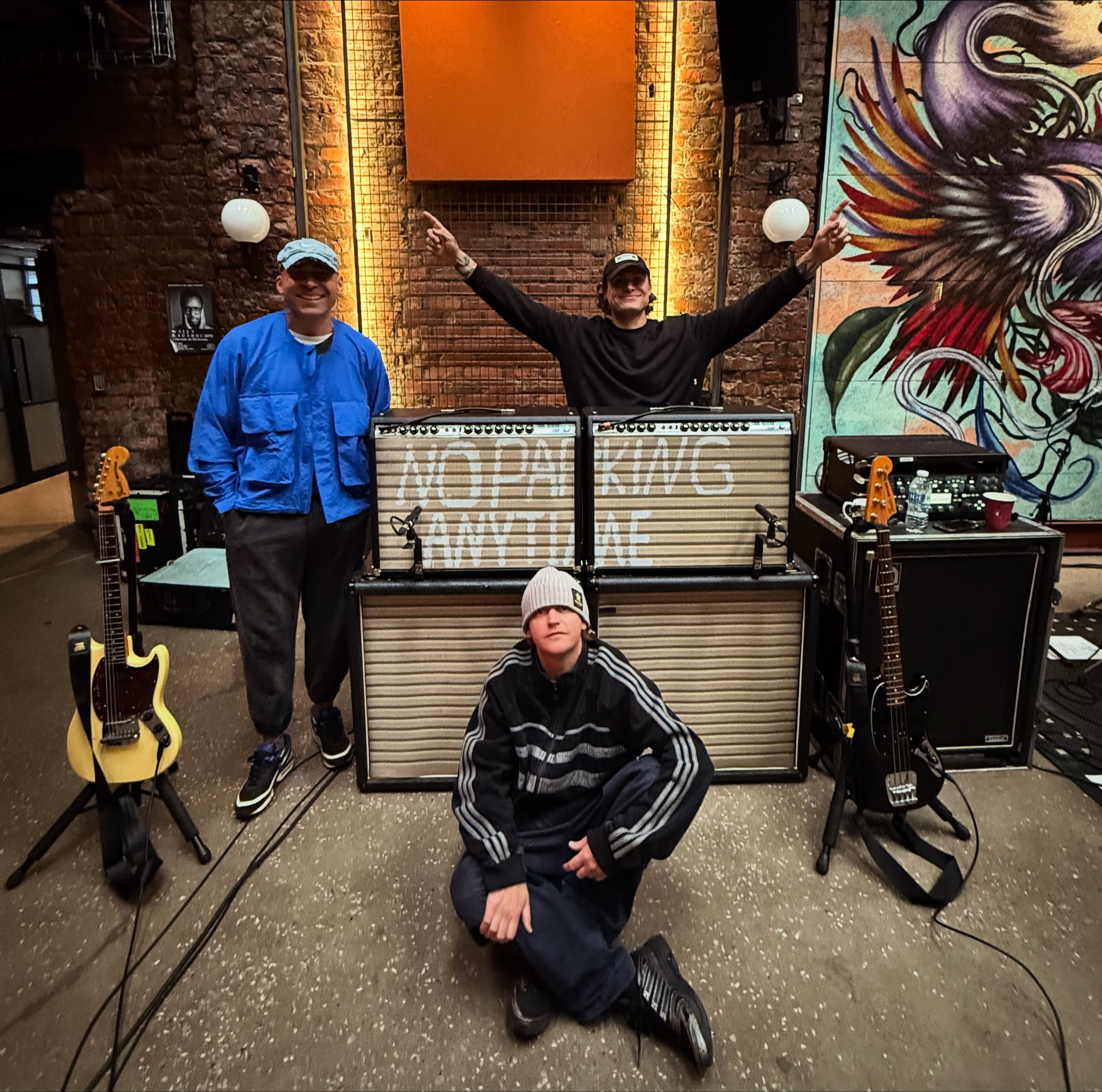
Seeing these tracks played in full on the current anniversary tour highlights how much they’ve grown as a live unit. 'Melbourne', in particular, has evolved into a different beast live; the spacy, gradual build of the studio version now culminates in a frantic, feedback-drenched finale that shows off the band’s more aggressive, rocky side
A Decade of Influence
Looking back now, 'Hills End' was a vital turning point. In 2016, guitar music felt like it was drifting, but this record proved there was still a massive appetite for honest, heart-on-sleeve songwriting. It gave the band the foundation to experiment with the synth-pop of 'The Glow' or the refined rock of 'How Many Dreams?', but 'Hills End' will always be the record they are judged against, and they've not topped it yet.
As the band tours the UK this month to celebrate this milestone, playing the album in full to rooms of people who have lived with these songs for a third of their lives, it’s clear that these twelve tracks haven't aged a day. They still feel urgent, they still feel nostalgic, and they still make you want to sing at the top of your lungs. It’s a record that belongs to the fans as much as the band now.
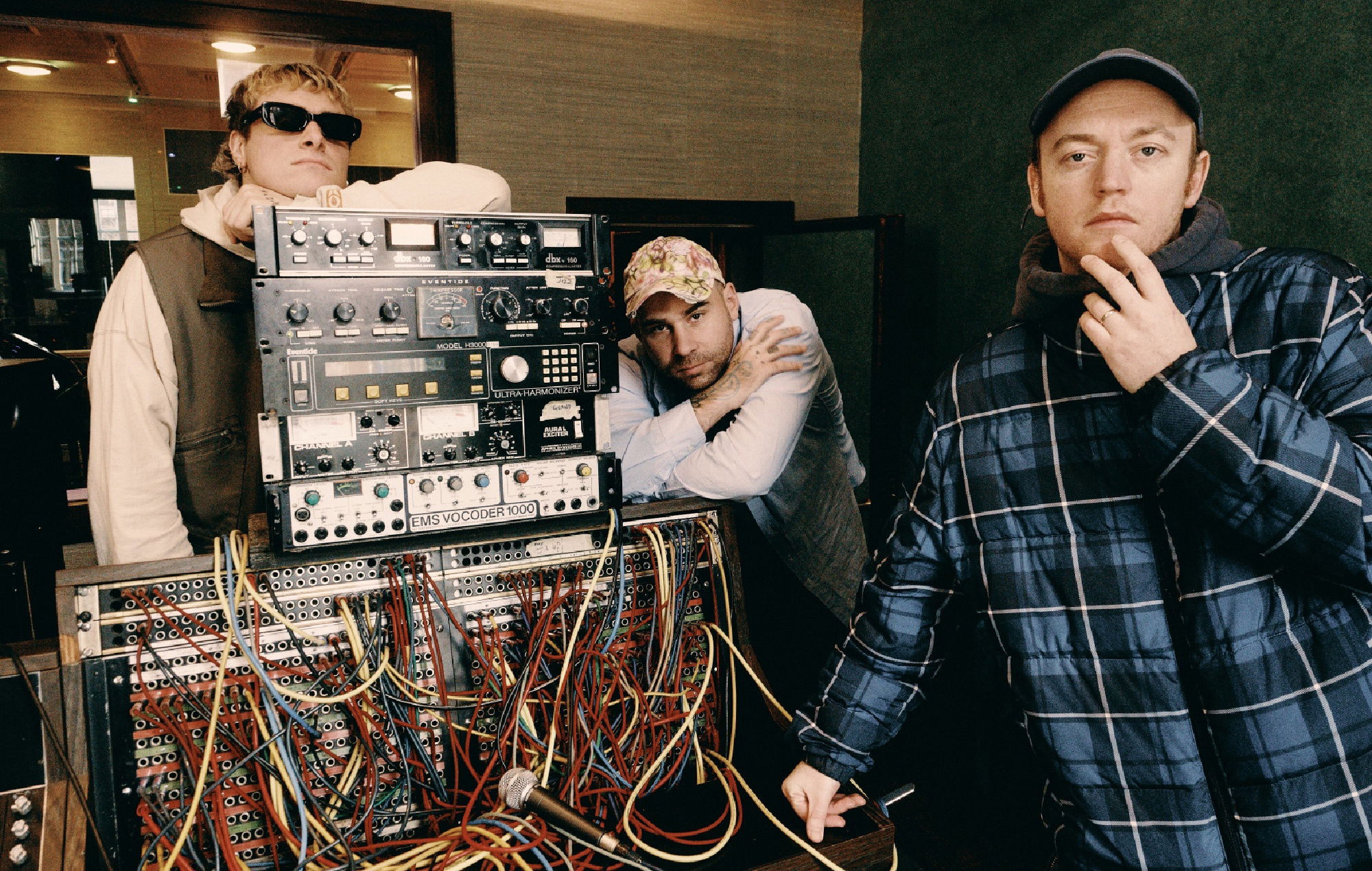
Despite not setting out with any expectation, 'Hills End' delivered in a way that few debut records do. It paid homage to those great bands of the past, but it piqued a new generation's ears to guitar music, captivating an audience who had grown up with this record as the soundtrack to their own lives. For many younger fans in 2016, this wasn't a revival; it was their first time hearing that specific brand of melodic euphoria, and it felt entirely their own.
With anthemic songwriting, a rapturous delivery, and legendary live shows that turned small clubs into sweat-soaked cathedrals, DMA's set themselves as a major new voice in guitar music. They didn't just fill a gap left by the giants of the 90s; they built a new bridge between the heritage of British indie and a fresh, sun-drenched Australian perspective.
Ten years on, the question isn't whether DMA's sound like Oasis, it’s how many new bands now sound like 'Hills End'. They've become the blueprint for a whole new generation of indie-rock, and that is the ultimate testament to this record's greatness.