Dead Dads Club: Self-Titled
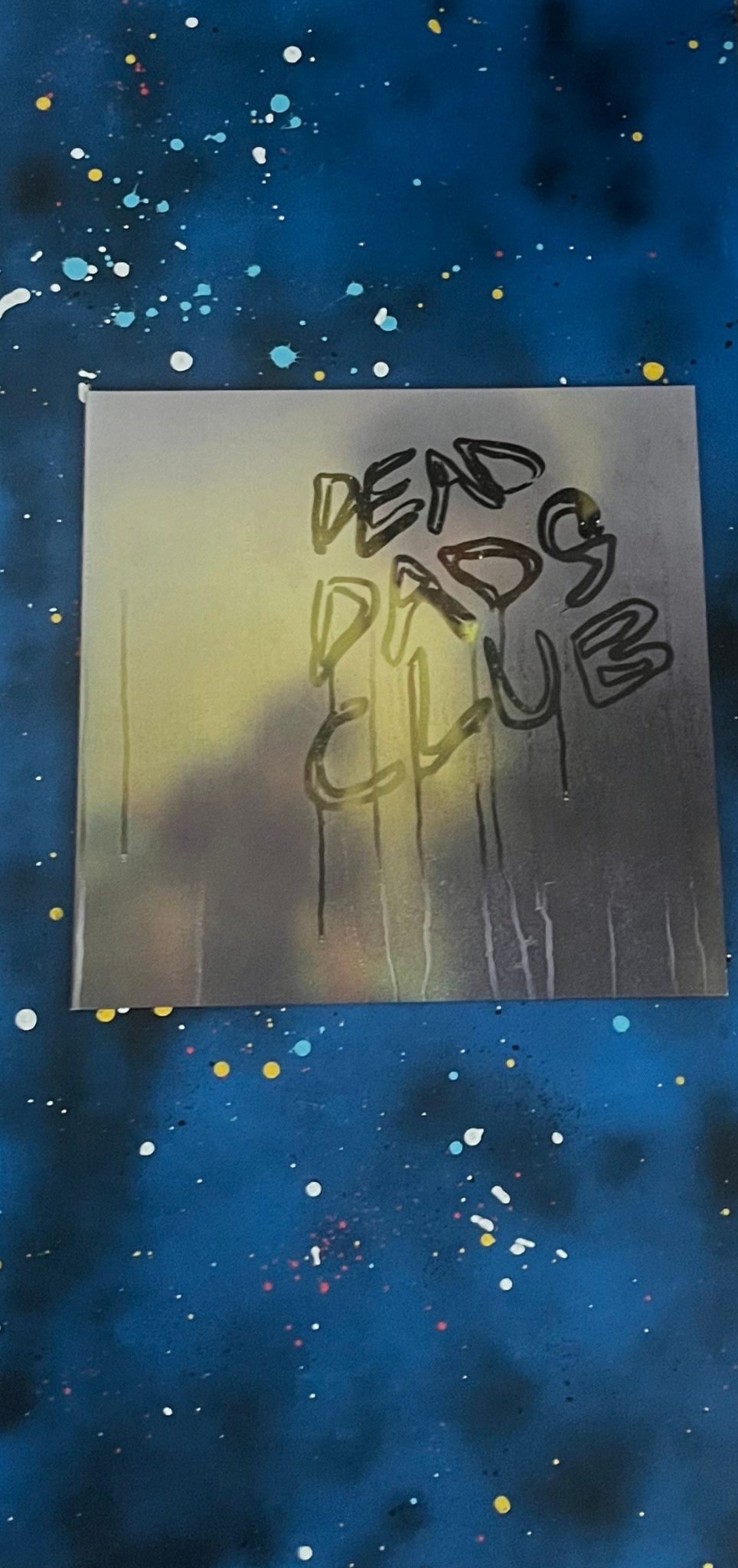
When Chilli Jesson first exploded onto the scene in 2012, he was one-half of the chaotic frontman duo leading 'Palma Violets', a band the NME famously hailed as the new saviours of British indie. They arrived with the kind of era-defining hype usually reserved for 'The Strokes' in ’01 or 'Arctic Monkeys' in ’05. While that level of expectation is almost impossible to sustain, their debut, '180', still captured the cultural zeitgeist; as the NME put it, the record was destined to soundtrack a year of "romantic entanglements, questionable life choices, and room-temperature cans of Strongbow."
On stage, the band truly made sense, possessed by a swaggering confidence and a bone-deep connection with their audience. But beneath the youthful exuberance and the roar of the crowd, Jesson was carrying a turbulent history.
Having lost his father to addiction at just 14, it has taken two decades for him to fully confront the fallout of that grief. Following his short-lived second project, 'Crewel Intentions', and a subsequent solo stint under his own name, Jesson joined 'Fontaines D.C.' as a touring multi-instrumentalist in 2023. This “inspiring” experience prompted him to return to his solo work and rebrand as 'Dead Dads Club'.
Now, Jesson finally addresses those feelings head-on with the project's self-titled debut, 'Dead Dads Club'. After being “blown away” by Jesson’s initial demos, 'Fontaines D.C.' guitarist Carlos O’Connell stepped in to produce the entire album, which was recorded in a lightning-fast five days at La Frette Studios in Paris.
“This record can be interpreted, lyrically, as a very specific time for me, or it can be loss in general,” Jesson told NME. “This was an album that I’d wanted to write since I was 15, but I didn’t have the capability to get it out." He admits to previously being a "closed book" on the subject, but found a shared creative path with his sister, Georgie Jesson, who recently released a book of poetry on the same theme.
Ultimately, it was his own journey into fatherhood that broke the seal on these emotions. As Jesson notes, the process of finally recording these songs has been "therapeutic and cathartic", a long-overdue reckoning with a ghost that has lingered since his teens.
Across 11 songs and 36 minutes, Jesson sounds his most vital and confident since the lightning-in-a-bottle early days of Palma Violets.
You’d be forgiven for assuming a project titled 'Dead Dads Club' would be a relentlessly gloomy affair, but the record is a surprisingly life-affirming listen. One shouldn't be entirely fooled, of course; the album is deeply rooted in profound loss and the subsequent chaos of Jesson's youth. There is plenty of darkness and soul-searching on display, yet the reckless hedonism that defined his formative years has been distilled into something far more cathartic and inspiring.
The record utilizes a vast sonic palette. The opener, 'It’s Only Just Begun', is a wistful, hopeful acoustic gem that nods to the golden era of 90s Britpop. Meanwhile, 'Volatile Child' leans into direct indie hooks reminiscent of the melodic smarts of early 'The Strokes'. It is one of the album’s most straightforward tracks, yet it serves as the perfect vessel for Jesson's self-reflection, turning the lens inward to examine how his father’s death fractured his teenage years.
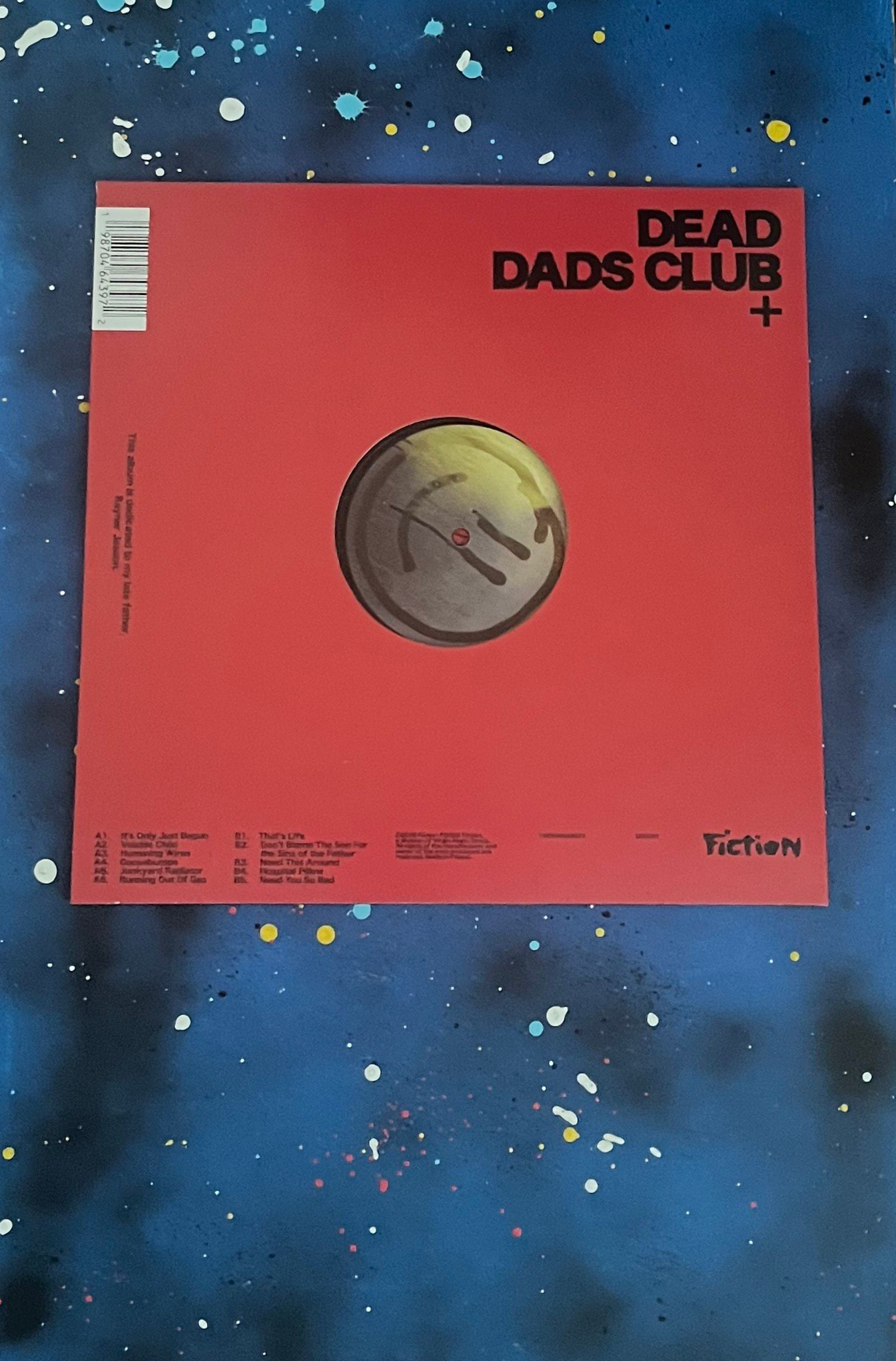
The momentum shifts gear with 'Humming Wires', which pivots toward ominous electronica and a trip-hop pulse. It is a restless, unique standout and already a genuine contender for song of the year. That experimentation continues on 'Goosebumps', where shimmering synths collide with jagged, 'Jack White'-esque guitars. On 'Don’t Blame The Son For The Sins Of The Father', the record enters heavier territory; its pummelling introduction feels like it could have been plucked straight from the 'Romance' playbook, clear evidence that Jesson’s time touring with 'Fontaines D.C.' has left a mark on his songwriting DNA.
Even the quieter moments contain a strange, magnetic energy. 'Junkyard Radiator' is a woozy, psychedelic acoustic track that makes nods to 60s surf pop, like The Beach Boys, featuring some of the album's most eccentric lyricism, specifically the visceral line: “And I know our love could only ever go one way, like hand-washing a cheese grater.”
However, the album’s true magnum opus is 'That’s Life'. It features a sky-scraping chorus built for festival fields and arenas, the kind of anthem that would be the envy of every heavyweight in the current indie scene, from Blossoms and Wolf Alice to Florence & The Machine. It has instantly cemented itself as a modern classic in Jesson’s catalogue.
The journey concludes with 'Need You So Bad', a track that pairs the anthemic scale of 'That’s Life' with a surprising touch of Coldplay-esque grandiosity. On a record that references everything from 'The White Stripes' and 'Bowie' to 60s surf-pop, this final soaring chorus feels earned. It is imbued with a genuine sense of healing and closure.
'Dead Dads Club' doesn't just ask for your attention; it earns it through uncompromising honesty. By the time the final notes fade, you realise that while this project was born from a place of absence, the music itself is incredibly present. Jesson has steered himself firmly back on course. No one ever wants to join the 'Dead Dads Club', but if you find yourself there, you couldn't ask for a better soundtrack.