Paul McCartney Announces 18th Solo Album, The Boys of Dungeon Lane
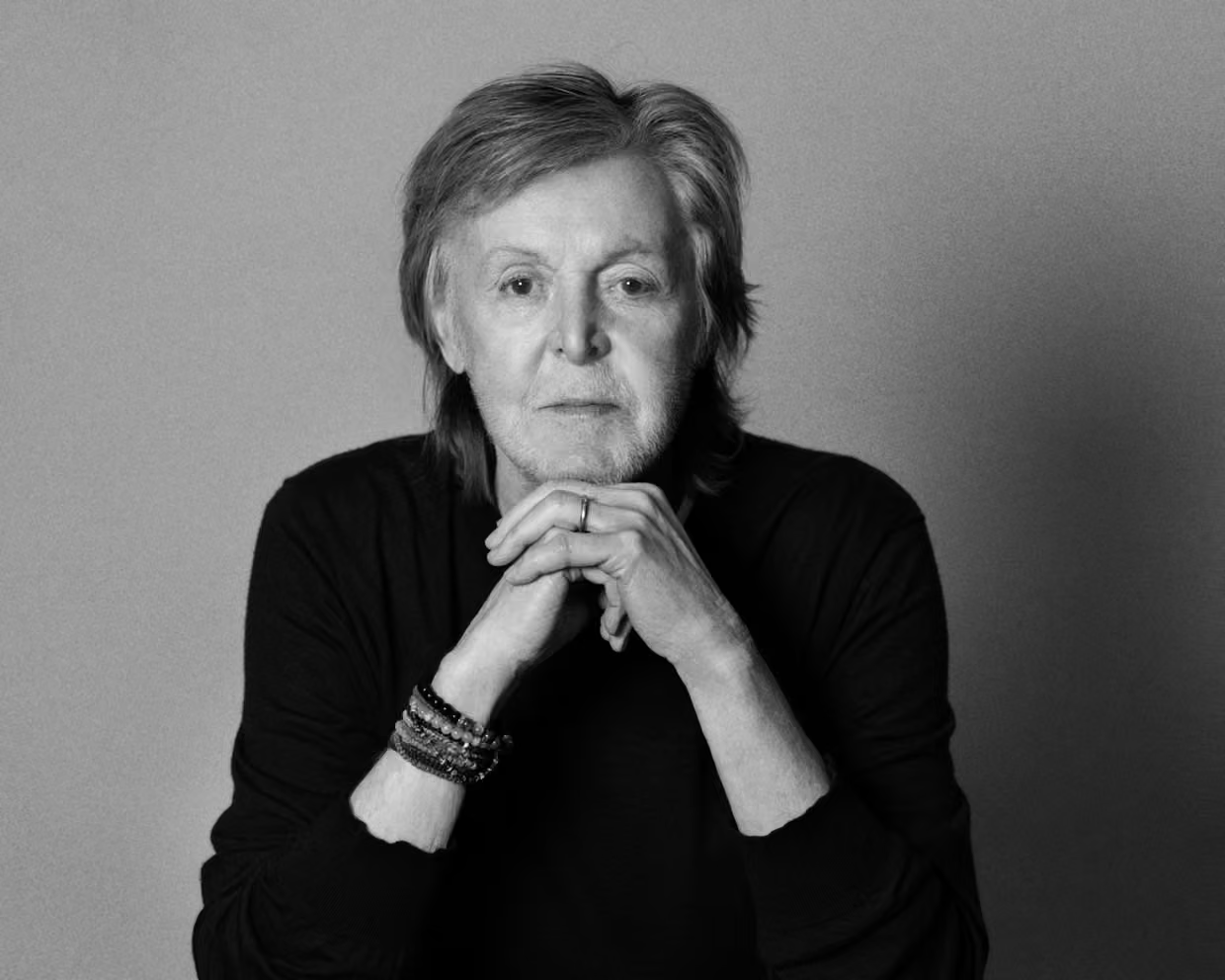
Paul McCartney has announced his 18th solo album, 'The Boys of Dungeon Lane'. Scheduled for release on May 29, 2026. Produced with Andrew Watt, the album features the lead single ‘Days We Left Behind,’ which is available now. It is a reflective, 14-track project focusing on his early life in Liverpool.
A press release describes the 14-track record as McCartney’s most introspective work to date; it offers "rare and revealing glimpses into memories never-before shared" alongside newly inspired love songs. Sonically, the album reportedly spans his entire career, blending Wings-style rock and Beatles-esque harmonies with his signature "understated intimacy" and character-driven storytelling. In contrast to his recent releases like 'McCartney III' and 'Egypt Station', which leaned more on experimentation and contemporary collaborations, 'The Boys of Dungeon Lane' returns to a more personal, confessional style. This album is marked by deep reflection and a focus on his formative years, signalling a shift from the broader themes of his last few solo projects to something more intimate and autobiographical.
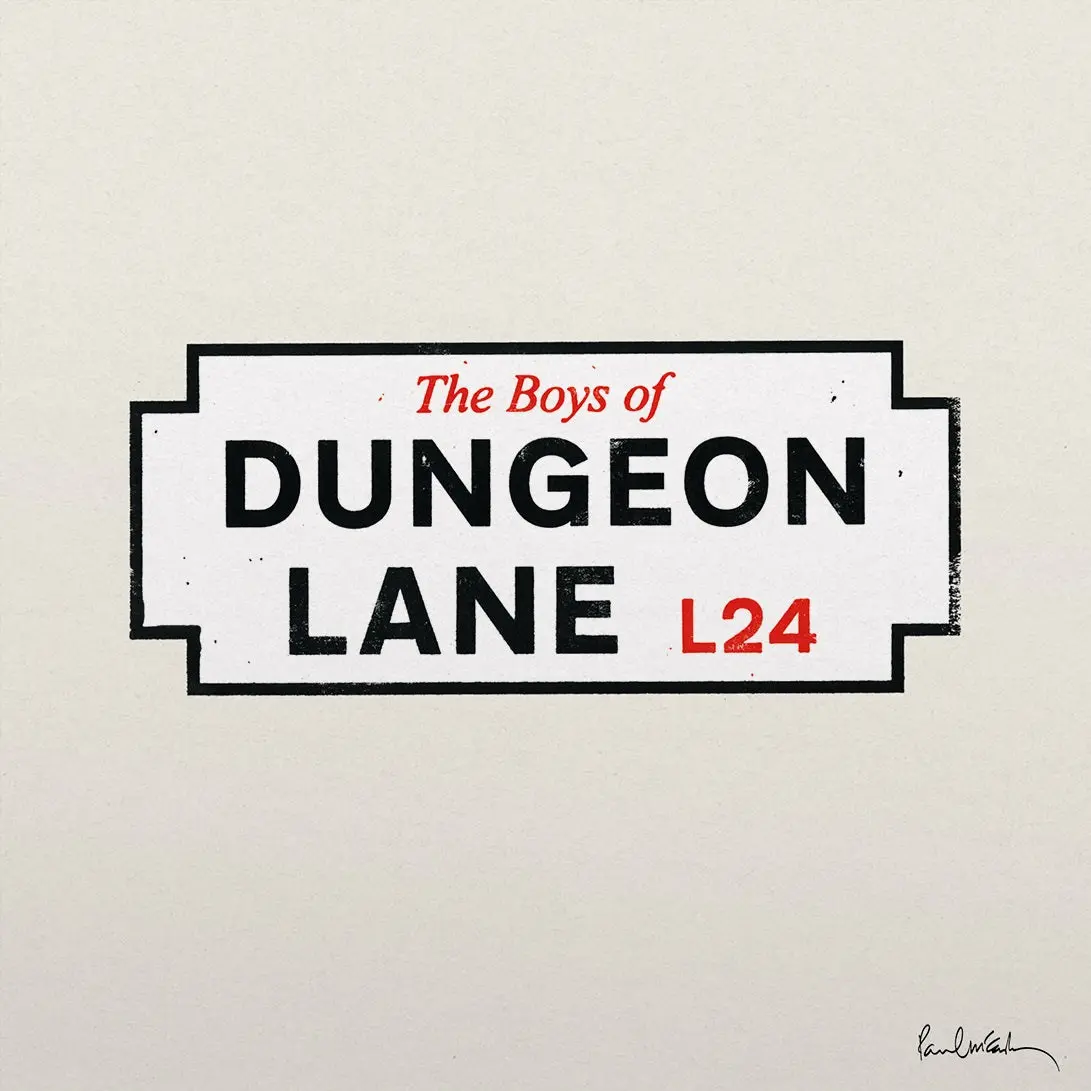
The lead single, 'Days We Left Behind', is the album's emotional anchor. McCartney debuted it on BBC Radio Merseyside, sharing: "I want the people of Merseyside to hear my brand-new song." The track is now available to stream on all major platforms, including Spotify, Apple Music, and Amazon Music, as well as for digital download.
In a statement regarding the track, the 83-year-old legend reflected on his penchant for looking back:
"This is very much a memory song for me... I do often wonder if I’m just writing about the past, but then I think: how can you write about anything else? It involves a bit in the middle about John [Lennon] and Forthlin Road. Dungeon Lane is near there."
On this record, McCartney writes with "rare openness" about his postwar childhood and his formative relationships with John Lennon and George Harrison before the 1960 birth of The Beatles. The press release suggests that while historians continue to examine these "quiet, unguarded days," McCartney visits them not as folklore, but as lived experience.
The lead single is a beautifully melancholic piece: classic McCartney, with a descending piano melody and rich vocal harmonies. Serving as an autobiographical prequel to the greatest story in music history, it transports the listener to an era of "smoky bars and cheap guitars." The production is stripped down, focusing on his naturally weathered yet still distinctive melodic voice, which has defined popular music for over 60 years.
“Nothing ever stays, nothing comes to mind, no one can embrace the days we left behind.”
The track’s power doesn't just come from the songwriting; it comes from its honesty. For those well-versed in the tragedy and triumph of his youth, and bearing in mind that he had already lived a lifetime by the time The Beatles split at age 27, the emotional depth is palpable. Unlike the broad nostalgia found on albums like 'Memory Almost Full', or the playful experimentation of peers such as Bob Dylan's recent work, 'Days We Left Behind' homes in on direct recollection and unadorned reflection. Its vulnerability and focus on early memory set it apart from McCartney’s own late-career catalogue and from similarly aged songwriters, revealing a clarity and sense of closure rare among artists of his generation.
This isn't merely nostalgia fodder: it is a masterclass in reflection from a songwriter who still possesses the nuance to turn personal history into universal art. Ultimately, 'Days We Left Behind' serves as a poignant reminder that while the locations may change or disappear, the resonance of those formative years remains an unbreakable thread in the tapestry of his life.