Glastonbury 2027: A Brilliant Line-Up, But Is £407 Too Much?
Sam Fender, Harry Styles, Billie Eilish and Cher lead Glastonbury's return to Worthy Farm, with Wunderhorse, Jamie T, Primal Scream and The xx among the highlights. But with no bands occupying the three main headline slots and tickets costing £407, there are some questions worth asking.
After a year away, Glastonbury Festival will return to Worthy Farm between 23 and 27 June 2027, with Sam Fender, Harry Styles and Billie Eilish topping an enormous line-up, while Cher takes the coveted Sunday afternoon Legends slot.
Massive Attack, The xx, Lily Allen, Little Simz, Chase & Status, Ezra Collective and Kraftwerk are among the other major names announced, alongside an impressive selection of guitar bands, established festival favourites and emerging artists.
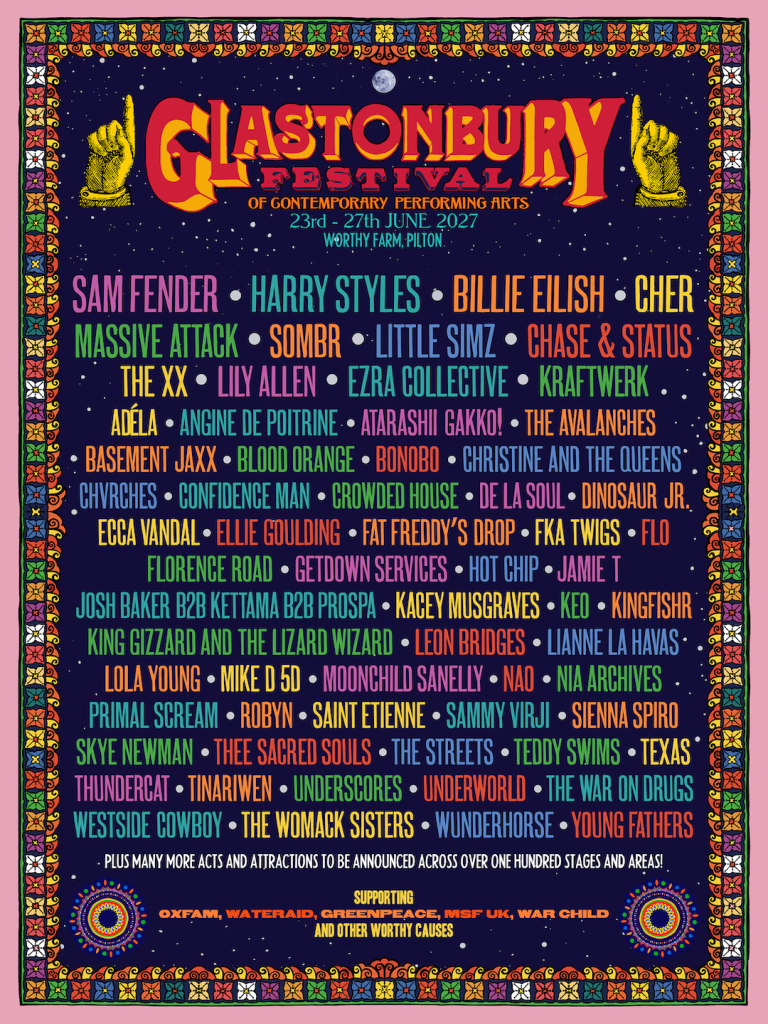
For those of us who love British guitar music, there's plenty to get excited about. Wunderhorse, Jamie T, Primal Scream, The War on Drugs, Getdown Services, King Gizzard & the Lizard Wizard and Young Fathers all feature, while Keo, Florence Road and Westside Cowboy represent some of the exciting new talent coming through.
On paper, it's an excellent line-up. There's a genuinely impressive mixture of genres, generations and artists at different stages of their careers. There's still more to come. When Glastonbury 2025 was announced, 95 artists were announced; this lineup has 65. There are at least 30 more due to be announced, with a whole host of smaller acts and secret sets yet to come.
But two things immediately struck me when I saw the announcement. Firstly, not a single band occupies one of the three main headline slots, something that feels particularly surprising given Glastonbury's history. Secondly, and perhaps more importantly, tickets now cost £407.
I appreciate that Glastonbury is unlike almost any other festival in the world, but that's an extraordinary amount of money before you've even thought about getting to Somerset.
From Oasis Rumours to a New Generation of Headliners
Speculation surrounding Glastonbury's return had been building for months, with some enormous names linked to the festival.
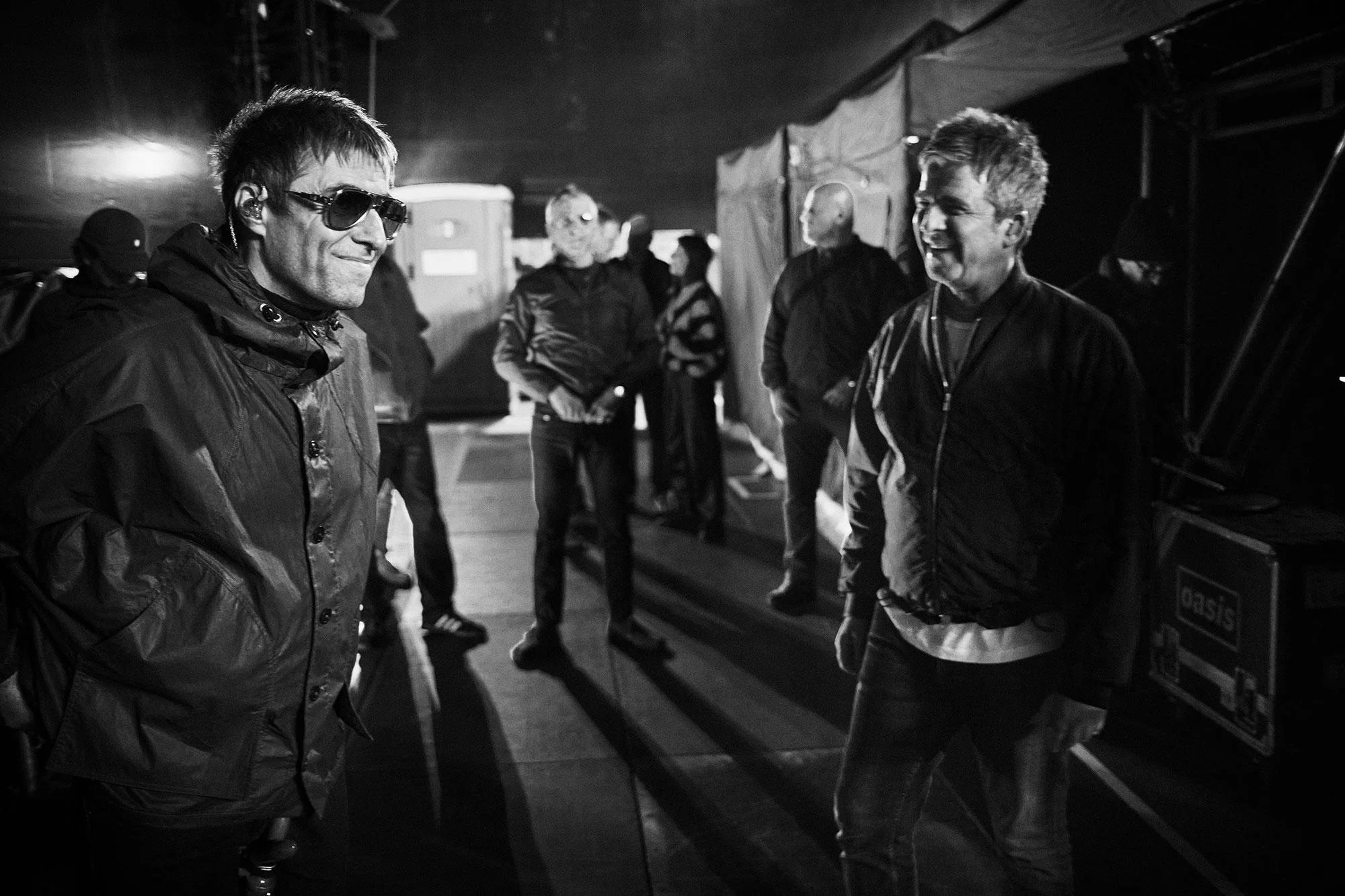
Oasis were inevitably among the most exciting possibilities. Following their extraordinary reunion in 2025, the prospect of Liam and Noel Gallagher returning to the Pyramid Stage together was enough to get people talking.
Having seen Oasis at Heaton Park during their reunion tour, I can understand why so many people wanted it to happen. Their return was one of the defining moments in British music in recent years, and a Glastonbury headline performance would have been another enormous occasion.
Radiohead, Taylor Swift, Florence + the Machine, Pulp and Rihanna were among the other names discussed, although, as ever, there was a considerable difference between genuine reports and the speculation that inevitably surrounds Glastonbury.
In the end, the festival has opted for three solo artists representing different sides of contemporary popular music.
Harry Styles will make his first-ever appearance at Glastonbury, heading straight to the top of the Pyramid Stage. It's a remarkable achievement for an artist who has gone from being part of One Direction to one of the biggest solo performers in the world.
His combination of pop, rock, soul and theatrical showmanship should translate well to Glastonbury, and his debut is undoubtedly one of the biggest talking points surrounding the announcement.
Billie Eilish returns to headline after previously topping the bill in 2022, while Cher brings more than six decades of music to the Sunday afternoon Legends slot. Songs such as 'Believe', 'If I Could Turn Back Time' and 'Strong Enough' should produce one of the weekend's biggest singalongs. But there's something particularly interesting about the three headline bookings.
Where Are the Bands?
One thing that immediately struck me about the announcement is the absence of a band among the three Pyramid Stage headliners.
For a festival that has hosted some of the most iconic performances in British guitar music, it's a surprising development. Oasis, Blur, Pulp, Radiohead, Arctic Monkeys, Coldplay and The 1975 have all enjoyed defining moments at Worthy Farm, and Glastonbury has played an enormous role in cementing their reputations. With Oasis heavily rumoured to appear following their reunion, alongside speculation surrounding Radiohead and other established names, I had expected at least one band to occupy the top of the poster.
Instead, we have three solo artists in Sam Fender, Harry Styles and Billie Eilish. All deserving of their places, but it's an interesting reflection of how the festival, and perhaps the wider music industry, has changed.
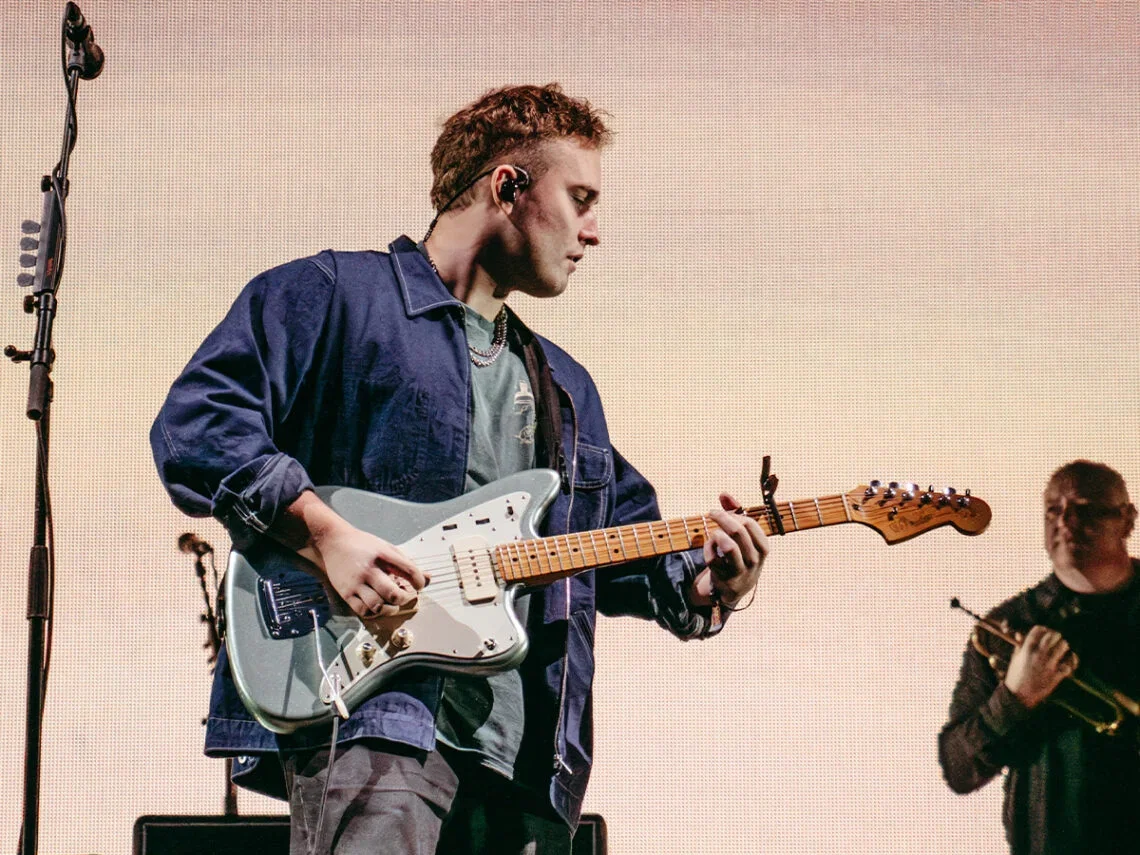
Fender is undoubtedly the closest thing to a traditional guitar-band headliner. Although he performs under his own name, his music is built around a brilliant live band, enormous guitar-driven arrangements and the kind of communal choruses that have defined some of Glastonbury's greatest performances.
There's nothing inherently wrong with booking solo artists, and Glastonbury has never been exclusively a guitar music festival. Its ability to bring together different genres has always been one of its greatest strengths. But I do wonder whether we're seeing a wider reluctance among major festivals to give bands opportunities at the very top of the bill.
British guitar music is hardly struggling for talent. Wolf Alice, Fontaines D.C., The Last Dinner Party and Wunderhorse are all operating at different stages of their careers, while countless younger bands are developing increasingly devoted audiences. If festivals aren't prepared to take chances on the next generation, we shouldn't be surprised when the same established names continue headlining year after year. Glastonbury has helped turn bands into cultural institutions before. I'd like to think it still has the ambition to do so again.
Sam Fender's Headline Slot Shows How Far British Guitar Music Has Come
Of all the names on the poster, Sam Fender is the one I'm most pleased to see. I've written extensively about Fender on Beyond the Grooves, and I genuinely believe he's one of the most important British songwriters of his generation. His journey from the pubs and smaller venues of the North East to headlining the Pyramid Stage is remarkable, but what makes it particularly satisfying is that he's achieved it without abandoning the things that made his music interesting in the first place.
'Dead Boys', 'Hypersonic Missiles', 'Seventeen Going Under' and 'People Watching' are songs rooted in the experiences of ordinary people. They explore class, friendship, mental health, relationships and the frustrations of growing up in communities that often feel forgotten. And yet, they've become enormous anthems.
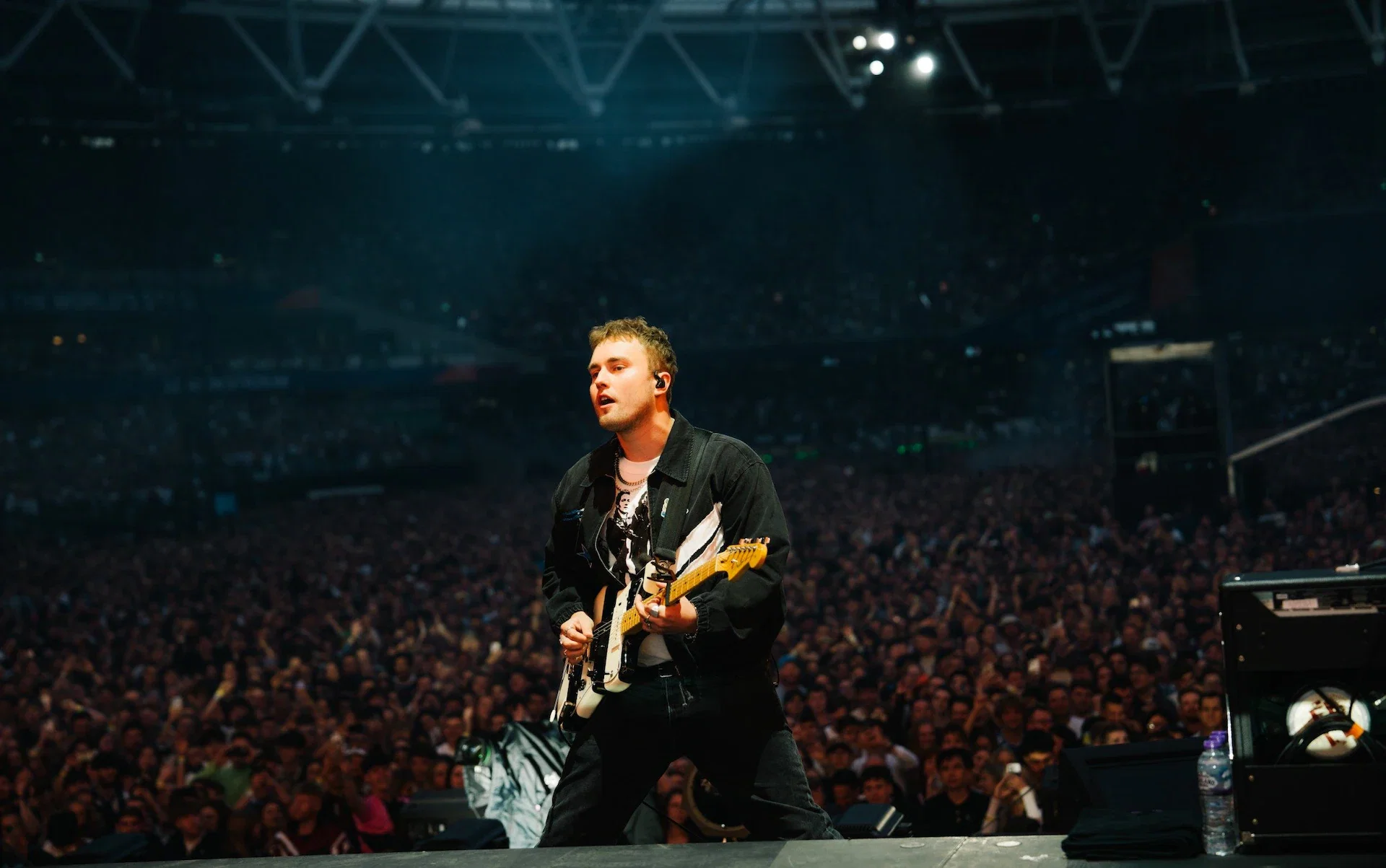
His headline appearance also feels like part of something much bigger. British guitar music is enjoying another exciting period. The success of Fender, Wolf Alice, Fontaines D.C., The 1975 and Wunderhorse demonstrates that the genre remains capable of producing important, ambitious music that resonates with enormous audiences.
These artists don't all sound alike, and that's precisely the point. There isn't one particular sound or movement dominating British and Irish guitar music. Instead, there's a collection of musicians taking different influences, exploring different subjects and finding their own audiences.
It's something I've spent a considerable amount of time thinking and writing about over the past few months, whilst working on something rather big. For years, we've heard arguments that guitar music is dying, that young people aren't interested in bands anymore, or that the genre has somehow run out of ideas.
In 2025, The 1975 became Glastonbury headliners. Two years later, Sam Fender will take his place on the same stage. Two very different artists, but both demonstrate how much British guitar music has changed since the days when Oasis, Blur and the bands that followed them dominated the conversation.
Fender's headline slot is a landmark moment, not just for him, but for a generation of musicians who have helped bring guitar music back to the forefront of British popular culture. And with Wunderhorse appearing further down the bill, there's every reason to believe the next generation is already working its way towards the top.
Wunderhorse, Jamie T and the Strength of the Undercard
Beyond the headliners, there are several names that immediately caught my attention, with Wunderhorse perhaps the most exciting. Few British guitar bands have experienced such an impressive rise in recent years, and Jacob Slater has developed into one of the most compelling frontmen in contemporary British rock. Their debut album, 'Cub', introduced a band with enormous potential, while 'Midas' took things considerably further, with heavier guitars, more immediate performances and greater confidence without losing the vulnerability that made their earlier material so interesting.
'Midas', 'Rain' and 'Arizona' demonstrate different sides of the band, from moments of explosive frustration to some genuinely beautiful songwriting. Their inclusion at Glastonbury feels thoroughly deserved, and I wouldn't be surprised to see them occupying a considerably higher position on festival posters in the years ahead.
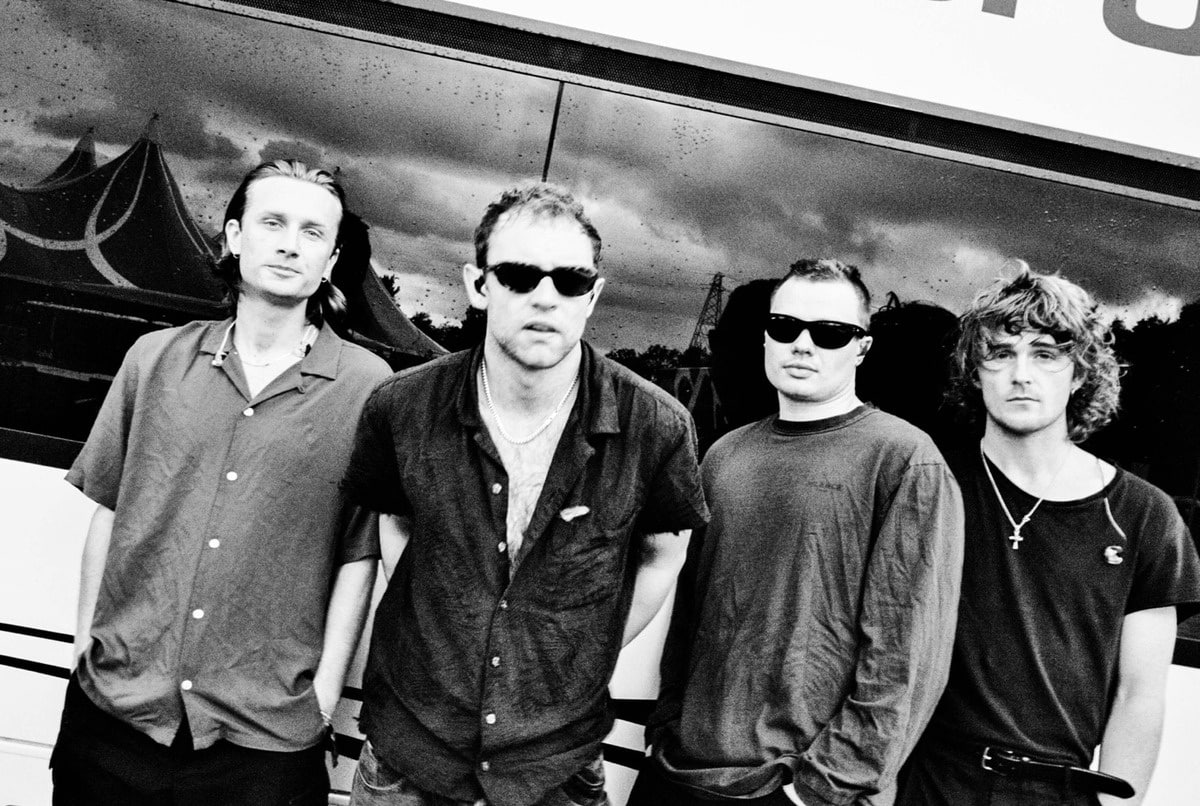
Jamie T is another excellent booking. Nearly two decades after 'Panic Prevention', he remains one of Britain's most distinctive songwriters, bringing together punk, indie, hip-hop and everyday storytelling in a way that few artists have managed to replicate. 'Sheila', 'Sticks 'n' Stones', 'Zombie' and 'If You Got the Money' should all sound fantastic at Worthy Farm. He's exactly the sort of artist who belongs at Glastonbury, with a catalogue that has soundtracked countless nights out, festivals and journeys home.
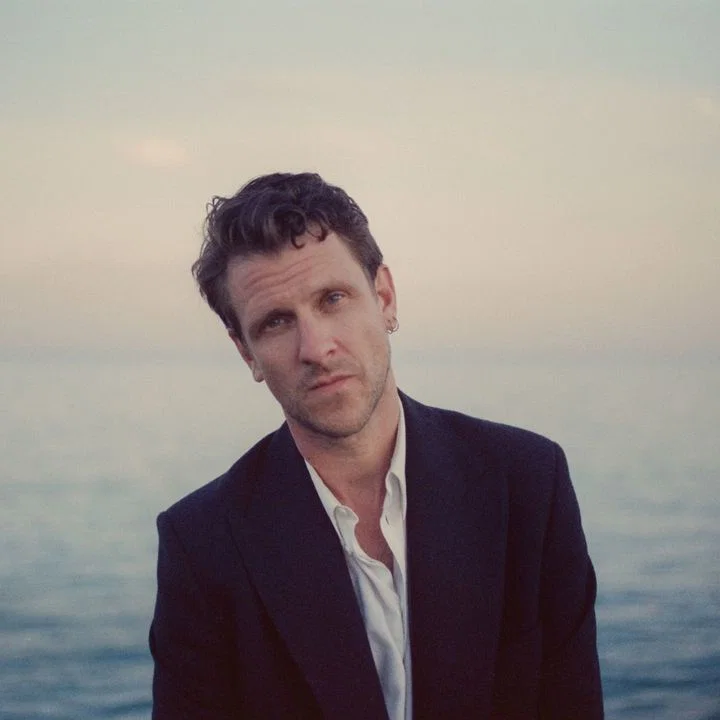
Primal Scream bring another connection to the history of British alternative music. From 'Screamadelica' to 'XTRMNTR', Bobby Gillespie and his band have continually reinvented themselves, moving between psychedelia, dance music and rock without ever becoming particularly interested in what people expected of them. Songs such as 'Loaded', 'Movin' on Up', 'Rocks' and 'Country Girl' remain enormous festival favourites, and their appearance is another reminder of just how influential they've been.
The xx are another particularly welcome addition. Their understated, atmospheric sound offers something completely different from the enormous choruses of Fender or the raw intensity of Wunderhorse, while The War on Drugs, Dinosaur Jr. and King Gizzard & the Lizard Wizard bring their own distinctive approaches to guitar music. Young Fathers are another excellent booking, and that's before considering Massive Attack, The Streets, Lily Allen, Underworld and the enormous selection of electronic artists appearing across the weekend. Whatever your musical preferences, there should be plenty worth seeing.
Who Else Could Be Announced? The Next Wave and Those Famous Secret Sets
Of course, this is only the first wave of Glastonbury's line-up, with plenty more names still to be announced. And if there's one thing we've learnt from previous festivals, it's that some of the most memorable performances aren't necessarily advertised months in advance. In 2025, Pulp appeared on the Pyramid Stage under the mysterious name 'Patchwork', while Radiohead, Foals and The Killers have all delivered surprise performances at Worthy Farm in the past. With that in mind, there are still a few artists I'd love to see added to the bill.
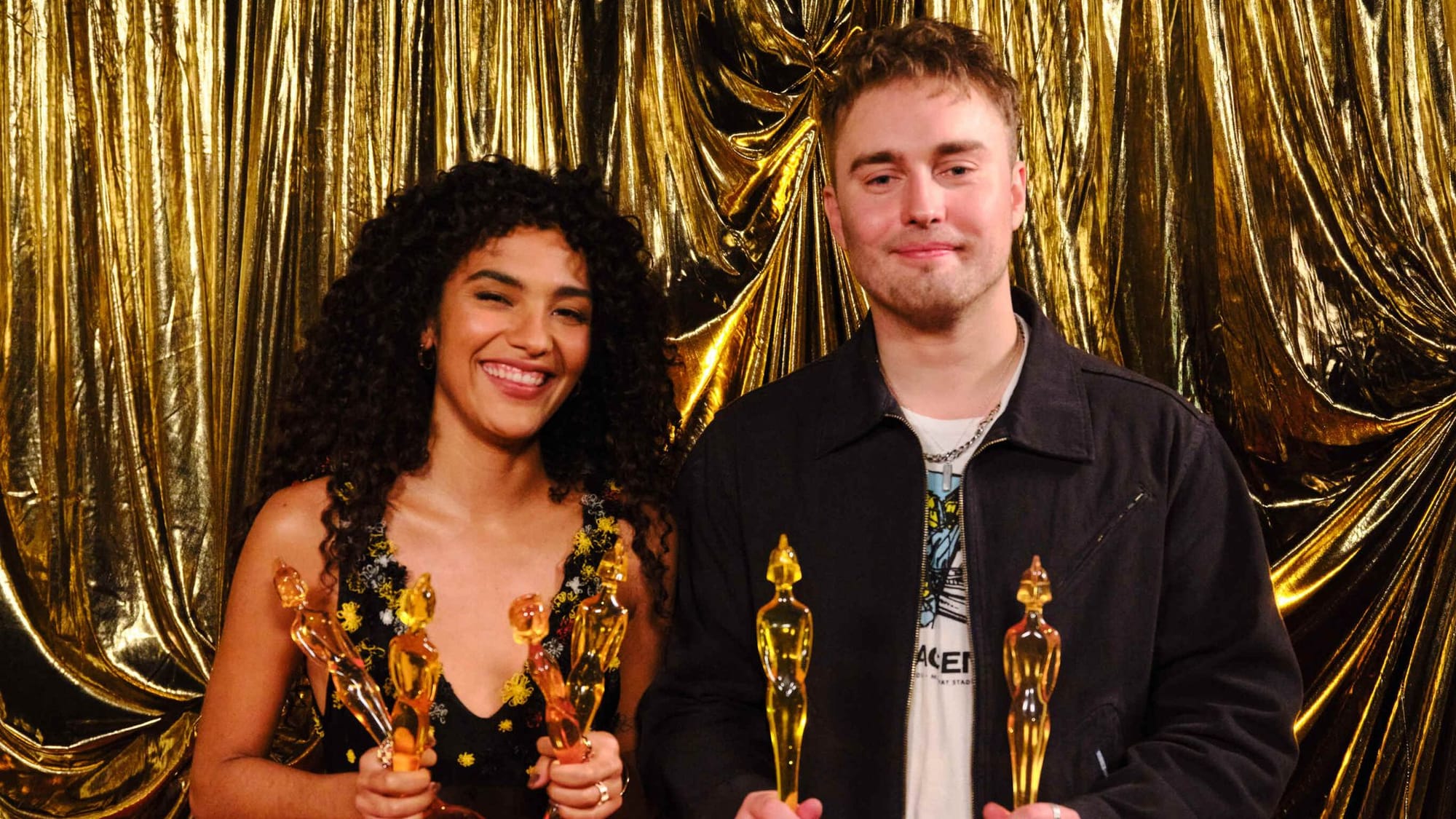
Olivia Dean feels like one of the most obvious omissions. Her rise has been extraordinary, and following the success of 'The Art of Loving', I'd be surprised if Glastonbury didn't at least try to secure an appearance. Reports have suggested she was previously considered for a headline slot, although nothing has been confirmed. Even if she doesn't get her own set, surely there's a possibility of her joining Sam Fender on Friday night for 'Rein Me In'? Given the success of their collaboration, it feels like the perfect opportunity to bring her out during his biggest performance to date.
Foals are another band I could easily imagine appearing in the next announcement, or perhaps even as one of the festival's famous secret sets. Their surprise performance on the Park Stage in 2019 was a brilliant reminder of just how good they are live, and their catalogue is full of songs built for festival crowds. 'My Number', 'Inhaler', 'What Went Down' and 'Spanish Sahara' would all be welcome additions to the weekend. I'd also love to see Kings of Leon return, particularly as 2027 marks the twentieth anniversary of 'Because of the Times'. It's one of my favourite records of theirs, with 'On Call', 'Fans', 'Charmer' and 'Black Thumbnail' capturing a band at a fascinating point in their development, just before they became one of the biggest rock groups in the world. A set celebrating that album would be fantastic.
And I still wouldn't completely rule out Radiohead appearing in some capacity. Their name was mentioned repeatedly in the build-up to the announcement, and while the three Pyramid Stage headline positions are now occupied, Glastonbury has a long history of unexpected performances. Radiohead themselves played a surprise set on the Park Stage in 2011, so there's certainly a precedent. Whether they'd return in a similar fashion is another question entirely, and there's no confirmed evidence that they're booked, but the possibility is an exciting one.
Fontaines D.C. were also heavily rumoured before the announcement, and their enormous Irish shows at Slane Castle during the Glastonbury weekend make another appearance an interesting, if logistically complicated, possibility. Florence + the Machine and Pulp were among the other names discussed in the months leading up to the reveal, while I'd personally love to see Wolf Alice added somewhere on the bill. Their performance on the Other Stage in 2025 was one of my highlights of the festival, and they've more than earned another opportunity to play in front of an enormous Glastonbury crowd.
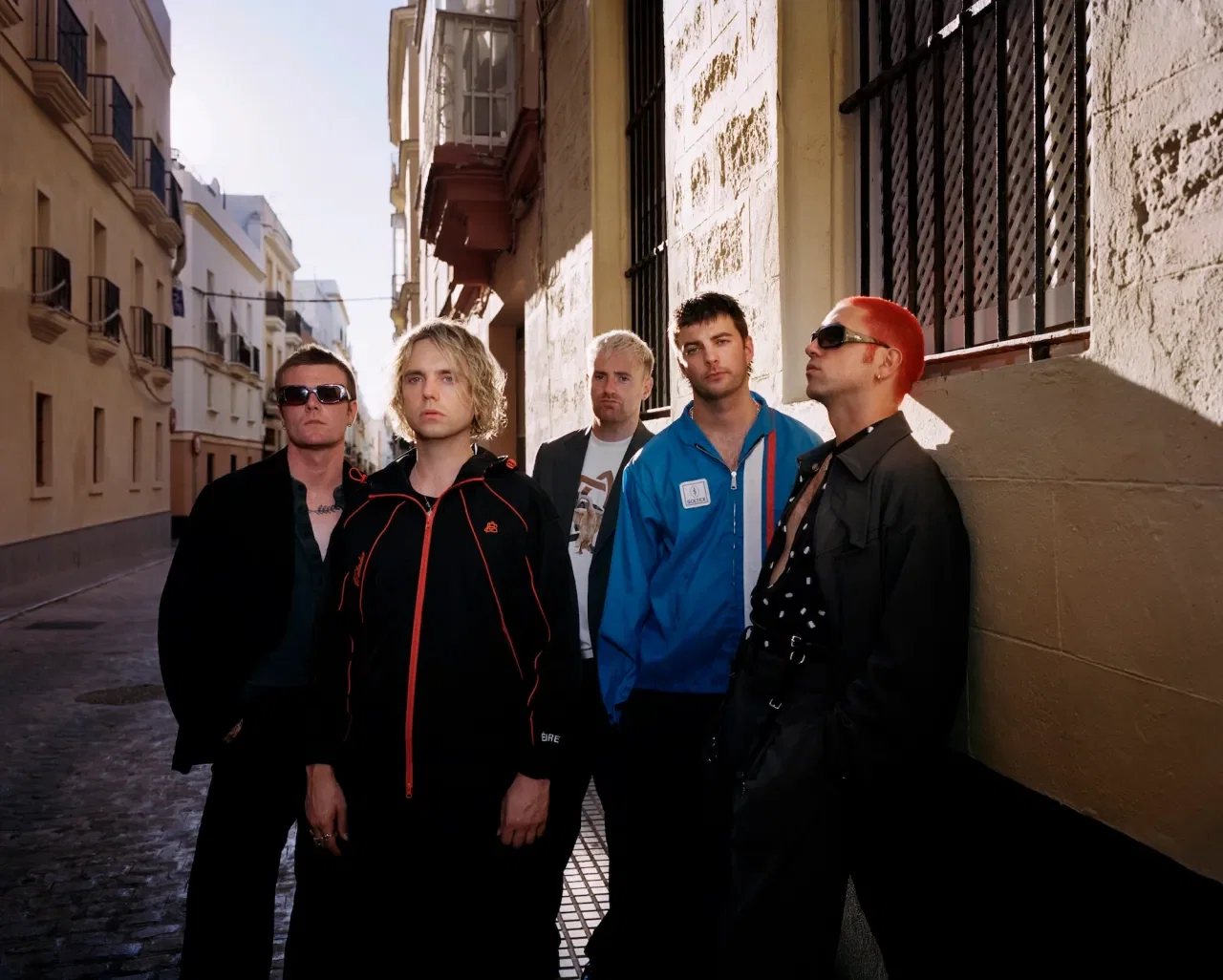
For now, much of this remains speculation, and there's an important distinction between artists who have genuinely been linked to the festival and those I'd simply love to see there. But with so many stages still to fill, I suspect there will be plenty more to get excited about before June. And who knows? Perhaps the biggest talking point of Glastonbury 2027 won't be somebody already on the poster, but a band nobody expected to see.
The Next Generation Needs Festivals Like Glastonbury
One of my biggest frustrations with British festival line-ups in recent years has been the reliance on familiar names. I've written previously about the problems facing festivals such as Y Not and Neighbourhood Weekender, particularly when it comes to giving emerging artists opportunities to move up the bill. I understand why promoters rely on established performers. Festivals are expensive to organise, and recognisable names sell tickets, but every major festival headliner started somewhere. If the industry continually turns to the same acts, how are younger bands supposed to reach that level?
That's why it's encouraging to see Keo, Florence Road and Westside Cowboy included on this year's Glastonbury poster. Keo are one of the most promising emerging British guitar bands, combining emotionally charged songwriting with a heavier alternative rock sound. Florence Road are another exciting prospect, with the Irish four-piece developing a growing following, while Westside Cowboy have been establishing themselves as one of the more interesting new names in British guitar music. Getdown Services bring something completely different, with their wonderfully eccentric approach to post-punk and electronic music.
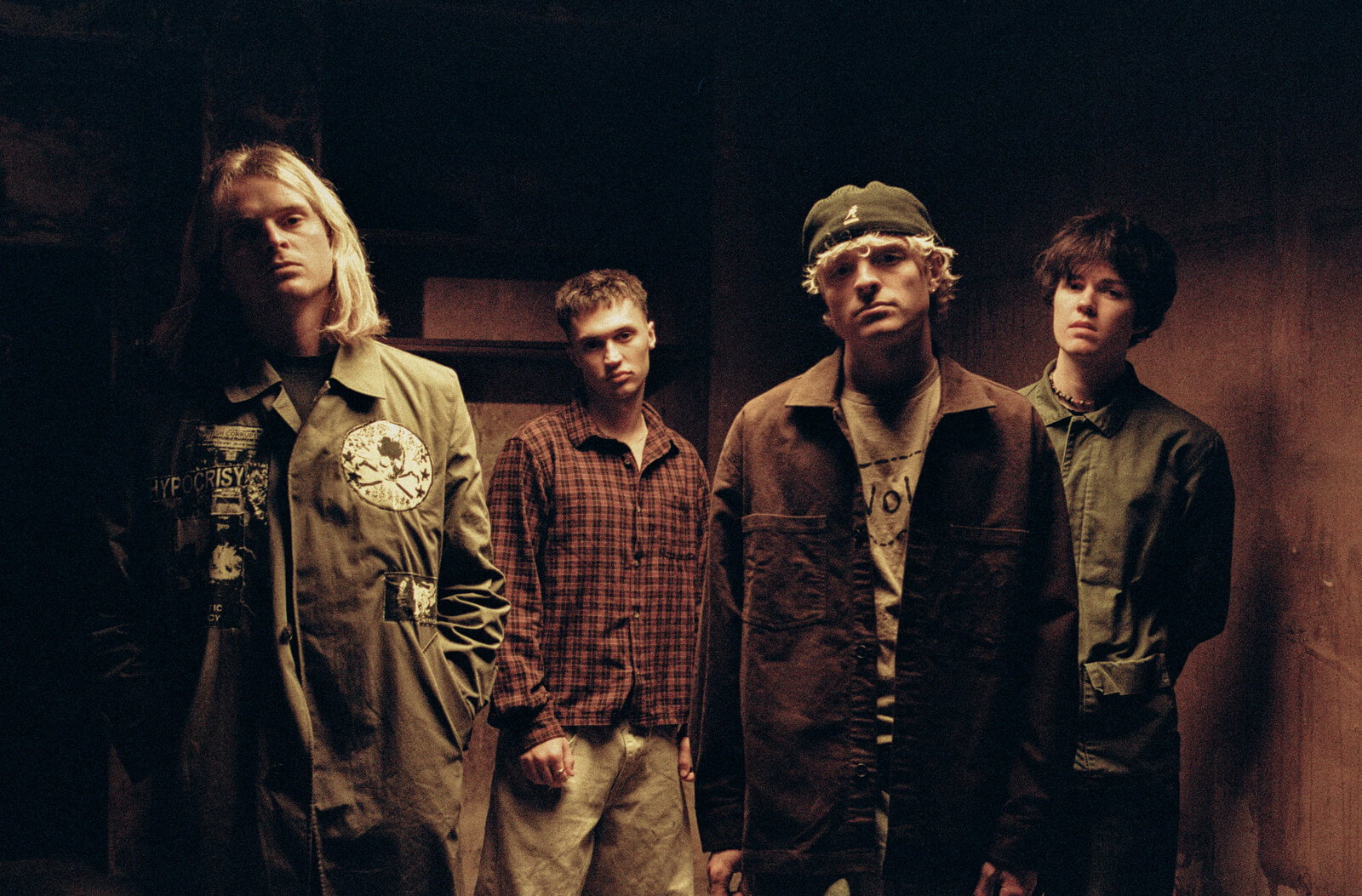
These bookings matter just as much as the enormous names at the top. Sam Fender didn't suddenly become a Pyramid Stage headliner overnight, and neither did The 1975, Arctic Monkeys or Coldplay. All spent years developing their music, building audiences and working their way through smaller venues and festival stages. There's no shortage of exciting young bands in Britain and Ireland at the moment, but talent alone doesn't guarantee success. They need opportunities to reach new audiences, and festivals such as Glastonbury have an important part to play in making that happen.
£407 for a Ticket: When Does Glastonbury Become Too Expensive?
For all the positives, my biggest criticism of Glastonbury 2027 has nothing to do with the artists. It's the price. £407 is an enormous amount of money for a festival ticket, however impressive the line-up might be. I understand the argument that Glastonbury represents excellent value compared with individual stadium concerts. Over five days, you have access to hundreds of performances, countless stages and an experience that goes far beyond the music itself. Divided across five days, it works out at £81.40 per day, which might seem reasonable when compared with the price of seeing some of the biggest artists on their own tours.
But I think that argument overlooks something important. Most people aren't calculating the theoretical value of every performance they'll watch. They're looking at their bank accounts and working out whether they can justify spending more than £400 on a festival ticket. And that's before transport, food, drink, camping equipment and everything else that comes with spending five days in Somerset. For many people, the overall cost could easily approach £600 or £700, potentially more depending on their circumstances. Whichever way you look at it, that's an enormous amount of money.
I'm not suggesting Glastonbury should be free, or that the organisers should somehow ignore the rising costs of running an event of this size. The festival supports charities, provides employment and contributes an enormous amount to British music and culture. But I do think we should be able to question the price without immediately being told that it's good value because there are hundreds of artists performing. Something can represent good value for money and still be completely unaffordable to a large section of the population.
Glastonbury has always represented something more than a commercial music festival. Its identity is rooted in community, counterculture, creativity and the idea that music can bring people together regardless of their backgrounds. There's something uncomfortable about those values existing alongside a ticket price that many ordinary music fans simply cannot afford. And this isn't exclusively a Glastonbury problem. Across the UK, live music is becoming increasingly expensive, with stadium tickets, festival passes, travel, accommodation and even the cost of a few drinks turning what should be an enjoyable experience into a significant financial commitment.
I've been fortunate enough to attend some incredible concerts and festivals over the years. Some of my favourite memories involve standing in a field with my mates, watching bands whose music has meant an enormous amount to us. I wouldn't trade those experiences for anything, but I also recognise that the cost of making those memories is increasing. It concerns me that younger music fans, particularly those from working-class backgrounds, could find themselves increasingly priced out of the very culture they help sustain.
There's also a certain irony in Sam Fender, an artist whose music has so often explored working-class life and inequality, headlining a festival where admission alone costs more than £400. That's not a criticism of Fender, who deserves every bit of his success, but it does raise questions about the wider industry and who gets to participate in it. A festival can celebrate working-class voices on its biggest stage, but that celebration feels somewhat hollow if the people those songs speak to increasingly struggle to afford a place in the audience.
A Brilliant Moment for British Music, But at What Cost?
Glastonbury 2027 has assembled an impressive line-up, and there's an awful lot to admire. Sam Fender headlining the Pyramid Stage is a landmark moment for British guitar music, even if it's surprising that not a single band occupies one of the three main headline slots. Wunderhorse continue their remarkable rise, Jamie T and Primal Scream remain excellent bookings, and the inclusion of emerging artists such as Keo and Florence Road offers genuine encouragement for the future. Harry Styles making his Glastonbury debut is another enormous moment, while Billie Eilish, Cher, Massive Attack and The xx ensure there's something for almost everybody.
I don't think anybody can seriously argue that British guitar music is dead when artists like Fender are headlining the country's biggest festival and bands such as Wunderhorse are attracting increasingly devoted audiences. The music is in a healthy place, and the next generation looks particularly exciting. But that only makes the question of affordability more important. What's the point of having such a thriving live music culture if an increasing number of people can't afford to experience it?
Glastonbury will undoubtedly remain one of the most sought-after festivals in the world. Demand has long exceeded supply, and its reputation means thousands of people will be desperate to attend regardless of the price. But popularity and affordability are two very different things, and selling every ticket doesn't necessarily mean that the price is reasonable.
For me, the best thing about live music has never been the size of the stage or how much money somebody has spent on a ticket. It's discovering a new band, hearing your favourite song performed in front of thousands of people, or looking around and seeing your mates singing every word. Those are the moments that stay with you, long after you've forgotten what you paid to be there.
Glastonbury 2027 looks set to provide plenty of them. I just wish experiencing them didn't cost quite so much.