‘20th Century Paddy’: A Beautiful, Brutal and Breathtaking Celebration of Shane MacGowan
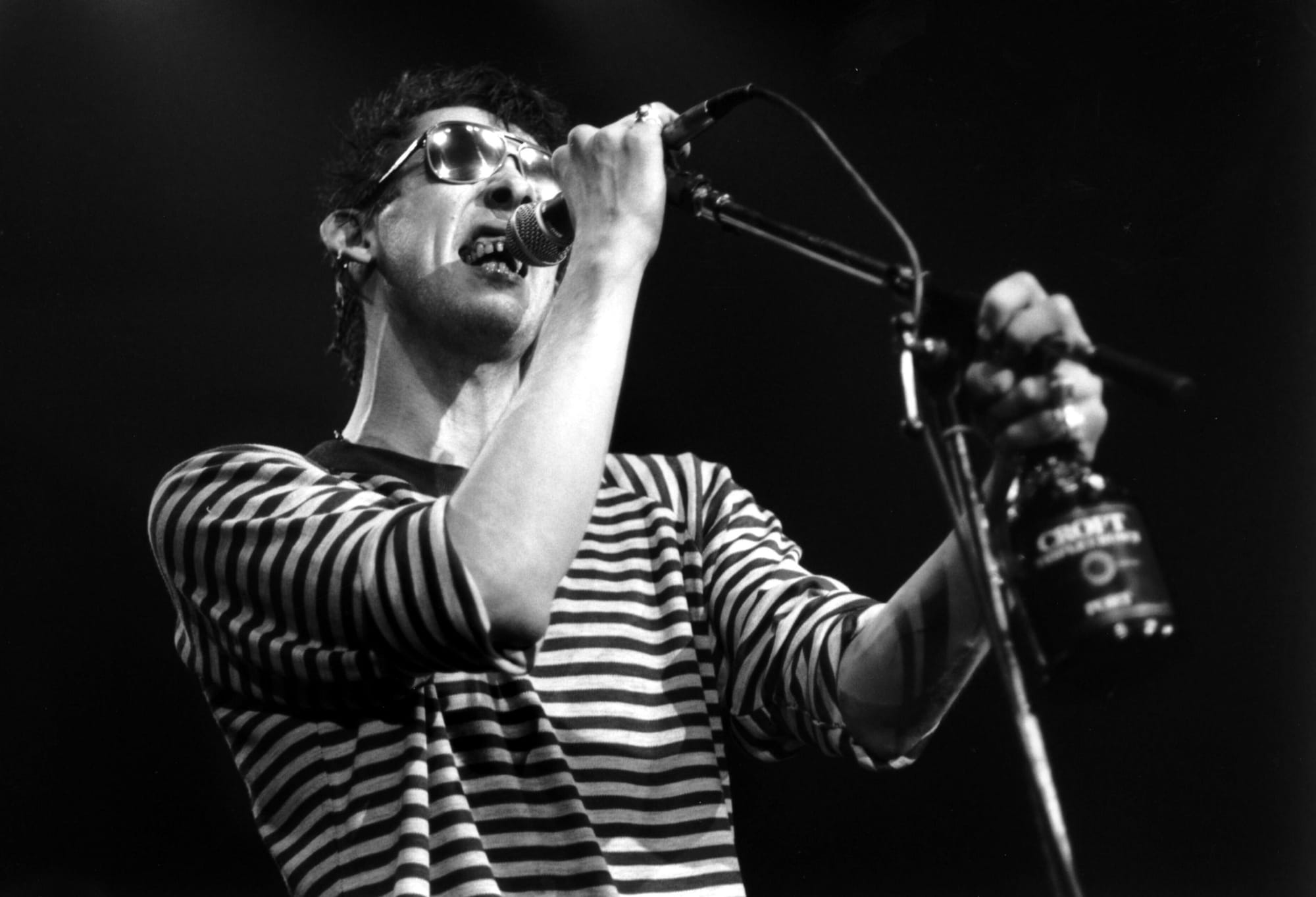
Shane MacGowan wrote the greatest Christmas song of all time. Remarkably, that's only one part of his extraordinary legacy.
He was a poet, a punk, a storyteller and one of the greatest songwriters Britain or Ireland has ever produced. His music could be beautiful, brutal and breathtaking, sometimes within the space of a single song. He could write a gloriously drunken celebration of life in ‘Streams of Whiskey’, break your heart with ‘A Pair of Brown Eyes’ or ‘The Old Main Drag’, and confront the political injustices endured by the Irish people in ‘Birmingham Six’.
There was nothing particularly conventional about his songwriting. His characters were drunks, emigrants, soldiers, lovers, prisoners and people living on the margins of society. He wrote about their lives with an extraordinary understanding of human nature, finding humour in desperate circumstances and beauty in places most people wouldn't think to look.
When Shane died on 30 November 2023, I wrote ‘The Punk Poet’, a tribute to a musician whose contribution to British and Irish music is almost impossible to overstate. I felt then, as I do now, that far too much attention had been given to his drinking, his teeth and the chaos that followed him around. All of that had become part of his public image, but it had also overshadowed what really mattered.
Shane MacGowan was a phenomenal songwriter.
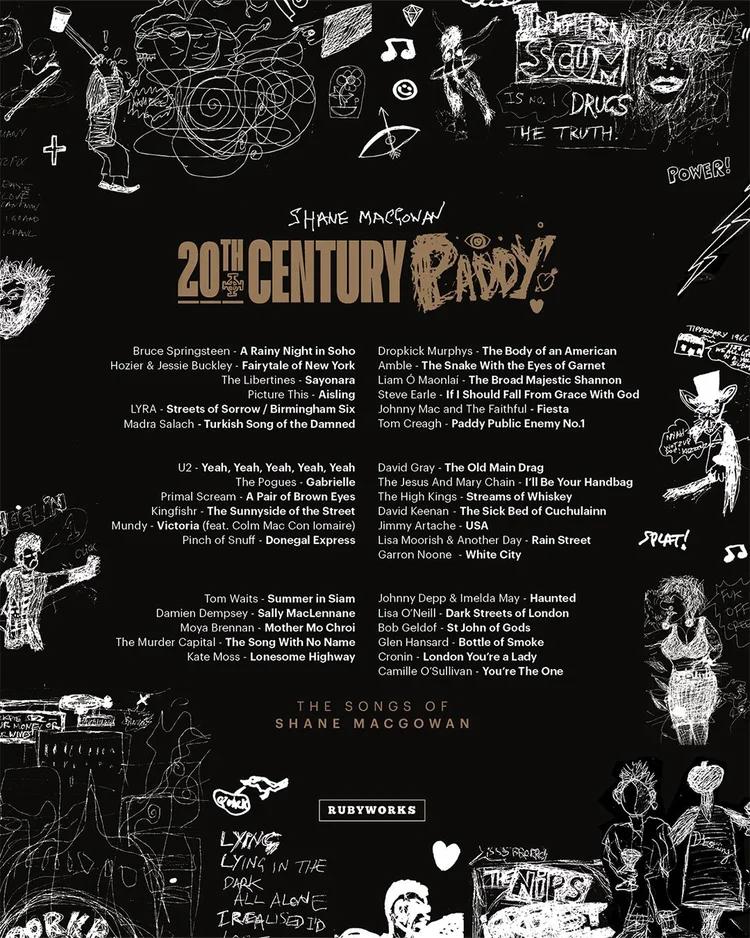
Released on 13 November 2026, ‘20th Century Paddy: The Songs of Shane MacGowan’ is a 36-track celebration of that remarkable talent. Featuring Bruce Springsteen, U2, The Libertines, Primal Scream, Hozier, Jessie Buckley and a wonderful collection of contemporary Irish musicians, it brings together artists from different countries, generations and musical backgrounds to celebrate a man whose influence continues to grow.
The project was assembled by his widow, Victoria Mary Clarke, working closely with his sister Siobhán and the Irish record label Rubyworks. Even the title has a lovely story behind it. ‘20th Century Paddy’ was the name of an album Shane had long wanted to make himself, and there's something touching about his family bringing that idea to life through the musicians he inspired.
It's a remarkable tribute, although perhaps the most extraordinary thing is just how many different directions these songs can be taken without losing what made them special in the first place.
The genius of Shane MacGowan
Long before The Pogues, Shane was part of London's original punk movement. He was a familiar face at gigs by The Clash and Sex Pistols, famously appearing in the music press after an incident at a Clash concert in 1976 left him with a bloodied ear. He later fronted The Nipple Erectors, eventually shortened to The Nips, a band whose music owed considerably more to punk and rock 'n' roll than the traditional Irish sounds he would become famous for.
Yet Irish music had always been part of his life. Born in Kent to Irish parents, Shane spent much of his childhood in County Tipperary, surrounded by traditional songs, family gatherings and the sort of storytelling that would become central to his songwriting. He grew up with the music of The Dubliners and The Clancy Brothers, while the arrival of punk gave him an entirely different way of expressing himself.
By the early eighties, he had found a way to bring those worlds together.
The Pogues took traditional Irish music and gave it the energy, aggression and attitude of punk rock. The banjos, accordions, tin whistles and mandolins were all there, but they were played with the urgency of a band who sounded as though they had somewhere else to be in five minutes. It was music that could have an entire pub dancing, while the words dealt with subjects far removed from the celebrations taking place around them.
And what songs they were.
‘Streams of Whiskey’, inspired by a dream involving Irish writer Brendan Behan, is a brilliant example of Shane's ability to turn a drinking song into something much more interesting. Beneath the enormous chorus and the promise of another round is a celebration of freedom, literature and living life on your own terms. ‘Boys from the County Hell’, from The Pogues' 1984 debut ‘Red Roses for Me’, is equally brilliant, a gloriously chaotic tale of drinking, fighting, miserable landlords and general misbehaviour. Shane fills the song with outrageous characters, foul-mouthed humour and the sort of stories you'd expect to hear towards the end of a particularly heavy night in an Irish pub. It's funny, aggressive and completely ridiculous, with an infectious chorus that sounds better the louder you sing it. ‘Sally MacLennane’ is another glorious singalong, its infectious melody disguising a story about leaving home, old friendships and the passing of time.
Then you have ‘A Pair of Brown Eyes’, which I genuinely believe is one of the greatest songs ever written. Shane moves between the memories of a wounded soldier and a man struggling with heartbreak, bringing together the horrors of war and the sadness of lost love. It's a beautiful piece of storytelling, made all the more affecting by the tenderness in his performance.
‘The Old Main Drag’ is arguably even more devastating. Set amongst the darker streets of London, it tells the story of a young person drawn into prostitution, violence and exploitation. Shane doesn't attempt to romanticise what is happening. Instead, he allows the cruelty of that world to speak for itself, creating a song that is uncomfortable, heartbreaking and impossible to forget.
His writing also reflected the experiences of Irish people at home and abroad. The Pogues' ‘Thousands Are Sailing’, written by the band's guitarist Philip Chevron, is a masterpiece about Irish emigration, exploring the hopes and hardships of those who crossed the Atlantic in search of a better life. Shane's delivery is extraordinary, giving Chevron's words the emotional weight they deserve.
On ‘Streets of Sorrow/Birmingham Six’, the band turned their attention towards the Troubles and the miscarriages of justice that saw innocent people imprisoned. Terry Woods wrote the mournful opening section, while Shane's ‘Birmingham Six’ confronted the treatment of the Birmingham Six and Guildford Four with barely contained fury.
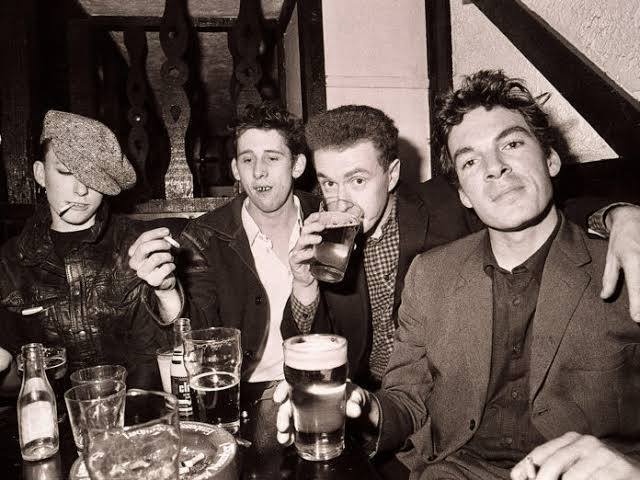
It's important to remember that The Pogues were more than one man. Chevron, Woods, Jem Finer and the other members were essential to the band's brilliance, contributing songs, arrangements and ideas that helped turn Shane's extraordinary imagination into some of the finest music of the eighties.
Even the songs they didn't write became inseparable from them. Their interpretation of Ewan MacColl's ‘Dirty Old Town’ is one of the great communal singalongs, while their version of Eric Bogle's ‘And the Band Played Waltzing Matilda’ is a devastating account of the human cost of war. Both recordings introduced these songs to new audiences, and The Pogues made them feel entirely their own.
Then, of course, there's ‘Fairytale of New York’. What more can possibly be said about it? Shane MacGowan and Jem Finer wrote the greatest Christmas song ever, and Shane and Kirsty MacColl delivered performances that will never be bettered. It's a song about two people whose dreams have fallen apart, exchanging insults and accusations while remembering a time when they thought anything was possible.
It's funny, bitter, tragic and extraordinarily moving. Despite everything the characters say to one another, there's still love underneath it all.
There isn't another Christmas song quite like it.
From Springsteen to The Libertines
With a catalogue like that, the challenge facing the musicians on ‘20th Century Paddy’ was considerable. These weren't simply popular songs waiting to be covered. Many had become inseparable from Shane's voice, his personality and the band that originally recorded them. Thankfully, the artists were given the freedom to approach the material in their own way, resulting in a collection that frequently finds something new within songs that have been familiar for decades.
Bruce Springsteen opens proceedings with ‘A Rainy Night in Soho’, one of Shane's most beautiful compositions and a particularly appropriate choice for The Boss. Both men spent their careers writing about ordinary people, whether that meant the working-class characters of Springsteen's New Jersey or the emigrants, lovers and lost souls who populated Shane's London. They understood that the lives of people who never appeared in newspapers or history books could still make extraordinary subjects for songs.
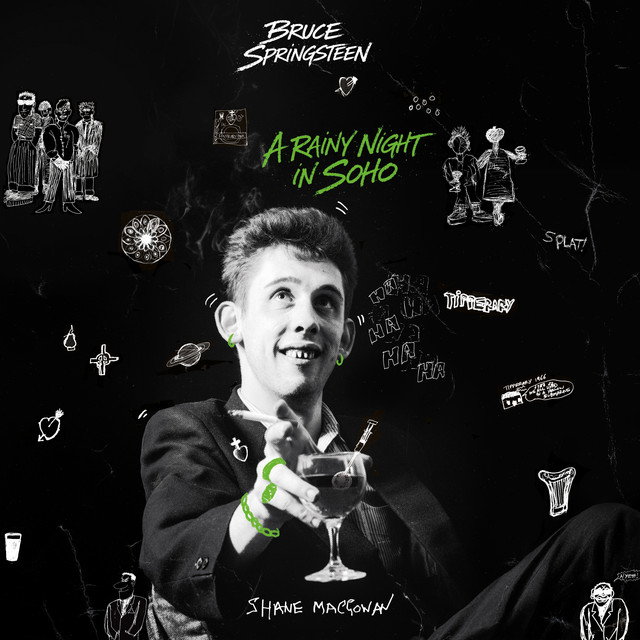
Springsteen's weathered voice works beautifully here. His interpretation is restrained and affectionate, allowing the sadness and romance of the original to emerge without unnecessary embellishment. There are moments when you can hear the passing of time in his voice, which only makes a song about memory, love and growing older more affecting.
The Libertines follow with ‘Sayonara’, and I can't think of many bands better suited to Shane's world. Pete Doherty and Carl Barât have spent much of their careers writing about friendship, romance, addiction and the forgotten corners of London. Their fascination with literature, poetry and the romantic idea of Albion belongs to a similar tradition to the one Shane explored with The Pogues.
There's also an obvious parallel between Doherty and MacGowan. Both have seen their extraordinary songwriting abilities overshadowed by their struggles and public reputations. The excesses are well documented, but they shouldn't be allowed to define everything these musicians achieved. Listen to ‘Time for Heroes’, ‘The Good Old Days’ or ‘What Katie Did’, and it's easy to understand why Shane's music would appeal to The Libertines. Both bands found romance in rundown streets and complicated relationships, writing about people whose lives were rarely straightforward.
Their interpretation of ‘Sayonara’, originally released during Shane's time with The Popes, has a scruffy charm that suits the song. It's a natural meeting of two musical worlds, and one of the most fitting collaborations on the record.
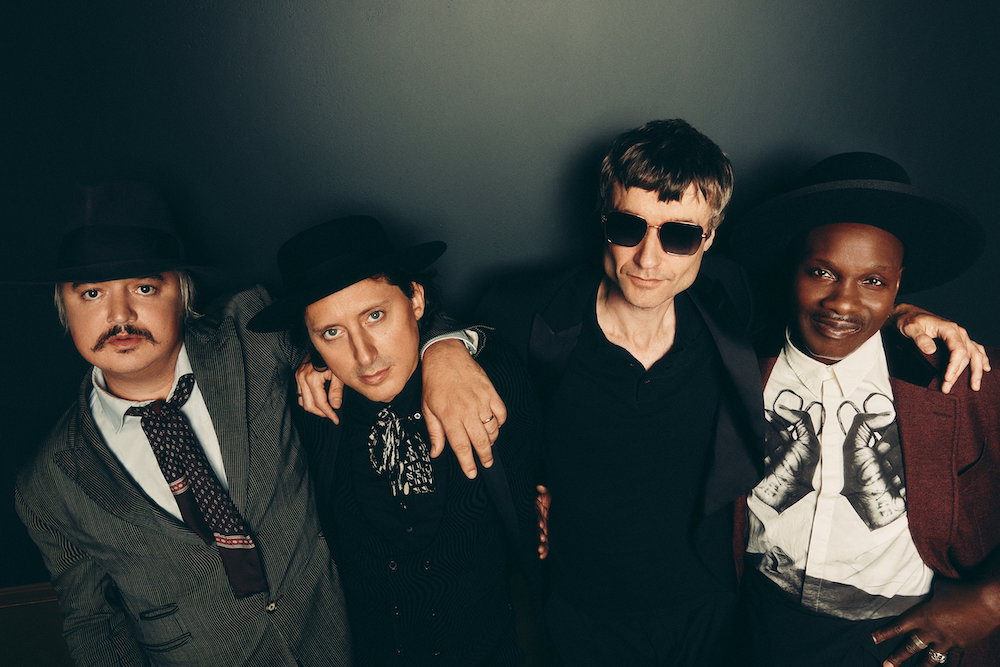
Primal Scream take a different approach with ‘A Pair of Brown Eyes’, transforming Shane's heartbreaking ballad into something resembling the jangling folk-rock of The Byrds. The guitars give the song an almost uplifting quality, contrasting with the sadness at its centre.
Bobby Gillespie doesn't attempt to recreate Shane's performance, which is probably the wisest decision he could have made. The original is almost impossible to improve upon, but Primal Scream manage to give it a different character without losing its emotional weight. It's a particularly enjoyable interpretation, and another reminder of just how adaptable Shane's melodies are.
U2, meanwhile, tackle ‘Yeah, Yeah, Yeah, Yeah, Yeah’, an energetic and slightly ridiculous song from The Pogues' later eighties period. It's worth remembering how differently U2 and The Pogues approached Irish music during that decade. Bono and his band were becoming global superstars, taking their increasingly ambitious sound into stadiums around the world, while Shane was bringing Irish musical traditions into the punk and alternative scenes.
U2's interpretation is suitably muscular, with Bono throwing himself into the performance and The Edge bringing an unmistakable guitar sound. It's more polished than the original, and perhaps loses a little of The Pogues' glorious unpredictability, but there's something enjoyable about hearing one of the world's biggest bands embrace Shane's more playful songwriting.
A new generation of Irish music
For me, one of the most exciting aspects of ‘20th Century Paddy’ is the involvement of younger Irish musicians, particularly those who are finding new ways to incorporate traditional influences into contemporary music. Irish music is enjoying another remarkable period, with bands and artists embracing their country's identity, history and cultural traditions without feeling restricted by them. From the confrontational energy of Kneecap and the modern post-punk of Fontaines D.C. to the growing number of musicians exploring traditional folk, there is an extraordinary amount of creativity emerging from the island.
Shane wasn't responsible for all of that, of course, but The Pogues helped establish an important precedent. They proved that Irish music could be traditional and modern, political and entertaining, without compromising its identity.
Madra Salach are an excellent example of how that approach continues to evolve. The Dublin band have been attracting attention for their combination of Irish traditional influences and contemporary alternative music, creating something that feels connected to the past without being trapped by it.
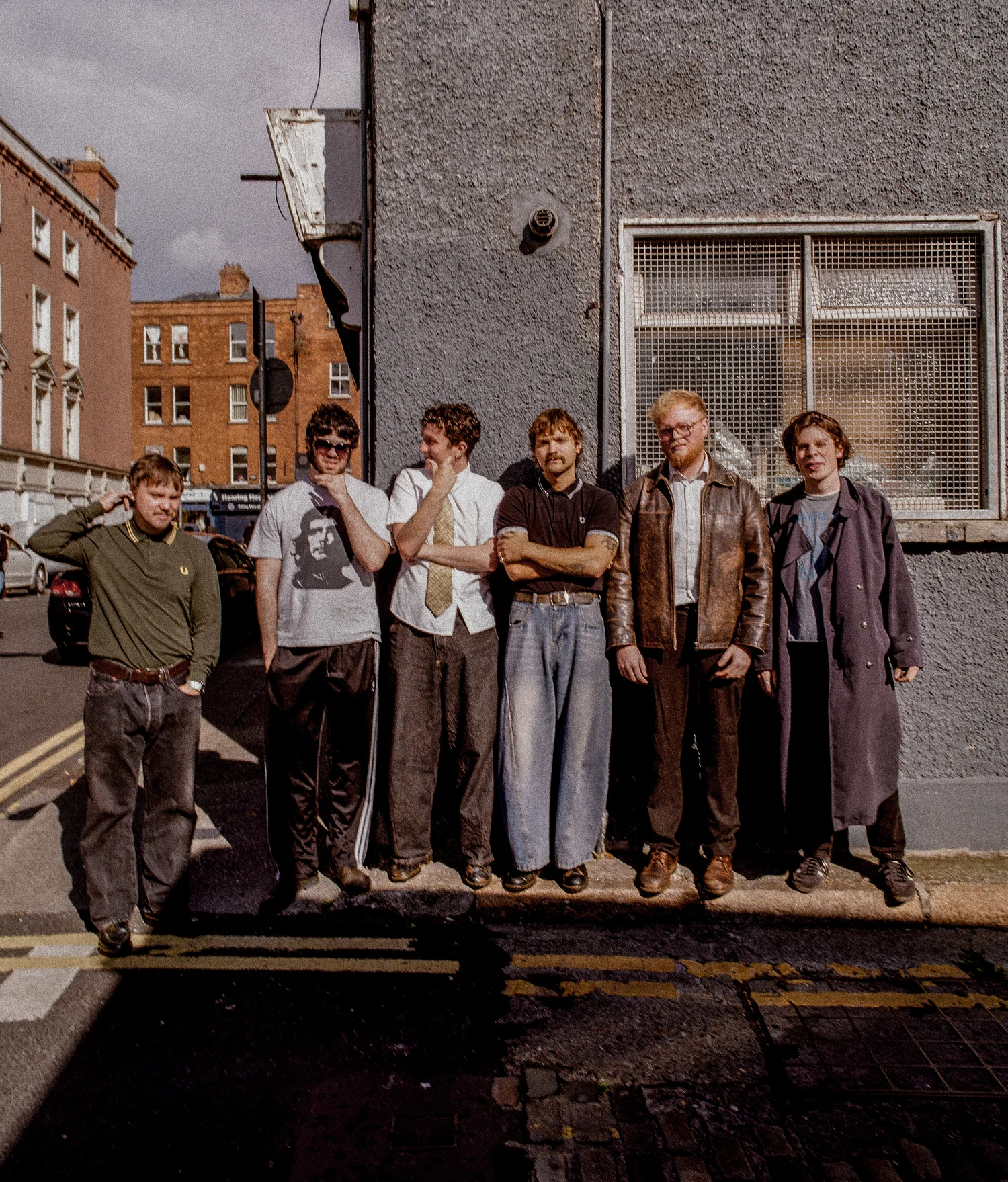
Their contribution, ‘Turkish Song of the Damned’, is a particularly inspired choice. Originally appearing on ‘If I Should Fall from Grace with God’, the song was written by Shane and Jem Finer, bringing together supernatural storytelling, death, the sea and one of the most wonderfully strange arrangements in The Pogues' catalogue.
There's something almost cinematic about the original, with its menacing atmosphere and restless rhythms. It sounds as though you're being dragged into a story whose ending is unlikely to be particularly pleasant. Madra Salach are well suited to that world. Their interpretation embraces the song's darker qualities, demonstrating how naturally the storytelling traditions behind The Pogues can sit alongside contemporary Irish alternative music.
Their involvement is particularly important because Shane's legacy shouldn't exist solely in the memories of musicians who were around during the eighties. It belongs to the younger bands taking those traditions somewhere new.
Picture This offer something rather different with ‘Aisling’, another song from Shane's work with The Popes. It's a lovely choice, and one that demonstrates the strength of his songwriting beyond The Pogues. The romantic longing at the centre of ‘Aisling’ suits Picture This, whose melodic approach gives the song a contemporary warmth.
The fact that the album explores Shane's work with The Popes is one of its greatest strengths. For all the attention given to his classic Pogues recordings, there are some wonderful songs from his later career that deserve to be heard by a wider audience.
Elsewhere, Lisa O'Neill delivers a haunting interpretation of ‘Dark Streets of London’, bringing her extraordinary voice to one of Shane's earliest compositions. Her approach feels deeply connected to the folk traditions that inspired him, although the result is far removed from the speed and aggression of the original. The Murder Capital tackle ‘The Song With No Name’, further demonstrating the connection between Shane's writing and Ireland's contemporary alternative scene. Kingfishr take on ‘The Sunnyside of the Street’, while Dropkick Murphys bring their Celtic punk energy to ‘The Body of an American’.
The latter feels particularly appropriate. Alongside bands such as Flogging Molly, Dropkick Murphys helped take the combination of punk and traditional Irish music to audiences across the Atlantic. Their existence owes a considerable debt to the path The Pogues helped establish.
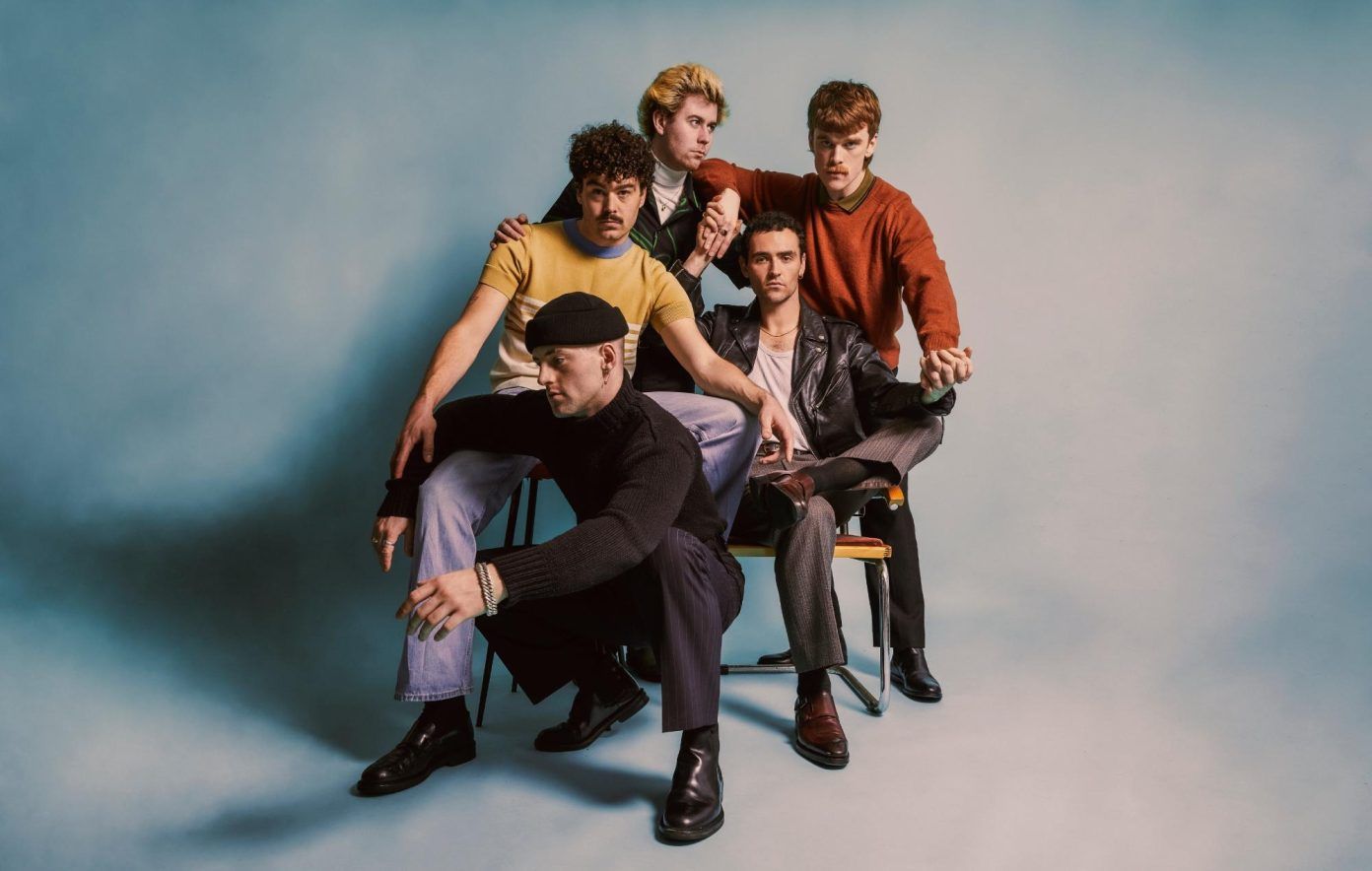
Hozier and Jessie Buckley, meanwhile, have perhaps the most difficult task of anybody involved. Taking on ‘Fairytale of New York’ is an enormous responsibility. Shane MacGowan and Kirsty MacColl created something so distinctive that almost every subsequent interpretation has struggled to escape their shadow.
Hozier has spoken about feeling daunted by the prospect, recognising how deeply the song has become embedded in Irish musical culture. He was right to feel that way. This isn't simply another popular Christmas record. For millions of people, it has become part of their lives.
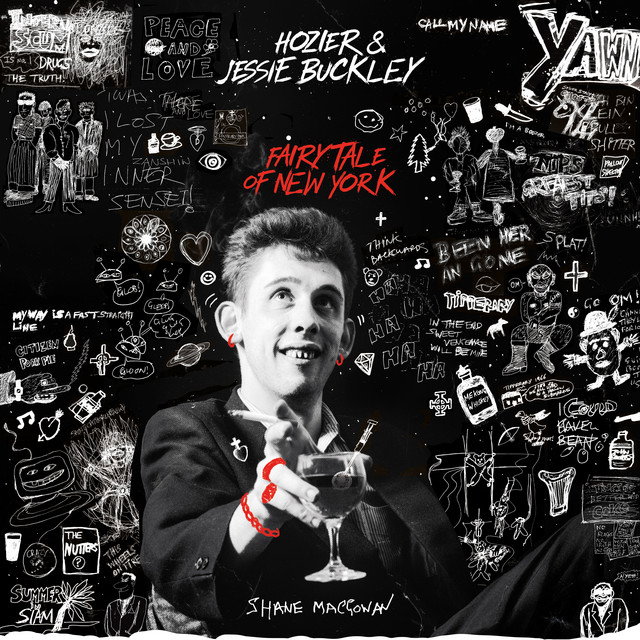
Their performance is beautifully sung, with Hozier's rich voice contrasting wonderfully with Buckley's more theatrical delivery. They find the sadness and vulnerability within the characters, placing greater emphasis on the emotional relationship at the heart of the song. I do think something is inevitably lost in the process. Part of the original's brilliance was the chemistry between Shane and Kirsty, the way their performances could move between affection and outright hostility without ever sounding forced. Their characters were messy, unpleasant and occasionally impossible to like, which made them feel real.
Hozier and Buckley's version is more refined, and I don't think it quite captures that same unpredictability. Nevertheless, it remains a moving interpretation, and the fact that it works at all is another testament to the quality of Shane and Jem Finer's songwriting.
LYRA delivers the album's finest moment
My personal favourite, however, comes from LYRA, whose interpretation of ‘Streets of Sorrow/Birmingham Six’ is absolutely breathtaking. It's a brave choice. The original is one of The Pogues' most explicitly political recordings, confronting the prejudice and injustice surrounding Irish people during the Troubles and the wrongful convictions of the Birmingham Six and Guildford Four.
The song opens with Terry Woods' ‘Streets of Sorrow’, a mournful reflection on the suffering caused by conflict, before moving into Shane's furious ‘Birmingham Six’. The transition is remarkable, taking the listener from sadness and reflection into anger at the injustices endured by innocent people. LYRA has spoken about being drawn to that change in emotion, and it's easy to understand why. There aren't many songs that attempt to cover so much ground in such a short space of time.
Her interpretation is astonishing. The arrangement is cinematic, beginning with a haunting atmosphere before gradually developing into something much larger. LYRA's voice is extraordinary throughout, moving between moments of vulnerability and passages of almost overwhelming power.
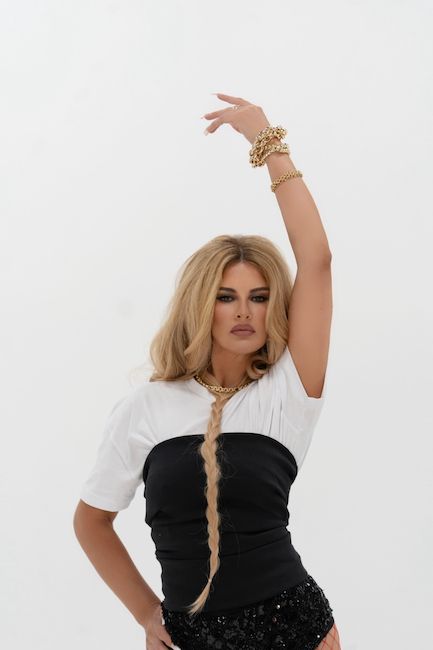
What I particularly love is how she handles the change between the two sections. The sadness of ‘Streets of Sorrow’ never entirely disappears, even as the music becomes more forceful. Instead, that sorrow gives the anger in ‘Birmingham Six’ greater meaning. LYRA has explained that she wanted the performance to capture the feeling of people standing together, turning a song about pain and injustice into something that could also communicate solidarity and strength.
I think she's achieved exactly that. There's real emotion in her delivery, but it never feels like she's simply trying to demonstrate how powerful her voice can be. The words remain the most important part of the performance, and she gives them the attention they deserve.
The political circumstances surrounding the song belong to a particular period of British and Irish history, but its wider message remains relevant. Prejudice, miscarriages of justice and the mistreatment of marginalised communities haven't disappeared, and songs like this still have something important to say.
Shane understood that music could confront difficult subjects without losing its emotional appeal. LYRA brings that same understanding to her interpretation, taking a song written almost four decades ago and making it feel urgent again.
For me, this is the finest performance on ‘20th Century Paddy’. It doesn't attempt to replace The Pogues' original, and nor should it. Instead, it finds something new within the song, respecting its history while introducing it to another generation. It's a magnificent tribute to both Shane MacGowan and Terry Woods, and exactly the sort of performance that makes this record worthwhile.
More than a tribute album
Across its 36 tracks, ‘20th Century Paddy’ offers plenty of other highlights.
David Gray delivers a particularly affecting interpretation of ‘The Old Main Drag’, stripping the song back and allowing its desperately sad story to take centre stage. Tom Waits, another songwriter who has spent his career finding beauty amongst society's outsiders, brings his unmistakable voice to ‘Summer in Siam’. It's a fascinating combination, and one that feels almost inevitable when you consider the similarities between the two musicians.
Damien Dempsey's ‘Sally MacLennane’ has the spirit of a proper Irish singalong, while Glen Hansard throws himself into ‘Bottle of Smoke’. Steve Earle's ‘If I Should Fall from Grace with God’ is another natural fit, showing just how comfortably Shane's songs can sit alongside American folk and country traditions.
There's also a lovely sense of musical history running through the collection. The Pogues themselves revisit ‘Gabrielle’, a song dating back to Shane's days with The Nips. It's a reminder that his ability to write romantic, emotionally affecting music was already developing long before the band found international success.
Not everything works equally well, and at two hours and fourteen minutes, the album is undeniably a considerable undertaking. There are moments when the sheer number of artists and contrasting arrangements makes it feel more like several different records brought together than one cohesive listening experience.
Some interpretations also lose a little of the roughness that made The Pogues so compelling. Shane's voice was never technically perfect, but that was part of its appeal. He sounded as though he had lived through every story he was telling, and the occasional instability of his performances often made the songs even more affecting.
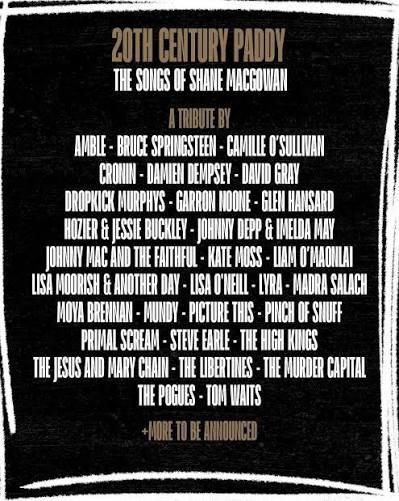
A technically brilliant singer isn't automatically going to improve a Shane MacGowan composition. Sometimes the imperfections are precisely what makes the original work. Nevertheless, the variety is also the album's greatest strength. Hearing Springsteen, The Libertines, U2, Primal Scream, LYRA and Madra Salach interpret the same songwriter demonstrates the extraordinary range of his work.
It's also fitting that 50 per cent of the artists' royalties will support the Dublin Simon Community, helping provide housing and healthcare for people experiencing homelessness. Given how frequently Shane wrote about those living on the margins of society, it's difficult to imagine a more appropriate cause.
The songs will live forever
When Shane MacGowan died, there was an understandable outpouring of affection for a musician whose songs had become part of people's lives. The stories about his drinking, his unpredictable behaviour and his extraordinary personality were everywhere. But for all the chaos, I hope history remembers him first and foremost as a songwriter.
There was something remarkable about his ability to understand people. His characters weren't always particularly pleasant, nor did they necessarily deserve our sympathy, but he made them feel human. He understood loneliness, heartbreak, friendship, anger and the occasional stupidity of being alive.
He could make you laugh at the absurdity of a situation before leaving you in tears a few lines later. He could write about Irish history and political injustice without making the music feel like a history lesson. His songs were filled with literary references, forgotten characters, crowded pubs and streets that had probably seen better days. And he did all of that while helping transform Irish music.
The Pogues didn't invent Irish folk music, and Shane certainly wasn't the first musician to combine traditional sounds with contemporary influences. What they did was make those traditions feel relevant to an entirely different audience. They brought the experiences of Irish emigrants, the anger surrounding the Troubles and the humour of everyday life into music that could appeal to punks, folk enthusiasts and rock fans alike.
You can still hear something of that spirit in contemporary Irish music, particularly amongst the younger artists who have embraced their cultural identity without feeling obliged to make records that sound like their predecessors.
‘20th Century Paddy’ is a wonderful celebration of that achievement. It's occasionally uneven and perhaps a little too long, but its finest moments are extraordinary. Springsteen brings tenderness to ‘A Rainy Night in Soho’, The Libertines embrace the romantic chaos of ‘Sayonara’, Primal Scream find another side to ‘A Pair of Brown Eyes’, and LYRA delivers a truly magnificent performance of ‘Streets of Sorrow/Birmingham Six’.
I don't think there will ever be another Shane MacGowan. There have been plenty of remarkable Irish musicians, and there will undoubtedly be many more, but he occupied a world entirely of his own.
He gave us ‘Streams of Whiskey’, ‘A Pair of Brown Eyes’, ‘The Old Main Drag’, ‘A Rainy Night in Soho’ and, alongside Jem Finer, the greatest Christmas song ever written. With The Pogues, he helped bring ‘Dirty Old Town’, ‘And the Band Played Waltzing Matilda’ and Philip Chevron's ‘Thousands Are Sailing’ to audiences around the world.
He could make the most desperate circumstances imaginable sound beautiful, find humour in life's cruellest moments and turn the experiences of ordinary people into extraordinary music.
The man may be gone, but the songs aren't going anywhere.
And really, what more could any songwriter hope for?