How The Strokes Ushered Guitar Music into the 'Modern Age'
By the turn of the millennium, the musical landscape was in a state of flux, caught between two polarising extremes. In the UK, the swagger of Britpop had largely dissipated into the "post-Britpop" era, a period dominated by the earnest, mid-tempo balladry of bands like Stereophonics, Travis and early Coldplay. While these bands found massive success, the raw, dangerous energy of rock and roll felt like it was on life support, replaced by a softer, more radio-friendly melancholy.
Meanwhile, across the Atlantic, the airwaves were dominated by the aggressive, high-decibel roar of Nu Metal. While bands like Limp Bizkit and Korn moved millions of records, much of the genre has arguably not aged well. Defined by a hyper-masculine angst and a cluttered fusion of rap and heavy metal, many of these acts prioritised shock value and loud, downtuned riffs over timeless songwriting.
Looking back, much of the Nu Metal movement felt like a product of its time, loud, bloated, and often lacking the substance to endure beyond the early 2000s.
There was a glaring void for interesting music that felt effortless, stylish, and grounded. The world was waiting for something that felt lean, stripped-back, and authentically urban. That void was finally filled when five kids from Manhattan stepped onto the stage with 'The Modern Age', trading the dated aggression of Nu Metal for sharp melodies and a thrift-store aesthetic that would change the trajectory of the decade.
The New York Renaissance
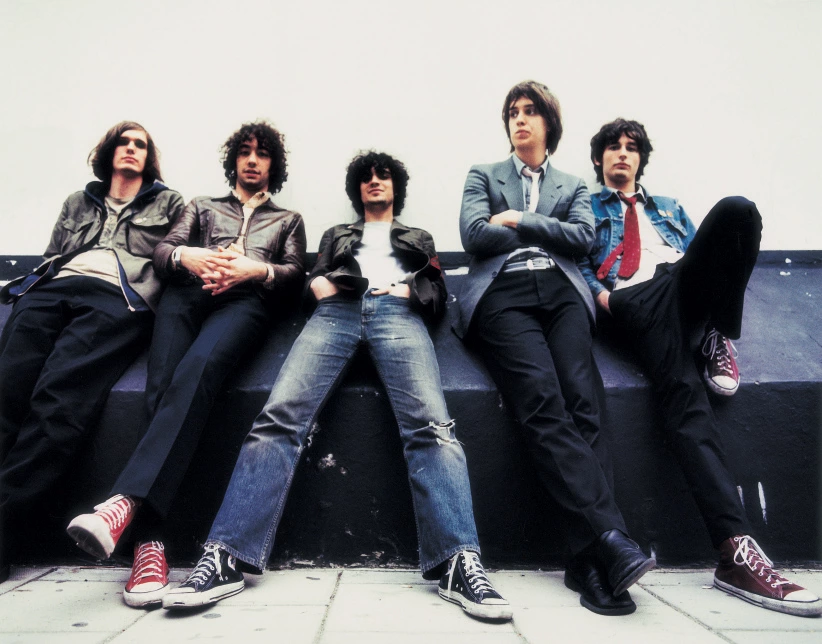
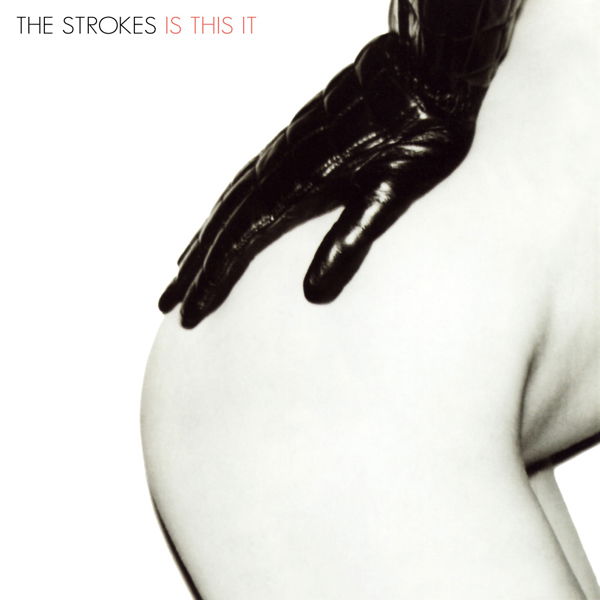
The release of 'Is This It' in 2001 wasn't just an album launch; it was a cultural shift. The Strokes didn't just change the sound of the radio; they changed the look of the streets. Emerging from a gritty, pre-gentrified Lower East Side, they brought a cinematic coolness back to New York City that hadn't been felt since the days of The Velvet Underground or Television. Suddenly, the baggy, oversized aesthetic of the 90s was replaced by skinny jeans, beat-up Converse, and thrift-store blazers. It was a look that suggested you hadn't tried too hard, even if every rip in the denim was perfectly placed.
They made indie a global brand, pulling listeners away from the plastic dominance of manufactured pop and the waning, superstar DJ culture of the era. Before 'Is This It', rock felt like it belonged in either massive, impersonal stadiums or suburban garages; The Strokes moved it back into the smoke-filled basement clubs, making it feel dangerous, intimate, and exclusive once again.
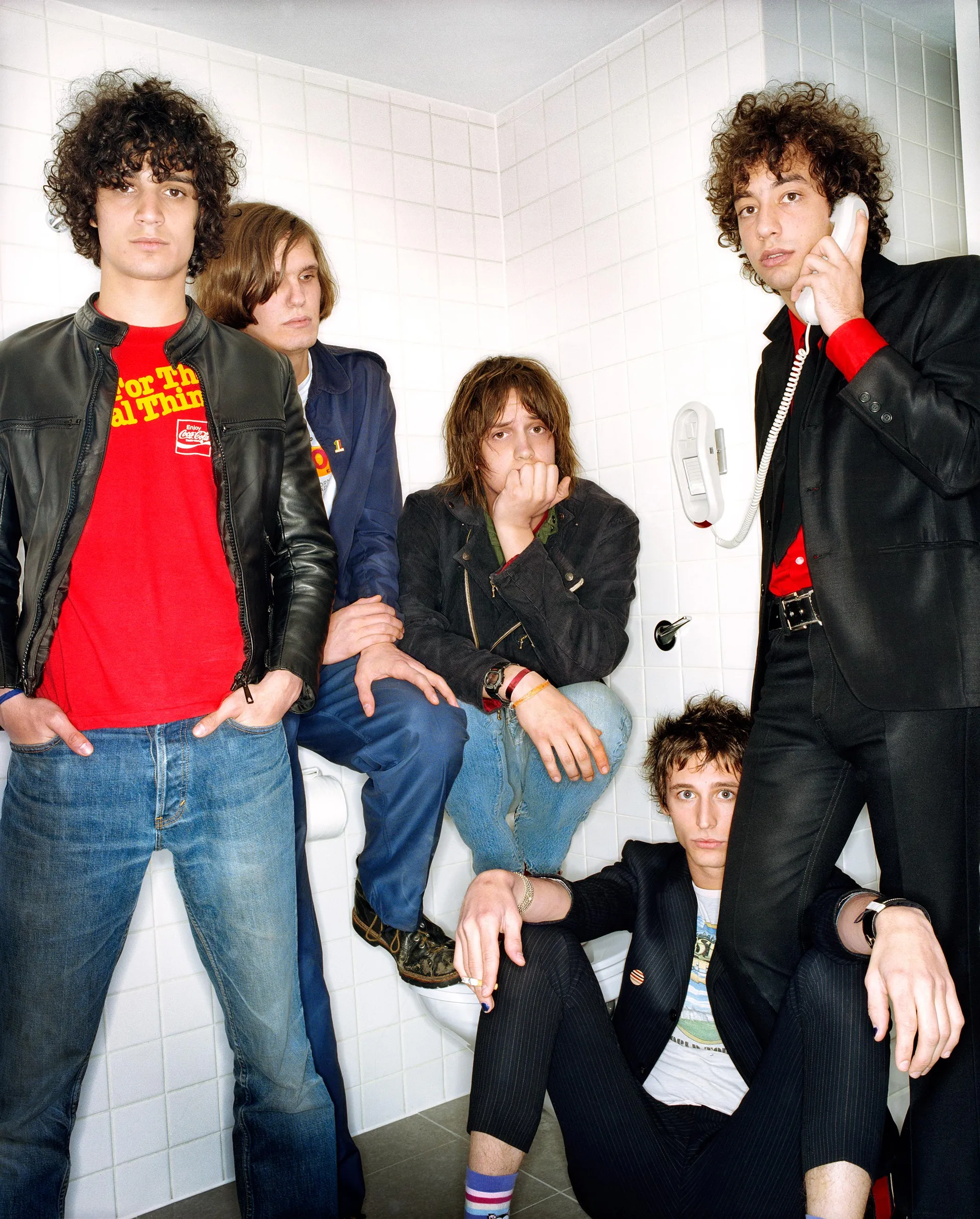
Their arrival felt like a needed correction to the music industry's trajectory. The Strokes offered a breath of fresh, cigarette-stained air. They proved that you didn't need pyrotechnics or expensive music videos to command attention; you just needed five people in a room with a singular vision and a set of songs that felt like they had existed forever. This wasn't just a New York story; it was a global reset button, and it helped shape guitar music for the next decade and beyond.
A Blueprint for a Generation
The impact of 'Is This It' acted as a catalyst for a guitar music revival, creating a blueprint that shaped the next decade of music across the Atlantic:
In the U.K., the album hit the British shores like a tidal wave. The Libertines, Franz Ferdinand, and Arctic Monkeys all looked to The Strokes as the gold standard of effortless composure. They provided a roadmap for how to be a band in the 21st century: prioritise the gang mentality, look iconic in every press shot, and keep the songs under four minutes.
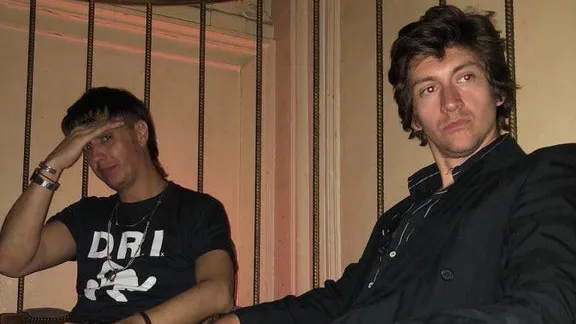
Alex Turner famously opened the 2018 Arctic Monkeys album 'Tranquillity Base Hotel & Casino' with the line: "I just wanted to be one of The Strokes." It wasn't just about the music; it was about the attitude, the idea that you could be a rock star without the theatrics or the stadium-sized ego.
In the States: The band provided the spark for the likes of Kings of Leon and The Killers, who traded their early Southern rock and synth-pop leanings for the sharp, New York-inspired "New Rock Revolution."
Even bands that sounded nothing like them, such as The White Stripes and Yeah Yeah Yeahs, benefited from the door The Strokes kicked down. They moved the needle away from the fading embers of grunge and the commercial bloat of Nu Metal, proving that guitar-driven music could be both commercially viable and undeniably cool.
Why It Lasts: The Sound of 'Is This It'
What made 'Is This It' a masterpiece was its deceptive simplicity and clockwork precision. The album was recorded at Transporterraum, a cramped, subterranean studio in Manhattan’s East Village.
This basement setting was essential to the record’s identity; the lack of space forced a sonic intimacy that made the band sound like they were playing right in your ear. Produced by Gordon Raphael, the record rejected the polished, over-produced standards of the time in favour of a raw, lo-fi grit. Most of the songs were only ever recorded once, Casablancas insisted on this as he wanted the songs to retain their rawness.
Raphael famously captured Julian Casablancas’ distorted, telephonic vocals by running them through a small, cranked-up practice amp or a broken Leslie speaker cabinet, rather than a high-end studio microphone. This grit was paired with the interlocking dual-lead guitar parts of Albert Hammond Jr. and Nick Valensi, creating a sound that was tight, melodic, and urgent. Because the studio was so small, there was no room for the massive stadium rock reverb that had defined the '90s; every note had to be dry, punchy, and deliberate.
The rhythm section of Nikolai Fraiture and Fabrizio Moretti provided a motorik heartbeat that felt more like a drum machine than a standard rock kit, giving the music a danceable edge. This rhythmic rigidity, achieved through Raphael's dead-drum production, allowed the guitars to weave in and out of one another with a complexity that felt more like jazz or classical counterpoint than standard three-chord rock. It was the sound of five guys playing in a New York basement, trying to capture the energy of the city above them.
The album reached Number Two in the UK Albums Chart upon release, with first week sales of 48,393 copies. The uplift in sales was attributed to the Reading & Leeds sets that they had played the weekend prior.
The Tracks That Defined the Era
'The Modern Age', this track serves as the band's mission statement. From the opening drum fill, it feels like a high-speed taxi ride through Manhattan at 3:00 AM. It introduced the world to the band's signature sound: no reverb, no stadium echo, just the sound of five guys in a room. The solo by Nick Valensi remains a masterclass in garage rock, blending technical skill with a frantic, unpolished energy that perfectly captured the feeling of being young and restless in a crumbling city.
'Last Nite', perhaps the most recognizable riff of the 2000s, 'Last Nite' was the bridge between the underground and the mainstream. While it famously paid homage to Tom Petty’s 'American Girl', it transformed that classic rock DNA into something entirely new and jittery. Julian’s vocal delivery, swinging from a bored drawl to a desperate shout, captured a generation’s collective hangover. It proved that a rock song could be a dancefloor filler without needing a synthesiser in sight.
As well as admitting they modelled ‘Last Nite’ on Tom Petty’s ‘American Girl’, they also “ripped off” bass parts from English band The Cure. “There are some bass lines on our first album that were 100% ripped off from The Cure. We were worried about putting out the album, because we thought we’d get busted,” said Nikolai Fraiture years later.
'Someday', while much of the album is defined by its grit, 'Someday' showcased the band’s gift for bittersweet nostalgia. It’s a track that feels sunny on the surface but carries a weight of growing up and the inevitable fading of youth. The bright, jangling guitars and the upbeat tempo contrast with the longing in the lyrics, creating a sad-happy dynamic that became a staple for indie bands for decades to follow. It is the ultimate sing-along for anyone who has ever felt like their best days might be slipping away.
'Hard to Explain', this track perfectly demonstrates the band's machine-like precision. The drums and bass are so steady they almost sound sampled, creating a vacuum of sound that makes the exploding guitar choruses hit even harder. It’s a song about the difficulty of communication, yet its musicality is incredibly articulate. It stripped away the bluesy clichés that had bogged down rock music for years, replacing them with a sleek, aerodynamic sound that truly belonged to the "modern age."
A Lasting Legacy
More than two decades later, the DNA of 'Is This It' is still woven into the fabric of modern music. The album didn’t just launch a few successful bands; it shifted the goalposts for what cool sounded like in the 21st century. You can hear its influence in the dry, punchy drum sounds of Tame Impala, the jittery energy of Catfish & the Bottlemen, and even in the lo-fi textures of modern bedroom pop.
The record’s impact even reaches into the highest tiers of the mainstream. Global superstars like Billie Eilish have frequently cited the band as a major inspiration, with Eilish famously performing with Julian Casablancas and noting that the band's aesthetic and sound were foundational to her own musical upbringing.
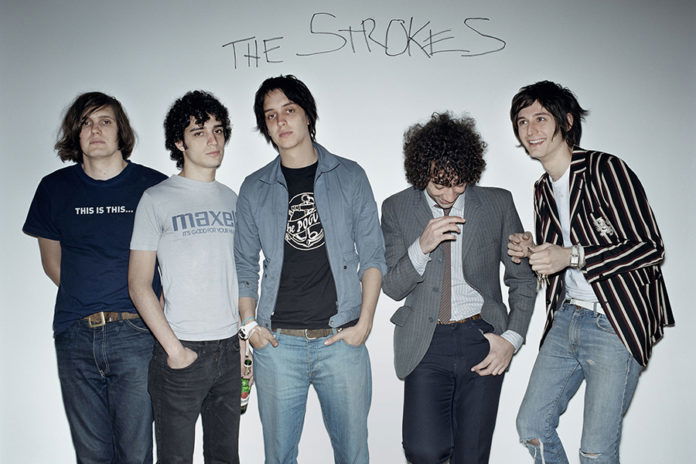
'Is This It' remains one of the few records from the early 2000s that hasn't aged a day. It still sounds as fresh and urgent as it did the day it leaked out of that East Village basement. It didn't just save guitar music; it redefined it for a new millennium, proving that as long as there are kids in a room with a vision and a few beat-up instruments, the "Modern Age" will never truly end.