The Man Behind the Music
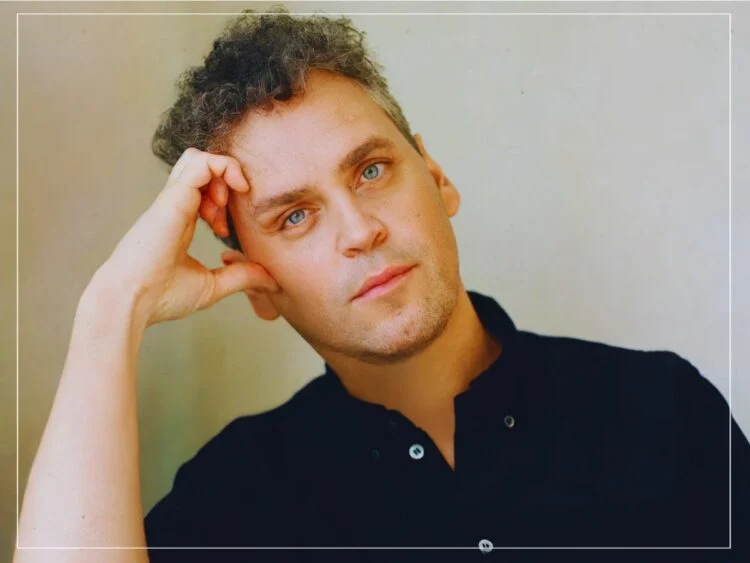
Scan the liner notes of the most influential albums of the last twenty years across Britain, Ireland, and America. You will find one name appearing with improbable frequency: James Ford.
From Manchester to the Main Stage
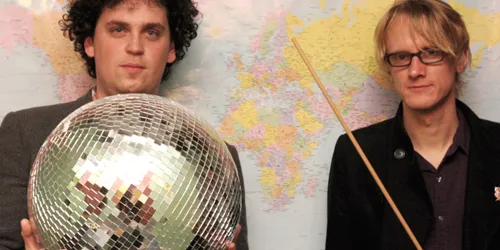
Born on 11 December 1978, Ford’s musical journey gained significant momentum during his time at Manchester University. While he first made waves with the band Simian, it was the electronic spin-off Simian Mobile Disco (SMD), formed in 2003 with James Anthony Shaw, that truly showcased his versatility.
SMD originally formed as a DJ duo on the side of their early four-piece band, but they quickly became a powerhouse of the "blog house" and indie-dance era. They gained early fame through tastemaker singles like 'The Mighty Atom' and 'The Count', alongside high-profile remixes for artists such as Muse, Klaxons, The Go! Team, and Air. In 2006, the underground hit 'Hustler', featuring guest vocals from Char Johnson, solidified their status as electronic innovators.
The SMD Legacy: From Club Hits to Modular Experiments
As SMD grew, Ford used the project as a laboratory for the electronic-meets-organic sound that would define his later production work.
The Indie-Dance Explosion (2007–2009): Their debut album, 'Attack Decay Sustain Release' (2007), became a landmark of the "New Rave" movement, featuring tracks like 'Sleep Deprivation' and 'It’s the Beat'. This was followed by 'Temporary Pleasure' (2009), a collaborative record featuring Beth Ditto, Alexis Taylor, and Gruff Rhys.
The Analogue Shift (2010–2015): As the mainstream leaned into EDM, Ford and Shaw pivoted toward hardware-focused techno. They launched their own label, Delicacies, naming tracks after bizarre global cuisines like 'Aspic' and 'Nerve Salad'. This culminated in 'Whorl' (2014), an ambitious project recorded live in the California desert using only one synthesiser and one sequencer each.
Choral and Avant-Garde Frontiers (2016–2018): After the club-focused 'Welcome to Sideways' (2016), they released 'Murmurations' (2018). This final studio album featured the Deep Throat Choir, where Ford treated human voices as a new synthesiser, drawing influence from the Cocteau Twins and Iannis Xenakis.
Following a "temporary hiatus" in 2018 due to Shaw's health, Ford’s trajectory shifted fully toward the production booth and his own solo ventures, including his 2023 debut album 'The Hum'.
The Architect of the Modern Indie
James Ford’s transition from a band member to a full-time production titan was a seismic shift in the sound of modern music. While many producers are known for a specific "signature," Ford is prized for his invisibility, his ability to sharpen a band’s essence without smothering it or becoming the centre of attention himself. You only have to look at the body of work he's helped to create. It's nothing short of staggering.
Ford's first production credit on an album was in 2004, on the Fingathing album 'And the Big Red Nebula Band.' He'd really make his mark in 2007, though.
The New Rave Catalyst and the Mercury Prize
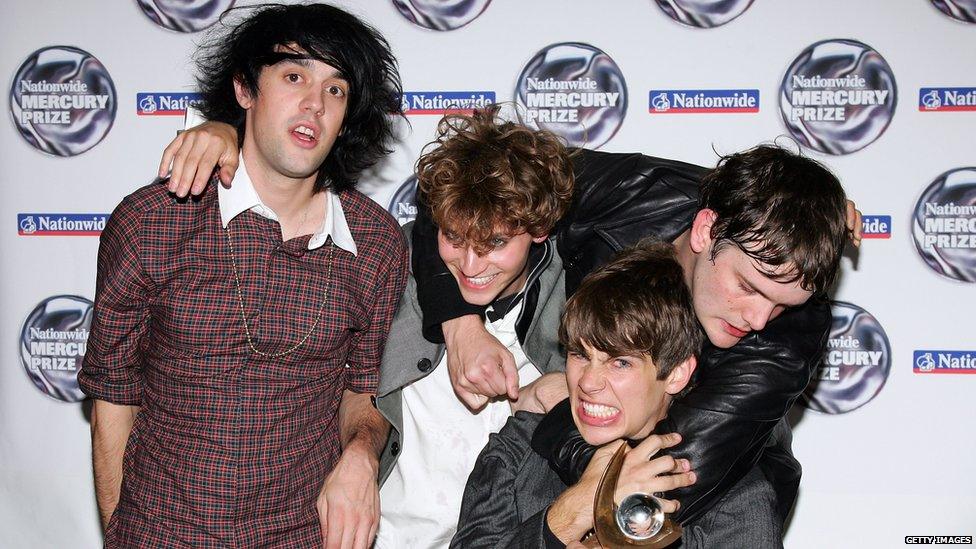
His breakthrough arrived in 2007 with Klaxons and their Mercury Prize-winning debut, 'Myths of the Near Future'. By fusing jagged, angular guitars with the hedonistic pulse of the UK rave scene, Ford didn't just produce an album; he captured a cultural lightning bolt.
He was far more than a technician on this record. Ford played drums on almost every track (except 'Atlantis to Interzone') and contributed keys, effectively acting as a phantom fourth member. He was responsible for transforming the band’s clumsy collages into striking pop-art, layering air-raid sirens and neon synth hooks over a distorted rock foundation. Tracks like 'Golden Skans' and 'Magick' became anthems for a movement Ford sonically defined.
This musician-first philosophy became his hallmark; by stepping behind the kit or the modular synth, he could tighten arrangements from the inside out. Instead of the typical friction between a producer and a band, Ford brought the perspective of a multi-instrumentalist who could speak to the artists on a peer level.
His youth as a teenage jazz obsessive, spent in a basement with a drum kit and a Korg synth, meant he didn't just understand how to capture a sound; he knew how to create the pocket for it. This was vital for a group like Klaxons, whose early live shows were often a whirlwind of beautiful noise. Ford provided the structural discipline necessary to win the 2007 Mercury Prize, proving that the hedonism of the rave scene could be translated into a coherent studio statement without losing its raw, first-take energy. Klaxons win at the Mercurys came out nowhere; the award was set for Amy Winehouse to win, and then four young ravers from London, with the help of Ford, came in and swept the award from underneath everyone.
Another Ford record was also up for nomination that year. The second album from some lads from the Steel City.
The Fifth Member of the Monkeys
James Ford’s most enduring legacy is his role in steering Arctic Monkeys from Sheffield prodigies into the most formidable rock band of the century. His partnership with Alex Turner has become one of the most significant artist-producer pairings in music history, akin to George Martin’s relationship with the Beatles. Ford doesn't just record the band; he acts as a sonic filter, helping them navigate radical shifts in identity while maintaining their core DNA.
Stepping in after the band's explosive debut, Ford was tasked with refining their lightning-fast post-punk. While he maintained their urgency on tracks like 'Brianstorm', his greatest contribution was introducing a new sense of scale and atmosphere. The most famous example is the album’s closer, '505'. Ford’s touch allowed the track to swell from a minimalist organ loop into a cinematic crescendo, signalling that the band was capable of much more than just three-minute indie floor-fillers.
In 2009, Ford co-produced 'Humbug' alongside Josh Homme in the Mojave Desert. This remains one of the most pivotal moments in the band’s career. Ford helped the group pivot away from their high-energy British sound into something murkier, heavier, and psychedelic.
With songs 'Crying Lightning' and 'Pretty Visitors', the band embraced new instrumentation, sonic textures, pacing and lyrical content. No longer the indie upstarts from Sheffield. The record also saw the band really strip things back for the first time ever, with 'Cornerstone' and 'Secret Door'. It was a jump from 'Favourite Worst Nightmare, and a jump Ford encouraged, prompting the band to use vintage keyboards and unconventional percussion.
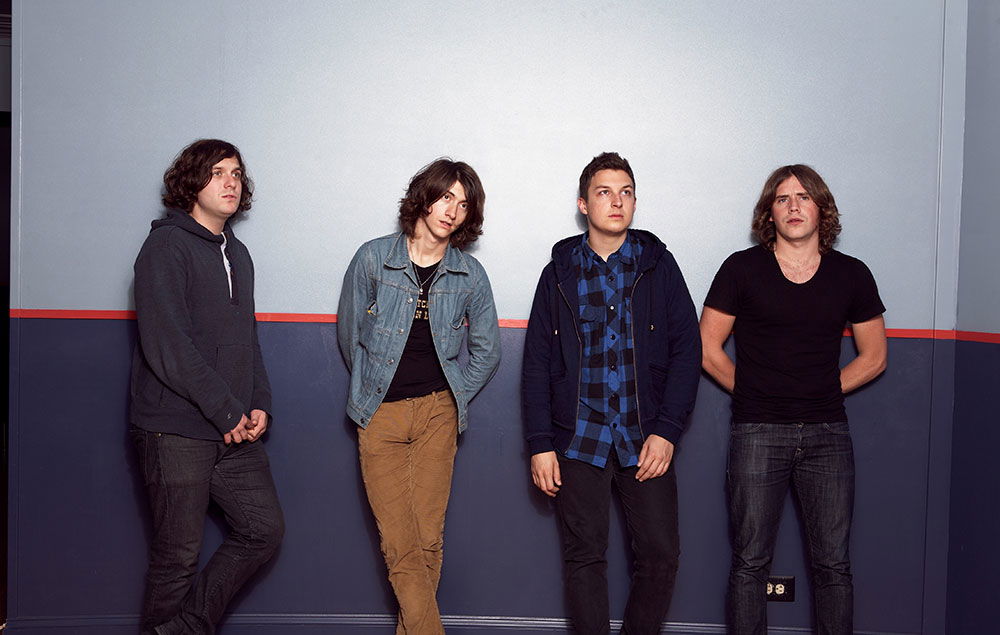
Returning to Los Angeles, Ford helped the band craft a sun-drenched, reverb-heavy sound for 'Suck It And See'. He polished their 60s-inflected pop sensibilities, emphasising melody and vocal harmony to create a wistful guitar pop record. Ford’s ability to capture a live-in-the-room feel while maintaining a high level of technical sheen gave the record its characteristic warmth, acting as a bridge between their garage-rock past and their stadium-filling future.
With 'AM', Ford helped create a cultural behemoth. The goal was to blend heavy rock riffs with the rhythmic sensibilities of G-funk and 90s R&B. Ford’s mastery of the rhythm section was key here; he helped engineer the dry, thumping drum sounds and layered falsetto backing vocals that defined the era. By treating the guitar band like a hip-hop production unit, Ford gave the Monkeys the modern classic sound that effectively made them the biggest band in the world.
Working alongside co-producer Ross Orton, Ford pushed the band to embrace the studio as an instrument in itself. He encouraged the "slaps and claps" percussion that made tracks like 'Do I Wanna Know?' and 'R U Mine?' feel as at home in a club as they were in a stadium. Ford’s background in electronic music through Simian Mobile Disco was vital during these sessions; he understood how to achieve the low-end weight required to make rock music feel contemporary.
The band's love of 90s Hip-Hop, in particular Dr Dre, was also important; these two cultural touch points were a far cry from what many were expecting Arctic Monkeys to be influenced by, but that's why it works. They hadn't gone in with the intention of making another rock album; 'AM' was always destined to be bigger than that.
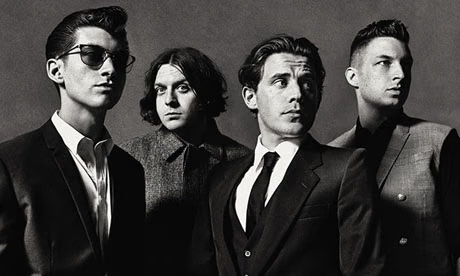
By late 2013, the album had become a global phenomenon, certifying the band's status as headliners on every continent and proving that Ford could take a British indie group and give them the sonic punch necessary to conquer the American airwaves. It remains a masterclass in how to modernise a rock band without stripping away their soul.
In recent years, Ford has facilitated the band’s most daring evolution yet, acting as both a multi-instrumentalist and a sonic filter for Alex Turner’s increasingly abstract visions. For 'Tranquillity Base Hotel & Casino', the duo largely bypassed the traditional band setup in favour of a secretive, home-studio environment in France. Ford’s role here was foundational; he was the one translating Turner’s piano demos into a tactile, living world. He personally played drums, percussion, and a curated selection of vintage synthesisers, such as the Baldwin Discoverer and the Selmer Lucitone, to build a lounge-pop atmosphere that felt unique. It was a masterclass in mood-setting.
This expanded into 'The Car', where Ford’s role grew even more sophisticated as he moved the sessions into a converted priory in Suffolk. He took the lead on managing the integration of lush, 1970s-style orchestral arrangements, working to ensure the strings felt like an organic extension of the band rather than a glossy afterthought. Ford’s genius on this record lay in his restraint; he managed to capture 24-piece string sections and cinematic, jazz-inflected instrumentation without letting the songs feel over-produced or heavy.
By balancing Turner’s surrealist, observational lyrics with such high-level musicality, Ford effectively turned the group into a sophisticated art-rock outfit that defies easy genre categorisation. He provided the technical bridge that allowed the band to transition from the guitar-heavy riffs of their youth to the "Widescreen" compositions of their maturity, proving that a rock band can grow older with immense grace if they have the right collaborator to help them reshape their boundaries.
Beyond the Monkeys: The Last Shadow Puppets
This unique creative shorthand extends to Alex Turner’s side project with Miles Kane, The Last Shadow Puppets. Ford has been the bedrock for both of their studio albums, acting as much more than a producer; he is effectively the silent anchor of the group.
'The Age of the Understatement' (2008): Ford played drums on the entire record, providing the driving, martial beat that defined the title track. He worked closely with arranger Owen Pallett to weave a 22-piece orchestra into a sound inspired by the 1960s baroque-pop of Scott Walker and the cinematic grit of Lee Hazlewood. It was Ford’s ability to balance those soaring strings with a raw, garage-rock urgency that gave the album its Mercury-nominated edge.
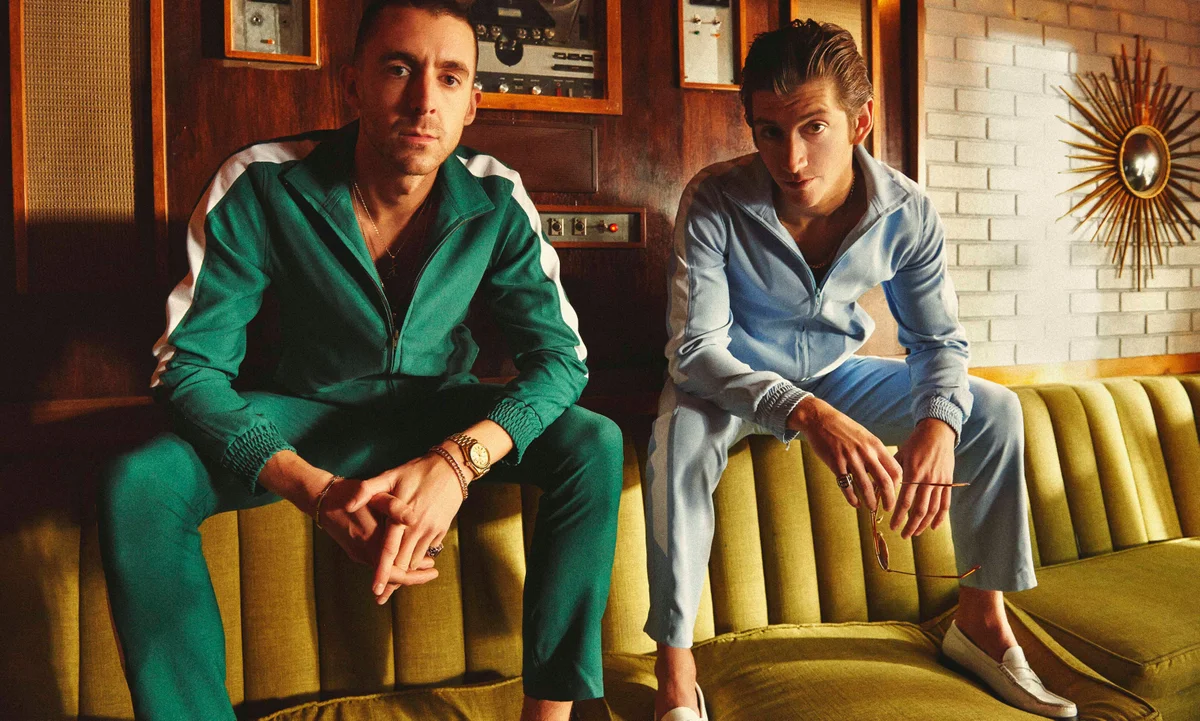
'Everything You’ve Come To Expect' (2016): Returning eight years later, Ford helped the duo evolve into more soulful, psychedelic territory. The sessions moved to Malibu, and Ford oversaw the integration of a massive 60-piece orchestra. Despite the grander scale, he kept the rhythm section, which he often played himself, incredibly tight and the anchor of those great songs.
Working at Shangri-La studios, Ford helped pull the band away from the 60s kitchen-sink drama of their debut and toward a lush, West Coast sound. You can hear his percussive influence on the title track, 'Everything You’ve Come To Expect', where he anchors the dreamlike, swirling woodwinds with a steady, hypnotic beat. On the lead single 'Bad Habits', Ford managed to capture a frantic, aggressive energy that felt modern yet timeless, while 'Aviation' showcased his ability to mix a driving rock rhythm with soaring, cinematic strings.
Even on the more stripped-back tracks like 'Sweet Dreams, TN', Ford’s production ensures that the explosive, romantic crescendo never feels cluttered. He managed to marry the band's love for Isaac Hayes-style soul with their indie-rock roots, creating a record that felt like a sun-drenched, technicoloured noir. By handling the drums and percussion throughout the album, Ford remained the rhythmic heartbeat of the project, allowing Turner and Kane the freedom to lean into their most flamboyant vocal performances to date.
The Breath of 'Lungs': Florence and the Machine
Ford didn't take the producer's chair for all of 'Lungs'; this duty was shared with Paul Epworth, Charlie Hugall, Stephen Mackey, Isabella Summers and Eg White. However, the two tracks he worked on are two of Florence's most well-loved: 'Dog Days Are Over' and 'Drumming Song'.
In 'Dog Days Are Over', Ford helped create a track that felt less like a standard pop song and more like a physical event. He moved Florence Welch away from her early garage-rock sketches and toward something more tribal and expansive. To get that iconic sound, Ford leaned into the use of non-traditional percussion and harp, creating an otherworldly atmosphere that perfectly complemented Welch's powerhouse vocals. He famously used the physical space of the studio to capture the sharp, rhythmic claps and thumping drums that turned the song into a global anthem.
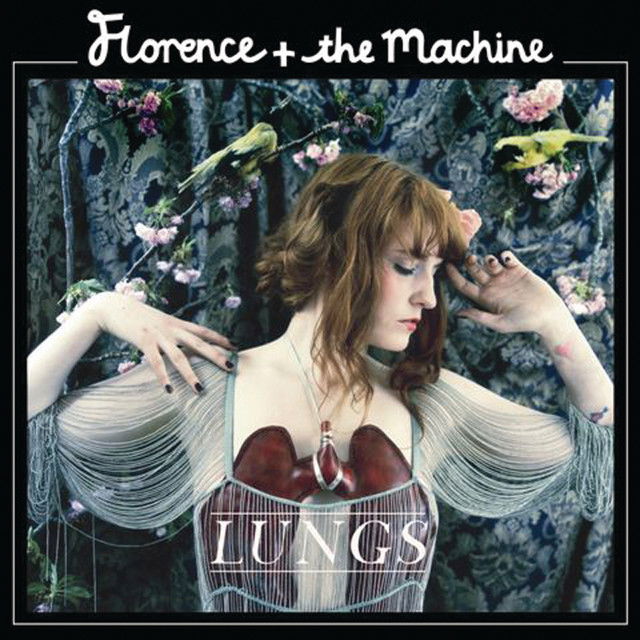
His work on 'Drumming Song' was equally pivotal. The track is built on a heavy, mechanical pulse that reflects Ford’s background in electronic music and his fascination with rhythm. He layered the percussion to feel like a literal heartbeat, intense, claustrophobic, and overwhelming, matching the lyrical themes of obsession. By balancing the gothic fairy-tale elements of Welch’s songwriting with this polished, rhythmic clarity, Ford provided the two pillars that held up the album's critical and commercial success. These tracks established him as a producer who could take a singular, powerful artist and give them a world-class sonic home.
Ford and Florence would unite again throughout her career, most recently on the lead single from her 2025 album 'Everybody Scream'. This continued a partnership that has seen Ford help Welch navigate her transition from the raw, harp-driven baroque-pop of her youth into a more refined, soulful powerhouse.
The Double-Album Odyssey: Foals
James Ford’s ability to manage high-concept, multi-layered projects made him the natural choice for Foals when they embarked on their most ambitious undertaking: the massive double-album project 'Everything Not Saved Will Be Lost – Part 1' and 'Part 2' (2019).
Working closely with the band, Ford helped them navigate a period of significant transition following the departure of founding bassist Walter Gervers. Instead of simplifying their sound to compensate, Ford encouraged the group to lean into their most eclectic and expansive impulses.
On the first instalment, Ford helped emphasise the band's groove-heavy, electronic-leaning side. You can hear his rhythmic fingerprints on the shimmering synth-pop of 'In Degrees' and the propulsive, dance-floor energy of 'Exits'. He balanced the band's signature math-rock precision with a lushness that made the record feel like a panoramic view of a world in flux.
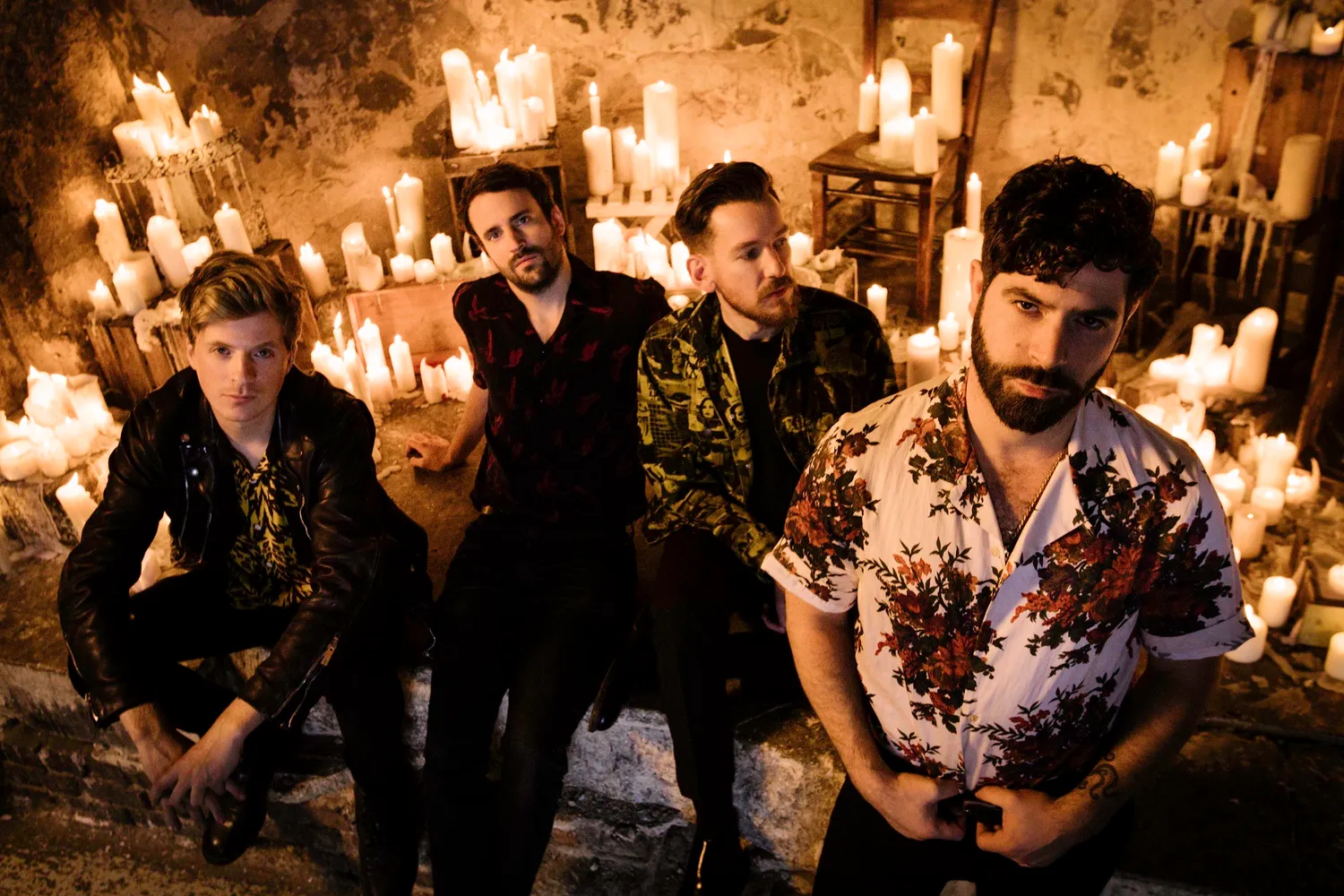
For the second half, the energy shifted toward something much more visceral and guitar-driven. Ford captured the heavy, stadium-sized riffs of tracks like 'Black Bull', 'The Runner', and the ten-minute prog-rock epic 'Neptune'. He ensured the drums felt massive and the distortion felt intentional rather than cluttered, providing the grit necessary to contrast the first part's polish.
By overseeing both halves of the project, Ford ensured a cohesive narrative thread ran through all 20 tracks. He provided the structural discipline needed to manage such a vast amount of material, helping Foals achieve their first-ever UK Number 1 album with 'Part 2'. This partnership solidified Ford’s reputation as a producer who can handle the logistical and creative weight of event albums, allowing bands to experiment with scale, without ever losing their focus and the nuances that make them great.
The Multiverse of Gorillaz
James Ford’s ability to find order within chaos made him the perfect foil for Damon Albarn’s most ambitious project: Gorillaz. His role within the virtual band’s universe has seen him balance cutting-edge electronic textures with a human, melodic heart.
'The Now Now' (2018): Following the guest-heavy sprawl of 'Humanz', Ford was brought in to strip back the layers and craft a more focused, personal album. Co-producing alongside Albarn and Remi Kabaka Jr., he leaned into a sun-drenched, synth-pop aesthetic that felt like a summer road trip through California. Tracks like 'Humility' and 'Tranz' showcased Ford’s knack for clean, rhythmic production, while the melancholic 'Fire Flies' allowed Albarn’s vocals to take a rare, intimate centre stage. Ford’s influence was particularly felt on 'Souk Eye', where the transition from a gentle acoustic guitar to a driving, electronic pulse saw Ford take everything he'd learnt from a fifteen-year career to craft something special.
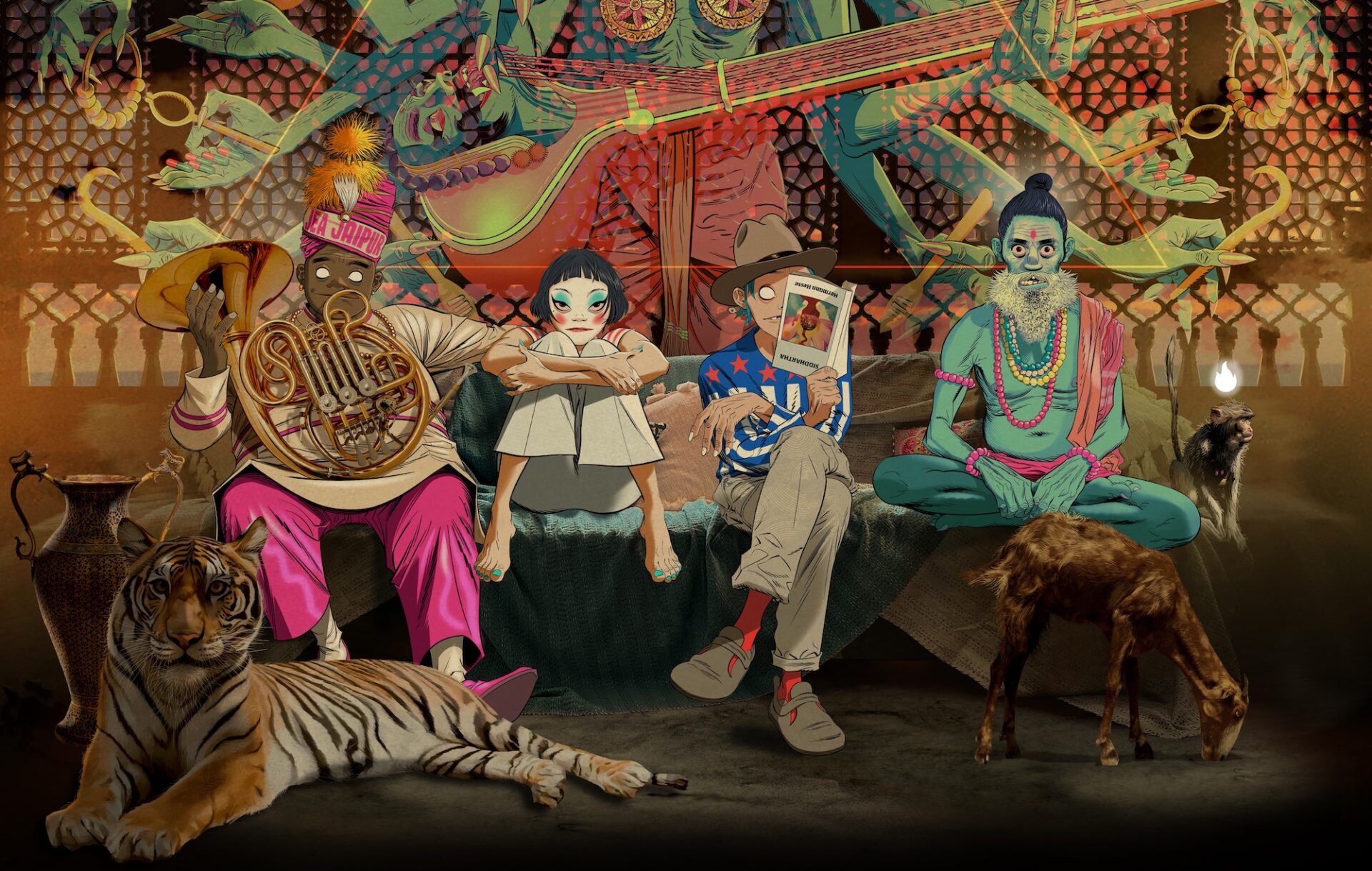
'The Mountain' (2026): James Ford’s ability to find order within chaos reached its zenith on the 2026 epic 'The Mountain'. This record saw Ford facilitating a massive shift toward "raga rock" and psych-folk, integrating traditional Indian instrumentation with heavy electronic pulses. The album’s DNA was formed in the heavy summer of 2024, following the deaths of the fathers of both Damon Albarn and Jamie Hewlett. Out of this shared grief emerged a project inspired by the Indian concept of the "Bardo", a transitional state between worlds.
Ford’s role was to anchor a sonic palette that featured legendary playback singer Asha Bhosle and the virtuoso sitar of Anoushka Shankar. The instrumentation he oversaw is exquisite: a sitar engages in a psychedelic duet with Johnny Marr’s guitar on 'The Plastic Guru', while the title track opens with a transcendent bansuri flute. Perhaps most haunting is the recruitment of a "choir from beyond the grave." Ford helped Albarn excavate unreleased recordings of late collaborators, including Bobby Womack, Mark E. Smith, and Trugoy the Dove, to explore how art outlives the vessel.
On 'The Manifesto', the late Proof bursts through with a verse recorded 25 years ago, while Mark E. Smith brings a surrealist snarl to the ravey horror of 'Delirium'. Ford balanced these "Voices From Elsewhere" with the wistful melodic lane of 'The Empty Dream Machine' and the nomadic, dub-heavy groove of 'Casablanca', which united Johnny Marr and Paul Simonon. Ford's production ensured the vibrant tapessty offered major-key sing-alongs and sitar-soaked bangers. It is an exceptional record proving that even at the summit of their career. One of Ford's best.
The Return of the Legends: Blur and Pulp
Ford’s ability to speak Damon Albarn’s eccentric musical language meant that when it came time for Blur to reconvene, there was only one person trusted to hold the baton.
He was chosen to work on that record, the band's first new music in eight years. Eschewing the experimental art-rock of their previous work, Ford helped the band capture a poignant and understated sound. On tracks like 'The Narcissist' and 'Barbaric', he prioritised a live-in-the-room intimacy that highlighted a band at their most vulnerable and mature. He also polished the grand, theatrical closer 'The Heights', ensuring the wall of static at the end felt like a deliberate emotional punctuation mark rather than mere noise. His production gave the record a timeless, autumnal quality that resonated with both old fans and new listeners.
Pulp: Perhaps most impressively, Ford moved from one Britpop titan to another, overseeing Pulp’s first studio album in 24 years, 'More' (2025). The record debuted at number one, a testament to Ford’s ability to modernise a legacy sound without losing its essence. His production on the lead single 'Spike Island' was hailed as a perfect bridge between Jarvis Cocker’s signature wit and a modern sonic clarity. He also helmed the disco-inflected 'Background Noise' and the poignant 'Hymn Of The North', with its ode to the Steel City and the importance of never forgetting where you come from.
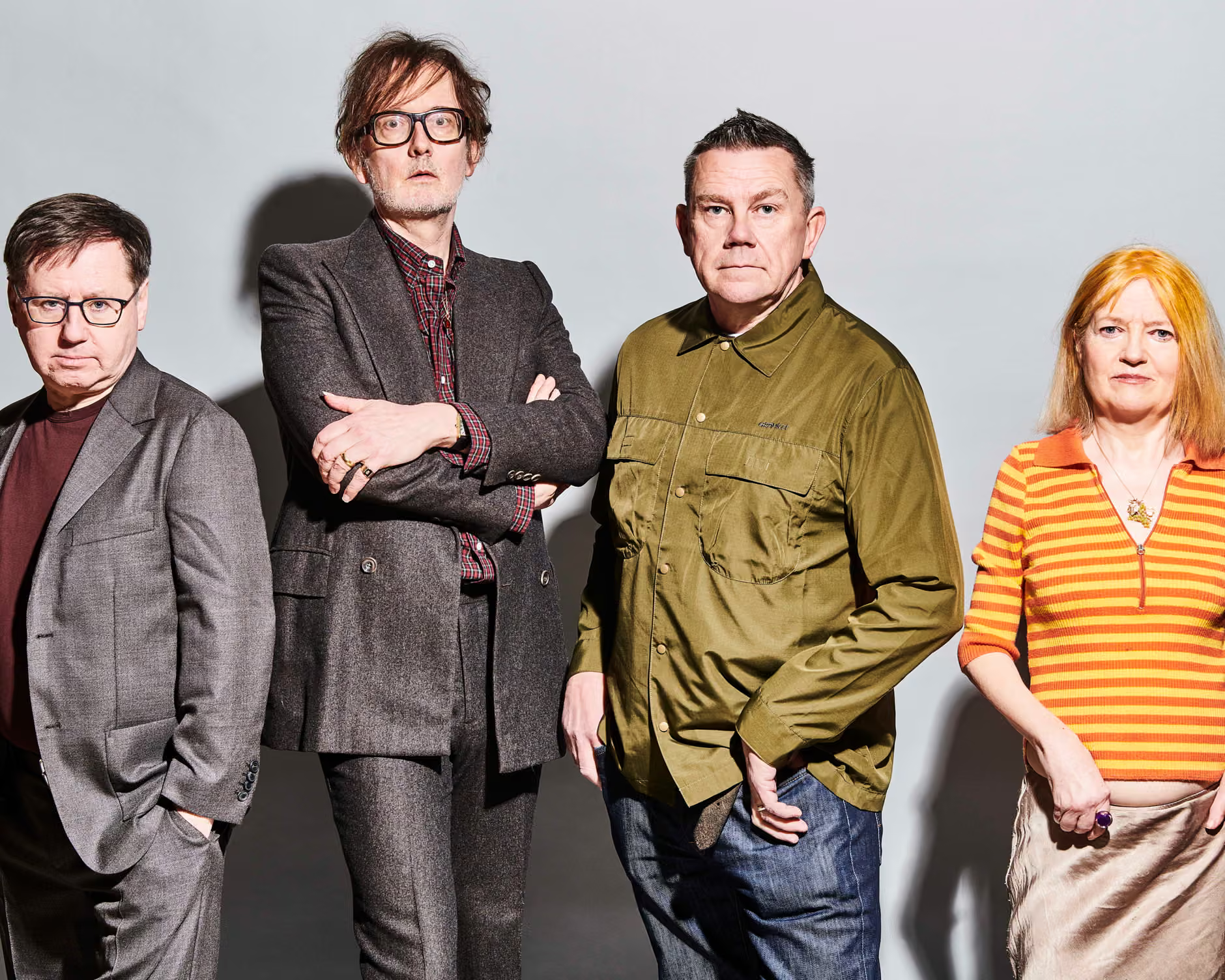
Drenched in synths and strings and aided by Ford’s knack for making the music feel alive and omnipresent, 'More' is everything a Pulp album should be: witty, observational, and cinematic. By balancing the band's vintage electronic textures with a high-fidelity punch, Ford ensured the record felt richer for its lived experience rather than just a nostalgic retread
The New Vanguard: Fontaines D.C., The Last Dinner Party, and Beyond
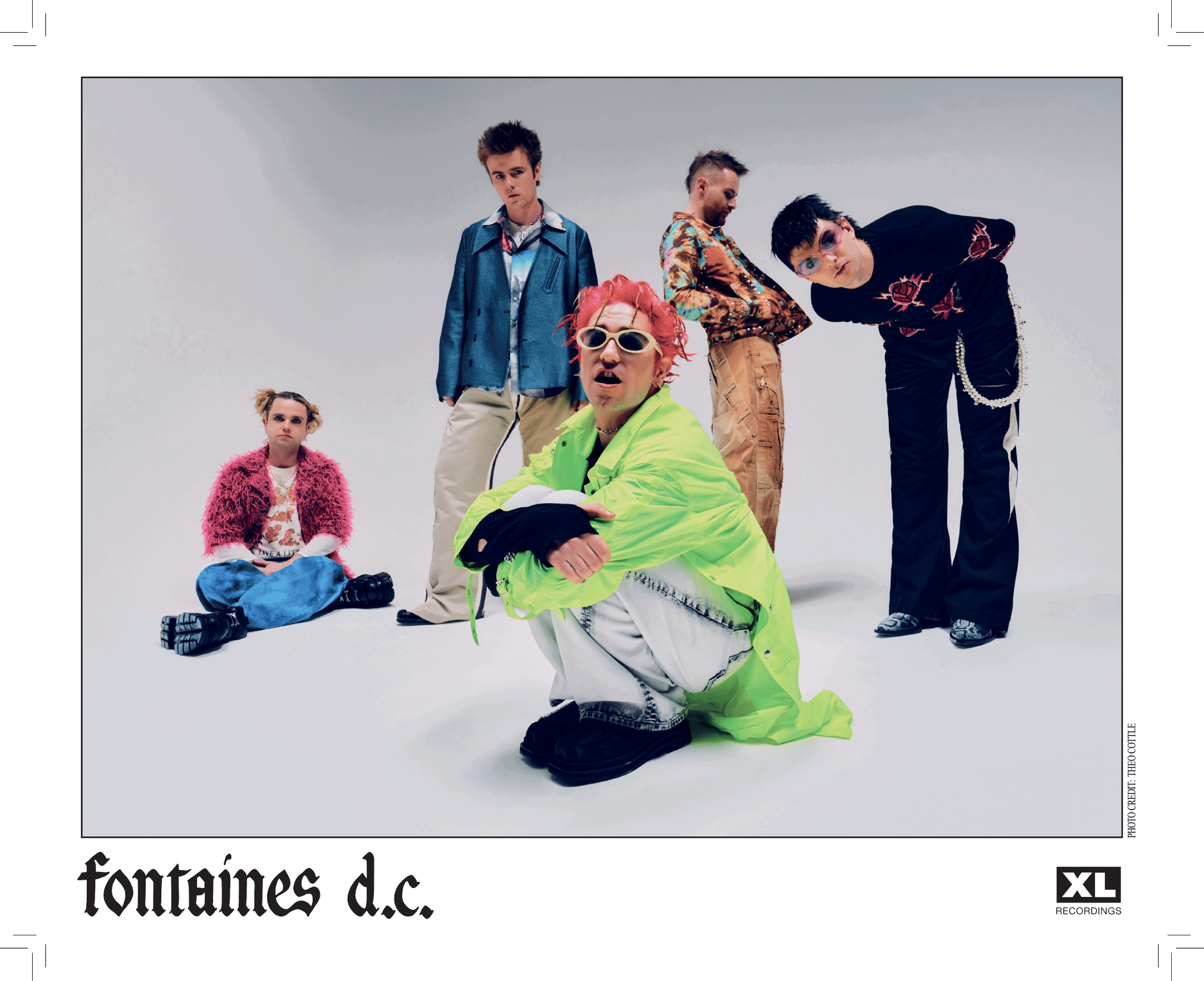
Fontaines D.C. On their 2024 album 'Romance', Ford helped the Irish quintet move away from their gritty roots into a widescreen, technicolour sound. He introduced textures of trip-hop and shoegaze, helping them craft their most successful and musically diverse record to date. On tracks like 'Starburster' and 'Here’s the Thing', Ford’s production provided a gritty, modern crunch, while on the fan-favourite 'Favourite', he channelled a shimmering, Cure-esque guitar pop that proved the band could master soaring melodies just as easily as post-punk snarl.
The Last Dinner Party: For their theatrical debut, 'Prelude to Ecstasy' (2024), Ford was the perfect match for their baroque-pop ambitions. He balanced their choral harmonies and orchestral flourishes with a rock-and-roll bite on hits like 'Nothing Matters' and 'Sinner', resulting in one of the fastest-selling debut albums of the decade.
Declan McKenna: Ford was instrumental in shaping the early career of Declan McKenna. He produced McKenna's 2017 debut album, 'What Do You Think About the Car?', capturing the urgent, politically charged energy of a teenage songwriter on the rise. Ford’s touch was vital on the breakout hit 'Brazil', where he polished the sun-soaked indie-pop hooks without losing their protest-song bite.
He also helmed the anthemic 'The Kids Don't Wanna Come Home', the jagged, observational 'Listen to Your Friends', and the soaring, dramatic 'Bethlehem'. Ford’s ability to give McKenna’s youthful exuberance a professional, high-fidelity sheen while maintaining its DIY spirit proved he could mentor young solo artists just as effectively as established bands.
Black Country, New Road: Ford captured the avant-garde complexity of Black Country, New Road on 'Forever Howlong' (2025). This was a pivotal moment for the band, marking their first studio record since the departure of frontman Isaac Wood. Ford managed a unique recorder choir on the slow-building title track and oversaw a new three-way vocal dynamic on the sprightly opener 'Besties', which featured Georgia Ellery on lead vocals.

Ford’s production on '3D Country' (2023) was transformative, helping the New York band shed their "prodigy" labels to become a genuine art-rock tour de force. He leaned into their shift toward a warped, psychedelic Americana, most notably on the standout 'Cowboy Nudes', where he managed to find a cohesive melody within a chaotic blend of country licks and impromptu bongos. On the explosive, apocalyptic opener '2122', Ford captured a serpentine groove that perfectly set the stage for the album’s "Armageddon" visions.
HELP(2) and Legacy
War Child got in contact with Ford in early 2025 to ask if he could make a follow-up to the legendary 1995 album 'Help', and in November 2025, after rifling through his phone book and calling in a few favours from old mates, and some new ones he set to work to create 'HELP(2)' a 23 song follow up to the landmark 1995 original.
Under Ford’s stewardship, the album was recorded with a sense of urgency, mirroring the spirit of the original. The project is bookended by two of its most significant moments: it opens with 'Opening Night', the first new release from Arctic Monkeys in four years, an electronic post-punk track that Alex Turner had reportedly carried as a demo for a decade, and closes with a tender cover of The Magnetic Fields’ 'The Book of Love' by Olivia Rodrigo, featuring the distinctive guitar work of Graham Coxon.
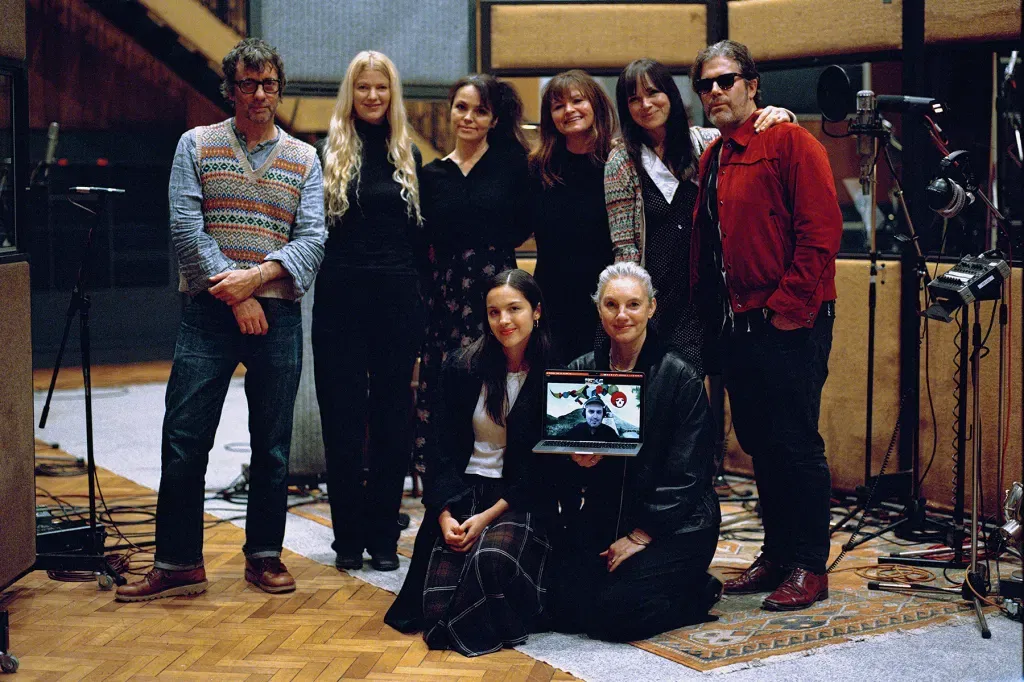
Ford’s ability to act as a central hub for the music industry allowed for several high-profile, impromptu collaborations during the sessions:
- 'Flags': A centrepiece track uniting Damon Albarn, Grian Chatten, and Kae Tempest. Ford oversaw a massive arrangement that included a 43-piece children's choir and an adult "supergroup" choir featuring Johnny Marr, Jarvis Cocker, Declan McKenna, and members of Black Country, New Road.
- Covers with a Twist: Ford guided Depeche Mode through a "cybergoth" reimagining of Buffy Sainte-Marie’s 'Universal Soldier' and worked with Fontaines D.C. on a haunting version of Sinéad O’Connor’s 'Black Boys on Mopeds'.
- Unique Pairings: He facilitated unexpected duets, such as Arooj Aftab & Beck on 'Lilac Wine' and English Teacher & Graham Coxon on 'Parasite'.
The project also featured a unique visual element overseen by director Jonathan Glazer, who gave cameras to children to film the artists in the studio, a concept Ford embraced to ensure the focus remained on the humanitarian cause. From the "Spanish Sahara"-style drama of Foals' 'When the War Is Finally Done' to the spiky, punk energy of Pulp’s 'Begging for Change', 'HELP(2)' stands as a testament to Ford's status as the most trusted collaborator in modern music, a man capable of turning a high-pressure week at Abbey Road into a cohesive record, that not only sounds good but echoes a very important mesage. No child should ever be part of war.
The record Ford has produced for War Child is exceptional, and when you hear about the circumstances in which he made it, it's extraordinary.
Not long after he was asked to lead the project, Ford was diagnosed with leukaemia. “So the actual week of the Abbey Road sessions, I was in the ICU with a pipe coming out of my fucking neck,” he says. “But because of technology, I could actually be in the hospital, on my laptop, listening to what they were doing on the desk. I could press the space bar and talk to everyone’s headphones, so I was remotely producing a lot of the tracks. Olivia Rodrigo was singing live with strings, and I was talking to her: ‘That was great, but try another take.’ I was having a blood transfusion at the time."
"It was one of the most bizarre experiences of my life," he reflects. "But it sort of kept me sane. To have something that connected me to the real world, to something I love, was a life-saver, really.”
A Quiet Titan: The Ford Legacy
James Ford’s legacy is not just one of technical brilliance but of profound artistic empathy. He has become the "silent member" for nearly every era-defining band of the 21st century, from the swagger of the 2000s indie explosion to the avant-garde art-rock of the 2020s. His unique gift lies in his dual nature: he possesses the rhythmic precision of a world-class drummer and the sonic curiosity of an electronic pioneer. By refusing to impose a rigid "signature sound," he has instead empowered artists like Alex Turner, Florence Welch, and Damon Albarn to inhabit their most daring and vulnerable versions of themselves.
Ultimately, Ford has redefined the role of the modern producer. He is a multi-instrumentalist who can play nearly every part on a record, yet he remains humble enough to let the artist's vision lead the way. Whether guiding legacy acts like Blur and Pulp through reunions, embracing the ideas of virtual bands, helping Arctic Monkeys and Fontaines D.C. become the biggest bands in the world, creating double albums with Foals or helping newcomers like The Last Dinner Party and Geese find their voice. His work on 'HELP(2)', completed against the most harrowing of personal odds, stands as the definitive testament to a career built on the belief that music is a collaborative, life-affirming necessity.
From the Raves of Manchester, the deserts of California, the hallowed halls of Abbey Road and even an ICU ward, Ford's invisible hand continues to guide modern music.
Thank you for reading
Jack.