The Emerald Wave: How Ireland Reclaimed the Global Stage

Ireland’s musical output has always punched well above its weight, carving out a legacy that most much larger nations can only envy. For decades, the global image of Irish music was defined by the stadium-shaking ambition of U2, the hard-rocking swagger of Phil Lynott’s Thin Lizzy, and the raw, punk-infused folk poetry of The Pogues. These icons didn't just export songs; they exported an entire Irish sensibility, rebellious, lyrical, and deeply soulful.
Today, a new generation has emerged from the pubs of Dublin and the streets of Belfast. They aren't just mimicking their predecessors; they are building something entirely new on those legendary foundations.
The Architects: The Legends Who Built the Foundation
U2: The Biggest Band in the World
Before they were global icons, U2 were four teenagers from Dublin with "more nerve than skill." They burst out of the Northside with the jagged, post-punk energy of their debut 'Boy'. Tracks like 'I Will Follow' and 'Out of Control' were immediate statements of intentjust ; they were lean, hungry songs built on The Edge’s chiming guitar work and Bono’s earnest, sky-reaching vocals. 'Out of Control', written on Bono’s 18th birthday, perfectly captured the existential rush of youth, while 'I Will Follow' gave the band their first international foothold.
By the time they reached 'War', they had sharpened their sound into something more confrontational. It was during this era that they penned 'Sunday Bloody Sunday', a song that remains one of the most powerful protest anthems in rock history. With Larry Mullen Jr.’s martial drumbeat and Bono’s white-flag defiance, it confronted the horror of the Troubles head-on, proving that Irish music could be a force for peace. Even when
They soon evolved into a band that redefined what rock music could achieve, especially with 'The Unforgettable Fire' (1984), where they teamed up with Brian Eno and Daniel Lanois to create a more atmospheric, art-rock sound, led by the soaring tribute to Martin Luther King Jr., 'Pride (In the Name of Love)'.
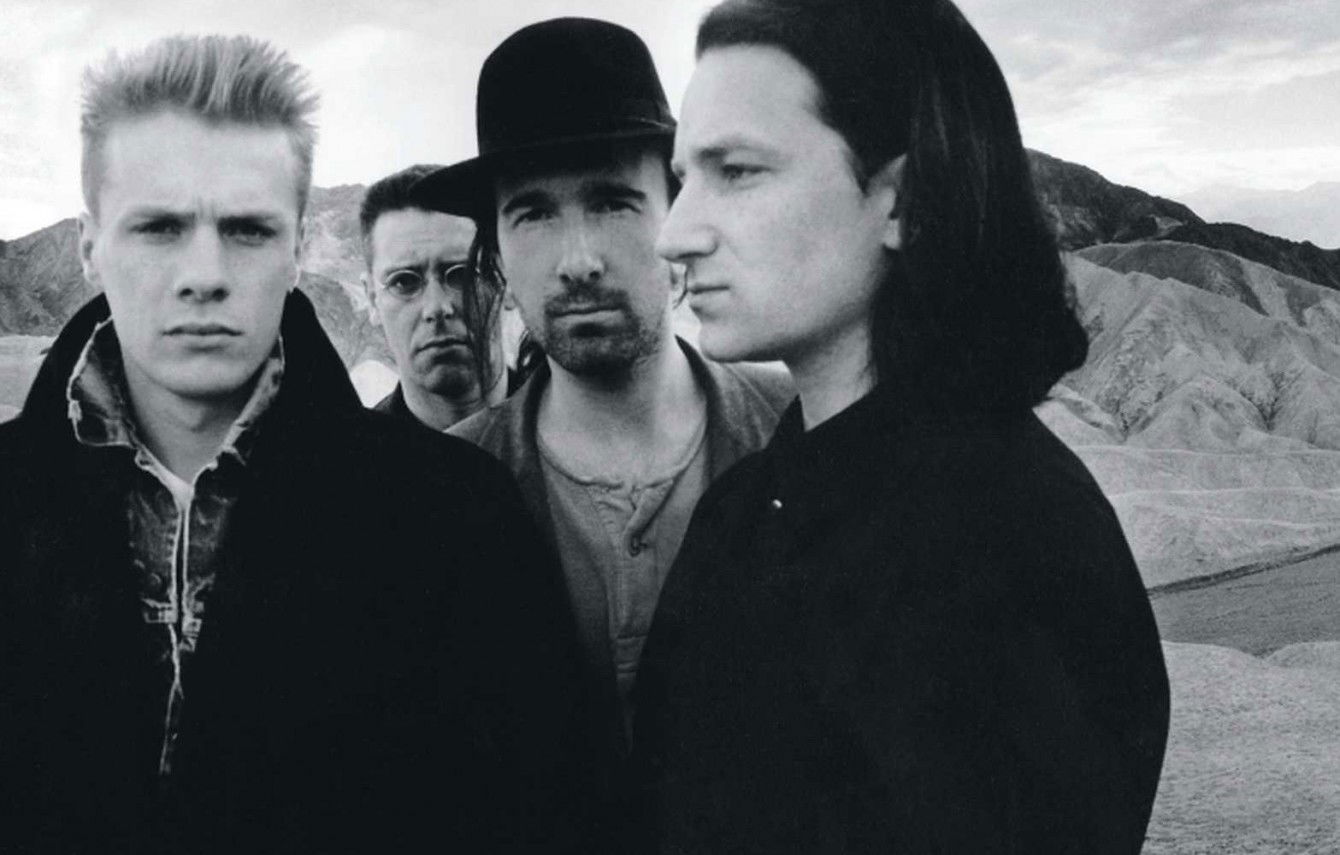
By the time they released 'The Joshua Tree' in 1987, they were arguably the biggest band on the planet. The album was a cinematic masterpiece that explored the "two Americas", the myth and the reality. It featured the spiritual yearning of 'I Still Haven't Found What I'm Looking For', the desperate, driving rhythm of 'Where the Streets Have No Name', and the heart-wrenching 'With or Without You'.
Beyond the radio hits, tracks like 'Bullet the Blue Sky' showed a darker, more aggressive side to their songwriting, tackling American intervention in El Salvador with blistering guitar work from The Edge. This social consciousness was also felt closer to home on 'Red Hill Mining Town', a powerful, brass-heavy track that focused on the human cost of the 1984 miners' strike in the UK, highlighting the breakdown of communities and families. It remains one of Bono’s most demanding and emotive vocal performances, grounding the album’s grand themes in raw, personal struggle.
However, their subsequent project, 'Rattle and Hum' (1988), was a polarising moment. A sprawling double album and film exploring American roots music, it was a massive commercial success but faced a critical backlash for being perceived as self-important. Feeling they had pushed that persona to its limit, they did the unthinkable: they decamped to Berlin to "chop down the Joshua Tree."
The result was 'Achtung Baby' (1991), a masterpiece that traded acoustic guitars for industrial distortion and irony. With tracks like 'The Fly', 'Mysterious Ways', and the timeless 'One', they proved they could reinvent themselves while maintaining their crown. They didn't stop there, either; they spent the rest of the 90s pushing boundaries with the technicolour glitch of 'Zooropa' and the electronic experimentation of 'Pop'. They showed the world that a band from a small island could have a global conscience, tackling human rights and spiritualism while maintaining a ferocious, chart-topping hunger.
Even all of these years later, U2 continue to release music and play sold-out shows in stadiums all over the world.
Thin Lizzy: The Soul of Irish Rock
While U2 conquered the stratosphere, Thin Lizzy were the beating heart of the Irish streets. Led by the incomparable Phil Lynott, they were the first Irish band to break the international hard rock mould. Lynott was a poetic force, a black Irishman who wore his heart on his leather sleeve. Born to an Irish mother and a Guyanese father, he was raised in Crumlin by his grandparents, and he famously remarked that being black and Irish was "natural, like a pint of Guinness."
He was Dublin's favorite son, a rockstar who could walk through Grafton Street or sit in the Long Hall pub and remain one of the people. This connection to the city's pulse was woven into their music. Their version of the traditional folk song 'Whiskey in the Jar' became a definitive rock blueprint; by taking a 17th-century ballad and giving it a heavy, electric spine, they bridged the gap between Ireland's past and its loud, rebellious future.
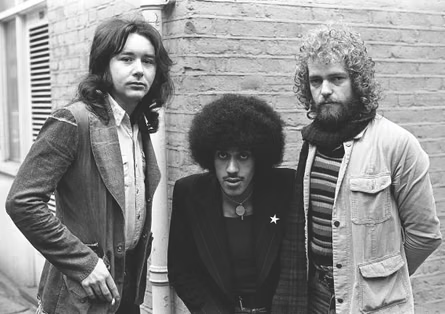
'The Boys Are Back in Town' remains the ultimate anthem of camaraderie, fueled by a relentless bassline and those iconic harmony guitars that sound like a night out in the city. 'Jailbreak' showcased their heavy-hitting power, a cinematic "us-against-the-world" rocker that solidified Lynott’s status as a master storyteller with a knack for noir-inspired lyrics. The band's chemistry was peak during the 'Live and Dangerous' era, often cited as one of the greatest live albums of all time.
However, it was 'Emerald' that truly highlighted their "Gaelic soul." The track is a sprawling epic of ancient battles and mythology, featuring the twin-guitar harmonies between Scott Gorham and Brian Robertson that would go on to influence heavy metal giants like Iron Maiden and Metallica. This Celtic influence was equally heavy on 'Black Rose (A Rock Legend)', a tour de force that blended traditional airs with blistering rock. Even in his solo work, such as the iconic 'Old Town' with its famous music video filmed on the Ha'penny Bridge, Lynott’s lyrics were a love letter to Dublin. He remains the patron saint of Irish rock, a songwriter who could find the beauty in the grit and the melody in the mayhem.
While Phil Lynott was the undisputed captain of the ship, the Thin Lizzy legacy was built on a foundation of world-class musicianship. The "classic" lineup featuring Scott Gorham and Brian Robertson perfected the "twin-guitar attack," but the band also played host to virtuosos like Gary Moore, whose blistering work on 'Black Rose: A Rock Legend' brought a technical ferocity that few could match. We also can't forget the steady, powerful swing of drummer Brian Downey, the only member besides Lynott to appear on every single album; his jazz-influenced style gave tracks like 'Bad Reputation' their unique, driving pocket.
From the romantic yearning of 'Dancing in the Moonlight (It's Caught Me in Its Spotlight)' to the heavy-metal precursor 'The Rocker', they were a band that could do it all.
The Pogues: Folk, Punk, and the Diaspora
While others looked to the future, The Pogues took Irish folk music, smashed it into London punk, and used the debris to tell the truth about what life was really like for the Irish working class. Shane MacGowan was a songwriter of staggering genius who refused to let traditional music stay in the past.
Yes, they wrote 'Fairytale of New York', one of the most iconic Christmas songs ever, but their catalogue goes much deeper into the Irish soul. In 'A Pair of Brown Eyes', MacGowan captured the haunting loneliness of the immigrant experience, using a slow-burning melody to tell a story of trauma and lost love. In 'Thousands are Sailing', written by Philip Chevron, they told the epic, painful story of the Irish famine and the "coffin ships" that carried millions to America, questioning the cost of the "promised land."
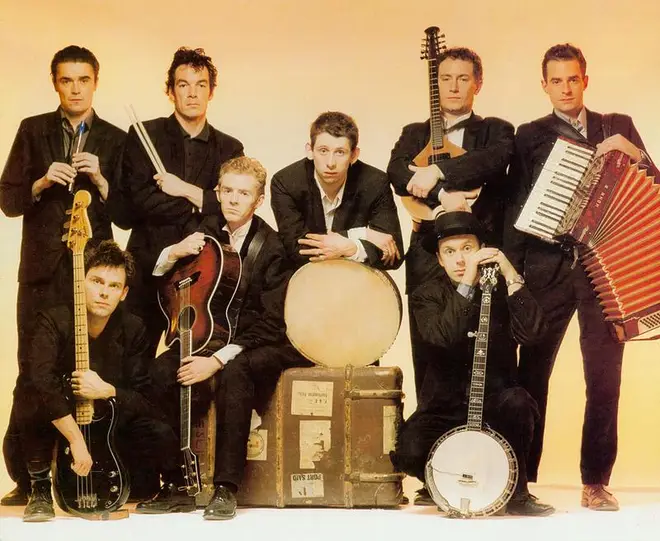
They weren't afraid to be political, either; 'Streets of Sorrow/Birmingham Six' was a blistering attack on the miscarriage of justice during the Troubles, juxtaposing a mournful folk intro with a frantic, angry punk explosion. This rebellious streak continued in 'If I Should Fall from Grace with God', a breakneck track that combined the energy of a mosh pit with the soul of a ceili.
The band also mastered the art of the tragic ballad. In 'The Broad Majestic Shannon', MacGowan’s lyricism turned a local river into a symbol of longing and belonging, while their cover of 'The Band Played Waltzing Matilda' remains perhaps the most devastating anti-war song ever recorded, proving that they could take any story and make it sound like it was written in Irish blood.
Even their drinking songs were legendary; take 'Sally MacLennane' and 'Streams of Whiskey'. While 'Sally MacLennane' is a whirlwind of frantic tin whistle and graveyard humour that became a global pub anthem, 'Streams of Whiskey' inspired by a dream MacGowan had about the writer Brendan Behan, served as the band's mission statement. It wasn't just about the drink; it was about the wild, poetic spirit of Irish life, delivered with a punk snarl that refused to apologise for its rough edges.
They proved that traditional music didn't have to be a museum piece; it could be a weapon. There has never been a band like The Pogues before or since; they're ingrained in Irish music history forever.
The Heavyweights: Leading the Modern Charge
Fontaines D.C.: The Poets of Romance and Grit
The undisputed vanguards of the modern movement, Fontaines D.C. first captured the world's attention with their debut 'Dogrel' (2019). This wasn't just an album; it was a snarling, 10-song storyteller’s narrative that functioned as a raw, poetic map of Dublin’s Liberties. Influenced by the "doggerel" poetry of the working class and the literary grit of James Joyce, it felt like an unvarnished conversation in a rain-streaked alleyway.
The record begins as a bold punk manifesto with tracks like 'Boys in the Better Land' and 'Liberty Belle', but it ends in a way that aligns them more with The Pogues than with Joy Division. After nine songs of relentless energy, 'Dublin City Sky' acts as a masterpiece of a comedown. It’s a romantic, sensitive serenade that paints a vivid picture of the city at 3 AM, the sound of last orders and the final pints of Guinness being poured as lovers are booted out onto the street. When Grian Chatten sings, "I kissed her 'neath the waking of a Dublin City sky," the portrayal of their home is so raw it’s heartbreaking.
Since then, they have evolved from street poets to global icons. On 'A Hero's Death' (2020), they subverted expectations with hypnotic, repetitive rhythms, but it was 'Skinty Fia' (2022) that delivered 'I Love You'. While it masquerades as a traditional love song, it is actually a visceral, haunting open letter to Ireland. Chatten delivers a frantic, breathy monologue that serves as a "love-hate" lament, critiquing the country’s political failures of the unelected coalition of Fianna Fáil and Fine Gael that has formed the current Irish government since 2020, as well as nodding to Ireland’s growing housing issues and high rates of youth suicide. “Flowers read like broadsheets / Every young man wants to die”, he repeats over thundering drums.
By honouring his generation’s rage, the track allows Chatten to shout back at his politically dysfunctional home, but also contemplate the pain of moving away from it.
Singing about his love and pride of being an Irishman, alongside a feeling of guilt for having achieved success, to then leave and move across the Atlantic to England, a country that has been a cause of many of the issues felt in his home country. Lyrically, this is Chatten's finest work, and it's not even close. The lyrics of this song are spectacular. Bold, brave, beautiful and at times extremely brutal.
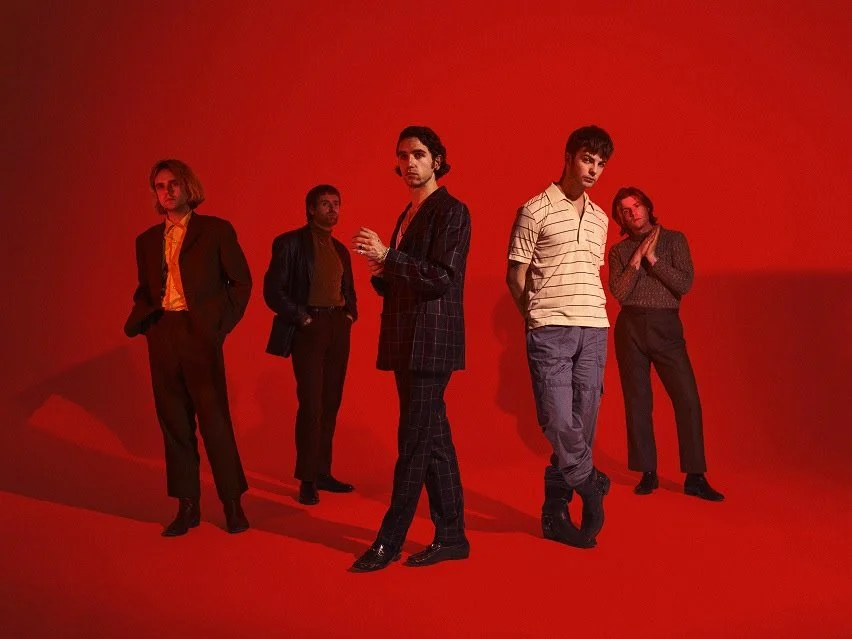
"This island's run by sharks with children's bones stuck in their jaws”
A look at the darker side of Ireland, pointing directly to Ireland’s devastating church scandals, such as the discovery of mass graves at Mother and Baby Homes, where unmarried mothers and their children were hidden, mistreated, and in many cases left to die.
"Is their mommy Fine Gael and is their daddy Fianna Fáil?”Fine Gael and Fianna Fáil have dominated Irish politics since the 1930s. Though supposedly on opposite sides, many critics see them as two sides of the same coin: centrist, conservative, and complicit in maintaining inequality. By calling them “mommy” and “daddy,” Fontaines D.C. reduces them to parental figures who failed to nurture but instead passed down dysfunction."And they say they love the land, but they don’t feel it go to waste. Hold a mirror to the youth, and they will only see their face.”
Ireland’s housing crisis is among the most severe in Europe, pushing not just artists like Chatten and his bandmates abroad, but an entire generation of young people in search of stability. Between 2008 and 2014, social housing construction collapsed by 88%, setting off a chain reaction that has made buying a first home nearly impossible. The average age of a first-time buyer in 2024 now sits at 43. In the meantime, a whole generation is being squeezed under the weight of predatory rents.
The iconic line “Selling genocide and half-cut pride” is an acute reference to a scandal that rocked the country. An Irish historian revealed a nearly century-long cover-up of 796 children who were buried in an unmarked grave in Tuam between 1925 and 1961, at a home for single mothers and babies, who became pregnant out of wedlock and were placed in Catholic institutions until the 1980s. Among the Irish population, the event became a stain on their morals, raising questions over the entire bedrock of the country’s values. It’s a shocking and disturbing event that helps contextualise Chatten’s conflict with a country he painfully adores. This song is nothing short of a masterpiece.
That sense of identity followed them to London on 'Roman Holiday'. Reflecting on moving to the city, Chatten captures the thrill of being part of an "Irish gang" with a secret language, celebrating the camaraderie found in the diaspora. The song delves into the poignant themes of belonging, turning the displacement of North London's wide streets into a defiant celebration of community.
With their 2024 album 'Romance', the band has moved into a cinematic, psychedelic world. The lead single 'Starburster' captures the propulsive energy of a panic attack, while 'Favourite' acts as their most radiant work to date. Built on a chiming guitar riff reminiscent of The Cure’s 'Just Like Heaven', 'Favourite' spins in a continuous cycle from euphoria to sadness. Lyrically, it is among their strongest, capturing the dizzying speed of time with lines like, "Each new day I get another year older." It touches on the alienation of gentrification and the bittersweet ache of returning to an Ireland that feels "strange" after years away. It is a song about memory and finding beauty in impermanence, holding onto the things that truly matter while the world spins forever.
Inhaler: Anthems for a New Generation
While many of their peers lean into grit, Inhaler embraces the anthemic. Fronted by Elijah Hewson, who famously opted for the gruelling van-and-tour-bus life despite being the son of U2’s Bono, the band has worked tirelessly to forge its own identity. They haven't relied on family legacy; instead, they spent years honing their craft in small clubs, developing a sound that feels ready-made for stadiums. While critics occasionally hear echoes of the "Edge-style" guitar chime, Inhaler specialises in a distinct brand of sky-high hooks and shimmering indie-rock.
Their rise was fueled by a series of singles that showcased a band already operating at a high level. 'My Honest Face' became a definitive indie anthem, capturing the frantic energy of trying to find yourself, while 'Who’s Your Money On? (Plastic House)' proved they could handle sprawling, groove-driven epics. Their debut album, 'It Won’t Always Be Like This' (2021), made history as the first debut by an Irish band to top the UK charts in 13 years.
They followed it up with the more mature, sophisticated sounds of 'Cuts & Bruises' (2023), an album that traded some of their initial teenage restlessness for a tighter, more textured musicianship. On tracks like 'Dublin in Ecstasy', a long-time live favourite that fans had spent years clamouring for, the band finally captured that lightning in a bottle on record. Becoming a sprawling, near five-minute epic, the track acts as the centrepiece of album number two, showcasing their ability to build atmosphere and tension.
This record also featured the sun-drenched, radio-ready single 'Love Will Get You There'. The track is a perfect example of the band's growth, blending a driving, optimistic rhythm with an infectious 80s-inspired synth hook that feels both nostalgic and refreshingly modern. It’s a song about perseverance and hope, delivered with a polished energy that highlights their knack for writing soaring, feel-good indie-rock anthems that are tailor-made for summer festival stages.
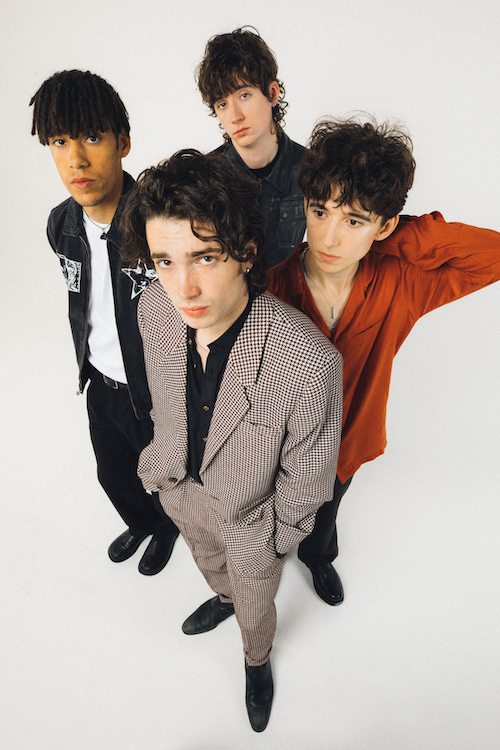
'A Question of You' further demonstrated their range, leaning into moodier, more atmospheric territory. The track showcases a slower, more deliberate burn that highlights Hewson’s vocal growth, proving he can handle soulful vulnerability just as well as high-octane rock.
This evolution reached a peak with their 2025 release, 'Open Wide', which shows a band fully stepping out of any shadows and into their own light. A standout moment from this era is the lead single 'Your House', a 70s rock-inspired masterpiece produced by Kid Harpoon. The track features the powerful backing of the House Gospel Choir, blending indie-rock swagger with an opulent, soul-infused sound that the band had never explored before. Lyrically, it tackles the "intoxicating addiction" of chasing something destructive, with the chant "There ain't a sharp enough knife to cut me out of your life" becoming an instant live highlight. It’s a record that feels expansive and confident, solidifying their place as leaders of the new Irish guard rather than just successors to the old.
Perhaps most importantly, Inhaler has built a reputation as a formidable live act. Their shows are high-energy, communal experiences where the band’s tight musicianship meets a stadium-sized charisma. Whether they are opening for Harry Styles or selling out their own world tours, they prove that they aren't just a "legacy" act; they are a powerhouse in their own right, capable of writing the kind of choruses that define a decade.
The Murder Capital: The Architects of Intensity
If Fontaines D.C. are the poets of the streets, The Murder Capital are the painters of the psyche. Emerging from the same fertile Dublin scene, the five-piece carved out a reputation for live performances that felt less like concerts and more like high-stakes exorcisms. Their debut album, 'When I Have Fears', was a stark, monochromatic meditation on grief and friendship, heavily influenced by the industrial gloom of Joy Division and the abrasive edges of Pixies. Tracks like 'Don’t Cling to Life' and the harrowing 'Feeling Fades' introduced a band that wasn't afraid to let the silence be just as loud as the distortion.
However, it was their second record, 'Gigi’s Recovery', that signaled a monumental artistic shift. Moving away from the shadows of post-punk, they embraced a more textured, electronic-infused sound that James McGovern described as an attempt to find "color" in the dark. The album is a masterpiece of pacing, from the glitchy, paranoid energy of 'Return My Head' to the soaring, panoramic beauty of 'Ethel'. By trading raw aggression for intricate, layered arrangements, they proved that evolution is the only way to survive.
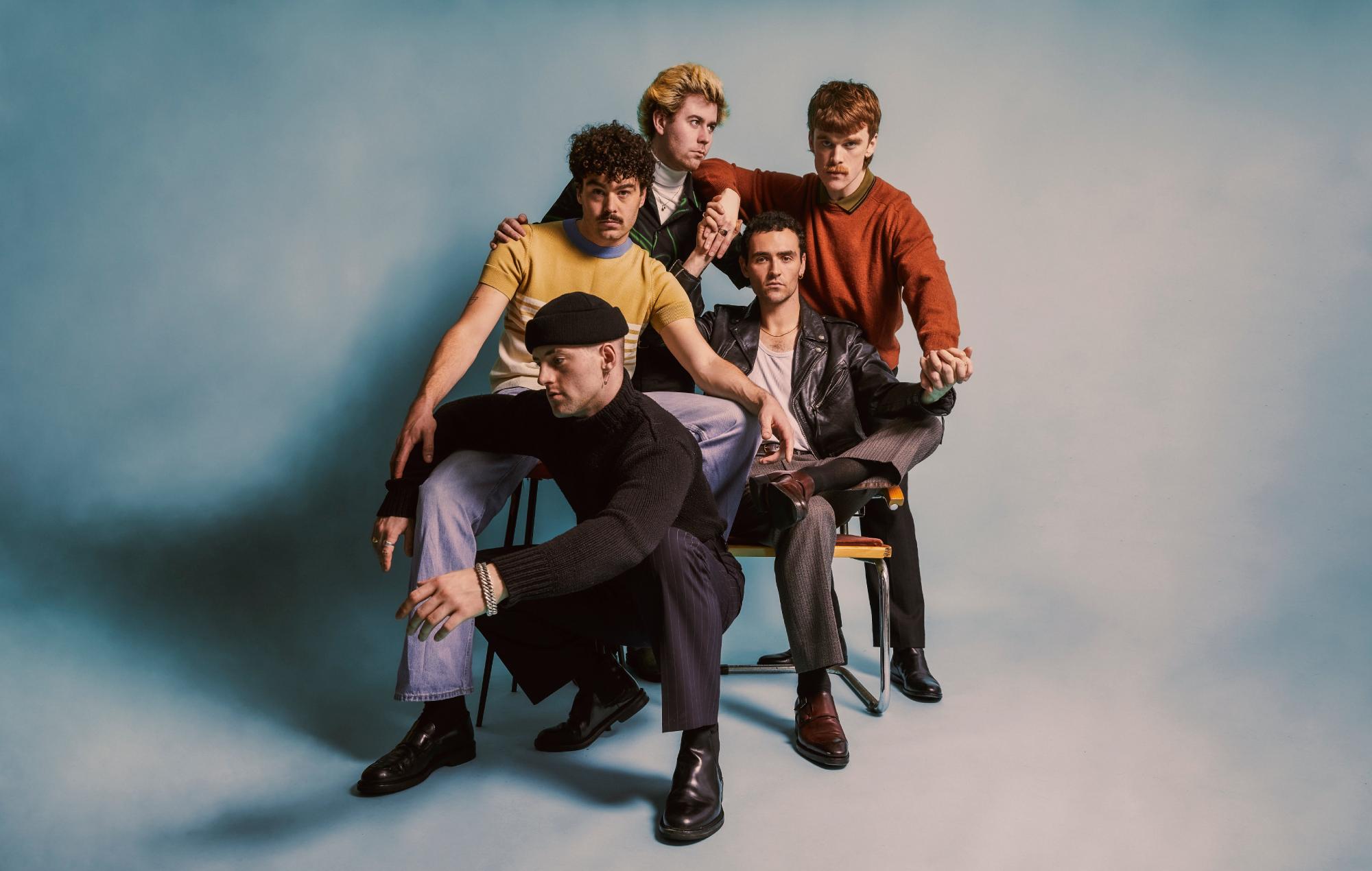
Their third album, 'Blindness' (2025), pushes this exploration of the human condition even further. The standout single 'Words Lost Meaning' has quickly become a cornerstone of their catalogue, a raw, bass-led anthem that explores the dilution of emotional language within a strained relationship. McGovern’s lyrics on the track, particularly the refrain "I never need you to say 'I love you' / the words lost meaning", capture a specific kind of modern fatigue where even the most sacred phrases can become hollow through repetition or distance. It's a song that leans back into the punk-rock of their roots while maintaining the sophisticated textures they developed on 'Gigi’s Recovery'.
The band’s upward trajectory reached a new peak at Glastonbury 2025, where they took to the Other Stage just as the sun began to set, the perfect atmospheric backdrop for their sound. The set was a masterclass in tension and release; as they transitioned from the driving rhythm of 'More Is Less' into the sprawling, emotive 'On a Ghost', the field was transformed into a sea of swaying bodies. McGovern, a magnetic and often intimidating frontman, held the audience in a trance, proving that The Murder Capital have the sonic scale to fill any stadium while maintaining the intimacy of a basement club. They remain the most uncompromising link in the modern Irish chain, refusing to provide easy answers while asking the biggest questions.
The Rule Breakers: Genre-Benders & Provocateurs
KNEECAP: The Voice of the New North
Belfast’s most provocative trio has done the unthinkable: they made the Irish language global and "cool." Mixing biting satire, republican politics, and heavy dance beats, their 2024 album 'Fine Art' turned them into a cultural phenomenon. Set in a fictional, community-owned pub called 'The Rutz', the record plays out like a single, chaotic evening of getting laid, getting out of your head, and pegging it from the police. Yet, this isn’t hedonism for the sake of it. Feeling voiceless and unseen in a post-troubles landscape, KNEECAP formed to represent their reality in their native tongue, a language that many in Northern Ireland once worked to extinguish.
The album's highs are visceral and feral. Tracks like the drug-fueled 'Rhino Ket' and the chaotic '3CAG', which stands for "3 chonsan agus guta" (three consonants and a vowel: MDMA), showcase their ability to blend the gritty streets of West Belfast with high-octane rave culture. Between the sharp-witted skits, there is the frantic rush of 'I’m Flush', a celebratory payday anthem, the unexpected R&B romance of 'Love Making', and the defiant "trash-meets-tradition" energy of 'Drug Dealin Pagans'. However, as they spit on the profound 'A Better Way To Live' (featuring Fontaines D.C.’s Grian Chatten), all of this is merely "the upside of the seesaw." The record doesn't shy away from the inevitable comedown.
Perhaps the spirit of both the album and the band is best captured on the clubby 'Parful'. The track samples the '90s documentary 'Dancing on Narrow Ground', echoing a time when ecstasy and the dancefloor helped bridge the sectarian divide: "Every Saturday night, hundreds of people go out... and forget about the divides between each other." An ode to the abandon and unity found in getting lost in a rave with your mates, 'Parful' anchors 'Fine Art' as a work of both rebellion and connection.
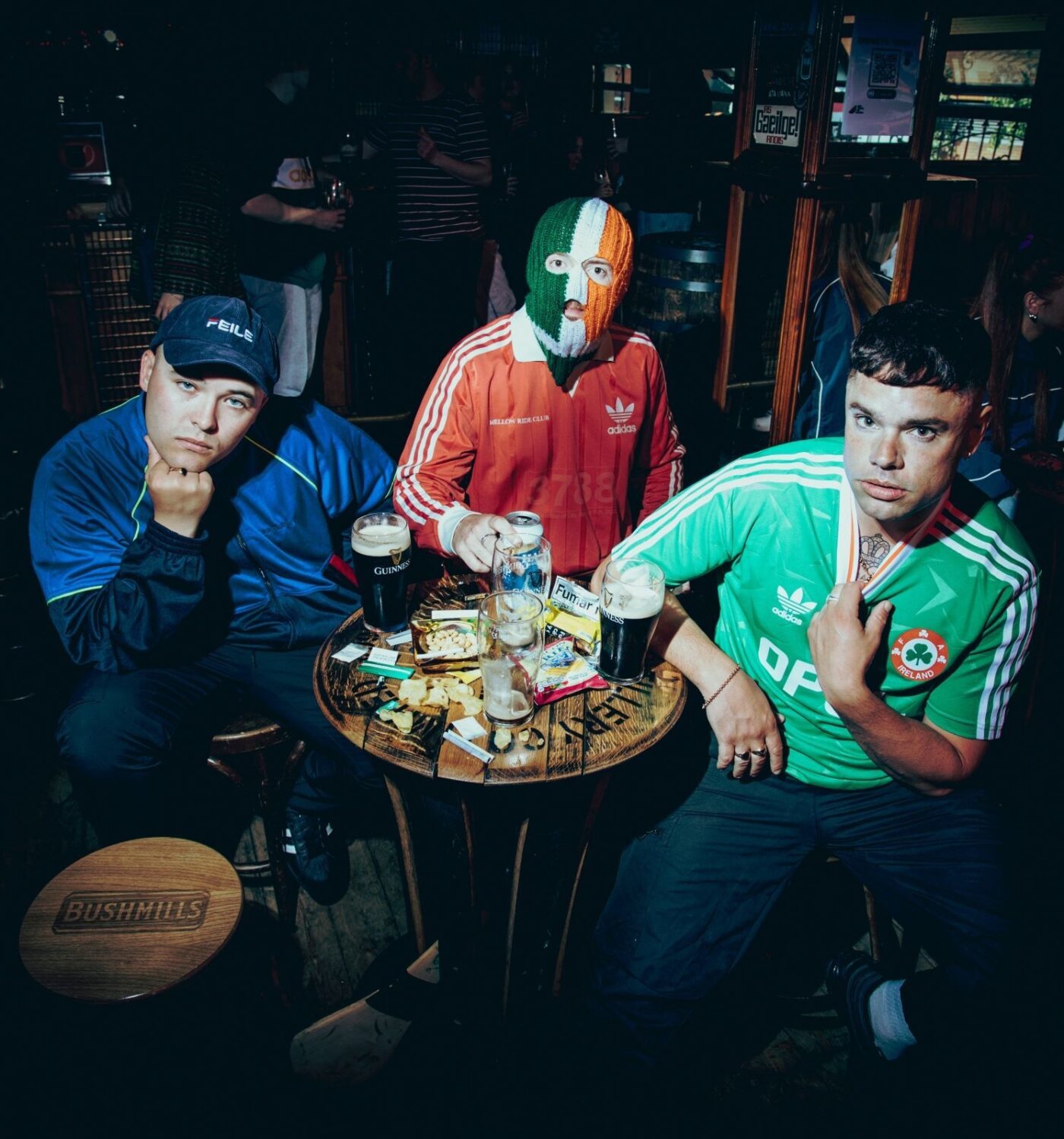
Their rise to global prominence was further cemented by the release of their semi-biographical film, 'Kneecap' (2024). A riotous, drug-laced triumph, the movie features the trio playing themselves alongside Michael Fassbender. It made history at the Sundance Film Festival as the first Irish-language film to premiere there, winning the NEXT Audience Award and proving that the Irish language is a vibrant, evolving "weapon" of the present.
The group’s upward trajectory reached a fever pitch at Glastonbury 2025, where they delivered a career-defining performance on the West Holts stage. Despite a media storm and direct criticism from the Prime Minister, the festival refused to pull the plug, and the result was one of the most talked-about moments in Glastonbury history.
Nearly 30,000 people, their biggest crowd to date, crammed the area so tightly that organisers were forced to close off the field 45 minutes before they even walked out. Performing against a backdrop of news clips branding them "terrorists" and "pathetic," the band turned the controversy into fuel. They opened with the dreamy, folk-inflected '3CAG' before tearing through 'Better Way to Live' and 'Your Sniffer Dogs Are Shite', leading the sea of Palestinian and Irish flags in thunderous chants of "f** Keir Starmer."* It was a triumphant, feral hour of mosh pits and orange flares that proved their message had moved far beyond West Belfast. As the set reached a chaotic climax with 'H.O.O.D.' and 'The Recap', it felt less like a gig and more like a victory lap, for a band that had been deemed as public enemy number one.
Building on that momentum, they recently announced their second album, 'Fenian', set for release on Heavenly Recordings on April 24th, 2026. In a defiant manifesto, the band declared: "This isn't a swift reaction, but a considered response to those that tried to silence us. And failed." The new album will feature 14 tracks, including the lead single 'Liars Tale', a visceral collision of rave and punk that takes aim at the establishment and directly attacks Keir Starmer as a "Tory in Labour clothing." With collaborations from Kae Tempest and Radie Peat, the record is a tribute to the "Gaels" who refused to let their culture be destroyed. As they put it themselves: "The Paddies are back.
CMAT: The Queen of the Sad-Banger
Ciara Mary-Alice Thompson, better known as CMAT, has spent the last few years reinventing what it means to be an Irish pop star. Her third album, 'EURO-COUNTRY' (2025), stands as her definitive masterwork, a high-concept project that pioneers its own namesake genre. By blending the rich, narrative storytelling of Nashville (think Dolly Parton) with the shimmering pop-sensibility of Europe (think Charli XCX or ABBA), she has created a sound that is as intellectually sharp as it is catchy. This evolution builds on the foundation of 'If My Wife New I’d Be Dead' and 'Crazymad, for Me', where she used a vibrant "pop girl" persona to tackle themes of body image, heartbreak, and identity with a razor-sharp, uniquely Irish wit.
On 'EURO-COUNTRY', Thompson turns her gaze outward, exploring a modern Ireland shaped by the pressures of capitalism and the influence of the Euro. The album is a masterclass in balancing camp aesthetics with profound social anxiety, acting as a sonic funhouse mirror held up to a society obsessed with growth at any cost. 'The Jamie Oliver Petrol Station' is a standout, using a mundanely specific setting, the sterile, fluorescent glow of a motorway service station, to explore the hollow nature of modern consumerism and the crushing loneliness of the open road. It’s a song about the isolation found in the very places designed to keep us connected.
In 'Take a Sexy Picture of Me', she satirizes our desperate obsession with digital validation and the performative nature of the "always-on" generation. The track captures the exhausting cycle of curating a life for an audience of strangers, while the biting 'Lord Let That Tesla Crash' takes a hilarious yet pointed aim at the tech culture dominating the 2020s. By wishing for the ultimate symbol of modern status and "green" elitism to simply malfunction, CMAT articulates a collective frustration with the billionaire-led future we’ve been sold, wrapping her critique in a melody so infectious it feels like a celebration of the impending chaos.
The titular track 'EURO-COUNTRY' remains the album’s emotional and conceptual core. It opens with a haunting Irish-language verse that grounds the song in heritage before exploding into a massive, arena-ready pop-country anthem. Despite its upbeat tempo, ‘EURO-COUNTRY’ is arguably the darkest piece of writing in Thompson's catalogue. She confronts the devastating reality of the 2008 economic crash head-on, referencing the spike in male suicide with the chilling line: "I was 12 when the das started killing themselves all around me." These heavy themes are juxtaposed with snapshots of childhood alienation, mooching around shops and a lack of identity, all delivered through her signature yodel-tinged vocals and a wash of Lana Del Rey–esque melancholia. This is CMAT’s greatest strength: the ability to pair brutal, home-truth honesty with hooks that linger long after the song ends. Her anger cuts through layers of electric guitar and organ as she calls out "all the big boys / all the Berties" who she believes warped the Ireland she once recognized, turning a nation into a balance sheet.
In interviews, Thompson has been candid about the personal observations that fuelled the track. While her own family remained stable, she watched the estate around her collapse. "Everybody else... worked in construction or in shops, and they all lost their jobs," she recalled. "There was a year or 18 months where loads of the people I went to school with, their dads started killing themselves because they’d lost everything." Writing for Far Out magazine, Lauren Hunter declared ‘EURO-COUNTRY’ "the most important political song of our times," noting that unlike other political tracks, the focus isn't on the "high and mighty overlords," but on the real people left to grapple with their identities in the aftermath.
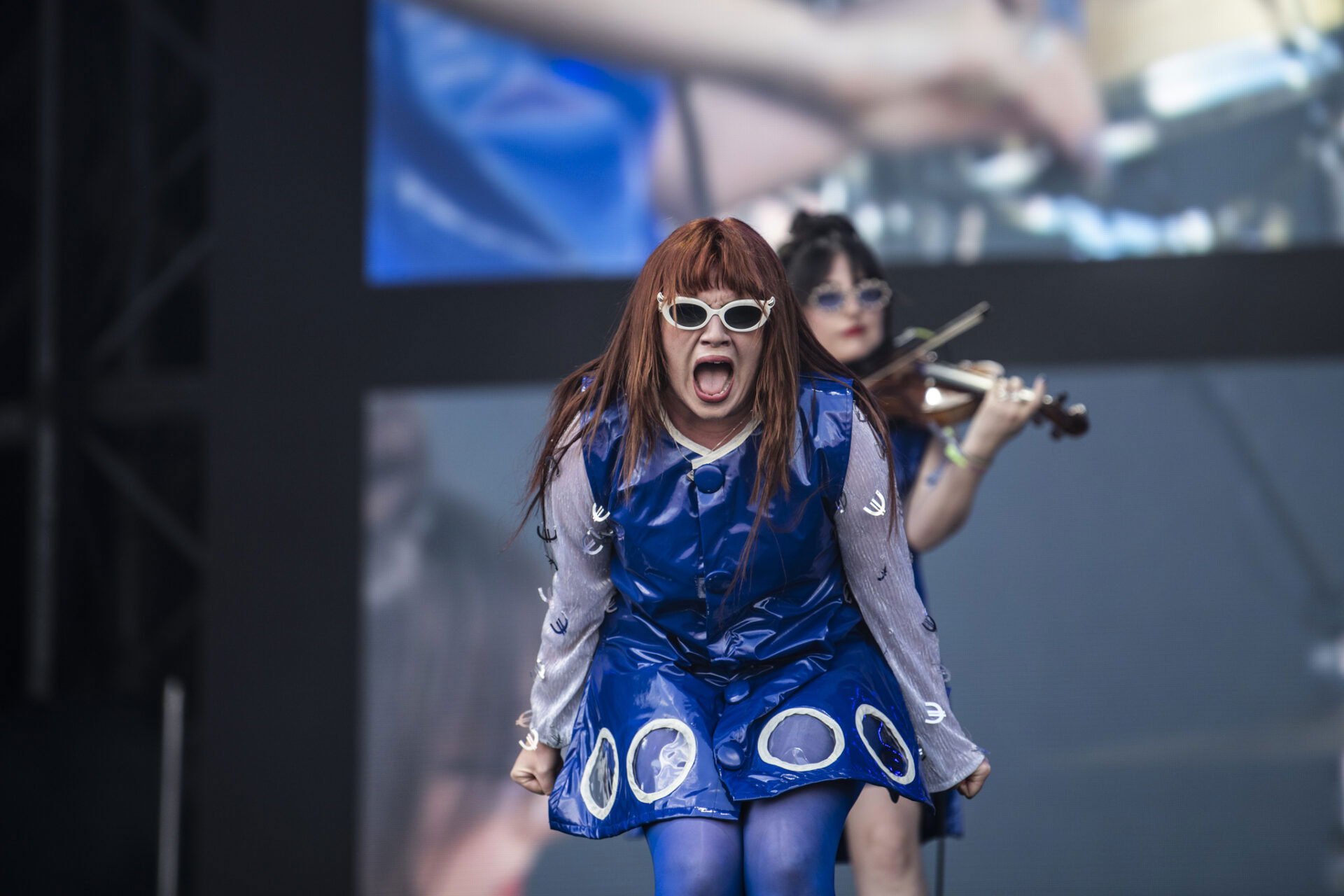
This duality, the local and the global, was on full display during her Glastonbury 2025 set on the Pyramid Stage. Emerging in a custom-made, Western-inspired gown adorned with European Union stars, she delivered a performance that was equal parts theatrical spectacle and raw vocal power, proving she can command the world’s biggest stages without losing her eccentric edge. Whether she’s being tongue-in-cheek or deeply vulnerable, as heard on 'When a Good Man Cries', a heartbreaking ballad that strips away the glitter to reveal the pain of watching a loved one struggle, CMAT remains a master of the "sad-banger." She proves that you can dance through the trauma if the hook is catchy enough, cementing her status as one of the most clever, capable, and genuinely original songwriters of her generation.
The Immediate Future: The New Breed of Irish Noise
NewDad: Galway’s Shoegaze Architects
Hailing from the rain-soaked streets of Galway, NewDad has perfected a sound that feels like a hazy, shoegaze-infused dream you don’t want to wake up from. Drawing heavily from the textured legacy of The Cure, Pixies, the ethereal distortion of My Bloody Valentine, and the anthemic quality of Wolf Alice, the band has carved out a space where 90s alt-rock nostalgia meets a modern, "dark-pop" sensibility. Their music is a masterclass in contrast: Julie Dawson’s airy, delicate vocals float like a mist over heavy, driving basslines and guitars that alternate between shimmering clarity and wall-of-sound fuzz.
Their debut album, 'Madra' (Irish for "dog"), was a visceral introduction to their "coastal Irish rain" aesthetic. It served as a deep, dark exploration of isolation and self-reflection, with the title track 'Madra' and the swirling 'Where I Go' showcasing a band capable of making internal anxieties feel cinematic. During this era, songs like 'Sickly Sweet' and 'Dream of Me' established their signature move: blending sweet, infectious melodies with lyrics that delve into the "ugly" side of the psyche. You can hear the influence of Wolf Alice’s grit mixed with a melodic accessibility that is entirely their own, sonically painting the feeling of a long, lonely drive along the Atlantic Way.
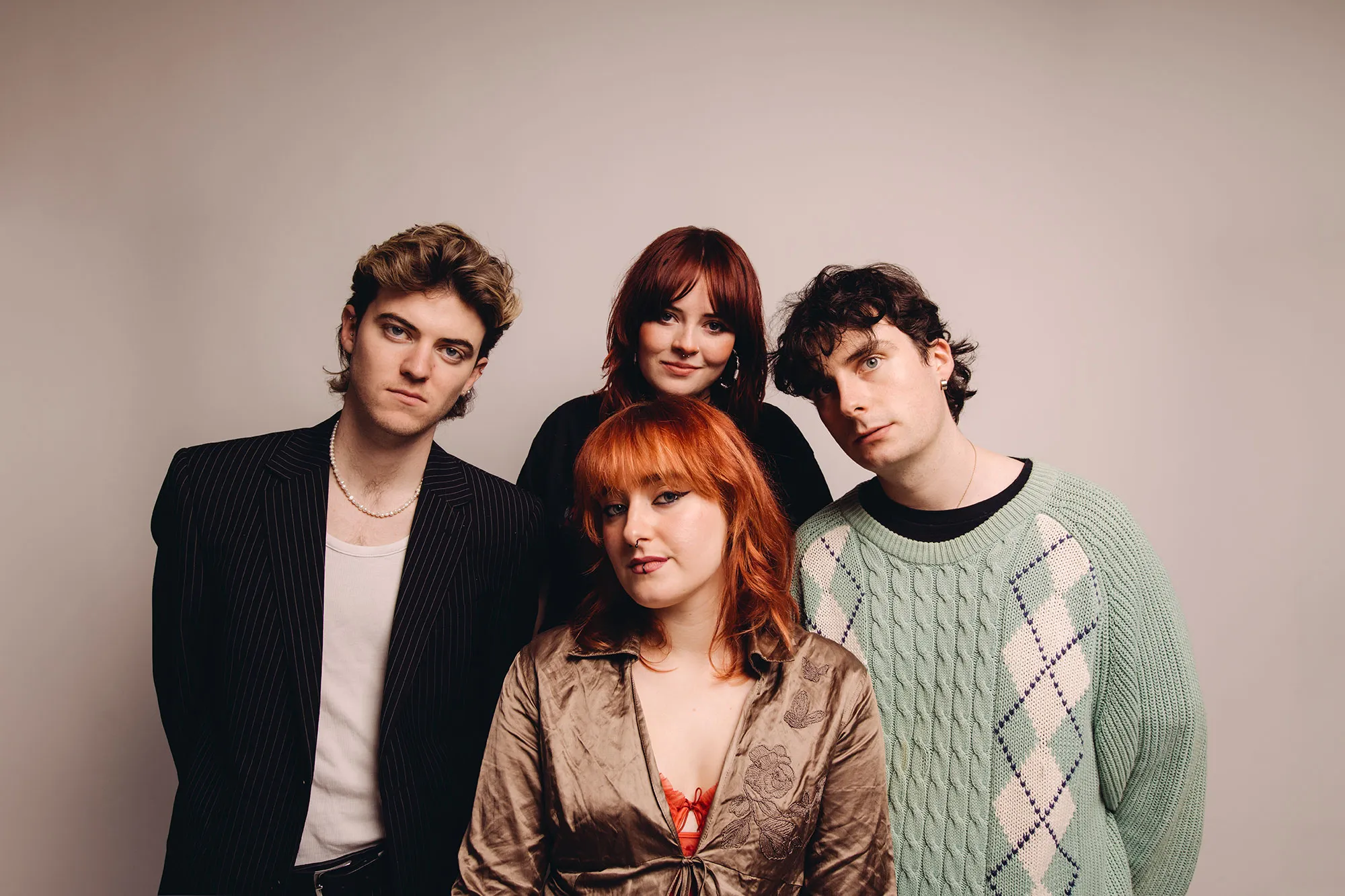
The band’s evolution took a bolder, more expansive turn with their second album, 'Altar'. On this record, the band leans further into their "dark-pop" identity, trading some of the bedroom-pop fuzz for a sharper, more intentional production. The propulsive 'Entertainer' showcases a band playing with higher stakes and bigger hooks, while 'Rooboosh' highlights their ability to build atmosphere and tension with a more sophisticated edge.
Crucially, NewDad has translated this studio precision into a formidable live show. On stage, the "wall of sound" becomes literal; they are known for drenching their sets in mood-heavy blue and violet lighting, creating an immersive experience that mirrors the shoegaze tradition of losing oneself in the noise. Whether they are playing intimate, sweat-soaked clubs or massive festival stages, the chemistry between Dawson’s vulnerability and the band’s sonic power is undeniable. By balancing the raw vulnerability of their debut with the polished power of 'Altar', NewDad has solidified their place as the masters of introspective guitar pop, proving that melancholy is often the most fertile ground for great rock and roll.
Gurriers: The Pulse of the Dispossessed
If you want to hear the pulse of frustrated Irish youth, listen to Gurriers. Rising at breakneck speed from the Dublin DIY circuit, they tackle the disillusionment of a generation head-on. Their debut album, 'Come and See', is a blistering, high-octane critique of the cost-of-living crisis, the housing emergency, and political stagnation. With a sound built on razor-sharp, progressive punk that feels like a physical punch to the gut, they are the voice of a city that is tired of being priced out of its own culture.
The band’s ability to weave together diverse influences, ranging from the industrial energy of The Chemical Brothers to the jagged intensity of Black Midi, is best showcased in their more melodic, expansive moments. 'Top of the Bill' stands as a definitive highlight; originally a raw demo that became a breakout single, the track features a driving guitar twang and a massive chorus that captures the band’s knack for writing intense, "acid-dance-punk." It serves as a reminder that even in the midst of societal collapse, there is room for a melody that sticks.
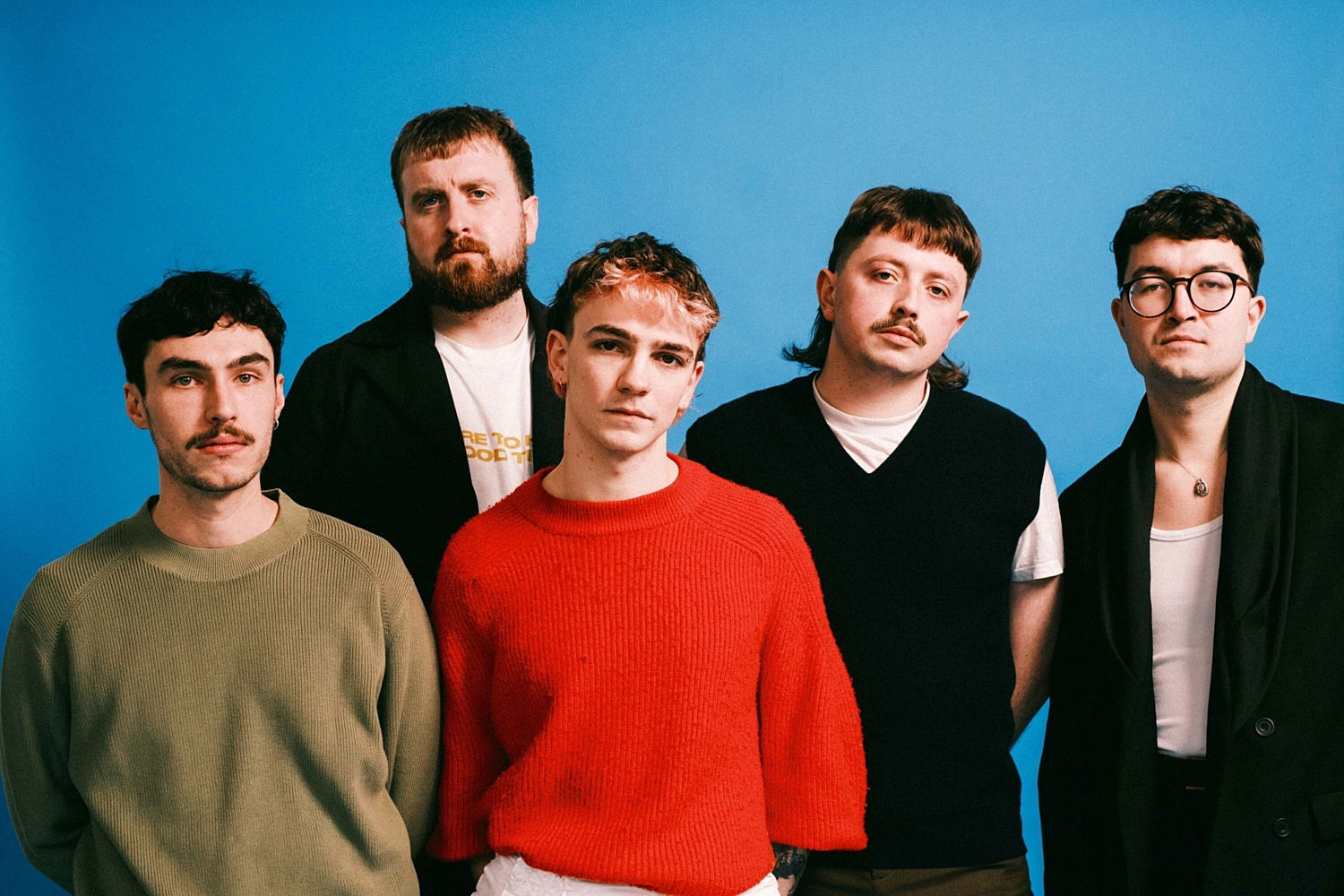
Contrasting this energy is the hauntingly epic 'Prayers'. Taking a more deliberate, atmospheric approach, the track confronts the hollowed-out legacy of organized religion. Frontman Dan Hoff delivers the chilling line, "Now the Pope says his prayers to those empty rows of chairs," over a slow-burning arrangement that eventually erupts into a sonic wall of noise. It’s a song that proves Gurriers aren't just here to shout; they are here to dissect the "existential mundanity" of the 21st century with precision.
Their live shows have become the stuff of legend, often described as cathartic, sweaty riots. During their sets, the band members, most notably Hoff, frequently abandon the stage to dive into the crowd, blurring the line between performer and audience. This visceral connection reached a peak during their high-profile slots at festivals like Electric Picnic and All Together Now, as well as their recent tour alongside Inhaler. Whether they are tearing through the frantic rhythm of 'Nausea' or the funky, scuzzy bassline of 'Sign of the Times', Gurriers deliver a performance that feels less like a concert and more like an emergency meeting for the disenfranchised youth of Ireland.
Cardinals: The Gothic Soul of Cork
A six-piece ensemble from Cork, Cardinals are perhaps the most unique texture in the new Irish scene. They blend traditional rock dynamics with folk-tinged elements, even incorporating an accordion, to create something that feels timeless yet vital. Their debut album 'Masquerade', set for release in February 2026 on So Young Records, acts as a bridge between the ghost-story storytelling of Ireland's past and the jagged indie sensibilities of the present. There is a cinematic, almost gothic quality to their songwriting that suggests they are more interested in building worlds than just writing verses.
This world-building is evident in 'Twist and Turn', a track that spirals with a brooding intensity, perfectly capturing the band’s ability to marry classic pop structures with a dark, romantic edge. Lead singer Euan Manning has described the track as a therapeutic exploration of grief, hidden behind a "danceable backbeat" and a prominent tambourine. Meanwhile, their latest single, 'I Like You', strips back some of the distortion to reveal a vulnerability that feels remarkably human amidst their grander arrangements. An accordion-led ballad that nods to the jazz standard 'My Funny Valentine', the song was written in a single cathartic morning following a period of creative stagnation, serving as the "grounding force" for the entire album.
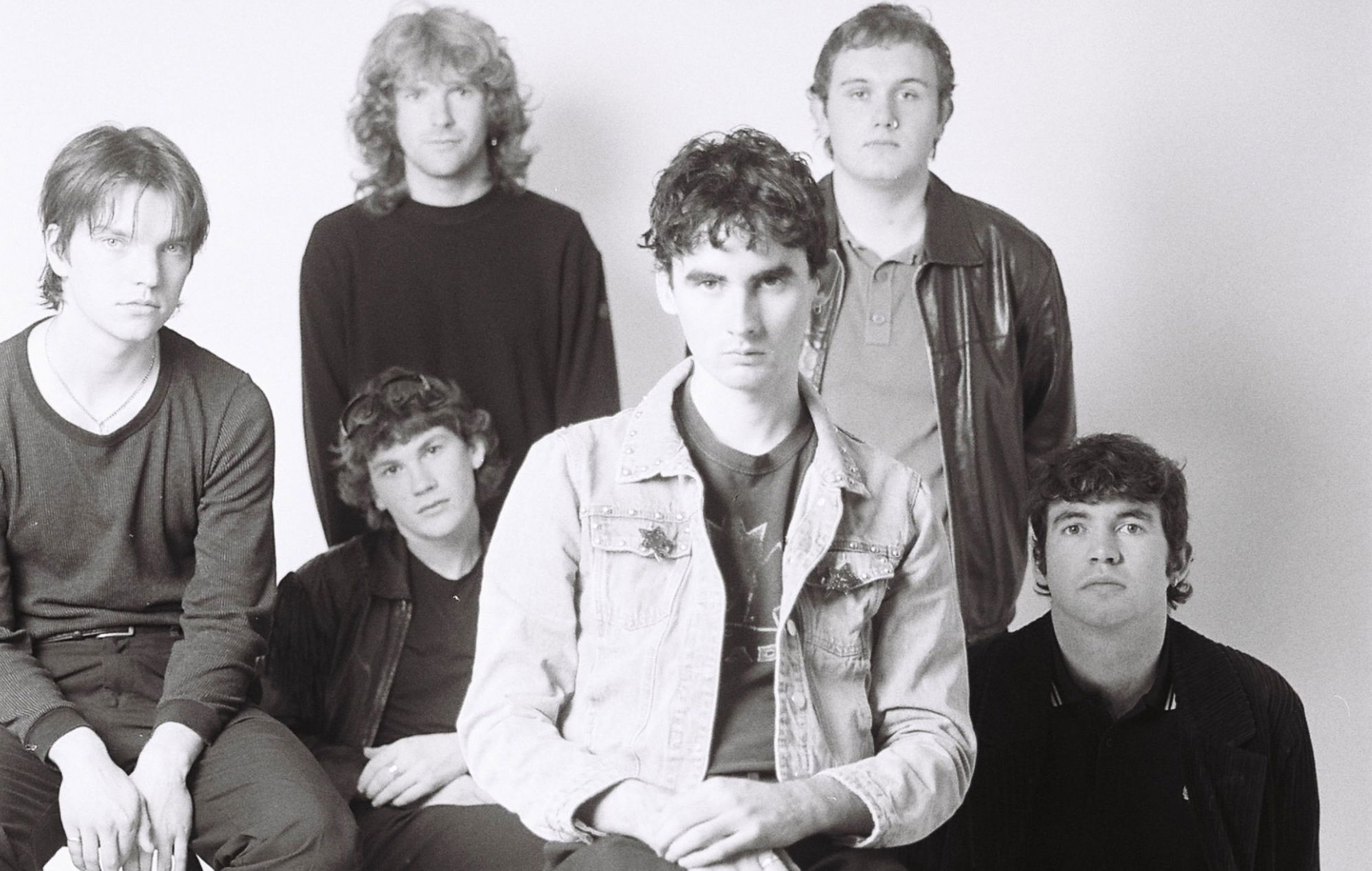
The band’s sound is a deliberate study in contrast: a vivid, brighter A-side giving way to a darker, more cynical B-side. This shift is best heard on tracks like the jangling, chaotic 'The Burning of Cork', which channels the raw energy of The Stooges, and the simmering discontent of 'Anhedonia'. Having already cut their teeth supporting legends like The Pogues and contemporary heavyweights like Wunderhorse, Cardinals have refined a live show that is as theatrical as it is raw. They are a standout for those who crave a bit of drama with their distortion, proving that the "new noise" can still have an old soul.
Sprints: The Heartbeat of Modern Chaos
Sprints provide the raw, jagged energy that acts as the pulse of the modern scene. Fronted by the magnetic Karla Chubb, their debut album 'Letter to Self' is a frantic, breathless exploration of identity, queer joy, and the claustrophobia of anxiety. They are a "press play and hold on" kind of band, known for a relentless live energy that leaves nothing behind. Recorded in the Loire Valley with producer Daniel Fox (Gilla Band), the album’s sound is deliberately jagged, mirroring the "internal chaos" that Chubb mines for her lyrics.
The track 'Heavy' serves as a literal and figurative thesis for the band, a crushing, sludge-influenced anthem about the suffocating weight of being perceived and the paralysis of overthinking. It builds from a simmering tension into a wall of noise that feels like an emotional exorcism. In sharp contrast, 'Adore Adore Adore' is a snarling, satirical take on the public's obsession with a "perfect" image and the gendered double standards of the music industry. Delivered with a punk-rock sneer and a driving, motorik beat, it’s a middle finger to anyone trying to put them in a box.
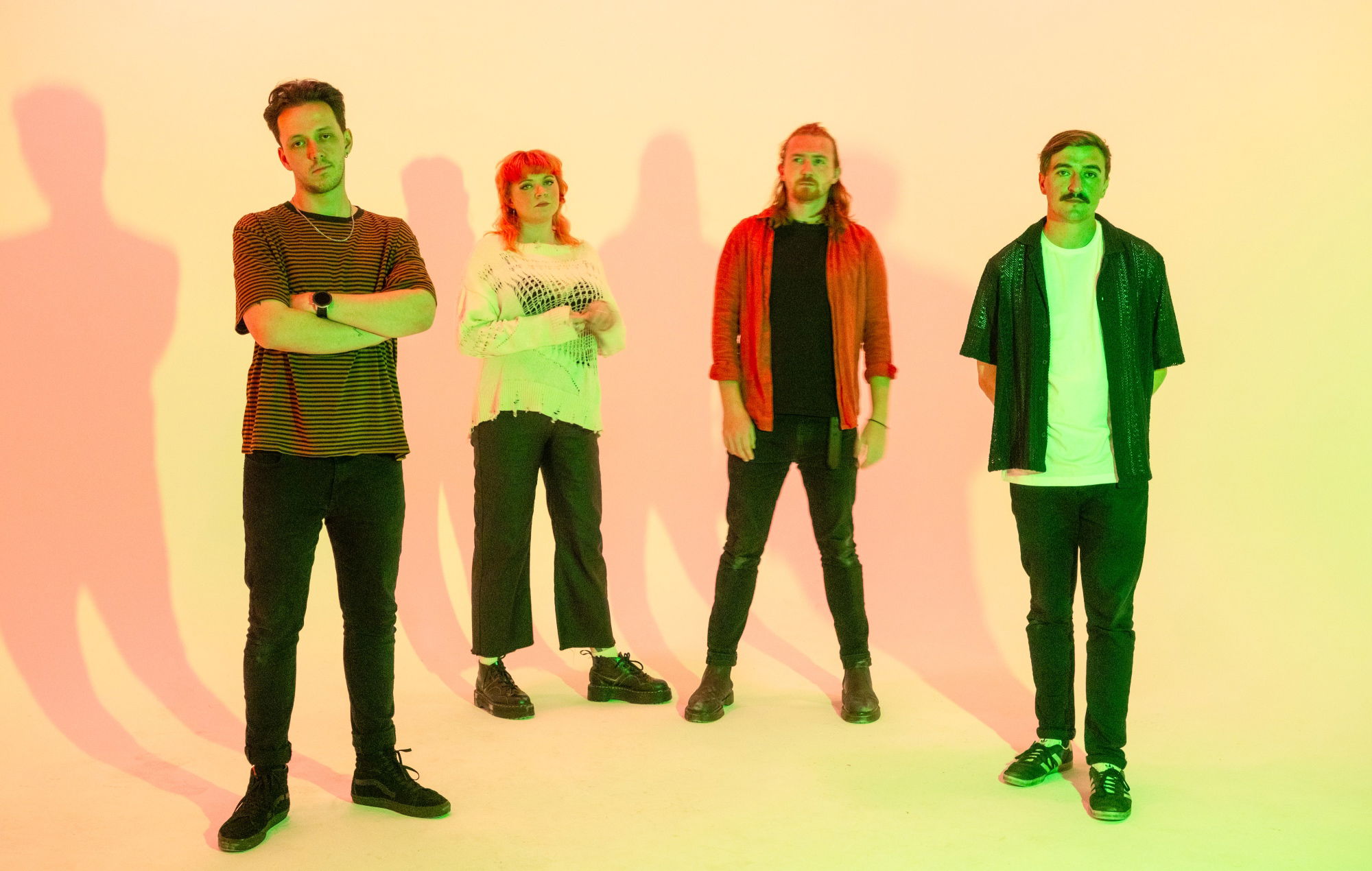
These tracks, alongside the soaring, melodic 'Literary Mind', a rare moment of queer celebratory sunshine amidst the grit, prove they have the pop-adjacent hooks to match their ferocious spirit. The band's evolution continues with their latest work, which leans further into their "gothic-punk" influences, drawing comparisons to Siouxsie and the Banshees. By tackling the "darker, dirtier" aspects of the human experience on tracks like 'Up and Comer', Sprints have positioned themselves as the direct descendants of the fierce, uncompromising lineage of Irish alternative rock. They don't just play to the room; they demand it acknowledges the messy, loud reality of being alive in the 21st century.
Florence Road: The Shed-Rock Phenomenon
Representing the absolute cutting edge of the newest generation, Florence Road are a young four-piece that famously went viral from the confines of their backyard shed in Bray. Named after the street where their school is located, they have rapidly transitioned from internet sensations to a major force on the international festival circuit.
Early track 'Fall Back', is a love letter to the '90s, specializing in a brand of nostalgic, Cranberries-esque alt-rock that feels both familiar and entirely fresh. The band’s chemistry, rooted in the lifelong friendship between Lily Aron (vocals), Emma Brandon (guitar), Ailbhe Barry (bass), and Hannah Kelly (drums), is their superpower.
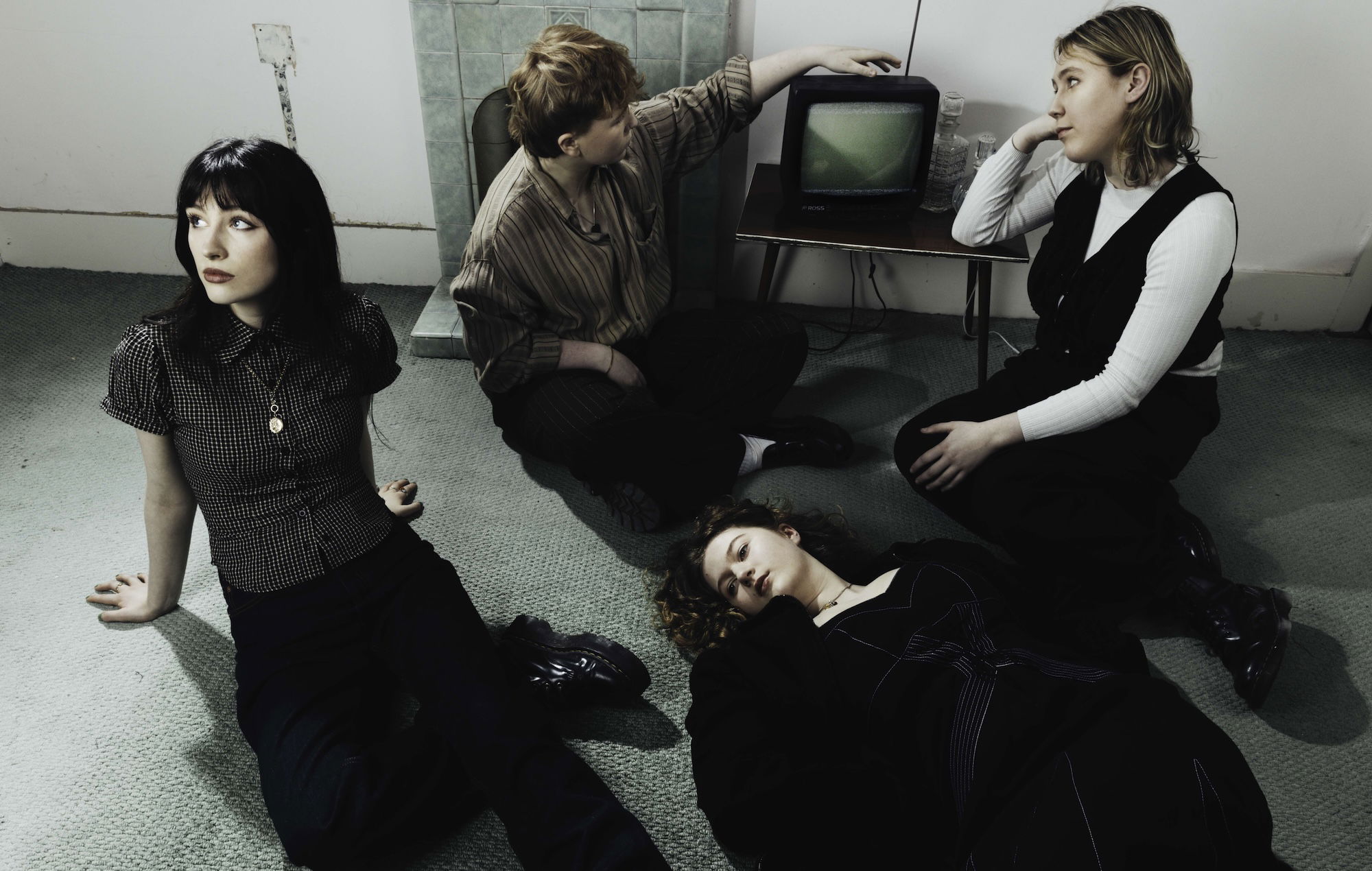
The lead single 'Break the Girl' showcases their ability to channel youthful angst into shimmering, guitar-driven pop, with Lily Aron’s vocals drawing rightful comparisons to the raw, emotional undulations of Dolores O'Riordan and Sinéad O'Connor. It’s a track that balances a "la-la-la" hook with a breathless, angry energy that has made it a Radio 1 favorite.
In contrast, the bitter anthem 'Goodnight', often the closing highlight of their live sets. reveals a more atmospheric and defiant side to their songwriting. Under flashing red lights, the band delivers a passion-filled ode to an ex that has crowds screaming every lyric back at them. Their rise is a testament to their innate ability to write anthems for a generation that values authenticity over artifice, a skill that earned them a support slot for Olivia Rodrigo and a nomination for the BBC Sound of 2026. With a sound that balances the grit of 'Heavy' with the delicate, narrative-style vulnerability of 'Caterpillar', they aren't just the next big thing, they're about to become your new favourite indie band.
Conclusion: Something in the Stout
As we look across this vast, electric landscape, stretching from the stadium-filling ambition of U2 and the leather-clad soul of Thin Lizzy to the unapologetic, Irish-language rave-punk of KNEECAP, one thing becomes abundantly clear: Ireland is currently the most exciting musical territory on the planet. It is a nation that has mastered the art of turning trauma into art, politics into anthems, and everyday anxiety into sad-bangers.
Whether it’s the poetic grit of Fontaines D.C., the cinematic shoegaze of NewDad, or the satirical "Euro-country" of CMAT, these artists share a common thread of fierce authenticity. They aren't just making noise; they are telling the story of a modern Ireland that is complex, frustrated, and undeniably beautiful. They are proving that you don’t need to be from a massive metropolis to have a global voice; sometimes, the most profound messages come from the rain-soaked streets of Galway, the estates of West Belfast, or a backyard shed in Bray.
There’s an old saying that there must be something in the water, but given the sheer volume of world-class talent pouring out of every corner of the island and the North, it’s more likely there’s something in the Guinness. Ireland’s musical well isn't just deep, it’s overflowing. From the legends who built the foundation to the new breed currently tearing down the walls, the "Paddies" are back, and they’ve never sounded better.