The Greatest Album They Never Made: The Beatles Nearly Make it Home
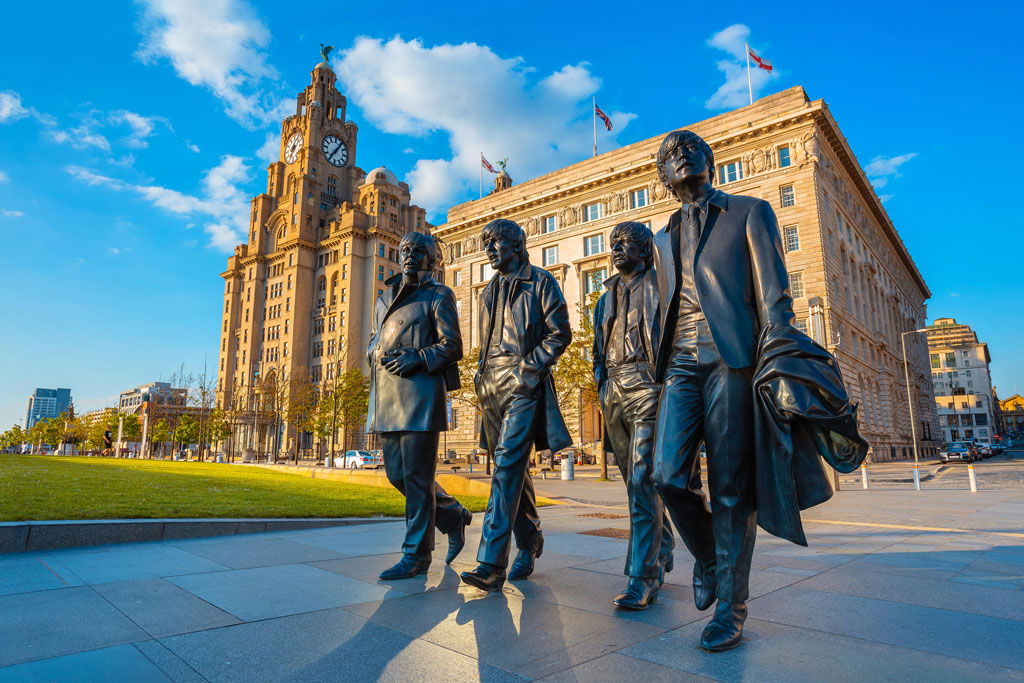
1966 marked a definitive turning point for The Beatles; it was the year the world’s biggest band decided to stop playing live. They performed their final concert on 29 August 1966 at Candlestick Park in San Francisco before 25,000 fans, though calling the gig a performance was generous; what actually happened was a wall of noise, unheard instruments and the band going through the motions of a setlist they'd already grown bored of.
Exhausted by a wall of screams that drowned out their instruments, the band realized they could no longer hear each other, the beat, or the music they had worked so hard to create. It had reached a point where the musicality was almost secondary; they were simply the centre of a storm of chaos that they couldn't control. On stage, they were playing by muscle memory alone, isolated by the roar of a crowd that wasn't there to listen, but to witness.
The nuances of their vocal harmonies and the cleverness of their arrangements were lost in the static of fifty thousand people screaming at the top of their lungs. They weren't performing music anymore; they were just playing the role of "The Beatles," and it was a role that had started to feel like a cage. By the time they walked off that stage for the last time, they knew the only way to save the band was to stop being a live band altogether.
The atmosphere that night felt more like an ending than a celebration. Knowing it was the final curtain, John and Paul even took a camera onto the stage to snap photos of the band, a private souvenir of the madness they were about to leave behind. It was a rare, vulnerable moment of sentimentality in the middle of a whirlwind.
Usually, they were the ones being photographed, documented, and dissected by the world’s media, but in those final minutes at Candlestick Park, they were just four friends capturing a memory for themselves.
Those photos weren't for the fans or the press; they were for the four of them to look back on one day and remember what it was like to be at the center of the sun. As they stood there on the grass of a baseball field in San Francisco, they weren't just saying goodbye to the fans; they were saying goodbye to the version of 'The Beatles' that belonged to the world. The next time they stepped into a room to play together, it would be on their own terms, in a place where they could finally hear the music again.
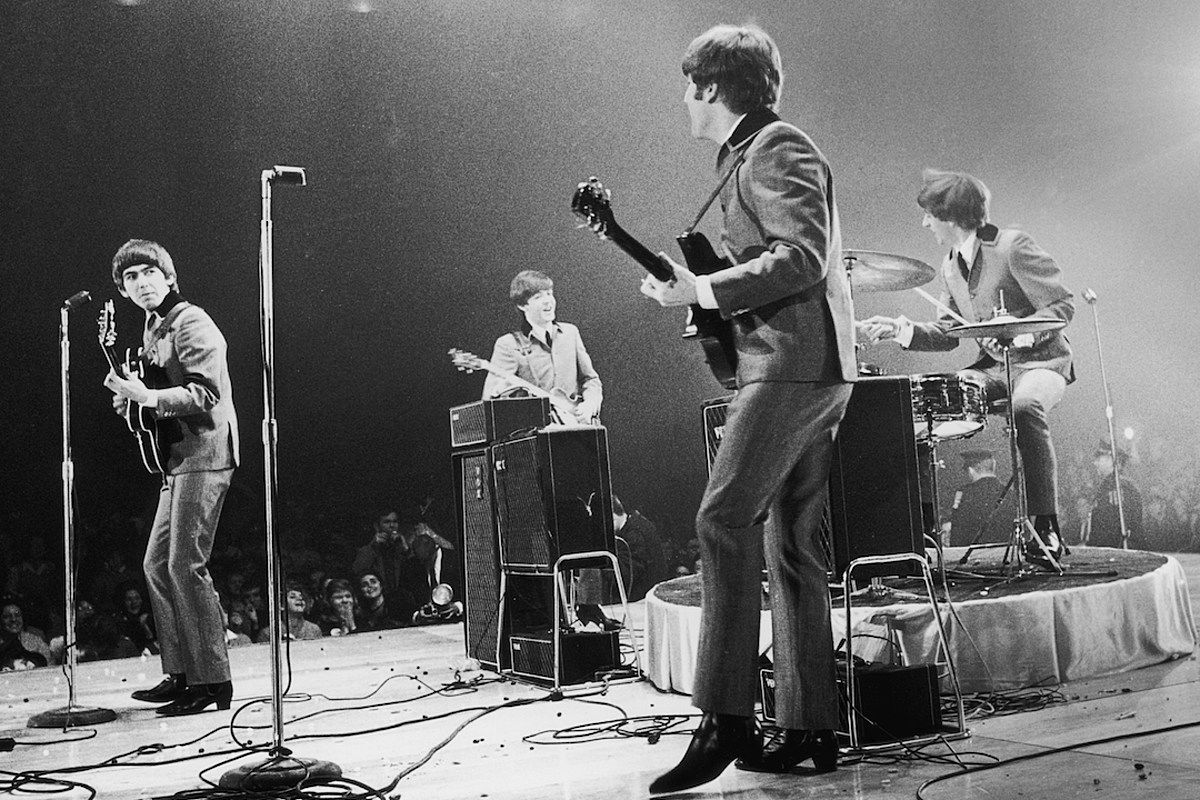
As they huddled into the back of an armoured car to escape the stadium, George Harrison famously remarked, "Well, that’s it. I’m not a Beatle anymore." It was a blunt, final statement that summed up years of frustration. They had spent half a decade being chased, poked, and screamed at, and they were finally done. They made the radical choice to abandon the road, the 'Mop Top' mythology, and the suffocating weight of Beatlemania.
They weren't just leaving a stadium; they were leaving a version of themselves behind. A version of themselves that had become the biggest band in the world, and a cultural force never seen before or since.
By retreating into the sanctuary of the studio, they were finally able to trade the chaos of the stage for the quiet precision of the control room. It was a trade-off that changed everything. Free from the obligation of having to play their songs live, they could finally see what they were truly capable of when the screaming finally stopped, and the real work of creation began.
The Death of the Mop Top
The result of that retreat was 'Revolver', an album that effectively buried the "Four Mop Tops" from Liverpool. For the first time, the world saw the band as they really were: older, wiser, and eager to bend or break every rule of traditional recording. This wasn't just a collection of songs; it was a sonic laboratory. With the help of a young, daring engineer named Geoff Emerick, the band began to treat the studio as an instrument itself. They were no longer trying to capture a live performance; they were painting with sound, using tape loops, backwards guitars, and Artificial Double Tracking (ADT) to create textures that had never been heard in pop music.
'Revolver' also proved that The Beatles were far more than just the Lennon-McCartney powerhouse. George Harrison stepped into his "purple patch" here, proving himself not just as a generational guitarist but as a top-tier songwriter.
He was finally given the space to breathe, contributing three tracks to the album. With the biting social commentary of 'Taxman' and the sitar-drenched drones of 'Love You To', he helped revolutionise the band’s sound, bridging the gap between Western pop and Eastern philosophy.
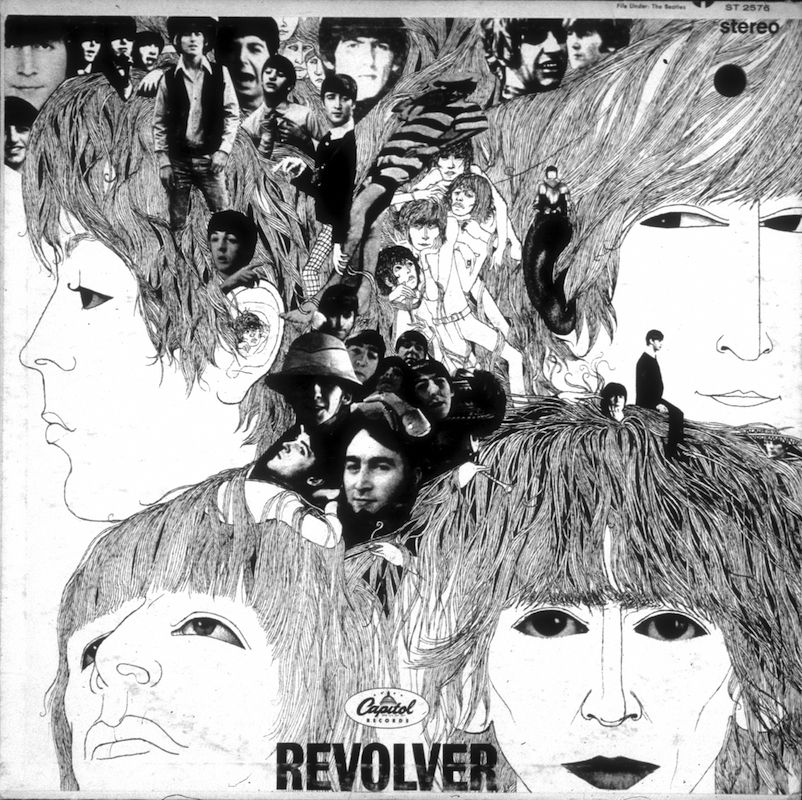
Harrison’s growth as a writer provided the perfect anchor for the album's dualities. From the haunting, string-led narrative of 'Eleanor Rigby' to the psychedelic, avant-garde blueprint of 'Tomorrow Never Knows', a track where John Lennon famously asked to sound like "the Dalai Lama chanting from a mountaintop", the album's fourteen tracks launched the band into a new stratosphere. They were no longer just a pop group; they were the vanguard of a new musical era.
Looking Backwards to Move Forward
After the experimental journey of 'Revolver', the band’s next move was unexpectedly grounded. They planned a concept album centred entirely on their childhoods in Liverpool. It was as if, having pushed the boundaries of the future, they felt the need to anchor themselves in the city of their youth.
The sessions began with 'Strawberry Fields Forever' and 'Penny Lane', two songs that acted as the twin pillars of this new direction. In 'Strawberry Fields Forever', Lennon moved away from the external world and turned his gaze inward, exploring his memories of playing in the garden of a Salvation Army children’s home near his childhood home. The track is a masterpiece of "childhood innocence twinged with surrealism," blending genuine nostalgia with mind-bending psychedelia. It wasn't just a song about a place; it was an attempt to capture the hazy, often confusing nature of memory itself.
John wasn't just writing about a physical garden; he was writing about the sanctuary he found there as a lonely child, and the song captures that sense of being slightly detached from reality. Musically, it felt like the band was reinventing the wheel with every take. From the haunting, flute-like trill of the Mellotron that opens the track to the heavy, Indian-inspired percussion and the discordant brass, the song was a rejection of everything a "pop" single was supposed to be.
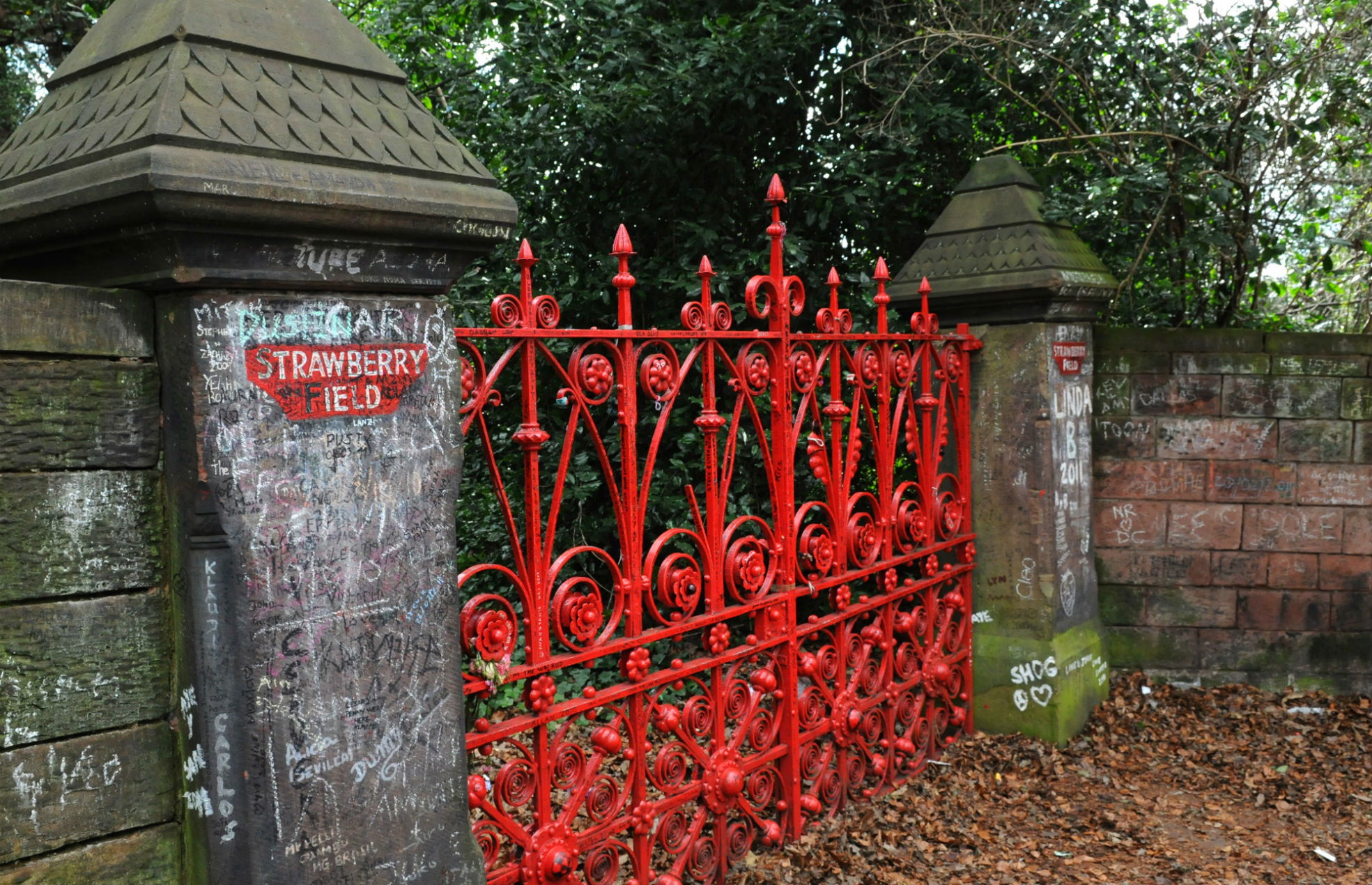
The recording was a feat of studio wizardry that pushed George Martin and engineer Geoff Emerick to their absolute limits. Lennon had recorded two entirely different versions: a light, acoustic-driven take and a dark, heavy arrangement thick with cellos and brass. Unable to choose between them, John famously told Martin, "Why don't you just join them together?"
In a pre-digital era, this was a nightmare. The two takes were in different keys and recorded at different tempos. By slowing one tape down and speeding the other up, Martin managed to match them at a single point, about sixty seconds into the song. If you listen closely, you can hear the join, but rather than a flaw, the slight shift in pitch and tone only adds to the haunting, dreamlike atmosphere. It felt like a memory being pulled through a kaleidoscope, fractured and beautiful, signalling that The Beatles were no longer interested in reality; they were interested in the truth of the imagination.
McCartney’s 'Penny Lane' followed, offering a more whimsical, cinematic counterpoint to Lennon’s internal dreamscape. While John was looking into his soul, Paul was looking through a camera lens, capturing a vivid, bustling Liverpool in high definition. It was the first Beatles song I remember hearing as a child, and its bright, kaleidoscopic imagery remains as captivating today.
McCartney populates the street with real-life characters: the barber showing photographs of every head he’s had the pleasure to know, and the fireman with his hourglass. Yet, the timeline is brilliantly surreal. The song exists in a weather-defying vacuum; it is simultaneously a fine summer day ("beneath the blue suburban skies") and a cold, rainy autumn afternoon where people are "selling poppies from a tray" for Remembrance Day. This wasn't a mistake; it was intentional. It feels like a memory being reconstructed through a psychedelic lens, where an adult looks back and pieces together fragmented moments, wondering what reality was and what was the hazy distortion of time.
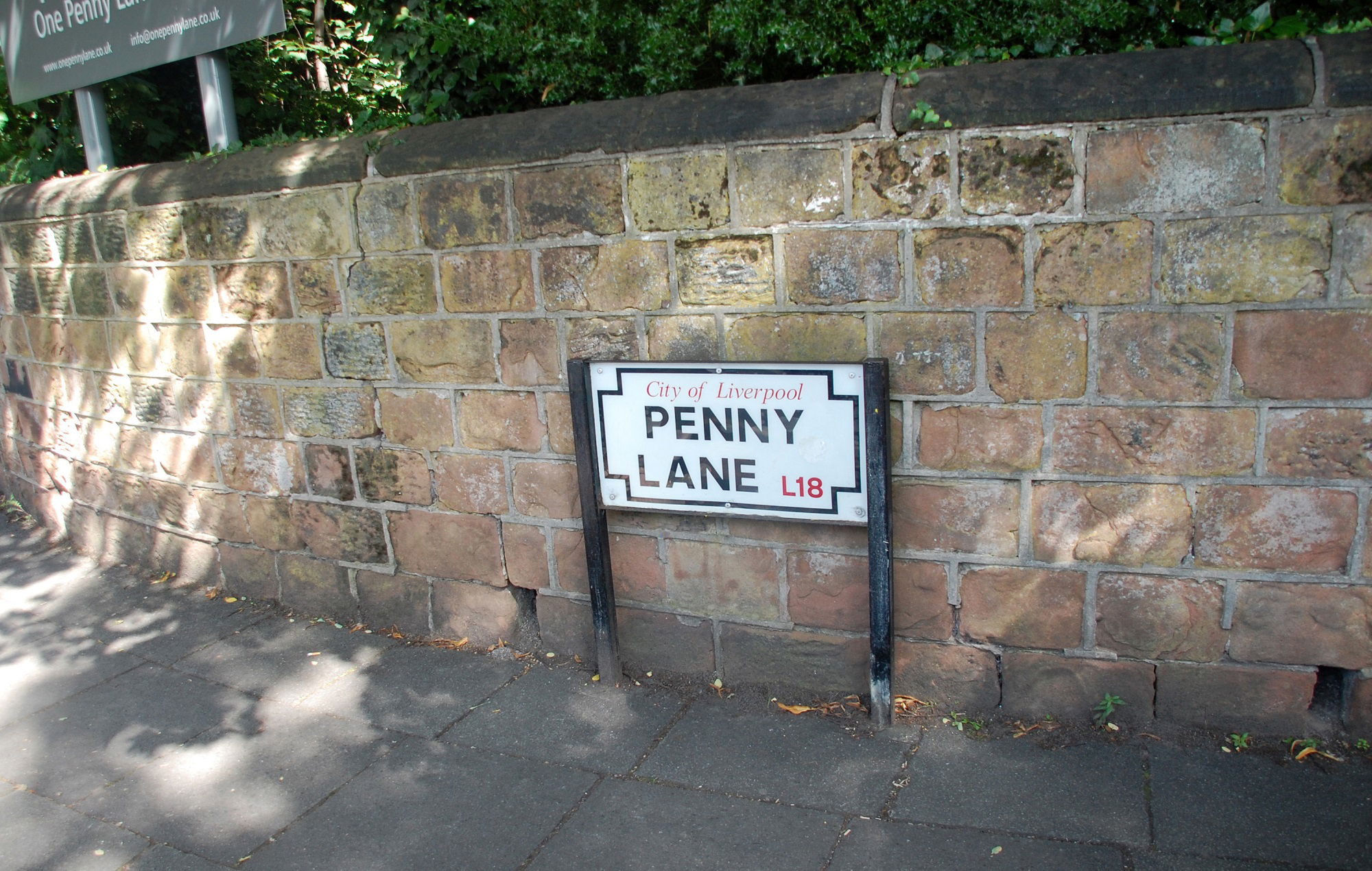
Musically, the song is just as sophisticated as it is catchy. Paul layered multiple pianos to create that "thumping" percussive sound, but the crowning jewel was the high-pitched piccolo trumpet solo. Inspired by a late-night BBC broadcast of Bach’s 'Brandenburg Concerto No. 2', Paul recruited the orchestral musician David Mason to play a part that was almost physically impossible for a trumpet to hit. That piercing, regal sound elevated a simple suburban bus terminal into a place of myth and legend.
By the time the final chord fades, 'Penny Lane' has stopped being just a street in Liverpool and has become a universal symbol for the childhood innocence we all eventually leave behind. It’s a masterclass in how a specific, local memory can become a shared human experience. We may not have sat in that exact barber's chair, but we all have a version of 'Penny Lane' in our minds, a place where we all feel like children again.
The song captures that fleeting moment before the complexities of adulthood take over, preserved forever in three minutes of musical Technicolour, though it’s a vision perhaps blurred by the hazy, psychedelic lens of the present. It’s as if McCartney was trying to bottle the pure, unfiltered feeling of a Saturday afternoon in his youth, knowing even as he wrote it that he could never truly go back there as the same person.
By layering that bright, brassy nostalgia with those surreal, "fish-eye lens" lyrical touches, he created something that feels both solid and fleeting. In the end, 'Penny Lane' isn’t just a destination on a bus route; it’s a state of grace, a vivid, musical reminder of a time when the world felt magical, not because it actually was, but because we were still young enough to believe it.
The 'Sgt. Pepper' Pivot
Following the monumental success of these two songs, the band began work in earnest on the Liverpool concept album. The first track recorded for these new sessions was an early, haunting version of 'A Day in the Life', a song that would eventually become the grand finale of 'Sgt. Pepper’s Lonely Hearts Club Band'. At this stage, the vision was clear: other tracks destined for the project included 'When I’m Sixty-Four', 'Lovely Rita', and 'She’s Leaving Home'. Each of these songs carried that same DNA, observational, nostalgic, and deeply rooted in the characters and domestic life of post-war England.
The idea of centring an album on Liverpool was a natural evolution for them. Even 'Revolver' had dropped breadcrumbs. 'Yellow Submarine', with its whimsical, childlike quality, opens with the line, "In the town where I was born," a direct nod to their home city.
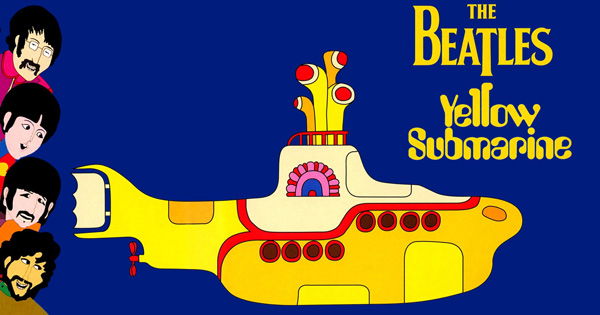
While some interpret the song through a psychedelic lens, McCartney has always maintained it was a song for children, and for the sake of this journey into their past, we’ll take him at his word. It represents that pure, untainted childhood innocence that the band was so keen to capture. To get that authentic, communal feel, they turned the studio into a playground; they raided the Abbey Road prop cupboards for bells, whistles, and chains, even blowing bubbles into buckets of water to create the underwater soundscape.
It wasn't just a technical exercise; it was an act of joy. They brought in friends and staff to join in on the rowdy chorus, creating a sound that felt less like a global rock band and more like a group of kids, or a pub full of scousers, having a sing-along. That "childlike" quality was essential to the Liverpool concept. It served as a reminder that before the fame, the drugs, and the complex philosophy, they were just boys who grew up in a port city, fascinated by the sea and the stories of the people who lived there.
Then there is 'Eleanor Rigby'. The song plays out like a theatrical drama, a three-minute play in a pop song about the crushing weight of loneliness and growing old, but it is anchored by a mysterious, almost ghostly connection to the city.
While Lennon was experimenting with soundscapes, McCartney was perfecting the art of the character study, stripping away the traditional rock band instruments and replacing them with a biting, rhythmic string octet that felt more like a film score than a radio hit.
Yet, for all its sophistication, the song's soul remains in St. Peter’s Graveyard in Woolton. Though McCartney has given varying accounts of where the name came from, often citing actress Eleanor Bron and a shop in Bristol, a gravestone for an "Eleanor Rigby" sits quietly in that churchyard. It is a striking coincidence, given that this is the same patch of earth where the two most important people in Paul’s life are linked: it’s where he met John, and just a stone's throw from where his mother, Mary, is buried.
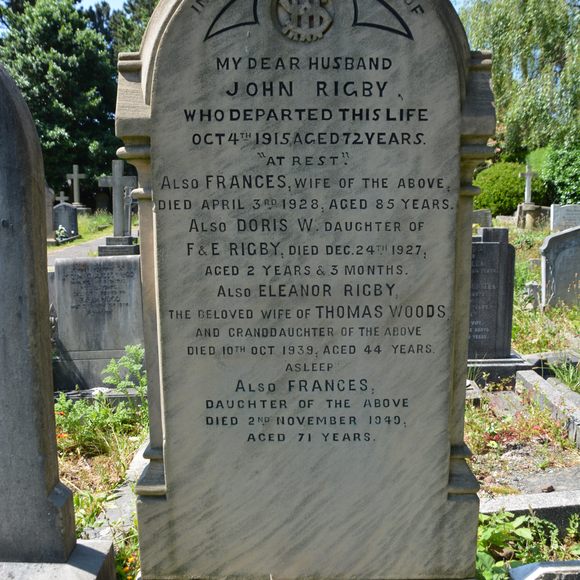
Even if the name didn't consciously come from the stone, the feeling of that place, the damp, grey, stoic beauty of a Liverpool cemetery, is baked into every note. It’s as if the city was whispering its secrets to them as they walked through those gates as teenagers, long before they had the tools to turn those whispers into one of the most poignant songs ever recorded.
The City That Never Left Them
The impulse to write about Liverpool was a constant thread in The Beatles' story; it was the foundation of their identity. They never tried to scrub away their Scouse accents or sanitise their upbringing to fit the London-centric music industry. Instead, they let Liverpool transcend into the music. Even as they became the most famous men on the planet, they remained, at their core, four lads from the North who viewed the world through the sharp, often cynical, but deeply sentimental lens of their hometown.
Even though a formal "Liverpool Concept Album" never materialised, the city appeared in flashes across their entire discography. It’s there in George’s 'Only a Northern Song', a cheeky nod to their publishing company and their roots; it’s there in John’s 'One After 909', a song written in their teenage years that reached all the way from their early Cavern Club days to the Apple Music rooftop.
No matter how far they travelled, from the Reeperbahn in Hamburg to the ashrams of India, or how many psychedelic trips of a different variety they took, Liverpool remained their home. It provided the slang, the humour, and the cast of characters that populated their songs.
They might have reinvented themselves as the kaleidoscopic, satin-clad 'Sgt. Pepper’s Lonely Hearts Club Band' to escape the pressures of Beatlemania, but the heartbeat of that record was still the city that raised them. Behind the neon colours and the psychedelic effects, they were still the boys from the Mersey, searching for home in the middle of a cultural revolution.
George Martin’s "Biggest Mistake"
Things could have been so different if not for a single executive decision. George Martin famously lamented, "It was the biggest mistake of my professional life." He was referring to the choice to release 'Strawberry Fields Forever' and 'Penny Lane' as a standalone double A-side single. At the time, the band adhered to a strict rule: fans shouldn't have to pay for the same song twice, so singles were excluded from the next album.
The two cornerstones of the concept had been released before the record had a chance to grow. The follow-up to 'Revolver' therefore had to become something else entirely.
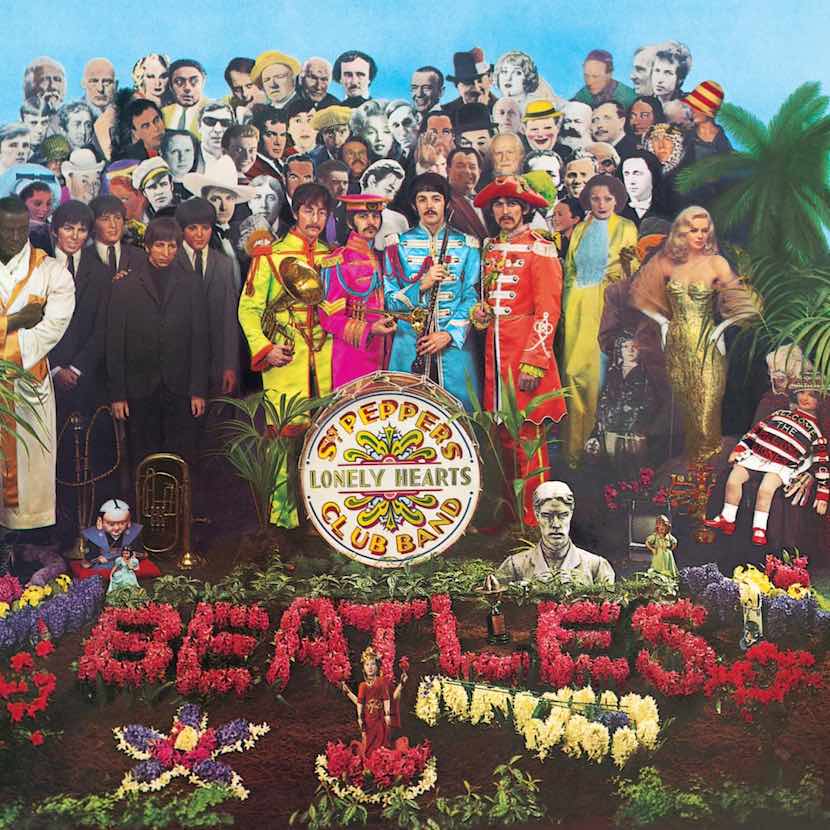
We know what happened next. The Beatles created into the persona of 'Sgt. Pepper', and his 'Lonely Hearts Club Band', releasing one of the most culturally significant records of all time. It captured a band at the absolute peak of their powers, utilising every ounce of new technology and studio trickery to see just how far they could go. The "Liverpool Album" remains one of the great "what ifs" of music history, but considering the masterpiece we got instead, I’d say it worked out just fine.
In fact, it arguably worked out a whole lot better than fine, what the band did with 'Sgt Pepper's ripped up the rule book, and changed how music was made, and consumed forever. It's not a stretch to say that 'Sgt Pepper's Lonely Hearts Club Band' is the most significant album of all time.
Thank you for reading x