The Lost Masterpiece of Liverpool: A Tribute to 'HMS Fable'
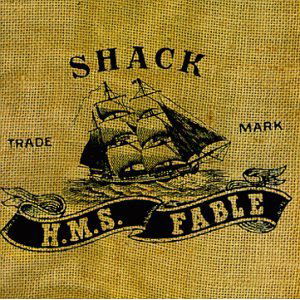
To understand the brilliance of 'HMS Fable', you first have to understand the heartbreak of its predecessor, 'Waterpistol'. The story of that record remains one of the great "what ifs" in music history. Recorded in 1991, 'Waterpistol' was set to be the breakthrough for the Liverpool band Shack, but the universe seemed to conspire against it.
The studio, Star Street in London, burned to the ground, and the master tapes were destroyed in the fire. In a stroke of desperate misfortune, the only remaining copy was a DAT tape held by producer Pete de Freitas, which was subsequently lost in the back of a hire car in Germany. By the time the tape was finally recovered and the album saw the light of day in 1995, the musical world had moved on. 'Waterpistol' became a "lost" cult classic rather than the chart-topper it deserved to be.
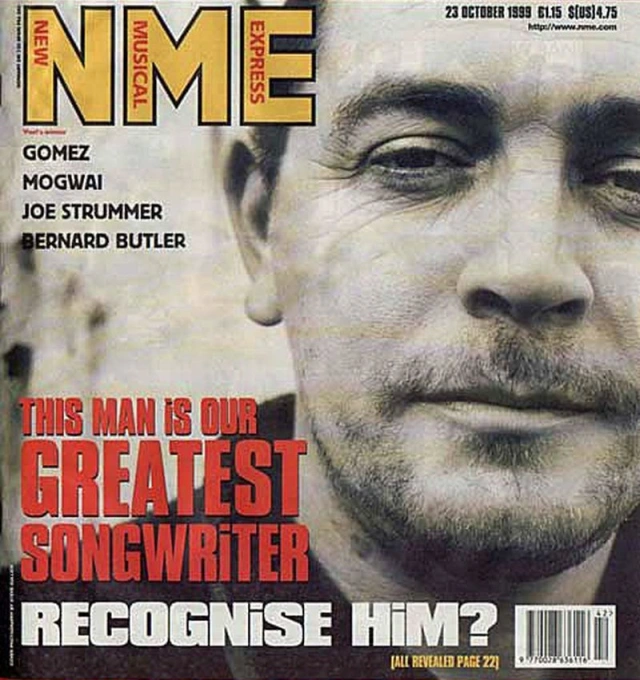
By the time Michael and John Head emerged from that wreckage to release 'HMS Fable' in 1999, the musical landscape had shifted again. The Britpop bubble had well and truly burst, and the UK charts were increasingly dominated by American rock. Yet, Shack delivered a collection of twelve expertly crafted, melancholic, and anthemic stories. The songwriting on this record rivals the very best of Liverpool's prestigious musical heritage, a fact recognised by the NME, who famously put Michael Head on the cover with the definitive headline: "Our Greatest Songwriter."
The Music and the Struggle
The tracks themselves are masterclasses in composition. 'Pull Together' possesses all the soaring, anthemic qualities of Oasis or Blur, featuring a singalong chorus that stands toe-to-toe with anything those giants produced. It is the kind of song that should have been a summer radio staple, shimmering with a breezy optimism that masks the band's turbulent history. In contrast, 'Streets of Kenny' provides one of the most beautiful yet raw moments on the album. It tackles the reality of heroin addiction, a struggle that was deeply personal for Michael Head at the time, set against a haunting, melodic backdrop that makes the honesty of the lyrics hit even harder.
Crucially, the album doesn’t romanticise substance abuse. Unlike the LSD-fueled experimentation that aided The Beatles, the drug use here didn't act as a creative spark; rather, it served as a grim subject for honest documentation. On tracks like 'Streets of Kenny' and 'Lend Some Dough', the listener feels the weight of the lyrics because they are rooted in lived truth, painting a vivid, unvarnished picture of the trials the band faced. There is a sense of "scouse kitchen-sink realism" in these songs; they aren't trying to be "rock and roll", they are simply trying to be heard.
The genius of 'HMS Fable' lies in this duality: the ability to pair heartbreakingly fragile stories of survival with some of the most uplifting melodies of the decade. While 'Lend Some Dough' captures the frantic, repetitive cycle of the hustle, the music remains impeccably structured, proving that even at his lowest personal points, Michael Head’s gift for a perfect middle-eight never wavered.
Honouring the Heroes
While the songs are uniquely their own, 'HMS Fable' isn't afraid to nod to the greats. You can hear the nautical sway of 'Captain’s Table', the 'The Beatles' influence that runs through the city's veins, and the 'Simon & Garfunkel' lilt of 'Comedy'. There is also an unmistakable influence of Love and Arthur Lee on 'Daniella', with its shimmering acoustic guitars and shifting tempos. It is a brilliant homage to their heroes, yet the songs never feel like imitations; they stand tall on their own merit. The record manages to feel both timeless and deeply rooted in a specific place, capturing the salt-air breeze of the Mersey alongside the grit of the city streets.
Even the production, handled by Hugh Jones, gave the band a polished, widescreen sound they had never quite achieved before. It took the brothers' penchant for "scouse-delica" and turned it into something that could fill stadiums, had the world been paying closer attention. Songs like 'Natalie’s Party' and 'Reinstated' showcase a band at the absolute peak of their powers, blending kitchen-sink realism with melodies that feel like they have existed forever.
'HMS Fable' is a masterpiece. Michael Head, John Head, Ian Templeton, and Ren Parry gave us a record that was not only one of the best of its year but one that continues to stand the test of time. It is a soulful, resilient piece of art that serves as a testament to the Head brothers' survival and their unwavering commitment to the craft of songwriting. It is an album that deserves to be heard by everyone, not as a cult curiosity, but as one of the finest collections of songs ever put to tape.