Is This the Way The Futures Meant to Feel?
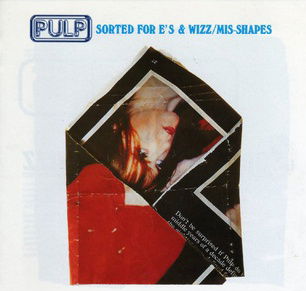
'Different Class' is undeniably one of the crowning achievements of the Britpop era. While 'Common People' and 'Disco 2000' became the defining anthems of the decade, ingrained forever in the British subconscious, the track 'Sorted for E's & Wizz' offers a more haunting, essential perspective that deserves closer appreciation.
Where the album's bigger hits focused on class tourism and nostalgic pining, 'Sorted for E's & Wizz' serves as the record's cynical, bleary-eyed heart. It arrived at a time when the British media was obsessed with the "Cool Britannia" hype, yet Jarvis Cocker was more interested in the inevitable comedown. By placing this track alongside the more upbeat chart-toppers, Pulp managed to document the 90s in 3D: showing not just the bright lights of the party, but the damp, lonely reality of the 6:00 AM sunrise in a South Yorkshire field.
It is a song that trades bravado for vulnerability, proving that 'Different Class' was as much about the "misfits" as it was about the "common people."
The Spike Island Inspiration
The song’s title originated from a phrase Jarvis Cocker heard via a girl who had attended The Stone Roses’ legendary Spike Island gig in 1990. Often dubbed the "Woodstock of the North," Spike Island was a pivotal cultural moment where the lines between traditional indie-rock and the burgeoning rave scene finally blurred. While Jarvis himself wasn't in the crowd, his fly-on-the-wall curiosity captured the essence of the event through the eyes of those who were
He reportedly heard a girl recount the experience, mentioning they were "sorted for E’s and wizz" (Ecstasy and Amphetamines). While the phrase was common slang of the era, in Jarvis’s hands, it became a haunting mantra for a generation searching for a collective epiphany that never quite arrived.
Cocker’s lyrics don't just describe a party; they interrogate the promised utopia of the "Second Summer of Love." He captures the inherent absurdity of the "Madchester" dream: the idea that standing in a damp, industrial wasteland in Cheshire was somehow a spiritual awakening. The opening lines set the scene with devastating clarity:
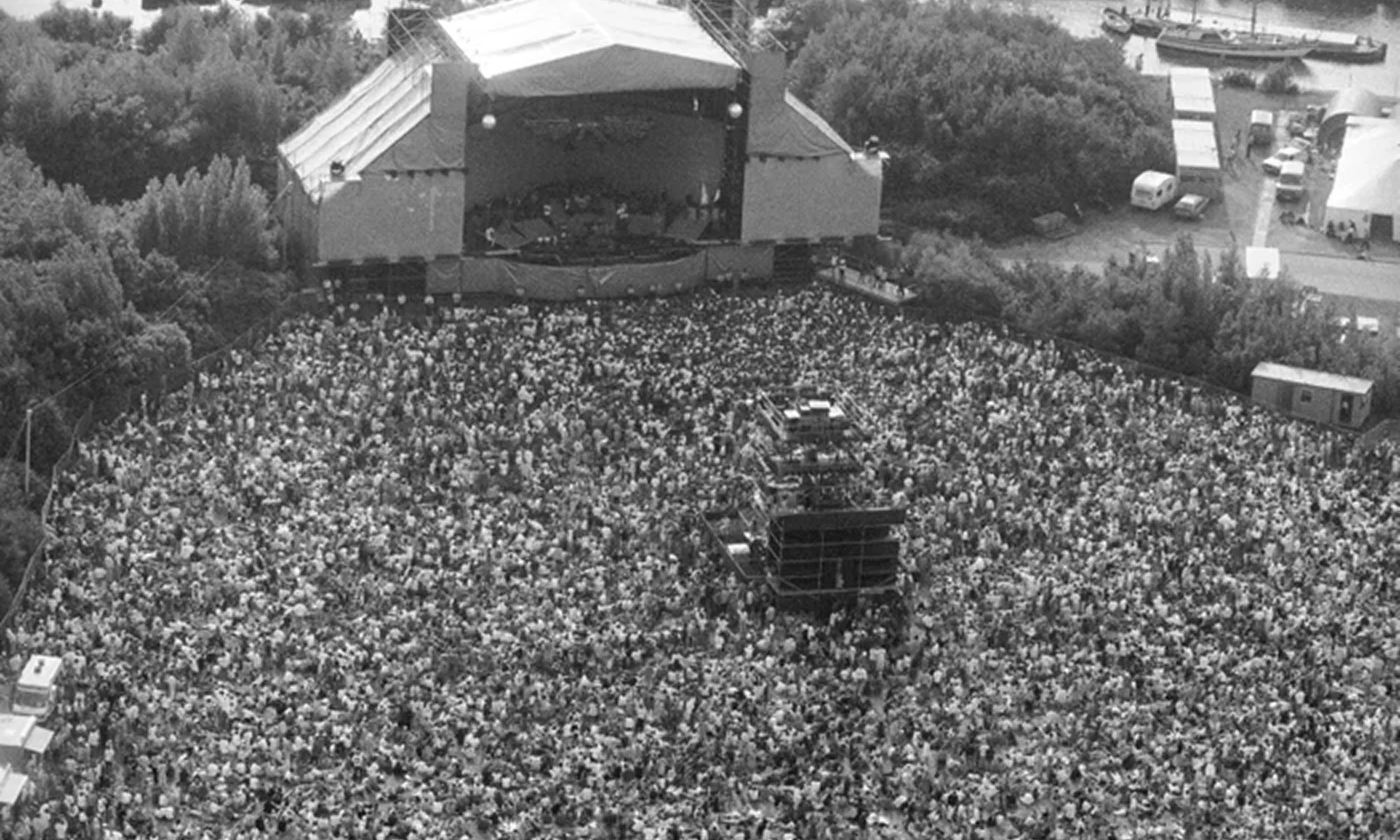
"Oh, is this the way they say the future's meant to feel? / Or just twenty thousand people standing in a field? / And I don't quite understand just what this feeling is / But that's okay 'cause we're all sorted out for E's and wizz."
This opening serves as a profound disillusionment. By questioning if "the future" is simply a crowd of people in a field, Pulp strips away the glamour of the rave movement. It suggests that the "togetherness" was perhaps just a byproduct of the chemistry, a borrowed feeling that leaves a generation "sorted" for the night, but entirely lost for the morning after.
The Artificial Utopia
The song brilliantly highlights the hollow nature of chemically induced euphoria. Rather than taking a moral high ground to celebrate or condemn, Pulp presents a weary, observational snapshot. It suggests that the "future" everyone was promised, a techno-utopia of endless peace, was perhaps just an artificial, fleeting sensation that leaves the protagonist feeling more disconnected than ever.
Pulp also subverts the rave culture trope of "PLUR" (Peace, Love, Unity, Respect). While the movement was built on the idea of a massive, shared community, 'Sorted for E's & Wizz' flips the script to show the crushing loneliness of the come-down. The transition from the "we" of the first verse to the "I" of the second is telling:
"I lost my friends, I dance alone / It's six o'clock, I want to go home / But it's "no way," "not today" / Makes you wonder what it meant / And this hollow feeling grows and grows and grows and grows."
For this character, the "togetherness" has evaporated, leaving only a physical need to keep moving in a cold, damp field. The drug use is no longer a choice for fun; it has become a cyclical consequence, a desperate attempt to stave off the reality of the morning light. The repetitive "grows and grows" mimics the overwhelming, inescapable nature of the anxiety that follows the peak.
A Legacy of Controversy
It’s worth noting that the song’s release was met with a massive media firestorm. The Daily Mirror famously ran a front-page campaign against the band with the headline "BAN THIS SICK STICKER," claiming the sleeve art, which featured origami-like instructions on how to fold a paper "wrap, was a pro-drug manual for children.
The backlash was so severe that some retailers refused to stock the single. However, the controversy only highlighted how badly the media had misread the lyrics. Cocker famously defended the song on BBC Radio 1 and in the press, insisting it was an honest, almost cautionary depiction of the disappointment and "hollowness" that follows a high. Far from being a "how-to" guide for drug use, it was a "how-it-feels" guide to the exhaustion of the era.
The Verdict
Beyond its social commentary, 'Sorted for E's & Wizz' is a masterclass in Britpop composition. With its swirling, psychedelic synthesisers and Jarvis's signature deadpan delivery, it remains one of the most poignant tracks on 'Different Class'. It serves as the perfect sonic representation of a "trip", starting with wide-eyed wonder and ending in a disorienting, rhythmic haze.
It isn't just a song about drugs; it’s a song about the search for meaning in a decade that often felt like it was spinning out of control. Thirty years later, it stands as a reminder that the loudest parties often leave the quietest, loneliest echoes.