Government Putting Youth on the Shelf
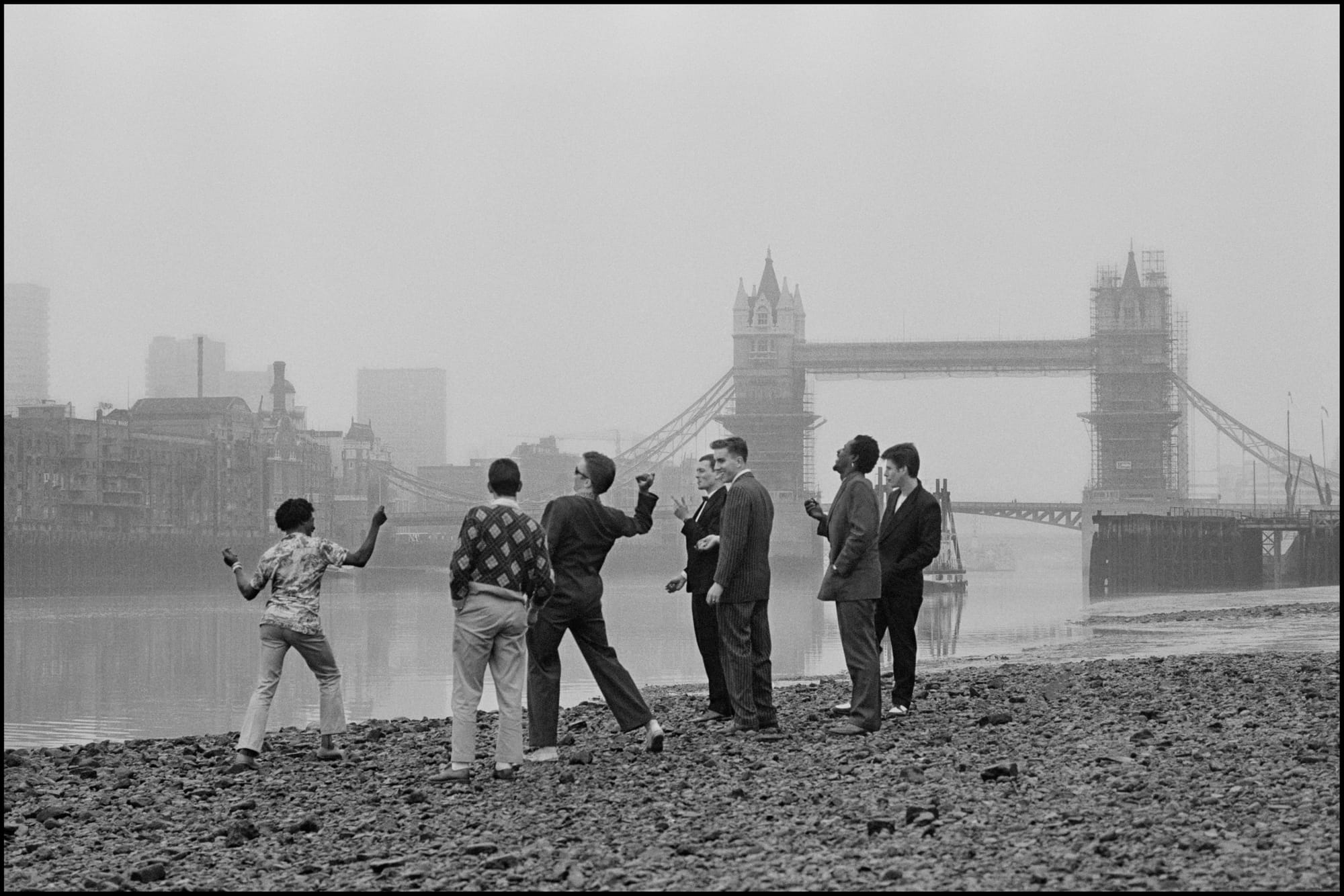
The Lineup: Terry Hall, Jerry Dammers, Lynval Golding, Horace Panter, Roddy Radiation, Neville Staple, John Bradbury, Dick Cuthell, and Rico Rodriguez.
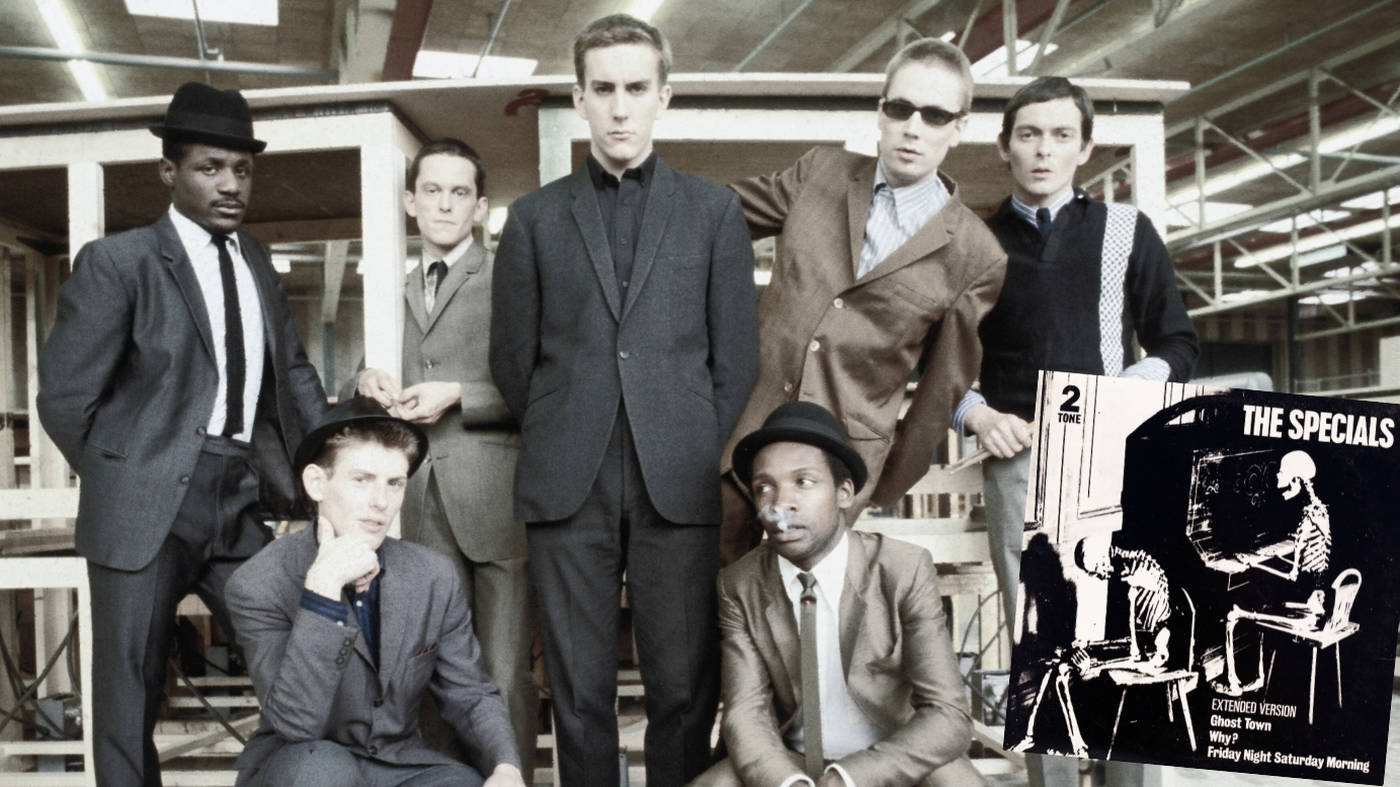
For many, The Specials remain Britain’s most vital band, a collective that shattered barriers both musical and social. By fusing disparate cultures, genres, and seven distinct personalities, they forged a sound the world had never heard before and has failed to replicate since.
They gifted us the definitive soundtrack of the late 1970s and early 1980s. From the frantic energy of 'Gangsters', a masterclass in Ska-punk, to the snarling grit of 'Do the Dog' and the reggae-infused atmosphere of 'Nite Klub', they were the bridge between the fury of Punk and the swing of 1960s Bluebeat. This was a multicultural outfit that didn’t just play music; they curated a revolution.
More Than a Band: The 2-Tone Movement
Never afraid to confront the world around them, songs like 'Too Much Too Young' and 'Blank Expression' served as biting commentaries on disenfranchised youth and the systemic racism rife in the UK. 'Too Much Too Young', recorded live at the Lyceum, became an anthem for a generation facing limited choices, famously tackling the then-taboo subject of teenage pregnancy with a raw, confrontational edge that propelled it to Number One.
Beyond the music, the band founded the 2-Tone label, an operation run out of Jerry Dammers’ flat in Coventry. Their iconic "Walt Jabsco" logo, a man in a black suit, white shirt, and pork pie hat based on a photo of Peter Tosh, became a symbol of racial unity. In an era where the National Front was actively recruiting on football terraces and at concerts, the sight of Black and White musicians sharing the stage was a radical political statement in itself.
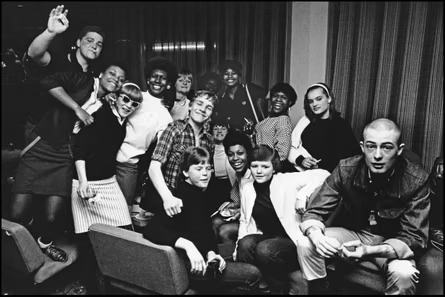
By giving bands like The Selecter, The Beat, and Madness a platform, they didn't just start a label; they started a moment that defied the far-right’s attempts to divide the working class. 2-Tone wasn't just a business; it was a uniform, a lifestyle, and a defiant "no" to the racial segregation of the time.
1981: A Country on the Brink
By 1981, the UK was fractured by civil unrest, poverty, and soaring unemployment that had breached the 2.5 million mark. Under Margaret Thatcher’s Conservative government, the manufacturing heartlands were being hollowed out, leaving life for the working class bleak and uncertain. People were living hand-to-mouth, and the air was thick with a sense of impending explosion.
The Specials witnessed this decay firsthand while touring. Jerry Dammers recalled the haunting sight of Glasgow: "There were these little old ladies on the streets selling all their household goods, their cups and saucers. It was unbelievable. It was clear that something was very, very wrong." From this atmosphere of despair, 'Ghost Town' was born. Dammers had been meticulously crafting the track for over a year, capturing the nation’s slow-motion collapse in a soundscape that felt like a fever dream. But as the song took shape, the band was also fracturing.
Overworked, exhausted, and hounded by far-right agitators, their gigs became flashpoints for violence. After Lynval Golding was brutally attacked in London, suffering injuries that nearly cost him his life, and Hall and Dammers were arrested in Cambridge for attempting to quell a riot from the stage, the chaos was immortalised in the lyrics: “Bands won't play no more / Too much fighting on the dance floor.”
The Summer of 'Ghost Town'
'Ghost Town' wasn't just a single; it was a premonition. With its eerie diminished chords, haunting flute solos, and deep, mourning brass, it synthesised mass unemployment and the erosion of the social spaces that once gave the youth a sense of belonging. It was the sound of a generation "put on the shelf." The recording process itself reflected this atmospheric dread; the band recorded the track in a small, cramped studio in Leamington Spa, with Jerry Dammers obsessively layering the sound to create a sense of claustrophobia. The inclusion of the "wind" sound effects and the chromatic, circus-like organ gave the track a supernatural quality, as if the ghosts of Britain's industrial past were finally speaking.
The timing of its release was uncanny. On the eve of its ascent to Number One, a wave of rioting erupted across the UK, sparked by a new police stop-and-search policy named Operation Swamp 81 after Margaret Thatcher’s 1978 assertion that the UK “might be rather swamped by people of a different culture”: 943 people – the vast majority of them black – were stopped by plainclothes officers in six days.
On 10 July, a second wave of rioting spread across the country: Brixton, Southall, Battersea, Dalston, Streatham and Walthamstow in London, Handsworth in Birmingham, Chapeltown in Leeds, Highfields in Leicester, and many other cities including Edinburgh, Luton, Sheffield, Portsmouth, Preston, Newcastle, Derby, Southampton, Nottingham, Wolverhampton, Stockport and Cardiff all reported “riots” of varying degrees.
In the past, No 1 singles had occasionally alluded to recent events or a prevalent mood – the blissed-out ambience and dippy logic of the Summer of Love was encapsulated by the Beatles’ All You Need Is Love; a sense of trepidation around the moon landings found a voice in David Bowie’s 'Space Oddity' but nothing before had developed the terrible currency of 'Ghost Town', and nor has anything since.
There was a grim irony in the fact that while the BBC was playing the song on national radio, news bulletins were being interrupted to report on the destruction in Liverpool and Manchester. It became the first, and perhaps only, time that the Number One song in the country was a direct, real-time soundtrack to a national uprising. For the youth standing on those street corners, 'Ghost Town' wasn't just music; it was a validation of their anger and a haunting mirror of their reality.
'Ghost Town' became the biggest-selling single of 1981, and would remain at the Top of the Charts for a total of three weeks.
The End of an Era
The Specials' appearance on 'Top of the Pops' to celebrate 'Ghost Town' hitting Number One should have been a victory lap, a moment of triumph for seven working-class lads from Coventry. Instead, it felt like a wake. The tension behind the scenes had become unbearable; the band members were travelling in separate vehicles and were no longer on speaking terms, their shared vision fractured by the relentless pressure of fame and the grim political weight they carried.
Minutes before taking the stage for that now-legendary performance, Terry Hall, Neville Staple, and Lynval Golding privately confirmed the rumours: they were leaving to form Fun Boy Three. The heavy burden of being the "voice of a broken nation" had finally reached a breaking point.
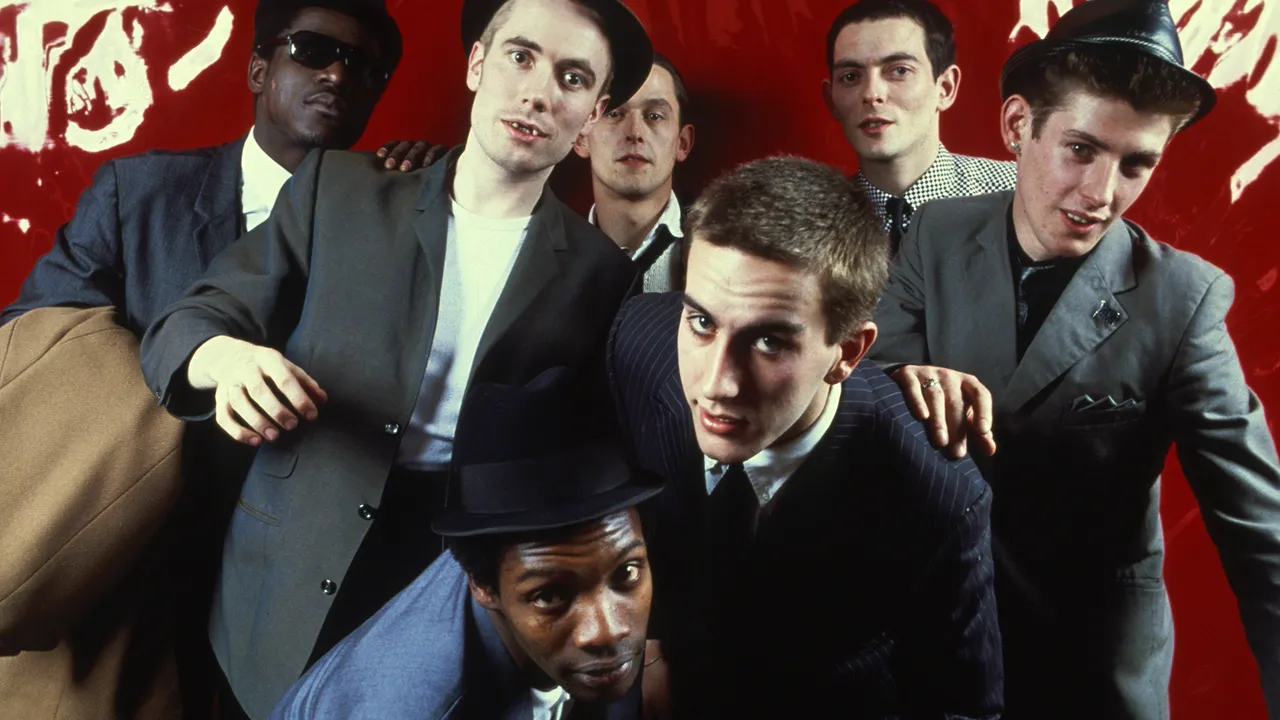
When the cameras rolled, there was no celebration. They performed the song with a haunting, stone-faced detachment, their eyes fixed on anything but each other. This coldness mirrored the mood of the country perfectly; it was a televised funeral for the most important band in Britain. 'Ghost Town' remains the ultimate snapshot of Thatcherism, a masterpiece that managed to top the charts while the very cities it described were engulfed in smoke. It was the end of a chapter, but the song’s ghost would haunt British culture forever.
Reflection: 2026
Looking back from the vantage point of 2026, the resonance of 'Ghost Town' has not faded; if anything, its frequency has become louder. Today’s youth face a strikingly similar disconnect, feeling disenfranchised by economic stagnation and a political class that feels worlds away from the reality of the streets. The "clubs are all closing down" is no longer just a lyric; it is a reality for the arts and nightlife sectors, as housing costs soar and community spaces vanish under the weight of redevelopment.
History seems to be repeating its cruellest cycles, and the "shelf" the government puts the youth on is getting crowded once again. The Specials didn't just capture a moment in 1981; they wrote a warning that we are still failing to heed. The grey, concrete landscape they sang about has changed its shape, but the feeling of being left behind remains the same.