Chasing the Sun
Just How Important Were Oasis?
We all know how the story ends, Paris 2009. With Noel Gallagher walking away. From a 15-year career with the band, after releasing 7 studio albums having 8 number-one singles and playing to millions of people across the globe.
Now I don't want to sit and talk about 'Where Did it All Go Wrong' I instead want to talk about what I believe is the peak of the band, where they were at their best, their most significant, where they made the biggest cultural impact. Something I don't think we will ever see again.
So here goes, just how important were Oasis?
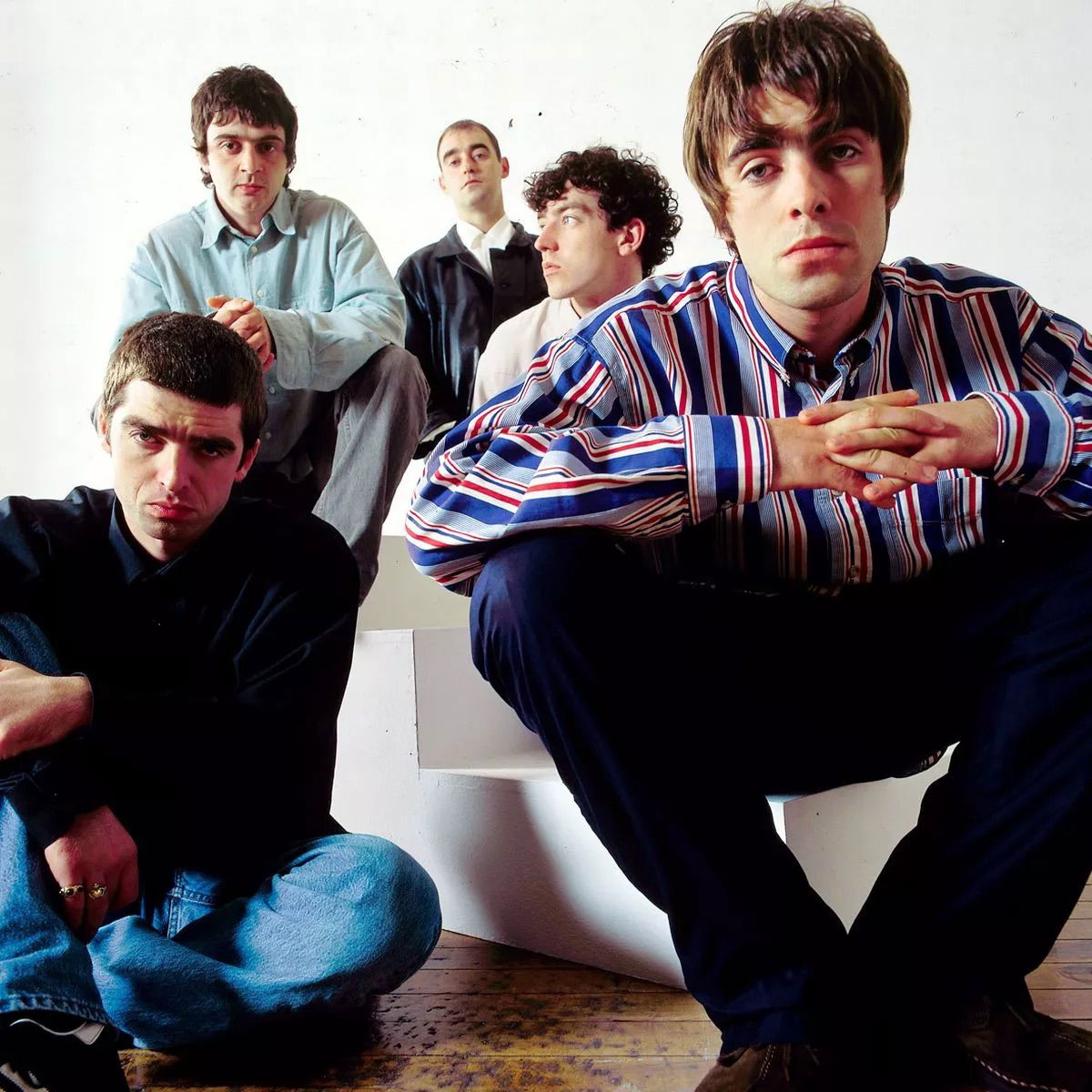
From 1993 to 1997, Oasis became a cultural phenomenon in the UK. Here's why.
Before Oasis, the charts were often dominated by polished pop or detached, academic indie. Oasis changed the hierarchy. They were unapologetically working-class, speaking in the same accents and wearing the same clothes as the people in the front row, there story was unlike anything before or since, and the run of songs they had in those four years is nothing short of exceptional.
By the time they released 'Be Here Now' in 1997—the fastest-selling album in UK history at the time, Oasis had achieved a level of fame that bordered on religious. They had become the definitive voice of a decade.
The Story:
Oasis formed in 1991 in Manchester, originally named The Rain (I guess they were inspired by their surroundings), originally a four-piece with Liam Gallagher, Paul 'Bonehead' Arthurs, Paul 'Guigsy' McGuigan and Tony McCarroll. Liam was the last member to join the four-piece and suggested a name change to Oasis. A first gig was pencilled in for August 14th 1991, at the Boardwalk in Manchester. A small audience attended the gig, including Noel Gallagher, who at the time was working as a roadie for a much bigger Manchester band, 'Inspiral Carpets'
At first, the band asked Noel to be their manager, but Noel refused, happy in his current role with the Inspiral Carpets. However, he did agree to play and rehearse with the band. Noel had a backlog of songs he had been writing for years, and quickly the band began to learn them, and that became their life for the next two years.
In 1993, after over a year of live shows, rehearsals and a recording of a demo, the Live Demonstration tape, in May 1993, Oasis was spotted by the Creation Records co-owner Alan McGee. Oasis were invited to play a gig at King Tut's Wah Wah Hut club in Glasgow by Sister Lovers, who shared their rehearsal rooms. Oasis, along with a group of friends, hired a van and made the journey to Glasgow. When they arrived, they were refused entry as they were not on that night's setlist. However, the band managed to convince security to let them play, and McGee signed them that night. It would go on to be one of the biggest coups in British recording history.
The Music:
In the years 1993 to 1997, Oasis would release three albums: 'Definitely Maybe', 'What's the Story (Morning Glory)', and 'Be Here Now'
With a songwriter as prolific as Noel and a frontman in Liam, the band would go stratospheric. You only have to look at the songs on these albums, 'Live Forever', Slide Away', Rock n Roll Star''Champagne Supernova', 'Some Might Say', 'Don't Look Back in Anger', just to name a few. Everything the band was doing was working.
These songs became more than just songs tied to a specific genre. They transcended a scene, and have gone on to become hymns that are sung at gigs, belted out on the terraces, chanted in pubs, played at indie discos, at football grounds, and up and down the country even today.
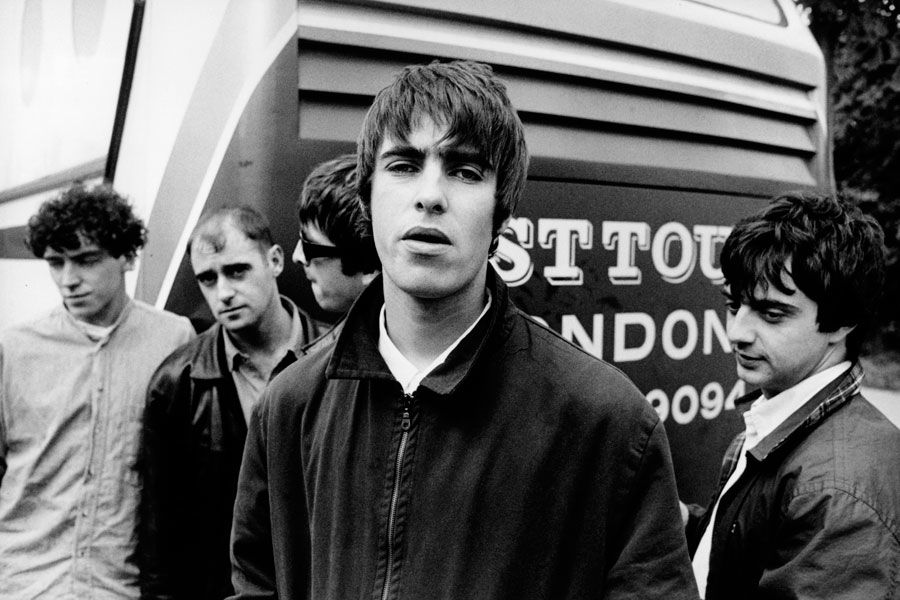
The songs released at that time summed up not only Oasis's sound but also them as people, they were the everyman. A band that knew the struggles of their fans, as they had been there themselves. When releasing Definitely Maybe, the band had only signed off on the dole a few months previously.
Noel wasn't afraid to admit where he was influenced, either; he wanted to pay homage to his heroes from T-Rex with 'Cigarettes & Alcohol' to John Lennon with the opening of 'Don't Look Back in Anger'. Although these songs have nods to the past, they are Oasis songs first and foremost. He also helped listeners get into the bands he grew up idolising. Oasis made me delve deeper into The Beatles, The Kinks, T. Rex, David Bowie, The La's, The Smiths, and The Stone Roses.
Oasis has gone on to become the soundtrack to three or four generations, and even now, when either Gallagher brother sings those songs at a concert. 15,16, and 17-year-old kids will sing them as if their lives depended on it. Songs that were released before they were even born.
The B-Sides
It is worth mentioning the unbelievable collection of B-Sides that Oasis released. Songs that sometimes were better than the singles, that the band would hide away. These songs were for the fans. Before we had streaming services and iTunes, it was an exciting part of the ritual to queue up for an Oasis single, unwrap the Cellophane and place the CD in the player in anticipation of the B-Sides that would be on that single.
Songs like 'Talk Tonight' ', Half the World Away ', Listen Up' ', Acquiesce', and 'Going Nowhere' were tucked away as bonus tracks on these singles. A statement of just how good a songwriter Noel was. He was prolific in these 3/4 years.
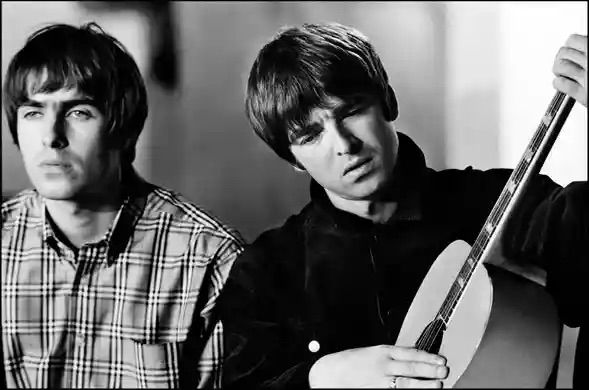
These songs could have launched any other band's career, or propelled them up the charts, and Oasis was keeping them back for fans; these songs have gone on to become some of the band's most celebrated creations. Take 'The Masterplan', it might be the greatest song Noel has ever written about how we don't quite know what is coming next in life, was relegated to being a B-side, much to Noel's regret.
The band's b-side album also called 'The Masterplan' catalogues some of these great b-sides from this era including 'The Masterplan' 'Headshrinker' 'It's Good To Be Free' 'Half the World Away' and 'Fade Away' but misses out some of the hidden gems i.e 'Sad Song' and 'Take Me Away' they simply had too many brilliant b-sides.
The Brothers:
The two centre points of Oasis are the brothers Gallagher, Liam, the younger, more brash front man and Noel, the elder, more reserved songwriter.
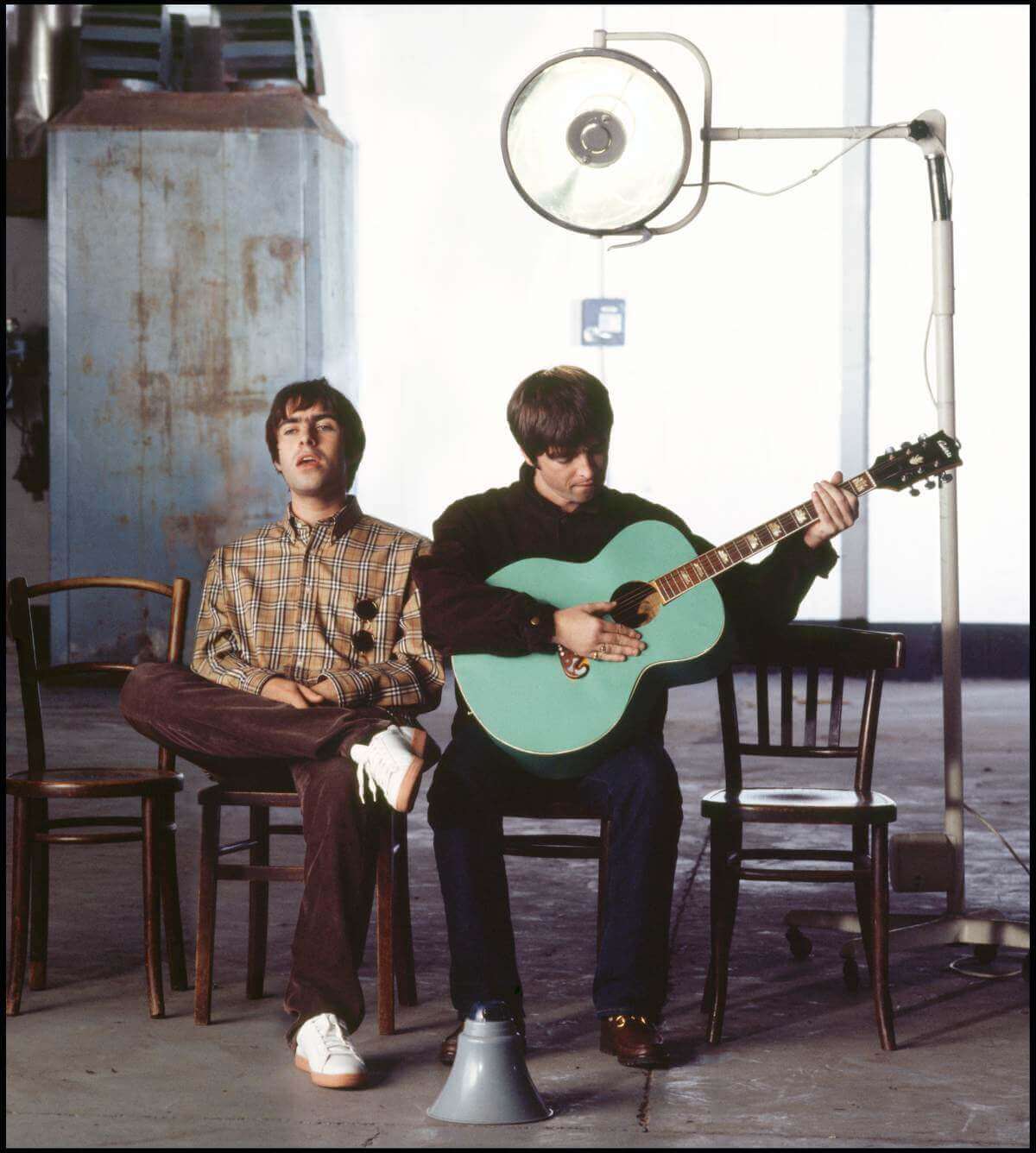
The biggest strength of the band was the two brothers; it also would go on to become the band's biggest flaw. With in-fighting, on-stage antics and missed gigs. However, at the band's peak, Liam sang those songs that had been written by Noel. Everything clicked, and it took off all over the world.
Liam's frontman attitude and voice are synonymous with the 90s; he was a maverick. Having the ability to roar out lyrics like 'is it worth the aggravation to find yourself a job when there's nothing worth working for' in 'Cigarettes & Alcohol' to singing like an angel in songs like 'Cast No Shadow', he could do both, and he did both effortlessly.
Noel was more reserved, but he was the one with 'The Masterplan' he had the songs that would take Oasis from obscurity to superstardom. Yet it was Liam's voice that carried those lyrics. Noel knew that no one else could sing those songs, those songs that carried a shared pain and a shared struggle that they had shared together since childhood.
The sibling rivalry made them human, and although their arguments would be flashed in front of the tabloids, it made them relatable to fans. It was different to any other band or artist we had ever had before. It still happens today. People still care about what the Brothers Gallagher have to say.
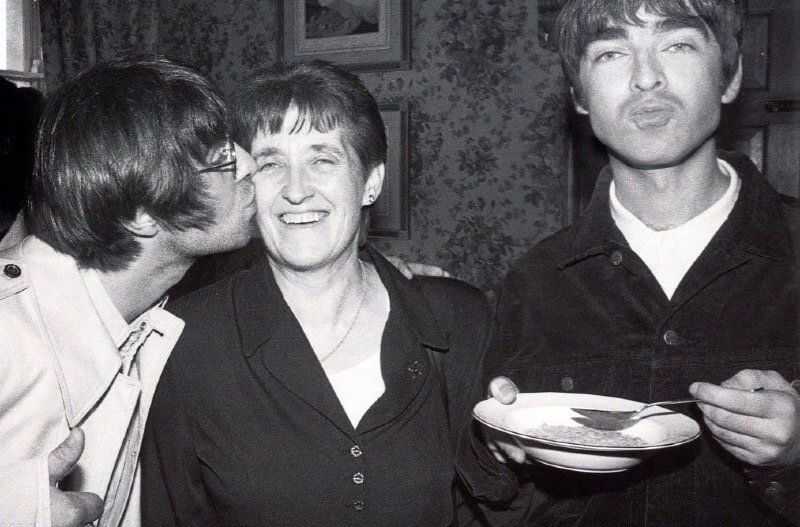
Oasis would not have worked without the Gallagher brothers being the way they were. As they said themselves with 'Acquiesce'
'We need each other, we believe in one another’
The Band:
Now, although the two main figures in Oasis were Noel and Liam Gallagher, it is worth mentioning that in the years 1993 to 1997, Oasis had 4 other members: Paul 'Bonehead' Arthurs, Paul 'Guigsy' McGuigan, Tony McCarrol and Alan White.
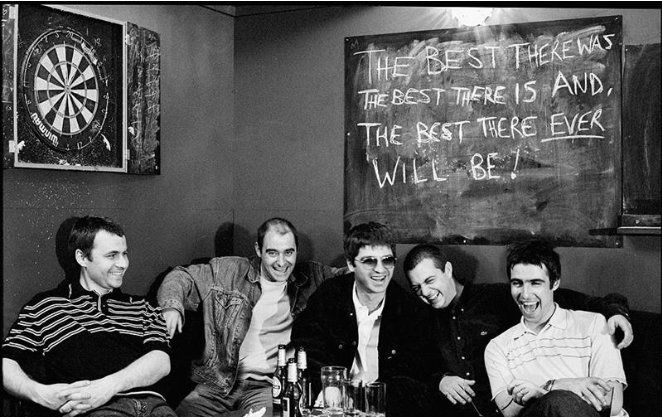
These 4 members play just as an important part of the Oasis story, Tony McCarroll the band's first drummer, who played on 'Definitely Maybe' and was a founding member of the band, was replaced after the band's first album after being criticised by Noel Gallagher saying his drumming was not good enough for the songs on 'What's The Story Morning Glory'
His drumming style was quite basic, but that basic style became a cornerstone of the band's early sound. It was punk-like, and that suited the songs at that time; his drumming is instantly recognisable on songs like 'Bring it On Down' and 'Supersonic'.
McCarroll was replaced in 1995 by Alan White, the brother of Paul Weller's drummer Steve White. White had to learn quickly; his first performance with the band was on Top of the Pops performing 'Some Might Say', the band's first Number One Single, and one of his first live shows was at Glastonbury in 1995, where Oasis was headlining.
White would drum on 'What's The Story Morning Glory' and 'Be Here Now' in this era and was part of what many believe is the 'Peak' Oasis lineup. It was definitely the band's most successful era. White had a more advanced drumming style, which made him more used to more complicated songs like 'Champagne Supernova' and 'Wonderwall.' He became a cornerstone of the band's sound.
Bonehead and Guigsy were founding members of Oasis and were a huge part of the sound of the band. Bonehead would play rhythm guitar and allow Noel to take the lead. He and Liam Gallagher were very close throughout the whole time they were in the band together and remain friends today. Happy to deal with both of the brothers Gallagher, dealing with Liam's escapades of drinking and having an enjoyable time, but also an extremely talented musician. Bonehead contributed some of the most memorable keyboard parts on the band's most successful record, including the cello lines of ‘Wonderwall’ (played on a mellotron), the gigantic piano of ‘Don’t Look Back in Anger’, and the melodica hook of ‘Champagne Supernova’.
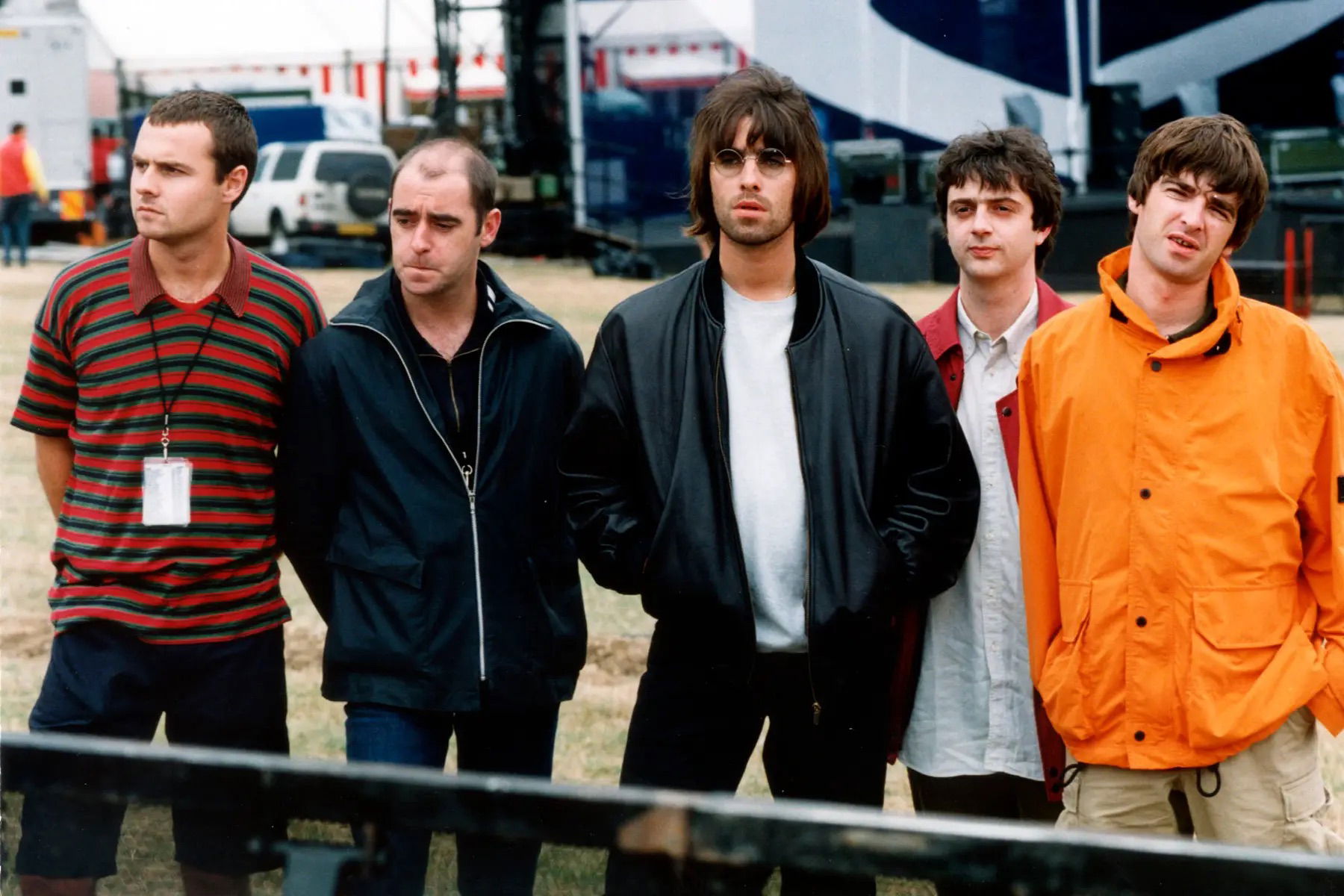
Bonehead has been described as the glue that held the band together in times of peril. He was the one who could get through to both Noel and Liam. He is a huge part of the Oasis story.
Guigsy was a more elusive character, as bass players always are. He always kept away from the public eye, even when in the band, yet he was well-loved by Oasis members and fans alike. Away from the band and music, Guigsy is an avid Football and Cricket fan.
Noel said of Guigsy in the 'Supersonic' Documentary that being in Oasis was a "lowly fifth" on the list of McGuigan's favourite things after "cricket, Doctor Who, weed, and Man City". He was not concerned about the success, the stardom, or even the chaos. Much more content with doing his own thing.
His bass playing was an important part of what Oasis was, though; he kept it all together and helped soundtrack some anthems of his generation. Before 'Fading Away' into obscurity. A true hero.
The Gigs:
Oasis became a huge band, especially after the release of 'What's The Story Morning Glory' and with the success of the records came bigger gigs.
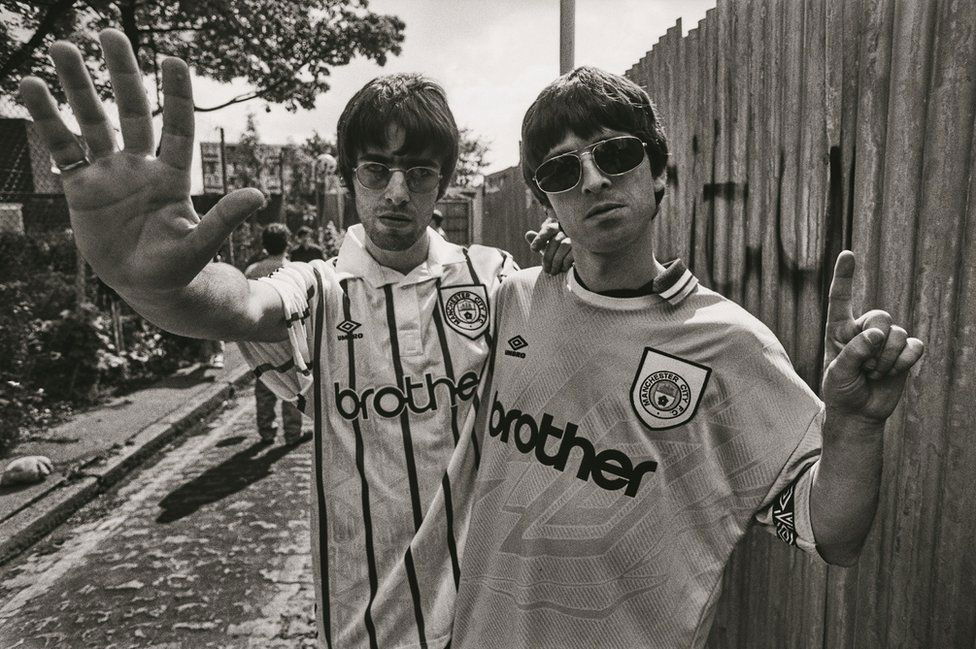
It was almost as if the band skipped arenas; in those early days, they quickly made the jump up. In April 1996, the band would play at 'Maine Road', the home of Manchester City. It was a big deal for the band, Noel Gallagher stated in an interview in 2019, he had only signed off 9 months before the band had sold out those two nights. For a band that was just starting to take off, this was a big deal. Playing in their hometown in front of a 40,000-capacity crowd. It had an extra dynamic which made it special.
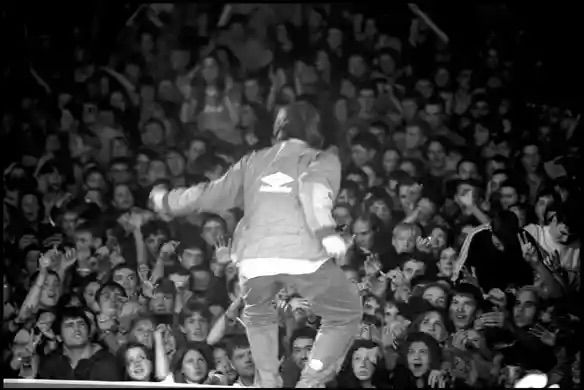
Later in that year, Oasis would play two sell-out nights at Knebworth House. With a star-studded line-up, The Prodigy, Manic Street Preachers, Ocean Colour Scene, The Chemical Brothers, The Bootleg Beatles, The Charlatans, Manic Street Preachers, Kula Shaker, Cast and Dreadzone. It would be the band at their very peak. Playing to 125,000 people a night. Just 3 years after being spotted at King Tuts by Alan McGee.
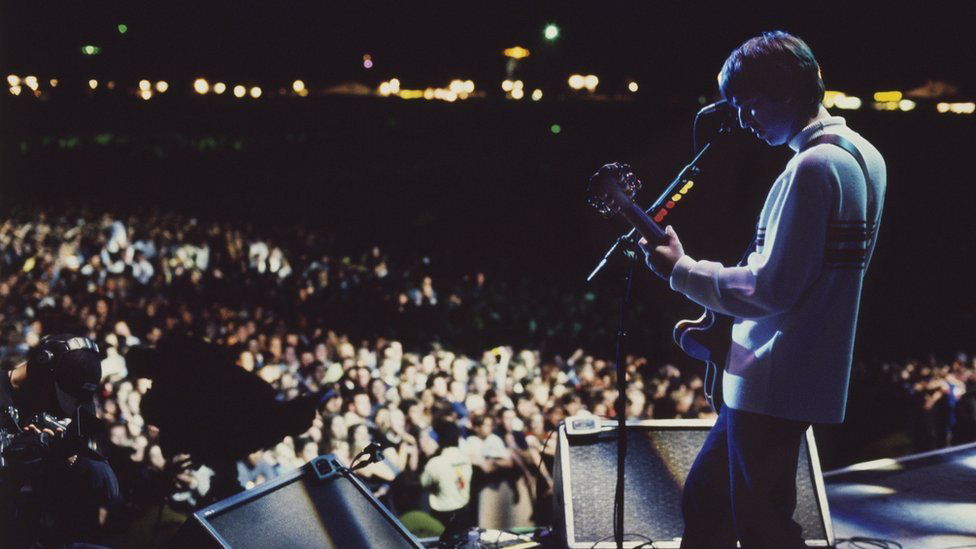
These gigs were more than concerts; they were huge cultural affairs. Knebworth, for example, has been described as the great gathering of people before the birth of the internet and two of the most culturally significant days this country has ever seen. It was a band at their peak playing to an audience that they could relate to.
It was the summit of a movement. Oasis was making a cultural change. Four per cent of the UK population applied for Knebworth tickets. It was a moment of mass cultural unification that it's hard to imagine now, especially over something as obsolete as a guitar band. They were more than just an indie band. They were music's biggest phenomenon, a band from a Manchester Council Estate. With anthems of positivity and aspiration.
Oasis could have played ten nights at Knebworth; their popularity was unrivalled, and we have not seen anything like it since. No other band or artist has had an impact that big in such a short amount of time. What other band goes from playing pubs to playing in stadiums in 2 years?
Following Knebworth and the release of 'Be Here Now', Oasis would go on a World Tour as the biggest band in the world, and although the album got a patchy reception, many see this tour as Oasis at their very best. They were the biggest band in the world, and they played and acted like it. Gigs at this time were monumental affairs. Before the walkouts and arguments, it was the biggest and best band in the world playing three albums' worth of brilliant material.
The Legacy:
The band's legacy cannot be understated. What they did was quite remarkable. They did what their former Manchester counterparts, The Smiths and The Stone Roses, couldn't quite do. Where The Smiths were a big indie band, Oasis became the biggest band in the world. Oasis came in and capitalised on where The Stone Roses had fallen in 1994; they didn't pass the baton on, so Oasis came in and took the baton. A legacy is set in stone.
For a brief period, Oasis were as big as any of the great bands have been. Maybe even bigger, they certainly got up there.
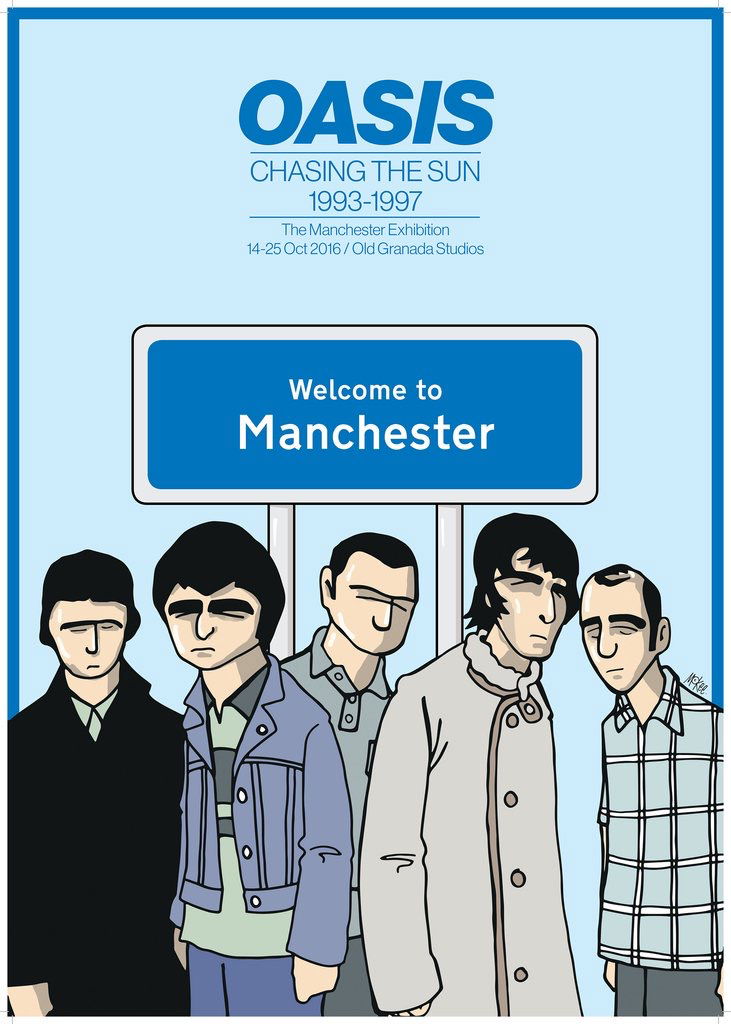
Oasis influenced and continues to influence today. Going through the lineage of guitar music since Oasis, you can hear an influence. Ask Miles Kane, Carl Barat, Arctic Monkeys and Kasabian what made them want to pick up a guitar, and Oasis will always get a mention. Even more recently, Blossoms, Catfish & the Bottlemen, and Sam Fender have all been influenced by Oasis.
Oasis fans are still getting younger, too; both Gallagher brothers have young fans at their gigs. I was 9 when Oasis broke up, and I'm writing this post. There is nothing like Oasis around today; they are still a vital British institution that is a cornerstone of thousands of people's record collections. Those songs change lives.
Those songs will Live Forever, and Oasis will continue to be as important as they once were. The reunion story will come around every few months. Liam will slag Noel off, Noel will call Liam the other fella and some teenager will find Definitely Maybe and be blown away. Oh, and let's not forget you'll hear Wonderwall at your auntie's birthday party! Some things are inevitable
"We will not be a footnote, but a footprint in the history of rock n roll music" Noel Gallagher, 1997
He was right.
Thank you for reading x