Burning Bright: The Verve, 'Urban Hymns', and the Price of Greatness
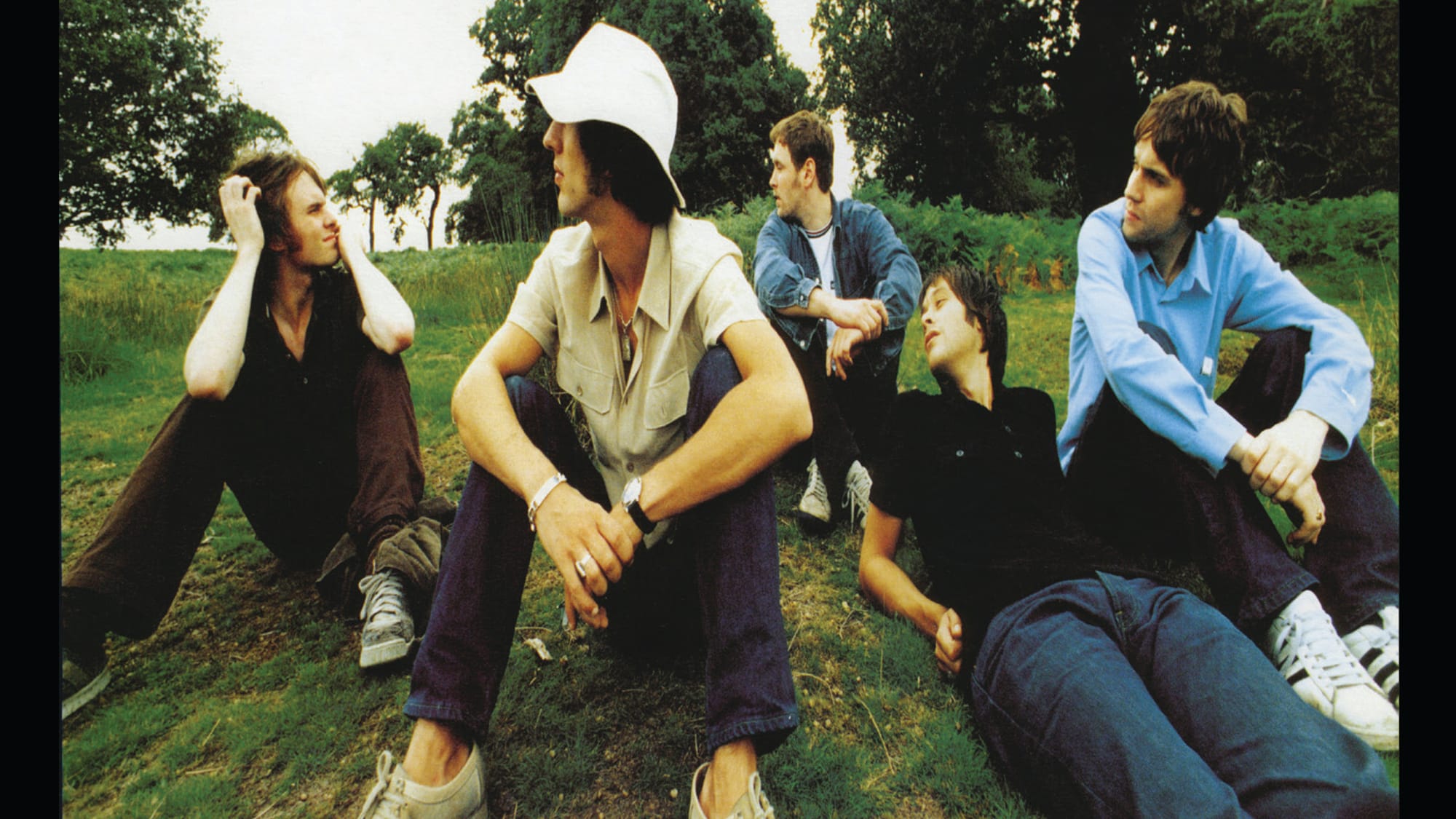
'Urban Hymns' is one of the best-selling records ever made by a British band. It has shifted over 3 million copies in the UK alone. The album was certified Platinum 11 times and spent 12 weeks at the top of the charts. It outsold 'The Joshua Tree', 'Definitely Maybe', 'Graceland', every Coldplay album, and the debut Spice Girls record. Globally, 'Urban Hymns' sold over 10 million copies, making a significant impact not just in Europe but also in the United States, where it earned Platinum certification and reached the Top 30 of the Billboard 200.
While it did not reach the sales heights of worldwide juggernauts like 'Thriller' or 'Back in Black', 'Urban Hymns' ranks among the most successful British albums of the 1990s and remains one of the few Britpop-era records to achieve substantial recognition on both sides of the Atlantic.
It remains, by any measure, a colossal achievement. Yet it was made by a band that seemed unable to keep it together. The Verve was perpetually close to imploding, held together by little more than tension, genius, and the occasional miracle.
A band who had built their name on swirling shoegaze and dark, despairing moments would become, albeit briefly, the biggest band in the world. However, the story of 'Urban Hymns' is not simply one about success; rather, it chronicles how a group of men from Wigan burned so brightly that they could not sustain the heat.
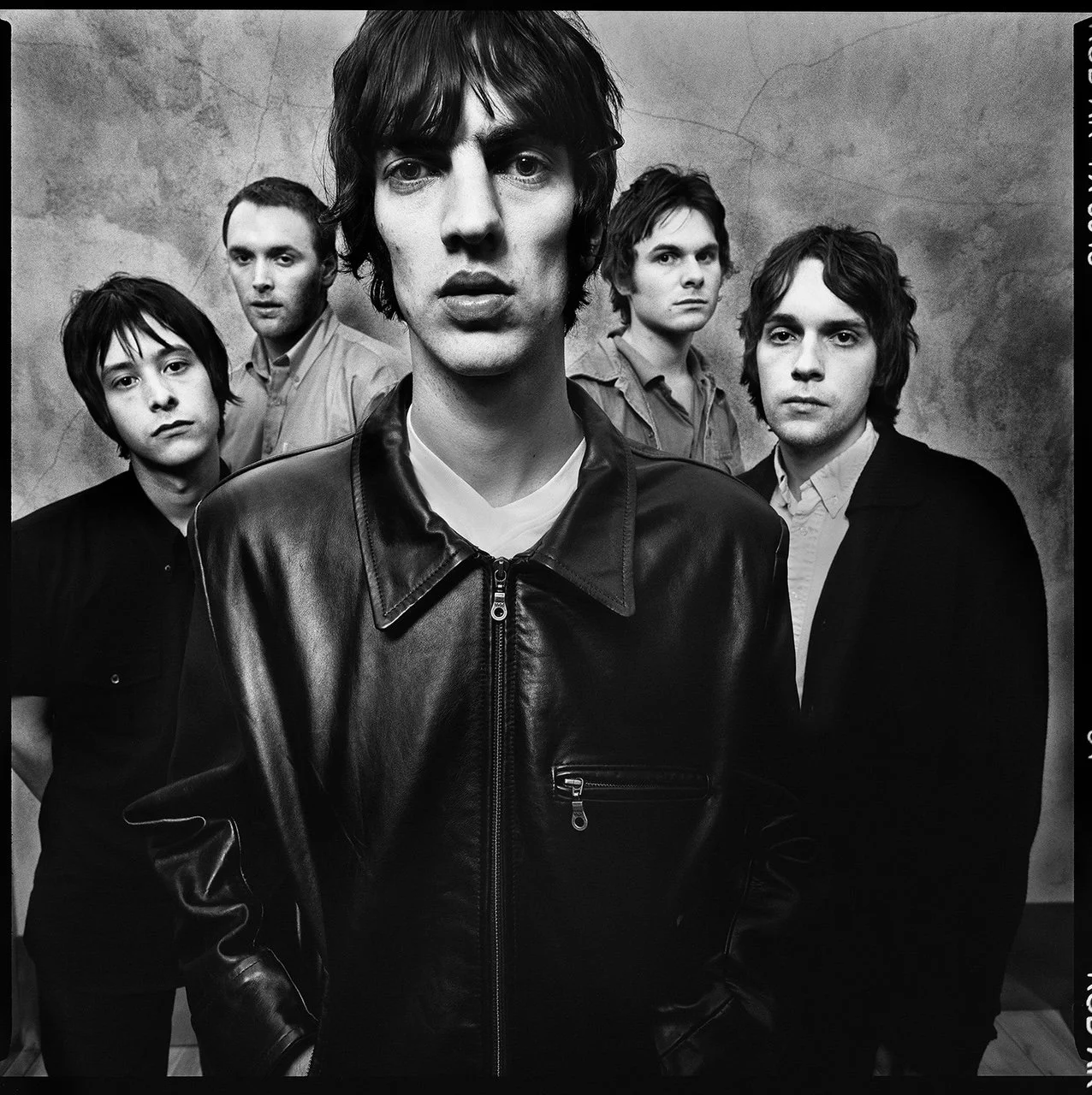
The Verve formed in Wigan in 1989. Four young men from a town not especially associated with rock and roll mythology made up the band: Ashcroft, bassist Simon Jones, drummer Peter Salisbury, and guitarist Nick McCabe. They came together with an almost evangelical sense of purpose. From the start, they were not interested in small ideas. Wigan had given them a certain outsider's hunger. They felt greatness had to be seized rather than waited for.
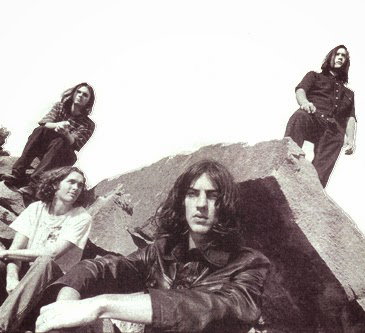
Richard Ashcroft, the band's mercurial frontman, had long carried himself with the swagger of a man who knew greatness was coming. Nicknamed 'Mad Richard' early in his career, his charisma was matched only by his volatility. Alongside guitarist Nick McCabe, whose shimmering, effects-laden playing was the band's sonic backbone, The Verve spent the early 1990s carving out a reputation as one of Britain's most thrillingly unpredictable live acts.
The relationship between Ashcroft and McCabe was the creative engine of the band, but it was also its fault line. Ashcroft was the visionary and the frontman. He needed the world to see what he saw. McCabe was the introvert, the purist, able to translate that vision into sound but who found the machinery of fame unbearable. They needed each other completely, yet they could barely be in the same room.
Their debut album, 'A Storm in Heaven' (1993), sounded like no other British guitar band of its time. Where Suede were theatrical, and Blur were sardonic, The Verve were vast. The album was a dense, psychedelic fog. Guitars dissolved into reverb and drone. Rhythms breathed rather than drove. Ashcroft's voice floated somewhere above it all, like a man half-convinced he was already a prophet. Tracks like 'Slide Away' and 'Already There' ignored the verse-chorus convention. They expanded and contracted like something alive, pulling the listener into a kind of weightless drift. Critics admired it, but mainstream success seemed a distant concern. This was music made for wide open spaces and altered states. It found its audience accordingly.
What the record could not fully capture, however, was the live experience. The Verve on stage in the early 1990s were something else entirely. They were a force of nature, leaving audiences shaken and converted in equal measure. Ashcroft prowled and preached. McCabe coaxed extraordinary sounds from his guitar. The band would stretch songs out into long, shuddering improvisations that could last twenty minutes or more. By almost universal agreement among those who witnessed it, they were one of the greatest live acts Britain had produced in a generation.
If 'A Storm in Heaven' was the sound of a band discovering what they could do, 'A Northern Soul' (1995) was the sound of a band pushing that discovery to its breaking point; a knife-twisting snapshot of a group on the brink. The circumstances surrounding its creation were as turbulent as the music itself. A legal wrangle over the band's original name, Verve, had already soured their mood, and a draining US tour had left them hollowed out: Ashcroft hospitalised from dehydration after a lengthy drinking bout, drummer Pete Salisbury arrested for smashing up his hotel room in a drug-induced rampage. They entered a remote Welsh studio with producer Owen Morris deeply fractured, and the sessions only widened the cracks.
What emerged was darker, more urgent, and more emotionally raw than anything they had done before. The album crackled with a restless energy that felt genuinely dangerous, the sound of four people pushing themselves and each other past the point of comfort. 'This Is Music', released as the lead single in May 1995, set the tone immediately: an assertive, almost defiant statement of purpose, with driving rhythms, swirling McCabe guitars, and Ashcroft's urgent, impassioned vocal conveying both defiance and introspection. It was a rallying cry from a band asserting themselves against chaos and expectation, and it announced that whatever had happened on the road, The Verve were not finished.
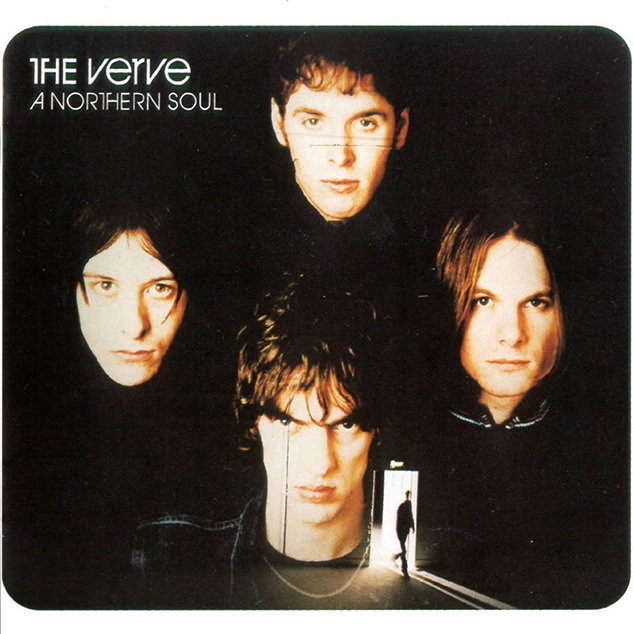
A month later came 'On Your Own', and the contrast was striking. Where 'This Is Music' had been forceful and outward-looking, 'On Your Own' was intimate and inward: a quiet, elegiac meditation on isolation and emotional vulnerability. Ashcroft's vocal was restrained, almost conversational, while McCabe's guitar arpeggios shimmered delicately over the steady pulse of Jones and Salisbury's rhythm section. It revealed the depth and maturity of the band's songwriting, offering a window into the personal and emotional states that had driven the album's creation, and it became emblematic of the reflective, almost confessional mood running through 'A Northern Soul' as a whole.
Then came 'History', released as the third single in September 1995, and it arrived at the worst possible moment: Ashcroft had broken up the band just weeks before it came out. The song reached number 24 in the charts, a modest placing that belied its ambition. It opened with a string introduction bearing a striking resemblance to John Lennon's 'Mind Games', and was, notably, the first Verve song to feature strings at all; a sign, in retrospect, of where Ashcroft's instincts were already pointing. The opening lyrics drew on the first two stanzas of William Blake's poem 'London', lending the track a literary weight that sat uncomfortably alongside the chaos surrounding its release. Melody Maker described it as “an epic, windswept symphony of strings, flailing vocals and staggeringly bitter sentiments.” Rumours circulated that the song was about Ashcroft's split from his girlfriend, though he denied it.
Ashcroft later reflected on the decision to end the band: “I knew that I had to do it earlier on, but I just wouldn't face it. Once you're not happy with anything, there's no point living in it. But my addiction to playing and writing and being in this band was so great that I wouldn't do anything about it. It felt awful because it could have been the greatest time of our lives, with 'History' doing well, but I still think I can look myself in the mirror in 30 years and say, yeah man, you did the right thing. It was a mixture of sadness and regret, and relief.”
The band bowed out at what had been their peak. 'History' was an epic moment, albeit a fleeting one; a final, brilliant statement from a group that had shown the music-buying public just how good they were, and then walked away before anyone could tell them to stop. It was a harrowing but tuneful document of a troubled time, and it closed not with resolution but with the sense that something had been irrevocably broken. The split that followed felt both inevitable and devastating.
It truly seemed like the story had ended.
But the end was not final. By 1996, The Verve had reunited, this time with a changed perspective. There was a renewed hunger, a new clarity, and, perhaps most importantly, a set of transcendent songs. 'Bitter Sweet Symphony', built around a sample from an orchestral version of The Rolling Stones' 'The Last Time', announced their return with the force of a thunderclap. This track would become one of the defining songs of the Britpop era, even as The Verve remained somewhat outside its bounds: too sprawling, cosmic, and emotionally vast to fit neatly alongside the lad-rock of their contemporaries.
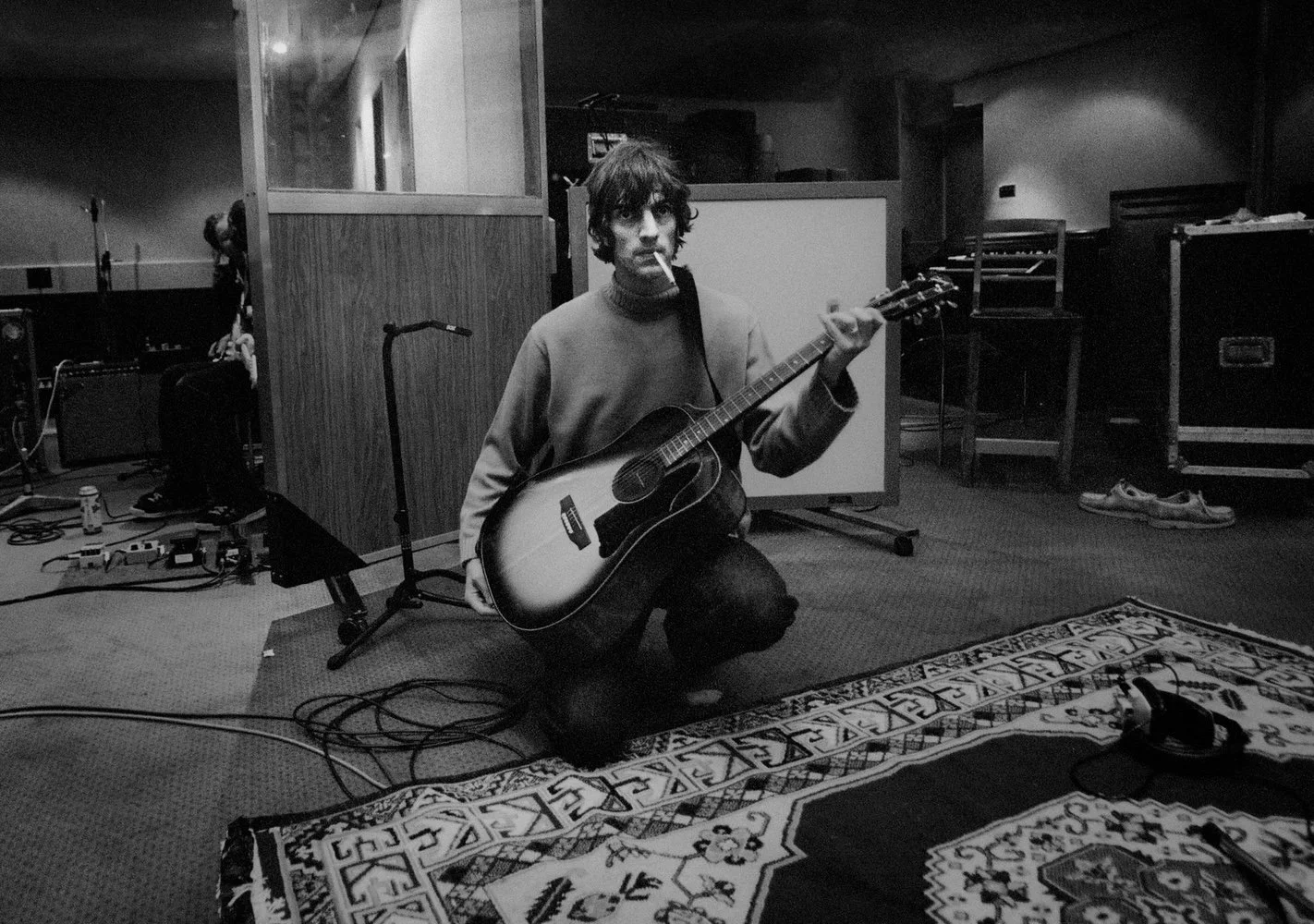
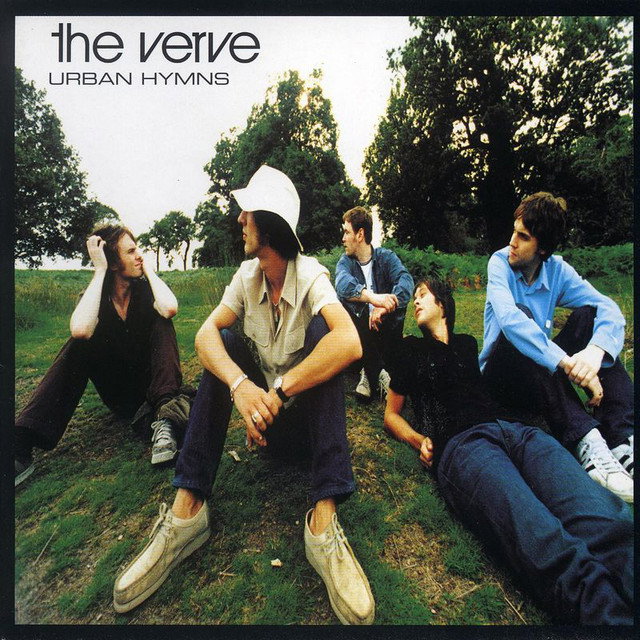
Released in September 1997, 'Urban Hymns' arrived at a complicated, emotionally charged moment for Britain. The country was still reeling from the sudden death of Princess Diana, a national trauma that had exposed deep undercurrents of grief, compassion, and public uncertainty. At the same time, the atmosphere was charged with the new hopefulness of Tony Blair's New Labour government, which promised renewal and a break from the old order. There was a hunger for meaning and sincerity in popular culture, as the public moved away from the cheerful bravado that had characterised much of Britpop towards something that felt more real and reflective of the national mood. 'Urban Hymns' echoed this longing, offering songs that felt honest, vulnerable, and vast in emotional scope. The Verve delivered a soundtrack that seemed to articulate both personal and collective feeling, capturing a restless sense of transition in Britain at the end of the decade.
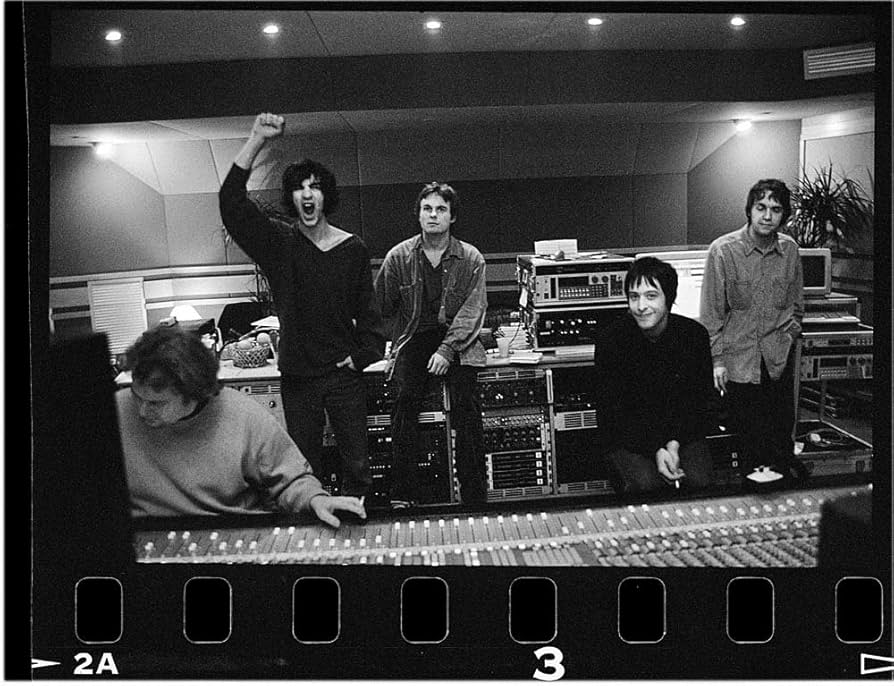
The album itself was sprawling and emotionally overwhelming. Eleven tracks moved between euphoria and desolation, between the cosmic and the deeply personal. Produced by Youth and Martin 'Youth' Glover alongside the band, the record had a warmth and scale that felt almost cinematic. Yet it never lost its intimacy.
'Bitter Sweet Symphony' opened the album with one of the most recognisable string lines in pop history. Arranged by Wil Malone, those strings arrived like a statement of intent: enormous, inevitable, impossible to ignore. In the video, Ashcroft walked impassively through crowds as if the world were something to be endured, shouldering past strangers without breaking stride, his expression somewhere between defiance and resignation. The lyric was deceptively simple, a meditation on fate and the impossibility of change, and yet it landed with the force of something profound. Ashcroft sang of being a slave to money, of trying to change but remaining the same; lines that could have seemed trite but instead felt like a confession. This was the sound of a band announcing itself to the world with total, unshakeable conviction.
'Sonnet' followed, and the contrast was striking: acoustic, tender, almost hymnal, it showed a gentler side of Ashcroft's writing, the kind of song that felt like it had always existed somewhere, waiting to be found rather than written. Built around a simple fingerpicked guitar figure and Ashcroft's most unguarded vocal on the record, it was the sound of a man in love with the world despite everything the world had put him through.
'The Rolling People' then shifted the mood entirely, a sprawling, six-minute psychedelic surge that nodded back to the band's earlier, more experimental instincts. McCabe's guitar snaked through the mix like something barely contained, coiling and releasing in waves, a reminder that beneath the orchestral grandeur of the album's singles, The Verve were still, at heart, a band capable of genuine sonic danger.
'Catching the Butterfly' offered something quieter and more reflective, a drifting, meditative piece that felt like the album pausing to catch its breath. Where other tracks announced themselves with force, this one crept in softly and stayed long after it had ended, its melody simple enough to feel almost accidental and all the more affecting for it.
'Space and Time' was the album's most openly romantic song, a sweeping declaration of feeling built on a melody that seemed to expand with each passing bar. It could have tipped into sentimentality, but Ashcroft's delivery kept it grounded: earnest without being mawkish, hopeful without pretending that hope came easily. It was the kind of love song that acknowledged the weight of the world even as it tried to rise above it.
'Velvet Morning' and 'Come On' rounded out the record's deeper cuts, both carrying that characteristic Verve quality of sounding simultaneously intimate and vast. 'Come On' in particular had an urgency to it, a restless forward momentum that felt like Ashcroft willing himself and everyone around him towards something better, something just out of reach. These were not the tracks that made headlines, but they were the ones that revealed 'Urban Hymns' to be far more than a collection of singles; a fully realised album with a beginning, a middle, and an end, designed to be listened to whole.
'The Drugs Don't Work' was re-recorded from its earlier acoustic form on 'A Northern Soul', and here it was transformed into something even more devastating. Where the original had been raw and exposed, this version surrounded Ashcroft's vocal with strings that swelled and receded like a tide, deepening the anguish without ever overwhelming it. The lyric remained unchanged: a son watching his father die, confronting the limits of medicine, of love, of language itself.
Released as a single in September 1997, it went straight to number one, arriving in the same week that Britain was still absorbing the shock of Diana's death. The timing was, in the truest sense, uncanny. A song about private grief became the sound of a nation mourning, and Ashcroft, who had written it alone in a moment of personal devastation, found himself at the centre of something far larger than he had ever intended.
'Lucky Man' closed the album with fragile optimism, Ashcroft counting his blessings over a gentle, sighing melody that felt earned rather than easy. Written quickly, almost casually, it had the quality of a song that had arrived fully formed, as if it had always been there waiting. And yet its simplicity was its strength: no grand gestures, no orchestral swell, just a voice and a guitar and a man acknowledging, with quiet gratitude, that he had been fortunate. It was the sound of someone who had been through enough to know that luck was real, and that it did not last. As a closing statement, it was perfect; not triumphant, not mournful, but somewhere in between, which was exactly where The Verve had always lived.
While Britpop indulged in surface swagger, 'Urban Hymns' aimed deeper. Ashcroft wrote on mortality, love, fate, and modern heaviness, but the music soared.
By the autumn of 1997, The Verve were not just the biggest band in Britain. They were the most talked about. Oasis had spent the previous two years occupying that position with a kind of proprietorial ease. They were generous in their admiration. Noel Gallagher had long respected The Verve, calling Ashcroft one of the greatest frontmen he had seen and citing the band as a genuine influence. When 'Bitter Sweet Symphony' and then 'The Drugs Don't Work' both became number one hits in the same summer, even Gallagher acknowledged that the crown had, at least temporarily, passed. This was significant. Oasis were not a band given to stepping aside for anyone.
The public responded to 'Urban Hymns' with an intensity that went beyond the usual enthusiasm for a good record. There was a sense that the album was speaking to something real; to grief, to uncertainty, to the strange emotional mood of a country that had just watched a princess die and was still trying to make sense of what it felt. 'The Drugs Don't Work' in particular seemed to arrive at exactly the right moment, its themes of loss and helplessness resonating far beyond the personal circumstances that had inspired it. Radio stations played it constantly, and listeners rang in to say it had helped them through their own bereavements. A song written in private anguish had become communal property.
Other peers were equally effusive. Thom Yorke of Radiohead, whose own 'OK Computer' had been released just months earlier, spoke of The Verve with admiration and a degree of kinship; both bands were, in their different ways, trying to make music that meant something in an era that sometimes seemed to reward only surface. Graham Coxon of Blur, despite the well-documented rivalry between Blur and Oasis, found common ground with The Verve's ambition and emotional reach. The critical consensus was almost unanimous: 'Urban Hymns' was not just a commercial phenomenon; it was an artistic one, and the industry knew it. The Mercury Prize shortlist that year felt almost beside the point; this was a record that had already won.
The legal fallout over 'Bitter Sweet Symphony' became one of the most notorious disputes in music history. Despite the band having licensed the sample in advance, the Allen Klein-managed ABKCO Records, which controlled the Stones' publishing, claimed the sample use exceeded the agreed terms. The result was devastating: Ashcroft and the band were stripped of all songwriting royalties from the track, with the credits reassigned to Mick Jagger and Keith Richards. For a song that had made The Verve famous, they would see almost none of the financial rewards. The loss of earnings was enormous, leaving the band feeling betrayed by the industry and fueling a sense of injustice that lingered for years. The bitter legal battle cast a long shadow, draining morale within the group and creating tension during what should have been their moment of triumph. Public sympathy largely fell on the side of The Verve, with many viewing them as victims of an exploitative system. It was a wound that never fully healed. In 2019, Richards and Jagger finally returned the royalties to Ashcroft, a gesture that was welcomed but came two decades too late for the band it might have saved.
The internal fractures were just as damaging. Nick McCabe departed again in 1998, barely a year after the album's release, citing the impossible pressures of life inside a band that had become a phenomenon. The remaining members attempted to carry on, but the heart had gone out of it. By 1999, The Verve had dissolved for the second time; this time, it seemed, for good.
What they left behind, though, was undeniable. 'Urban Hymns' has only grown in stature since its release. It is regularly cited among the greatest British albums ever made, sitting comfortably alongside 'OK Computer', 'What's the Story Morning Glory?', and 'The Stone Roses' in the canon of 1990s British rock. The songs themselves have proven remarkably durable; 'The Drugs Don't Work' in particular has transcended its era entirely, becoming a piece of music that feels timeless rather than nostalgic. Its influence can be heard in the work of artists like Coldplay, Snow Patrol, and Keane, who have cited The Verve as an inspiration for their own emotionally resonant sound. Even later generations of indie bands, such as the Editors and Elbow, have drawn on the album's expansive production and introspective lyricism. Some elements of 'Urban Hymns' also helped shape the broader Britpop and post-Britpop landscape, paving the way for more anthemic, emotionally charged songwriting in British music.
The Verve would reform once more in 2007, releasing 'Forth' in 2008 to a warm but muted reception, before splitting again; this time with a finality that felt definitive. But it is 'Urban Hymns' by which they will always be measured. A record made in spite of everything: the arguments, the legal battles, the near-collapses, the sheer improbability of it all.
In the years since, the album has found new audiences with each passing generation. 'Urban Hymns' enjoyed notable international success, reaching the Top 30 on the US Billboard 200 and earning Platinum status in America. Singles such as 'Bitter Sweet Symphony' broke into the Top 20 of the US Billboard Hot 100, and the song became an enduring radio hit across Europe, North America, and Australia. In Canada, it was a chart staple, and in countries like Australia and New Zealand, both the album and singles received strong airplay and critical acclaim. 'Bitter Sweet Symphony' has been used in films, television, and advertising so frequently that it has become part of the fabric of contemporary culture, recognisable to people who have never heard of The Verve and could not name another song they made. Streaming platforms have introduced 'The Drugs Don't Work' and 'Lucky Man' to listeners born long after the album's release, and the numbers have only grown. There is something about the emotional directness of the record, its refusal to be clever at the expense of being felt, that speaks across time in a way that much of its era does not.
In the end, perhaps that is what makes it so extraordinary. 'Urban Hymns' was not made by a band at peace with itself. It was made by a band on the edge, and it sounds like it. There is a particular kind of beauty that only comes from that place; from people who are running out of time, running out of patience, and running out of each other, but who somehow find, in the middle of all that chaos, something that will outlast them all.
The Verve never quite made sense as a band. They were too volatile, too contradictory, too prone to self-destruction. And yet, for one brief, extraordinary period, all of that contradiction resolved itself into music of genuine and lasting power. 'Urban Hymns' is the sound of that resolution; improbable, hard-won, and utterly irreplaceable. It is a record that could only have been made by this band, in this moment, under these conditions. That it exists at all feels, even now, like something close to a miracle.