A Walk onto Matthew Street and Down the Stairs.
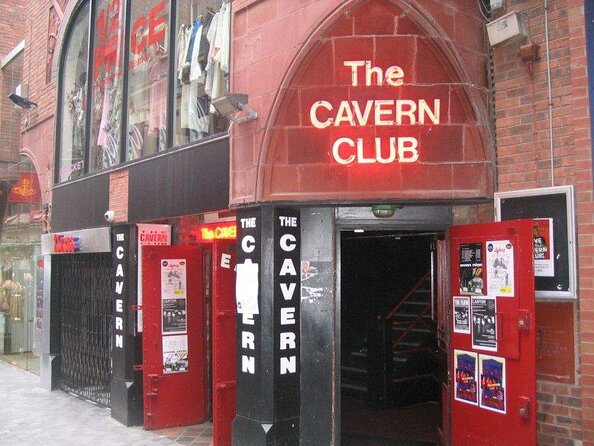
The Cavern Club. It is arguably the most famous basement in the world. When it first opened in an old fruit warehouse cellar in 1957, it wasn't a rock shrine; it was a Jazz sanctuary inspired by the 'Le Caveau de la Huchette' in Paris. Little did the founders know that these damp, brick arches would eventually become the cradle of modern popular music.
The Smell of Fruit and the Sound of Snare Drums
In those early days, the air in the club was a thick cocktail of disinfectant, stale tobacco, and the lingering scent of the rotting fruit that once occupied the warehouse above. It was a subterranean world reached by a steep, treacherous staircase that felt like a descent into another dimension.
While the club’s founder, Alan Sytner, envisioned a sophisticated jazz haunt, the youth of Liverpool had other ideas. The "Skiffle" craze, a DIY blend of folk, blues, and jazz played on washboards and tea-chest basses, began to infiltrate the sessions. It was this raw, high-energy sound that acted as the gateway drug for Rock ‘n’ Roll.
The Forbidden Beat
Early on, "Rock" was actually a dirty word at The Cavern. Legend has it that when a young John Lennon first performed there with The Quarrymen in 1957, they started playing 'Blue Suede Shoes'. A note was famously passed to the stage from the management that simply read: "Cut out the bloody rock 'n' roll!" But the tide couldn't be held back.
The acoustics of the three arched tunnels, originally designed to support the weight of the warehouse, acted like a natural amplifier, creating a booming, cavernous sound that made every drumbeat feel like a physical punch. This "Cavern Sound" became the signature of the Merseybeat movement, turning a cramped, windowless cellar into the most electric atmosphere on the planet.
The Fab Four and the Birth of Merseybeat
The club’s destiny changed forever in February 1961 when four local lads, The Beatles, took to the stage for their first lunchtime session. At the time, they were still a rough-and-ready leather-clad rock ‘n’ roll group, fresh from the gritty clubs of Hamburg. They were loud, they were rebellious, and the low brick arches of The Cavern captured their sound like nowhere else on earth.
It was in the dimly lit, sweat-soaked atmosphere of November 9, 1961, that Brian Epstein first descended those famous 18 steps. A local record shop manager who had heard whispers of the band’s magnetism, Epstein was immediately struck by their raw charisma and humour.
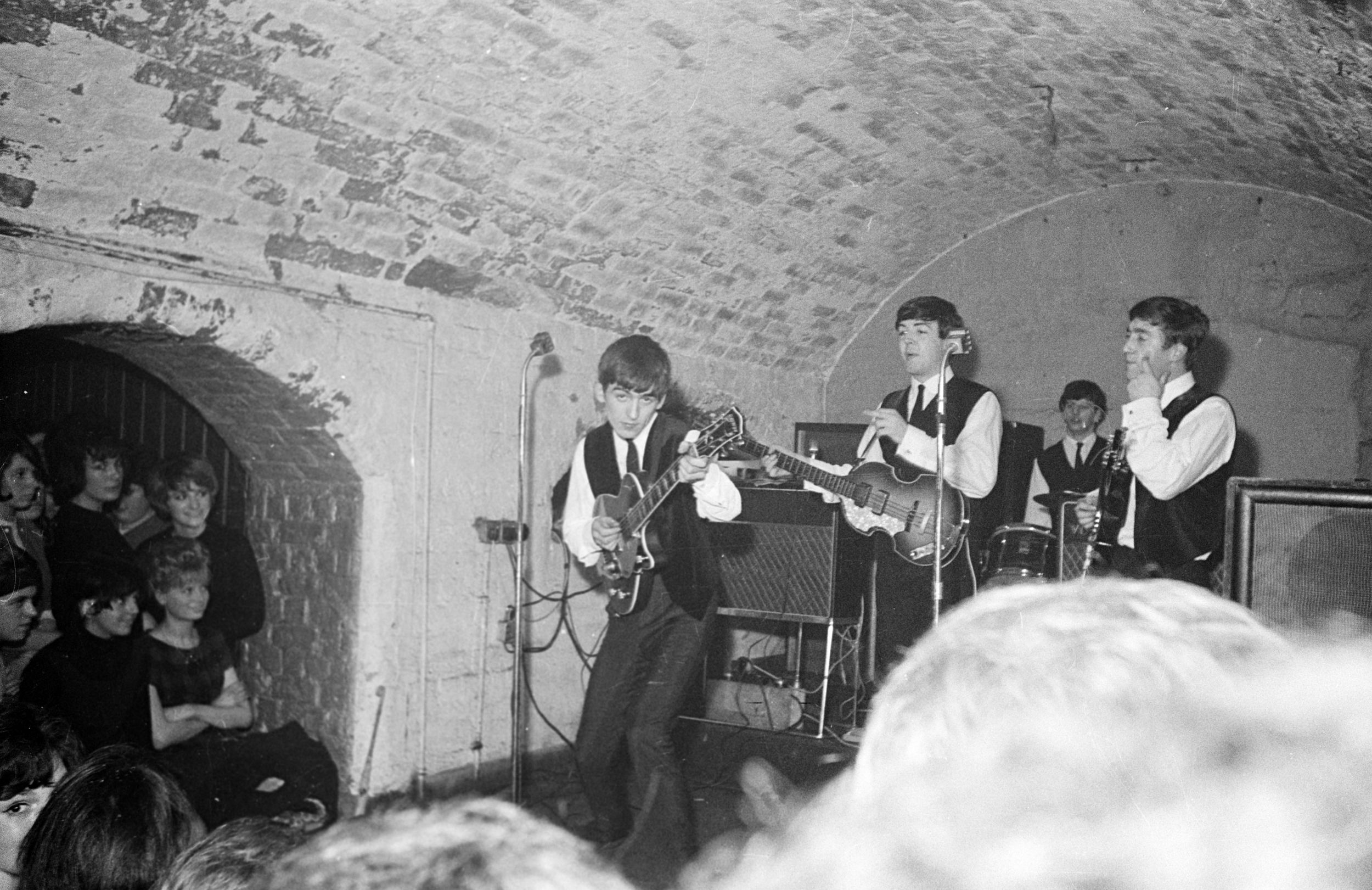
Legend has it that despite the condensation dripping from the ceiling and the smell of disinfectant, he saw their potential to be "bigger than Elvis." Within months, he was their manager, famously polishing their image and securing the deal that would change music history.
292 Lunchtimes and Nights
Between 1961 and 1963, The Beatles performed a staggering 292 times at The Cavern. These weren't just evening concerts; the "Lunchtime Sessions" became a rite of passage for local office workers and students who would queue around the block to spend their break in the dark, electric cellar. On that tiny stage, songs like 'Please Please Me' and 'Some Other Guy' became the soundtrack to a revolution.
The atmosphere was legendary—and physically intense. With no ventilation, the "Cavern Sweat" would literally drip from the walls and ceiling, often shorting out the band's amplifiers. Yet, the fans didn't care. They were witnessing the birth of a movement and watching a band that would go on to change the world and help birth music as we know it today.
The Final Bow
By their final show on August 3, 1963, "Beatlemania" was exploding across the nation. The club had become the epicentre of the 'Merseybeat' sound, a melting pot of American R&B and British grit. The Beatles had simply become too big for the basement.
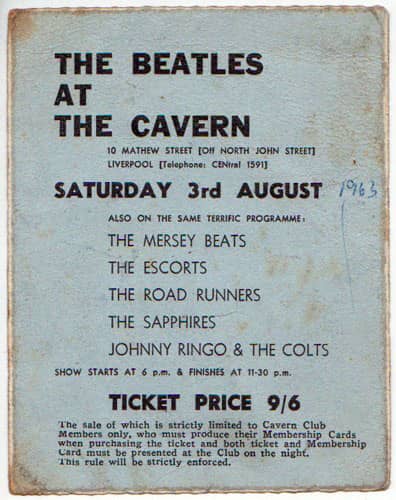
As they played 'I Saw Her Standing There' for the final time within those arches, the crowd knew they were losing their local heroes to the rest of the world. The Cavern had done its job; it had forged the greatest band in history in the heat of a Liverpool cellar.
A Passing of the Torch
When The Beatles outgrew the venue to conquer America, the music didn't stop. The Hideaways famously stepped in as the resident band, ensuring the rhythm of Mathew Street never skipped a beat. But the club wasn't just about the boys on stage; it was a breeding ground for stardom in every corner.
Perhaps the most famous face of the "Cavern staff" was a young girl named Priscilla White, better known to the world later as Cilla Black. Before she was topping the charts with 'Anyone Who Had a Heart', she was the girl in the cloakroom, taking coats and occasionally hopping on stage to belt out a song with the bands.
Throughout the 60s and 70s, the stage became a rite of passage for every titan of rock and soul.
Beyond the local Merseybeat scene, The Cavern became a vital stop for the architects of rock and soul. The Rolling Stones and The Yardbirds made the pilgrimage to Liverpool, bringing the raw, gritty blues of the South up to the North and electrifying the cellar with a new kind of edge. They were joined by the defining voices of the British Invasion; bands like The Who, The Kinks, and The Hollies used the club as a proving ground, refining their high-energy sets under those iconic low arches until the walls practically vibrated with the sound of the future.
The venue’s reach extended across the Atlantic as well, welcoming American icons who brought a touch of class to the underground. The legendary Stevie Wonder and Ben E. King graced the stage, filling the brick tunnels with the polished soul of Motown and the timeless elegance of 'Stand by Me'. Even as the musical landscape shifted toward the heavy and the psychedelic in the early 70s, the club held its own. Heavy metal pioneers like Queen and Black Sabbath shook the very foundations of the warehouse, proving once and for all that the world’s most famous cellar could handle the loudest and most powerful sounds in music history.
The Dark Years: British Rail and the Sealed Tomb
Tragedy struck for music fans in the early 1970s. Despite its status as a global landmark, the historic standing of the club couldn't save it from urban development. In 1972, British Rail took ownership of the warehouse block at 8–12 Mathew Street, which housed the original 1957 cellar. They planned to demolish the entire block to make way for a ventilation shaft for the city’s new underground railway loop.
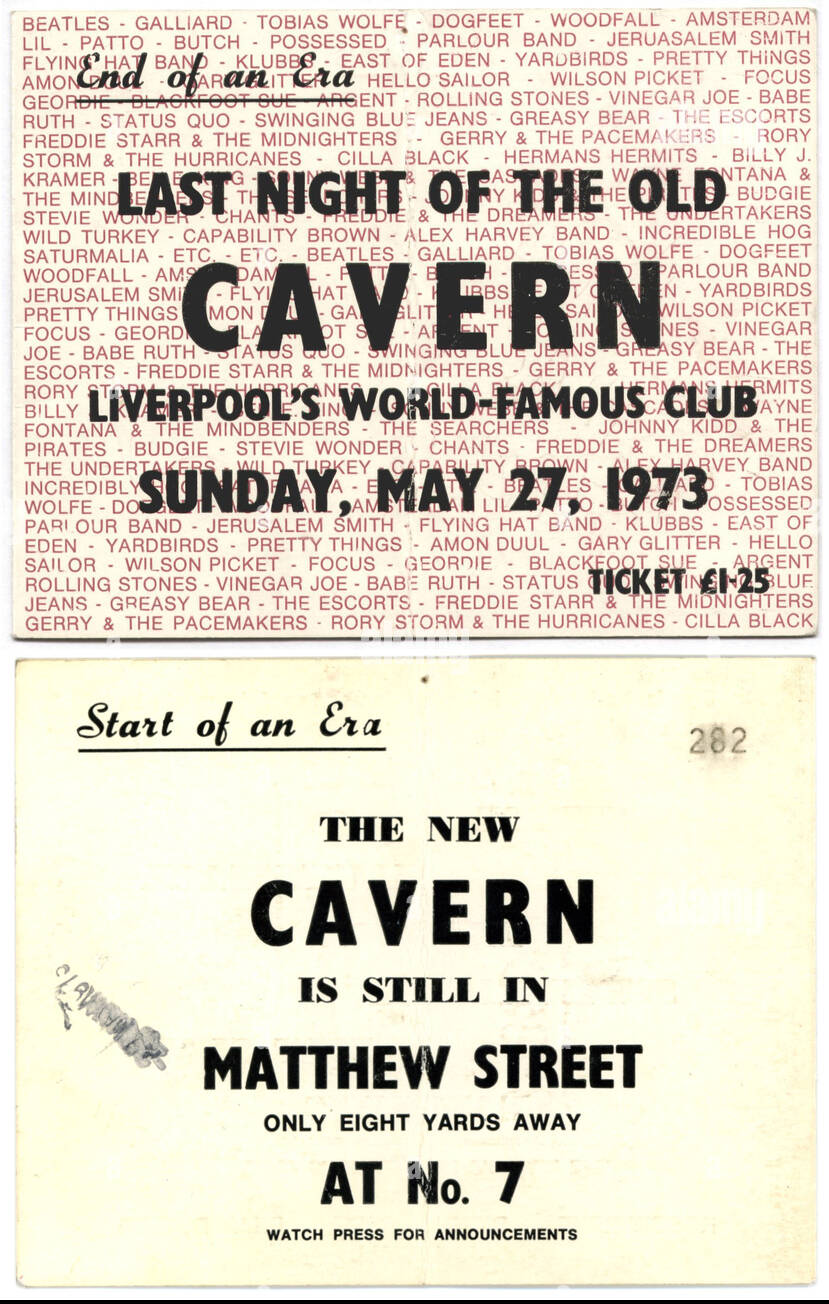
The decision sparked a wave of disbelief. To the fans who had spent their youth in that basement, it wasn't just a building; it was the "Cradle of British Pop." There were protests and petitions, but at the time, the "swinging sixties" were seen by city planners as recent history rather than a heritage worth protecting. The club’s final nights in May 1973 were bittersweet, filled with fans trying to soak in the atmosphere one last time before the music was silenced. By the time the final note was played, a sense of mourning hung over Mathew Street, as the heart of Liverpool's musical identity was signed over to the hands of engineers and bureaucrats.
On May 27, 1973, the original Cavern Club closed its doors. Just over a week later, bulldozers moved in to begin the demolition of the warehouses above. While the buildings at street level were levelled, the cellar itself wasn't actually destroyed; it was filled with rubble from the demolition and left like a sealed tomb for the rest of the decade. Paradoxically, the proposed ventilation shaft was never even built; the site of the world’s most famous club was simply used as a rough storage area for British Rail vehicles and, eventually, a car park.
From the Revolution to 'Eric’s'
The spirit of the venue attempted to live on across the street. When the original site was forced to close, the iconic red and yellow vertical Cavern sign was moved to 7 Mathew Street. However, the "New Cavern" struggled to capture the same magic and was eventually renamed the Revolution Club.
In March 1976, the Revolution began hosting a music appreciation night called 'Eric’s'. By October of that year, the venue officially reopened as 'Eric’s', and it quickly became the beating heart of Liverpool’s punk and New Wave scene. Just as the original Cavern had birthed the Merseybeat era, 'Eric’s' became the launchpad for a new generation of legends. It hosted the first-ever gigs for bands like Echo and the Bunnymen, Orchestral Manoeuvres in the Dark, and The Teardrop Explodes. It was the vital link in the chain that kept Liverpool’s music scene alive during the years the original arches were buried underground.
The influence of 'Eric’s' was staggering, acting as a creative melting pot for what would become the sound of the 80s. One of the club’s biggest success stories was the band Big in Japan, whose members would later go on to form or influence massive acts like The Lightning Seeds, Frankie Goes to Hollywood, and The KLF. Even members of Siouxsie and the Banshees and the future founders of the world-famous Cream nightclub had their roots in the sweat and strobe lights of 'Eric’s'.
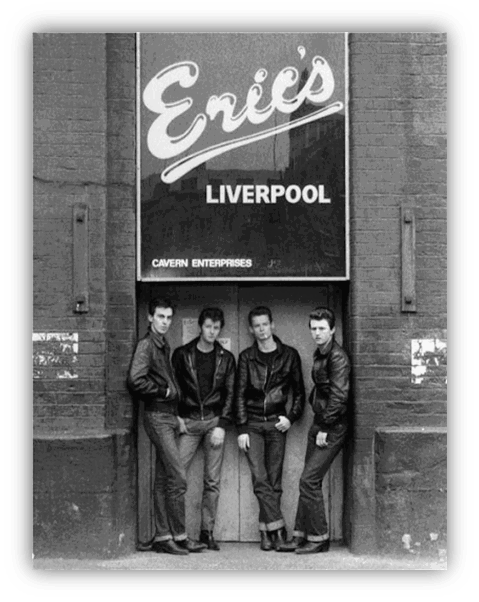
It was a time of pure musical rebellion; while the original Cavern site lay dormant as a car park, the spirit of the underground shifted just a few yards away. The club became a sanctuary for anyone who didn't fit the mainstream, proving that Mathew Street’s magic wasn't tied to a single set of bricks, but to the people and the noise they made.
The Resurrection
The soul of The Cavern was too powerful to stay buried under a car park forever. In 1984, after a massive effort to excavate the site, the club was painstakingly reconstructed using 15,000 of the original bricks that had been salvaged and cleaned. Though it now sits at a 90-degree angle to the original floor plan, the layout and the atmosphere, right down to the humidity, are a near-perfect tribute to the 1957 cellar.
The 1980s saw the club reclaim its crown. After the grand reopening on April 26, 1984, by Liverpool FC legend Tommy Smith, the venue became a hub for the biggest stars of the decade. More than 15,000 people applied for tickets to the opening, proving the city’s hunger for its musical heart to beat again. The stage was quickly graced by the icons of the era, including Wham!, Culture Club, and Spandau Ballet. It was a decade of neon and pop, but the "Wall of Fame" was already beginning to grow, proving that the rebuilt arches had lost none of the original’s magic.
The 80s also saw the club lean into its heritage while embracing the future. It wasn't just about the chart-toppers; it was about the atmosphere. The 1980s brought a new generation of fans down those stairs to hear the heavy synths of the New Romantic movement bouncing off the same bricks that once echoed with skiffle and jazz. By the time Donovan and The Icicle Works performed later in the decade, The Cavern had successfully transitioned from a buried memory into a thriving, modern venue once more. It stood as a symbol of Liverpool's resilience—a place where the past wasn't just remembered, but was used as a foundation for the next big sound.
The 1990s: Britpop and the Return of a King
As the 90s arrived, the club became a central landmark for the Britpop movement. In 1992, Oasis played an early, legendary set. At the time, they were still a relatively unknown band from Manchester, but they brought a swagger to the stage that perfectly complemented the room that had inspired 'Live Forever'.
It was during this decade that the club felt more dangerous and exciting than it had in years, acting as a bridge between the legends of the 60s and the guitar-heavy revival of the 90s. Throughout these years, the venue also saw performances from diverse acts like The Charlatans, Cast, and even The Chelsea Blues, ensuring the underground remained the place to be for any band with a point to prove.
But the decade truly culminated in one of the most significant nights in rock history. On December 14, 1999, Sir Paul McCartney returned to the venue that started it all for his final gig of the millennium. He wasn't there to play a quiet acoustic set; he was there to rock. McCartney famously took the stage and told the roaring crowd, "This is the place that made us," before launching into a high-octane performance.
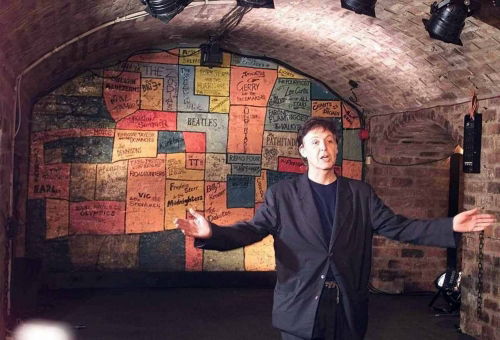
The lineup that night was a "supergroup" for the ages. Joined on stage by Pink Floyd’s David Gilmour on guitar and Deep Purple’s Ian Paice on drums, McCartney blew the roof off the cellar. Performing tracks from his raw, rock-and-roll covers album 'Run Devil Run', the set included blistering versions of 'Blue Suede Shoes', 'All Shook Up', and the title track 'Run Devil Run'. It was a full-circle moment, filmed for a special called 'Live at the Cavern Club', that was broadcast to a global audience of millions. It didn't just celebrate the past; it cemented The Cavern's status as the ultimate "homecoming" venue for the world’s greatest icons.
The 2000s: The New Wave of Greatness
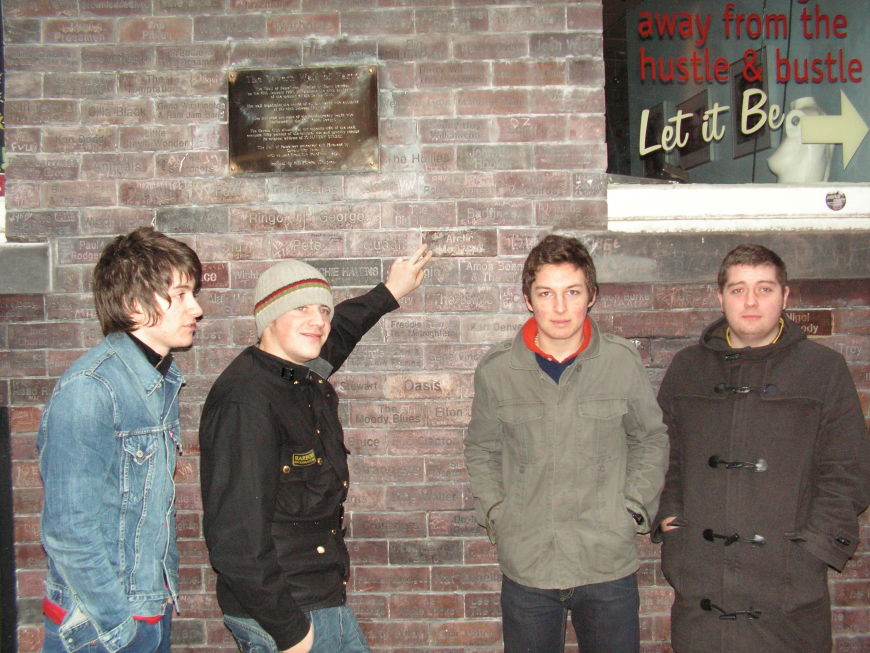
The turn of the millennium proved that The Cavern was not just a monument to the past, but a launchpad for the future. The 2000s saw an incredible influx of new talent who would go on to define the century, proving that the club still had its finger on the pulse of the global music scene. In 2005, a young band from Sheffield called Arctic Monkeys brought their raw, frantic energy to the stage for a high-octane set. This performance took place just as the hype around them was reaching a fever pitch, shortly before their debut album 'Whatever People Say I Am, That's What I'm Not' shattered records and made them international stars.
The decade continued to showcase voices that would dominate the charts for years to come. In 2011, before she became a global phenomenon and one of the best-selling artists of all time, Adele performed a soulful, intimate set in the Cavern Live Lounge. Her powerful performance within the brick arches was a testament to the venue’s unique ability to handle both roaring rock and delicate, emotive soul. The stage during this era was a revolving door of talent, hosting a diverse range of acts from the indie-pop hooks of The Kooks to modern pop stars like Jessie J and The Wanted.
Beyond the nightly gigs, the 2000s were a time of deep celebration for the club's enduring legacy. The 50th Anniversary in 2007 was a major milestone, marked by the unveiling of a new statue of John Lennon outside the entrance on Mathew Street. This period saw the venue officially recognised not just as a local bar, but as a global "shrine" to music culture. It was during these years that the 'Wall of Fame' truly became a tourist pilgrimage, as the world acknowledged that while the bricks were rebuilt in the 80s, the spirit of the 2000s had made The Cavern more relevant than ever.
The 2010s to Today: A Modern Legend
As the 2010s unfolded, The Cavern Club solidified its reputation as the ultimate "bucket list" venue for both rising stars and established legends. The decade kicked off with a flourish of new talent, including a memorable performance by Jake Bugg in 2013 and a soulful set from James Bay. However, the era was truly defined by a series of high-profile "secret" gigs that proved the world's biggest icons still craved the intimacy of the cellar. In 2018, the street outside came to a standstill when Sir Paul McCartney returned once again. He treated a tiny, ecstatic crowd to a blistering two-hour set that spanned his entire career, from the early rock 'n' roll covers that built the club's reputation to tracks from his then-new album 'Egypt Station'.
Moving into the 2020s, the club faced its greatest challenge yet during the global pandemic. For the first time since the demolition in 1973, the music was forced to stop. Yet, true to the resilient spirit of Liverpool, the venue pivoted to the digital age, broadcasting virtual gigs to millions of fans worldwide and ensuring the "Cavern Sound" reached every corner of the globe. When the doors finally reopened, the energy was more electric than ever. Modern chart-toppers like Louis Tomlinson and Niall Horan have since been linked to the venue, and the club continues to be a sanctuary for the next generation of indie and rock bands.
Today, as we move deeper into the 2020s, The Cavern remains a vibrant, living entity. It is the site of the annual International Beatleweek, drawing thousands of fans from every continent to celebrate the songs that changed the world, such as 'In My Life' and 'A Hard Day's Night'. Whether it’s a high-octane tribute show or a local songwriter debuting their first track, the club continues to prove that it is not a museum of the past, but a lighthouse for the future of live music. The brick arches still sweat, the air still hums with history, and every day, a new name is added to the story of the most famous basement on Earth.
The Personal Magic
I’ve been to The Cavern three times now, and as an avid music fan, I can tell you: there is nothing like it. It isn't just a museum or a tourist trap, it’s a living, breathing pulse of energy. The moment you walk down those famous steps, you feel it. There is a specific weight in the air, a mixture of history, humidity, and pure rock 'n' roll. You can go in at 2 PM on a Monday or 10 PM on a Saturday, and there will be someone on stage pouring their soul into a guitar. Whether they are playing 'In My Life', 'Hey Jude', or a brand-new original, the standard of talent is consistently world-class.
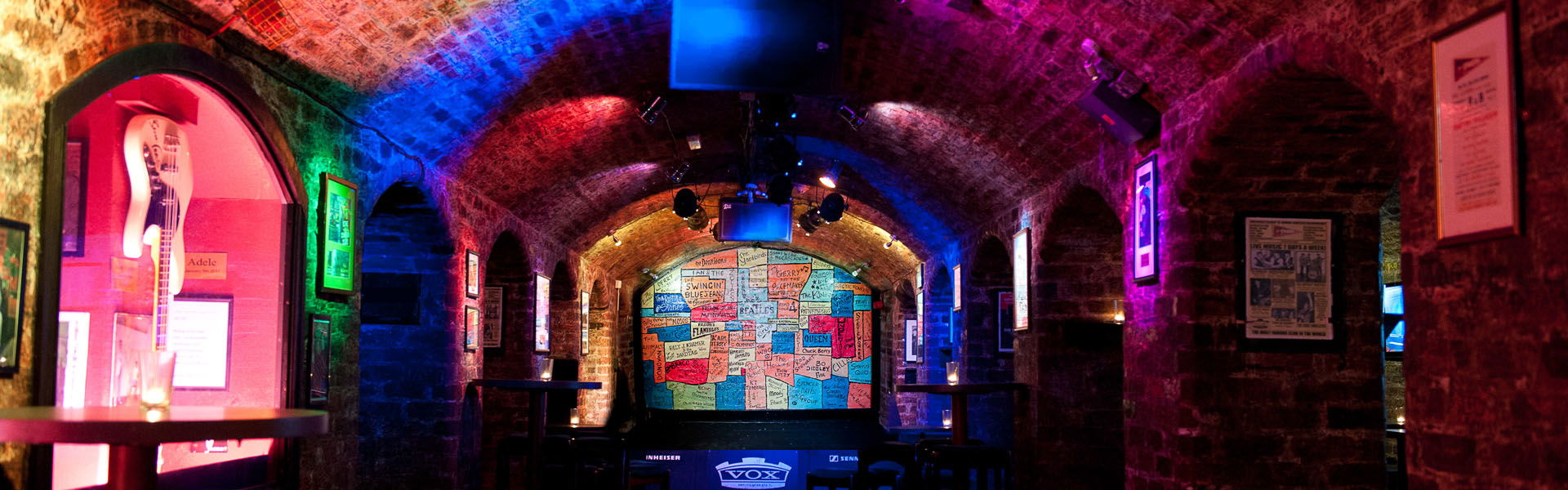
There is a unique magic in the way the venue bridges the gap between generations. You’ll see teenagers in Arctic Monkeys t-shirts standing alongside fans who remember the original Merseybeat era, all of them united by the same rhythm. It’s a community of brilliant, hospitable people where the barriers between the stage and the crowd seem to vanish. Whether you’re there for a lifelong musical pilgrimage or just a cold pint in a historic setting, you’re welcomed with open arms. The hospitality is as much a part of the experience as the music itself; it’s a place where strangers become friends over a shared chorus.
It’s a truly special place that refuses to stand still. Every performance adds a new layer of paint to the legend, and every cheer from the crowd echoes off bricks that have heard the greatest voices in history. If you’ve never been, I urge you to go. Breathe it in. Listen to the echoes of the past and the roar of the future.
For any music fan, it’s not just a visit, it’s a homecoming. Thanks for reading! X