The Coral’s Debut Album: A Time Capsule in the Mersey Mud
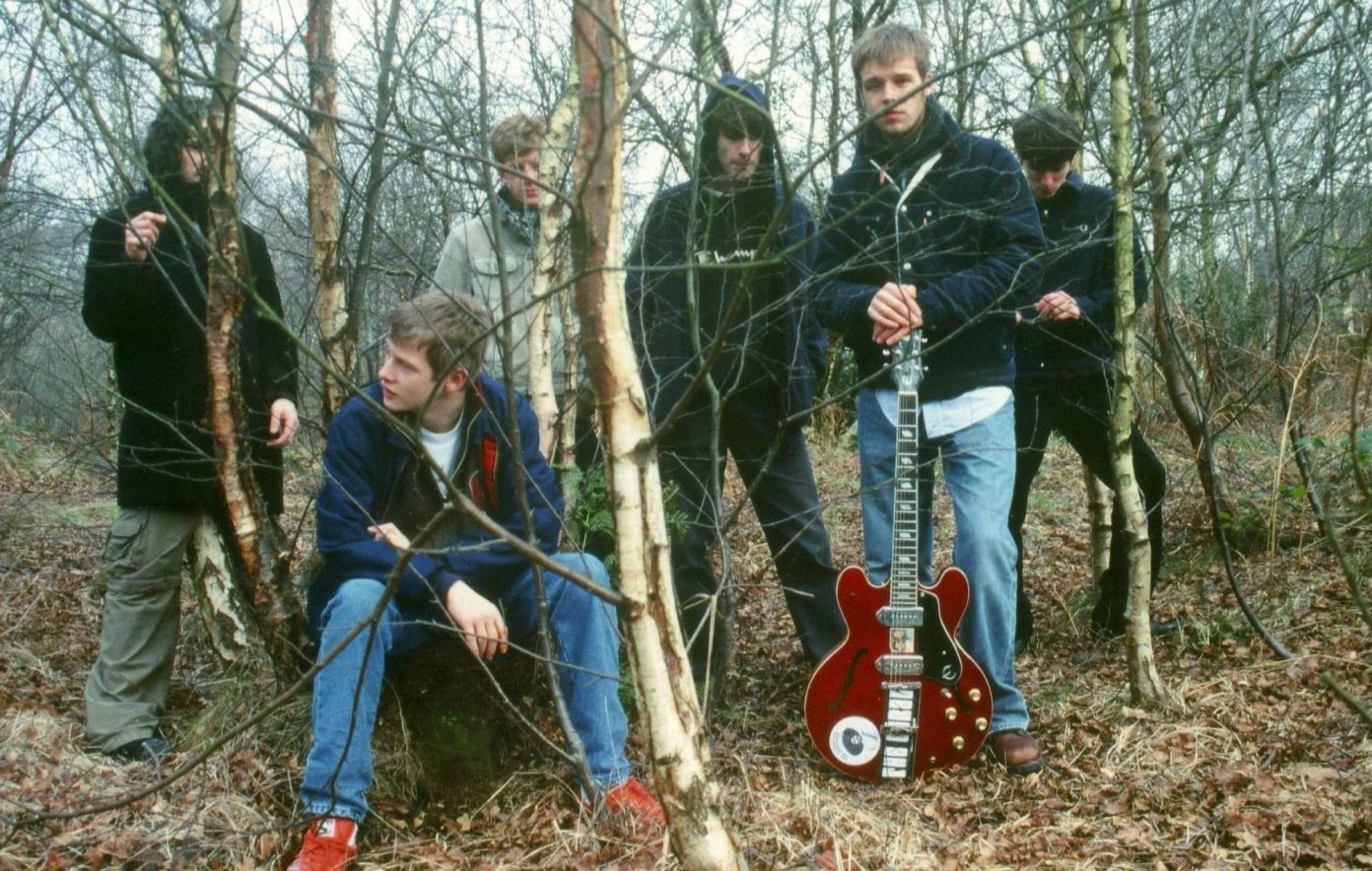
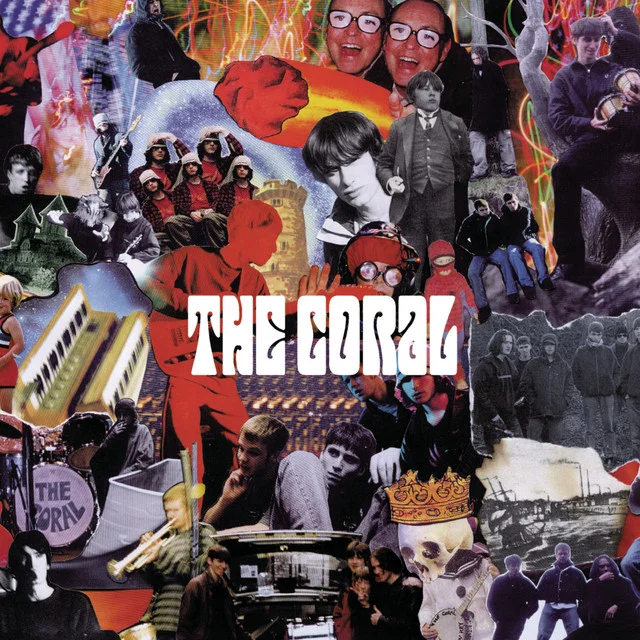
Released in July 2002, The Coral's self-titled debut arrived just as British guitar music was beginning to gather momentum again. Yet even among the wave of new bands emerging at the start of the decade, very little sounded like this.
'The Coral' was a kaleidoscopic collision of sea shanties, Captain Beefheart, The Beatles, The Beach Boys, Shack, early Pink Floyd, psychedelia, Madness, The Specials, reggae, disco and flashes of 1980s pop. Listening to it can feel as though somebody has dragged a box of forgotten records out of the Mersey mud, thrown them all onto the turntable at once, and somehow made the result work.
It remains one of the strangest and most distinctive British debuts of the noughties.
From Hoylake to Deltasonic
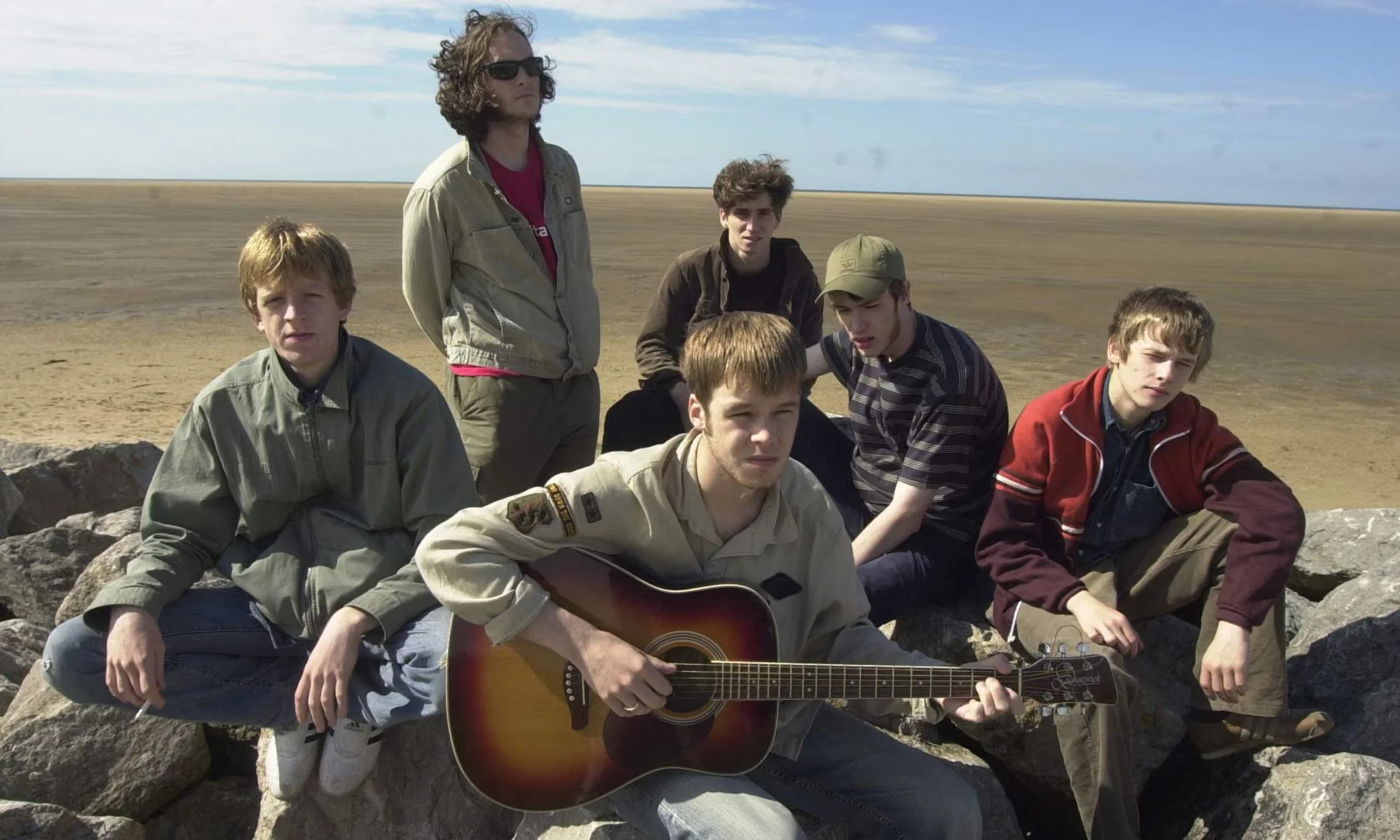
The Coral formed in Hoylake in the mid-1990s when school friends Ian Skelly and Paul Duffy began playing together in the basement of Flat Foot Sam's pub. Bill Ryder-Jones soon joined on lead guitar, followed by Ian's older brother James Skelly on vocals and songwriting duties and Lee Southall on rhythm guitar.
Initially known as Hive, the group became The Coral after keyboard player Nick Power joined in 1998, completing the line-up.
Their route towards a record deal was appropriately unusual. Alan Wills, the drummer of Shack and founder of the Liverpool label Deltasonic, first became aware of the band not because he had heard their music, but because he spotted one of their gig posters, featuring an image of their grandfather's head exploding. Intrigued enough to see them live, Wills caught the group before they had released a single record.
That would soon change.
A press release hailed The Coral as the first English band of the new "guitar group revival", and their debut single, 'Shadows Fall', arrived in 2001. 'The Oldest Path EP' followed later that year, before the 'Skeleton Key EP' appeared in 2002.
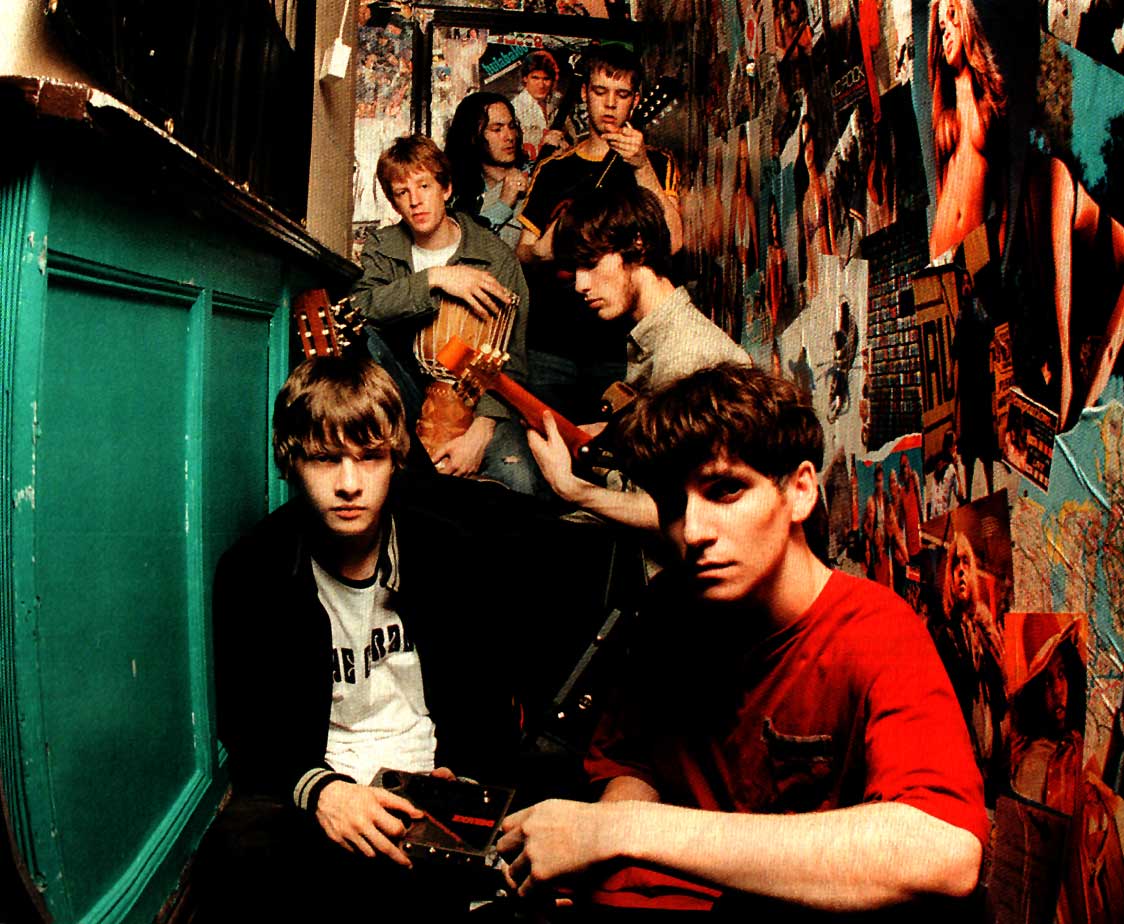
By early 2002, they were recording their debut album at Linford Manor Studios in Milton Keynes with Lightning Seeds frontman Ian Broudie, who co-produced the record alongside the band.
Even describing the resulting album proved difficult. Neo-psychedelia and folk rock covered parts of it, but hardly explained the whole thing. James Skelly's voice invited comparisons with Eric Burdon and Jim Morrison, while the music underneath it seemed determined to travel through as many decades and genres as possible.
The Coral toured the UK twice, including a co-headline run with The Music, and supported Pulp and Oasis before the album's release. By the summer of 2002, their world was expanding rapidly.
'Goodbye' and a Band That Refused to Sit Still
'Goodbye', released shortly before the album on 15 July 2002, provided an ideal introduction to the chaos.
It begins with a guitar riff before the drums arrive underneath it, pulsating forward and immediately giving the song a restless momentum. James Skelly's vocal enters over a track that initially feels relatively contained, but with The Coral, stability rarely lasts for long. The arrangement begins to twist, the organ pushes its way further into the mix and the track gathers speed and intensity.
The spoken countdown comes later. "Ten, nine, eight, seven..." acts less like an introduction than a warning that the song is about to lose whatever restraint it had left. From there, 'Goodbye' careers into a frantic instrumental breakdown, propelled by racing organ, guitars and crashing cymbals. The tempo seems to bolt forward as though the band have suddenly decided the original song is no longer fast enough.
Yet underneath all of those changes sits a remarkably strong melody. That tension between pop instinct and musical restlessness became one of the debut's defining qualities. The Coral could write an immediate hook, but they rarely seemed satisfied simply repeating it when they could bend the song into another shape instead.
'Goodbye' quickly became an early fan favourite and regularly closed the band's live shows, where those shifts in pace became even more explosive. It captured something fundamental about the young Coral: they were not particularly interested in fitting into the guitar revival developing around them. They wanted to find out how far a song could travel in three or four minutes without completely falling apart.
Psychedelia, Ska, Sea Shanties and Everything in Between
The album itself expanded that approach. Pink Floyd's psychedelic experimentation could be heard in the stranger structures and effects, while The Animals and The Doors emerged through Skelly's rough-edged vocals and the swirling organ. The Beatles were present in the melodies and chord changes. Madness and The Specials fed into the record's ska rhythms, while Liverpool's own musical history could be heard through Echo & the Bunnymen and, particularly, Shack.
The sea was another constant. The Coral's Wirral surroundings seeped into the record through nautical imagery, rolling rhythms and a fascination with sea shanties. On tracks such as 'Spanish Main' and 'Calendars and Clocks', that maritime influence becomes impossible to separate from the music.
Some of the album's dramatic rises and drops came from a far less fashionable source. The band drew on what they described as their teenage knowledge of bad dance music, particularly techno and happy hardcore, translating the sudden changes they heard in electronic music into songs played by a guitar band. You can hear that mentality particularly clearly in the way 'Goodbye' suddenly shifts gear.
That mixture of influences could easily have become a mess. Instead, the constant collisions became the point.
'I Remember When' combines Russian folk melodies with the darker storytelling associated with Nick Cave, while borrowing its chord progression from Dr Dre's 'What's the Difference'. Its lyrics recount an acid trip.
'Calendars and Clocks', meanwhile, sounds like a spaghetti western drifting out to sea. The band drew on their love of film soundtracks, producing something that feels as though Ennio Morricone has been asked to arrange a sea shanty.
None of these references ever remain isolated for long. The Coral continually bend them until they become something recognisably their own.
'Shadows Fall' and 'Dreaming of You'
'Shadows Fall' might be the clearest example of the band's refusal to choose a single direction. Four-part harmonies and harmonica sit beside reggae rhythms and the cinematic atmosphere of a spaghetti western.
Nick Power and James Skelly wrote the lyrics beneath a beach shelter in Hoylake, and the finished song somehow finds room for ragtime, Egyptian reggae and barbershop harmonies.
Then there is 'Dreaming of You'.
The song became The Coral's first significant chart hit, reaching Number 13 in the UK, but its simplicity makes it almost an anomaly on an album otherwise packed with sudden detours and strange combinations.
James Skelly wrote it in around five minutes after a visit to Hype Studios in Liverpool, where Shack had heard one of The Coral's demos. Their approval meant a great deal to him, particularly because of his admiration for frontman Mick Head, whom Skelly described as being like "the poet laureate of Liverpool" at the time.
Still buzzing from the encounter, he caught the train to his nan's house and the opening line suddenly appeared: "What's up with my heart when it skips a beat?" By the time he arrived, the song was essentially finished.
Skelly later remembered:
"We used to record in Hype Studios in Liverpool, which was owned by Andy Wilson. He called me one day because Shack was there, and they had listened to a demo of ours. I went to the studio to meet them. Mick Head, their frontman, was like the poet laureate of Liverpool at the time, so him saying such great things was amazing.
"I bounced out of there and got the train to my nan's, still buzzing. I think I probably skipped there, and then this line came into my head: 'What's up with my heart when it skips a beat?' I thought: 'That's a good opening line.' So I got to my nan's and started writing. Five minutes later, Dreaming of You was finished. All the hits we've had were done like that, written in about the same time it takes to listen to them. The trick is to leave them alone and not question it."
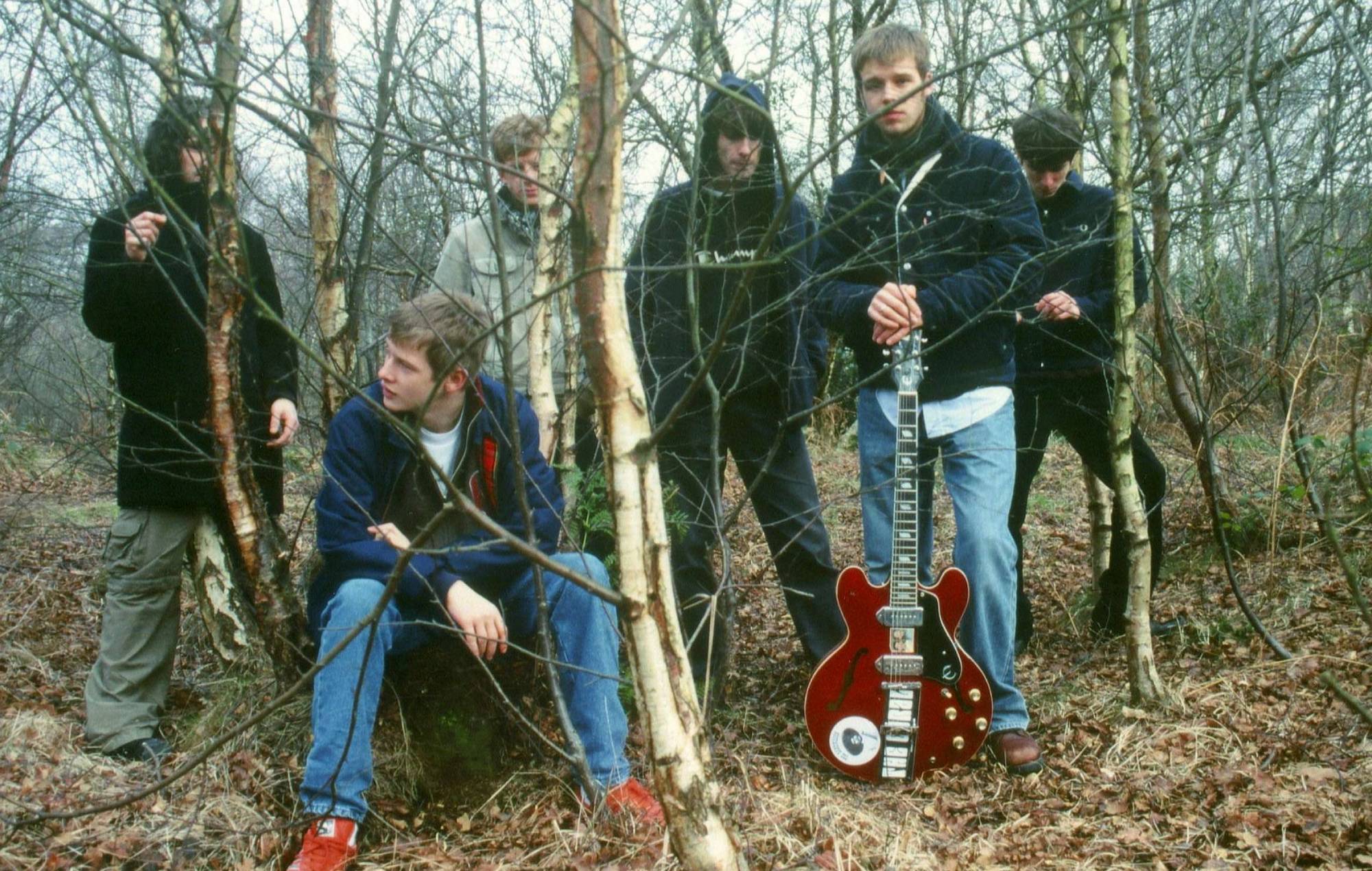
Remarkably, 'Dreaming of You' almost did not make the album. The band worried that it was too direct, too conventional and perhaps too obviously pop compared with the stranger material surrounding it. Producer Ian Broudie heard things differently. When the album needed another song, he pushed them to record it.
Skelly later explained that its earliest version sounded closer to skiffle before Alan Wills suggested pushing it towards The Specials. The vocal was recorded quickly, while Bill Ryder-Jones contributed the guitar solo that Skelly would later call his favourite part of the song.
As for who Skelly was actually dreaming about, even he has never been entirely sure. Looking back, he joked that the mysterious "you" might have been Denise van Outen, who was presenting 'The Big Breakfast' at the time. "Denise van Outen, maybe," he said. "She was on The Big Breakfast back then. It's just a song. I was only 17, and I hadn't done much in my life."
It is a wonderfully ordinary explanation for a song that would become so important to the band. There was no grand lost romance behind it, just a 17-year-old songwriter following an opening line wherever it took him.
For all the debut's experimentation, 'Dreaming of You' succeeds because almost nothing gets in its way. No dramatic structural trick or sudden psychedelic detour gets in the way. It is simply an irresistible pop song.
Ian Skelly described it as being born from a love of American doo-wop and Merseybeat, while Broudie understood why the band had initially been frightened by its simplicity. He had felt something similar about his own song 'Pure' with The Lightning Seeds.
Broudie later described 'Dreaming of You' as the pivot on which The Coral's career turned.
He was probably right.
Pirates, Vegetables and the 'Spanish Main'
Elsewhere, the record becomes stranger again.
'Simon Diamond' tells the surreal story of a man transforming into a vegetable, with the wonderfully ridiculous image of him swapping his legs for roots while his "arms and soil are in cahoots". The song was inspired by Simon Russell, who worked at the pub run by the Skelly brothers' parents.
Like 'Spanish Main' and 'Calendars and Clocks', the song carries the rolling character of a sea shanty, another reminder of how deeply the coast and maritime folklore run through the album.
'Spanish Main' itself opens the record with a rush of energy, blending the rhythmic attack of The Specials with a melodic sensibility closer to Shack. Its chorus, "We'll set sail again, we're heading for the Spanish Main", sounds enormous despite the song's relative simplicity.
On almost any other record, it could have been the finale.
The nautical obsession became so obvious that Entertainment Weekly wondered what exactly it was listening to: "punk-rock pirates, psychedelic eccentrics or ska-loving kids who simply refused to stay in one place." That inability to categorise The Coral was not a flaw. It was the attraction.
A Debut That Could Only Have Come From Merseyside
'The Coral' captures the sound of a young band constantly asking one question: why don't we try this?
Most groups would hesitate before combining this many influences on their first album. The Coral appeared to have no such fear. They dug backwards through decades of music and emerged with something that sounded old, new and completely peculiar at the same time.
That is what continues to make the album so enjoyable. Its ambition never feels especially calculated. There is a youthful excitement running through it, the sound of six musicians discovering records and immediately trying to work out what they can steal, distort or rearrange.
For me, that sense of discovery remains one of the album's greatest strengths. Even after countless listens, the songs still feel alive because they rarely settle for the obvious choice.
It is also difficult to imagine the album coming from anywhere other than Merseyside.
Liverpool and its surrounding towns have always maintained a slightly separate musical identity from the rest of England. The city that gave the world The Beatles continued producing songwriters and bands who often seemed happier following their own instincts than whatever was fashionable elsewhere.
While much of Britain embraced Duran Duran during the 1980s, Liverpool had Echo & the Bunnymen. Manchester later produced The Smiths, The Stone Roses, Happy Mondays and eventually Oasis, while Merseyside had artists such as Shack, a band whose story was shaped as much by misfortune and addiction as by the brilliance of records like 'HMS Fable'.
Even Liverpool's biggest pop successes have rarely arrived quietly. Frankie Goes to Hollywood managed global domination while being banned by the BBC.
The Coral fit comfortably into that tradition of doing things differently.
Their music drew on Liverpool's past without becoming trapped by it. Merseybeat, psychedelia, post-punk, Shack and the city's long relationship with American music all existed somewhere within their sound, but none dictated what the band had to become.
The Legacy of 'The Coral'
The album's reception justified that confidence.
'The Coral' was nominated for the Mercury Music Prize just a day after its release and later received a Brit Award nomination. It reached Number Five in the UK, while the success of 'Dreaming of You' helped the album achieve platinum status.
More importantly, its influence continued long after the initial campaign ended.
The Zutons emerged from the same broader Liverpool scene, while artists including Arctic Monkeys, The Last Shadow Puppets and Blossoms would later show the influence of The Coral's melodic instincts, willingness to look backwards and refusal to treat guitar music as belonging to one particular era.
The group's influence also spread through the work its members did outside The Coral.
Bill Ryder-Jones developed into a respected solo artist and producer after leaving the band. He later worked with Arctic Monkeys around the time of 'AM', continuing a connection between The Coral and a younger generation of British guitar bands.
James and Ian Skelly also moved increasingly into production, working with artists including Blossoms, Miles Kane, Brooke Combe, Courteeners and The Sherlocks. In doing so, the influence of that first Coral record continued to travel through British guitar music in less obvious ways.
That might ultimately be the most fitting legacy for a band whose importance has often operated slightly outside the centre of the story.
More than two decades after its release, 'The Coral' still sounds unusual because nobody has really found a convincing way to recreate it. Its influences are obvious, but their combination is not.
It is psychedelic without becoming self-serious, nostalgic without sounding trapped in the past and experimental without forgetting that great songs still matter.
Most importantly, it captures the confidence of a young band that had not yet learned which ideas they were supposedly not allowed to combine.
Sometimes the best debut albums arrive with a carefully defined identity. 'The Coral' did almost the opposite. It threw open the doors, invited everything inside and trusted that somewhere among the sea shanties, psychedelia, reggae, Merseybeat, film scores, ska and pop melodies, The Coral themselves would emerge.
They did.