A Decade Without the Starman
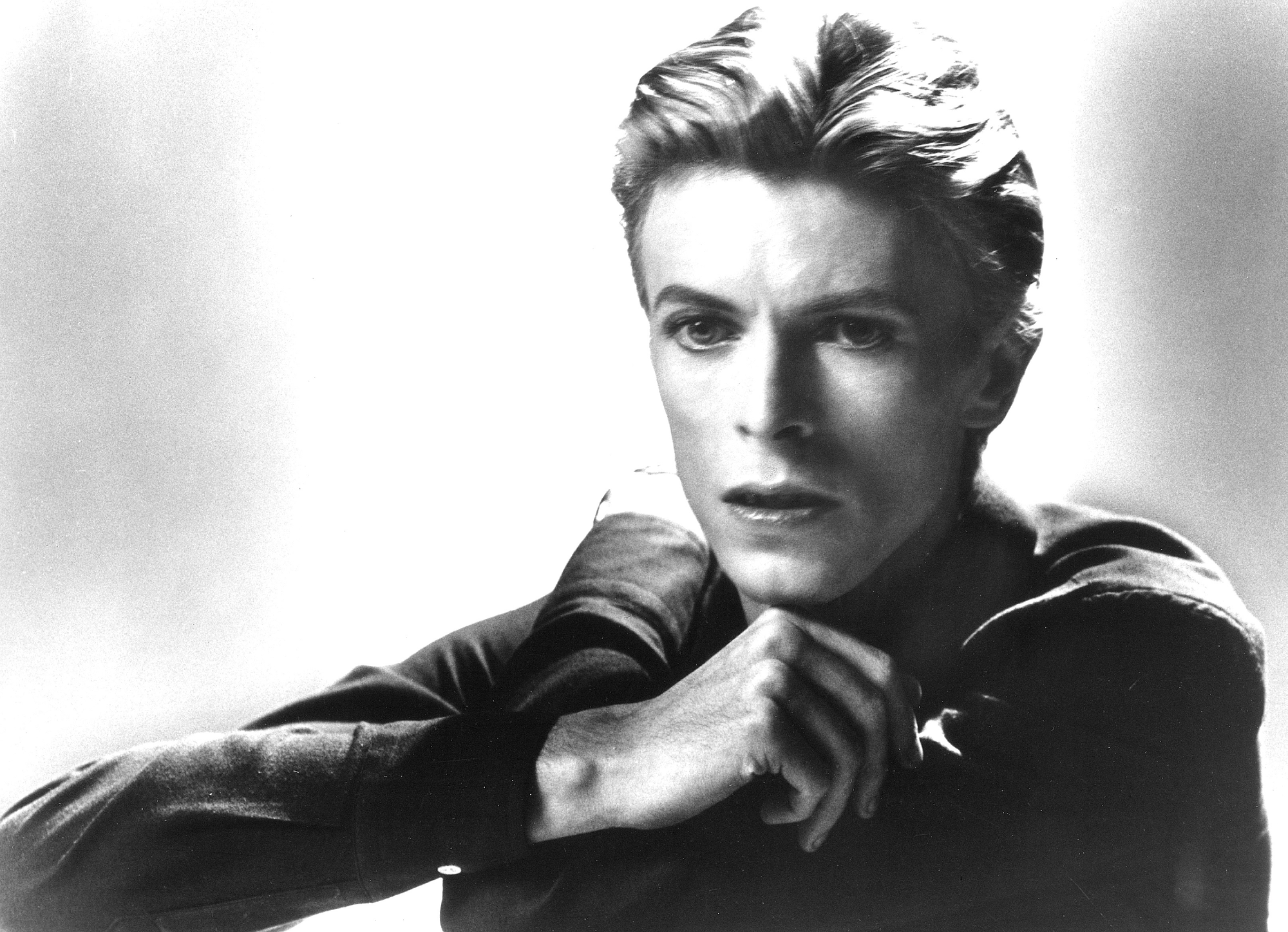
David Bowie’s influence on the 20th and 21st centuries cannot be overstated. From psychedelic folk-rock to glam rock, from "plastic soul" to avant-garde experimentation and electronic minimalism, Bowie’s relentless innovation became one of the defining creative forces of modern music. Ten years after his passing, he remains the contemporary archetype of the pop star as an ever-evolving cultural mirror: chameleonic, enigmatic, and constantly testing the limits of personal expression.
From Brixton to the Stars: The Early Years
Before he was an icon, he was David Robert Jones, born in Brixton in 1947. His early life was a whirlwind of 1960s London mod culture, saxophone lessons, and a desperate search for an identity. He spent nearly a decade drifting through various bands and styles, from the blues-rock of The King Bees to the whimsical music-hall pop of his self-titled debut album.
It wasn't until 1969 that he finally found his launchpad. 'Space Oddity', released to coincide with the Apollo 11 moon landing, introduced the world to Major Tom. It was a haunting, psychedelic masterpiece that captured the era’s fascination with the cosmos and the crushing isolation of the human condition.
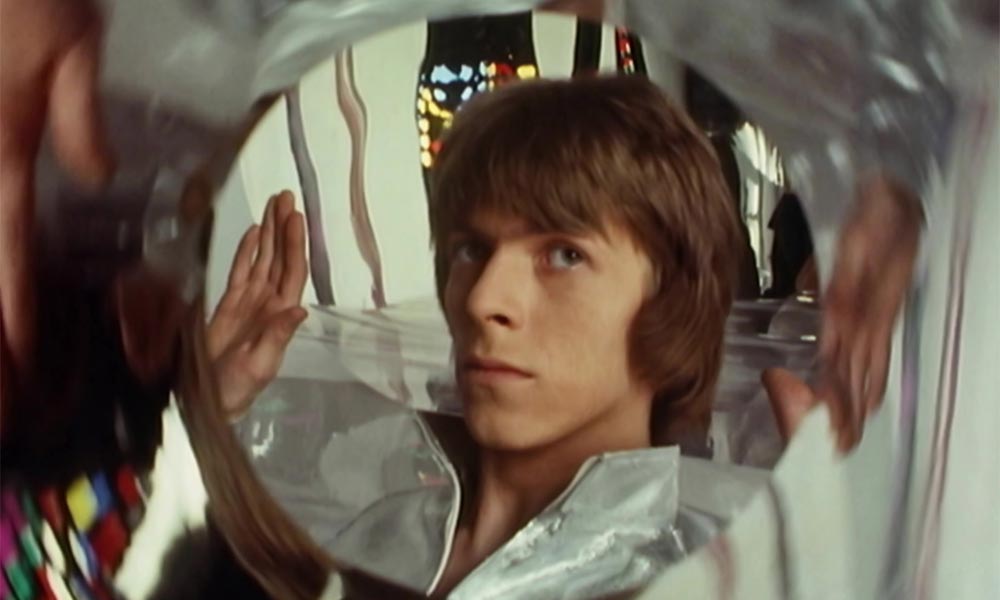
Yet, after its initial success, Bowie briefly became a "one-hit wonder" as he wandered through the heavy riffs of ‘The Man Who Sold the World’ and the sublime folk-rock of ‘Hunky Dory’. While ‘Hunky Dory’ received immense critical acclaim, it was a commercial failure at the time, selling poorly and leaving Bowie in a precarious position.
Despite the lack of sales, it was during this fertile period that he penned some of his most enduring masterpieces: the manifesto for his career, ‘Changes’; the cinematic surrealism of ‘Life on Mars?’; the philosophical pop of ‘Oh! You Pretty Things’; and the gritty, Lou Reed-inspired ‘Queen Bitch’. He was a one-man vision of the future, quietly waiting for the world to catch up with him.
The Night the World Tilted: ‘Starman’ on Top of the Pops
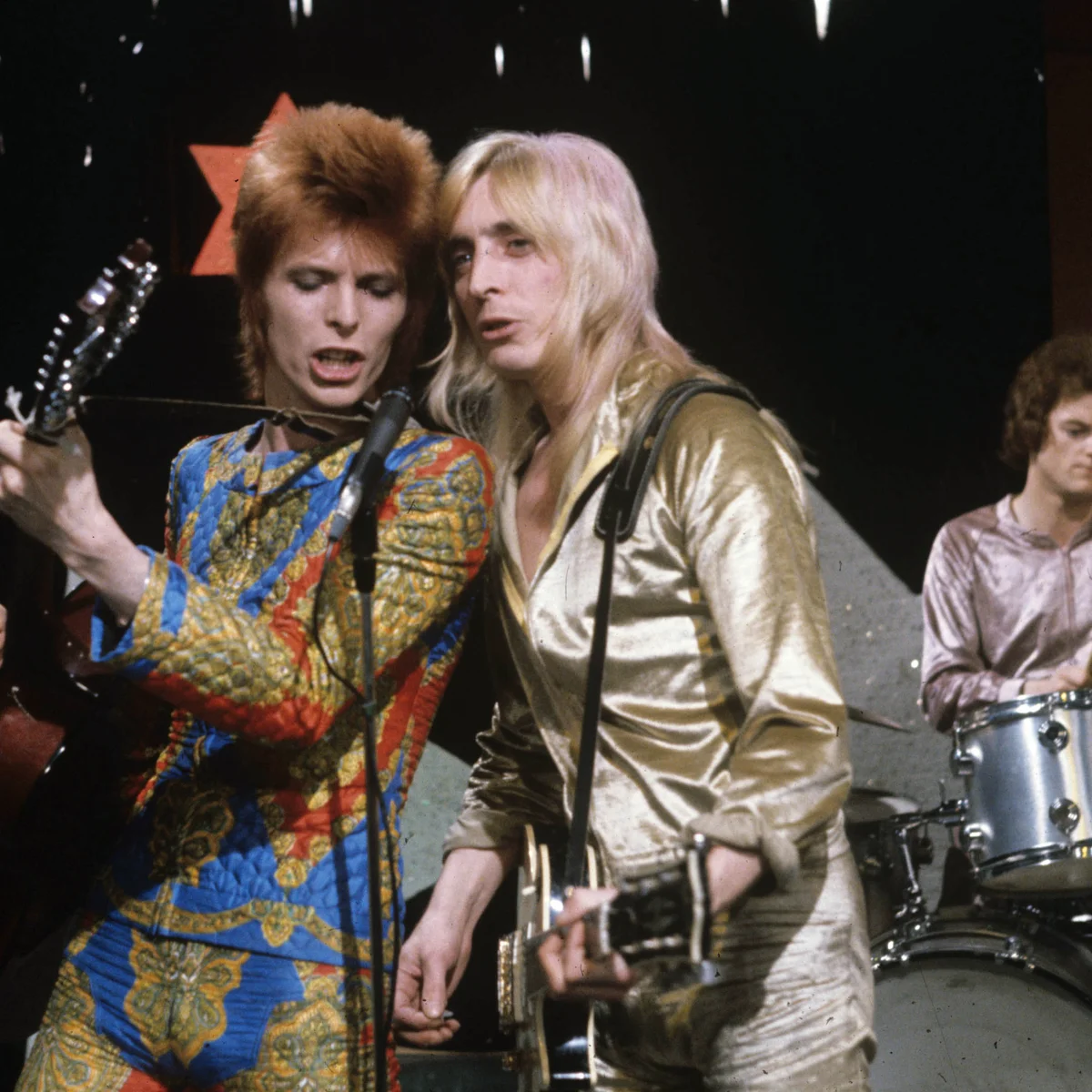
On 6th July 1972, the world finally caught up when David Bowie and Ziggy Stardust were beamed into the living rooms of millions. His 'Top of the Pops' performance of ‘Starman’ wasn’t just another TV appearance; it was a seismic cultural moment. While The Beatles' arrival on 'The Ed Sullivan Show' felt like a triumph, Bowie’s moment was something else entirely: strange, seductive, and utterly transformative. At 9:20 pm, he reintroduced himself not as a man, but as a myth. Dressed in an eye-popping quilted jumpsuit with red boxing boots, he casually draped his arm around guitarist Mick Ronson in a gesture loaded with effortless subversion. When he turned directly to the camera and pointed down the lens, singing, “I had to phone someone, so I picked on you,” he shattered the fourth wall, offering a lifeline to a generation of outsiders who finally felt seen.
While Bowie provided the high-concept theatre, the Spiders from Mars, Mick Ronson, Trevor Bolder, and Mick Woodmansey, provided the raw, "dirty" rock and roll that made the fantasy believable. Mick Ronson, in particular, was the essential musical foil; his aggressive, melodic guitar style gave the music its muscular edge. The visual and sonic chemistry between the two, the sophisticated, androgynous alien and the gritty Yorkshire guitar hero, became the definitive image of glam rock. Together, they proved that avant-garde ideas could thrive in a loud, sweat-soaked rock club, bridging the gap between art school experimentation and the primal energy of the blues.
The album itself, 'The Rise and Fall of Ziggy Stardust and the Spiders from Mars', played out like a tragic sci-fi opera. It begins with the panicked, drum-driven heartbeat of ‘Five Years’, announcing an Earth with no time left, and moves through the messianic arrival of ‘Starman’. In ‘Moonage Daydream’, the sound expands into a space-age collage of distorted guitars and saxophones, while the title track, ‘Ziggy Stardust’, serves as a jealous eulogy for the character’s own ego. By the time the record reaches its climax with ‘Rock 'n' Roll Suicide’, the listener is no longer just hearing a song; they are witnessing the literal disintegration of a star, as Bowie’s desperate pleas for "your hands" transformed personal tragedy into a communal anthem.
However, the era was defined by a commitment to the persona so total that it began to consume the artist. Bowie famously admitted that the lines between himself and Ziggy became dangerously blurred, and the character refused to leave him even when the house lights went up. This psychological toll culminated in the legendary "retirement" speech at the Hammersmith Odeon in July 1973. To the shock of the audience and even his own band members, Bowie announced, "It's the last show we'll ever do." While the world feared he was quitting music, he was actually performing a necessary exorcism, killing Ziggy Stardust on stage to ensure that David Bowie could survive to reinvent himself once again.
The Descent: Hollywood, Hunger City, and the Duke
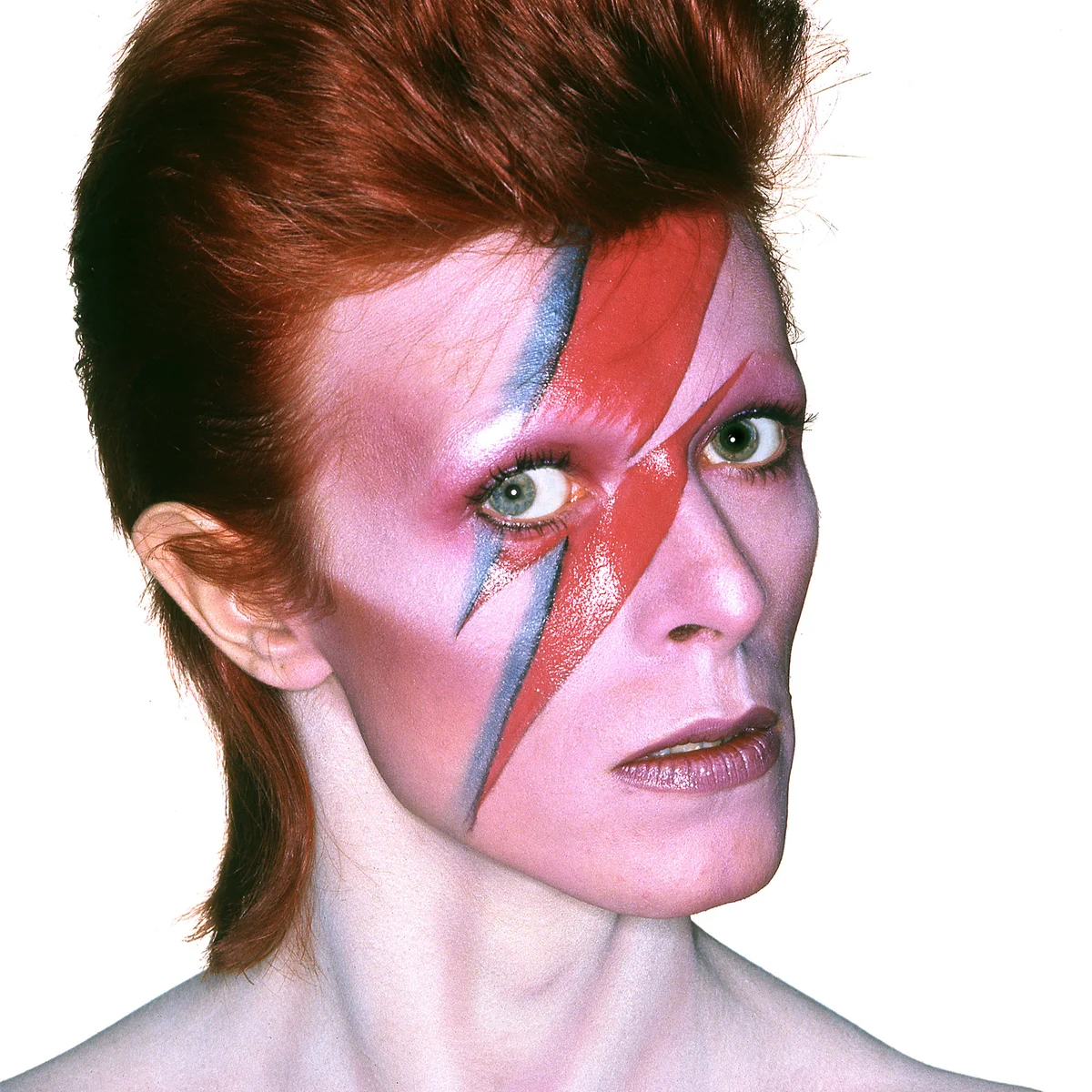
As the mid-70s approached, Bowie’s personas became darker and more detached. He followed Ziggy with 'Aladdin Sane' (1973), an album he described as "Ziggy goes to America." It captured the frantic, jagged energy of a man becoming a global superstar while his own identity began to fracture, giving us the gritty, R&B-fueled stomp of 'The Jean Genie', the nostalgic 'Drive-In Saturday', and the avant-garde, jazz-flecked title track.
By 1974, he had moved into a post-apocalyptic landscape with 'Diamond Dogs'. Originally conceived as a musical vision of George Orwell’s '1984', it introduced the "Halloween Jack" persona, a "real cool cat" living in the decaying Hunger City. This was the bridge between glam and "plastic soul," featuring the massive, gender-bending anthem 'Rebel Rebel', perhaps the greatest guitar riff of the decade alongside the sprawling, theatrical epic 'Sweet Thing / Candidate'.
This journey into the "chaos of fame" reached its most chilling peak with 'Station to Station' (1976) and the arrival of The Thin White Duke. This "psychopathic aristocrat" was born during Bowie's darkest years in Los Angeles, fueled by a diet of peppers, milk, and cocaine. The Duke was a man of "ice and fire", impeccably dressed in a waistcoat and white shirt, appearing completely numb to emotion.
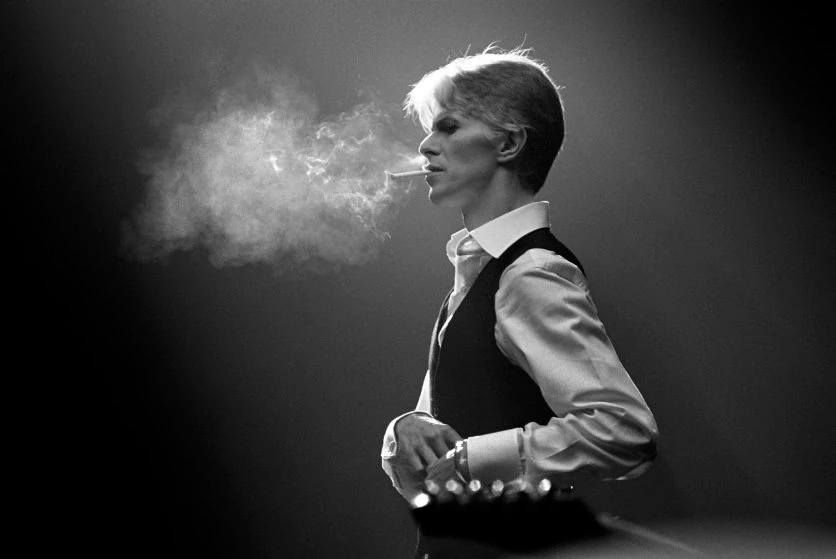
The ten-minute title track, 'Station to Station', with its "motorik" train rhythms and occult imagery, the funk-infused 'Golden Years', and the paranoid, surrealist pop of 'TVC15' captured a man living on the edge of a total mental collapse, performing soul music with a cold, robotic precision.
The Berlin Salvation
Seeking to "kill" the Duke and save his own life, Bowie fled to West Berlin. This era, defined by the "Berlin Trilogy": 'Low', 'Heroes', and 'Lodger' was a masterclass in electronic minimalism and experimental song structures. Moving into a modest apartment with Iggy Pop, he found a strange anonymity and a new creative partner in Brian Eno.
The minimalist approach on 'Low' was a direct response to Bowie’s state of mind at the time. Seeking a "clean" break from the excesses of Los Angeles, he retreated to France and then Berlin. The album is famously split into two distinct halves:
Side A: Features fragmented, short "pop" songs like 'Sound and Vision' and 'Speed of Life' that prioritise texture over traditional hooks.
Side B: Shifts into long, brooding instrumentals like 'Warszawa', which captured the desolate, grey atmosphere of the Eastern Bloc.
The delay of the vocals in 'Sound and Vision' was more than just a creative whim; it was a physical manifestation of his "social exhaustion." By letting the driving, robotic rhythm and the synth-pop melody carry the first 90 seconds, Bowie treated his own voice as just another instrument in the mix rather than the star of the show. This subverted the expectations of his label, RCA, which initially feared the album would be a commercial disaster.
However, it was the album 'Heroes' (1977) that truly captured the spirit of the age. Recorded at Hansa Studios, so close to the Berlin Wall that East German guards could watch him through the windows, the album was split into two distinct moods. Side one featured sharp, angular rock like 'Joe the Lion' and the screaming energy of 'Blackout', while side two descended into haunting, ambient instrumentals like 'Sense of Doubt', which felt like walking through the city’s cold, grey streets.
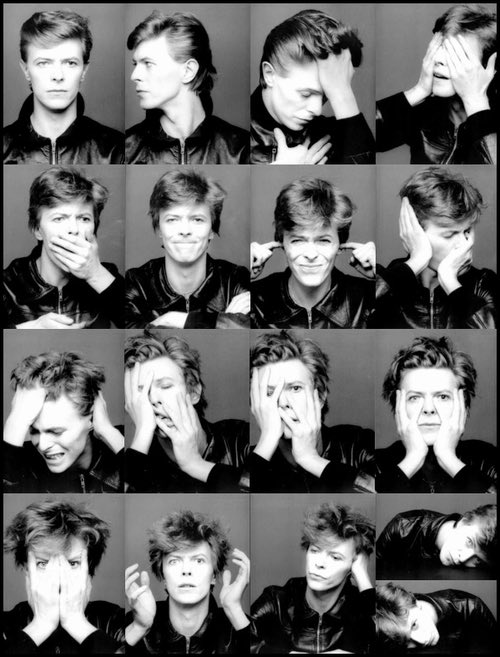
The title track, 'Heroes', grew into a global anthem of hope. Its impact peaked in 1987 when Bowie performed it at the Reichstag; with the speakers turned toward the East, his voice carried over the Wall, sparking protests that many believe created the first psychological cracks in the Iron Curtain.
The song’s significance only grew after the 1987 performance. After Bowie’s death in 2016, the German Foreign Office officially thanked him for "helping to bring down the Wall." Today, the album 'Heroes' remains a cornerstone of the 'Berlin Trilogy', representing a period where Bowie transitioned from the excess of his earlier career into a raw, experimental artist who sought to reflect the tension of the Cold War.
The trilogy concluded with the eccentric, world-music-influenced 'Lodger' (1979). Here, Bowie returned to more traditional song formats but with a twisted, avant-garde edge, producing the frantic and subversive 'Boys Keep Swinging' and the cynical, rhythmic social commentary of 'D.J.'.
The Global Titan: 'Let's Dance' and the 80s
By the 1980s, Bowie was ready to conquer the mainstream. This era began with the 1981 collaboration with Queen, 'Under Pressure'. Born from a tense, late-night jam session in Switzerland, the vocal duel between Bowie and Freddie Mercury created a masterpiece of empathy and human connection that remains one of the most iconic duets in rock history.
In 1983, Bowie underwent his most drastic commercial transformation yet. Teaming up with Nile Rodgers of Chic, he released 'Let's Dance', an album that traded the avant-garde shadows for the neon lights of the dancefloor. It turned the "outsider freak" into a stadium-filling superstar. With his peroxide hair and sharp suits, he dominated the airwaves with anthems like 'Modern Love', 'China Girl', and the irresistible title track. He wasn't just making pop music; he was mastering it.
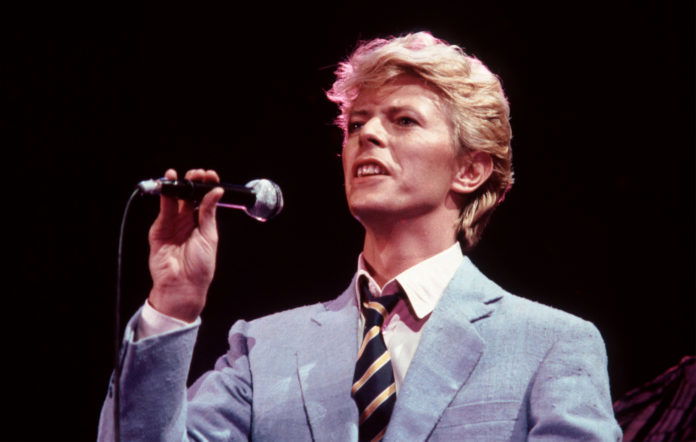
This era reached a fever pitch with his legendary performance at Live Aid in 1985. While many remember Queen’s set, it was Bowie who "melted the phone lines." After a blistering, high-energy set that included 'TVC15', 'Modern Love', and a definitive version of 'Heroes', he personally requested that the broadcast show harrowing footage of the Ethiopian famine. It was a moment of profound moral leadership that caused an immediate surge in global donations.
By 1987, Bowie took this superstardom to its theatrical extreme with the Glass Spider Tour. It was one of the most ambitious and expensive tours ever staged, featuring a 60-foot glowing spider, elaborate choreography, and a narrative-driven show. Though it was often dismissed by critics at the time as "excessive," it effectively pioneered the modern stadium spectacle. It was Bowie proving that even as a pop juggernaut, he was still years ahead of the curve
The Highwire 90s and the Digital Frontier
Though he briefly stepped back into the shadows with the raw rock of Tin Machine to "clean his pipes," the 90s saw a return to his experimental roots. He famously predicted the seismic impact of the internet in a 1999 BBC interview, calling it an "alien lifeform" that would change the relationship between artist and audience. He wasn't just talking; he launched BowieNet, a pioneering ISP and community that prefigured social media by years.
Musically, he remained relentless, exploring industrial noir and non-linear storytelling on 'Outside' (1995) and the hyper-kinetic energy of jungle and drum-and-bass on 'Earthling' (1997).
his second renaissance reached a beautiful peak at Glastonbury 2000. Widely regarded as the greatest performance in the festival's history, Bowie stood in a long Alexander McQueen frock coat, his golden hair flowing, looking like a wizard who had finally come home to claim his crown. Having spent years refusing to play his old material, he finally relented, delivering a setlist of hits he had long avoided. 'Life on Mars', 'Ashes to Ashes', 'Let's Dance', 'Starman', and 'Ziggy Stardust' all featurede on the setlist.
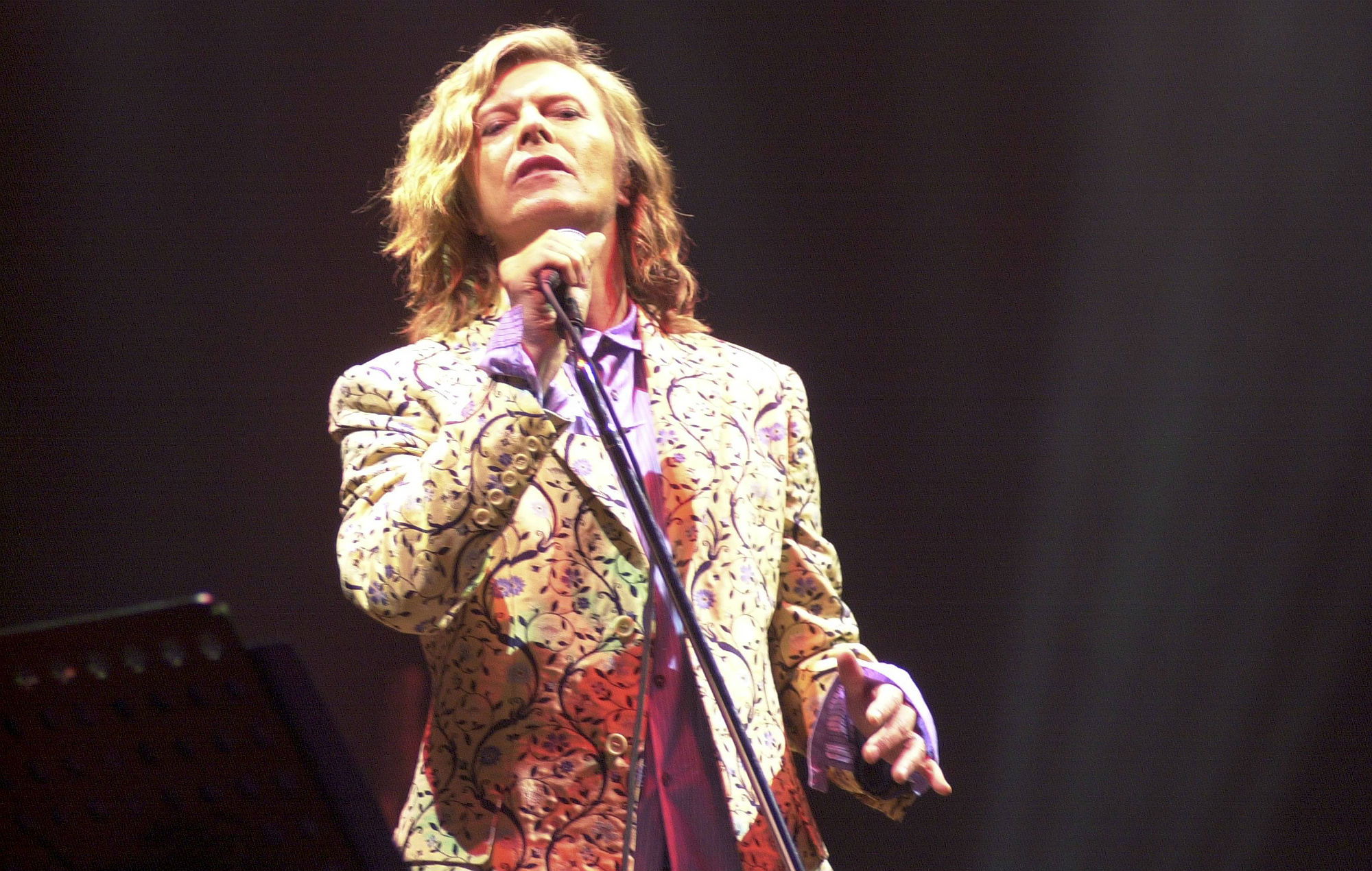
Proving that he was not just a pioneer of the new, but the undisputed master of his own incredible legacy. It was a victory lap that reminded the world that while he was always looking toward the next horizon, his past was paved with the greatest songs ever written.
The Final Transmission
After a heart attack on stage in 2004 during the 'Reality' tour, Bowie vanished for nearly a decade. For years, the "Great Silence" fueled rumours of retirement or ill health, as he lived a quiet, anonymous life in New York. The world assumed he had said his final piece.
Then, on his 66th birthday in 2013, he shocked the global music industry with the unannounced release of the melancholic 'Where Are We Now?'. It was the lead single from the surprise album 'The Next Day'.
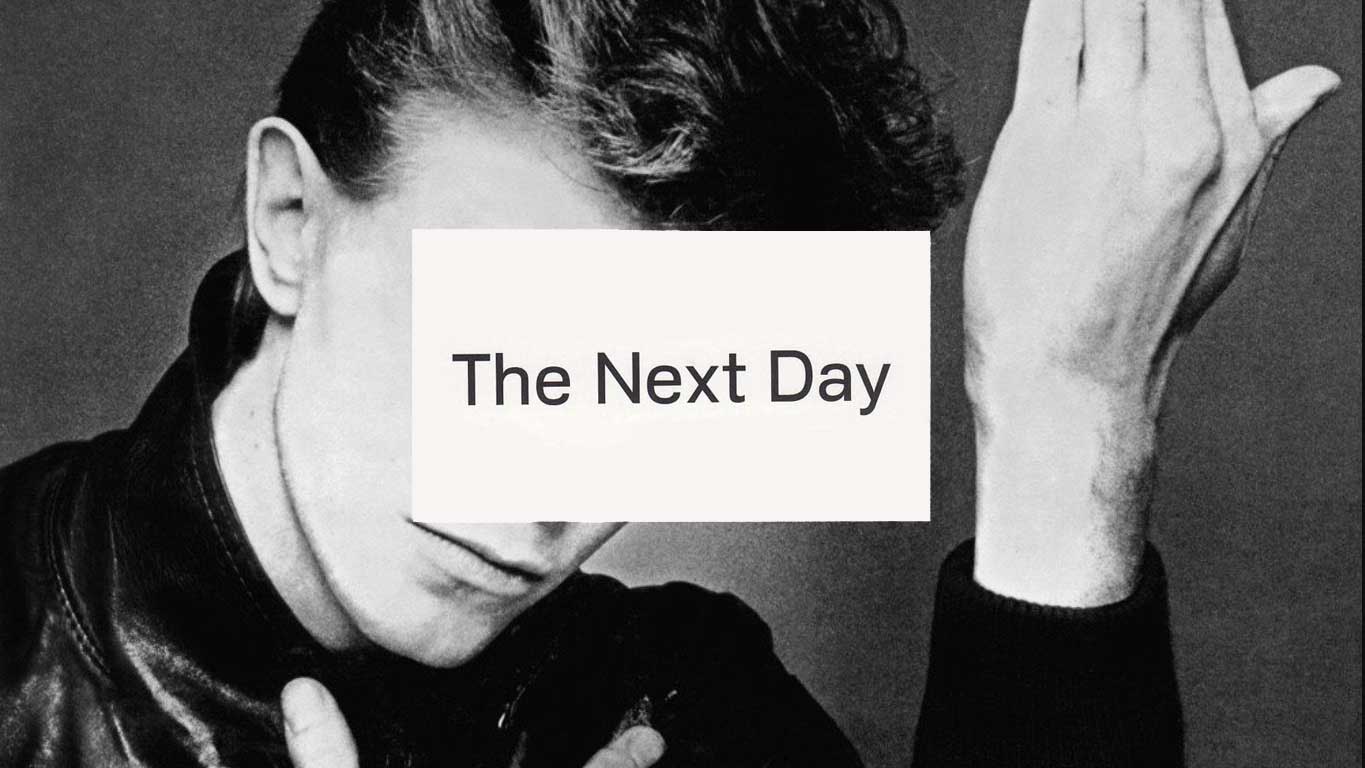
The song was a haunting, slow-burning masterpiece that looked back at his Berlin ghosts, referencing Potsdamer Platz and the shadows of the Wall, with the wisdom of a man who had seen it all. It wasn't just a comeback; it was a reclamation of his own history, proving that even in his sixties, he could still command the world's attention without saying a word of promotion.
But the final act was the most profound. Released just two days before he died in 2016, 'Blackstar' was a haunting masterpiece. In the video for 'Lazarus', we saw a fragile Bowie in a hospital bed, singing, "Look up here, I'm in heaven." He had turned his own mortality into performance art, orchestrating his exit with the same precision he used to launch Ziggy Stardust forty-four years prior.
Ten years on, David Bowie remains arguably the greatest musician to ever grace the stage. He taught us that we are not fixed entities, that we can be whoever we want to be, if only for one day.
Conclusion: The Man Who Fell to Earth, and Stayed
Ten years after his passing, the void David Bowie left in the cultural landscape remains impossible to fill. He was more than a musician; he was a navigator of the human psyche who provided the vocabulary for identity, alienation, and transformation long before they became global conversations. From the streets of Brixton to the heights of superstardom, he proved that an artist's greatest work is not just the music they compose, but the life they lead and the masks they dare to shed.
His legacy isn't confined to a museum; it lives in every artist who dares to be "strange," every outsider who feels seen, and every listener who hears 'Heroes' and feels, for a fleeting moment, invincible. Throughout his chameleonic career, he embodied the spirit of the 'Starman', the celestial visitor who feared he might blow our minds if he ever truly landed.
In the end, his music and persona did exactly that, stretching the boundaries of our reality until his final days. He taught us that we are not fixed entities, but beings capable of endless reinvention and transcendence. David Bowie didn't just change the sound of a generation; he changed the way we perceive ourselves.
He may have left the planet, but the stars still look very different today because he was here.